Lecture 1: Anatomy Basics (BMD 310 - Exam 1)
 Call Kai
 Learn
Learn Practice Test
 Spaced Repetition
 Match
Match Flashcards
 Knowt Play
1/95

There's no tags or description
Looks like no tags are added yet.
Name | Mastery | Learn | Test | Matching | Spaced | Call with Kai | Chat |
|---|
No analytics yet
Send a link to your students to track their progress
96 Terms
Anatomy
the study of structure and the relationships of structures
How many body systems are there?
eleven
Integumentary system
skin, hair, nails, sweat, and oil glands
function: protects the body
Skeletal system
bones, joints, and associated cartilage
function: supports, protects, provides attachment, production and storage
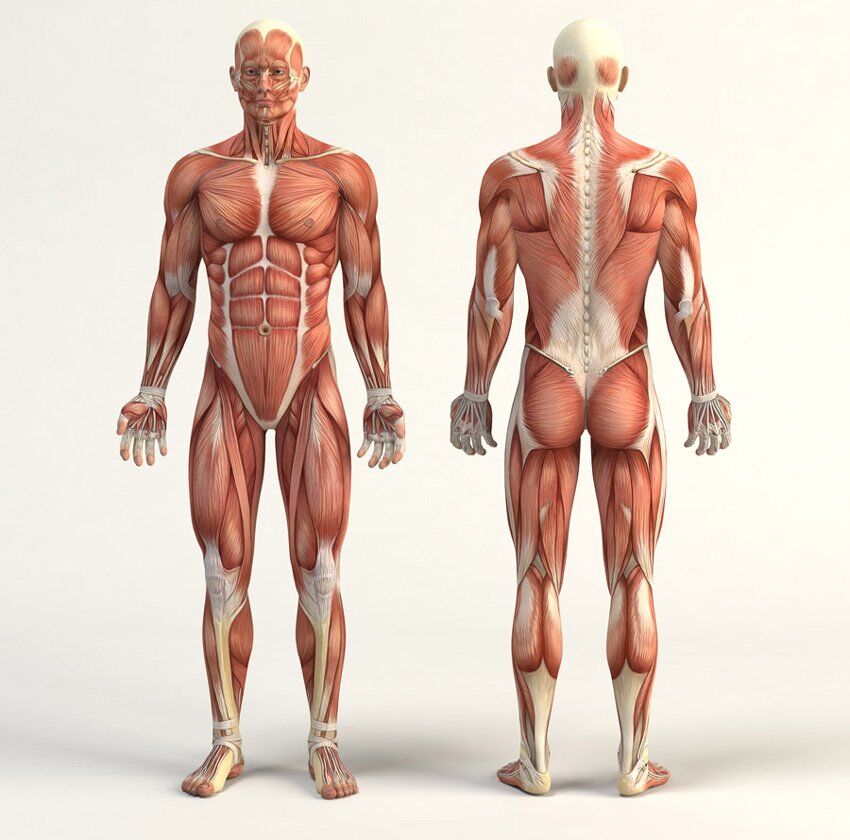
Muscular system
skeletal, cardiac, and smooth muscle
function: brings about body movements posture, heat production
Nervous system
brain, spinal cord, nerves, special senses
function: generates action potentials to regulate body activities
Cardiovascular system
blood, heart, blood vessels
function: pumps blood through vessels, carry oxygen, regulates acid-base balance, temperature and water content, protection and repair
Respiratory system
lungs, pharynx, larynx, trachea, and bronchial tubes
function: transfer oxygen to blood and carbon dioxide from blood, sound production and acid-base balance
Digestive system
GI organs and accessory organs
function: absorb nutrients, eliminate waste
Urinary system
kidney, ureters, bladder, urethra
function: produces, sorts, and eliminates waste, regulates RBC production
Reproductive system
gonads and associated organs
function: produce gametes, release hormones, transportation and storage
Endocrine system
hormone producing glands and cells
function: regulates body activities through the release of hormones
Lymphatic and Immunity System
spleen, thymus, lymph nodes, tonsils, lymph fluid, and vessels
function: carrier, protection, returns fluid and protein to blood
Six life processes that are important for human function and sustainability are…
Metabolism
Responsiveness
Movement
Growth
Differentiation
Reproduction

Anatomic position
standing upright, feet flat on the floor, eyes and nose facing forward, palms facing forward
Cranial
head


Frontal
forehead

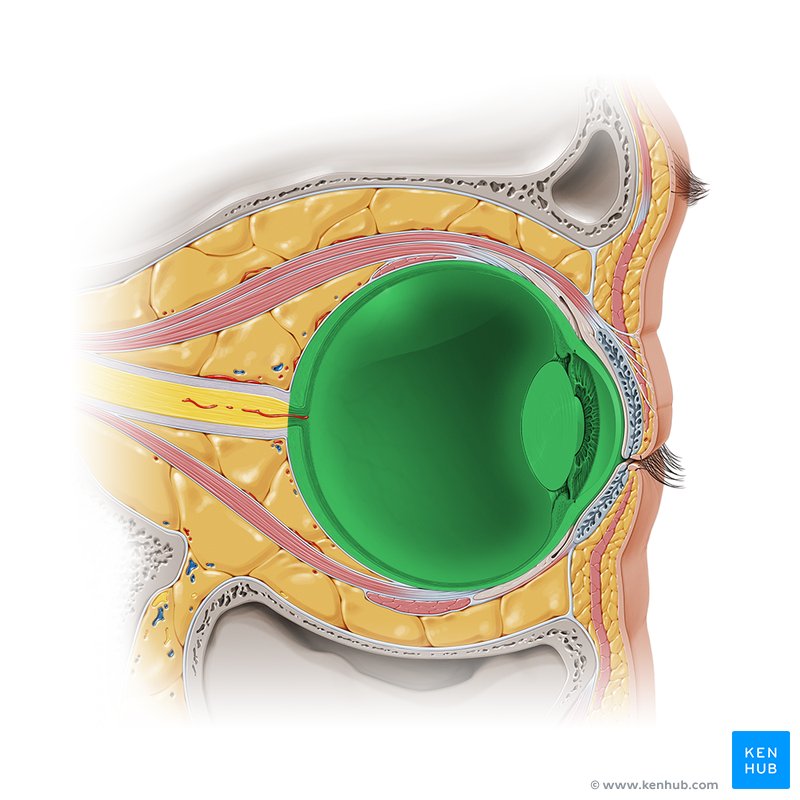
Orbital
eye and area around the eye

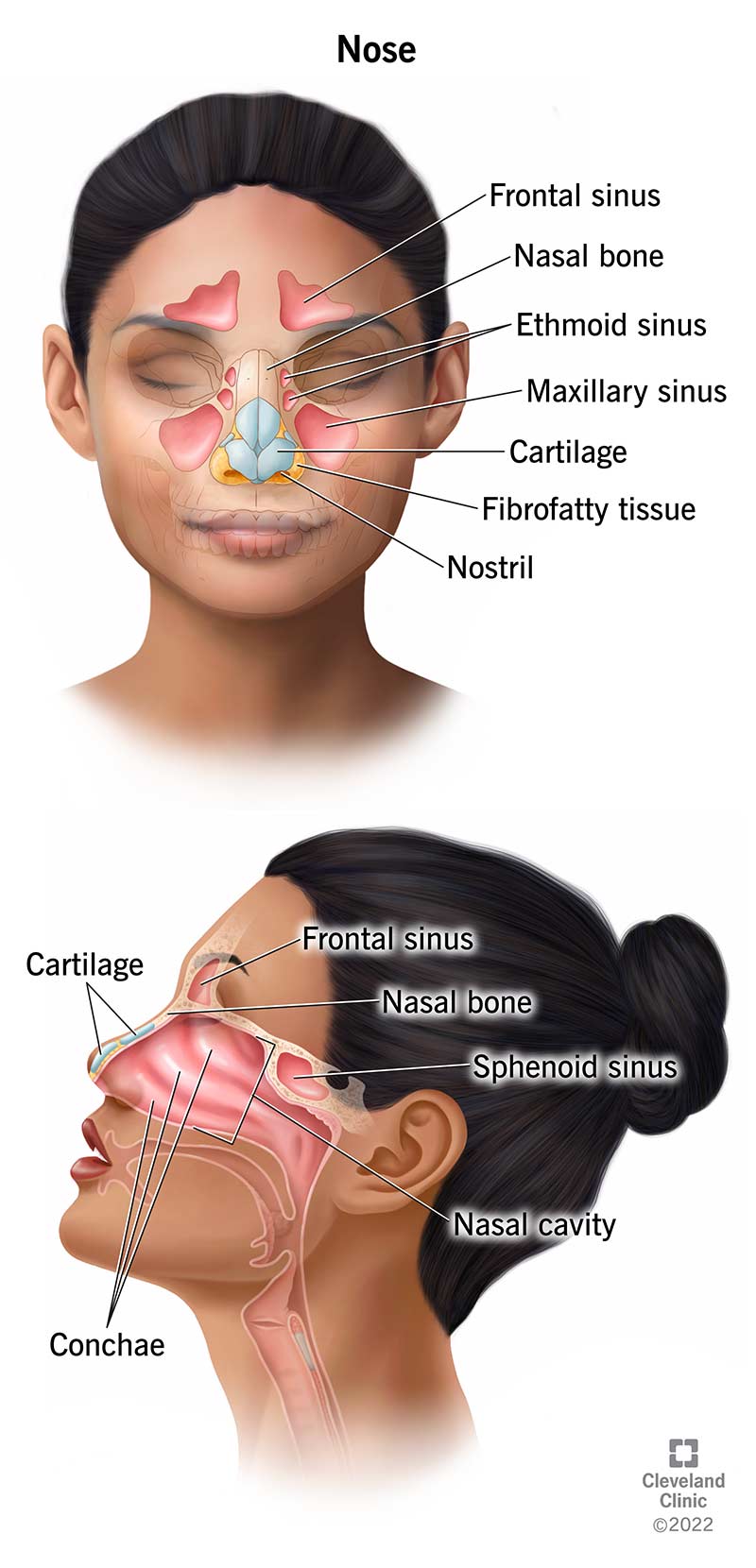
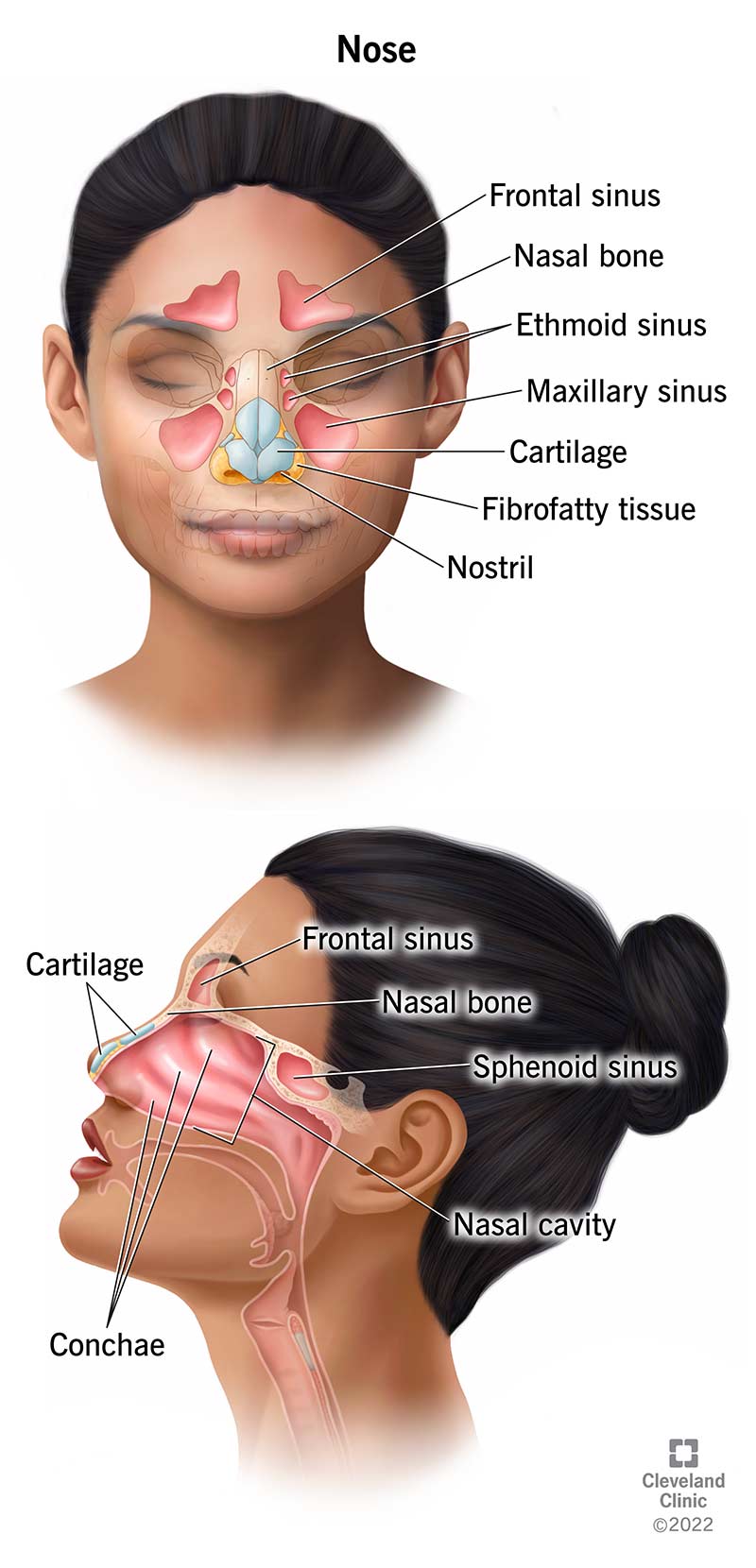
Nasal
nose
Oral
mouth

Mental
chin

Otic
ear
Buccal
cheek
Cervical
neck
Costal
ribs
Pectoral
chest wall
Pericardial
heart and heart area
Mammary
breast
Abdominal
abdomen
Umbilical
belly button
Coxal
hip, specifically related to the hip joint
Pelvic
area encompassed by the pelvic bones
Inguinal
groin, region where the thigh and pelvis meet
Pubic
anterior part of the pelvis, includes external genitalia
Axillary
armpit
Brachial
arm

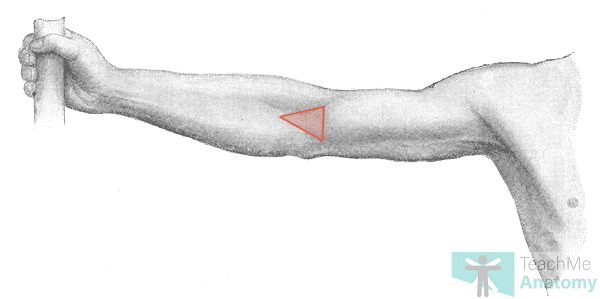
Cubital
anterior elbow region
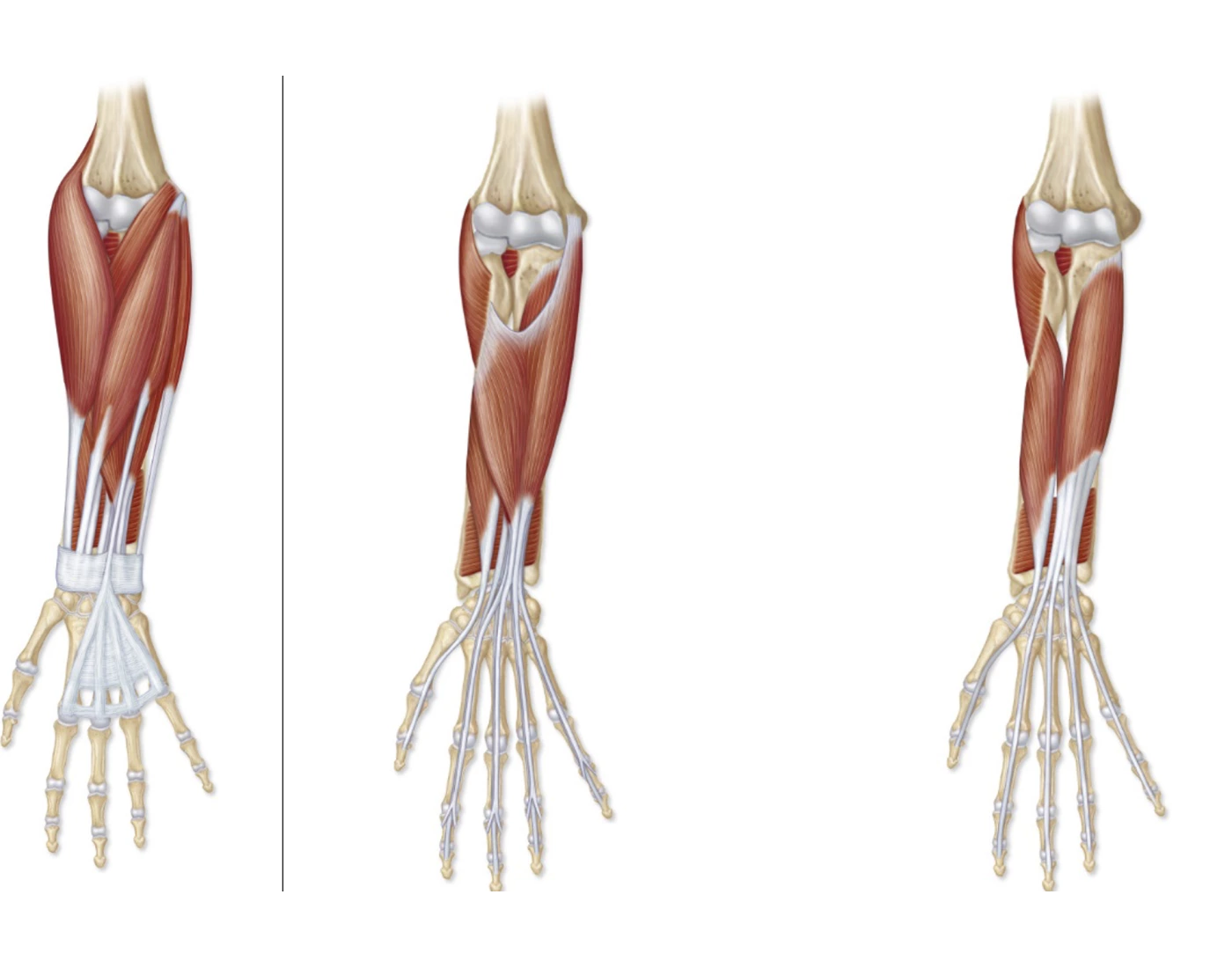
Antebrachial
forearm
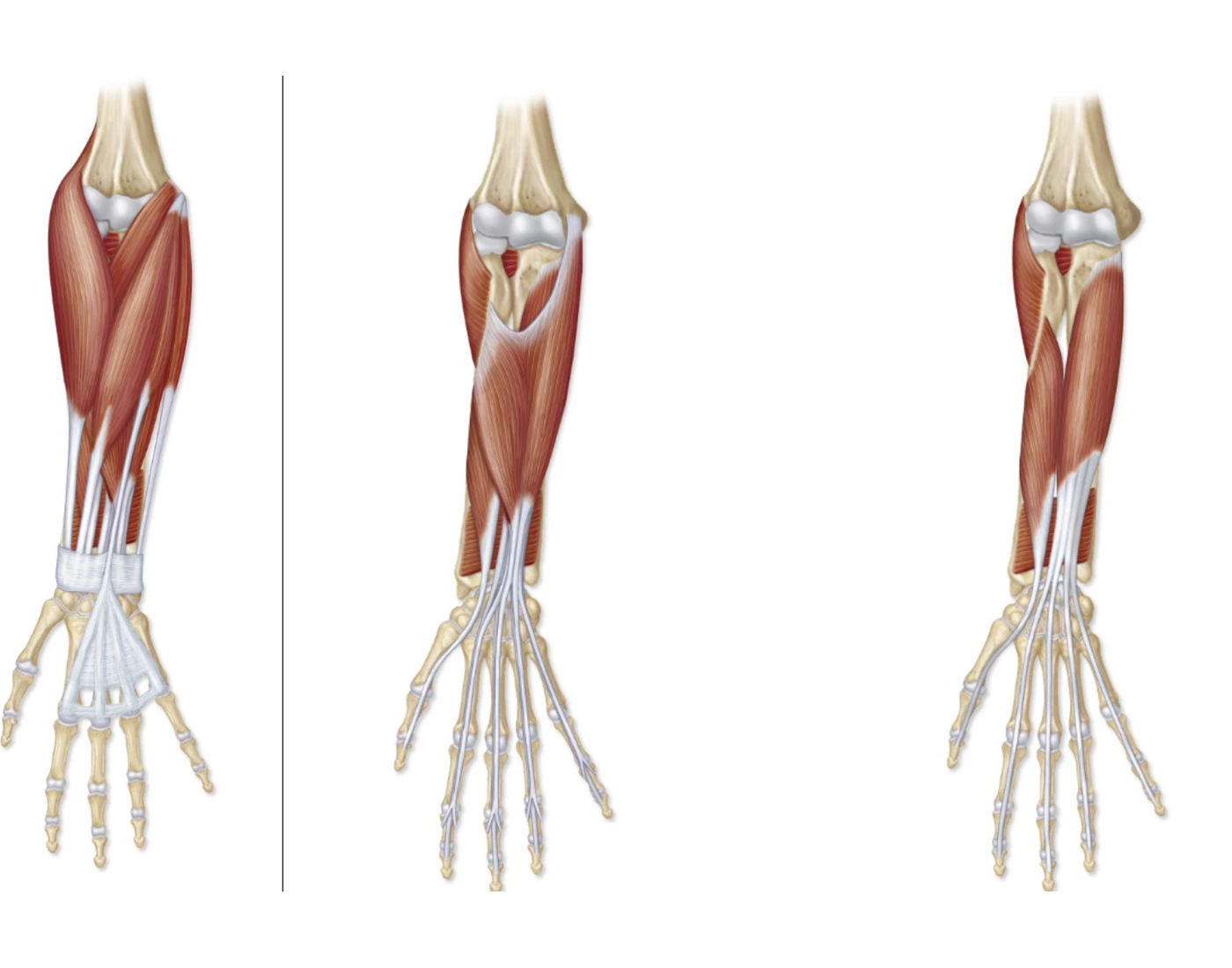
Carpal
wrist
Pollex
thumb
Palmar
palm
Phalangeal
digits
Femoral
thigh
Patellar
knee cap

Crural
leg (shin area)
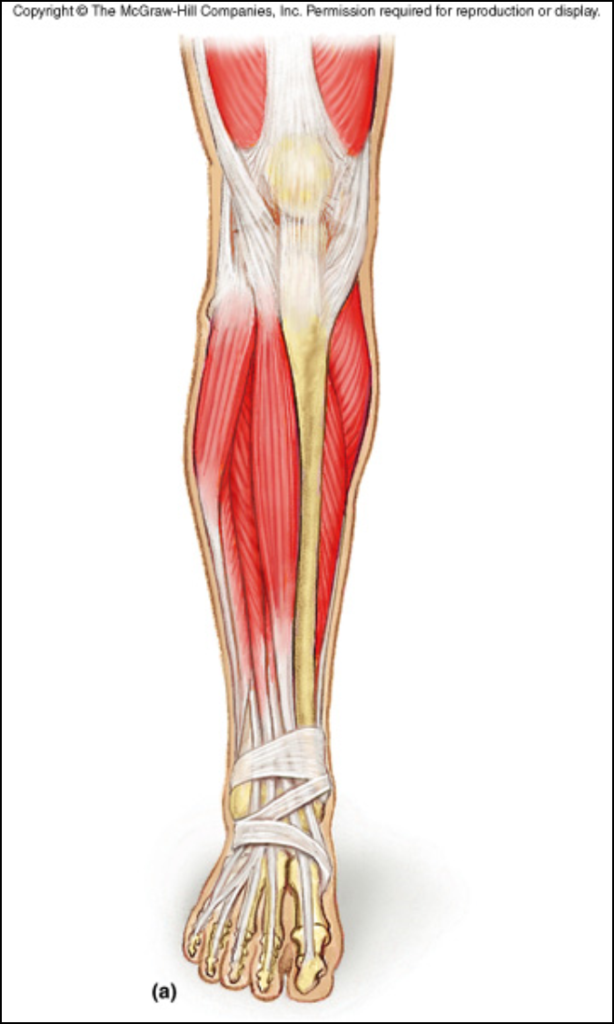
Pedal
foot
Hallux
big toe
Phalangeal
digits (same as upper limb)
Occipital
back of head
Acromial
top of shoulder
Brachial
arm
Olecranon
elbow
Antebrachial
forearm
Dorsal
back
Vertebral
spine
Sacral
back of pelvis
Gluteal
buttocks
Femoral
thigh
Popliteal
back of knee
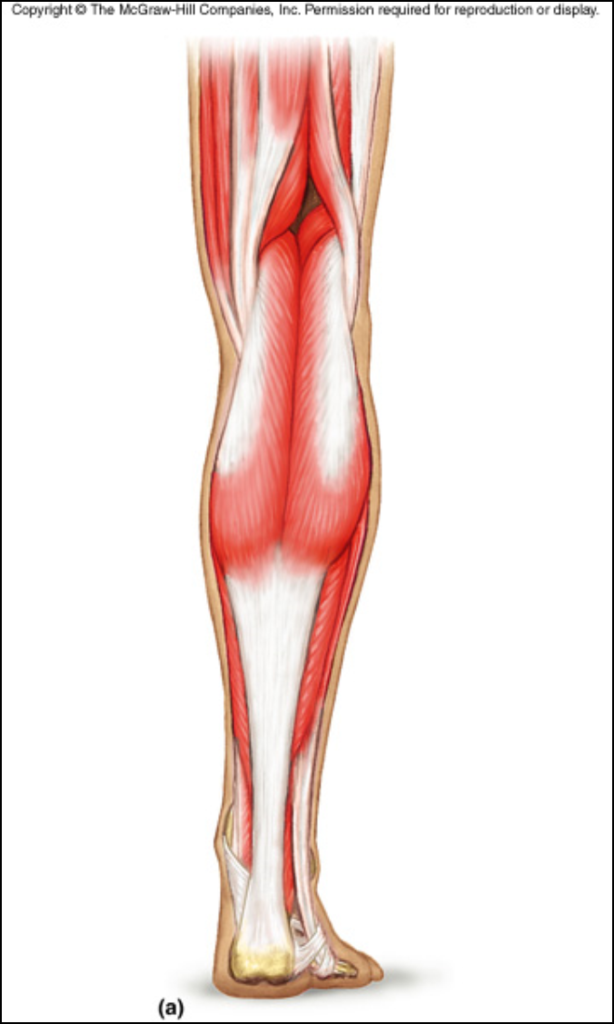
Sural
calf

Calcaneal
heel
Plantar
sole of foot
sagittal plane
divides the body into left and right sections


coronal/frontal plane
divides the body into anterior and posterior sections
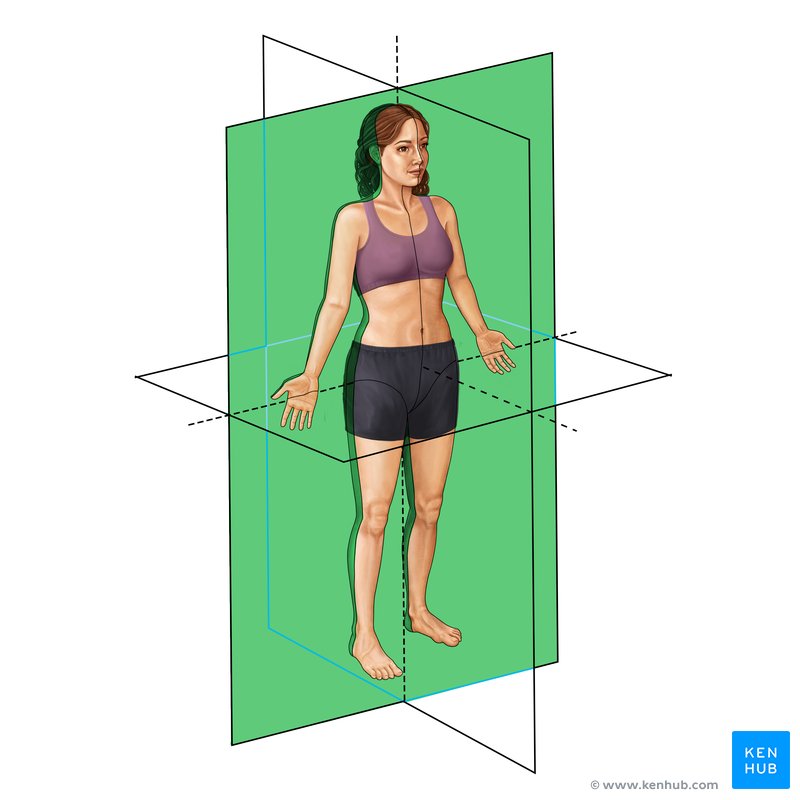
midsagittal plane
sagittal plane is placed on the midline of the body
parasagittal plane
other sagittal planes that are not on the midline

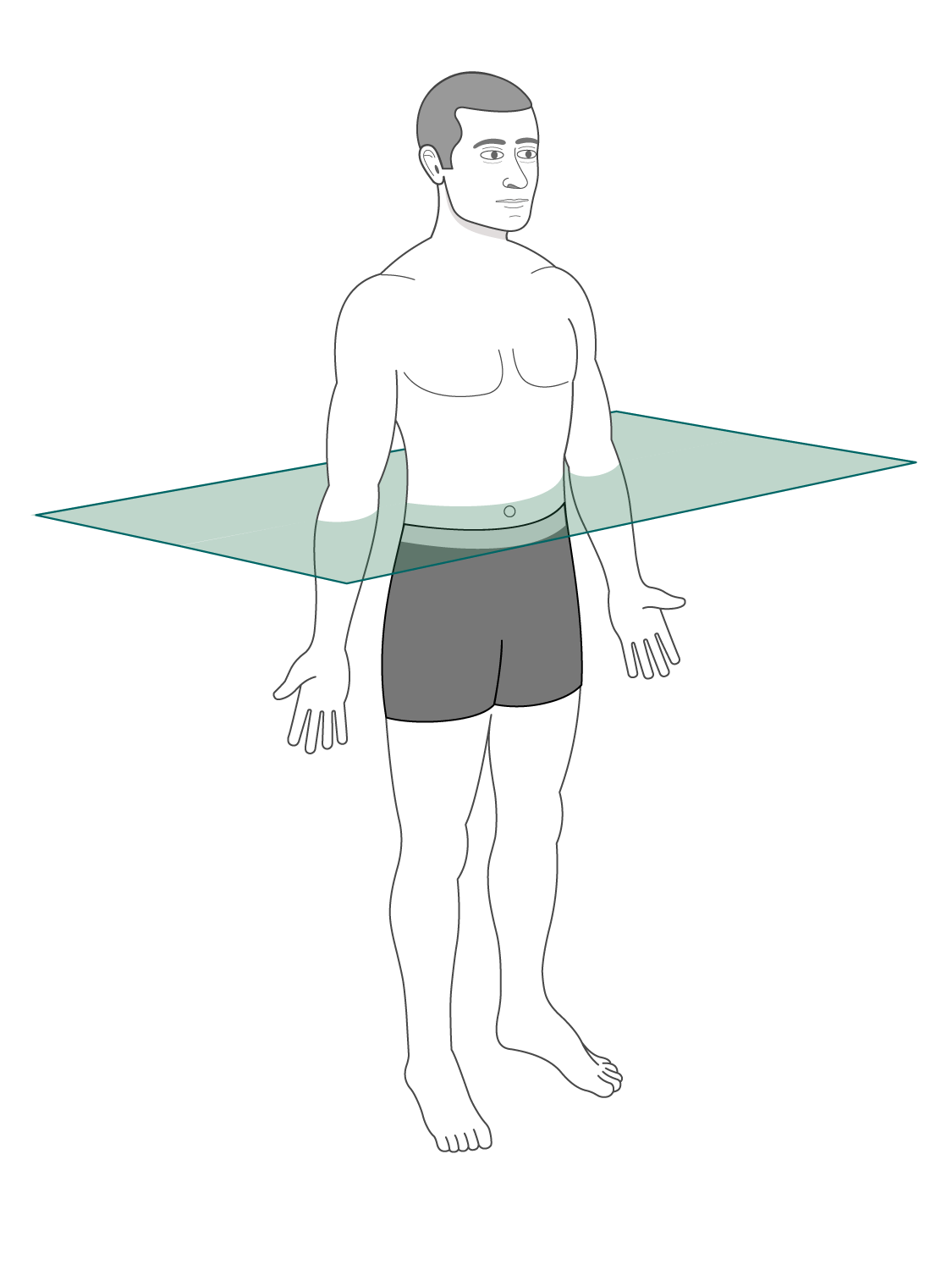
transverse plane
divides the body into superior and inferior sections

flexion
a movement that reduces the angle of a joint

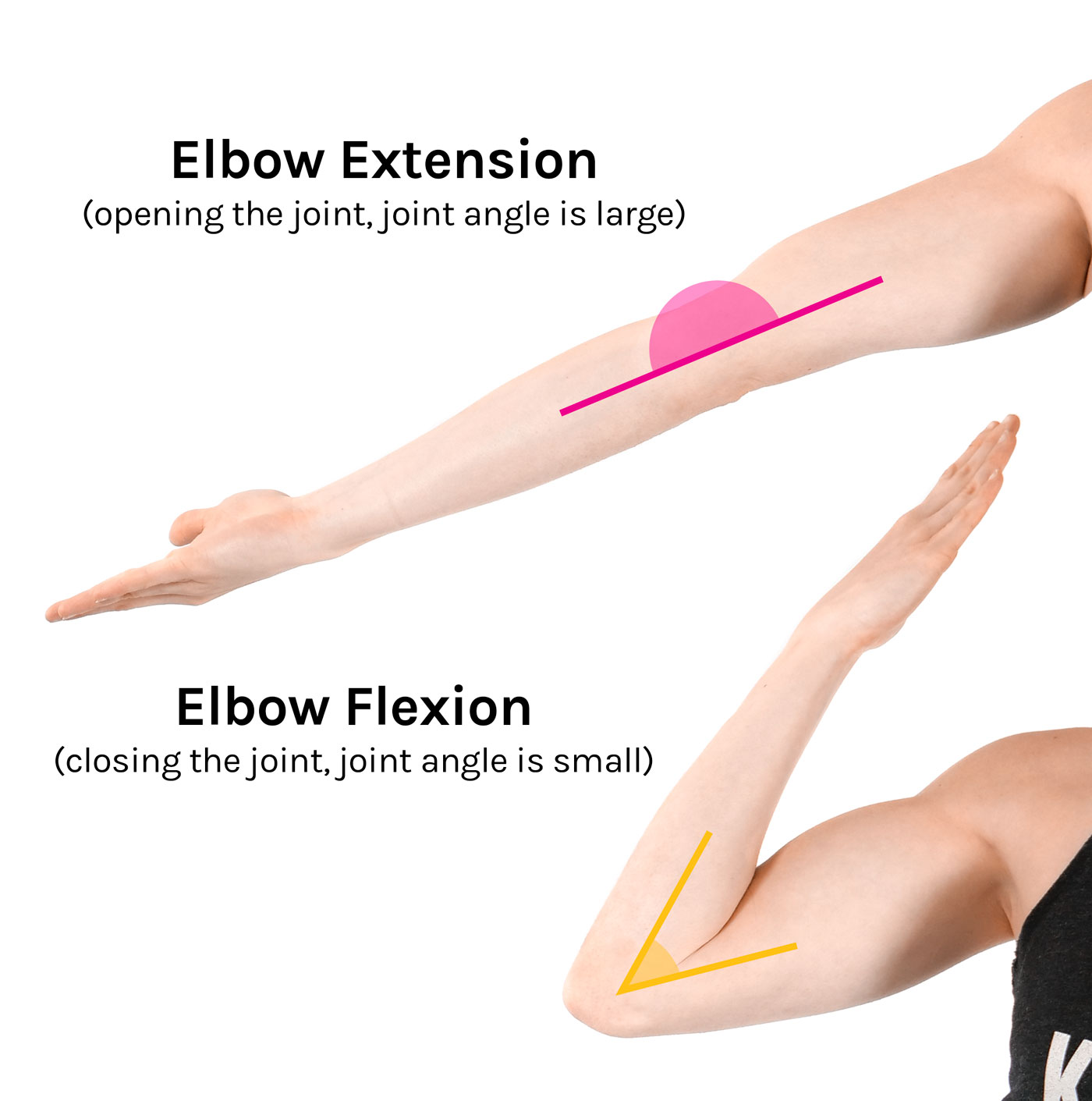
extension
increases the angle

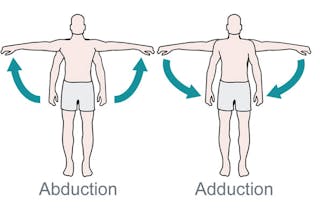
abduction
the movement of a body part away from the midline

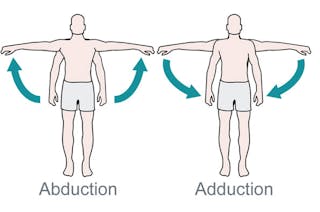
adduction
moving a part closer to the midline

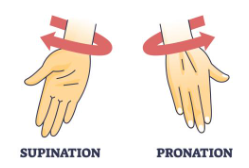
supination
the palms are up in this position

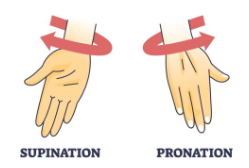
pronation
when the palms are rotated posteriorly

Protraction
pushing a part anterior
Retraction
pulling the part posteriorly
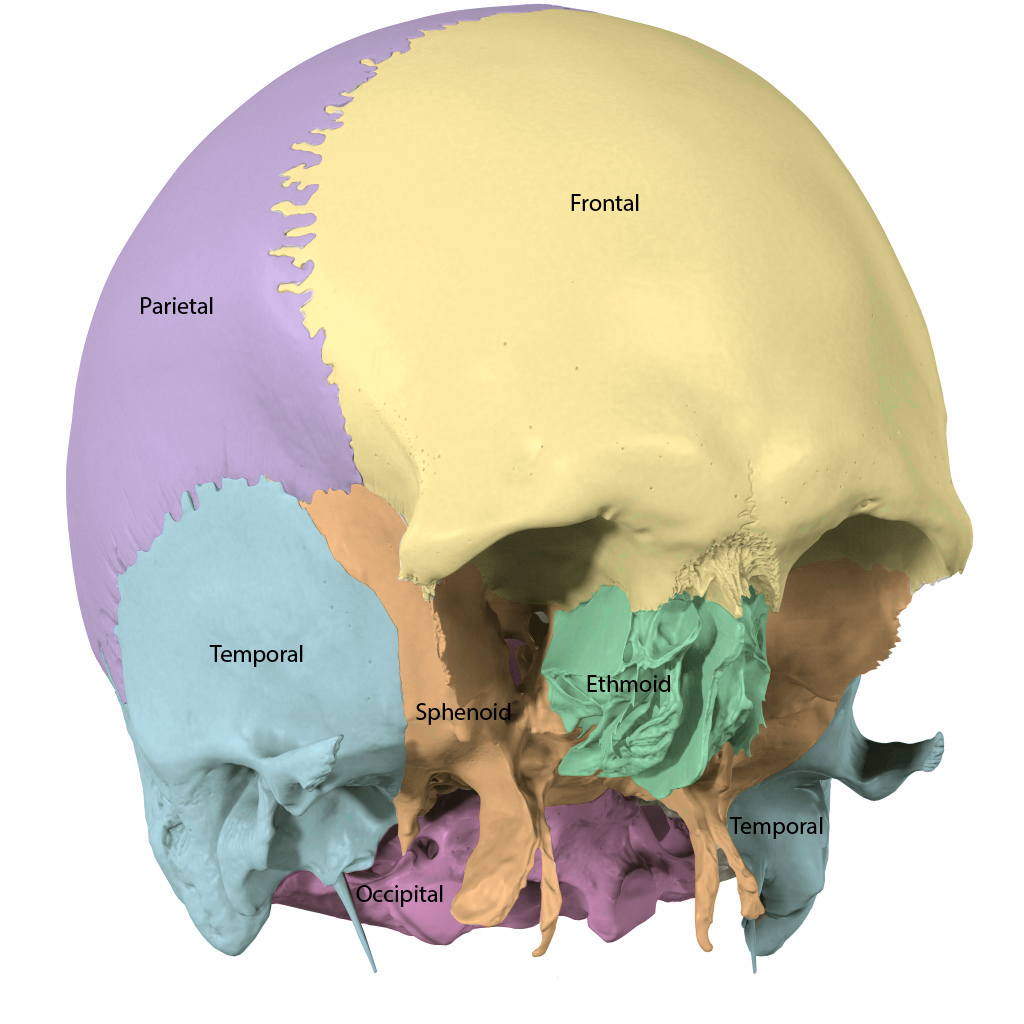
Cranial cavity
formed by the flat bones of the skull and contains the brain
Orbit cavity
the space containing the eyeball, eye muscles, and optic nerve
Nasal cavity
the space deep to the visible nose
Oral cavity (mouth)
lined with a mucous membrane and contains the teeth, tongue, and salivary glands. The oral cavity is defined by the mandible, maxilla, and muscles of the face
Vertebral canal
the space within the vertebrae where the spinal cord resides
Thoracic cavity
defined by the vertebral column posteriorly, ribs laterally and sternum anteriorly. This cavity can be further subdivided into the mediastinum and pleural cavities.
Mediastinum
found on the midline and contains the heart, part of the trachea, part of the esophagus, and the great vessels carrying blood to and from the heart
Pleural cavities
there are two of these; each one contains one lung and is lined by a serous membrane called pleura.
Abdominal cavity
the largest of the body cavities and contains most of the digestive system organs
Pelvic cavity
inferior to the abdominal cavity and is defined by the bones of the pelvis; the organs of production and excretion are found in the pelvic cavity.

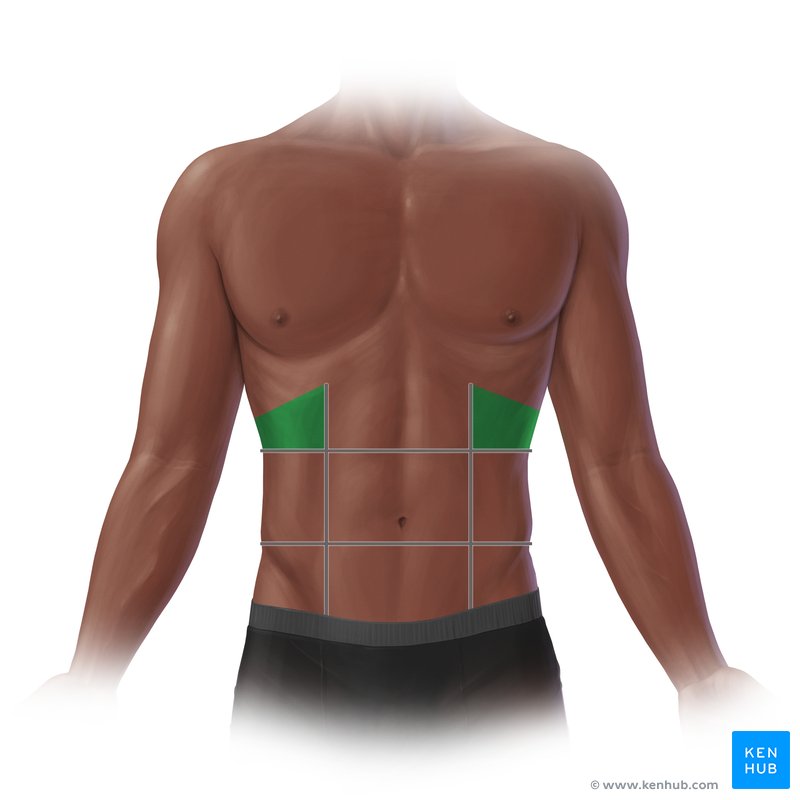
right hypochondriac region
identify
epigastric region
identify


left hypochondriac region
identify

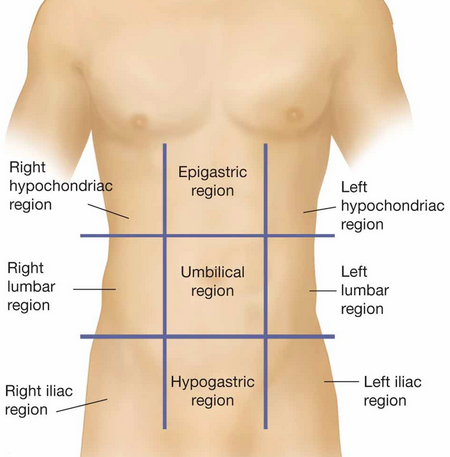
right lumbar region
identify


umbilical region
identify
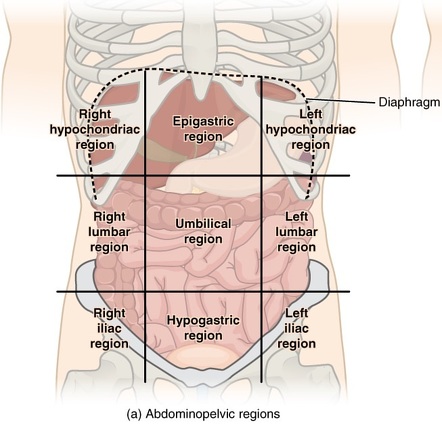

left lumbar region
identify
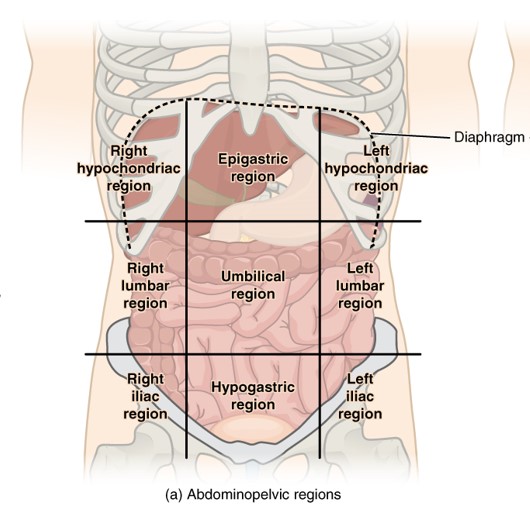

right iliac region
identify
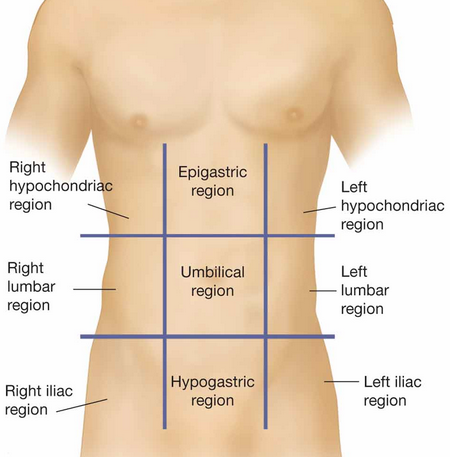
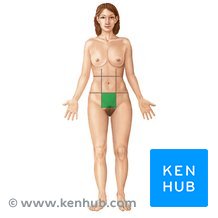
hypogastric region
identify

left iliac region
identify

Symptom
how a patient describes what is going on
subjective (headache, nausea, dizziness)
Sign
measurable, observed changes noted by a clinician
objective (rash, ulcer, lesion, fever, high blood pressure, paralysis)