Ap bio chapter 1 unit 1-4
 Call Kai
 Learn
Learn Practice Test
 Spaced Repetition
 Match
Match Flashcards
 Knowt Play
1/33

There's no tags or description
Looks like no tags are added yet.
Name | Mastery | Learn | Test | Matching | Spaced | Call with Kai | Chat |
|---|
No analytics yet
Send a link to your students to track their progress
34 Terms
tentative
retested with new technology
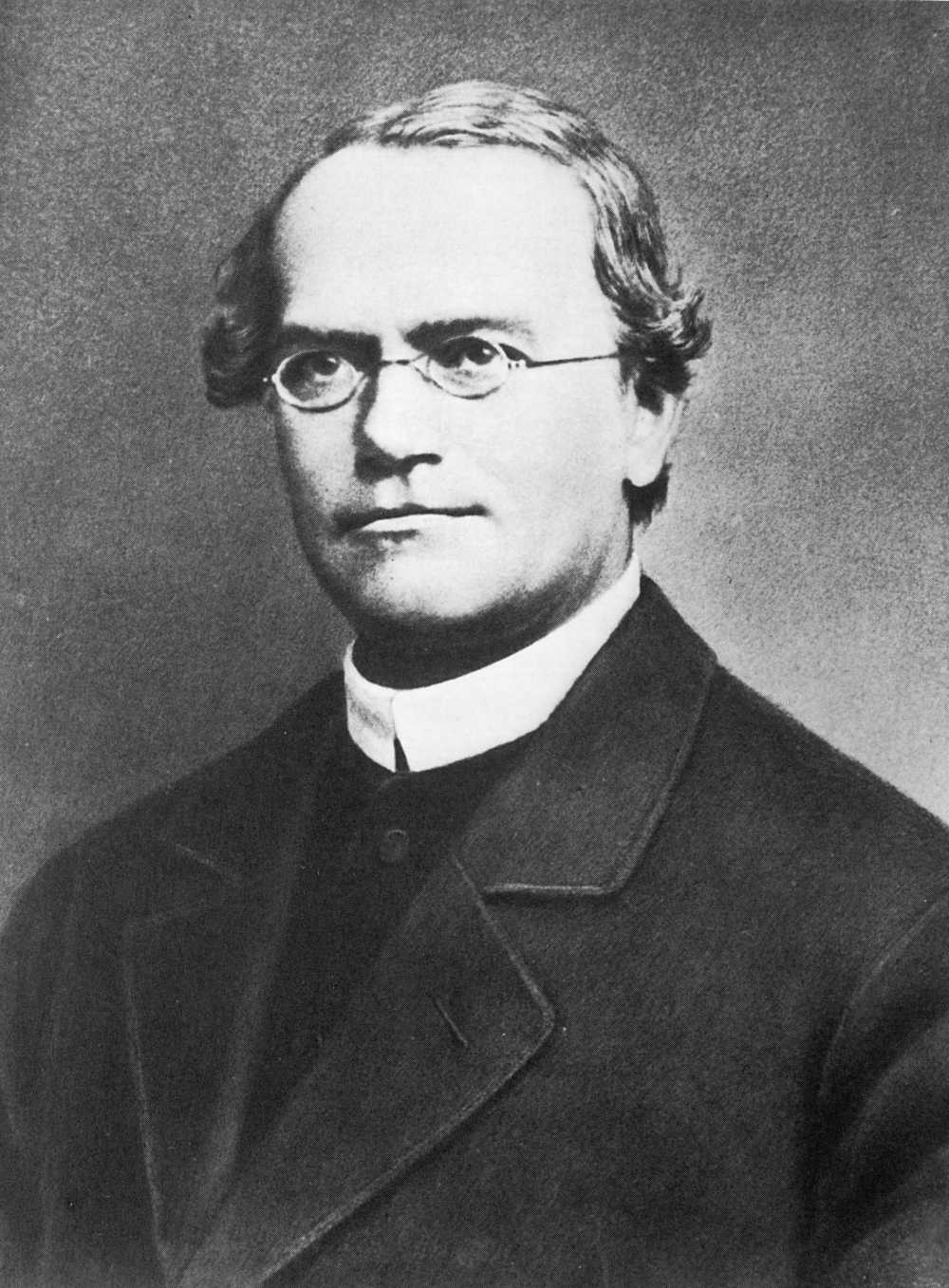
Gregor Mendel
father of genetics, pea experiment used to prove gene inheritance
Tomas Bohr
created bohr model describes atoms like a solar system
Correlation
mutual relation, data follows same trend
causation
one event or action directly causes another event to happen, creating a clear cause-and-effect relationship
Statistical analysis
the science of collecting, organizing, analyzing, and interpreting data to find underlying patterns, test hypotheses, and guide decision-making
Model Organisms
choosing the correct subject,
similar to what you are testing
Growth and Development
Cells divide
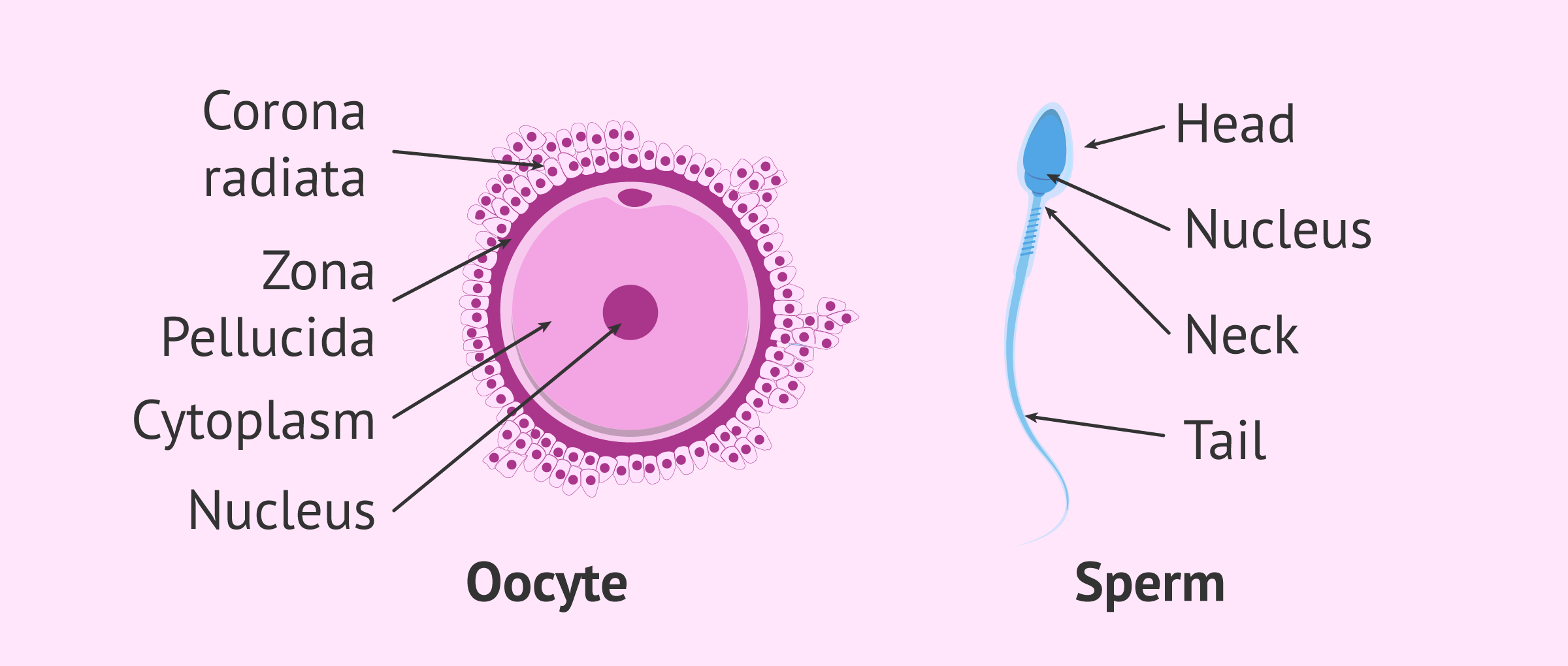
Gametes
two parents reproductive cells, called gametes, to create offspring
sexual reprod.
Somatic cells
regular body and tissue cells
Asexual reproduction
creates new offspring from a single parent
produce genetic clones
Fermentation
Bacteria’s way of consuming energy
ATP
usable energy
product of cellular respiration
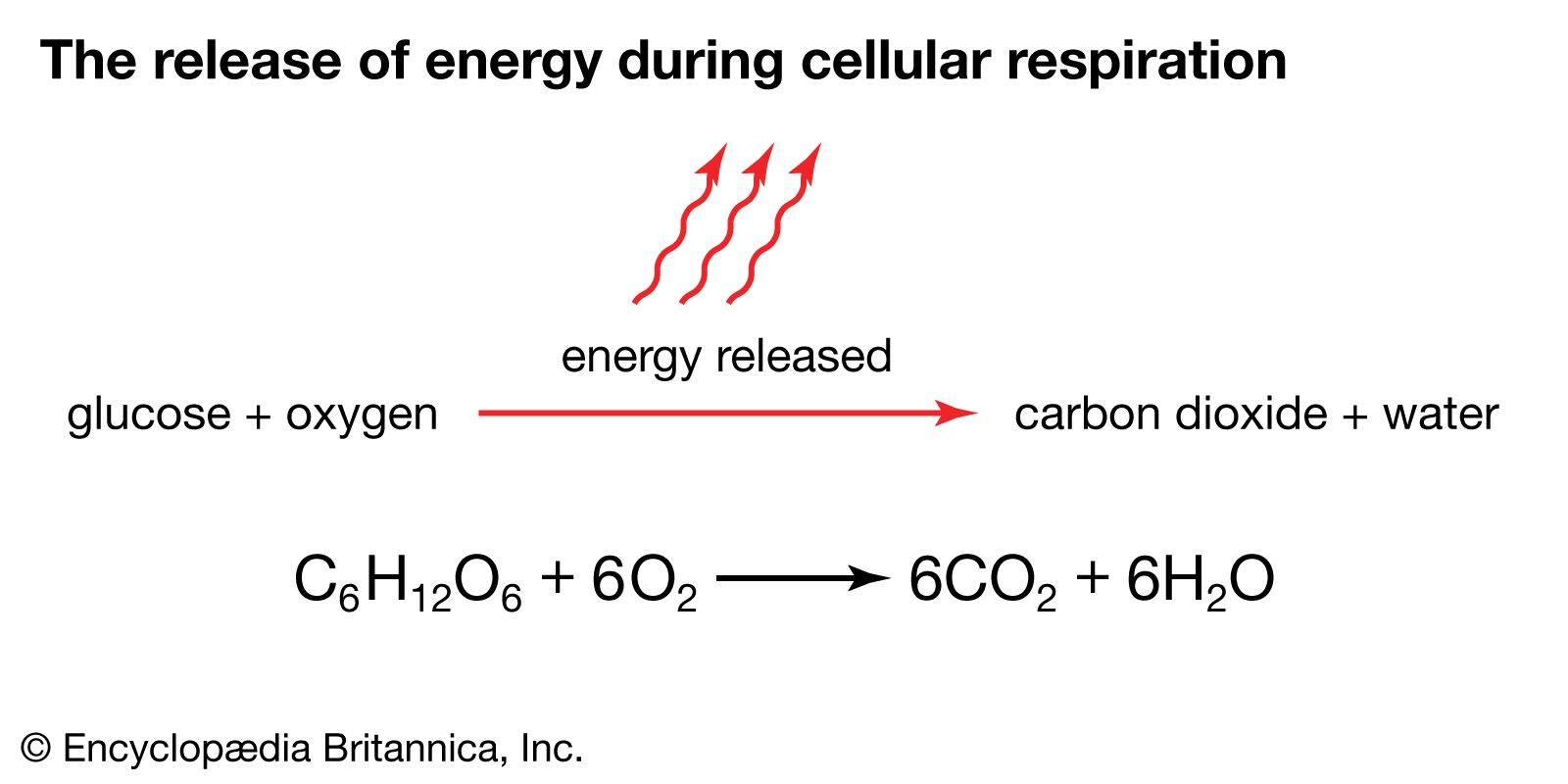
Cellular Respiration
glucose (sugar) and oxygen turn into carbon dioxide, water, and energy
4 macromolecules
carbs, lipids, protein, nucleic acids
Homeostasis
regulated state
Positive feed back
increase of stimuli
ex.) blood clotting
Negative feedback
Decreases stimuli
temperature regulation
insulin released by pancreas to absorb blood sugar
Eukaryotic cells
has a nucleus
membrane bound structures
prokaryotic cells
No nucleus (DNA floats in the cytoplasm region called the nucleoid)
Always unicellular (Bacteria and Archaea)
Percent of life is
98% water
CHNOPS
Carbon, hydrogen, nitrogen, oxygen, phosphorous, sulfur
Building blocks of life
Macro elements
98%-99%
living things need these in large amounds
micro elements
2% required in small amounts to keep cells functioning
H and O make up
50-90% of cells
Calcium
bones, muscles, nerve impulses
Sodium and Potassium
support nerve function via atp production
TRACE elements
required by organisms in minute quantites
iron, oxygen to hemoglobin
zinc, enzymes
colbalt, B12, DNA, RNA production bloodcell formation
Iodine, thyroid function
molecular shape
determines how molecules will respond to each other
water is a universal solvent because
of its polarity
the earth is
70% water
97% salt water 3% fresh water
2% frozen
1%is liquid
50-90% of cells is water
cohesion
two of the same molecules attracted to each other
adhesion
two different molecules attracted to each other
surface tension
caused by cohesive bonds at the surface of a liquid