Lecture 10: Reproductive Toxicants and Induced Abortion
 Call Kai
 Learn
Learn Practice Test
 Spaced Repetition
 Match
Match Flashcards
 Knowt Play
1/17

There's no tags or description
Looks like no tags are added yet.
Name | Mastery | Learn | Test | Matching | Spaced | Call with Kai | Chat |
|---|
No analytics yet
Send a link to your students to track their progress
18 Terms
nitrates
nitrate accumulating plants
johnson grass, sudan grass, oats, wheat, corn
exposure to fertilizers
especially seen in drought periods
methemoglobinemia
fetal hypoxia and death
late gestation abortions
diagnosis is testing ocular fluid of abortus
ponderosa pine
pinus ponderosa
isocupressic acid
vasoconstriction at caruncles
hemorrhagic placentitis
up to 50% abortion rate in cattle grazing pine needles
diagnosis based on history of ingestion and circumstantial evidence
locoweed
astragalus and oxytropis spp.
swainsonine
can cause neurologic signs, abortion, fetal abnormalities like hydrops/arthrogryposis
up to 40% of cattle grazing may abort
cattle get hooked and can’t quit
diagnosis based on circumstantial evidence
causes more economic losses than any other plant
broomweed or snakeweed
gutierrezia spp.
mono and di-terpenes
abortion and retained fetal membranes
spring
fescue
festuca arundinacea infected with fungus neotyphodium coenophialum
produce toxic alkaloids → ergovaline
causes peripheral vasoconstriction fescue foot
summer slump in cattle
causes fat necrosis throughout the body
rotate off of fescue in summer
re-plant pastures
avoid seedhead grazing
summer slump from fescue
decreased repro efficiency/infertility
embryo’s fertilized with semen from bulls grazing infected fescue have been shown to lack the ability to develop
decreased milk
why would you induce abortion?
accidental breeding of young heifers
pregnancy in feedlot heifer
fetal maceration
fetal mummification
hydrops conditions

what is this showing?
removal of mummy by colpotomy
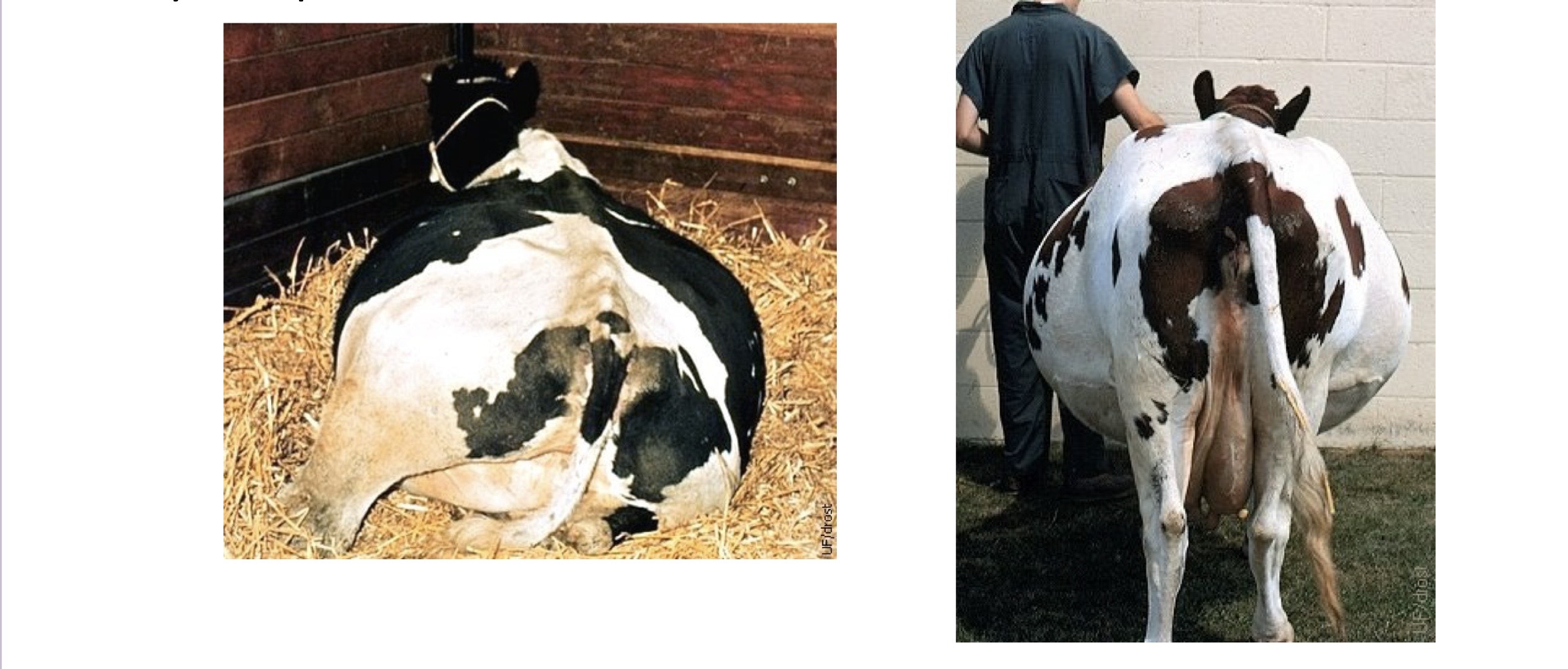
what is this showing?
hydrops
progesterone sources in cattle
corpus luteum ovulation to term
placenta is an additional source 150-250 days gestation
CL final month of gestation → placental progesterone declines during this time
the goal is to target the source of progesterone that is appropriate for the stage of gestation at time of induction of abortion
drugs used to induce abortion in cattle
prostaglandin F2a → dinoprost (lutalyse), cloprostenol (estrumate)
corticosteroids → dexamethasone
mode of action of PGF2a
causes luteolysis
CL does not respond to PGF2a before day 5-6 post-ovulation
has no effect on placental progesterone production
mode of action of corticosteroids
reduce placental progesterone production
no effect on the CL
abortion strategy for 5-150 days of gestation
single injection of PGF2a
abortion in 5-7 days
fertile estrus 3-5 days later
abortion strategy for 30 and 120 days of gestation
pregnancy can be manually disrupted
may take 3-4 weeks for abortion to occur
this can be difficult
abortion strategy for 150-240 days of gestation
must remove ovarian and placental progesterone
combination of corticosteroids and PGF2a required
95% efficacious with abortion in 5 days
treatment of choice is unknown
abortion after 120 days of gestation leads to
RFM in 80% of cows treated → membranes are usually lost within 7 days
4% of heifers treated in feedlot will develop
fetal mummification