Ch4 - Designing Studies
 Studied by 0 people
 Call Kai
 Learn
Learn Practice Test
 Spaced Repetition
 Match
Match Flashcards
 Knowt Play
1/48

There's no tags or description
Looks like no tags are added yet.
Name | Mastery | Learn | Test | Matching | Spaced |
|---|
No study sessions yet.
49 Terms
population
entire group of individuals we want info abt in a study (ie all Wellesley students)
census
collects data from every individual in the population
sample
is a subset of individuals in the population from which we actually collect data (ie 10 students)
5 types of samples
connivence sample
systematic sample
simple random sample (SRS)
stratified random sample (alt to SRS)
cluster sample
a convienence sample
is a sample that uses individuals in the population who are easiest to reach (ie all ppl in caf)
a systematic sample
setting a system such as select every nth individual to take a sample
simple random sampling (SRS)
a sample that is chosen where each individual in the pop has the same chance of being selected for sample (selection & assignment r same)
stratified random sample (alt to SRS)
classifies pop into groups of similar individuals (strata), chooses a separate SRS in each stratum, combines SRS’s to form sample (random in selection strata’s & randomly assign strata’s to treatment?)
blocking
similar to stratified random sample, blocking involves dividing subjects into subgroups to control variables for research (& random ASSIGNMENT of units to treatment is carried out separately in each block)
a block
a group of units known before experiment to be similar AND expected to effect response to treatment
bias
results in consistent underestimation or overestimation of a value
ie how much hw? only survey lib students = overestimation
occurs due to a problem in experiment design
voluntary response sample
consists of ppl who select themselves by responding to a general invitation (=bias)
random sampling
uses a chance process to determine members of a pop included in the sample (most accurate/least bias)
strata
a group of similar individuals (sample)
cluster sample
classifies pop into groups of individuals near each other (clusters), chooses clusters using SRS, ppl in chosen clusters form sample (cluster gets 1 assignment)
clusters
groups of similar ppl
inference
a conclusion drawn abt a pop based on sample data; what we know abt the sample is applied to the pop.
undercoverage
occurs when some members of the pop cannot be chosen in a sample
nonresponse
occurs when an individual chosen for the sample cannot be contacted or refuses to participate
response bias
when ppl consistently answer inaccurately due to the race, age, gender, ethnicity, or behavior of the interviewer
ways to randomly select
random number generator
hat method
random digit table
an experiment
deliberately imposes some treatment on individuals in order to observe their responses (cause & effect)
an observational study
observes individual’s & measures variables of interest but does not attempt to influence the response
experimental units
individuals in experiment
subject
humans in experiment
explanatory variable
a variable/factor/independent variable that is manipulated to observe its effect on the response variable in an experiment (1 variable: type of feed, 2nd: hours of sunlight)
factors
are called explanatory variables (1 variable: type of feed, 2nd: hours of sunlight)
levels
the values of a factor (oz of feed, strength of UV)
treatement
the specific experimental condition applied to the units (same as the level when 1 variable)
response variable
end result, dependent variable, what u measuring
control group
receives an inactive treatment or existing baseline treatment
A well designed experiment has:
4 things
comparison.
random assignment.
control.
replication.
A well designed experiment has comparison.
use a design that compares 2 or more treatments
control group: no treatment/baseline
A well designed experiment has random assignment.
use chance to assign experimental units to treatment
this helps create roughly equivalent groups of experimental units by balancing the effects of other variables among treatment groups
AND can only determine cause and effect (vs observation = infer)
A well designed experiment has control.
keep other variables that might affect the response the same for all groups
A well designed experiment has replication.
use enough units in each group that any diff in the effects of treatment can be distinguished from chance differences between groups
confounding variables
2+ factors that both influence response variable and are related, and therefore cannot be distinguished from each other leading to a false association
in a completely random design
only the experimental units have to be assigned to the treatment completely by chance (not to do w/ selection)
placebo
a neutral treatment that has no “real” effect on the dependent variable
placebo effect
the response to a dummy treatment (some ppl will respond just bc they took a “pill”)
statistically significant
an observed effect that is so large it would rarely occur by chance alone (necessary for replication) (if not sig, the difference wasn’t large enough to rule out random chance as a plausible explanation)
double blind experiments
studies where neither the subjects nor the people who interact w/ them and measure their response know which treatment is being received (placebo or real)
design of an experiment diagram (SRS)
experimental units → random assignment »group 1 / 2 » treatment 1 / 2 » compare results
design of a randomized block design
experimental units »group 1 / 2 » random assignment » treatment 1 / 2 » compare results
in a randomized block design
random assignment of units to treatment is carried out separately in each block
a matched pair design
is a random block experiment which each block consists of a matching pair of similar experimental units (only for 2 treat)
either 1 individuals RA to both treatments
or 2 very similar units RA to treatment
independent variable
the variable that is manipulated in an experiment to observe its effect on the dependent variable (imovable, consistent) ie time
dependent variable
the outcome measured in an experiment that is affected by the independent variable (changes) ie speed
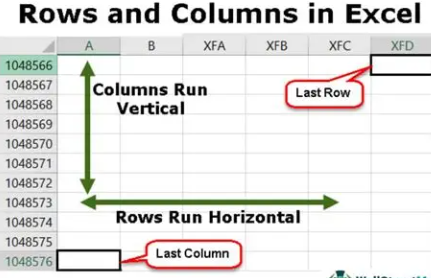
rows vs columns
left to right (horizontal) vs up and down (vertical)