Principles of Biology: Molecules and cells module 1
 Call Kai
 Learn
Learn Practice Test
 Spaced Repetition
 Match
Match Flashcards
 Knowt Play
1/30

Earn XP
Description and Tags
-compare and contrast the 3 domains of life, identify basic characteristics of life, describe levels of biological organization, define 5 unifying concepts of biology
Name | Mastery | Learn | Test | Matching | Spaced | Call with Kai | Chat |
|---|
No analytics yet
Send a link to your students to track their progress
31 Terms

Evolutionary tree
traces the ancestors of life on Earth to a common ancestor
Unity
indicates all cells descend from and ancestral cell
Prokaryotes description (bacteria and arcahaea)
no organelles
single cells
small size
dna
ribosomes
Eukaryotes description (Eucarya)
membrane-bound organelles
single cell or multicellular
larger and more complex size
dna in the nucleus
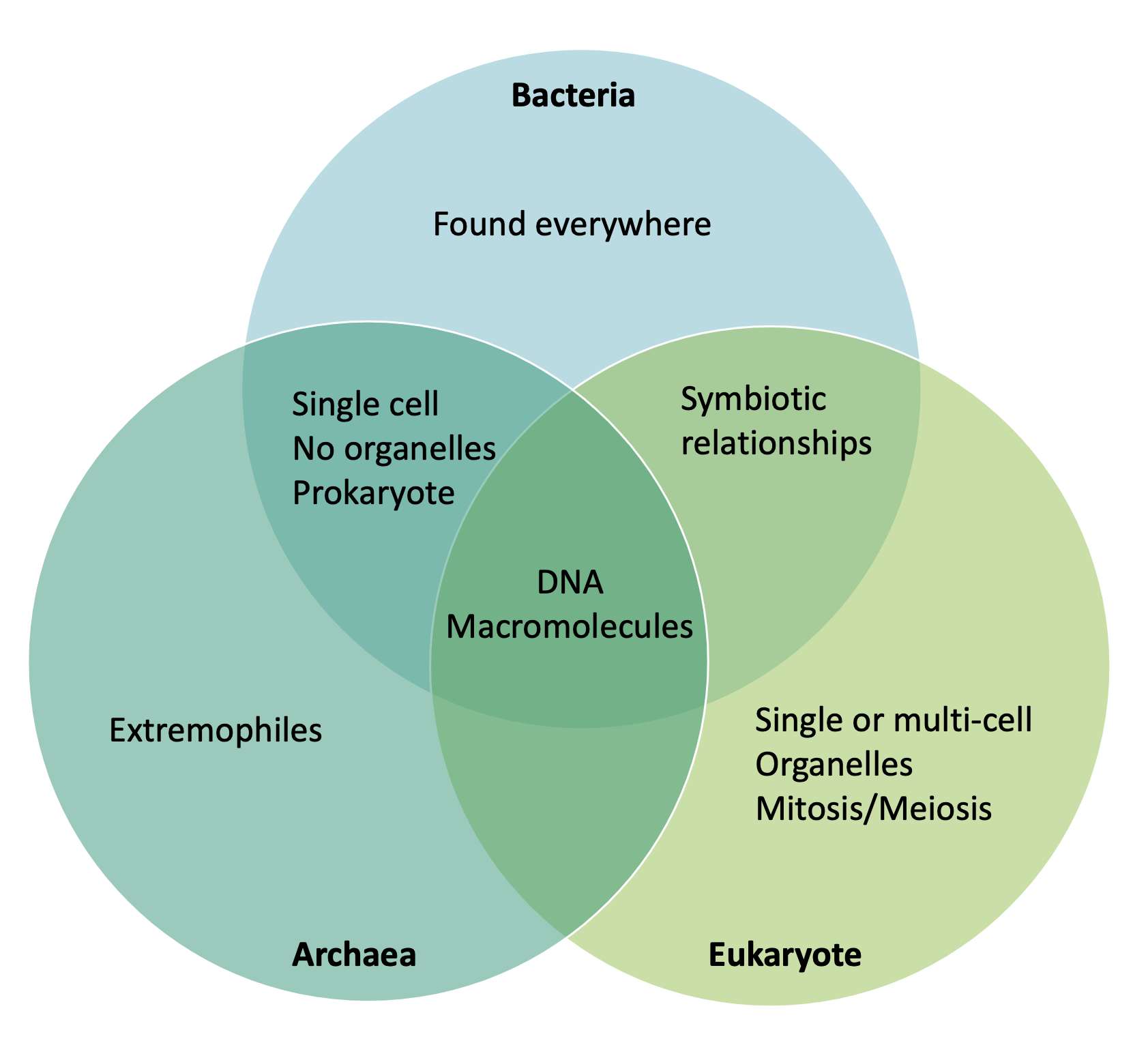
Bacteria characteristics
found everywhere
live in symbiosis with multicellular organisms
Archaea characteristics
live in extreme environments (high heat, high salt)
Eukaryotes
protists, fungi, plants, animals
undergo cell division (mitosis and meiosis) differently than prokaryotes (binary fusion0
Compare and Contrast Bacteria Archaea and Eukaryotes
cell
basic unit of all organisms
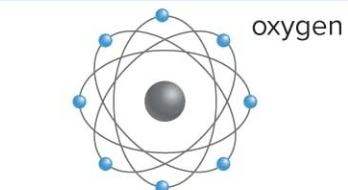
atom
smallest unit of an element composed of protons, neutrons, and electrons
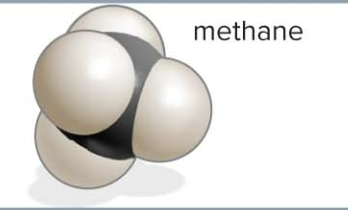
molecule
union of 2 or more atoms of the same or different element

cell
structural and functional unit of all living organisms

tissue
a group of cells with a common structure and function

organ
composed of tissue functioning together for a specific task

organ system
composed of several different organs working together

organisim
an individual ; complex organisms have organ systems

population
organisms of the same species in a given area

species
all populations of a specific type of organism

community
interacting populations in a particular area

ecosystem
a community plus the physical environment
biosphere
regions earth’s crust, waters, and atmosphere inhabited by living organisms
biology
study of life
5 fundamental properties of life
cellular organization
energy utilization
homeostasis
growth development and reproduction
heredity

cellular organization
all living things are composed of one or more cells
cells cary our basic activities of living
some cells are more complex than others
energy utilization
all living things use energy
moving, growing, thinking require energy
energy can be captured through photosynthesis (plants/algae) of consumption
homeostasis
all living things maintain homeostasis
constant internal conditions
organisms keep their internal conditions consistent even when environment varies
growth, development, and reproduction
bacteria increase in size and split into two
multicellular organisms grow by increasing the number of cells and develop by producing different kinds of cells
heredity
all organisms posses a genetic system based on the replication and duplication if DNA
DNA transmits the characteristics of an organism from parent to offspring
what are the 4 macromolecules all cells contain
lipids (fats/hormones0
amino acids (building blocks for proteins)
nucleic acid (DNA,RNA,energy)
carbohydrates (sugars)
natural selection
aspects of the environment selects which traits are more apt to be passed on to the next generation and the selective agent can be abiotic or biotic
what are the steps of the scientific method
observation
hypothesis
predictions and experiments
present and analyzing data