Unit 2 "B" Protists
 Call Kai
 Learn
Learn Practice Test
 Spaced Repetition
 Match
Match Flashcards
1/16

There's no tags or description
Looks like no tags are added yet.
Name | Mastery | Learn | Test | Matching | Spaced | Call with Kai | Chat |
|---|
No analytics yet
Send a link to your students to track their progress
17 Terms
Prokaryote
Lacks a nucleus and membrane-bound organelles.
Ex: Bacteria
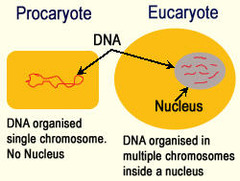
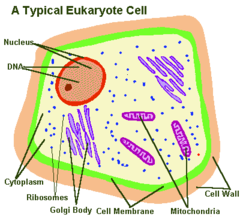
Eukaryote
Have a nucleus and membrane-bound organelles.
Ex: Plants & Animals
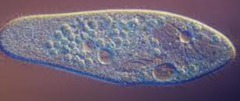
Protozoan
a single-celled microscopic animal of a group of phyla of the kingdom Protista, such as an amoeba, flagellate, ciliate, or sporozoan
Algae
A group of aquatic, photosynthetic, eukaryotic organisms ranging from unicellular to multicellular forms, and generally possess chlorophyll but lack true roots, stems and leaves characteristic of terrestrial plants
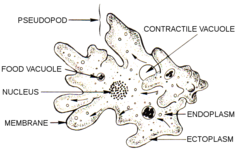
Sarcodine
belonging or pertaining to the protist that move and capture food by forming pseudopodia
Zooflagellate
any flagellated protozoan that lacks photosynthetic pigment and feeds on organic matter: often parasitic.
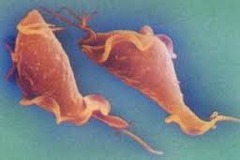
Sporozoan
any parasitic spore-forming protozoan, several species of which, as plasmodia, cause malaria.
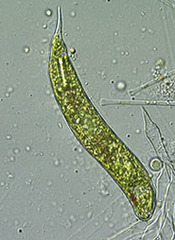
Pellicle
the outer covering of a protozoan
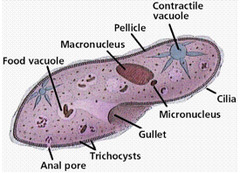
Cilia
Microscopic, hair-like projection on the surfaces of some cells and of certain organisms.
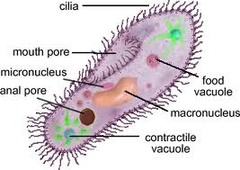
Trichocyst
protists use this to defend/attact and anchor the organism
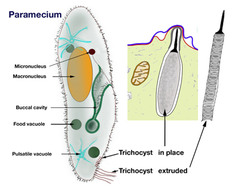
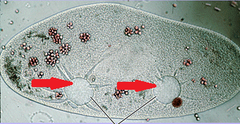
Contractile Vacuole
a vacuole in some protozoans that expels excess liquid on contraction
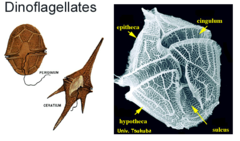
Dinoflagellate
a single-celled organism with two flagella, occurring in large numbers in marine plankton and also found in fresh water. Some produce toxins that cause "Red Tides"
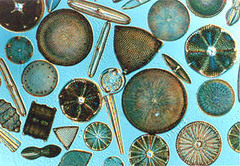
Diatoms
a single-celled alga that has a cell wall of silica. Used in toothpaste and to polish metals
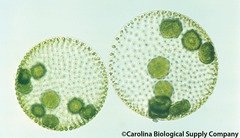
Chlorophyta
plant division including green algae, characterized by having chlorophyll
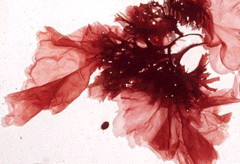
Rhodophyta
The red algae are one of the oldest groups of eukaryotic algae, and also one of the largest, with about 5,000-6,000 species of mostly multicellular, marine algae, including many notable seaweeds
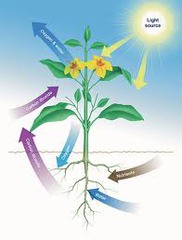
Autotroph
Organisms that get energy by making their own food
Heterotroph
Organisms that get energy by consuming other materials