ch9 pharmacology, CAM, and supplements
 Call Kai
 Learn
Learn Practice Test
 Spaced Repetition
 Match
Match Flashcards
 Knowt Play
1/146

There's no tags or description
Looks like no tags are added yet.
Name | Mastery | Learn | Test | Matching | Spaced | Call with Kai | Chat |
|---|
No analytics yet
Send a link to your students to track their progress
147 Terms
define pharmacotherapy
use of drugs for the treatment of disease and health maintenance
define pharmacology
study of drugs, properties, and their effects
define pharmacokinetics
study of drug absorption, distribution, metabolism, and excretion
what are the roles of nutrition therapy in pharmacotherapy? (4)
nutrition effects drug action
drug affects nutrition
“drug-nutrient” interactions
as dietitians we want to prevent
interactions (prevention interaction)
role of the RDN in pharmacotherapy? (5)
coordination of nutrition therapy with medication
improve patient outcomes
maximize nutrition status
decrease complications of the prescribed medical care
Legal requirements for accreditation of health care facilities
what do we mean by drug mechanisms
involved the binding of the drug to specific receptors on the cell membrane

the binding of drug to specific receptors on the cell membrane causes what
initiates enzyme reactions
do drugs bind to one receptor?
not all, some can interact with more than one cell receptor
medications cause alterations in enzyme systems either by ___________ or _____________
stimulating or inhibiting them

what is an example of a drug that inhibits?
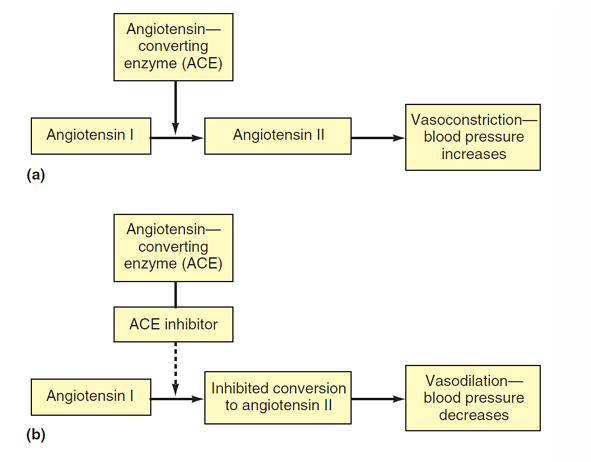
ACE inhibitor
how does ACE inhibitors work?
the prevent the conversion of angiotensin I to angiotensin II
which prevents angiotensin II from stimulating vasoconstriction and causing BP to rise —→ so we have a DECREASE in BP
what are the possible types of drug administration? (5)
sublingual or buccal
topical
inhalation
parenteral
placed directly into target tissues
what does parenteral mean?
refers to injection into the body’s circulatory system through a blood vessel
what are the possible parenteral routes
subcutaneous (SC)
intradermal (ID)
intramuscular (IM)
intraperitoneal (IP)
intravenous (IV)
what are the types of absorption mechanisms of drugs (3)
passive diffusion
facilitated diffusion
active transport
what factors effect absorption of drugs? (8)
solubility and ionization
excipients (affect dissolution- dissolving)
time in GI tract area
pH in GI tract area
surface area of GI tract area
chemical properties
integrities of GI
circulation of blood
how does solubility and ionization impact drug absorption?
lipid based drugs and nonionized drugs will be absorbed more quickly through membrane
what are excipients?
those substances added to formulations of medications that affect dissolution (ability to dissolve)
examples:
Decrease dissolution: Binders, lubricants, coating agents
Increase dissolution: disintegrants (ingredients that dissolve rapidly in water)
distribution of drugs refers to
movement of the drug throughout the body to its target side
what factors effect distribution of drugs (5)
affected by circulation
binding to proteins within the circulation (i.e. albumin)
physiological features
capillary permeability
solubility in water (insoluble is easier to distribute)
binding of drug to other body tissues
what does biotransformation mean?
drug metabolism
what does biotransformation do?
Resulting in a substance that may be similarly active, inactive (and ready for excretion via urine or bile), or differently active in terms of therapeutic activity or toxicity
what are the major sites of biotransformation?
GI and liver
what reactions occur in biotransformation (metabolism)
oxidation, reduction, hyrolysis
how does biotransformation occur?
through catalyst of enzyme systems
what is the main enzyme system that metabolizes drugs?
cytochrome P450 mixed function oxidases system
what is the cytochrome P450 mixed function oxidases system
a system of enzymes responsible for drug metabolism
how can genetic variation in these enzyme systems impact drug effect
can increase of decrease drug effect
interaction between substrate and enzyme systems can be either ___ or ____
inhibitor or inducer
what is a substrate
a drug that gets broken down by an enzyme
what is an inhibitor
reacts with substrate to compete for receptor site on enzyme
an inhibitor will affect drug effect how?
will increase the effect
because it will compete for the enzyme that metabolizes the drug, so less rug will be metabolized and will remain in the blood
what is an inducer?
stimulates the synthesis of enzyme
inducer will affect drug effects how?
will decrease them
because will increase the amount of enzyme available to metabolize the drug so decrease amounts in the blood quicker
what are therapeutic levels (what does this mean?)
dosing adjusted to accommodate predicted metabolism of the drug
what are common inducers?
Strong inducers: Carbamazepine, rifampin
Others: tobacco; brussels sprouts (in vitro)
what are common inhibitors?
Ciprofloxacin, clarithromycin, fluconazole, gemfibrozil, ticlodipine, fluoxetine
Others: star fruit (in vitro); Grapefruit
how is an effective dose for a person established?
blood levels are measured
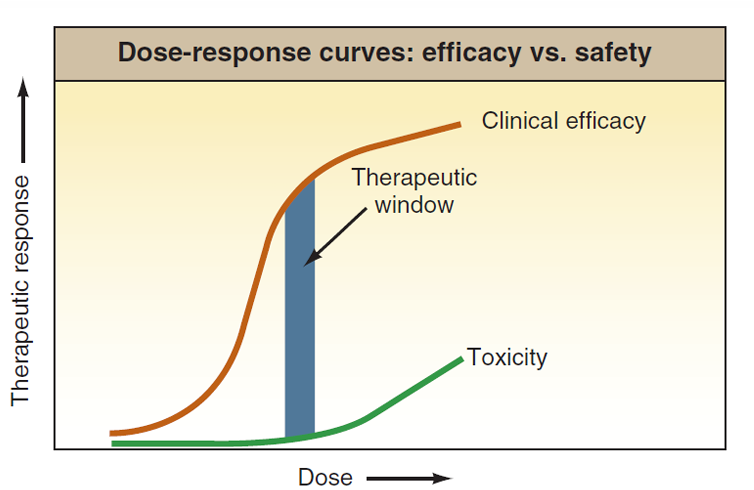
what is the therapeutic window?
The dosage range with therapeutic efficacy

levels above or below the therapeutic window may
not be effective or result in toxicity
drug excretion: how are most drugs excreted?
urinary or biliary excretion
what are other ways that a drug can be excreted that is not urinary or biliary?
lungs, bowel, and breast milk
urinary excretion can occur when?
in all stages of filtration and concentration of the kidneys
what do we mean by alterations in pharmacokinetics
the changes from person to person because no two people will react in the same way to a medication
Age; gender; cardiovascular, hepatic, and renal function; presence of disease or infection; diet; and even genetic differences will affect how an individual will respond to a drug dosage
what factors can alter GI absorption of a drug? (5)
Simultaneous consumption with food
Vomiting and diarrhea
Interruptions in transit time or surface area
Circulation deficits (decreased blood circulation)
Competition for carriers
what factors can alter drug distribution? (3)
Variations in circulation
Body size and composition
Any situation altering albumin (most medications are bound to this protein carrier)
what factors can alter drug metabolism? (5)
Age
Adequate functions of organs
Genetic factors
Gender
Concurrent use of other medications or supplements
what factors can alter urinary excretion? (4)
pH of urine has direct effect on the type of drug easily excreted
Presence of competitor for active transport across renal tubule
Urinary flow rates or kidney function
Changes in Creatinine clearance
what are food-drug interactions?
effects of food and nutrition on dissolution, absorption, metabolism, and excretion of medications.
Food-medication interactions can be organized by examining what 3 things?
Effect of nutrition on the action of the prescribed medication
Effect of the medication on nutritional status
Role of nutrition therapy in maximizing the prescribed effect of pharmacotherapy and/or minimizing the side effects
what factors impact drug dissolution (3)
pH of stomach
Gastric emptying rate (i.e. prokinetics)
Disease, injury, or surgery
how can nutrition impact absorption (3)
increase absorption
decrease absorption
chelation
if interaction with food increases absorption of medication, how does it impact drug effect
increases the amount of available drug in blood
if interaction with food decreases drug absorption, how may it impact effect?
therapeutic levels may not be reached (less drug is absorbed)
define chelation
the binding of a nutrient or food component with a drug, makes the drug unabsorbable
how can food impact drug metabolism? (3)
Food can act as an Inducer for metabolic enzyme systems
Food can act as an inhibitor for metabolic enzyme systems
Nutrients can compete for carrier systems
how can food impact drug excretion
Variable urine pH can alter reabsorption of drug
Dietary intake, kidney and respiratory function, acid-base balance, hydration status, and the presence of disease or infection can alter urinary pH
how do warfarin and vit K interact?
warfarin (coumadin) is a anticoagulant that is a competitive inhibitor of clotting factors AND vit K creates clotting factors —> SOOO when taking warfarin and inconsistent intake of vit K —→ impact the effectiveness of dosing (so should consume consistent amounts)
how could drugs impact nutrition status?
Drugs affect nutrient ingestion, digestion, absorption, and metabolism.
how may drugs impact nutrient ingestion?
having side effects like N/V/D, constipation, increased appetite, decreased appetite impact dietary intake
having additive effects from taking multiple medications
medication impact of taste, smell, and saliva production
drugs can impact weight in what ways? (2)
cause weight gain or weight loss
how may drugs effect nutrient absorption?
speed transit time or gastric emptying
Have GI effect (N/V/D/C)
Change acidity
Block absorption via enzymes, competition, inhibition
how can drugs alter nutrient metabolism
interfere with macronutrient, vitamin, and mineral metabolism
corticosteroids impact nutrient metabolism how?
increase rate of gluconeogenesis —> result in hyperglycemia and increased nitrogen loss
what kind of drugs (generic) would place a pt at risk of increased nutrient excretion?
any drug that increases urinary output
how may drugs impact nutrient excretion? (2)
increase urinary output
affect renal function to reduce reabsorption
how may lasix (a diuretic) impact nutrient excretion?
increase excretion of potassium and thiamin
what populations is at high risk of drug-nutrient interactions? (2)
the elderly and nutrition support
why are elder adults are high risk for drug-nutrient interactions?
polypharmacy
usage of both over-the-counter and prescription medications
physiological changes that occur with aging
compliance of medications
inappropriate dosage
what is polypharmacy
administration of excessive drugs at one time or concurrent use of a large number of drugs, which increases the risk of interactions (3 or more)
how does one asses older adults for risk of drug-nutrient interactions?
beers criteria
what is beer’s criteria
The Beers criteria identify the medications most likely to result in adverse effects
General components of these criteria state that if a patient uses more than five drugs, is noncompliant with medication regimens, and has a history of adverse effects, the risk of continued interactions is high
why are nutrition support pts at risk populations for drug-nutrient interactions (and vice versa)
Tube feedings decrease absorption of some medicines
Macronutrients may cause chelation of medicines
what are the safe practice reccomendations provided by the American society for enteral and parenteral nutrition regarding medication and enteral feedings (6)
Do not add medication directly to an enteral feeding.
Avoid mixing together medications that are intended to be administered through an enteral feeding tube. Additional medications can be given sequentially but not mixed.
Liquid medication formulations should be used, when available, for administration via enteral feeding tubes.
When medications are administered via an enteral feeding tube, the tube should be flushed before and after each medication is administered.
Restart the feeding after administering the medication to avoid compromising nutrition status.
Consult with a pharmacist for patients receiving medication coadministered with enteral nutrition.
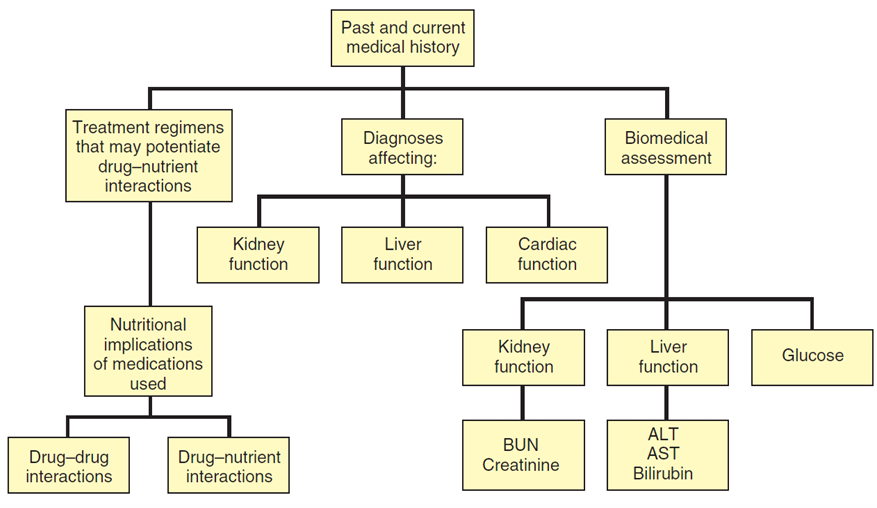
for MNT, what should we be on the lookout for that impact nutritional status
Prescribed drugs, OTC meds, or complementary treatments have the potential to affect nutritional status
nutrition assessment should focus on
factors that could affect absorption, distribution, metabolism, or excretion of drugs
what is the nutrition diagnosis when there is an interaction issue
food-medication interaction
what should int MNT intervention be when there is an interaction?
will center around modification of diet or medication to reduce risk
nutrition assessment walk-through
COMPLEMENTARY AND ALTERNATIVE MEDICINE AND NUTRITIONAL SUPPLEMENTS
Define complementary and alternative medicine (CAM)
is a collective term for complementary medicine, alternative medicine, and integrative health care

what is complementary medicine?
the use of a nonmainstream health practice that is used together with conventional medicine
what is alternative medicine?
unconventional health practices used in place of conventional medicine
what is integrative health care
systems that bring both conventional and complementary health practices together in a coordinated way
what is a dietary supplement (definition)
a approach (other than tobacco) that is intended to supplement the diet
contains one or more dietary ingredients (including vitamins, minerals, herbs or other botanicals, amino acids, and other substances) or their constituents
is intended to be taken by mouth as a pill, capsule, tablet, or liquid
and is labeled on the front panel as being a dietary supplement
what established the guidelines for supplements?
Dietary Supplement Health and Education Act of 2006 (DSHEA) established the guidelines for regulation by FDA as a subcategory of foods but not as drugs or food additives
based on DSHEA, supplement
approval?
safety and efficacy?
burden of proof for safety?
Do not need market approval from the FDA
Do not have to prove safety and efficacy
Burden of proof for safety relies on the FDA establishing proof rather than the supplement manufacturer
product health claims and dietary supplements (its rules)
can be on the label but must also include: "this claim has not been evaluated by the FDA. This product is not intended to diagnose, treat, cure, or prevent any disease"
role of RDN for dietary supplements? (3)
Excellent opportunity for team collaboration
Within RDN scope of practice when providing guidance for dietary supplement use as well as development of a nutrition prescription for repletion or supplementation
Guidance regarding third-party testing for safety and ingredient assurance
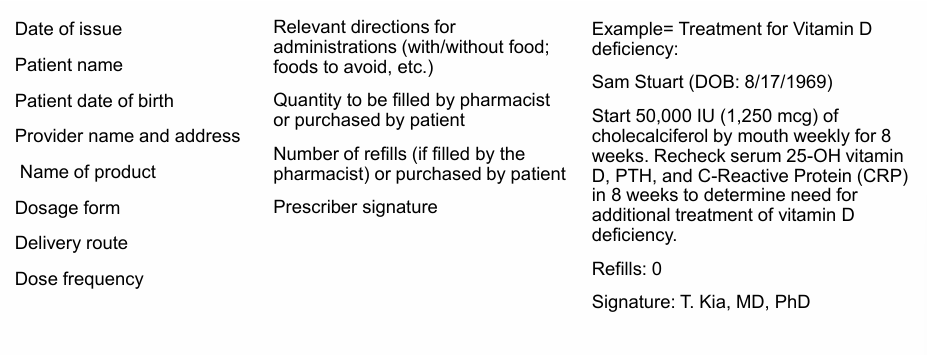
sample micronutrient supplementation prescription
what is the lead federal agency scientific research on complementary and integrative health approaches
national center for complementary and integrative health (NCCIH)
national center for complementary and integrative health (NCCIH)
mission
vision
Mission: Determine, through rigorous scientific investigation, the fundamental science, usefulness, and safety of complementary and integrative health approaches and their roles in improving health and health care
Vision: Scientific evidence informs decision making by the public, health care professionals, and health policy makers regarding the integrated use of complementary health approaches in a whole person health framework
CAM is mainly used for
pain treatment (49.2%)

what is traditional medicine/healing
All acknowledge and practices, whether explicable or not, used in diagnosing, preventing or eliminating a physical, mental, or social disequilibrium and which rely exclusively on experience and observation handed down from generation to generation, verbally or in writing (WHO, 1976)
what is ayurvedic medicine
An ancient Indian medical system based on ancient writings which rely on a holistic and natural approach to health
what is traditional chinese medicine
Long standing medicine approach that has evolved over thousands of year. Uses various physical and/or psychological approaches to address health problems
what is homeopathy
Developed in Germany over 200 years ago, uses products which come from plants, minerals, or animals. Treatments are generally individualized to each person. Generally, uses clinical signs and symptoms which are different from conventional medicine
what is naturopathy
System developed in Europe during the 19th century which uses a variety of different treatment approaches, such as, stress reduction, exercise therapy, practitioner-guided detoxification, psychotherapy and counseling to take a holistic approach to medicine
nutritional approaches include what 4 categories?
Herbs: plants, parts of plants
Vitamins/minerals: extracted vits/minerals
Probiotics: live microorganisms ingested to promote health
Dietary supplements: dietary substances taken by mouth to promote health