Era 2, 1450 CE to 1750 CE: The Mughal Empire + Kingdom of Kongo (Quizlet Unit #12)
 Studied by 0 people
 Call Kai
 Learn
Learn Practice Test
 Spaced Repetition
 Match
Match Flashcards
 Knowt Play
1/28

There's no tags or description
Looks like no tags are added yet.
Name | Mastery | Learn | Test | Matching | Spaced |
|---|
No study sessions yet.
29 Terms
1. Era 2, 1450 - 1750, Land-Based Empires
-During Era 2 1450- 1750 CE, there were several important Land-Based Empires. These empires did not include overseas colonies, unlike the "Maritime" empires that the Europeans had that included territory overseas
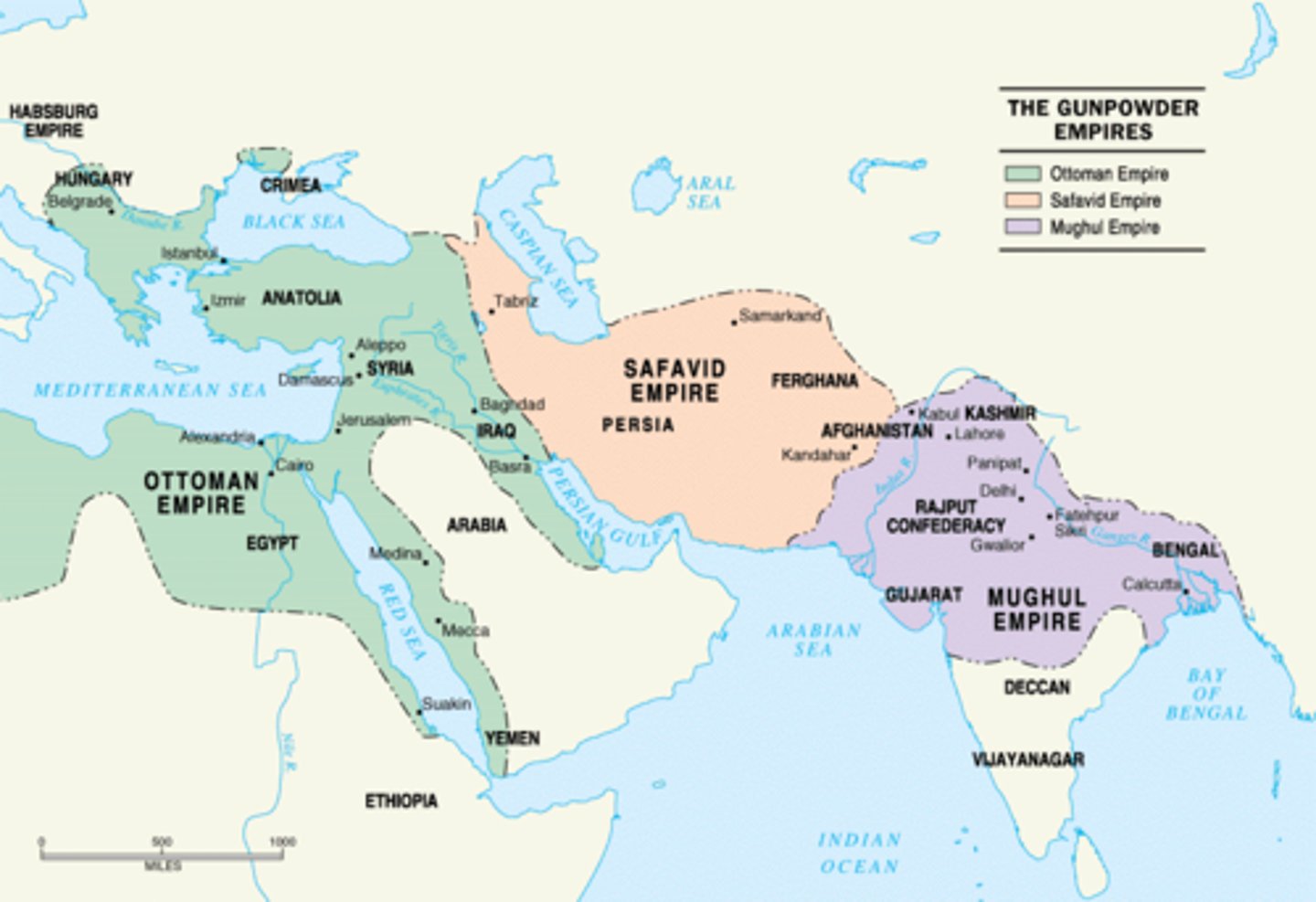
-The Land Based Empires you are required to know for Era 2, 1450 CE - 1750 CE:
-The Manchu Qing Empire in China
-The Ottoman Empire in the Middle East/North Africa/Southern Europe
-The Mughal Empire in India (South Asia)
-The Safavid Empire in the Middle East
-The Kingdom of Kongo in Sub-Saharan Africa
-These empires all had different techniques of conquering, governing, and taxing, all of which will be covered in Quizlet and you need to know like the back of your hand!
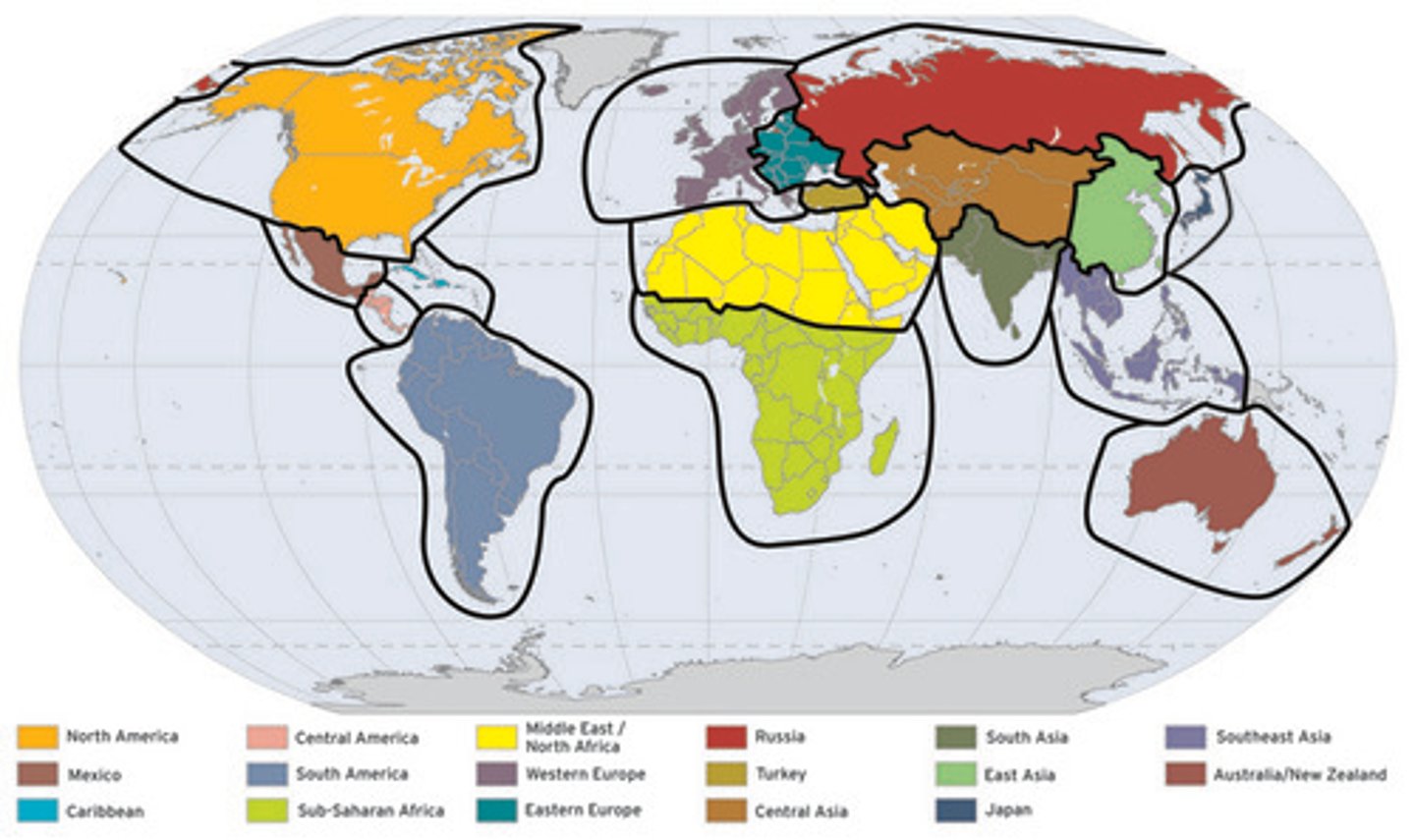
2. Spread of Islam 1450 - 1750 CE
-Islam was founded in 620 CE by the Prophet Mohammed, making it the youngest of the world's major religions, Buddhism, Hinduism, Christianity, Judaism, and Zoroastrianism
-Dar al-Islam (the house of Islam, or the regions of the world where countries are largely Islamic) spread to new regions from 1450 CE to 1750 CE
-Sufi mystics were a type of missionary that helped spread Islam in West and Sub-Saharan Africa and East Africa
-Islam began to spread across the Sahara desert through the Trans-Saharan caravan routes and to trading cities like Timbuktu, and through conquest into India
-Empires like the Songhay Empire in West Africa began practicing a form of syncretic Islam
- The three major Islamic empires from 1450 - 1750 C were:
-The Ottomans in the Middle East/North Africa
-the Safavids in the Middle East
-The Mughals in South Asia (India)
-So this term is about the -....
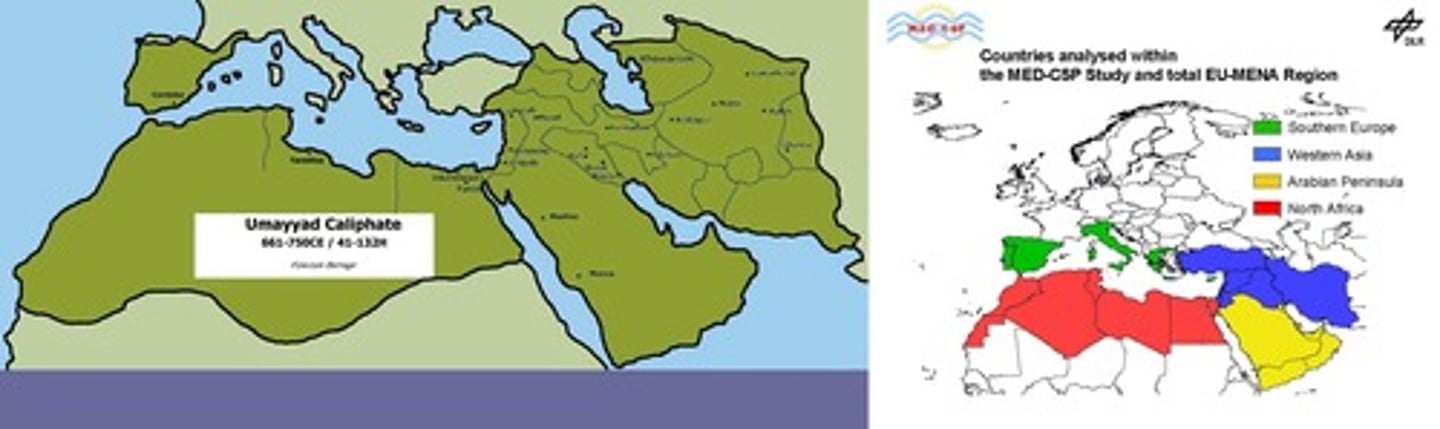
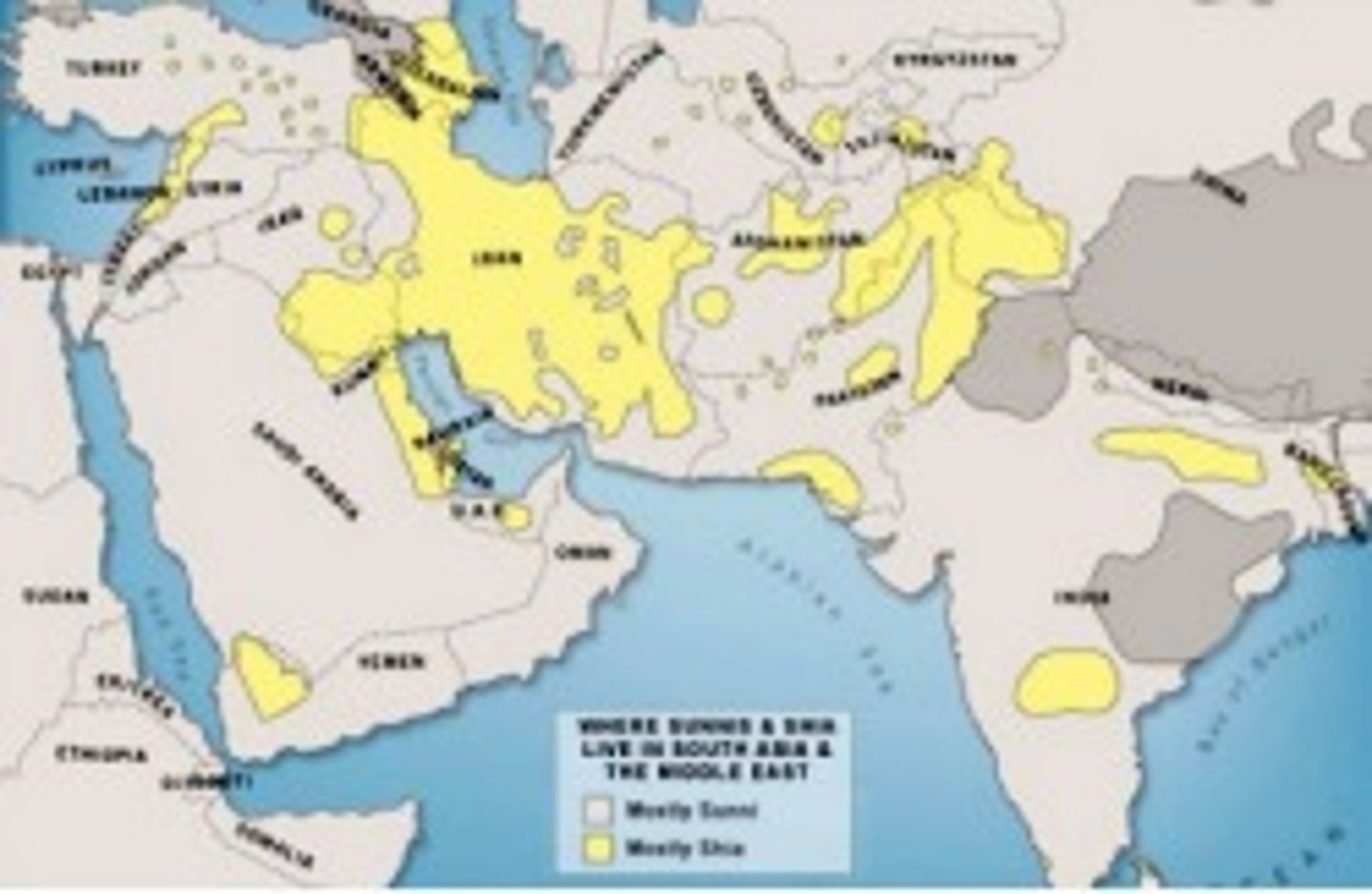
3. Shi'a Islam/Muslims
-As Islam started to develop, it started to split into two major groups
-The second major group was called the ______________ Muslims; they believed that the only people qualified to lead Islam were the direct descendants of Muhammed's son-in-law, Ali
-The Safavids were Shi'a Muslims
-They had a rivalry with and fought against the Ottomans and the Mughals, who were Sunni Muslims (the other side)
-There are lots of tension between these two groups!
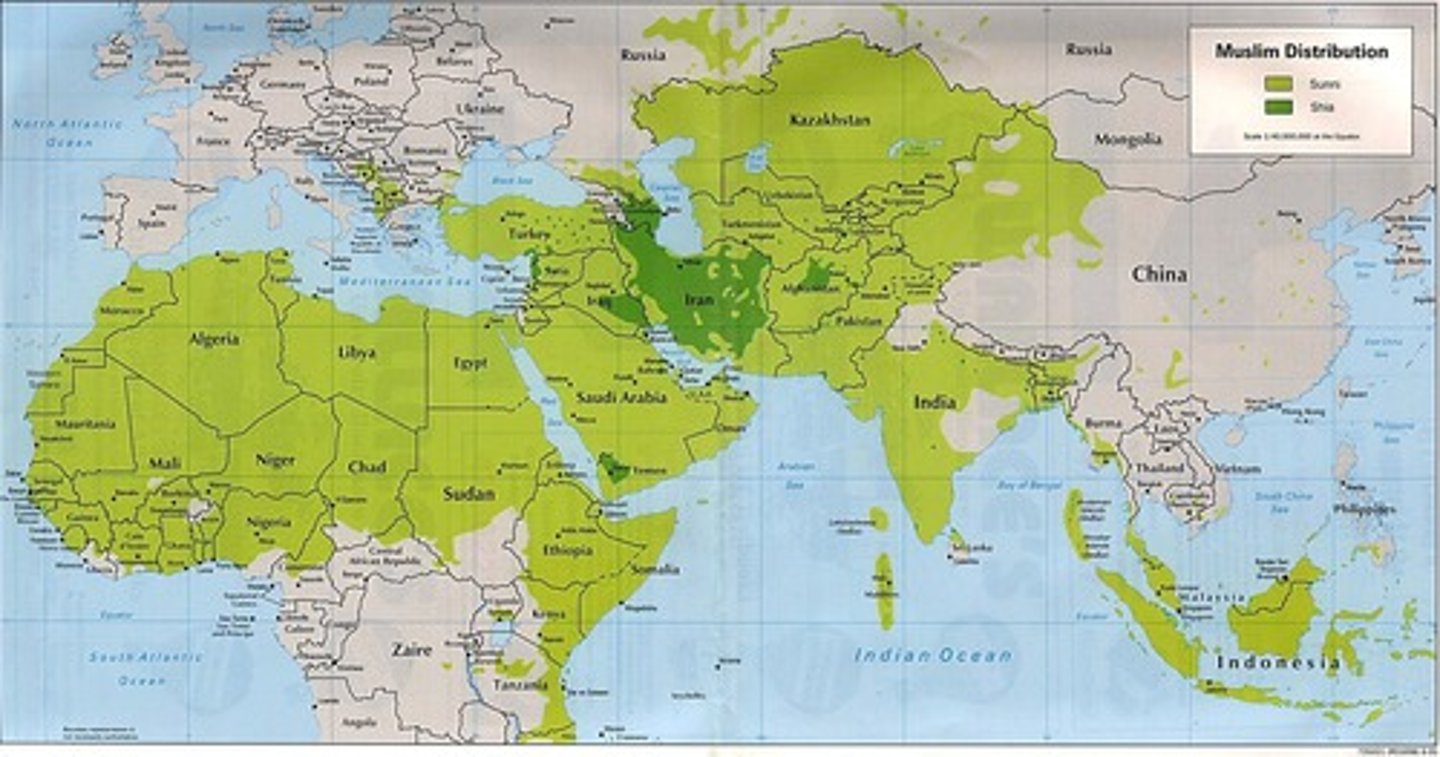
4. Sunni Islam/Muslims
-As Islam started to develop, it started to split into two major groups
-The first major group was the ______________ Muslims; they believed that the early Caliphs were holy and that they could lead Islam
-Also called, "Traditionalists", this was the most popular branch of Islam
-The Ottomans and Mughals were ______________________ Muslims
-They had a rivalry with and fought against Safavids, who were ________________ Muslims (the other side)
5. Sufi Mystics
-Islam was founded in 620 CE by the Prophet Mohammed, making it the youngest of the world's major religions, Buddhism, Hinduism, Christianity, Judaism, and Zoroastrianism
-Dar al-Islam (the house of Islam, or the regions of the world where countries are largely Islamic) spread to new regions from 1450 CE to 1750 CE
-______________ _____________ were a type of missionary that helped spread Islam in West and Sub-Saharan Africa
-They helped spread Islam to places like the Songhay Empire
-They were successful at spreading Islam because they usually allowed SYNCRETISM; they would let the people in West Africa keep some part of their original religion
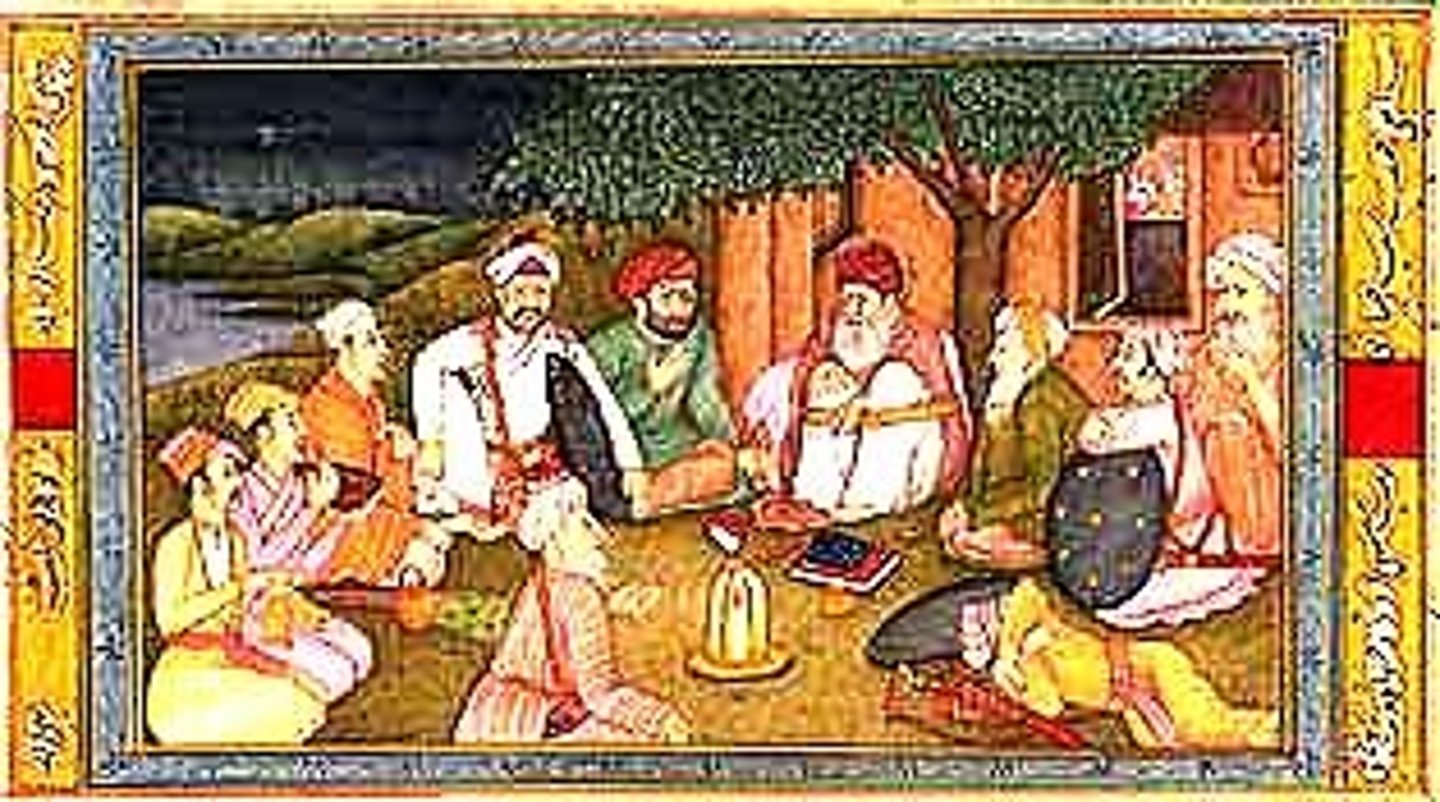
6. The Mughal Dynasty 1520 CE To 1857 CE
-This was an Islamic dynasty that invaded Hindu India and started an Islamic empire in India in 1520 CE
-The Islamic rulers of the ________________ had to rule over a Hindu population; they used the "jizya" tax to tax Hindus
-They were Sunni Islam, and as a result had a conflict with the Safavids in the Middle East, who were Shiite.
-Famous rulers include Akbar the Great, Aurangzeb, and Shah Jahan
-The capital moved around a lot, but the main capital was Delhi
-At their height, the Mughals were fabulously wealthy. They built the Peacock Throne and the Taj Mahal
-AP REGION: SOUTH ASIA
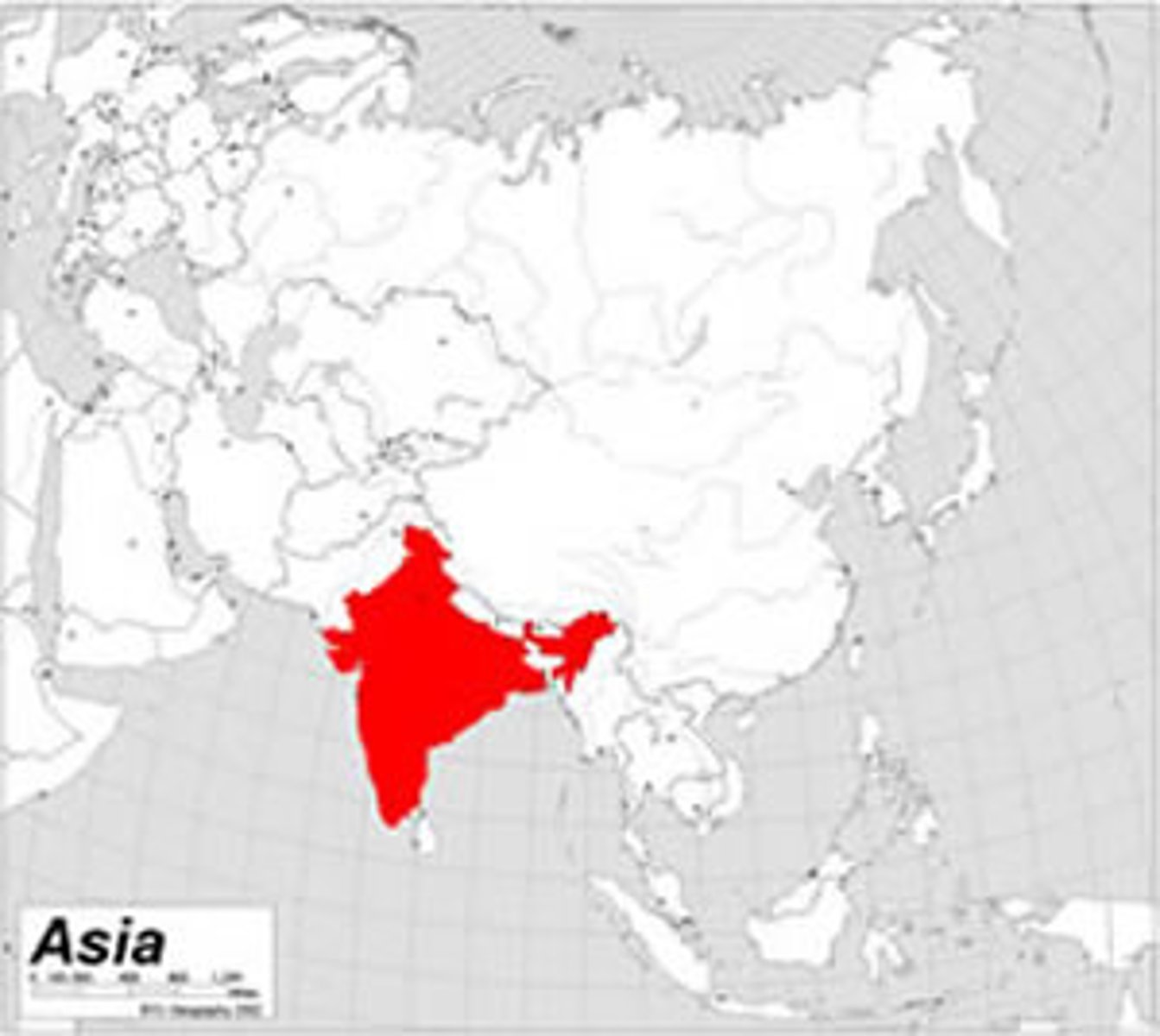
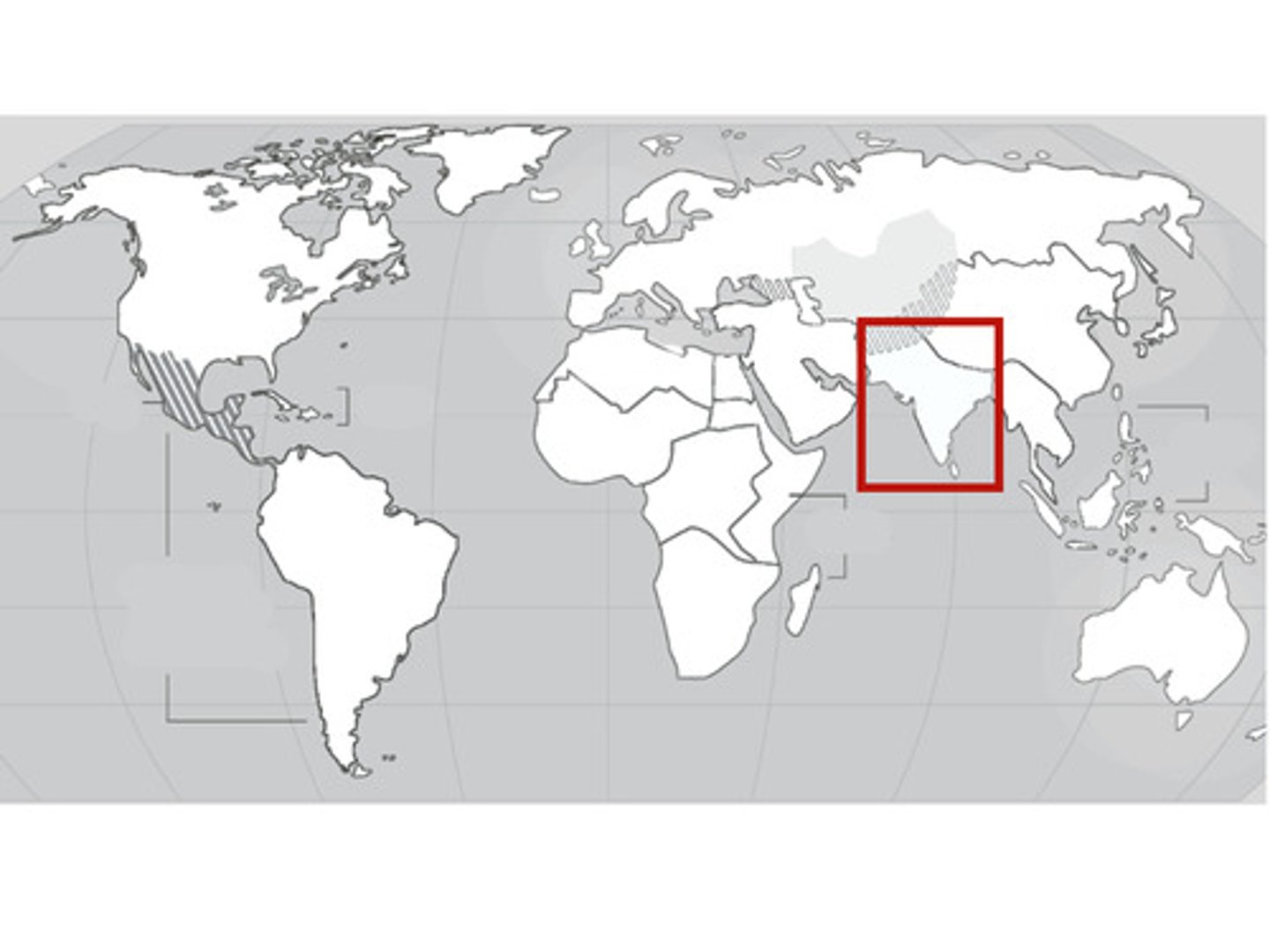
7. 1520 CE - 1857 CE
SOUTH ASIA
-The first part of this term are the dates for the Mughal Dynasty
-The second part of this term is the AP Region for the Mughal Dynasty, which includes India and Pakistan
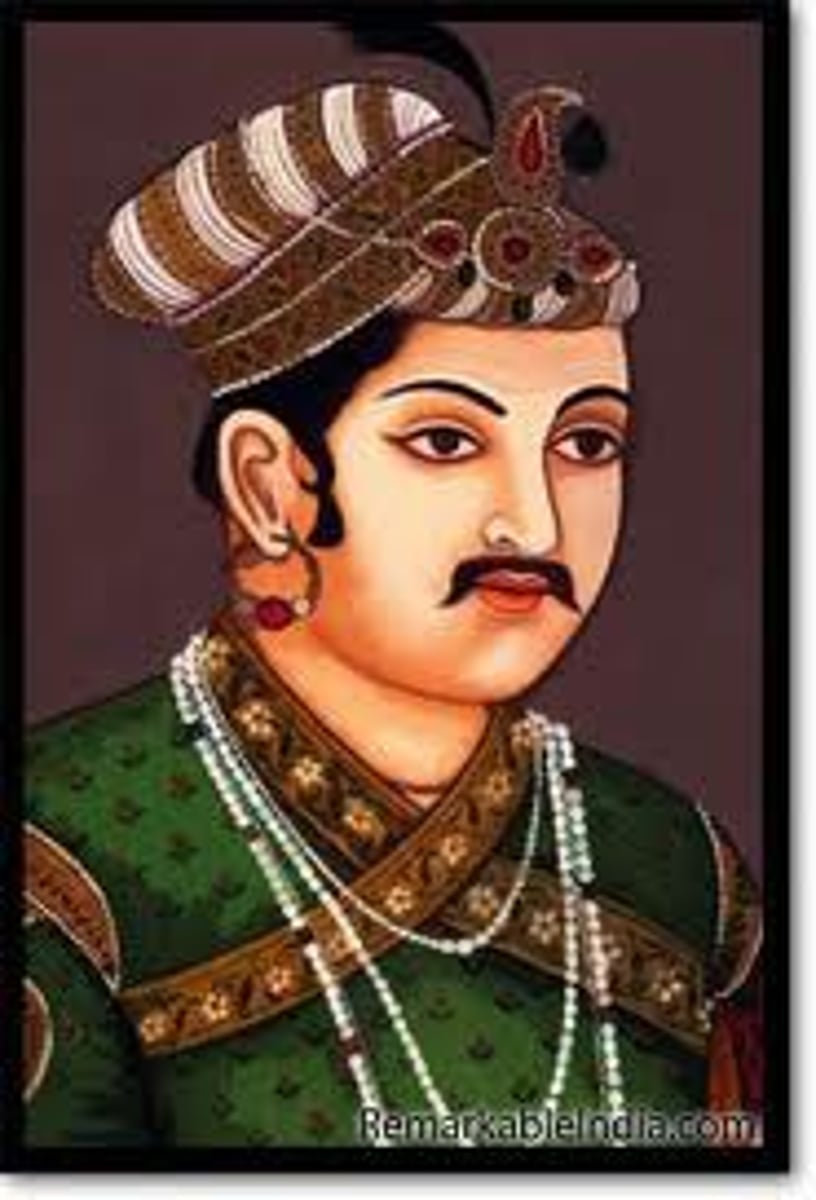
8. Akbar the Great 1600 CE
-Indian Islamic ruler of the Mughal Dynasty
-He was considered the greatest Mughal Emperor, he was a powerful ruler who expanded the empire and was also known for his religious tolerance
-He famously threw an advisor out of a window--twice! Took power around 1600 CE
-He created "the Divine Faith"-- a syncretic religion that mixed parts of Hinduism and Islam together;
-he married a Hindu, which showed his religious tolerance
-He also lessened or took away the jizya tax on Hindus, making him popular with the Indian Hindu population
-Expanded the empire southward through conquest
9. Akbar's Divine Faith
-Akbar studied many different religions and tried to create a religion that combined many different religions
- _____________________________ was his attempt to create a syncretic (mixed) religion from Hinduism and Islam
-After his death, this religion faded and did not succeed as his great-grandson, Aurangzeb, was not religiously tolerant
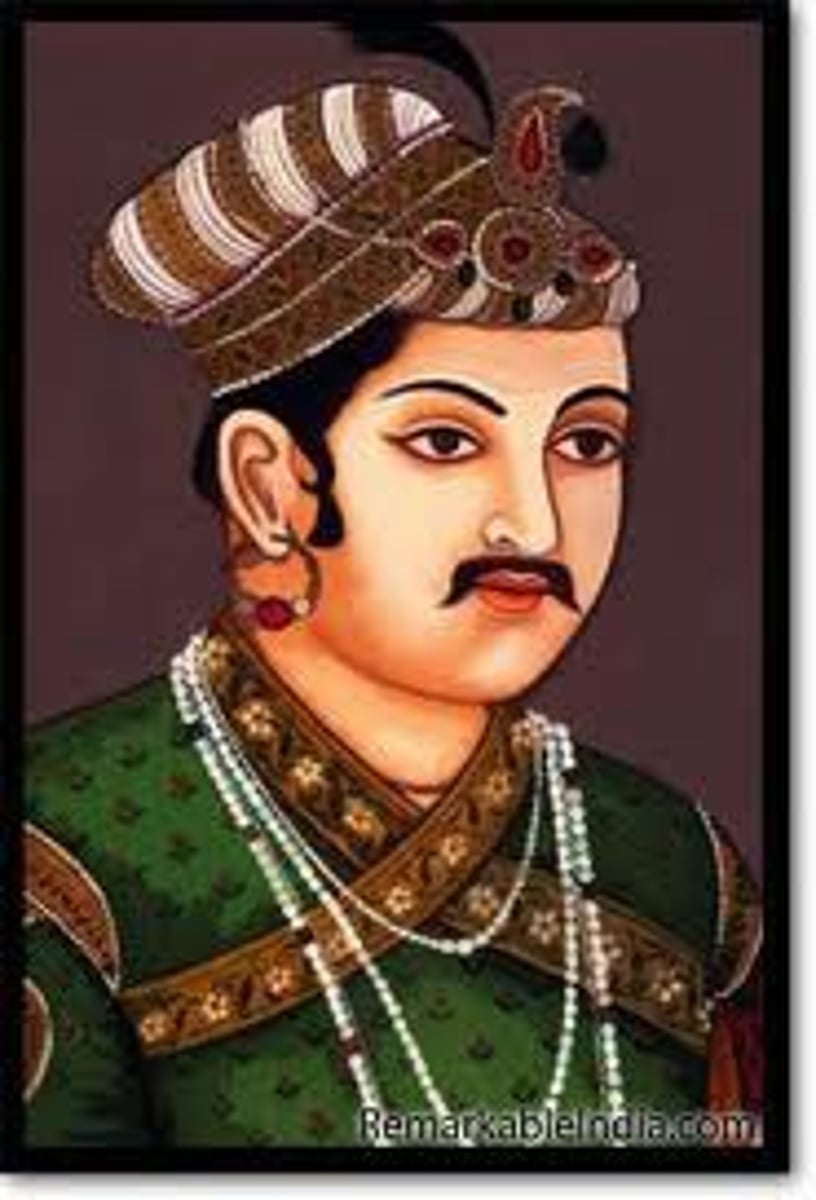
10. Shah Jahan (ruled 1628-1658) CE
--Indian Islamic ruler of the Mughal Dynasty
--The Mughals were incredibly wealthy at their peak; they wanted to show off their power and wealth, so this ruler built the Peacock Throne and the Taj Mahal
-grandson of Akbar the Great; big thing to know is he built the Peacock Throne and Taj Mahal (to honor his wife!) and demonstrate the fantastic wealth of the Mughal Dynasty
-He got sick in 1658. He named his oldest son to be his successor [next sultan]. This set off a succession crisis/Civil War
-His third son, Aurangzeb, won the civil war and executed his surviving brother. Shah _____________ recovered from illness though...
-Aurangzeb imprisoned his father at the Agra Fort and lived the last 8 years of his life in jail before dying.
-His reign marked the zenith [height] of Mughal architectural and cultural achievement, as shown by the Taj Mahal and Peacock Throne
![<p>--Indian Islamic ruler of the Mughal Dynasty</p><p>--The Mughals were incredibly wealthy at their peak; they wanted to show off their power and wealth, so this ruler built the Peacock Throne and the Taj Mahal</p><p>-grandson of Akbar the Great; big thing to know is he built the Peacock Throne and Taj Mahal (to honor his wife!) and demonstrate the fantastic wealth of the Mughal Dynasty</p><p>-He got sick in 1658. He named his oldest son to be his successor [next sultan]. This set off a succession crisis/Civil War</p><p>-His third son, Aurangzeb, won the civil war and executed his surviving brother. Shah _____________ recovered from illness though...</p><p>-Aurangzeb imprisoned his father at the Agra Fort and lived the last 8 years of his life in jail before dying.</p><p>-His reign marked the zenith [height] of Mughal architectural and cultural achievement, as shown by the Taj Mahal and Peacock Throne</p>](https://knowt-user-attachments.s3.amazonaws.com/e11accfb-e38a-41f1-9913-89e4b33a7dd2.jpg)
The Taj Mahal 1650 CE
-The Mughal Dynasty was an Islamic dynasty in India that was very wealthy at its height
-To honor his dead wife, Shah Jahan ordered the construction of this famous mosque, one of the most beautiful buildings ever constructed
-This building demonstrates the power and wealth of Shah Jahan and the Mughals; different parts of the building represent different parts of Islam
-One of the major national symbols of India, it is considered extremely beautiful, and one of the modern 7 wonders of the world
-Cost over $1 billion dollars to build if the money were converted to 2022 value
12. The Peacock Throne
--The Mughal Dynasty was an Islamic dynasty in India that was very wealthy at its height
-Shah Jahan wanted to demonstrate the wealth and power of the empire and so he built this in 1630 CE
-This throne contained ten million rupees worth of diamonds, rubies, emeralds, and pearls
-Considered the "greatest seat upon which a human has ever sat"
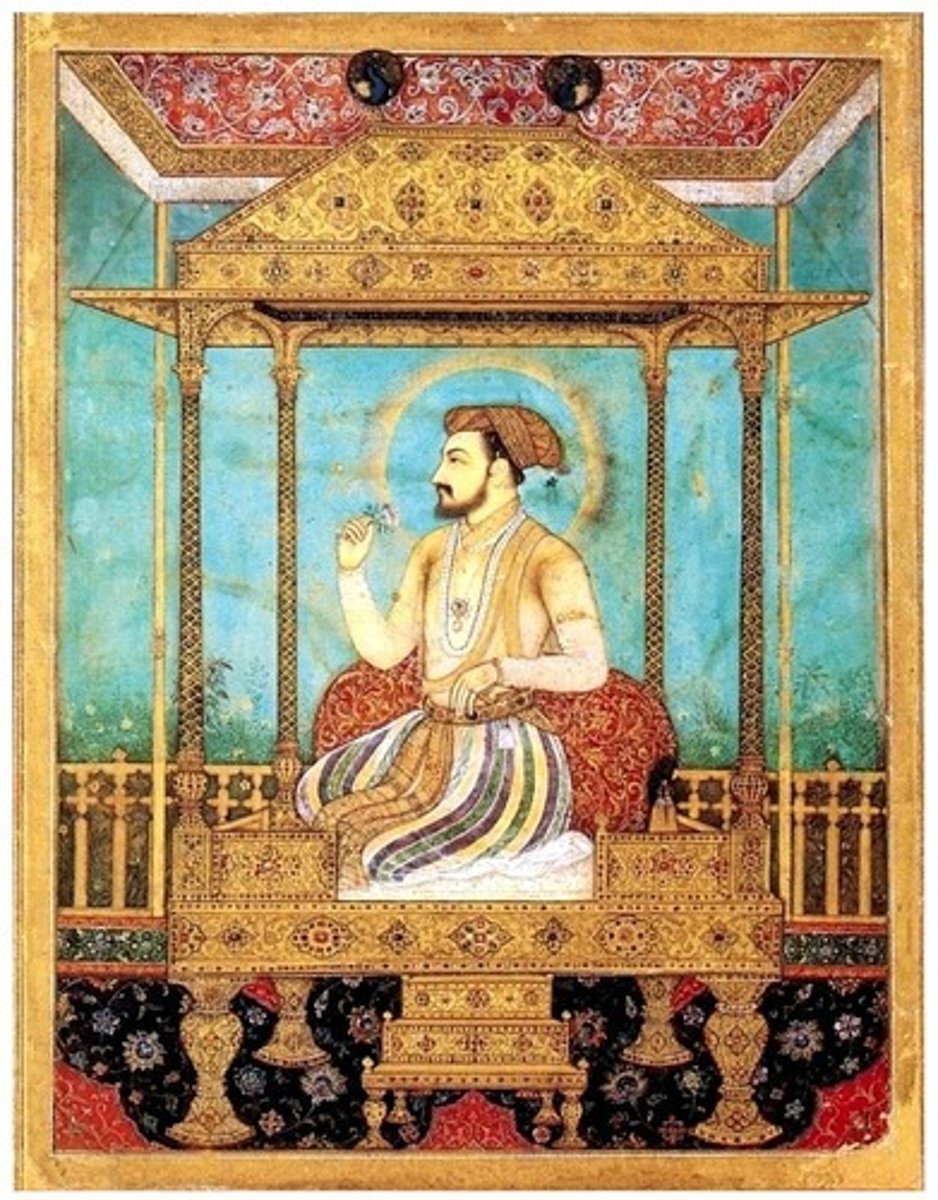
13. Aurangzeb 1670 CE
-Indian Islamic ruler of the Mughal Dynasty. Great Grandson of Akbar the Great, son of Shah Jahan.
- this emperor was NOT religiously tolerant; started around 1670 CE
-He re-established the jizya tax on the Hindu lower classes and demolished several temples
-The empire reached it's greatest total area under him
-Because of his oppression and lack of toleration, he faced many rebellions and dissent from the Hindus in India
-did expand the empire further south through conquering
-Threw his own father in jail and executed his brothers in order to establish himself as the ruler of the Mughals
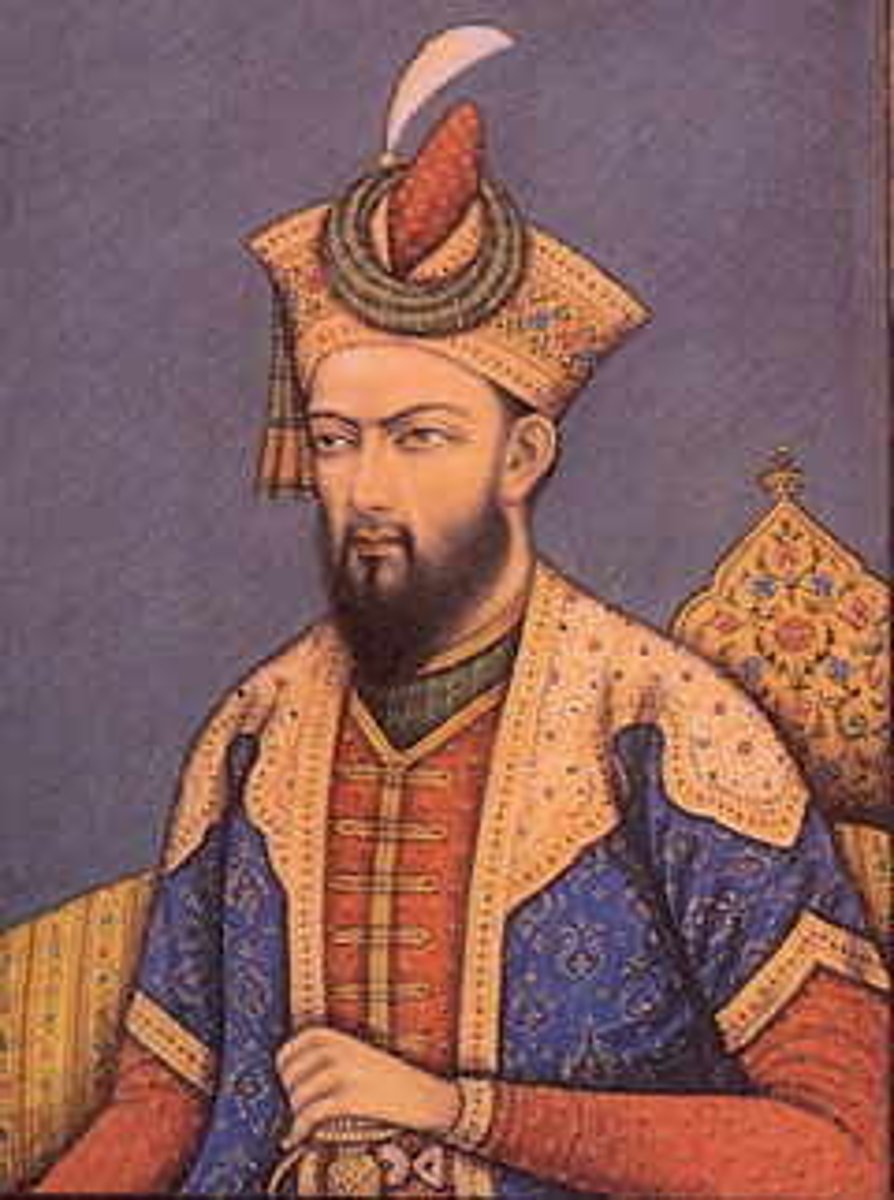
14. Jizya
-The Mughals were Islamic rulers ruling over a population of Hindus
-Aurangzeb wanted to encourage Hindus to convert to Islam so he placed a tax on the Hindus that they had to pay each year
-This was an unpopular tax and led to rebellions; the tax was called the _______________

15. The British East India Company
-This was a powerful British Joint-Stock Company that began to take power in India during the 1600's and 1700's
-By the 1800's this company was hiring and training Indian soldiers, known as Sepoys
-The company traded in many things and many places, but some of its most profitable products were tea, coffee, opium, cotton, and sugar.
-By the mid 1700's this was the most powerful corporation in the world, by some claims controlling half of all global trade in the world. The company was so powerful it had its own private army of 260,000 soldiers, twice the size of the British Government's army.
-The company became more and more powerful and began taking land and power from the Mughal Rulers
-In the 1800's the Mughals started to seriously decline as the British East India company took land and power away from the Mughals
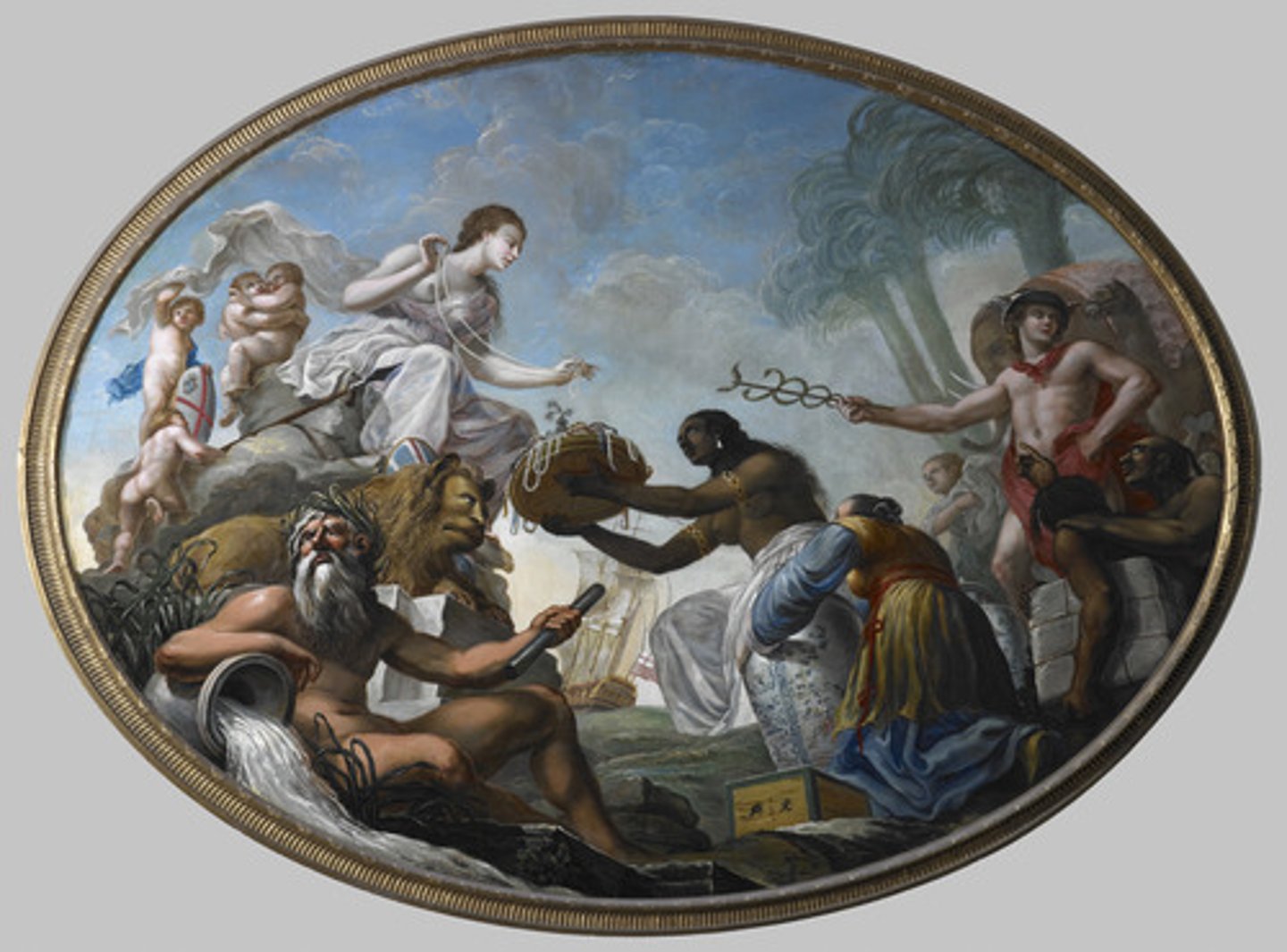
16. The Sepoy Rebellion of 1857
-The joint-stock company, the British East India Company, began training and hiring Indian soldiers to fight for them.
-These soldiers were known as Sepoys
-The company was trying to force them to bite cartridges that contained animal fat; this was against their religion. The Sepoys were unhappy with the BEIC and staged a rebellion
-They killed hundreds of white British settlers in India; once the British heard about this, the Queen sent in military and took over India; this was the downfall of the Mughals
-So the major thing to know about this event is that it was the downfall of the Mughal Dynasty, as the British took over the Empire afterwards
17. Zamindar Tax Collection
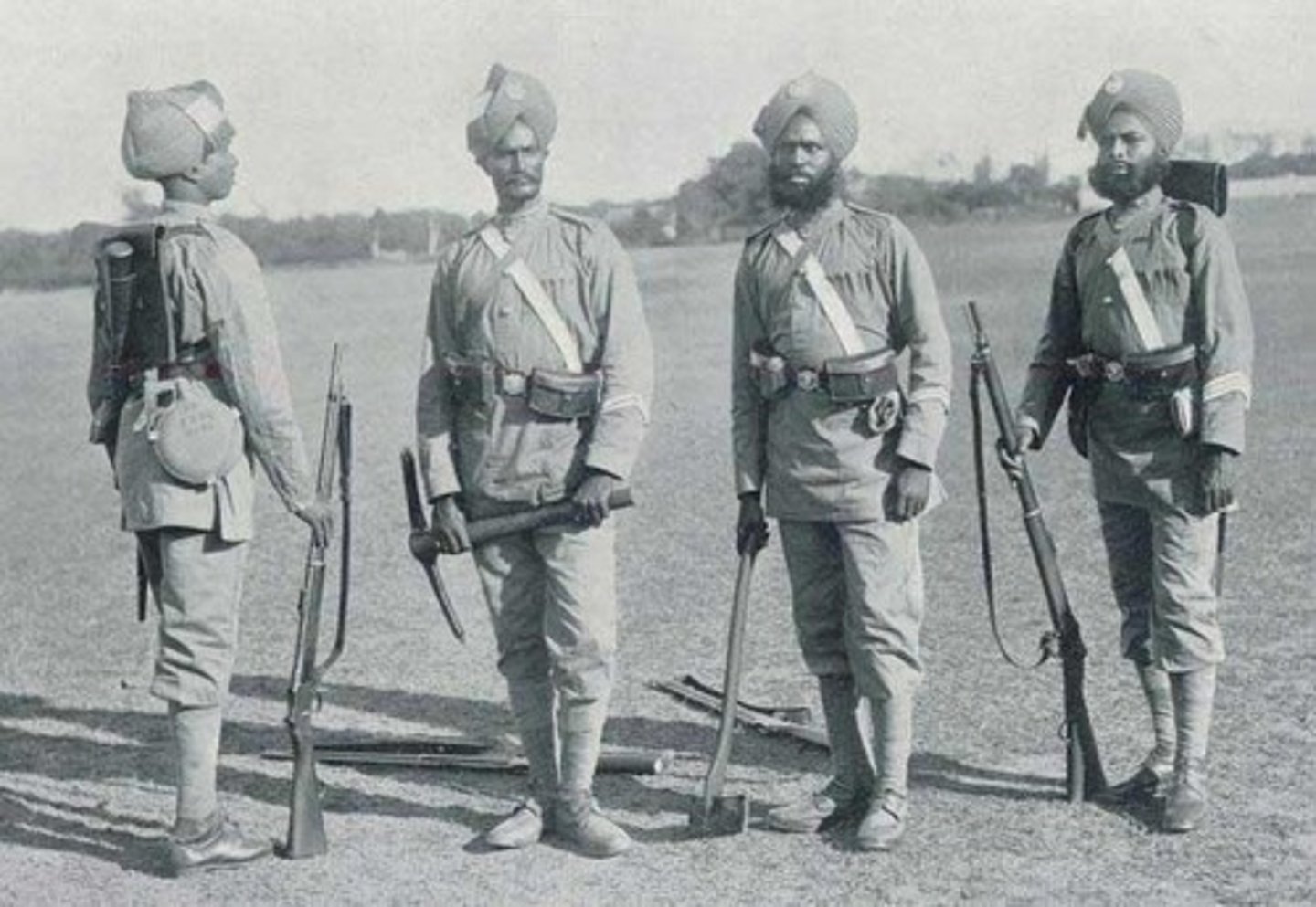
-In Era 2 1450 CE to 1750 CE, as empires grew in size they needed to develop new systems for bureaucrats (government officials) to collect taxes
-In the Mughal Dynasty, the Zamindars were the nobles and belonged to the nobility
-The Zamindars would rule over certain areas and would own lots of land and have lots of power over they peasants in those lands.
-they would be responsible for collecting the taxes in those areas from the peasants
-the taxes would get passed on to the Mughal rulers, who would use the taxes to pay for the military or to increase trade
18. Mughal - Safavid War 1649 - 1653 CE
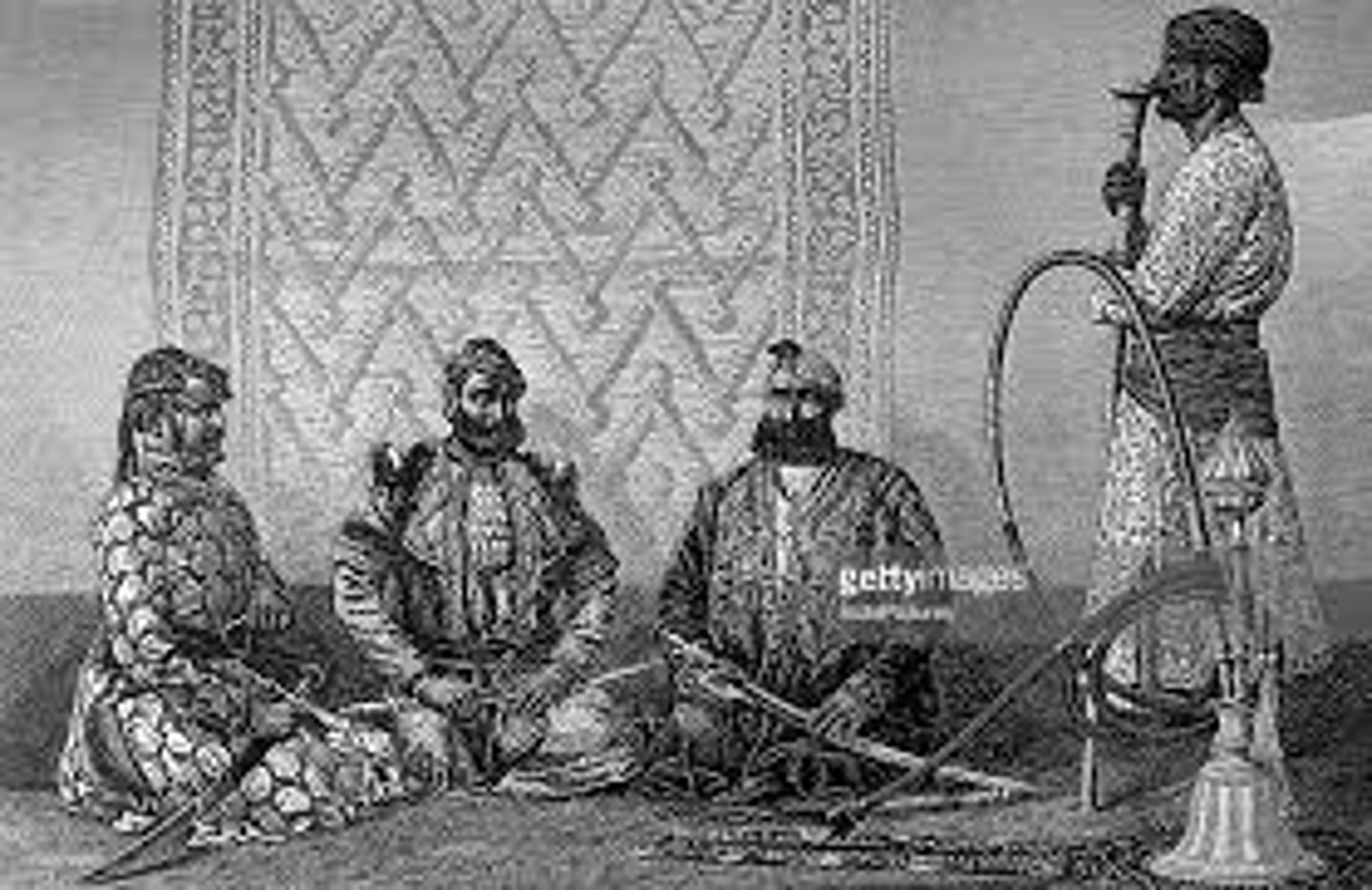
-The Mughals were Sunni Muslim, and they fought a major war against the Safavids, who were Shiite Muslim; the Shiite Safavids won the war
-This war was fought in modern day Afghanistan
-While the Mughals were distracted fighting someone else, the Safavids seized the opportunity and took one of the Mughal cities/fortresses in Afghanistan, named Kandahar
-When the Mughals realized what happened, they fought a war to attempt to regain the city and the territory they had lost.
-The Safavids had revitalized (rebuilt) their military and modernized with guns, so the Mughals were unable to gain the territory back
-As a result the Shiite Safavids emerged victorious from the conflict, and the Sunni Mughals were defeated
19. The Kingdom of Kongo 1450 - 1700 CE [DATES REQUIRED FOR FULL CREDIT]
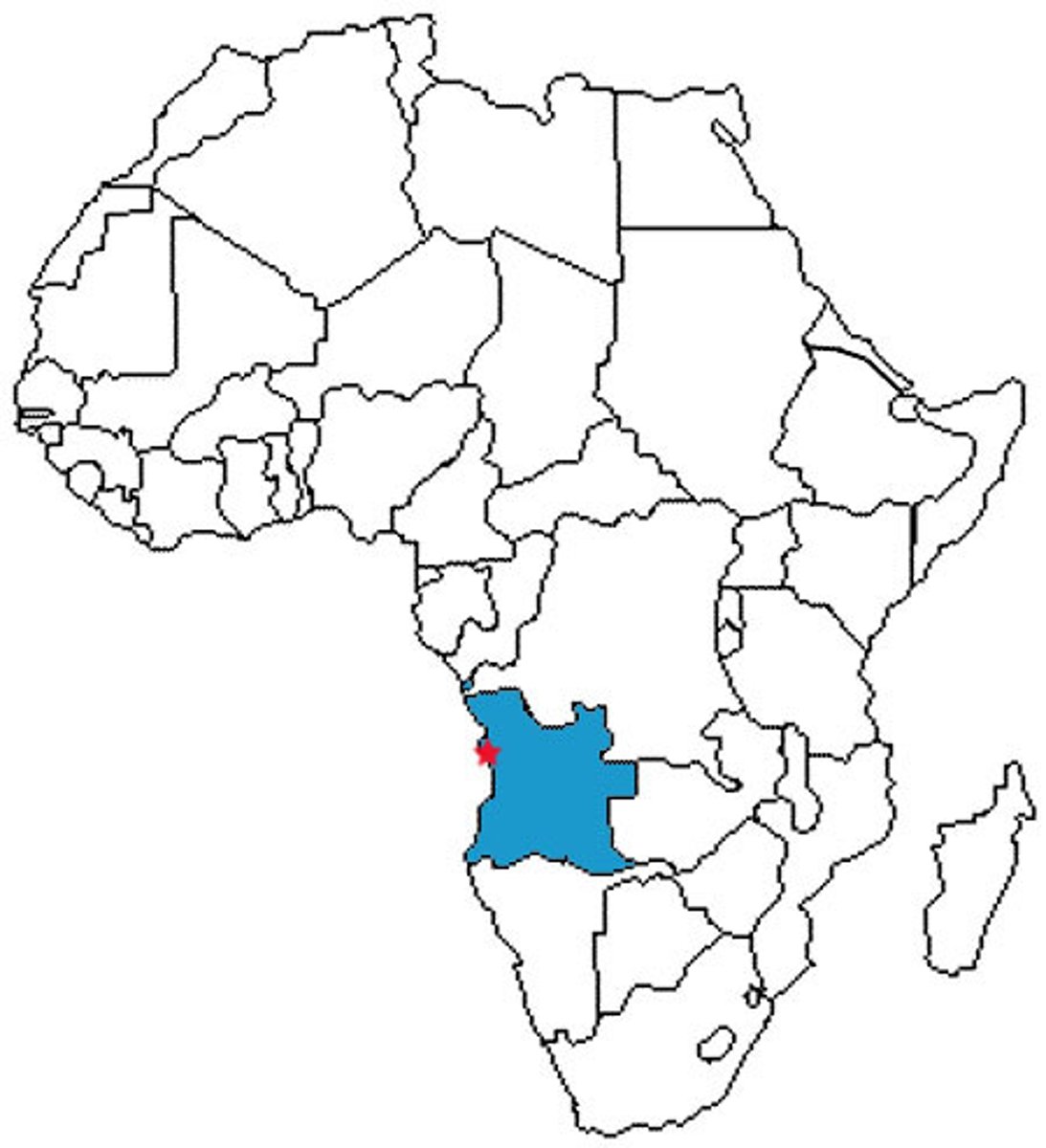
-From 1450 - _____________ CE, this began as one of the most powerful kingdoms in West/SW Africa, on the coast of the Atlantic Ocean; had a complex and advanced civilization and economy
-This empire had lots of trade with the Portuguese; initially, it was a beneficial trade to both empires, as the Portuguese were trading manufactured goods to the Kongolese and many Kongolese even converted to a syncretic (mixed form of Chrisitianity)
-As time passed, the "slave trade" increased and the Portuguese slavers began to have an increasingly negative effect on the Kingdom of Kongo
-Capital city was Mbanza Kongo
-Rulers like King Afonso and Queen Nzinga of Ndongo tried to resist the Portuguese
-Eventually the kingdom fell to the Portuguese and became the first European colony in Africa in the year ______________________________
DATES REQUIRED FOR FULL CREDIT
-AP Region: Sub-Saharan Africa, SW Africa
20. Effect of the Portuguese on the Kongo
-Initially, the Portuguese [Europeans] established a mutually beneficial (helped both sides) trading relationship with the Kingdom of the Kongo
-The Portuguese also converted many Kongolese to a syncretic (mixed) form of Christianity
-This group of Europeans brought textiles (cloths), and weapons to the Kongo to trade with the Kongolese
-In return, they received copper and ivory; trade through Mbanza Kongo, the capital city
-They also became interested in trading for enslaved persons [slaves]. Slavery already existed in the Kongo and the Kongolese nobles had enlaved persons [slaves], but the Portuguese began capturing and enslaving Kongolese at a massive rate
-Eventually, the benefits of trade stopped for the Kongolese as the Portuguese began to take more captives and enslave them;
-Rulers like King Afonso and Queen Nzinga of Ndongo tried to resist the enslavement of their people
-Eventually the kingdom fell to the Portuguese and became the first European colony in Africa in 1700
![<p>-Initially, the Portuguese [Europeans] established a mutually beneficial (helped both sides) trading relationship with the Kingdom of the Kongo</p><p>-The Portuguese also converted many Kongolese to a syncretic (mixed) form of Christianity</p><p>-This group of Europeans brought textiles (cloths), and weapons to the Kongo to trade with the Kongolese</p><p>-In return, they received copper and ivory; trade through Mbanza Kongo, the capital city</p><p>-They also became interested in trading for enslaved persons [slaves]. Slavery already existed in the Kongo and the Kongolese nobles had enlaved persons [slaves], but the Portuguese began capturing and enslaving Kongolese at a massive rate</p><p>-Eventually, the benefits of trade stopped for the Kongolese as the Portuguese began to take more captives and enslave them; </p><p>-Rulers like King Afonso and Queen Nzinga of Ndongo tried to resist the enslavement of their people</p><p>-Eventually the kingdom fell to the Portuguese and became the first European colony in Africa in 1700</p>](https://knowt-user-attachments.s3.amazonaws.com/5670ee07-c717-4099-8117-d78aa59990b9.jpg)
21. Syncretism
-The mixing of local religions with a major religions; for example, Christianity/Islam being mixed with local religions like shamanism or animism
-Example: in the Kongo, many people converted to Christianity. But many people still worshipped local gods, the sun gods, animal gods, etc.
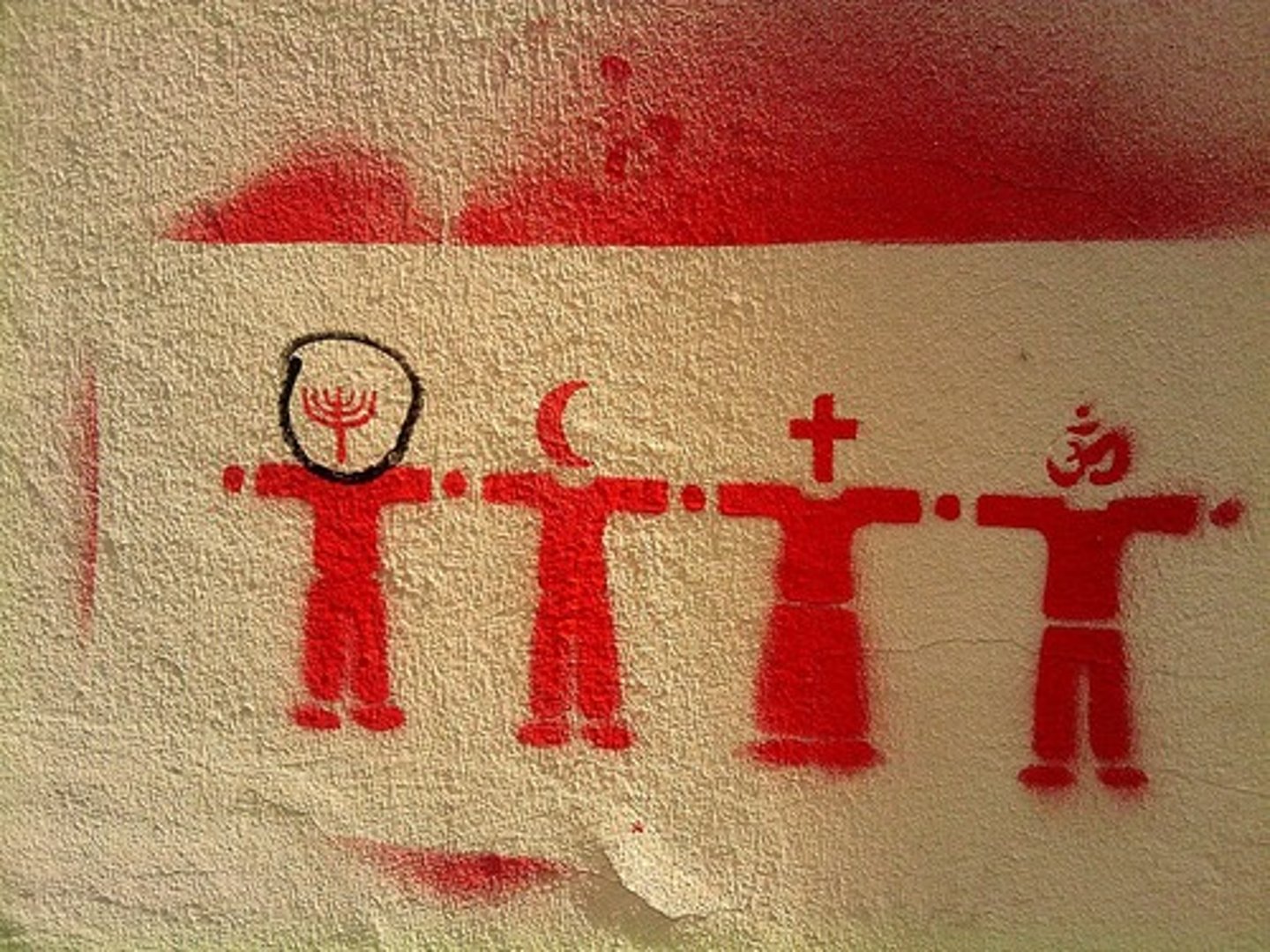
22. Syncretic Christianity in the Kongo
-When the Portuguese arrived in the Kongo, they were able to convert thousands of people to Christianity
-Even King Afonso the I became a devoted Christian. He was known to read the Bible so often that sometimes he forgot to eat.
-There were many cults devoted to the saints
-When two religions are mixed together, it's called a syncretic religion
-Even though they converted to Christianity, many people in the Kongo kept parts of their old religion, or they mixed their old religions with Christianity, to make a syncretic religion
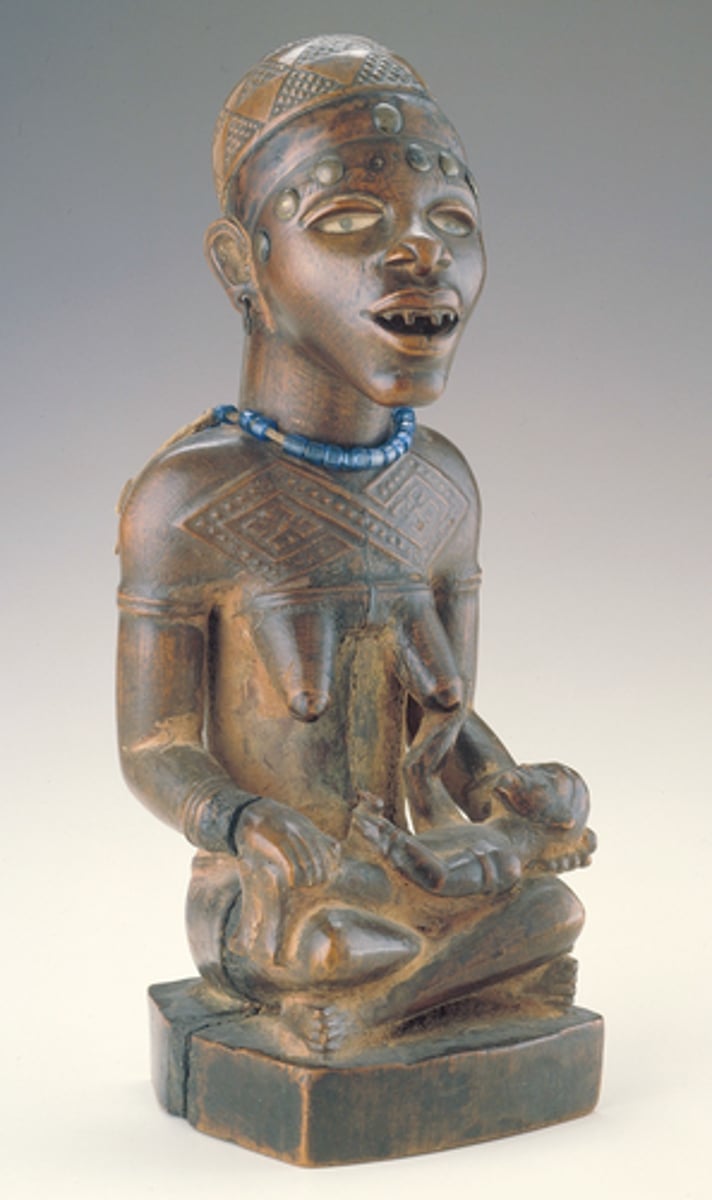
23. King Afonso I 1525 CE
-Initially, the Portuguese established a mutually beneficial (helped both sides) trading relationship with the Kingdom of the Kongo
-The Portuguese converted many Kongolese to a syncretic (mixed) form of Christianity
-He ruled from capital city of Mbanza Kongo, the city was known as "Kongo of the Bells" because there were so many Christian churches
-This Kongolese King was famous for being a devoted Christian; he would even forget to eat because he was reading the Bible
-However, he also started to protest against the Portuguese because they were enslaving so many people and capturing too many enslaved persons; even though slavery already existed in the Kongo, the Portuguese were taking it to another level
-he began to write letters to the Portuguese king asking that he stop the slave trade
-The Portuguese king ignored his letters and the slave trade increased; when this King died, the Kongo was losing power to the Portuguese
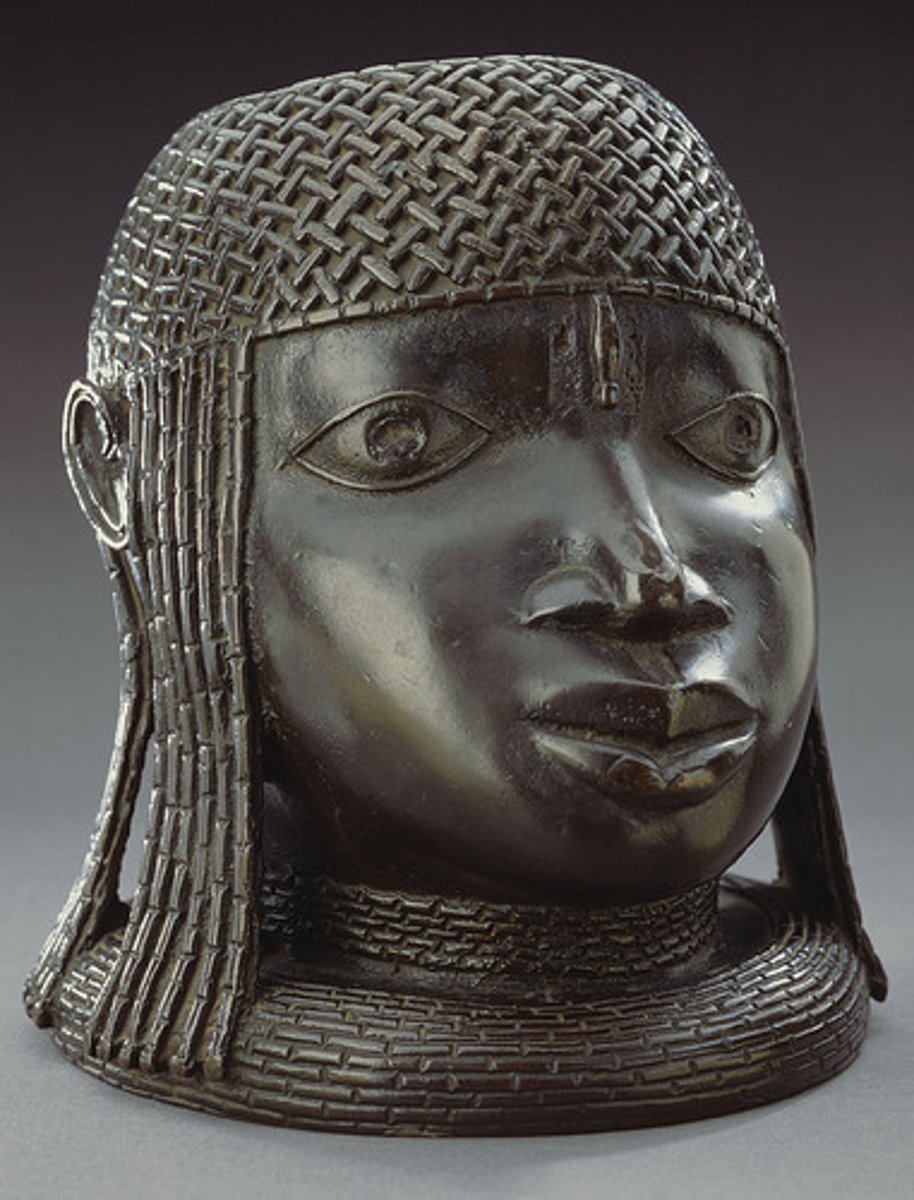
24. Queen Nzinga of Ndongo 1650 CE
--Initially, the Portuguese established a mutually beneficial [helped both sides] trading relationship with the Kingdom of the Kongo and Ndongo
-However, over time they began capturing and enslaving too many people and destroying the society of Kongo/Ndongo
-This famous warrior queen led a spirited resistance against the Portuguese; she even rode into battle with her troops and fought a guerrilla war against the Portuguese to keep her people free. She was a ghost in the night
-In one famous case, the Europeans did not offer her a seat in a meeting. She had one of her male concubines go on all fours and she sat on his back!
-She also allied with the Dutch and fought several major, open-field battles against the Portuguese. She won a major victory at the Battle of Ngoleme in 1644
-After forty years of fighting she fought the Portuguese to a standstill and they left her people in peace. She saved people from enslavement and died on her throne as a queen at the age of 80
-After she died, the kingdom fell apart and the resistance to enslavement crumbled. This highlights what an effective leader she was, that the resistance sadly could not continue without her.
![<p>--Initially, the Portuguese established a mutually beneficial [helped both sides] trading relationship with the Kingdom of the Kongo and Ndongo</p><p>-However, over time they began capturing and enslaving too many people and destroying the society of Kongo/Ndongo</p><p>-This famous warrior queen led a spirited resistance against the Portuguese; she even rode into battle with her troops and fought a guerrilla war against the Portuguese to keep her people free. She was a ghost in the night</p><p>-In one famous case, the Europeans did not offer her a seat in a meeting. She had one of her male concubines go on all fours and she sat on his back!</p><p>-She also allied with the Dutch and fought several major, open-field battles against the Portuguese. She won a major victory at the Battle of Ngoleme in 1644</p><p>-After forty years of fighting she fought the Portuguese to a standstill and they left her people in peace. She saved people from enslavement and died on her throne as a queen at the age of 80</p><p>-After she died, the kingdom fell apart and the resistance to enslavement crumbled. This highlights what an effective leader she was, that the resistance sadly could not continue without her.</p>](https://knowt-user-attachments.s3.amazonaws.com/a7407805-aee9-4f88-91ac-f065be31b678.jpg)
25. Chibados
-These people were important political and spiritual leaders in Ndongo/Kongo where Queen Nzinga ruled
-They were born biologically male but cross-dressed as female
-They were important political, military, and spiritual advisers and leaders
-They could marry men (they themselves were biologically male, dressed as women) and no one in the society had a problem with that
-In fact, their same-sex marriages were honored and prized
-Queen Nzinga was said to have over 50 __________________ in her court, and some of them were possibly her lovers and concubines
-Once the Portuguese colonized Angola and Africa, they forced more conversion to Christianity, and homophobia increased. This lead to less acceptance of different types of love and gender identity
-This shows how homophobia increased with colonization and the spread of major organized religions
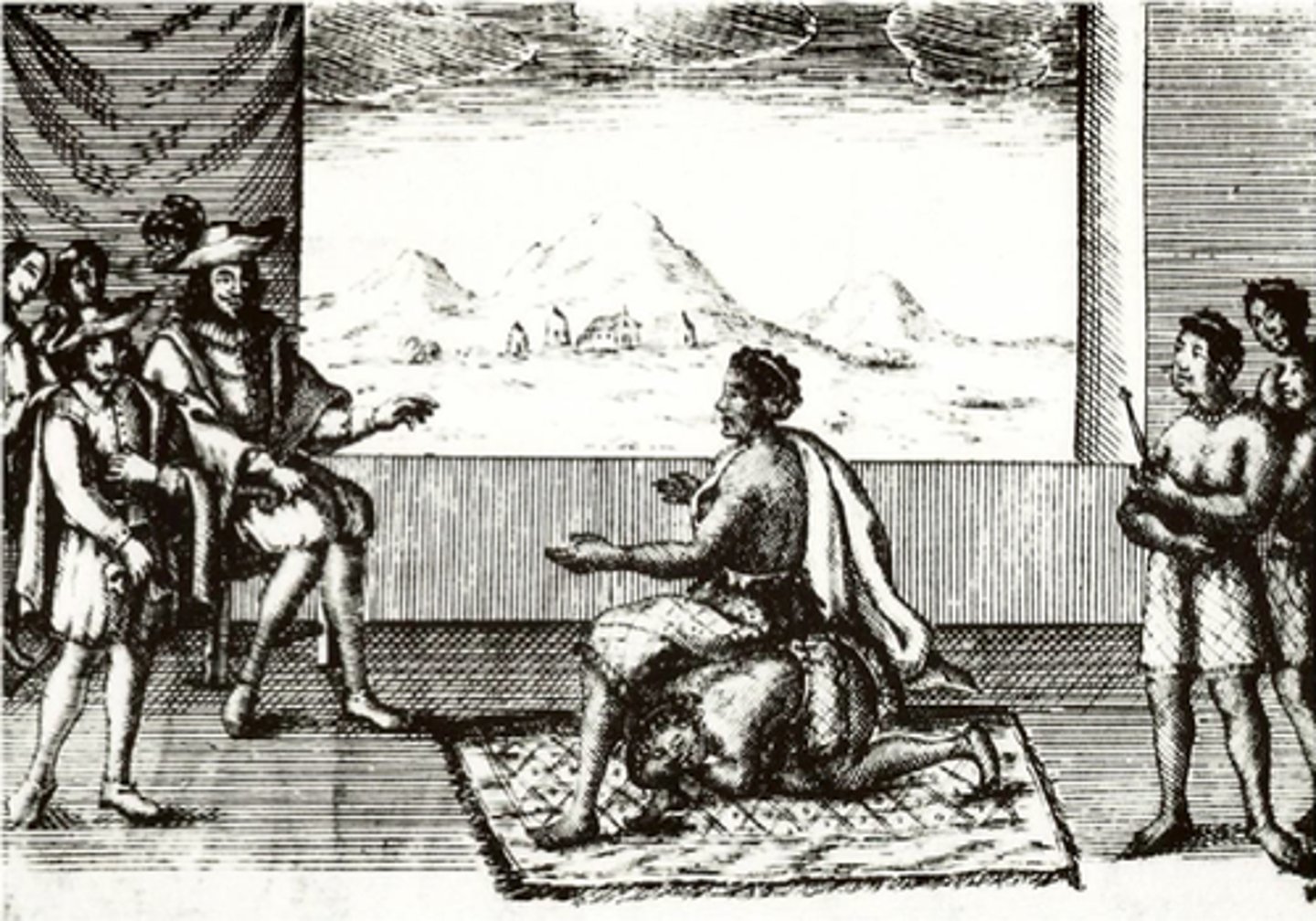
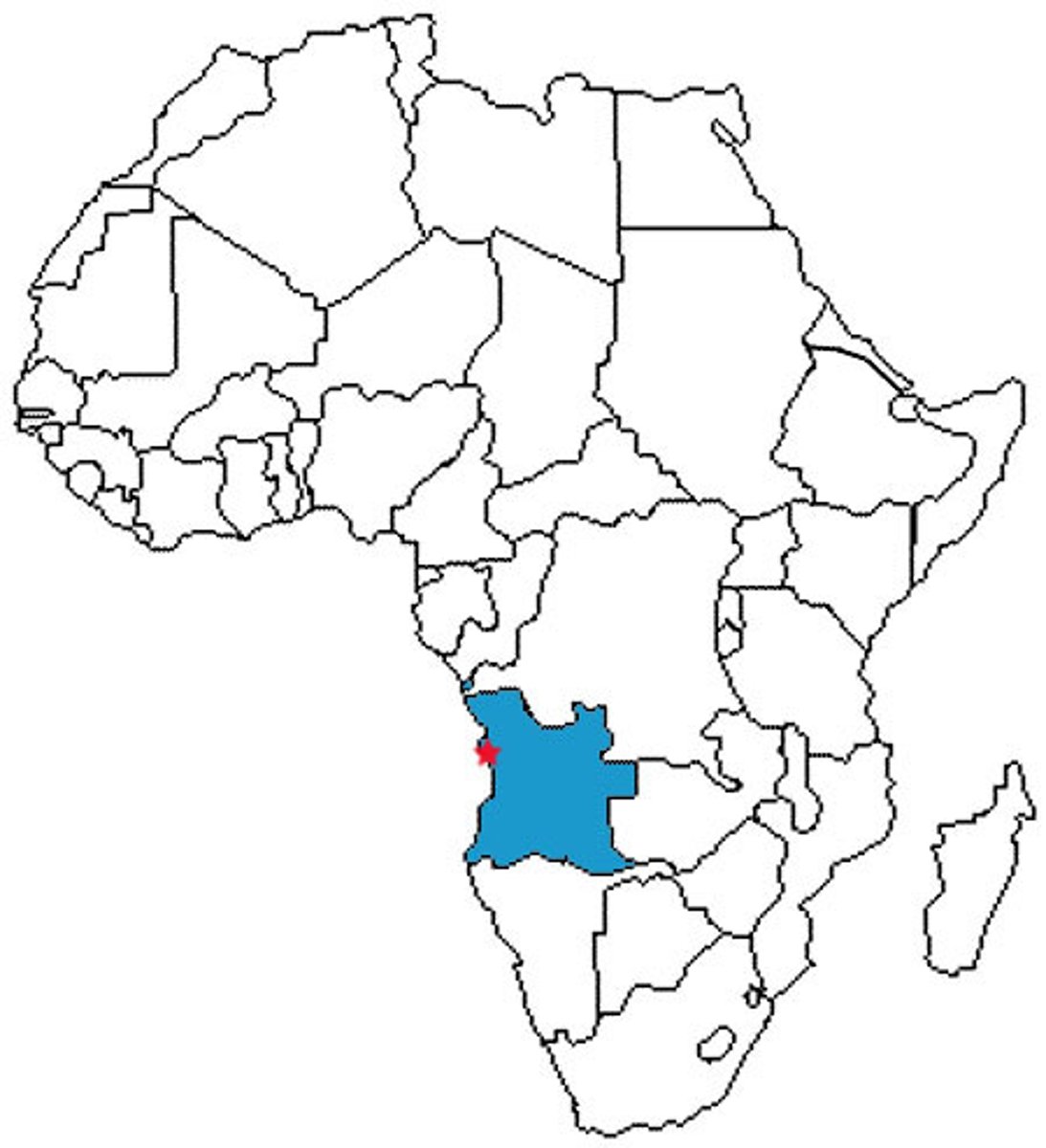
26. Colony of Angola 1700 CE
-In the Kongo, the Portuguese began demanding and taking so many slaves that it destroyed the society
-Rulers like King Afonso and Queen Nzinga of Ndongo tried to resist the Portuguese and Queen Nzinga led a spirited defense/rebellion where she fought a guerrilla war for her entire life in 1600's to keep them out of the Kongo
-Eventually the kingdom fell to the Portuguese after Nzinga's death and they created the Colony of _______________________ in _________ CE
-This was the first major European colony in sub-Saharan Africa, but the Scramble for Africa would come until the late 1800's
27. Dona Beatriz 1700 CE
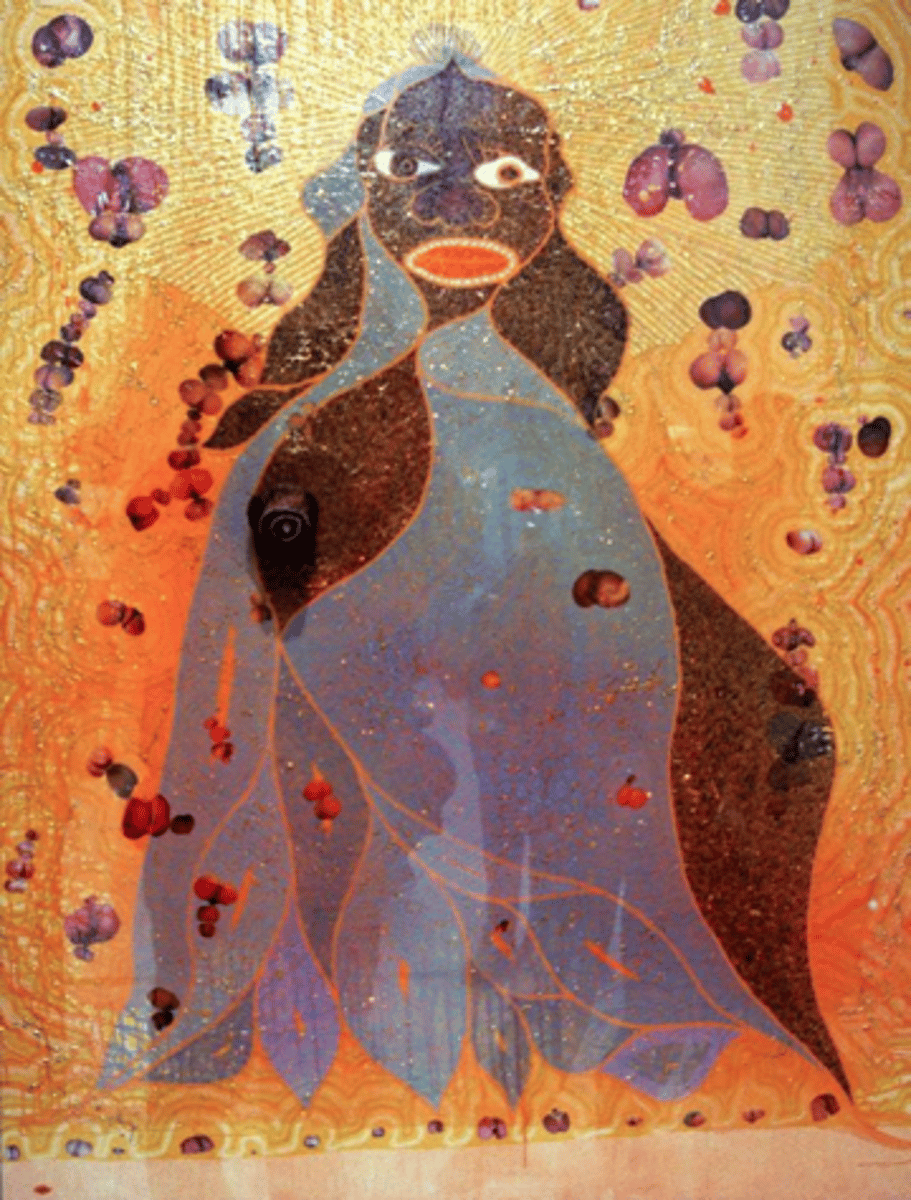
-once the Portuguese had established the Colony of Angola where the Kingdom of Kongo had been, there were thousands of Africans practicing syncretic Christianity
-This woman claimed that she had been visited by St. Anthony and that he was trying to send messages through her
-She told Africans that Jesus was black and she gained a reputation for working miracles and curing diseases
-She told the Kongolese that Heaven was for Africans and told them to ignore the European missionaries
-She was arrested and burned to death at the stake
-After her death an army of 20,000 followers challenged the Portuguese, although they failed
28. The Antonian Movement
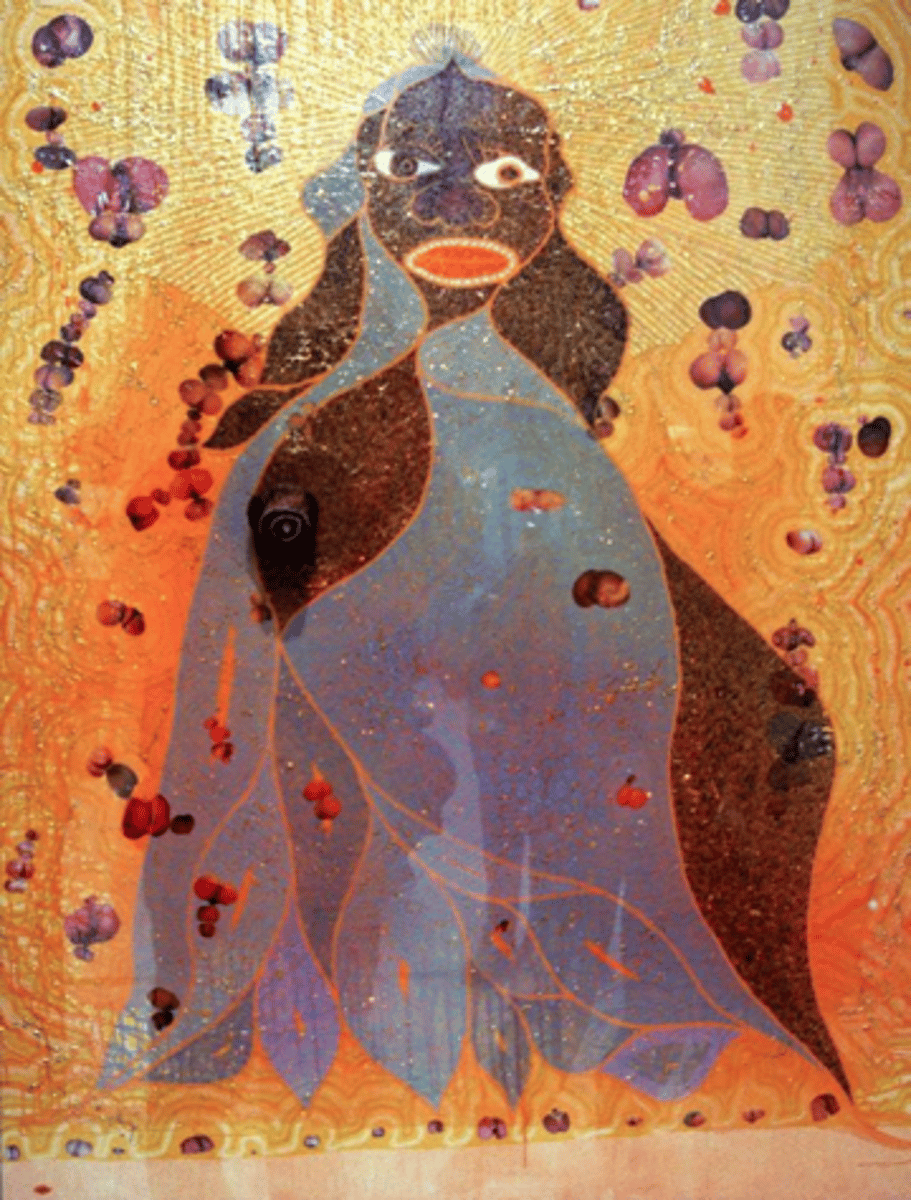
-This was a syncretic Christian religious movement started by Dona Beatriz in the Kongo
-Dona Beatriz claimed that she had been visited by St. Anthony and that he was trying to send messages through her
-Dona's followers started the ____________________________ Movement
-She told the Kongolese that Heaven was for Africans and told them to ignore the European missionaries
-Dona was arrested and burned at the stake
-After her death an army of 20,000 of her followers challenged the Portuguese, although they failed
29. Slave Trade in the Mediterranean and the Indian Ocean
-Even before the Middle Passage and TransAtlantic slave trade, there was already slavery in Africa, the Middle East, the Mediterranean, and Indian Ocean regions
-Within African Kingdoms such as Kongo and Songhay, enslaved persons [slaves] were captured through war and used internally in Africa
-Enslaved persons [Slaves] were also sent across the Trans-Saharan caravan routes and were traded by Arabic traders in the Middle East, Mediterranean Sea, and Indian Ocean
-Many students hear slavery and only think of African enslaved persons and the Middle Passage; slavery had existed in Africa and Eurasia before that, and enslaved persons were also being sent to other parts of the world before the Middle Passage and Trans Atlantic trade
![<p>-Even before the Middle Passage and TransAtlantic slave trade, there was already slavery in Africa, the Middle East, the Mediterranean, and Indian Ocean regions</p><p>-Within African Kingdoms such as Kongo and Songhay, enslaved persons [slaves] were captured through war and used internally in Africa</p><p>-Enslaved persons [Slaves] were also sent across the Trans-Saharan caravan routes and were traded by Arabic traders in the Middle East, Mediterranean Sea, and Indian Ocean</p><p>-Many students hear slavery and only think of African enslaved persons and the Middle Passage; slavery had existed in Africa and Eurasia before that, and enslaved persons were also being sent to other parts of the world before the Middle Passage and Trans Atlantic trade</p>](https://knowt-user-attachments.s3.amazonaws.com/372c0fe9-3ef3-45a6-b732-010cdf961132.jpg)