NAWL 5 (201 -250)
 Call Kai
 Learn
Learn Practice Test
 Spaced Repetition
 Match
Match Flashcards
 Knowt Play
1/49

There's no tags or description
Looks like no tags are added yet.
Name | Mastery | Learn | Test | Matching | Spaced | Call with Kai | Chat |
|---|
No analytics yet
Send a link to your students to track their progress
50 Terms
embed
(v.) to fix something inside something else
acute
(adj.) very serious or severe; in maths: an angle < 90 degrees
utility
(n.) being useful; a public service such as gas, water, or electricity that is used by everyone
complement
(n.) something needed to complete or make perfect
leaf
(n.) the green part of a tree or plant

verbal
(adj.) concerning words
aggregate
(adj.) total amount
equality
(n.) the idea that all people are the same
corpus
(n.) a body; in linguistics: a body of words
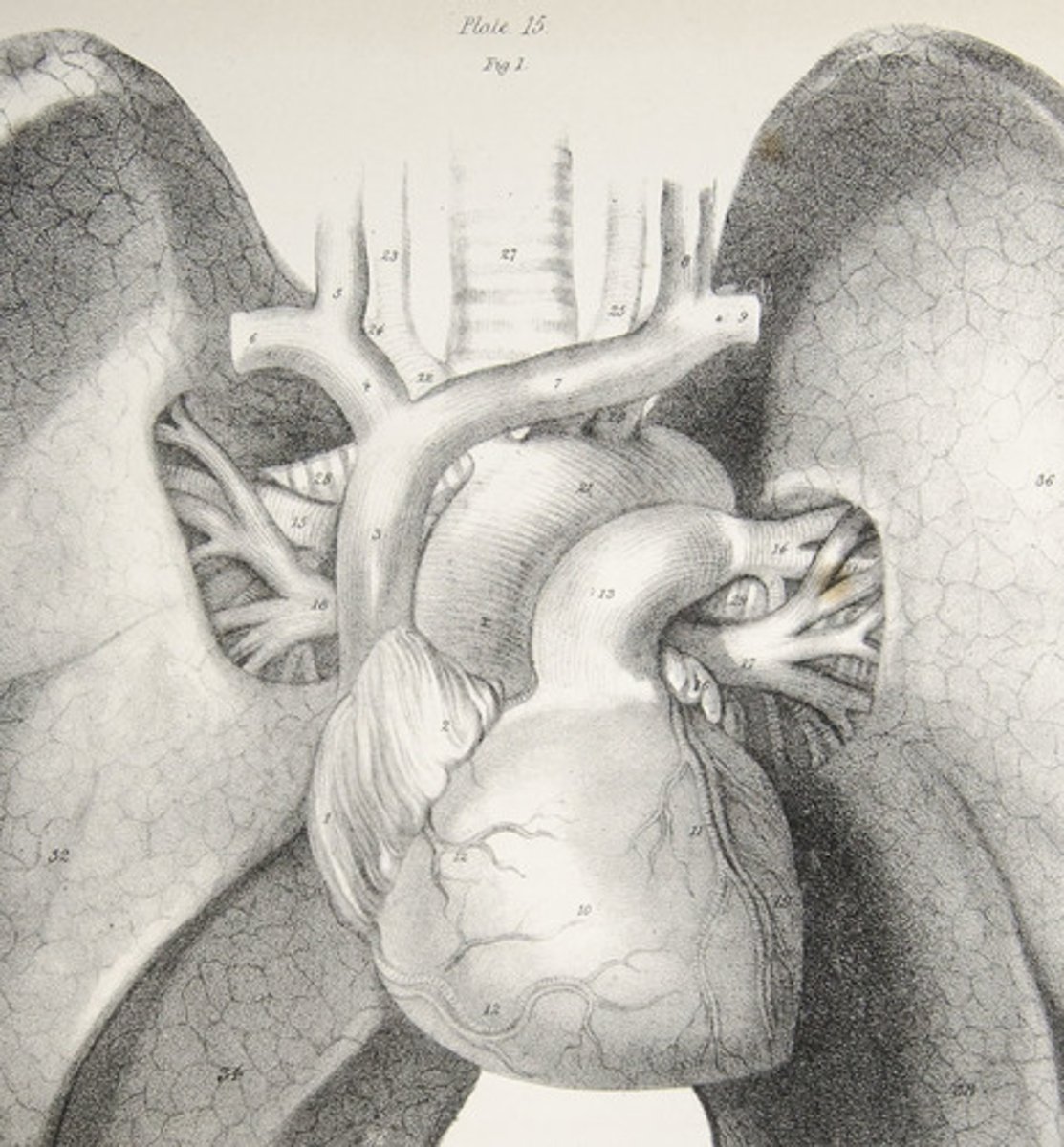
organ
(n.) - in biology: a grouping of tissues into a structure such as a heart or kidney
gradient
(n.) a measure of how steep a road is; in science: the rate of change of something such as temperature or pressure

methodology
(n.) a system of practices, techniques, procedures, and rules that guide a discipline.
entity
(n.) something that is real
tumor
(n.) a mass of abnormal cells that develops when cancerous cells divide and grow uncontrollably
fiber
(n.) a thin, threadlike part of an animal hair or plant tissue; an artificial thread; body cells that form muscles and nerves; a food substance
paradigm
(n.) a set of ideas that are used for understanding or explaining something
psychology
(n.) the study of the mind and how it affects behaviour
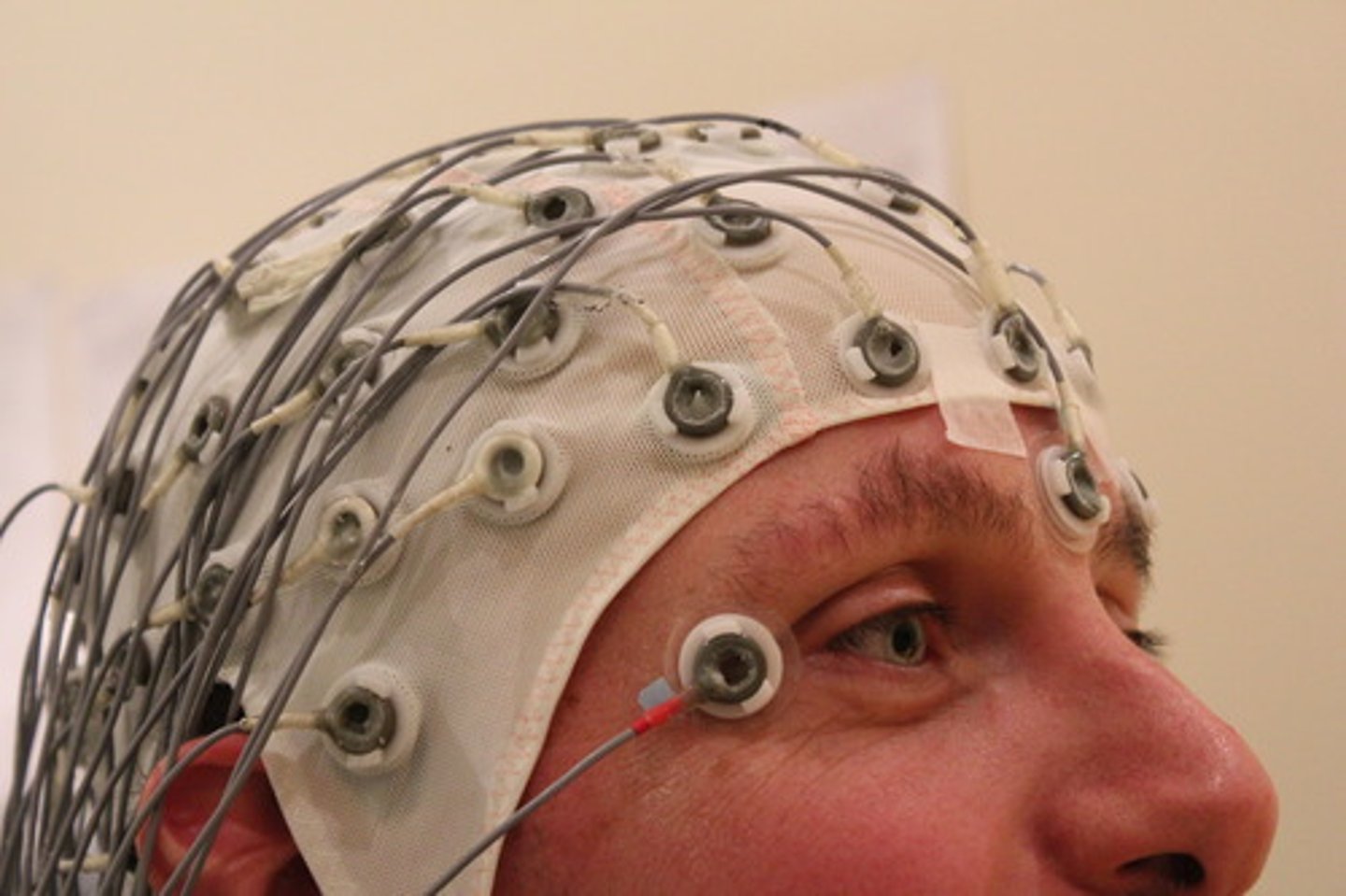
infinite
(adj.) without an end
diverse
(adj.) very different from each other
diagnostic
(adj.) finding a problem, such as a physical or mental problem
continuity
(n.) a situation in which something happens or exists for a long time without stopping or changing
variability
(n.) the fact that something is not always the same; in statistics: the degree to which scores in a frequency distribution depart from the central value
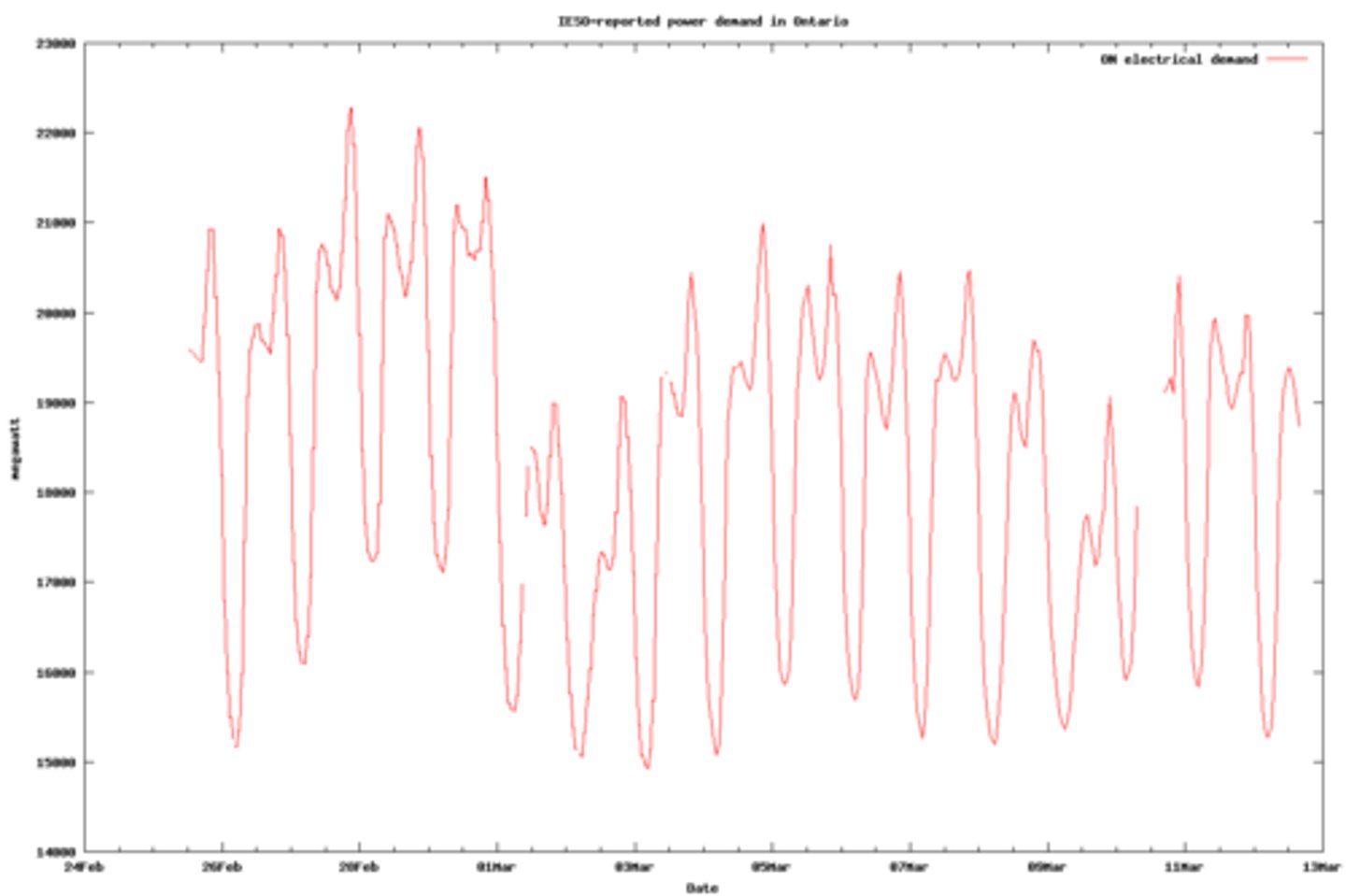
outer
(adj.) on or around something
notation
(n.) a set of written signs or shapes that are used in music or mathematics
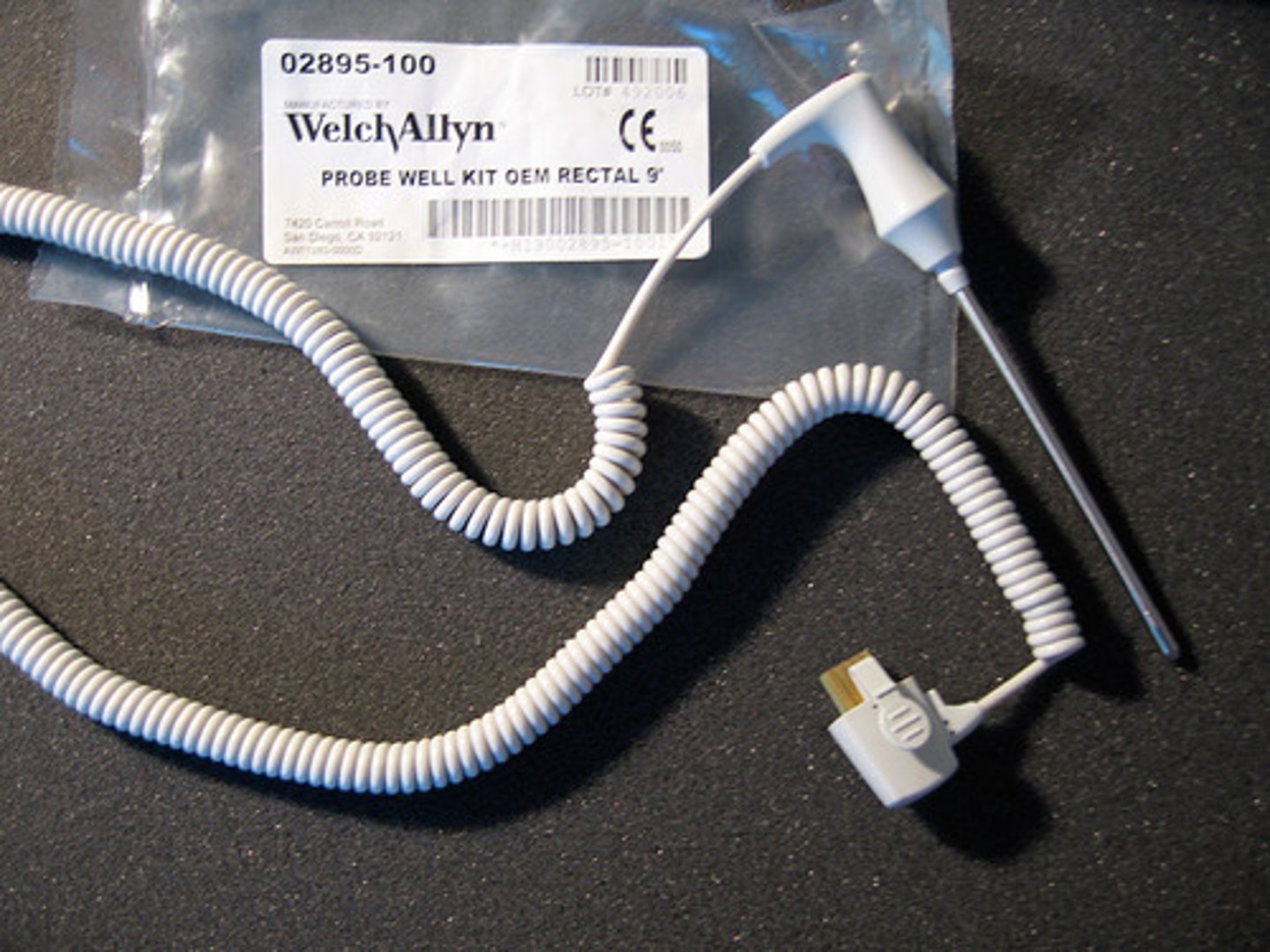
probe
(n.) a system or piece of equipment that is used to get information; in medicine: a long thin instrument used for looking inside your body
migration
(n.) the process by which people or animals move to another place
mathematical
(adj.) concerning mathematics
likelihood
(n.) the chance that something might happen
comparable
(adj.) similar to another thing, so that it is reasonable to compare them
magnitude
(n.) size or importance
array
(n.) a large group of people or things; a regular order or arrangement; in maths: a series of figures.
inclusion
(n.) something or someone that is added or included
emission
(n.) a substance, especially a gas, that goes into the air
inference
(n.) an opinion that you form based on information you already have
non
a prefix meaning 'not', e.g. non-alcoholic
consciousness
(n.) awake, able to hear, see, and think
simultaneously
(adv.) at the same time as
disturbance
(n.) a noise or something that stops you from continuing what you were doing
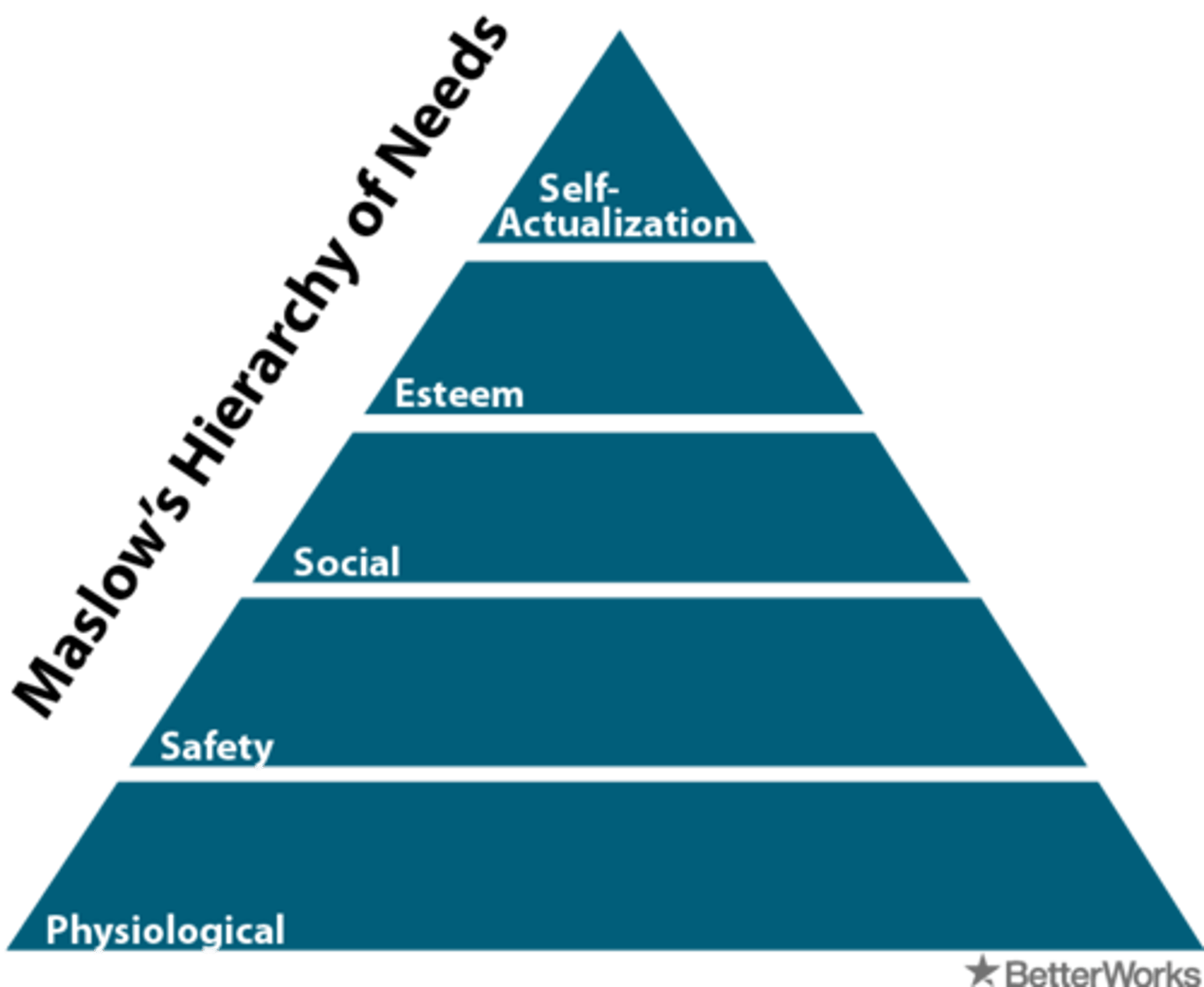
hierarchy
(n.) a system for organizing people or things according to their importance
rotation
(n.) movement in a circle around a central point
validity
(n.) how true something is; in statistics: the ability of a test to measure what it is intended to measure.
periodic
(adj.) happening regularly, but not frequently
archaeology
(n.) the study of ancient societies by looking at old tools, bones and buildings

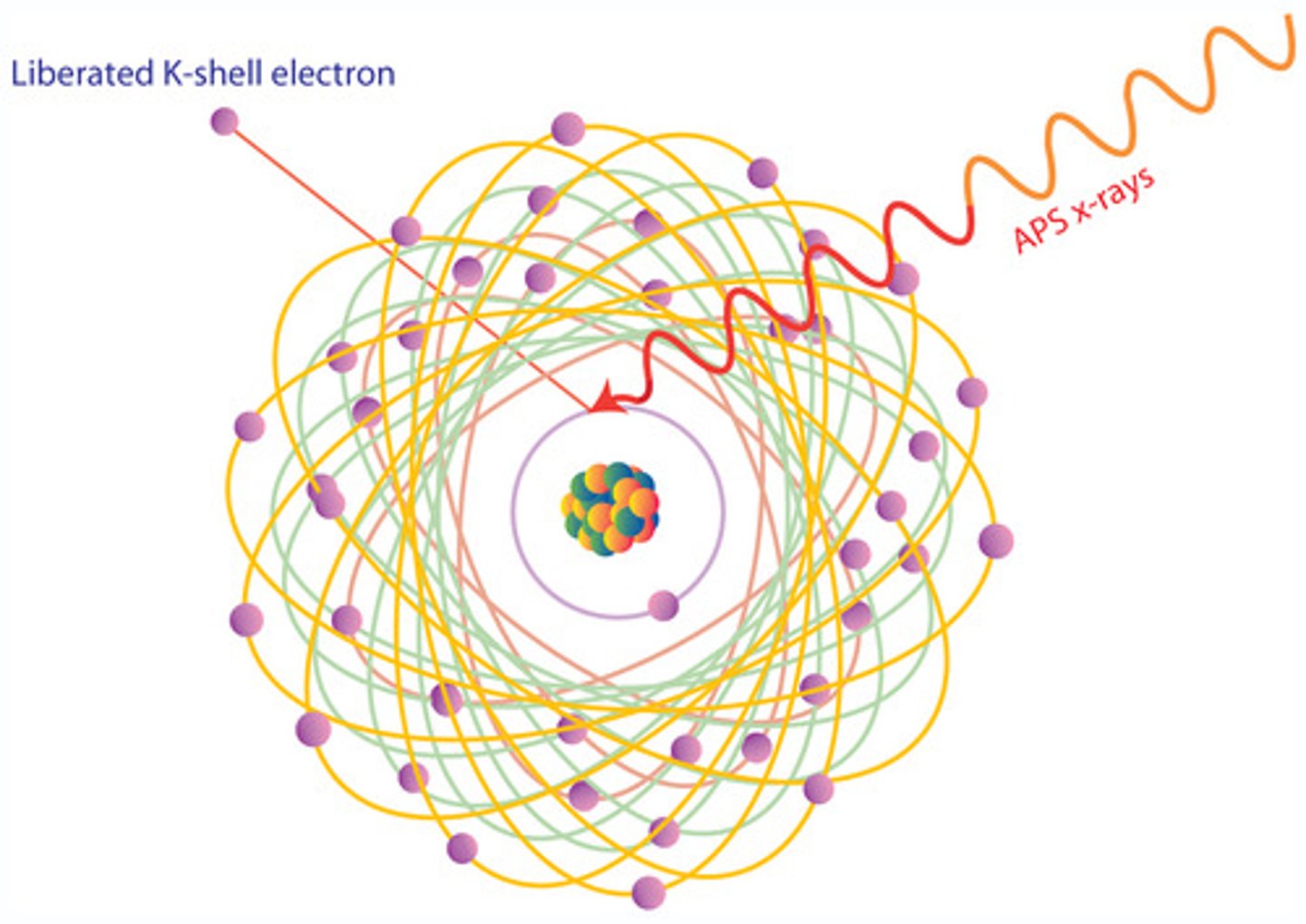
atom
(n.) the smallest unit; consisting of a nucleus (protons and neutrons) with electrons travelling around it
modification
(n.) a small change to a machine, system, or plan
partition
(n.) a wall, screen, or piece of glass used to separate one area from another
initiate
(v.) to start
autonomy
(n.) the power to make independant decisions
inhibit
(v.) to make it difficult for a process to start or continue in a normal way
consonant
(n.) a speech sound; any letter in the alphabet that is not a vowel.