Constitutional Convention
 Call Kai
 Learn
Learn Practice Test
 Spaced Repetition
 Match
Match Flashcards
1/48

There's no tags or description
Looks like no tags are added yet.
Name | Mastery | Learn | Test | Matching | Spaced | Call with Kai | Chat |
|---|
No analytics yet
Send a link to your students to track their progress
49 Terms
Articles of Confederation
This document, the nation's first constitution, was adopted by the Second Continental Congress in 1781 during the Revolution. The document was limited because states held most of the power, and Congress lacked the power to tax, regulate trade, or control coinage.
What Shays' Rebellion showed
The need for a strong national government
Event that led to the Constitutional Convention
Shays' Rebellion
Rhode Island
Only state not to attend the Convention
Philadelphia
city where the Constitutional Convention met
George Washington
presided over the Convention
James Madison
kept notes at the Convention and considered the "Father of the Constitution"
Virginia Plan
plan liked by the large states because representation was based only on population
New Jersey Plan
Opposite of the Virginia Plan, it proposed a single house in congress in which each state had one vote. This created a conflict with representation between bigger states, who wanted control befitting their population, and smaller states, who didn't want to be bullied by larger states.
The Great Compromise
2 houses, House of Representatives would be based on population, the senate would have 2 representatives from each state
Three-Fifths Compromise
Compromise between northern and southern states at the Constitutional Convention that three-fifths of the slave population would be counted for determining direct taxation and representation in the House of Representatives.
Founding Fathers
refers to the fifty-five delegates to the Constitutional Convention who drafted the Consitution of the U.S.
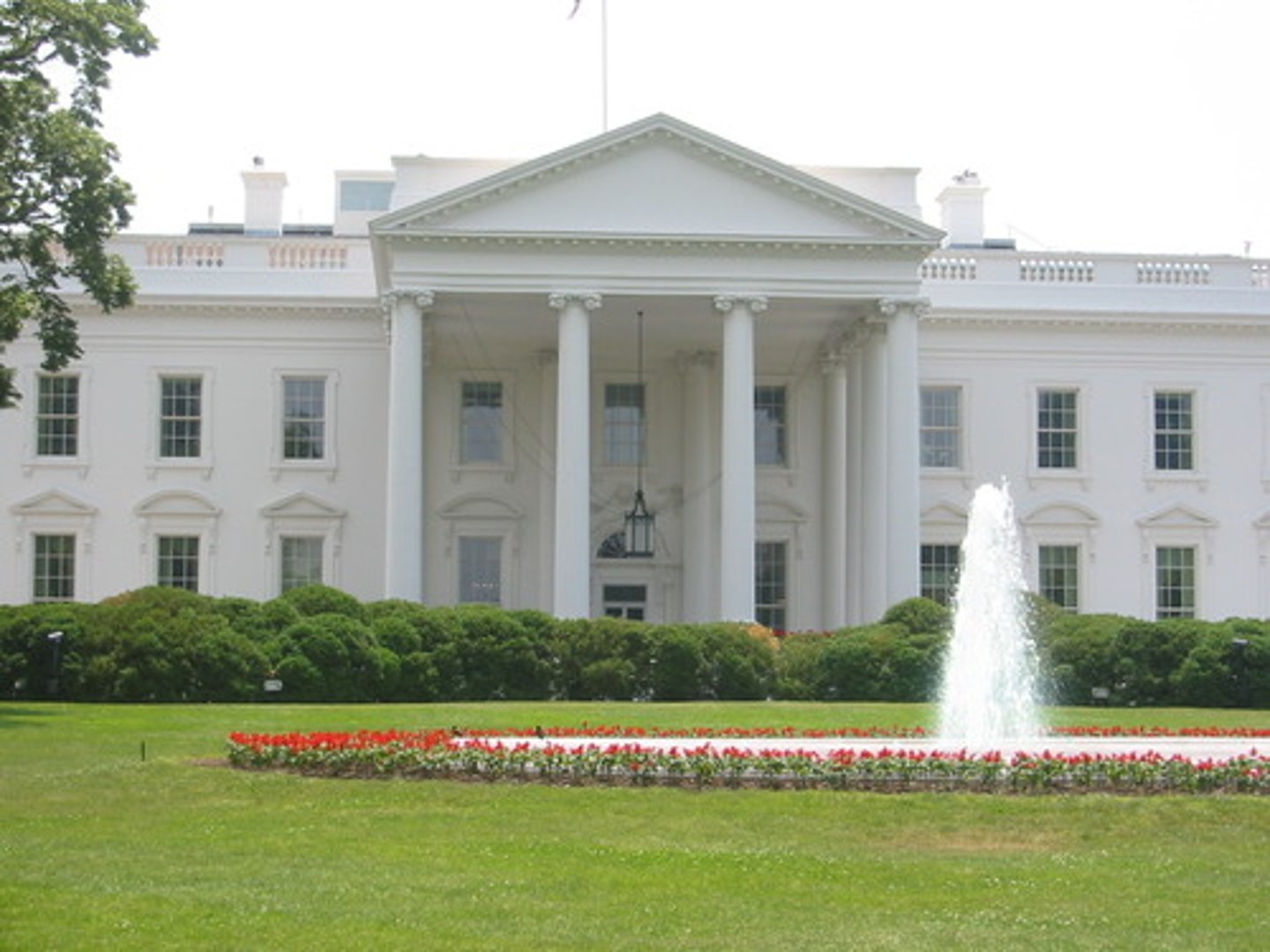
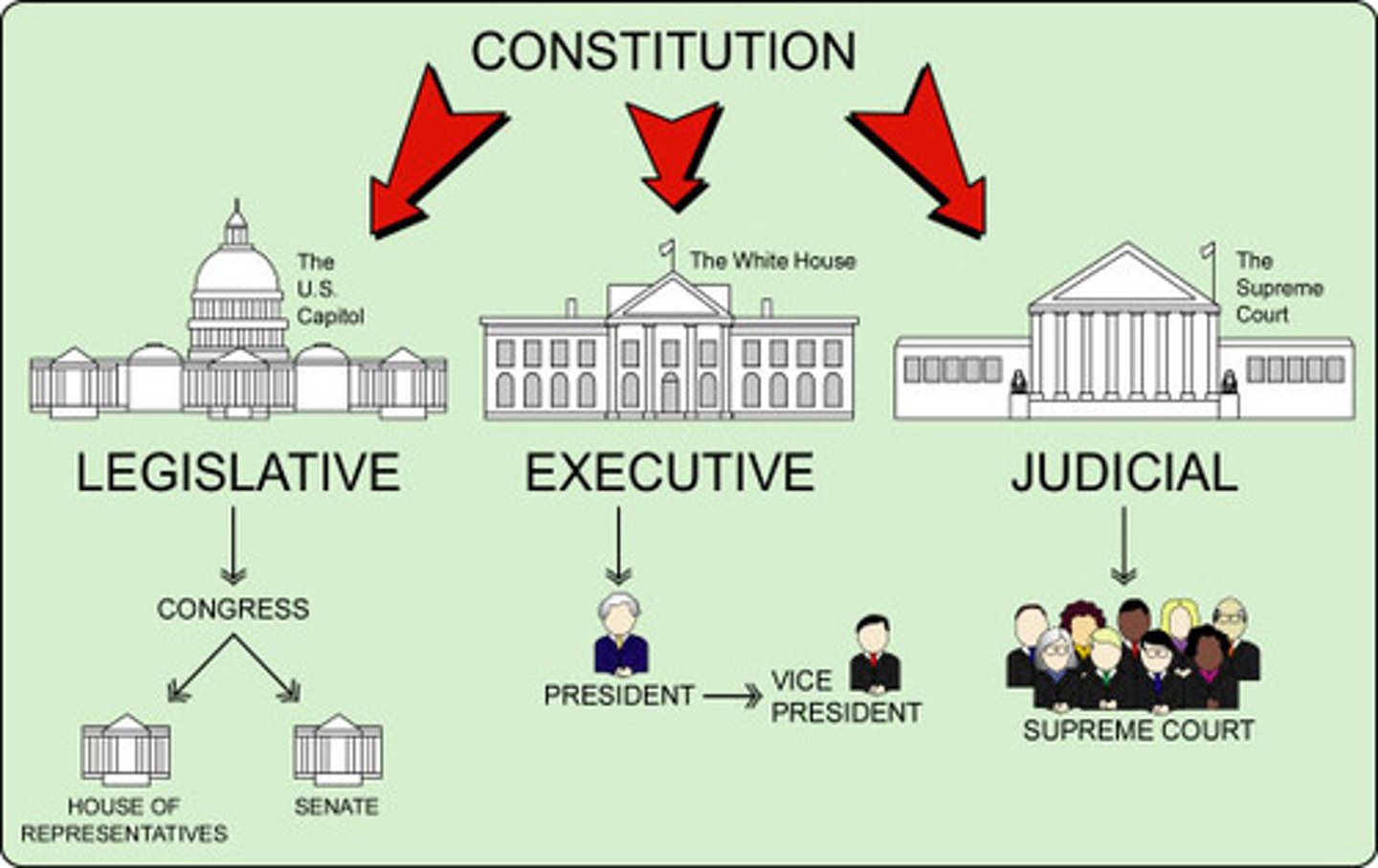
Executive Branch
The division of the federal government that includes the President, Vice President, and Cabinet members; enforces the nation's laws.
Judicial Branch
The court systems of local, state, and federal governments, responsible for interpreting the laws passed by the legislative branch and enforced by the executive branch.
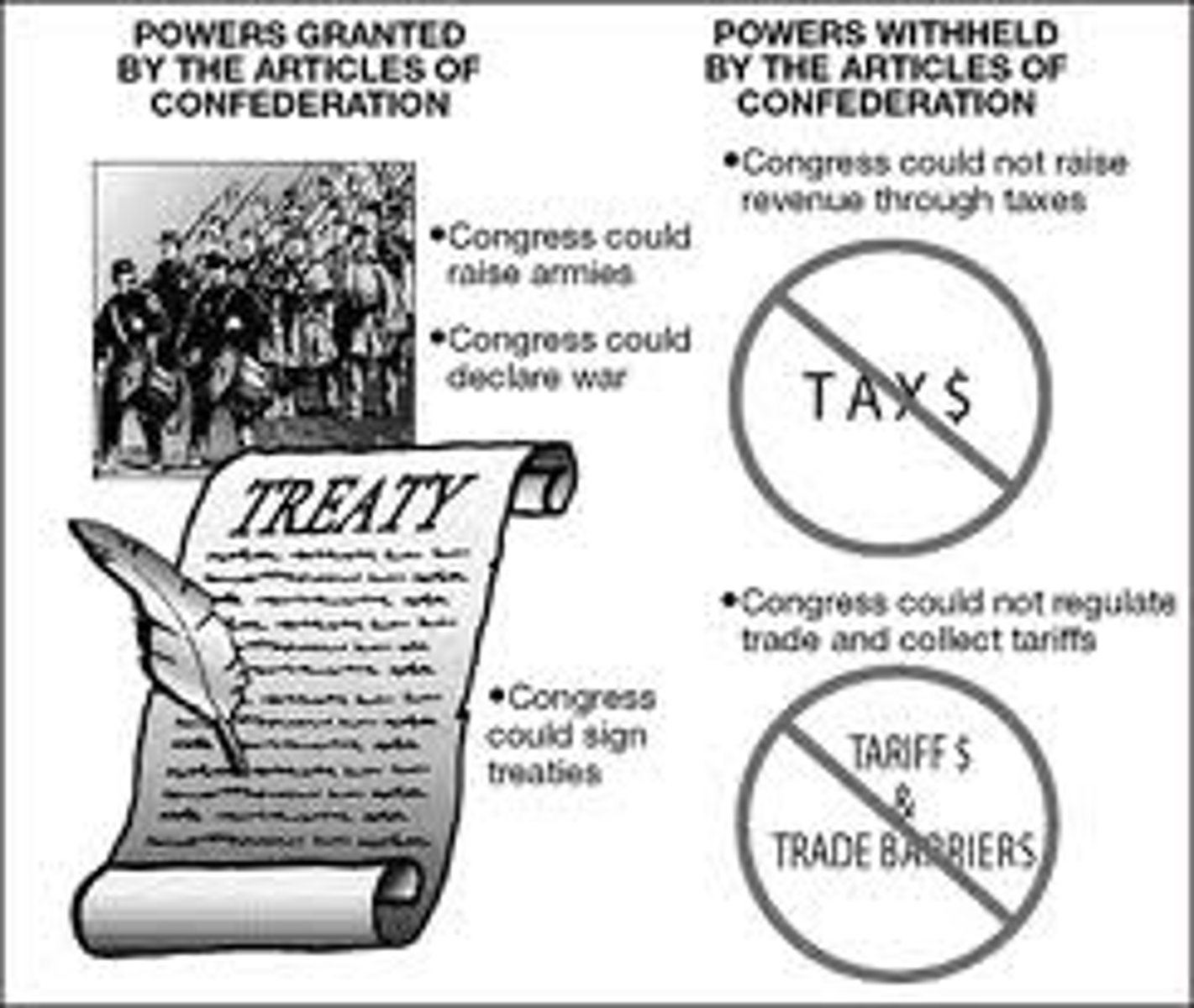
Articles of Confederation
First Constitution, adopted during the Revolutionary War. Very weak; established a national legislature (Continental Congress), but left most authority with the states. No executive or judicial branch, no power to tax.
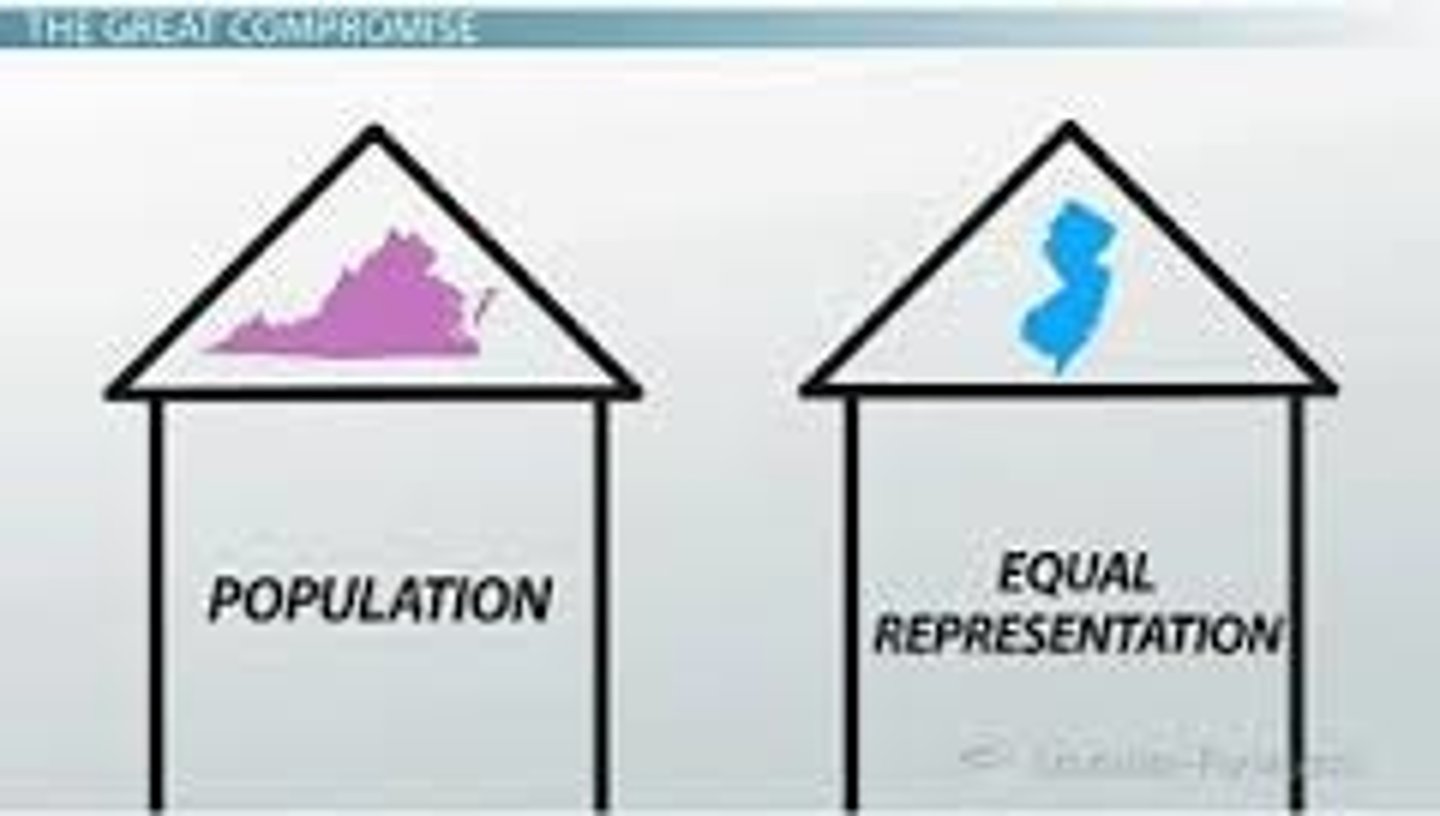
Great Compromise
Compromise made by Constitutional Convention in which states would have equal representation in one house of the legislature (Senate) and representation based on population in the other house (House of Representatives)
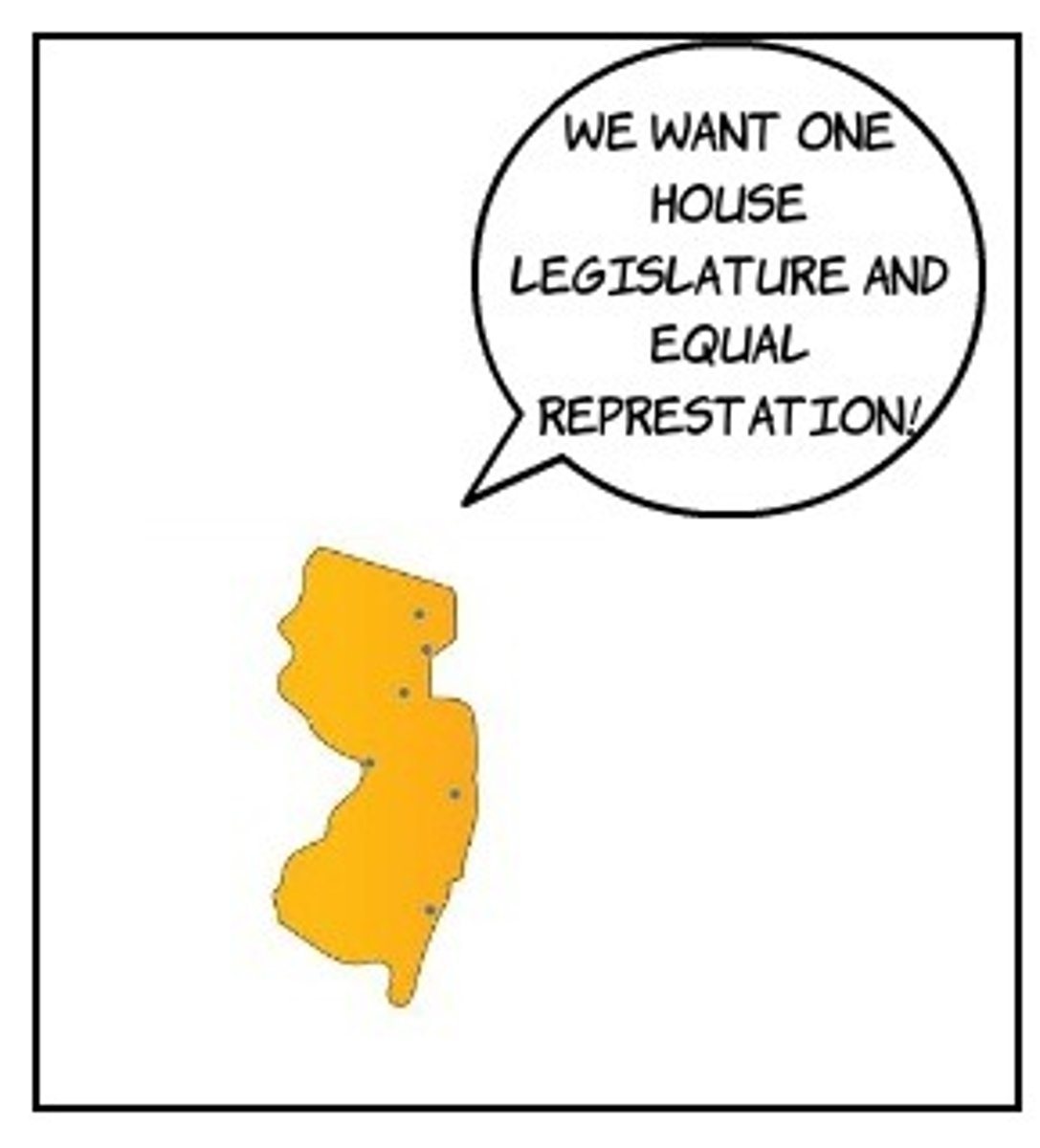
New Jersey Plan
The proposal at the Constitutional Convention that called for equal representation of each state in Congress regardless of the state's population. Favored by the small states.
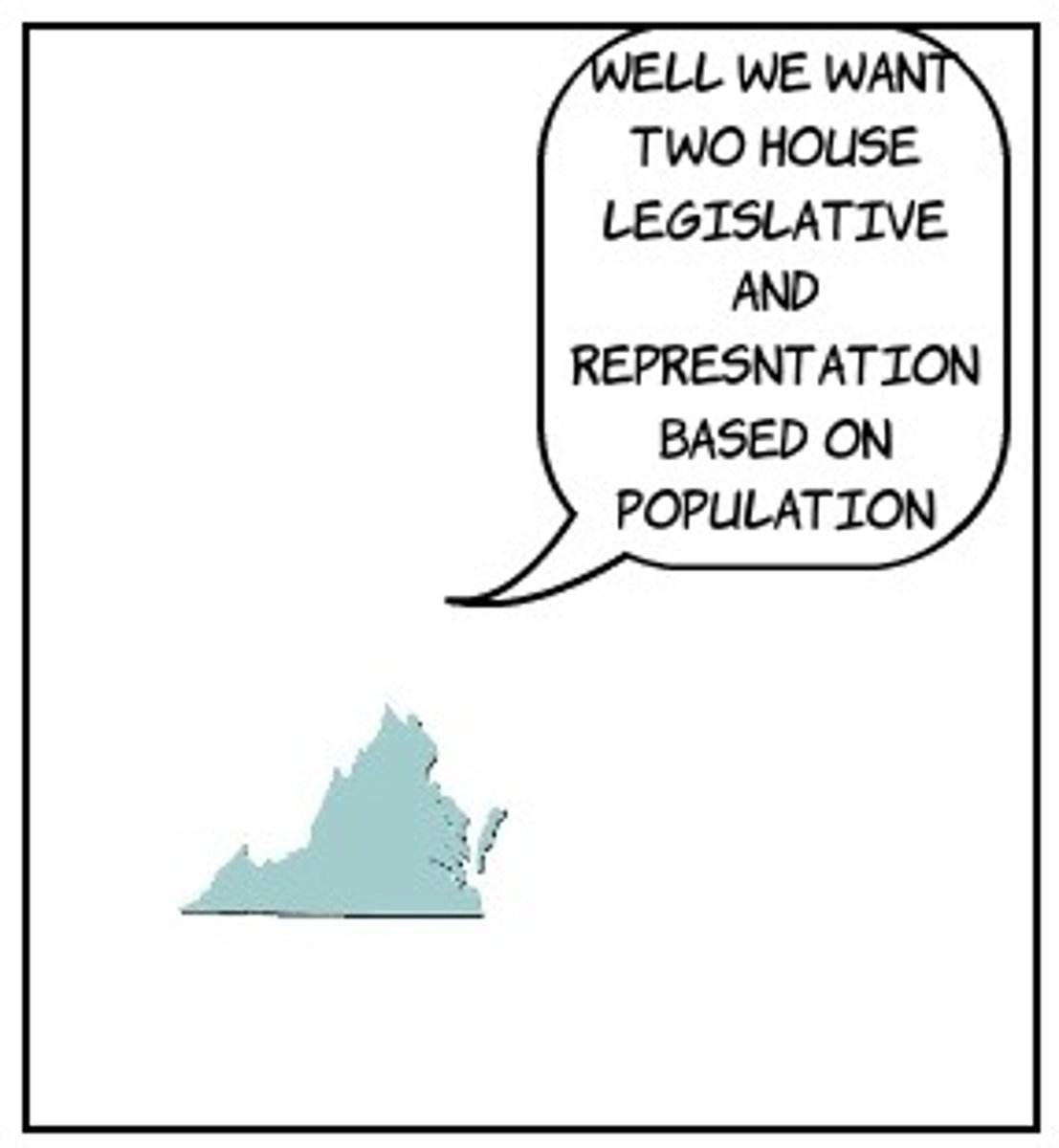
Virginia Plan
The proposal at the Constitutional Convention that called for bicameral (2 houses) congressional representation based on population
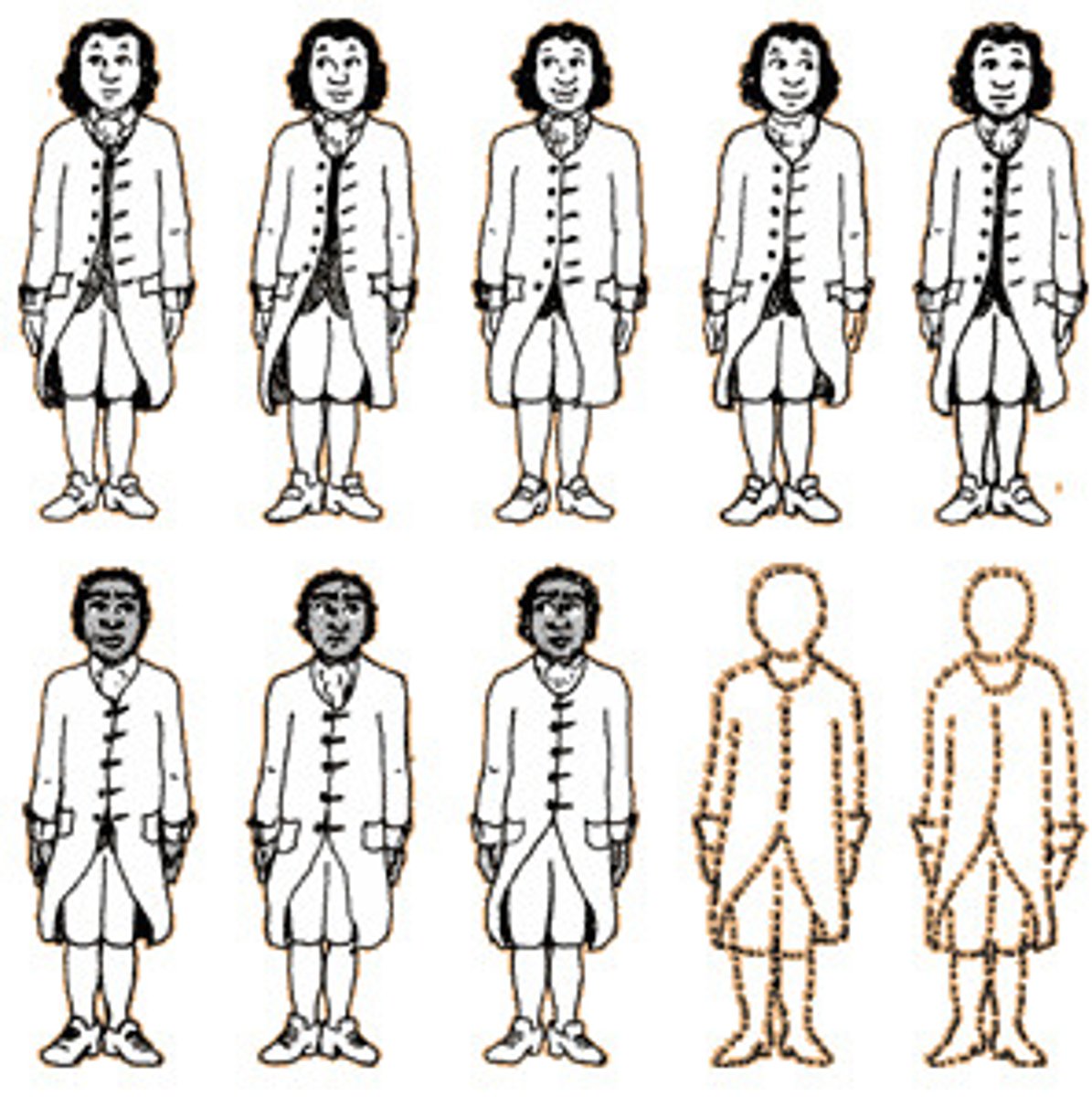
Three-Fifths Compromise
Compromise between northern and southern states at the Constitutional Convention that three-fifths of the slave population would be counted for determining direct taxation and representation in the House of Representatives.
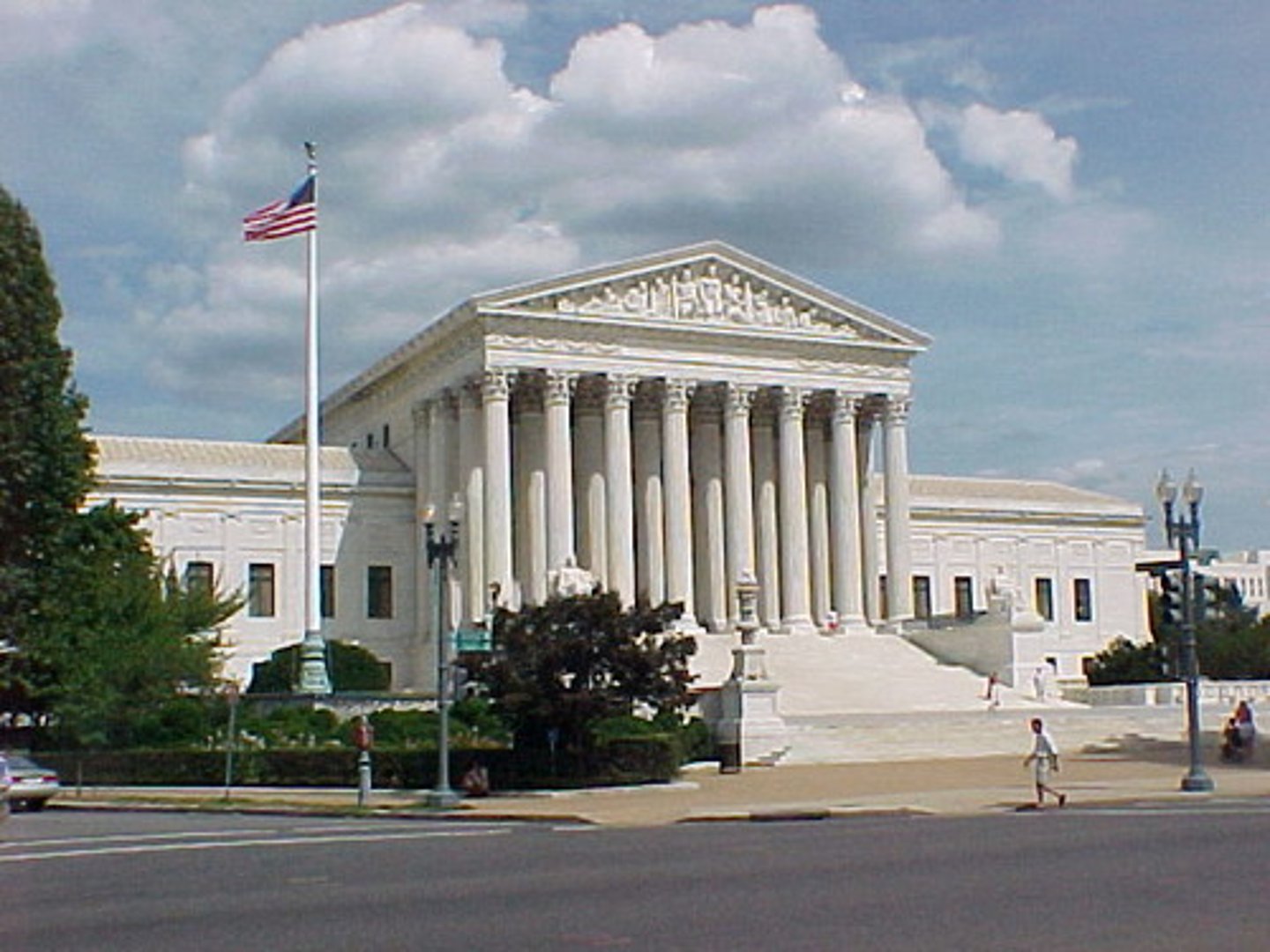
Federal Government
The government of the U.S. (Washington D.C.)
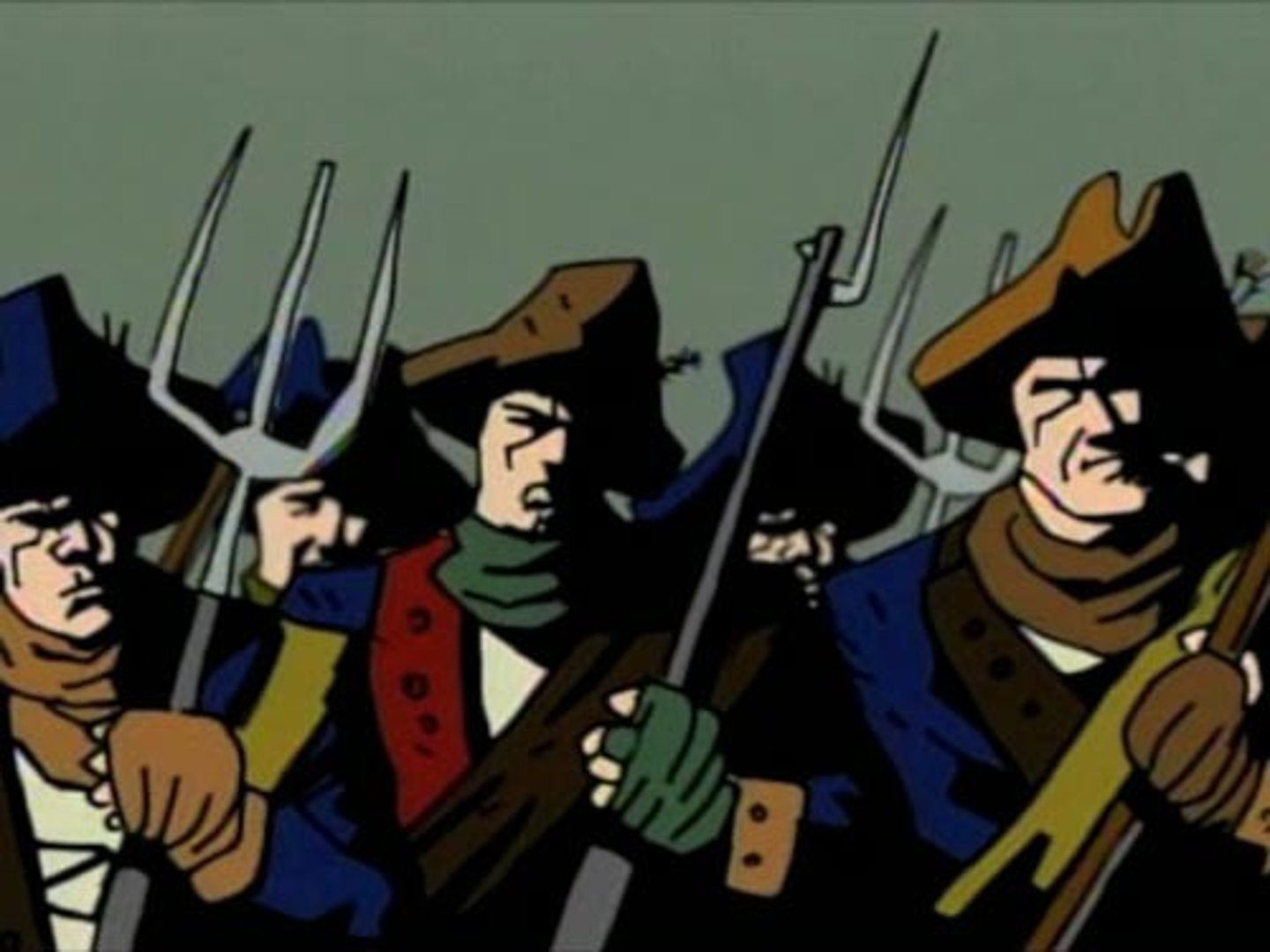
Shays's Rebellion
Massachusetts farmers who rose up to protest taxes and actions against debtors (those who could not pay debts.) Revealed the inability (weakness) of the national government to put down an uprising if it occurred.
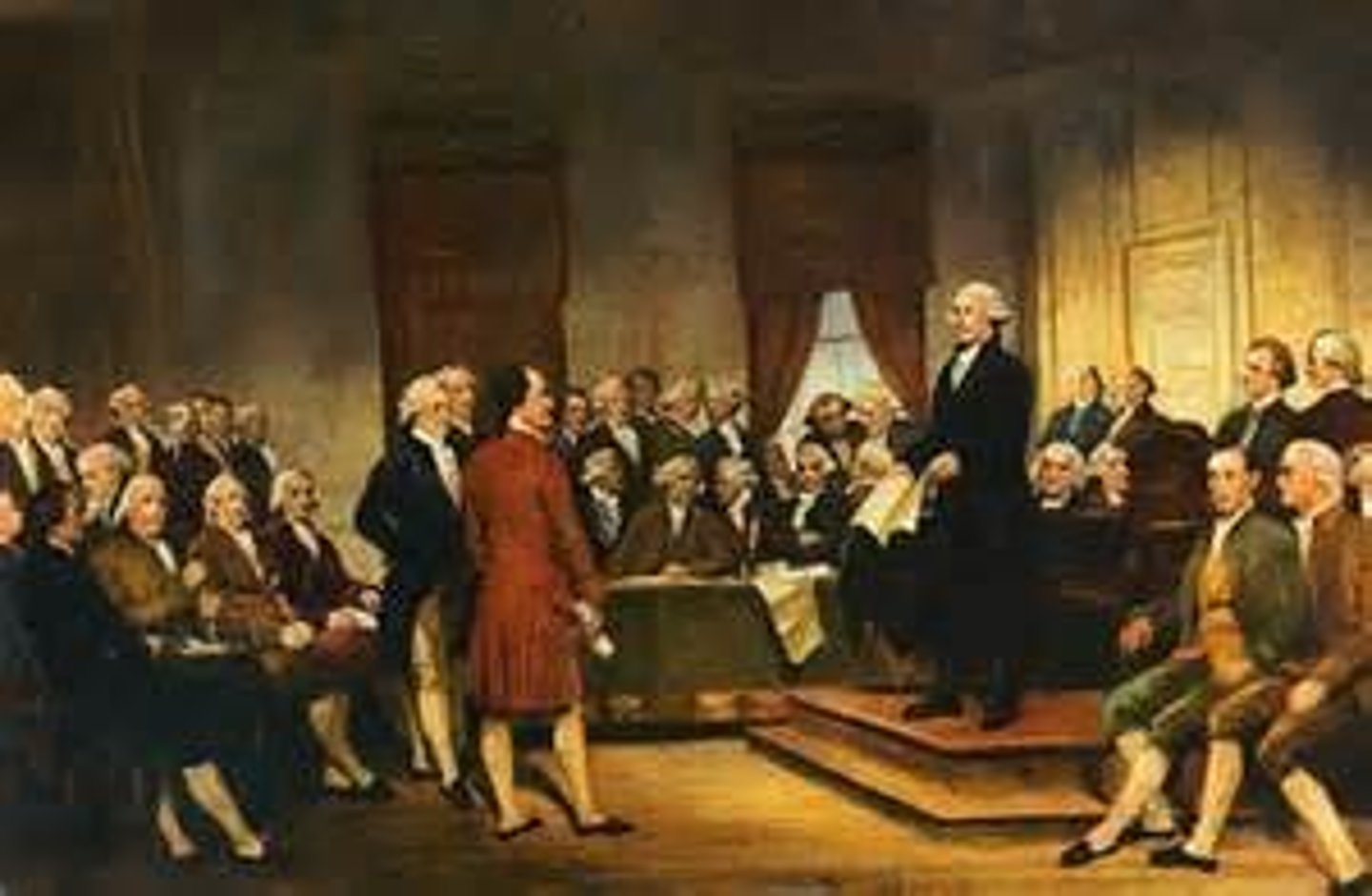
Constitutional Convention
The meeting of state delegates in 1787 in Philadelphia called to revise the Articles of Confederation. It instead designed a new plan of government, the US Constitution.
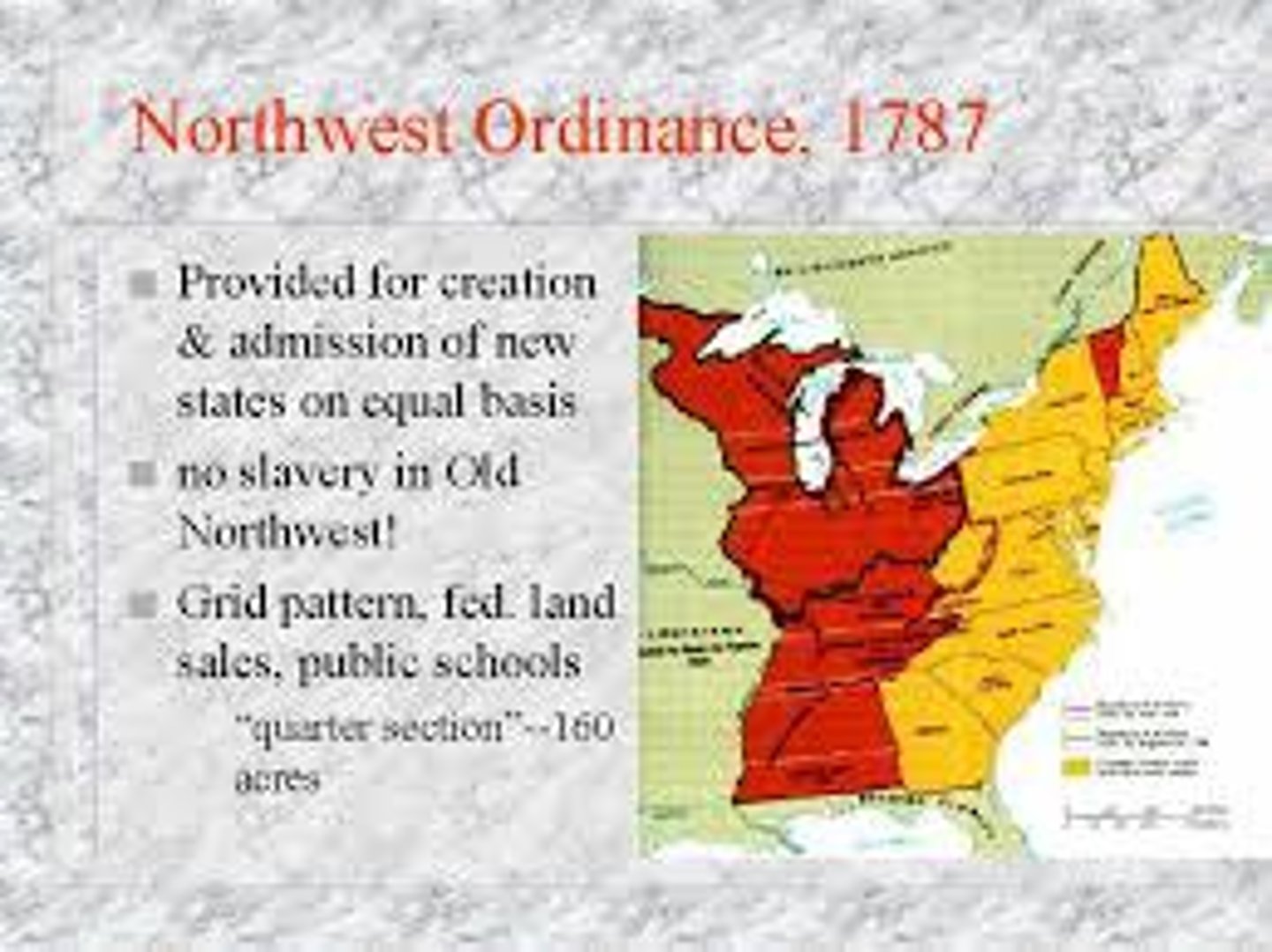
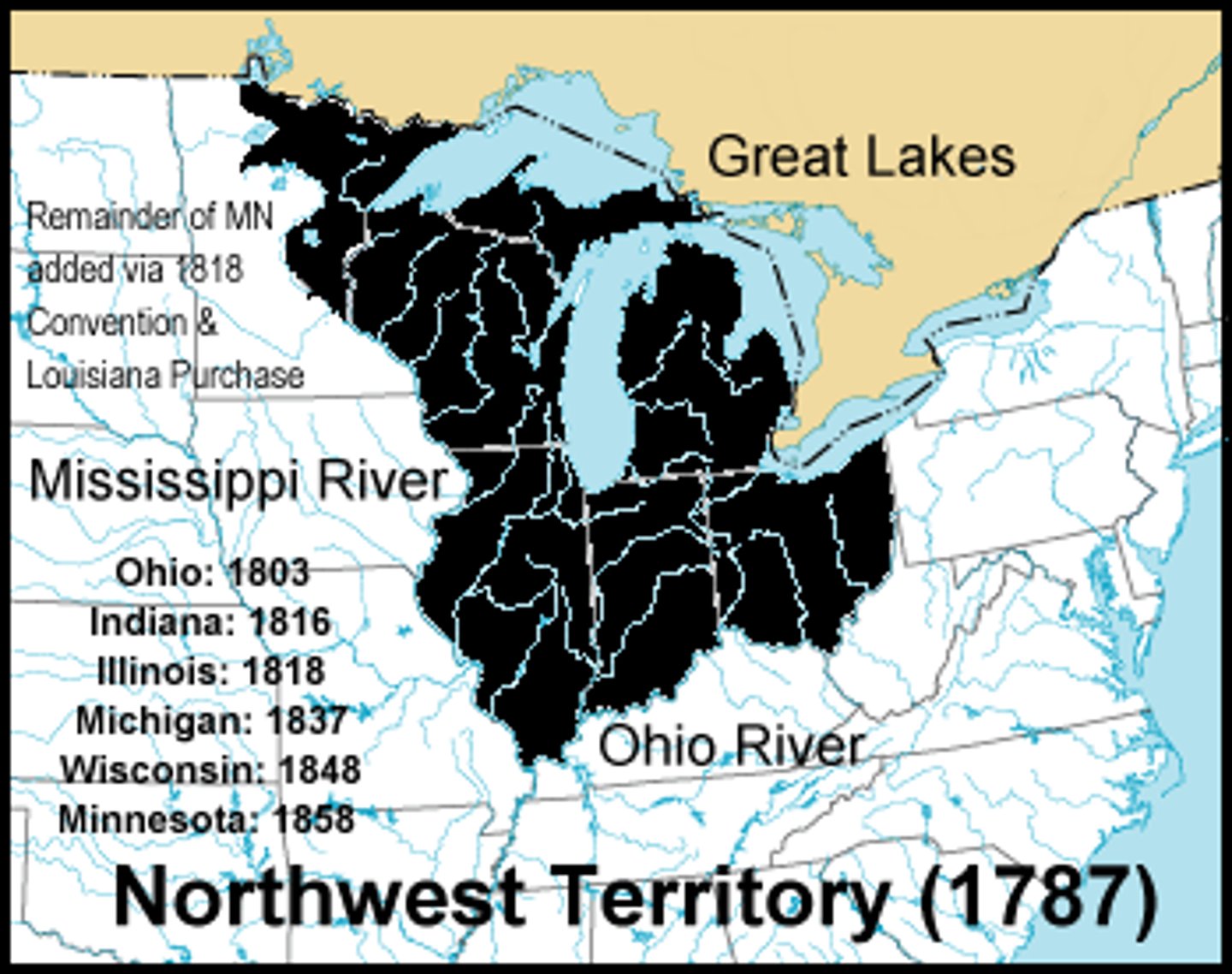
Northwest Ordinance
Describes how the Northwestern territory was to be governed and set conditions for settlement and citizen rights. New states would have equal rights with existing states and laid the groundwork for Western expansion.
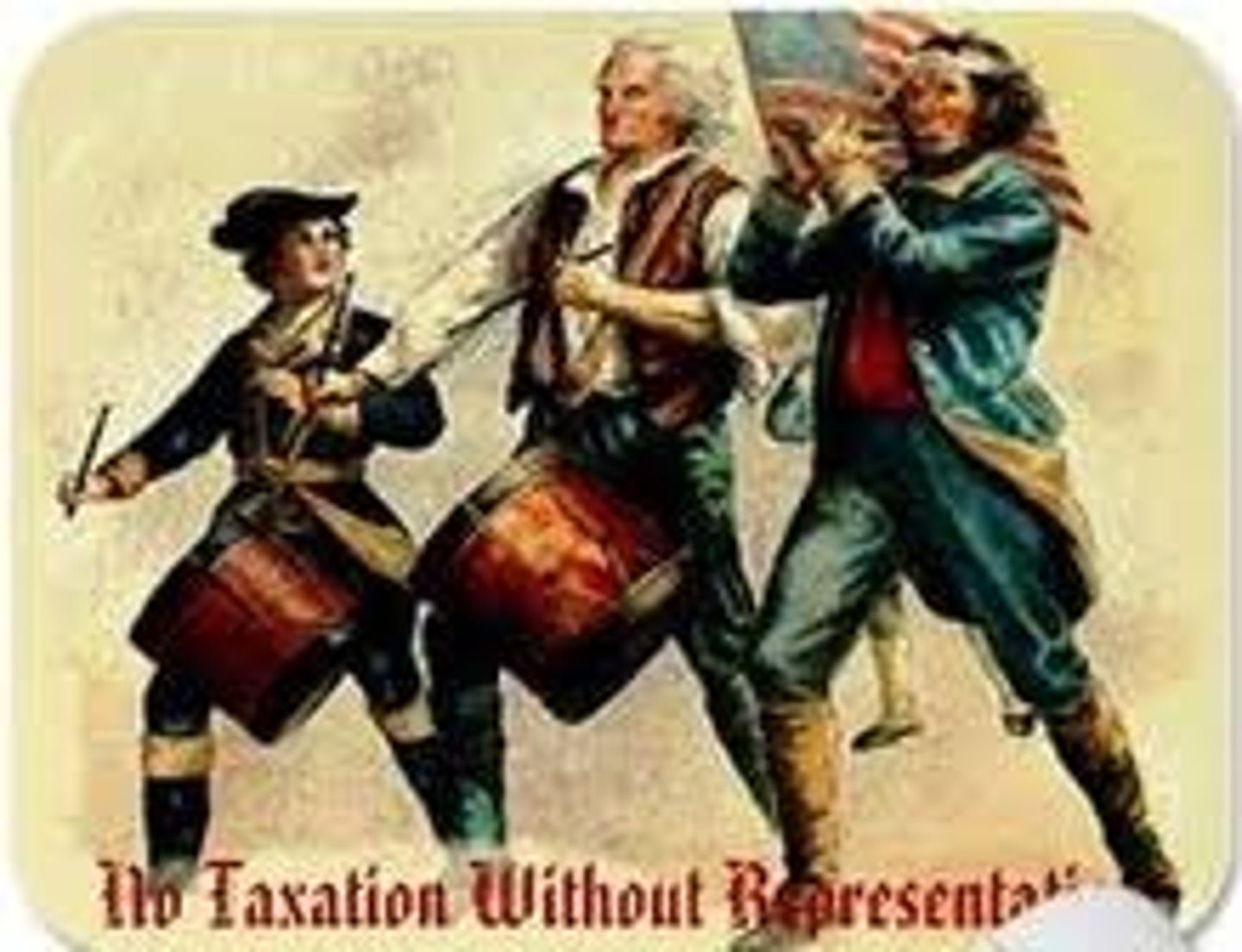
Taxation
monies citizens have to pay to help the government run
Representation
the number of people/votes that each state gets based on the state's population
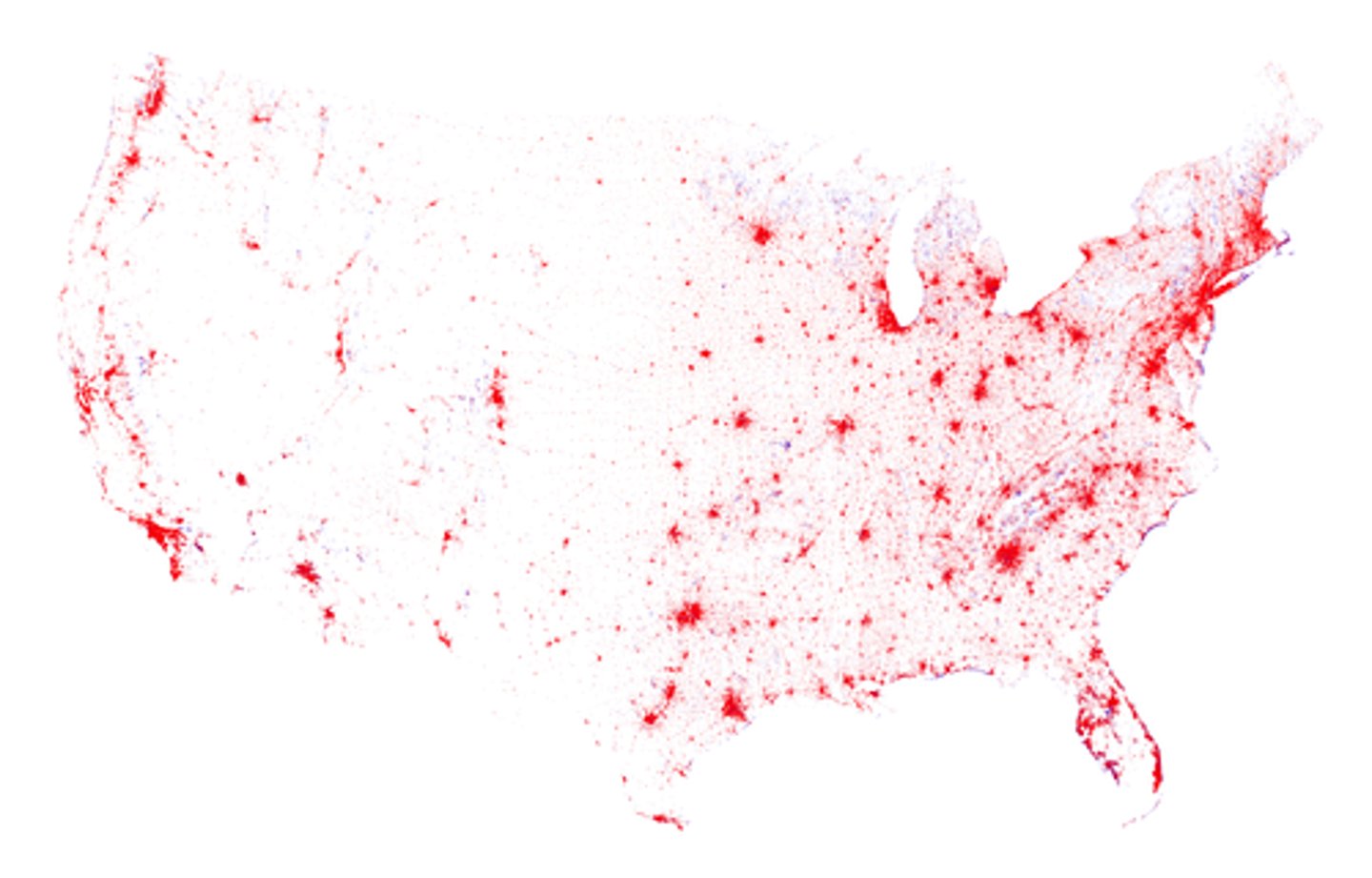
Census
Official count of a population
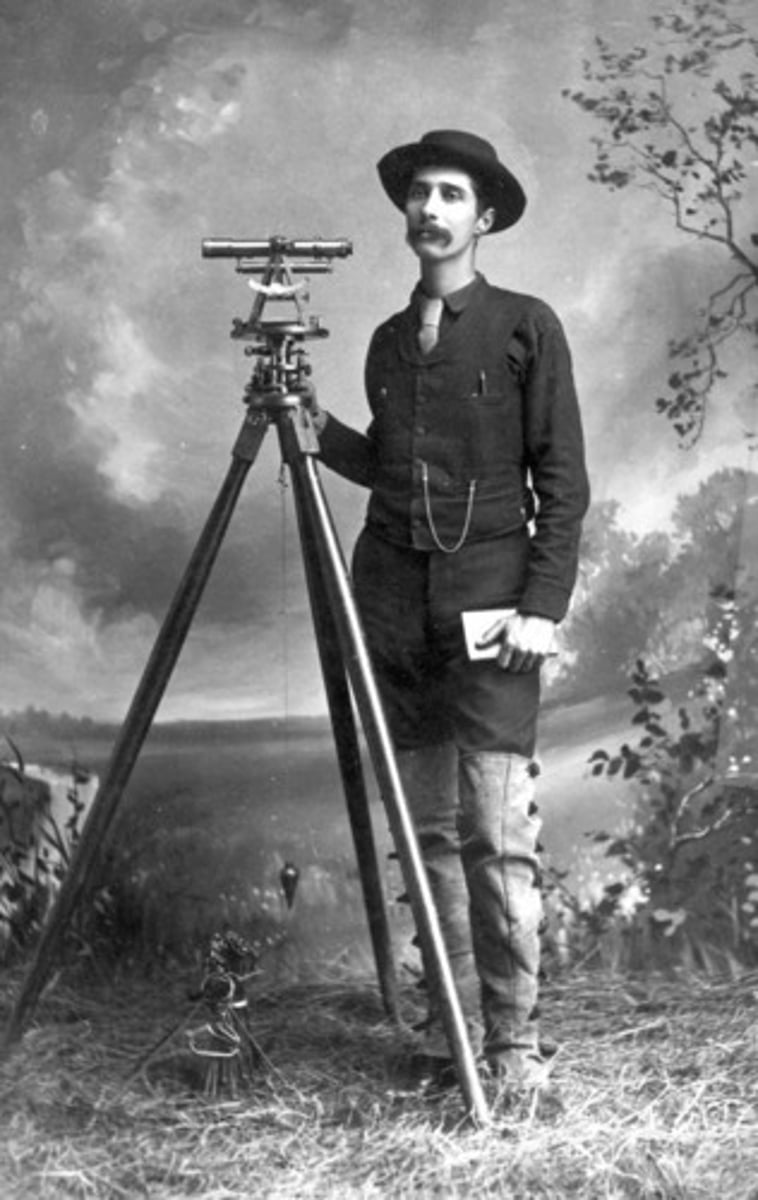
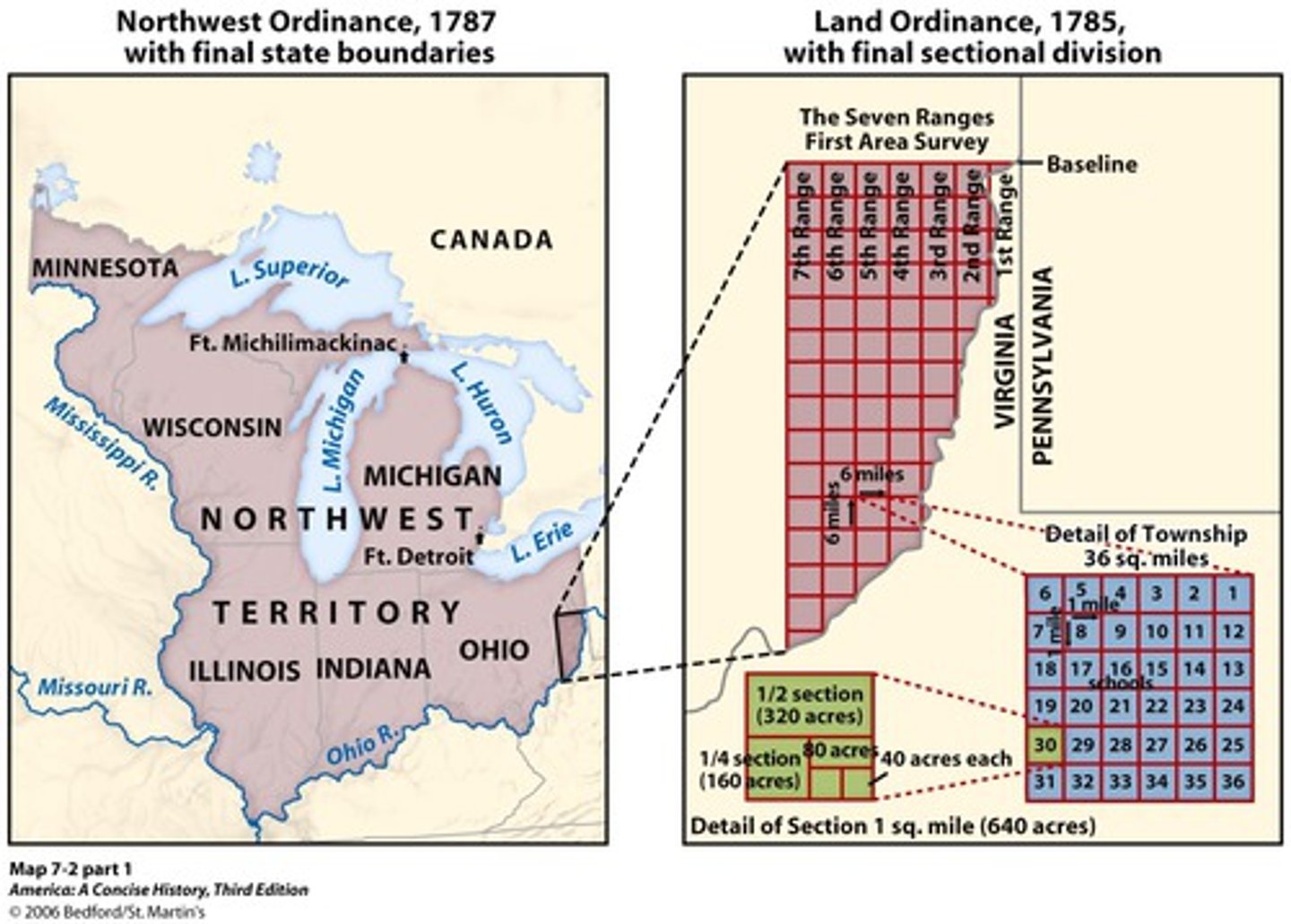
Surveyed
To examine and record the features of an area as to create a map
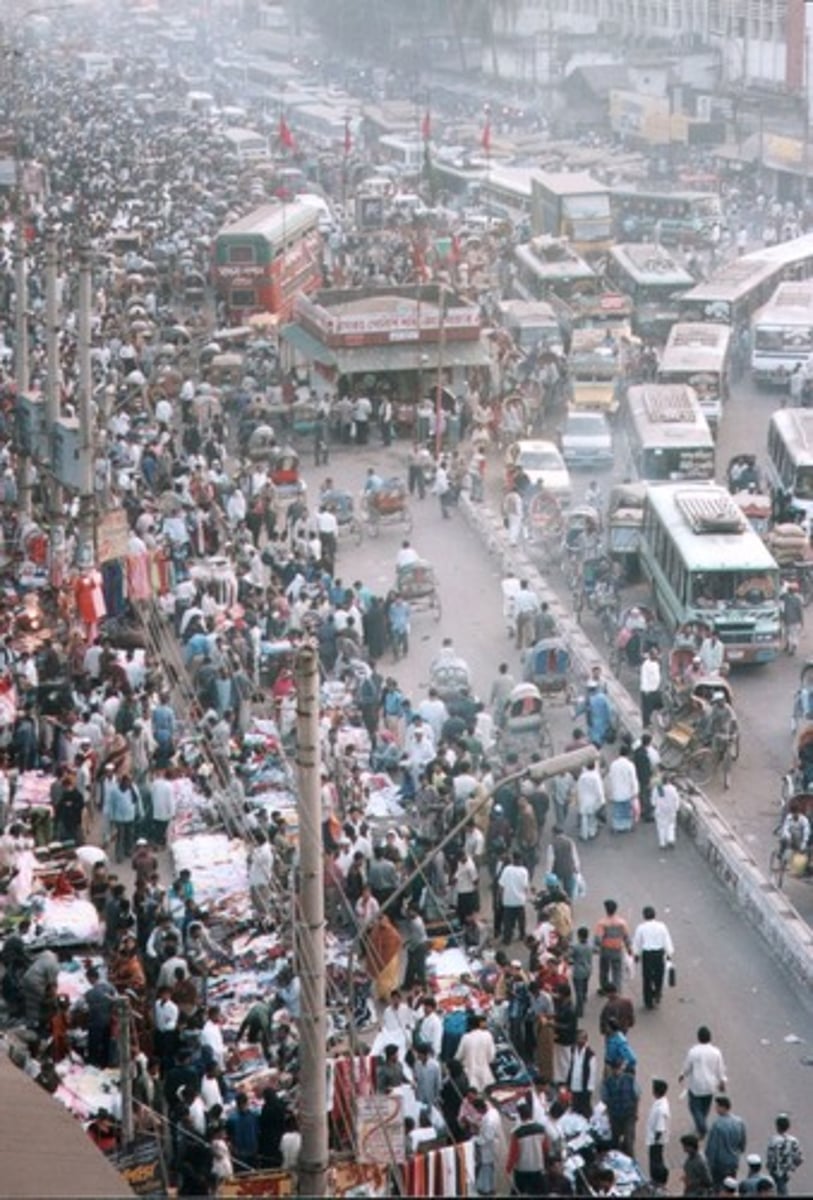
Population
A group of individuals living in one area
Legislative Branch
Only branch that made up the government under the Articles of Confederation
Northwest Territory
the vast territory of land that included present-day Illinois, Indiana, Michigan, Ohio and Wisconsin; was politically organized by the Northwest Ordinance of 1787
Land Ordinance
A major success of the Articles of Confederation. Provided for the orderly surveying and distribution of land belonging to the U.S.
Gouverneur Morris
Wrote the final draft of the Constitution
Alexander Hamilton
Co author of the federalist papers, was a major supporter of a strong federal government
John Locke
Natural Rights philosopher
James Madison
Considered to be the Father of our Constitution
Federalist
Someone who supports the new Constitution
Antifederalist
Someone who was against the new Constitution
Why did the Articles of Confederation set up a congress?
To fight the American Revolution and deal with limited national concerns
Bicameral
Two House legislature
What caused Shay's rebellion?
Farmers were angry about their national debt
What convinced George Washington to attend the Constitutional Convention?
Shay's Rebellion
What was the new Jersey Plan?
Plan to create a congress that had equal representation, could create taxes, regulate trade and elect a weak chief executive.
What is federalism?
Sharing of power between the state and federal governments
Early state constitutions were greatly influenced by...
The English bill of rights
What caused the economic depression after the American revolution?
Poor trade, worthless money, the inability to tax, and the Congress had a difficult time passing any kind of law
What was the Virginia Plan?
A legislature based on proportional representation
The Great Compromise
Proposed by Roger Sherman and created a two house legislature, one house based on equal representation and the other house based on proportional representation.
Why did the framers of the Constitution divide the constitution into three branches
Based on Montesquieu's theory of government
Magna Carta
limited Government; framers to the constitution used this idea to create our constitution