Chemistry year 10
 Call Kai
 Learn
Learn Practice Test
 Spaced Repetition
 Match
Match Flashcards
 Knowt Play
1/28

There's no tags or description
Looks like no tags are added yet.
Name | Mastery | Learn | Test | Matching | Spaced | Call with Kai | Chat |
|---|
No analytics yet
Send a link to your students to track their progress
29 Terms
Understand the Periodic Table Periods and Groups
Periods/rows tell you how many electron shells an atom has
Groups/columns tells you the valence electrons except helium which has 2 despite it’s group
What’s the max electron configuration?
Electrons fill from inside shells out with max configuration being 2, 8, 8, 2
Calculate the number of protons, neutrons & electrons from the atomic & mass numbers
neutrons = Atomic number
electrons = Atomic number
Protons = Mass number – atomic number
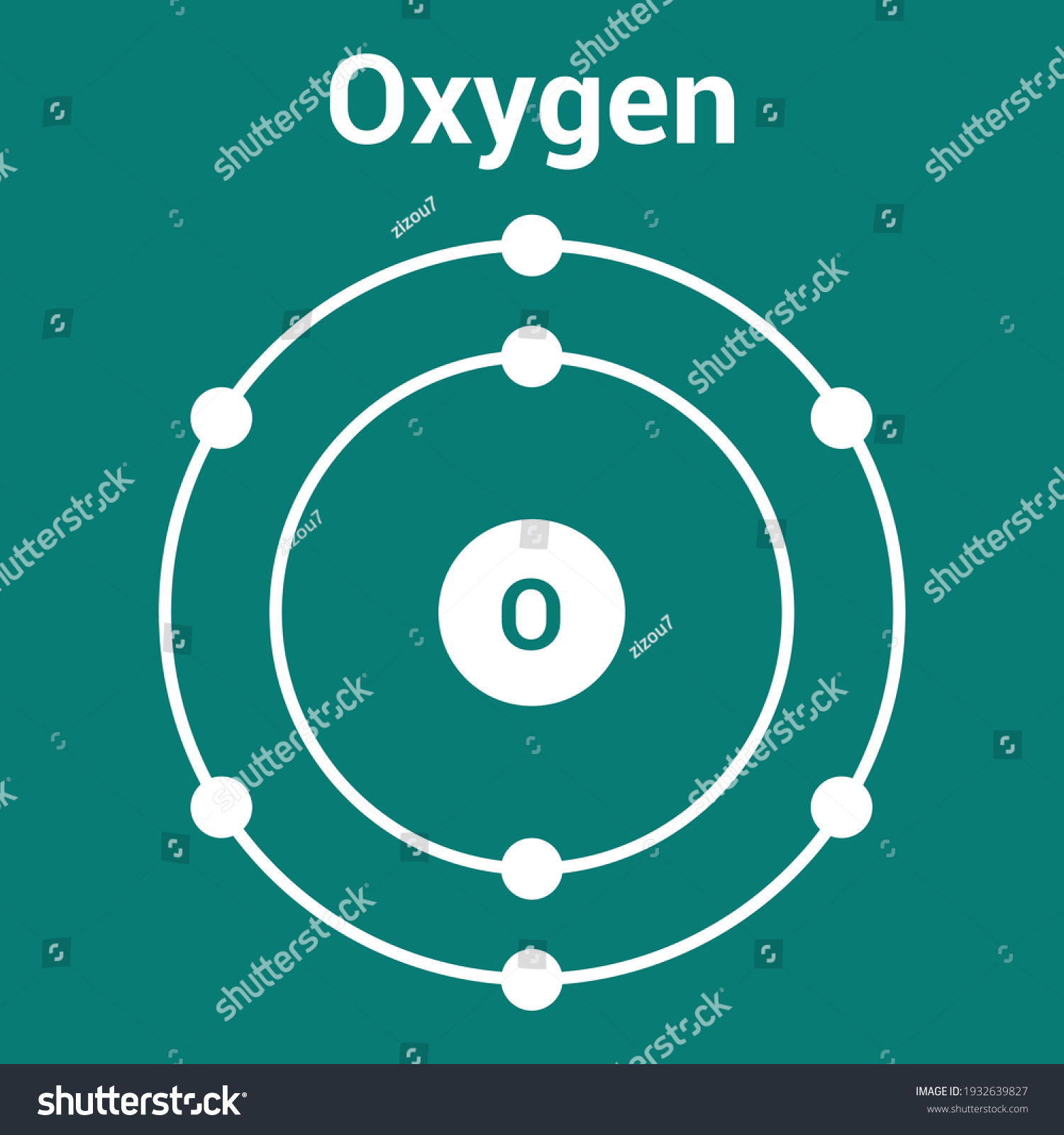
Know how to draw the Bohr Models (electron shell diagrams) for atoms of the first 20 elements and ions
Max Bohr model configuration – 2, 8, 8, 2
Write the element in the middle then draw the electron shells around it with the electrons on them.
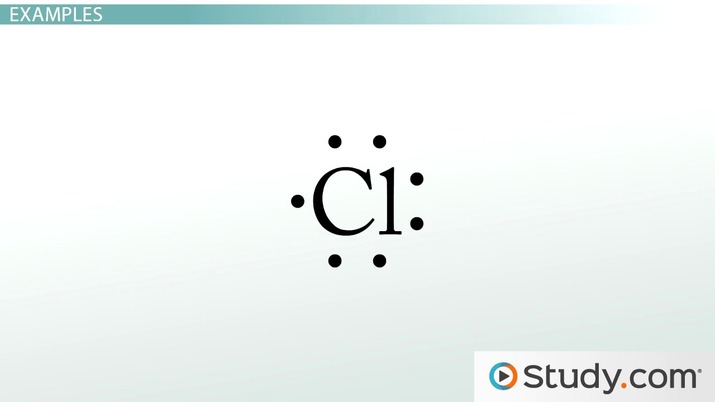
Draw Lewis Diagrams (Electron Dot Diagrams) for atoms of the first 20 elements and all ions.
Draw the element in the middle and then draw only the valence shell surrounding it in dots.
What does bonding aim to achieve?
Bonding aims to achieve a full valence shell and a neutral charge
What is a Monatomic ion?
A monatomic ion forms when a single atom gains or loses electrons in order to become stable.
What is a polyatomic ion?
A polyatomic ion is a group of two or more atoms bound together that acts as a single unit and have an overall charge.
What is ionic bonding?
The electrostatic attraction between oppositely charged ions.
You use the ion’s charge to see how many extra or less electrons it has.
Then you swap and drop the charges and take the electrons from the atom with extra and give it to the one with less to result in a full outer shell for both ions.
What does ionic bonding occur between.
Ionic bonding occurs between metals and non metals.

What is covalent bonding?
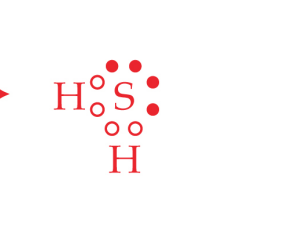
Covalent bonding occurs when 2 non metal atoms share electrons in order to achieve a full outer shell.
Don’t write the atom’s charge.
You put the current valence electrons around each element but then you look at the electrons needed to complete the valence shell and put those electrons from the other element in the middle so they contribute to both valence shells.
What does covalent bonding occur between?
2 non metal atoms
Detemine covalent bonding naming
Instead of charges covalent bonding uses prefixes in the names to tell you how many atoms are present.

How do you write a chemical equation?
A chemical equation shows a chemical reaction
Reactant → product
The final product must have the same amount of each atom on both sides.
Polyatomic ions to remember?
Hydrochloric acid =HCL
Iodide = I-
Hydroxide= OH-
Nitrate= NO3-
Oxide = O2-
Sulfide = S2-
Carbonate = CO3²-
Sulfate = SO4²-
Nitride = N3-
Phosphide = P3-
Phosphate = PO4³-
Ammonium = NH4+
Nitric Acid = HNO3
Sulfuric Acid = H²SO4
What are the 4 states of matter.
Solid
Liquid
Gas
Aqueous
What are the properties of acids.
They’re sour
They’re corrosive – burn the skin
Have at least 1 hydrogen ion
Conduct electricity
Turn blue litmus paper red
What are the properties of bases.
Tastes bitter
has soapy feel
Can release hydroxide ions
Conduct electricity
Turn red litmus paper blue
What is a salt?
salt is a compound that contains a metal ion (from the base) & a non-metal ion (from the acid)
Understand the pH scale and the Indicators that can determine acidity or basicity
Lower PH = more acidic
Higher PH = more basic
Universal indicator turns it the colour on the PH scale to tell you how acidic or basic it is
If blue litmus paper stays blue its a base
But if it turns red its an acid
If red litmus stays red its an acid
But if it turns blue its a base
What happens in an acid and base reaction?
acid +base → salt + water
Also known as a neutralization reaction
Temperature increases
Usually no precipitate or gas is produced when the salt remains soluble
Indicator changes colour
What happens in an acid and metal reaction?
Acid + metal → salt + hydrogen gas
Bubbling/fizzing (because hydrogen gas is produced)
Metal may dissolve or get smaller
Temperature may increase
What happens in an acid and carbonate reaction?
acid +carbonate → salt +water +carbon dioxide
Fizzing/bubbling → CO₂ gas is produced
The solid carbonate may get smaller/dissolve
The solution may warm up
Define precipitation
Precipitation is the formation of an insoluble solid from two solutions.
What is a precipitation reaction?
A precipitation reaction is a reaction where two aqueous solutions react and form an insoluble solid.
What is an ion?
An atom that has gained or lost electrons, resulting in a positive or negative charge.
What is a cation and anion?
Anion - A negatively charged ion.
Cation - A positively charged ion.
What is a compound?
A pure substance made containing particles made up of 2 or more different atoms bonded together.
What is neutralisation?
The reaction between an acid and a base.