Functional Groups & Reactions
 Call Kai
 Learn
Learn Practice Test
 Spaced Repetition
 Match
Match Flashcards
 Knowt Play
1/103

There's no tags or description
Looks like no tags are added yet.
Name | Mastery | Learn | Test | Matching | Spaced | Call with Kai | Chat |
|---|
No analytics yet
Send a link to your students to track their progress
104 Terms
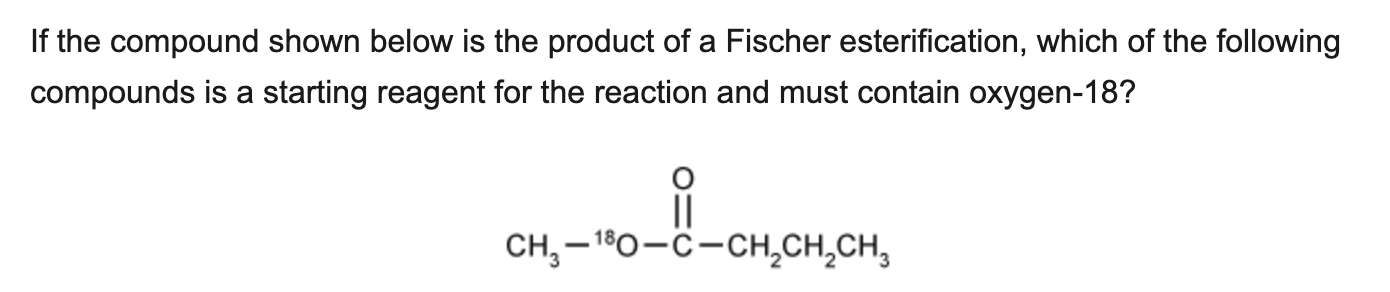
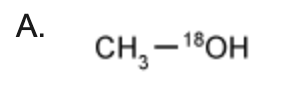
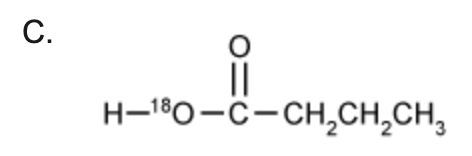
Answer A
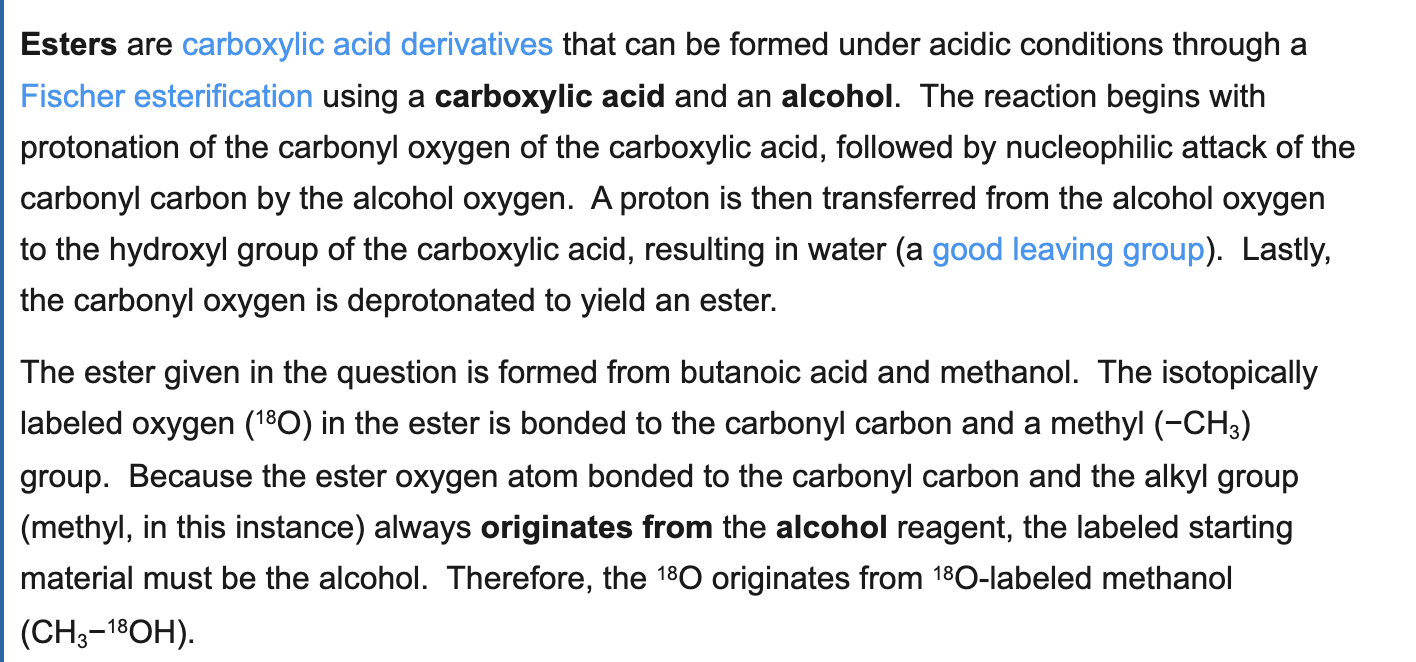
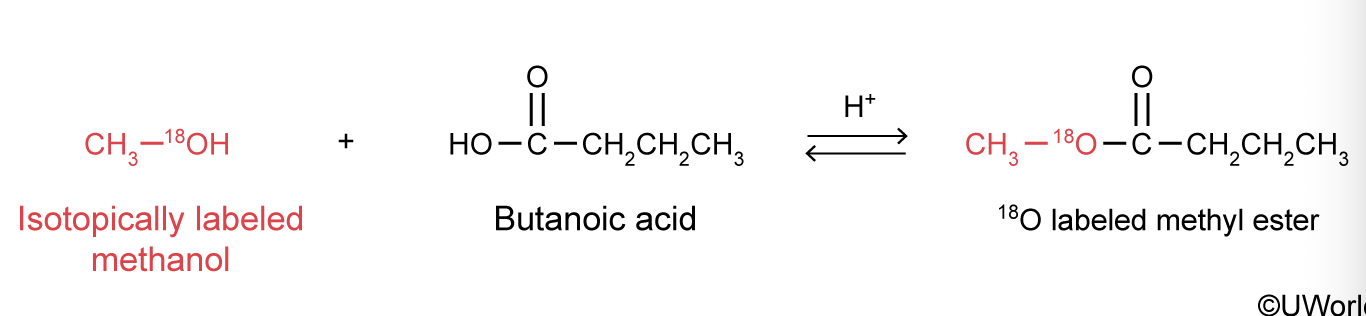
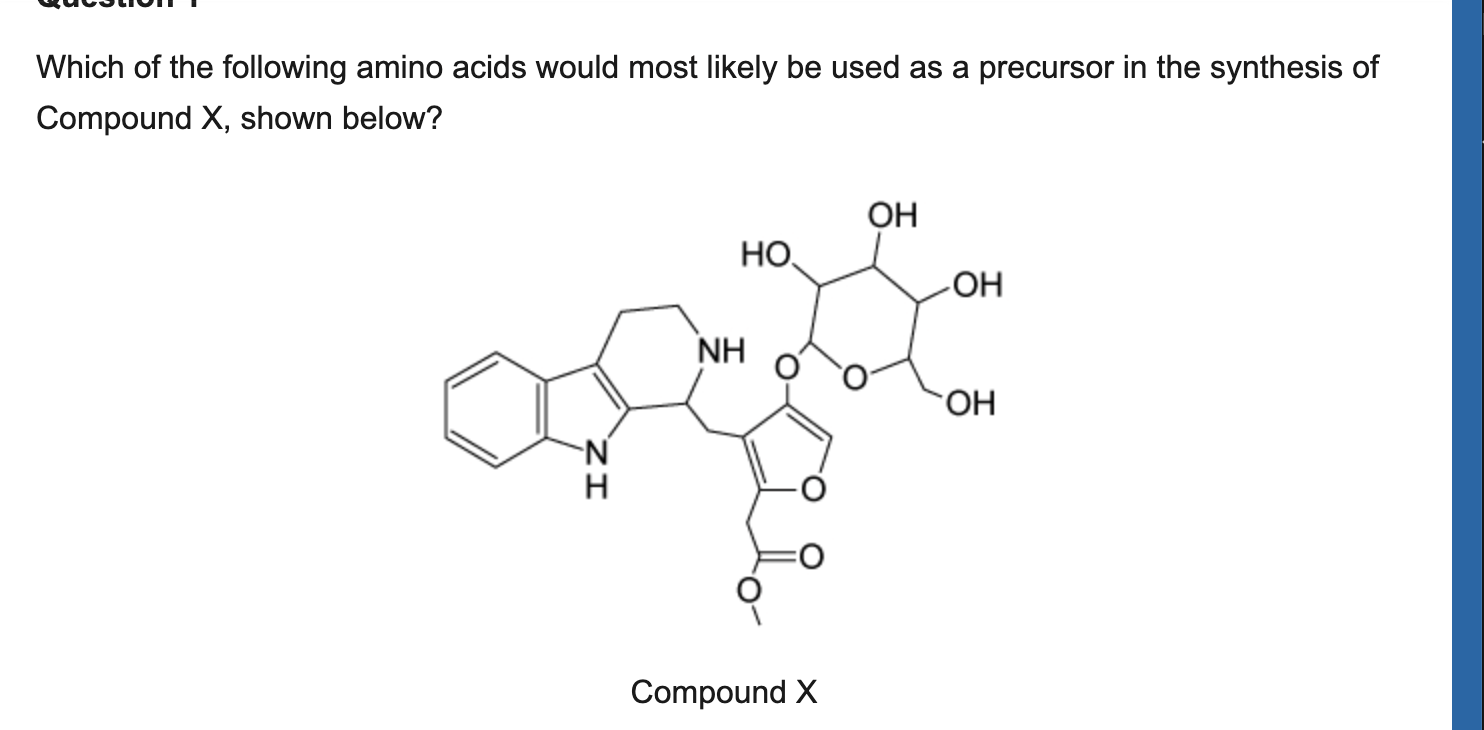
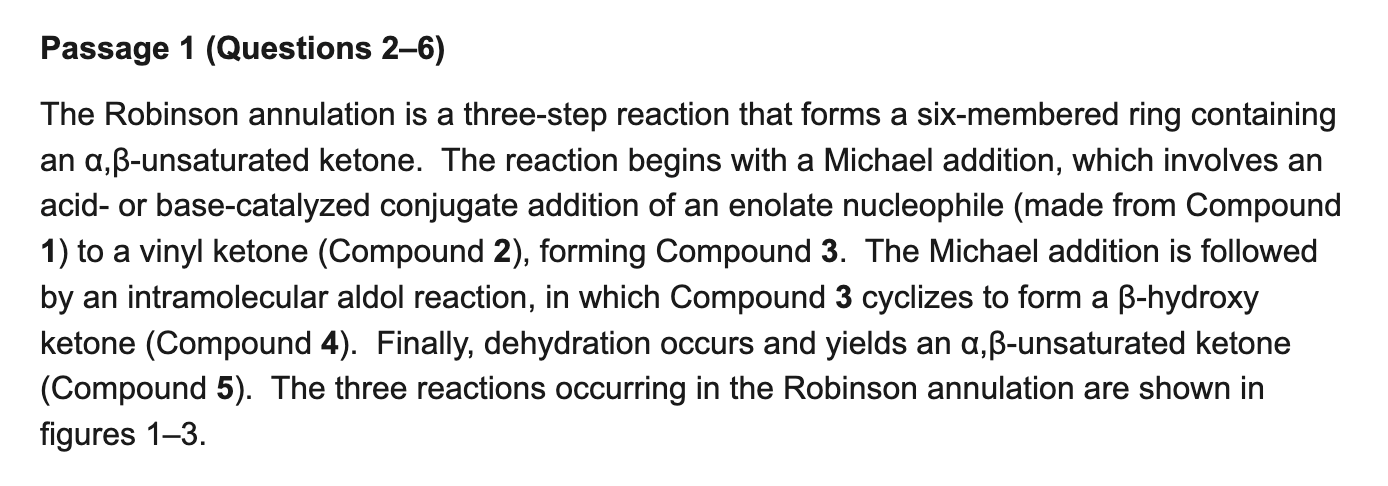
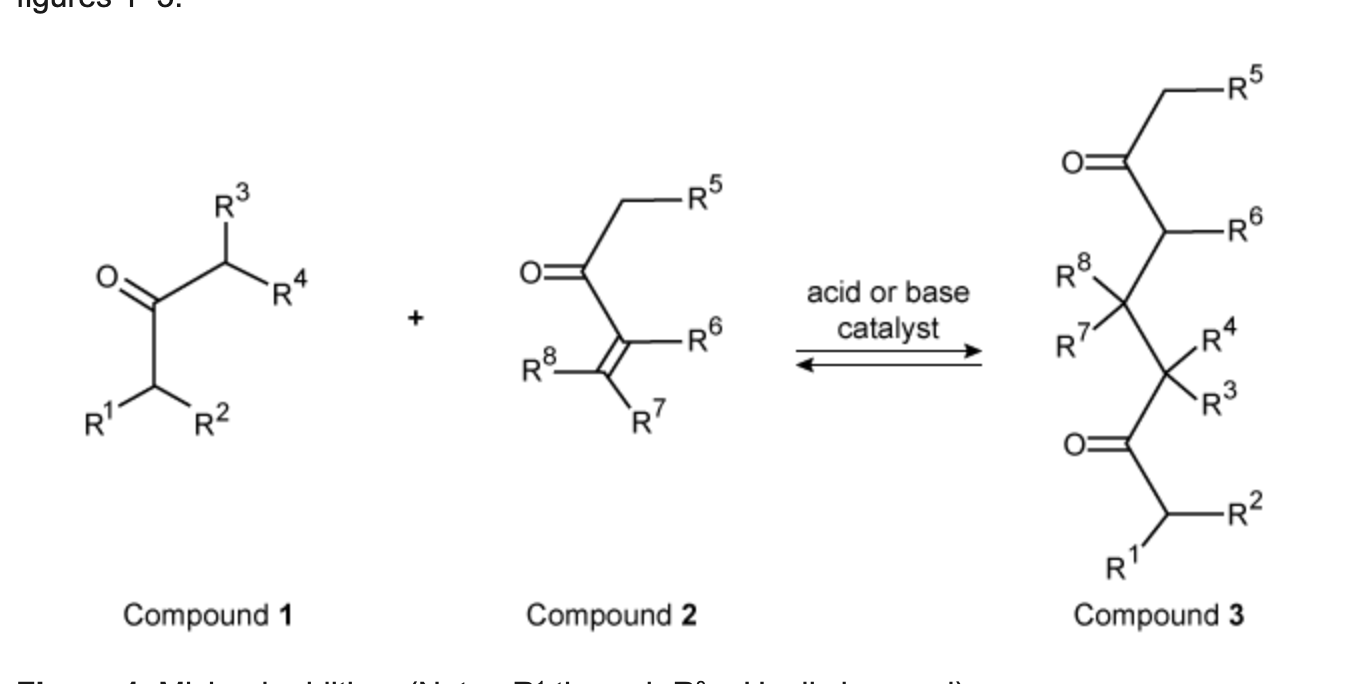
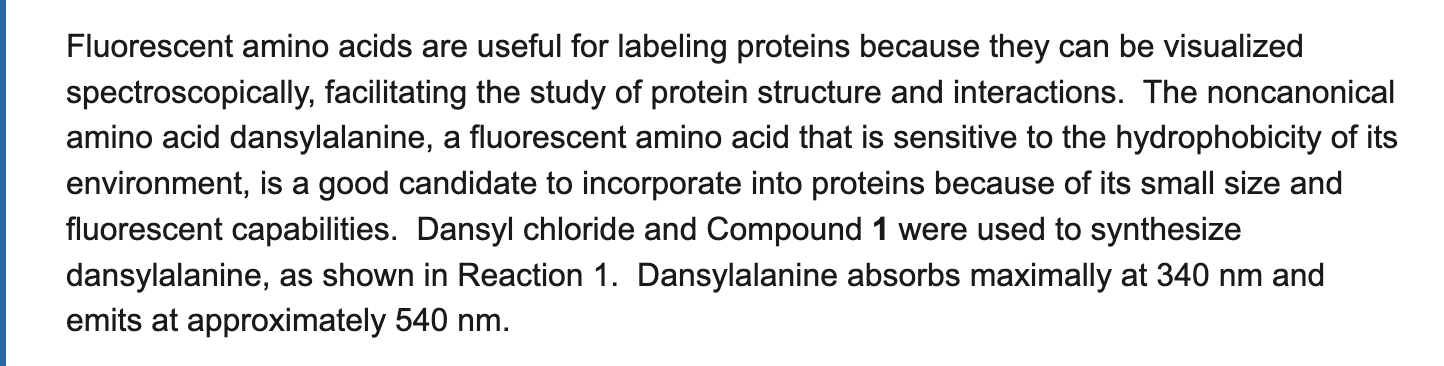
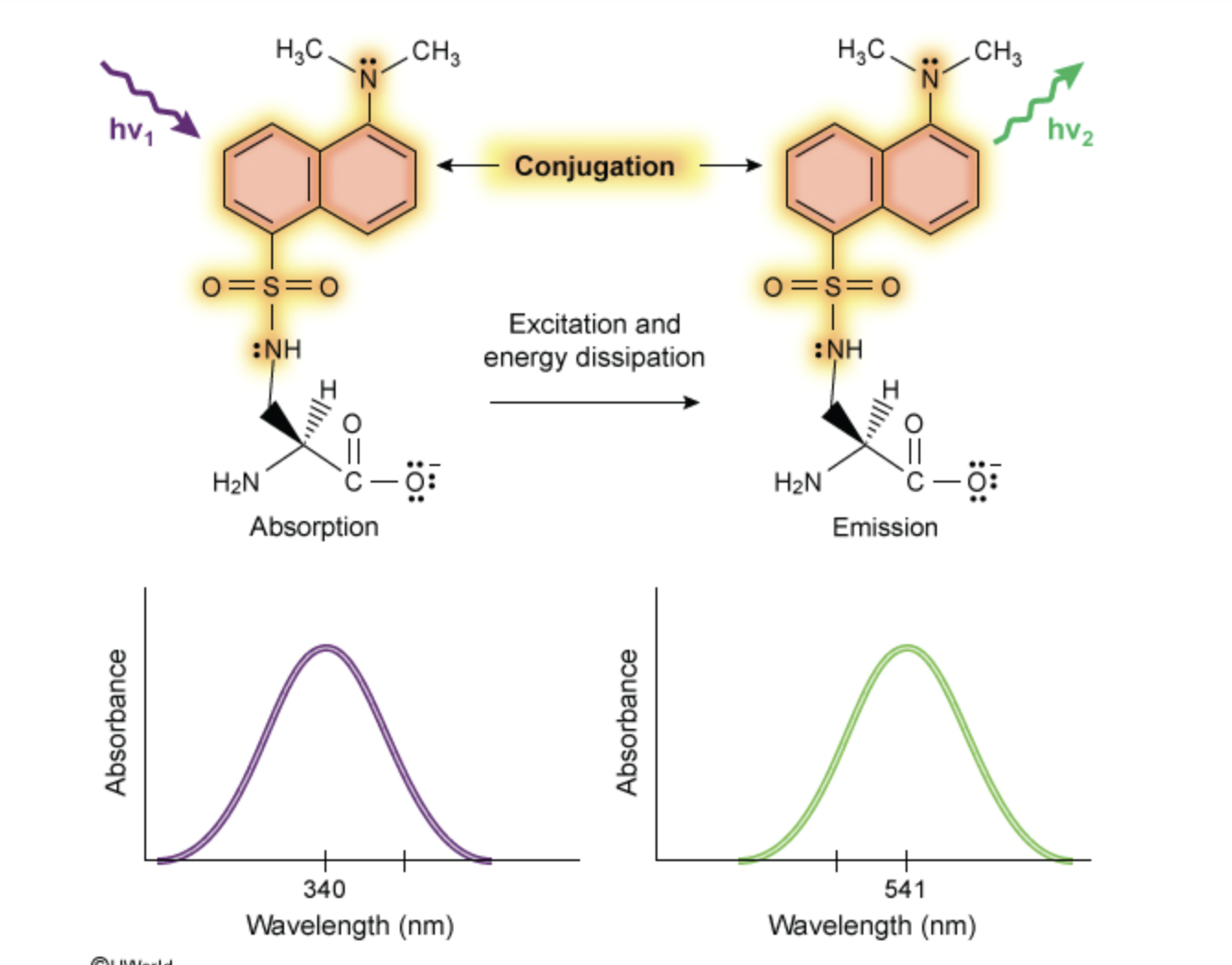
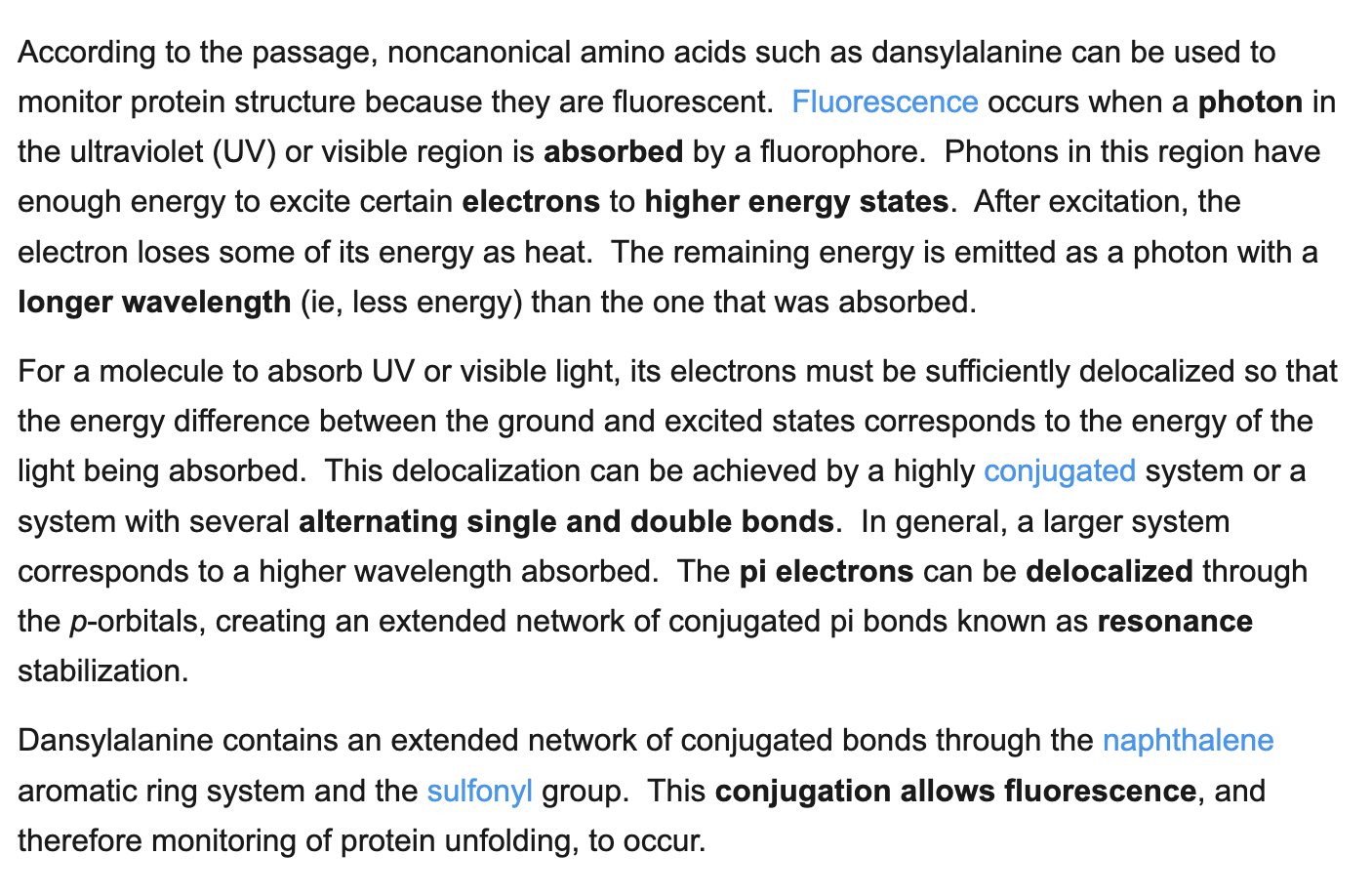
Passage A
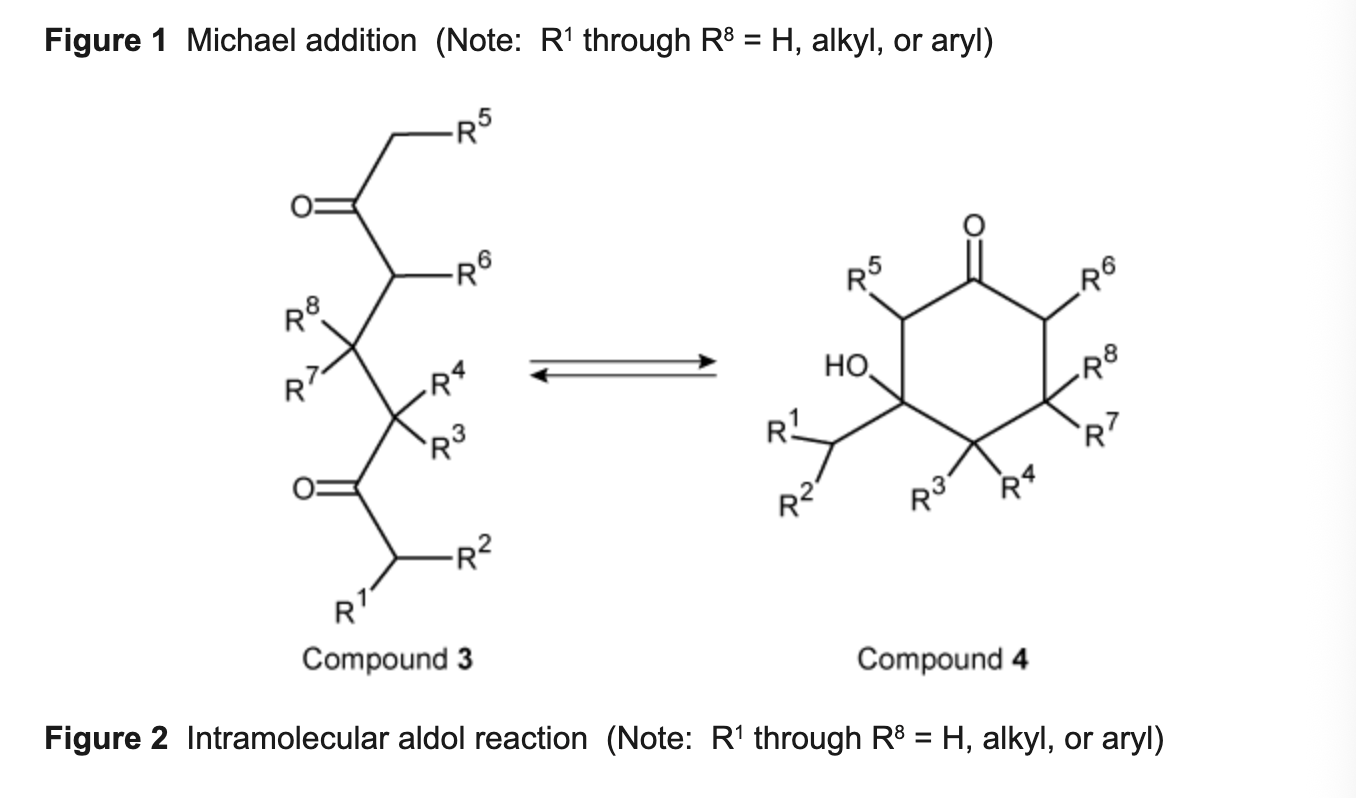
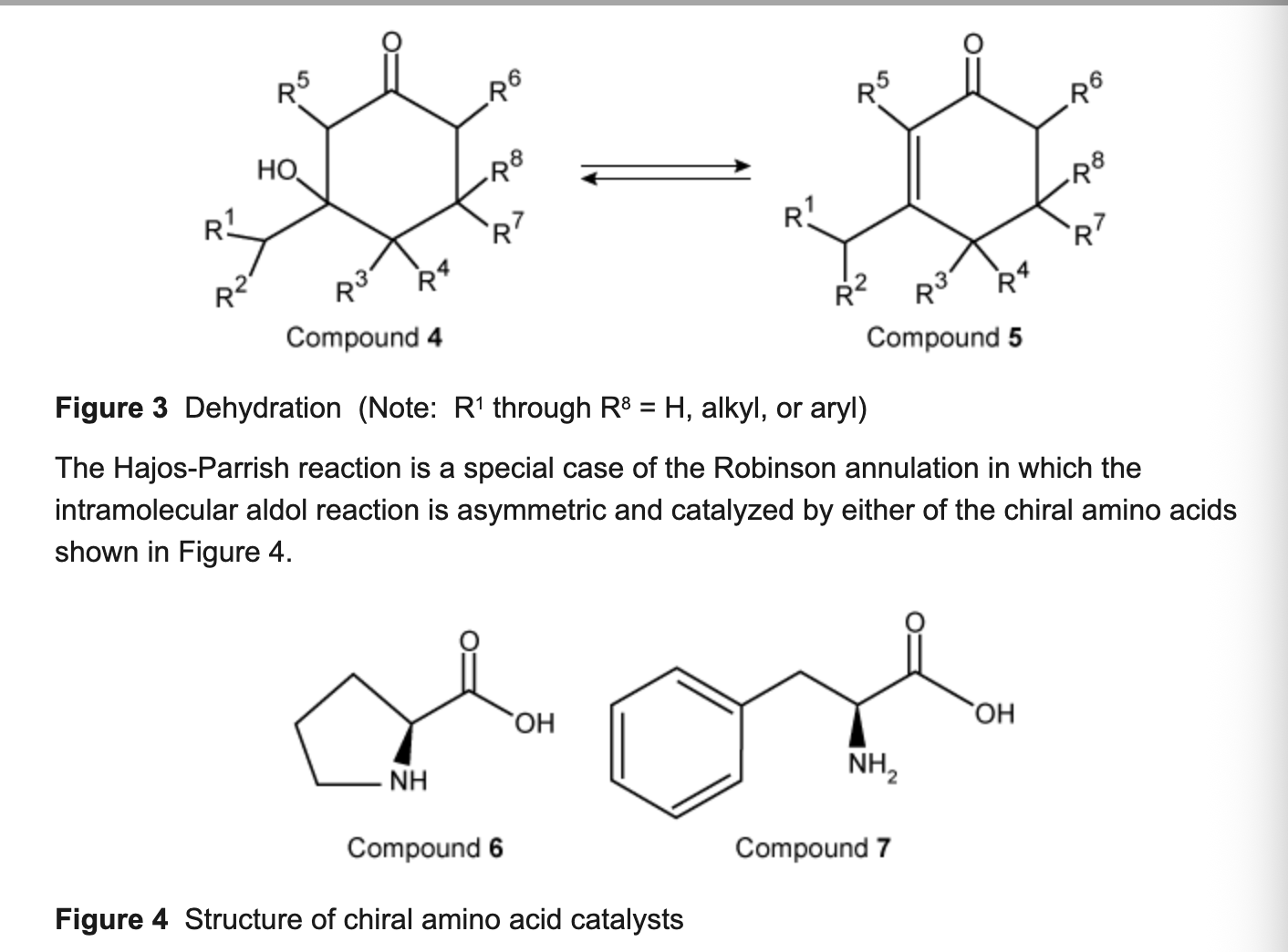
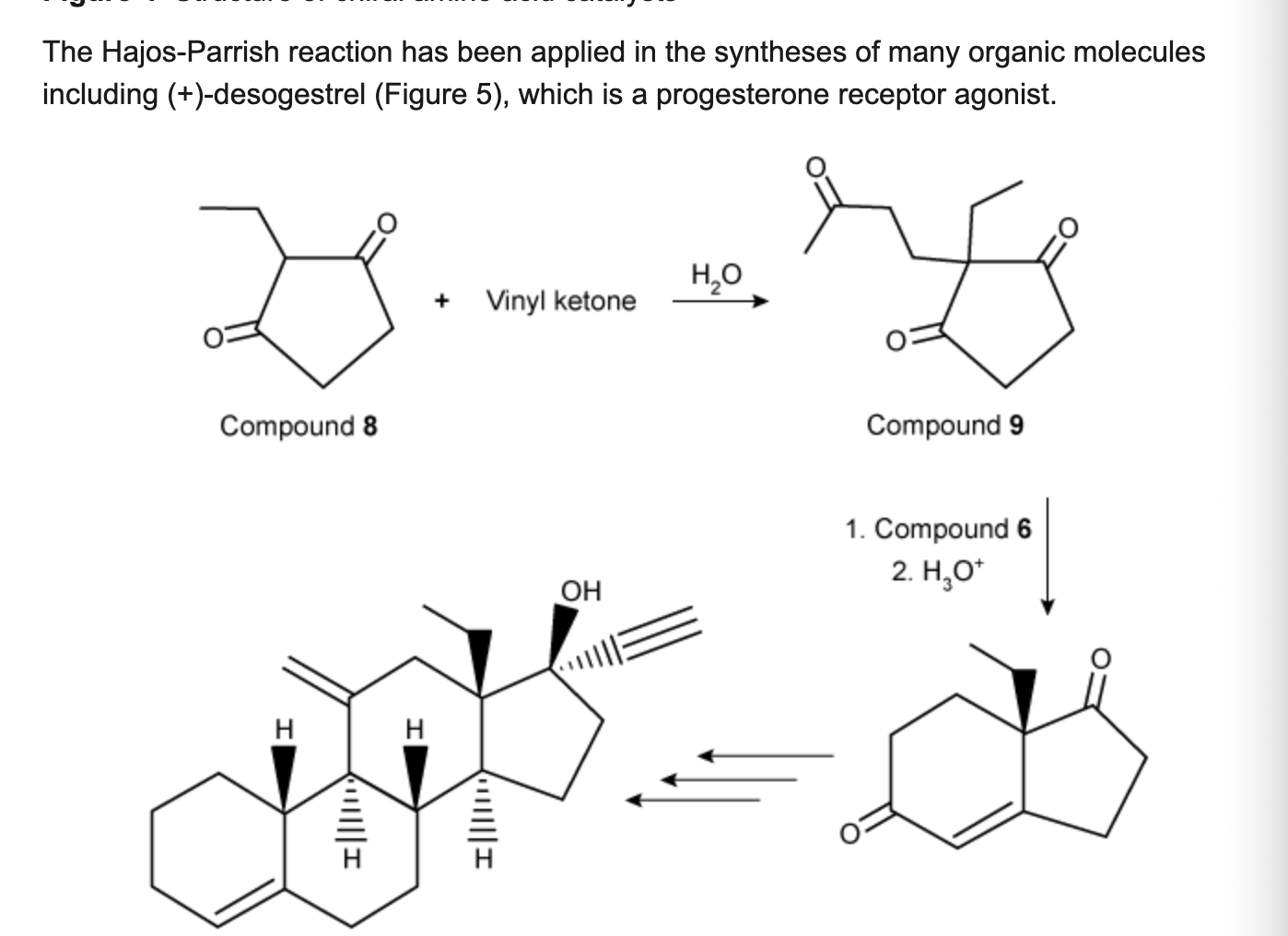


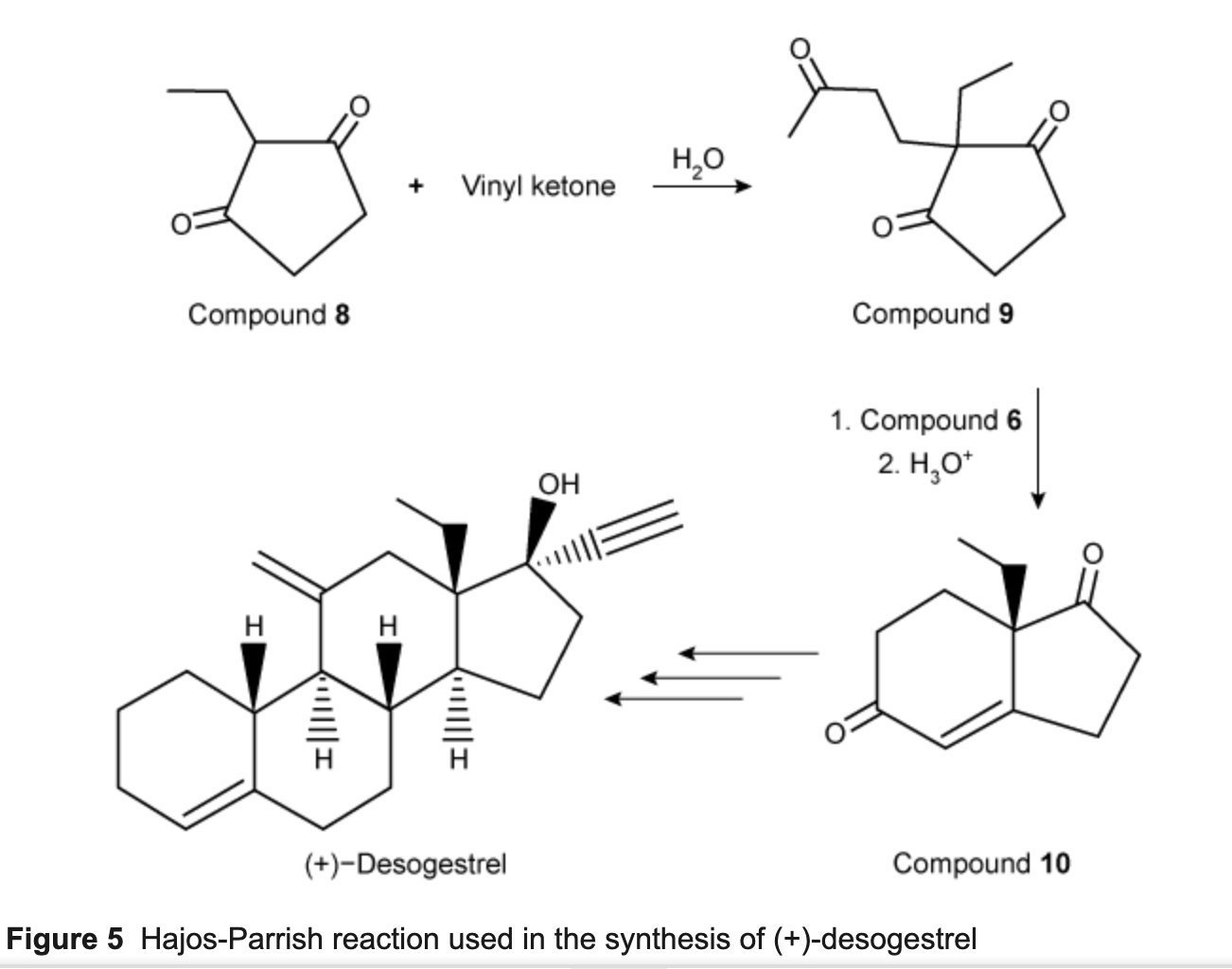
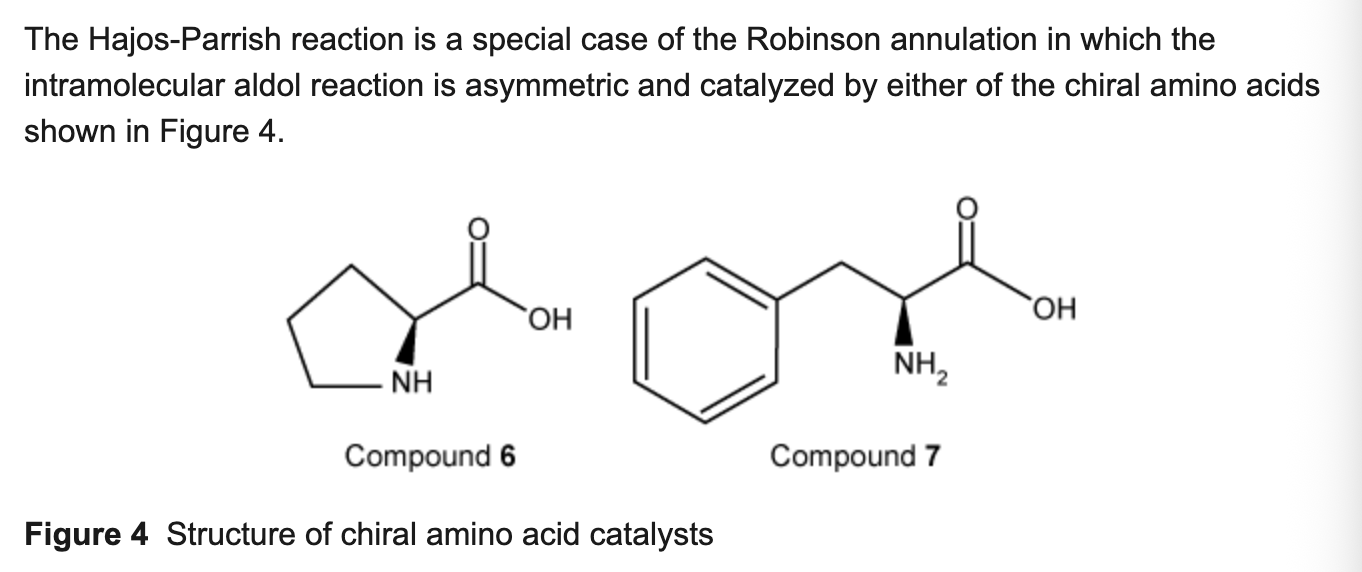
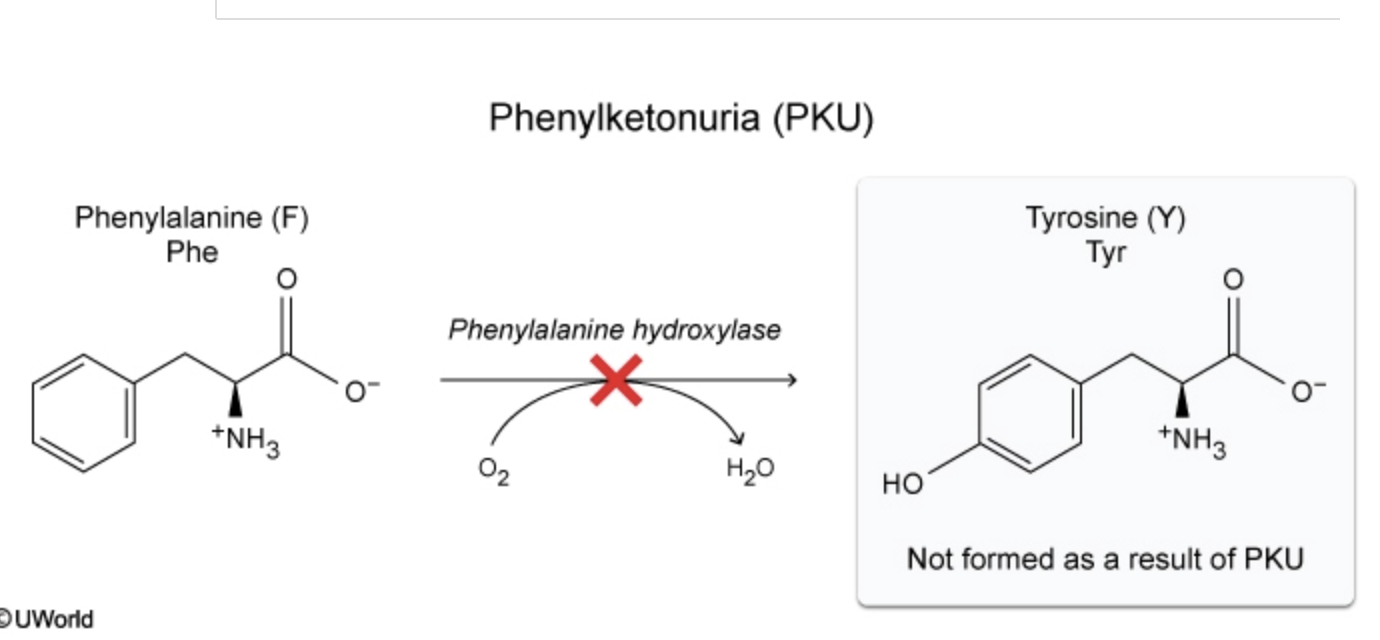
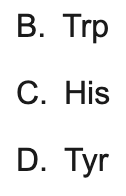
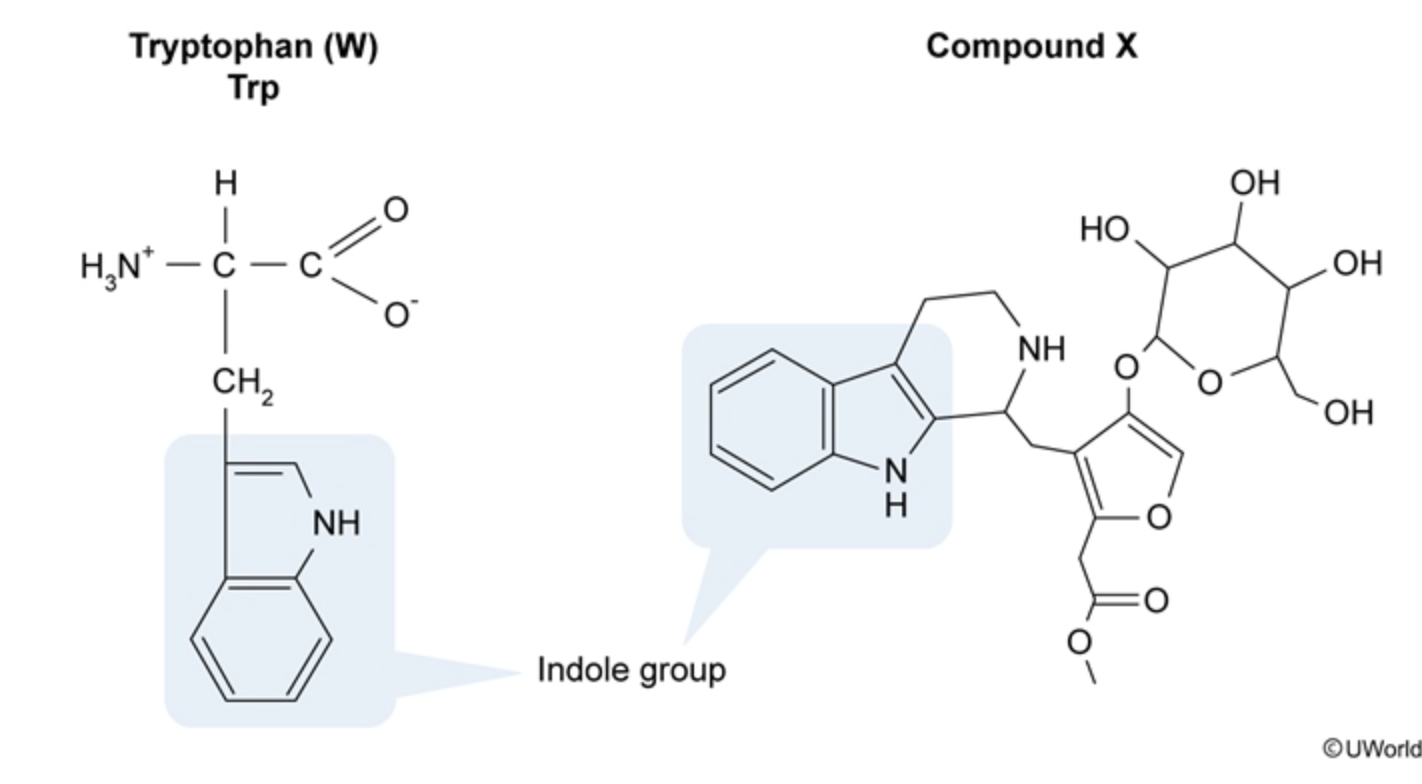
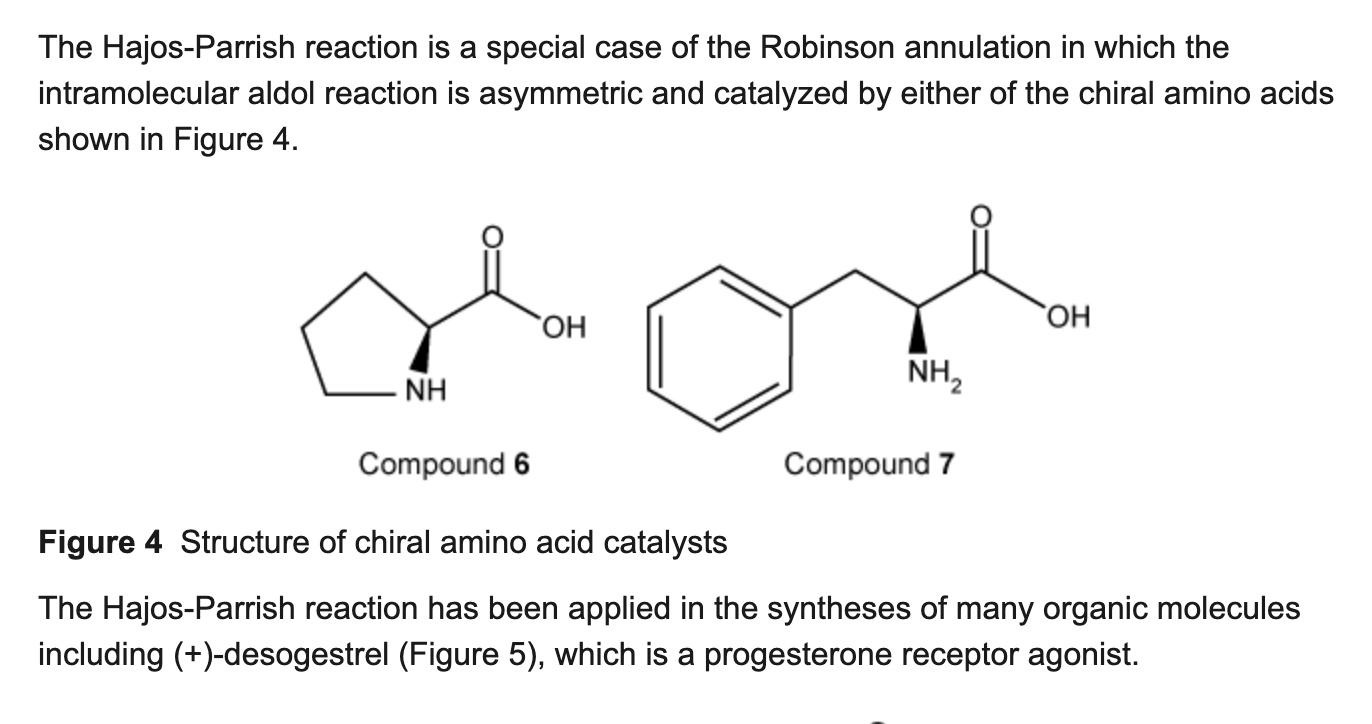
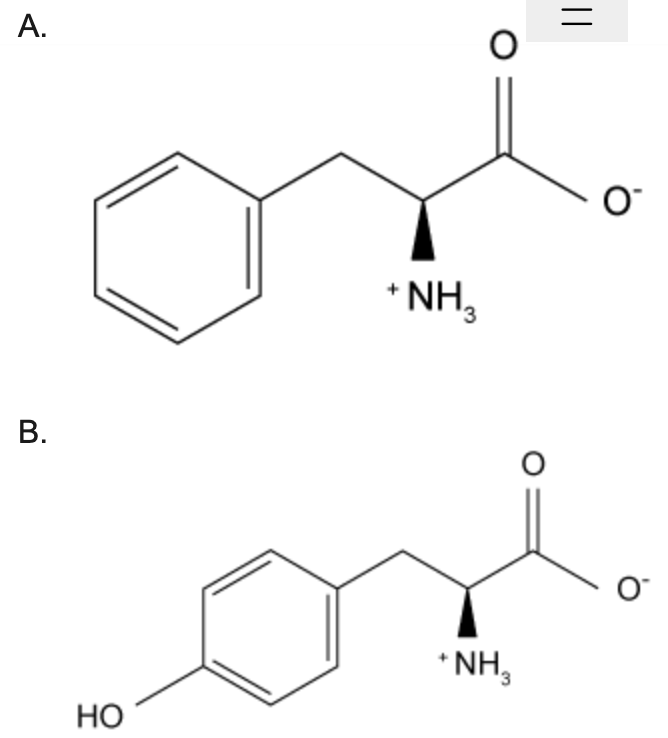
Tyr, Phe, Trp, Pro?
Pro
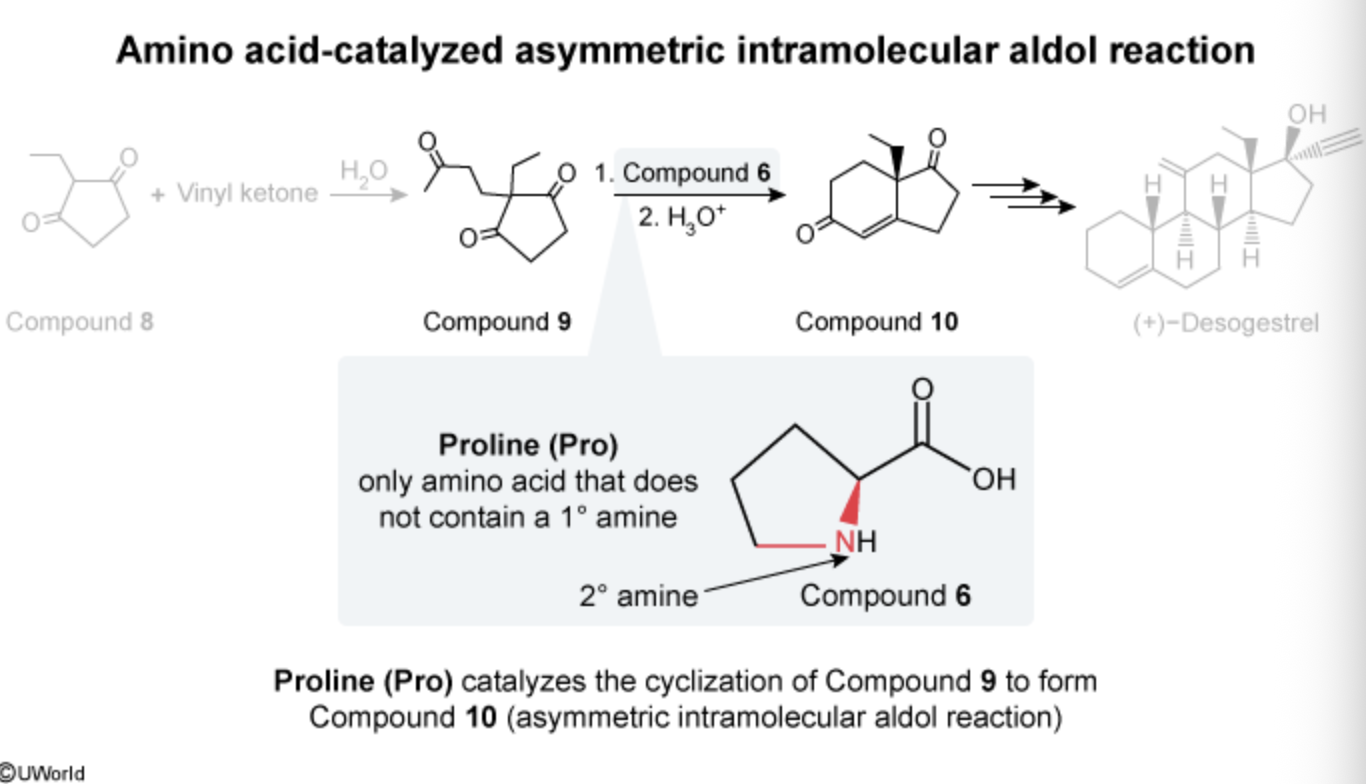
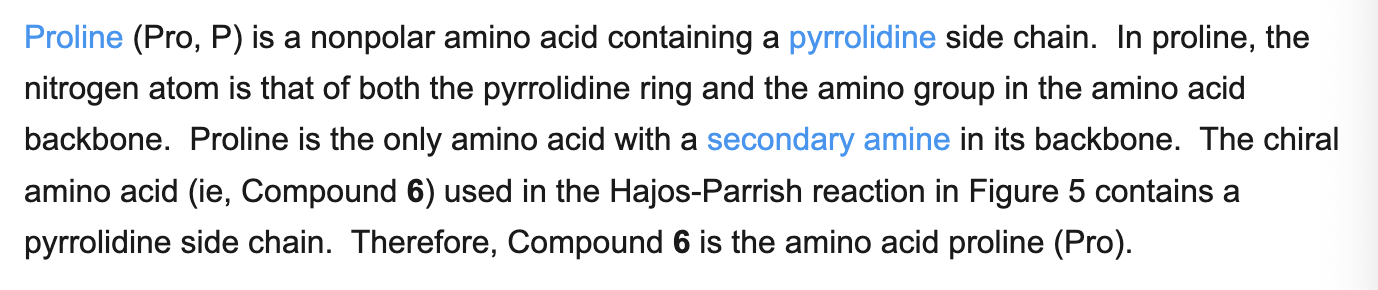
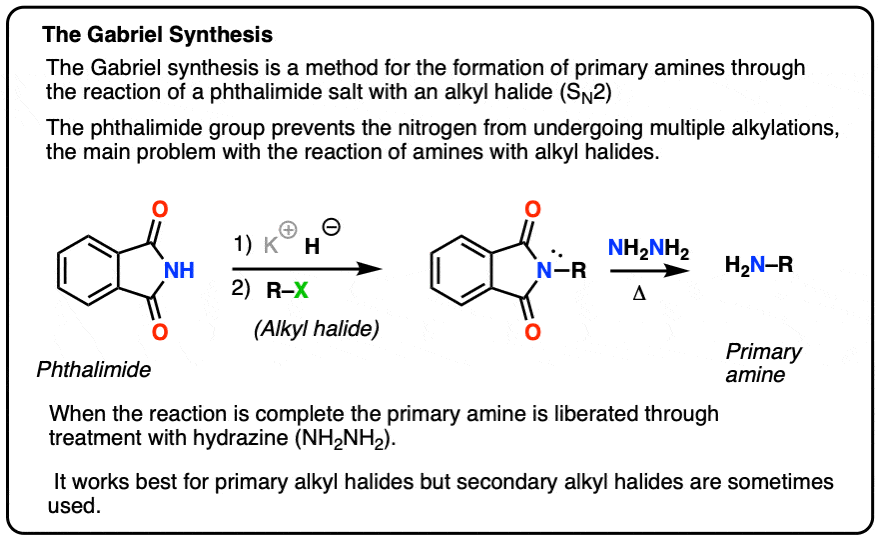
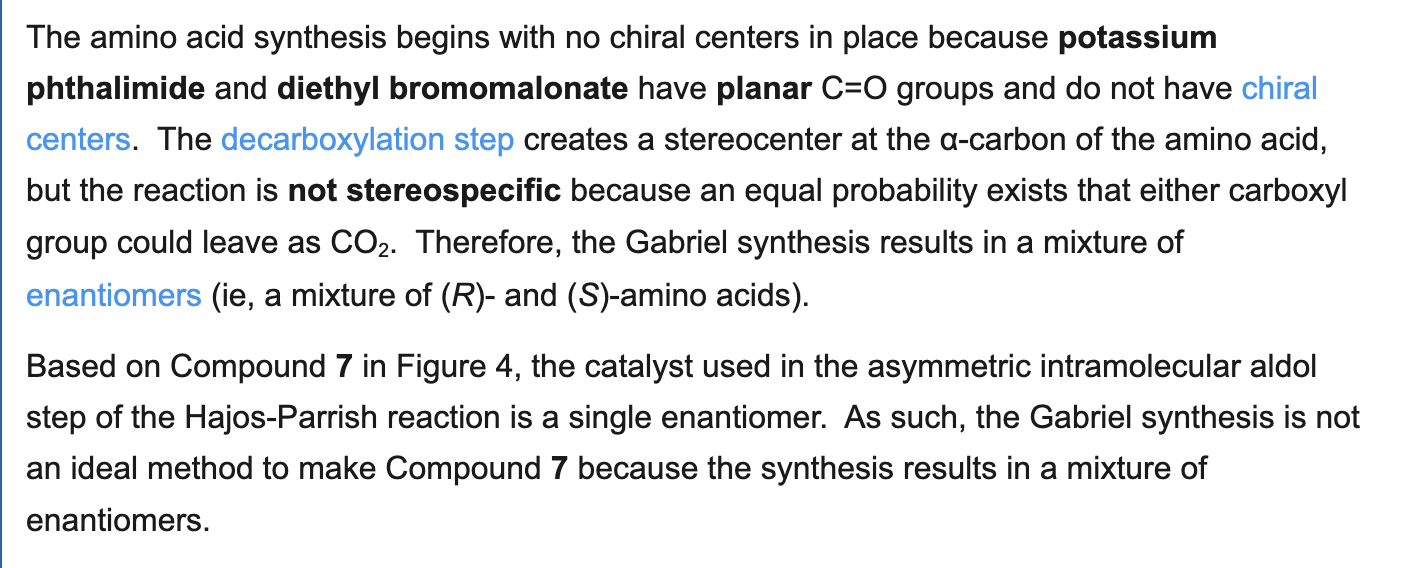
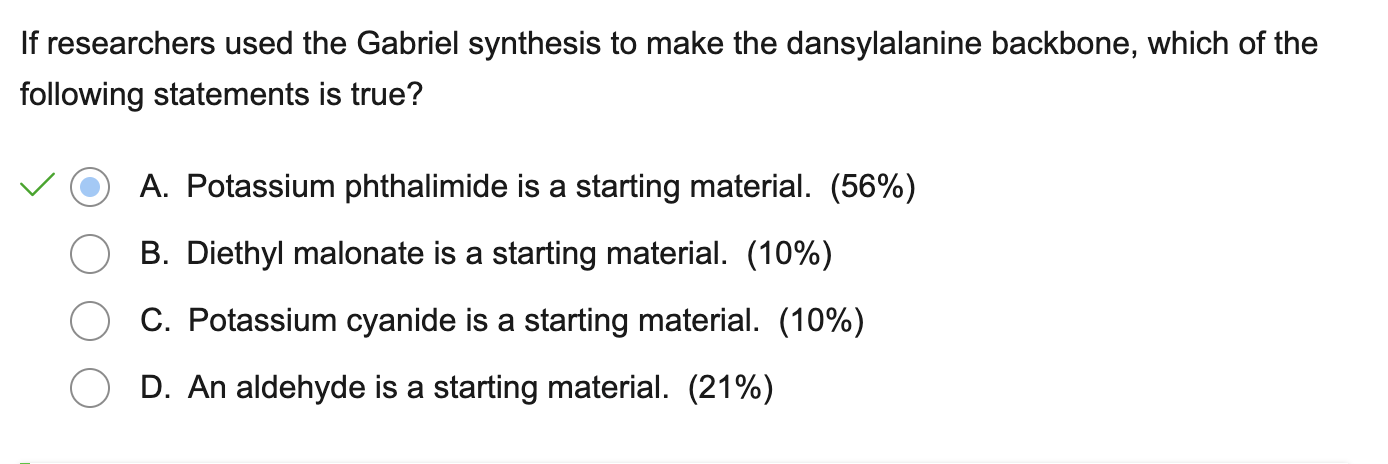
Gabriel Synthesis // Malonic ester synthesis
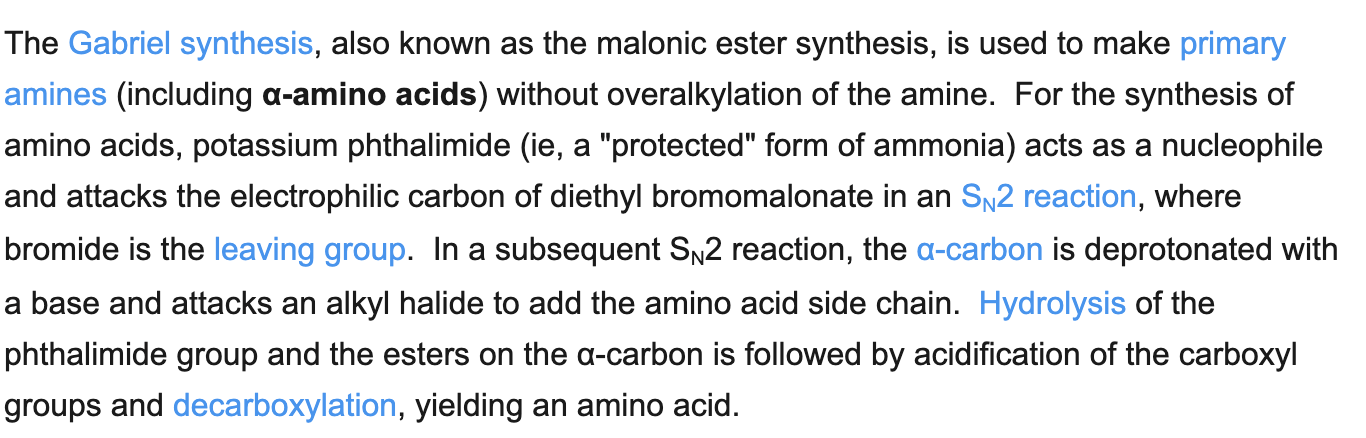
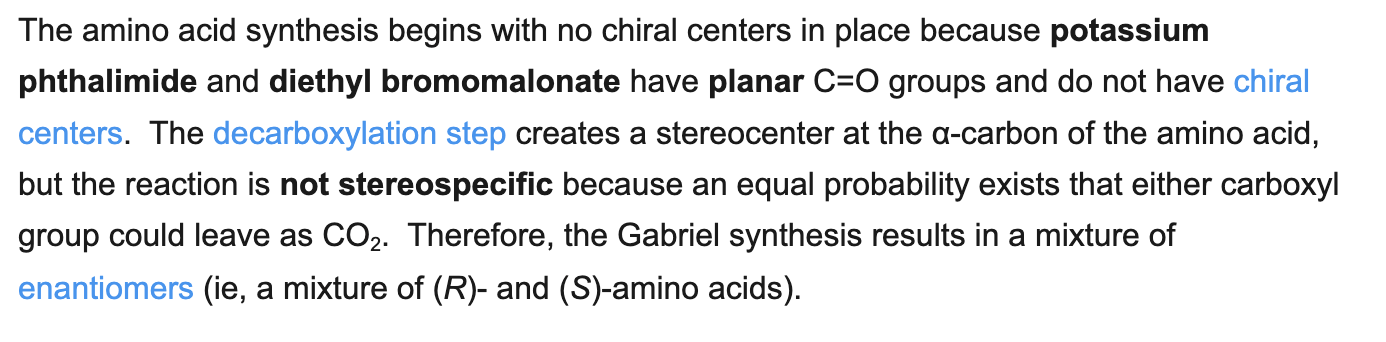
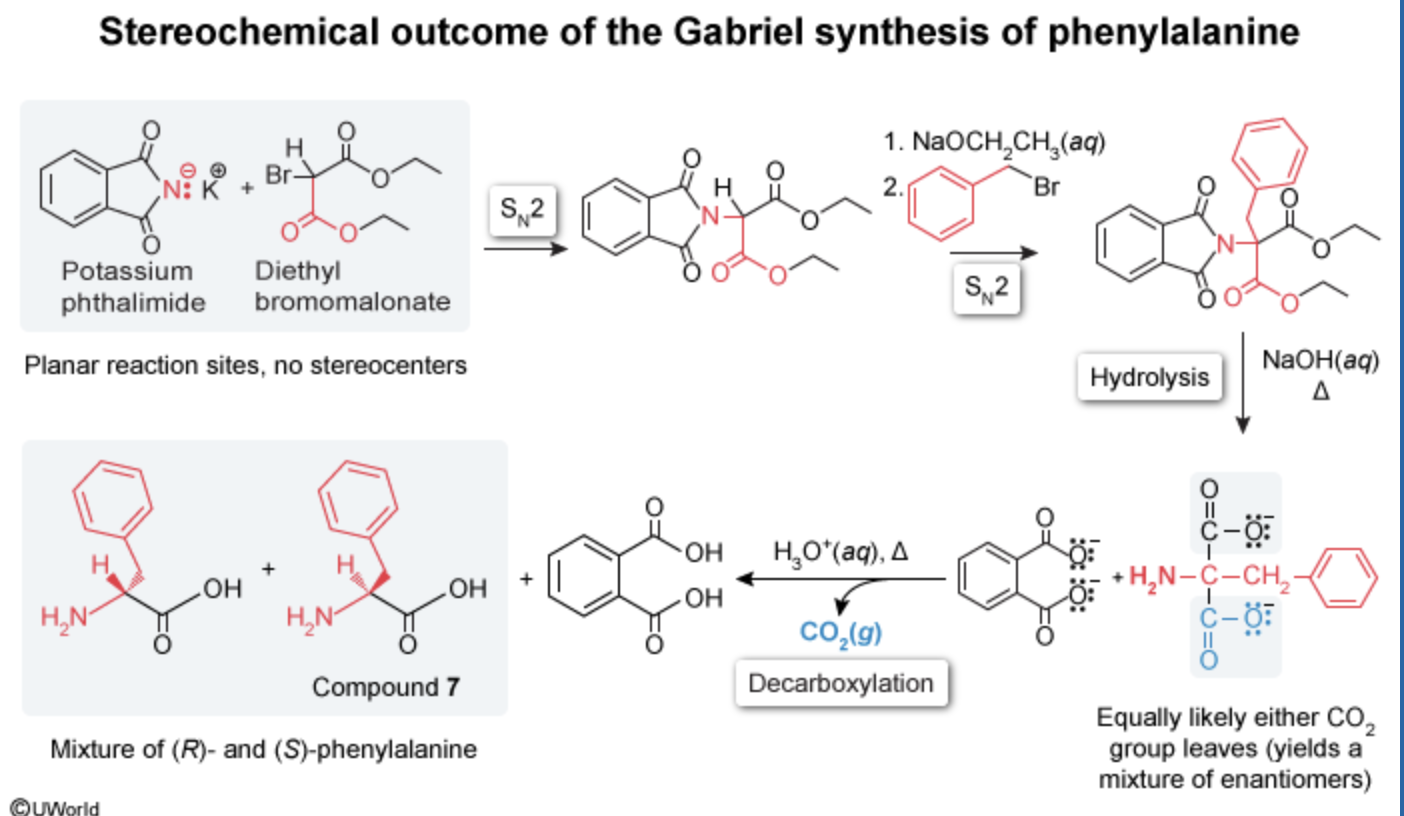

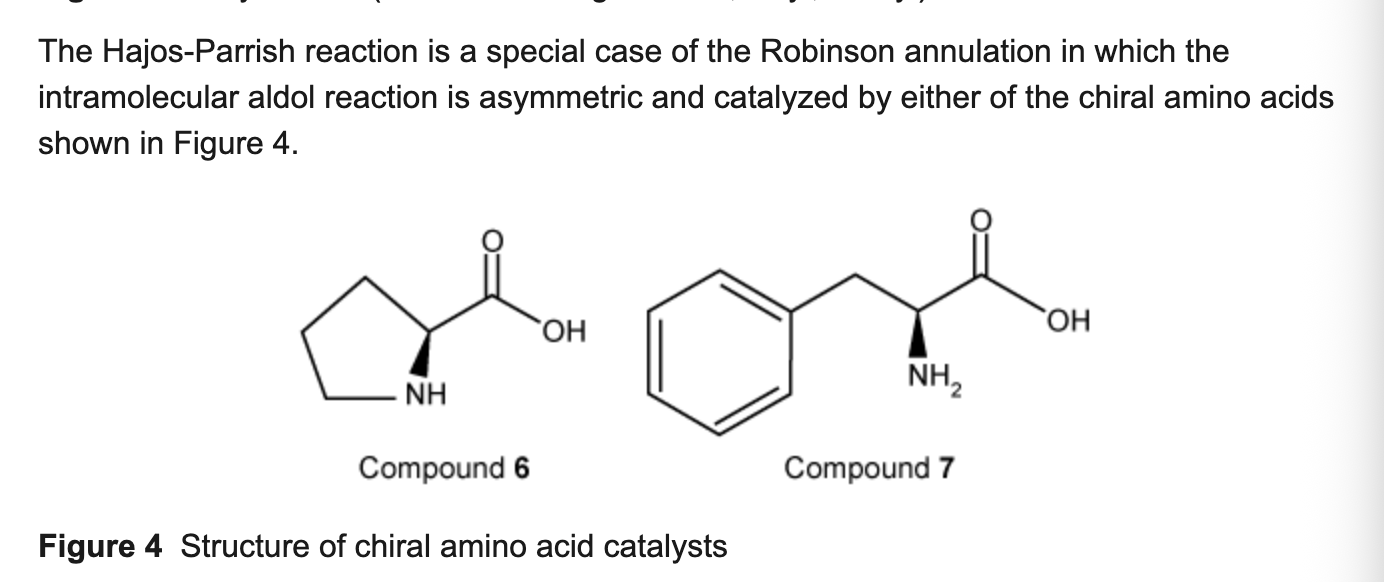
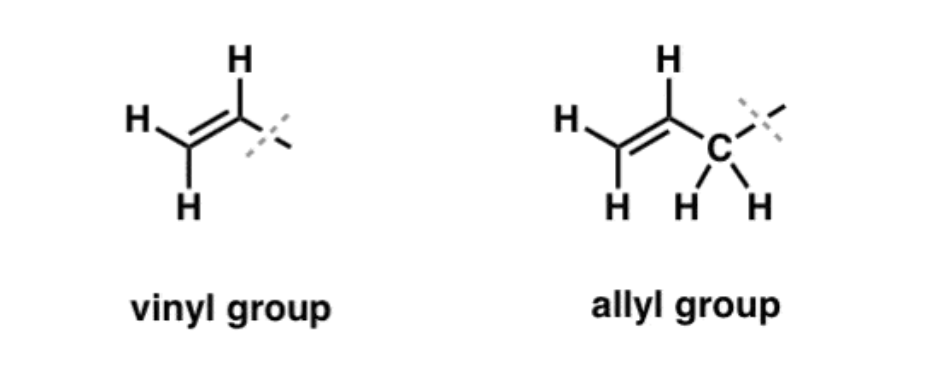
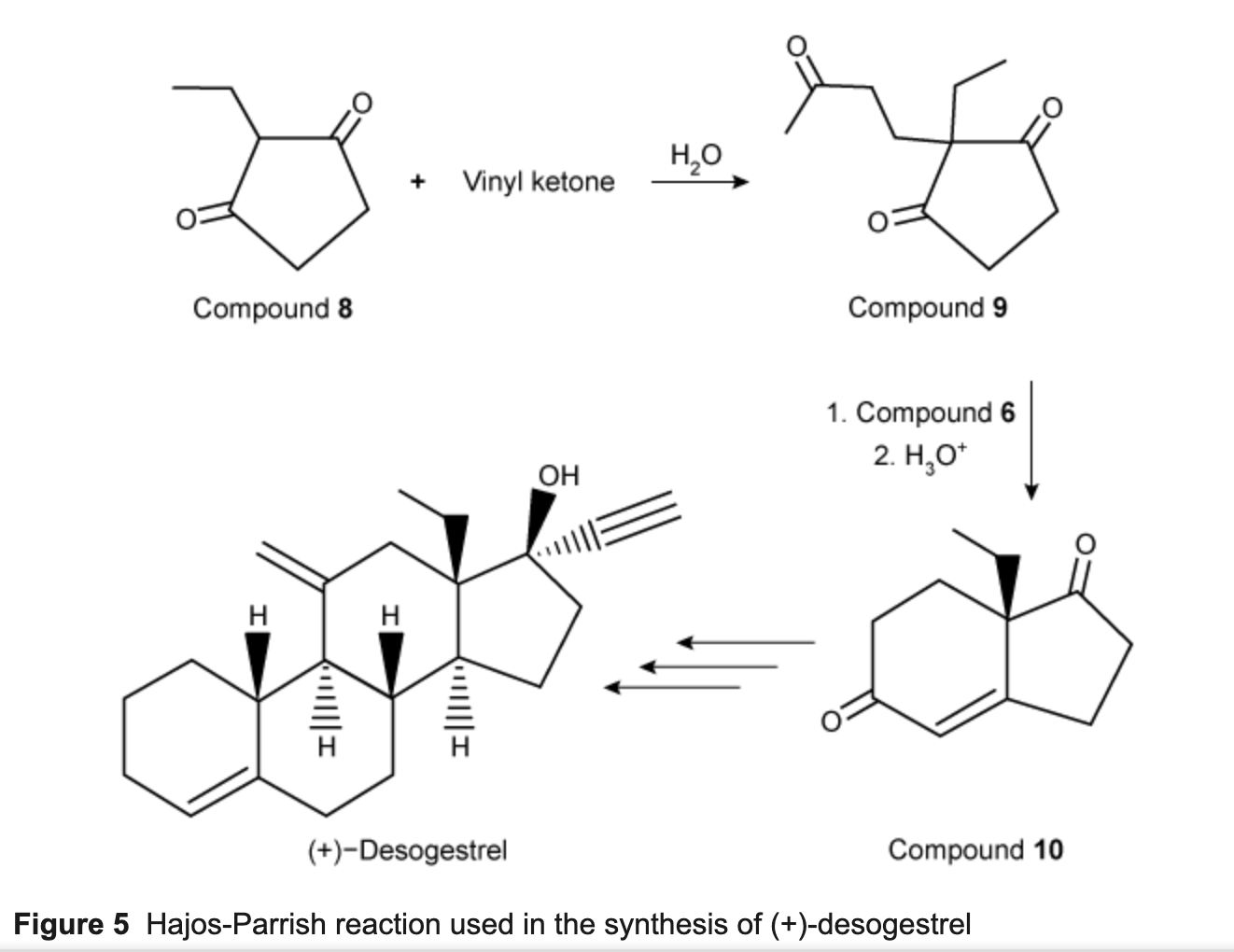
B. Gabriel Syn results in a mixture of enantionmers, and the catalyst used in the Hajos Parrish reaction is a single enantiomer
C. GS results in the S enantiomer, and the catalyst used in the HP reaction is R enantiomer
D. (flip the S and R order in answer C)
Answer: B


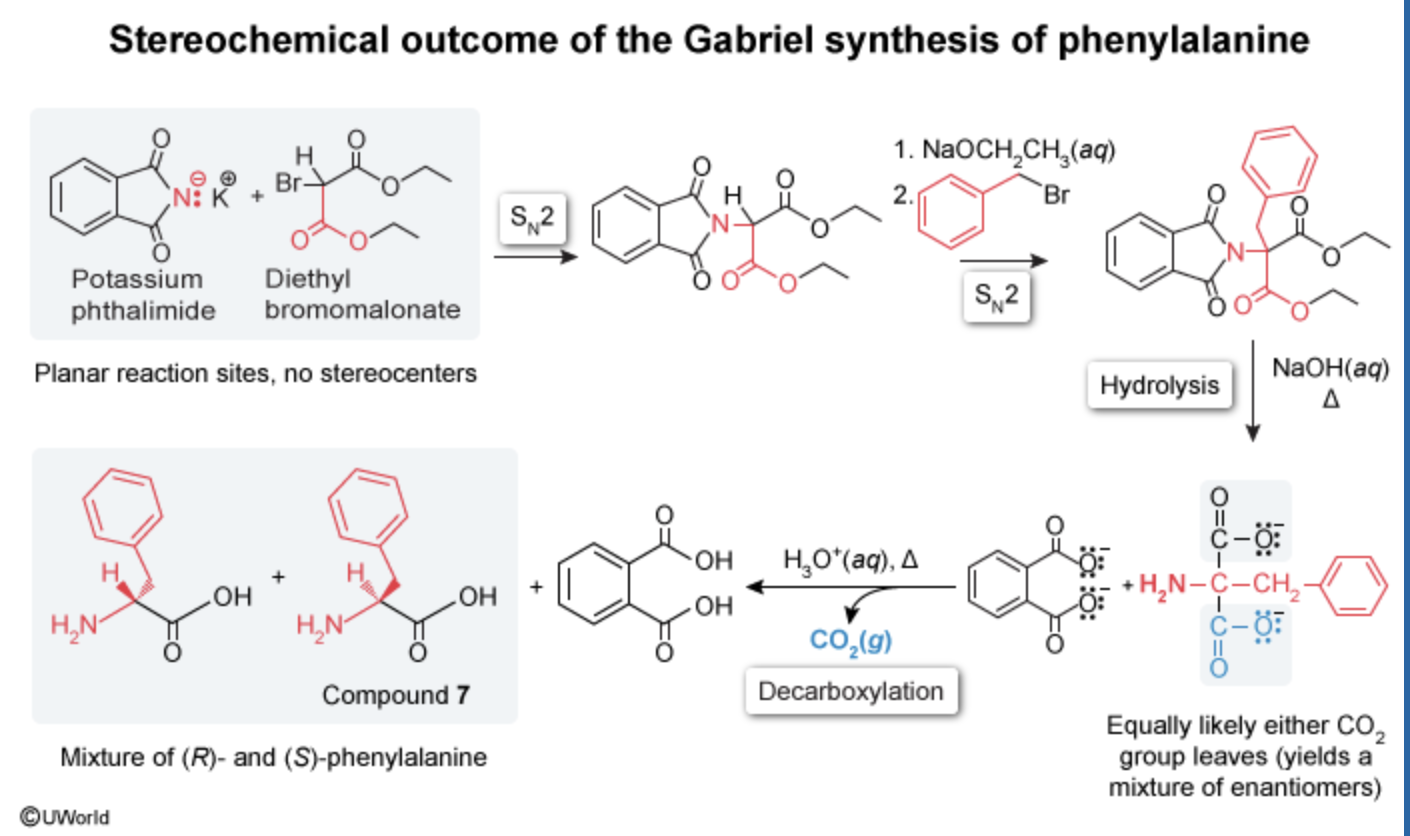
Vinyl vs allyl group


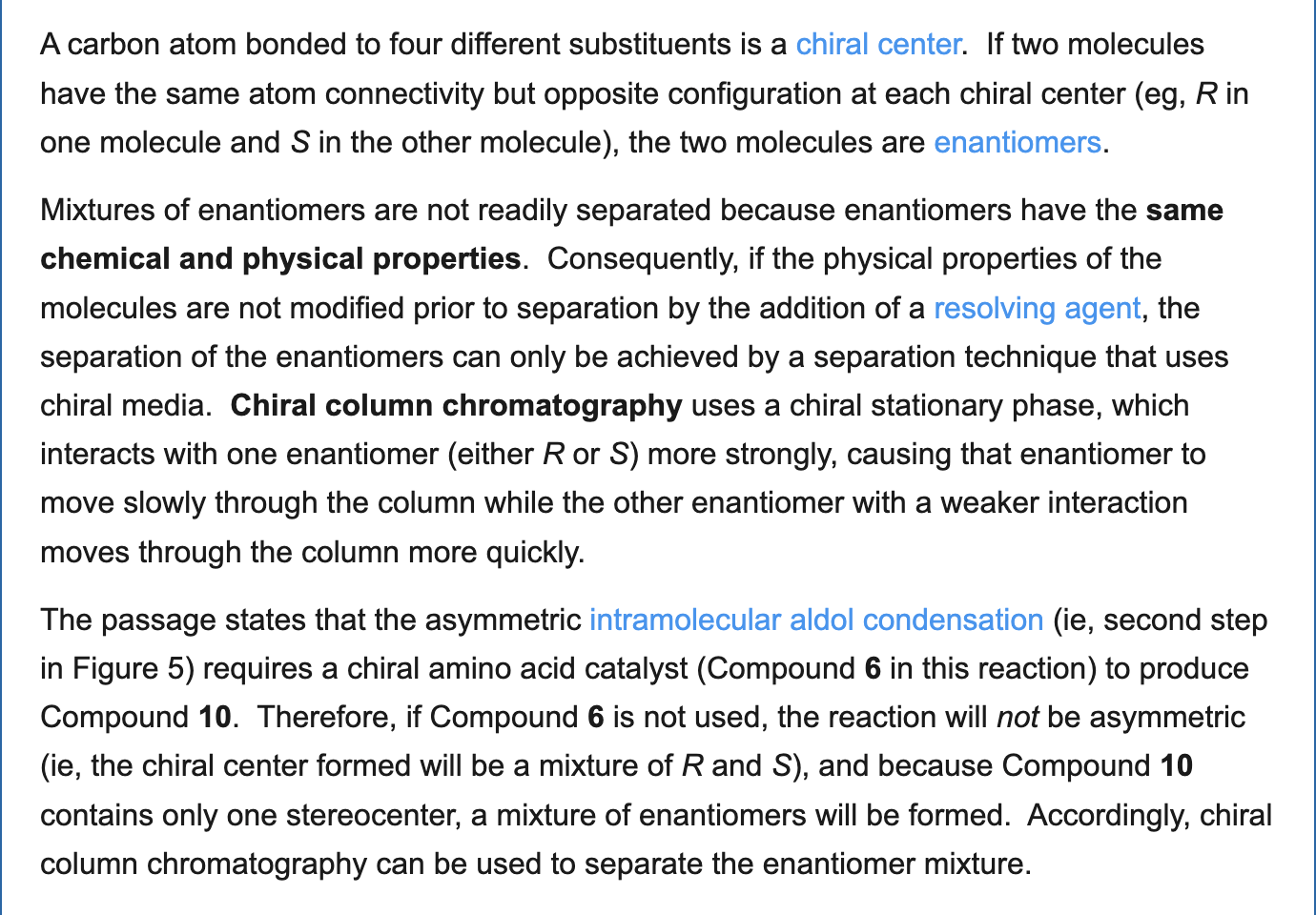
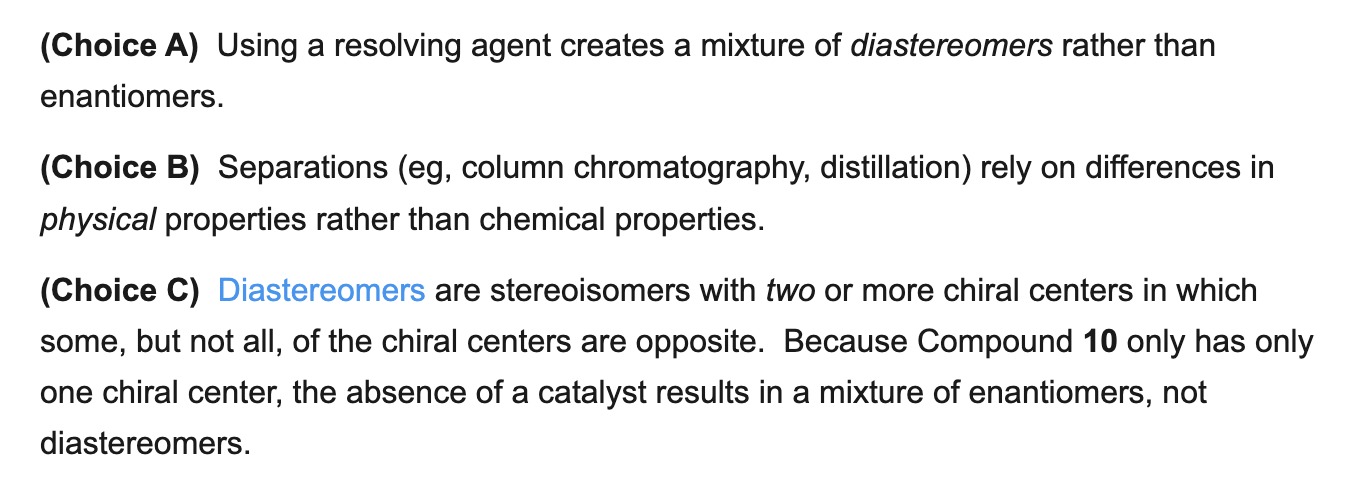
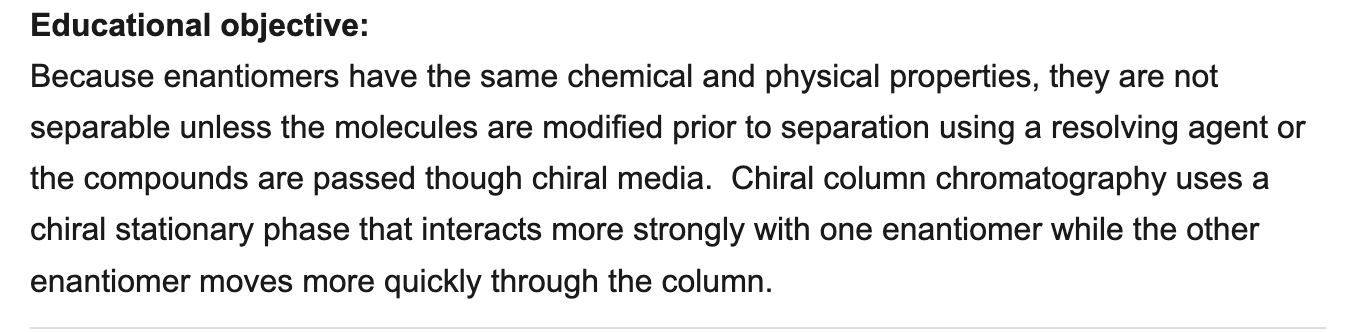
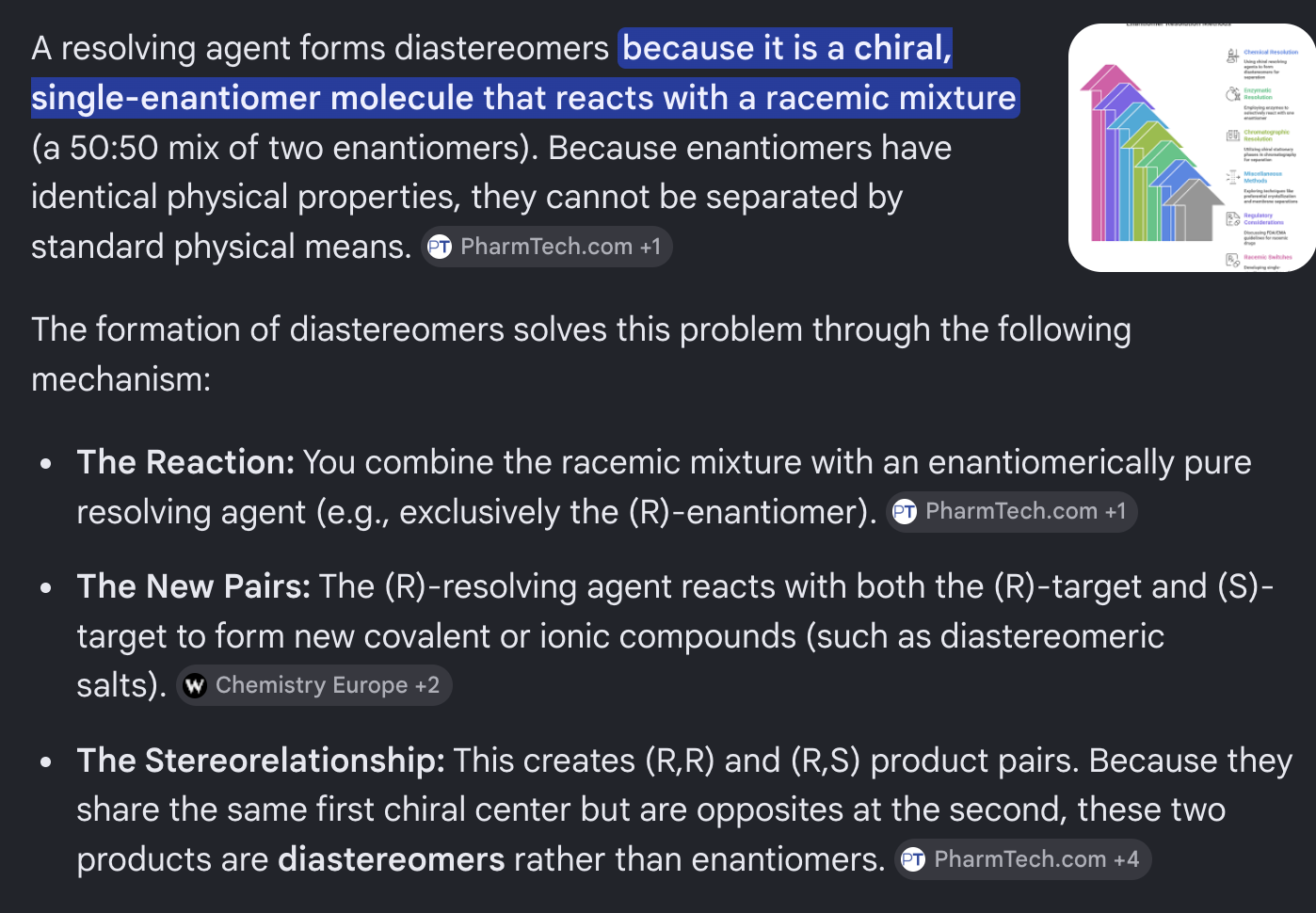
B. By using a resolving agent to create a mixture of diastereomers, which can be separated due to ahving different chemical properties
D. Separate the mixture of enantiomers obtained fromt eh reaction using column chromatography with a chiral stationary phase
Answer: D


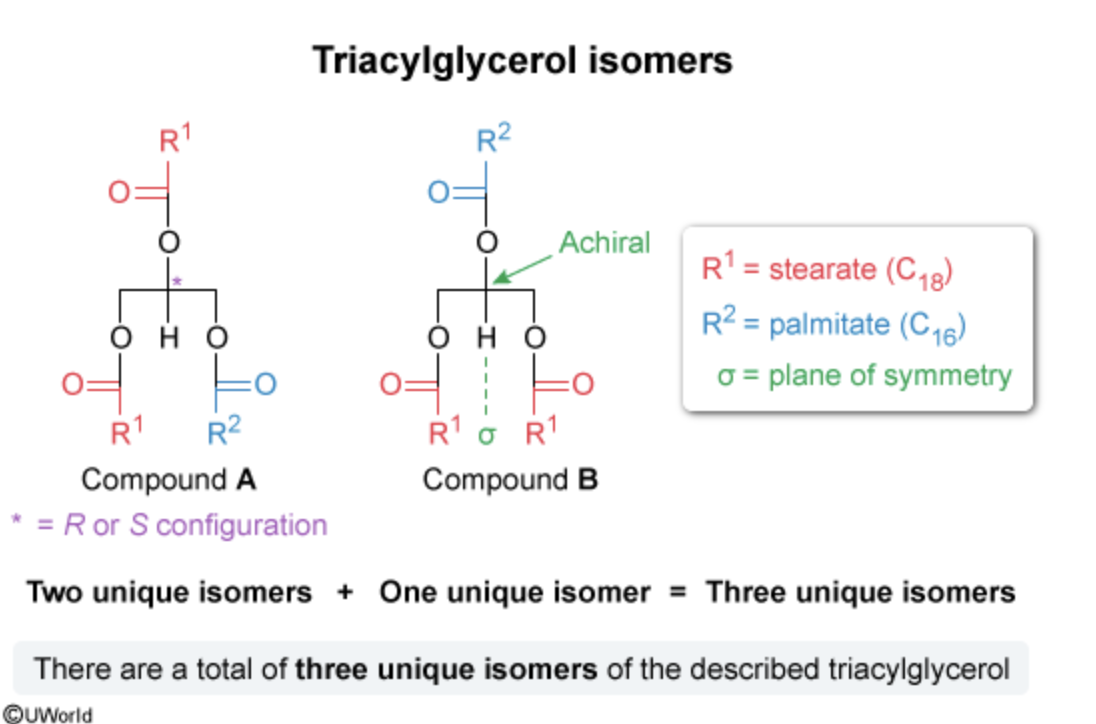
3
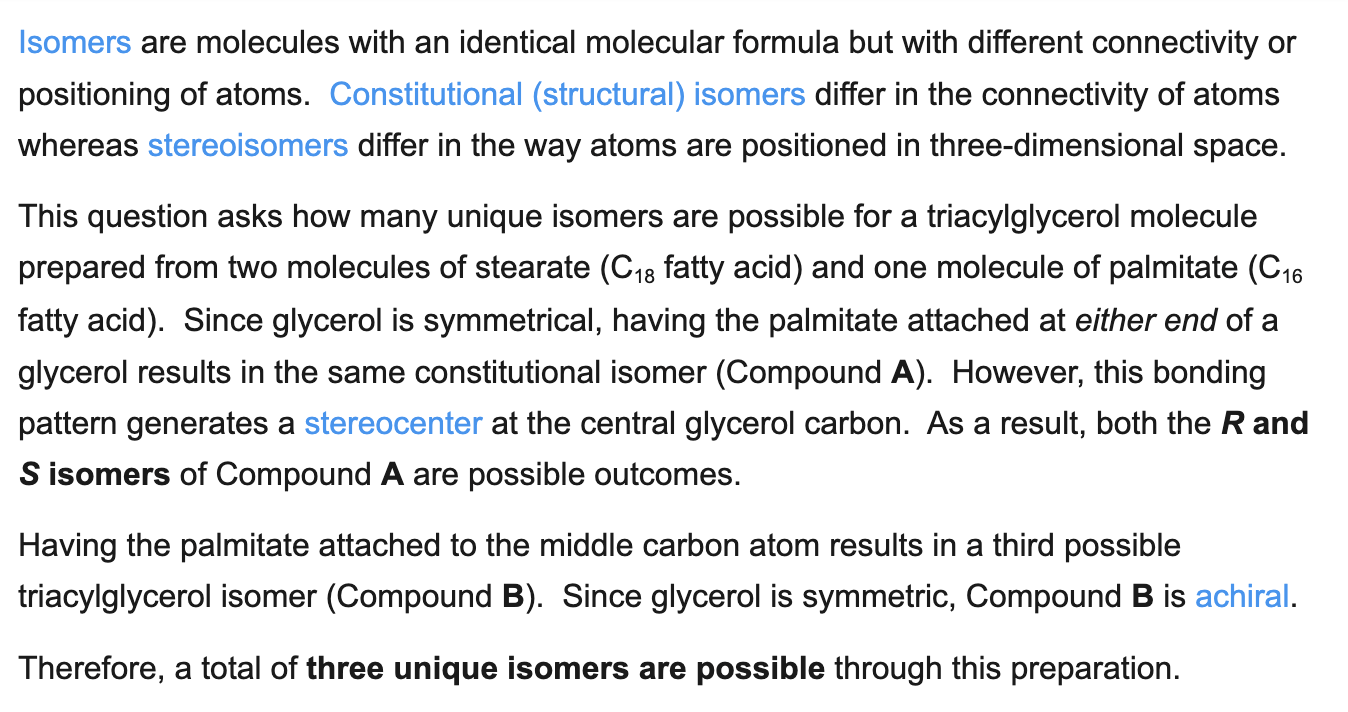
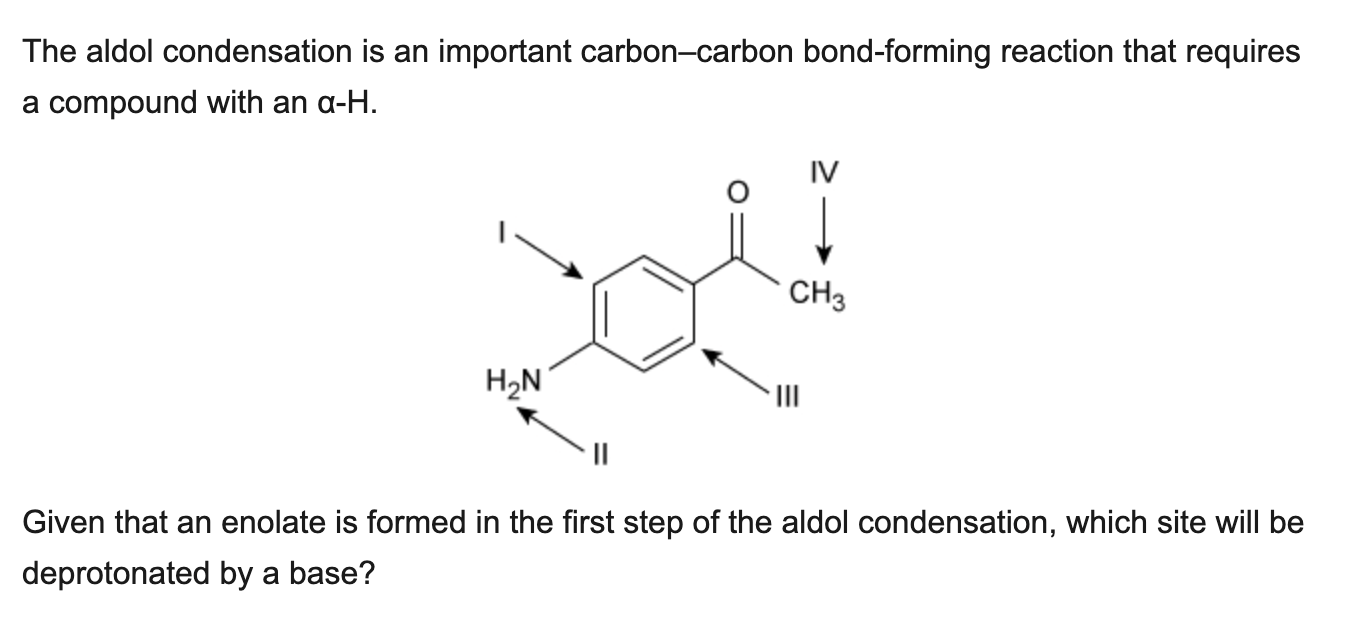
Answer: 4
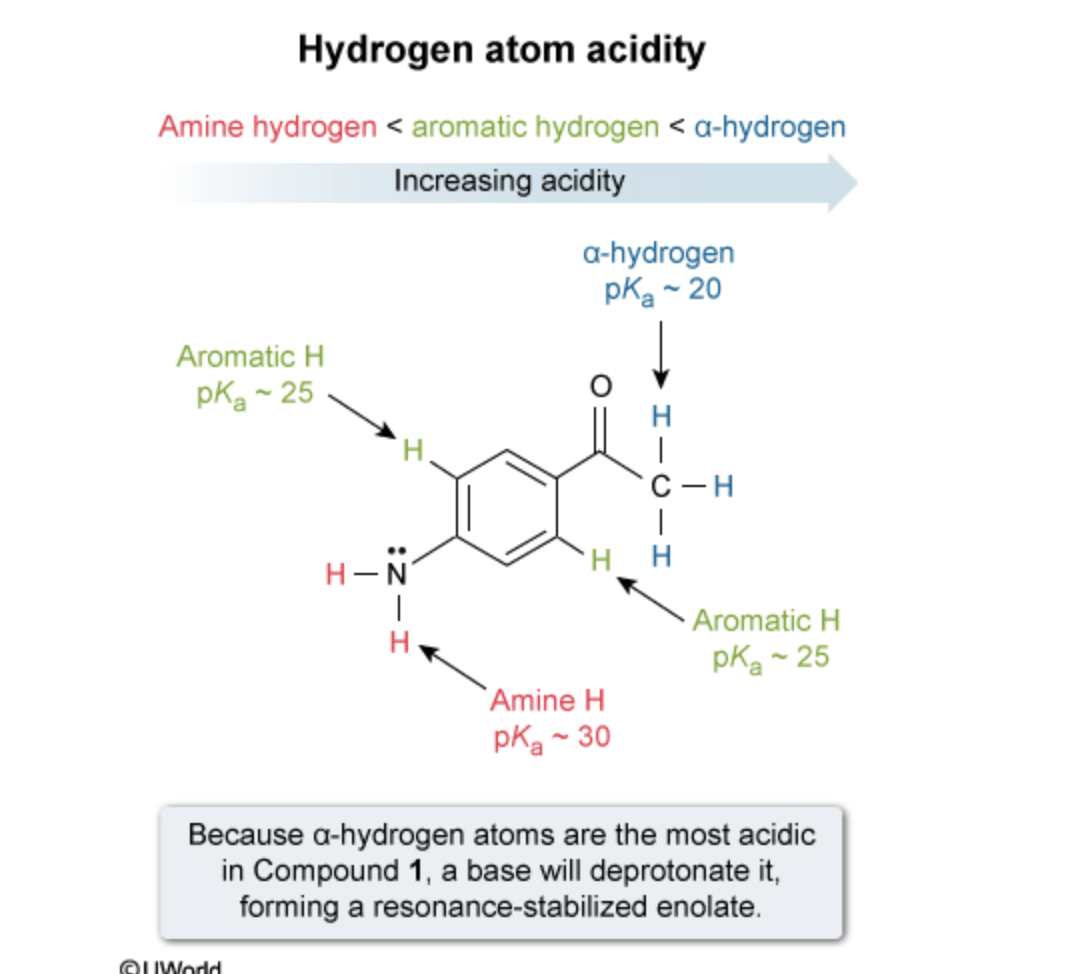
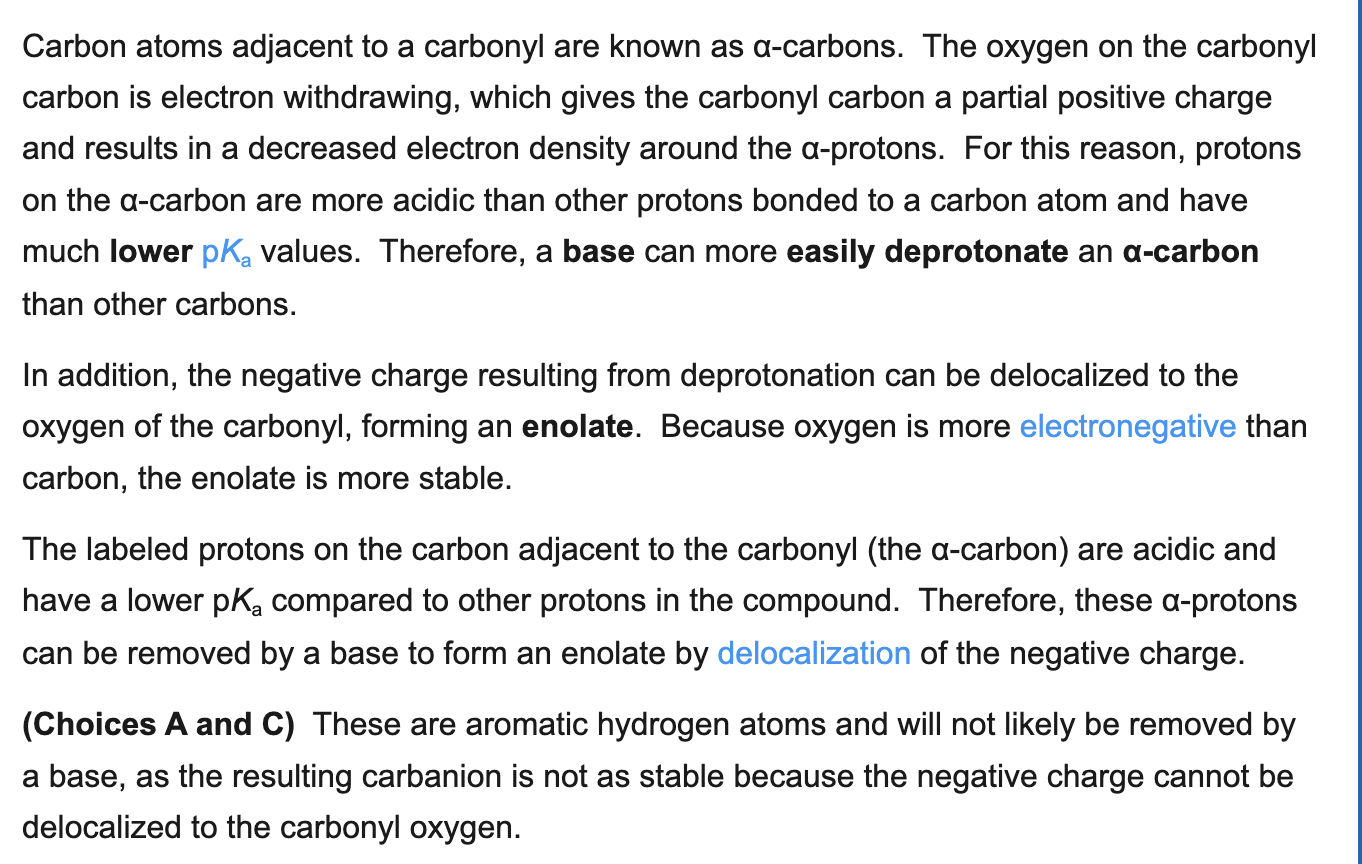
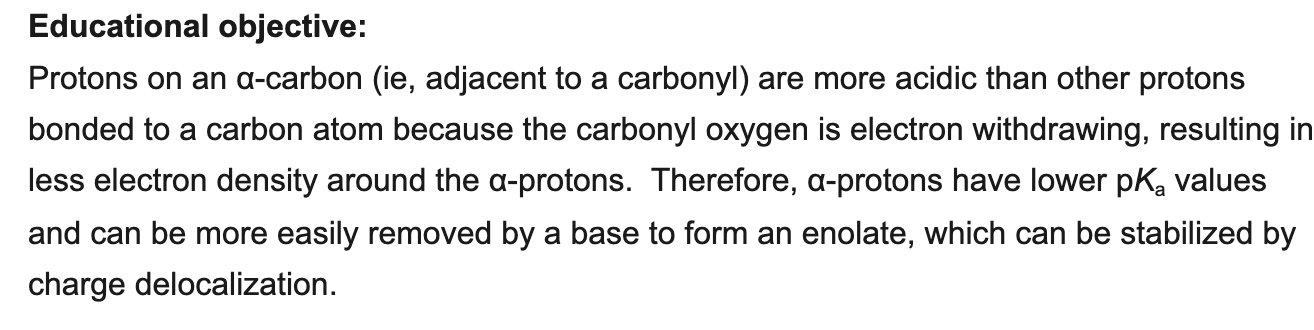
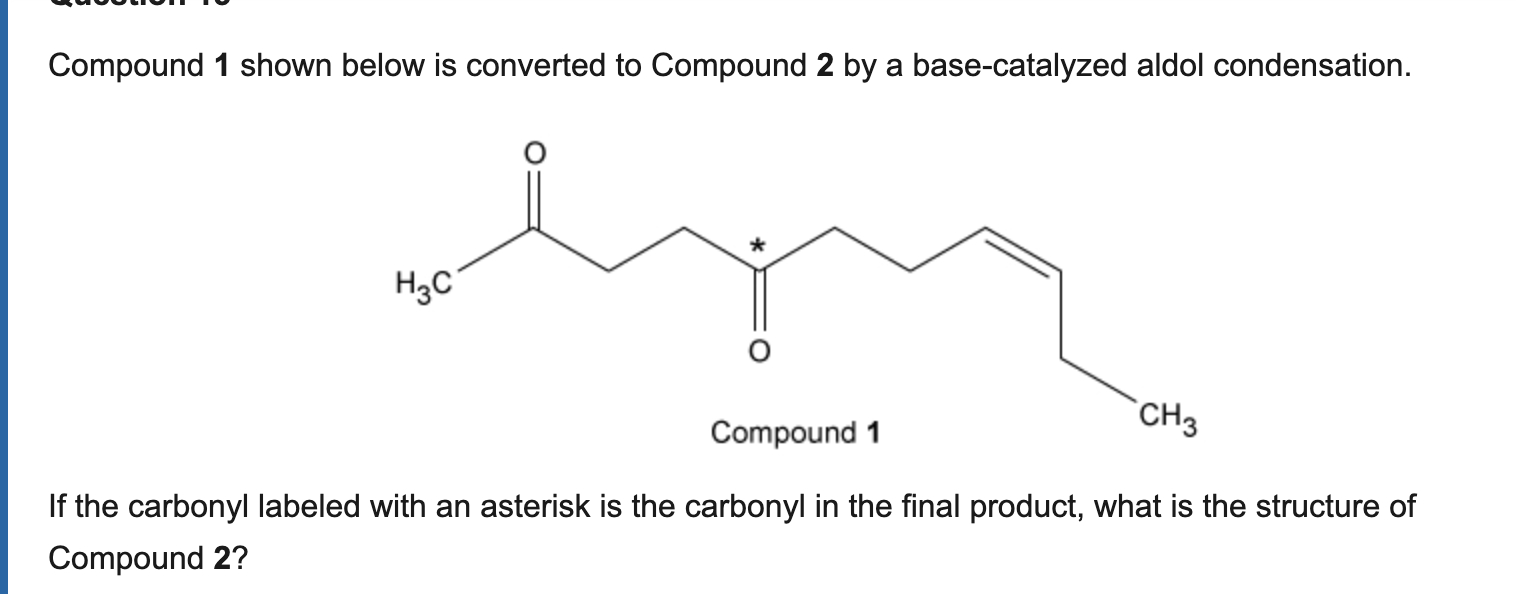
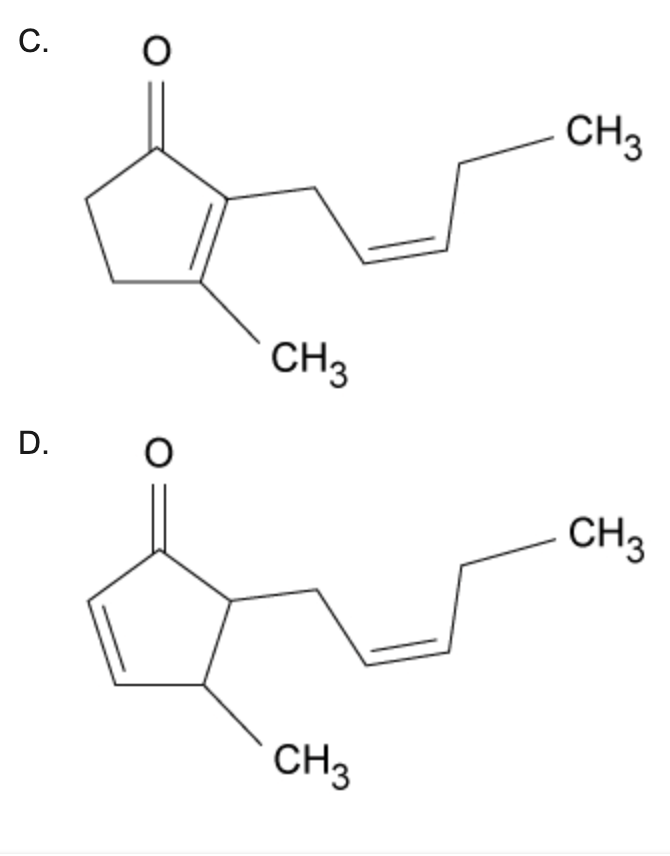
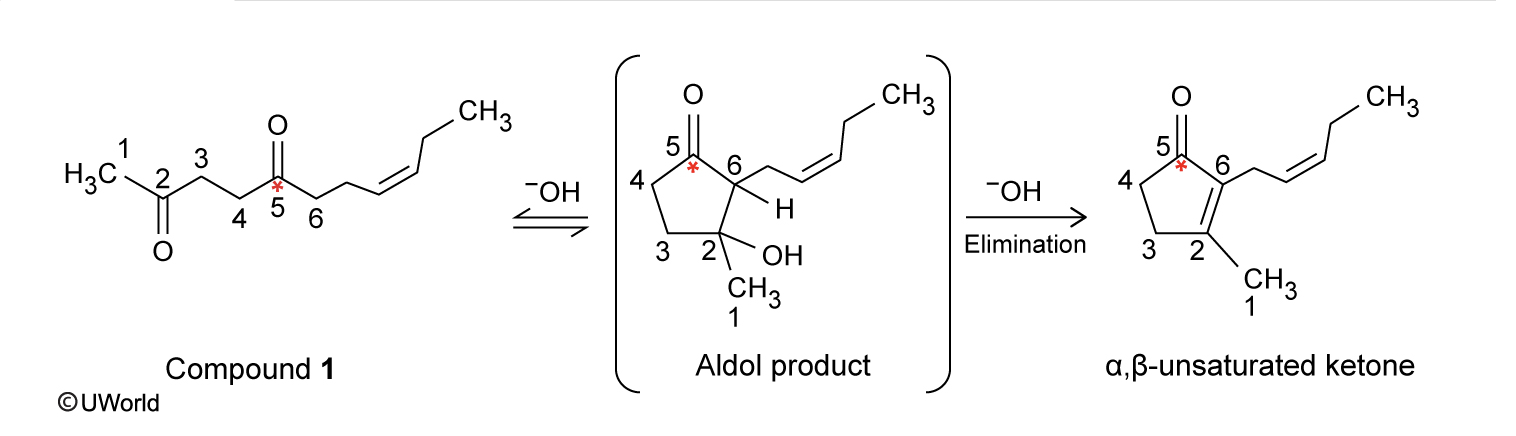
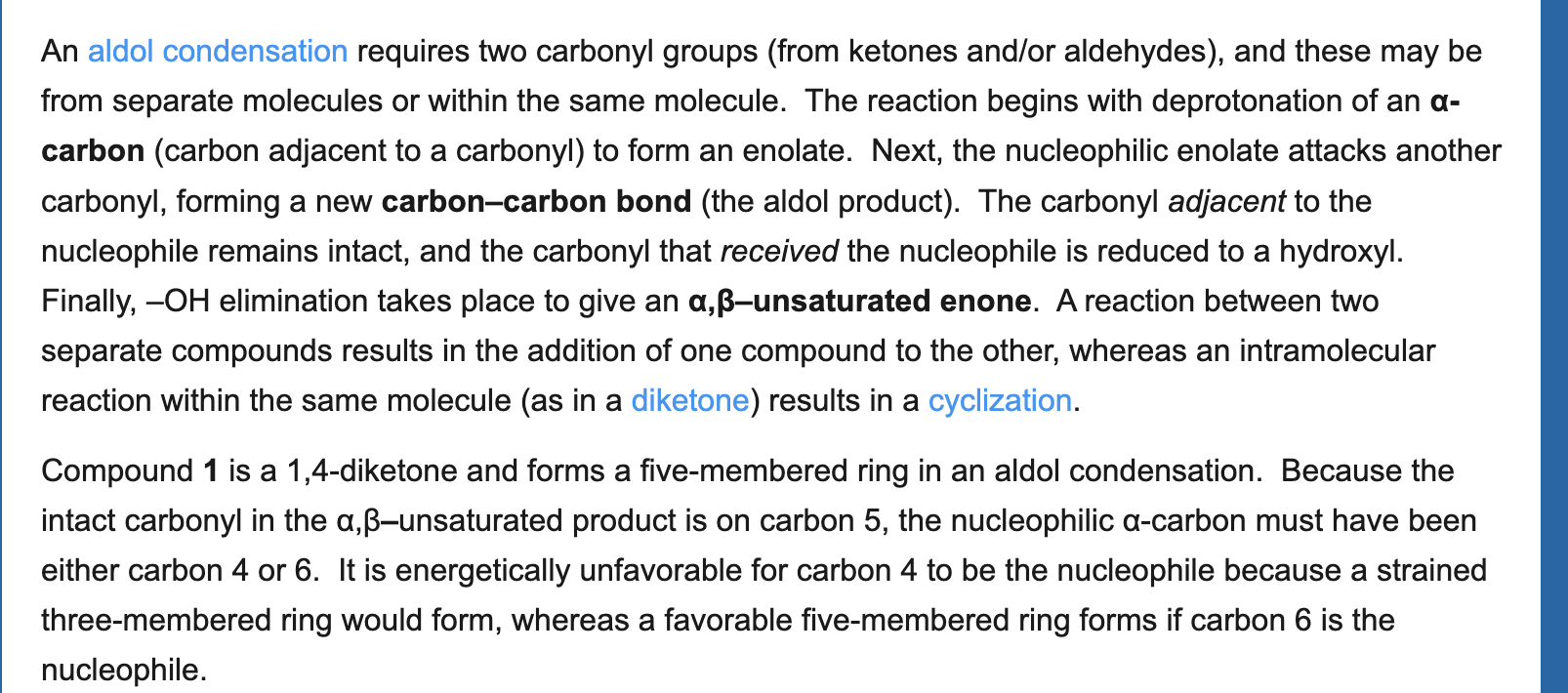
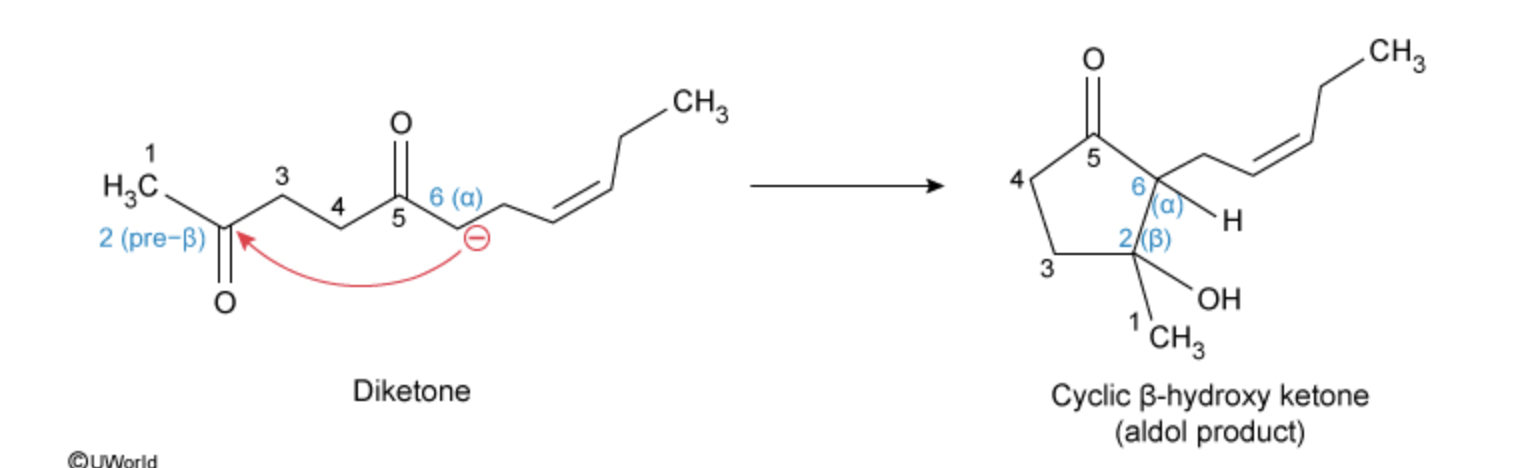
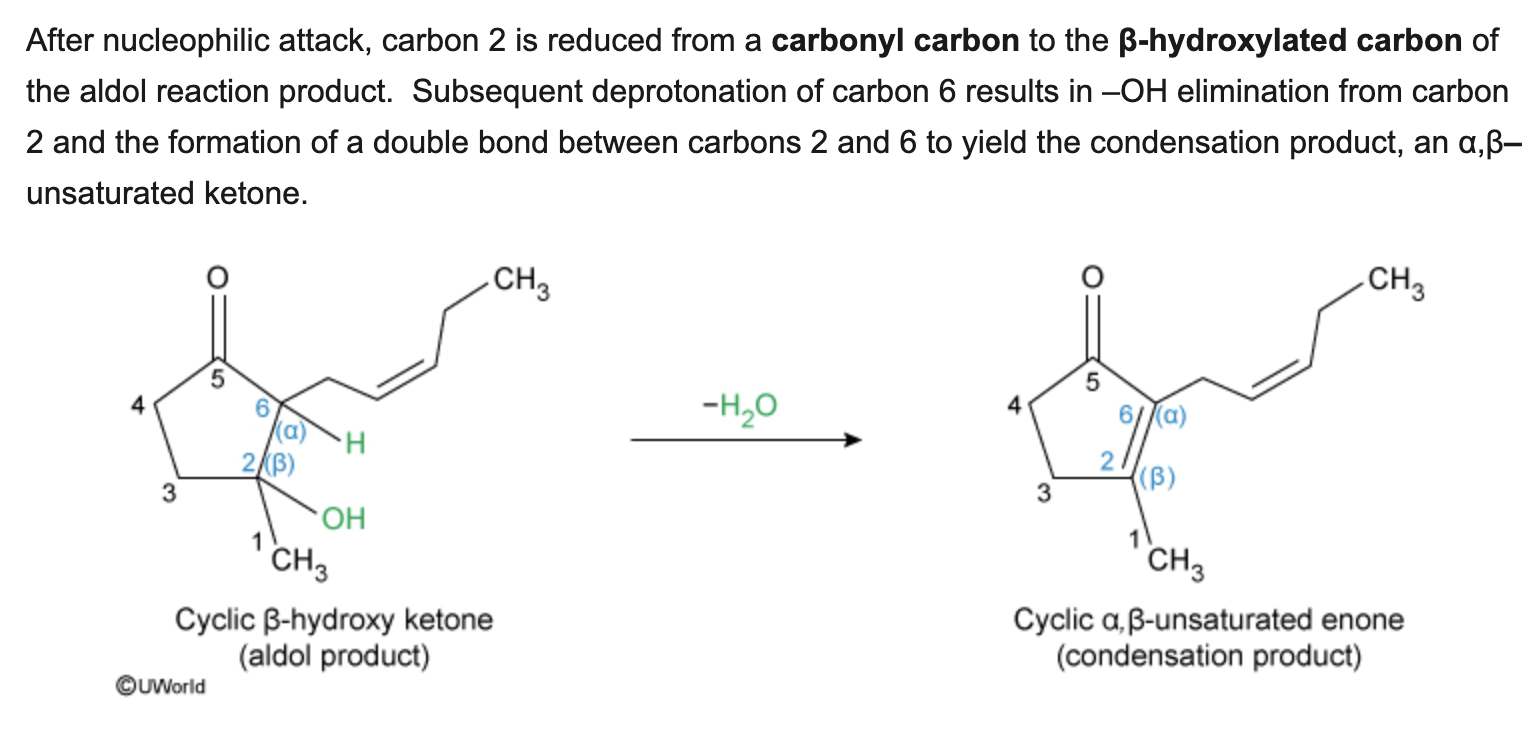
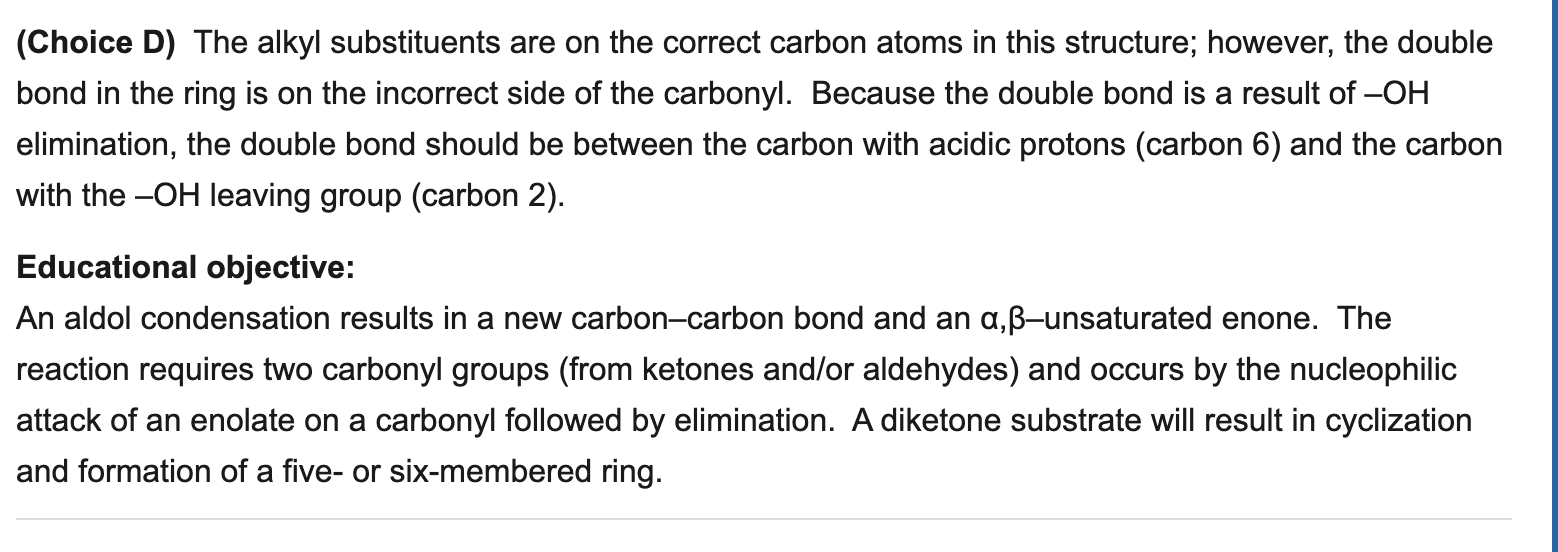
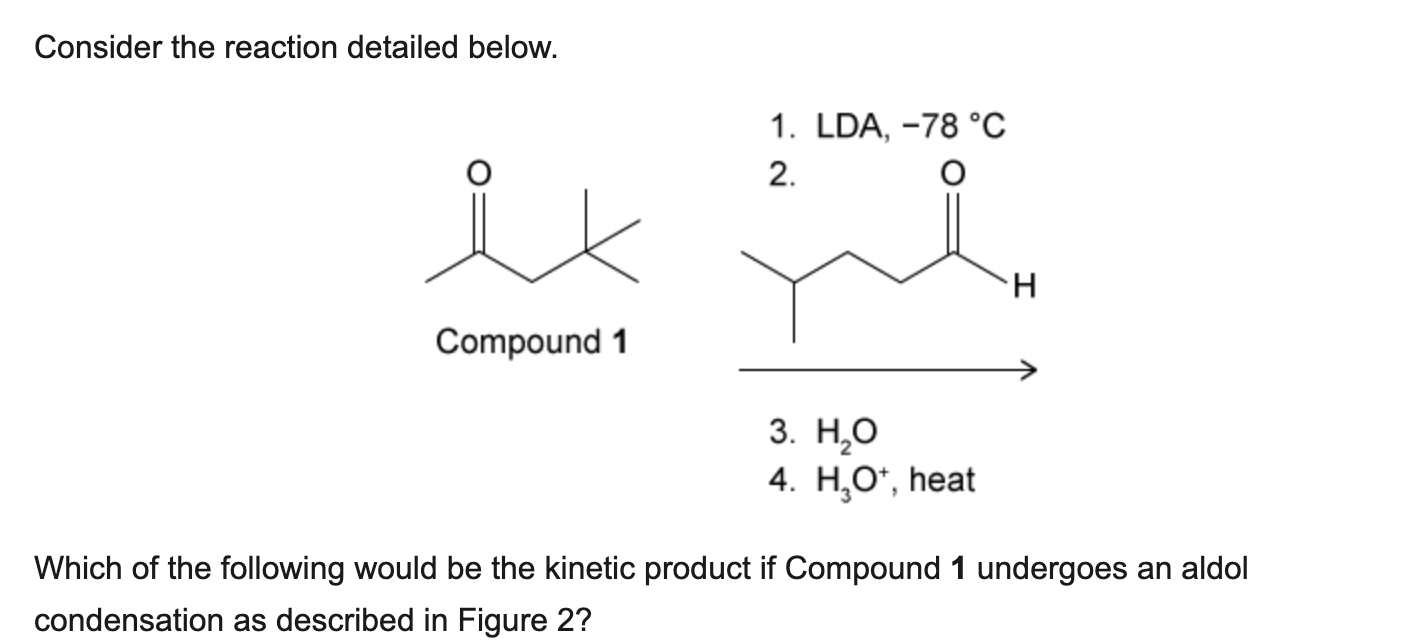
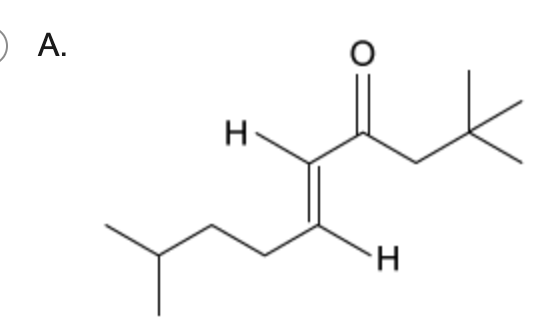
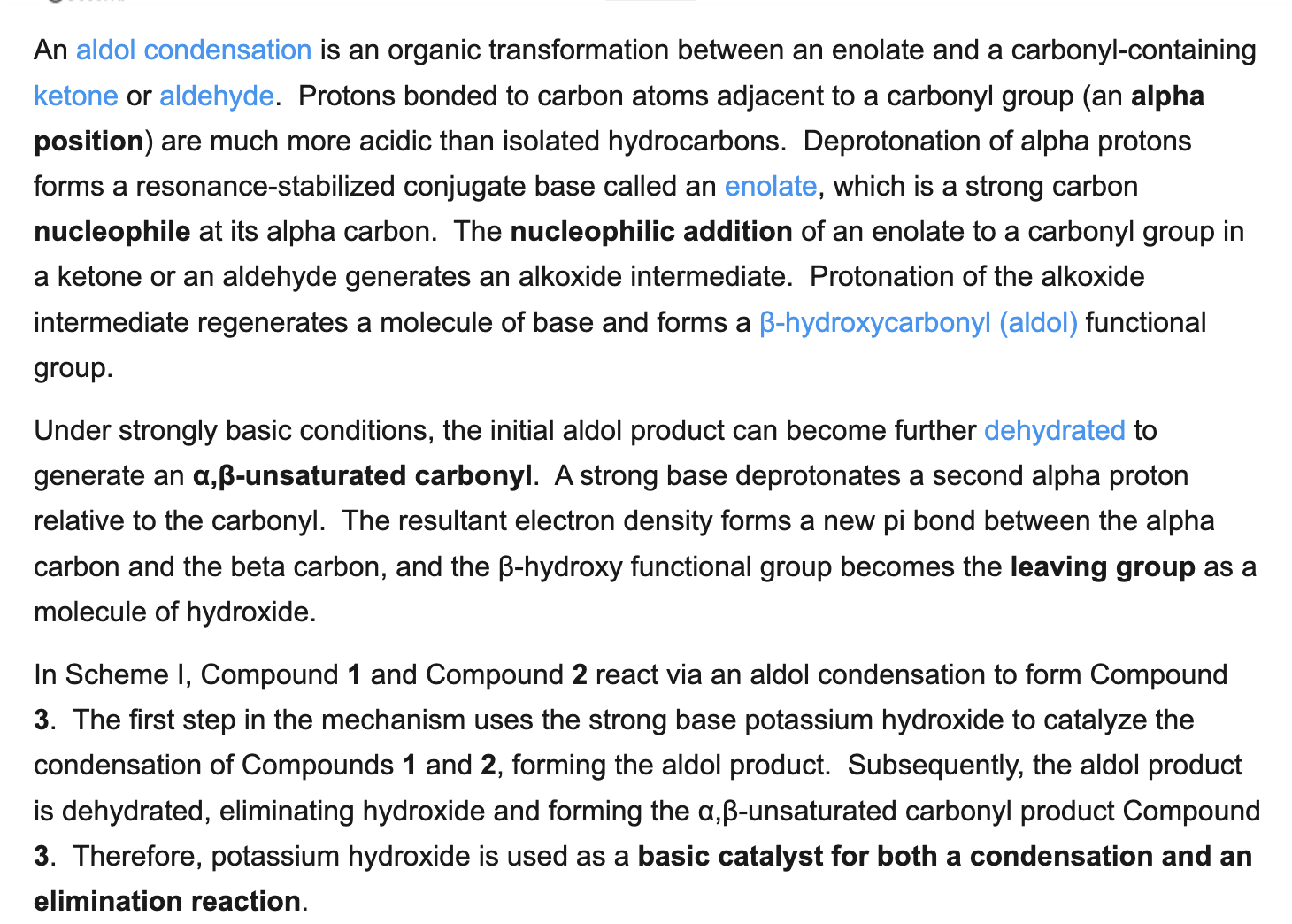
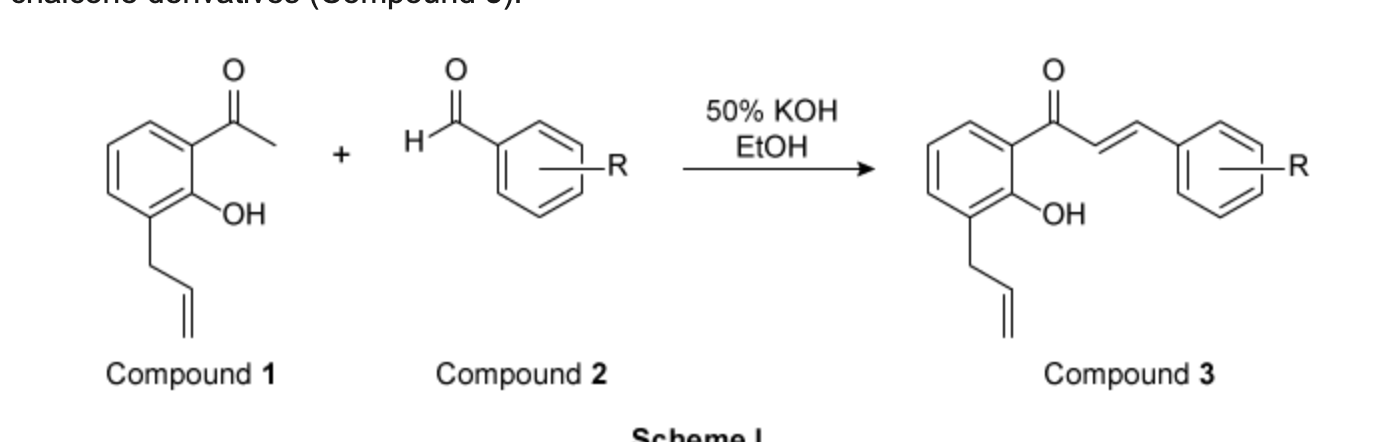
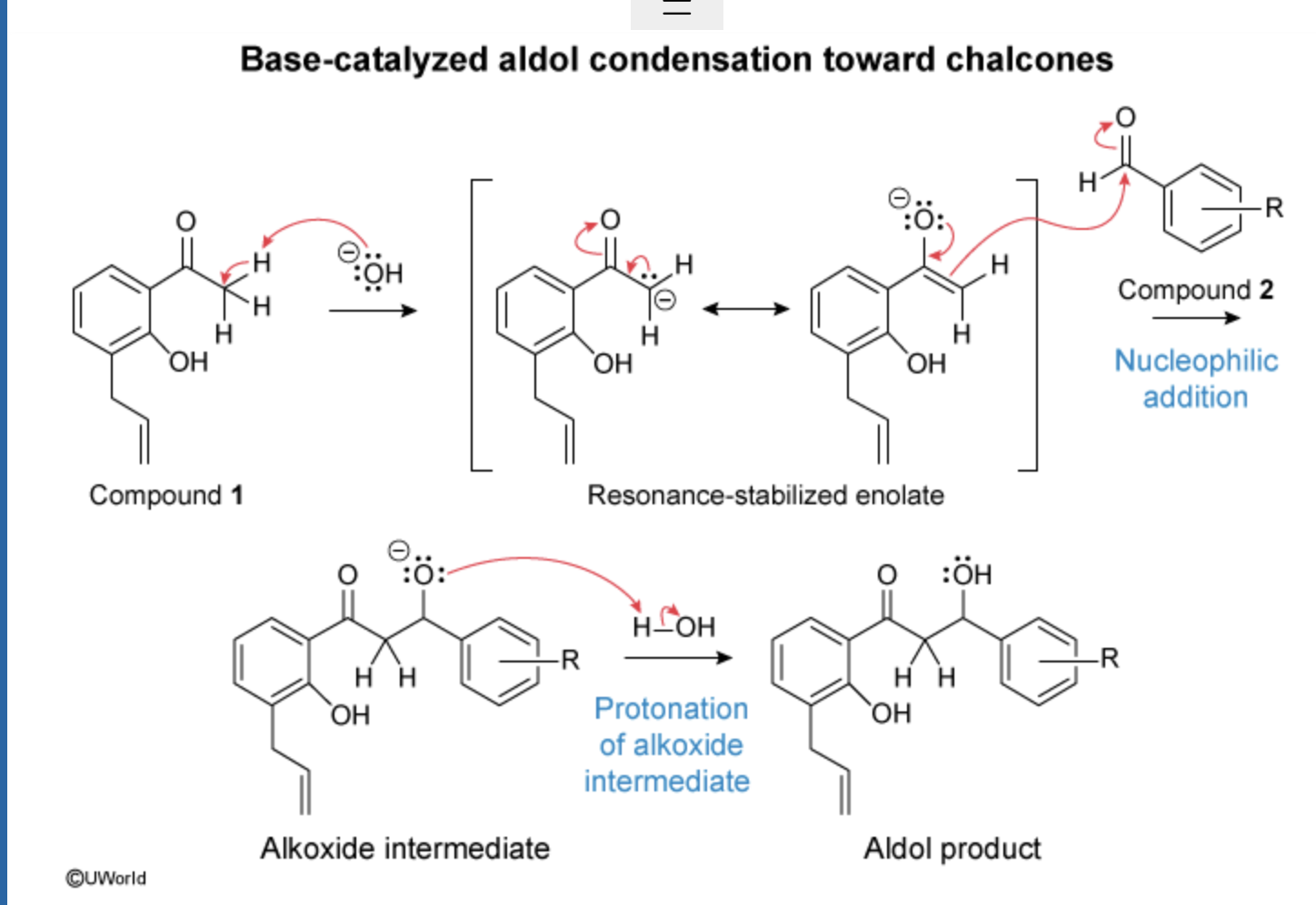
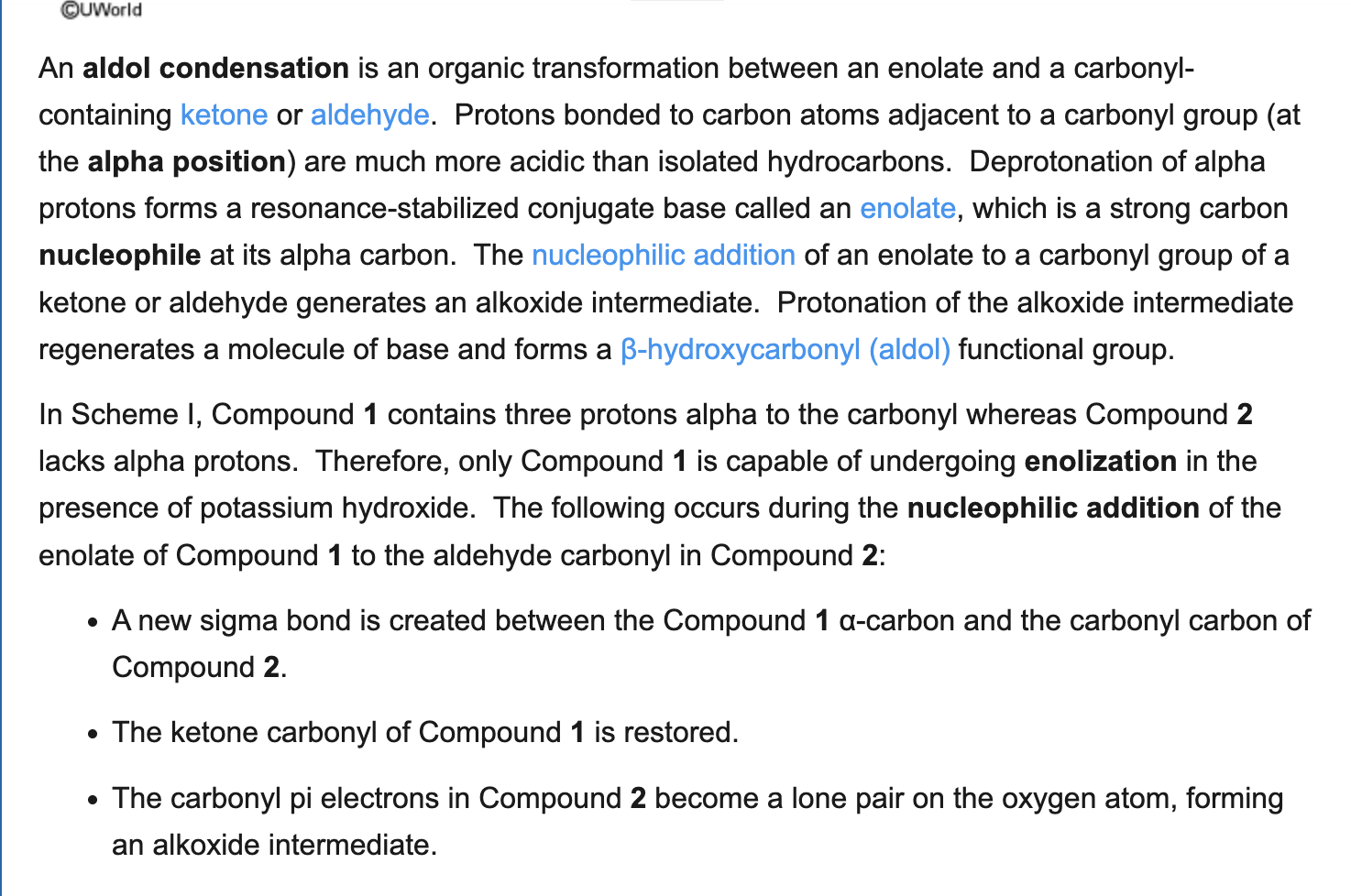
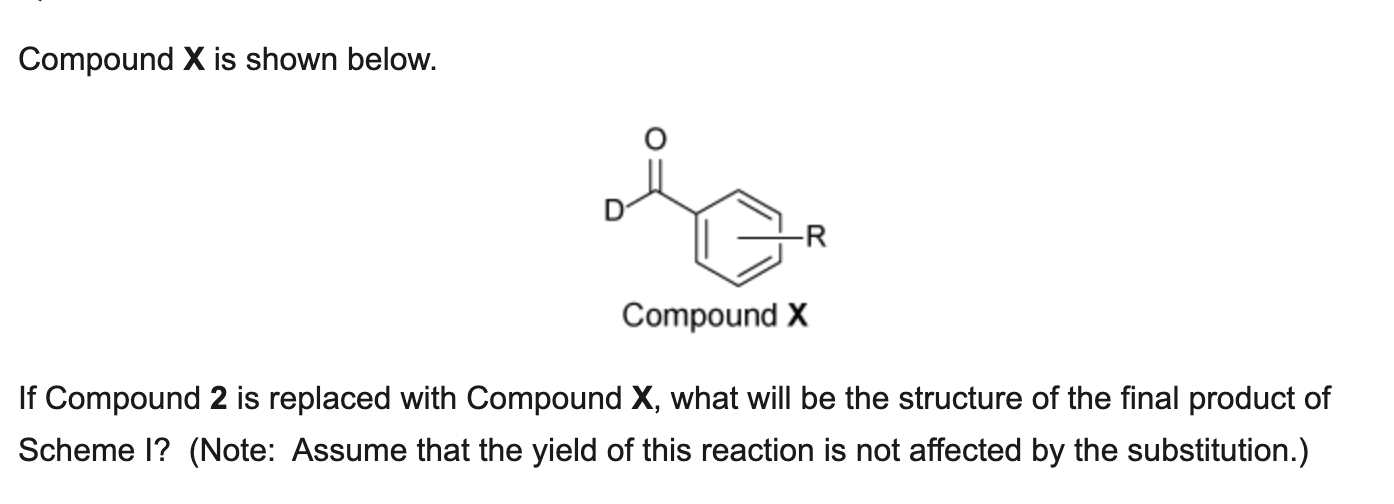
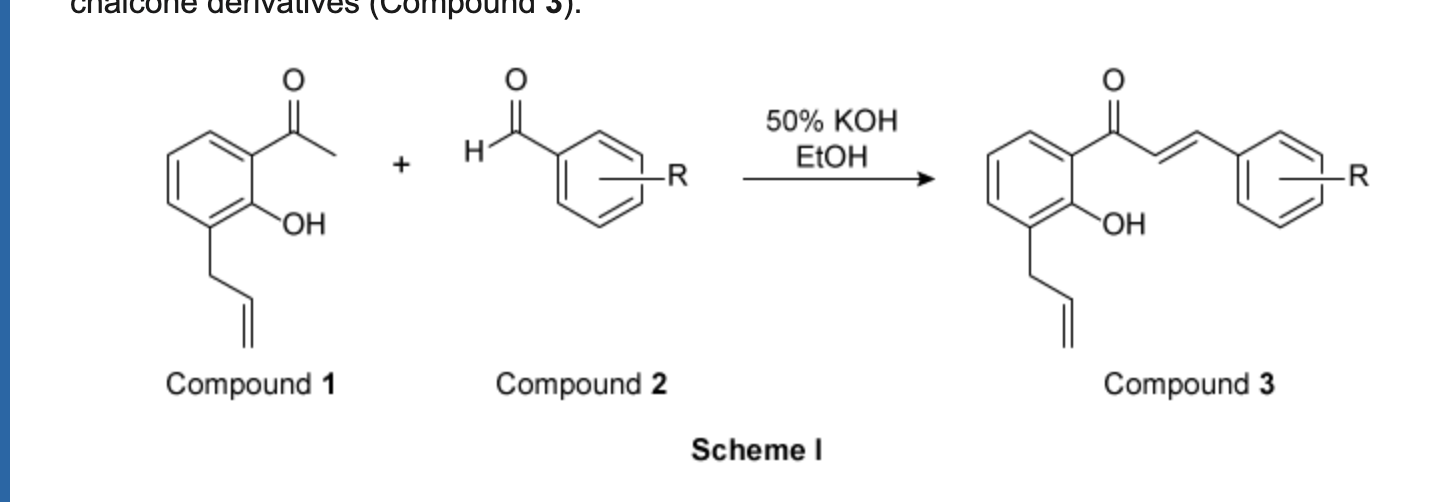
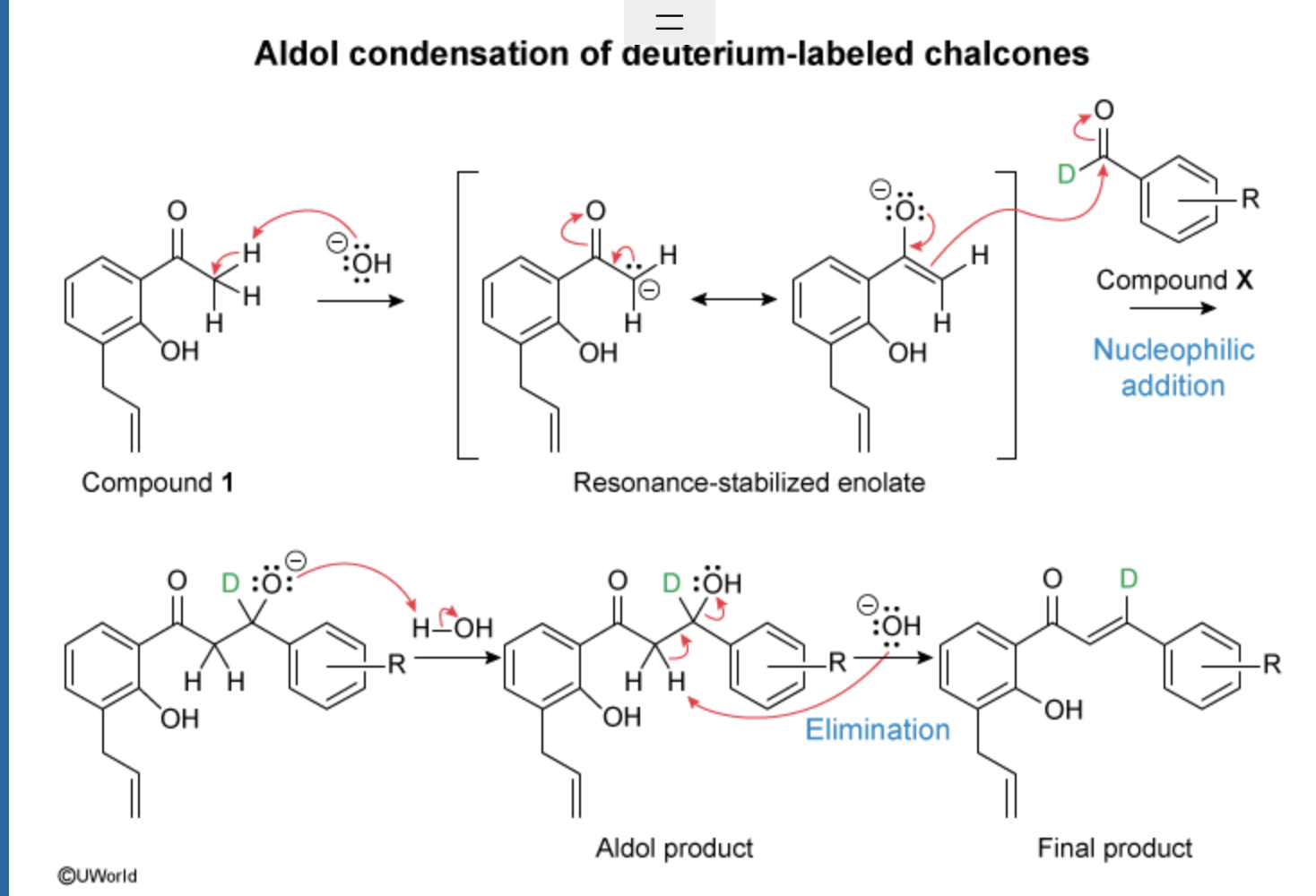
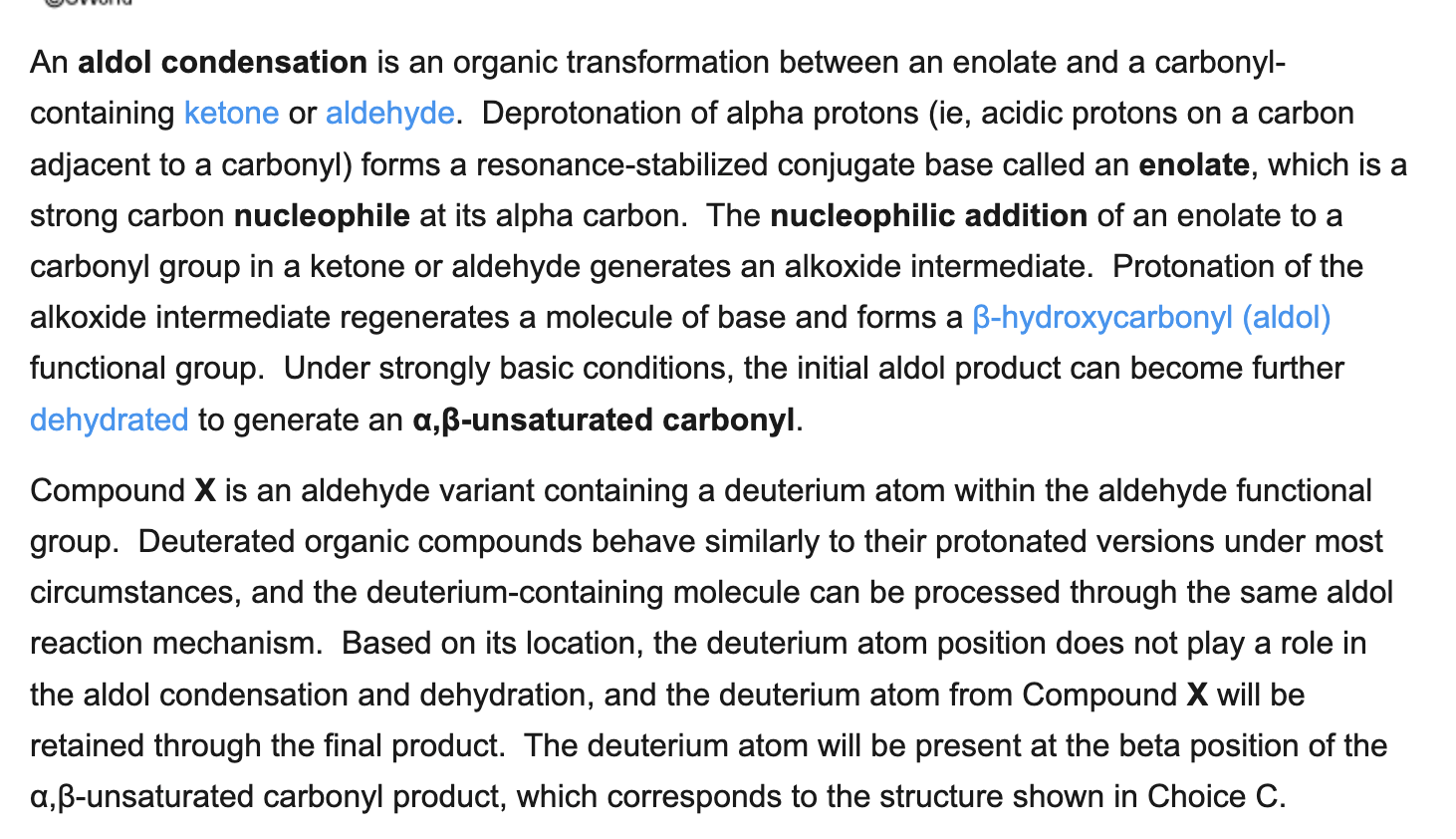
Adol condensation
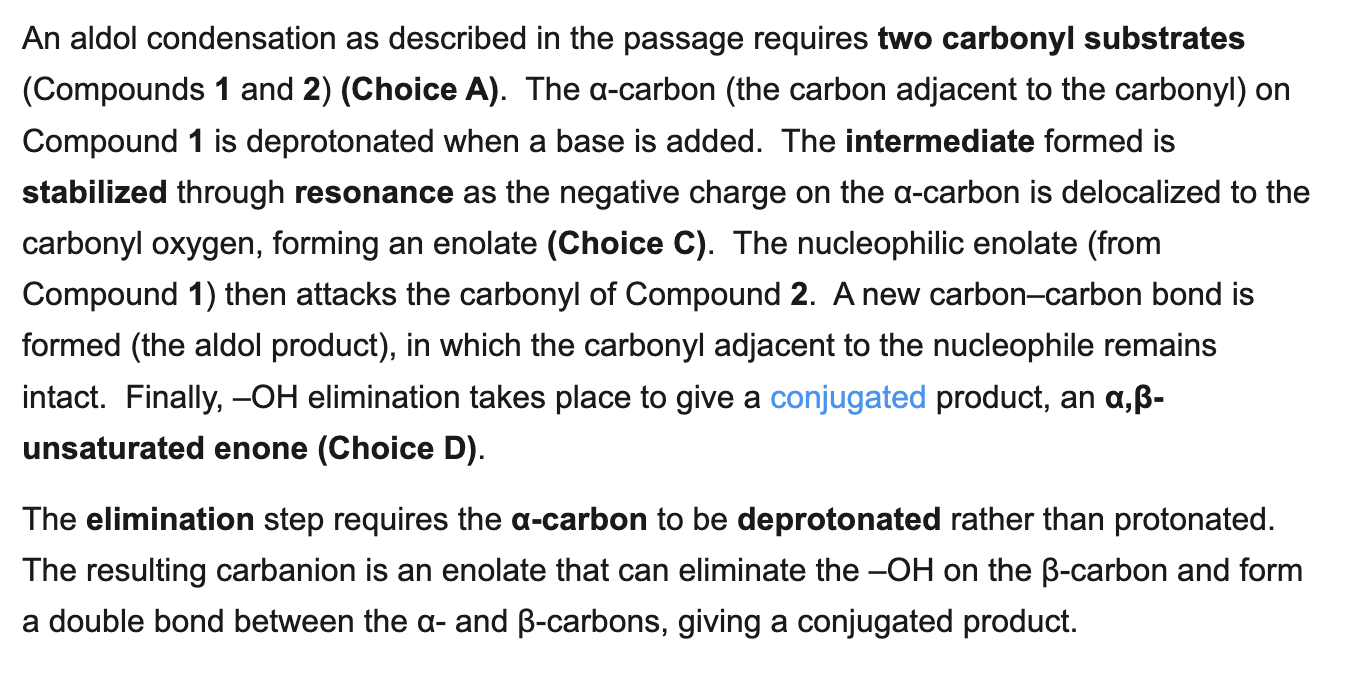
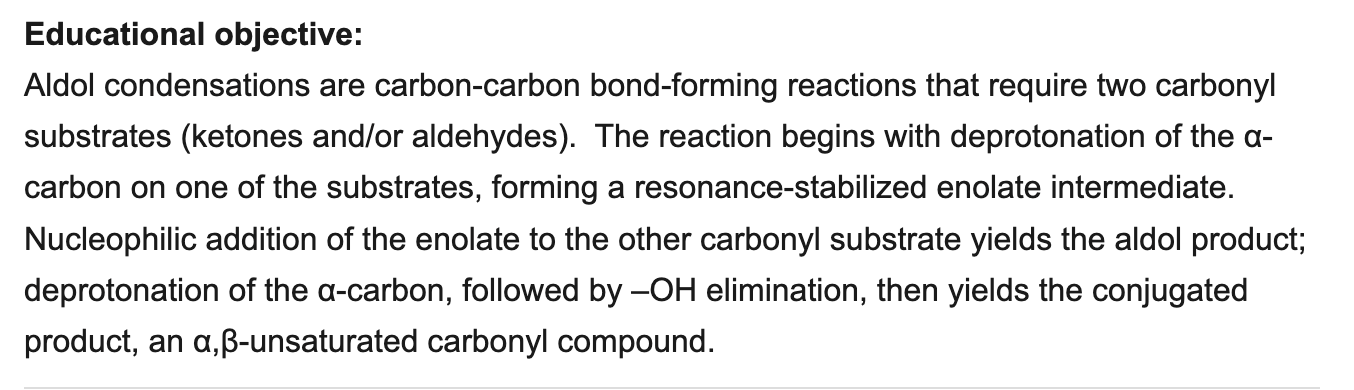
carbon carbon bond forming reactions where two carbonyl compoudns (ketones and/or aldehydes) are joined together by nucleophilic additon to form the adol product.

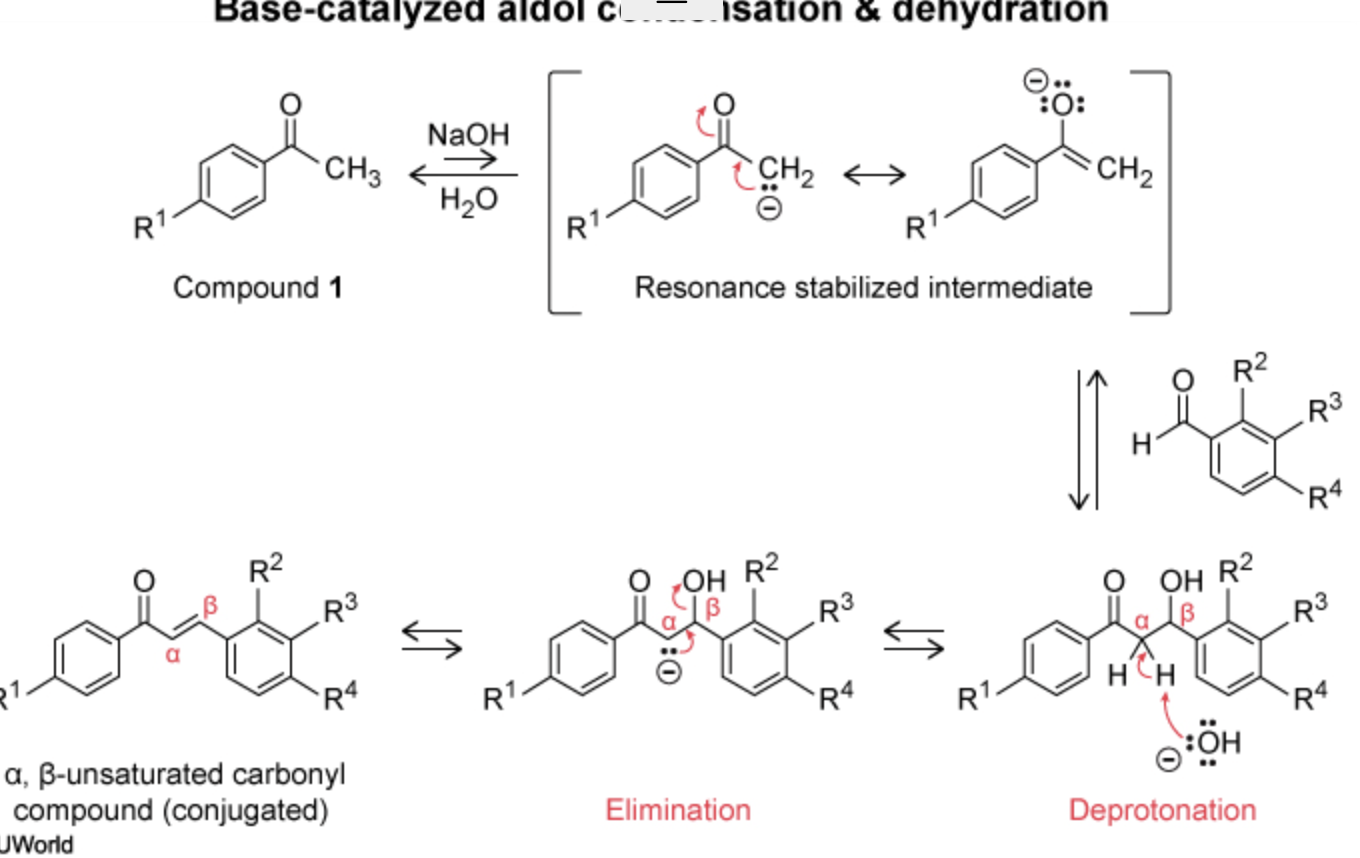
Adol condensation true or false based on a passage
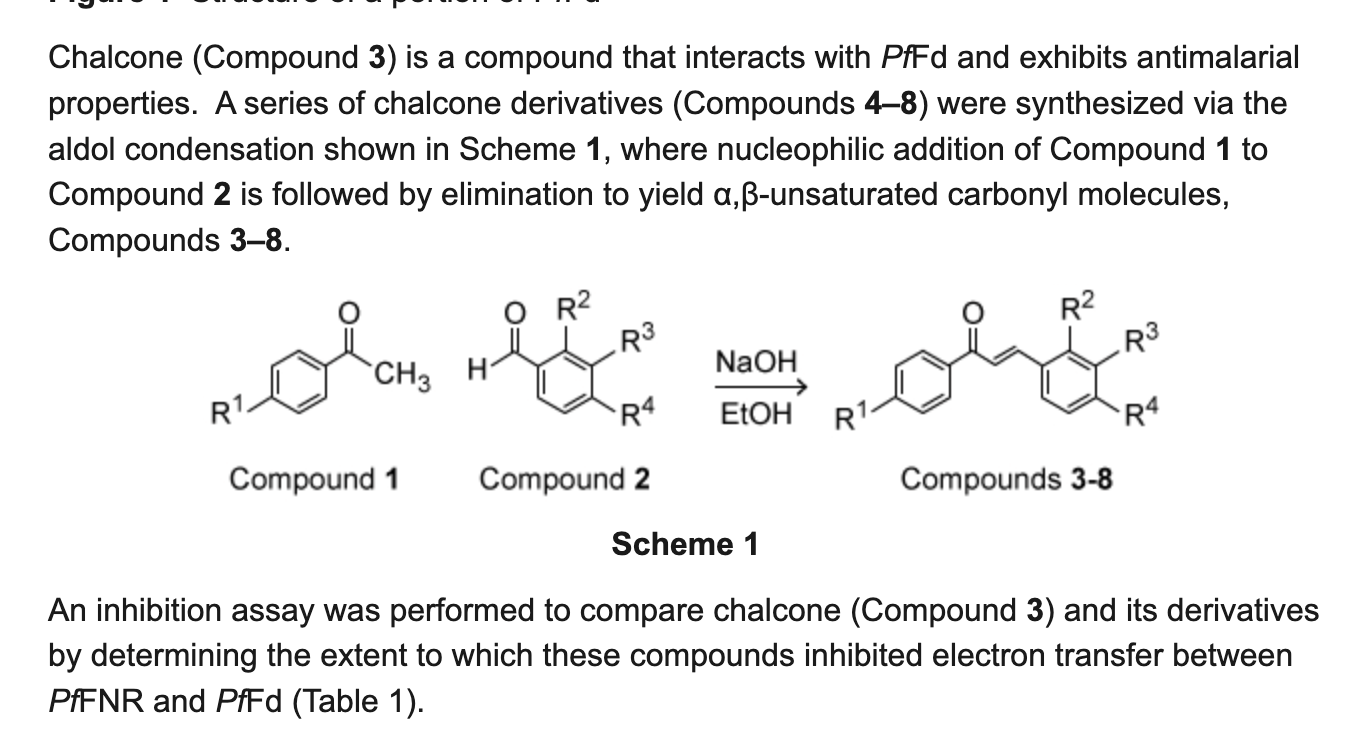
reaction ahs two carbonyl compounds as substrates
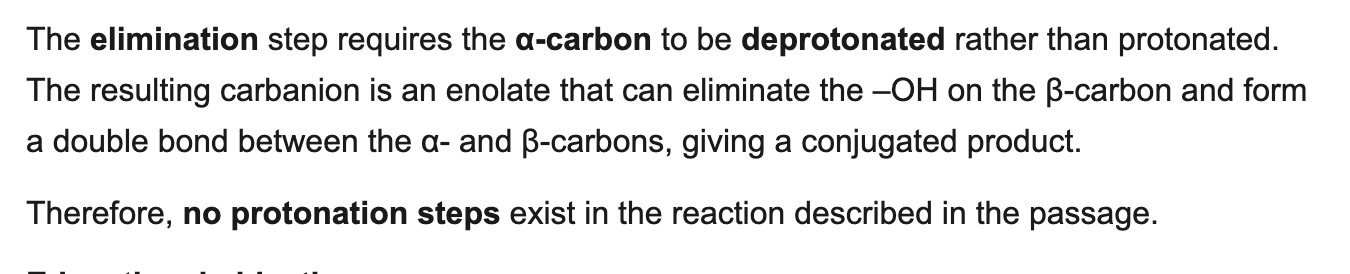
reaction involves protonation of a bcarbon for elimination
reaction has resonance stabilized intermediate
reactions yields a conjugated product
true
flase
true
true
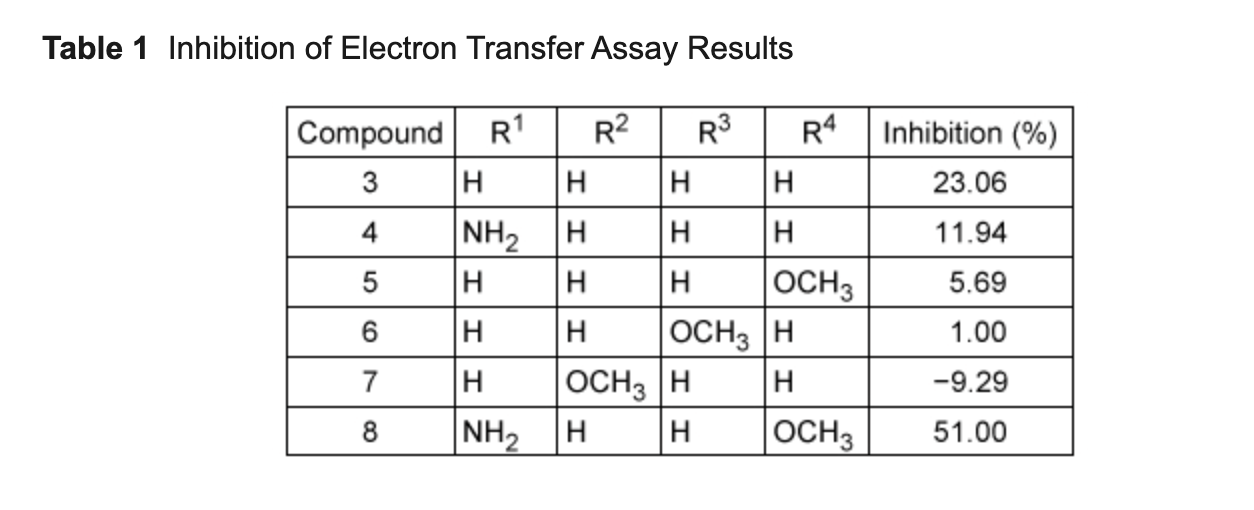
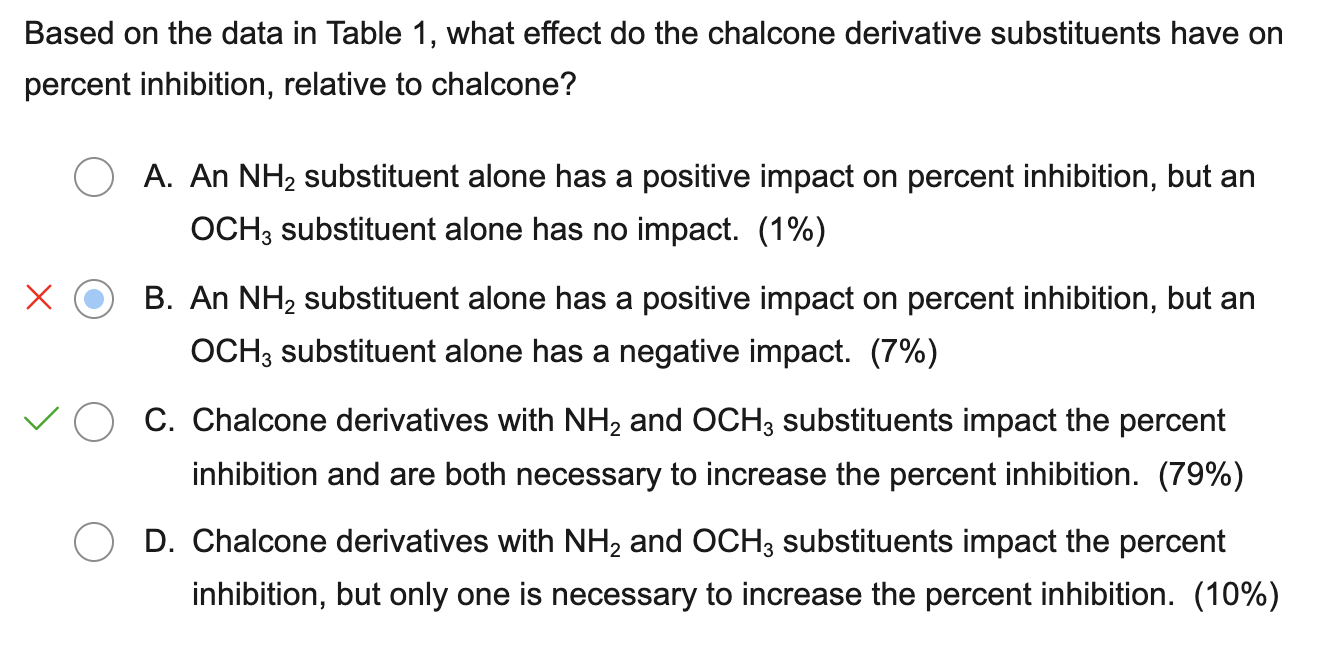
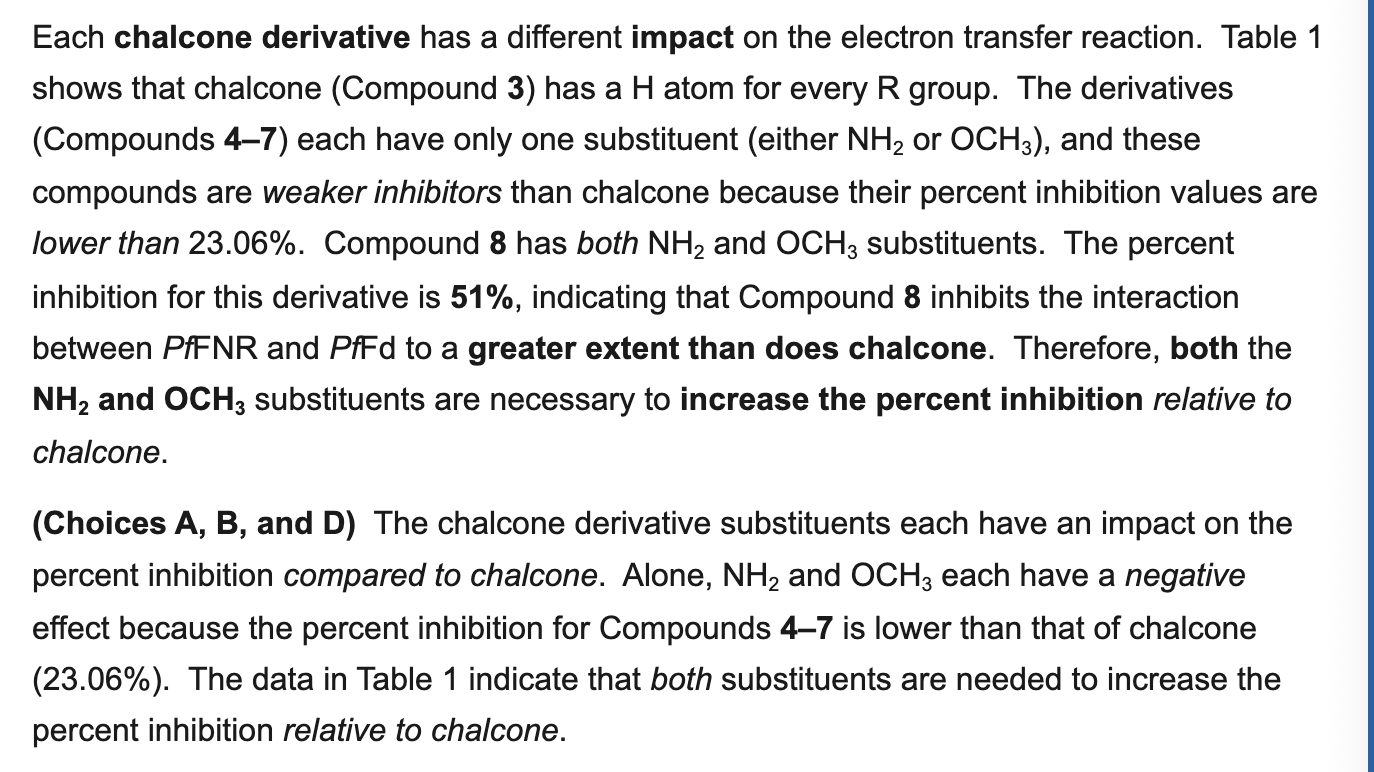
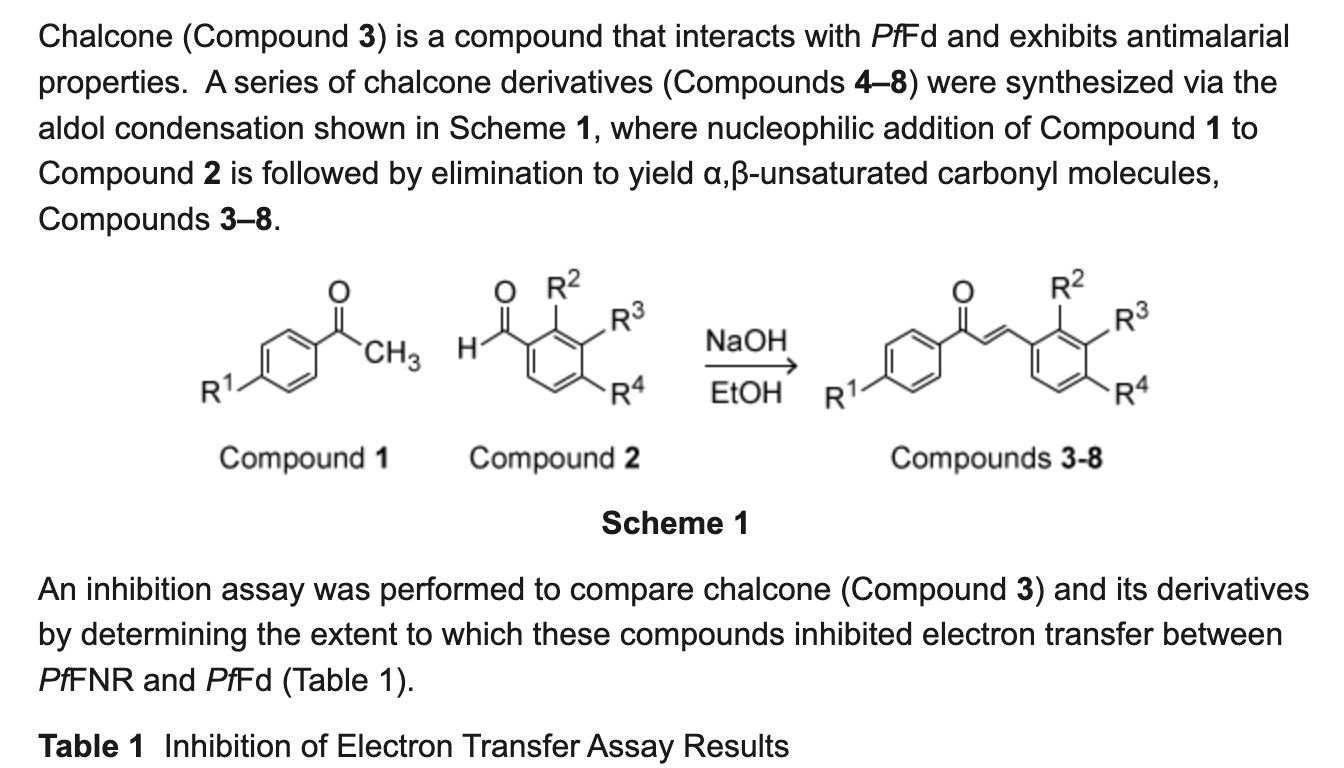
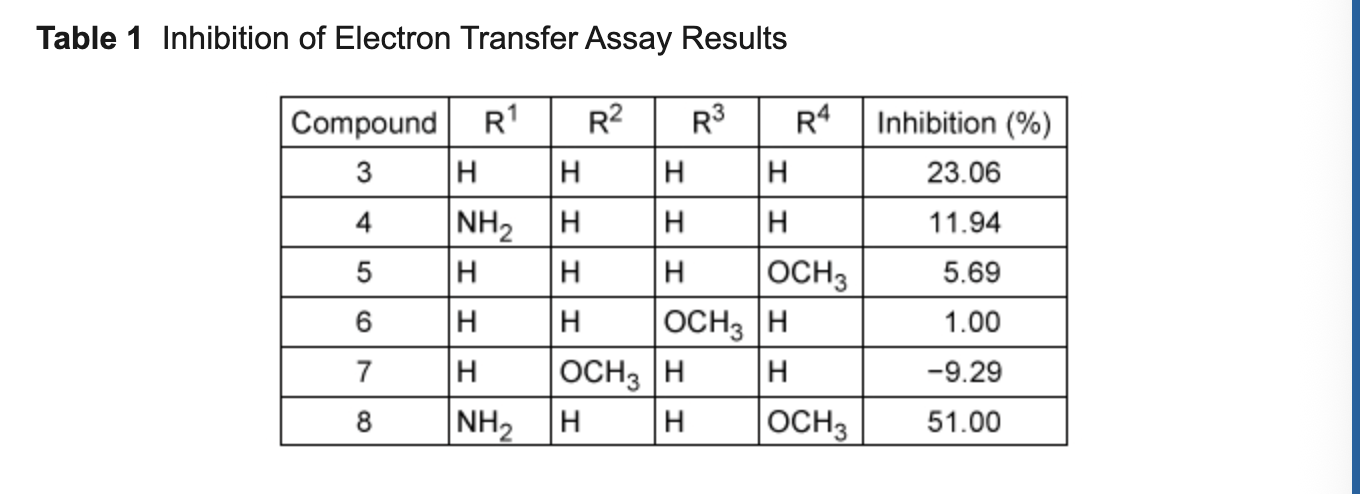

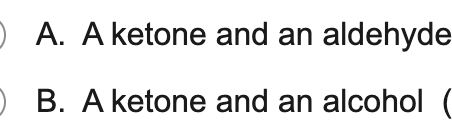
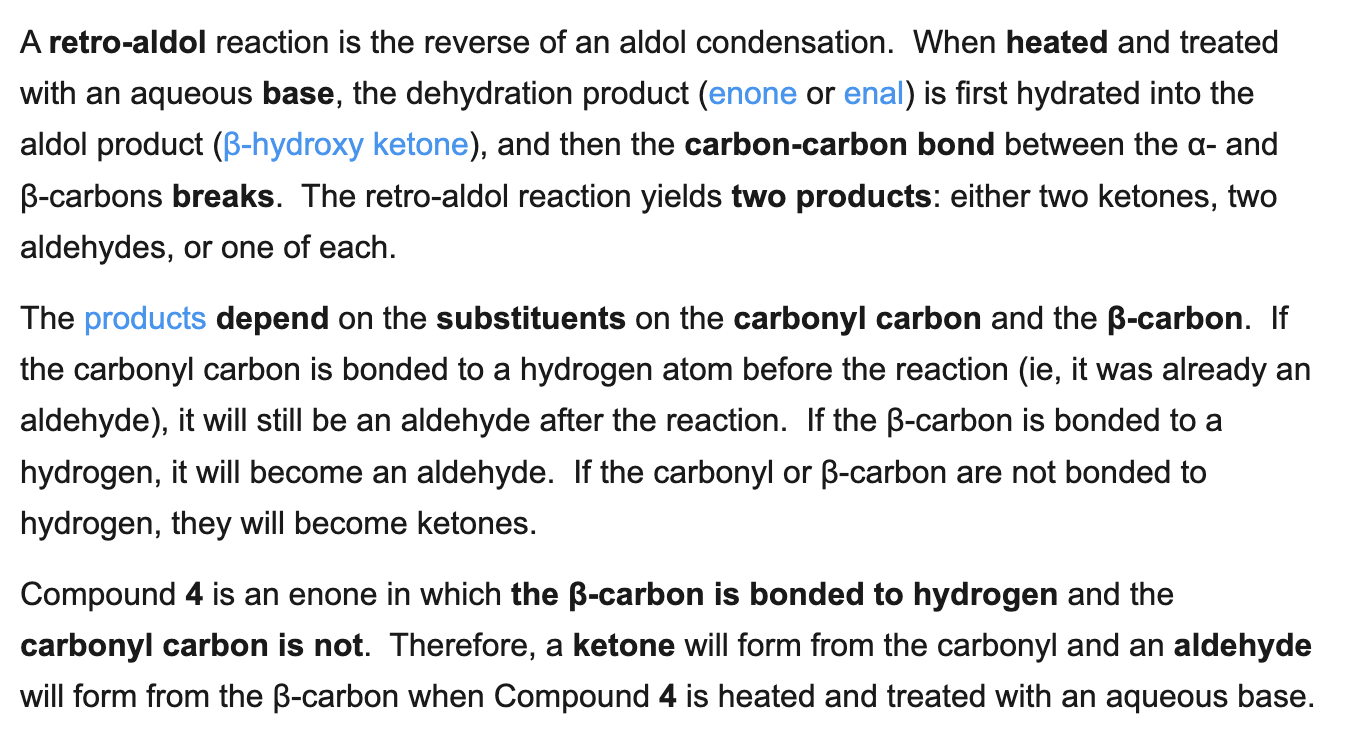


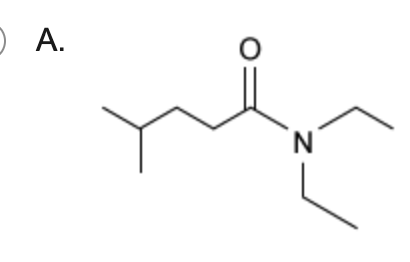
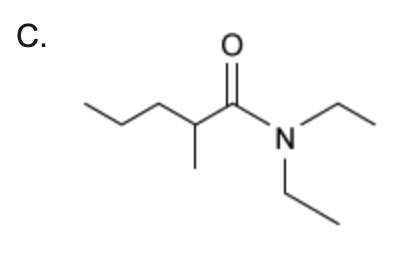
Answer A
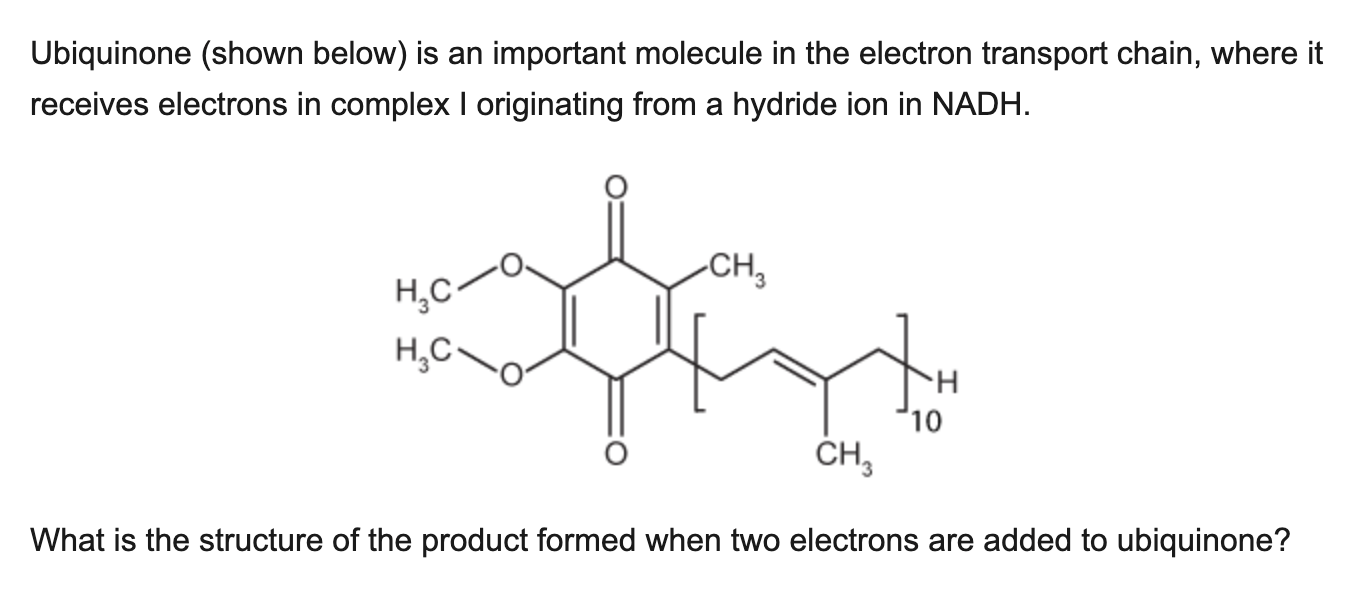
Answer D
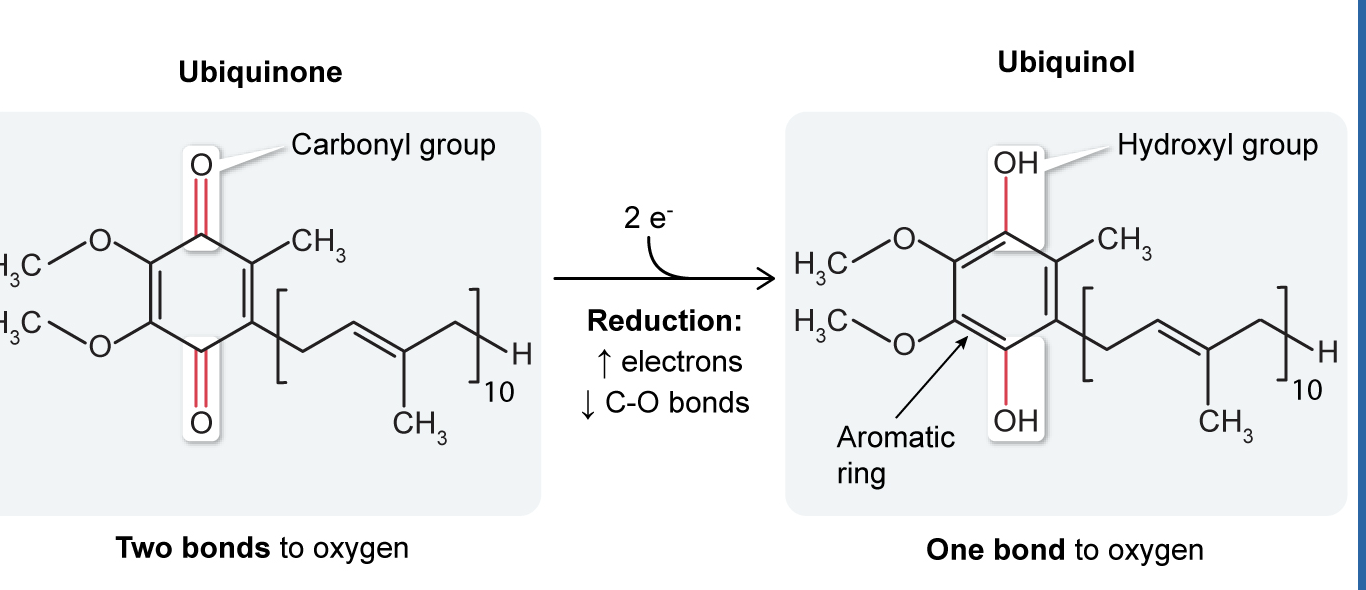
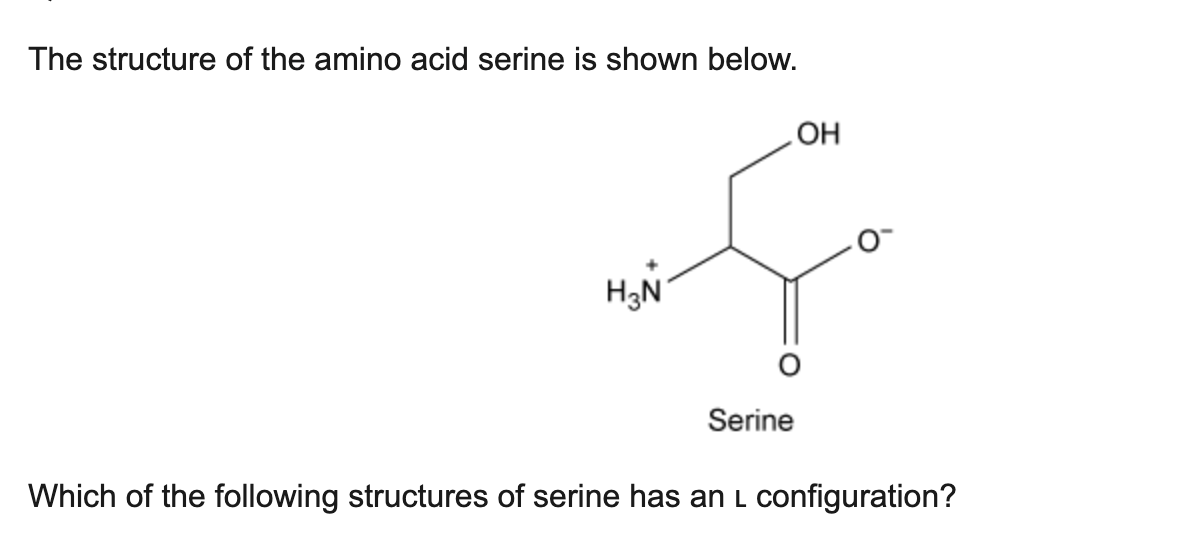
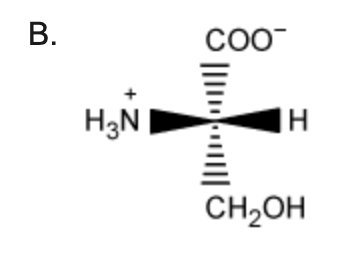
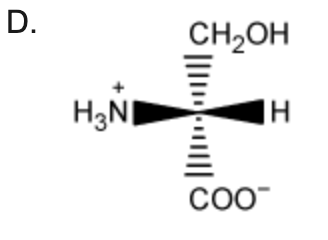
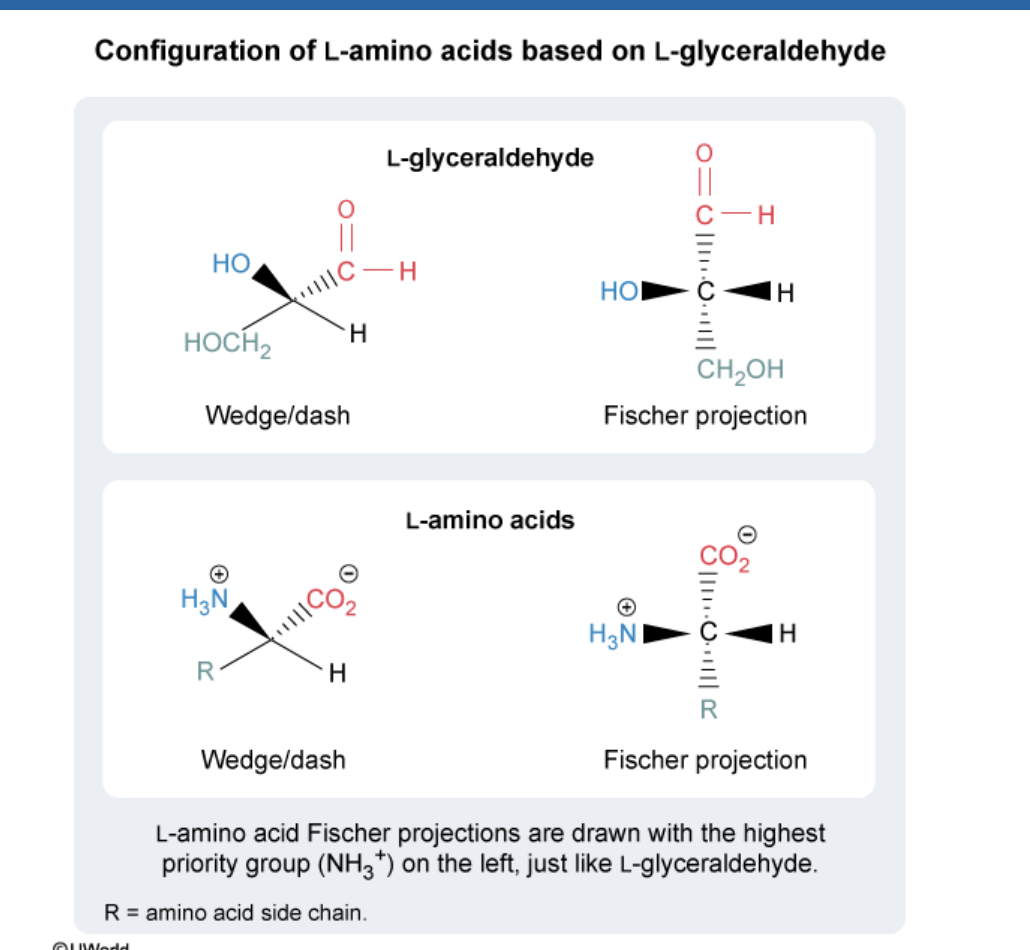
Note: ALL amino acids EXCEPT cysteine has a S configuration. The S form of most amino acids is the L form (except cys R-L)
so answer is B
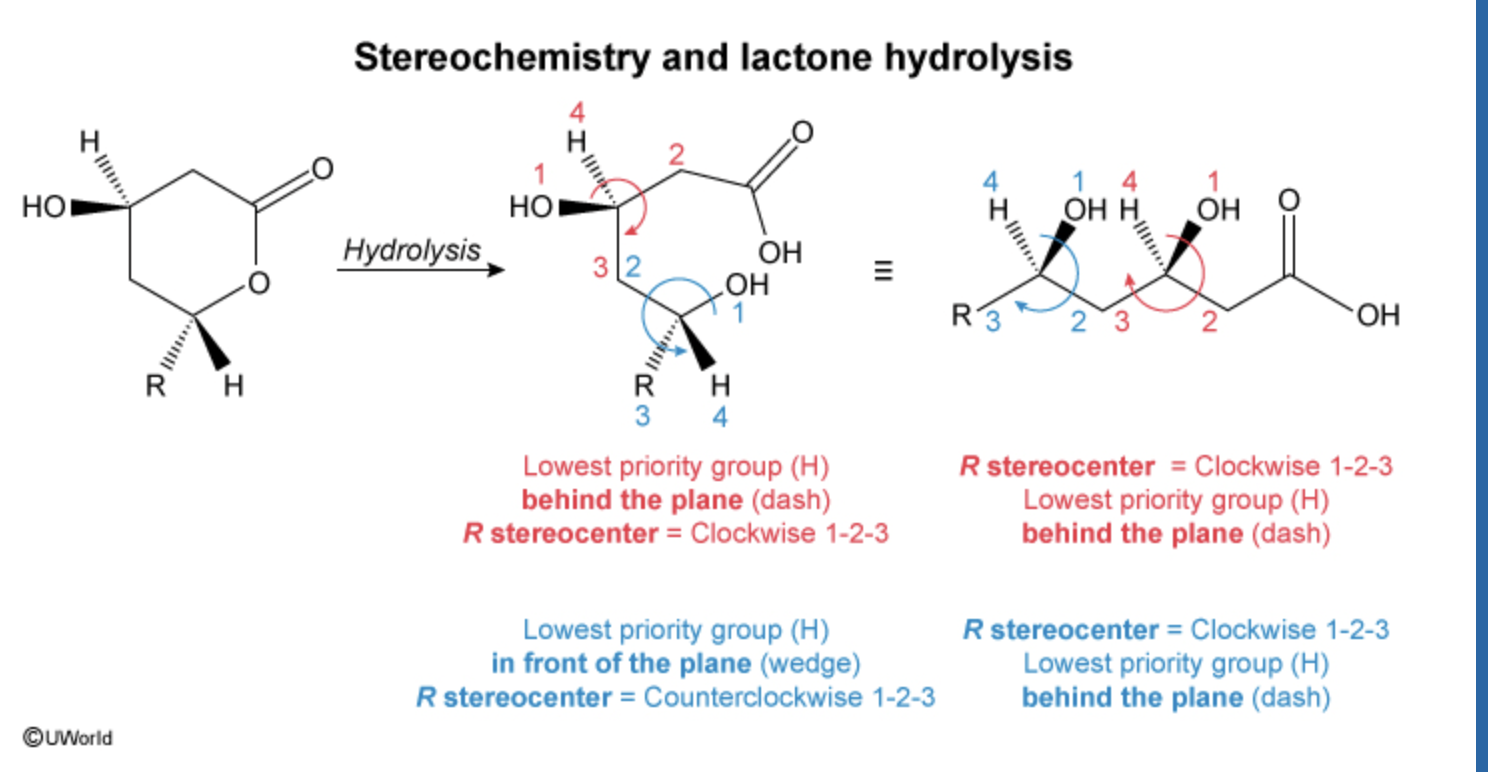
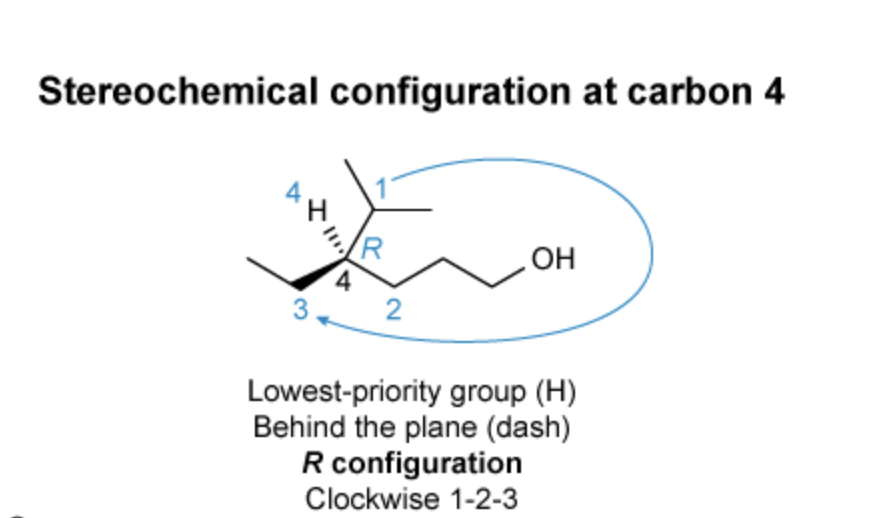
Clockwise—> R—> but H is wedge in front—→ flip—→ S configuration

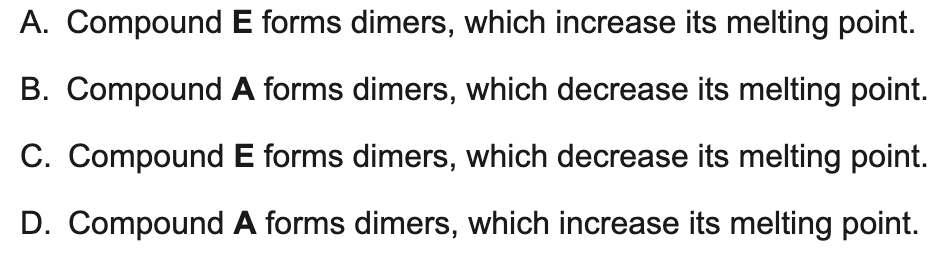
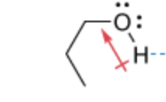
This above is compound A
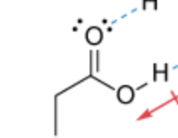
This is compound E
Answr D
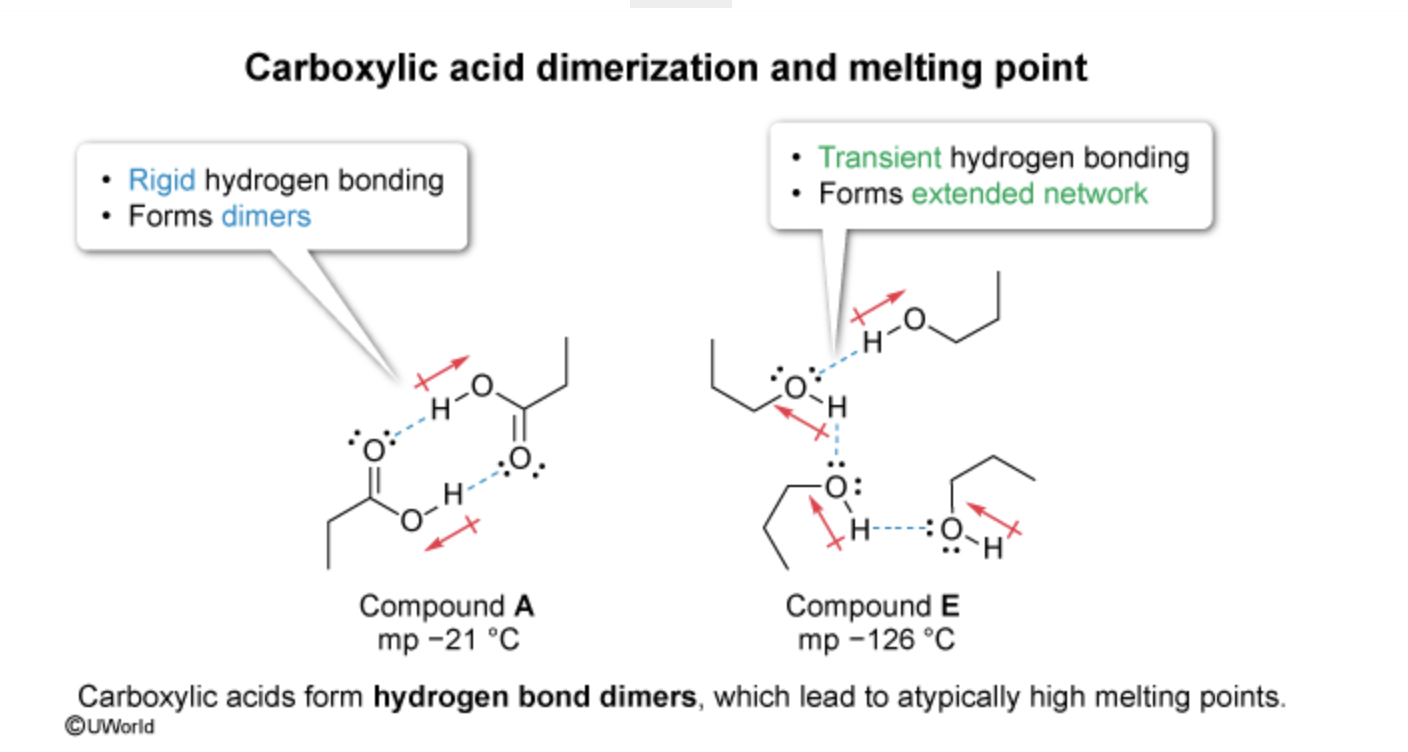

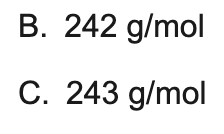
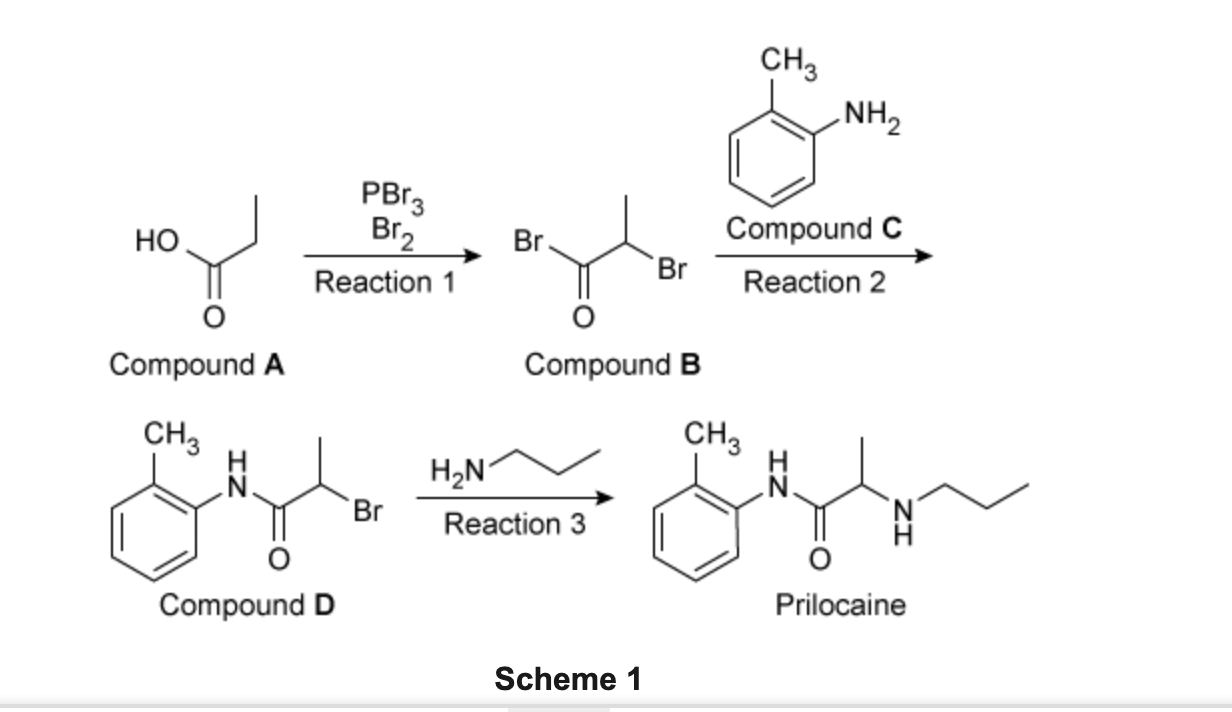
Abnswer B
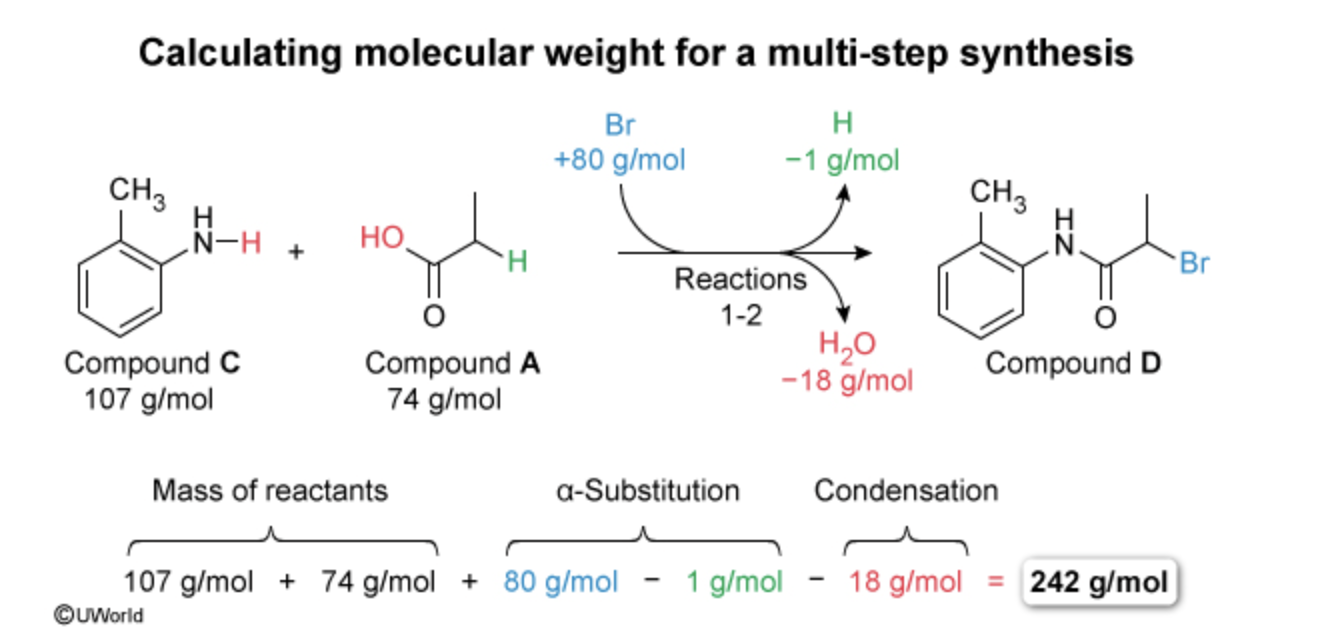
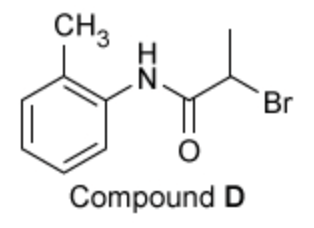



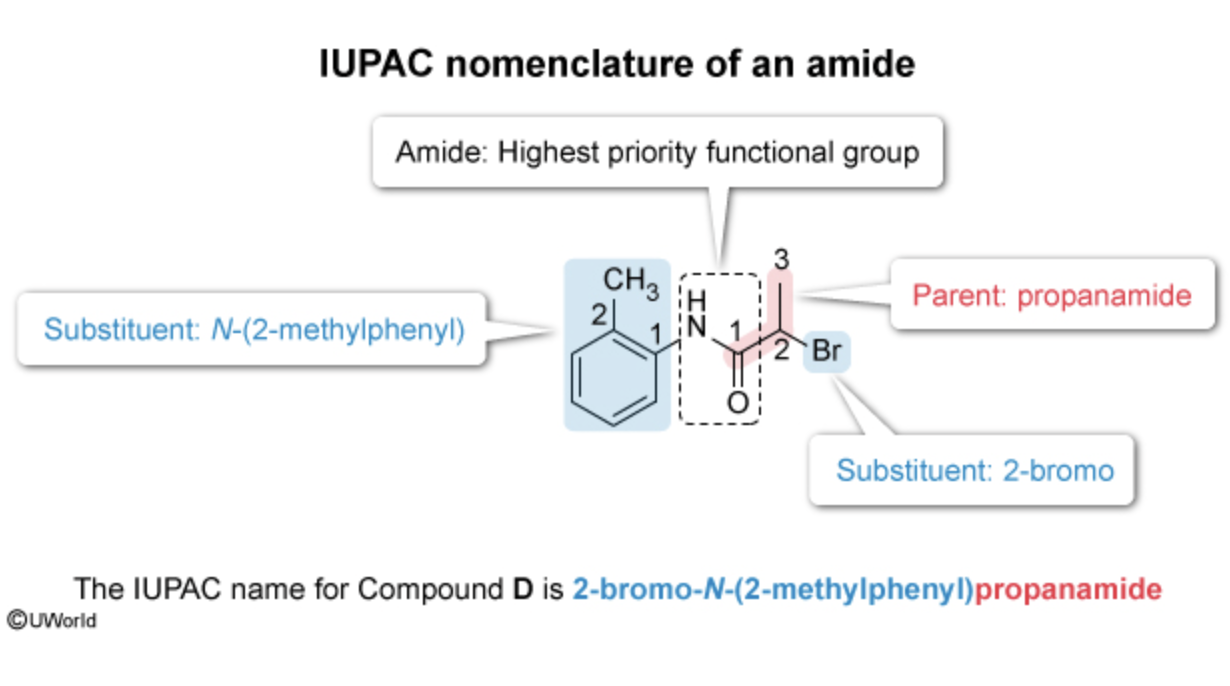
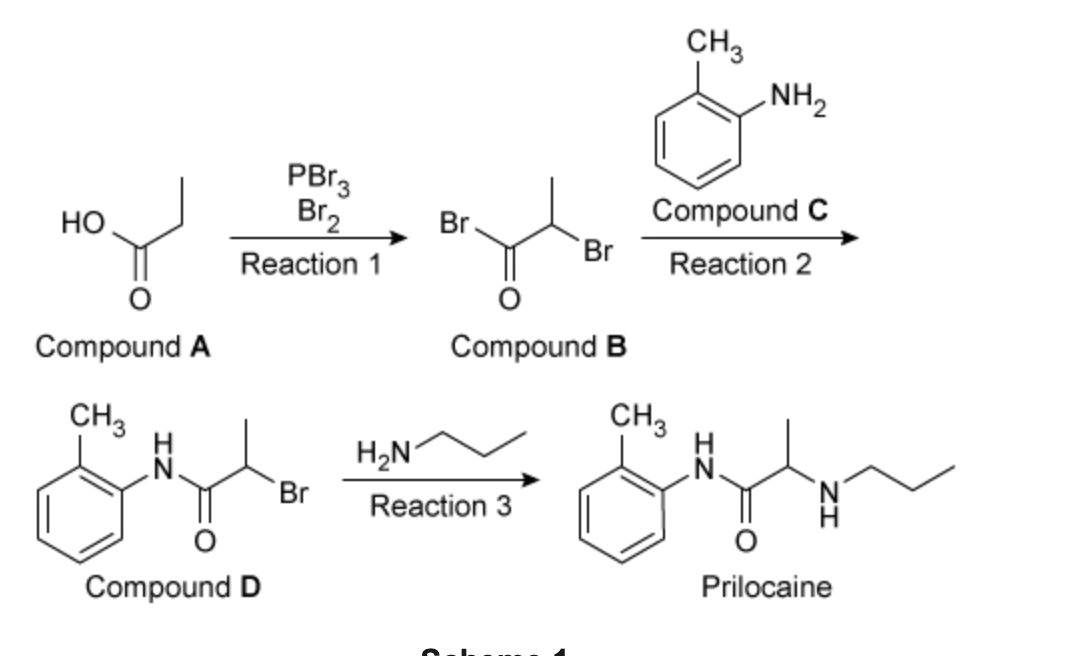

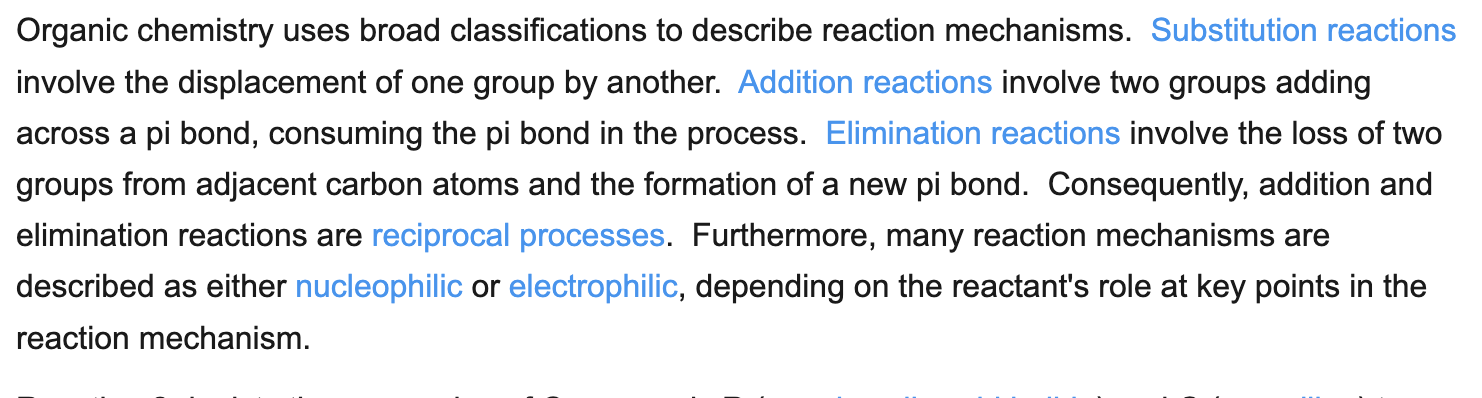
nucleophilic addition, nucleophilic elimination, nucleophili acyl substitution, Sn2?
nucleophilic acyl sub
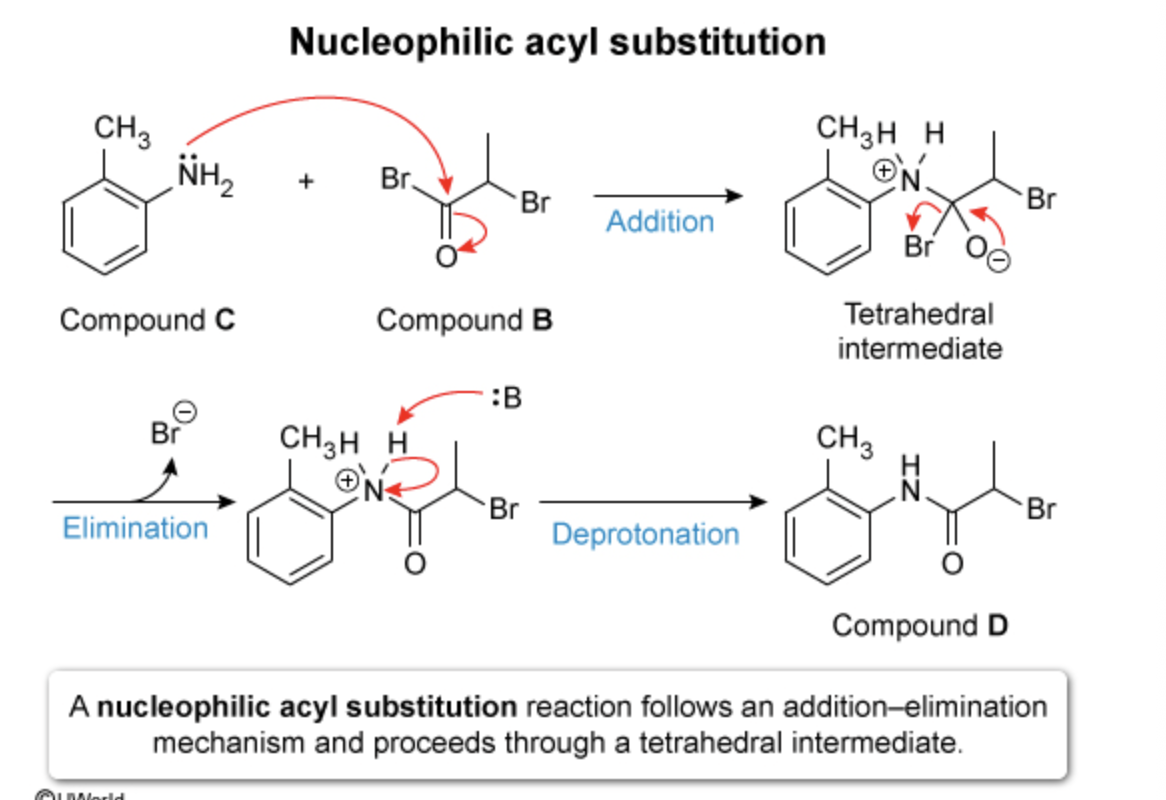
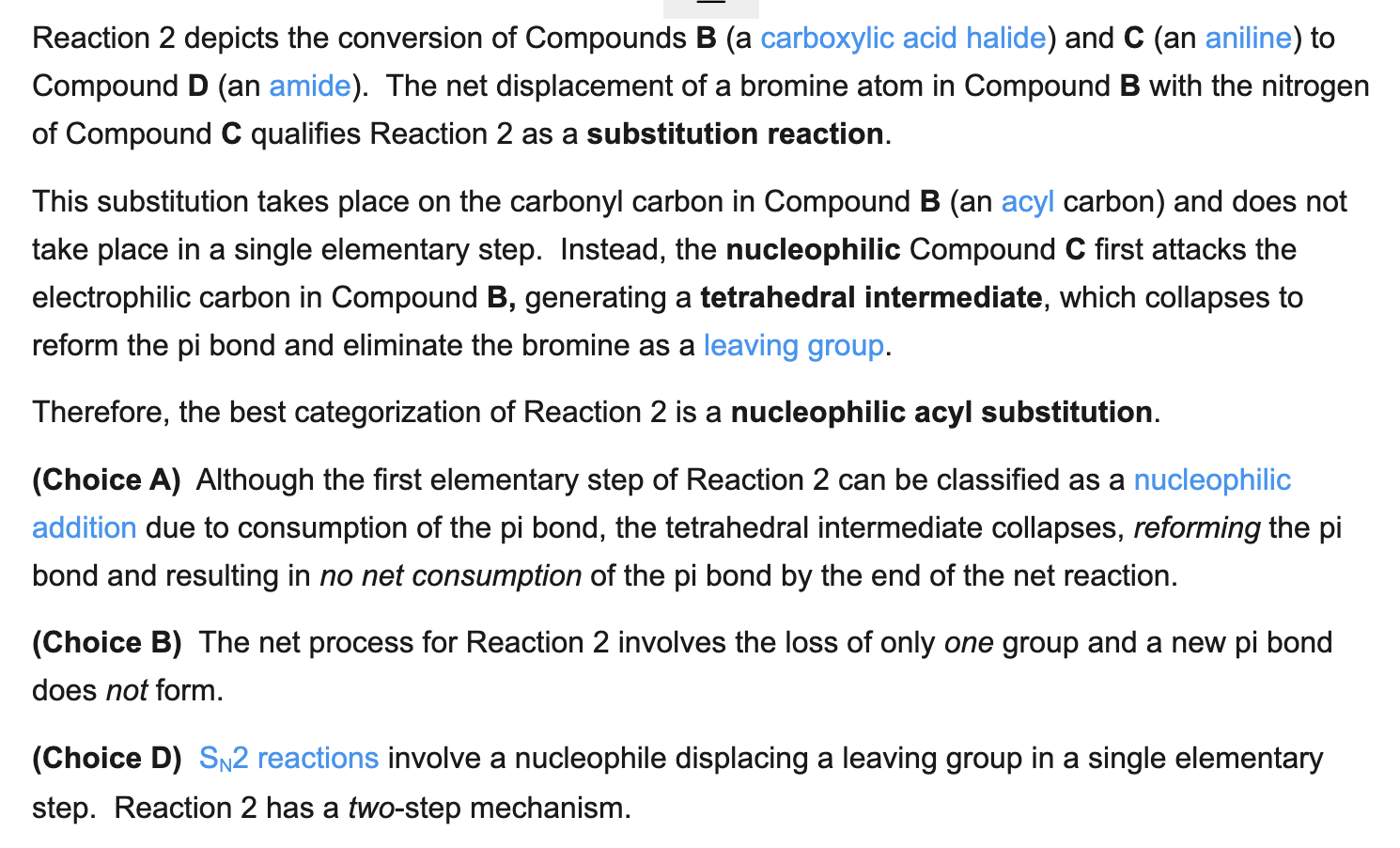

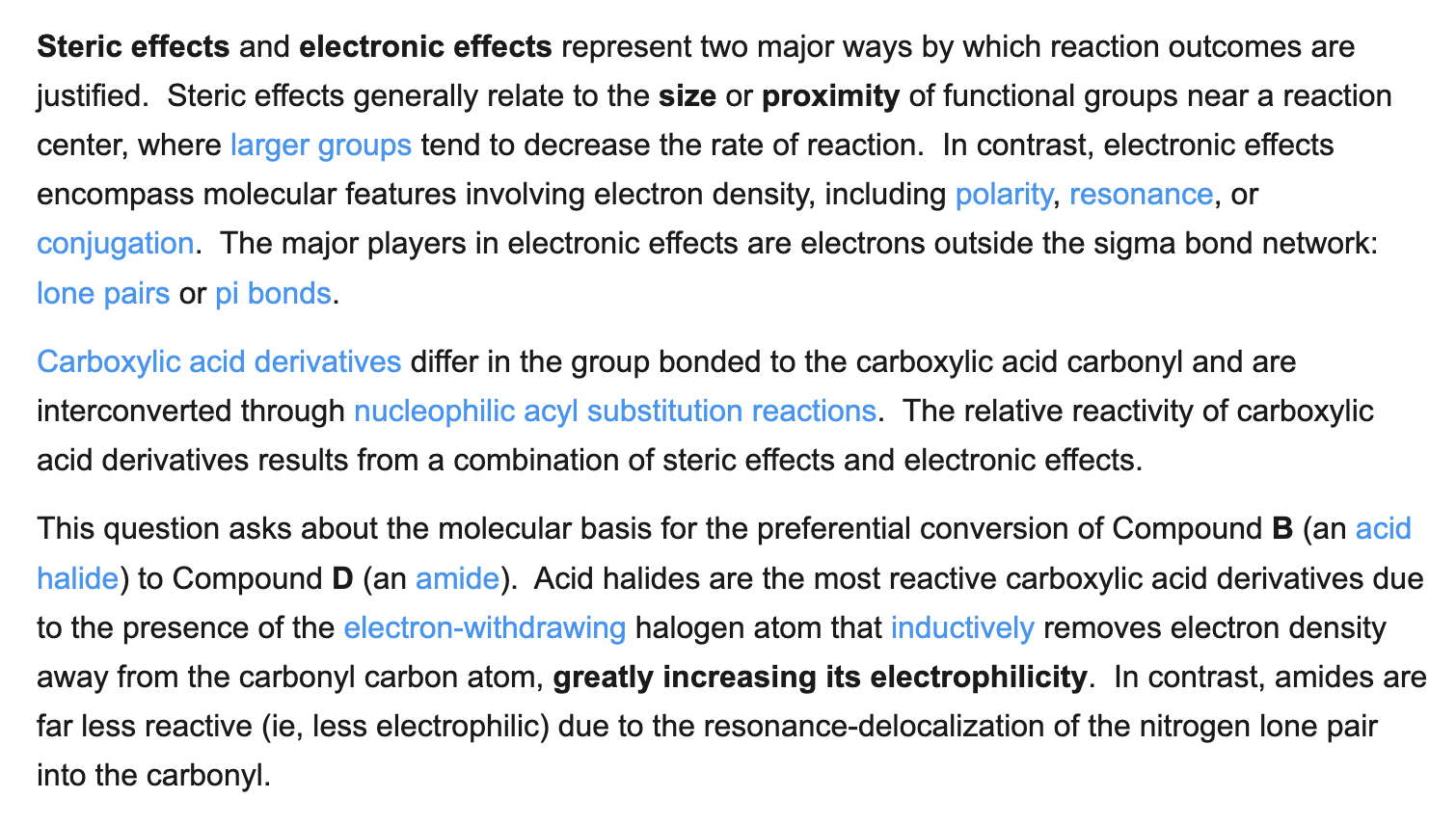
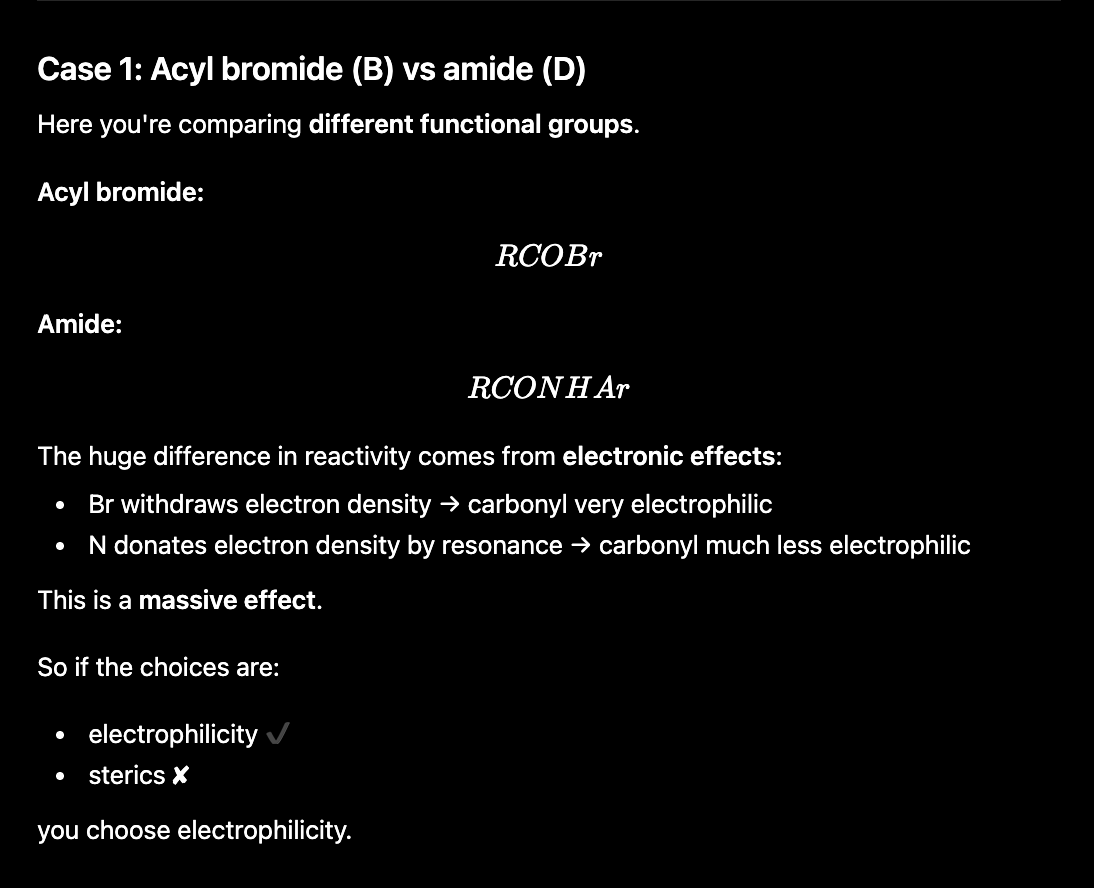
Carbonyl carbon in B is more electrophilic than Carbonyl carbon in compound D
Or
Carbonyl carbon in Compound B is less sterically hindered than D


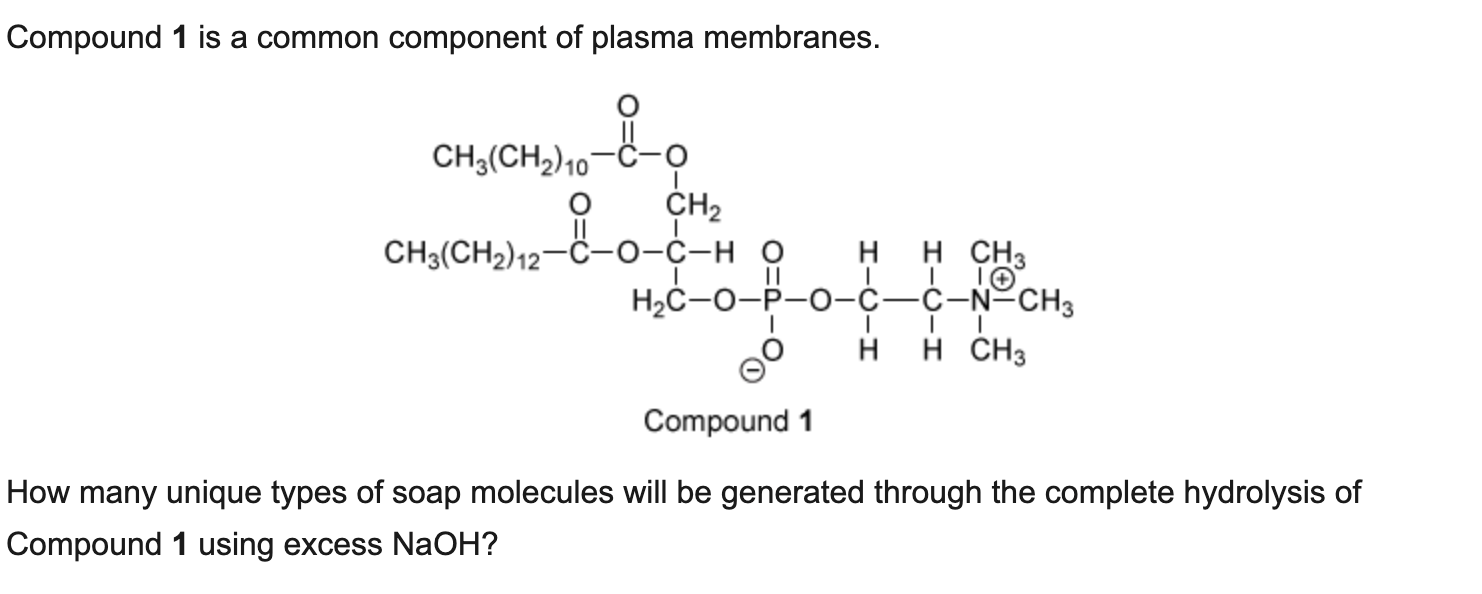
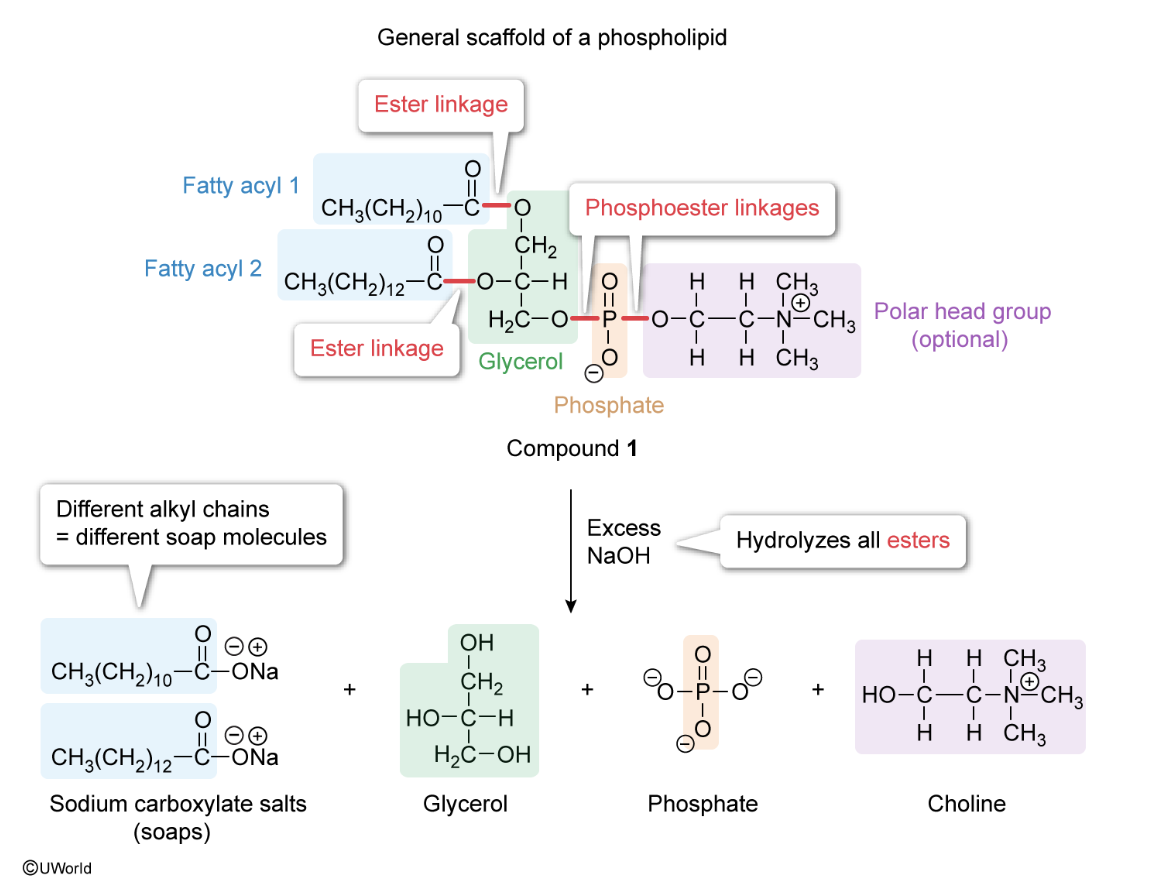
2
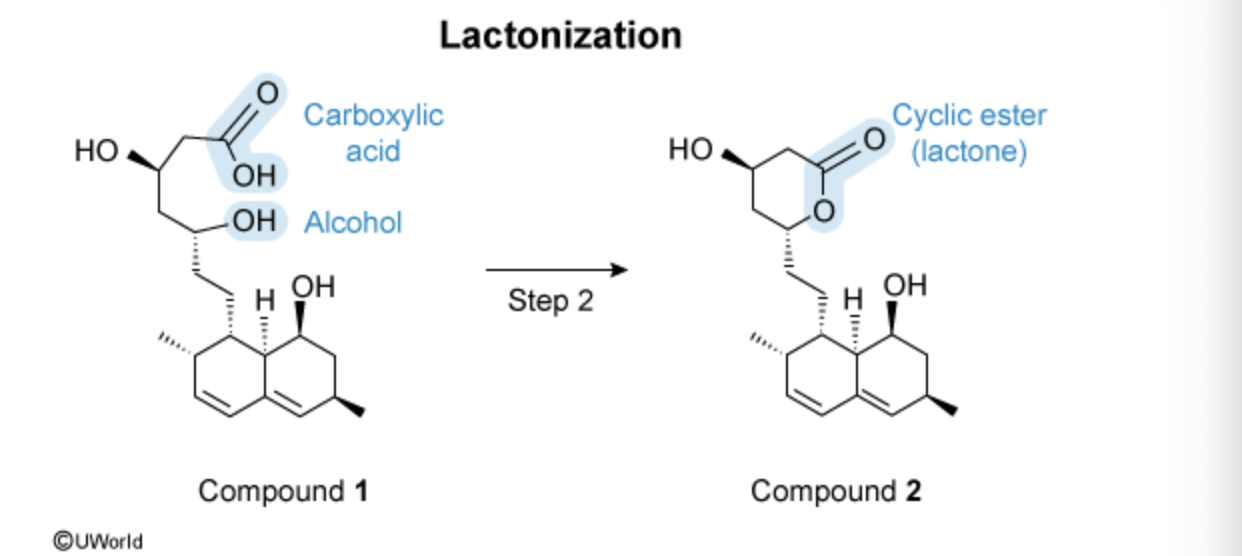
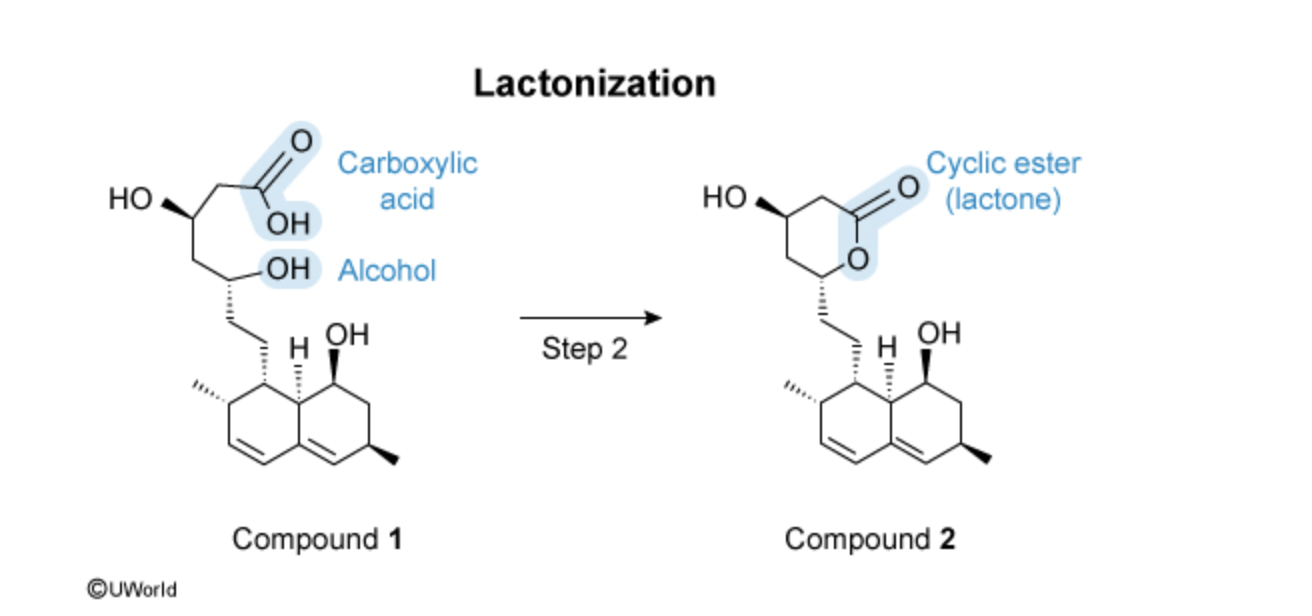
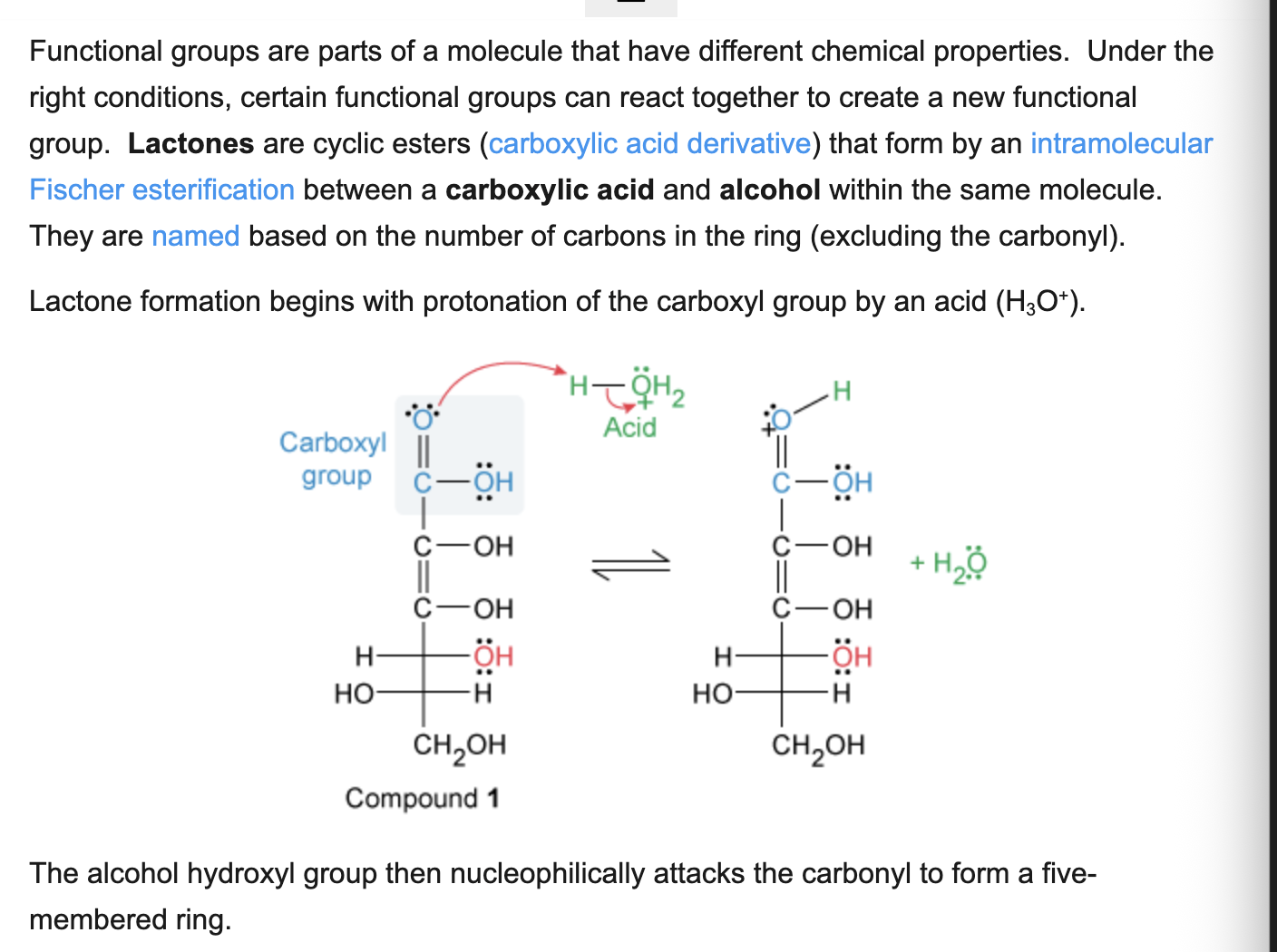
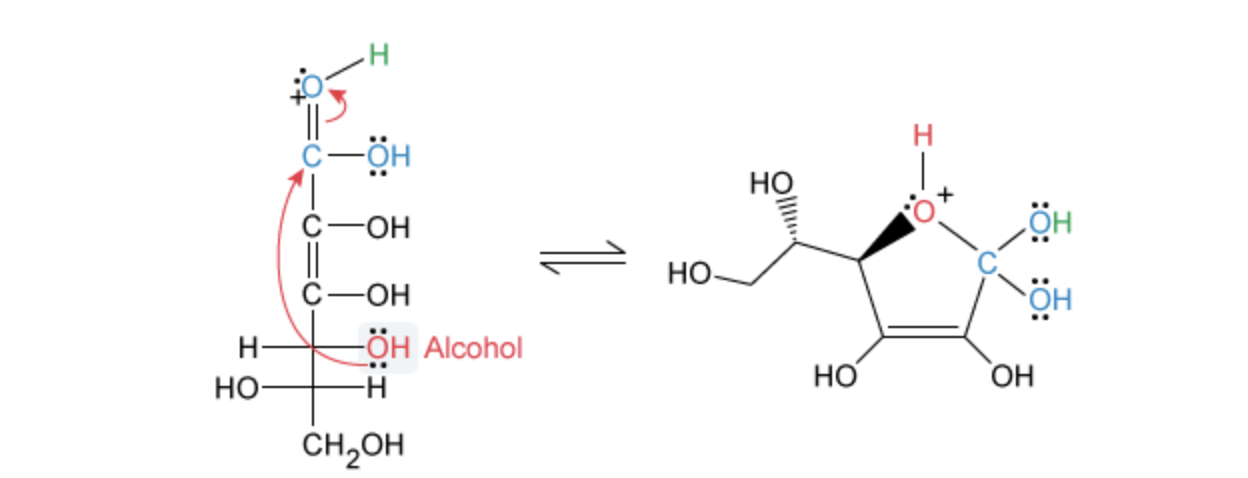
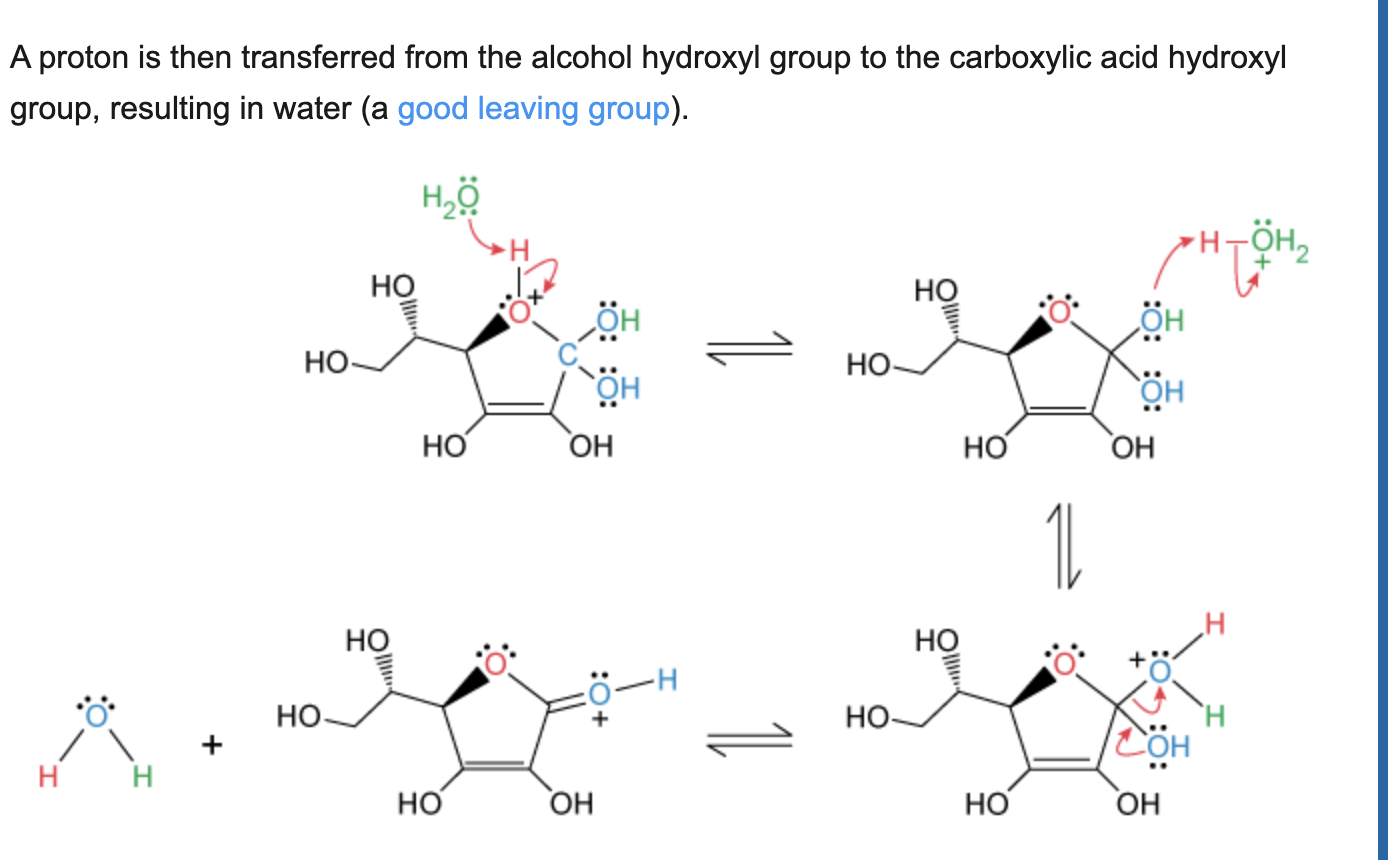
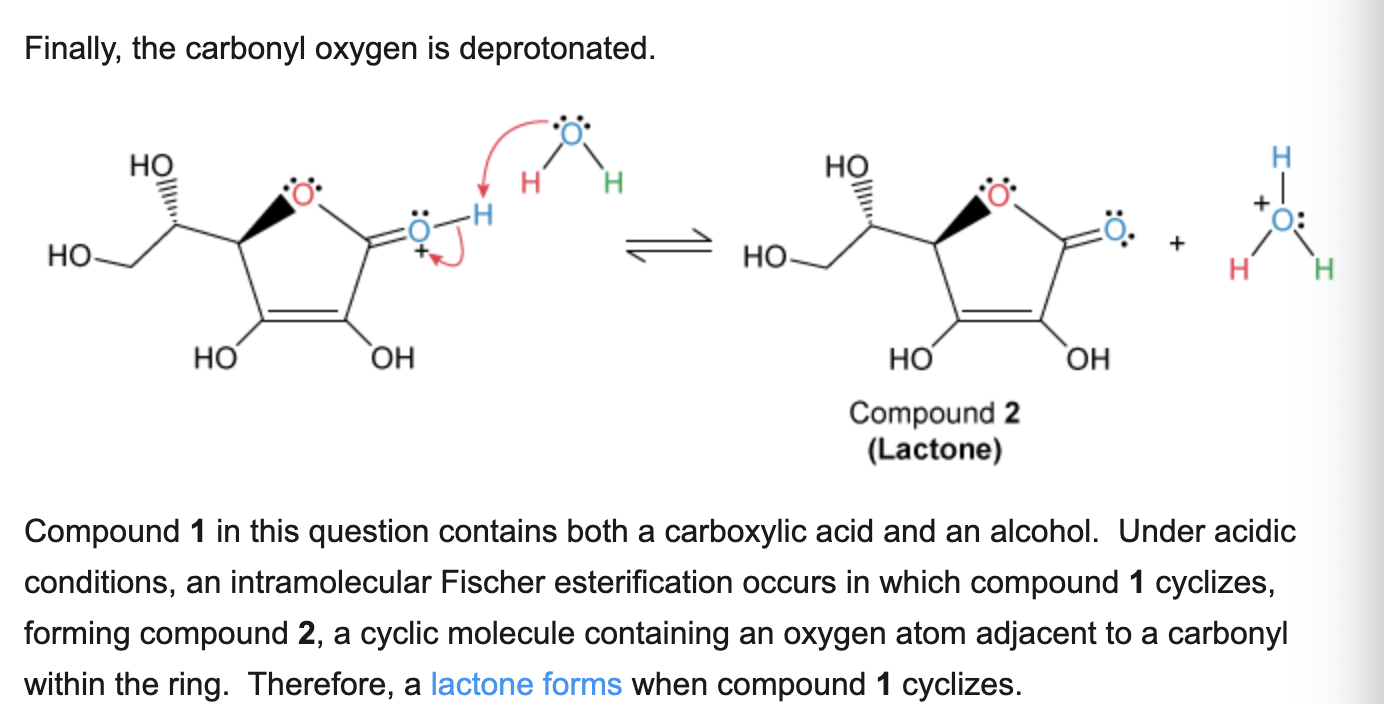
Lactonization
intramolecular reaction between alcohol and carboylic acid to form lactone ( cyclic ester)
Lactamization
intramolecular condensation reaction between amine and carboxylic acid to form lactam (cyclic amide)
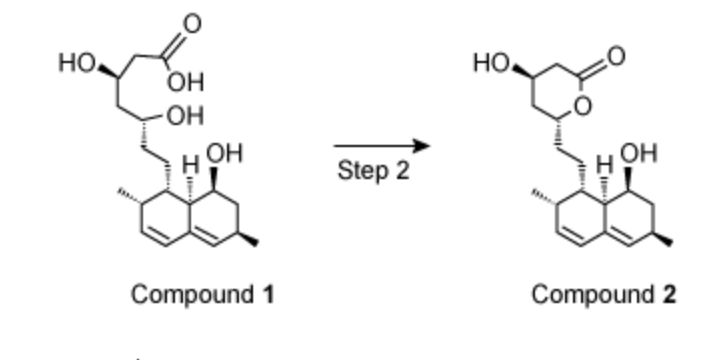
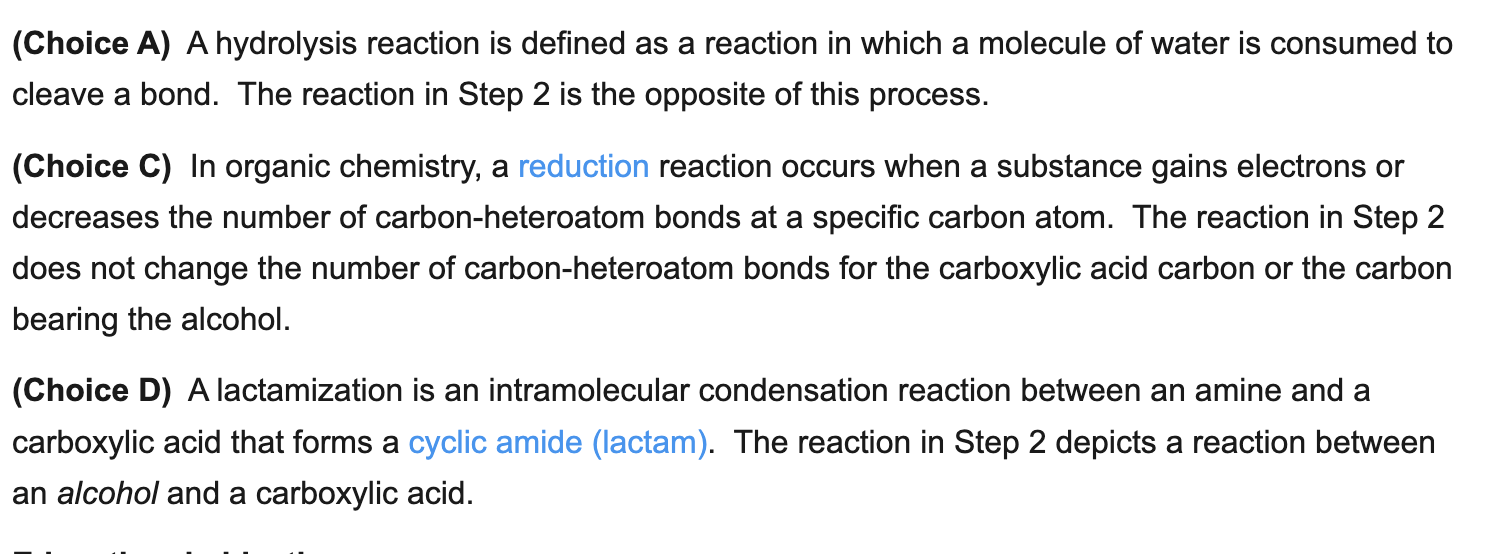
What is the chemical transformation?
Hydrolysis, lactonization, reduction, or lactamization?
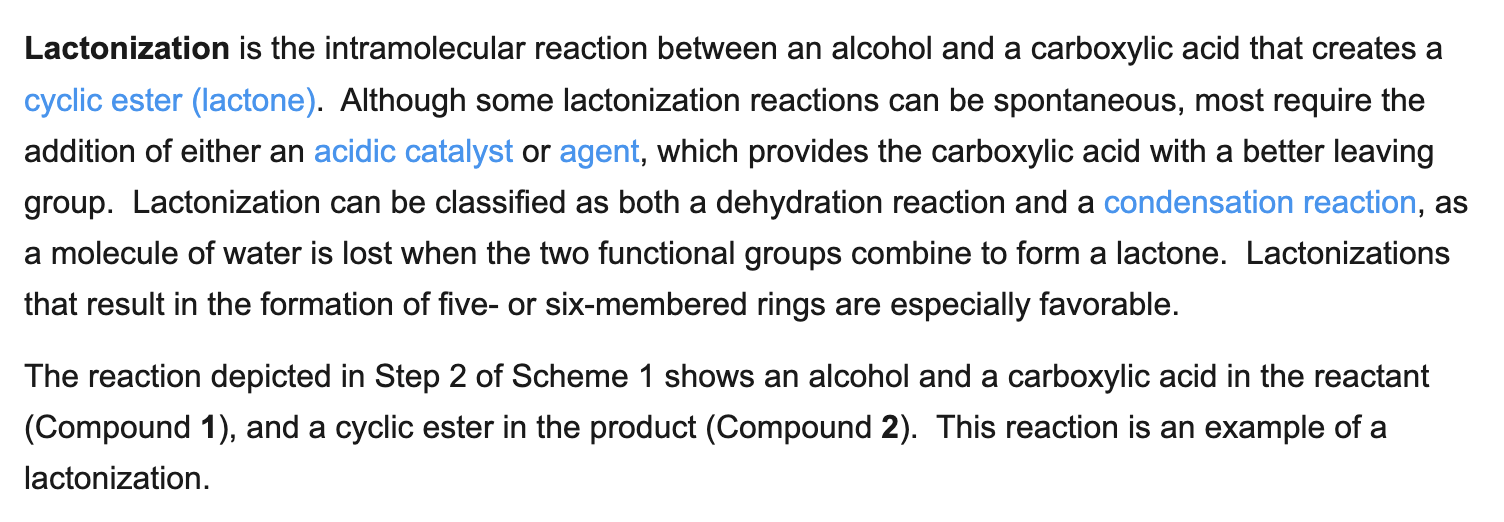

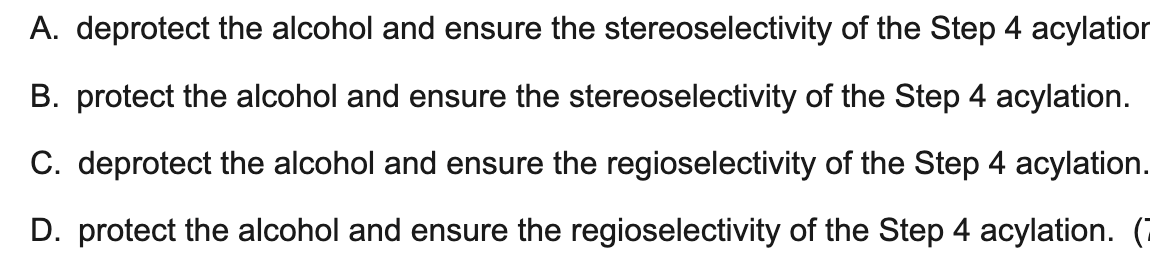
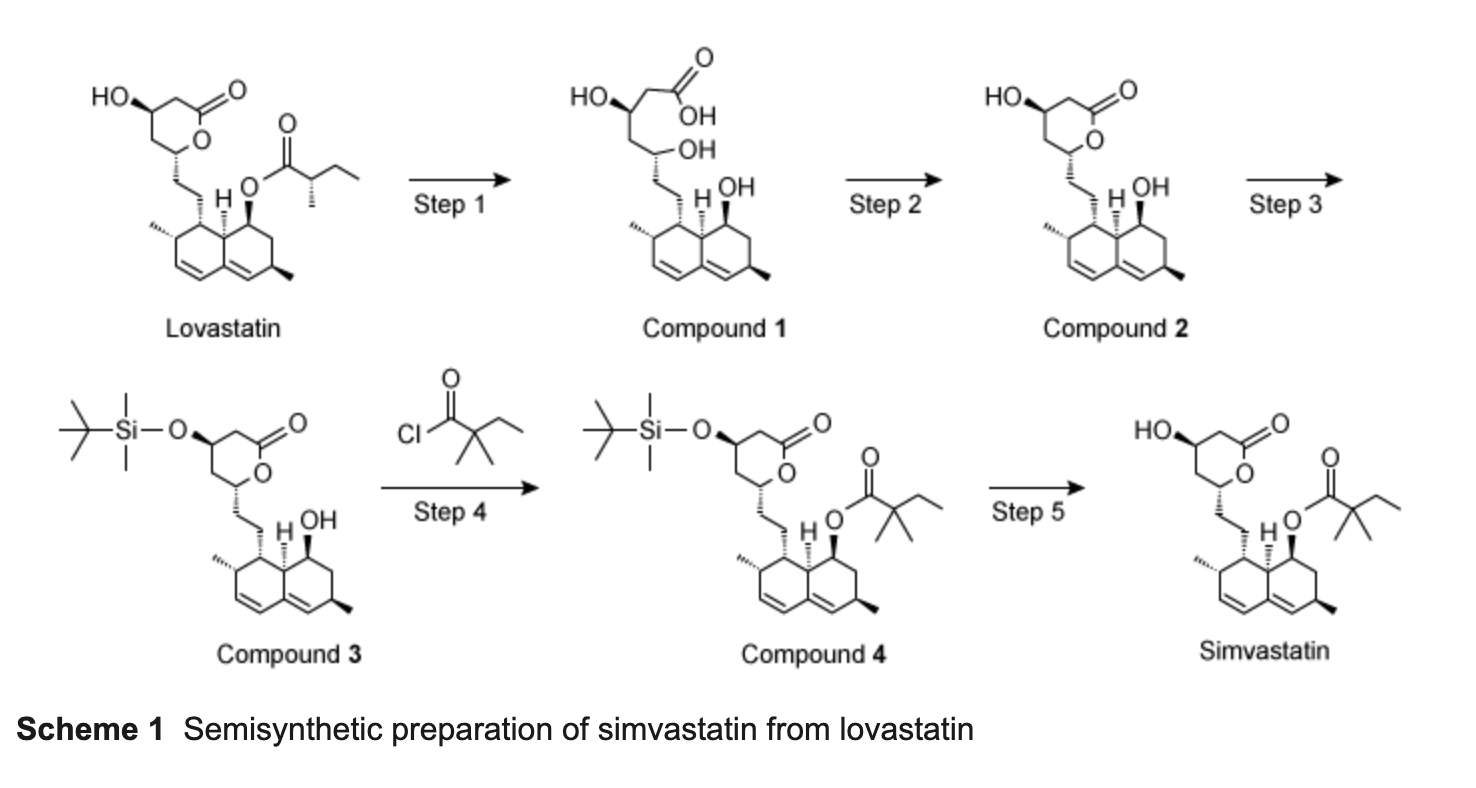
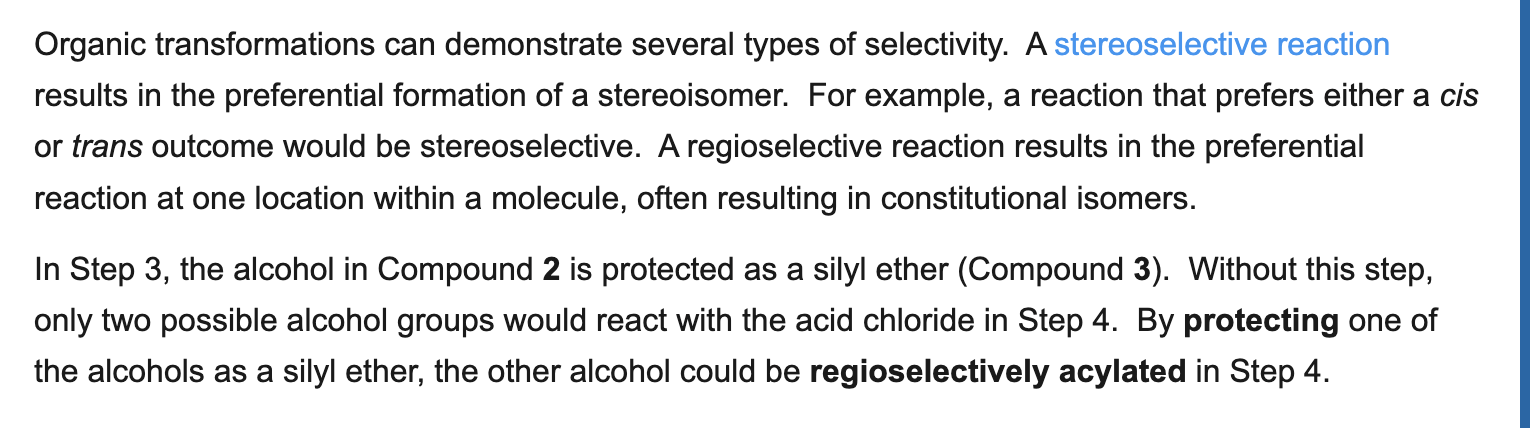
Answer: D
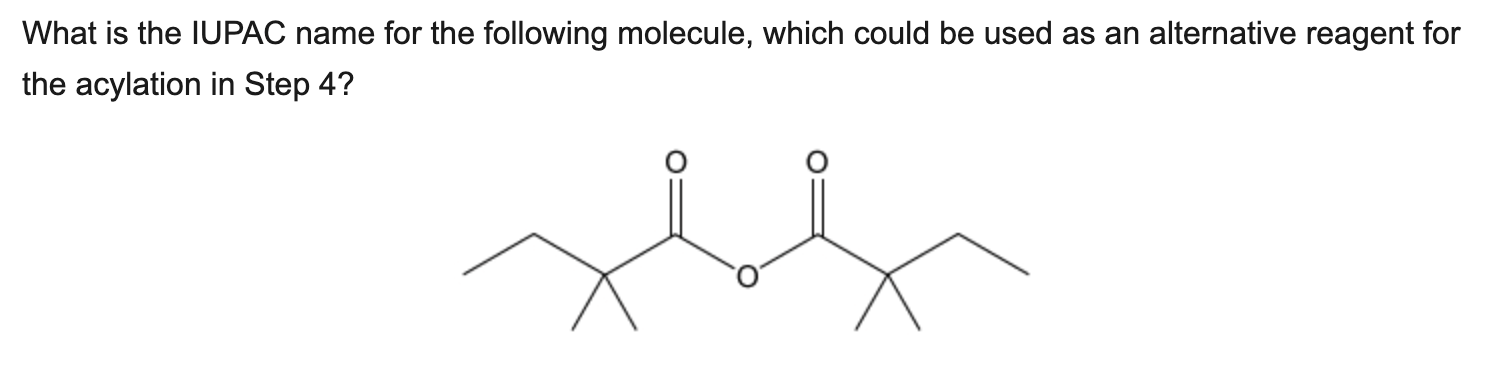
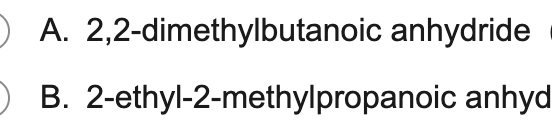
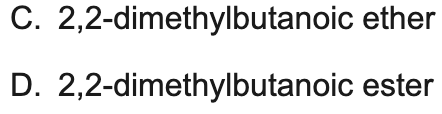
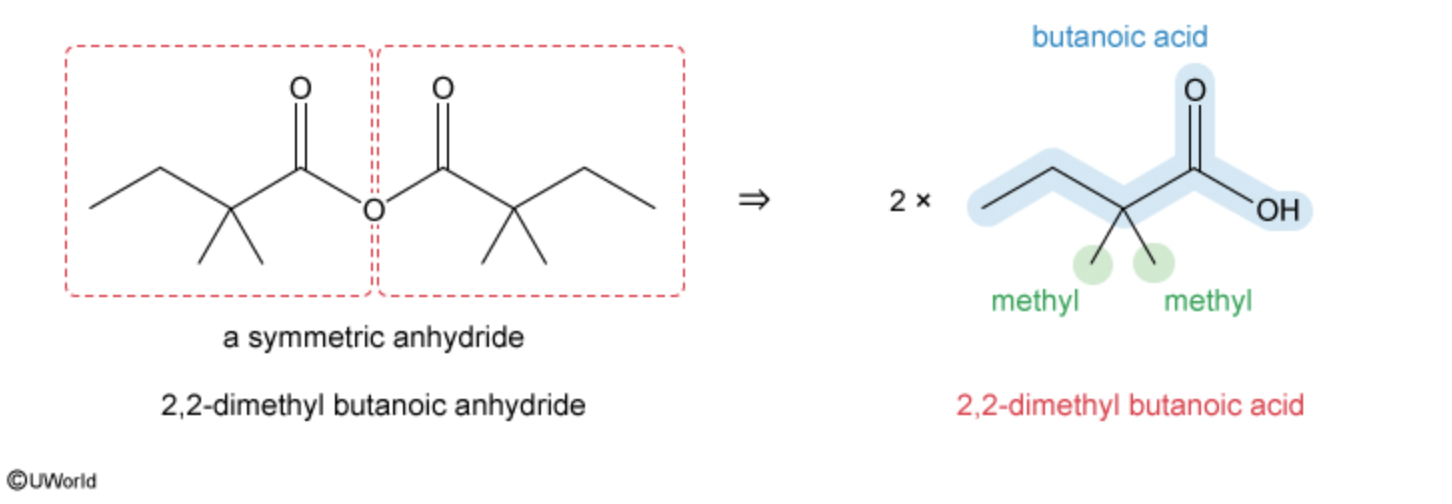
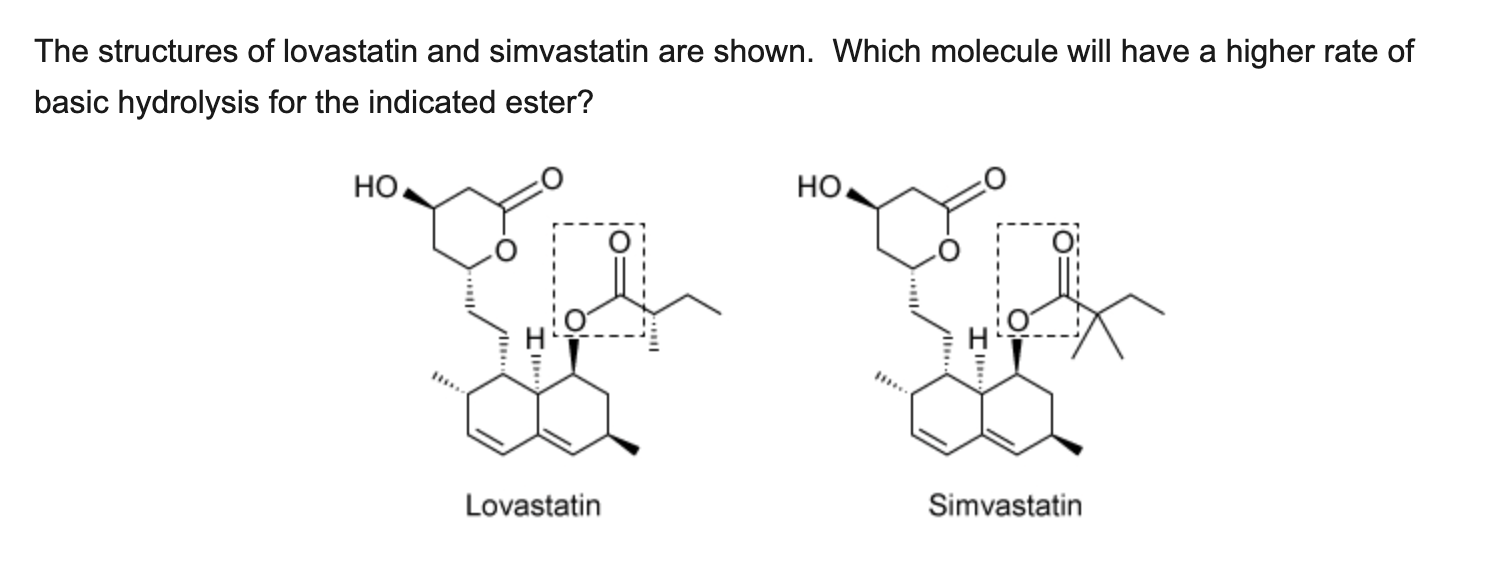
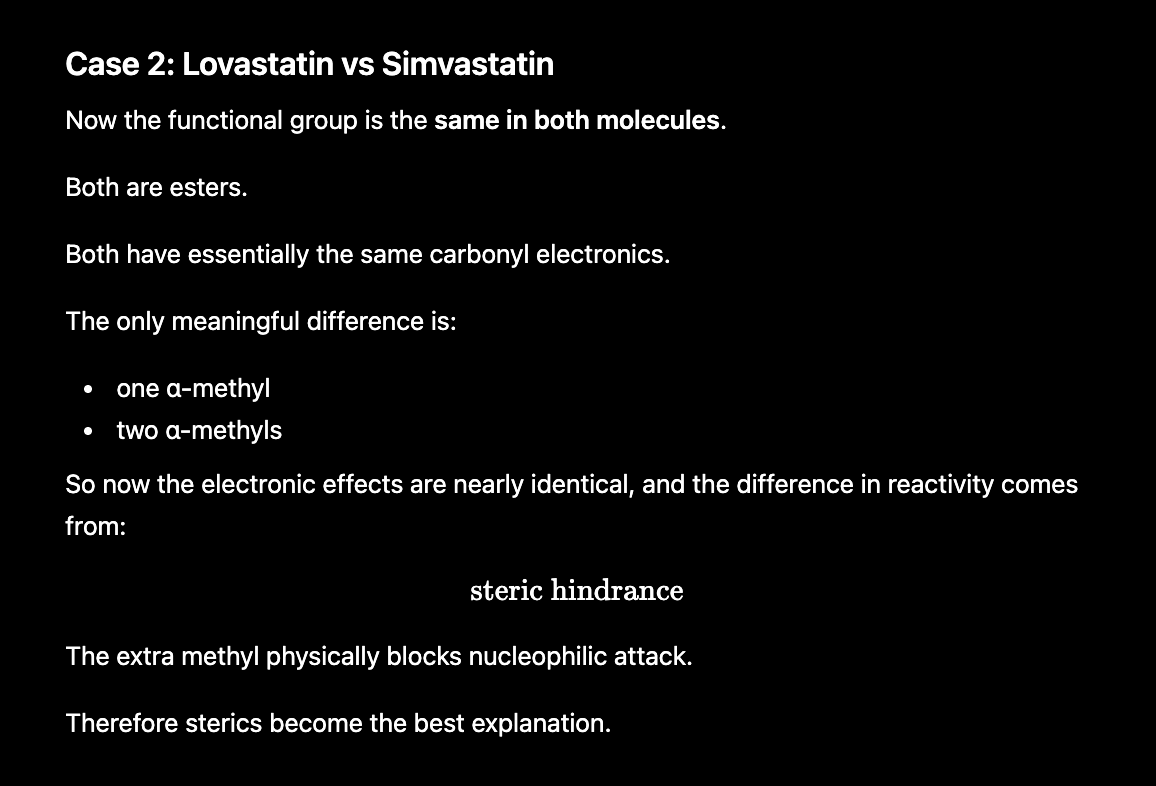
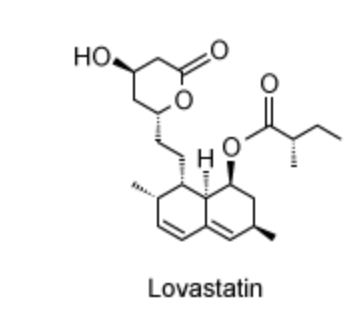
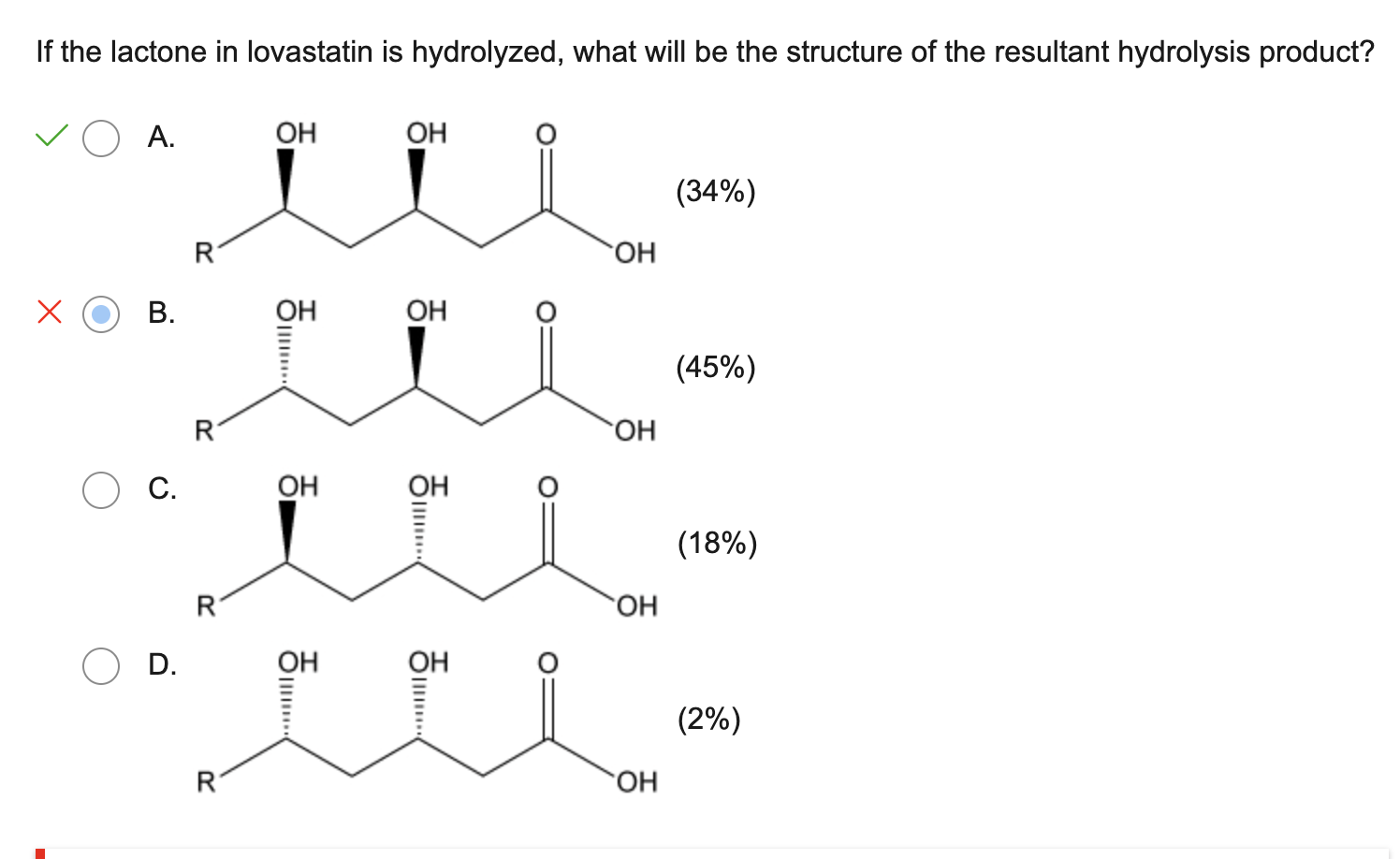
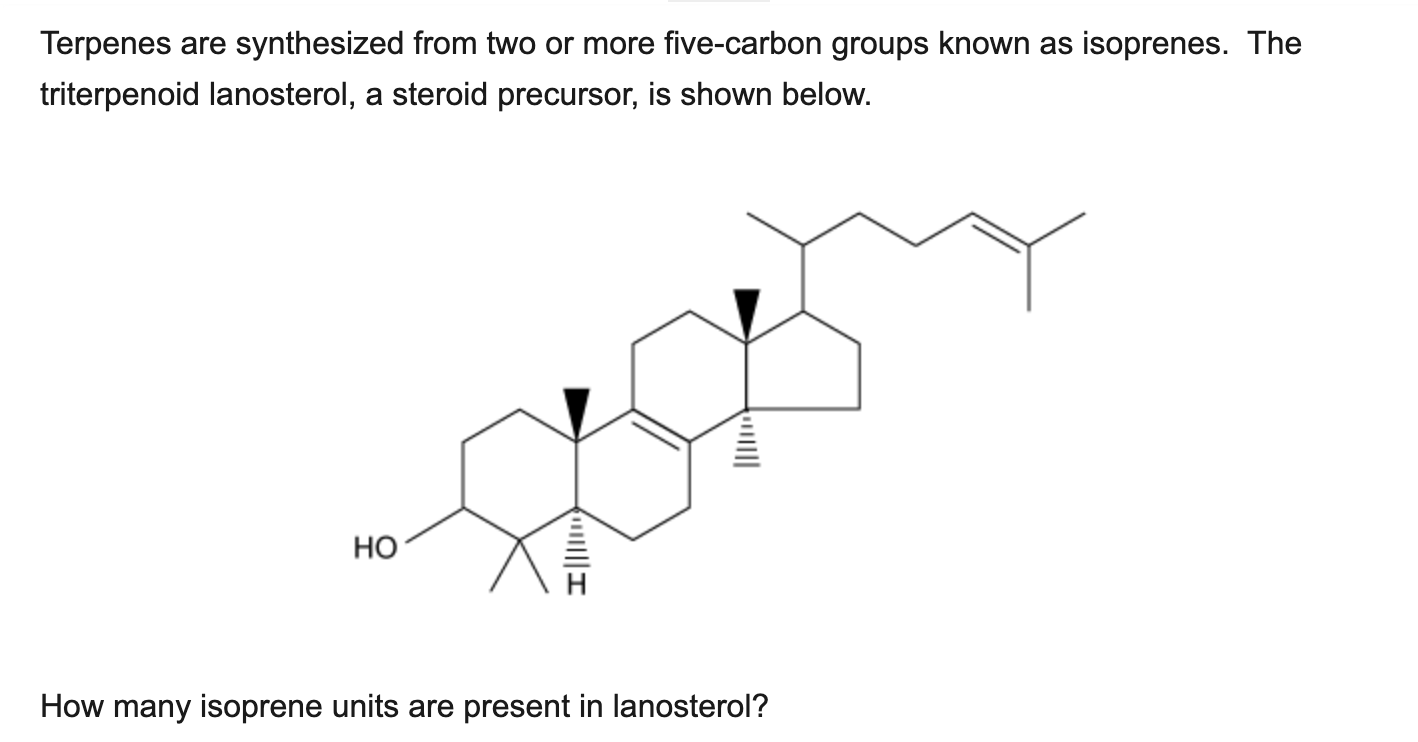
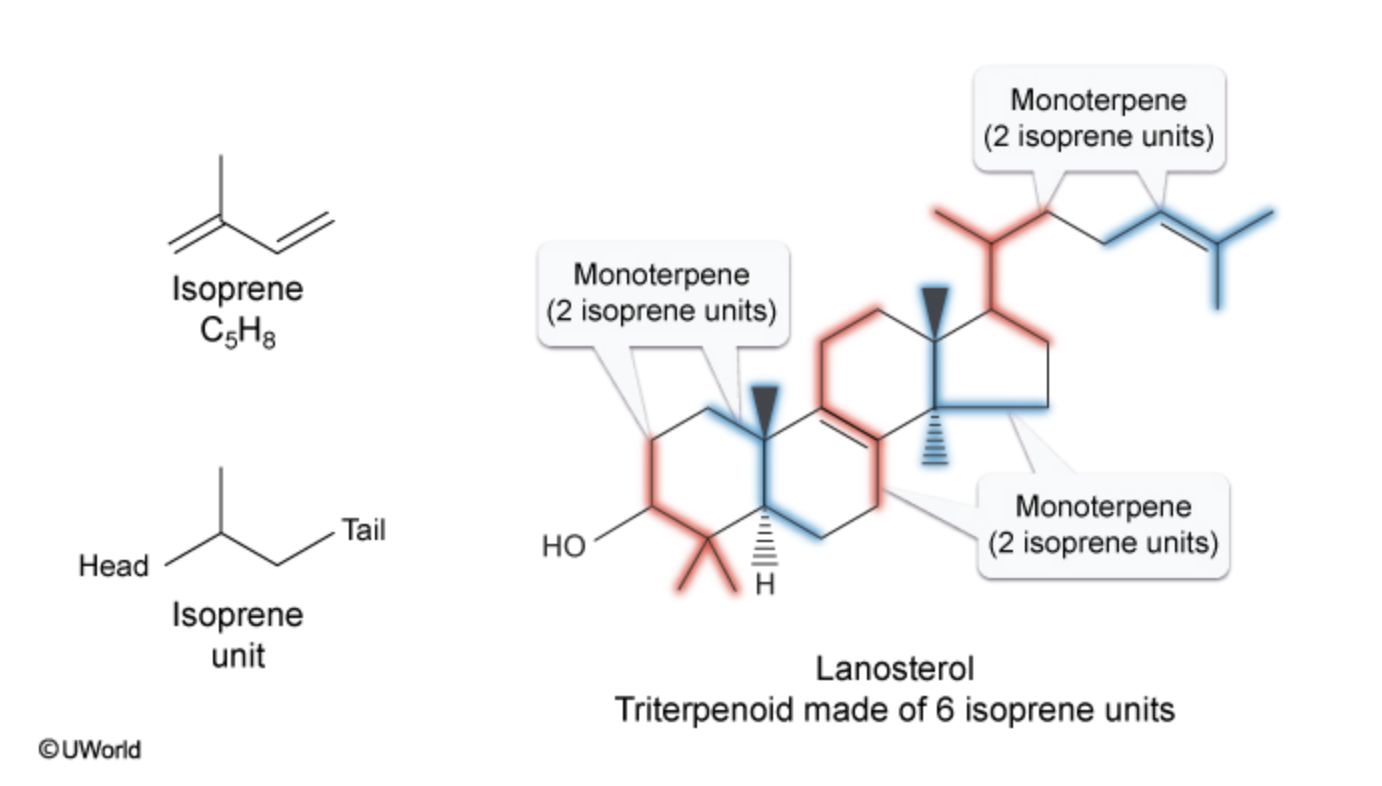
Lovastatin
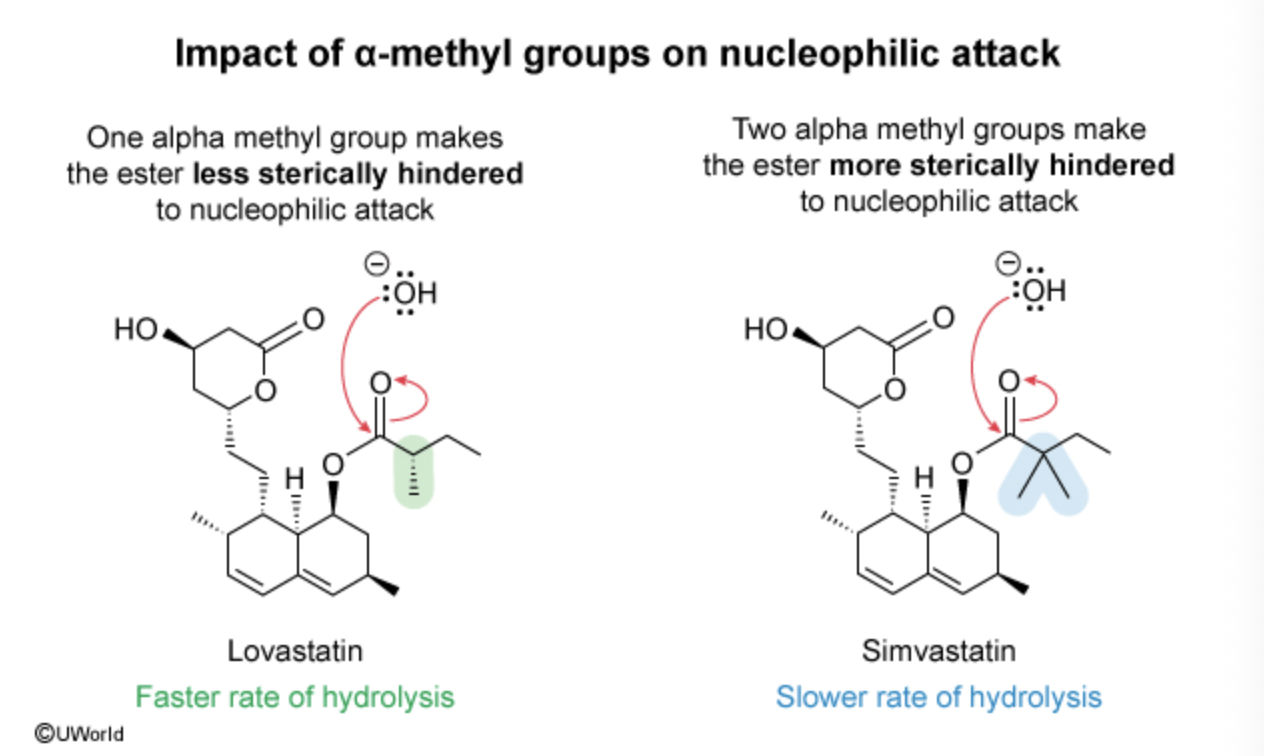
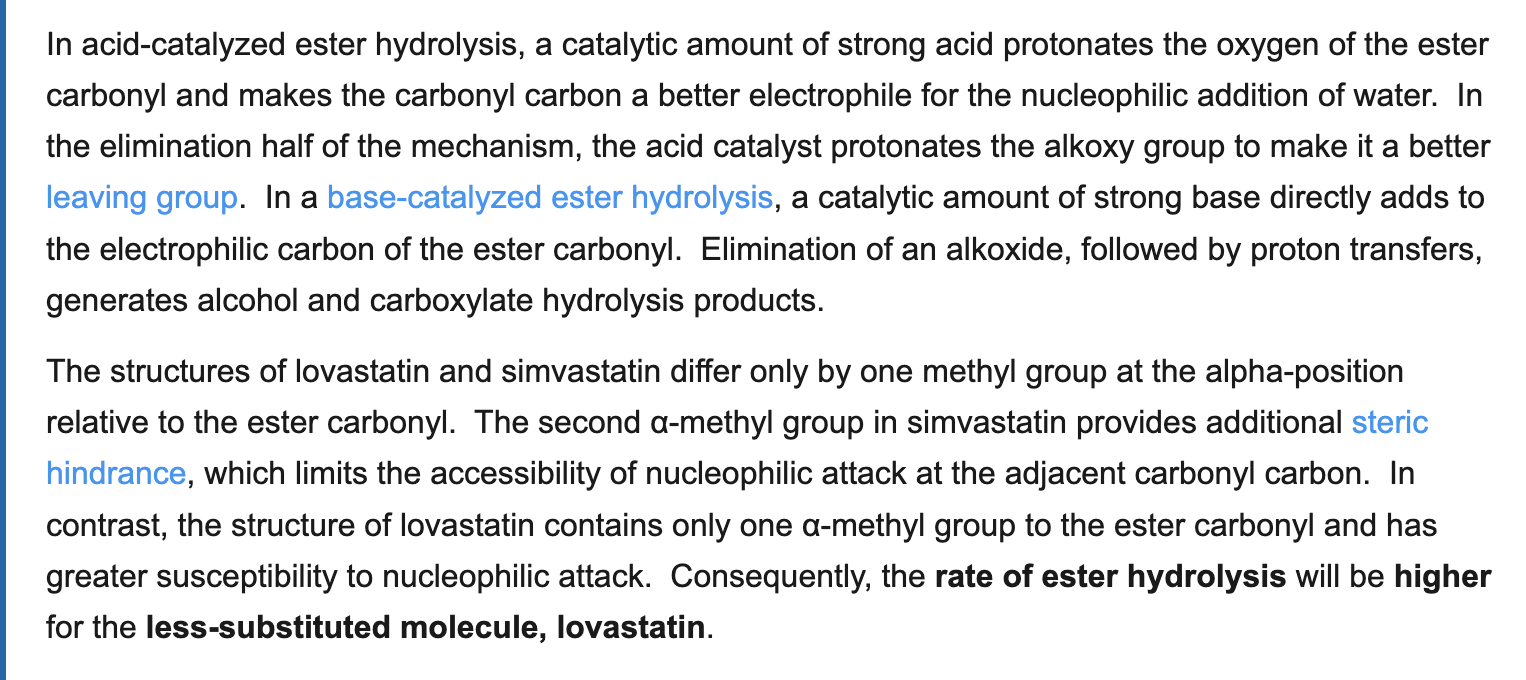
Note electronic effect vs steric effect



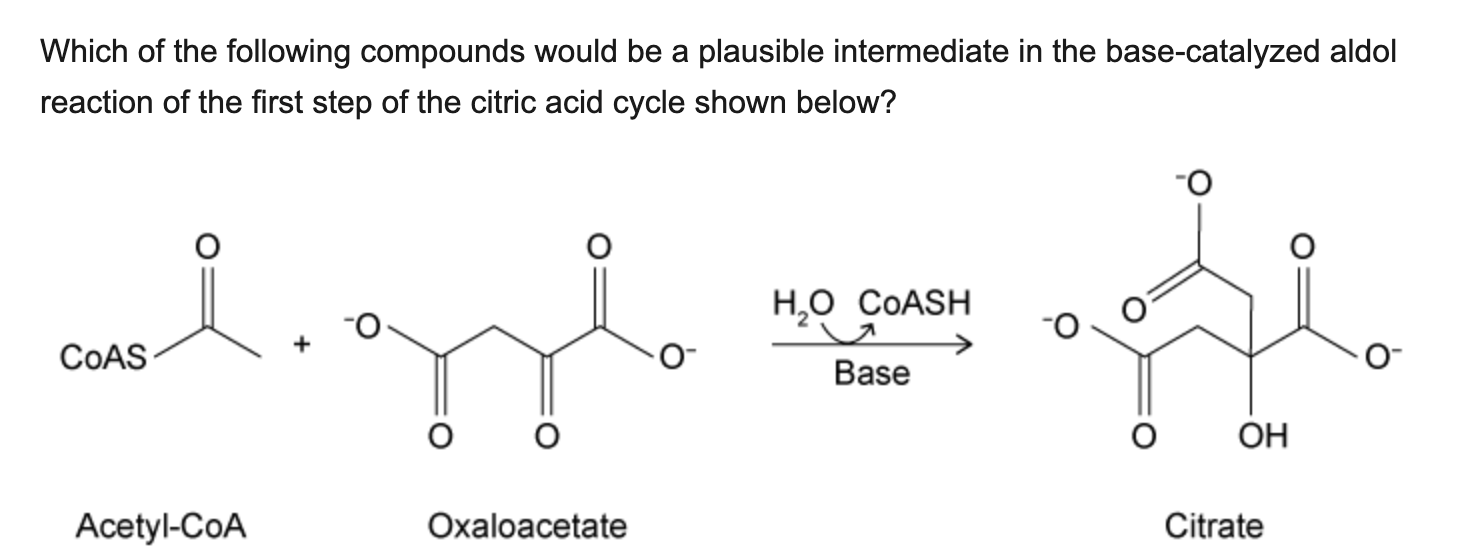
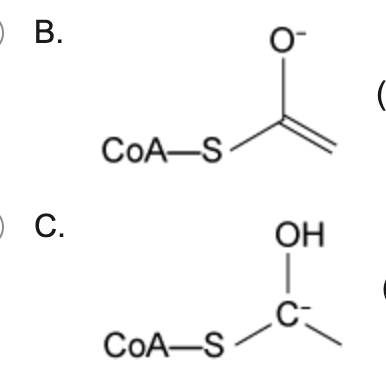
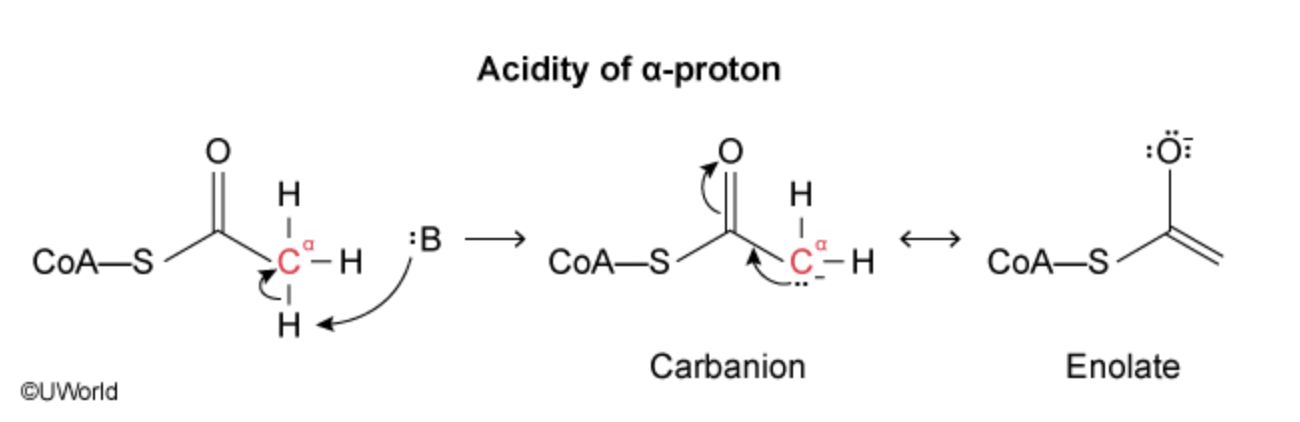
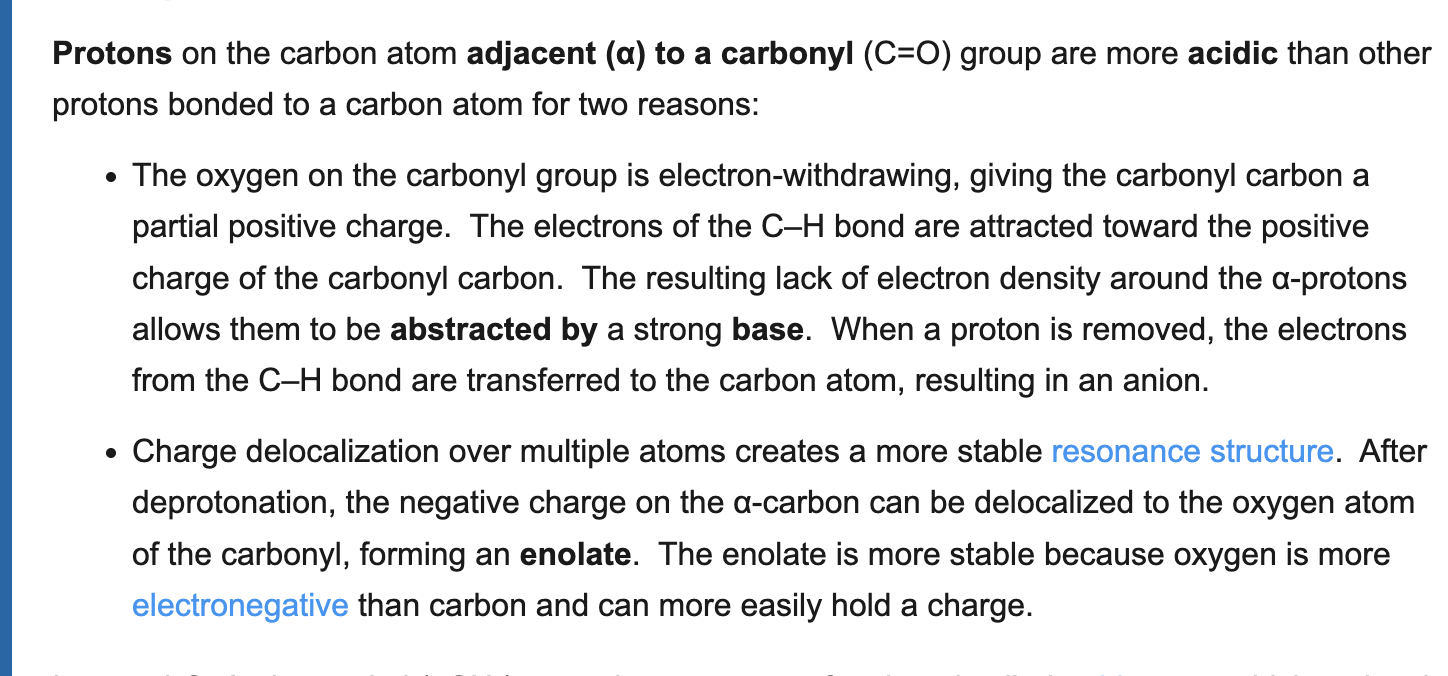
aldol condensation or aldol addition?
adol addition




Answer D
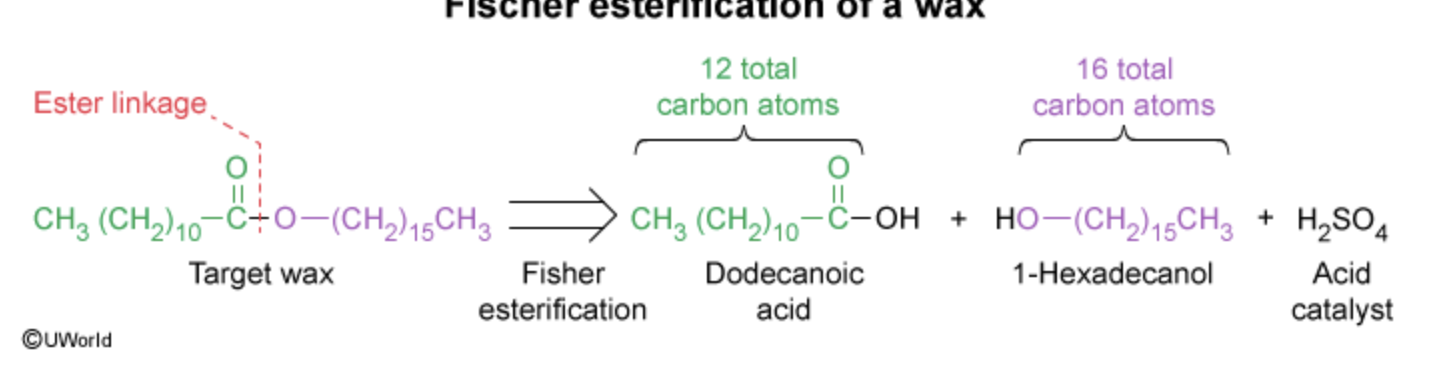
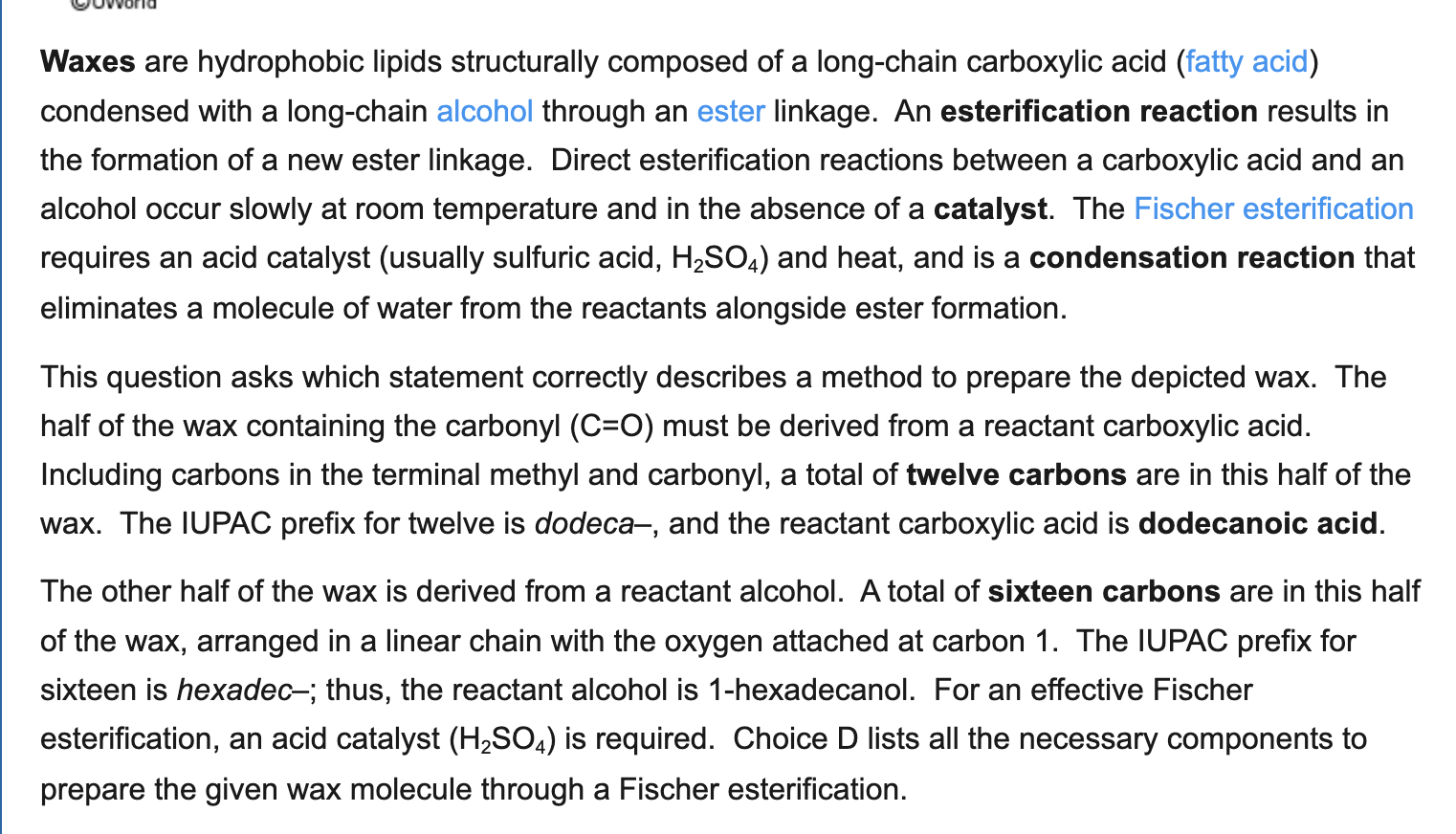
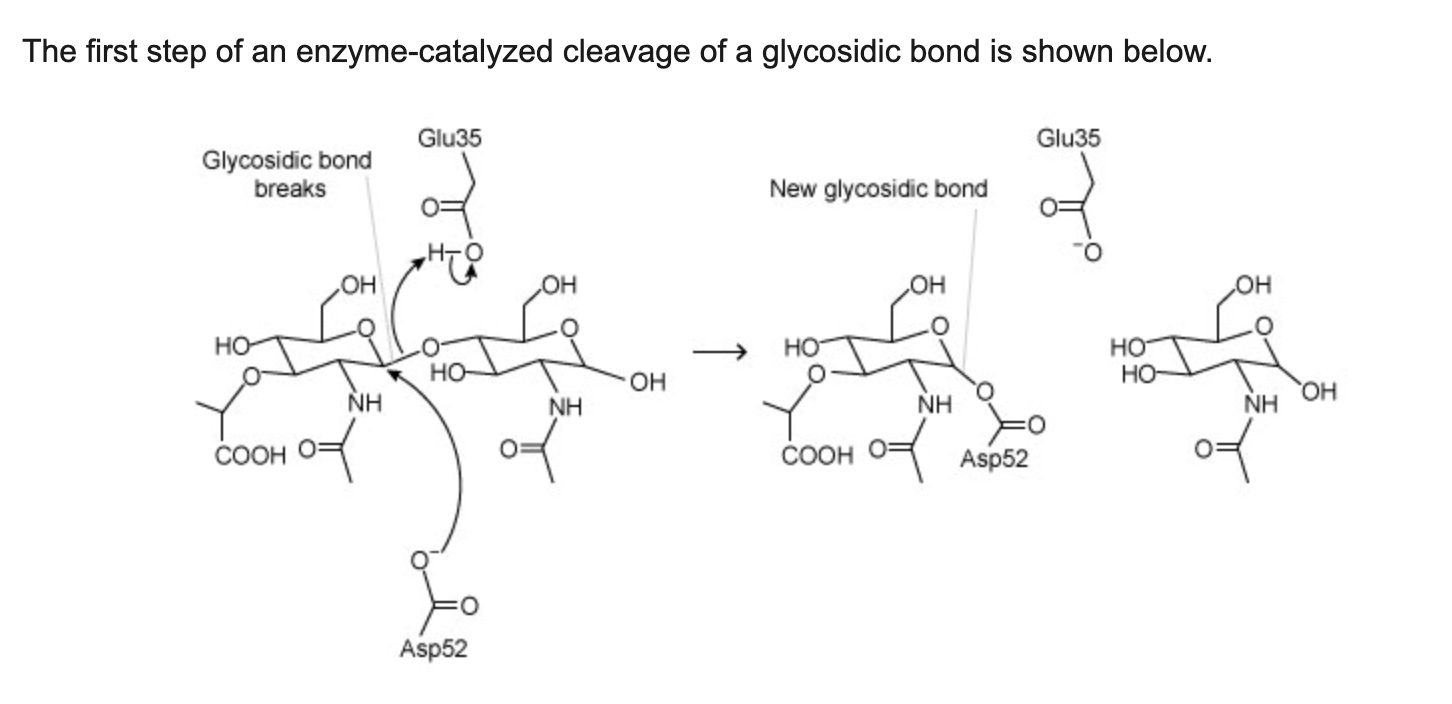

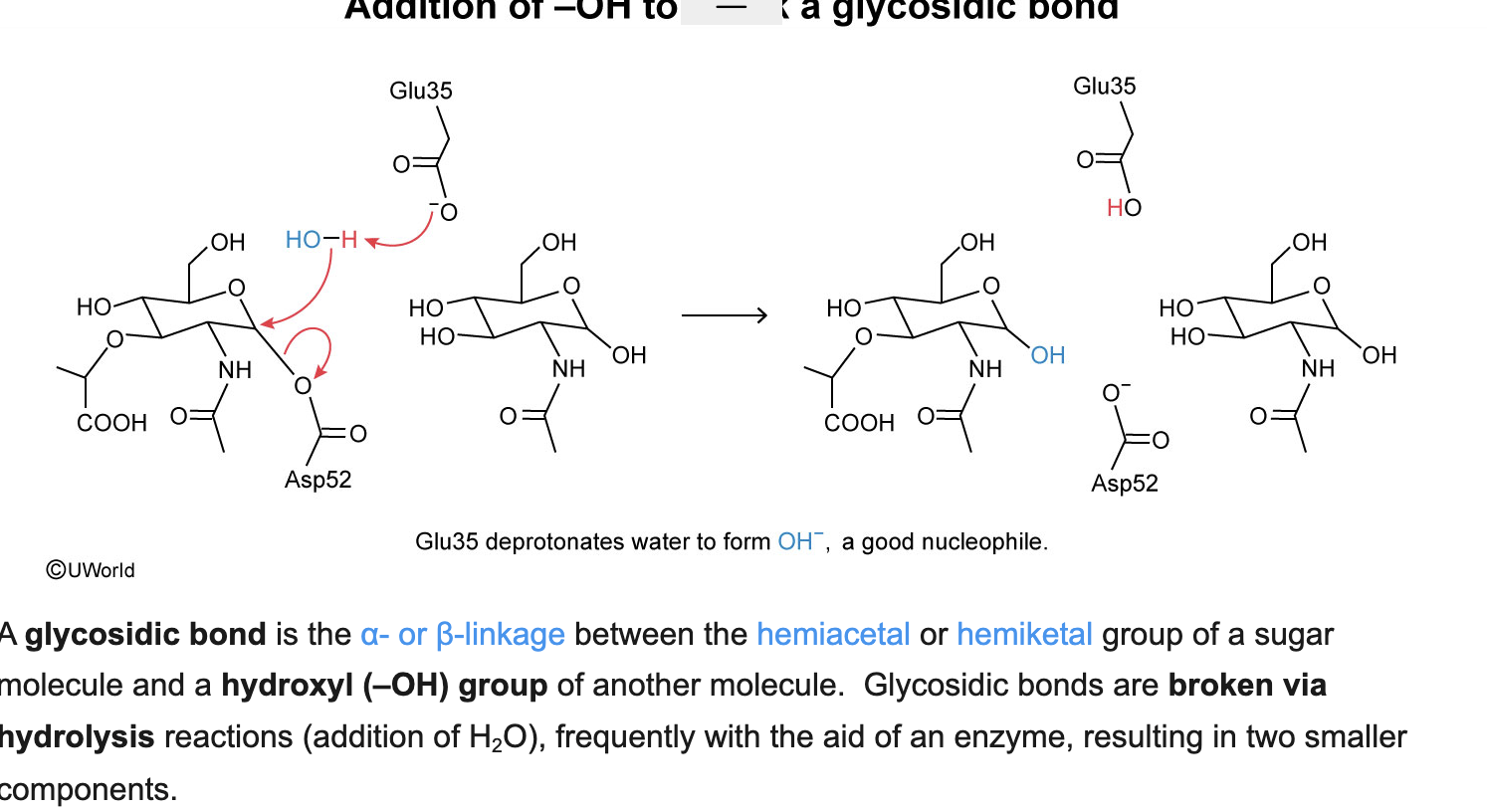
Just state what molcule is deprotonated
Water (H2O)
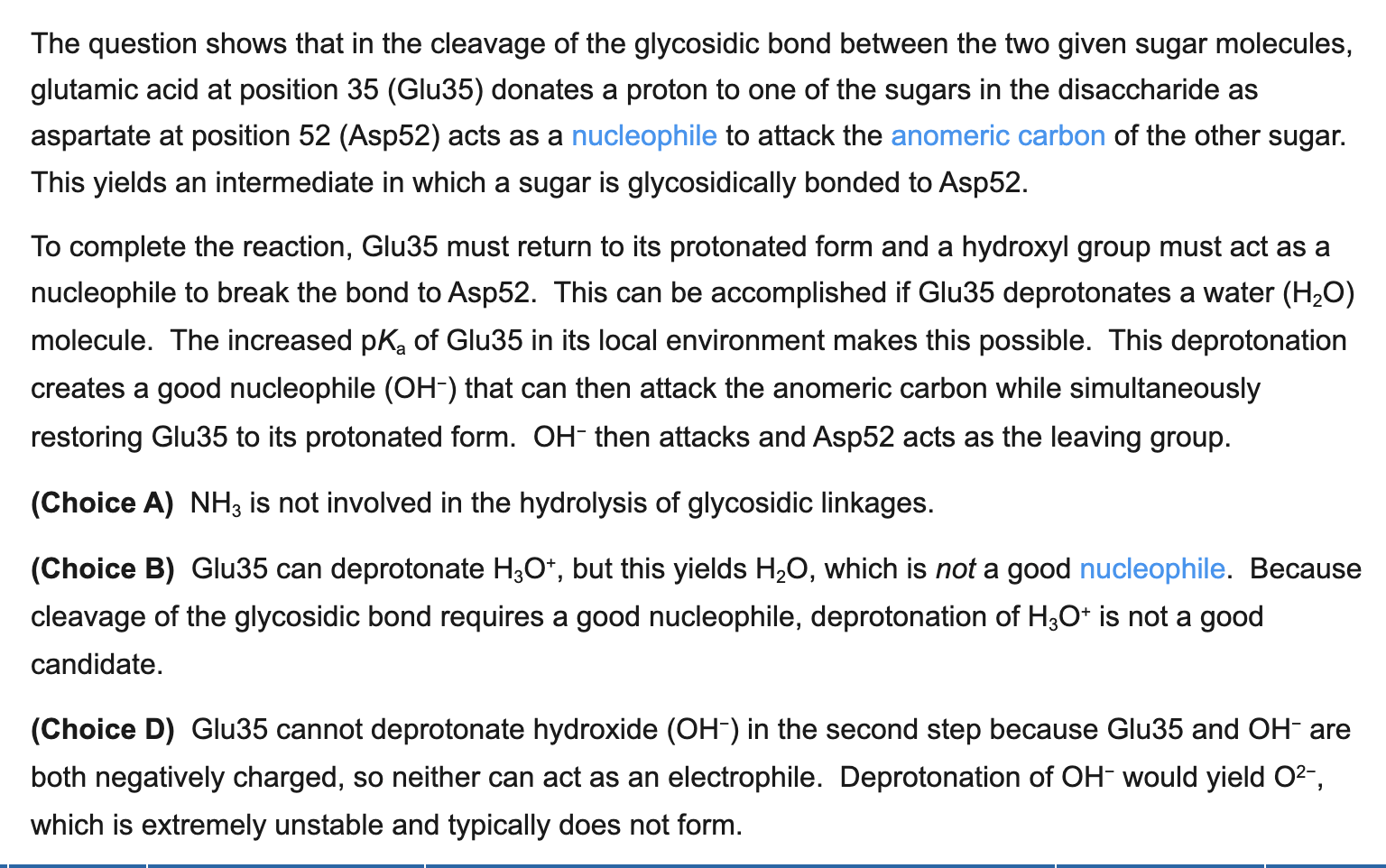

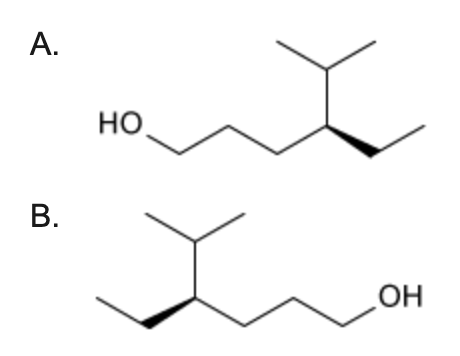
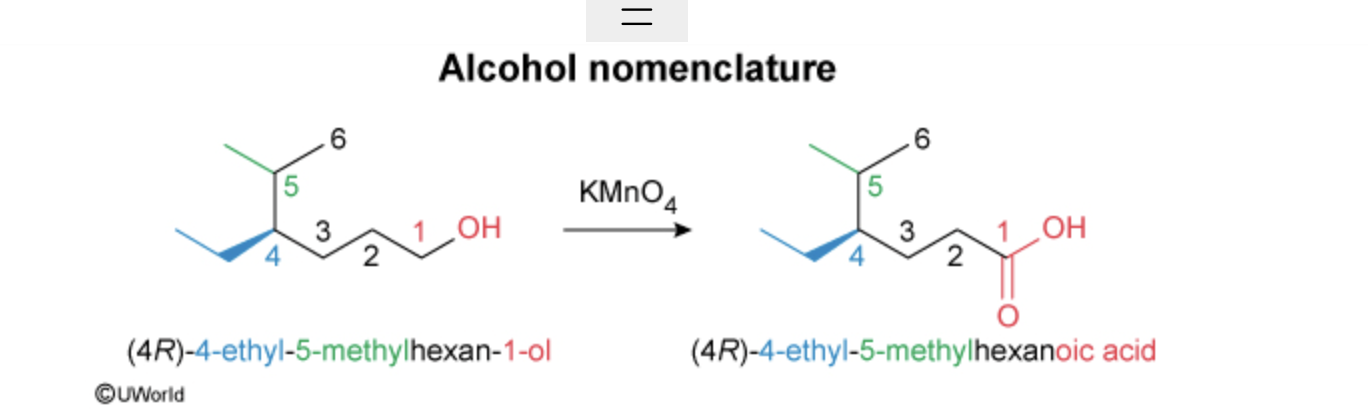
Answer: B

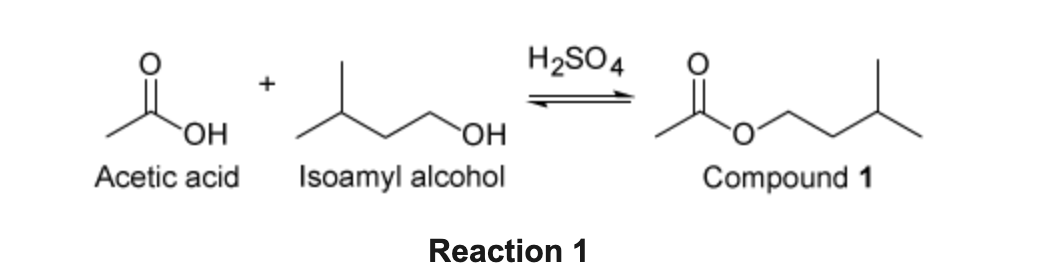


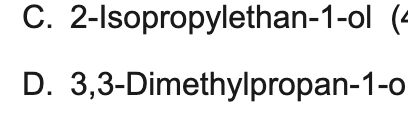
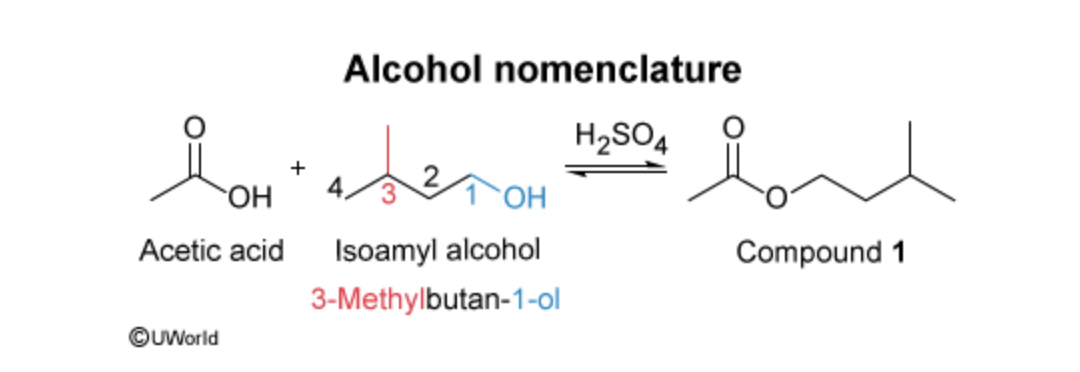
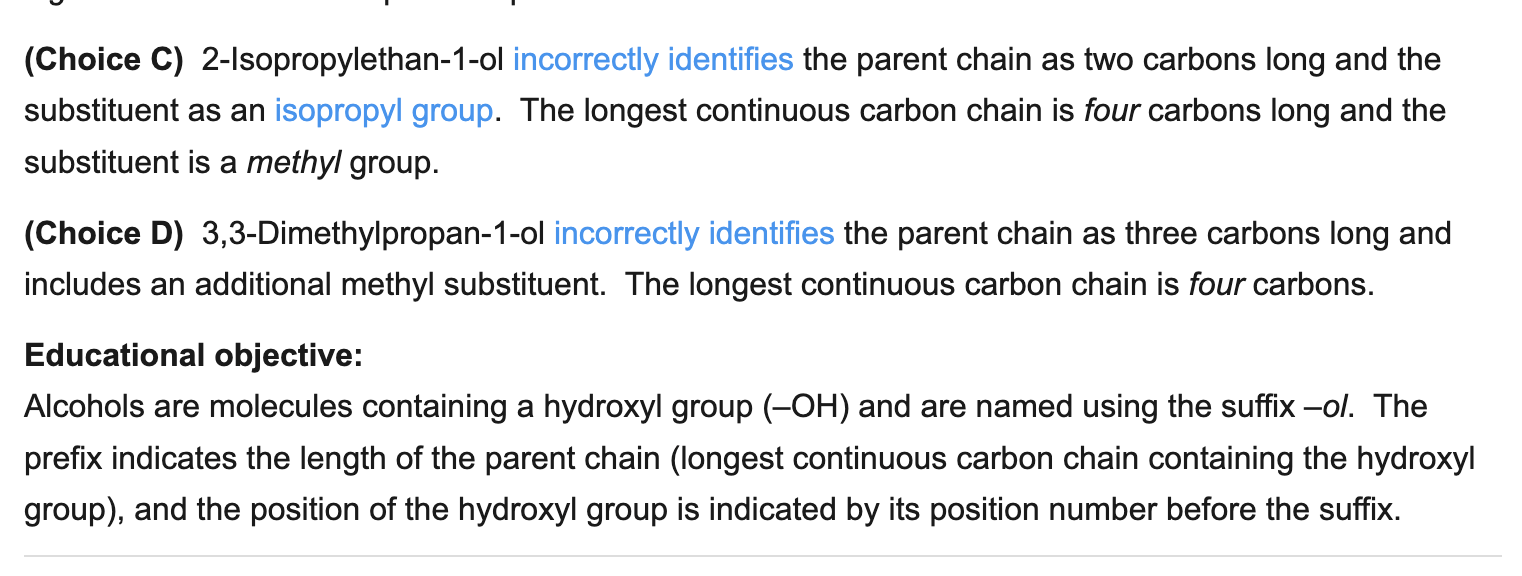

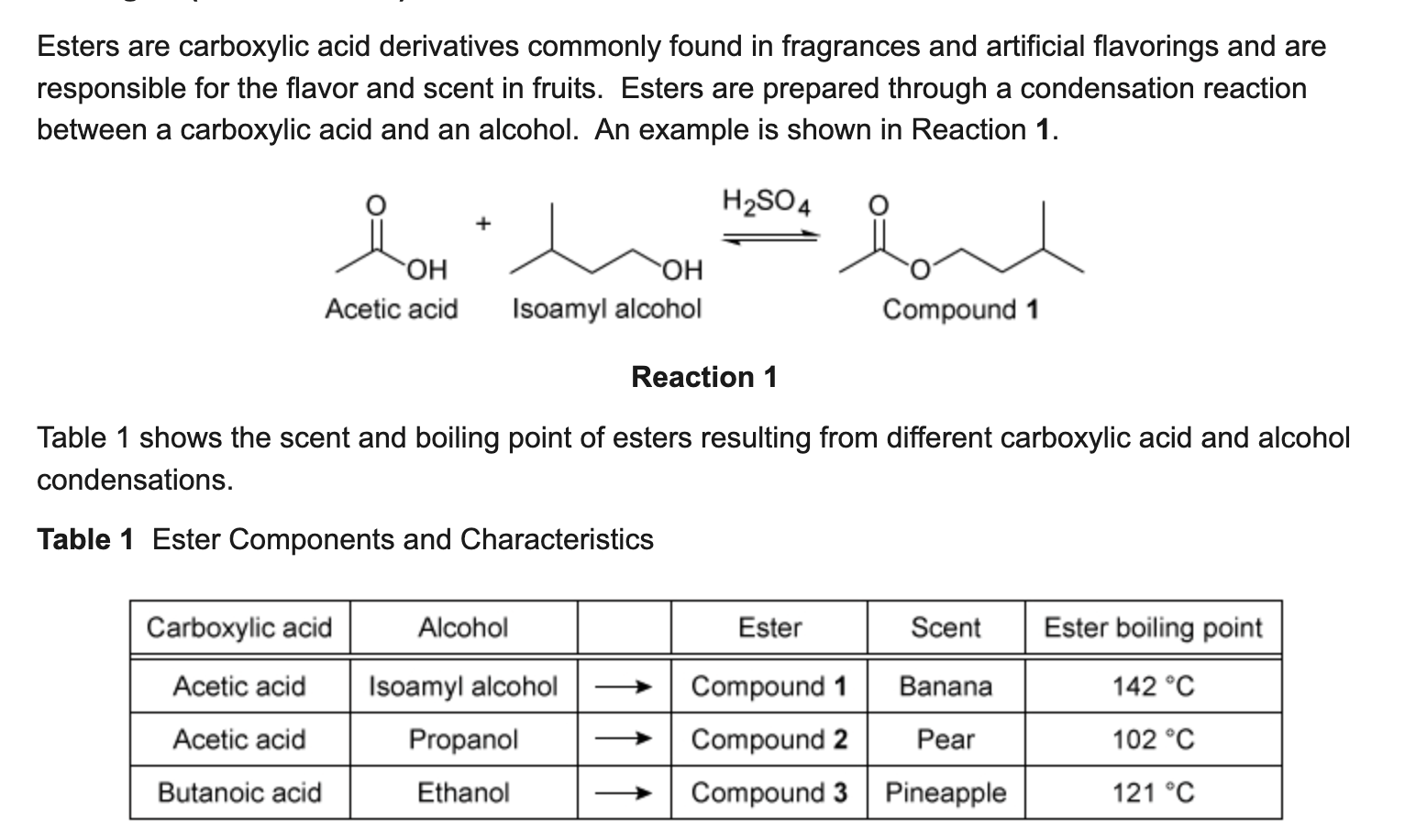

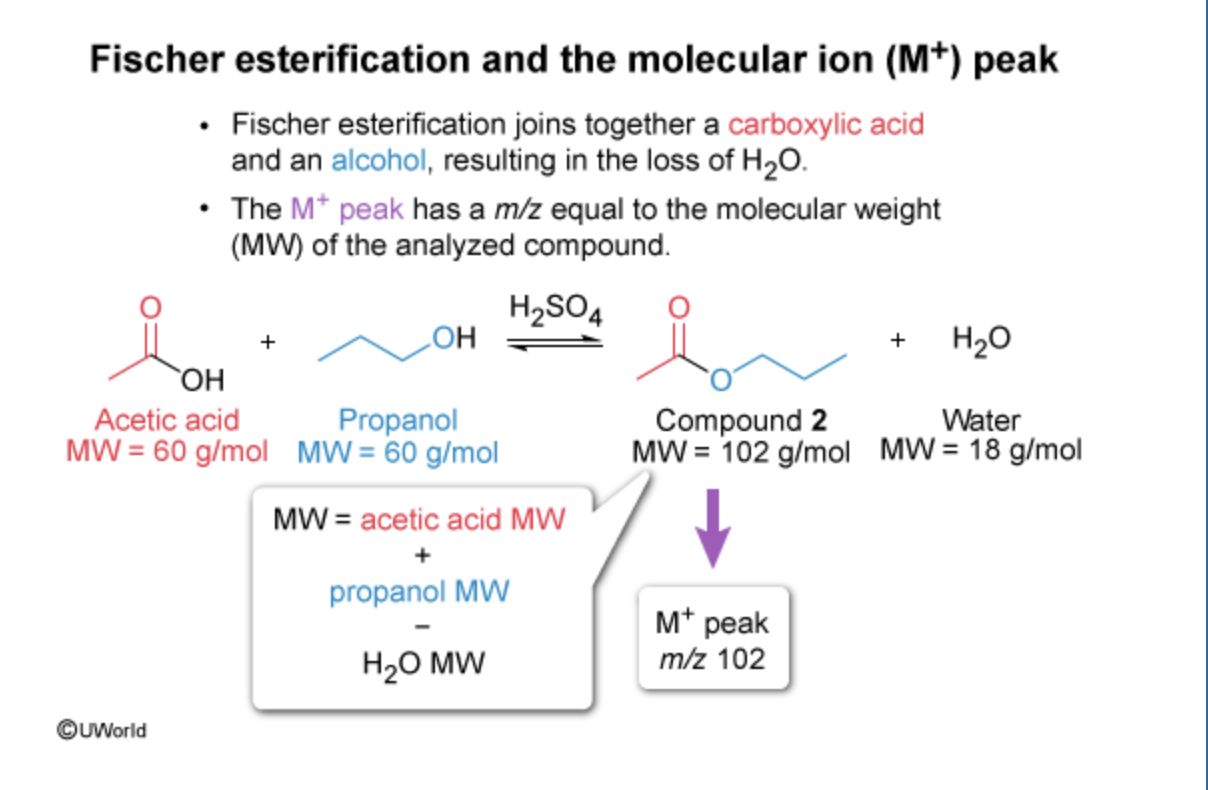


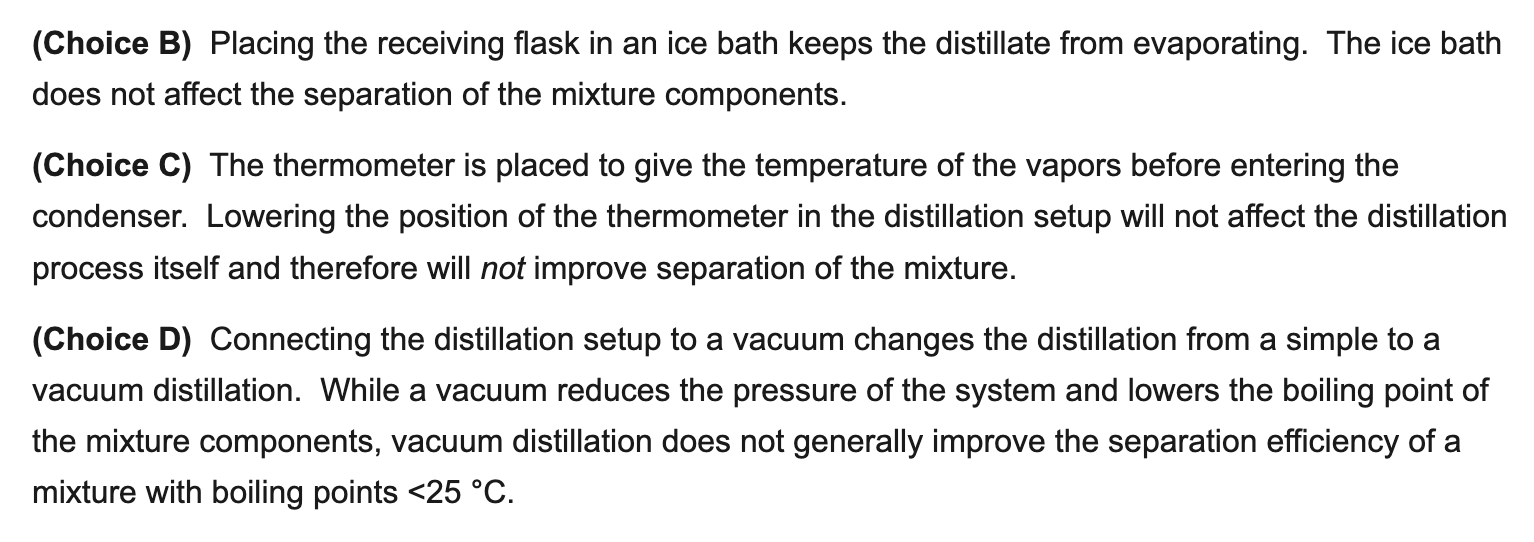
A. Add a fractionating column
B. palce receiving flask in an ice bath
D. Connect distillation setup to a vacuum
Answer A
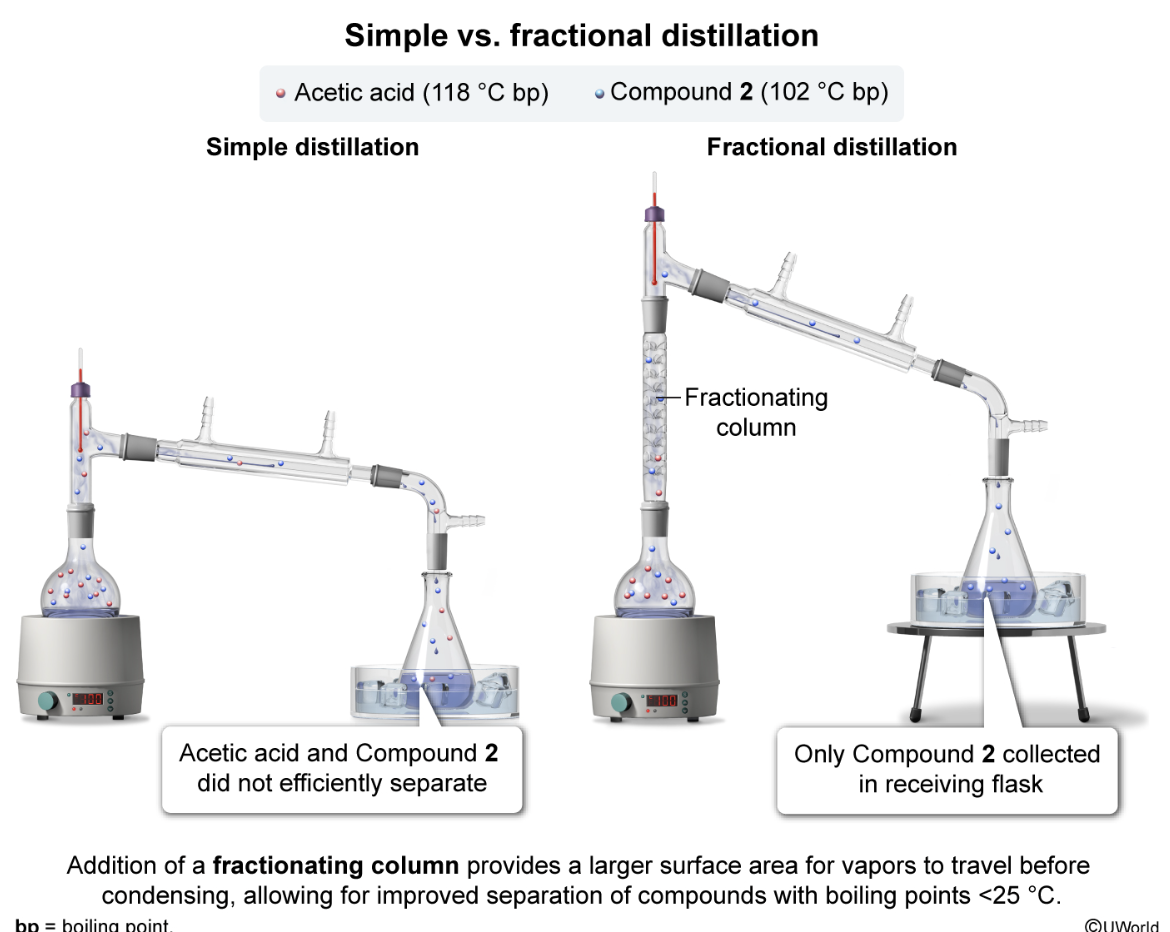
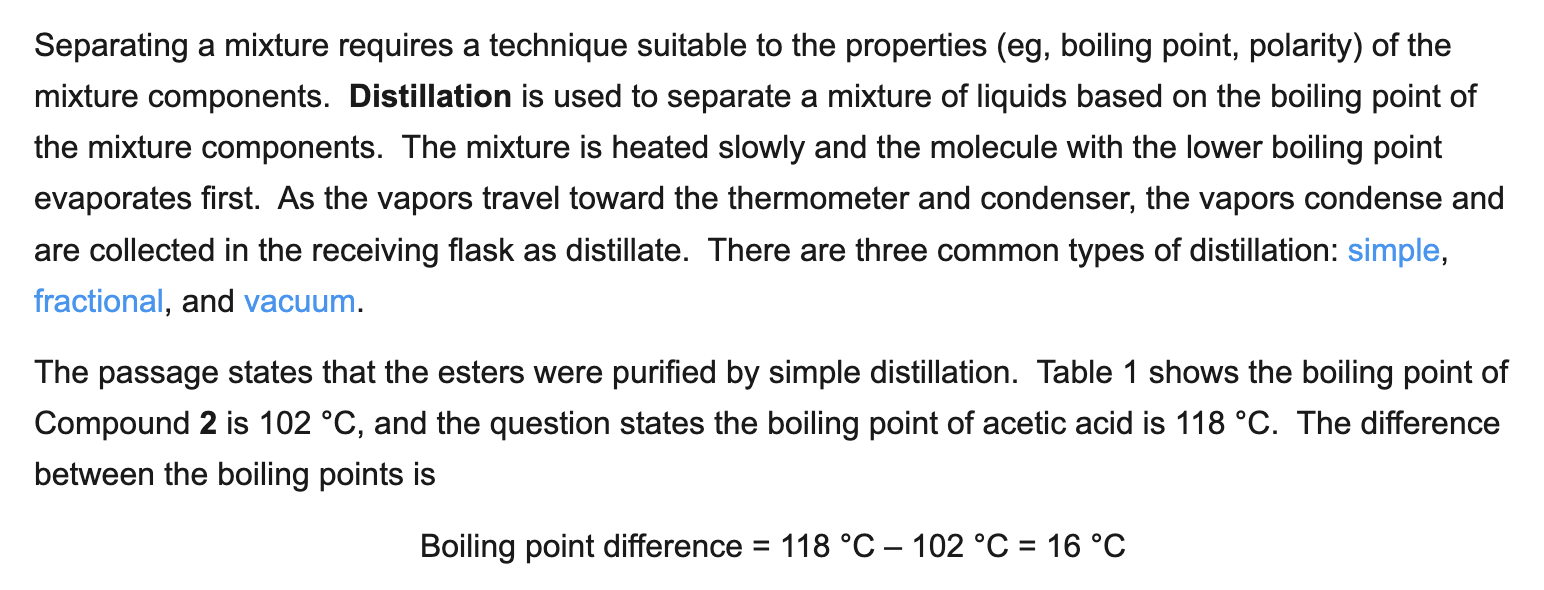


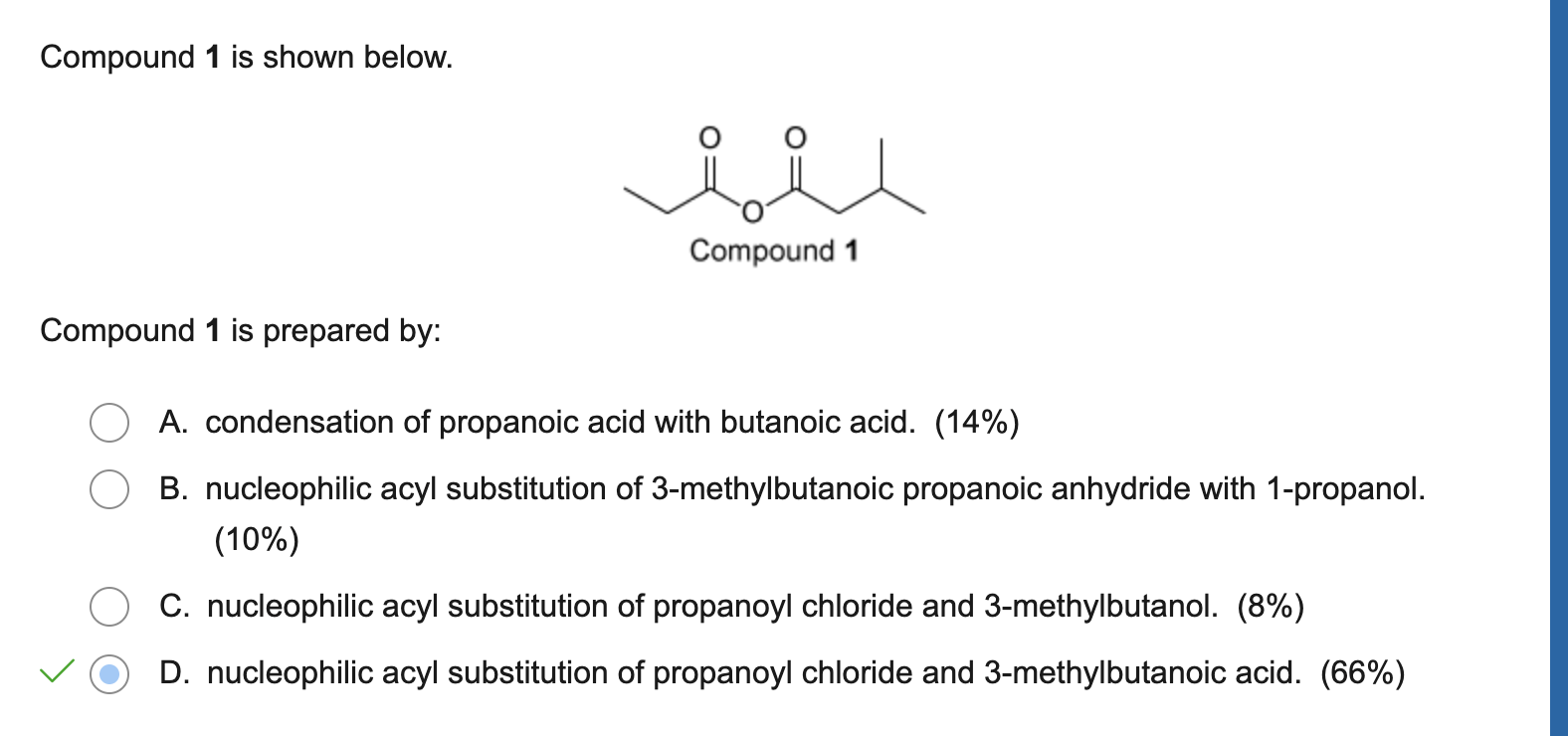
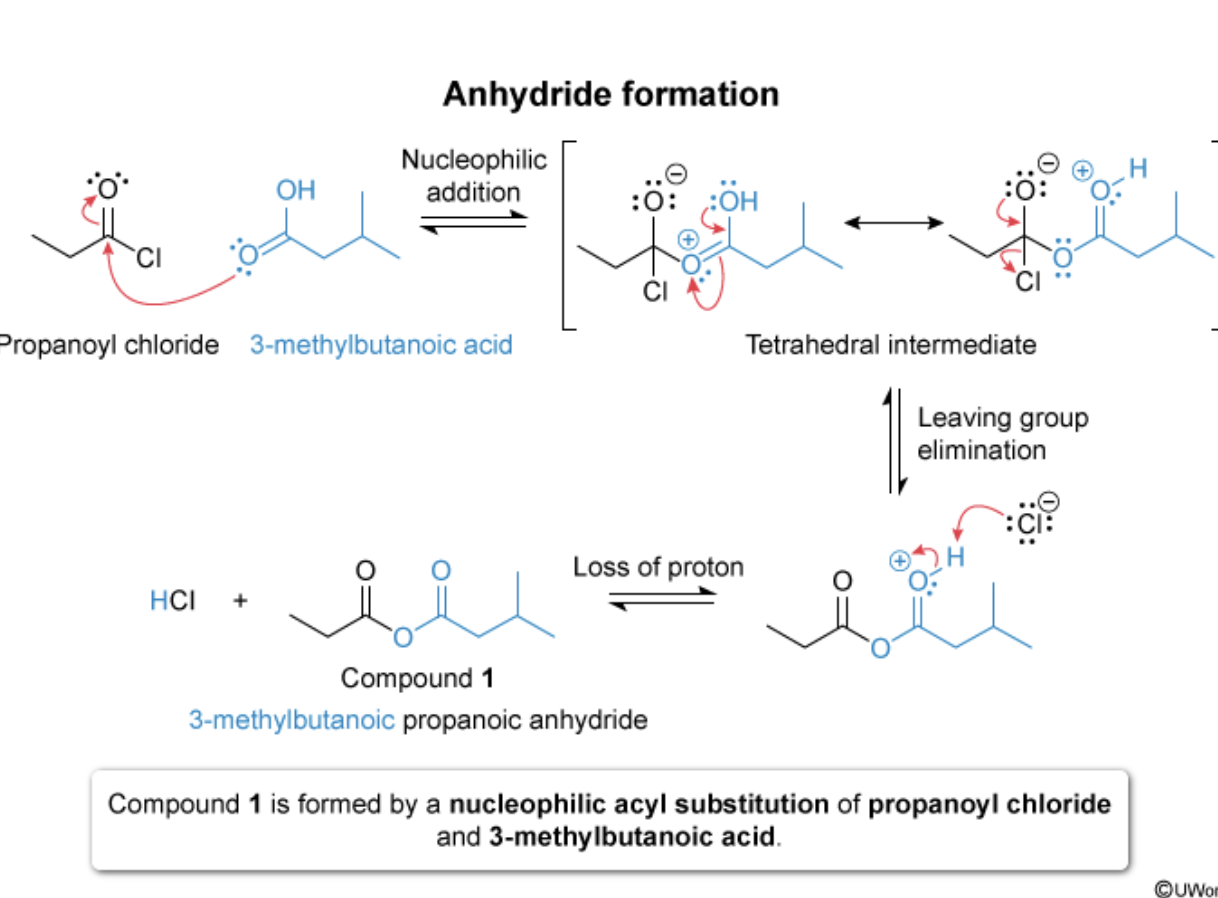
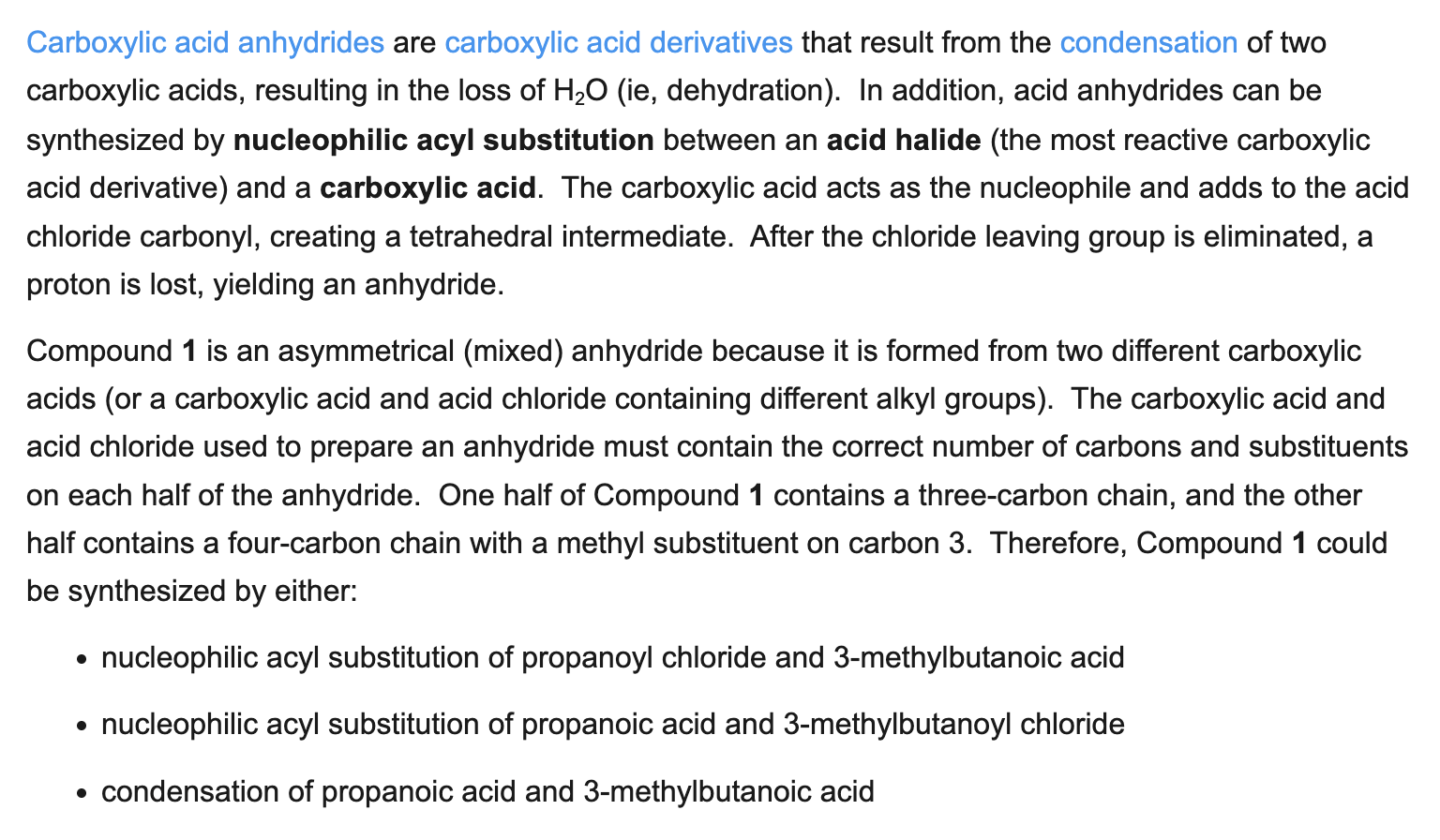

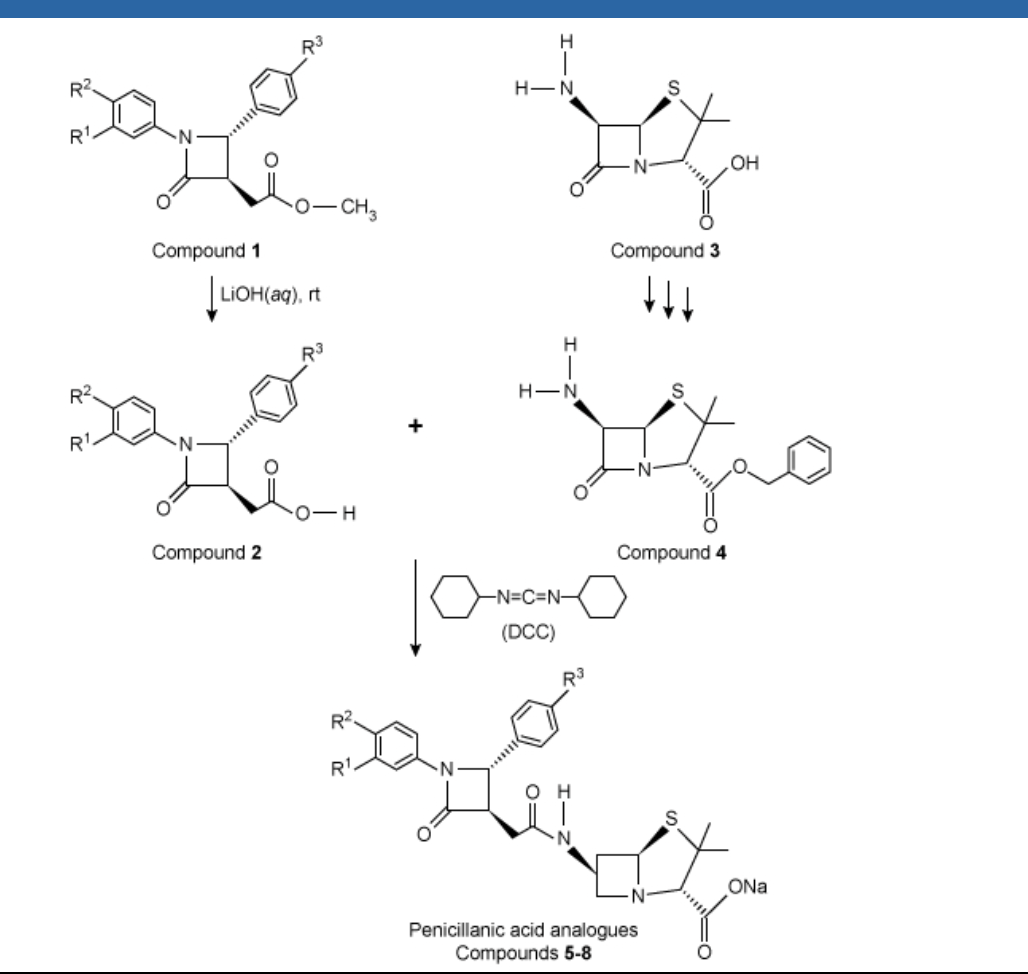

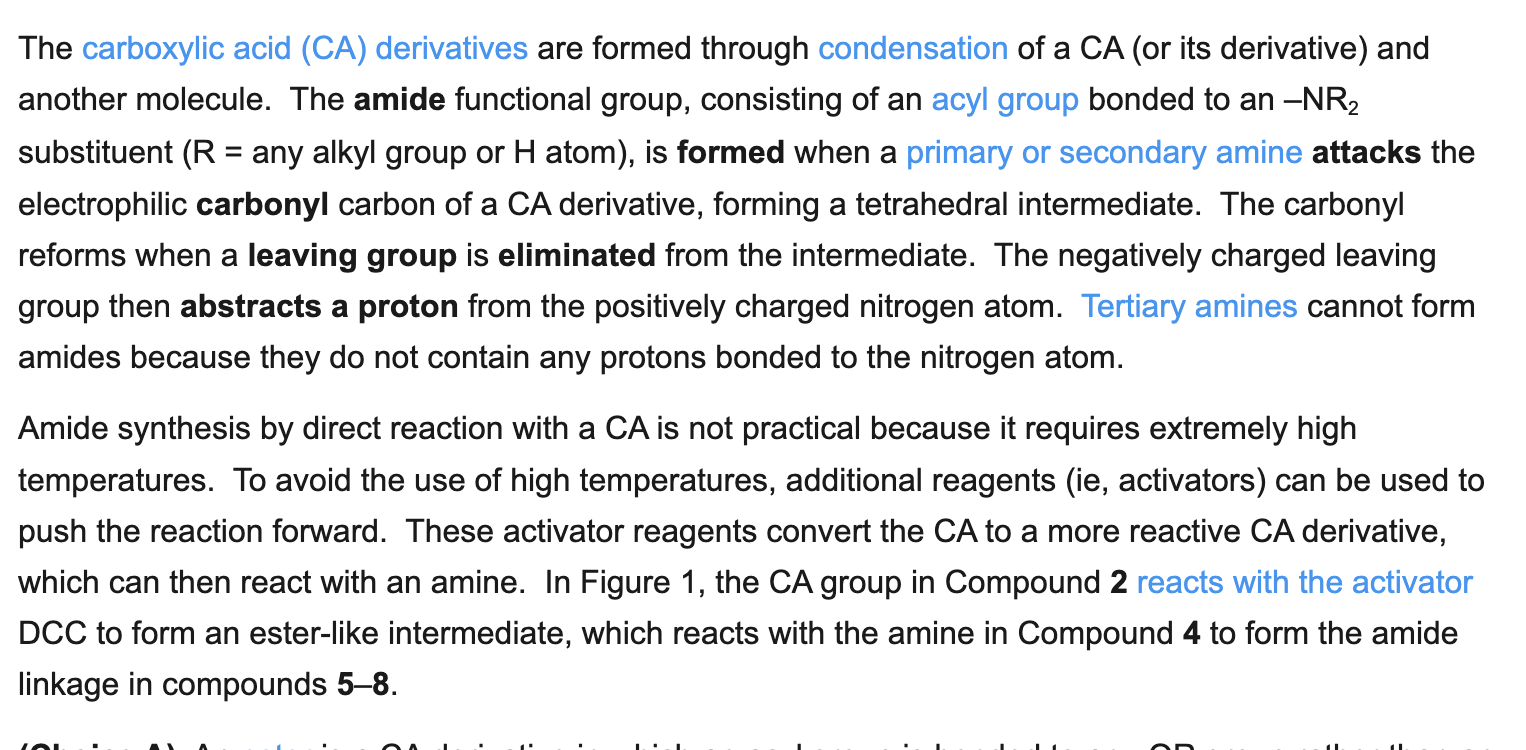
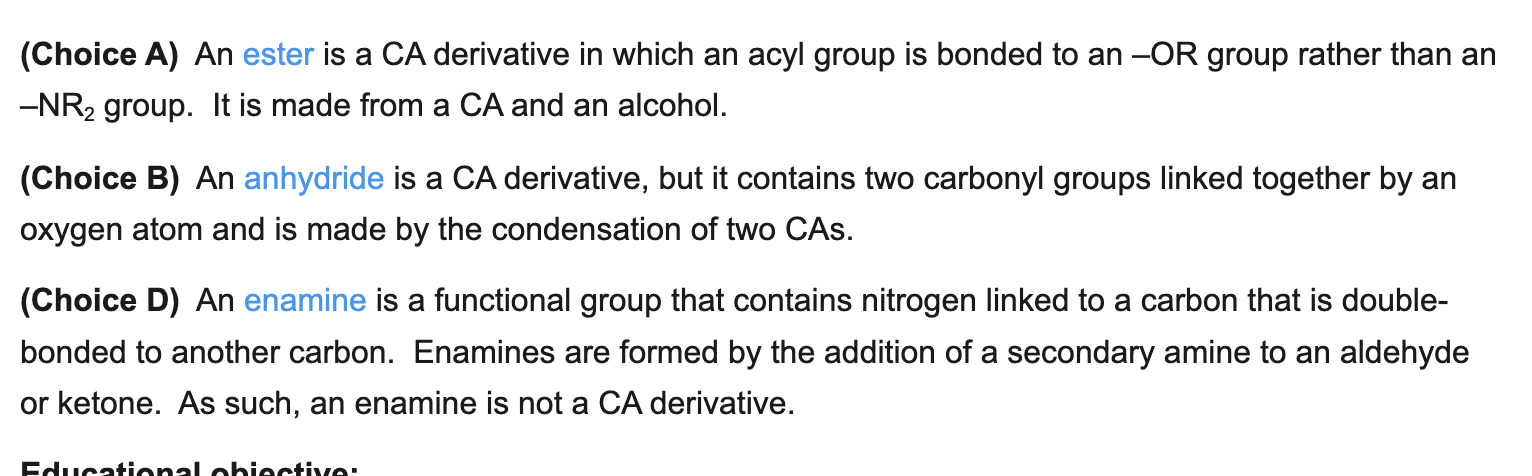
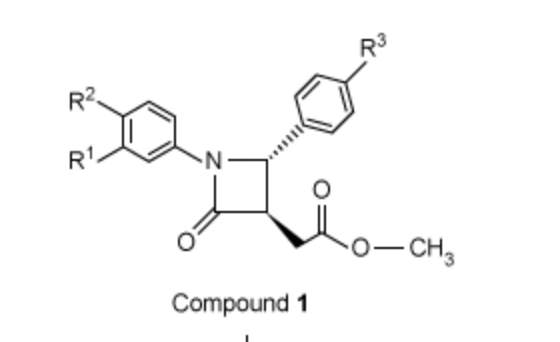
Ester, Anhydride, Amide or Enamine
Amide


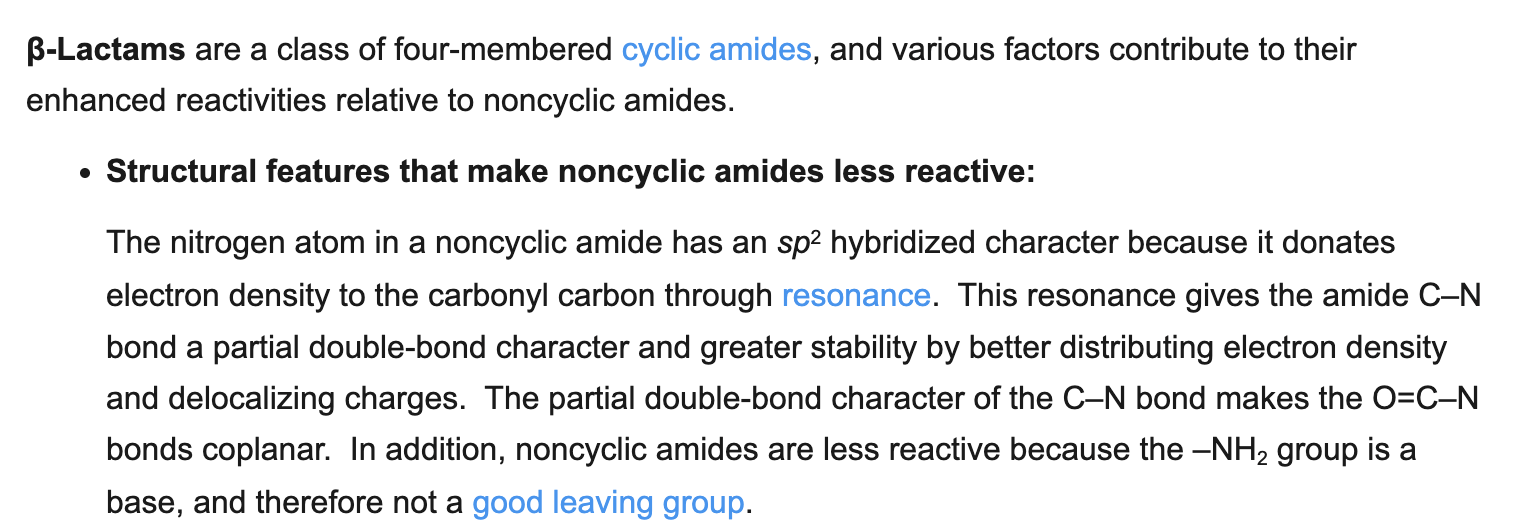
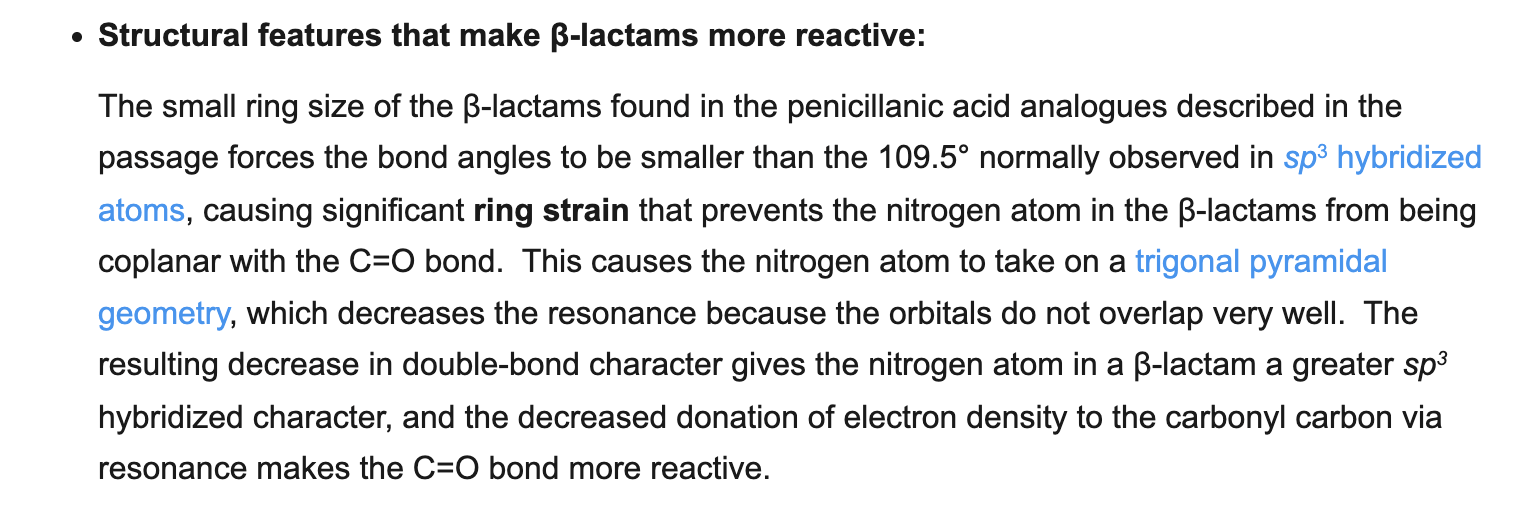
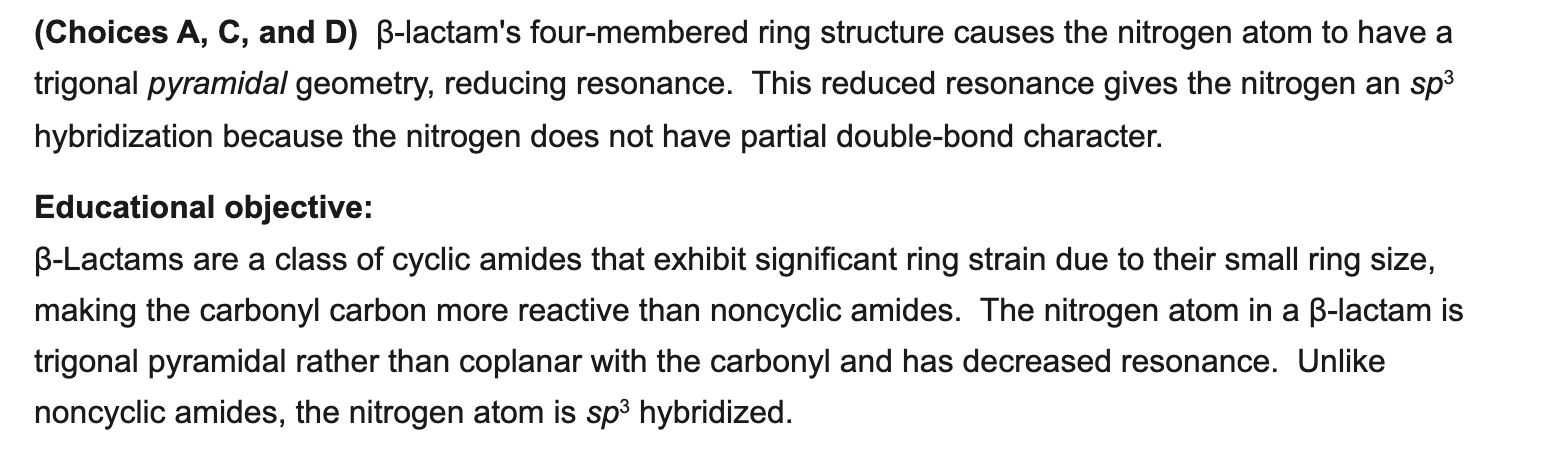
blactam rings —> angle strain (less than 109.5º)
or
B lactam can participate in more resonance
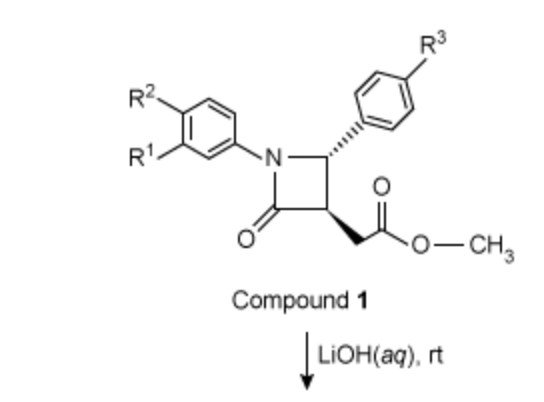



ANswer; A
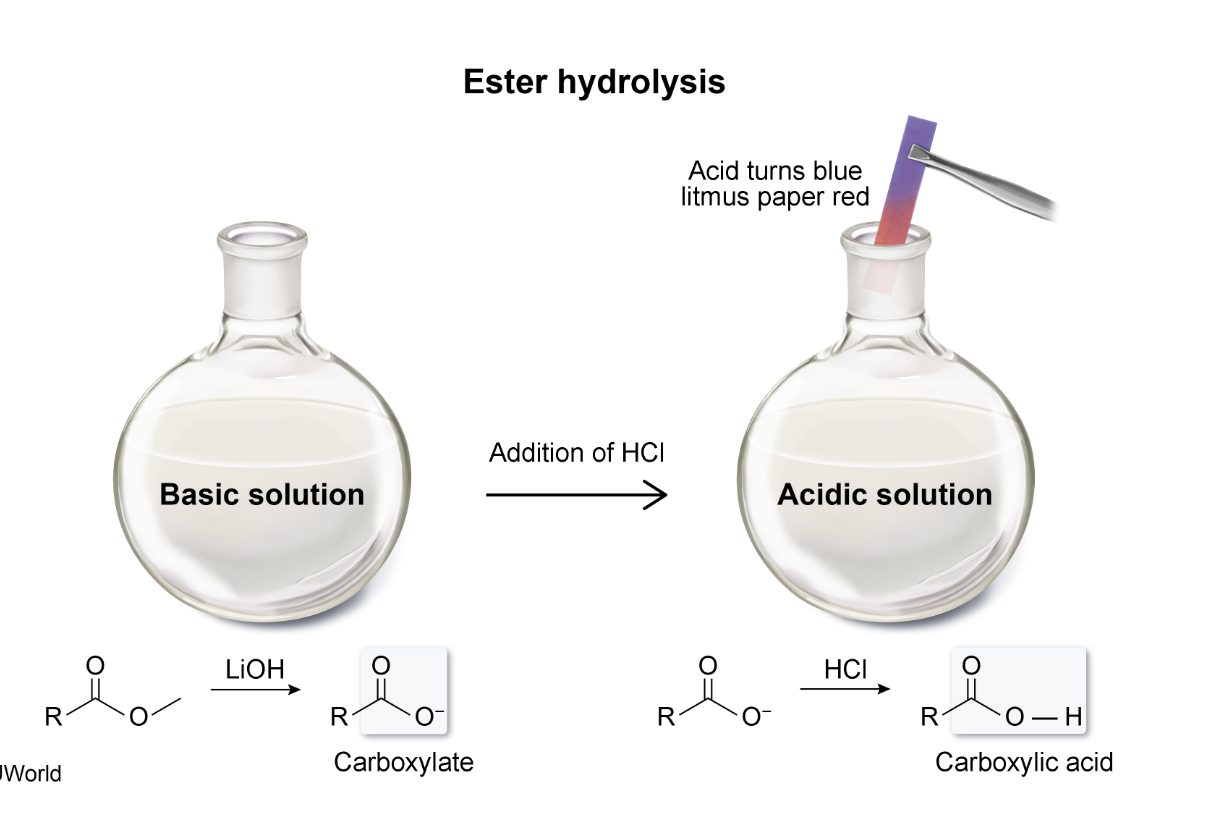
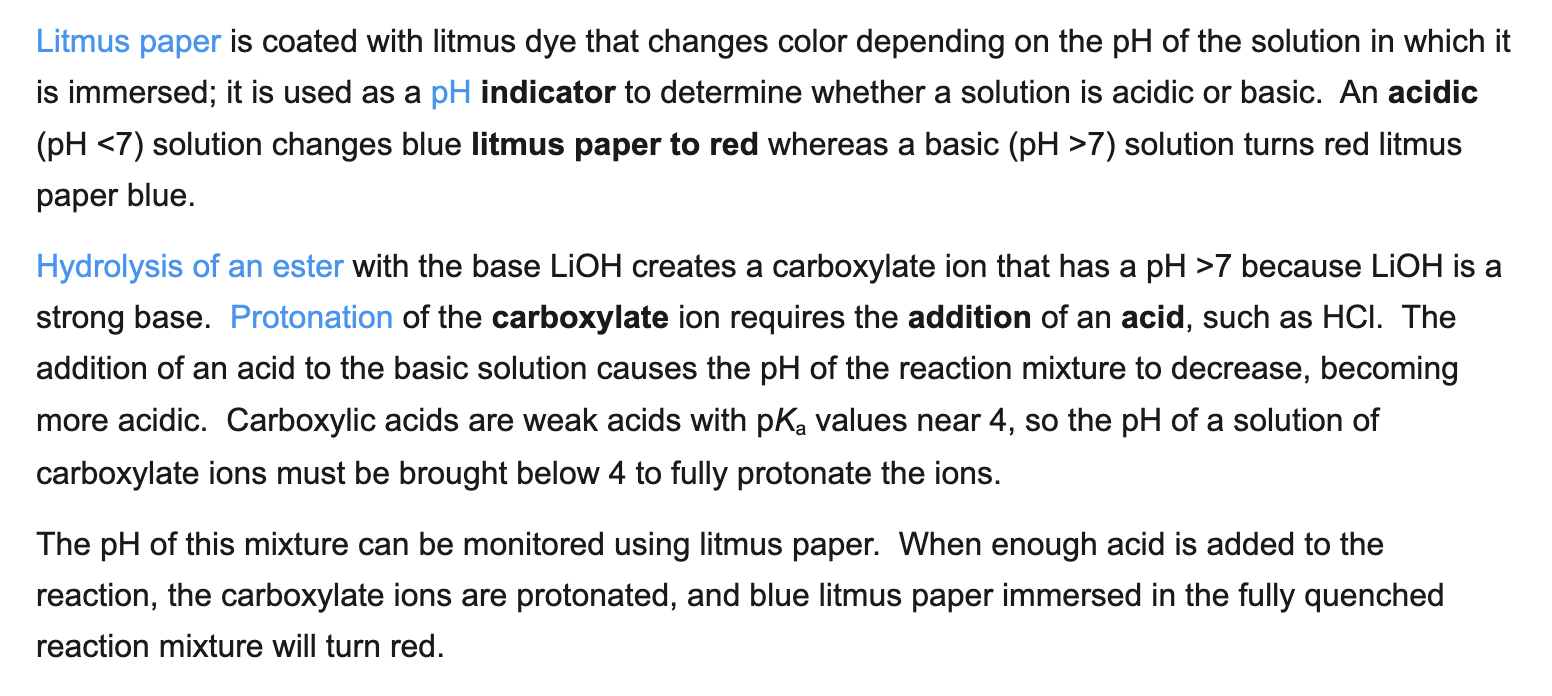

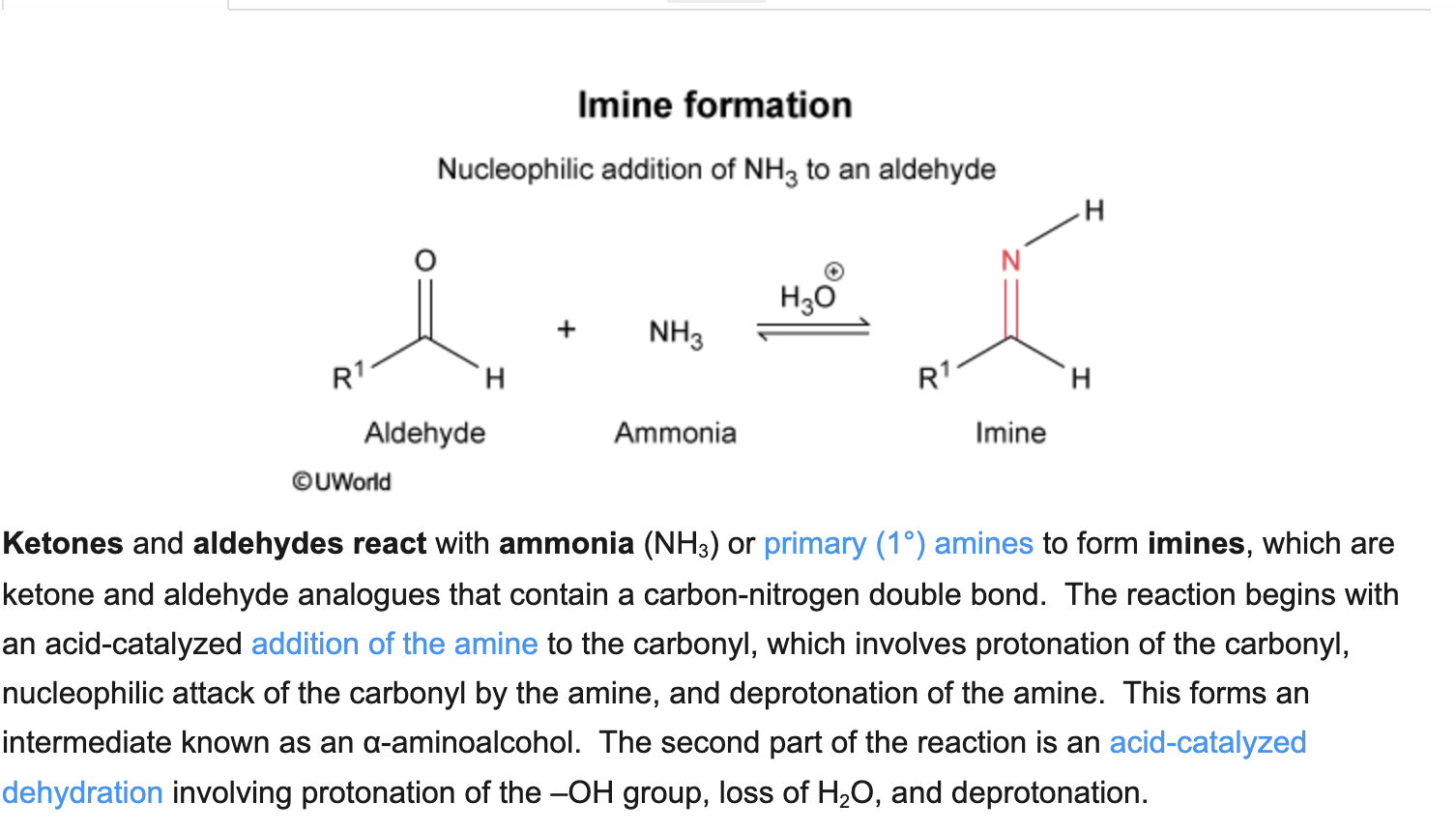

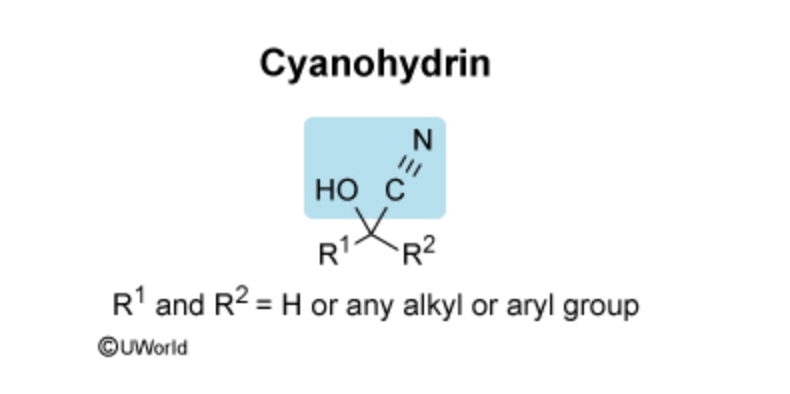
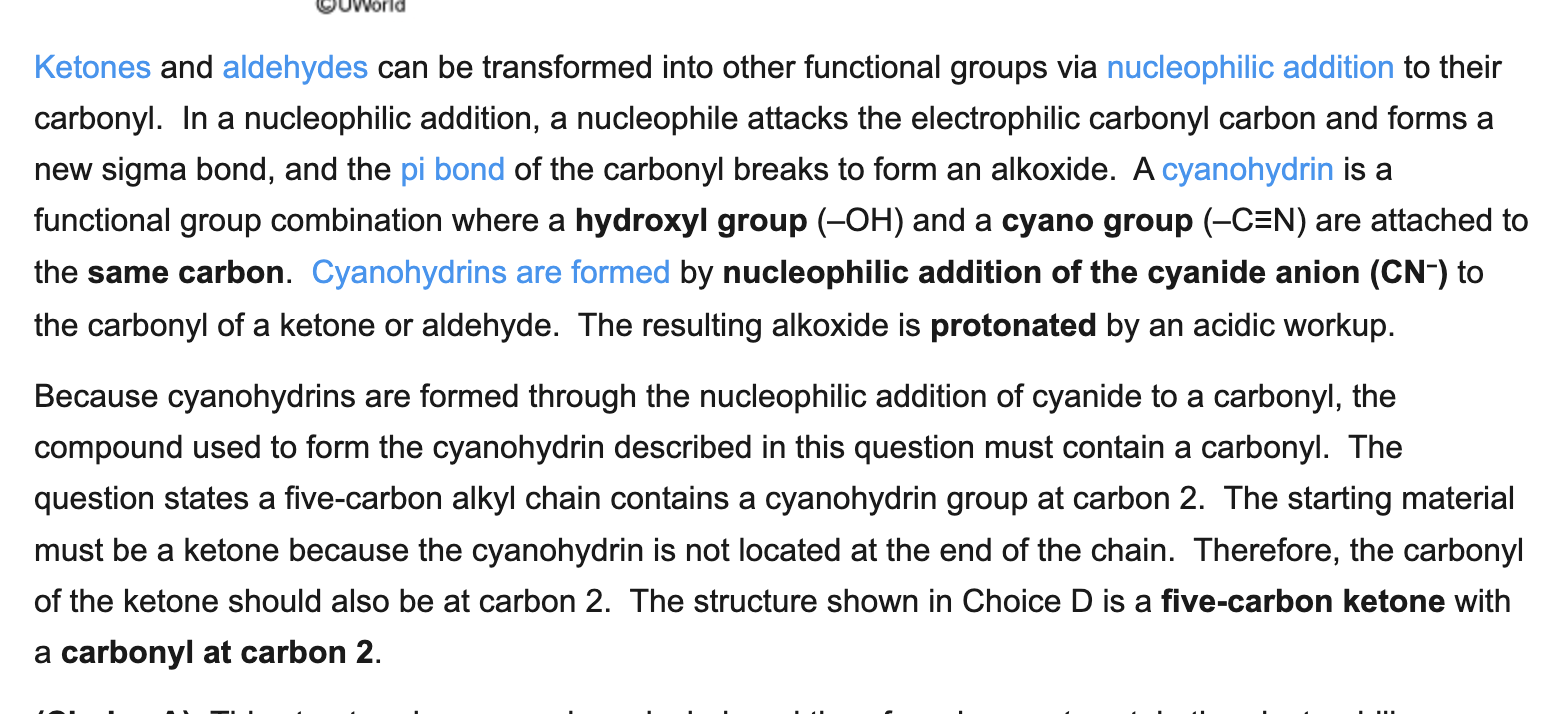
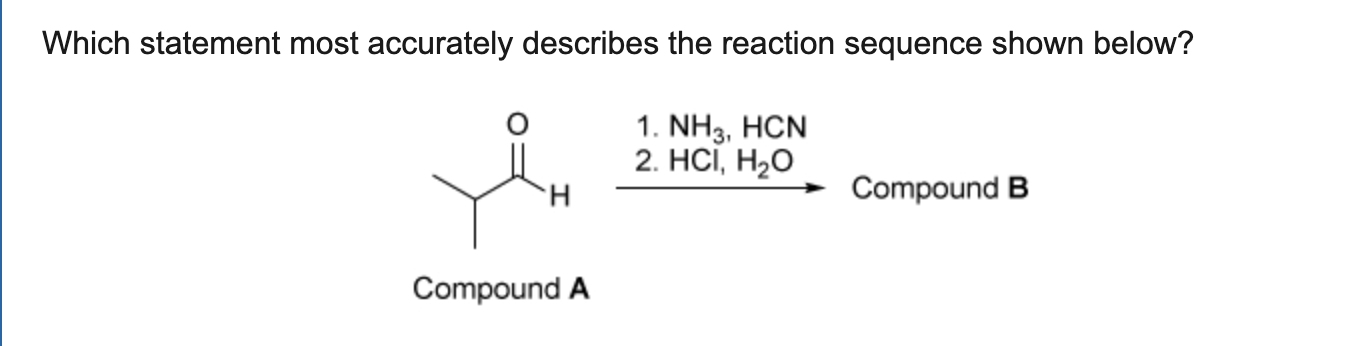
Cyanohydrin

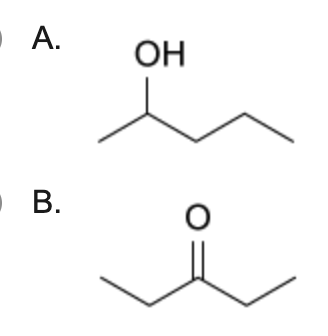
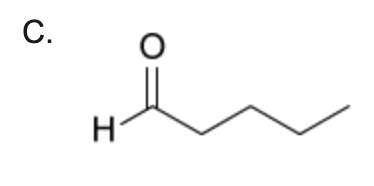
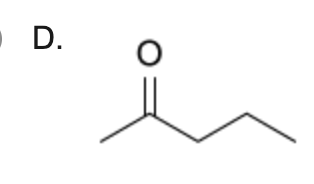
Answer D


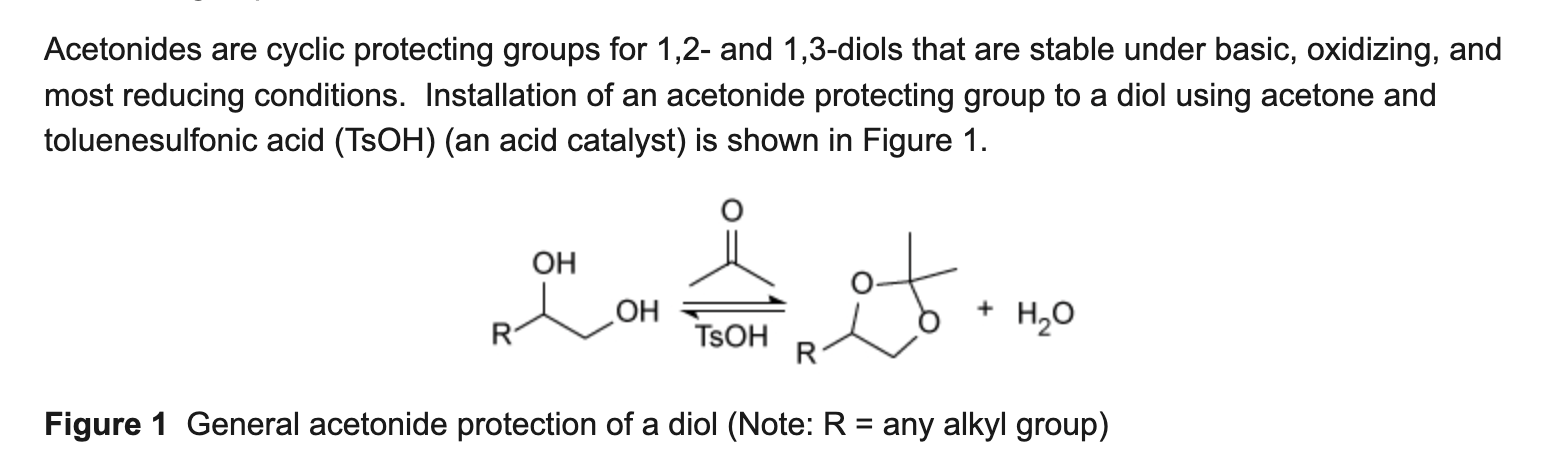

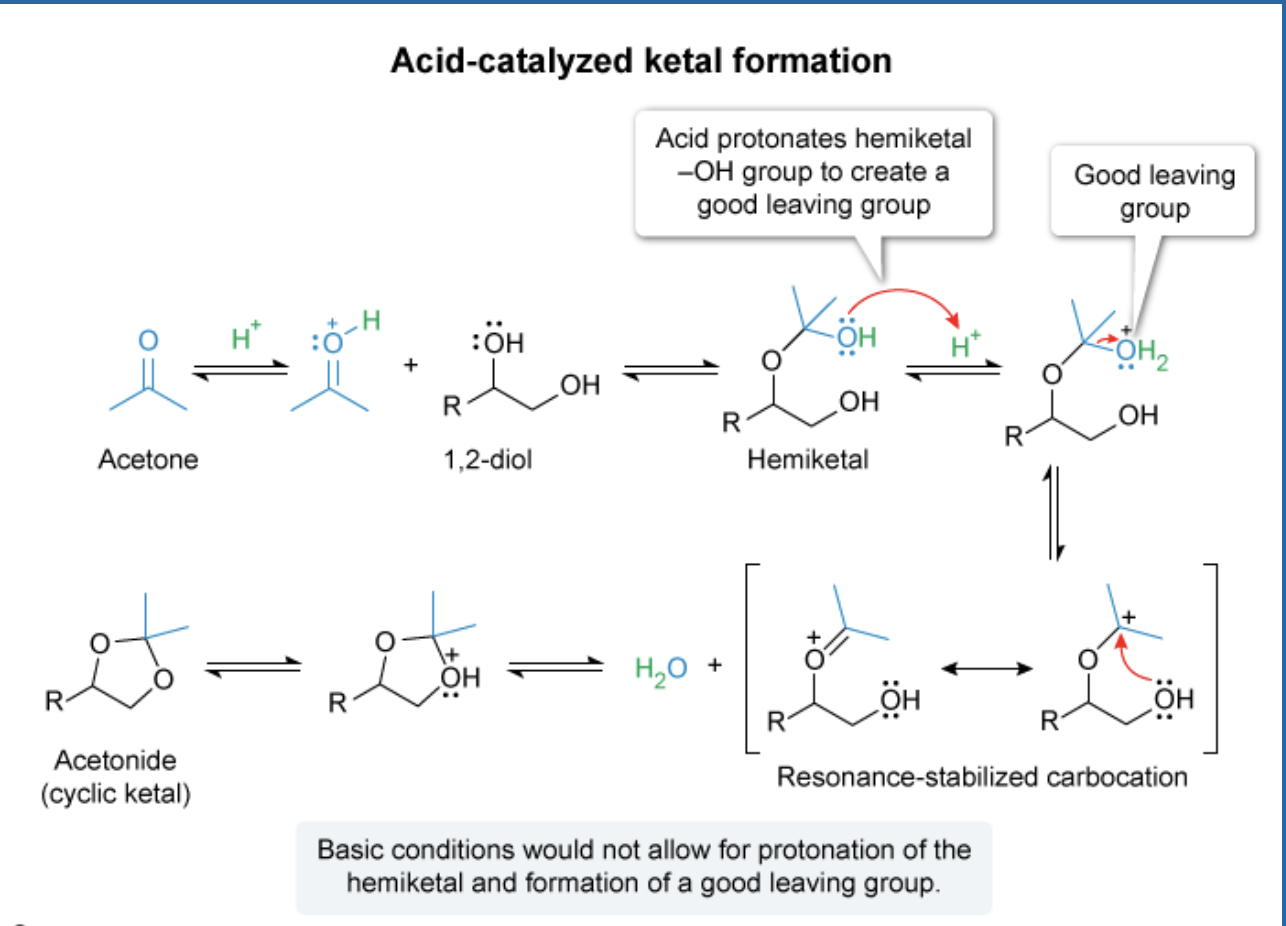
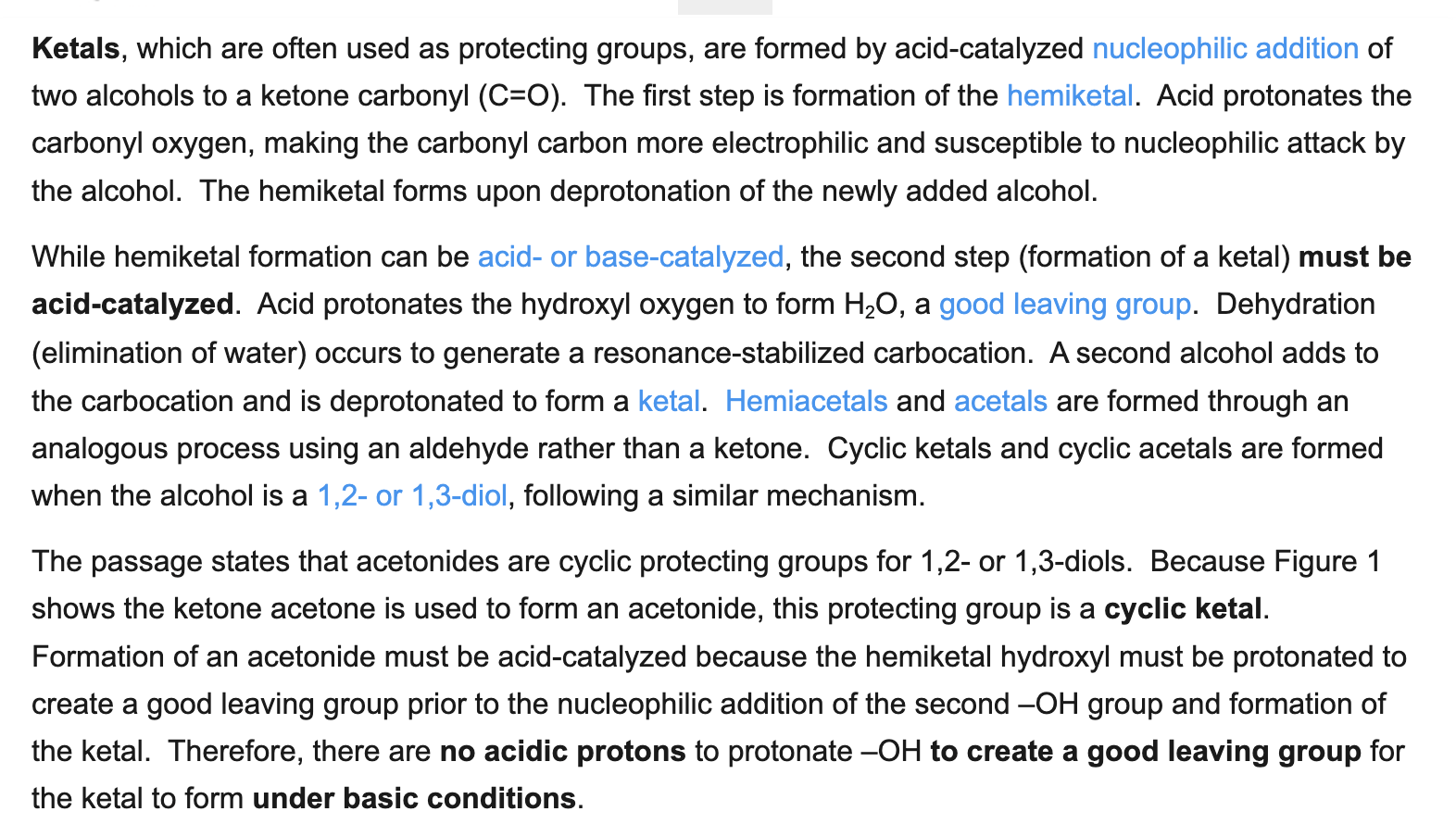
C. The hemiketal—OH group cannot be protonated under basic conditions to make a good leaving group for the ketal to form
D. The hemiacetal—Oh group cannot be protonated udner basic conditions to make a good leaving group for the acetal to form
What issue of the protection group formation?

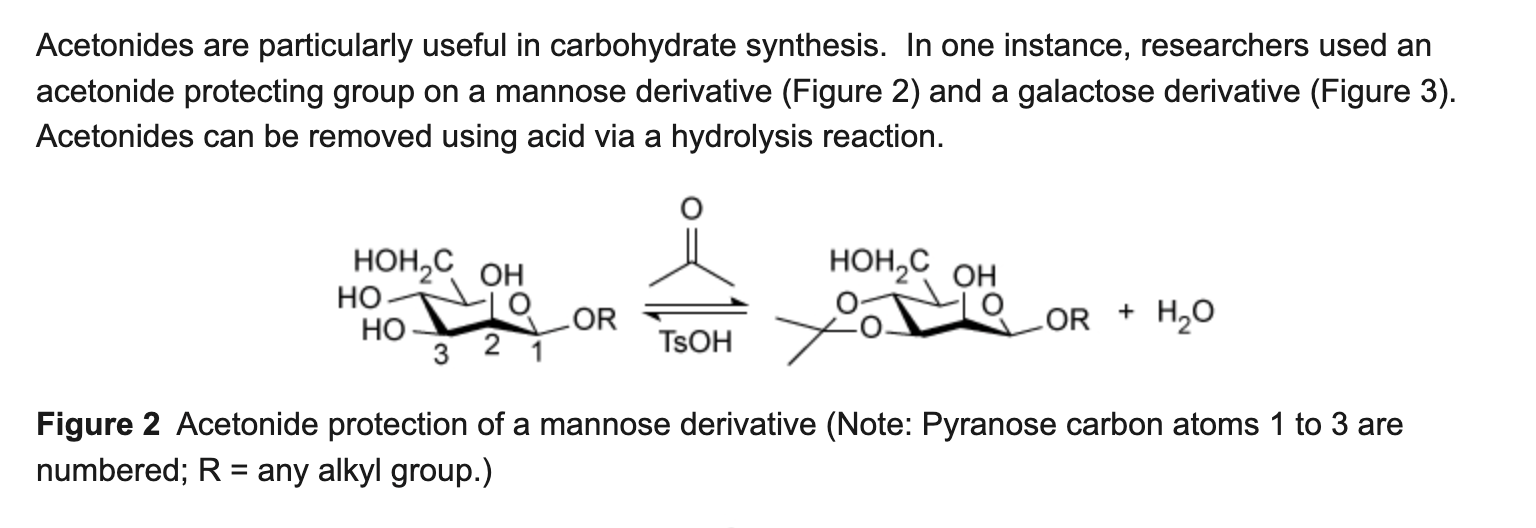

L, D, R, S
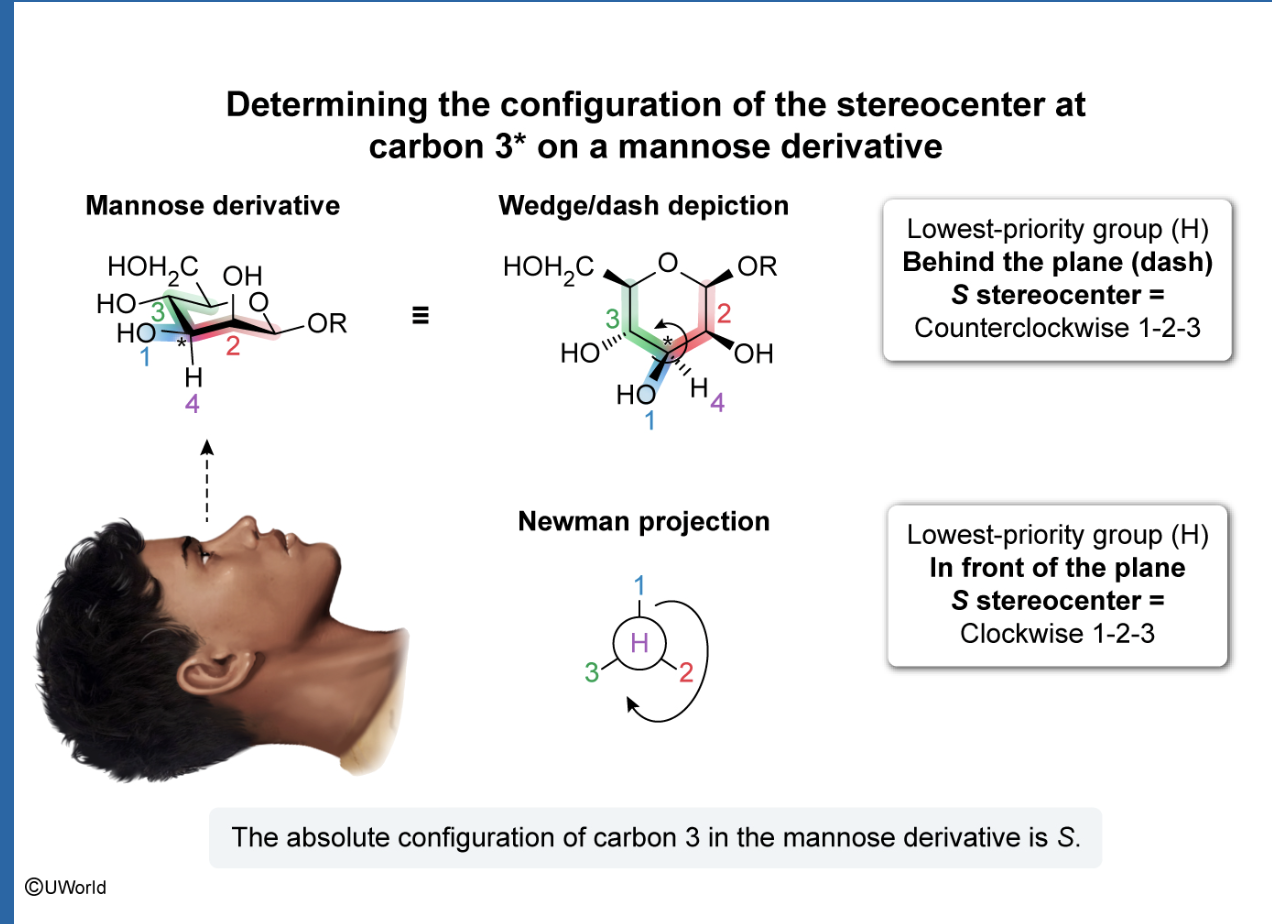
S configuration


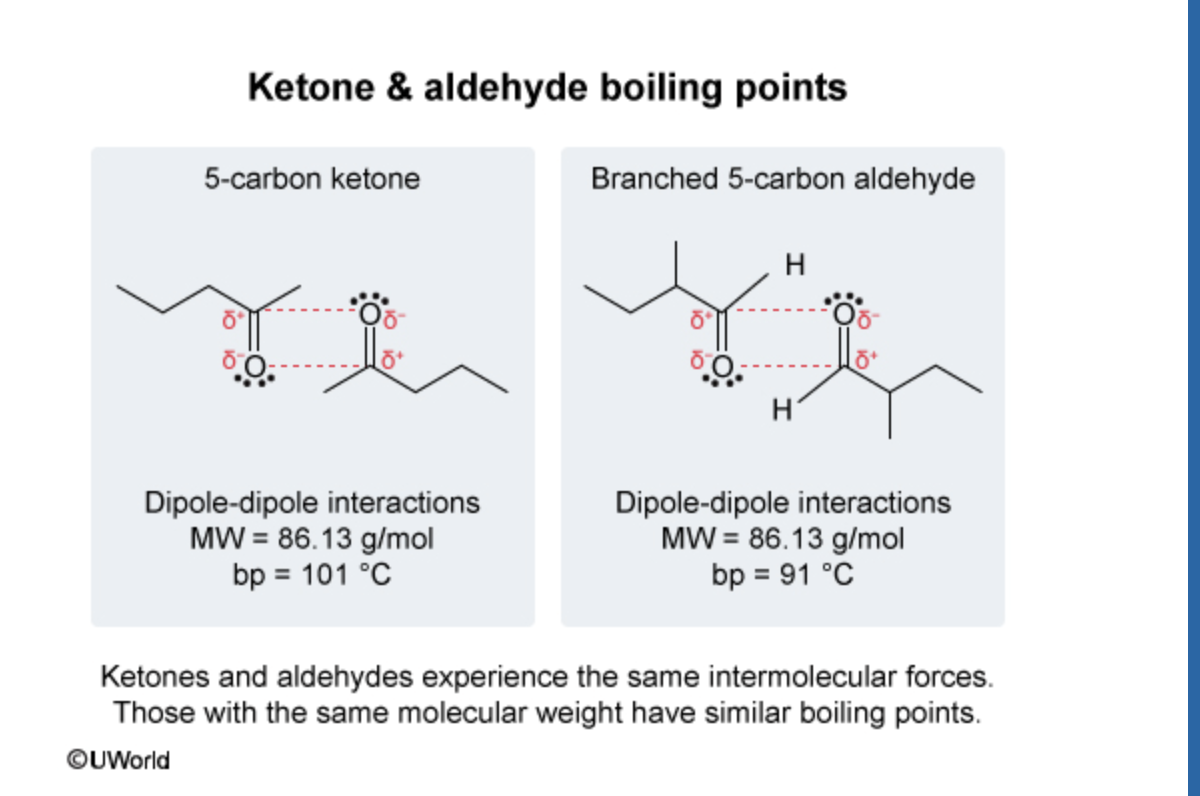
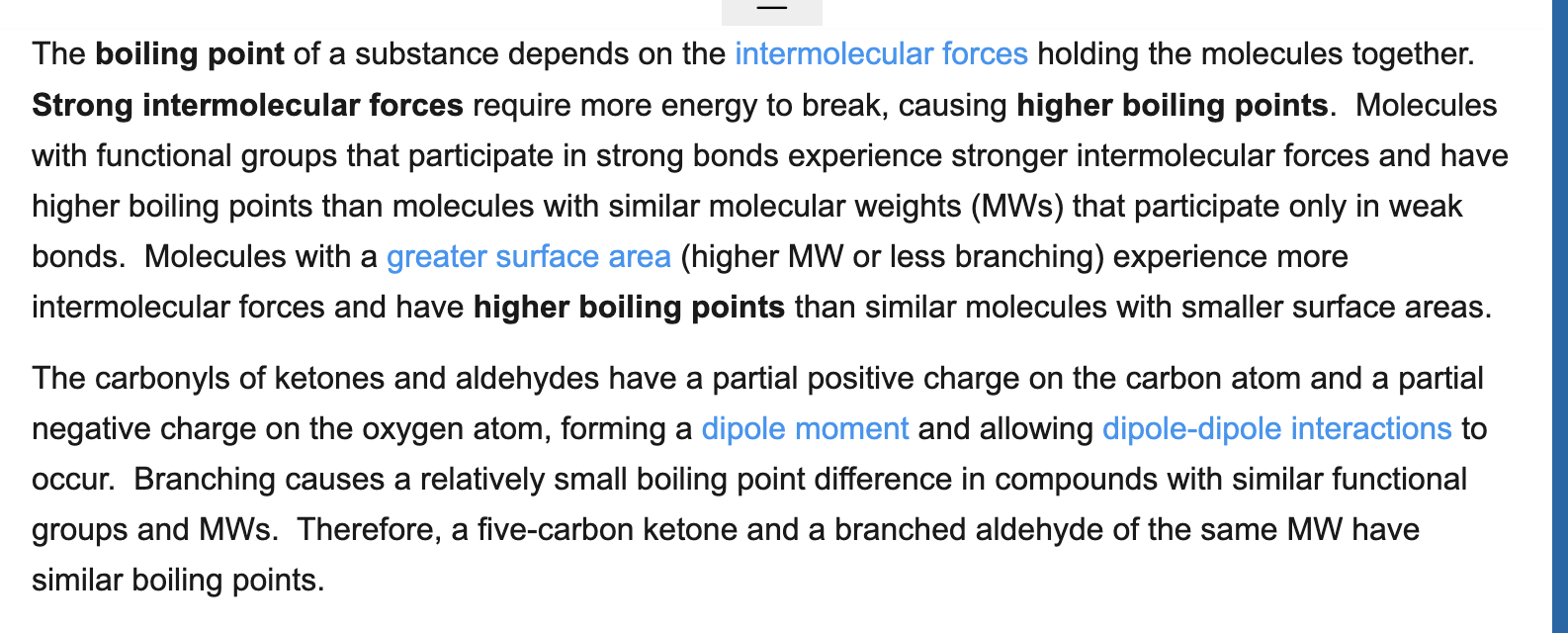
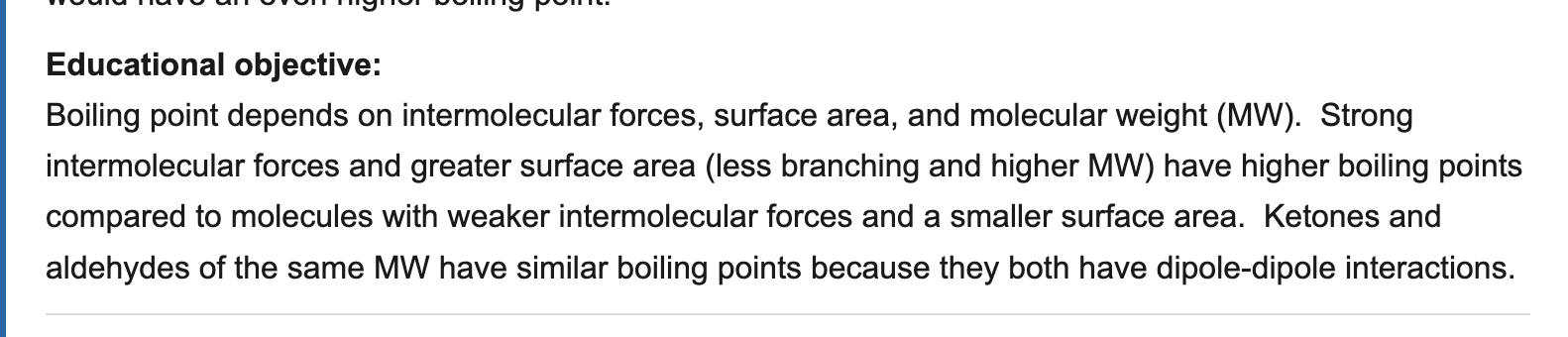
(lets focus on aldehyde)
a branched aldehyde with same molecular weight
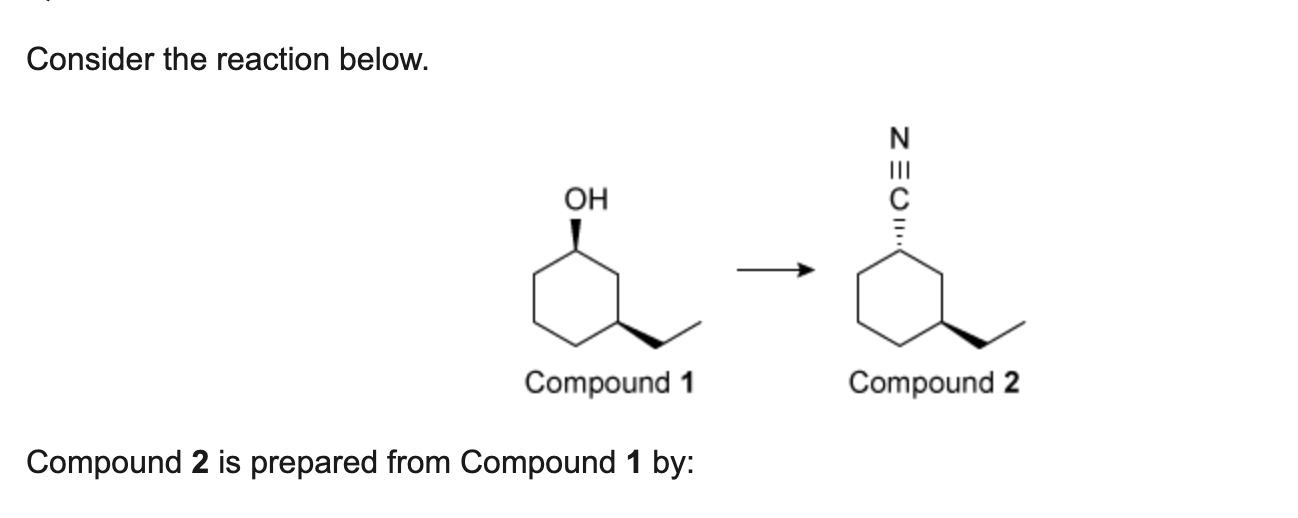




Answer: D
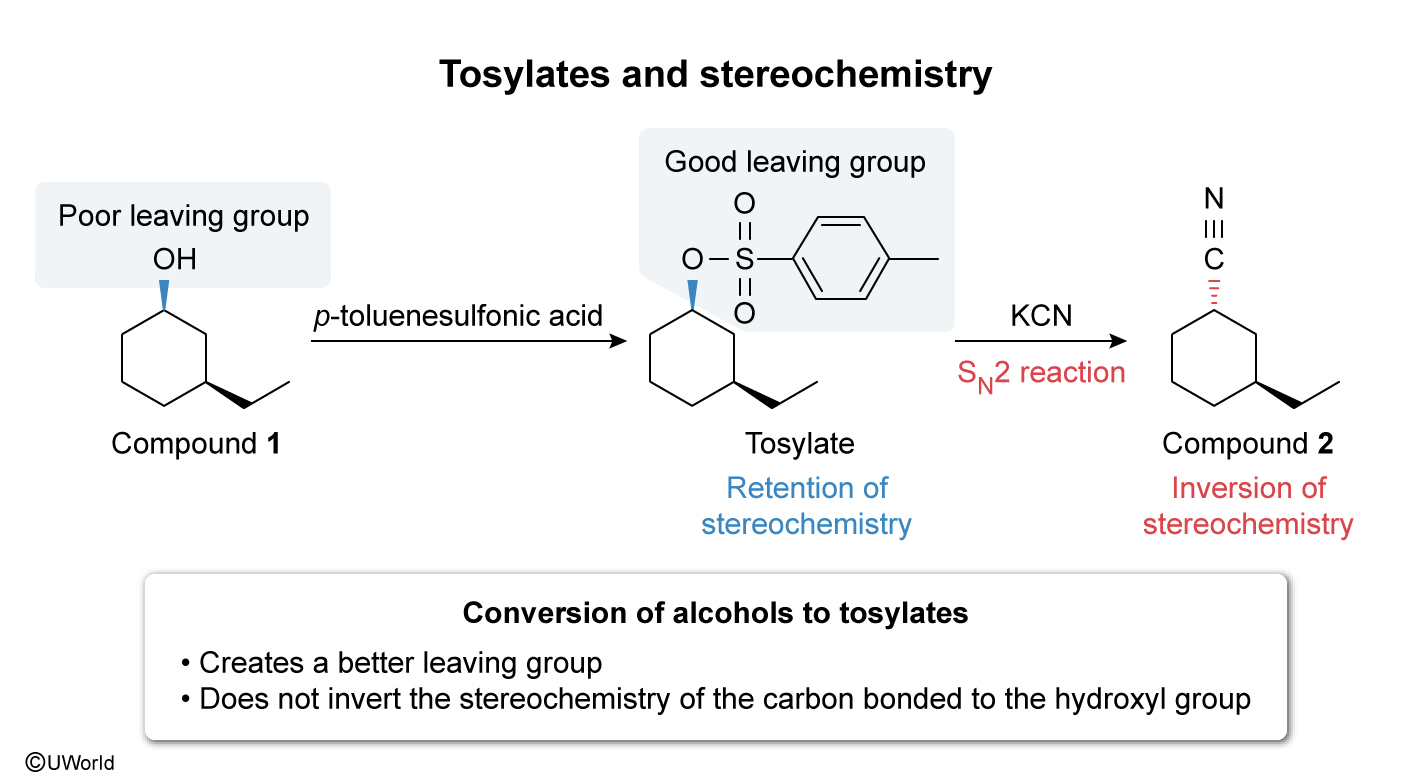
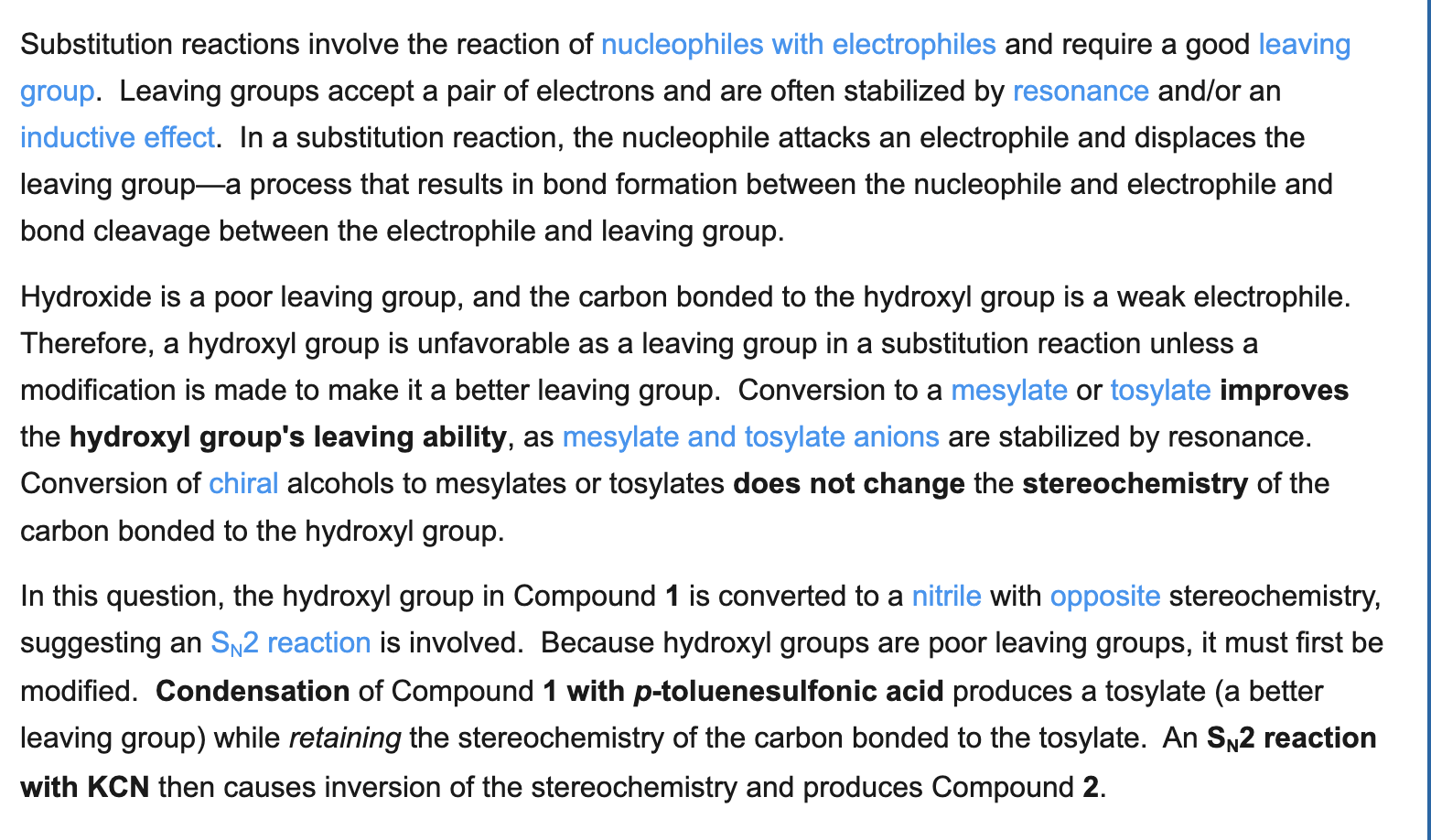
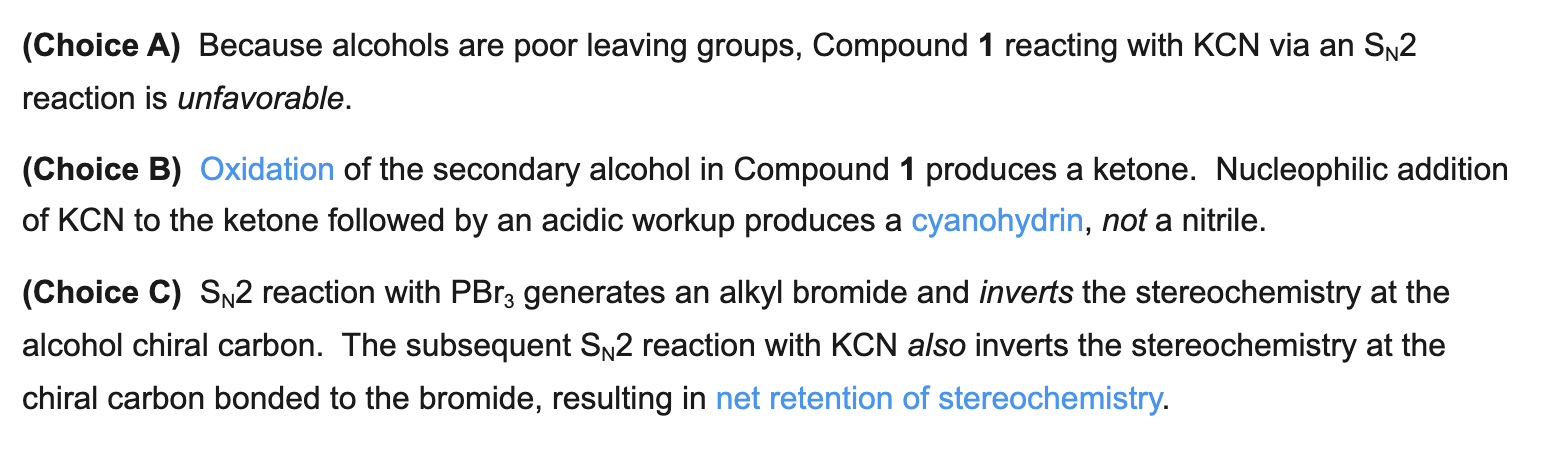

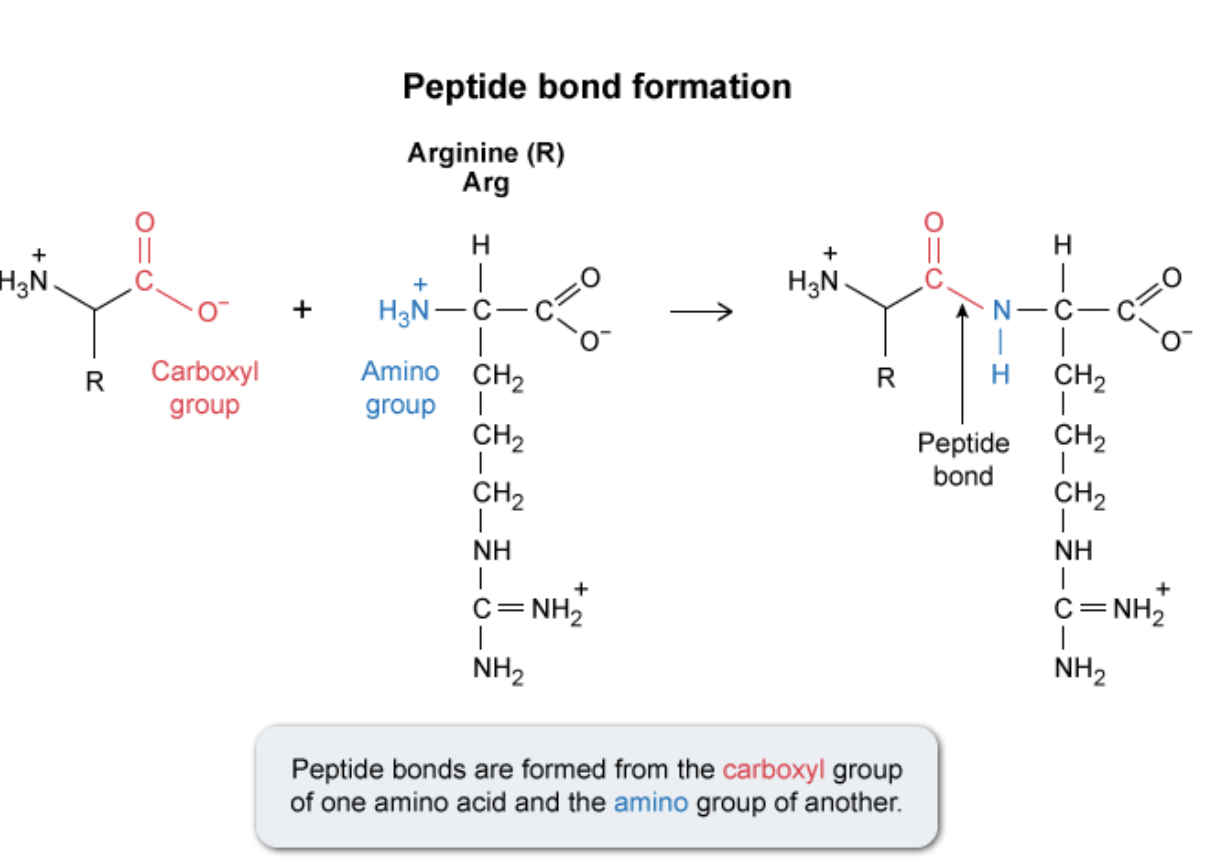
Carboxyl group
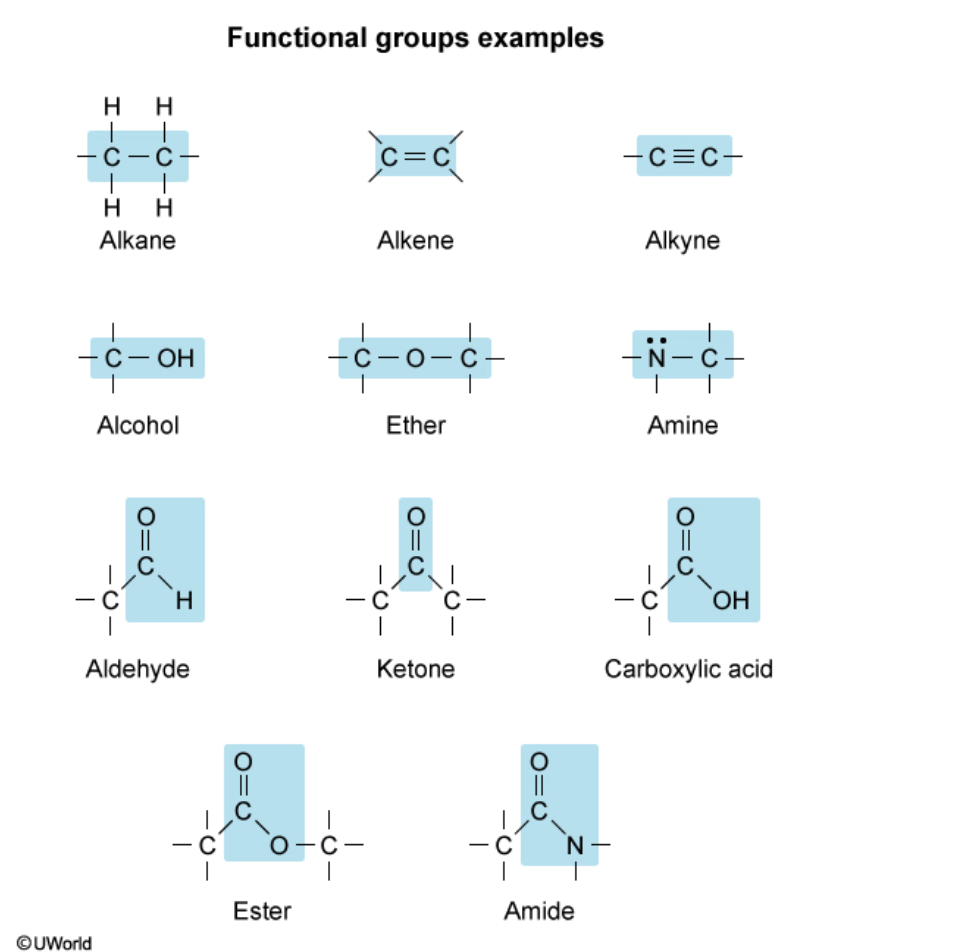
Functional group examples
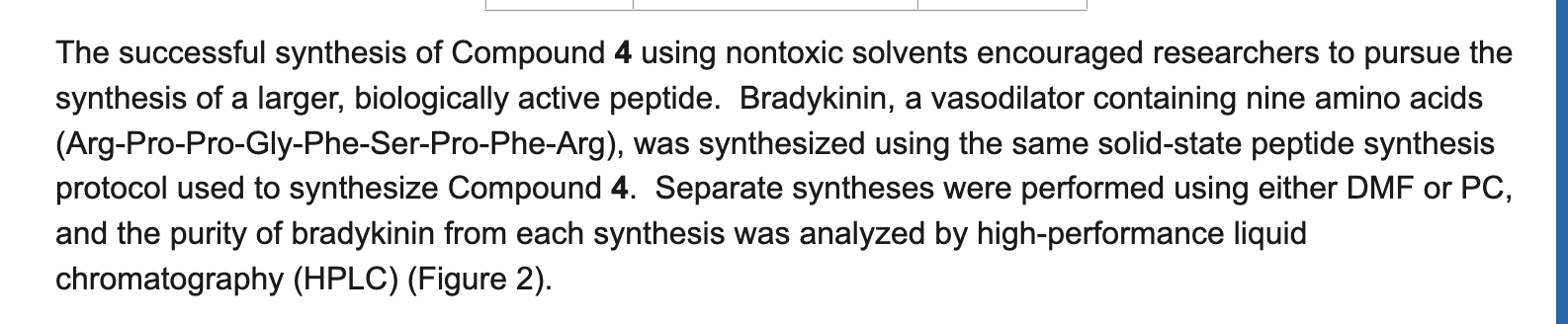

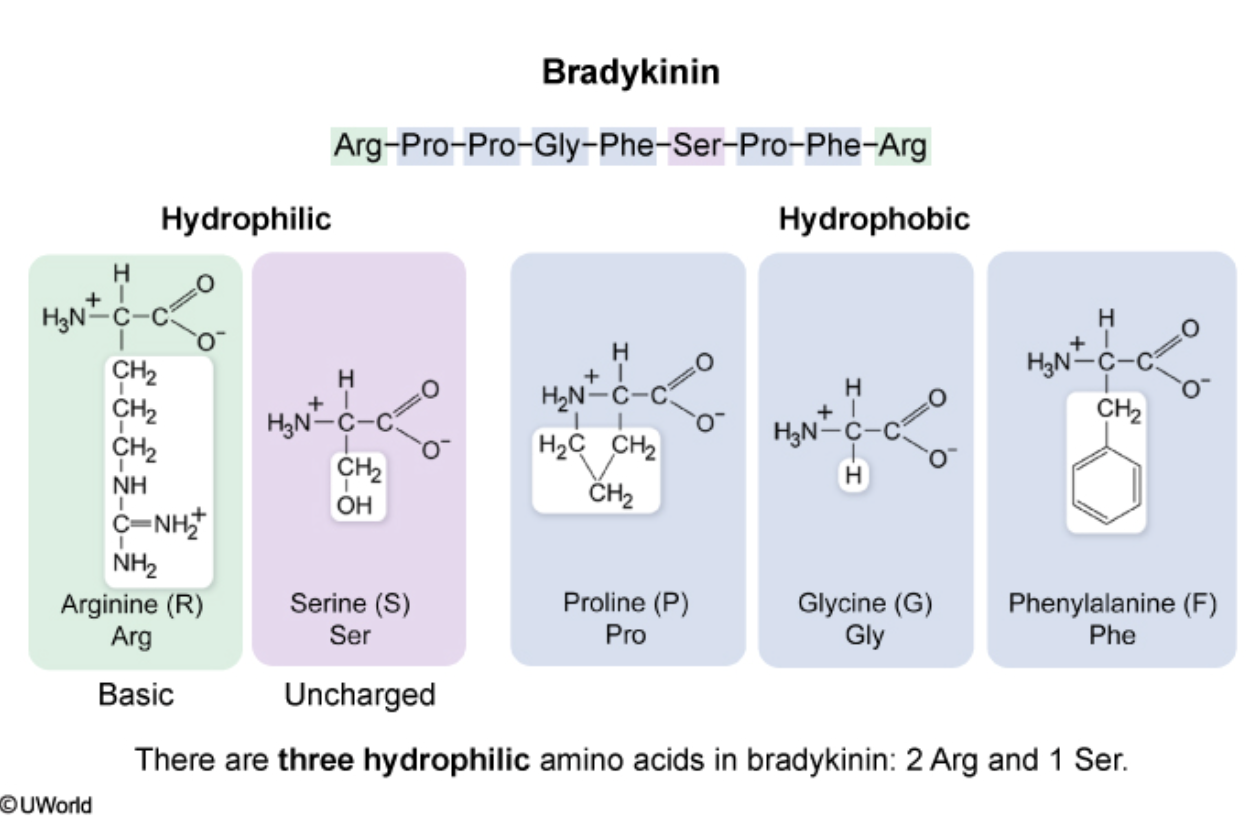

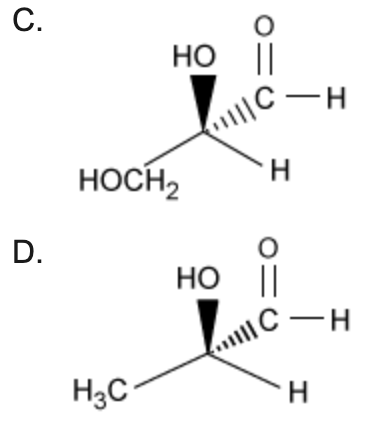
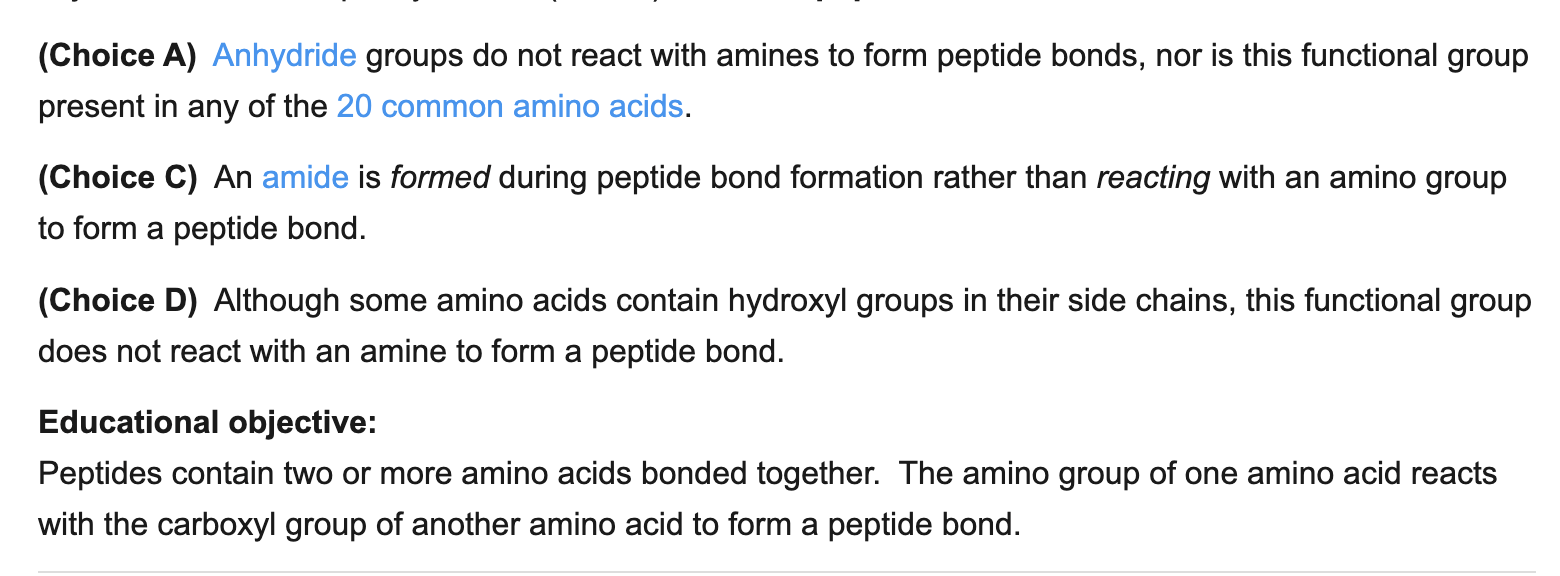
Answer C




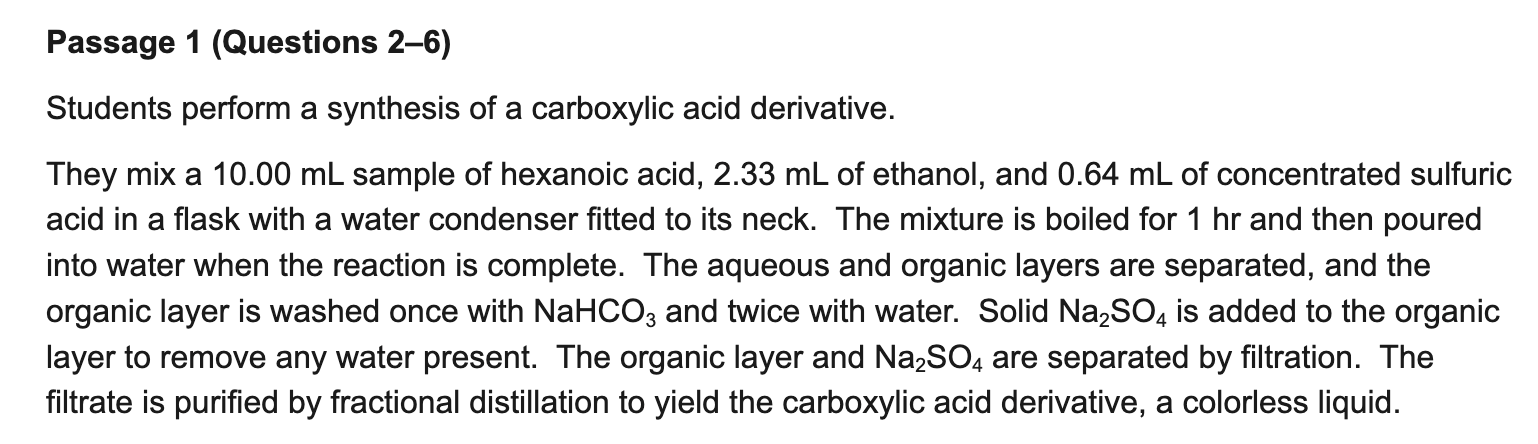

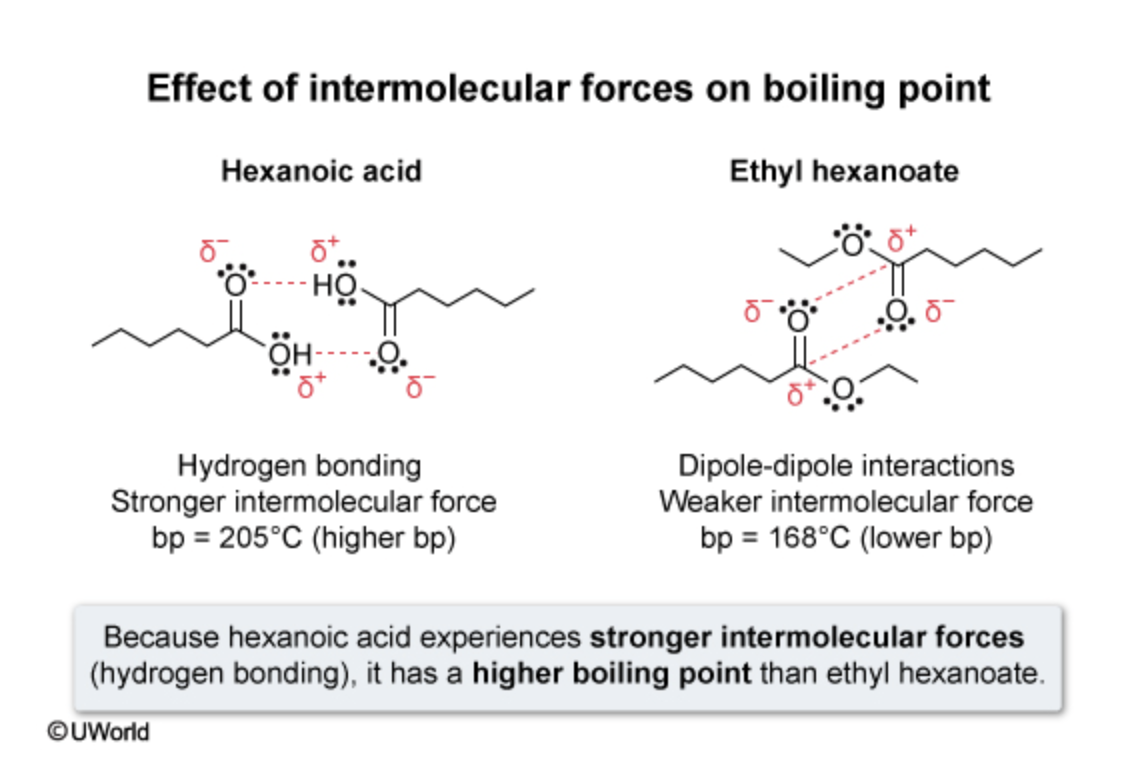
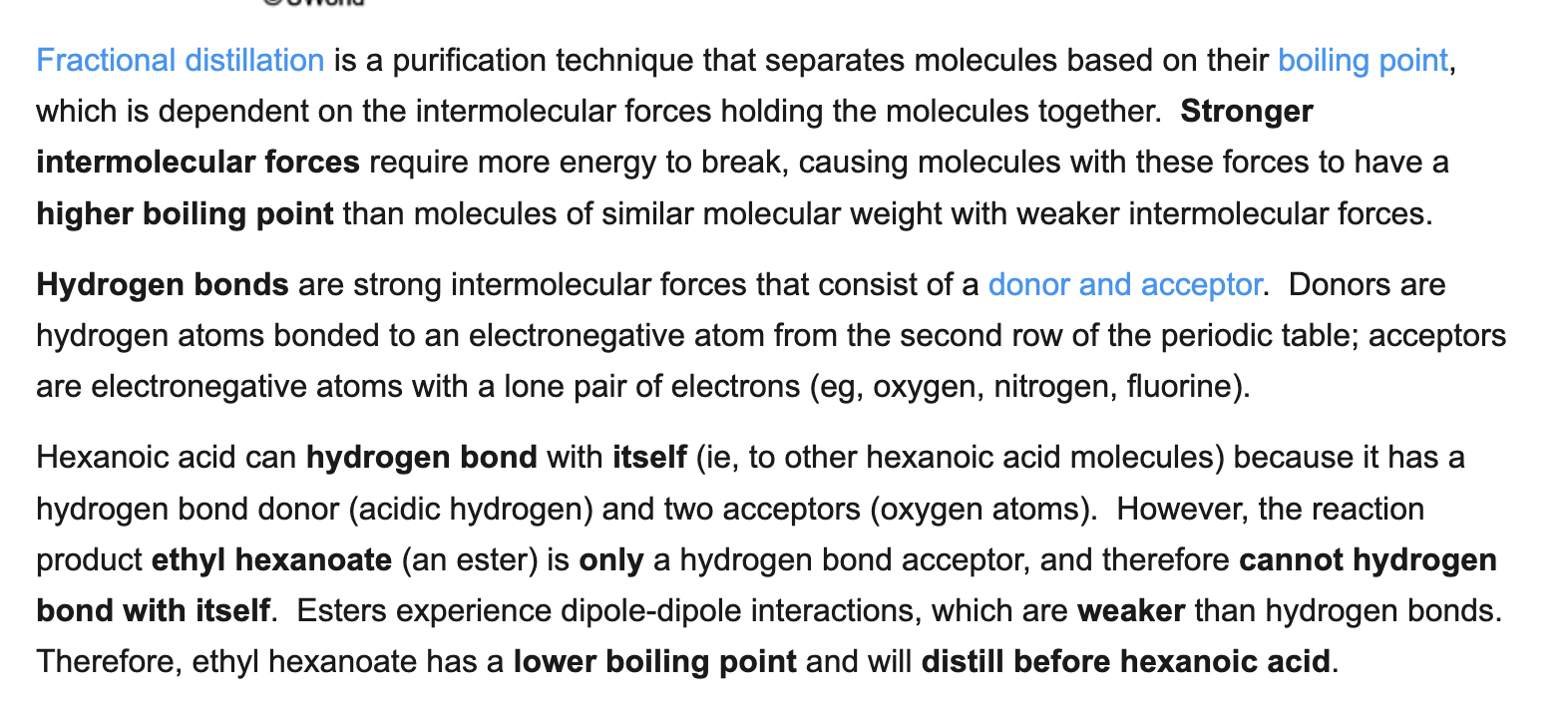
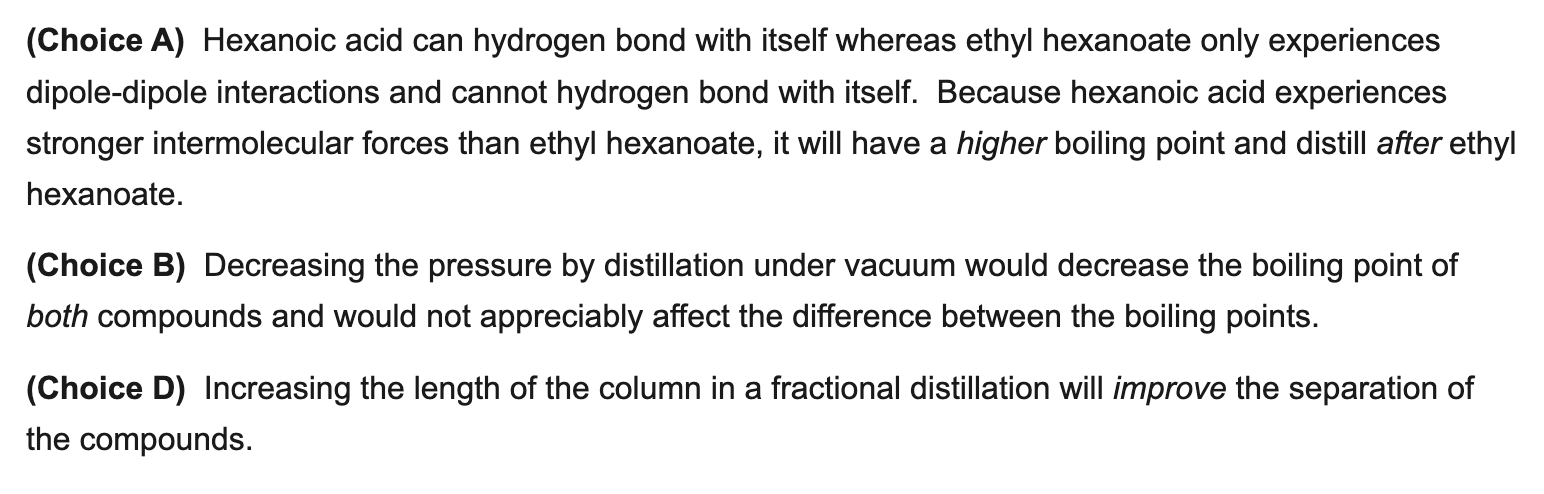
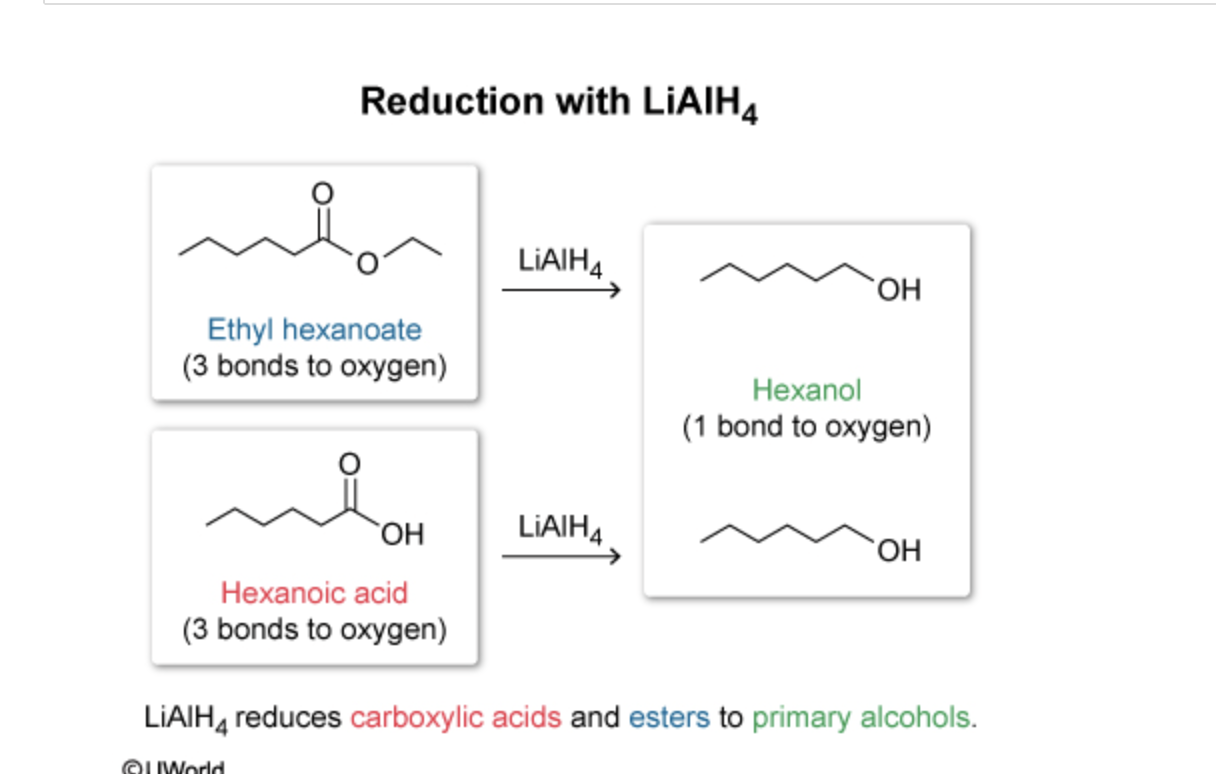
will the product (Ethyl hexanoate) or Hexanoic acid distill first?
Product will distill first because hexanoic acid has higher boiling point
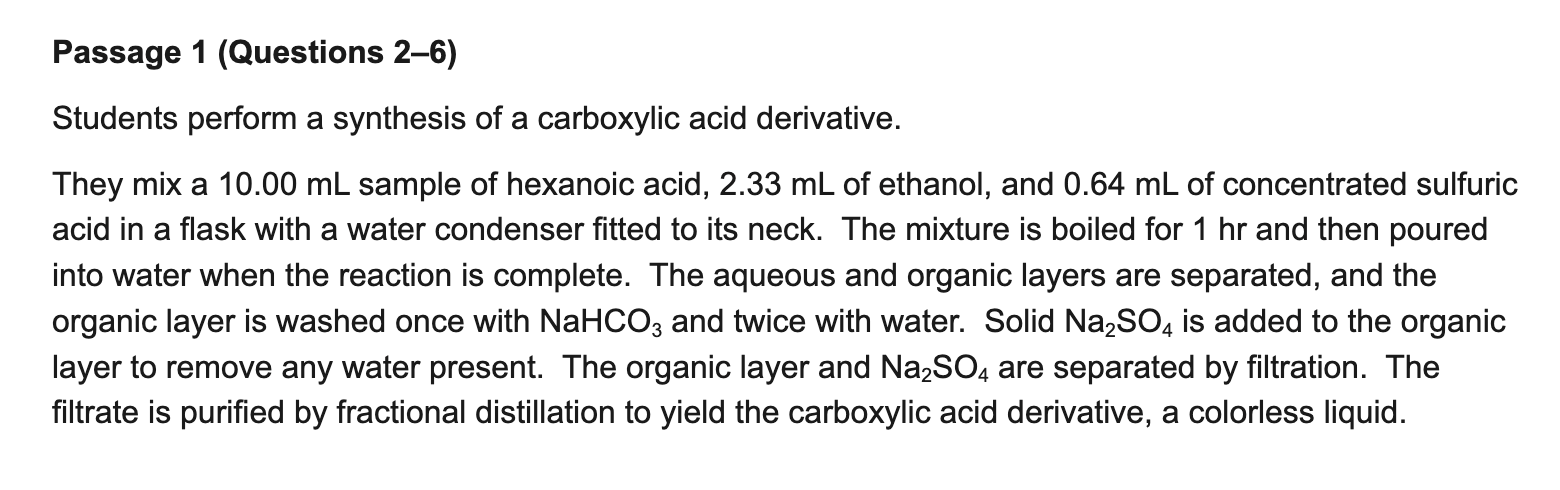

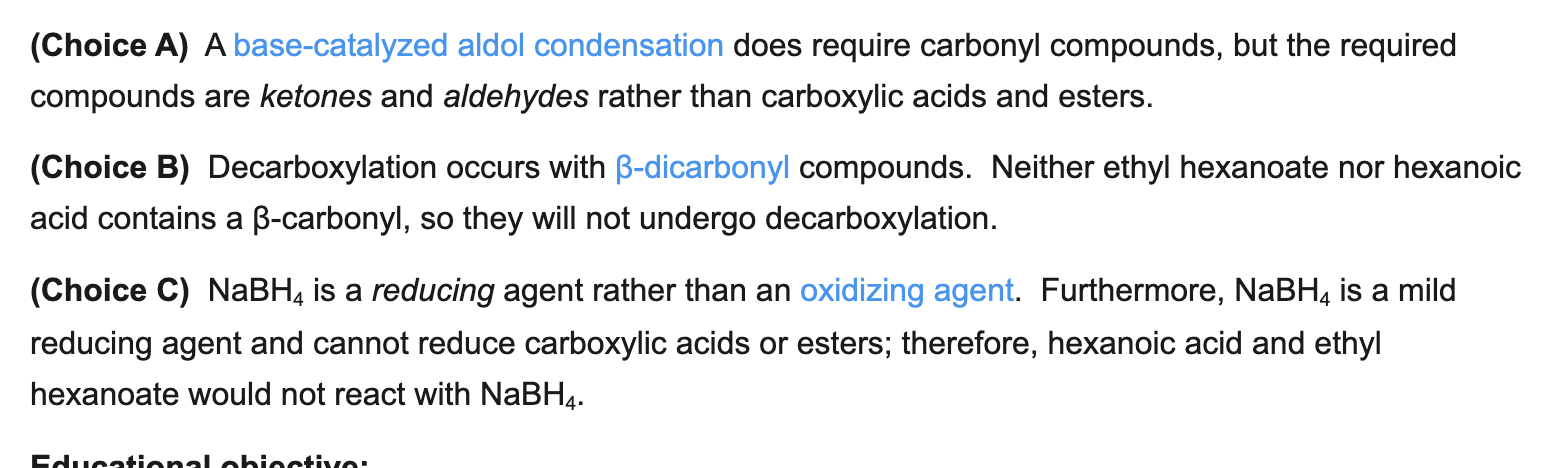
A. base catalyzed aldol condensation
B. Decarboxylation
C. Oxidation with NaBH4
D.Reduction with LiAlH3
Answer: D
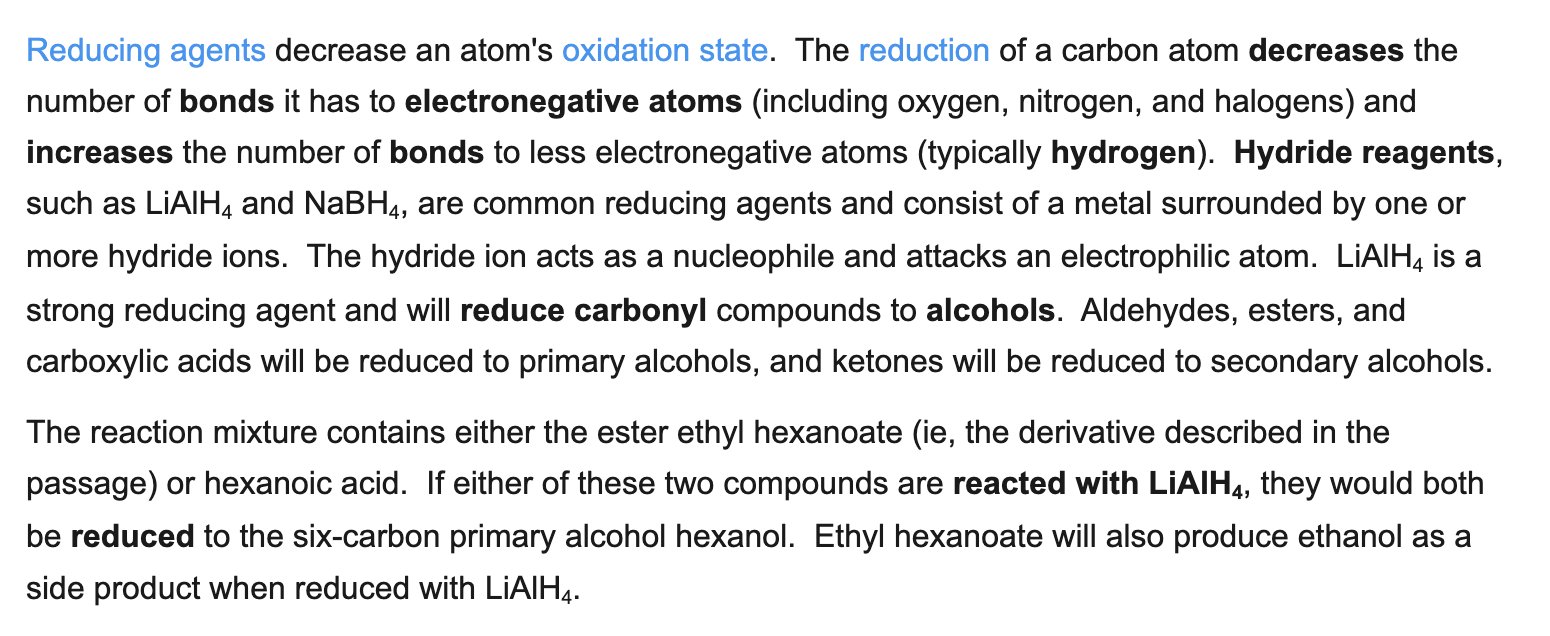

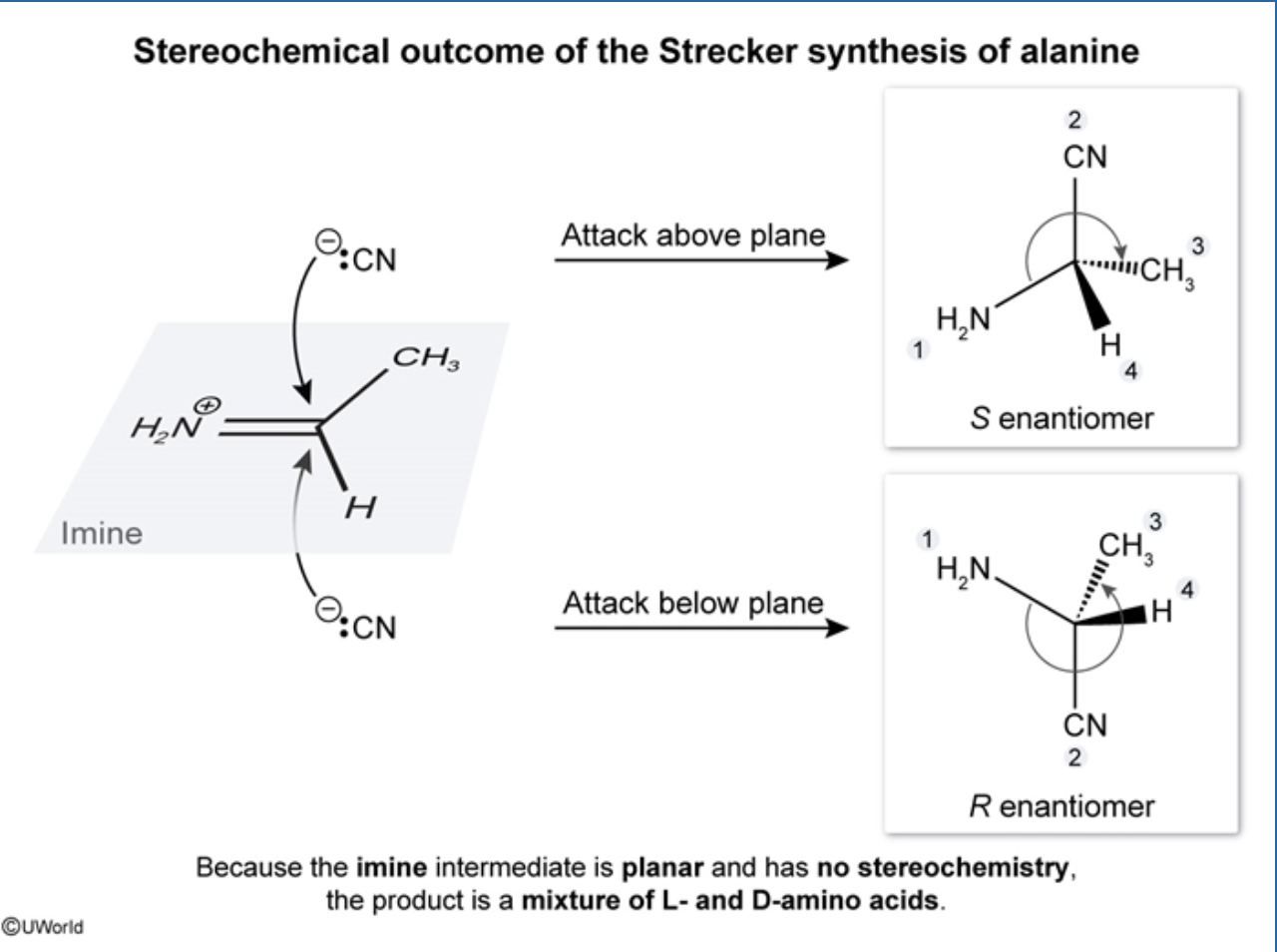
L, D, or Mix?
Mix
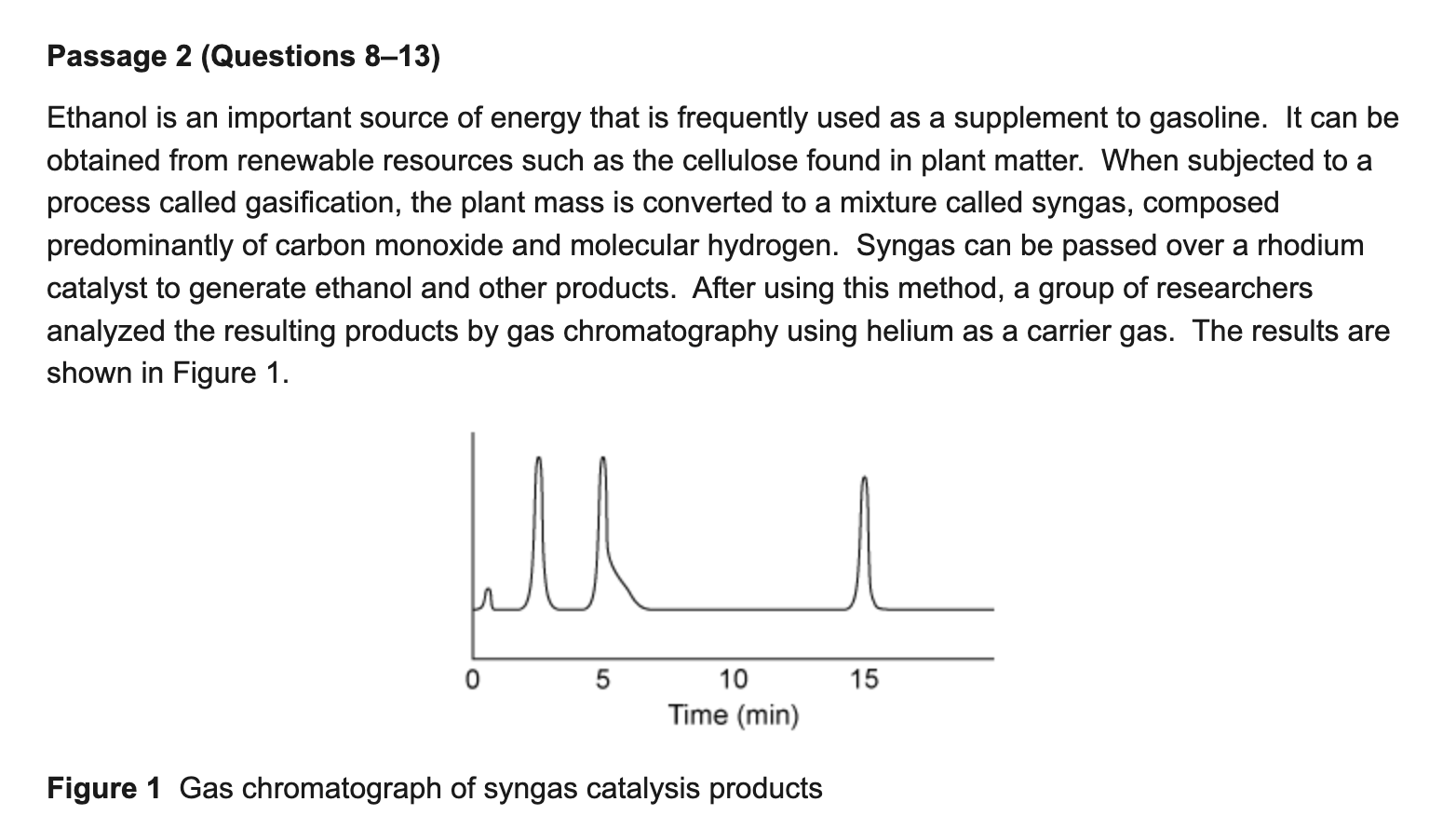
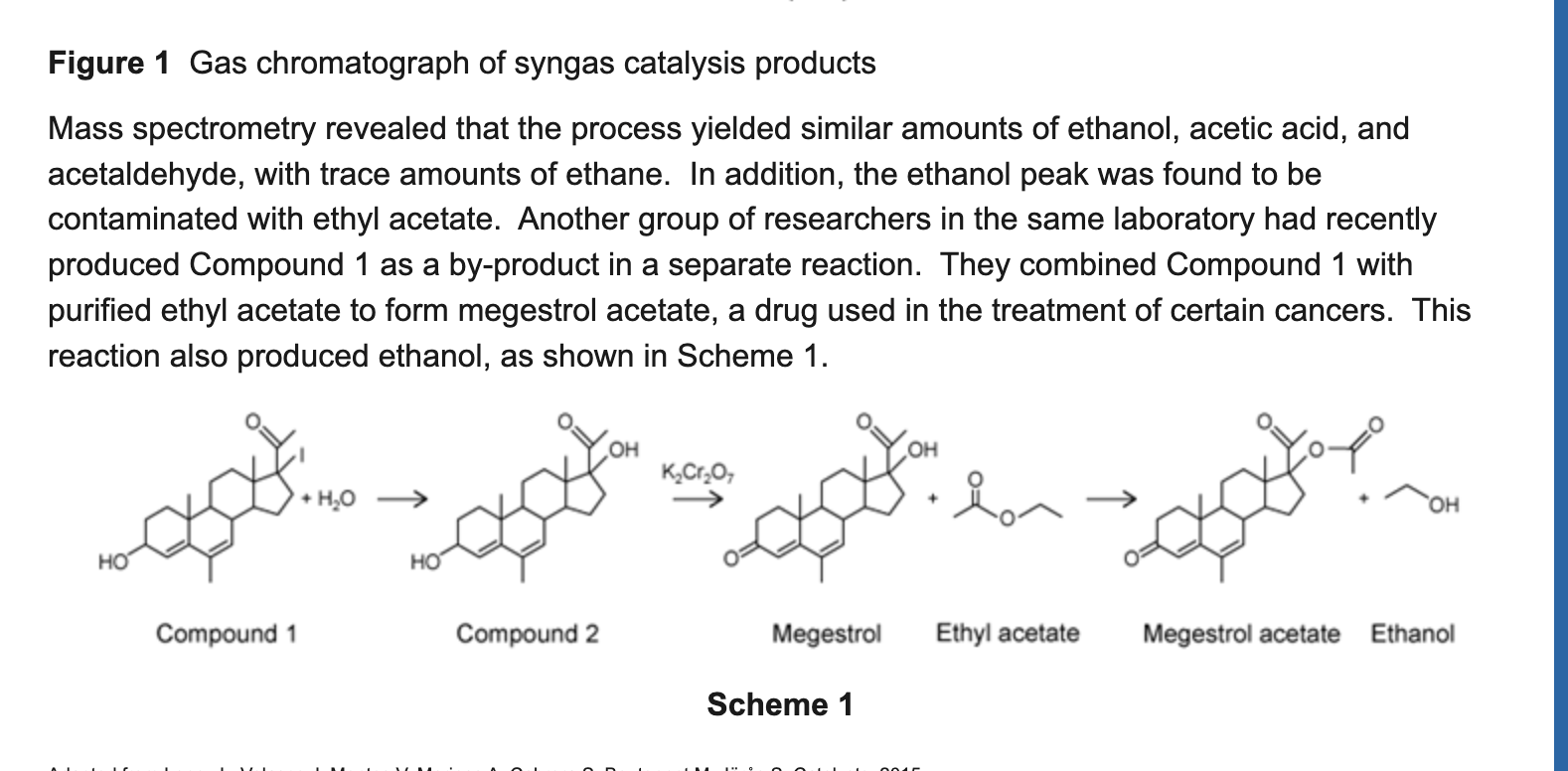

15 minute mark
boiling point (lowest to highest)
ethane < Acetaldehyde < ethanol + ethyl acetate < Acetic acid
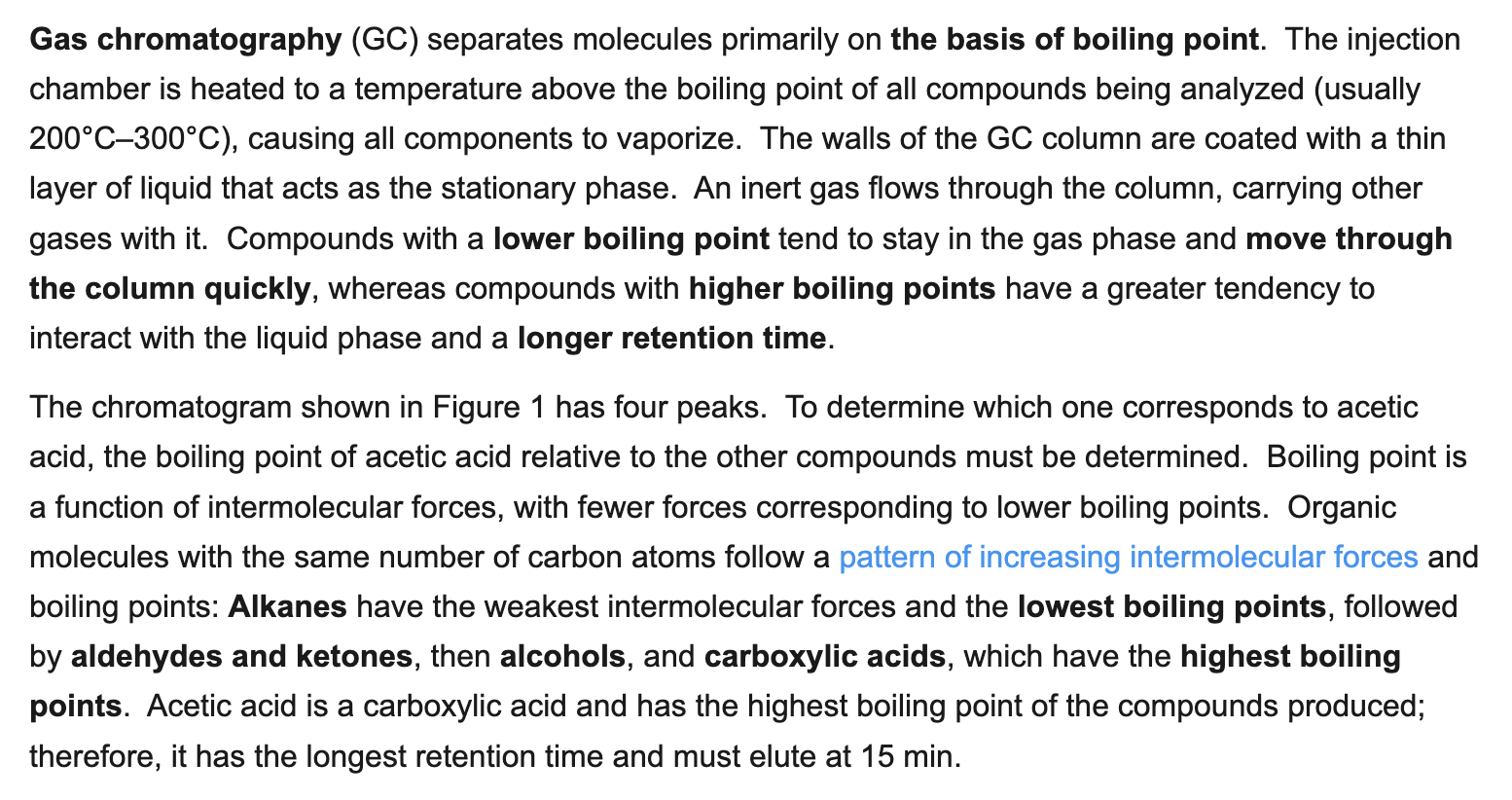
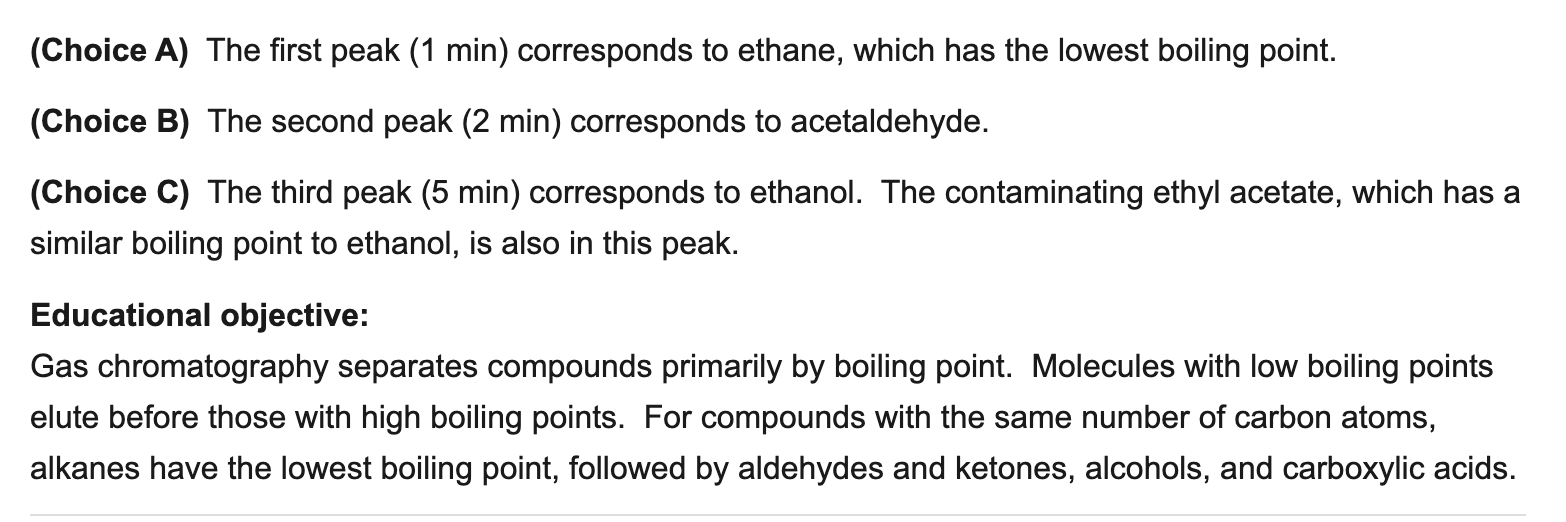
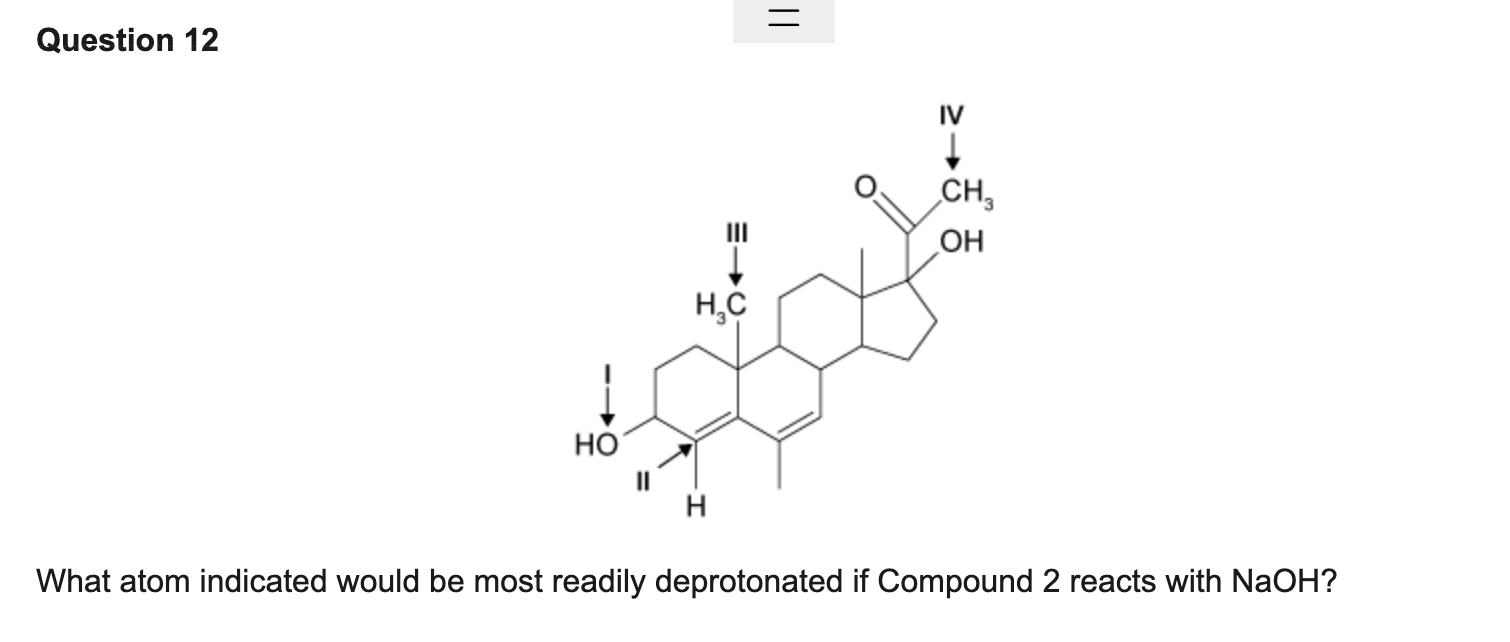
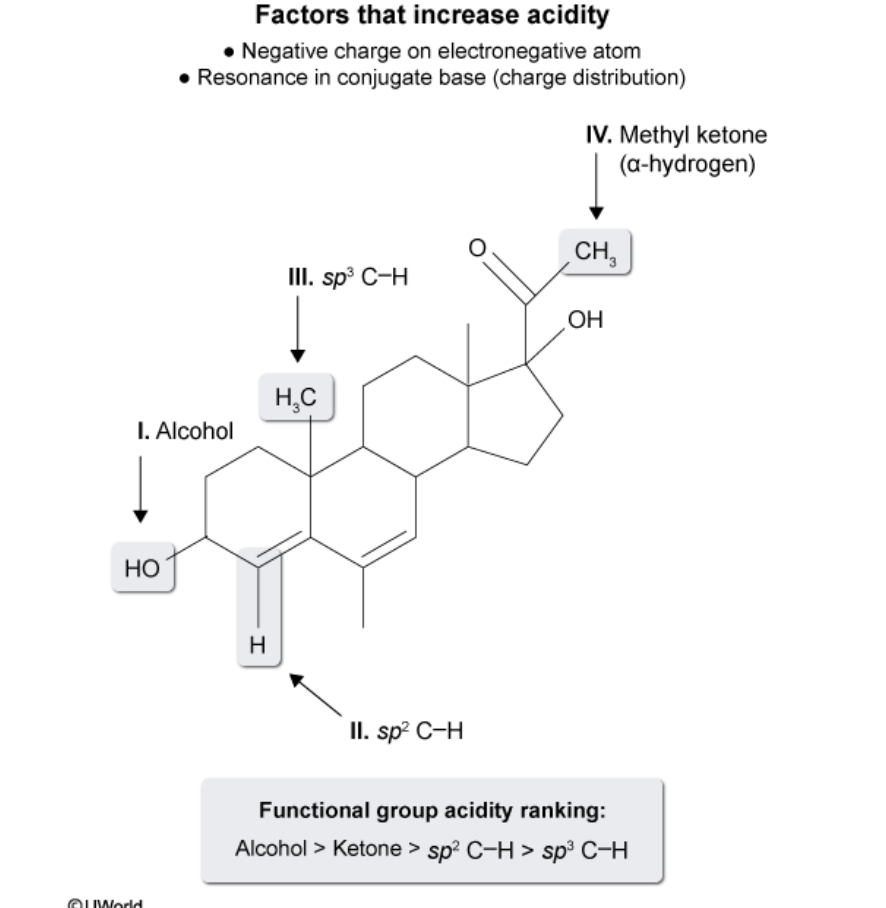
Number 1
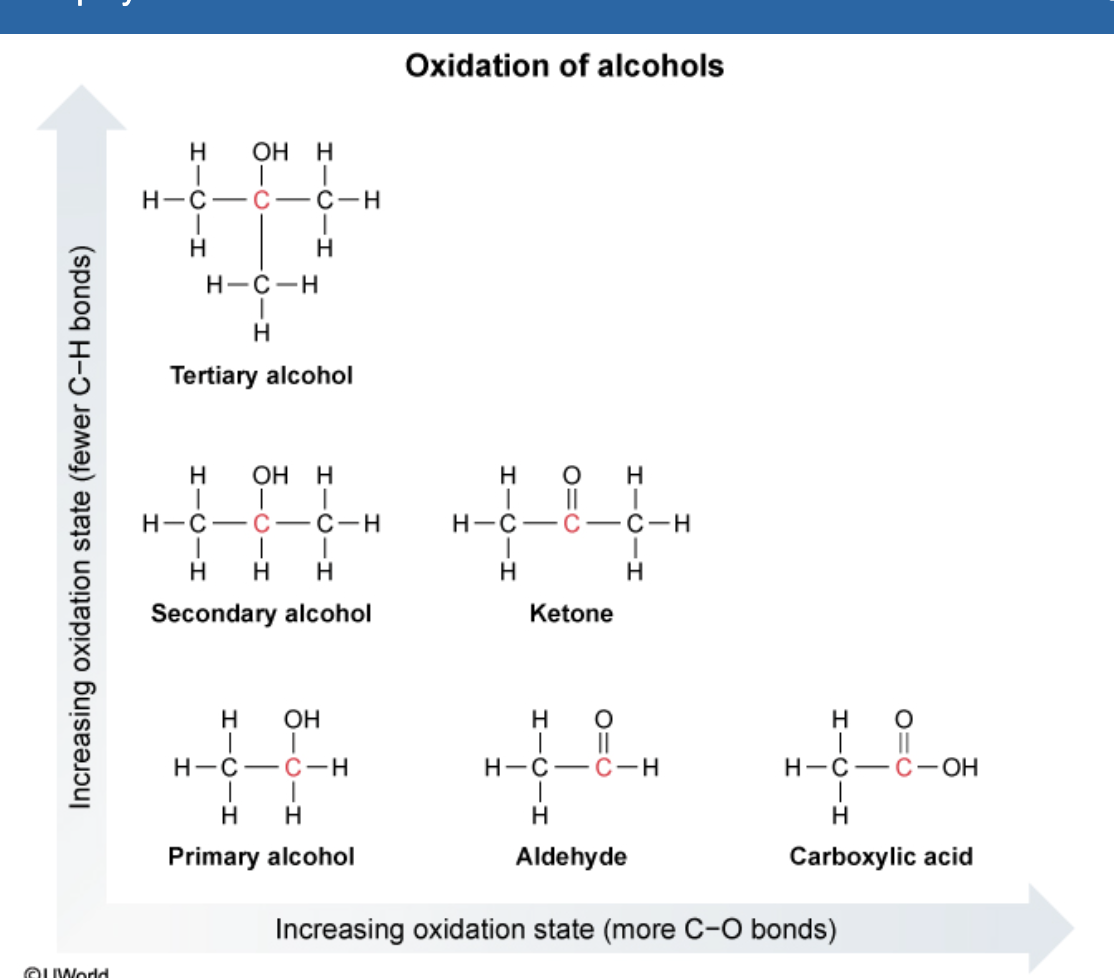
Oxidation of alchohols
2 only
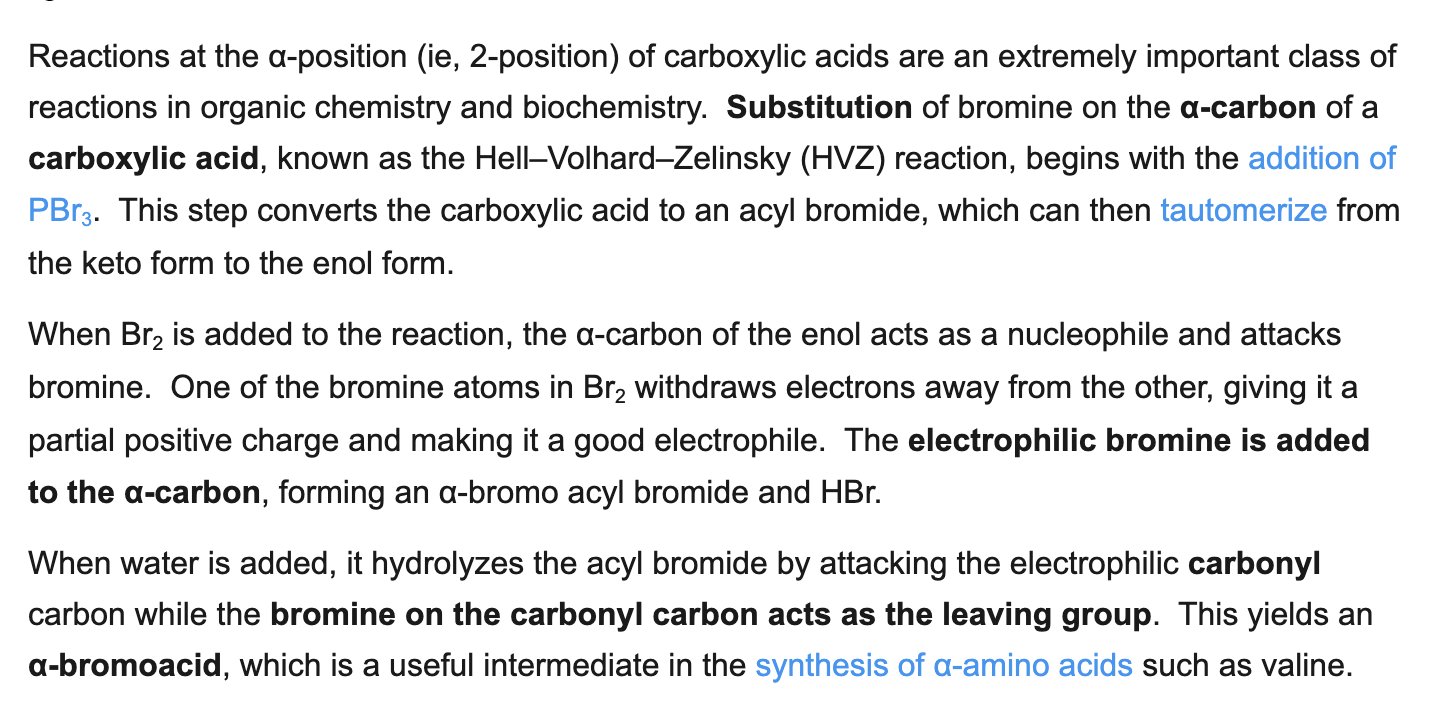
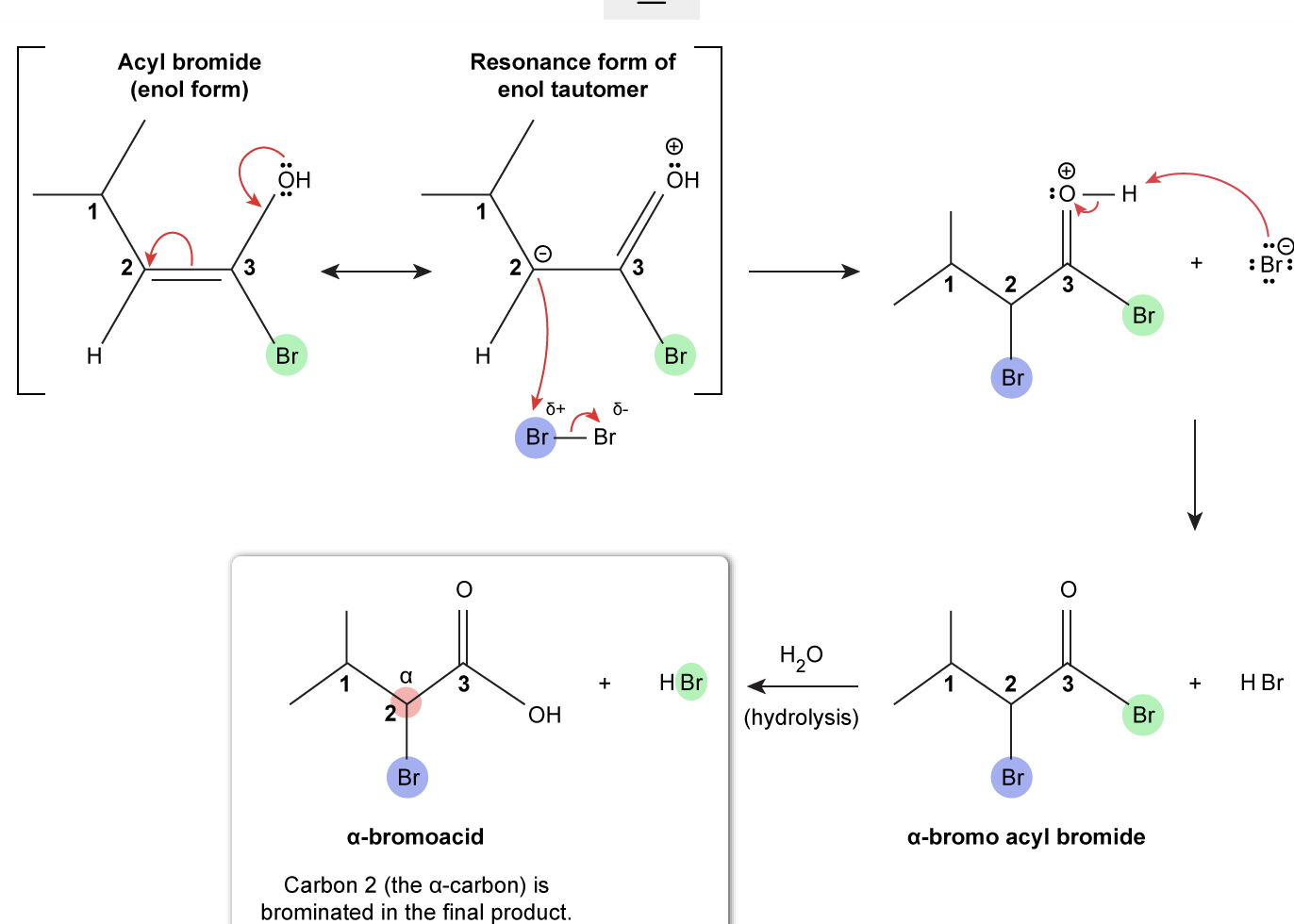
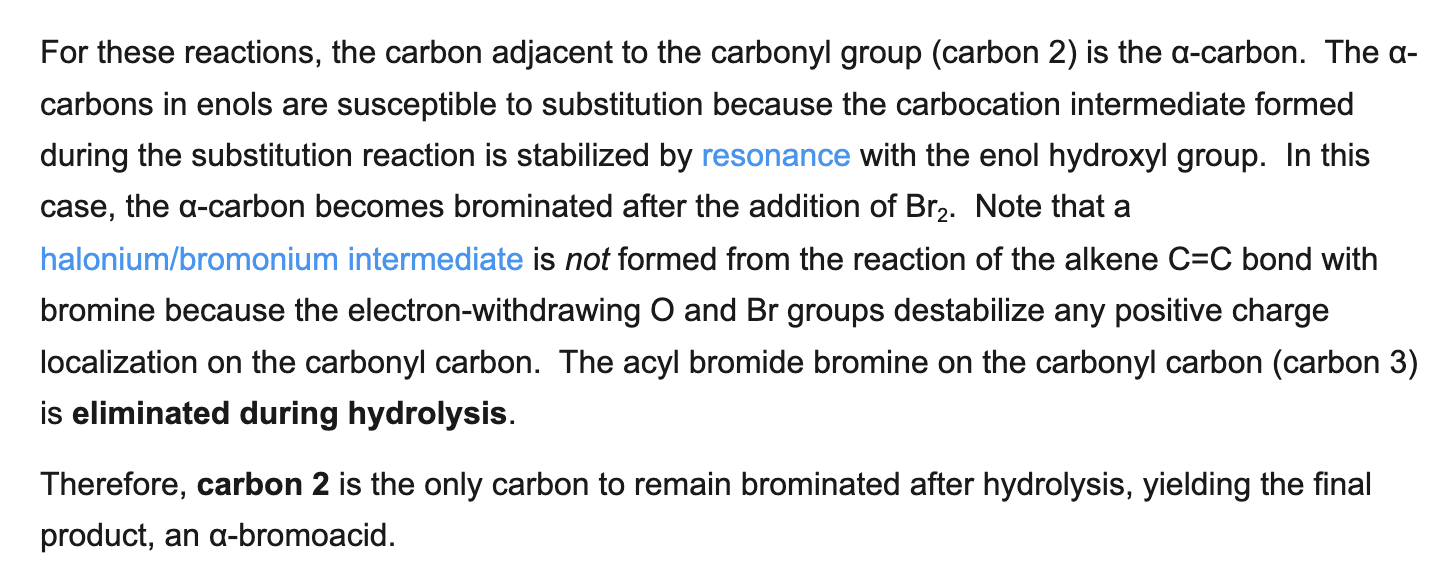
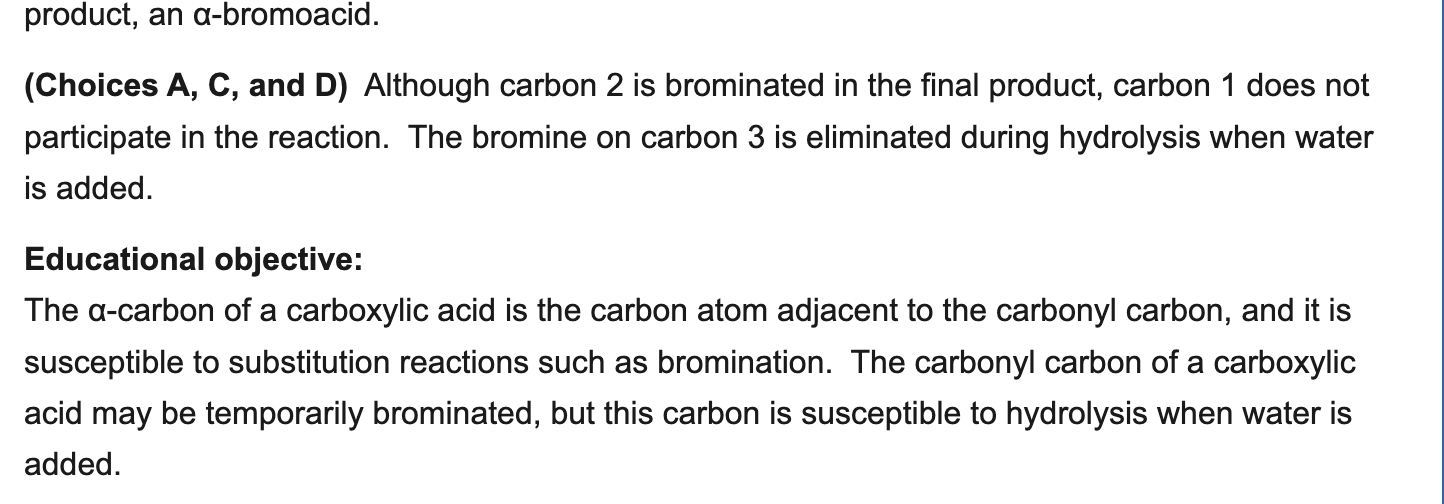
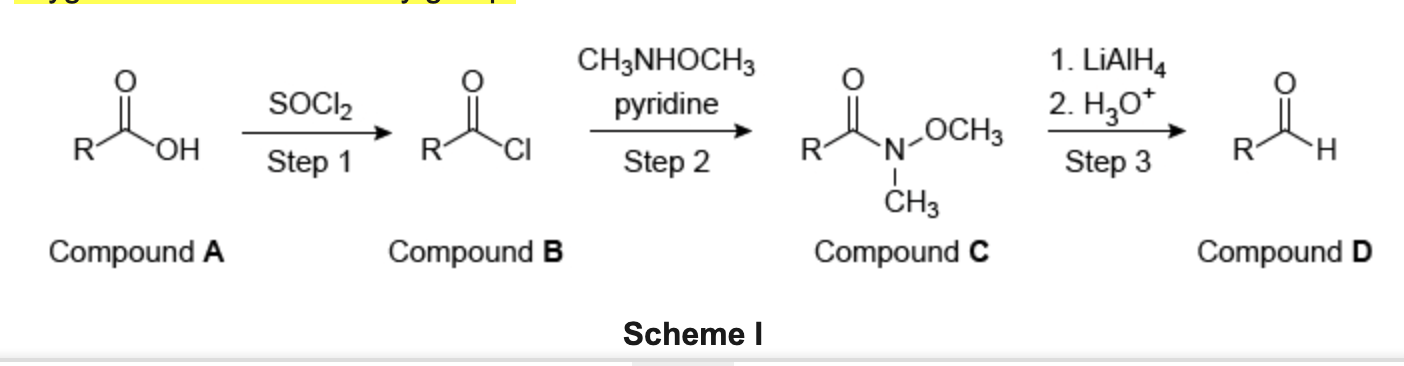

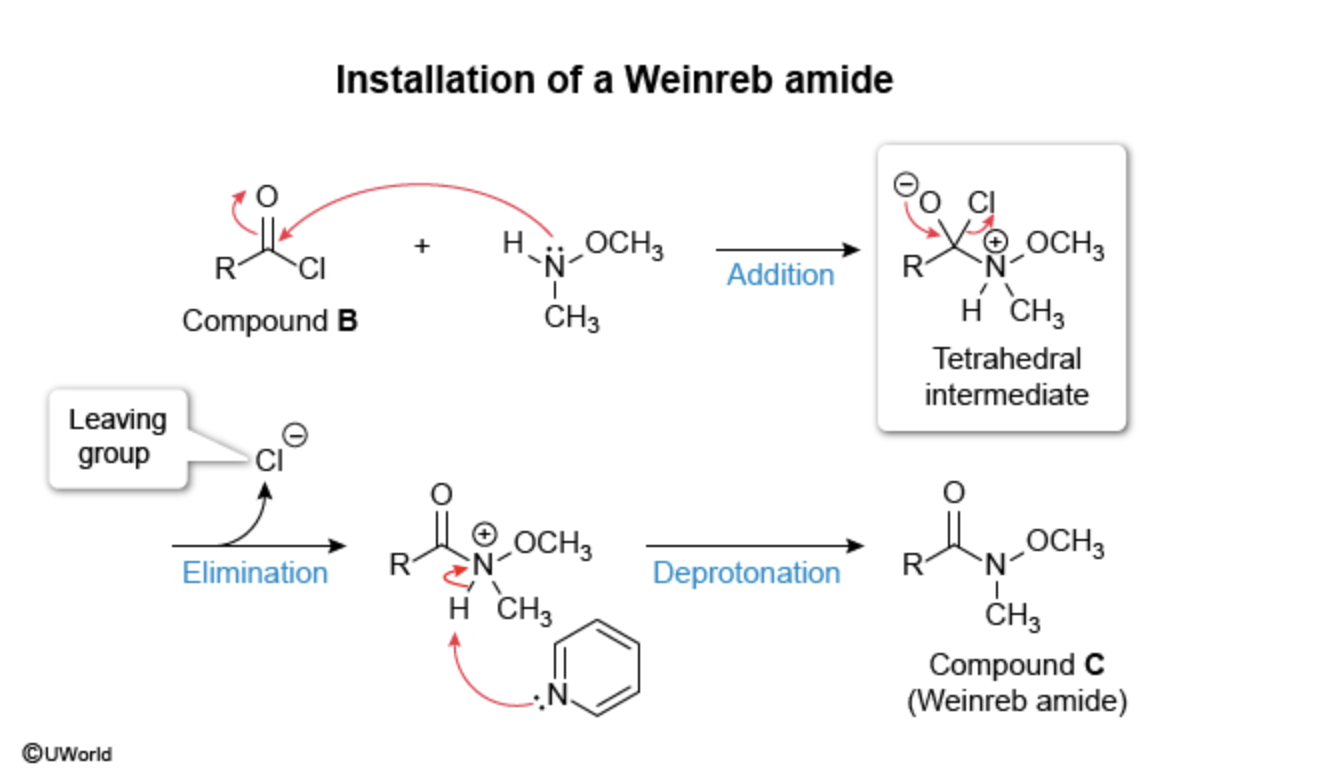
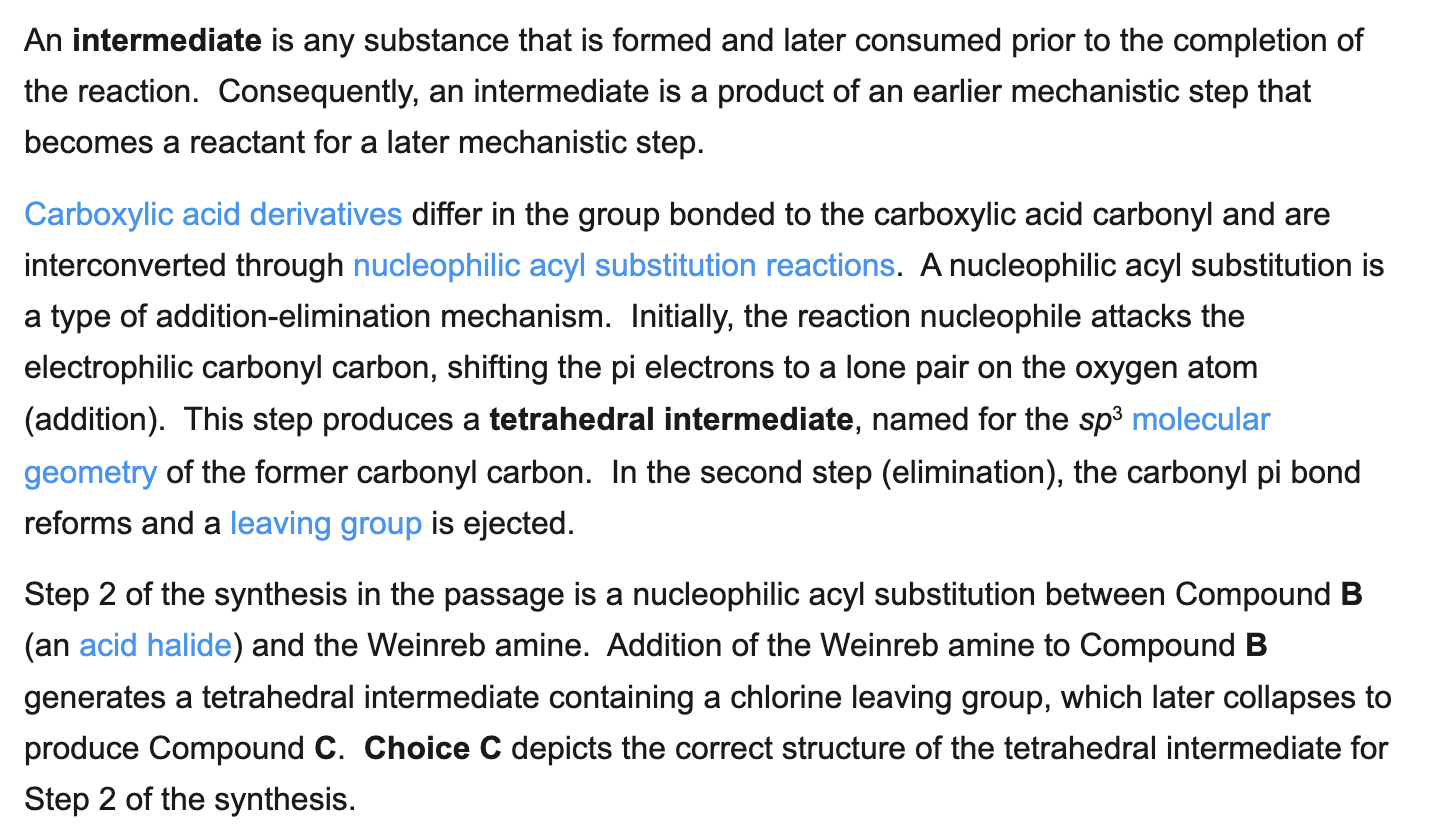

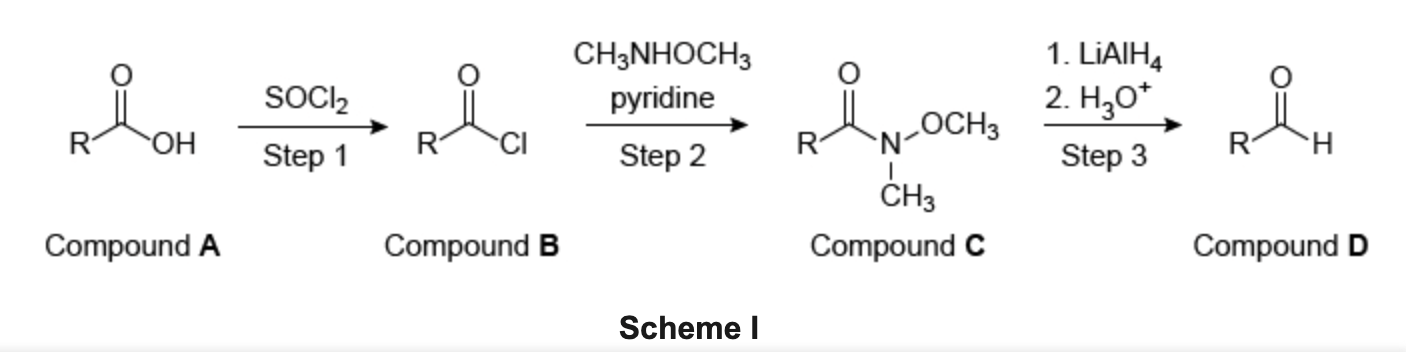

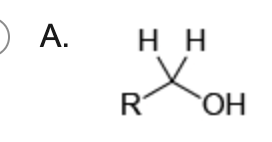
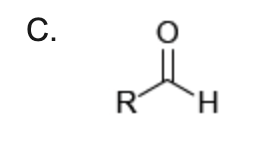
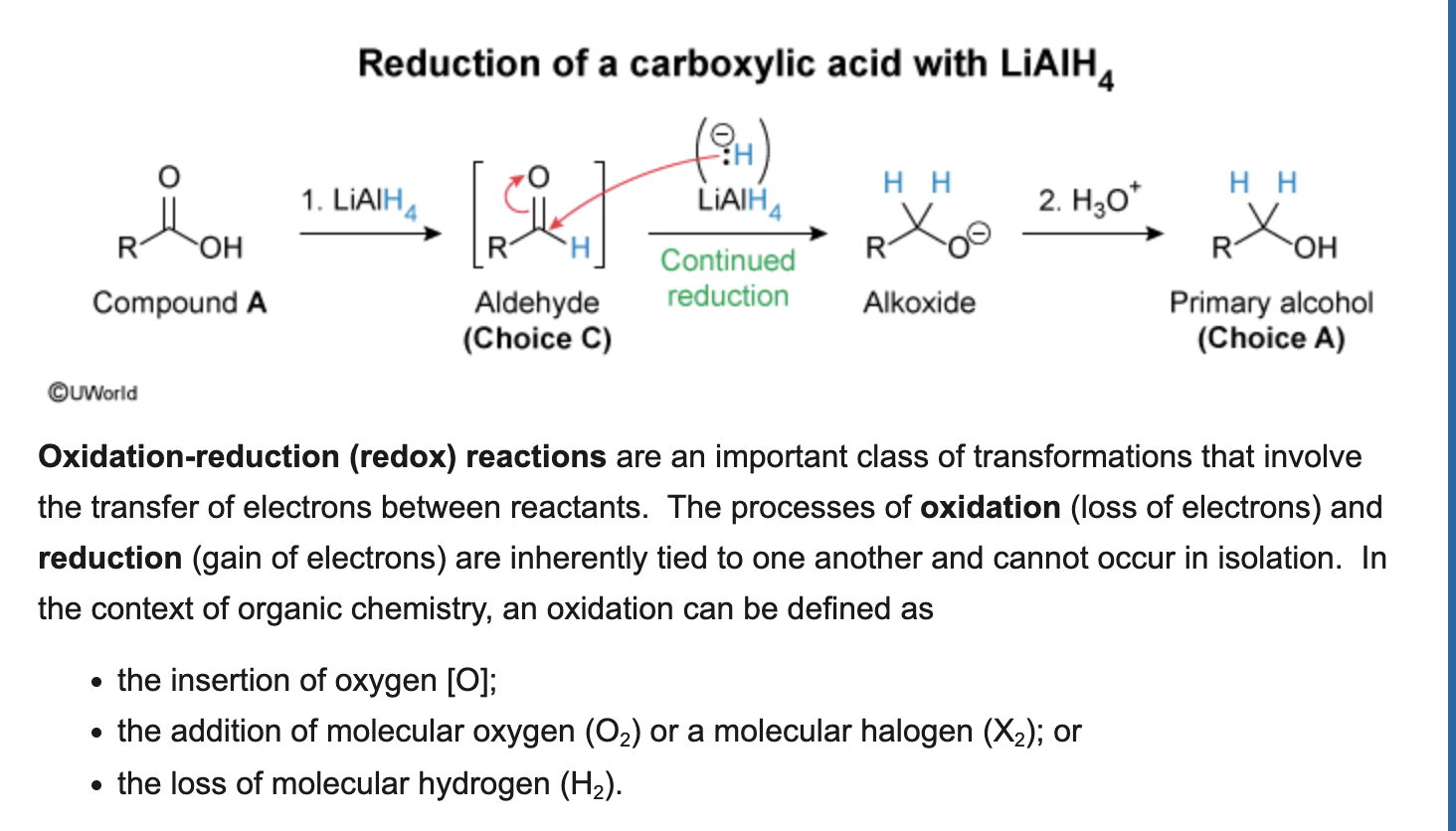
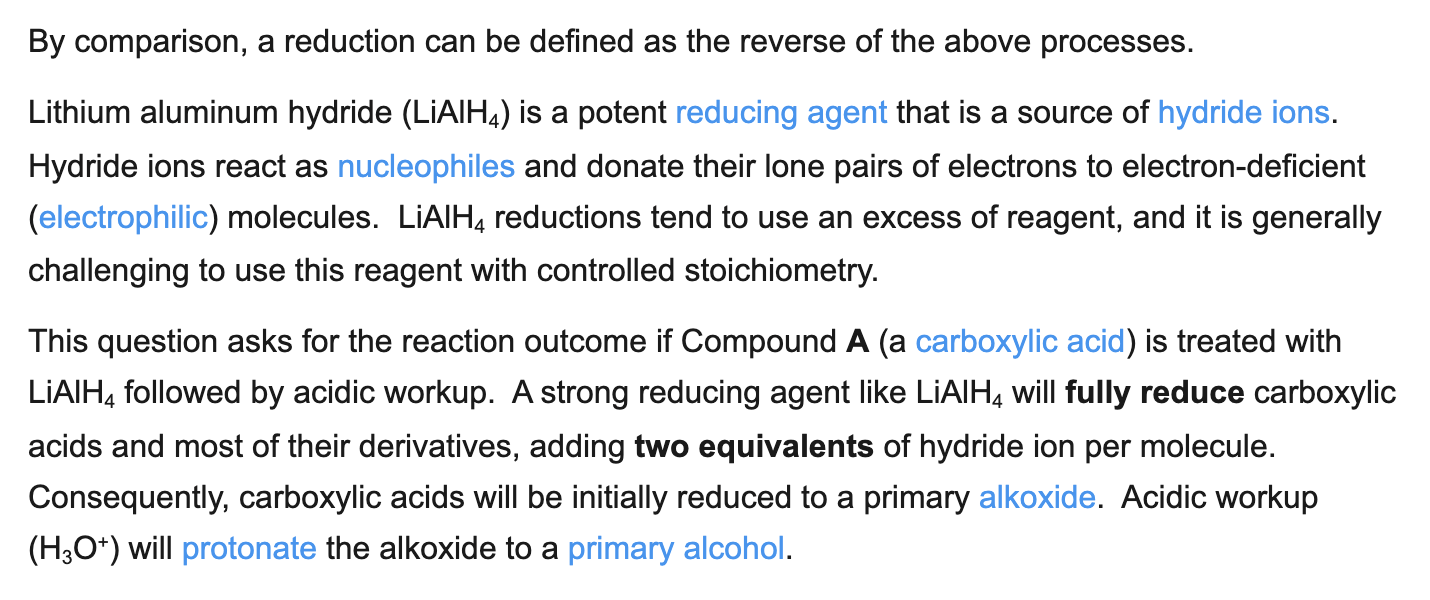

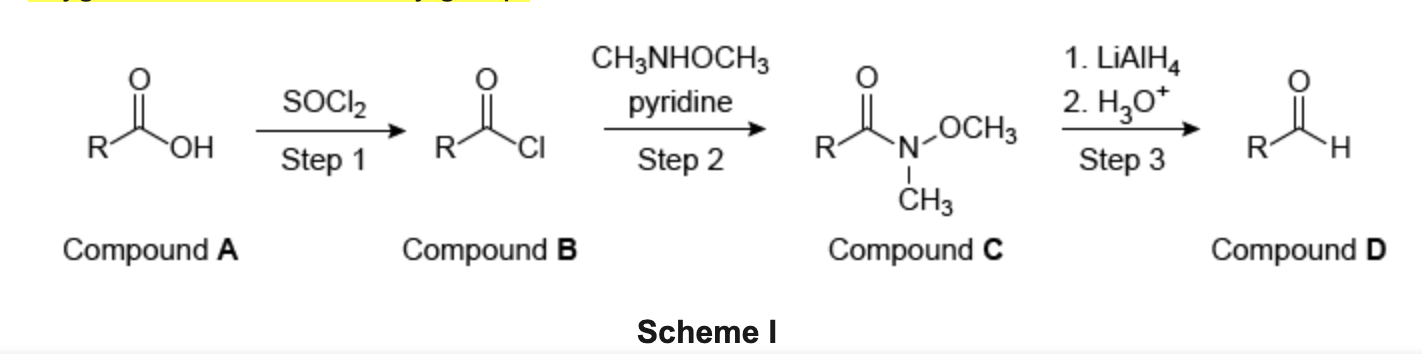
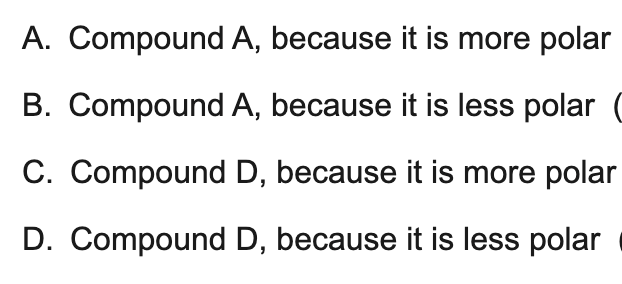
Answer D
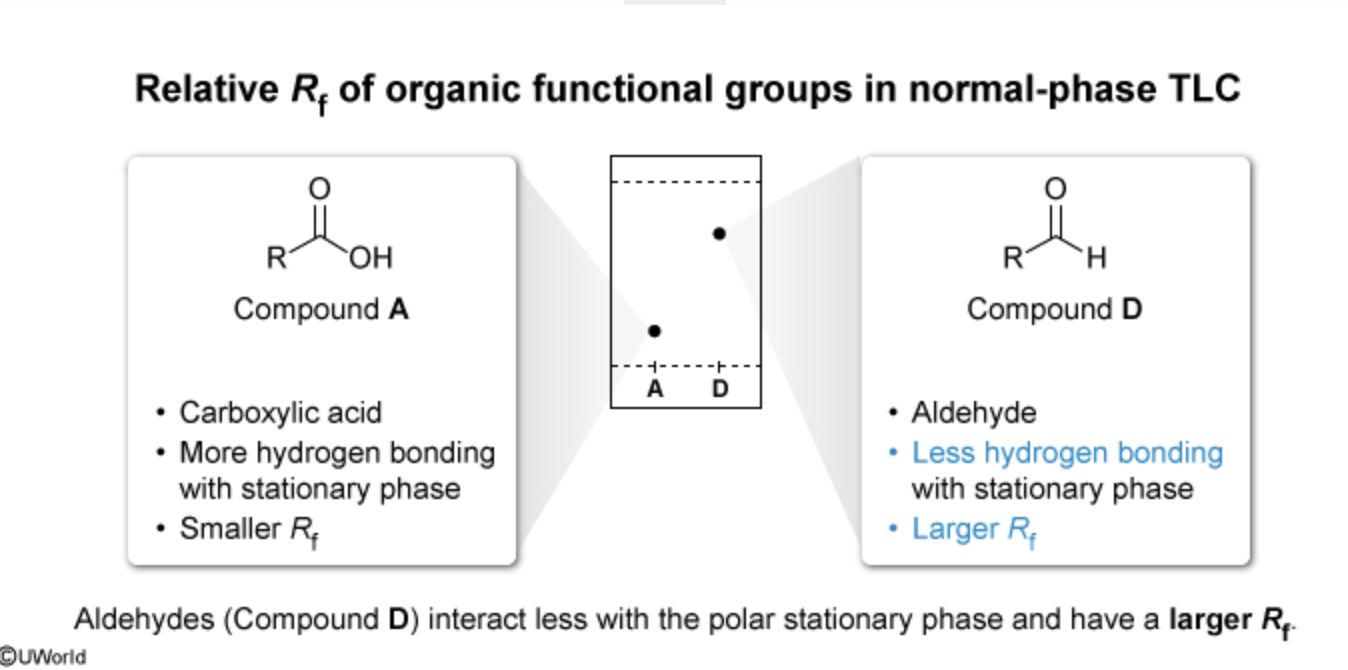
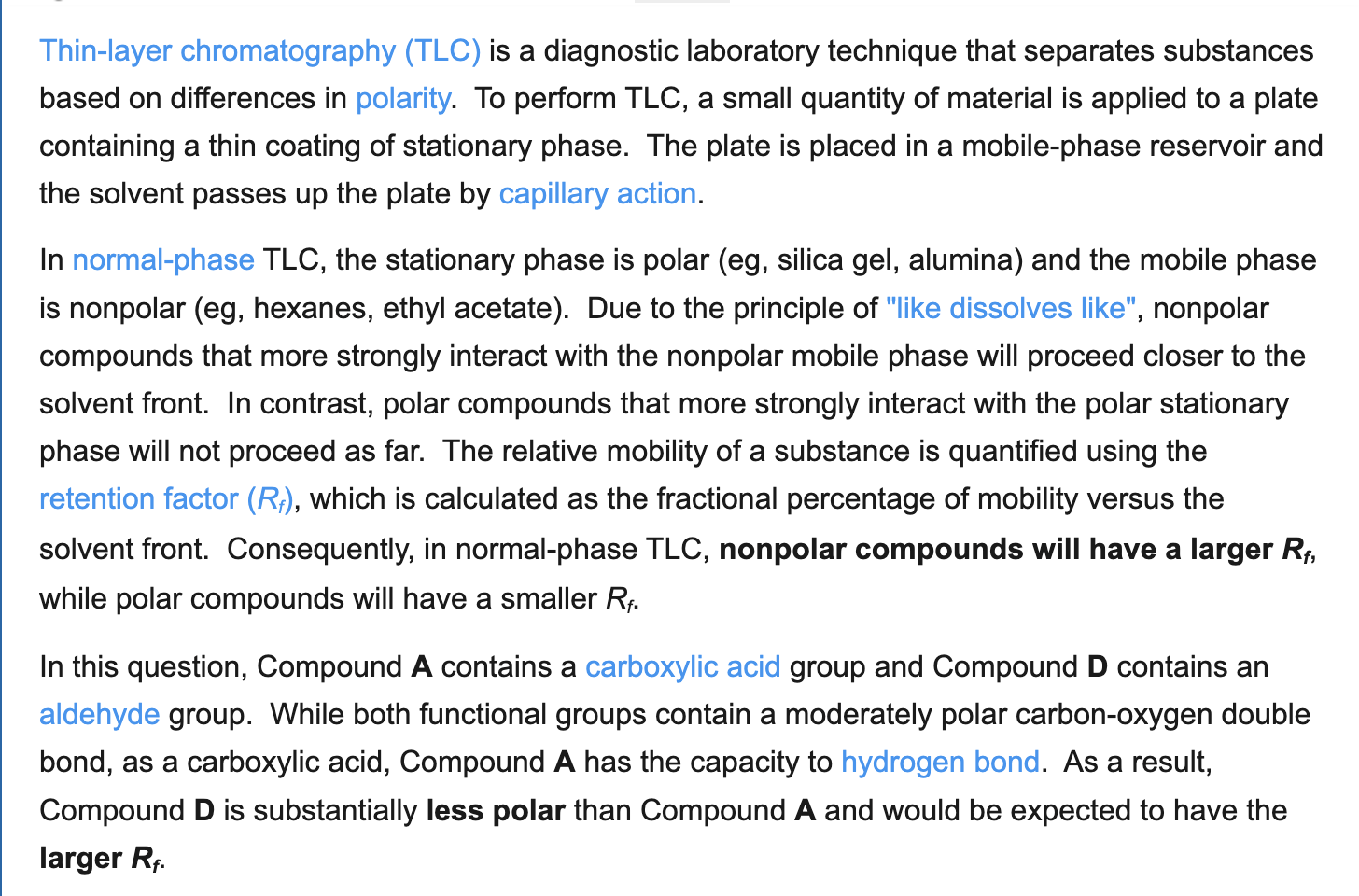
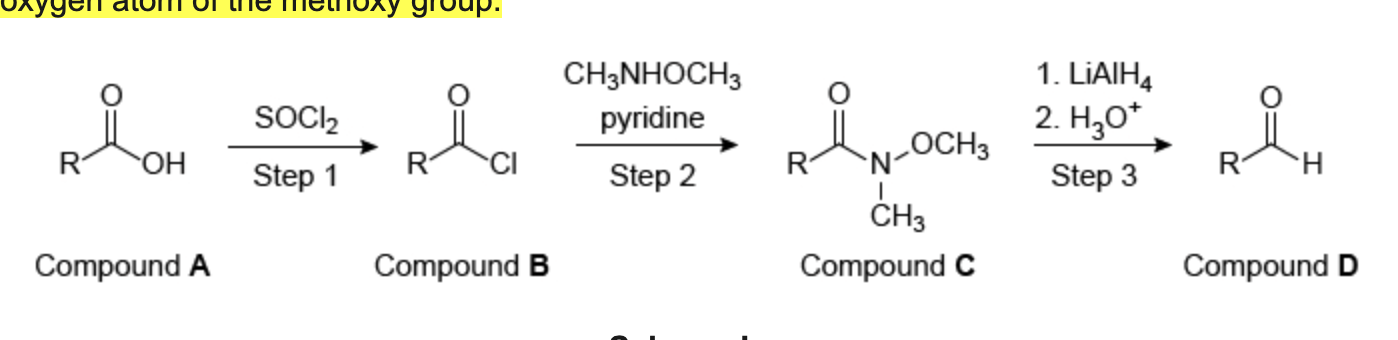

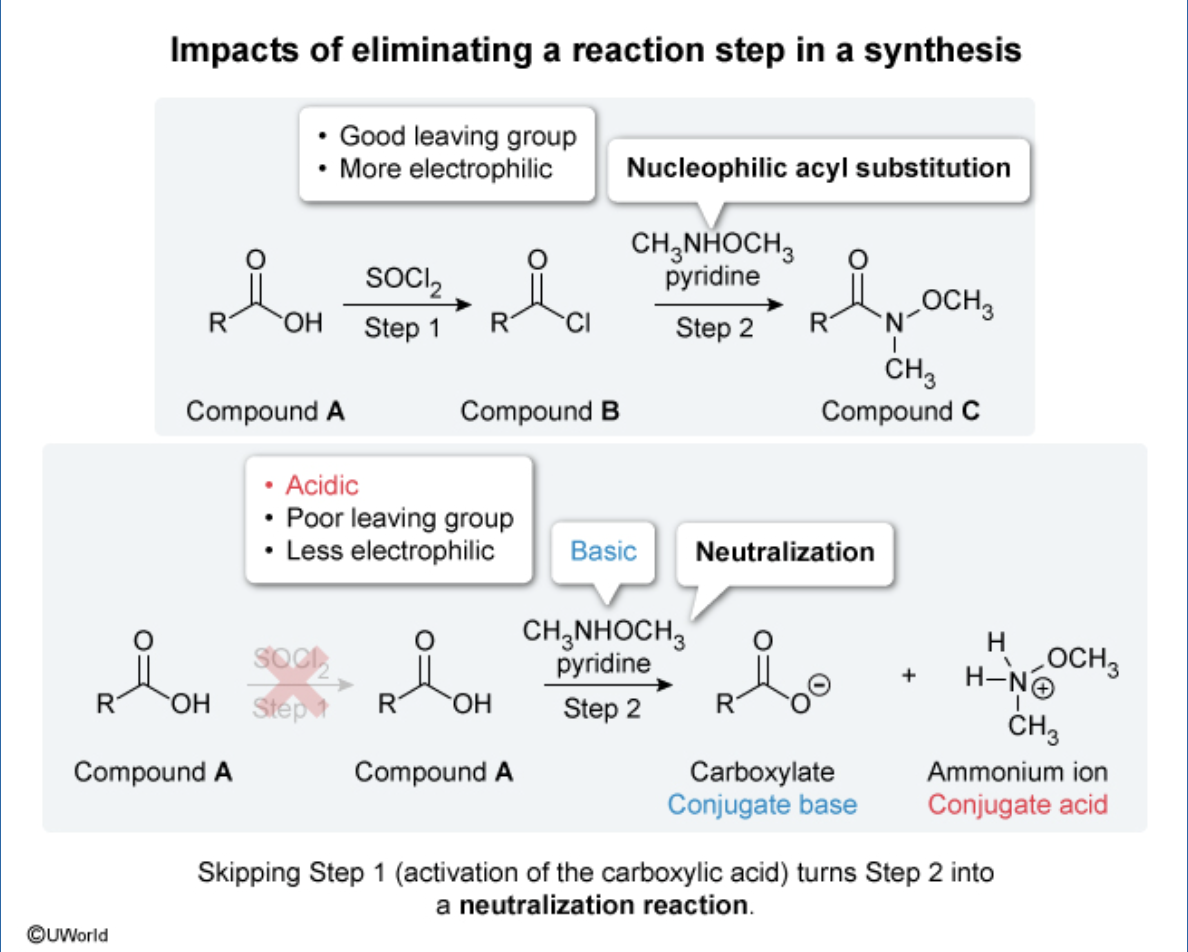
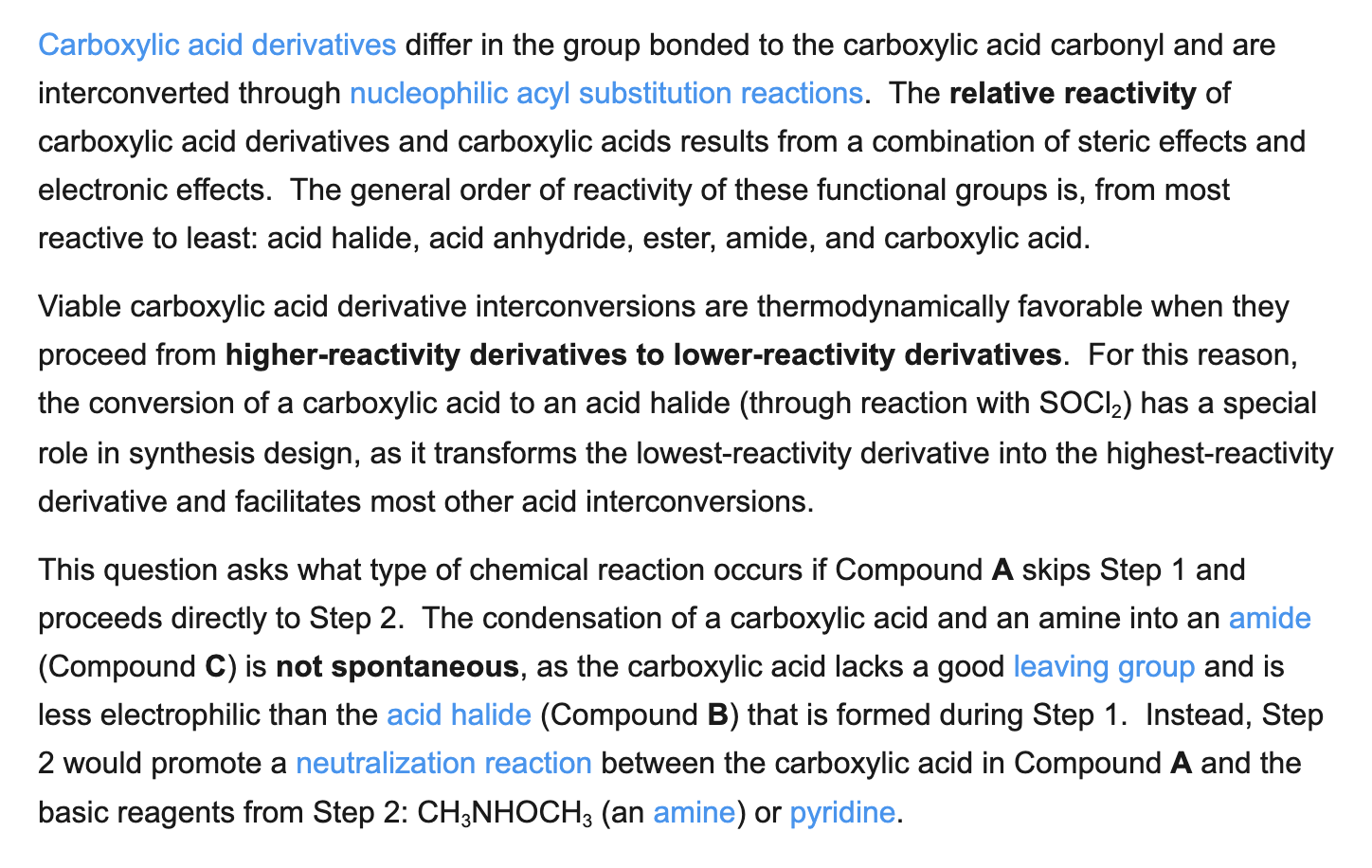
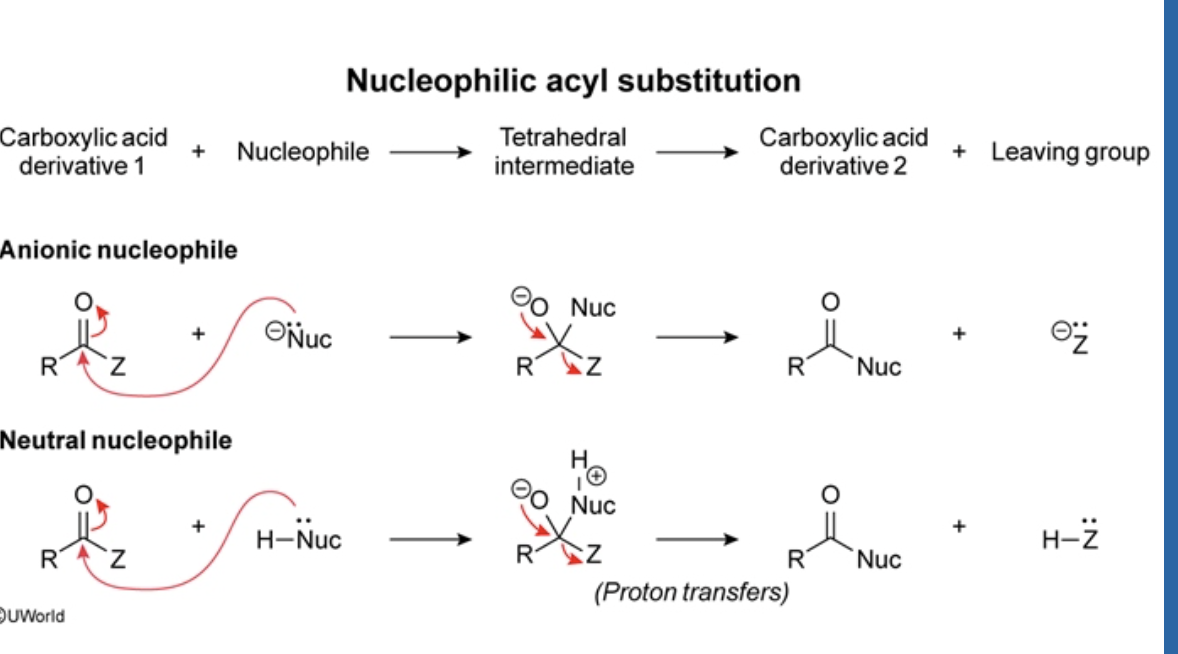
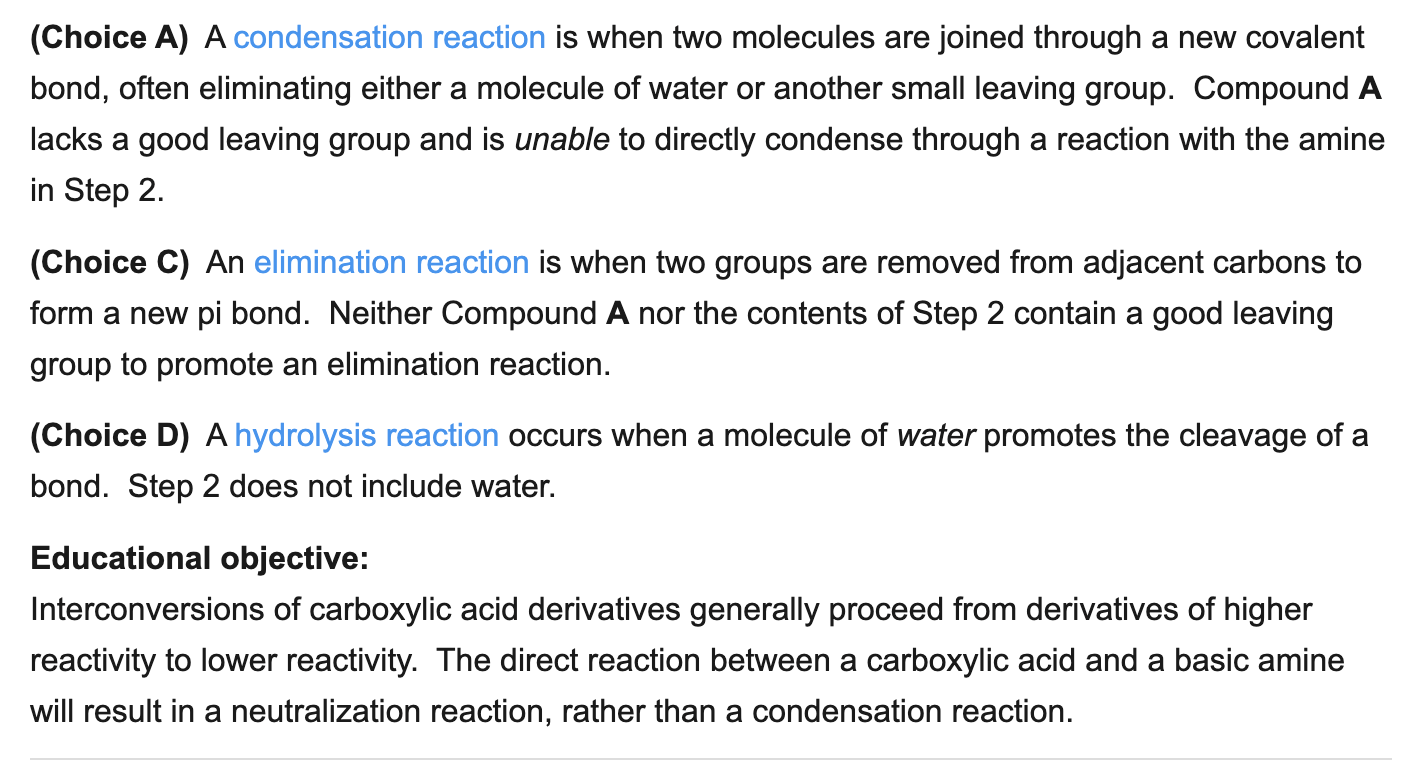
Condensation, Neutralization, Elimination, Hydrolysis
Neutralization
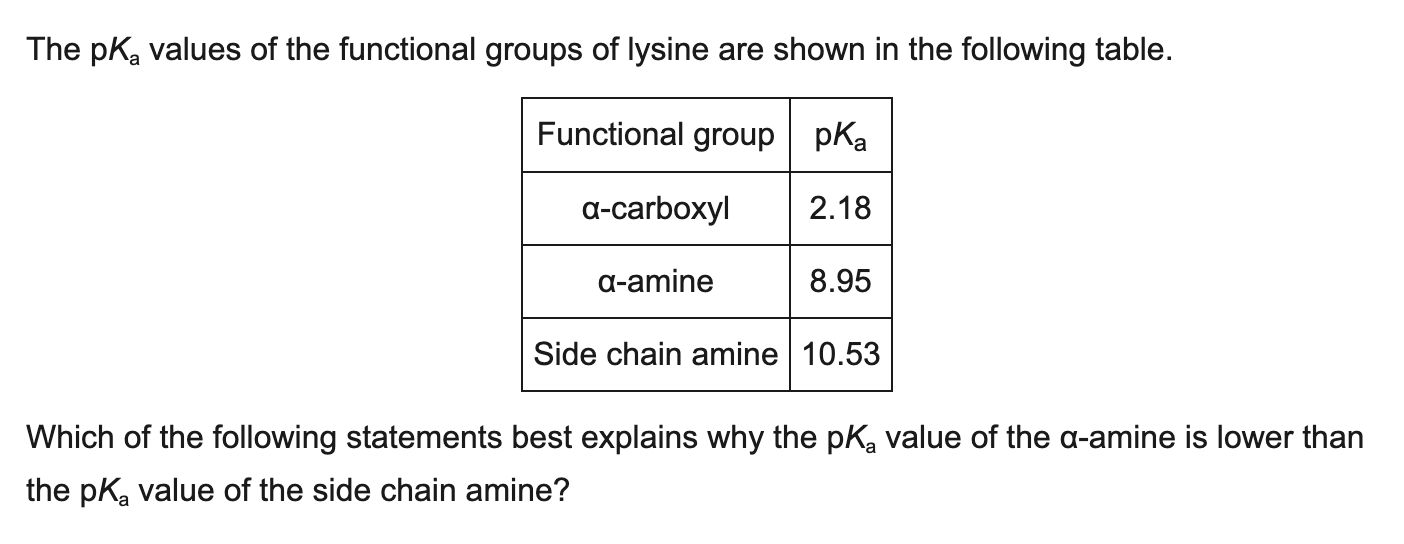
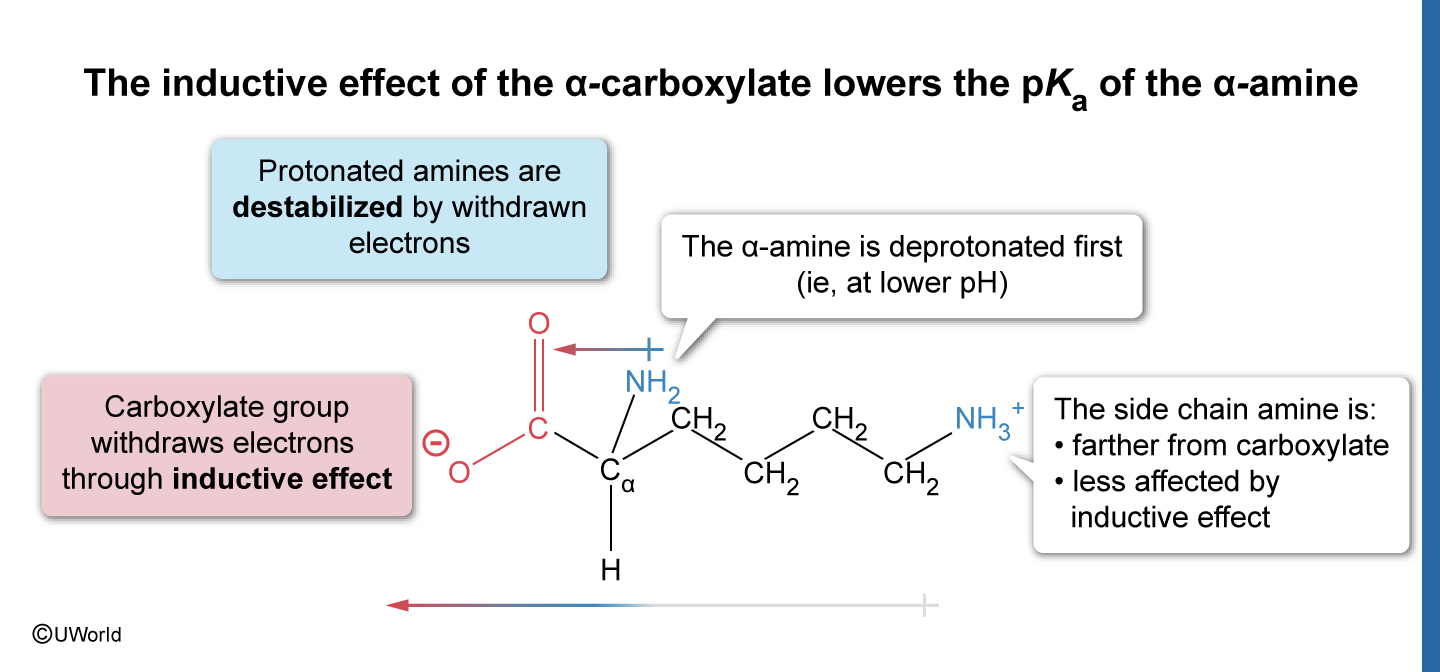
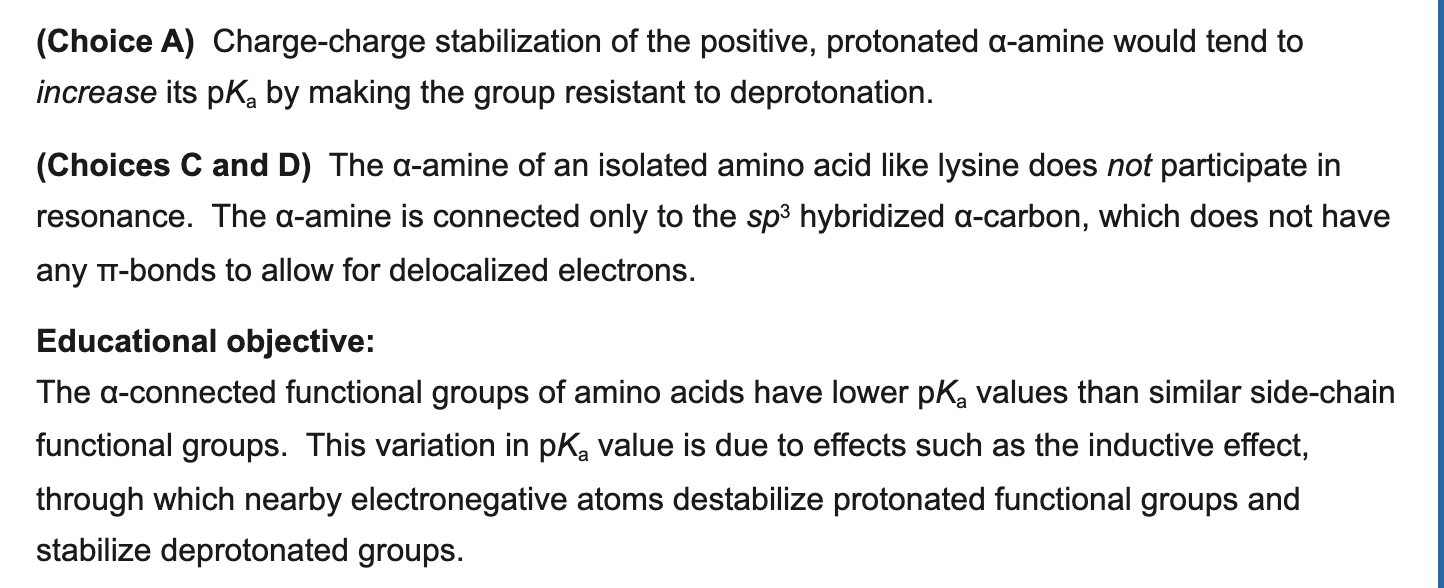
A. a-carboxylate stablizes a-amine through charge charge interactions
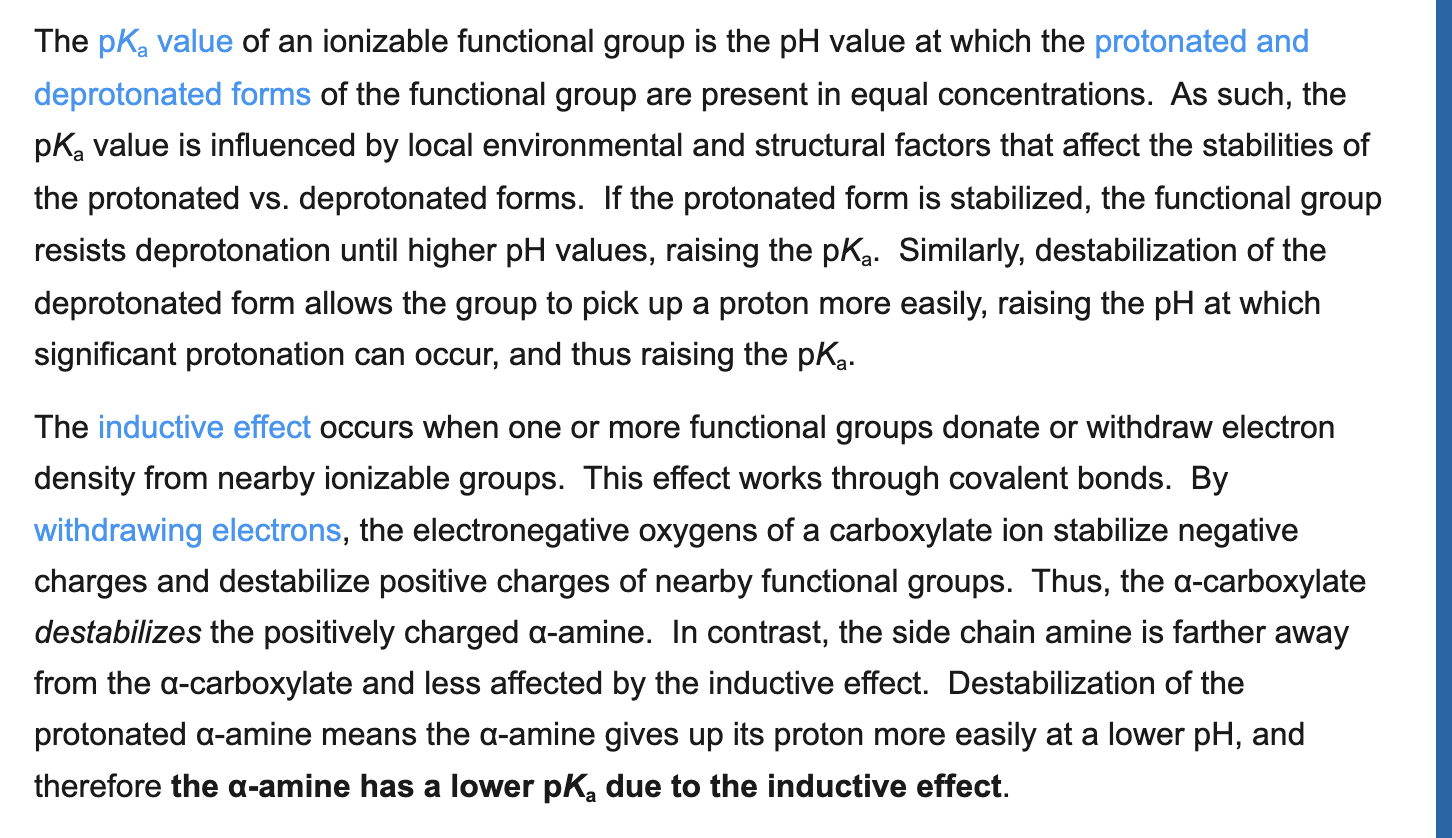
B. a-carboxylate withdraws electrons from the a-amine due to inductive effect
C. protonated a-amine is stabilized through resonance
Answer B

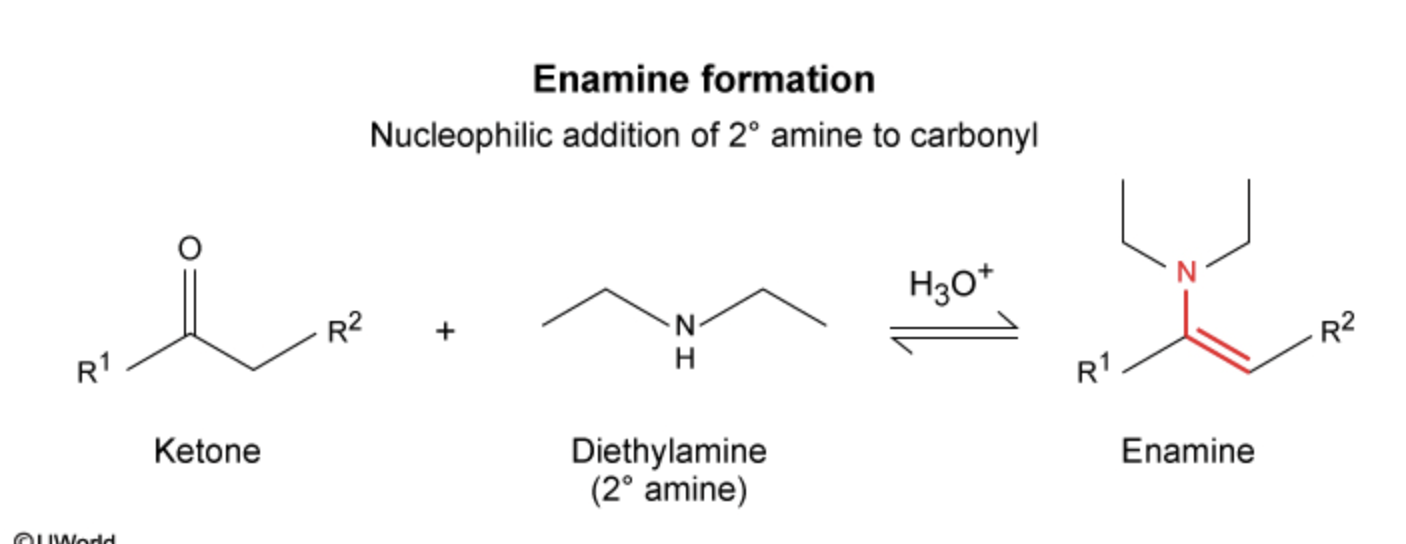
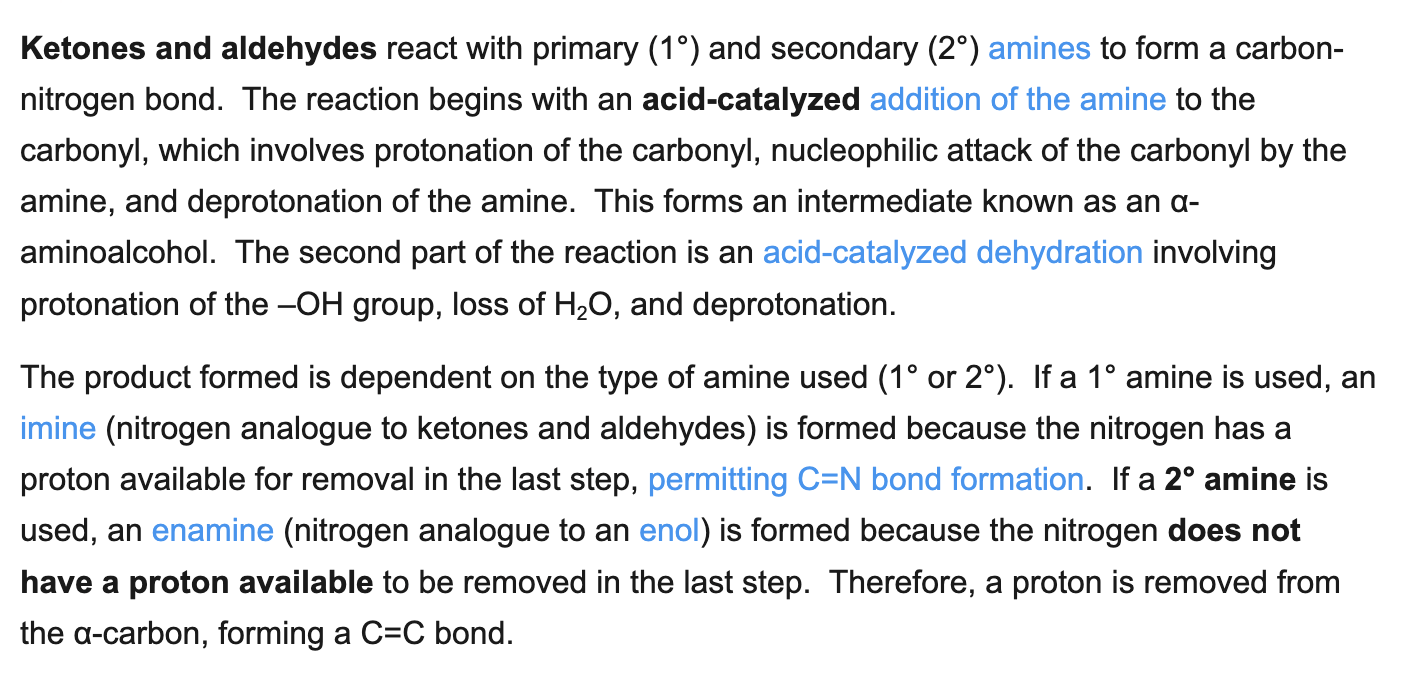
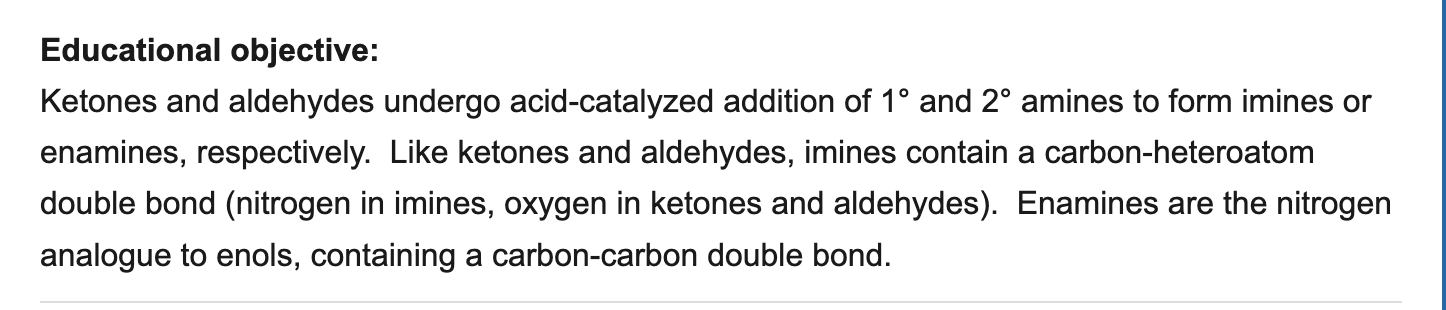
Enamine or imine?
Enamine

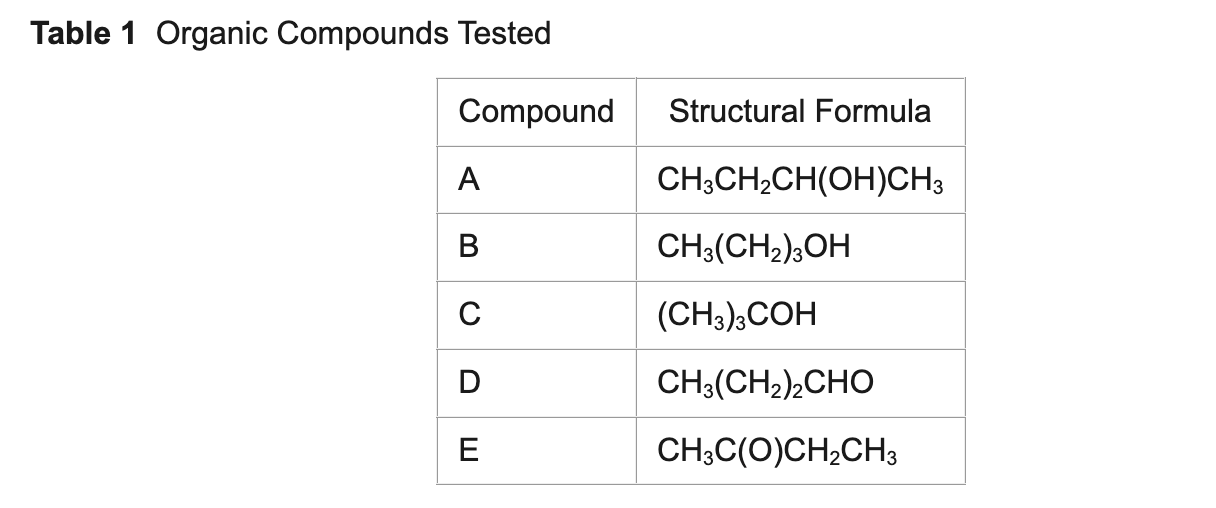

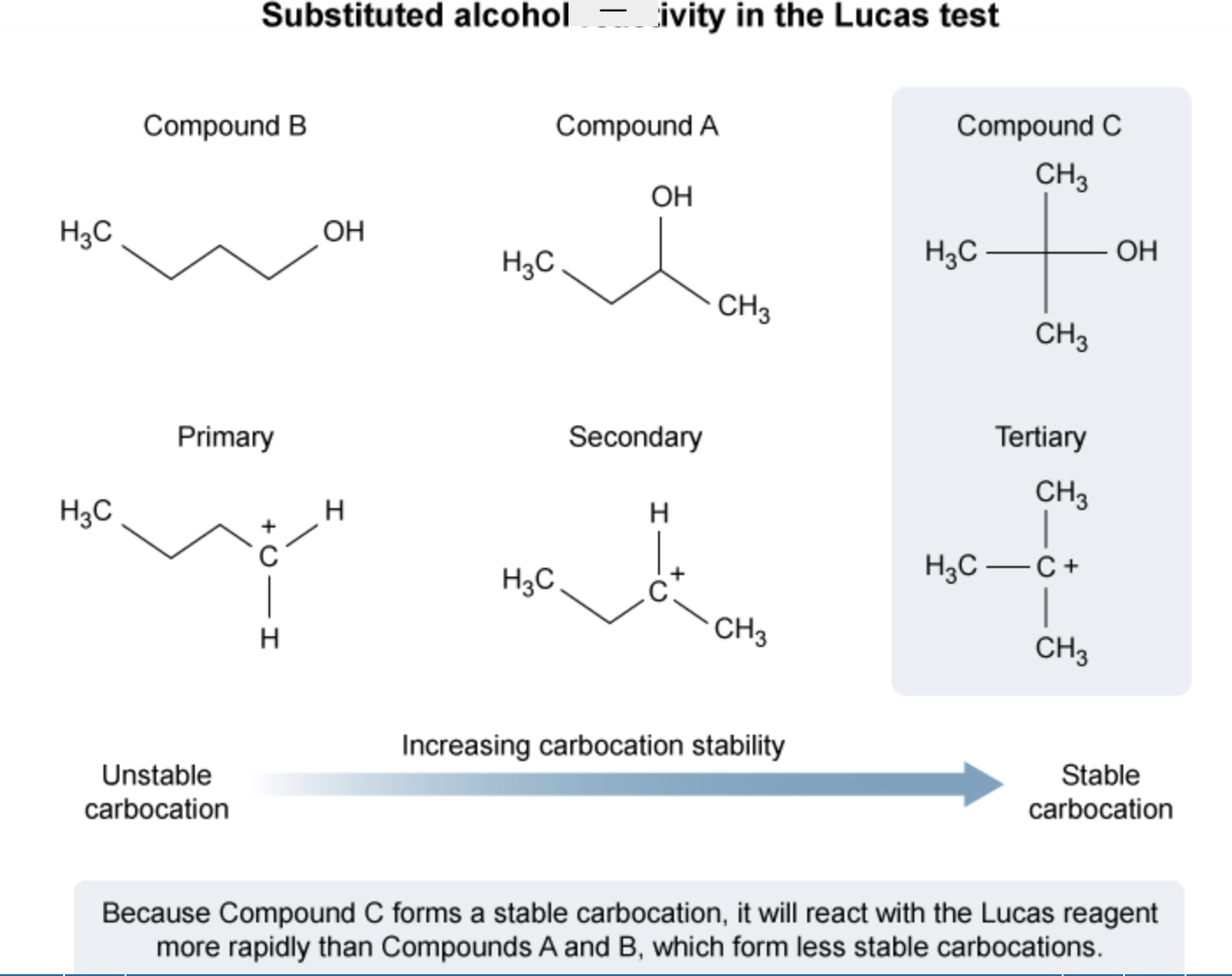
A,B, or C?
Answer compound C

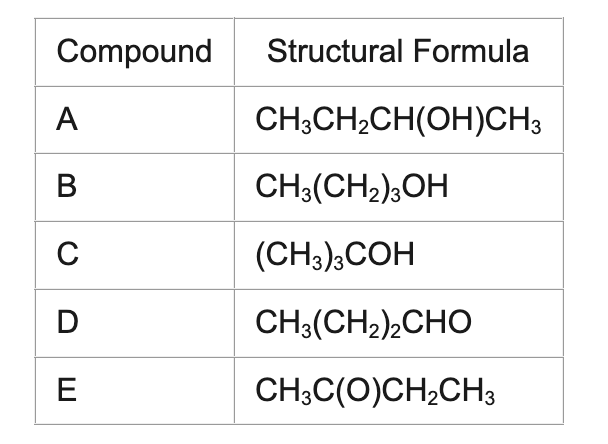
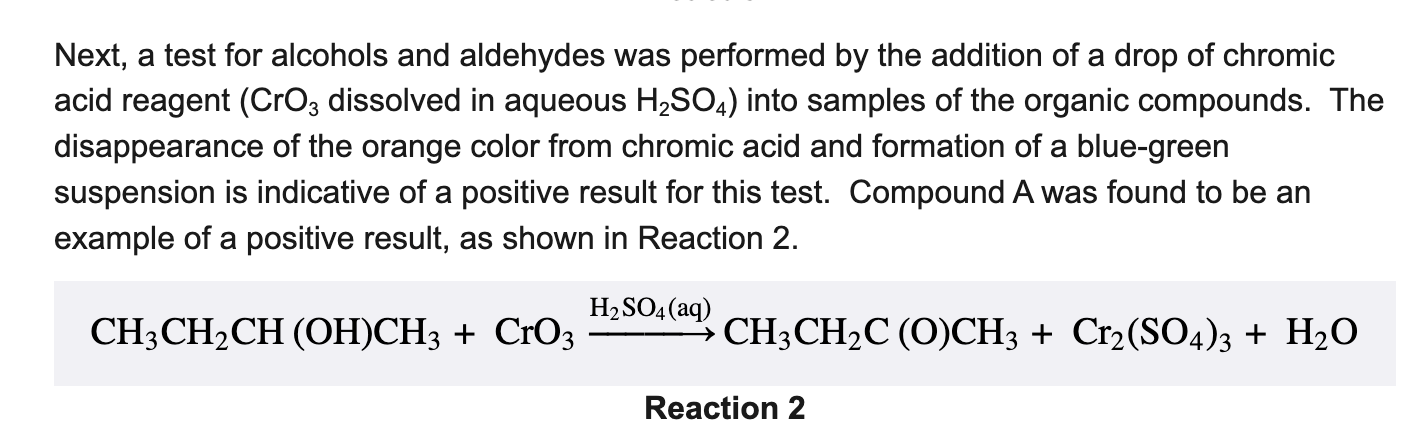

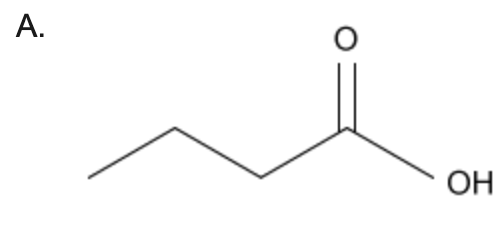
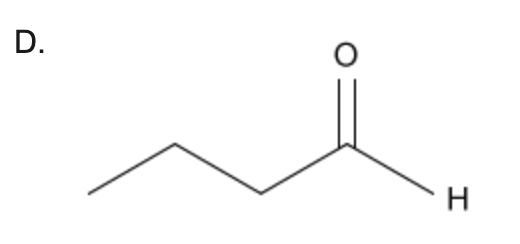
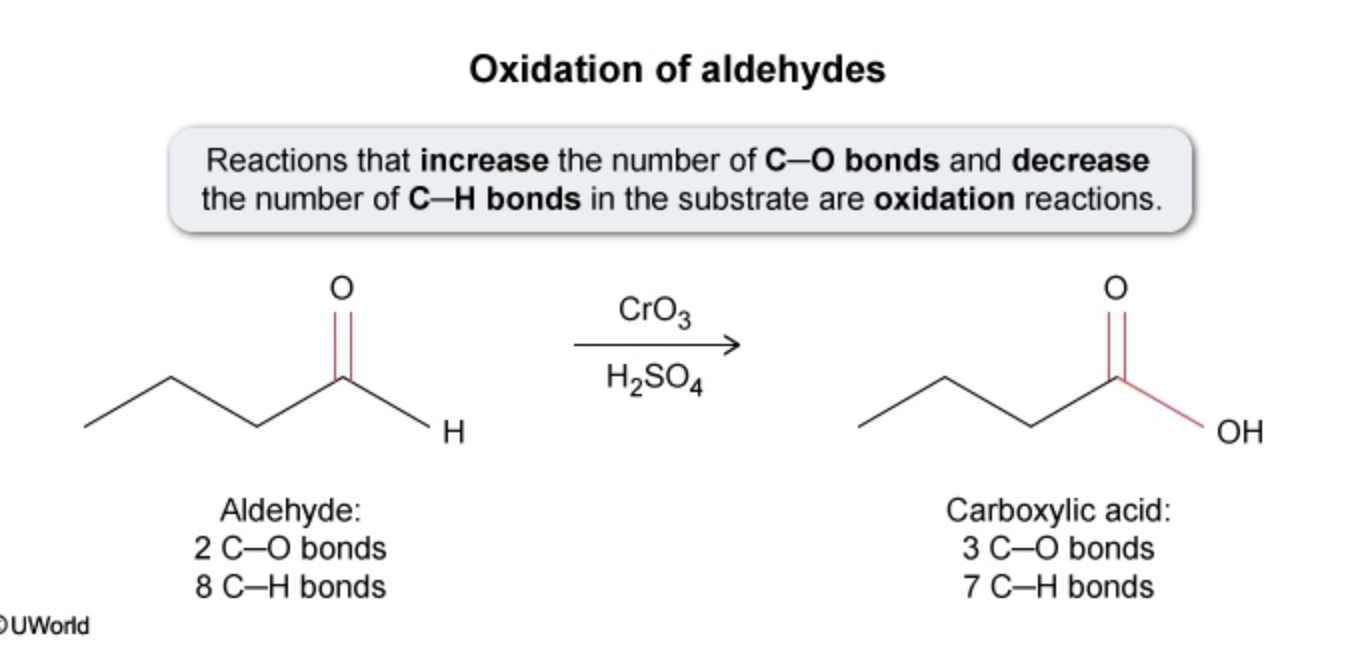
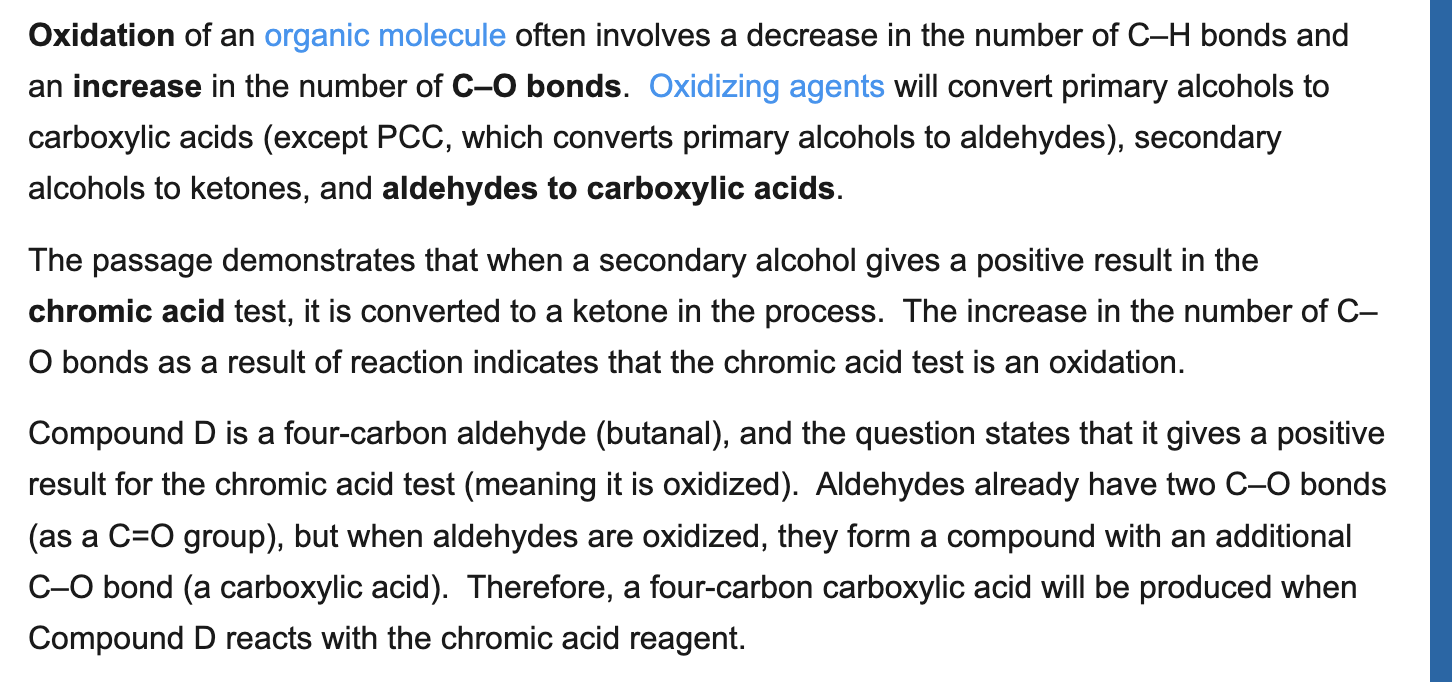


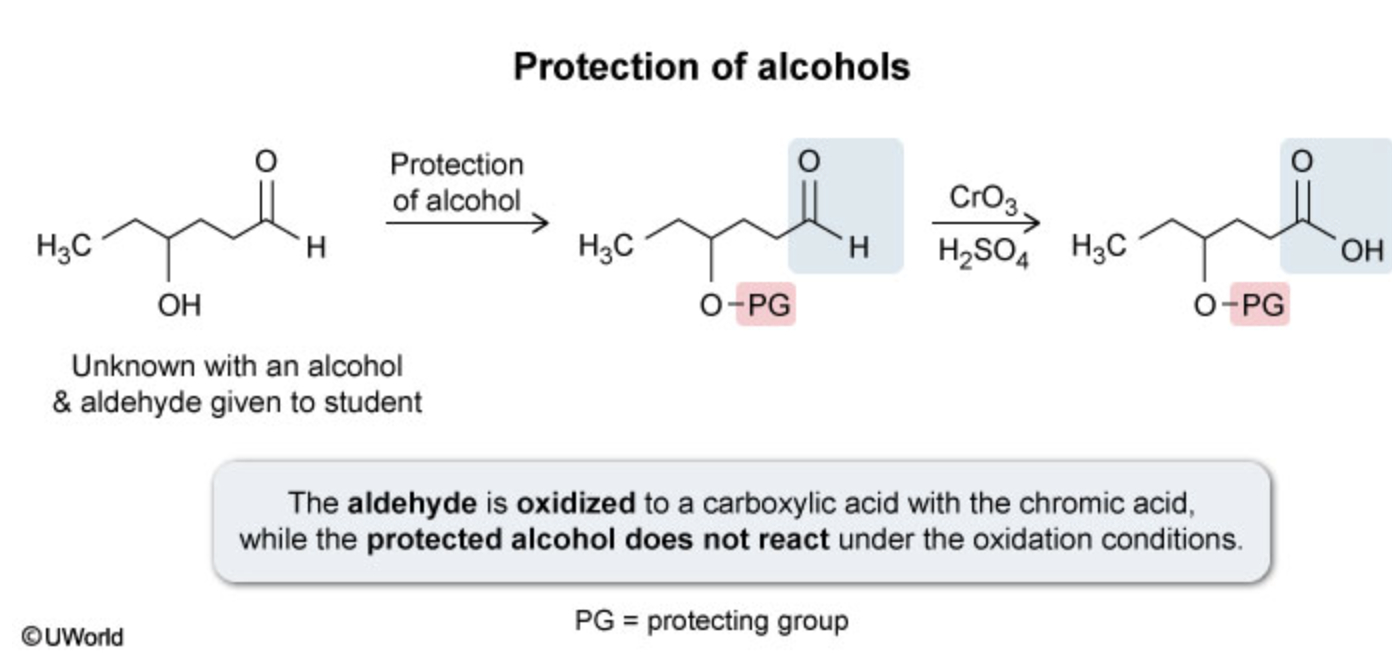
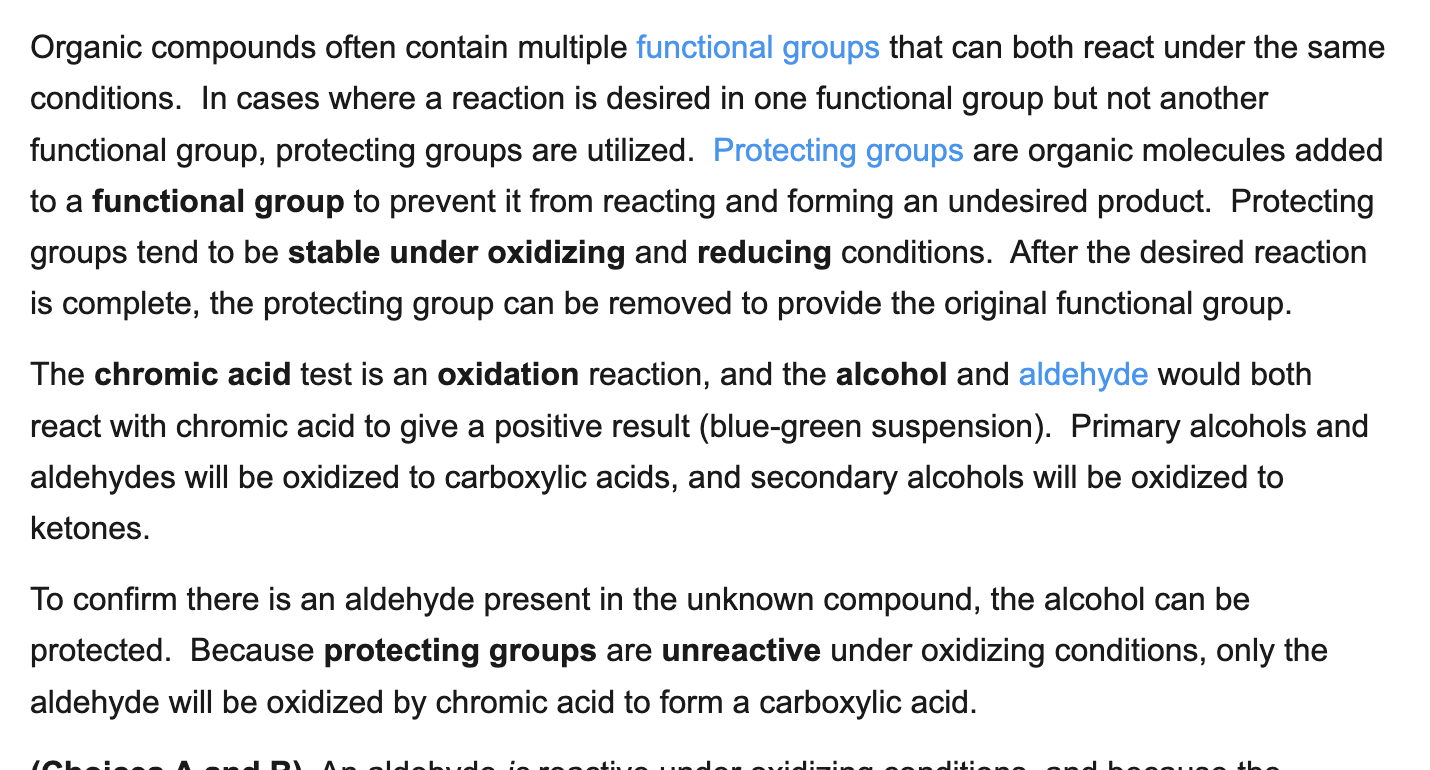
Yes because protected alcohol group is unreactive underoxidizing conditions
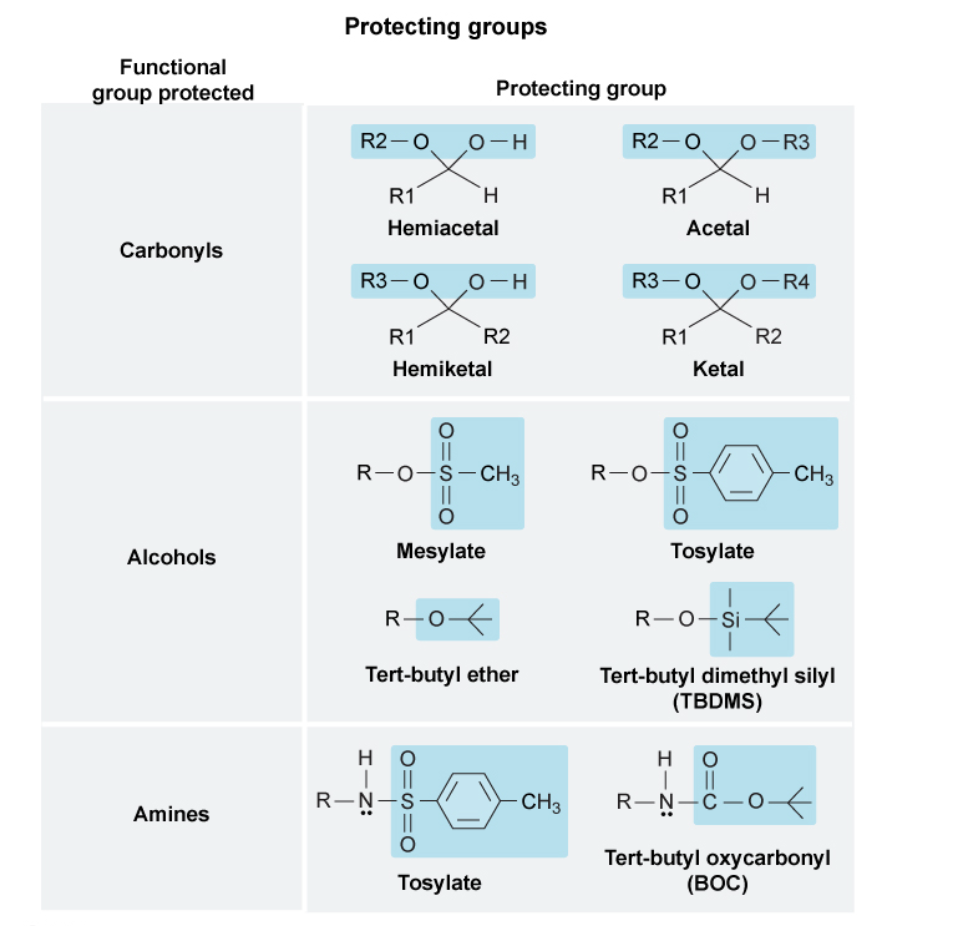
Protecting groups

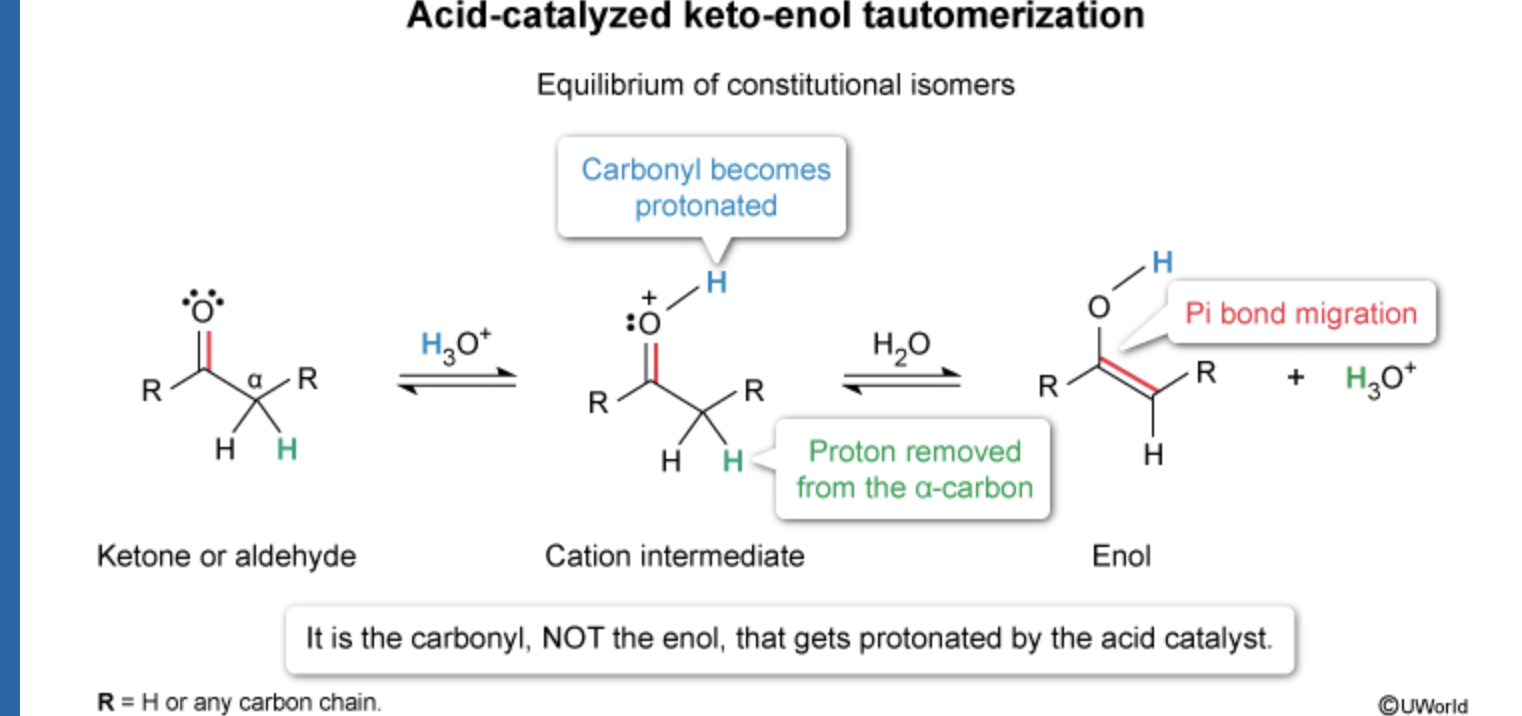
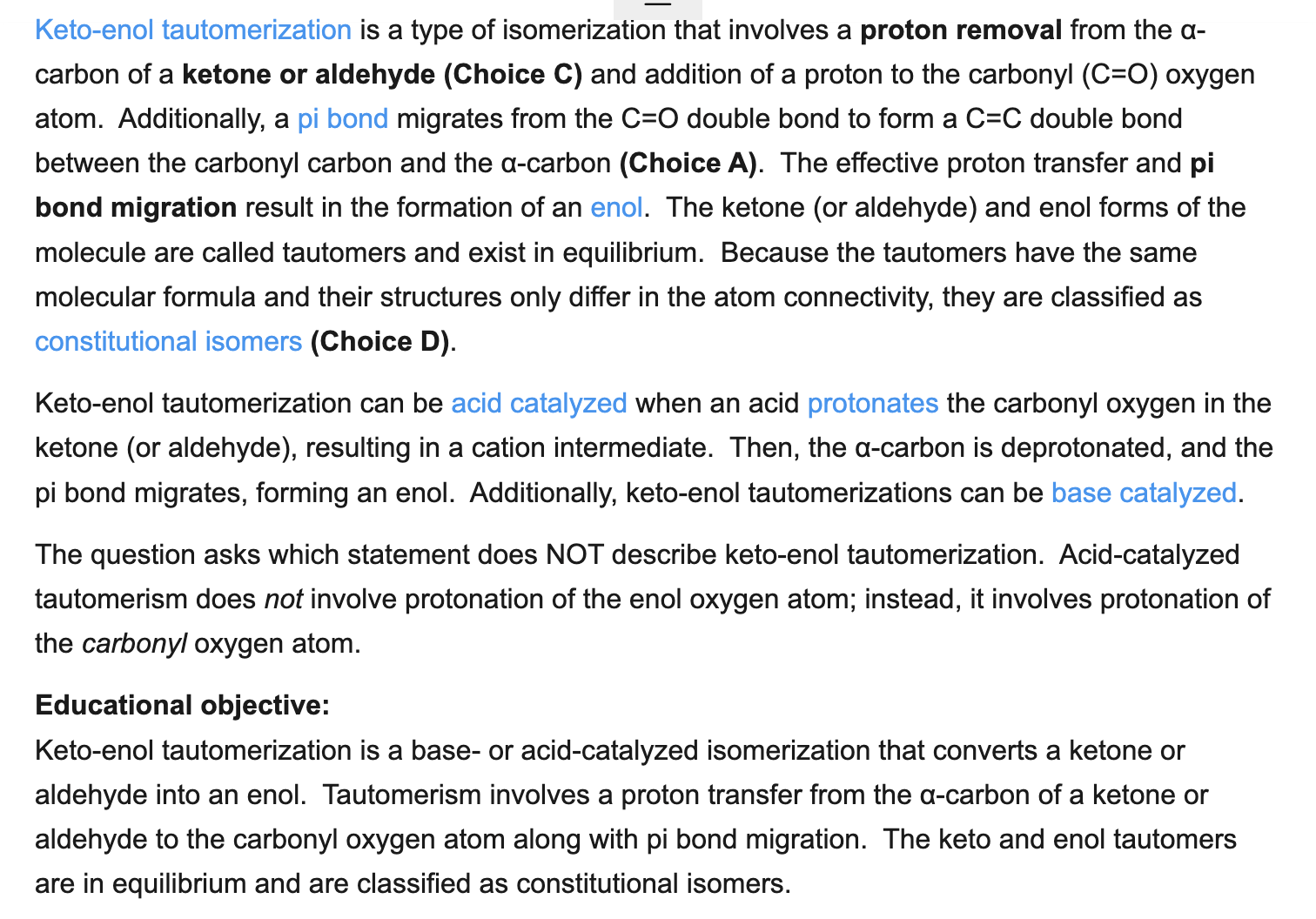
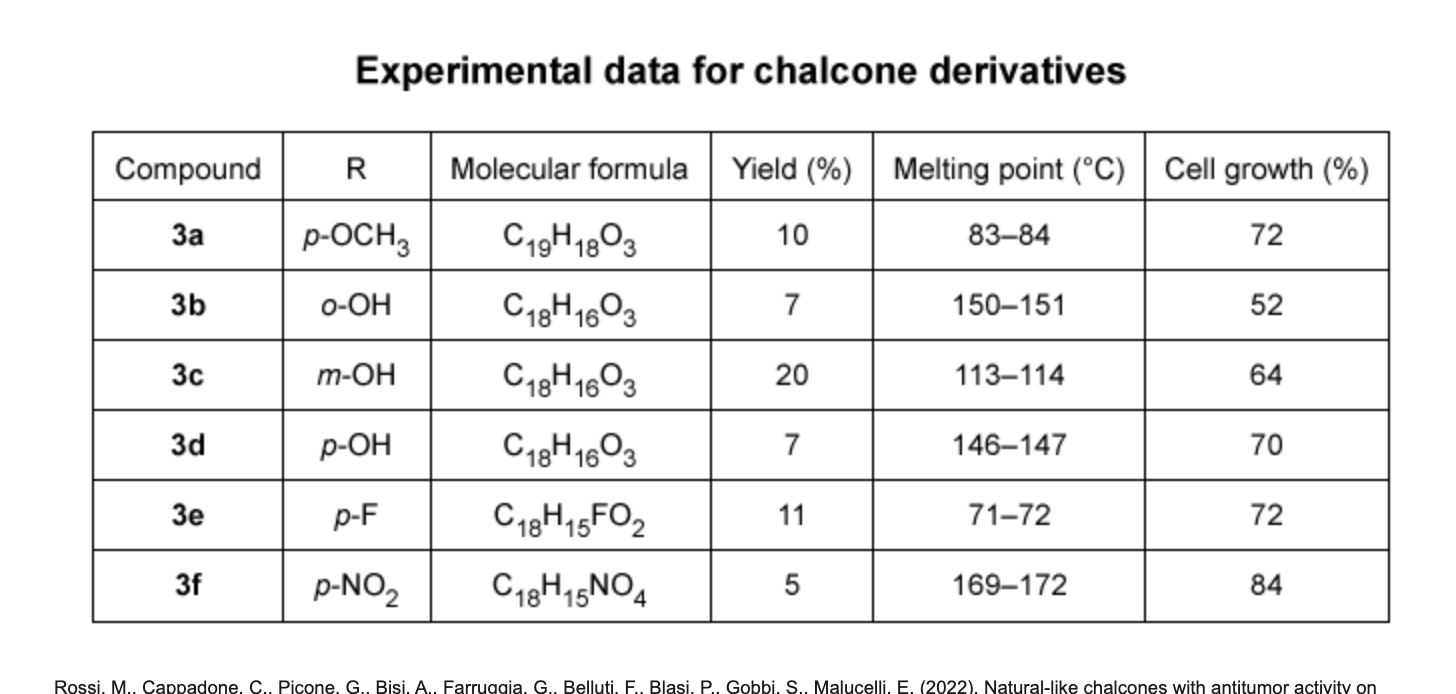
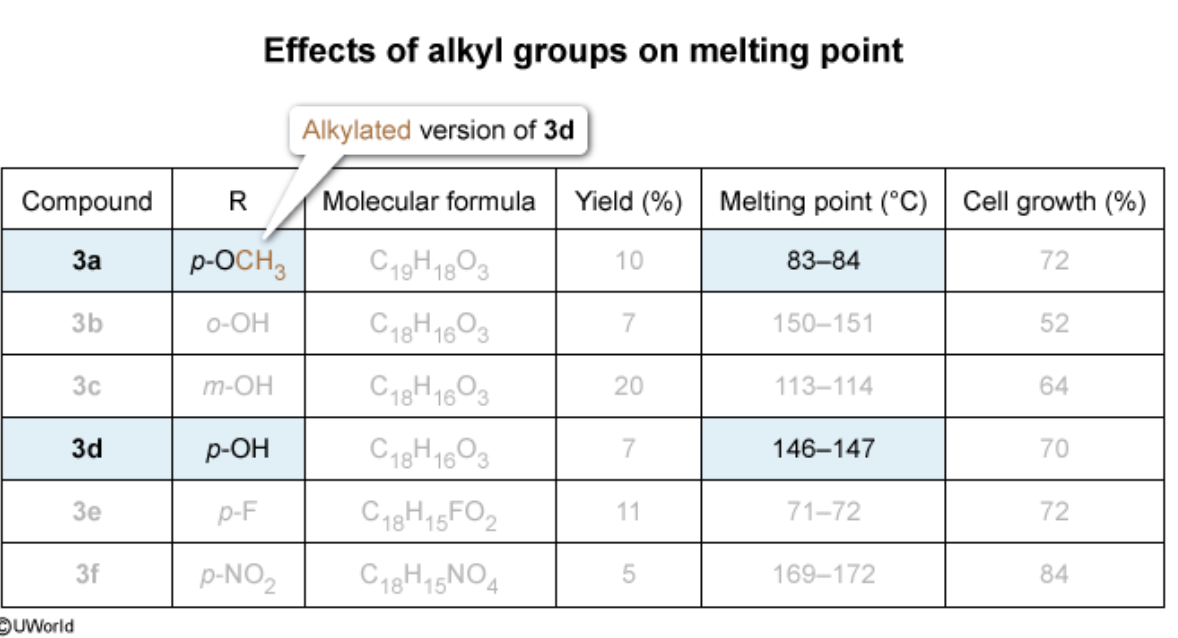
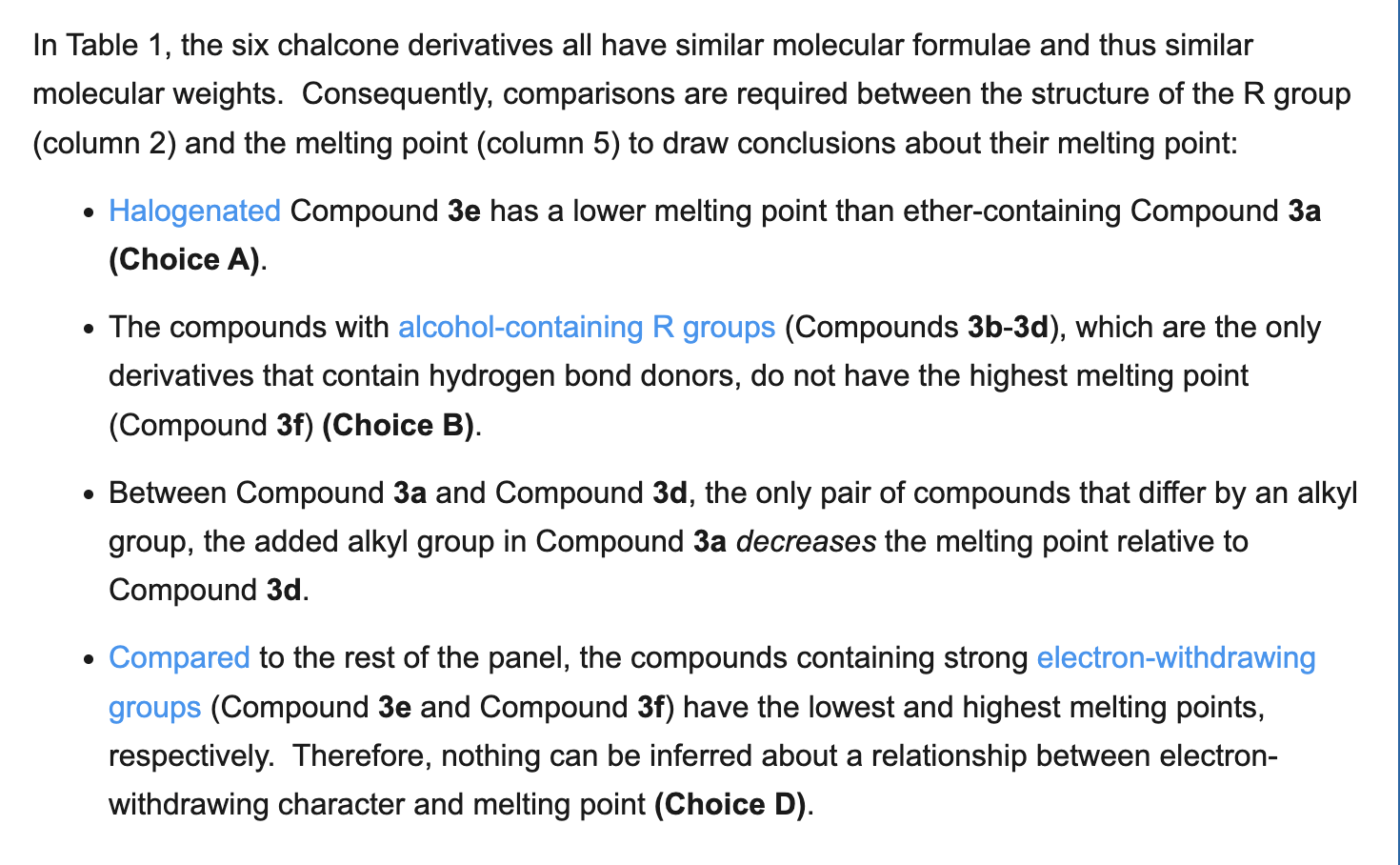
A. halogenated products have a lower melting point than ether-containing products
B. compounds with hydrogen bond donors do not have the highest melting points
C. an increase in alkyl groups increases the melting point of the product.

Answer C
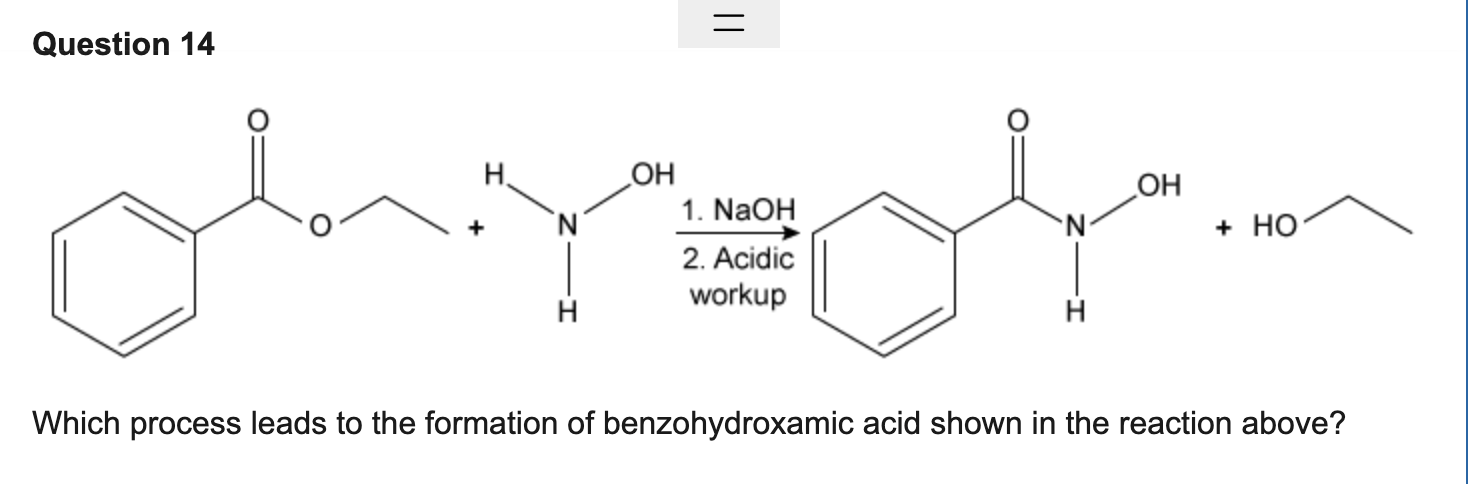
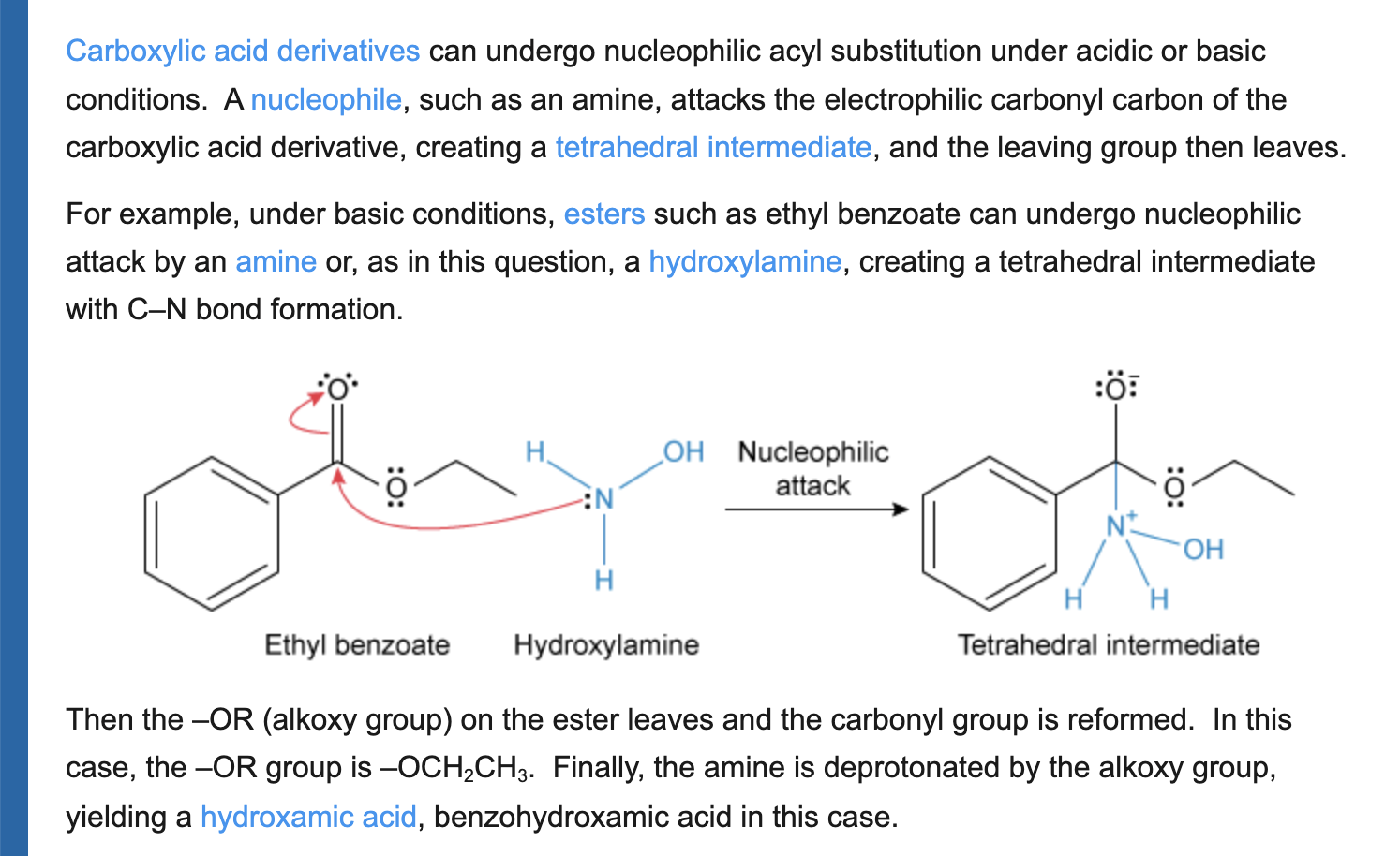
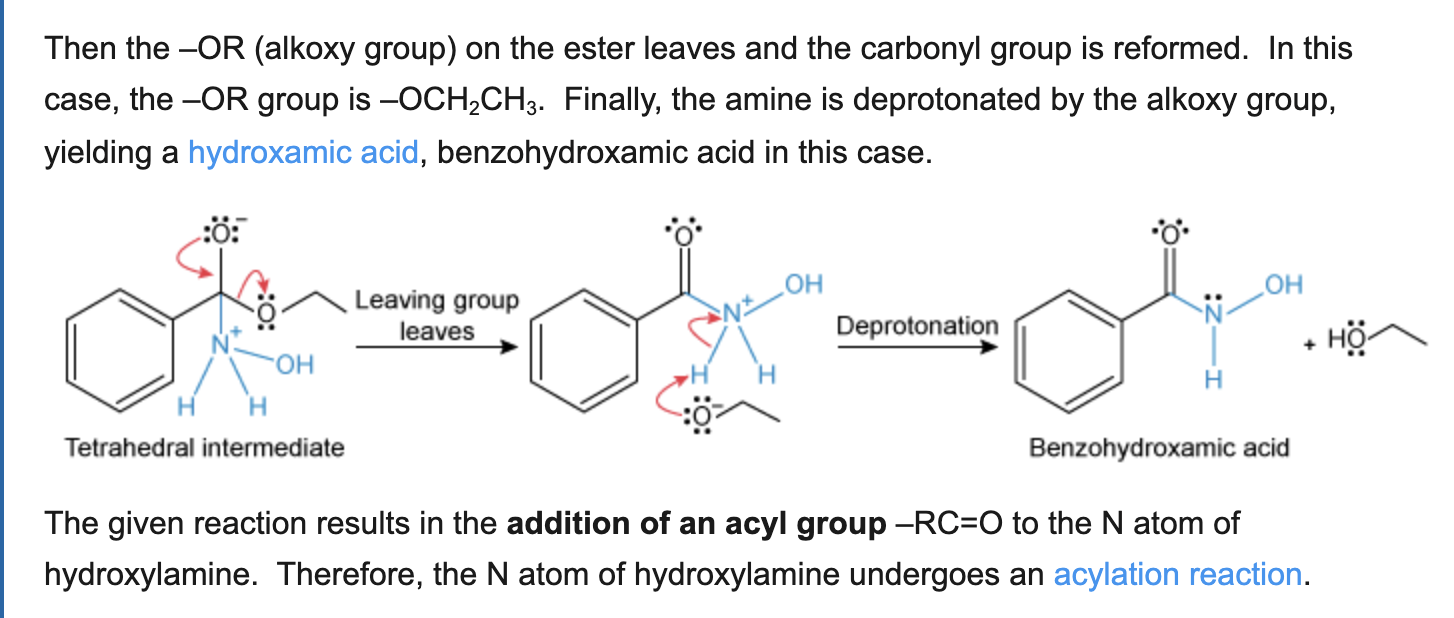
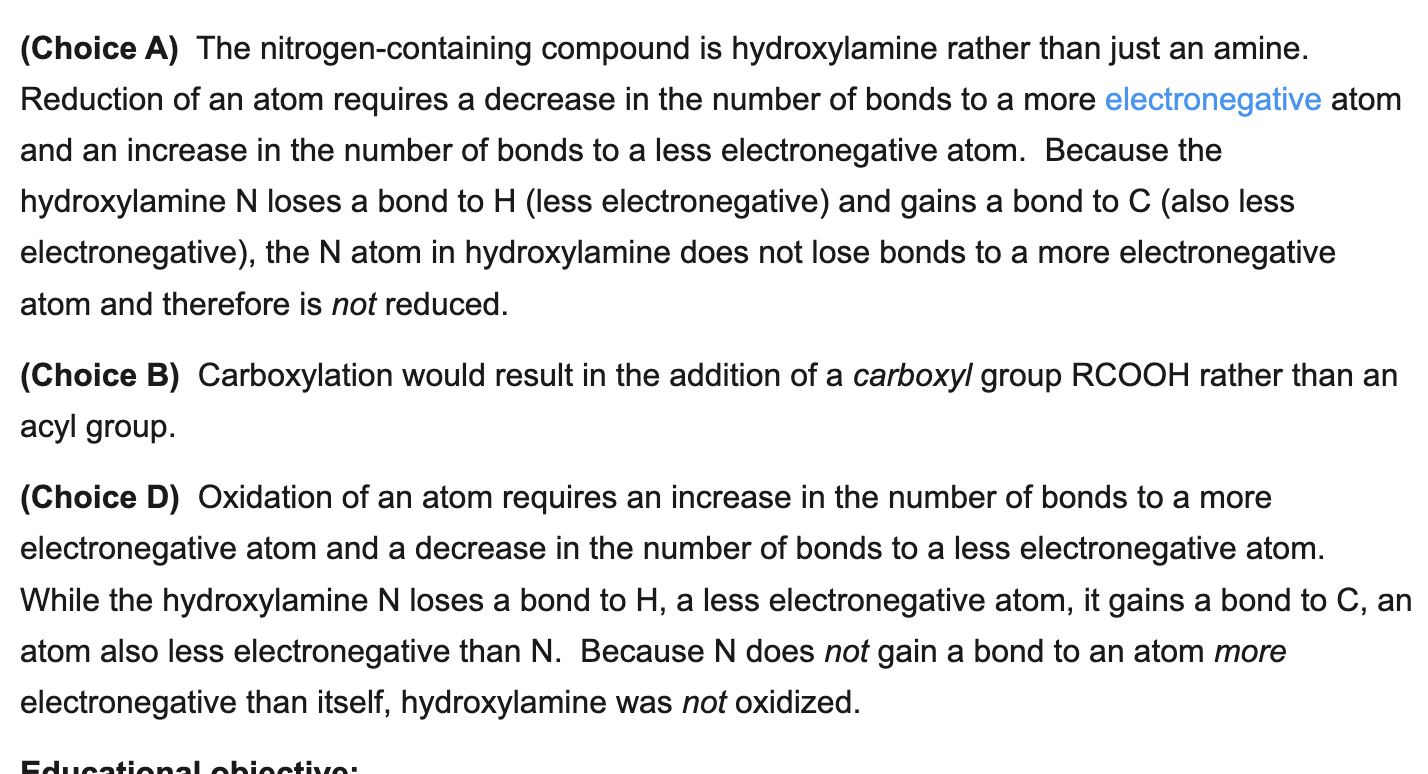
A. reduction of amine nitrogen
B. Carboxylation of amine nitrogen
C. Acylation of hydroxylamine nitrogen
D. Oxidation of the hydroxylamine nitrogen
Answer C



Answer A
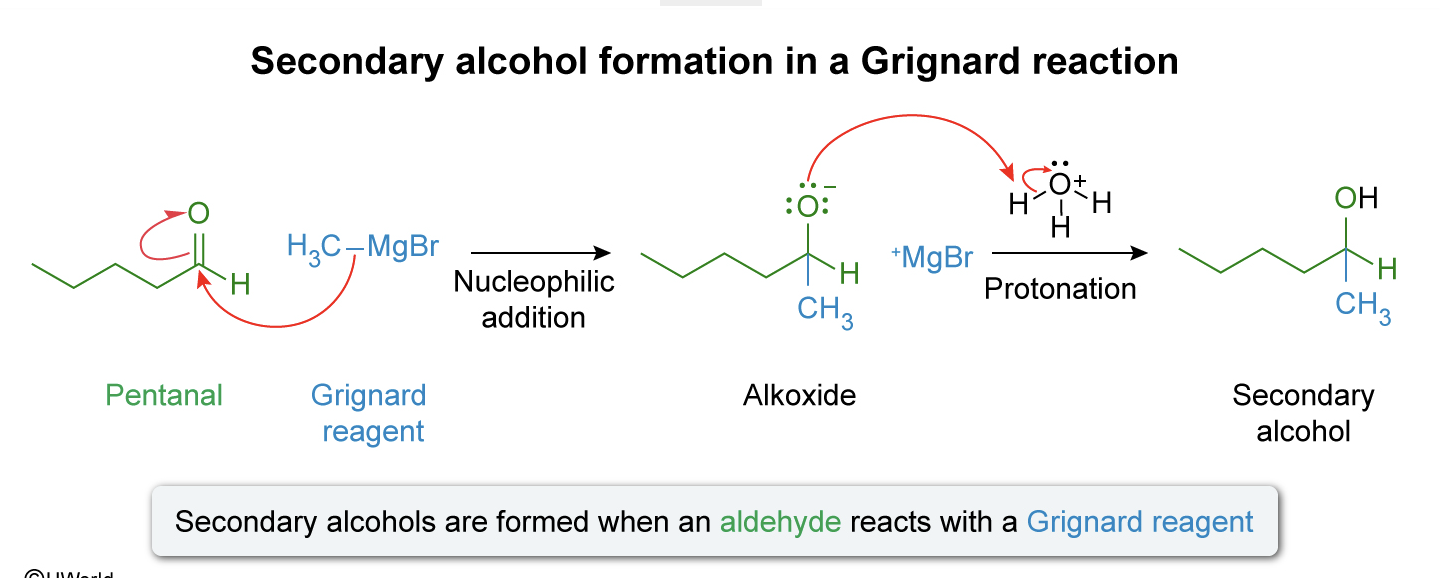
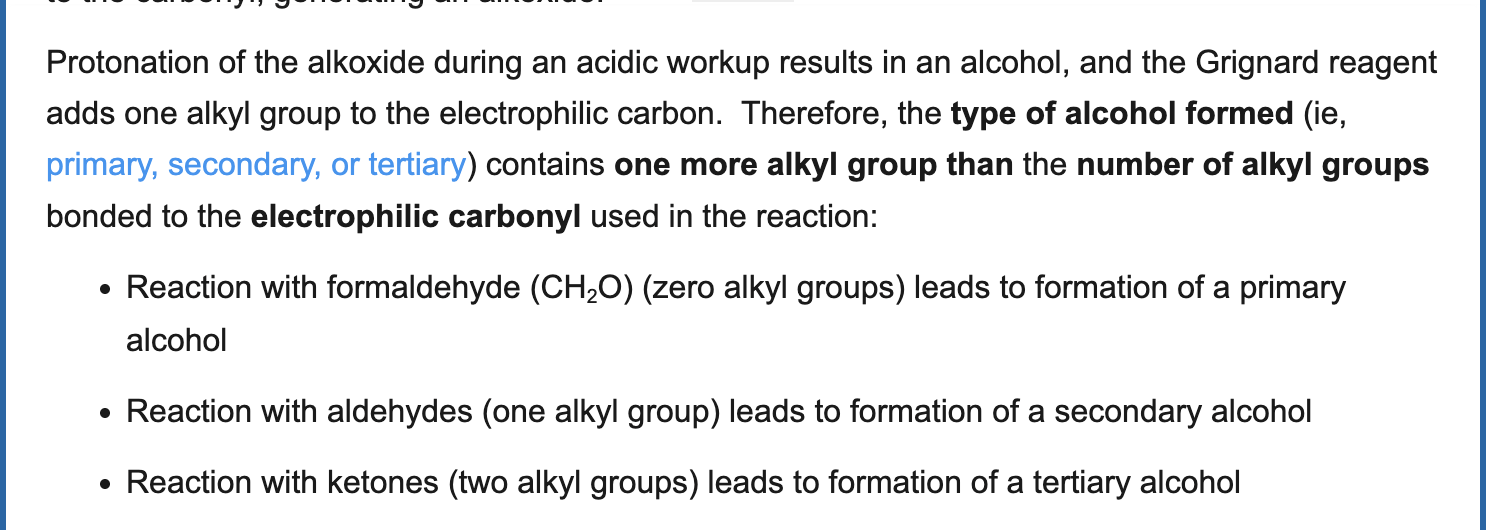
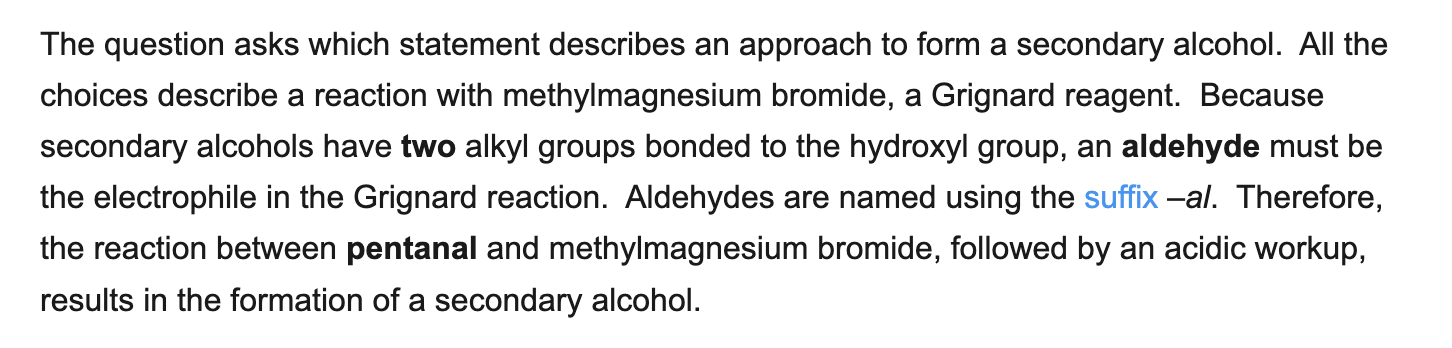


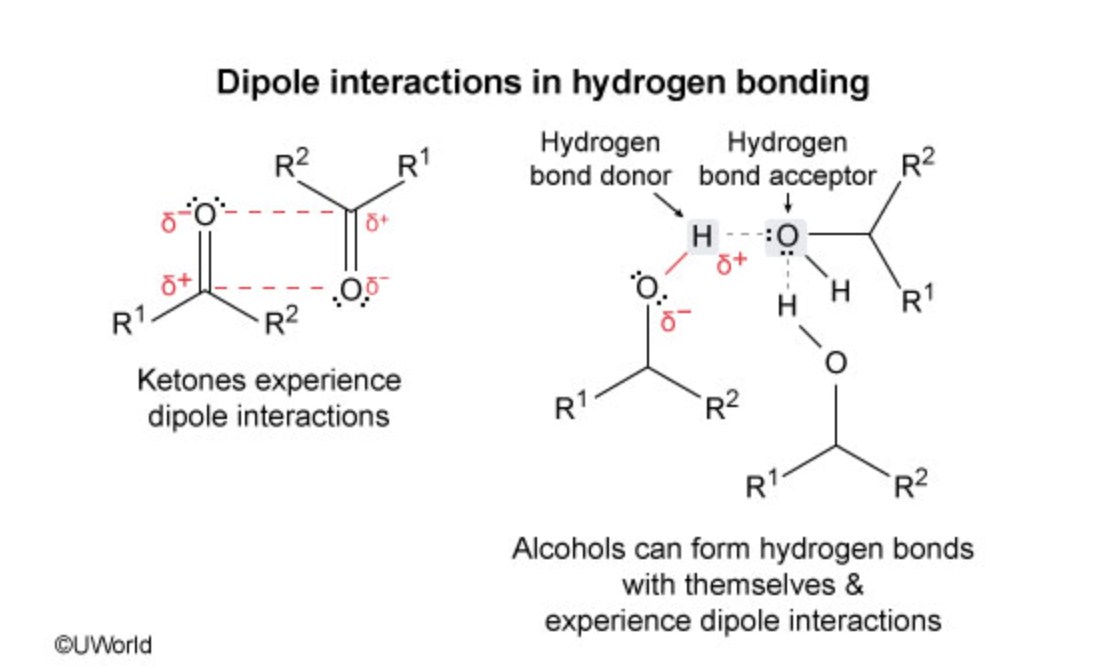
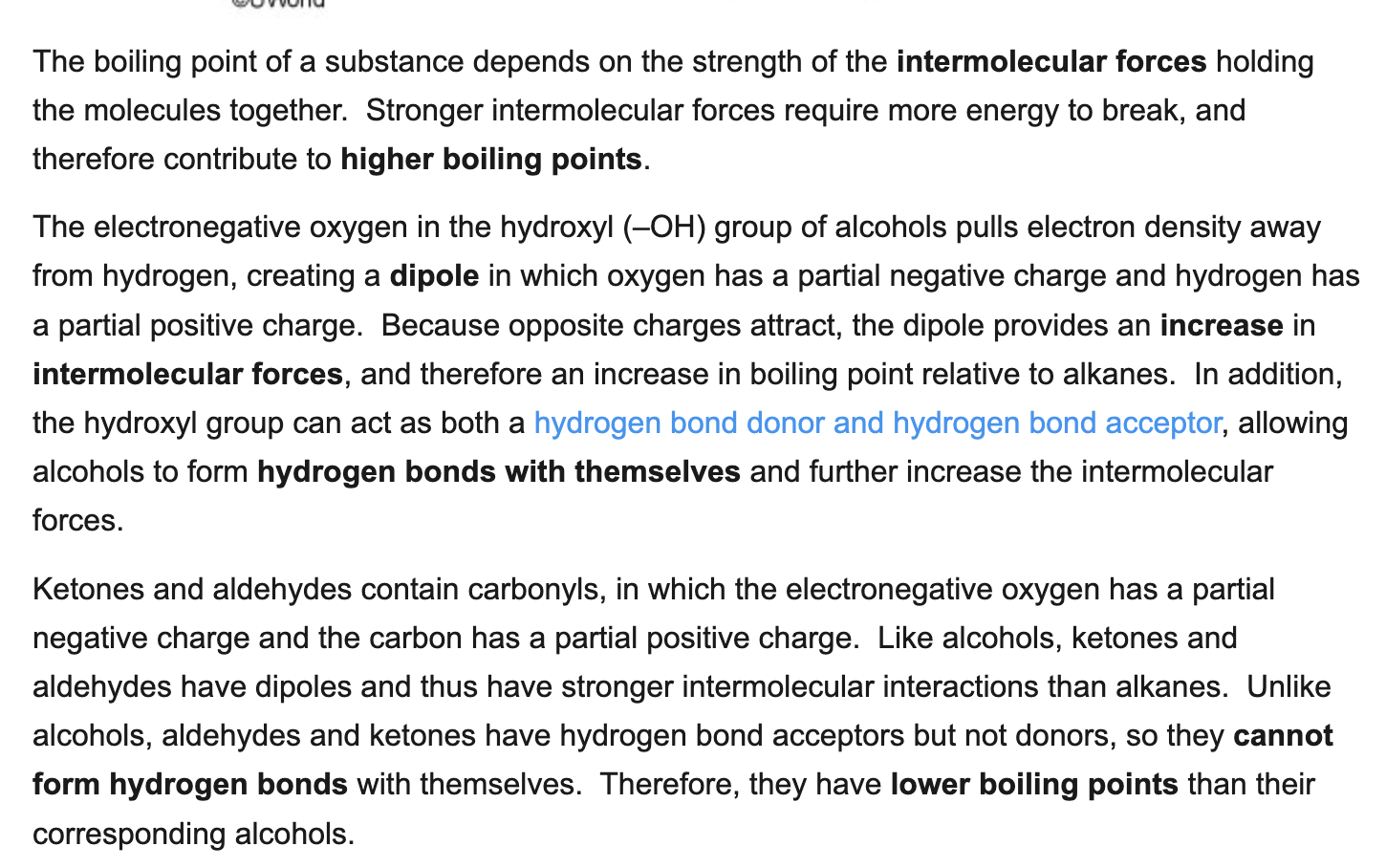
Lower, because they cannot form hydrogen bonds with each other
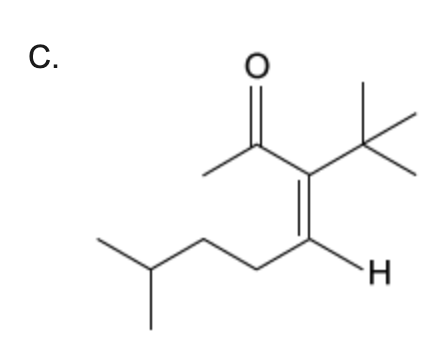
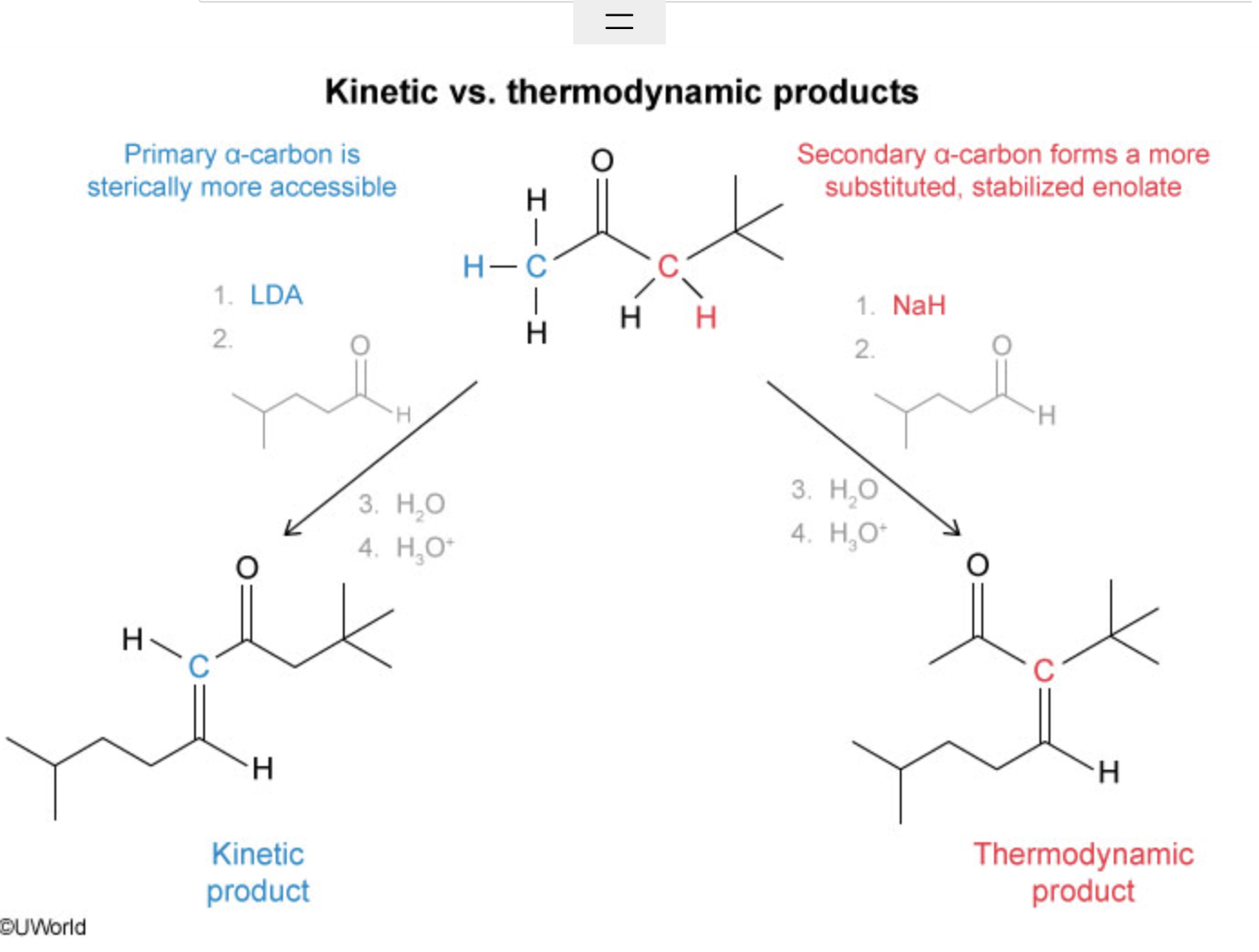
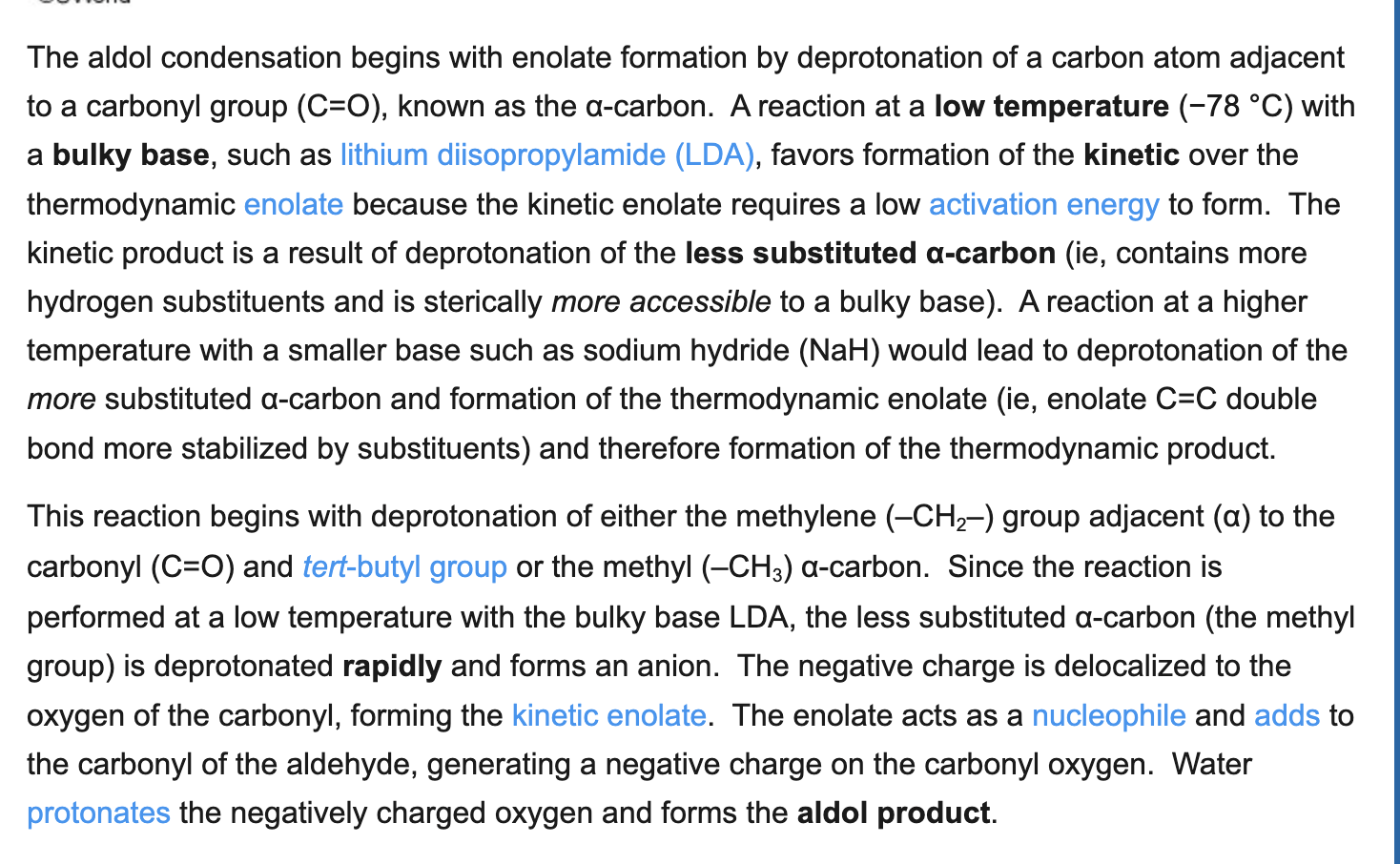
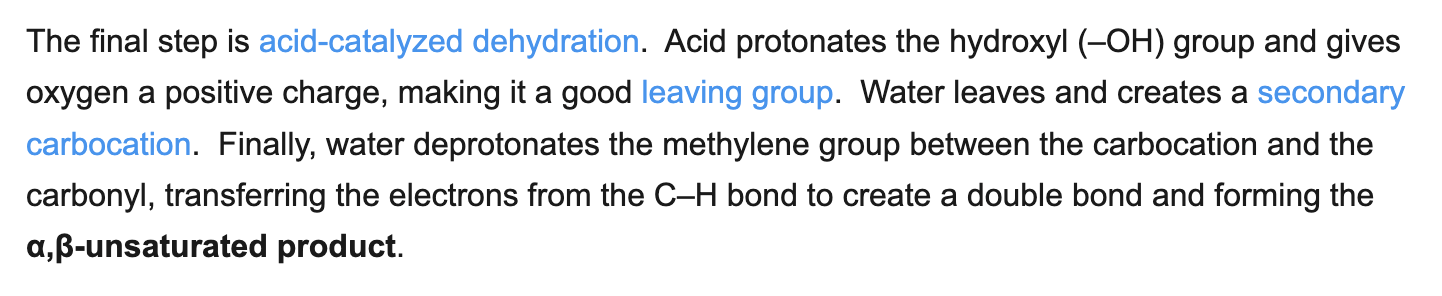
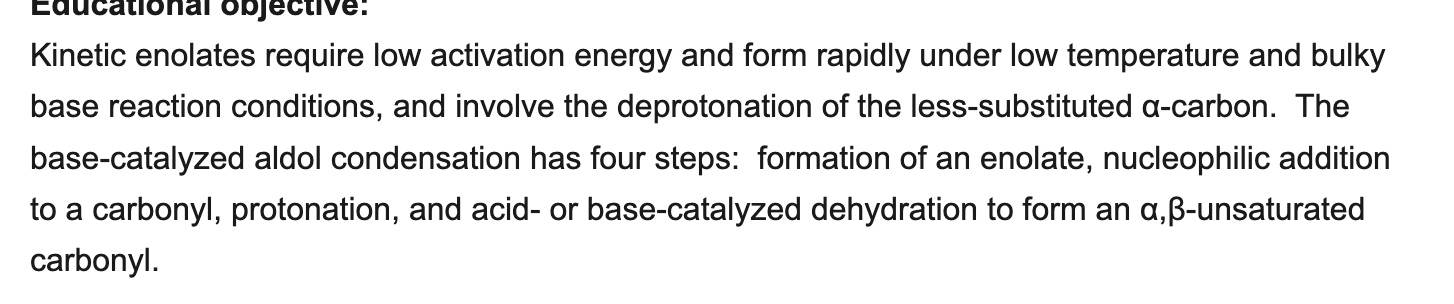

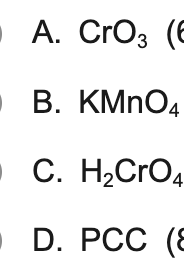
Answer D
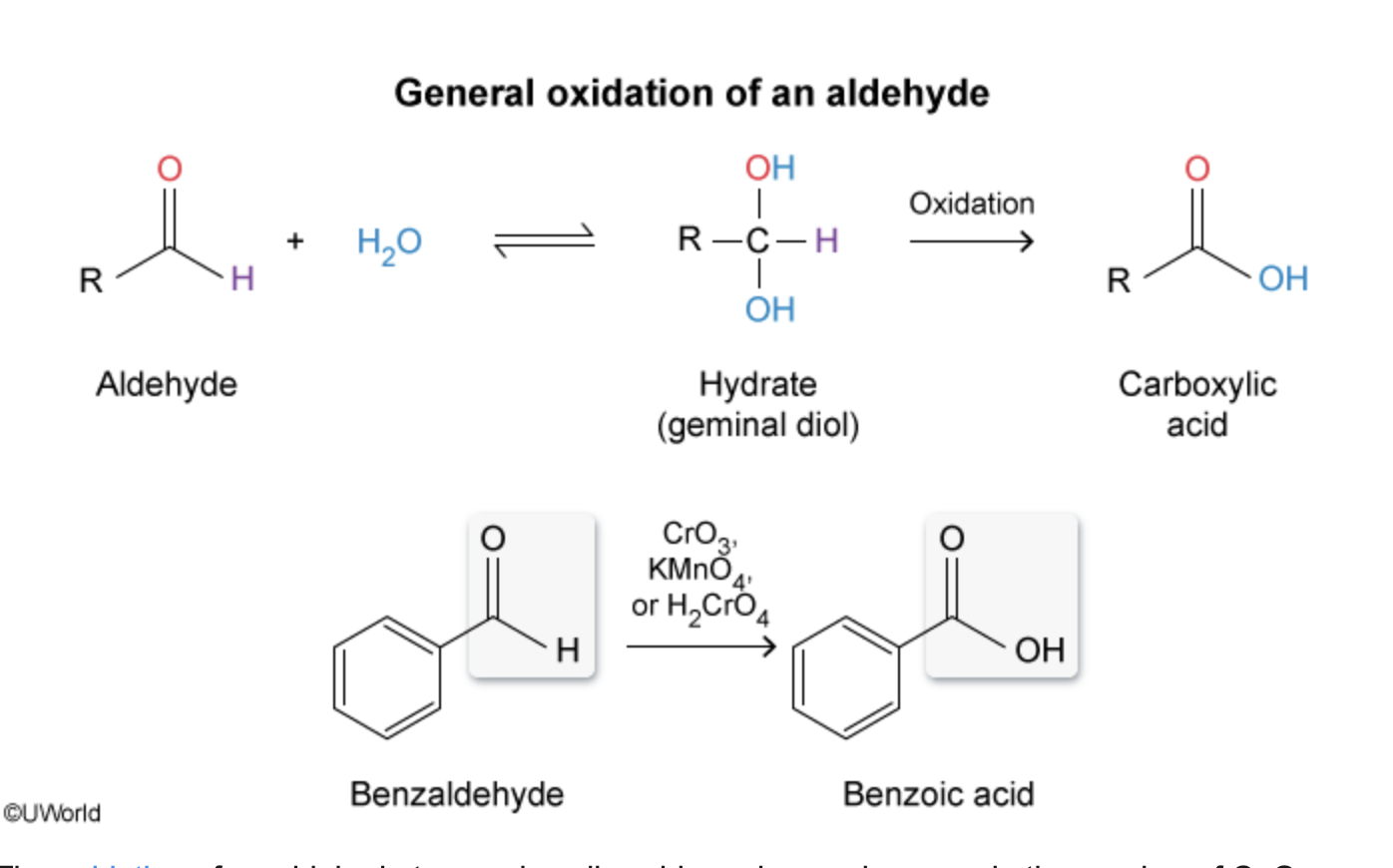
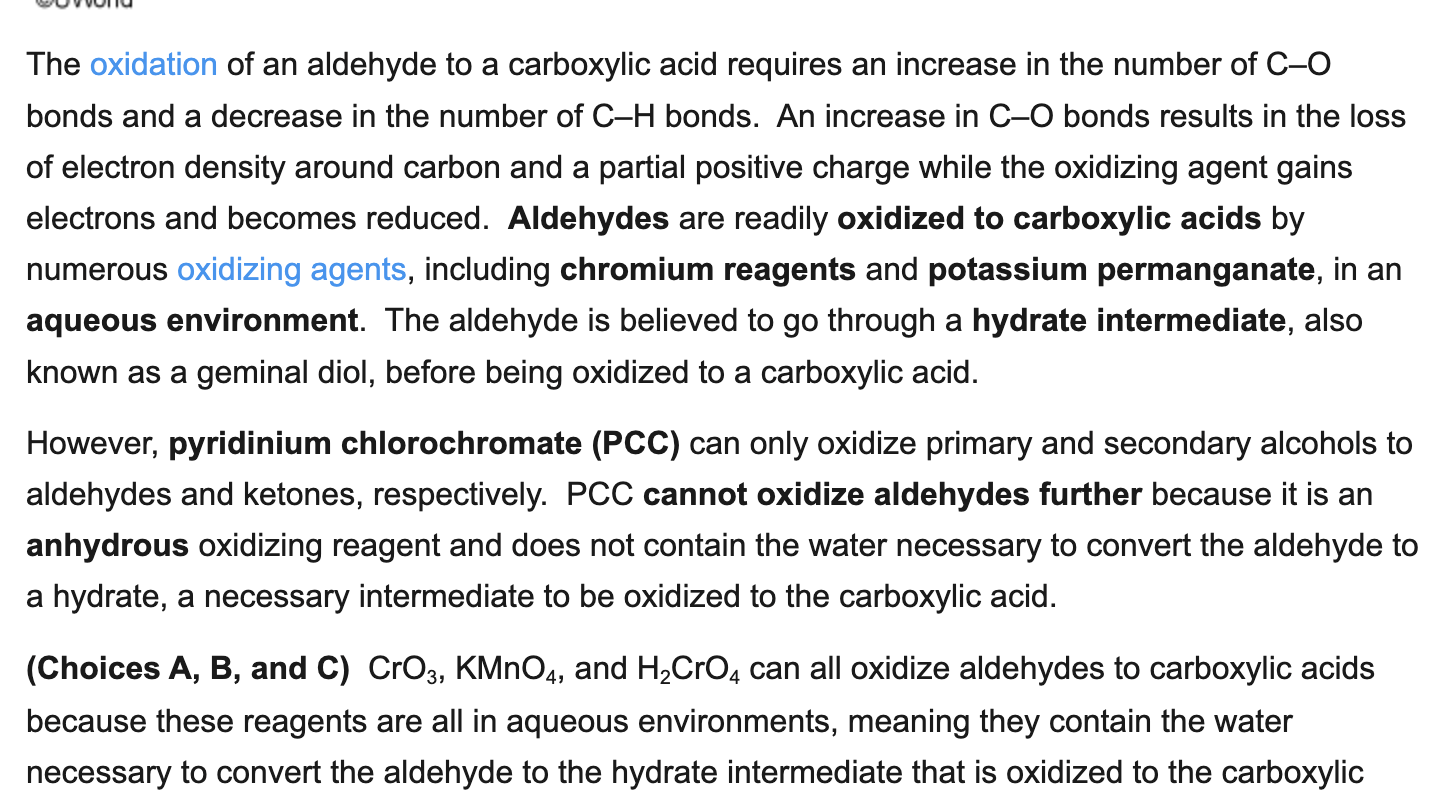
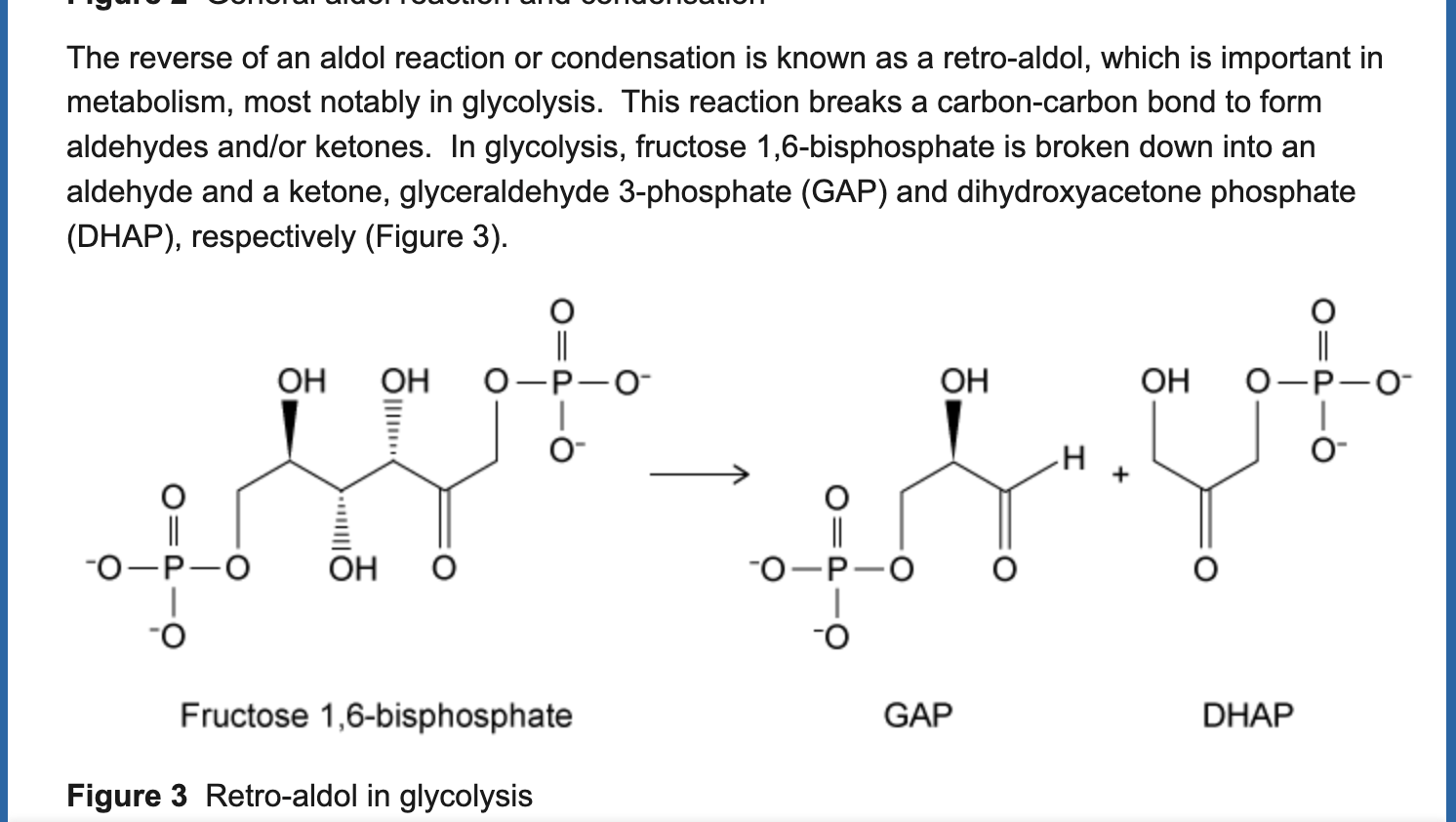
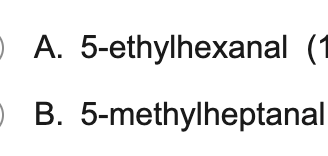
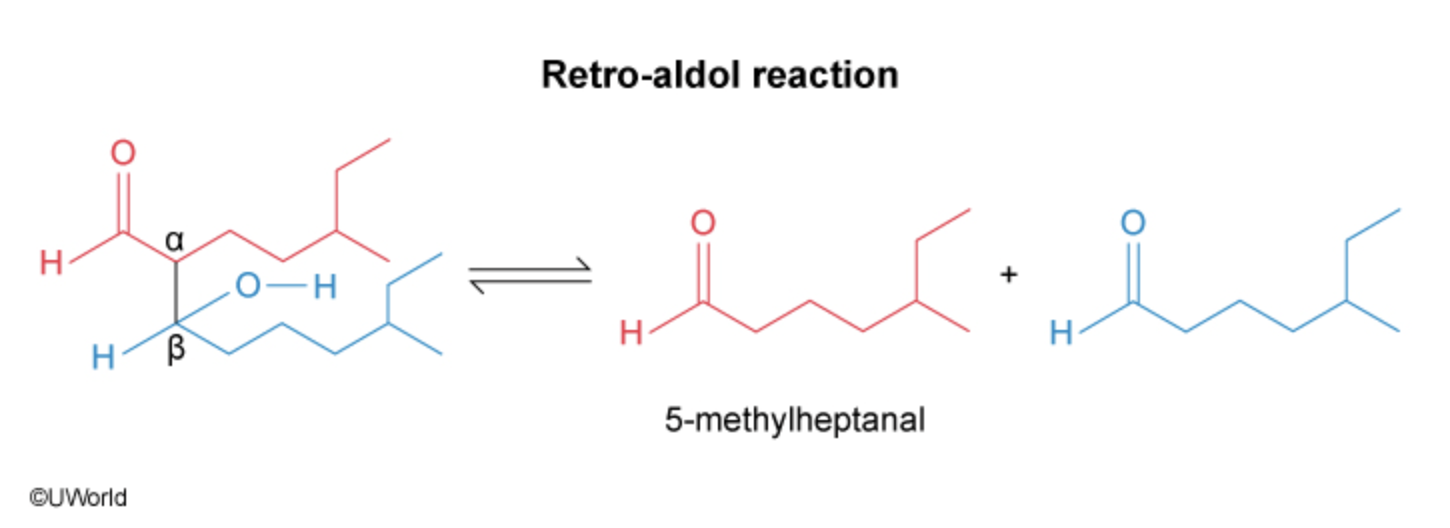
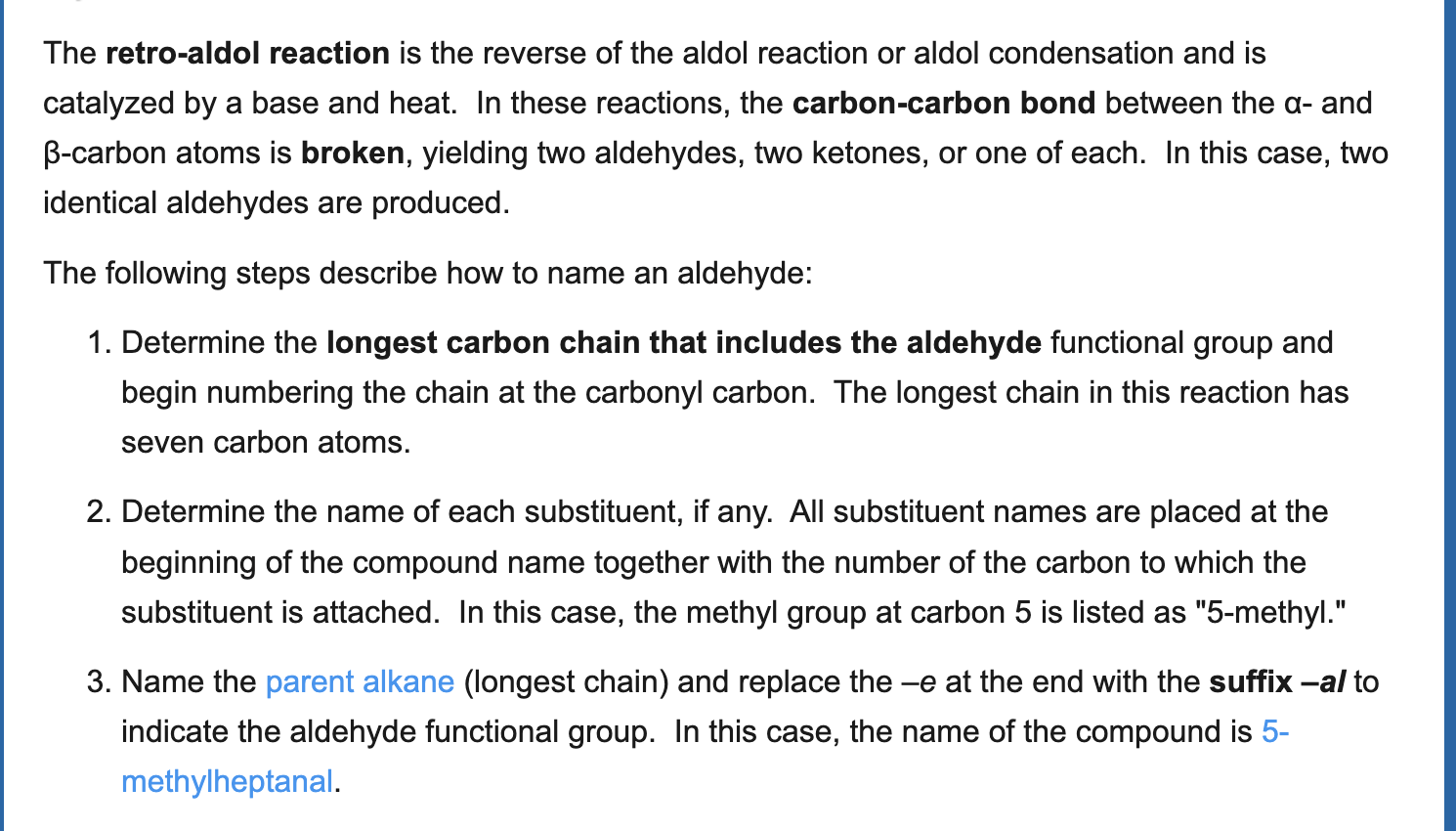
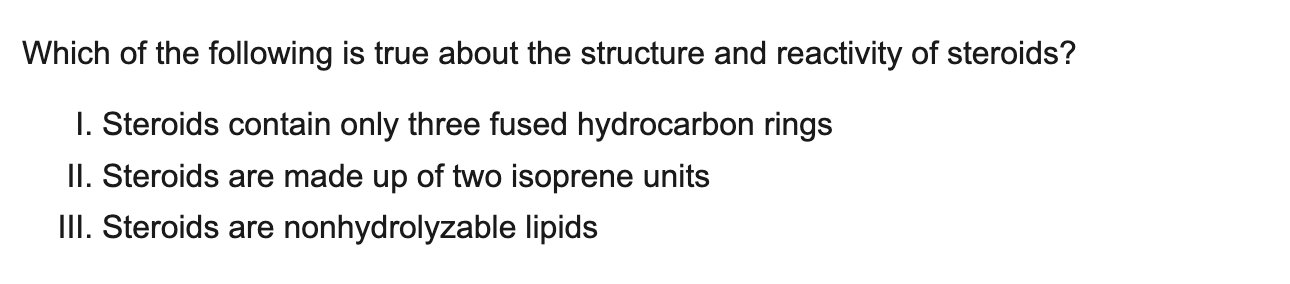
3 only
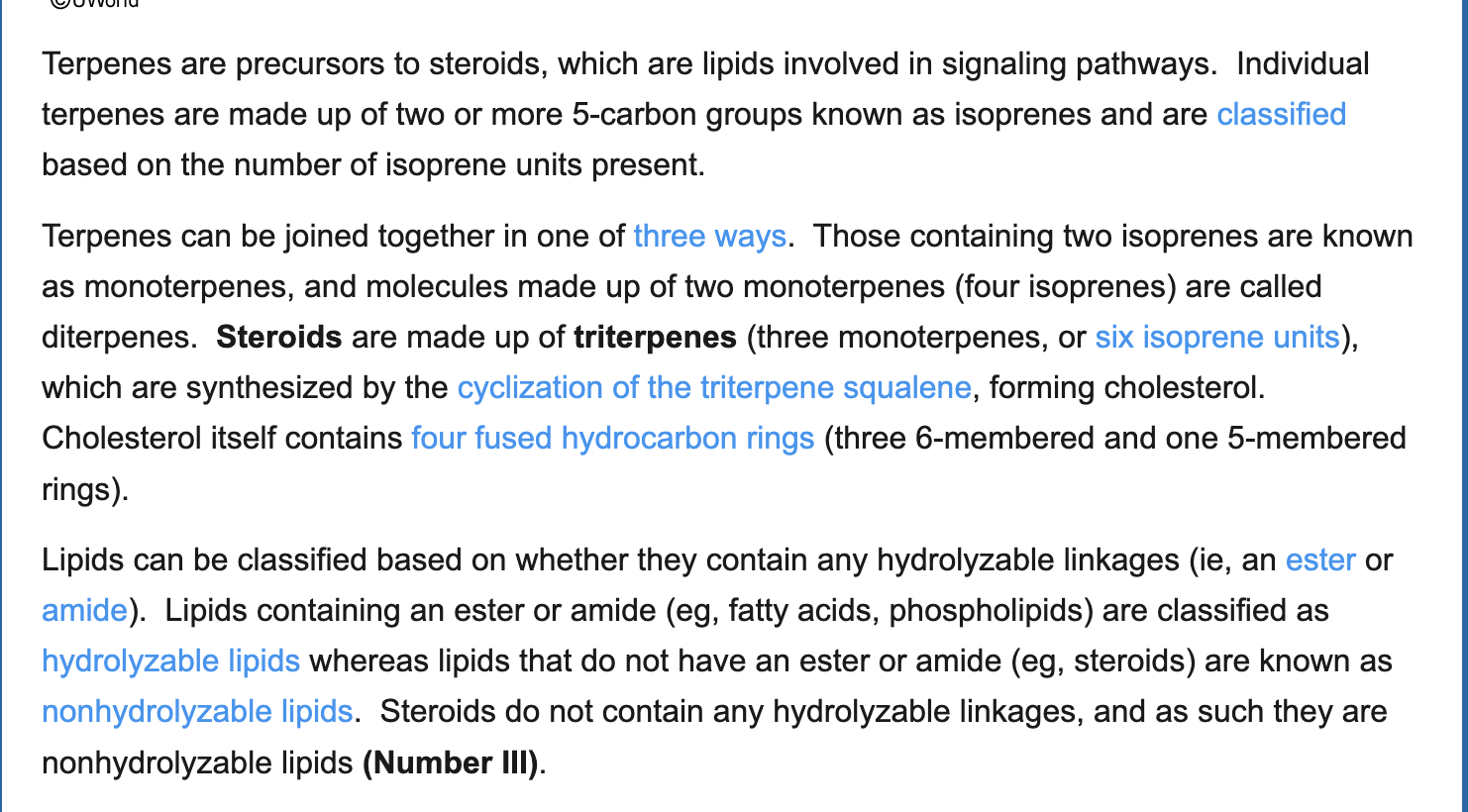

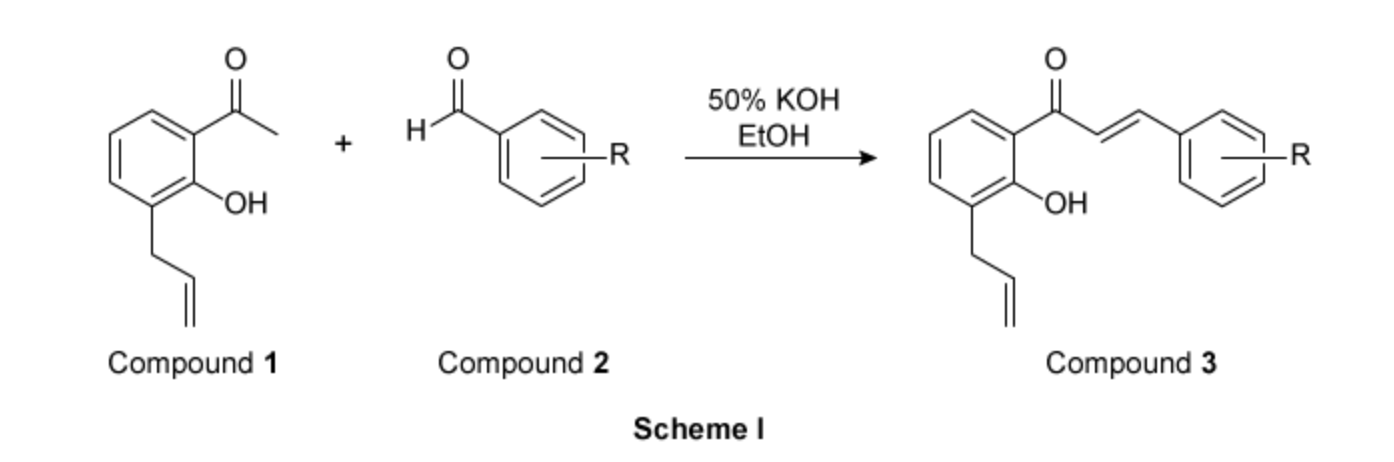
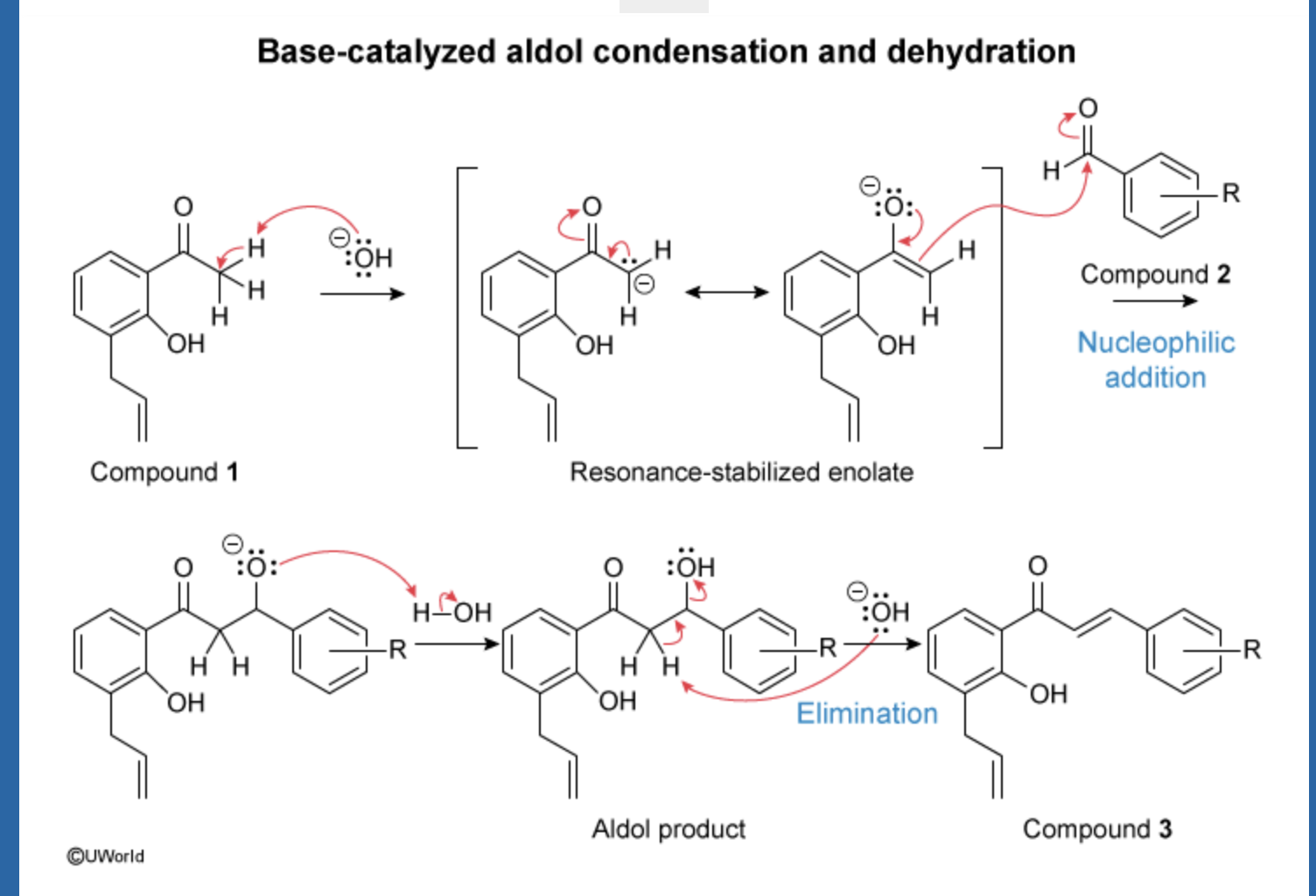
basic catalyst for condenstion, eliminartion, or both?
Answer both



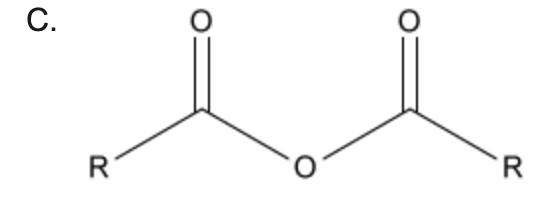
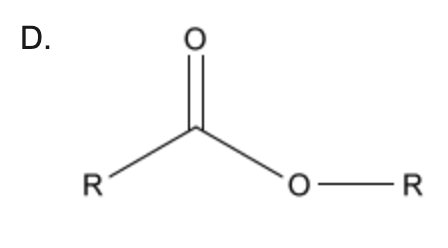
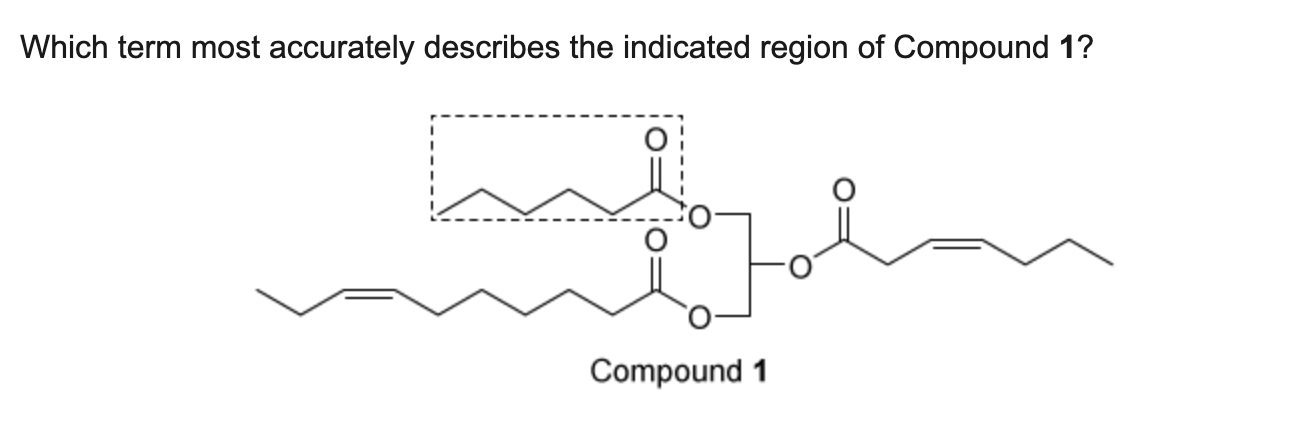
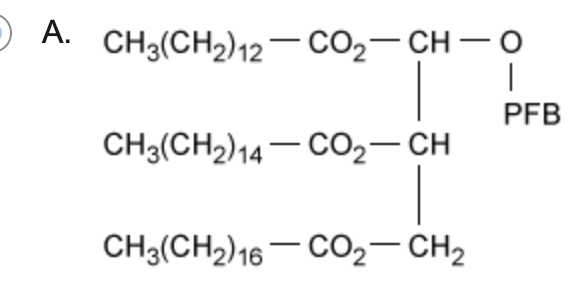
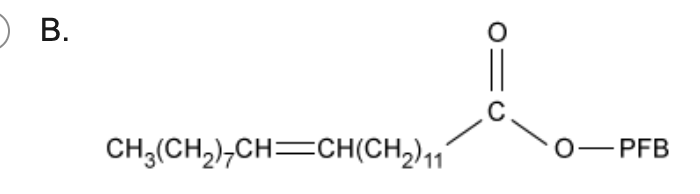
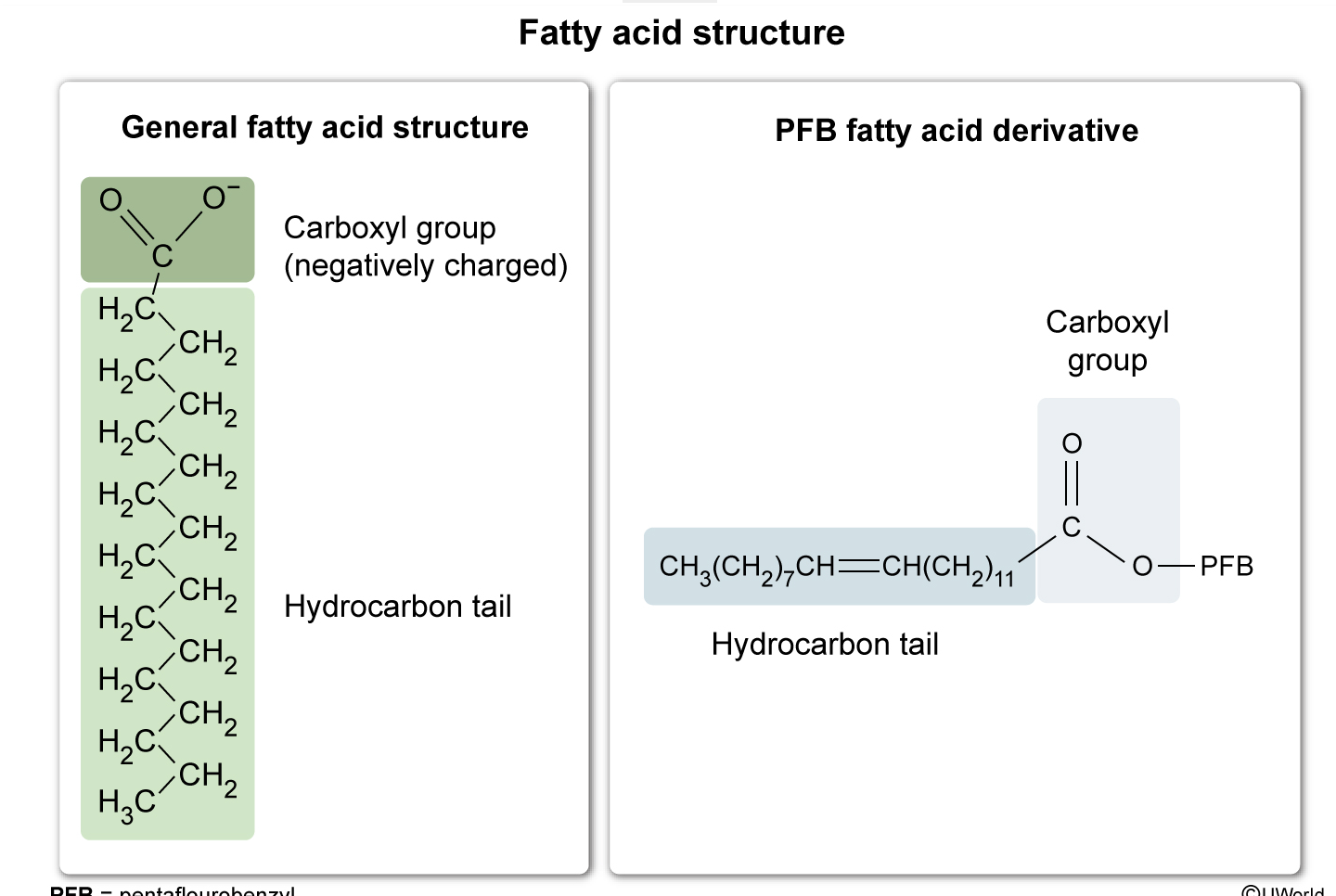
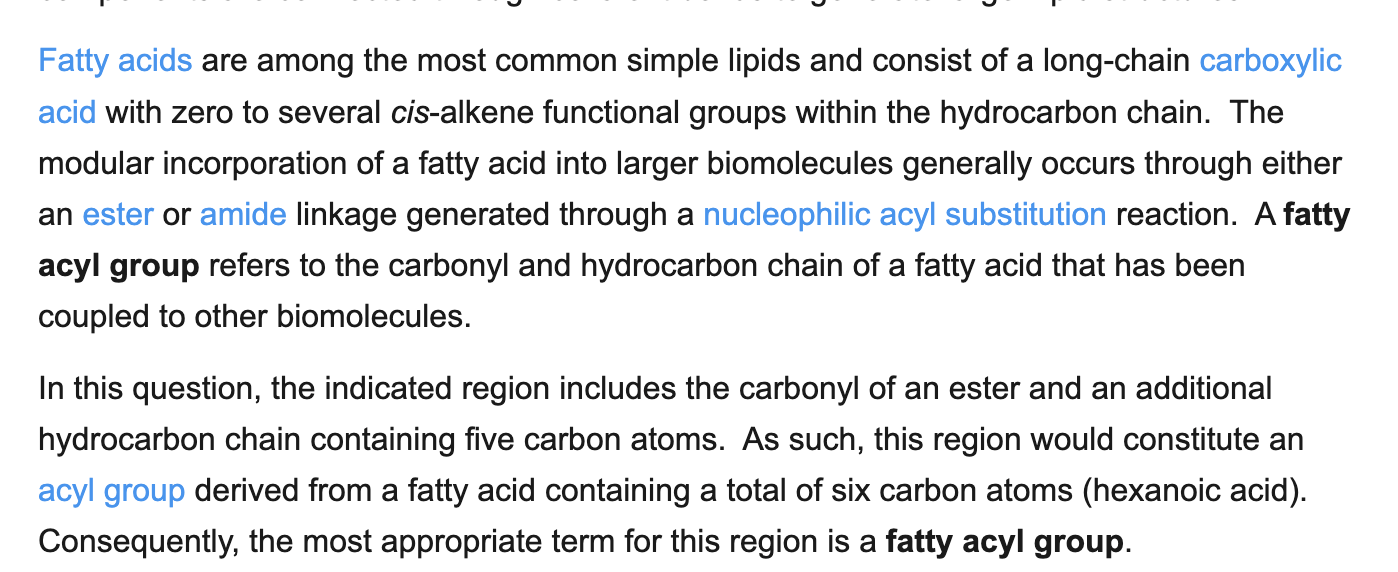
fatty acyl group or fatty acid
fatty acyl group
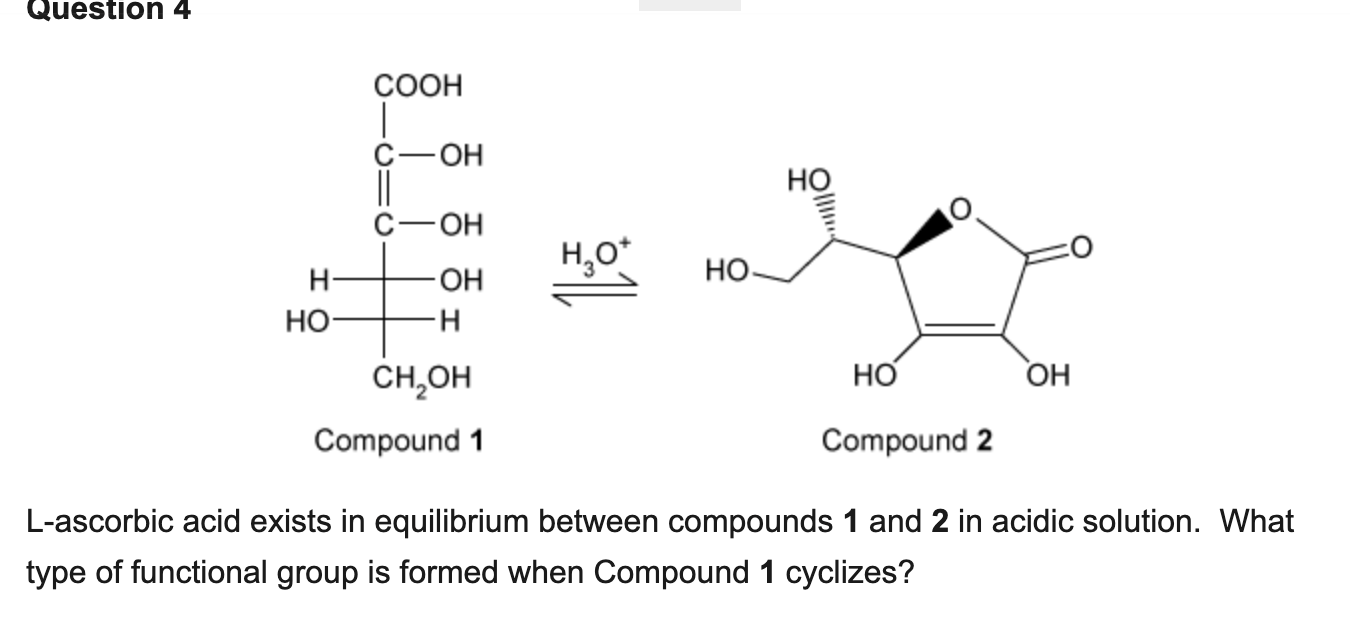
lactone group
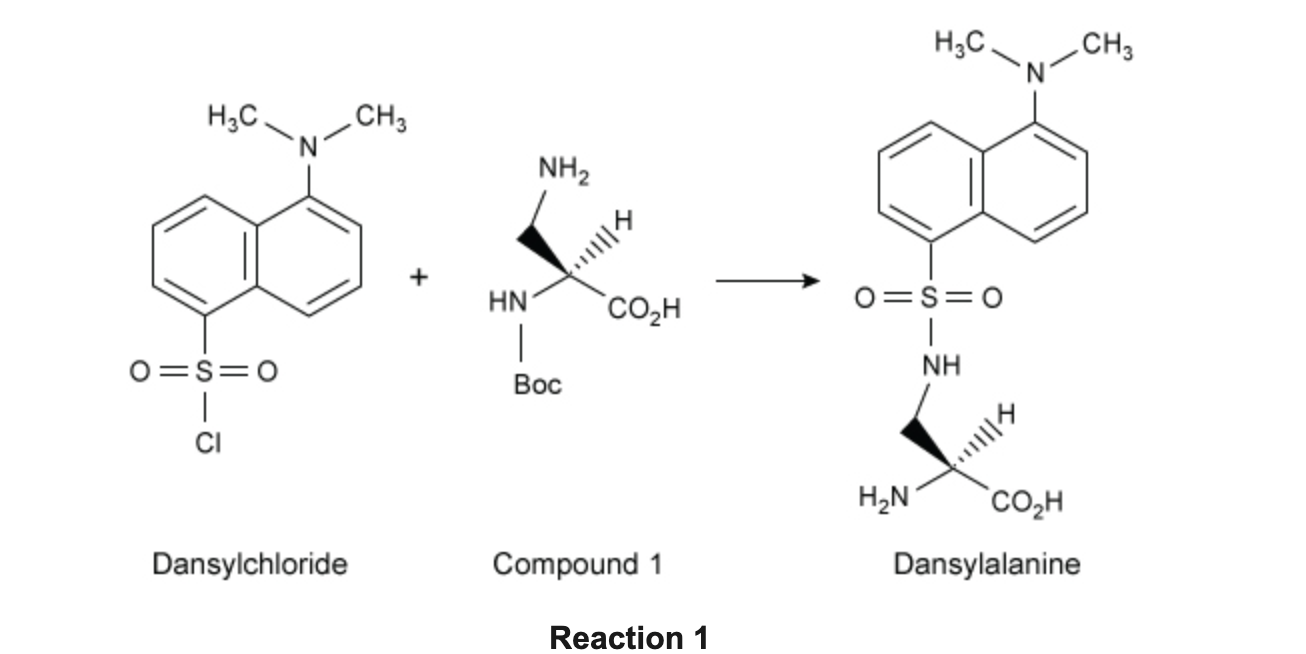
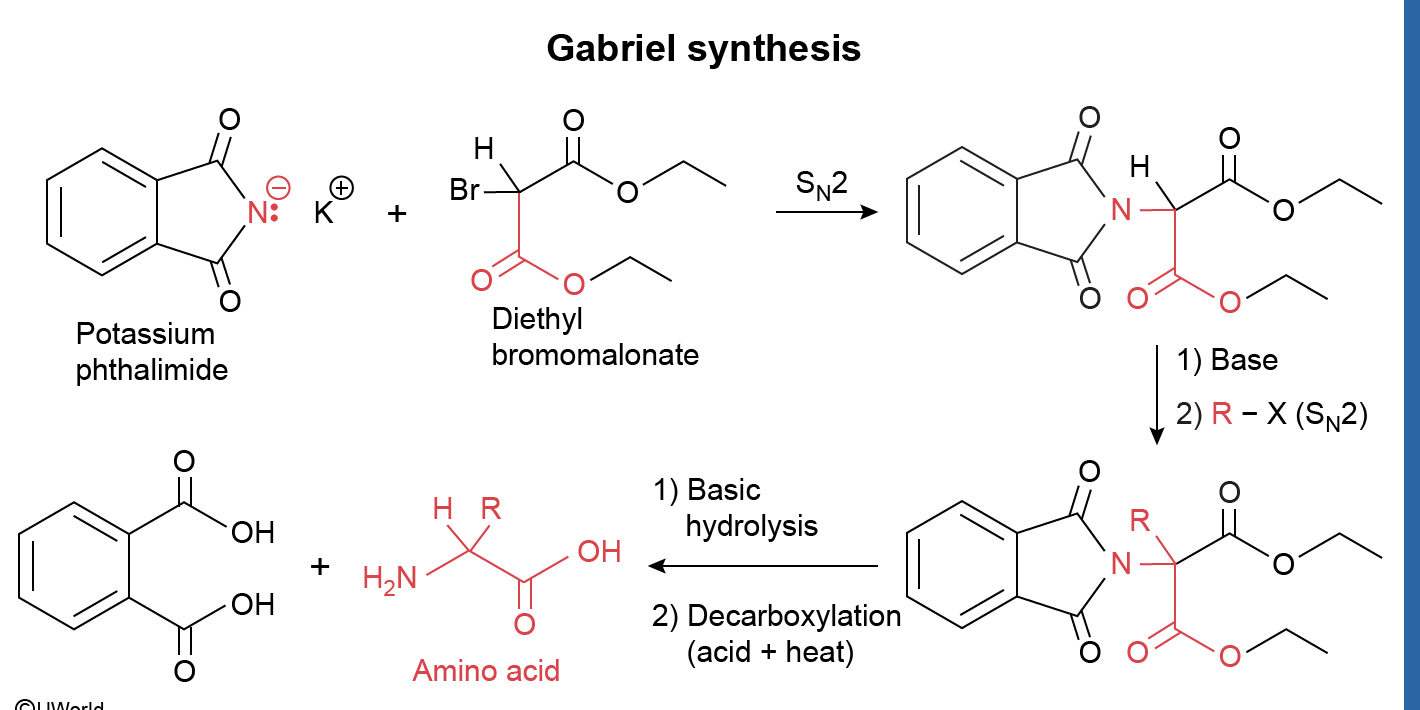
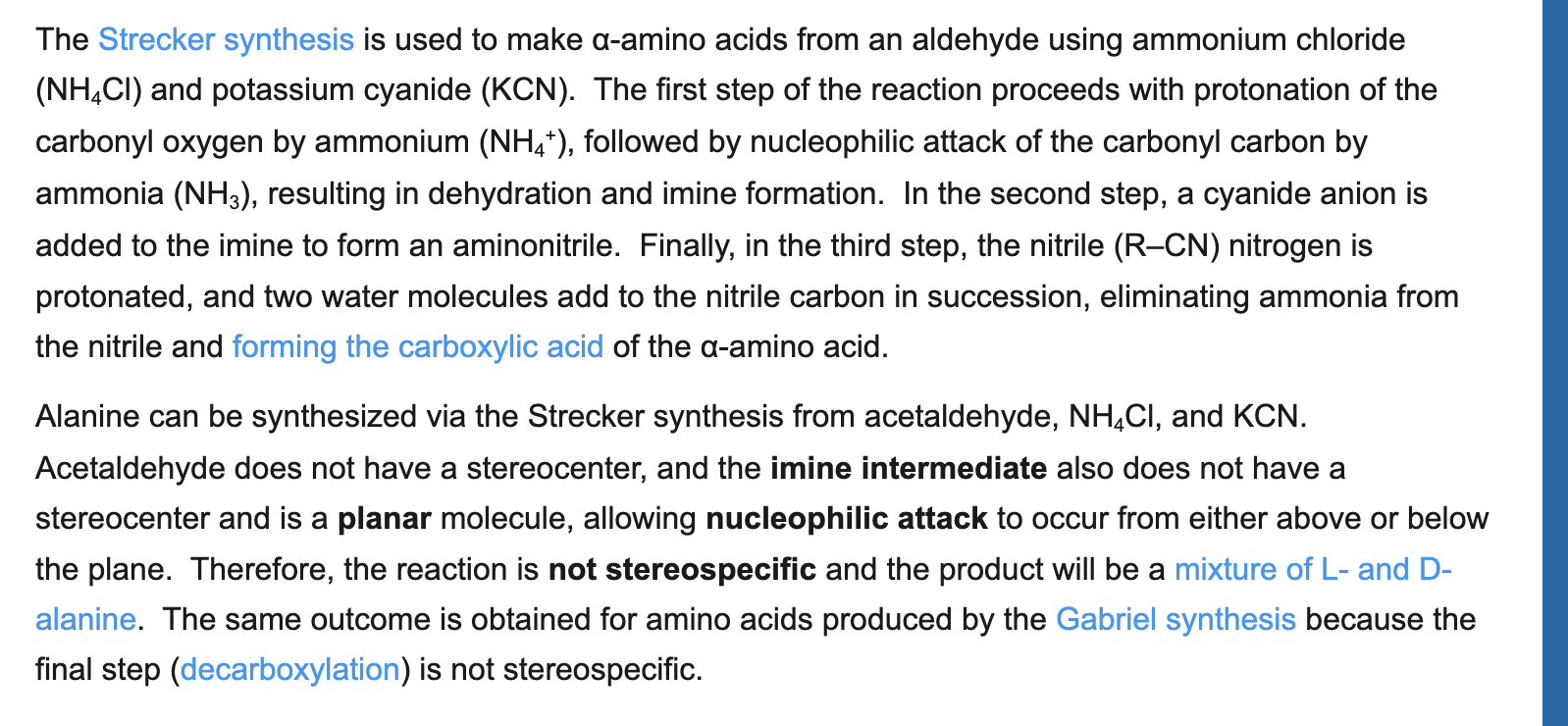
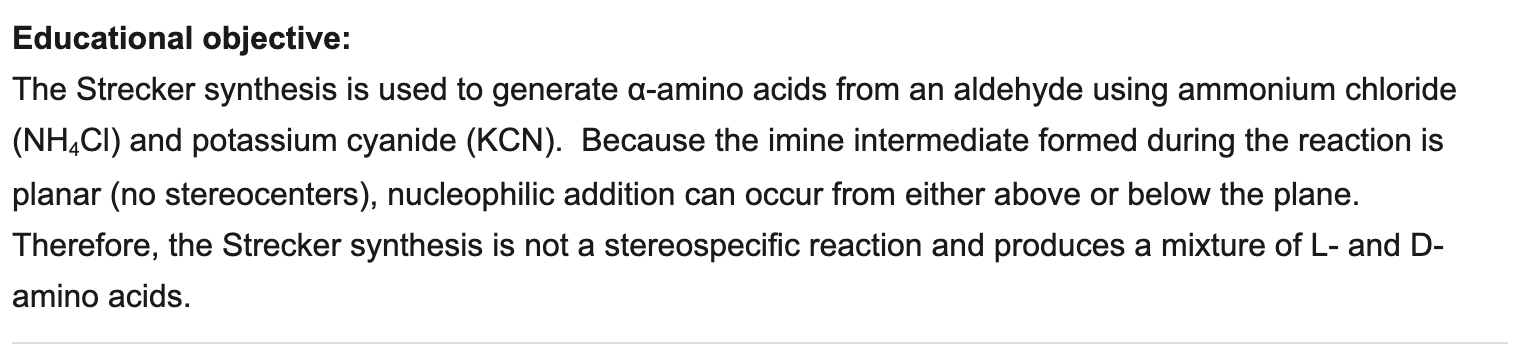
materials for strecker synthesis

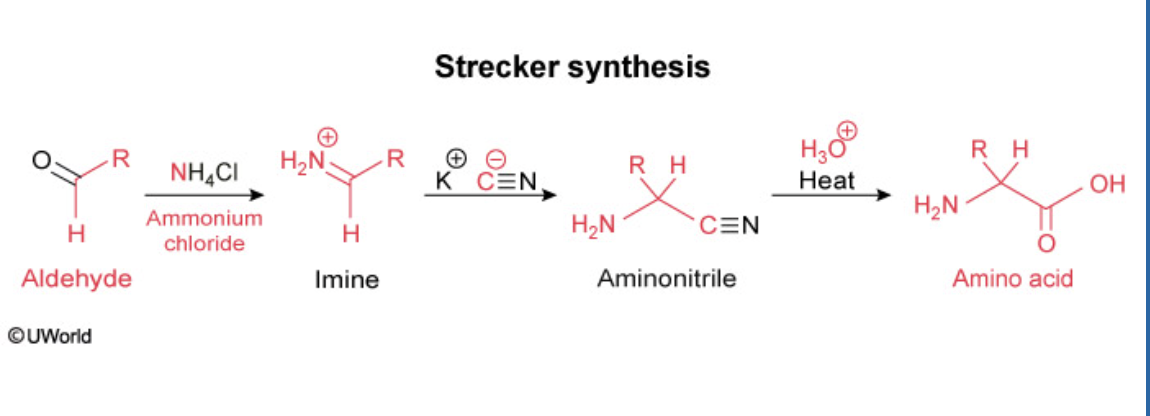
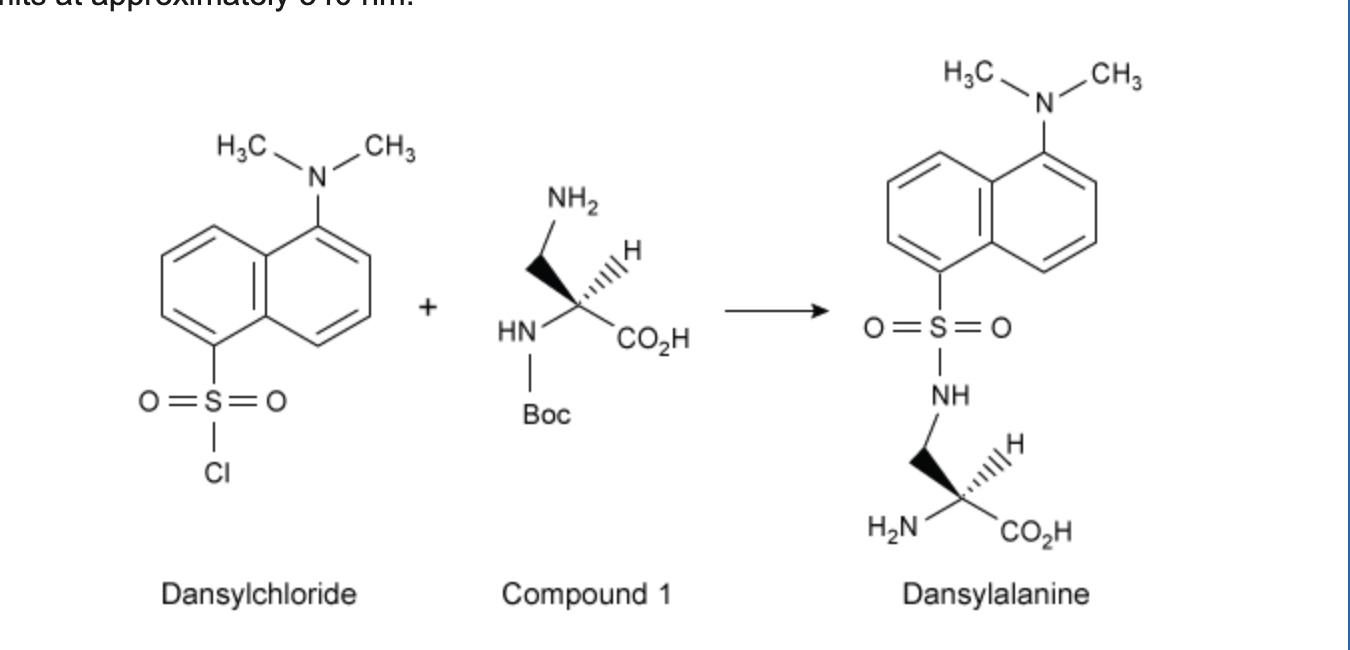




Answer B


Answer D
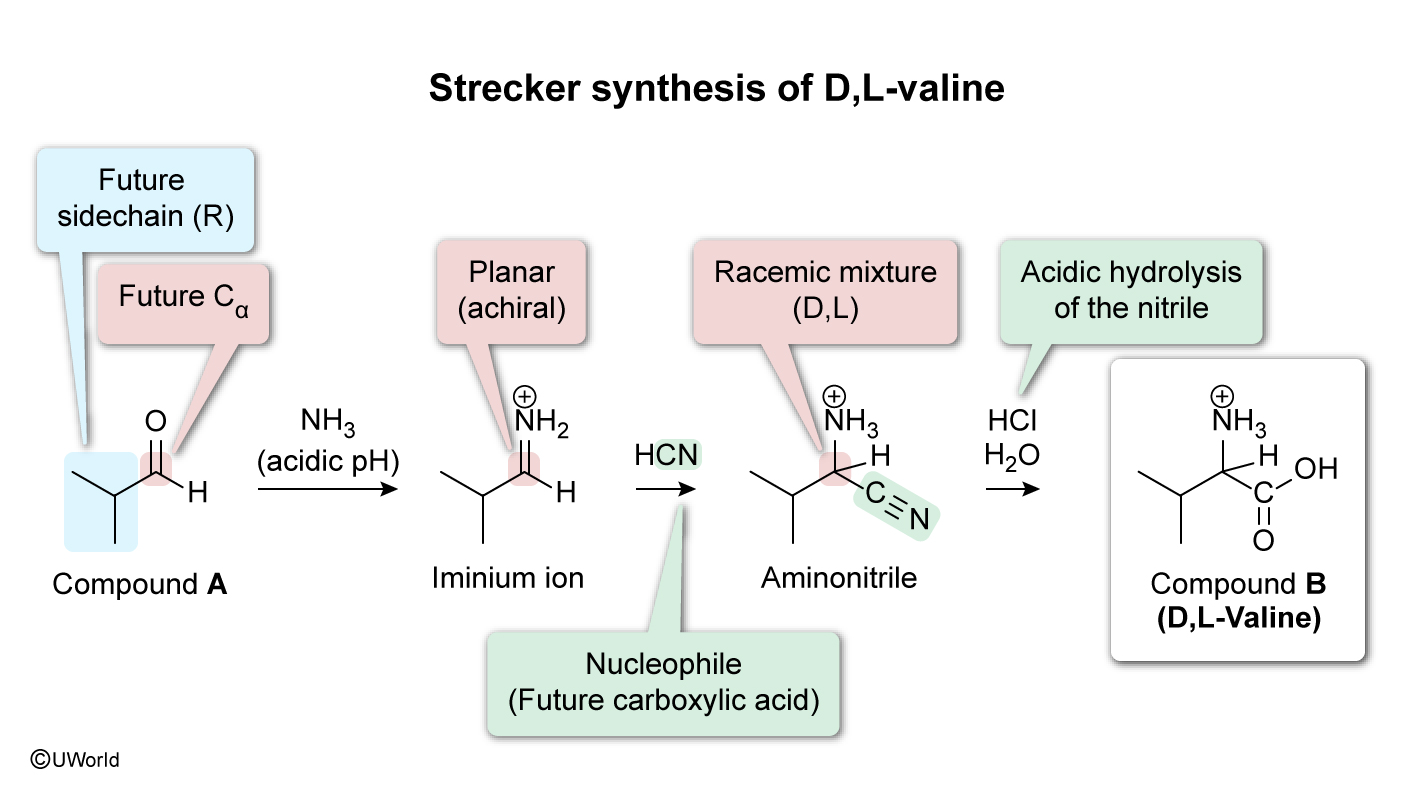
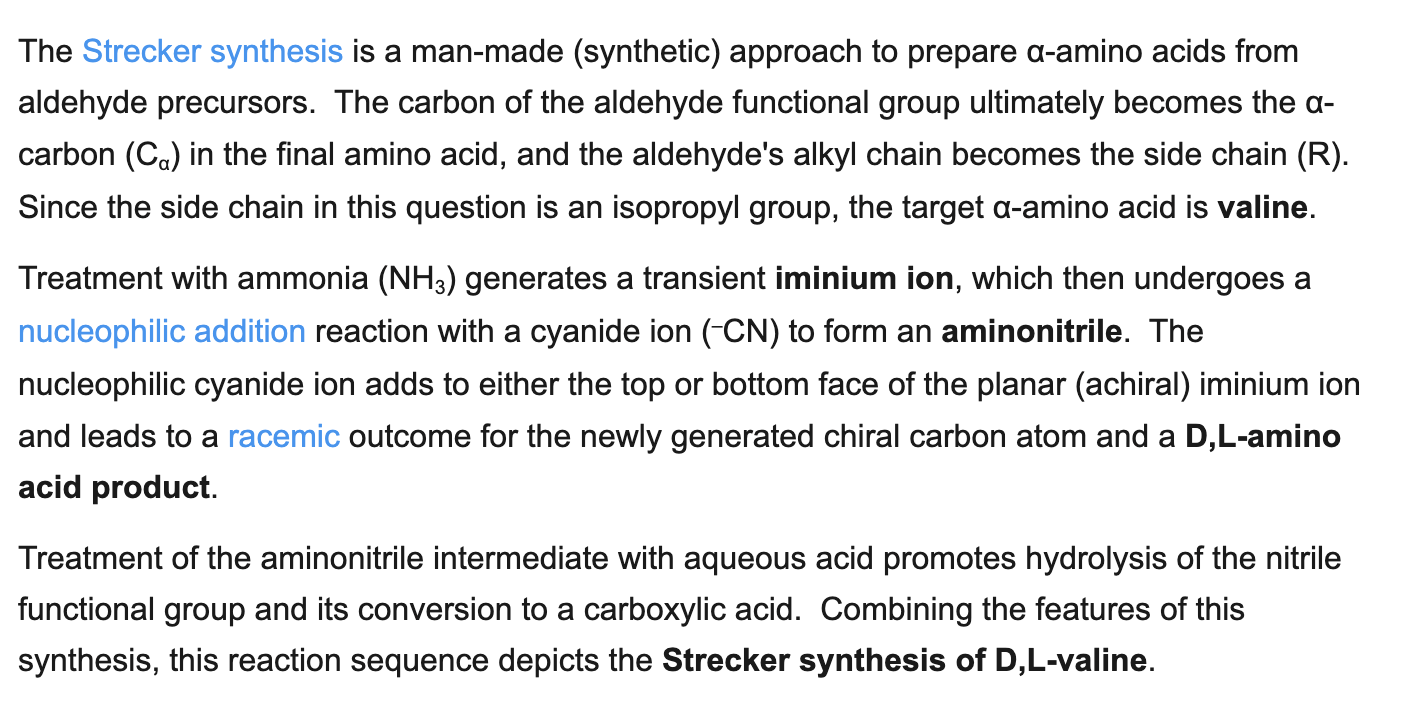
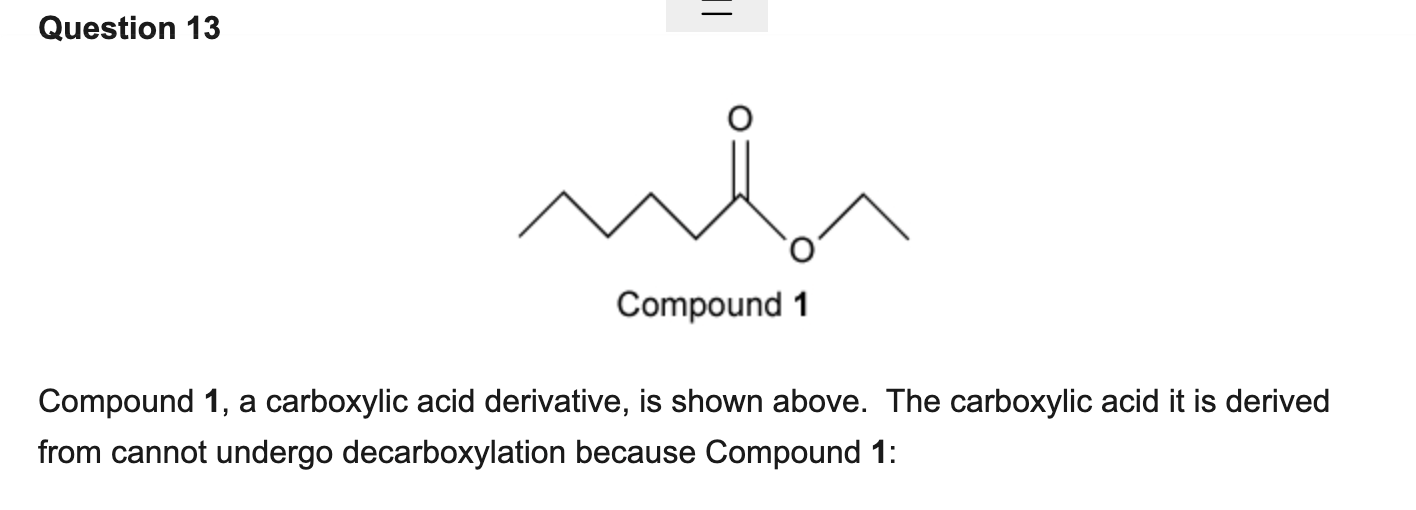
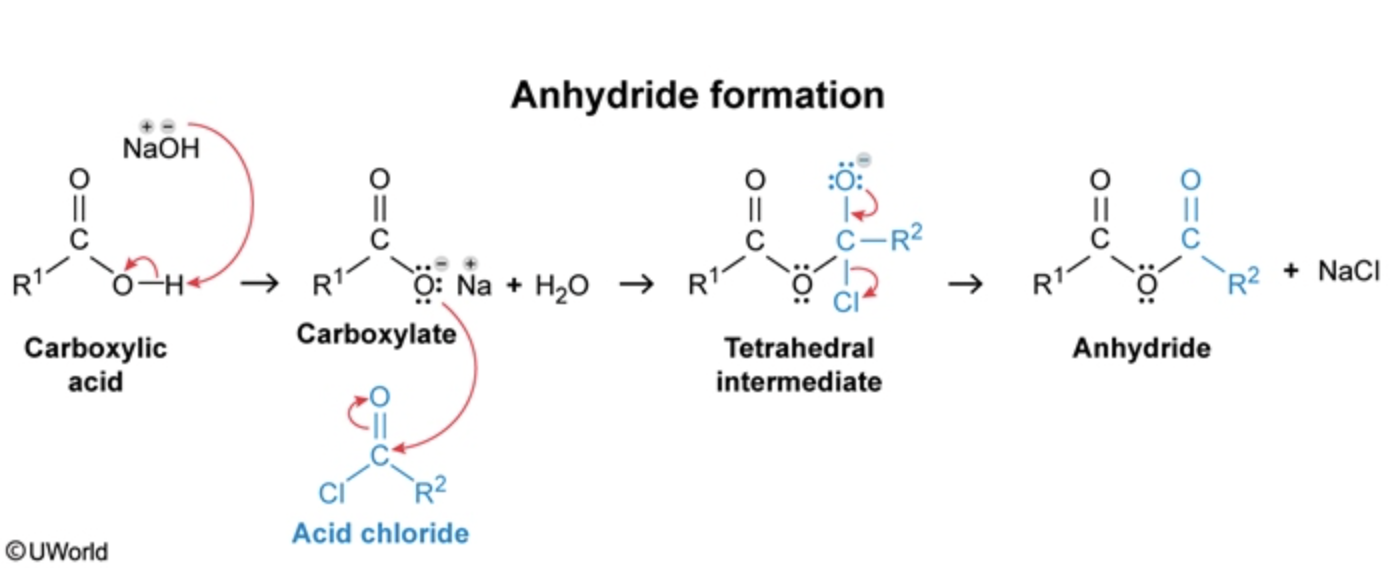
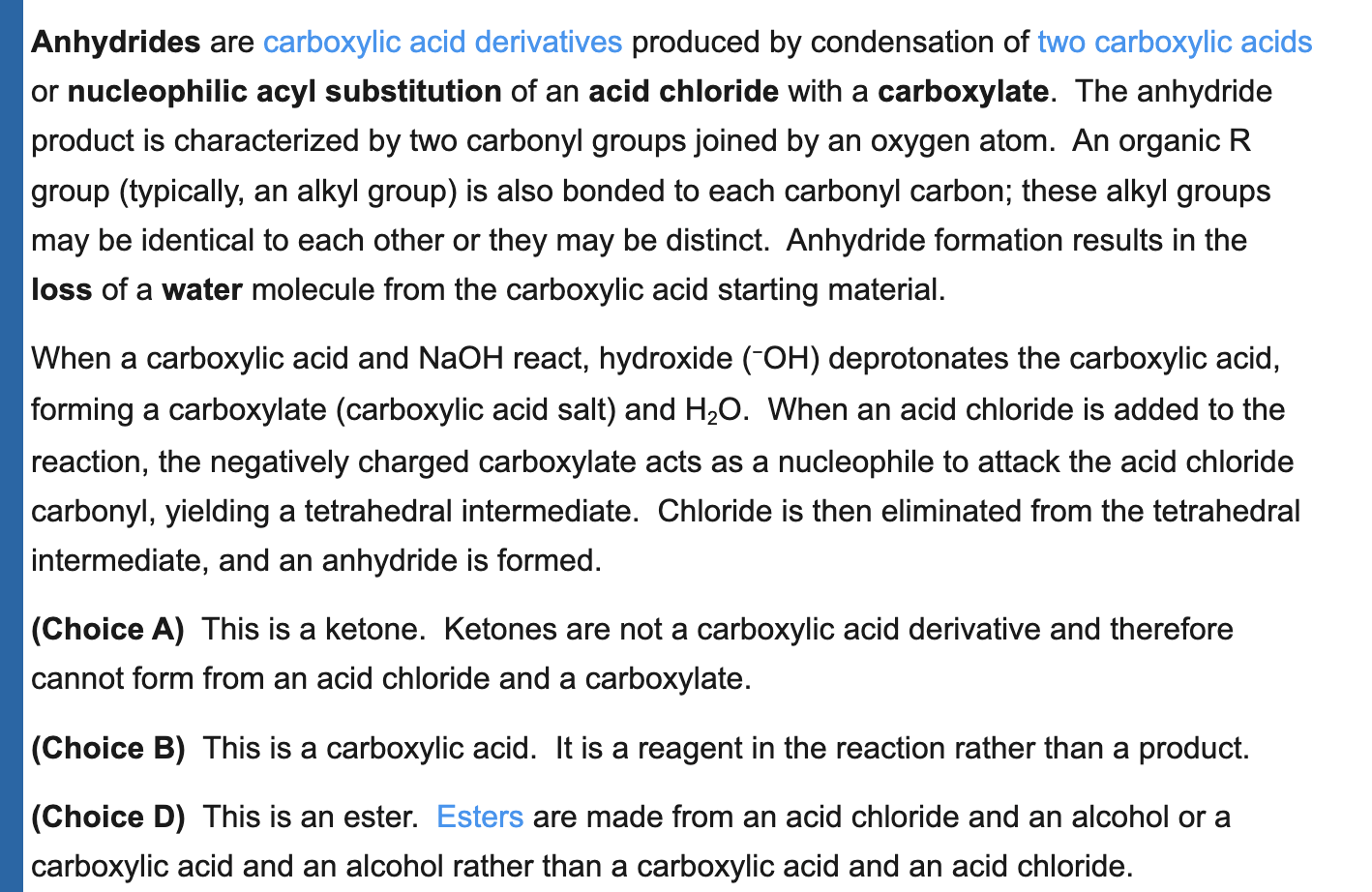
anhydride can’t form because…
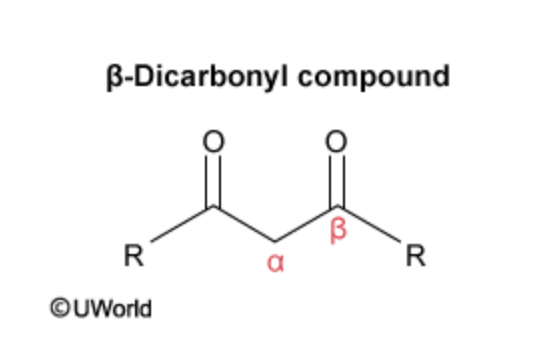
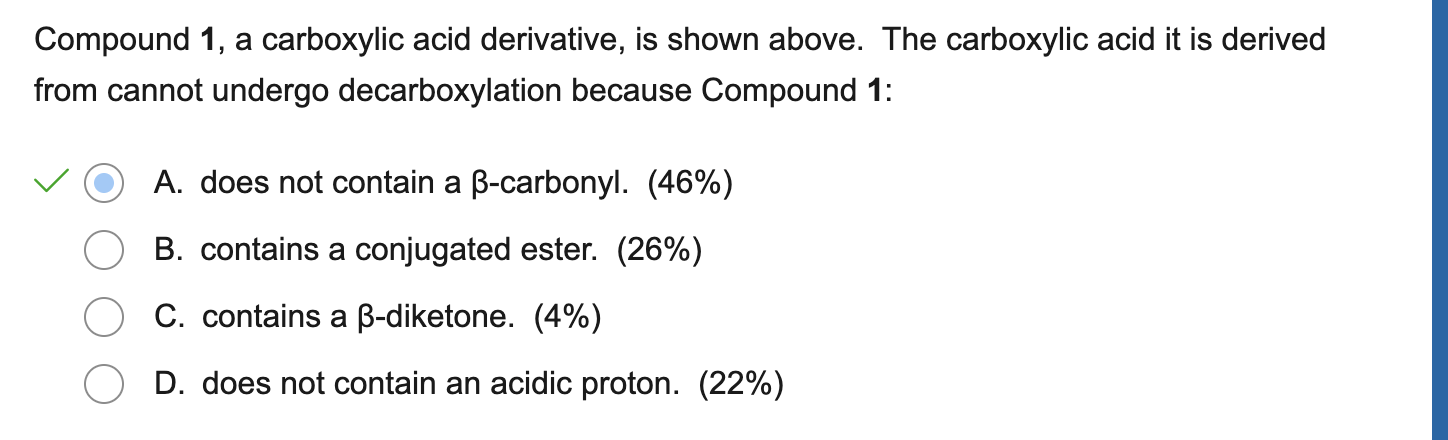
it doesn’t have a beta carbonyl
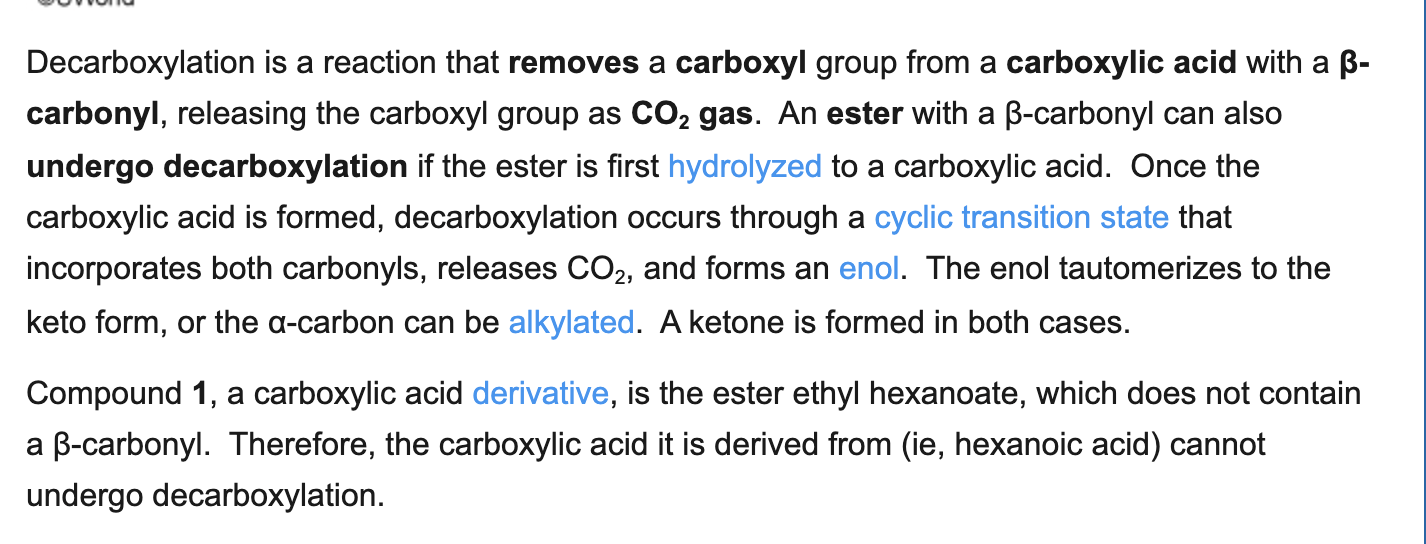

Answer B