Skeletal System/Bones
 Call Kai
 Learn
Learn Practice Test
 Spaced Repetition
 Match
Match Flashcards
 Knowt Play
1/54

There's no tags or description
Looks like no tags are added yet.
Name | Mastery | Learn | Test | Matching | Spaced | Call with Kai | Chat |
|---|
No analytics yet
Send a link to your students to track their progress
55 Terms
Functions of bone
Structural support: posture
Protection: heart, lungs, brain
Mineral storage: calcium and phosphorous
Blood cell formation (Hemopoiesis): in bone marrow
Movement: points of attachment and serve as levers
How many bones are present?
206 bones total
-177 bones for voluntary movement
-29 bones immobile
2 Major Skeletal Sections
Axial
Appendicular
Axial Skeleton
80 bones
skull
vertebral column (spine)
sternum
ribs
Appendicular Skeleton
126 bones
upper extremity
lower extremity
shoulder girdle
pelvis
Composition of bone tissue
calcium carbonate and calcium phosphate (60-70% of bone)
collagen (protein)
water (25-30% of bone)
Calcium carbonate and calcium phosphate role in bones
gives bone its stiffness and ability to withstand compression
Collagen role in bones
gives bone its elasticity and tensile strength
Types of Bone
Compact
Cancellous
Compact bone
hard, dense outer layer of all bone
opaque upon x-ray
Cancellous bone
less dense, porous or spongy
less opaque upon x-ray
latticework of inner portion of bone
trabecular systems
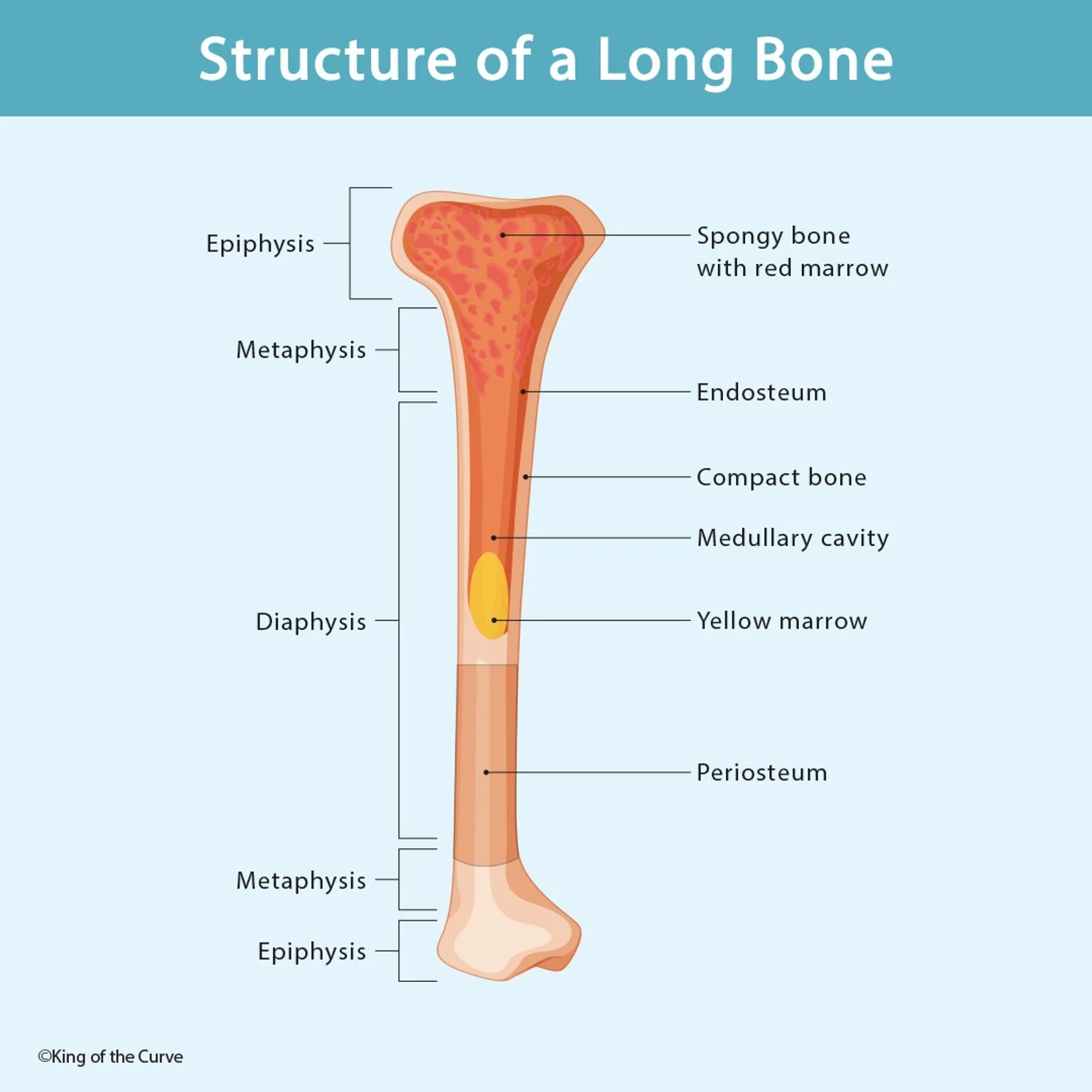
Long bone
serve as levers
create framework for body
makes movement possible
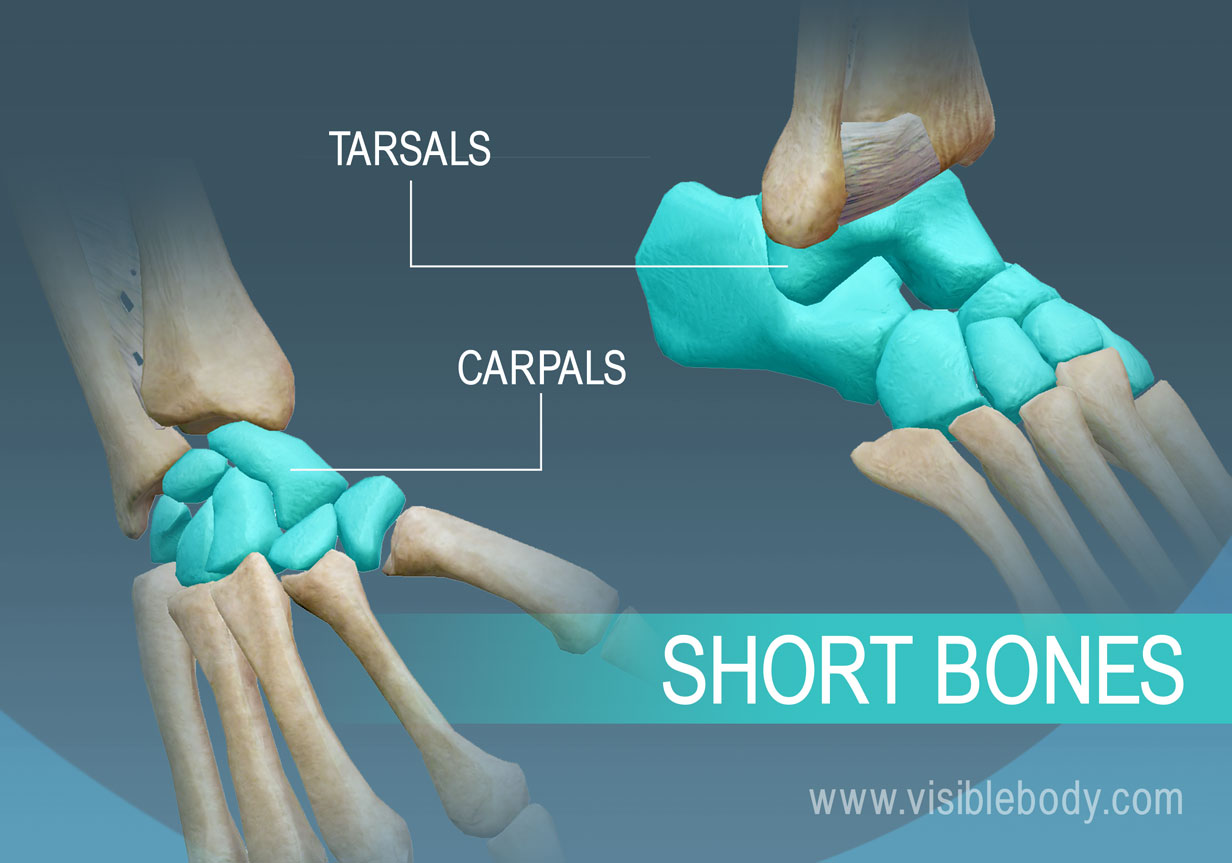
Short bone
shock absorption
no diaphysis
fairly symmetrical
ex: carpals, tarsals
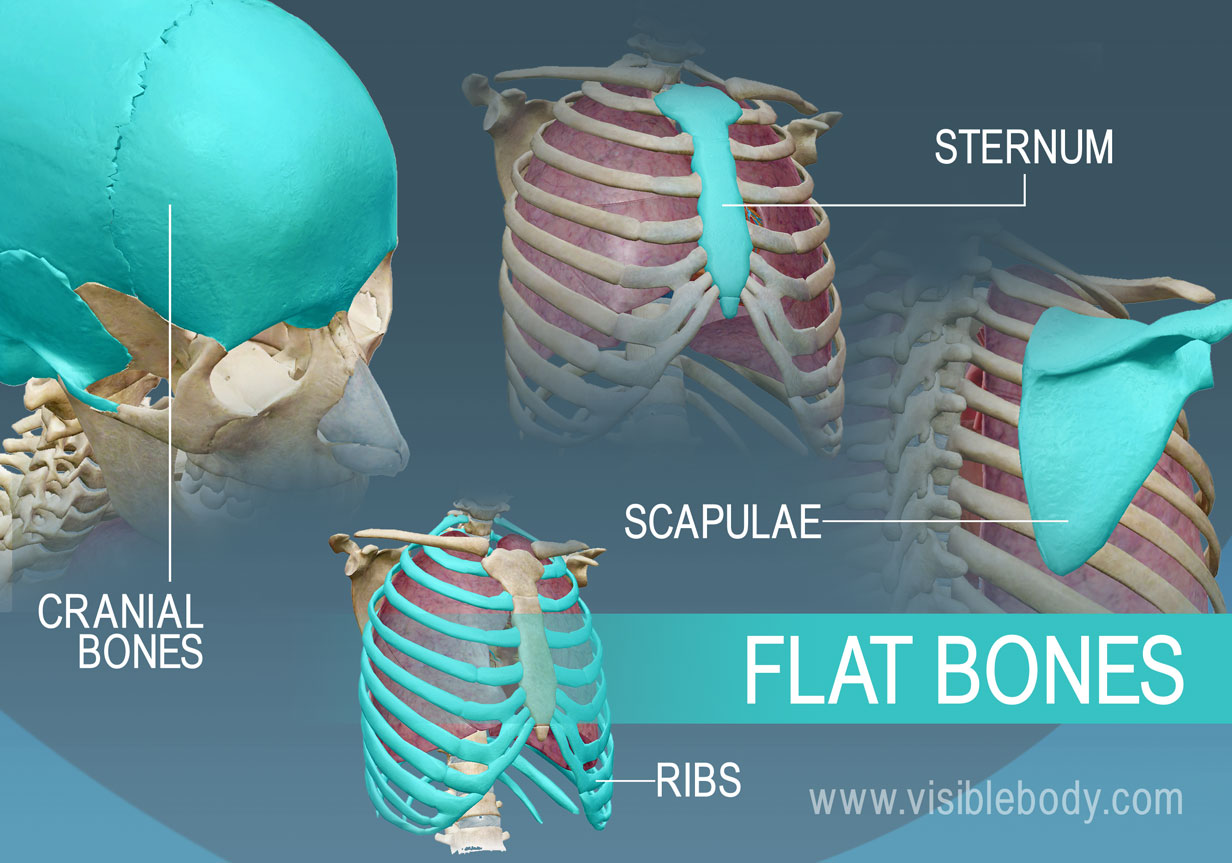
Flat bone
protection
flat surface
ex: bones of skull, pelvis
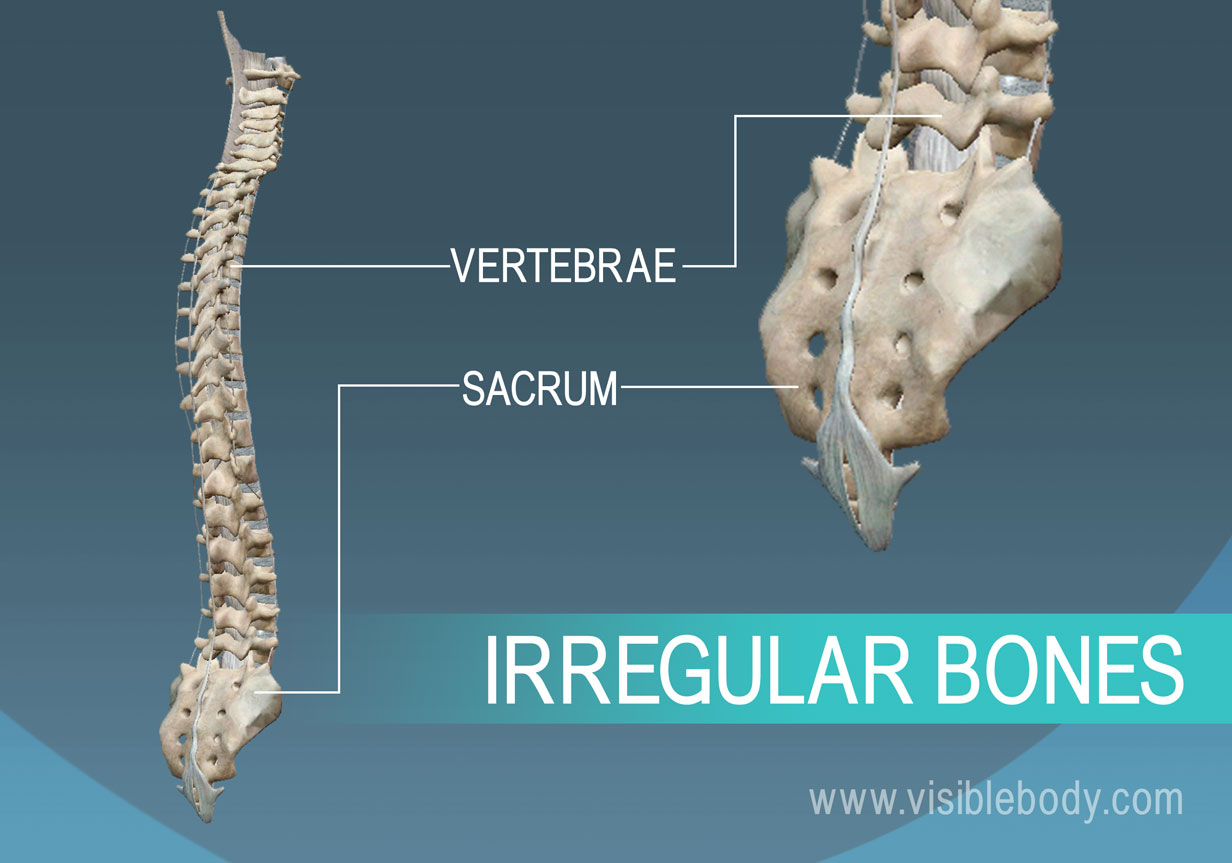
Irregular bone
variety of purposes
cannot be classified as long, short, flat or sesamoid
ex: cervical (7 vertebrae), thoracic (12 vertebrae), lumbar (5 vertebrae), sacral (5 vertebrae-fused), coccyx (4 vertebrae-fused)
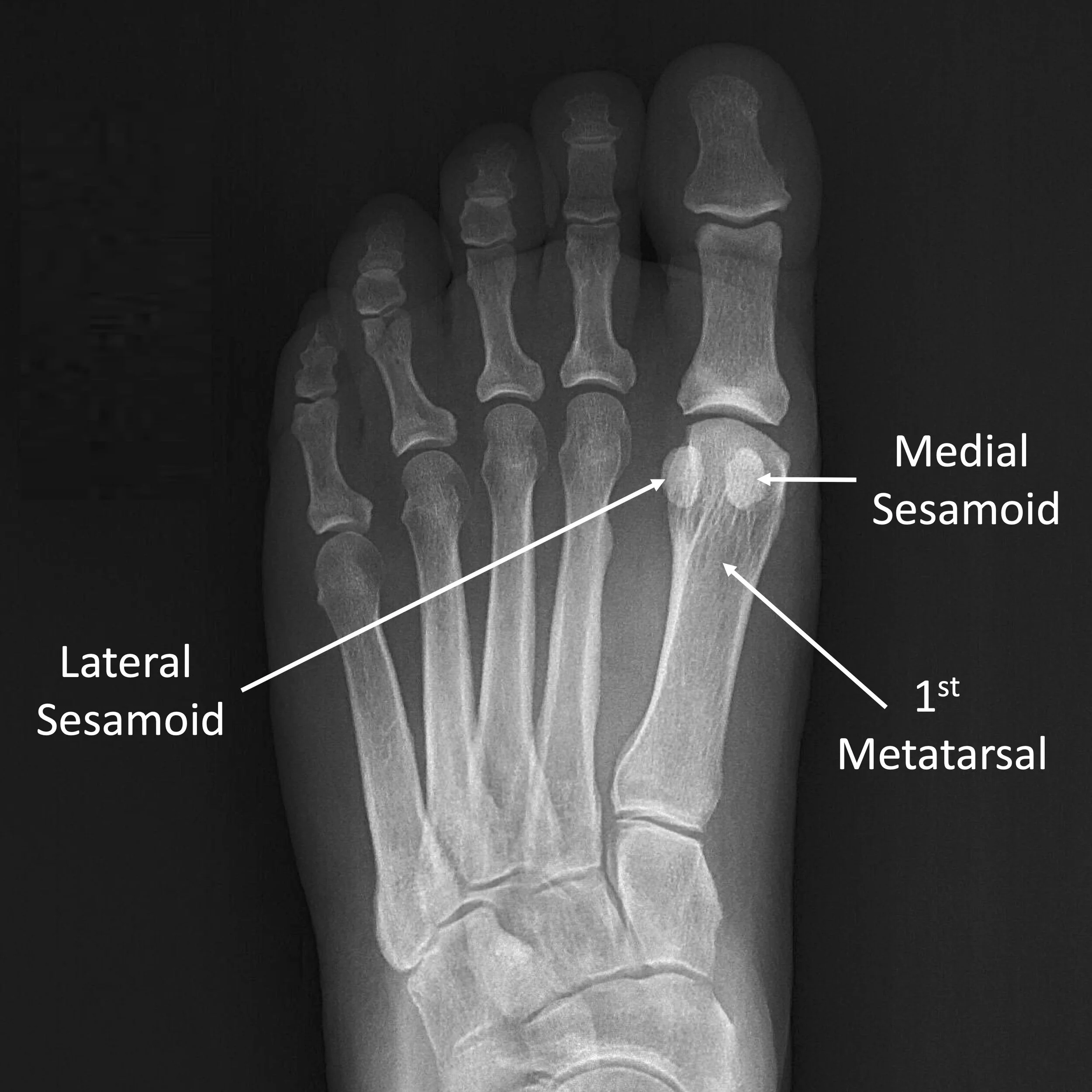
Sesamoid bone
protection, mechanical advantage

Diaphysis
long cylindrical shaft
Cortex
hard, dense compact bone forming walls of diaphysis
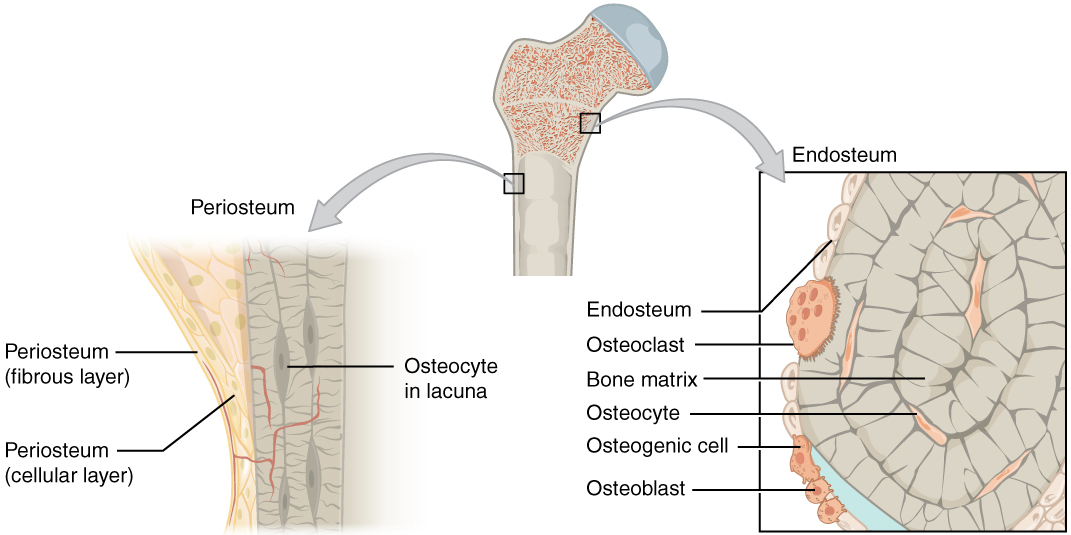
Periosteum
dense, fibrous membrane covering outer surface of diaphysis
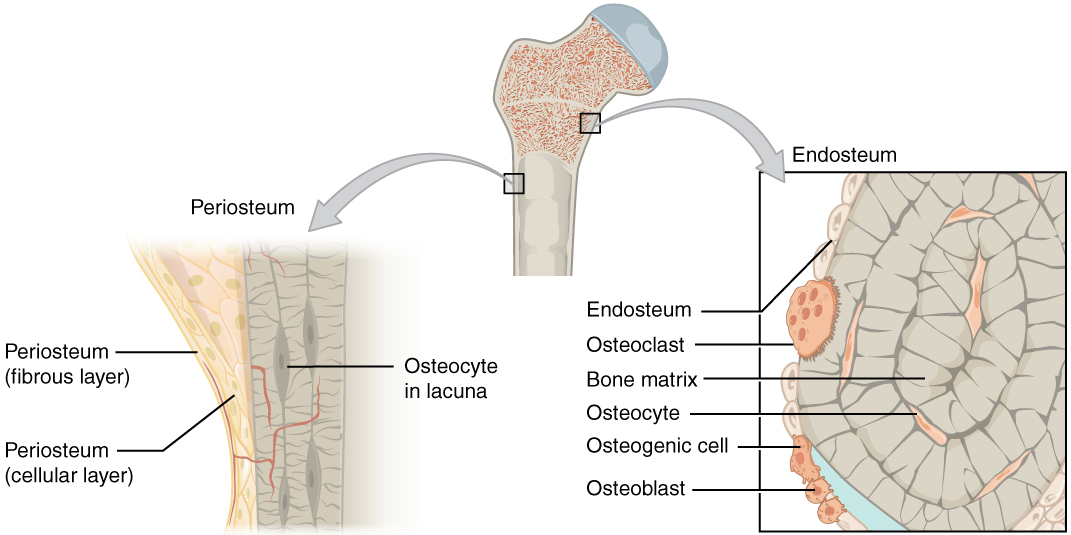
Endosteum
fibrous membrane that lines the inside of the cortex
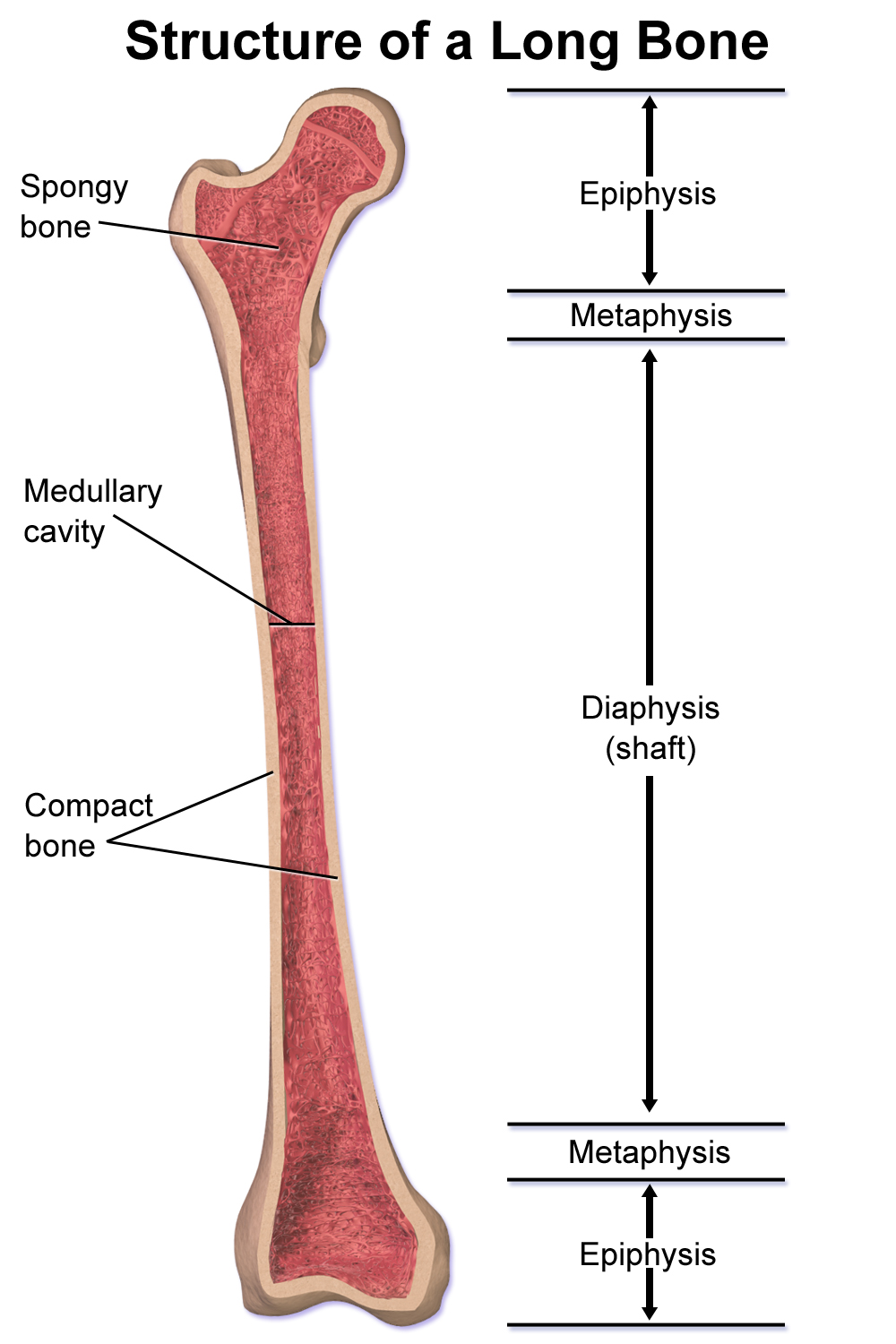
Medullary cavity
between walls of diaphysis containing yellow or fatty marrow
blood cell formation
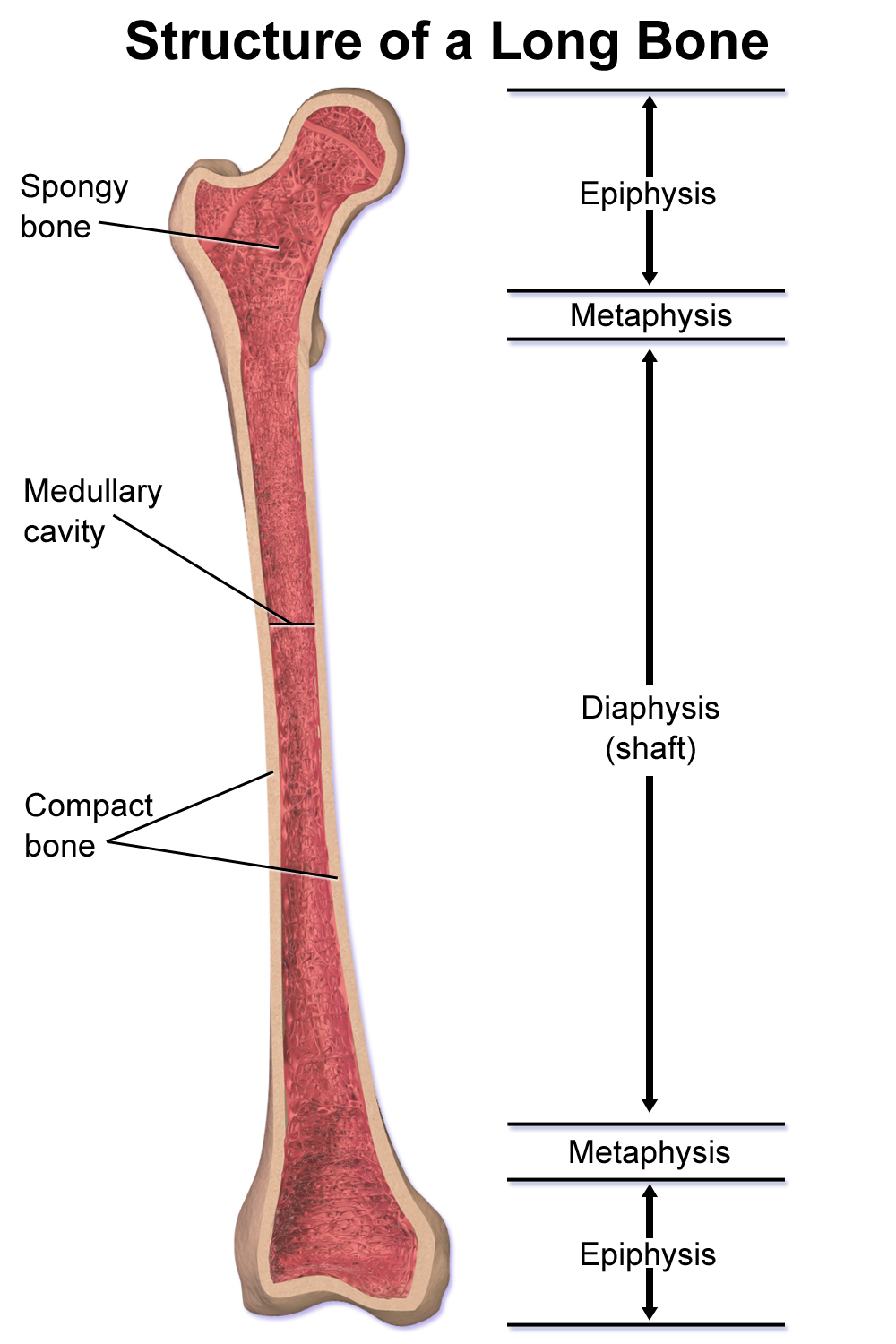
Metaphysis
wider portion between the diaphysis and epiphysis
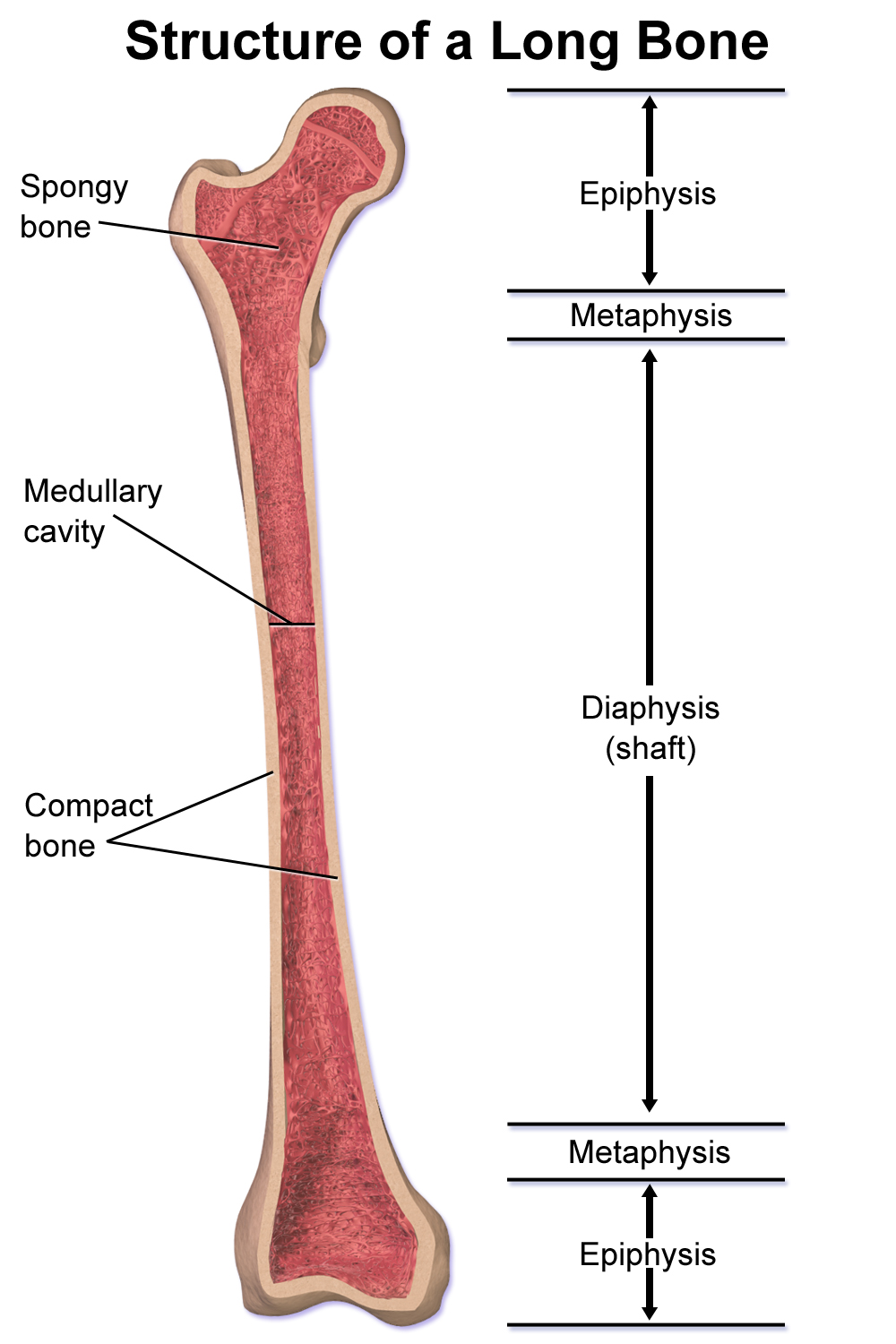
Epiphysis
ends of long bones formed from cancellous bone
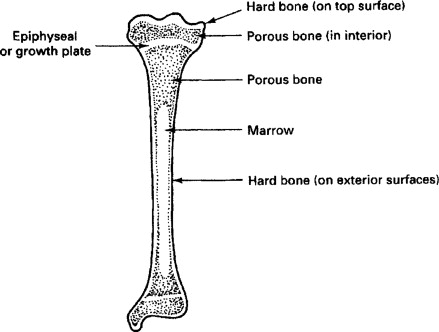
Epiphyseal plate
growth plate; thin cartilage plate separates diaphysis and epiphyses
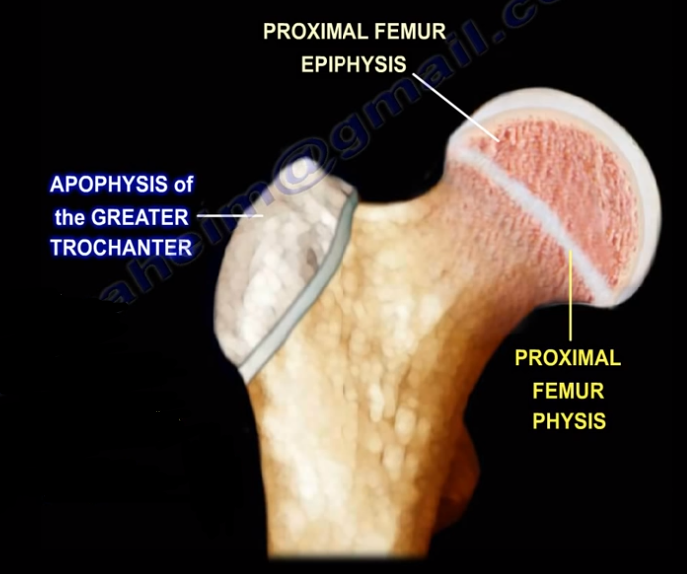
Apophyses
bony process with an independent center of ossificiation and associated growth plate, which serves as a point of attachment for a ligament or tendon
Long bones of skeleton in upper extremity
Clavicle
Humerus
Ulna
Radius
Metacarpals
Phalanges
Long bones of lower extremity
Femur
Tibia
Fibula
Metatarsals
Phalanges
Processes
elevations or projections
Processes that form joints
Head - prominent rounded projection (head of humerus)
Condyle - large rounded projection (medial/lateral condyles of femur)
Facet - small, nearly flat surface (articular facets of vertebra)
Processes to which muscle, ligaments or tendons attach
Tubercle
Tuberosity
Trochanter
Spine
Epicondyle
Crest
Line
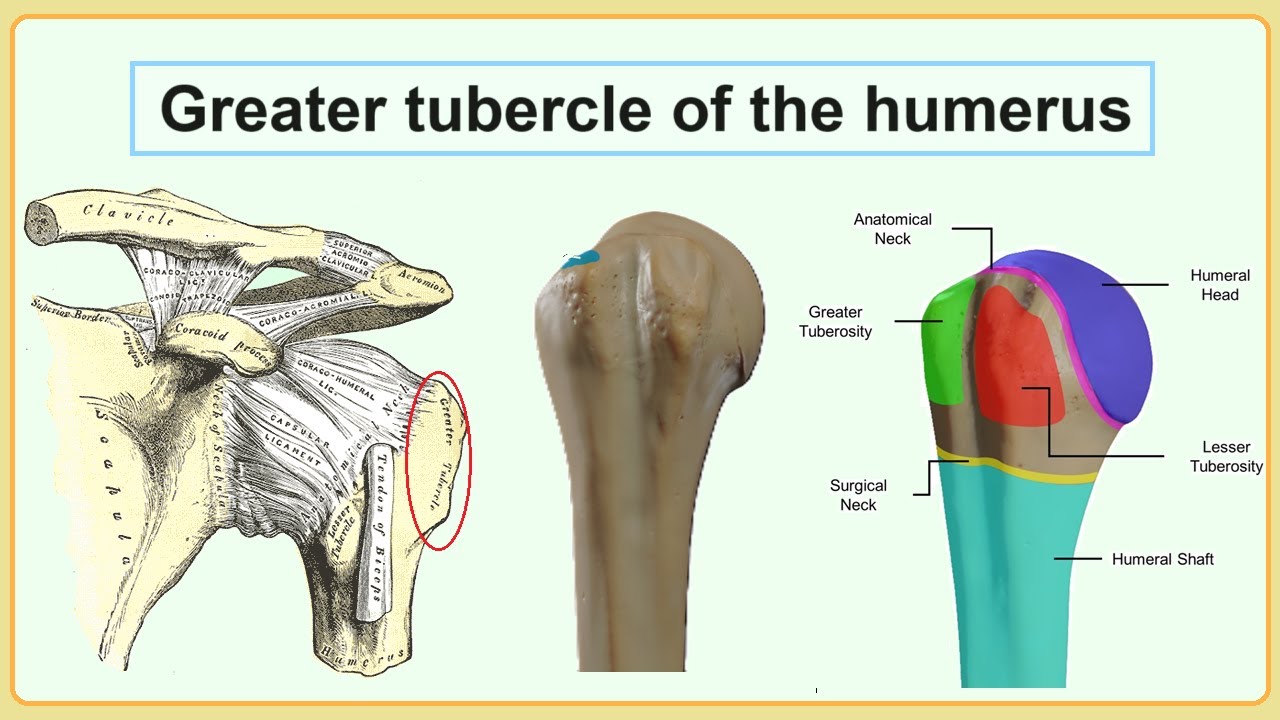
Tubercle
a small rounded projection, greater tubercle of humerus

Tuberosity
large, rounded projection, tibial tuberosity

Trochanter
very large projection, greater trochanter of femur
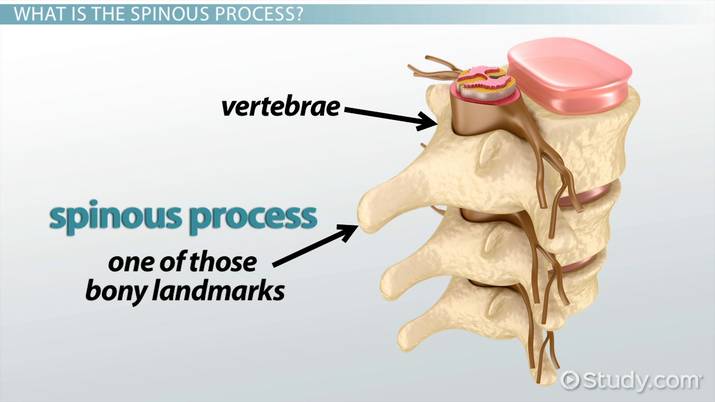
Spine
sharp slender projection, scapular spine

Epicondyle
projection located above a condyle, lateral epicondyle of femur
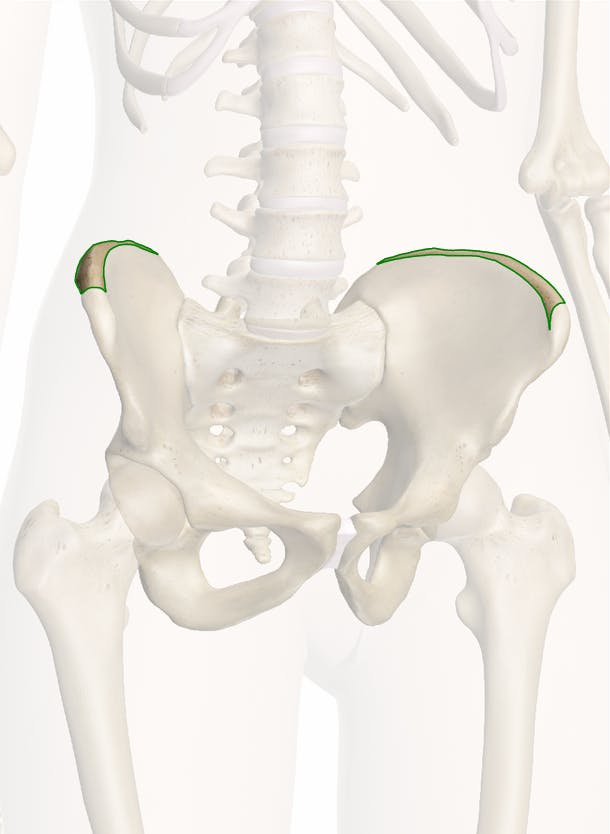
Crest
prominent, narrow, ridge-like projection, iliac crest
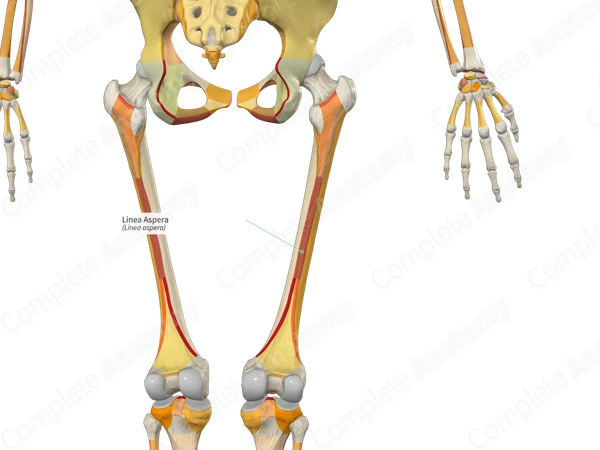
Line
ridge is less prominent than crest, linea asperea of femur
Cavities or depressions
Facet
Fossa
Notch
Foramen
Sinus
Sulcus
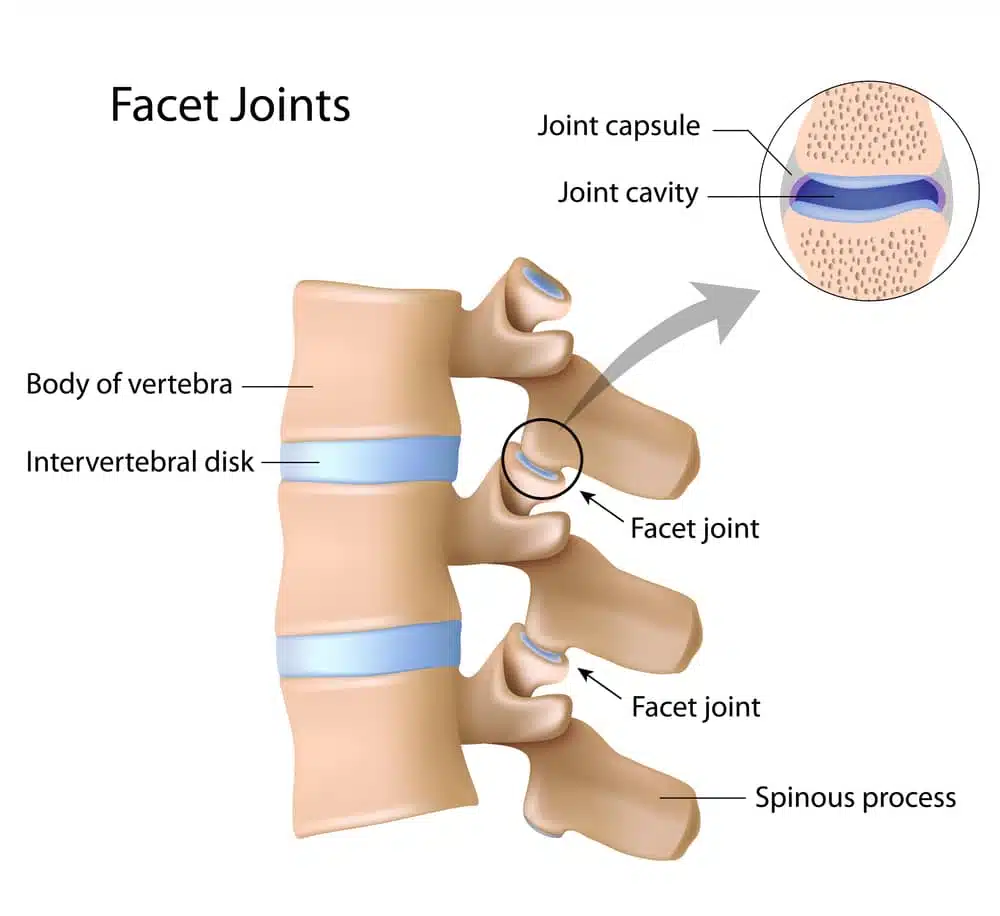
Facet
flattened or shallow articulating surface
ex: intervertebral facets in spine
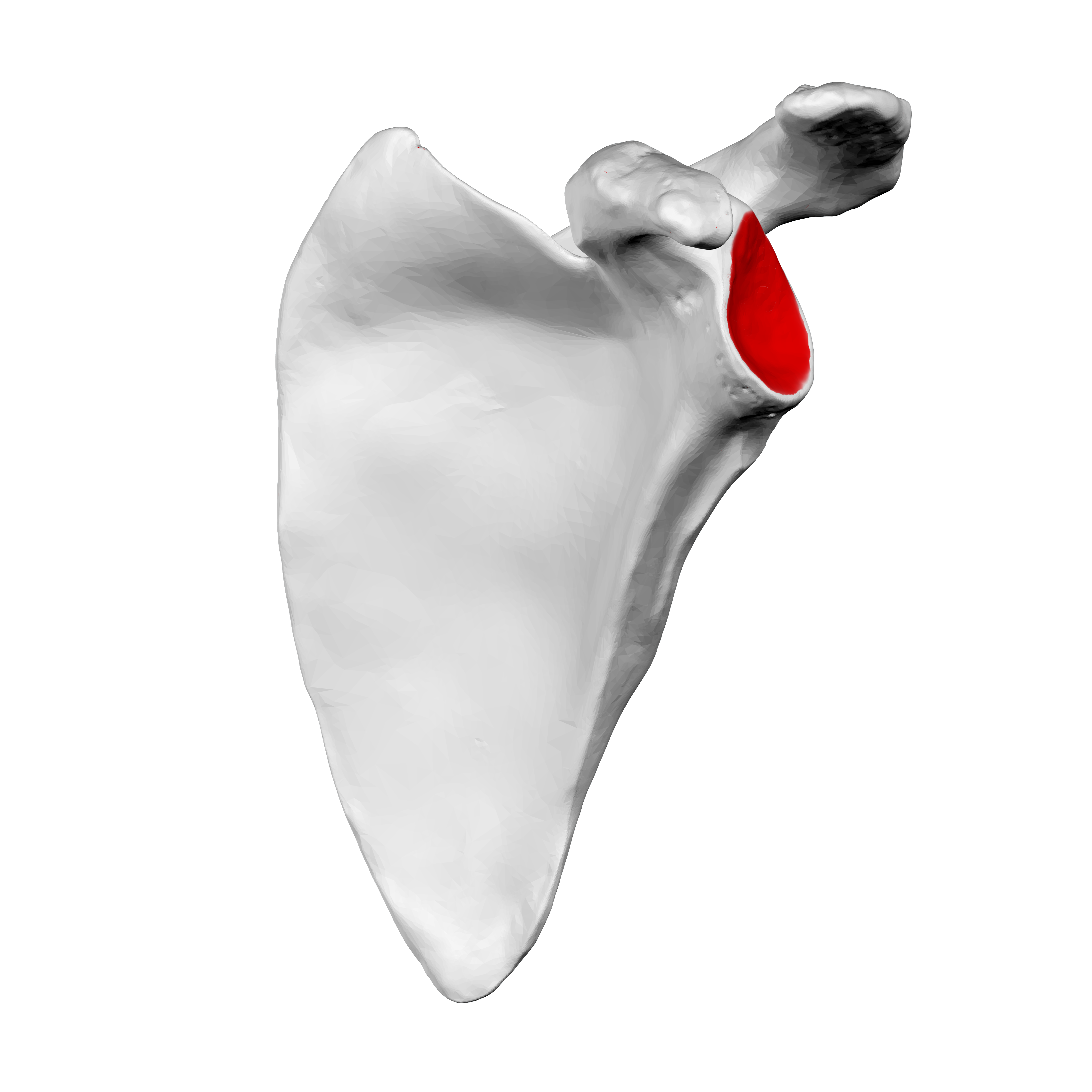
Fossa
hollow, depressed or flattened surface
ex: glenoid fossa
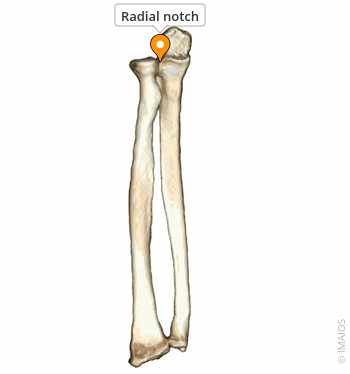
Notch
depression in the margin of the bone
ex: radial notch of the ulna
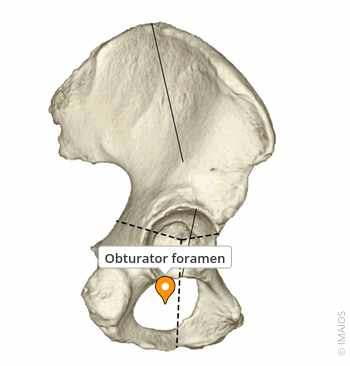
Foramen
hole or opening in a bone
ex: obturator foramen

Sinus
cavity or hollow space within a bone
ex: frontal sinus

Sulcus
furrow or groove-like depression on a bone
ex: inter-tubercular (bicipital) groove of humerus
Compression
a squeezing force; bone is best able to withstand compressive forces
Tension
a pulling force
Shear
objects sliding across one another or moving in opposite directions
Torsion
a twisting force on bones
Longitudinal bone growth
occurs at epipiyseal plates
plates usually close around 18-20 years of age (females before males)
growth stops when lates close
Circumference of bone
growth of bone diameter continues throughout life
Osteoclasts
bone resorption of old, damaged bone
Osteoblasts
lay down new bone
Bone hypertrophy
increase in size as a result of stress
Bone atrophy
decrease in size when normal stresses exerted on bone by muscle or body weight are removed
ex: injury, bedrest
Wolff’s Law
bone density increases in response to increased forces imposed
bone density decreases in response to decreased forces imposed