Thermal Physics IGCSE O-level
 Call Kai
 Learn
Learn Practice Test
 Spaced Repetition
 Match
Match Flashcards
 Knowt Play
1/33

There's no tags or description
Looks like no tags are added yet.
Name | Mastery | Learn | Test | Matching | Spaced | Call with Kai | Chat |
|---|
No analytics yet
Send a link to your students to track their progress
34 Terms
Similarity between boiling and evaporation
1. Both processes require energy
2. Transformation of liquid into gas
Wrapping a bottle with damp cloth --> keeping the milk inside cold, how?
- The water molecules take energy from the damp cloth absorb thermal energy.
- gain KE, break bonds
- More energetic molecules escaped from the surface of the cloth
- Less energetic molecules are left behind. Average KE decreases.
- Temp dec, cool down
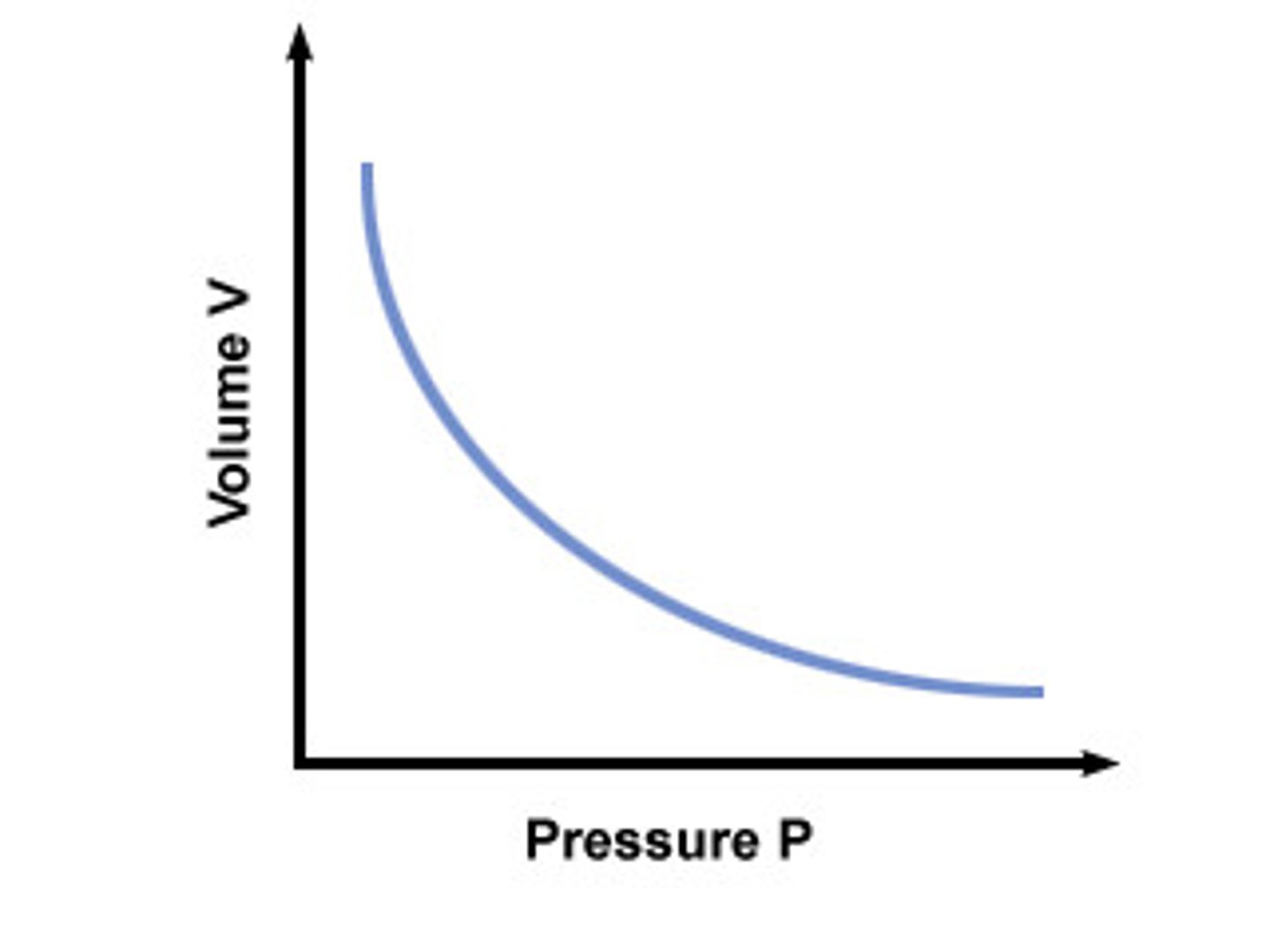
Boyle's Law
P1V1=P2V2
- P varies 1/V
- pV = constant
- constant --> mass, temp
Explanation:
- collide less frequently
- less momentum change
- less force
high specific heat capacity
A material or substance that will heat up and cool down more SLOWLY than a material with "LOW" specific heat capacity. WATER!! (in other words it takes a long time for water to heat up and a long time for water to cool down).
it takes a lot of heat to change the temperature of water
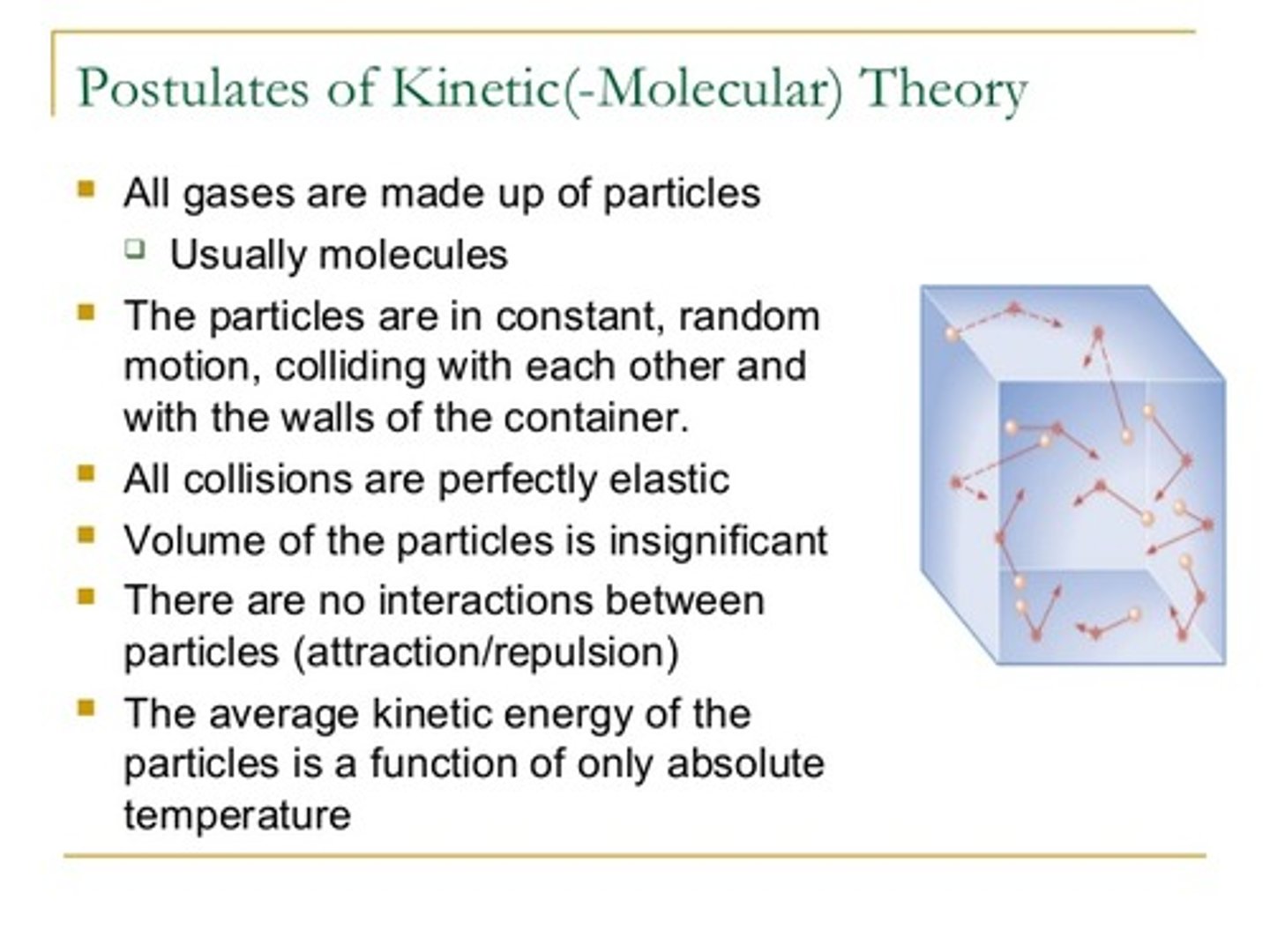
Kinetic theory
- Temperature --> inc
- particles, molecules --> gain KE, move faster
- intermolecular forces (forces of attraction)
--> strong in solid, a bit strong in liquid, weak in gas
Intermolecular space
- solid < liquid < gas
- gas --> compressed easily (intermolecular space --> large)
- solid --> cannot compressed (intermolecular space --> small) [molecules close]
![<p>- solid < liquid < gas</p><p>- gas --> compressed easily (intermolecular space --> large)</p><p>- solid --> cannot compressed (intermolecular space --> small) [molecules close]</p>](https://assets.knowt.com/user-attachments/c8ace7c3-40d1-43c2-9694-fe02747b8bda.jpg)
brownian motion
- lighter particle hit the heavy particle (seen) with high speed
- uneven collision occur
- heavy particles move randomly in all direction
- lighter particles rebound randomly in all direction
smoke in air
Air molecules hit smoke particles
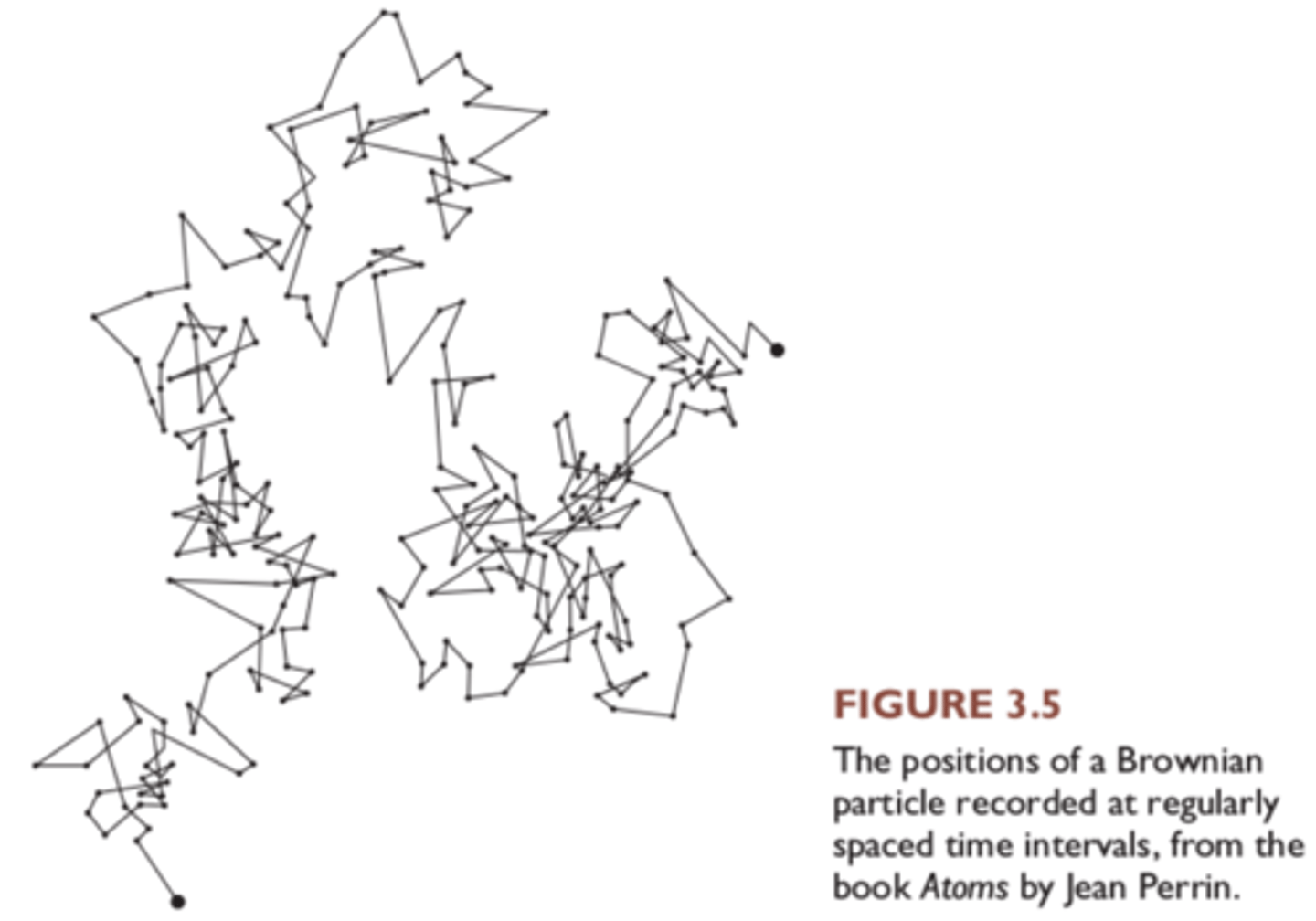
dust in air
Air molecules hit dust particles
pollen grain in water
Pollen grain particles is hit by water molecules
Ink in water
Water molecules hit ink particles
Evaporation [in terms of kinetic energy]
- exposed with high temperature
- molecules absorb heat
- gain KE, move faster
- More energetic molecules escape from the surface of the liquid
- Break bonds, overcome forces of attraction
- Less energetic molecules are left behind
- Particles/molecules move slower. Average KE dec
- Temperature de and cools down
Difference between boiling and evaporation
- All any temp below the b.p VS. only a certain temp called b.p
- Water loss only on the surface VS. water loss throughout the liquid
- no bubbles VS. bubbles are formed
Factors affecting the rate of evaporation
temperature, surface area, humidity, windspeed, dry air/weather
Temperature increasing the rate of evaporation
gain KE, escape faster
Large surface area increasing the rate of evaporation
More molecules break the bonds, escape faster
Droughts, wind increasing the rate of evaporation
Air blow away the escaped molecules, doesn't let them fall back to the liquid
Humid air increasing the rate of evaporation
saturated water molecules in the liquid will not be able to escape easily.
Clothes in evaporation
- hang --> increasing the rate of evaporation
- fold --> decreasing the rate of evaporation
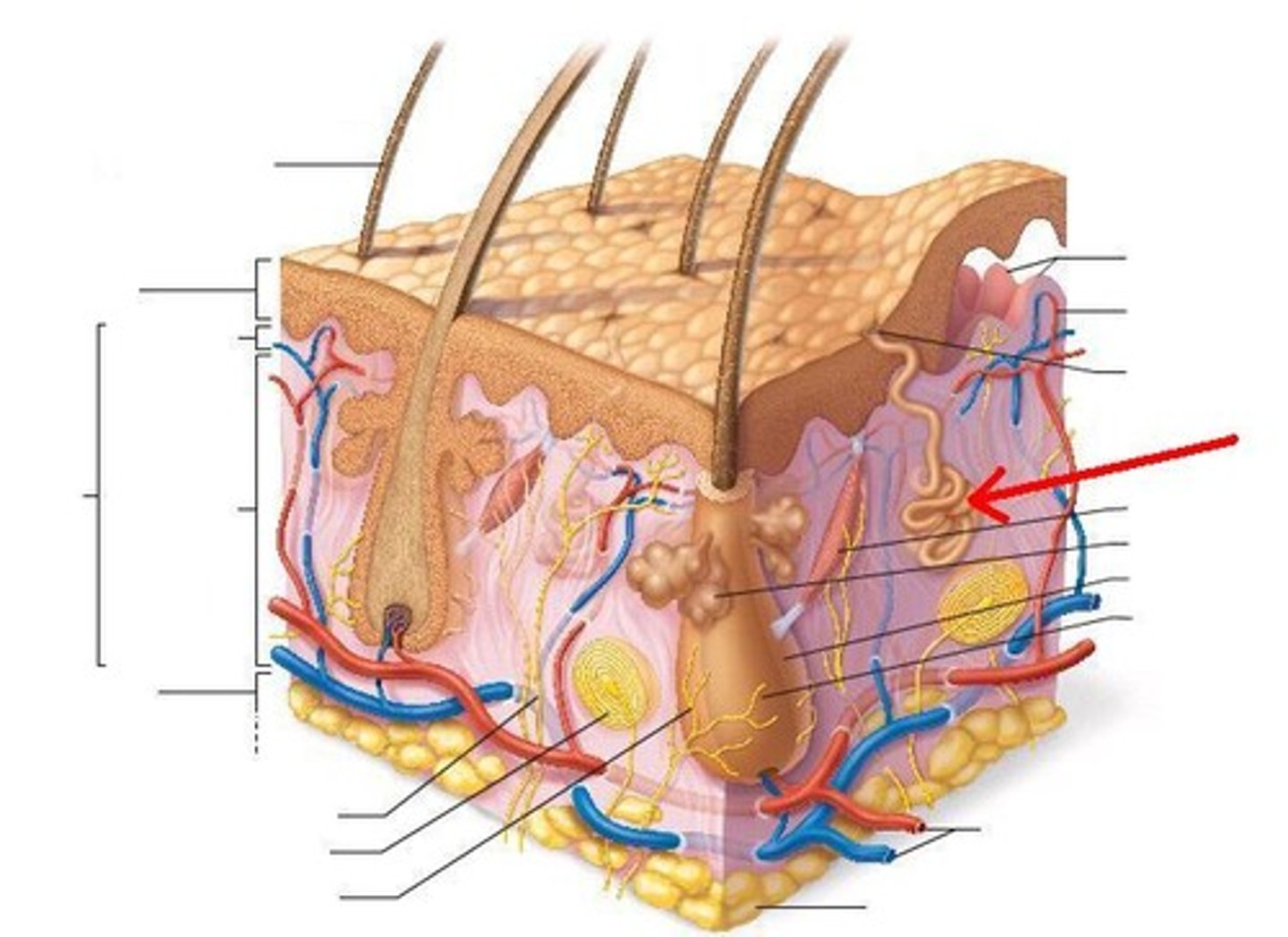
Sweating cools the person by how?
- The water molecules take energy from your skin and evaporate from skin.
- gain KE, break bonds
- More energetic molecules escaped from the surface of the skin
- Less energetic molecules are left behind. Average KE decreases.
- Temp dec, body feels cold
Using aftershave liquids or volatile liquids
Causes cooling effect because they evaporate fast
Gas laws
Charles' Law & Boyle's Law
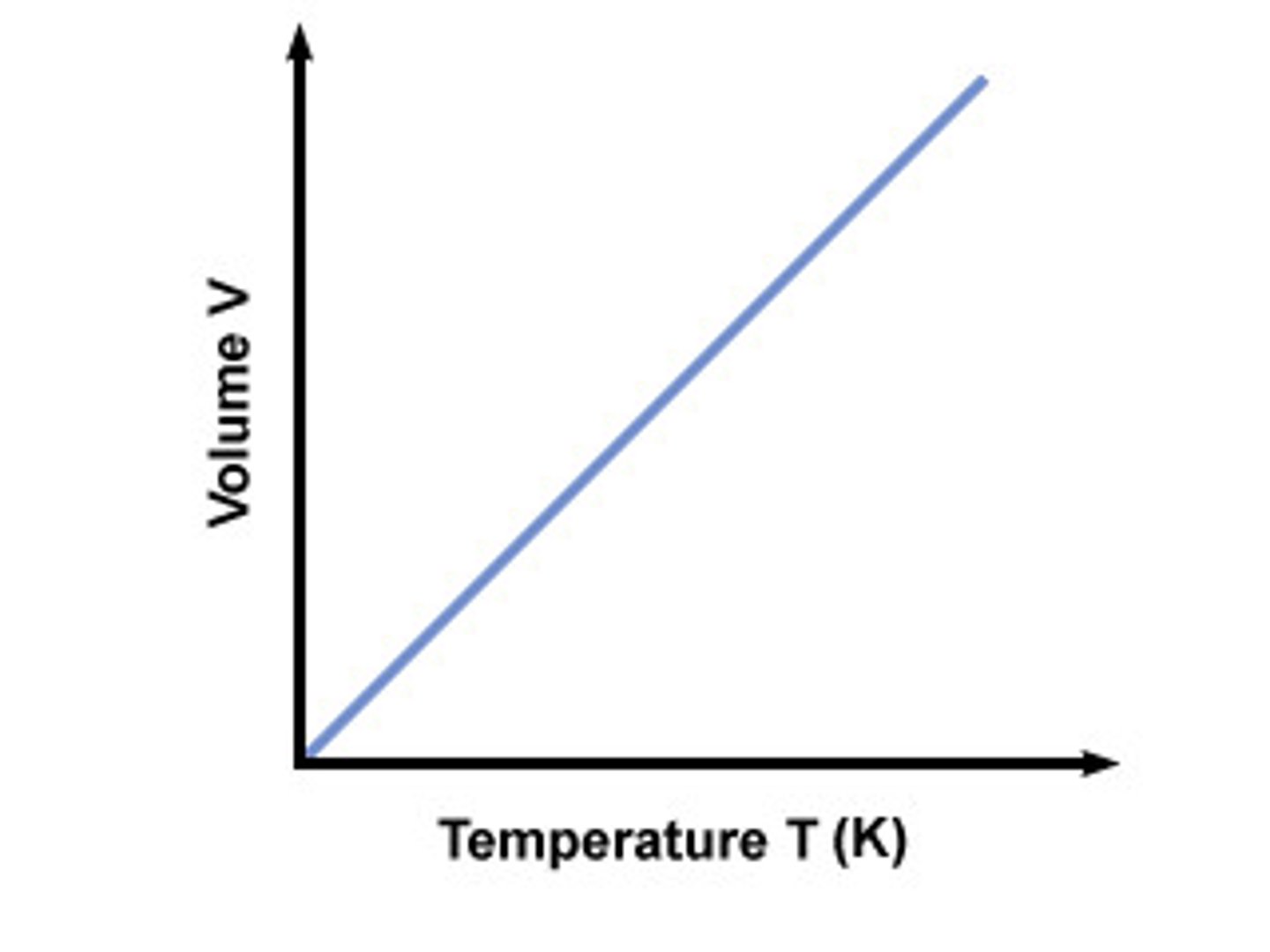
Charles' Law
V1/T1=V2/T2
- V varies T
- V/T = constant
- constant --> mass, pressure
Explanation:
- Temp inc
- KE inc (gain KE)
- Speed inc (move faster)
- collide more frequently
- move further apart
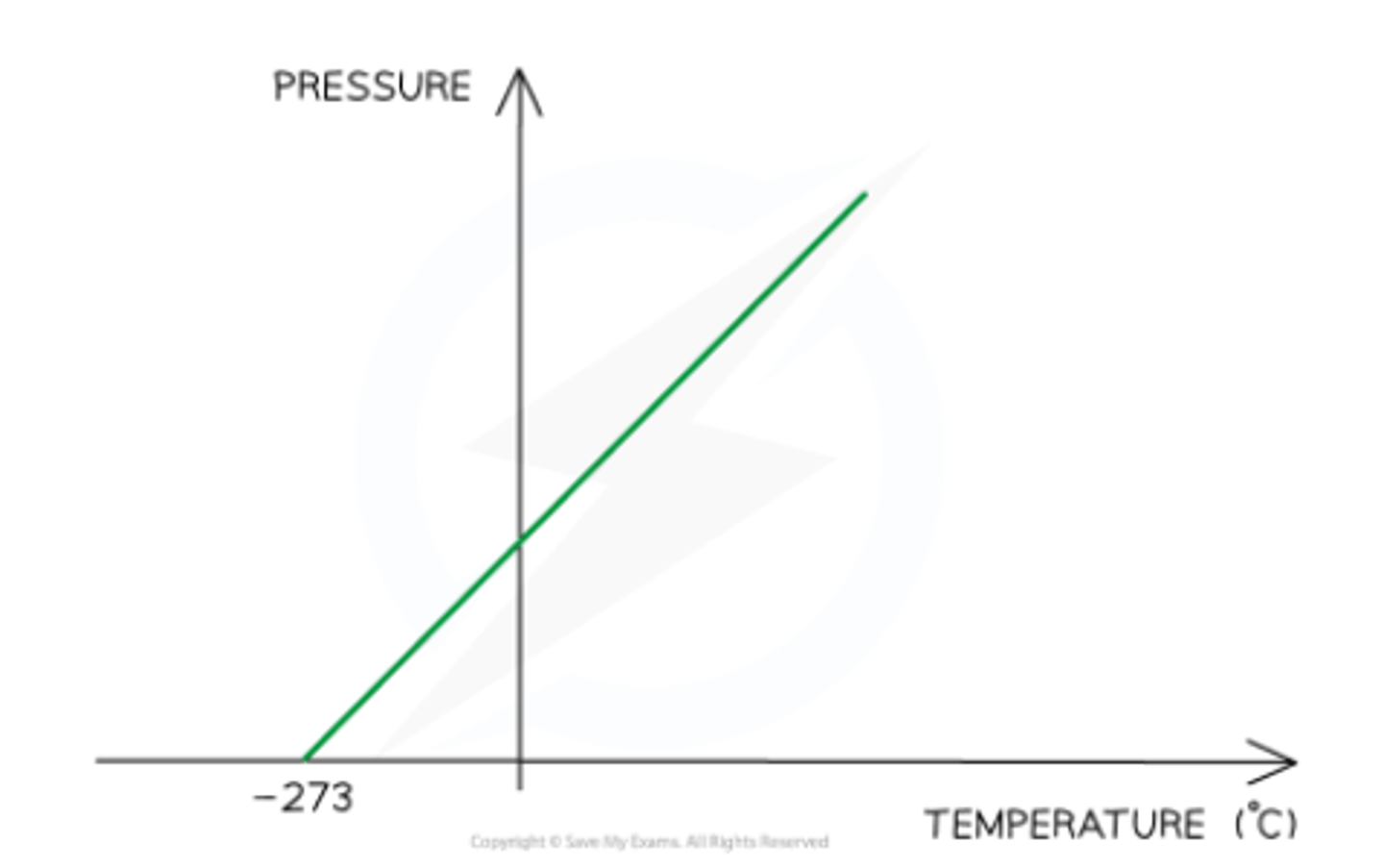
Pressure Law
P1/T1 = P2/T2
- P varies T
- P/T = constant
- constant --> mass, volume
Explanation:
- Temp inc
- KE inc (gain KE)
- Speed inc (move faster)
- collide more frequently on each other and the wall
- more momentum change
- more force
- total molecules of forces exert on the surface area of the wall (P= F/A)
Absolute zero temperature
lowest possible temperature at which a gas would exert no pressure and the theoretical temperature at which the volume of an ideal gas is zero with least KE and all molecular motion stops
- TK = TC + 273
- TC = TK - 273
How to define the temperature scale on the temperature?
- lower fixed point (melting point of ice)
- upper fixed point (based on pure water)
specific heat capacity
the amount of heat energy required to raise the temperature of one gram of substance by one degree celcius
Formula for specific heat capacity
c=E/mΔT
low specific heat capacity
A material or substance that will heat up and cool down more QUICKLY than a material with "HIGH" specific heat capacity. AIR, METALS!! ( in other words it takes a short time for air or metals to heat up and a short time for air or metals to cool down)
All metals are good conductors (specific heat capacity)
- They heat up and cool down quickly
- They have small values of specific heat capacity
All non-metals are poor conductors (specific heat capacity)
- They heat up and cool down slowly
- They have large values of specific heat capacity
The calculated results of specific heat capacity using this method is greater than the actual values why?
During the experiment, there is heat lost to the surroundings, this makes the rise in temperature low and thus causing higher values of specific heat capacity
internal energy
the sum of the kinetic and potential energies of all particles in the system
the total energy stored in the atoms and molecules within a substance
A sealed container of gas is heated. The pressure of the gas increases. Why does increase in pressure happen?
Forces of the gas particles striking the walls of the container increase