Immune System A&P II
 Call Kai
 Learn
Learn Practice Test
 Spaced Repetition
 Match
Match Flashcards
 Knowt Play
1/124

There's no tags or description
Looks like no tags are added yet.
Name | Mastery | Learn | Test | Matching | Spaced | Call with Kai | Chat |
|---|
No analytics yet
Send a link to your students to track their progress
125 Terms
Lymphedema
swelling as a result of a build up of lymph
Diapedesis
when a leukocyte leaves the blood vessel and travels to infected tissue
AMP
antimicrobial peptide such as defensin that destroy germs a lot of the time by punching holes in the cell membranes
Opsonization
antibodies or other proteins (complement) mark the pathogen for death
PAMP
pathogen-associated molecular patterns; antigens located on pathogens that reveal them as foreign to the immune system
ROS
reactive oxygen species; kills the invader but could also damage your own cells resulting in immunopathology
What are the functions of the lymphatic system
maintain fluid balance and filter fluid and help immune system identify and destroy germs
How can the lymphatic system help a doctor diagnose an infection
when there is a infection, WBCs in the lymph nodes can increase, causing swollen lymph nodes
How does the lymphatic system distribute fluid around the body? In other words, it is not connected to the circulatory system proper, so the heart cannot push lymph around the body. How then does it move?
muscular pump and gravity. moves as the body moves
An infectious agent enters your body after cutting your finger. Describe the innate immune responses put into place to intercept and destroy the infectious agent
skin is the primary defense. past the skin is mucus and chemicals. then phagocytosis
What are some behavioral responses to systemic infection and how are they beneficial
wanting to sleep, get warm
Why is fever beneficial in the long run
slows germ growth rate
What is a differential WBC count and what does it tell us
tells us the amount of each leukocyte in the blood which can help determine if there is an infection and if so what kind of infection
What characteristics of the skin prevent infection
chemical and physical-dead epithelial cells, salt (sweat), amps
Why is the lymphatic system to important to immunity
What is an infection? (Think about it from the human point of view AND from the pathogen’s point of view)
pathogens in the body. the pathogens are trying to live and breed and infiltrate and the human cells are trying to kill them to prevent damage.
the protein matrix on your cells that display either “self” proteins or “non-self” proteins; JUST the display
Major histocompatibility complex (MHC)
How does the MHC change between normal and infected cells
normal cells display a small protein derived from normal cell processes (metabolism)
infected cells display the same protein but have parts of the pathogen antigen attached
Which MHC class is located on body cells (anything other than WBCs)
MHC I
Which MHC class is located on immune cells
MHC II
Explain the difference between the MHC classes (1&2)
MHC I is located on body cells and will display either self proteins for healthy cells or antigens for sick cells
MHC II is located on immune cells and will display either self proteins for healthy cells or antigens to activate other immune cells
summary: MHC I display antigens to identify an infected cell whereas MHC II displays antigens to activate other immune cells
T-lymphocyte that destroys infected body cells; also known as CD8
Cytotoxic “killer” cell
T-lymphocyte that coordinate the immune response; also known as CD4
helper cells
which t-lymphocyte would bind to an MHC I complex
Cytotoxic (CD8)
which t-lymphocyte would bind to an MHC II complex
Helper (CD4)
List the antigen-presenting cells (3)
dendritic cells, macrophages, and B-lymphocytes
what is the function of antigen-presenting cells
engulf pathogens and then present portions of their antigens to T-cells in the thymus or lymph nodes
explain how dendritic cells are the bridge between innate and adaptive immunity
they take the products of phagocytosis (innate) and show them to t-cells to stimulate the adaptive immunity response
briefly explain humoral (plasma-based) immune response
starts when a b-cell encounters a pathogen antigen (PAMP); antigen-receptor complex is brought into the cell which stimulates the cell to “clone” itself via mitosis, thus making more cells that are competent against the pathogen
explain b-cell proliferation
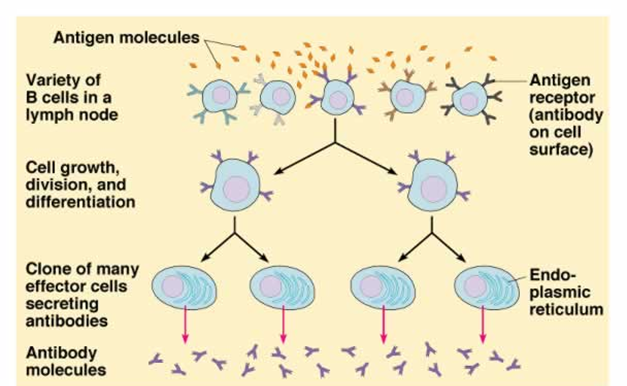
variety of b-cells in lymph node, all with different antibodies
antigen enters system, binds to the antibody that fits to it
that b-cell will go through mitosis to “clone” itself
clones (plasma cells) produce a bunch of antibodies and throw them into the plasma to stick to germs
what are plasma cells
cloned b-lymphocytes that secrete antibodies to the antigen which will mark any cell with that antigen for destruction (opsonization)
memory (B) cells are produce and exist for years to prime the immune system in case of reinfection
how long does b-cell proliferation take (production of antibodies)
3-6 days
what is the primary immune response
the 1st exposure to a pathogen; newly presented antigens cause B-lymphocyte clones to proliferate over 3-6 days
what is the secondary immune response
anything beyond the first exposure to a particular pathogen
the primed immune system can mount a much faster response when re-exposed to the same pathogen
cloned cells left over from primary response bind better to antigens and live longer
what is active humoral immunity
when YOU produce the antibodies in your body
naturally acquired or through vaccination
why do you need to get booster shots
vaccines only expose the immune system to PAMPs, not the full pathogen, so the immune system can forget and needs to be reminded
what is passive humoral immunity
immune response due to “artificial” antibodies from horses, rabbits, bacteria, etc.
natural passive immunity includes breastfeeding
what are immunoglobulins
highly specific antibodies secreted by effector (turned-on) b-cells
list the five classes of immunoglobulins (Ig)
IgM: large antibody (pentamer) released by plasma cells
IgA: monomer and/or dimer released by mucus membranes
IgD: acts as a B-cell receptor
IgG: most abundant, small, can cross placental barrier
IgE: involved in allergic reactions
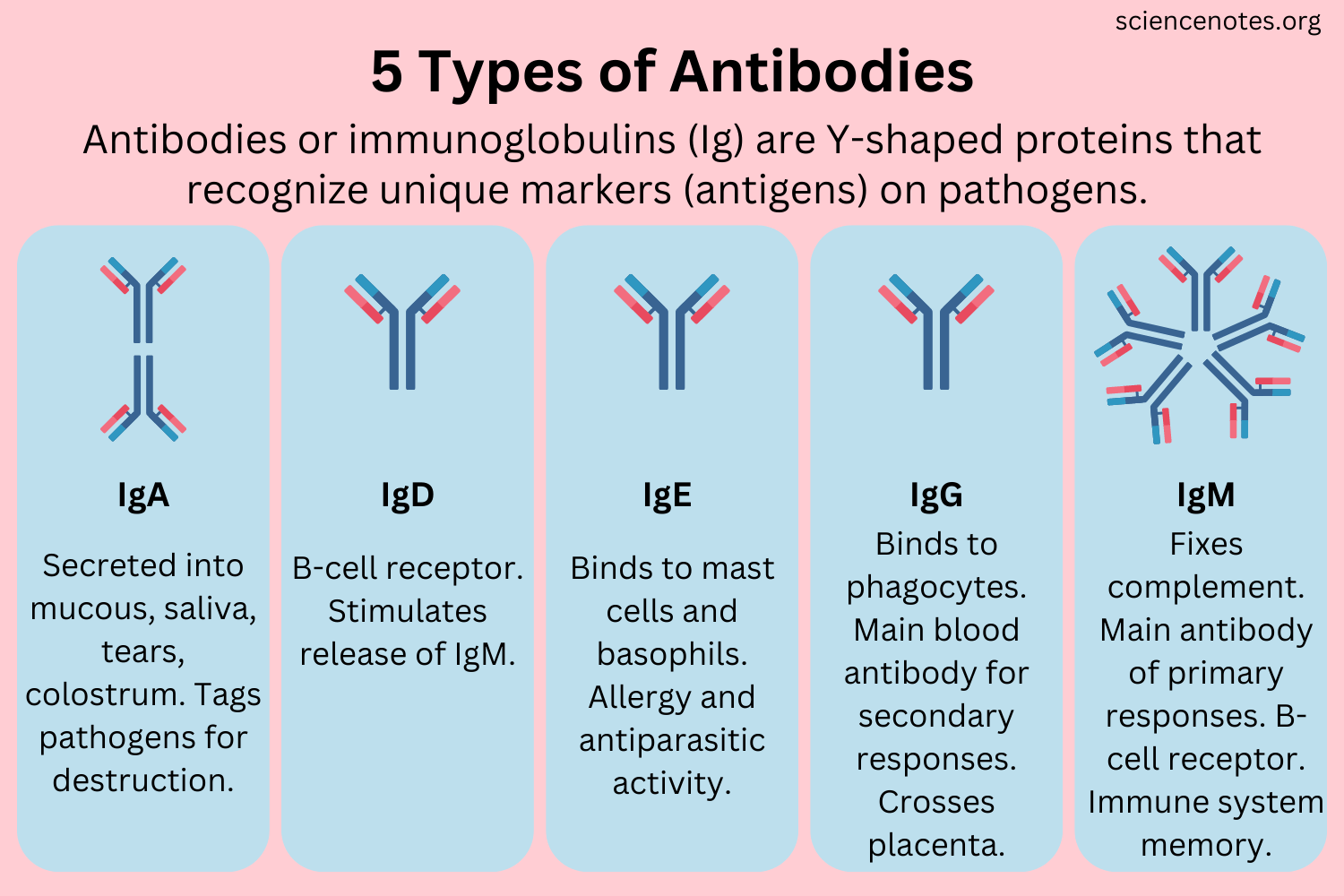
explain the basic antibody structure
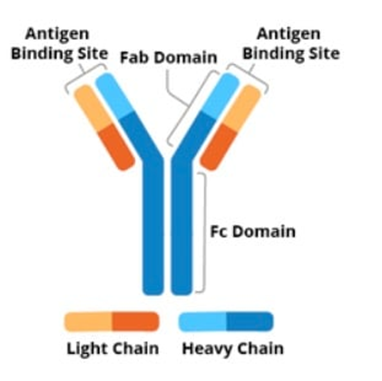
2 heavy chains: identical structure, long
2 light chains: much shorter than H chains, loops around H chains
variable (V) regions: changes depending on antibody; antigen binding site
Constant (C) regions: very similar between antibodies in the same class
antigen-antibody pairings result in…
neutralization, agglutination, precipitation, complement fixation
this result of antigen-antibody pairings involves viral receptors or other virulence factors like toxins being bound and inactivated
neutralization
this result of antigen-antibody pairings involves clumping of foreign cells when two or more pathogens bind to the same antibody
agglutination
this result of antigen-antibody pairings involves dissolved molecules (antigens) coming out of solution
precipitation
this result of antigen-antibody pairings involves bound antibodies attracting complement proteins that results in cell lysis
complement fixation
explain antibody diversity
antibodies are coded from hypervariable regions of DNA
somatic recombination: few genes code the proteins that make up antigen receptors, but they are constantly shuffled, yielding millions of different combinations
what happens if a pathogen avoids the antibody response
the pathogen can hide in a cell, requiring a cell-mediate immune response via t-cell
what cells are we talking about when we say cell-mediate immune response
t-cells (CD4 and CD8)
T-lymphocytes are also known as…
immunocompetent cells
what does it mean to be an immunocompetent cell
react to antigens present on body cells (MHC I)
bind to foreign antigens but don’t react strongly to self antigens
how does the body make sure only immunocompetent cells thrive
positive selection: cells that don’t recognize, thus don’t bind to, MHC die via apoptosis
negative selection: cells that bind too tightly to MHC die via apoptosis
in order to activate t-cells against a particular pathogen, they must recognize…
BOTH self (MHC) and non-self (antigen)
explain CD4 t-cell activation
antigen-presenting cell phagocytosed germ and presents antigen to t-cell
both cells (antigen-presenting and t-cell) release cytokines (cell messengers that bind to and change other cells)
in response to cytokines, t-cell clones itself
clones produce different cytokines to activate b-cells and CD8 cells
explain how CD8 cells work
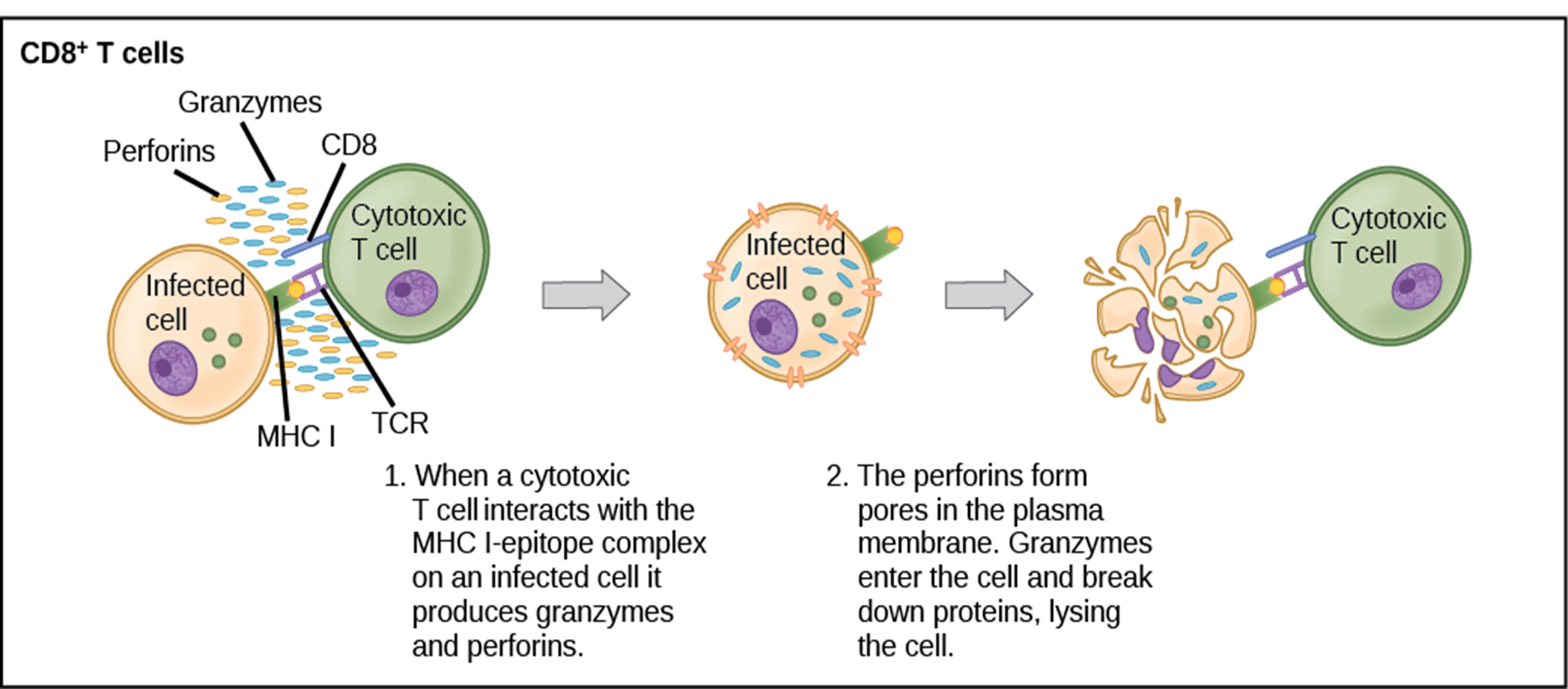
once activated by cytokines released by CD4 clones, they will directly attack and kill pathogens or compromised body cells (virus-infected or cancerous)
they do this by recognizing foreign invaders by binding to antigens on MHC I and releasing perforins and granzymes
chemicals released by cytotoxic cells that punch holes in the foreign cell’s membrane
perforins
enzymes released by cytotoxic cells that degrade the interior of the foreign cell, resulting in cell lysis via apoptosis
granzymes
explain CD8 t-cell activation
cytotoxic cell binds to MHC I-epitope complex on an infected cell and produces granzymes and perforins
perforins form pores in the plasma membrane as granzymes enter the cell and break down proteins, lysing the cell
what is the function of the immune system
to protect the body from infection and disease
the immune system’s ability to protect the body is based on…
the body’s ability to distinguish SELF from NON-SELF
the body determines something as “non-self” by the presence of…
antigens
what are the two immune branches
innate and acquired
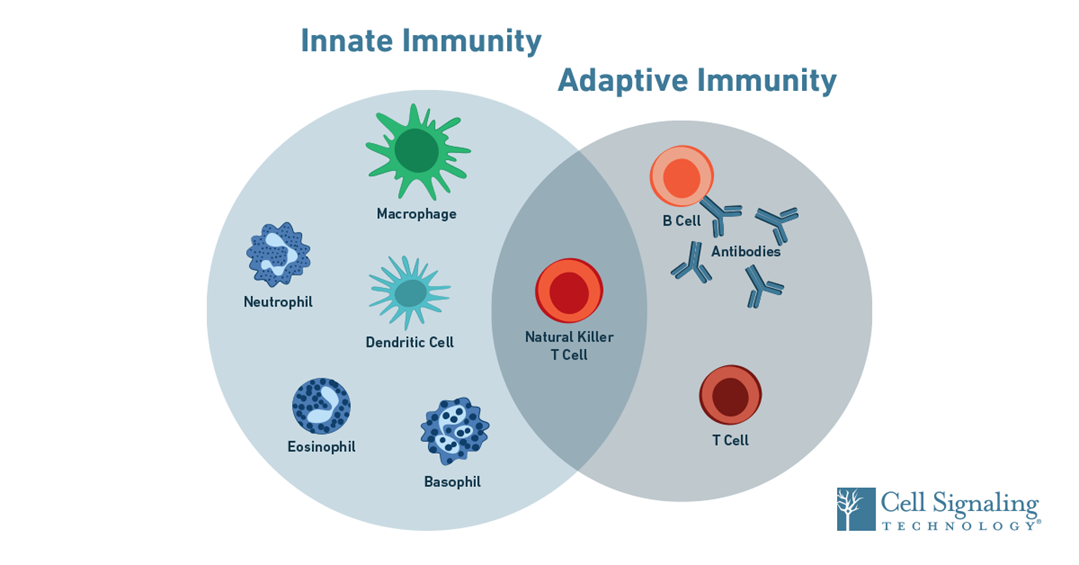
the immune function present at birth
innate immunity
the immune function that develops over time from exposure to pathogens in the environment
acquired (adaptive) immunity
barriers to pathogens that are inherent at birth and do not require exposure to pathogens
innate immunity
what are two parts to innate immunity
integument and white blood cells
establishes a physical barrier between vulnerable cells and infectious agents
integument
what are the two main barriers to pathogens involved in innate immunity
physical and chemical barriers
what are the physical barriers involved in innate immunity
dead dry skin cells and dendritic cells
modified monocytes that phagocytose invading microorganisms
dendritic cells
what are the chemical barriers involved in innate immunity (secreted by the skin)
high salt concentration, antimicrobial peptides (AMPs), lysozymes
chemical barrier that lyses bacterial cell membranes (bursts them)
lysozyme
line all openings of the body and consist of epithelial cells with a basement layer of connective tissue (collagen)
mucous membranes
what are two ways that skin (epithelia) protects the body
sheds skin cells carrying away pathogens
chemical agents such as mucus that contains lysozymes and AMPs
what is the primary line of defense
skin (integument)
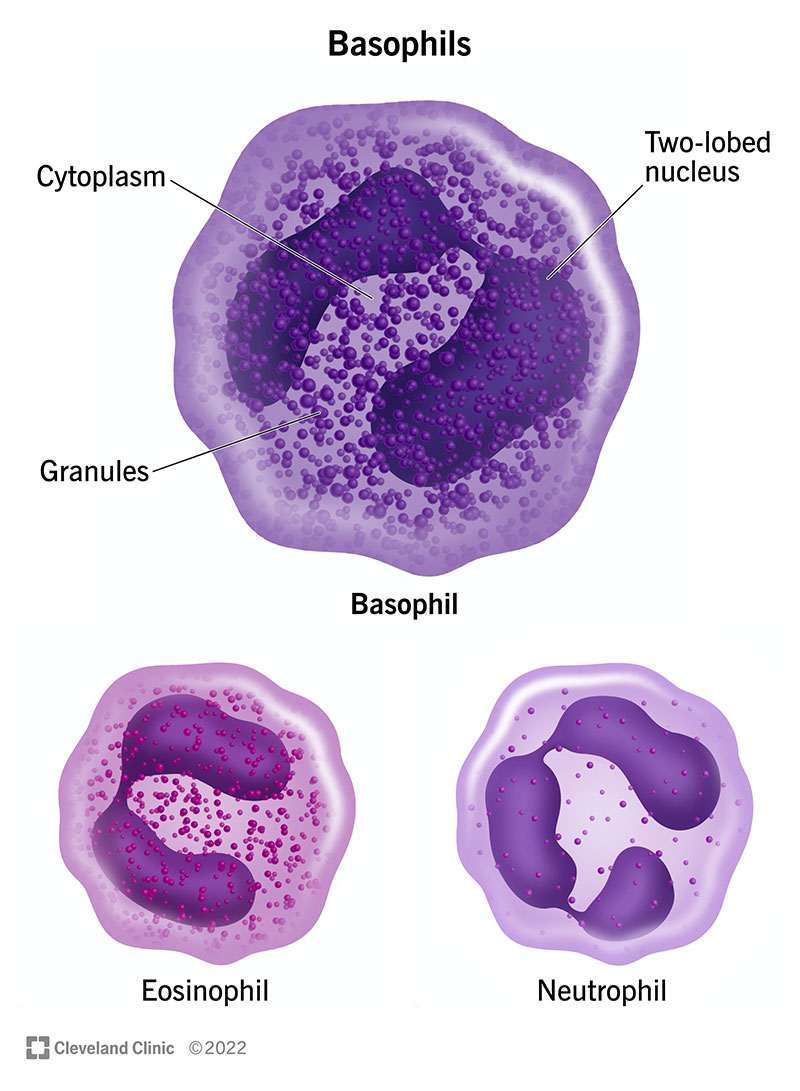
leukocyte that produce histamines leading to inflammatory responses
basophils
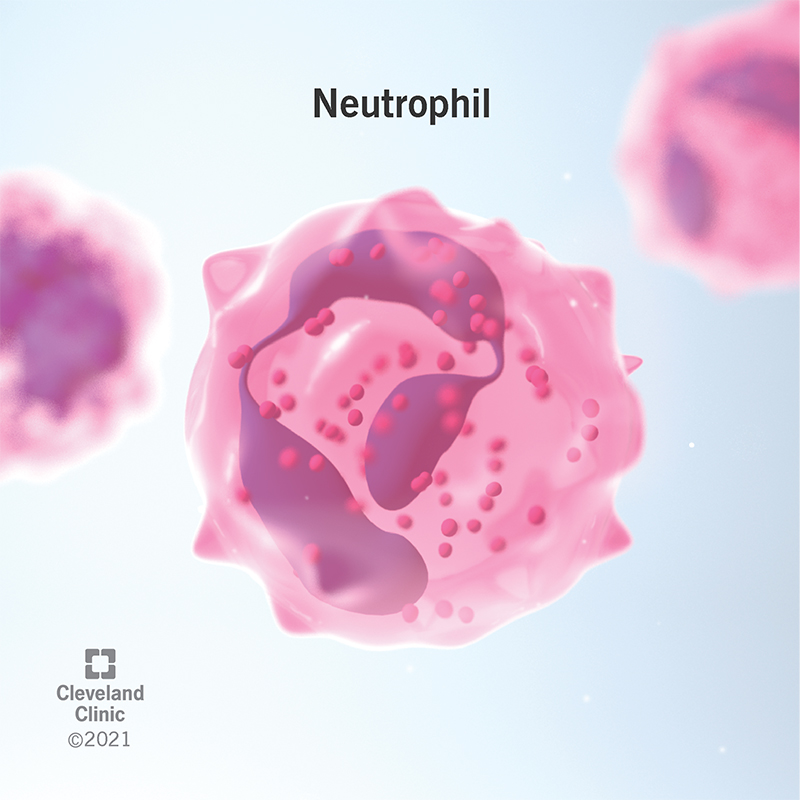
leukocyte that phagocytoses bacteria and viruses
neutrophils
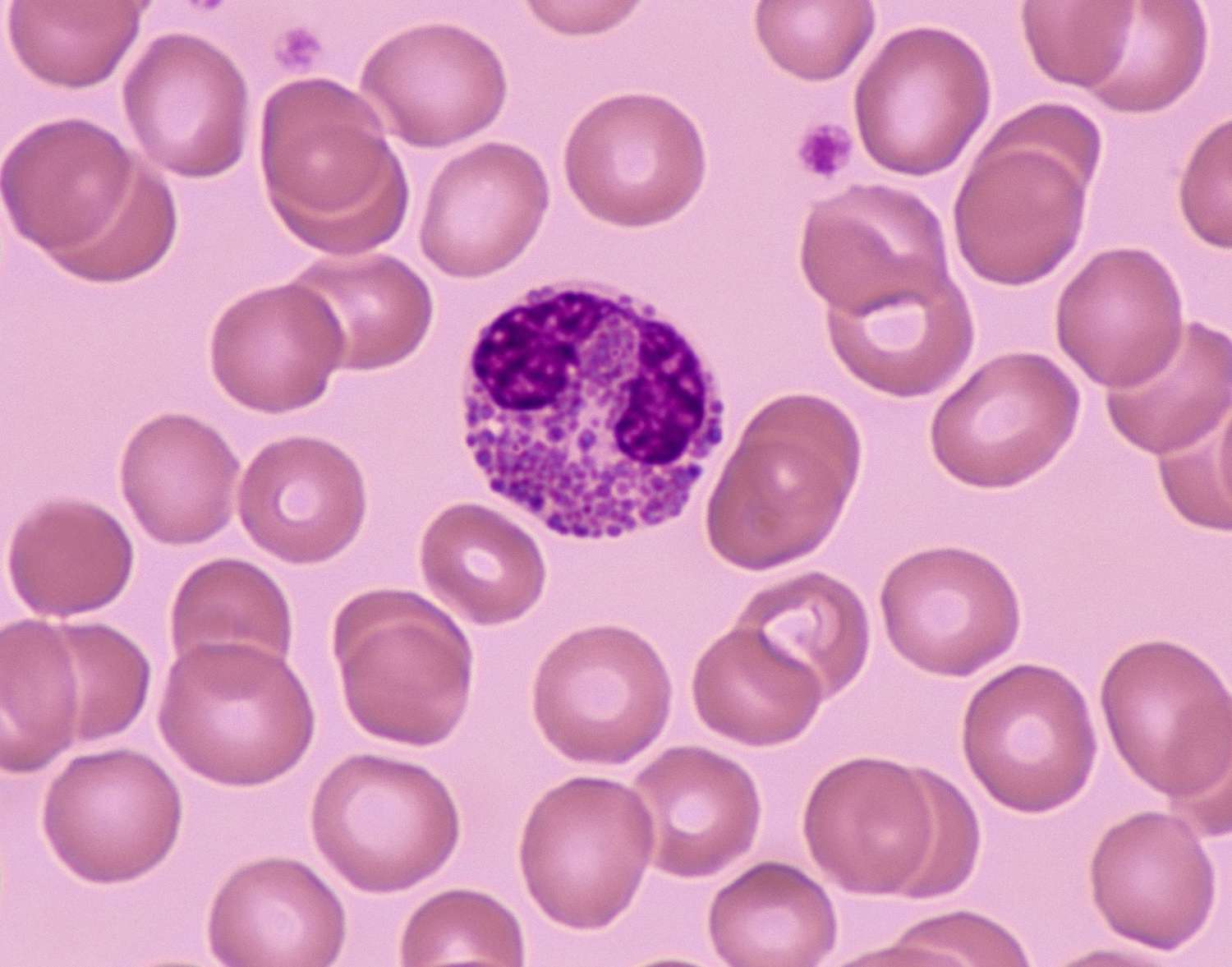
leukocyte that leads attacks against parasitic worms
eosinophils
what is the difference between granulocytes and agranulocytes
granulocytes have many organelles (lysosomes) that give them a grainy appearance, whereas agranulocytes have few or no organelles
leukocytes that live in the lymphatic system and either produce antibodies against specific invaders or destroy the invaders or cells infected by them
lymphocytes
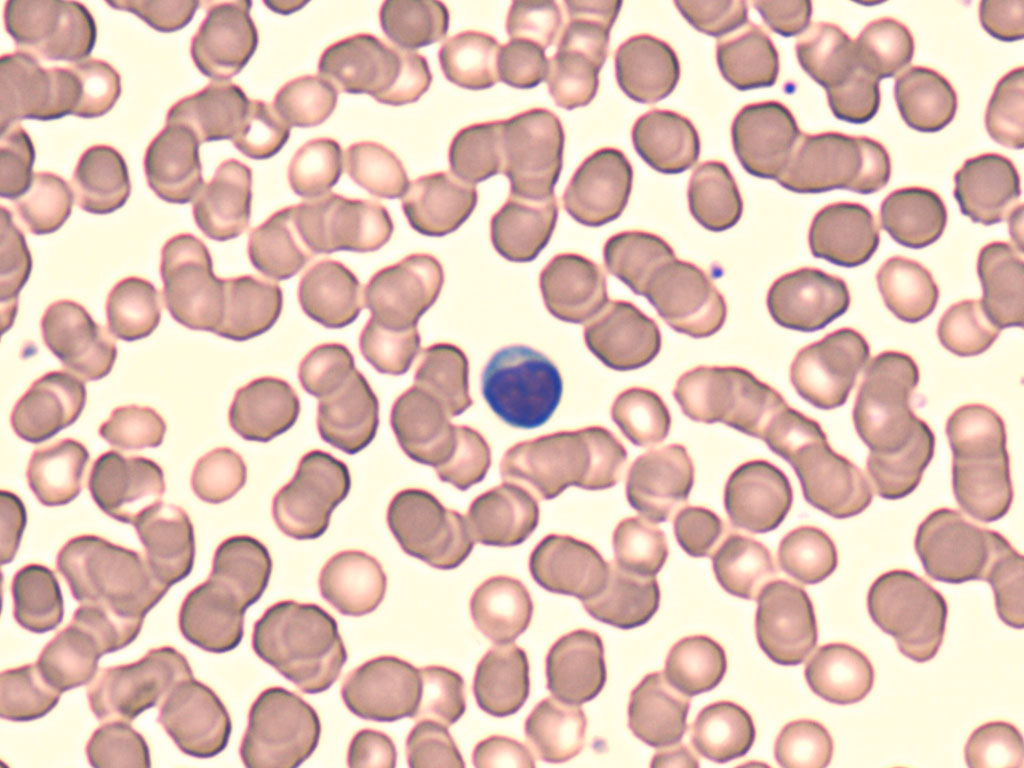
lymphocytes that produce antibodies specific to antibodies that leave the cell and stick to specific PAMPs to neutralize an infectious agent
B lymphocytes
lymphocytes that either produce cytokines that direct immune responses (CD4), or destroy infected cells (CD8)
T lymphocytes
why are lymphocytes the heart of adaptive immunity
they will remember the antibodies they produce (B cells) and be able to make them again quickly upon re-exposure to a pathogen (memory cells)
leukocytes that function to phagocytose bacteria and other invading pathogens and mature into macrophages which can perform diapedesis
monocytes
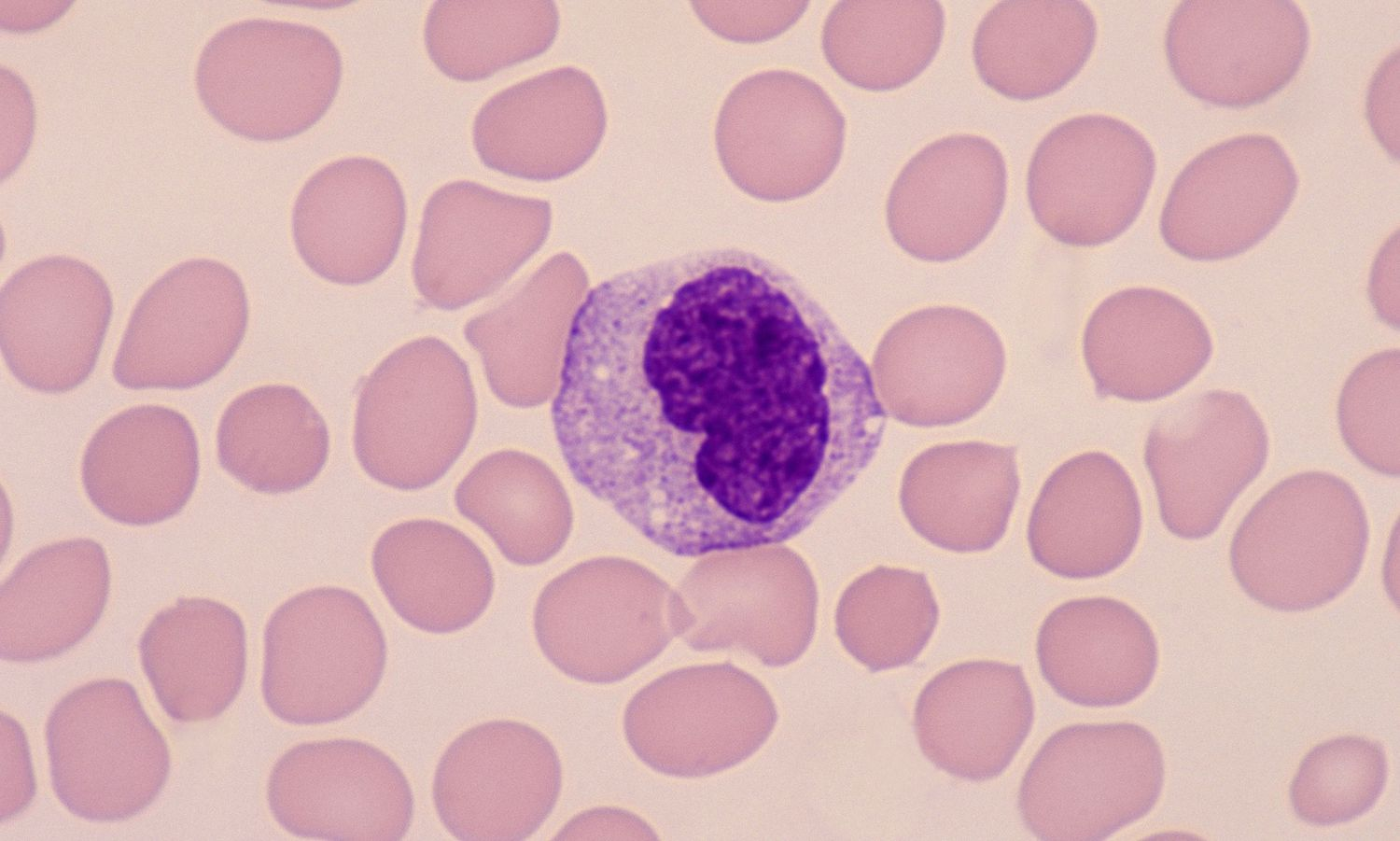
explain phagocytosis
WBCs surround and engulf pathogens
then adhere to the pathogen via binding of cell membrane components (this process can be facilitated by opsonization)
once adherence is complete, pathogens are engulfed via endocytosis, which forms a phagosome
the contents of the phagosome are then digested by merging with a lysosome (phagosome + lysosome = phagolysosome)
what is it called when a pathogen is too big to be phagocytized so cells such as eosinophils and lymphocytes kill them by secreting toxic compounds directly onto them
degranulation/toxin secretion
protein molecules released by host cells (infected cells) to inhibit virus spread by causing neighboring cells to produce antiviral proteins
interferons
proteins in the blood plasma that bind to pathogens and mark them for destruction (opsonization)
complement
other than opsonization, complement proteins can…
facilitate chemotaxis and produce membrane attack complexes (MACs)
when complement recruit WBCs to a pathogen
chemotaxis
complement can produce this which bores a hole in a pathogen’s membrane, effectively killing the cell
membrane attack complex (MAC)
quick, short-lived response to infection, usually beneficial
acute inflammation
long lasting response to infection, generally damaging and can cause disease
chronic inflammation
signs of inflammation
reddened skin, localized heat, edema, and pain
dilates blood vessels and makes them more permeable resulting in rapid healing and deliverance of more blood and resources to the site of infection, including phagocytes
(acute) inflammation
occurs when the presence of certain PAMPs (pyrogens) results in another chemical cascade that triggers the hypothalamus to increase the normal temperature of the body
fever
how does fever result in faster recovery from infection
increases the efficiency of complement and decreases pathogen replication rates
substances on cell surfaces or produced by cells that can provoke an immune response e.g. PAMPs (non-self!!)
antigens
complete antigens can…
stimulate the proliferation of lymphocytes and antibodies (immunogenicity)
react to activated lymphocytes and antibodies produced by the immune response (reactivity)
the immunogenic part of an antigen that antibodies or leukocyte receptors bind to to attack
antigenic determinants (epitopes)
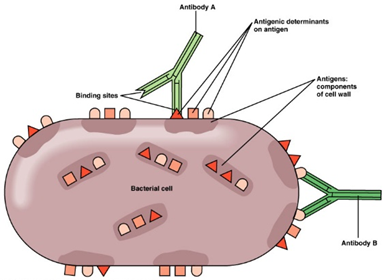
very small molecules that are foreign to the body but NOT immunogenic
haptens