Orgo Lab Final
 Call Kai
 Learn
Learn Practice Test
 Spaced Repetition
 Match
Match Flashcards
 Knowt Play
1/84

There's no tags or description
Looks like no tags are added yet.
Name | Mastery | Learn | Test | Matching | Spaced | Call with Kai | Chat |
|---|
No analytics yet
Send a link to your students to track their progress
85 Terms
Define differential extraction
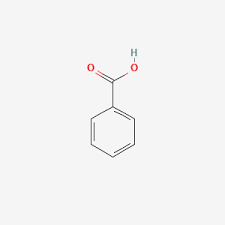
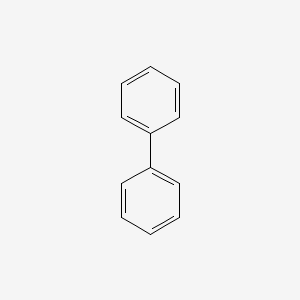
a method of separating a mixture of 2 or more components by varying the pH of the solution. (biphenyl has a pKa greater than 40, benzoic acid has a pKa of 4.2) by varying the pH of the solution, you can separate the benzoic acid from biphenyl
draw the Structure for benzoic acid
draw the Structure for biphenyl
Know what compound will be in the aqueous layer and ether layer in differential extraction
Aqueous layer: Benzoic acid
Ether layer: Biphenyl

Know which solvent is best for polar compounds and are used for wide range of compounds in differential extraction
Chloroform, Diethyl Ether and Dichloromethane
The purpose of acids like HCl in a reaction for differential extraction
HCL is used to protonate the benzoate, forming benzoic acid —> benzoic acid is insoluble in water, allowing you to separate it from the aqueous layer.
What is sodium sulfate used for in the differential extraction lab
sodium sulfate is used to dry the organic layer
(drying=removing water from solution)
Melting points – what happens when impurities are present
-when impurities are present the melting point will LOWER and the melting point range will BROADEN
-explanation: impurities in a crystalline solid disrupt the pattern that holds the solid together, this leads to a smaller amount of energy required to melt the part of the solid surrounding the impurity, if less energys required to melt the solid, this will lower the melting point)
Melting point biphenyl
70 C
melting point benzoic acid
122 C
Define recrystallization for differential extraction lab
a technique used to purify chemicals by dissolving both the impurities and compound in the appropriate solvent at or near its boiling point. At a high temp, the compound (solute) has greatly increased solubility in the solvent.
Why do you cool crystals to room temp before using an ice bath for differential extraction lab
-crystals cooled at room temp will be larger and less likely to pass through filter paper
-icebath crystals will be smaller and likely to pass through filter paper

Why is steam distillation used for eugenol
to collect the eugenol without burning the cloves, steam distillation is best for temperature sensitive materials (like aromatic compounds).
the steam releases aromatic compounds from plant material and forces open the “pockets” where oils are stored.
the volatile oil evaporates into steam for collection.
define simple distillation
a process by which two liquids with differing boiling points can be separated
define fractional distillation
a laboratory technique used to separate a liquid mixture into individual components (fractions) based on their boiling points. It is used when the components have close boiling points—typically less than 25°C apart
the vapors that rise into the fractional column will condense in the fractional column and return to the round bottom flask. vapors will again rise up and condense (aka reflux). this continues to occur till vapors made it to the top of the column, where they condense on the cool Liebig condenser and collect in the flask
define steam distillation
a process used to separate a temperature sensitive compound from a liquid
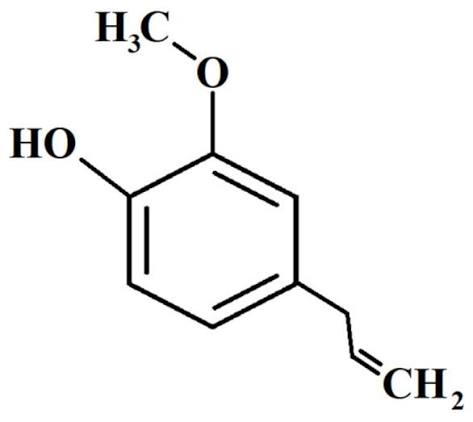
draw the Structure of eugenol
Solvents used for liquid-liquid extraction
diethyl ether or dichloromethane (sometimes NaOH)
(googled, couldn’t find in lectures)
Difference between percent recovery and percent yield
Percent yield measures how much product a chemical reaction makes compared to the maximum possible amount.
Percent recovery measures how much pure substance is left after a cleaning step like recrystallization compared to the crude amount you started with.
Define boiling point
the temp at which the vapor pressure of a liquid is equal to the external pressure which is applied on the liquid by the surrounding enviornment
· What happens to a boiling point when a volatile impurity is present
causes a decrease in the solutions boiling point
(explanation: A volatile impurity will have a higher vapor pressure. Most volatile compounds are non-polar organic compounds. The higher vapor pressure results in a lower boiling point for VOC. Examples of VOC are solvents like ether, ethanol, and methanol)
· What happens to boiling when a non-volatile impurity is present
If there is a non-volatile impurity, this will cause an increase in the boiling point of the solution.
(explanation: A non-volatile impurity will have a lower vapor pressure. Most non-volatile compounds are polar. The lower vapor pressure results in a higher boiling.An example of non-volatile impurities is salt. If there is a non-volatile impurity, this will cause an increase in the boiling point of the solution.)
· How does fractional distillation separate compounds
-seperates mixtures with similar boiling points (less then 40c difference)
Fractional distillation involves heating a mixture usually in a round bottom flask. The vapors will rise up the fractional column which is usually packed with a material that increases the surface area. The vapors will condense on the cooler packing material and return to the round bottom flask. The vapors will again rise up the column and condense. This is know as reflux. Reflux is the steady state of evaporation and condensation. This will continue to occur until the vapor makes it to the top of the column. At the top of the column the vapors will condense on the cool Liebig condensers and collect in an Erlenmeyer flask.
· How to calculation % cyclohexane and toluene using refractive index. Formula will be given
To find the percent cyclohexane in a fraction, you are going to use the following calculation
Xcyclohexane = (1.4961 - fraction / 0.0695) cyclohexane * 100 = percent cyclohexane
To find the percent toluene, you are going to take
100- %cyclohexane = %toluene
Here is an example calculation:
Fraction A has a refractive index of 1.4278. What % cyclohexane and toluene are in the fraction?
% Cyclohexane
1.4961 - 1.4278 / 0.0695 = 0.983
0.983 * 100 = 98.3
% Toluene
100-98.3 = 1.7
You will report the % cyclohexane and toluene to the nearest whole percent!!!
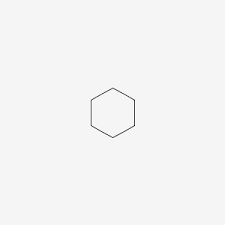
· Structure of cyclohexane
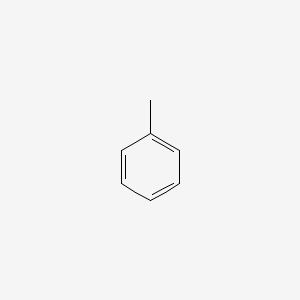
· Structure of toluene
· What is Reflux
steady state of repeated evaporation and condensation
(vapors condense on cooler packing material and return to the round bottom flask, vapors will then rise in column and condense)
· What two compounds make the nitrosonium ion
sodium nitrite (NaNO2) and strong acid (HCL or sulfuric acid (H2SO4)
· How do you monitor the conversion of the methyl anthranilate to diazonium salt
starch iodine paper
explanation: HNO2 will react with the starch iodide paper. If all the methyl anthranilate has been converted to the diazonium salt, the nitrous acid will be in excess yielding a positive result.
21+HNO2→12
If iodine is present in the solution will react with the starch to create a blue-violet complex.
· What was used to decompose the excess HNO2
Urea
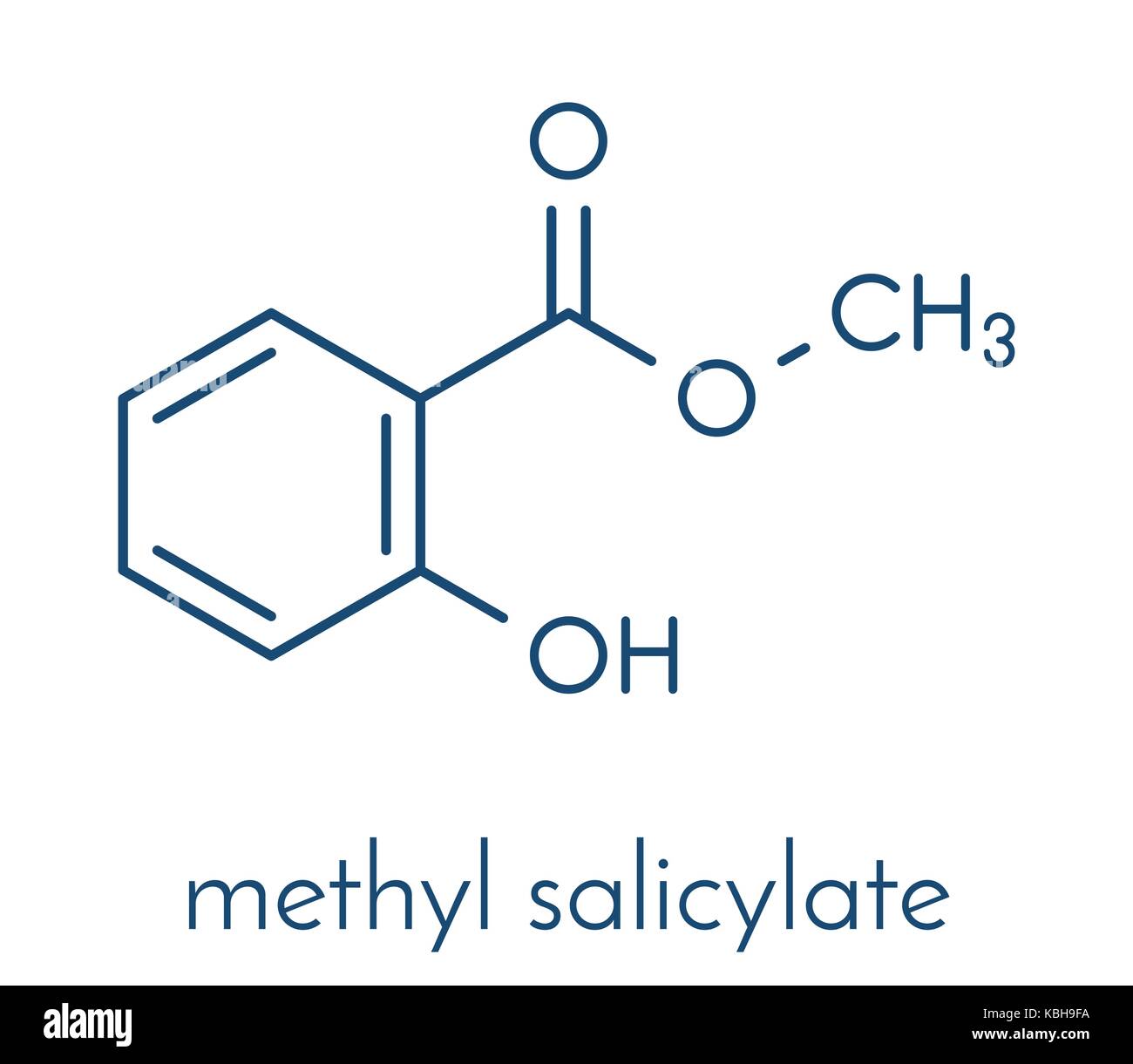
· Methyl salicylate is also known as?
wintergreen oil
· Structure of methyl salicylate
· What information can you glean from a Mass Spectra
mass
molecular weight
identity of compound
What are the 3 parts to a Mass Spectrometer instrument
Ionization source
Mass Analyzer
Detector
Ionization source
-where sample molecules are given an electric charge
(ex: electron impact (EI), electrospray ionization (ESI), or matrix assisted laser desorption ionization (MALDI)
Mass Analyzer
where ions are separated by their mass-to-charge ratio (M/Z)
(ex: magnetic sector, time of flight (TOF), or Quadrupole (Q)
Detector
where separated ions are observed and counted
(ex: photomultiplier, electron multiplier, micro channel plate)
Types of cleavage in MS
Homolytic cleaveage
alpha cleavage
heterolytic cleavage
Homolytic cleaveage
breaking of a covalent bond in such a way that each fragment gets one of the shared electrons
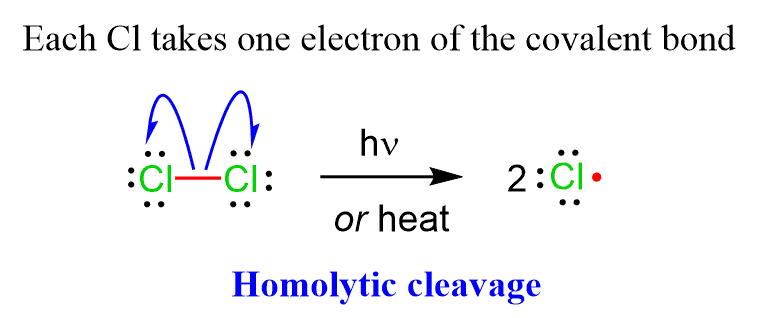
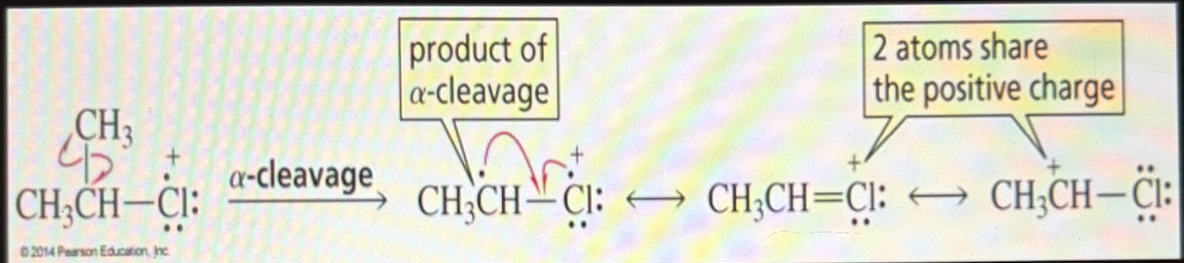
alpha cleavage
-photo demonstrates alpha Cleavage in an Alkyl Chloride
-The homolytic cleavage of the carbon-carbon bond is called alpha cleavage
-The bonds that break are the weakest bonds and form the most stable fragments
heterolytic cleavage
bond breaking in which the bonding electron pair is split unevenly between the products
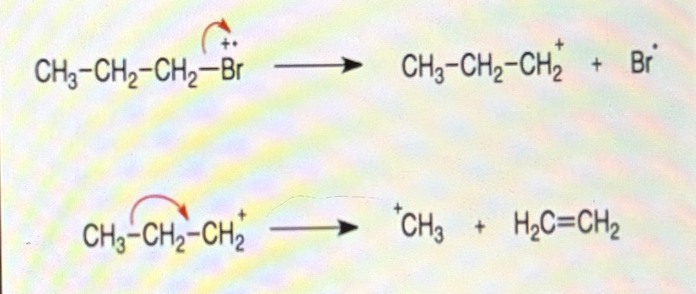
combination of hetero and homolytic cleavage
(dont need to memorize, just be able to identify either or)

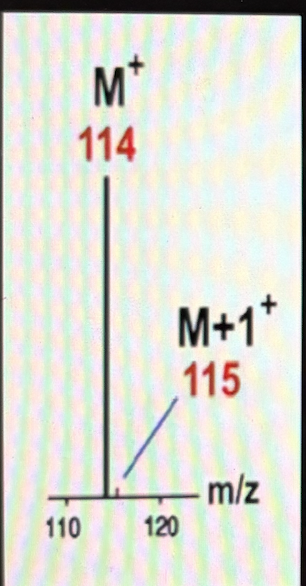
what causes M+1 peak
The M+1 peak is caused by the presence of the 13C isotope in the molecule. 13C makes up 1.11% of all carbon atoms.
The M+1 peak has a ratio height to the M+ based on how many carbons are in the molecule.
The more carbons, the larger the M+1 peak
what causes M+2 peak
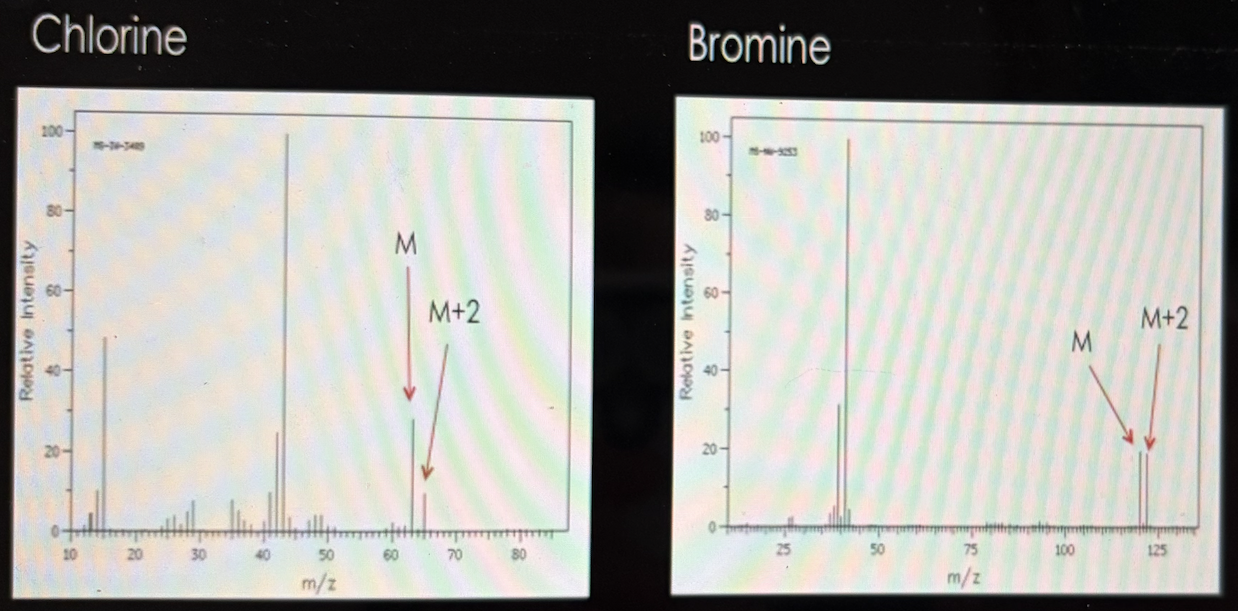
M+2 peak is caused by the presence of Chlorine or Bromine isotopes, 37Cl and 81 Br
Since the isotopes relative formula is 2 m/z more, the spectra will show a peak at M and M+2
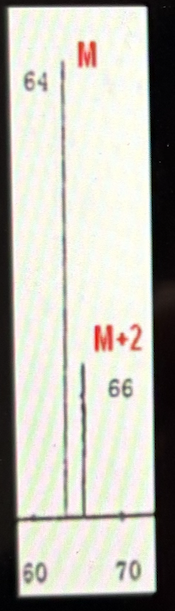
compare M+2 peaks with both chlorine and bromine
dont need to memorize
· What is the catalyst for the reaction of aspirin synthesis
phosphoric acid
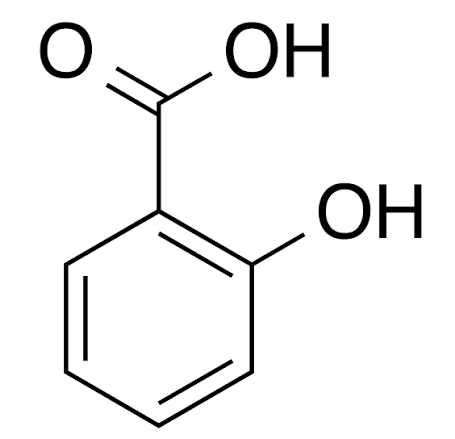
structure salicylic acid
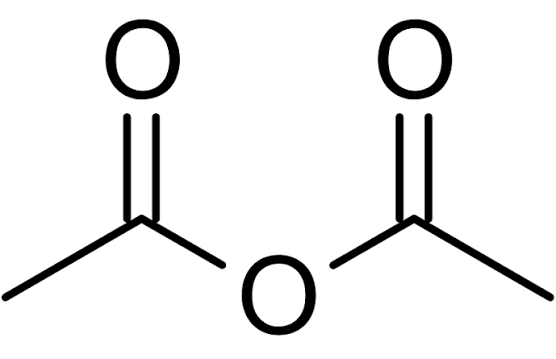
structure acetic anhydride
formula phosphoric acid
H3PO4
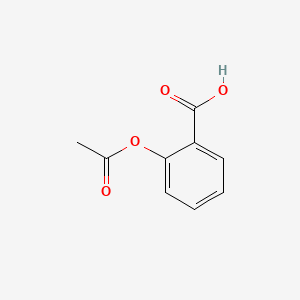
structure of acetylsalicylic acid
structure of acetic acid
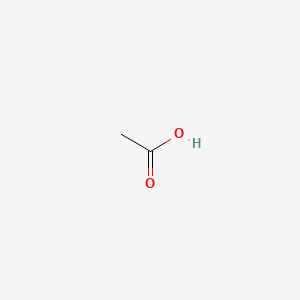
Acetylation
the reaction that introduces an acetyl group to a compound
for aspirin, an acetyl group replaces the hydrogen from the -OH group
· C=O peaks for aldehyde
1740-1720

· C=O peaks for ketone
1725-1705

· C=O peaks for carboxylic acid
1725-1700

· C=O peaks for ester
1750-1730


· Reaction Scheme for Grignard (image shown is step one)
(image shown is step two, know both steps)

· Why is Grignard reagent important?
they build new carbon-carbon bonds and turn simple carbonyl compounds into complex alcohols
· What can be used to form Grignard reagents?
react an organic halide (alkyl or aryl chloride, bromide, or iodide) with magnesium metal (usually as turnings) inside an anhydrous ether solvent (such as diethyl ether or THF)
· What is trituration?
purification of an impure compound by using solubility differences of the compound vs the impurities of the solvent
describe the trituration technique?
suspend the crude product in a solvent, the impurities are exposed to the solvent. The impurities will dissolve in the solvent but not the crude products.
· Possible byproduct of Grignard
biphenyl
· Why was it important to have everything dry for the Grignard experiment?
Grignard reagents are strong bases and powerful nucleophiles that react instantly with water. Moisture protonates the reagent to form an unwanted waste hydrocarbon, which destroys the reagent and stops the target synthesis
· What step from the first day confirmed that the Grignard reagent was formed? It involves a color change if only briefly
addition of methyl benzoate (or benzophenone) to the prepared reagent, which briefly turns the reaction mixture a pink or red color before it transitions further
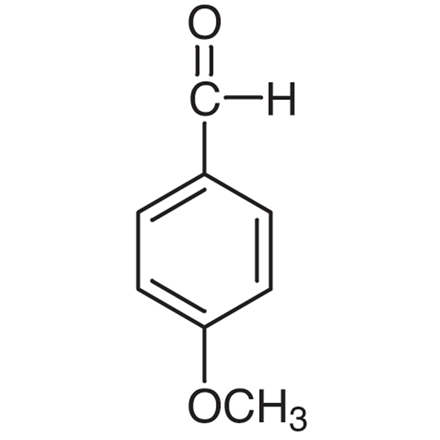
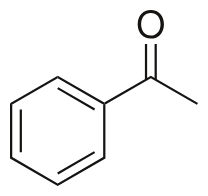
· Aldol condensation involves what two types of compounds
any aldehyde or ketone with at least one alpha-hydrogen in the presence of a base undergoes a condensation reaction
the product will have the properties of an aldehyde and alcohol
p-anisaldehyde structure
acetophenone structure
trans-p-anisalacetophenone structure
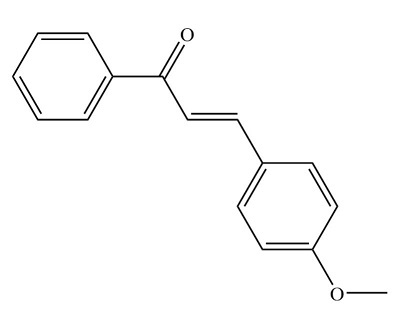
· What is the catalyst in the synthesis of trans-p-anisal reaction
NaOH
· Type of elimination reaction in a trans-p-anisal reaction
E1cB
explanation: a two-step organic reaction mechanism where a base removes a proton first to form a stabilized carbanion intermediate (the conjugate base), followed by the slow elimination of a poor leaving group to form a double bond
· How did you calculate the percent yield?
dividing the actual yield (the amount you actually get from an experiment) by the theoretical yield (the maximum amount you should get based on math), and then multiplying that number by 100
· IR: C=O, C-O, C=C (aromatic)
C=O: 1780-1650
C-O: 1250-1050
C=C (aromatic): 1680-1600
· What is TMS and why is it used
TMS stands for tetramethylsilane, In NMR spectroscopy, it is used as an internal reference standard to calibrate and define the exact zero point (0 ppm) on the chemical shift scale
define deuterated solvents
NMR uses deuterated solvents.
A deuterated solvent is a group of compounds where one or more hygrogen atoms are substituted by a deuterium atom.
This is done so that the hydrogens do not appear in the spectra.
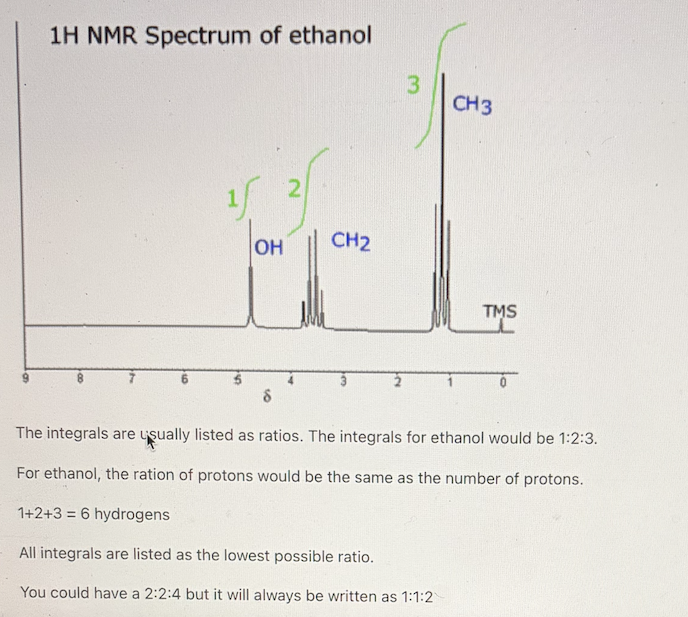
what does the number of signals mean in NMR
shows the number of different TYPES of protons in the compound
photo shown has 3 signals

what does the location on the NMR tells you
The location of the signal is referred to as the chemical shift.
The chemical shifts are the position on the spectra (ppm) where the nucleus absorbs.
more downstream (higher ppm) means protons are closer to a more electronegative atom and there is less shielding
in NMR, How many protons in each peak
The intensity of the signal is the area under the peak and is proportional to the number of protons causing the peak.
By integrating the area under the peak, it is possible to measure the relative number of each kind of proton in the molecule.
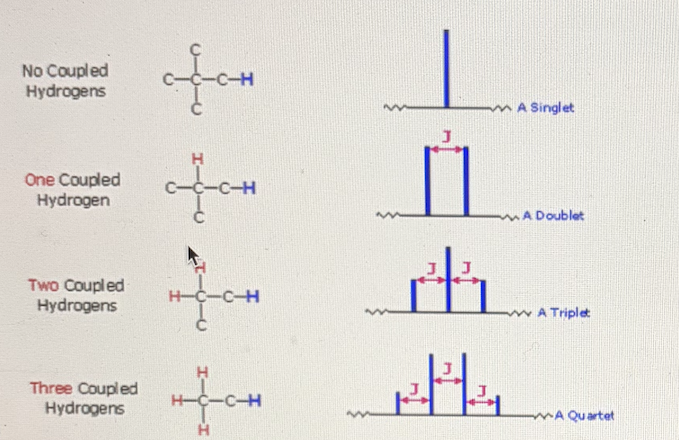
explain signal splitting in NMR
The rule for signal splitting for the number of adjacent protons is N + 1 where N is the number of adjacent protons.
For a singlet (no splitting), you would have no adjacent protons because 0+1 = 1 signal
For a doublet, there would be 1 adjacent proton.
For a triplet, there would be 2 adjacent protons.
For a quartet, there would be 3 adjacent protons.
· What can you determine from an IR
chemical functional groups present in an unknown molecule
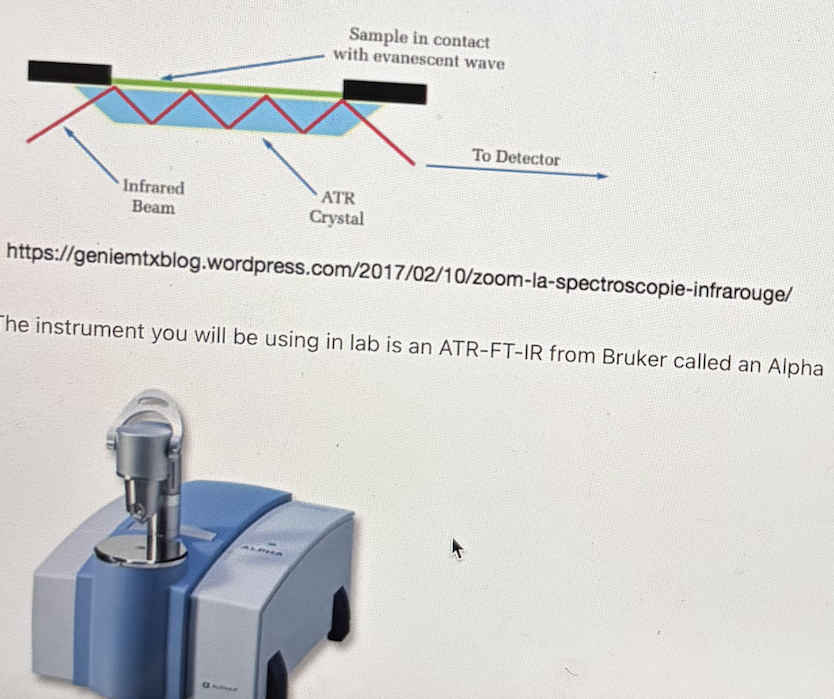
· What type of IR do we use in lab and how does it work
we use Attenuated total reflection FT-IR
ATR measures the changes that occur in an internally reflected IR beam when it comes into contact with a sample.
The internal reflectance creates an evanescent wave that extends beyond the surface of the crystal into the sample held in contact with the crystal.
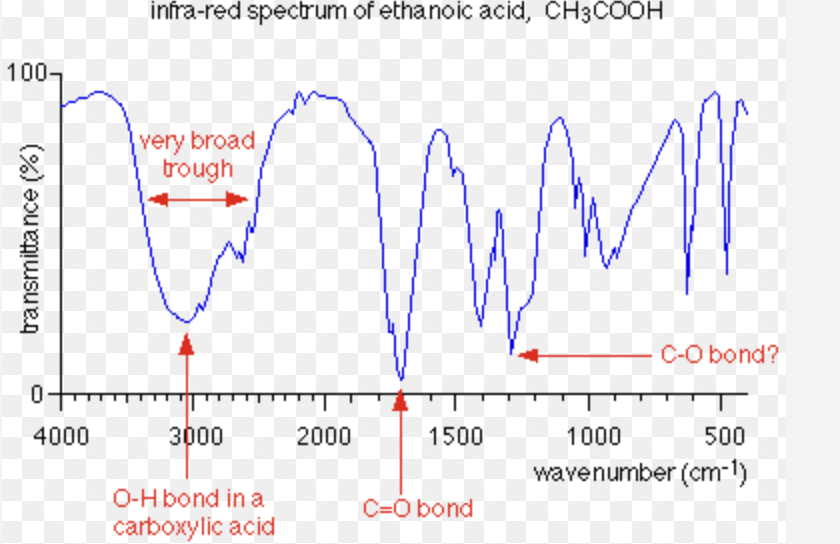
· Know how to identify OH and C=O from IR
to identify an O–H group, look for a very broad, smooth, and intense peak around 3200–3600 cm⁻¹ (or down to 2500 cm⁻¹ for carboxylic acids).
To identify a C=O (carbonyl) group, look for a sharp, deep, and strong peak right around 1680–1750 cm⁻¹
know IRs 2 regions
functional region and fingerprint region
define IR fingerprint region
Fingerprint Region - Is characteristic of an individual compound - Just like a fingerprint, no two compounds will have the same fingerprint region.
This region is ~ 1400-400 cm-1
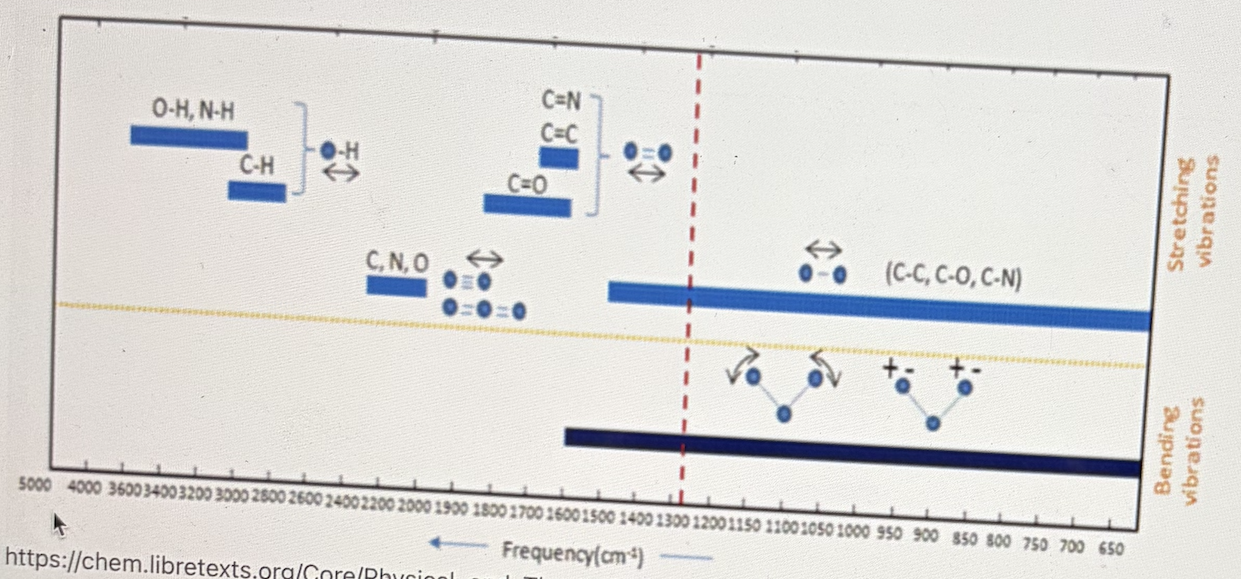
define IR functional region
Functional Region - Is generally more informative about the structure of the compound (functional groups). This region is ~4000-1400 cm-1
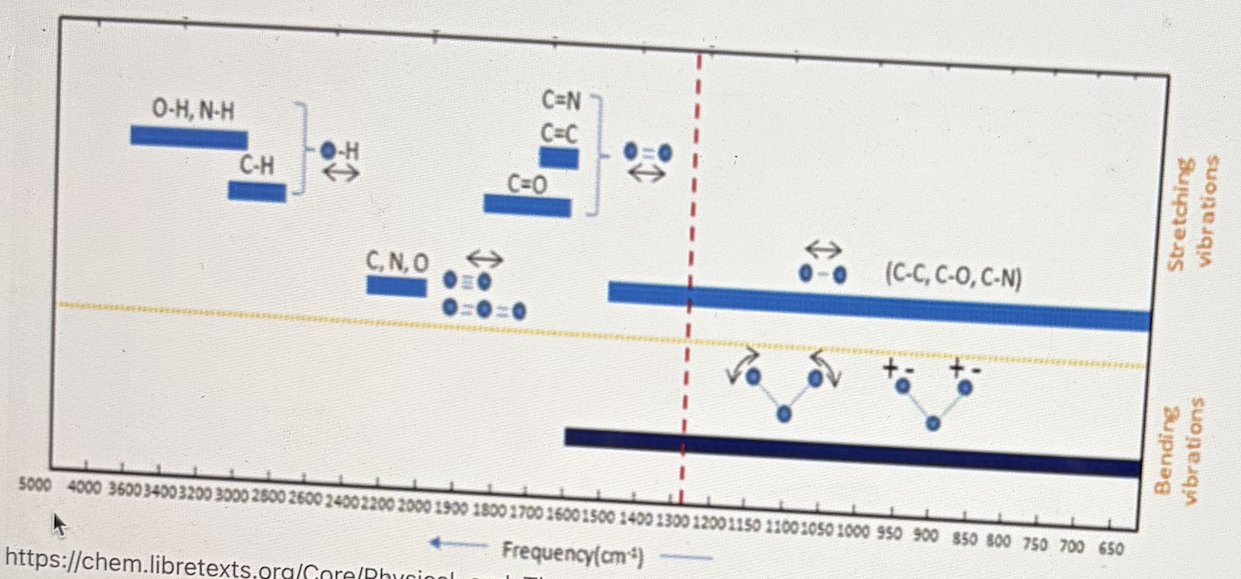
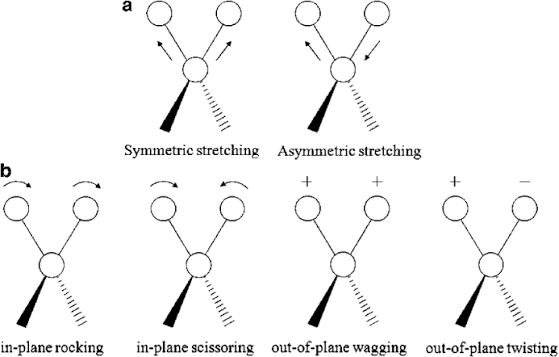
describe the Stretching and bending vibrations in IR
see image for different kinds of vibrations
stretching (which changes bond length along the bond axis) and bending (which changes bond angles without altering length)