lumbar spine
 Call Kai
 Learn
Learn Practice Test
 Spaced Repetition
 Match
Match Flashcards
 Knowt Play
1/31

There's no tags or description
Looks like no tags are added yet.
Name | Mastery | Learn | Test | Matching | Spaced | Call with Kai | Chat |
|---|
No analytics yet
Send a link to your students to track their progress
32 Terms
what does the prefix spondylo mean
vertebra or the spinal column
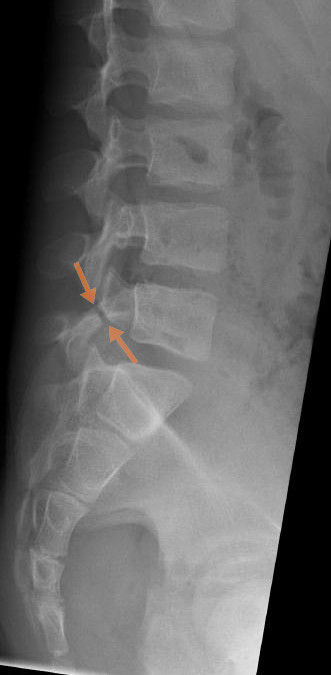
spondylolysis

spondylolithesis, the fractured pars interarticularis separates, allowing the injured vertebra to shift or slip forward on the vertebra directly below it

ankylosing spondylitis

spina bifida, birth defect where the spine and spinal canal do not close completely during early pregnancy
position for ap supine lumbar spine (non trauma)
erect or supine, no rotation, flex knees and hips if required to reduce lumar lordosis

what is the centre point for ap supine lumbar spine
L3/L4
what is the collimation for ap supine l spine
entire lumbar spine, (t12-s1 to include costovertebral joints and sijs / sacroiliac joint)

what is the respiration for ap supine l spine
suspended
what is the relative position for ap l spine
correct rotation is evidenced by spinous process equidistant from the lateral vertebral borders, intervertebral disk spaces open, transverse processes equal length

what is the positioning for lateral L spine (non trauma)
lateral erect standing or lateral recumbent position, arms evenly raised to right angles to the body and elbows flexed, if erect- ensure shoulder closest to IR is touching, supine: patient may need support under waist required and flex knees to stabilise.

what is the centre point for lateral L spine
L4
what is the collimation for lateral L spine
t12-S1 to include spinous processes
do you need grid for lateral L spine
yes
what is respiration for lateral L spine
suspended inspiration, often on expiration: raise the diaphragms
what is relative position for lateral L spine
correct rotation is evidenced by superimposition of the posterior aspects of the vertebral bodies and vertebral bodies square/rectangle, intervertebral disk spaces should be open

what is the positioning for lateral L5/S1 spine (non trauma)
lateral erect, or lateral recumbent position with arms evenly raised to right angles to the body and elbows flexed. if erect, ensure shoulder closest to IR is touching, supine: patient may need support under wasit if required and flex knees to stabilise.
what is the central ray for lateral l5 s1 spine
caudal 5° to be parallel to the interiliac line
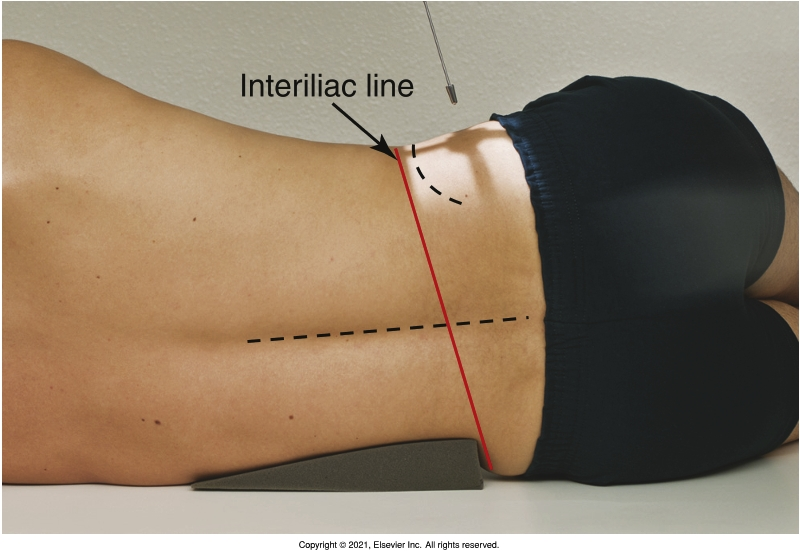
what is the collimation for lateral L5/s1 spine
only show inferior part of L4 to S2 with tight anterior to posterior collimation to include asis to spinous process of l5

do you need grid for lateral L5/s1 spine
yes
what is respiration for lateral L5/s1 spine
suspended inspiration
what is the relative position for lateral L5/S1 spine
correct rotation is evidenced by superimposition of the posterior aspects of the vertebral bodies and vertebral bodies square/rectangle, intervertebral disk space L5/S1

what is the position for oblique lumbar spine
supine or erect, with arms by side rolled to 45° supported by a sponge, do both sides of obliques, ensure spine is aligned to IR and equally rotated, patient may be more comfortable with knees bent

what is the centre point for oblique lumbar spine
L3/L4 5cm medial to the raised ASIS (anterior superior iliac spine)
what is the collimation for oblique lumbar spine
t12-s1 to include costovertebral joints and SIJs
do you need grid for oblique lumbar spine
yes
what is the respiration for oblique lumbar spine
suspended inspiration
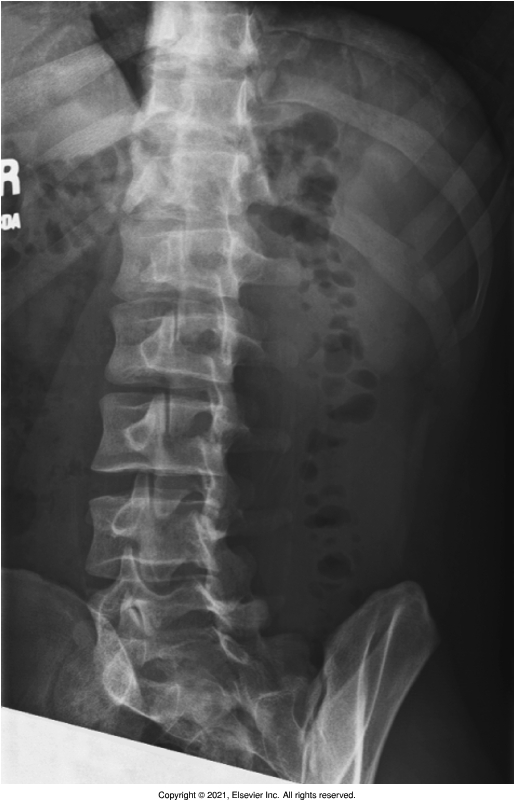
what is the relative position for oblique lumbar spine
sufficient rotation indicated by open zygapophyseal joints of the down side and the pedicle between the midline and anterior aspect of the vertebral body. open SIJ on the raised side

what is the sid for pa erect scoliosis
150/180cm
what is the respiration for pa erect scoliosis
suspended
do you need grid for pa erect scoliosis
yes
when is lateral scoliosis taken
for degree of kyphosis and lordosis