L16- Fisheries Controversies
 Note
Note Call Kai
 Learn
Learn Practice Test
 Spaced Repetition
 Match
Match Flashcards
 Knowt Play
1/21

There's no tags or description
Looks like no tags are added yet.
Name | Mastery | Learn | Test | Matching | Spaced | Call with Kai | Chat |
|---|
No analytics yet
Send a link to your students to track their progress
22 Terms
Background on fishery controversies:
fishing is a heterogenous global industry
is important for global food security
has significant environmental impacts
is a source of controversy as it encompasses many aspects/rights
Fishing controversies:
atlantic cod
proportion of world’s fish stocks overfished
carbon cost of fisheries
fishing down food webs
seaspiracy documentary
Atlantic cod controversy
started with a post from a restaurant:
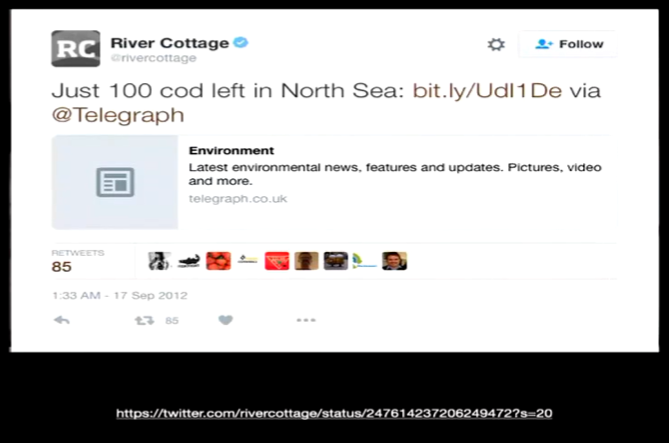
was posted in multiple news headlines
is the atlantic cod controversy credible?
source→ CEFAS quote (UK government fisheries laboratory), is reliable
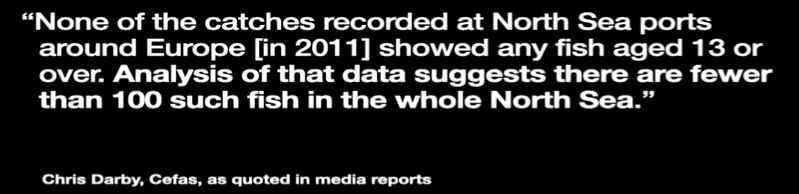
but what do we know about cod?
mature at 3 years old, fully mature at 6 years old
don’t often see cod above 13 years old
so what is the truth?
there are fewer than 100 above 13 but there are found 21million adult cod
mythbuster (website) and more or less (radio show looking at numbers behind the headlines- discredited this
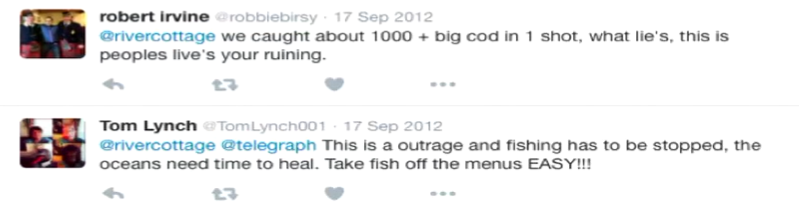
atlantic cod controversy reactions
these stories matter because of their reactions e.g. 2 different takes to the same headline→ invited ridicule and anger from fishing industry
atlantic cod controversy conclusion
accuracy matters in conservation messaging
simplifying matters is important but over exaggerating loses credibility
nature is based on facts
proportion of world’s fish stocks overfished controversy
starts with headlines from WWF:
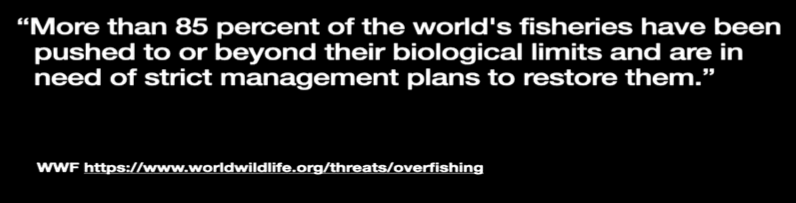
is the proportion of world’s fish stocks overfished controversy credible?
UN Food and Agricultural Organisation→ authoritative providers of stats on global fisheries, actually found was 34.2% at this time
UN FAO are criticised as Ray Hilborn was accused of being an overfishing denier→ using particular characters to discredit stats they don’t like
evidence from UN FOA:
fish stocks underfished, fished to maximum sustainable limits, overfished→ target for fisheries is maximum sustainable yields
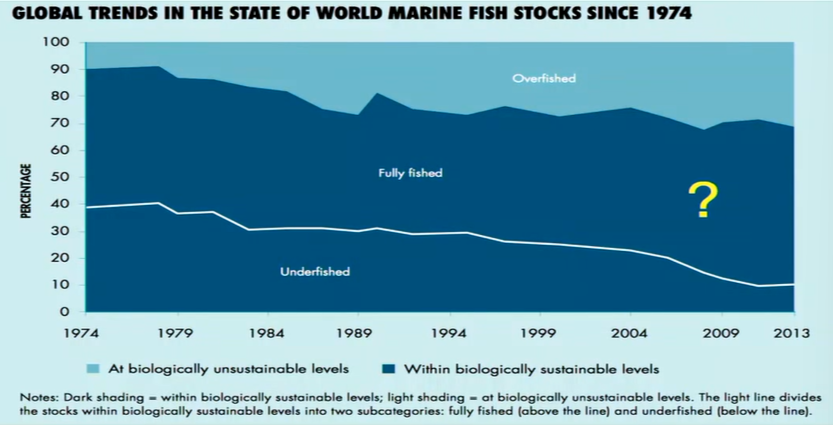
get this evidence from SOFIA FAO report:
unsustainable levels was 31.4%
2022 report- increased
sustainably exploited stocks are the aim, which the paper included in their 85%
proportion of world’s fish stocks overfished controversy conclusion
the truth is already bad enough
is tempting to have attention-grabbing headlines but are misleading and can lead to conflicts that miss the point, can sometimes be effective
carbon cost of fisheries controversy:
guardian article→
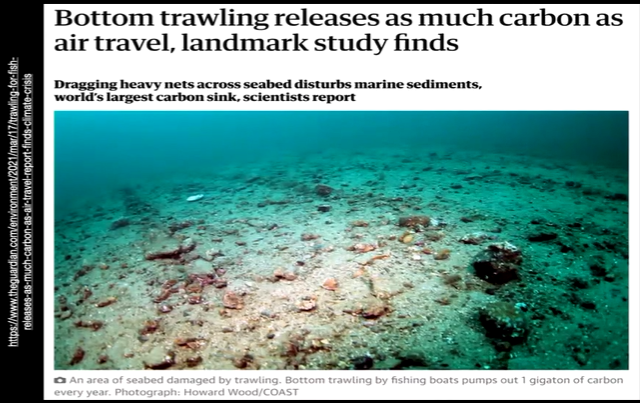
numbers-
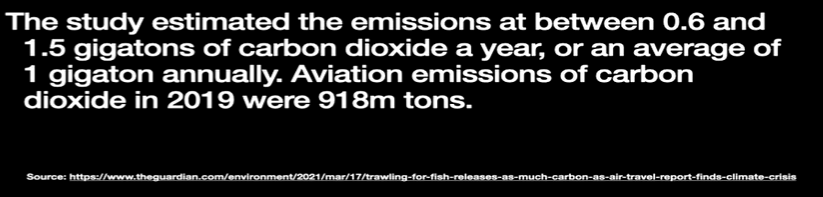
is the carbon cost of fisheries controversy credible?
look at study story links to→ is high profile, numbers seem to add up
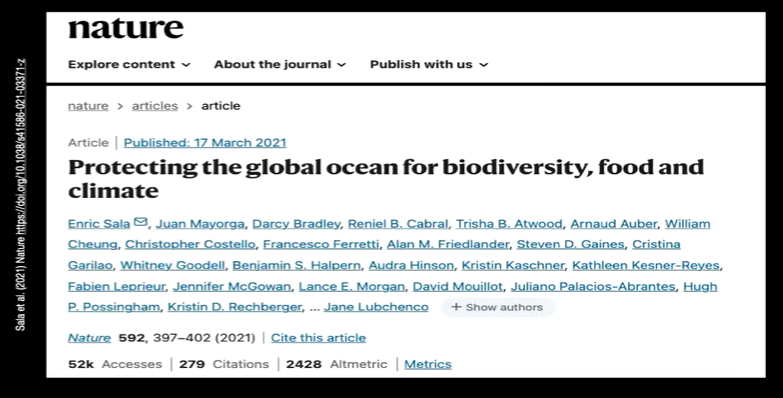
look at the science
the science of trawling and carbon costs:
constant organic carbon falling in the oceans
is mineralised into co2→ dissolves into seawater or hits seabed and gets buried in sediment in a carbon sink
trawling disturbs the sea bed through use of heavy gear→ releases carbon
closing off bigger areas of trawling will increase amount of carbon sequestered→ reason to increase coverage of MPAs in paper
what do other authors think of the carbon cost controversy?
see lots of author corrections in this paper:
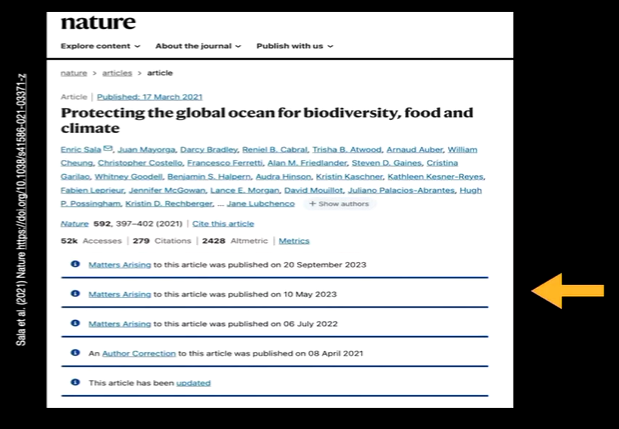
paper does not believe their numbers
objections:
the model of organic carbon mineralisation the original paper uses assumes reactivity of carbon in the sediment is the same as the carbon at the surface but we don’t know enough to say this, experiments suggest sediment carbon has 2-3x lower impacts than the model used
60% of evidence reported no sig effect of fishing on sediment organic carbon, 10% has less in no trawling areas though
evidence is mixed but is not strong to show that bottom trawling always releases carbon
why does the carbon cost of fisheries controversy matter?
this matters as the paper was used to support carbon credits→
offsetting co2 in this area by buying in MPAs that prevent trawling will create imaginary reductions in co2
air travel emits lots of carbon directly into climate- can quantify this but trawling is uncertain
carbon cost of fisheries controversy conclusion
even high profile publications require scrutiny
need extraordinary evidence for extraordinary claims, cannot simplify ocean systems
fishing down food webs controversy:
as time goes on (left to right), fisheries used to fish high tropic fish, removing large fish and leaving simpler systems of small trawling fish and jellyfish now
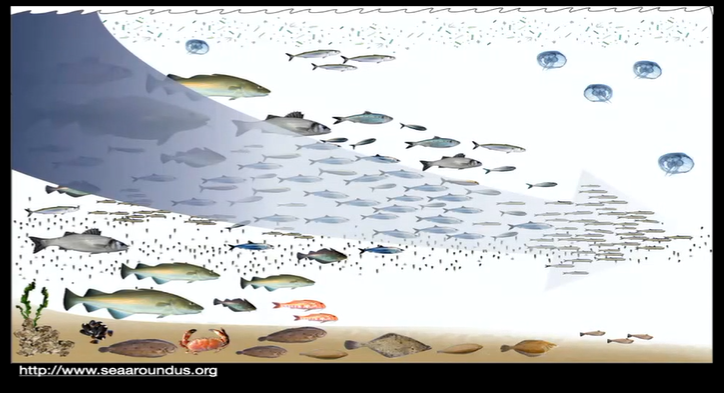
early paper→
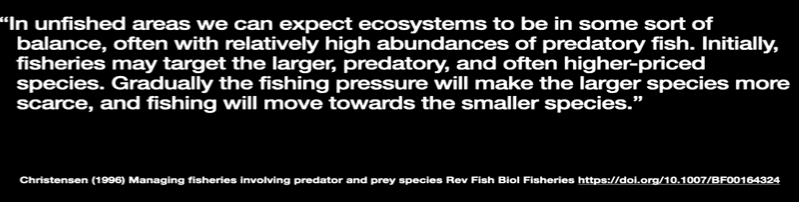
is the fishing down food webs controversy credible?
evidence:
has happened generally, assigned trophic level of fish caught, tracked through time
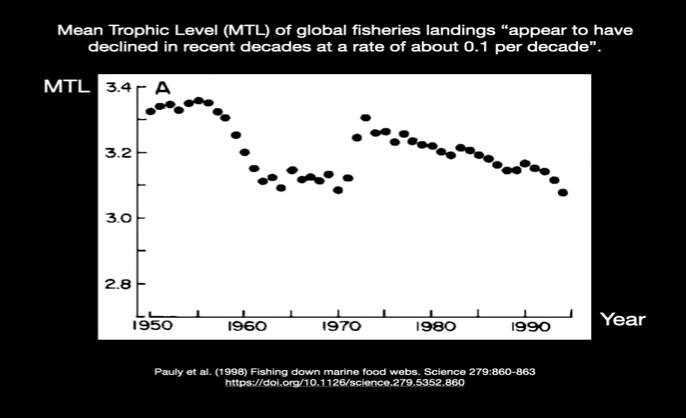
hypothesis is logical→ initial feeling is it feels right but need to think through it→ having multiple working hypotheses
expected vs observed fishing in the food web:
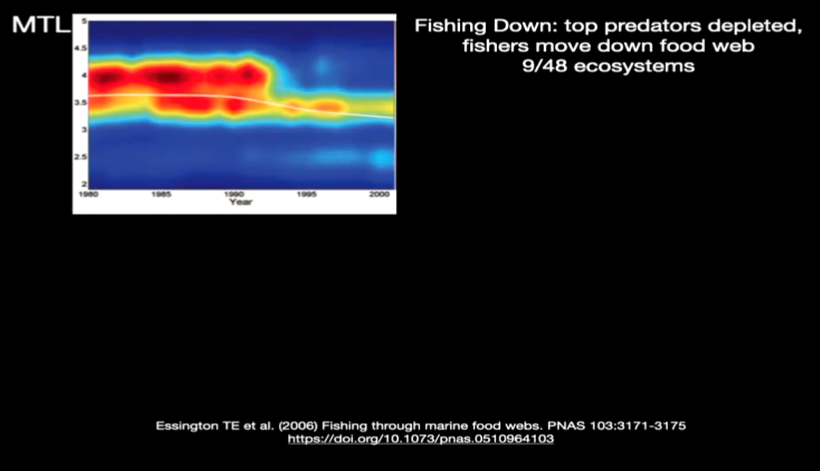
what we expect- fishing down the trophic level→ where you fish is red, has happened in 9/48 ecosystems
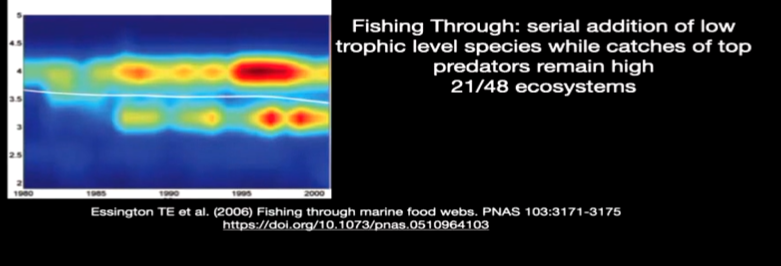
what we actually see- fishing through the food web→ start by targeting large predatory fish, over time catches remain high, target others, mean trophic level declines whilst high tropic level fishing is still increasing, happens 2x more than fishing down the food web
expected vs observed:
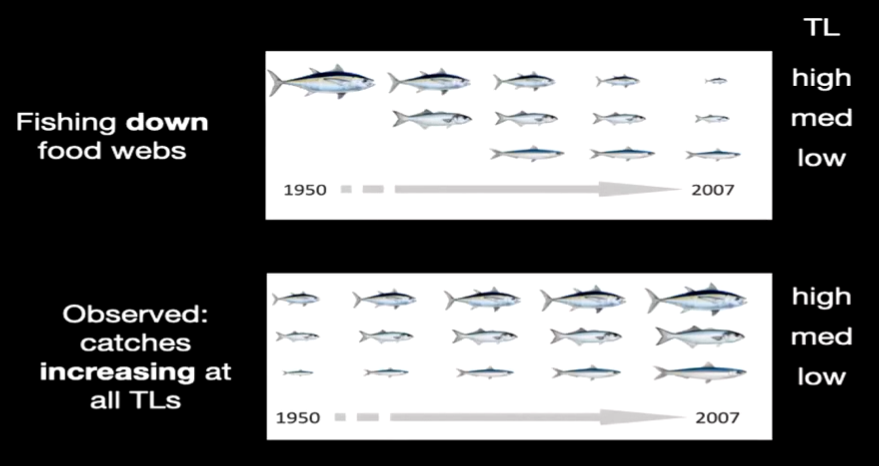
why is this type of fishing in the food web happening?
high tropic level fish should be the most valuable but data shows there is no relationship between price of fish and trophic level it is found at:
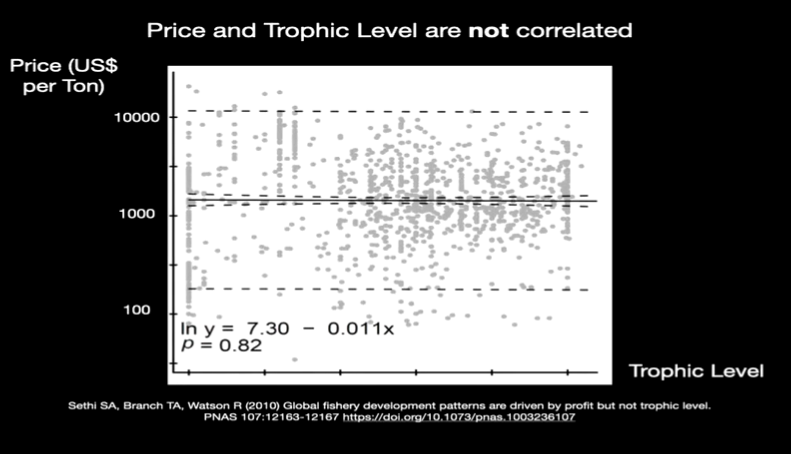
are fishing for profits
fishing down the food web is not a general phenomenon
fishing down the food web controversy conclusion
making sense of controversies
media can make simple stories and fisheries (food) is more emotive than other topics but these can lead to conflicts
Seaspiracy controversy
does more harm than good, dont mislead or sensationalise there are things we cna do that are better e.g. pushing for legeslations
pauly (believes in fishing down the food web) and hilborn (known as an overfishing denier) agreeing (don’t ever agree)
How to counteract controversies:
think critically, challenge ideas, data has power but limitations too
fact-check conservation- support those that separate truth from lies