AHIST101 EXAM ONE
 Call Kai
 Learn
Learn Practice Test
 Spaced Repetition
 Match
Match Flashcards
 Knowt Play
1/100

There's no tags or description
Looks like no tags are added yet.
Name | Mastery | Learn | Test | Matching | Spaced | Call with Kai | Chat |
|---|
No analytics yet
Send a link to your students to track their progress
101 Terms
False
The animals depicted here were likely painted all at once, as part of a single narrative.
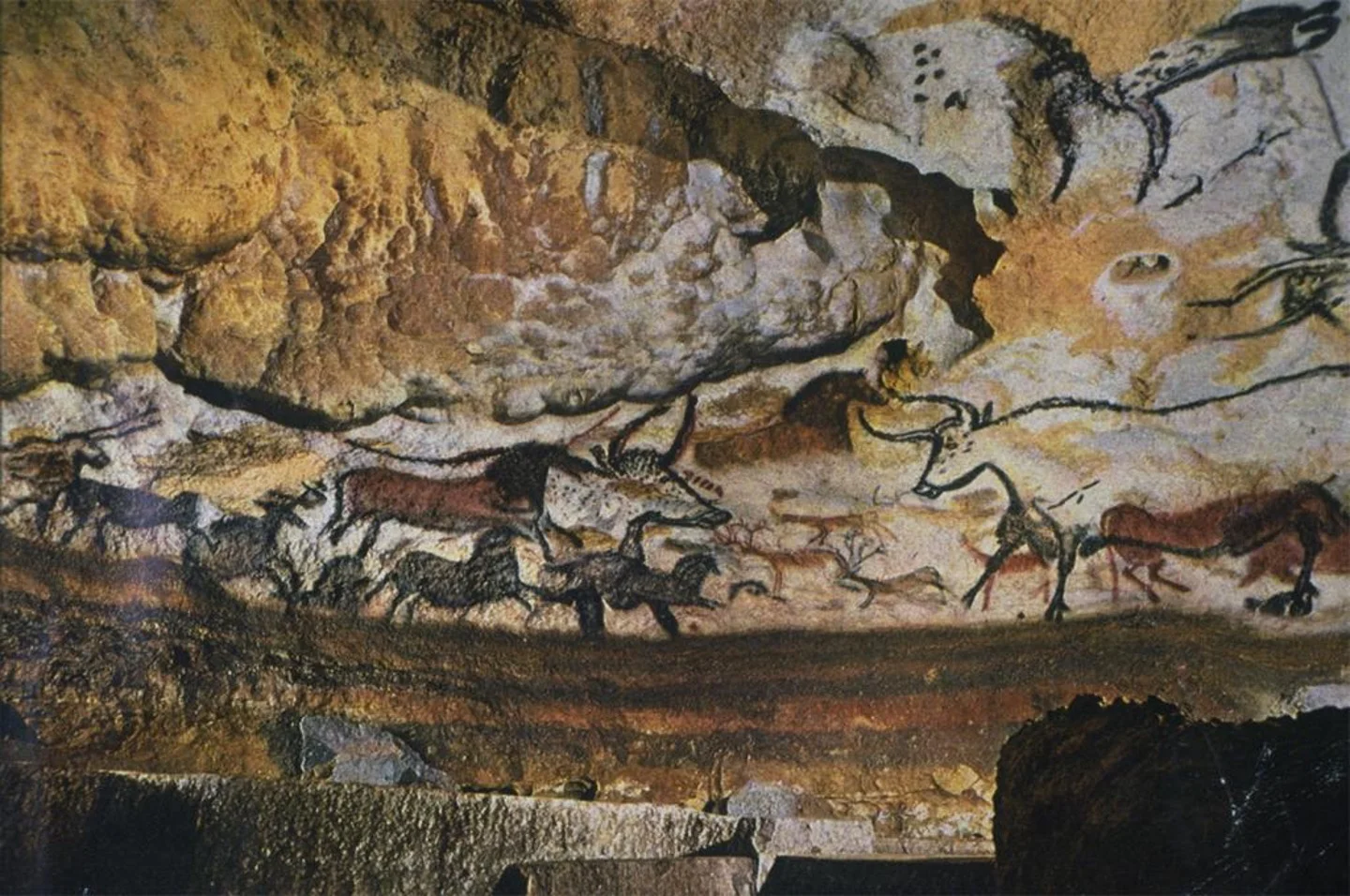
The Lascaux caves
One of the most famous Paleolithic cave paintings, the Hall of the Bulls, was discovered in

The profile view
___ was used almost exclusively for the representation of animals in Paleolithic art.
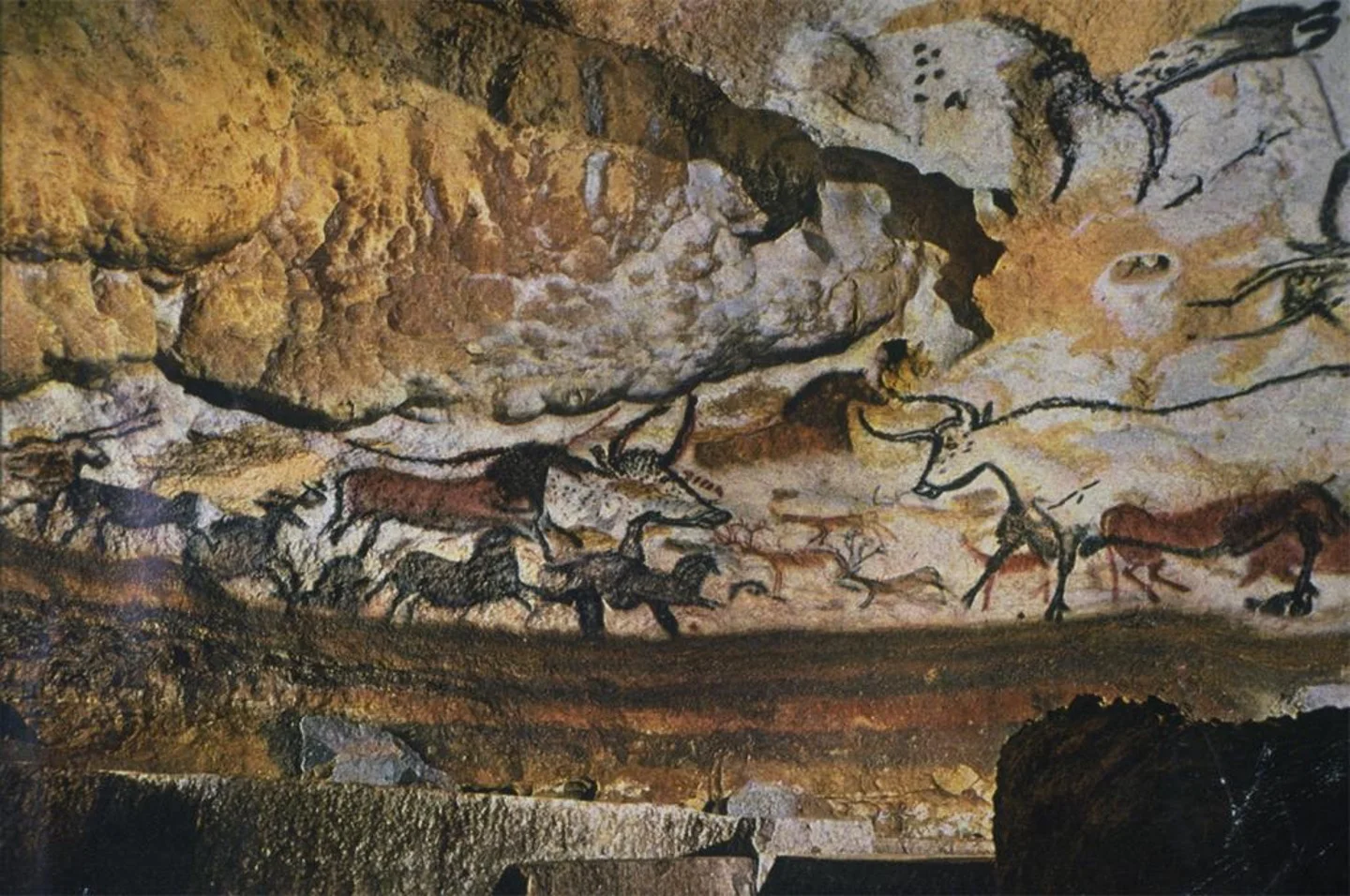
Twisted
The convention of allowing the viewer to see the head in profile and the horns from the front is termed ___ perspective
Domestication of animals
Of the following, ___ is one of the primary characteristics of Neolithic society
Coming of age rituals
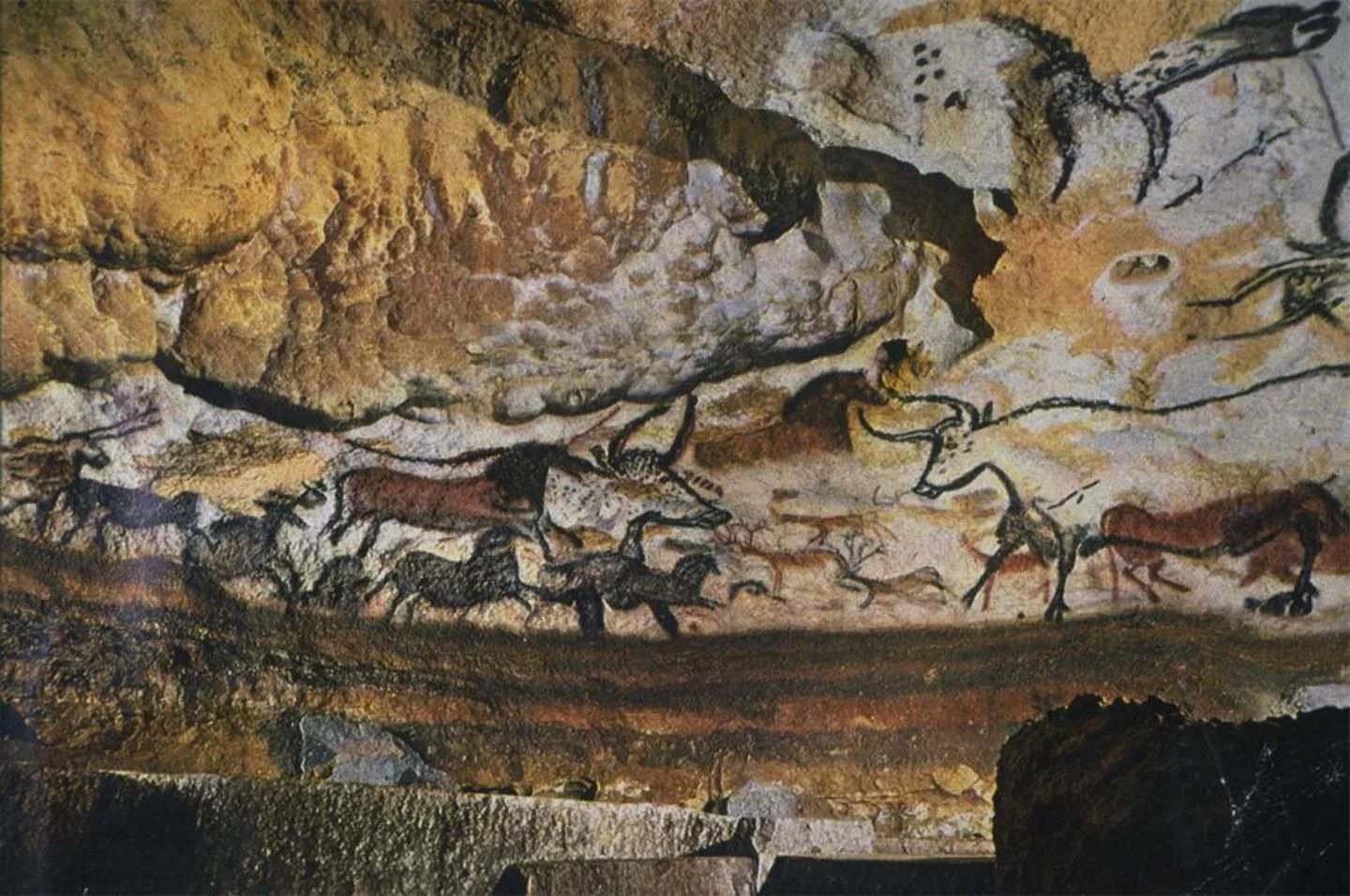
Suggested uses of Paleolithic cave paintings include

Low/Shallow relief
Type of sculpture where the design only slightly rises from a flat background
Megalithic
Made of large, prehistoric stones used to build ancient monuments, tombs, or structures without using mortar or cement
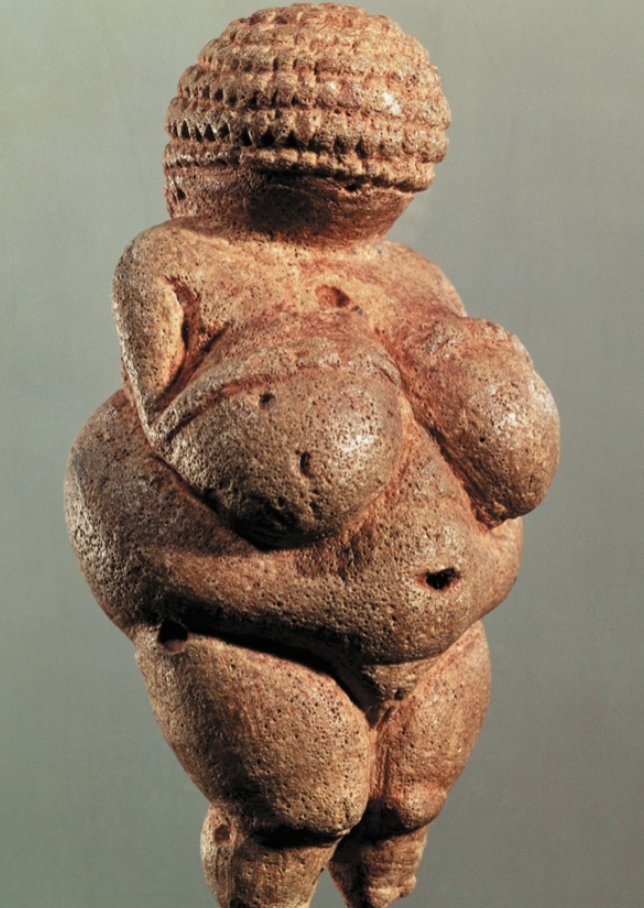
Venus of Willendorf
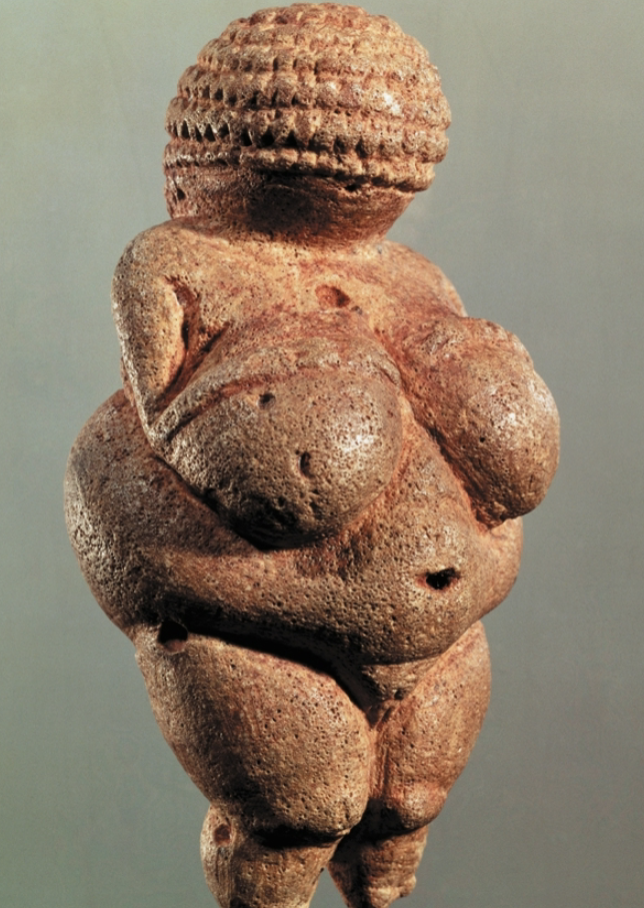
Paleolithic
Period/culture

Ben-ben
Pyramids envoke this shape

Khufu
Largest pyramid in the back, oldest Pharaoh

Khafre
Pharaoh, pyramid in the middle

Menkaure
Front pyramid, most recent Pharaoh
ashlar masonry
masonry that is made of stone that is cut perciselly laid in corsees and tehn dressed (smoothed/refined)
Khafre
Who does this depict

Ka
An aspect of the soul of a human being or of a god.
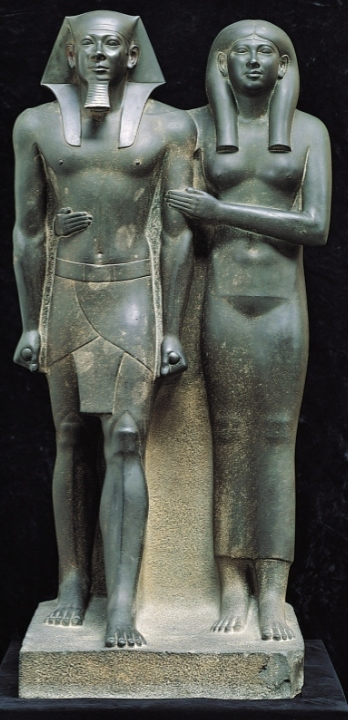
Menkaure and his wife, Khamerernebty
Who does this depict
Ti Watching a Hippopotamus Hunt

Egyptian: Old Kingdom
Time period/culture

Egyptian: Old Kingdom
Time period/culture
Egyptian: Old Kingdom
Time period/culture

Egyptian: Old Kingdom
Time period/culture


Purpose of depicting hunting
Ensures provisions (stock of food/supplies) for the Ka
Queen Hatshepsut
Funerary Temple of who


Senmut
Perhaps Queen Hatshepsut’s advisor

Axial approach
Hatshepsut
Who is this depicting

Her father, Amun, the sun god
Who she is kneeling towards

Egyptian: New Kingdom
Time period/Culture

Nebamun hunting fowl

Egyptian: New Kingdom
Time period/culture


Fresco secco
A wall painting technique where pigments mixed with a binding medium are applied to a dry plastered surface

Clerestory
allows light to come into this interior space
Akhenaton, from the temple of Aton
Who does this depict

Ureaus, crown of upper egypt
What is he wearing

Egyptian: New Kingdom
Time period/culture

Amenhotep IV
His previous name

Egyptian: New Kingdom
Time period/culture

Akhenaton, Nefertiti, and three daughters

Protoliterate Period
Time period/culture

Protoliterate Period
Time period/culture

“White Temple” of Anu on ziggurat, mudbrick, Uruk


Warka Vase, depicts goddess Inanna; alabaster, from Uruk
Akkadian Period
Time period/culture

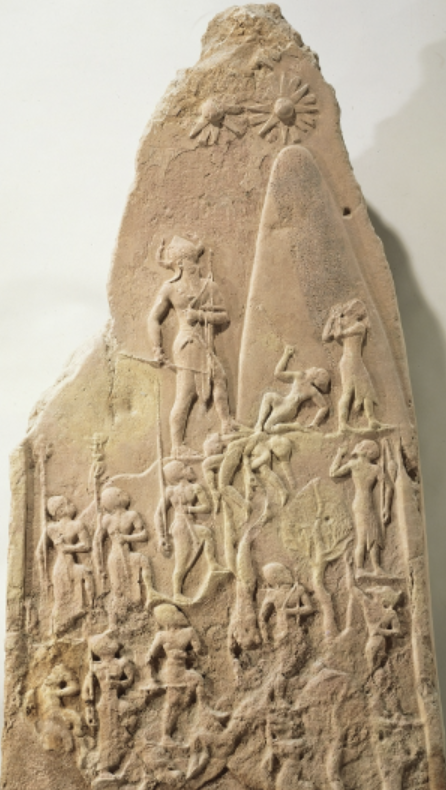
Stele of King Naram-Sin, pink sandstone, from Susa

Akkadian Period
Time period/culture
Head of an Akkadian ruler, from Nineveh
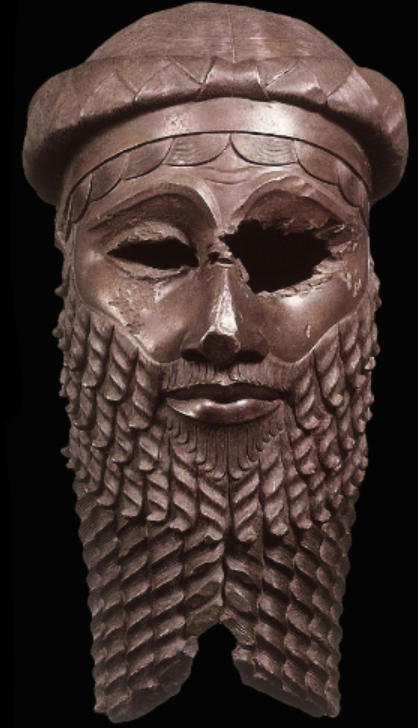

Zigguratt
A characteristic base of a temple (temple would be on top)
Cella
central sacred place where an alter would be or the statue of the god
Akkadian Period
2340-2180 BCE
Protoliterate Period
3500-3000 BCE
Egyptian: New Kingdom
1550-1070 BC
Egyptian: Old Kingdom
3000-2190 BCE
Paleolithic
40,000-10,000 BCE
Copper
Material
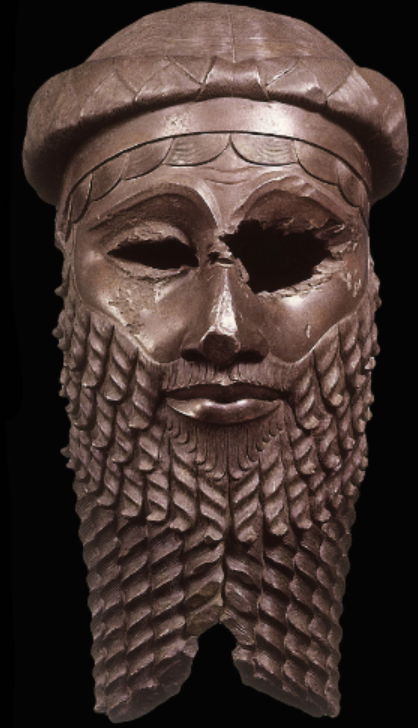
Iconoclasm
the deliberate destruction of religious icons or art usually driven by religious or political motives
Neo-Sumer and Babylon
2125-1750 BCE
Minoan
1800-1400 BCE
Mycenean
1600-1200 BCE
Archaic Greek
600-480 BCE
Neo-Sumer and Babylon
Time period/culture
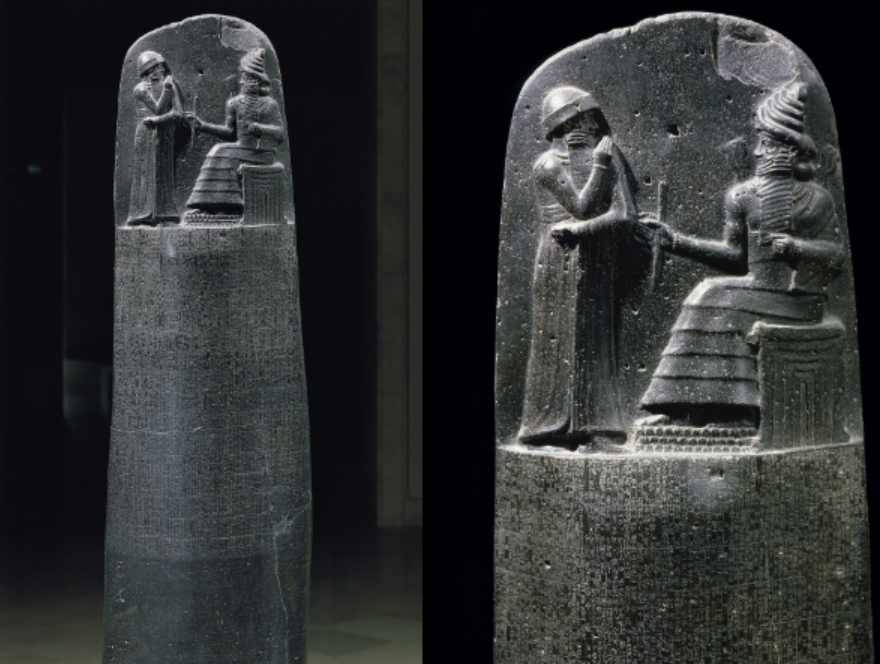
Assyrian Period
Time period/culture

Stele with code of Hammurabi, basalt

Part of gate of previous; lamassu

limestone
Material

7 ft tall
Size

Cuneiform
Writing used in Mesopotamia
The bronze age aegean
Cycladic, Minoan, Mycenean
The greek temple
Archaic Greek
Concealed in a palace room
This object was probably
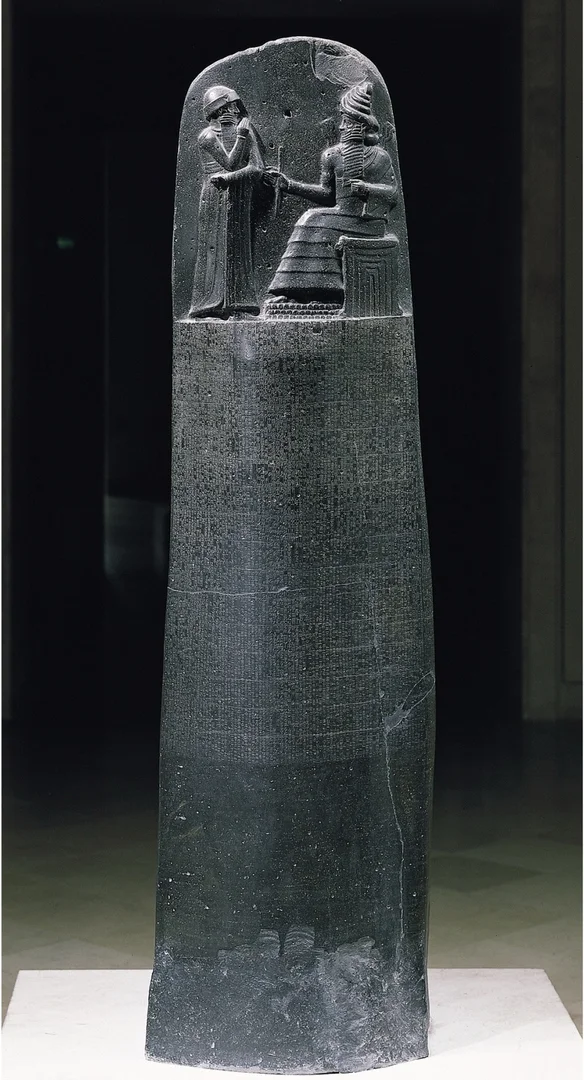
Stele of Namar
Name
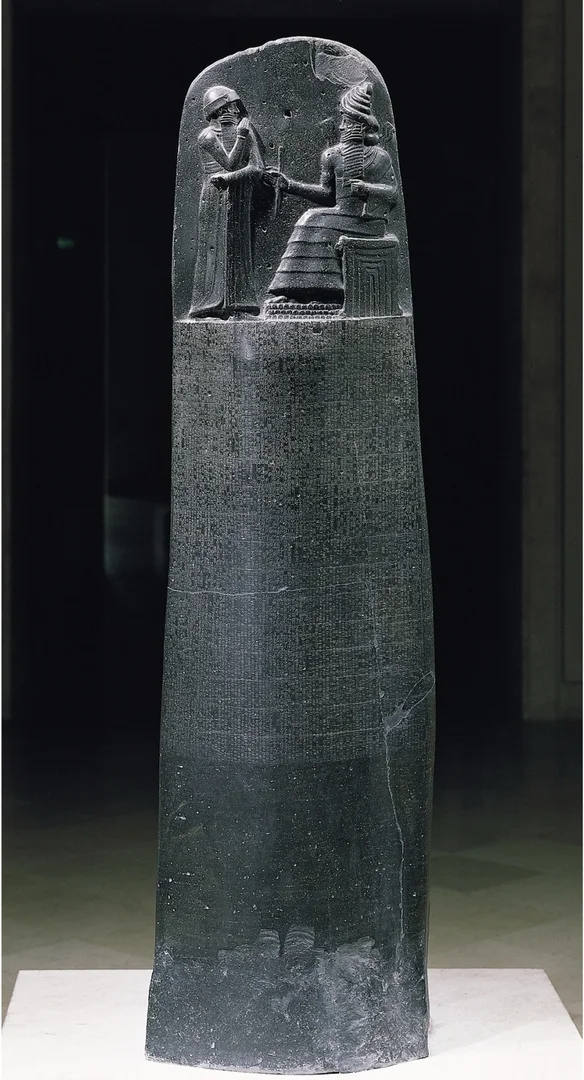
Cunneiform
Which system of writing is shown here?
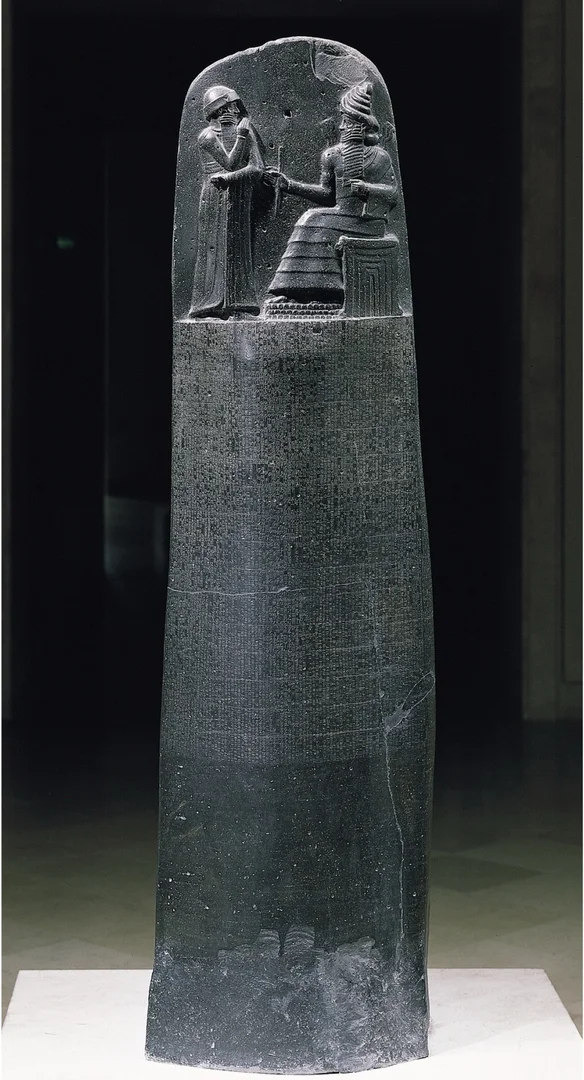
Funerary markers, public display, propaganda
Which functions could steles serve?
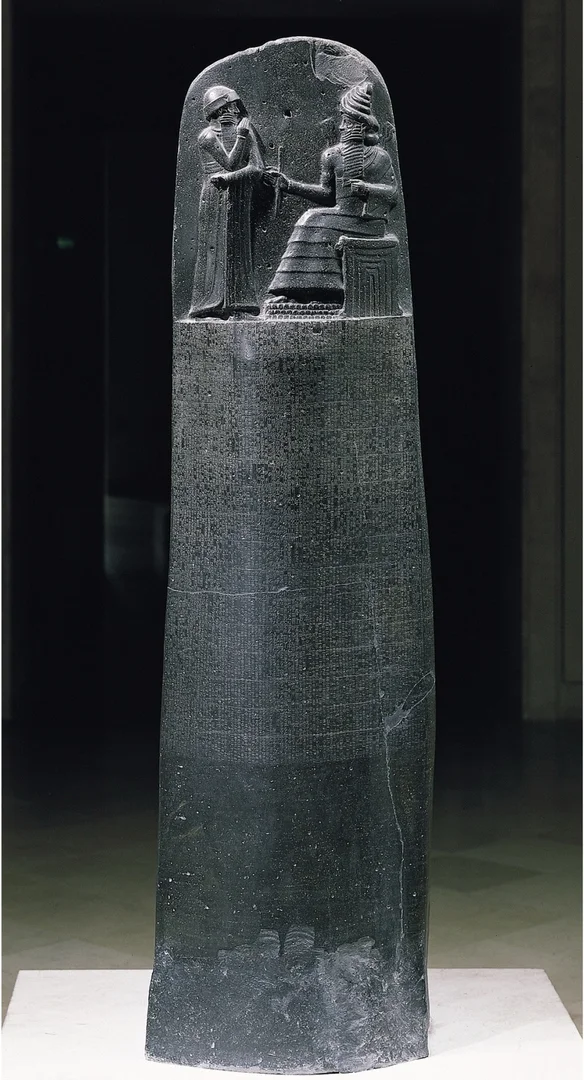
True
The characteristic base of an ancient Sumerian temple is the ziggurat
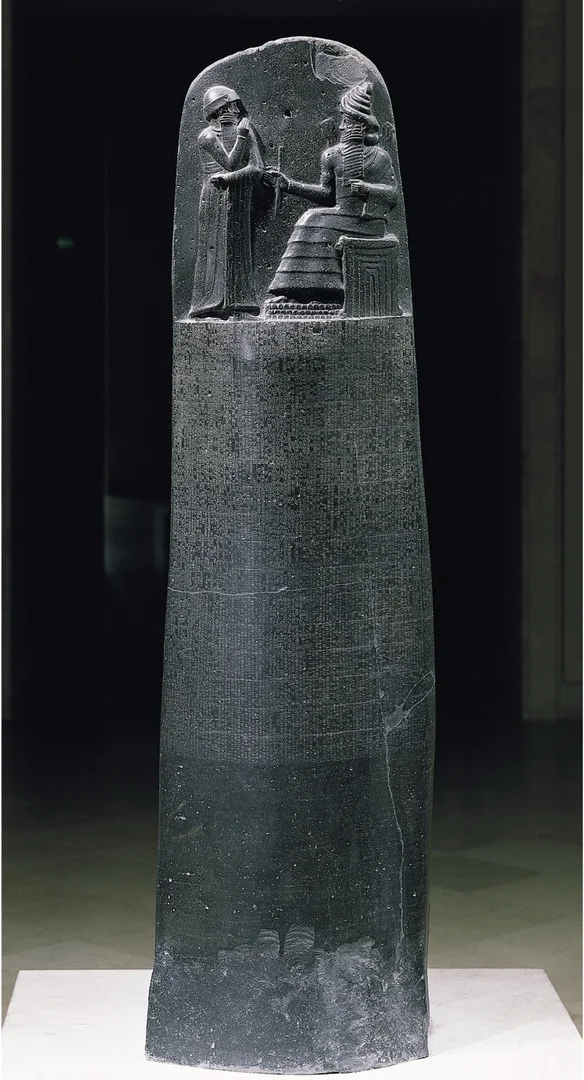
According to this image the law is
All of the above
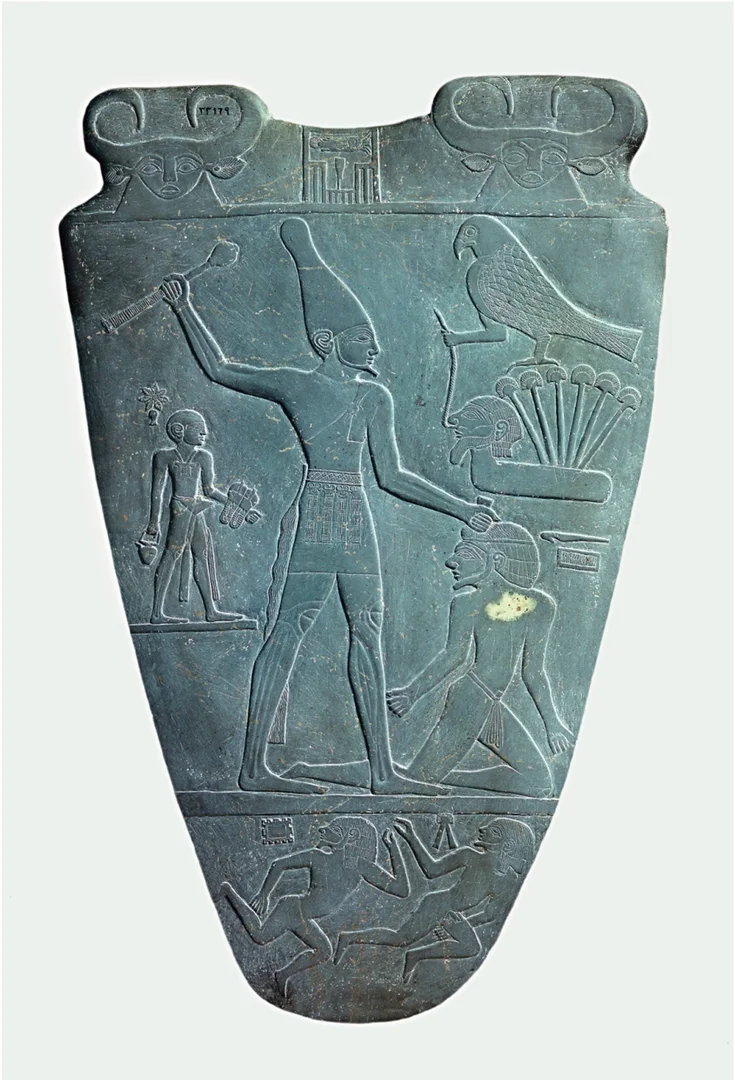
This is a
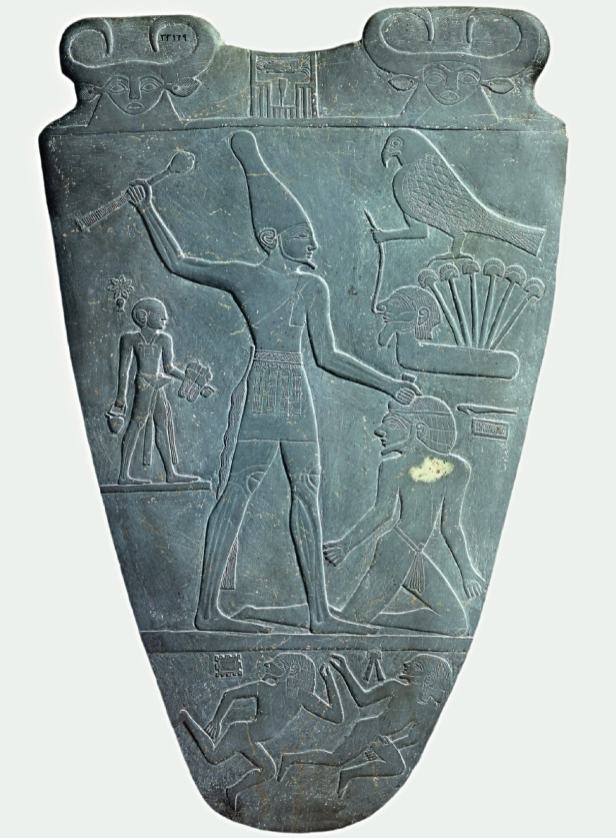
Palatte
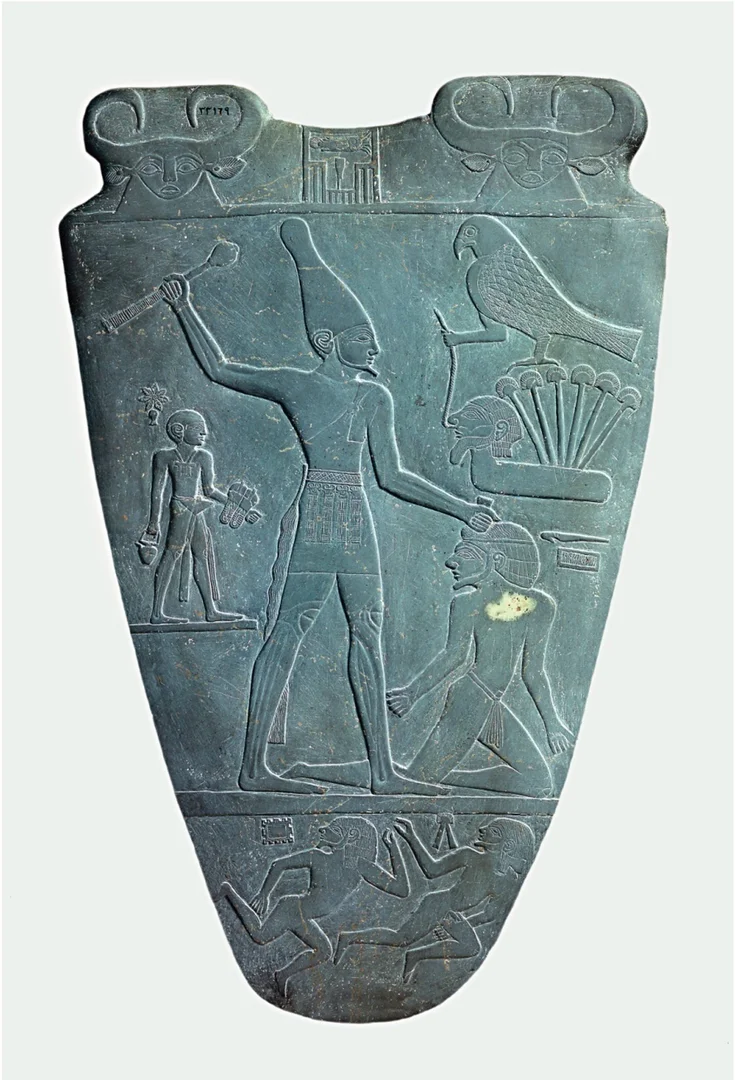
This object is
Egyptian Old Kingdom
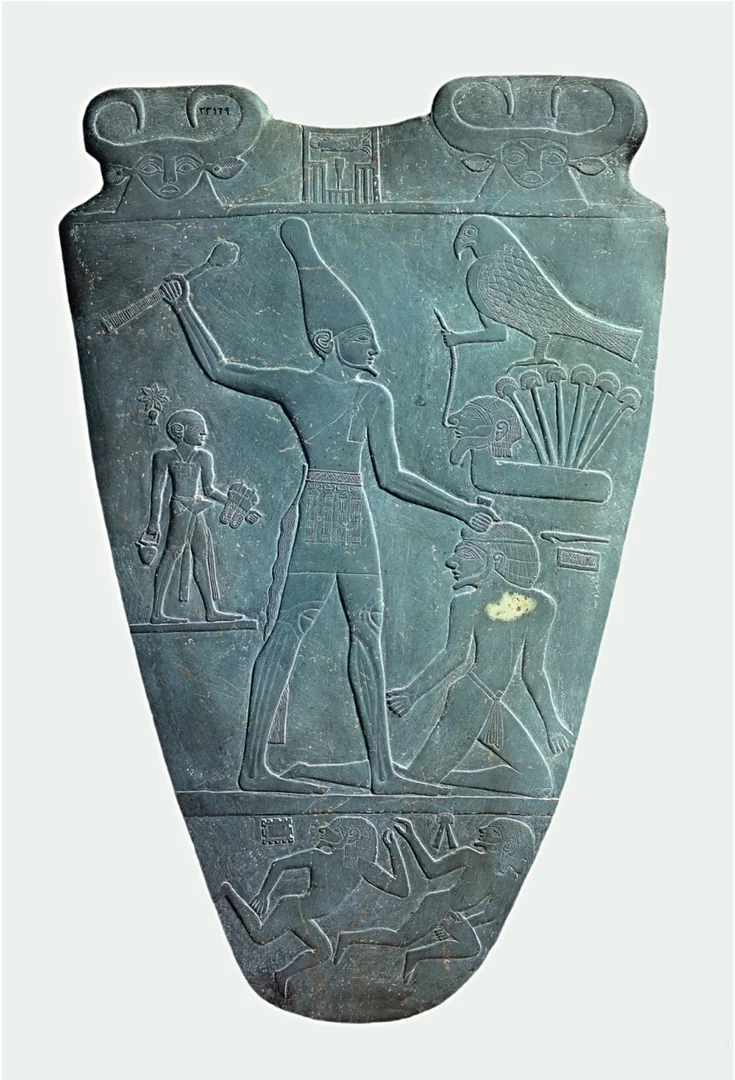
What artistic convention is shown here?
hierarchy of scale
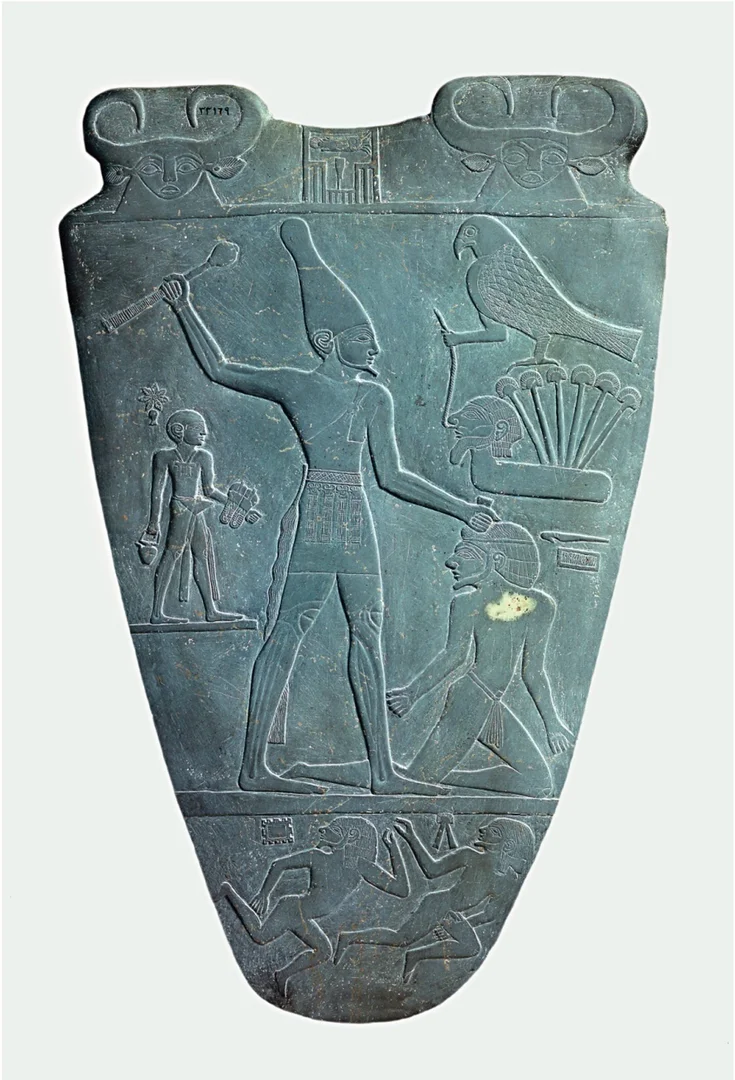
Given the size of this particular object, its function was likely:
Ceremonial or propagandistic
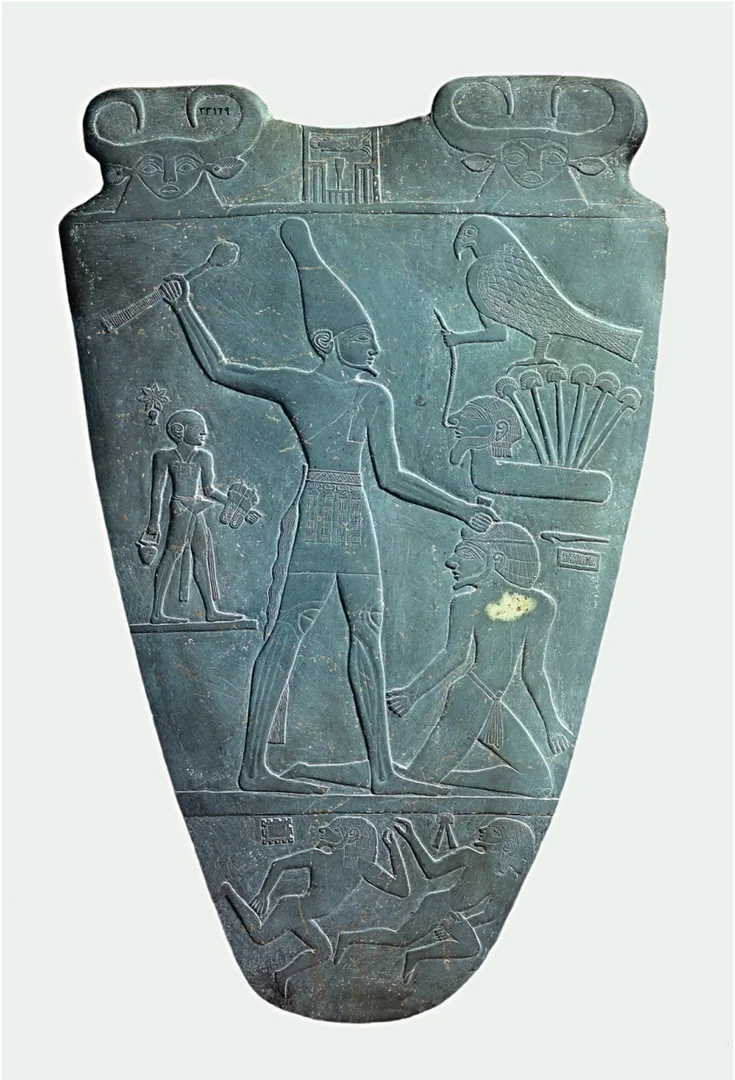
This object commemorates what historic event?
Unification of Upper and Lower Egypt
(papyrus represents lower Egypt, intertwining beelines depicts unification)
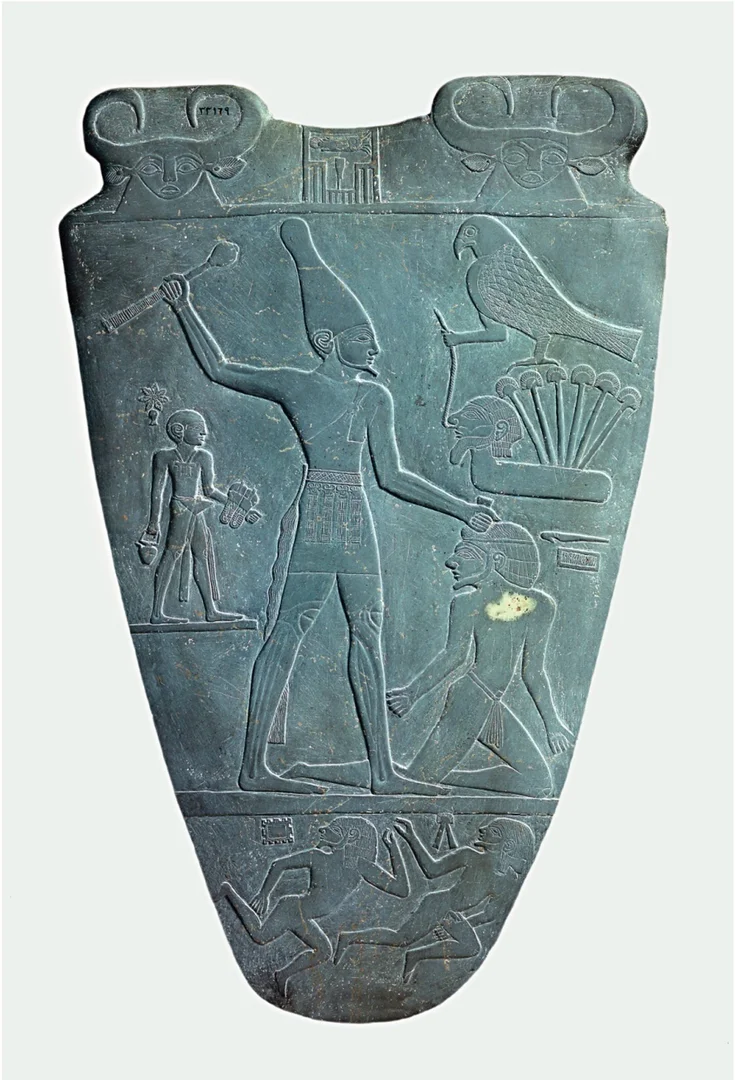
What is a ground line?
It is the baseline on which figures appear to stand
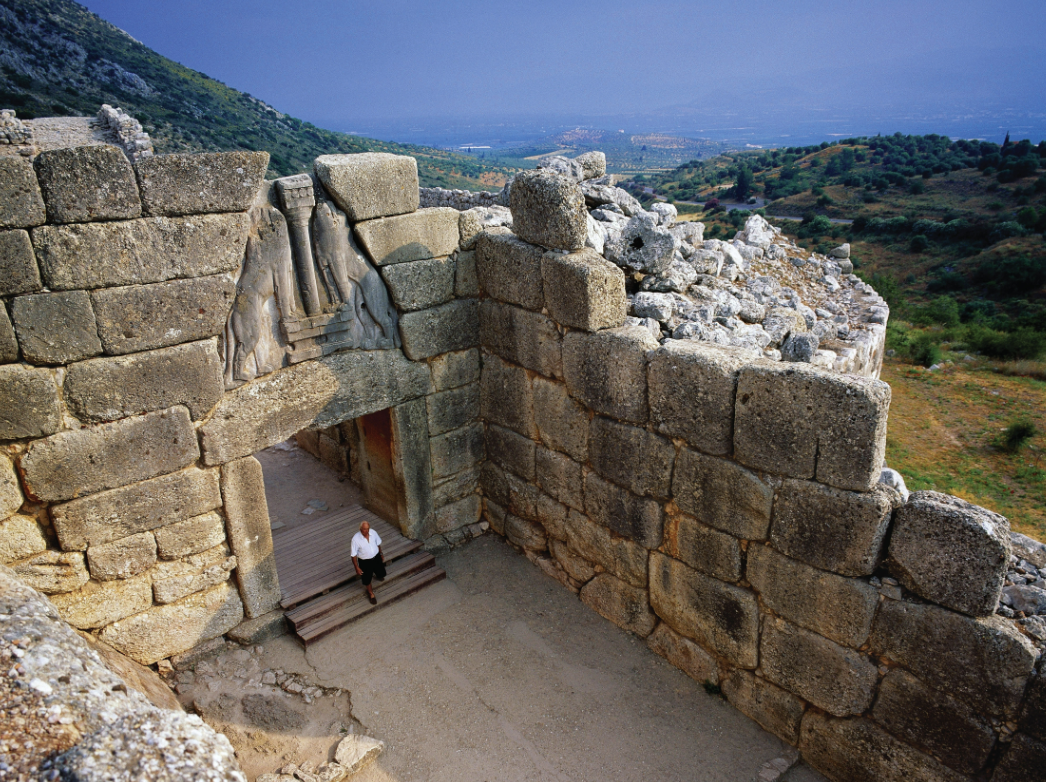
Name
Lion Gate
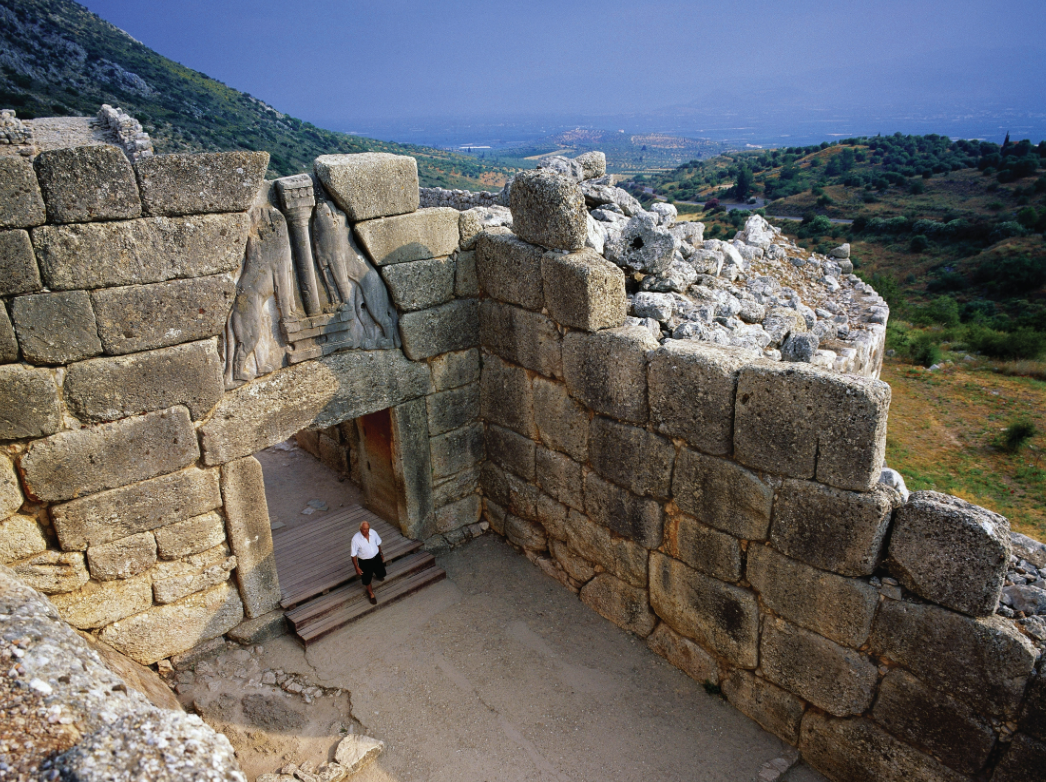
Time period/Culture
Mycenean, ca. 1600-1200 BCE

Name
Kroisos (Anavysos Kouros)

Time period/Culture
Archaic Greek, 600-480 BCE

Heroic nud ity
Figures in are depicted completely naked to signal that they are gods or heroes rather than ordinary mortals
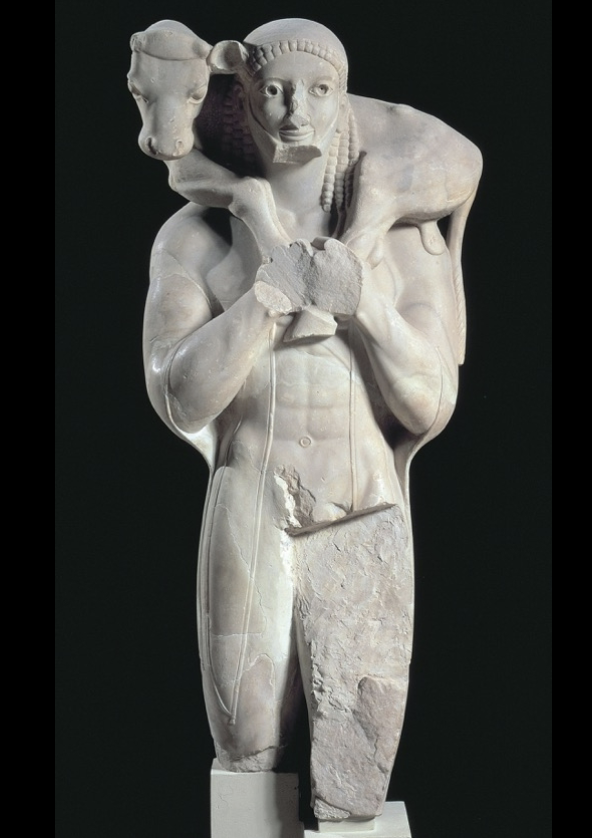
Votive offering
An exchange with the gods
Kouros
Nude young man

Peplos
A wooden outer garment

Name
Peplos Kore

Kore
Standing female youth
Greek temples are placed on
Steps
Ionic order is different than doric because
It has a base and is more fancy
Peristyle
Column made all around in a greek temple
Anta
Thickened end of a greek temple
Cella
The inner chamber or central room of a greek temple.
Doric and Ionic orders
Two architectural styles from ancient Greece

Who is on this pediment
Medusa

Name
Temple of Artemis at Corfu