2.4 Genome, Chromosomes, DNA and Genetics 🧬
 Call Kai
 Learn
Learn Practice Test
 Spaced Repetition
 Match
Match Flashcards
 Knowt Play
1/68

Name | Mastery | Learn | Test | Matching | Spaced | Call with Kai | Chat |
|---|
No analytics yet
Send a link to your students to track their progress
69 Terms
Chromosomes
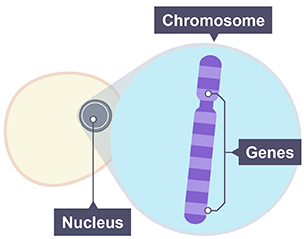
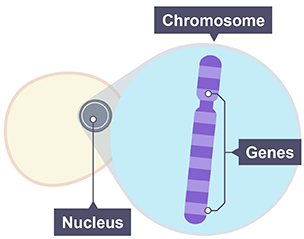
long strands of DNA found in the nucleus in functional pairs (except gametes/bacterial)
Gametes
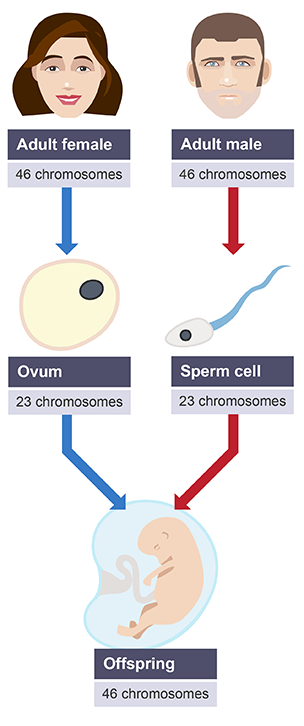
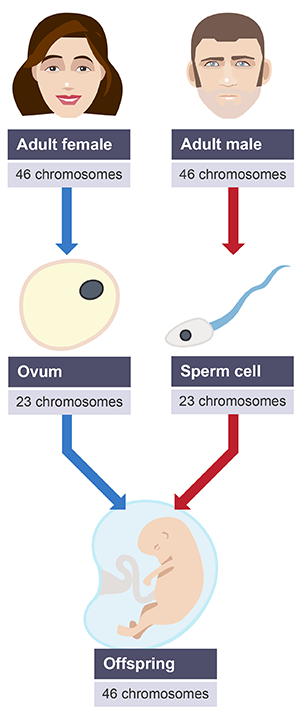
only one chromosome from each pair (23)
Bacterial cells
only one chromosome in cytoplasm
Human number of chromosomes (usually)
46, in 23 pairs
Gene
short length of DNA found on a chromosome that codes for a particular characteristic or protein
Genome
entire genetic material of an organism
Allele
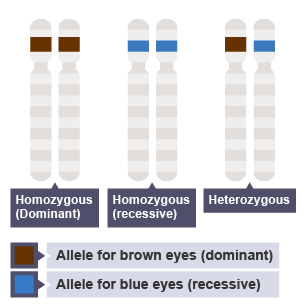
different forms of the same gene that can be dominant or recessive
Structure of DNA
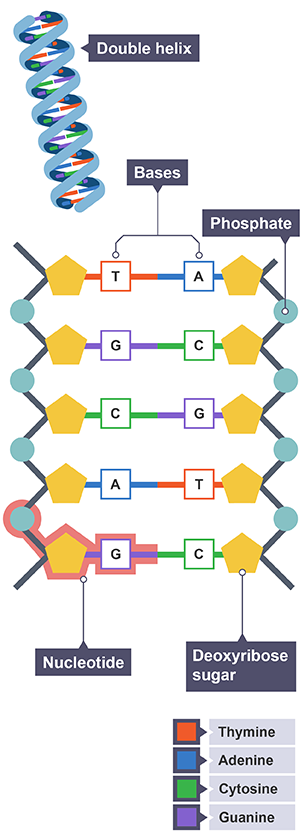
double helix structure, two chains of nucleotides
each nucleotide has a phosphate and deoxyribose sugar backbone
and complementary base pairing
How is DNA held together
phosphate and sugar molecules link together to form backbone, interlinking bases hold two strands together
Complementary base-pair rue
Adenine (A) with thymine (T)
Cytosine (C) with guanine (G)
DNA Code
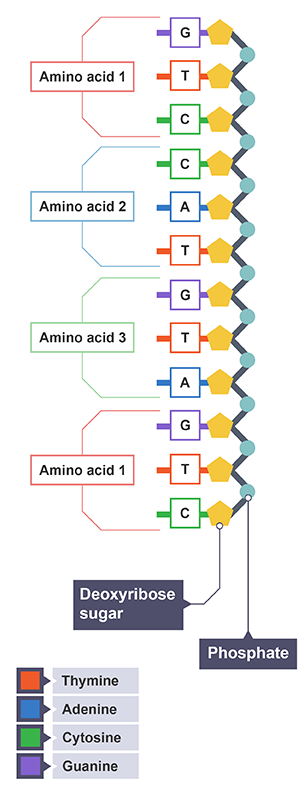
each person has unique DNA/ sequence of bases which carries genetic code to make proteins
Base triplet hypothesis
three bases code for one amino acid which join to synthesise the protein
Mitosis
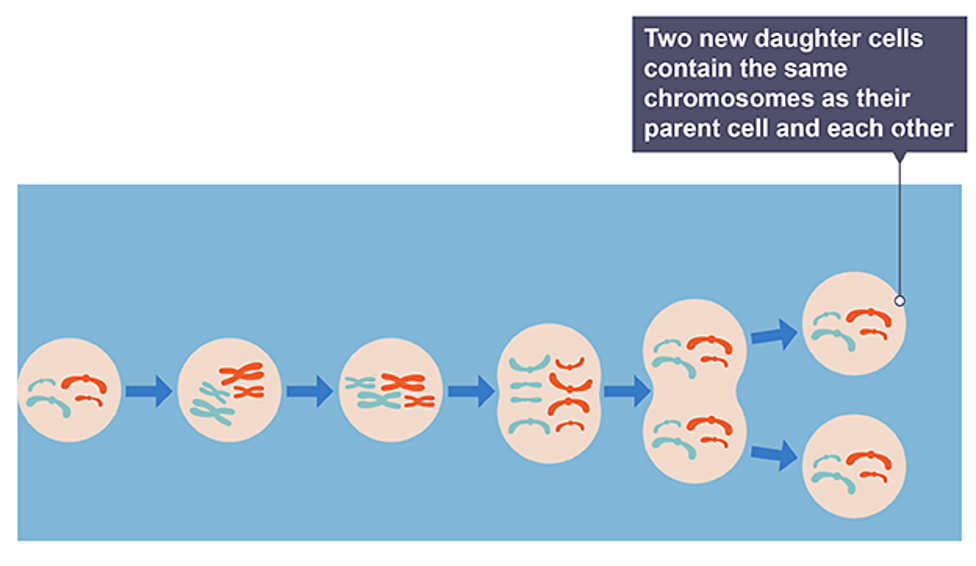
one division
produces 2 daughter cells
genetically identical to parent/ each other (clones)
Uses for mitosis
growth, replace worn out cells, repair damaged tissue
Process for mitosis
Each chromosome duplicates, splitting lengthwise into two identical chromosomes (joined by a centromere)
Chromosomes line up along equator
Chromosome and duplicate split towards opposite ends of cell
Cell divides in two
Two new daughter cells produced, same chromosomes as parent
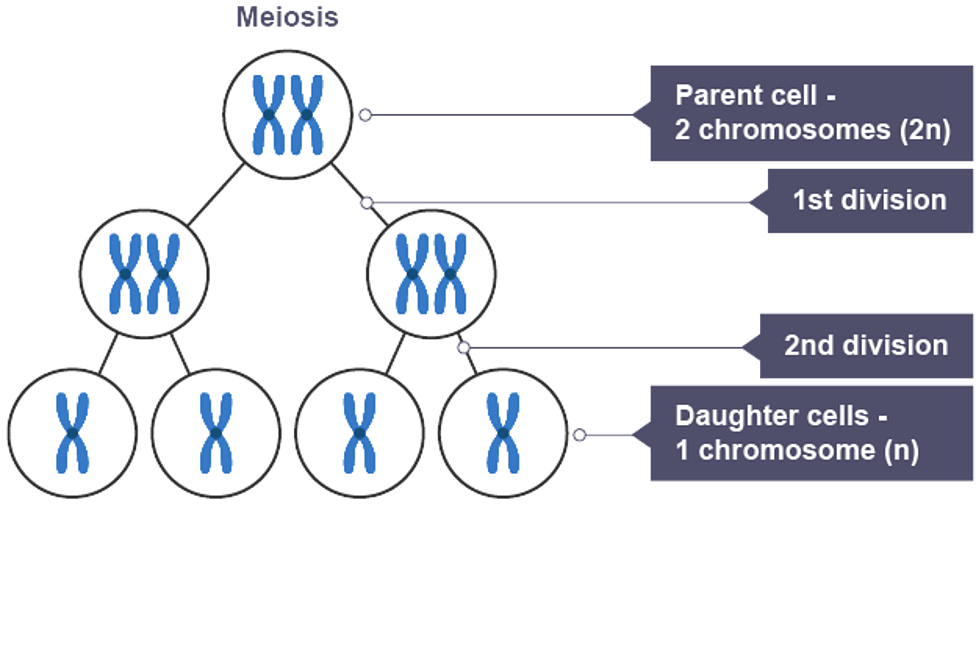
Meiosis (reduction division)
two divisions
produces 4 daughter cells
genetically different gametes (unique)
Where does meiosis take place
ovaries and testes
Process for meiosis
Each chromosome duplicates, splitting lengthwise into two identical chromosomes (joined by a centromere)
Chromosomes line up along equator
Chromosome pairs move to opposite ends of cell
Cell divides in two
Two new daughter cells produced, half number chromosomes
Chromosomes line up along cells equator
Chromosome and their duplicate split towards opposite ends of cell
Cell divides in two
Four new daughter cells produced, genetically different
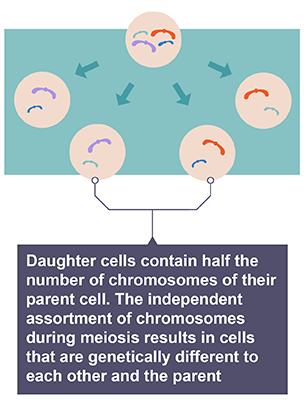
Independent assortment (+ random nature of fertilisation)
reassorts the chromosomes so there are millions of possible chromosome arrangements which causes variation
Dominant allele
always expressed when present, uppercase letter
Recessive allele
only expressed in absence of dominant, lowercase letter
Genotype
combination of alleles an organism has (Tt)
Phenotype
physical expression of a gene
Homozygous
both alleles are the same (TT or tt)
Heterozygous
two alleles are different (Tt)
Punnet square
grid used to determine frequency of genotypes in offspring
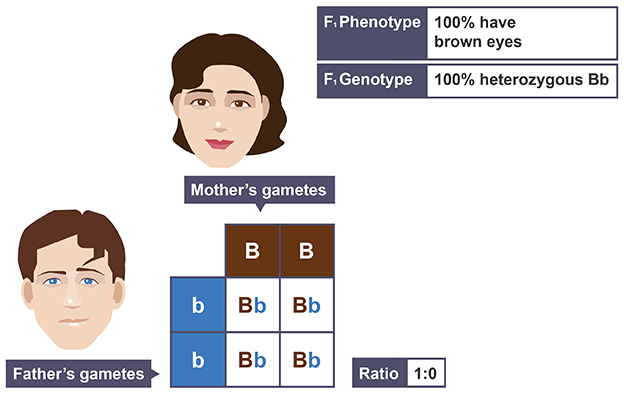
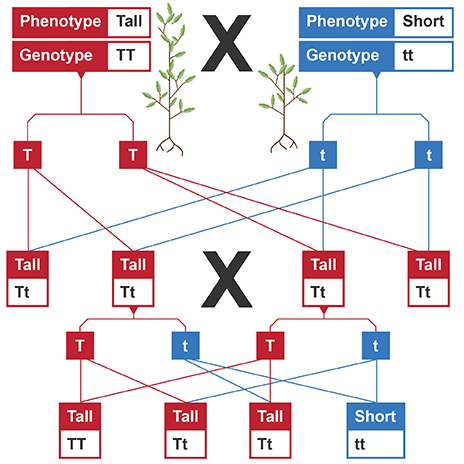
Monohybrid cross
shows characteristic controlled by a single gene with two alleles
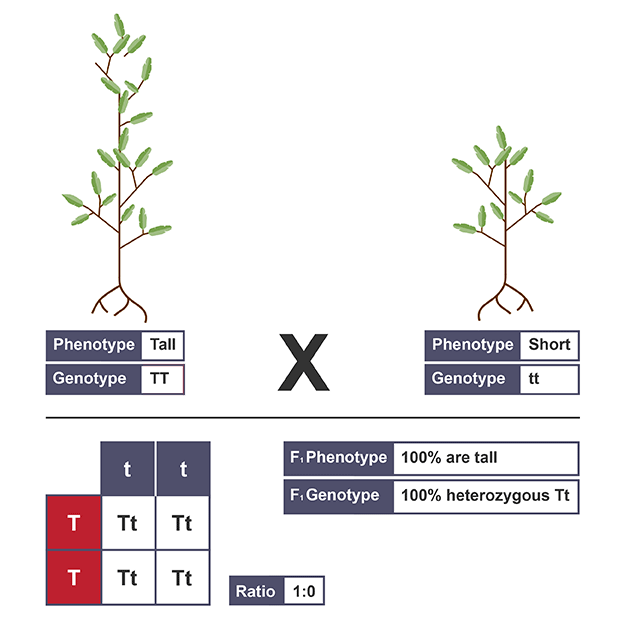
Why are large numbers of offspring needed
to provide accurate ratios as fertilisation is random
Gregor Mendel concluded
Characteristics are determined by factors within organism (genes)
Factors can exist in two different forms (alleles)
Factors separate during gamete formation (meiosis)
Test (back) cross
used to find the genotype by crossing with homozygous recessive and observing offspring
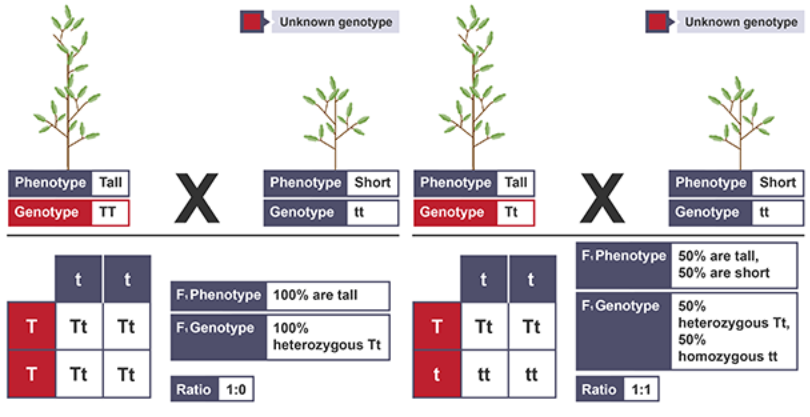
Interpreting test (back) cross
If no short plants are produced unknown parent was homozygous dominant, other wise heterozygous
Pedigree diagrams
used to show inheritance of genetic condition in family
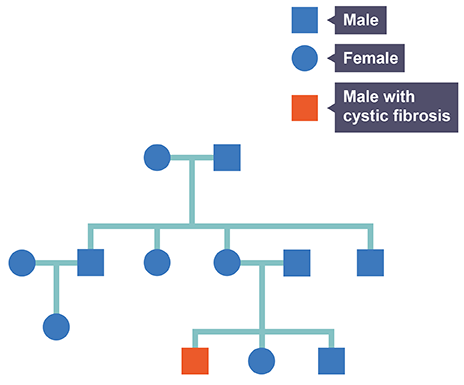
Uses of pedigree diagrams
let people know if they are carriers of a condition
Genetic conditions
mutations, random changes in DNA or number of chromosomes causing fault in gene
Inheritance
genes are passed down from parents to offspring, this includes genetic conditions
Male chromosomes
XY
Female chromosomes
XX
Eggs
all contain one x chromosome
Sperm
half contain one x other half contain one y
Sex-linkage
always inherit an x chromosome from mother + an x or y from father
Haemophilia
blood disorder where people can’t clot their blood, leads to excessive bleeding
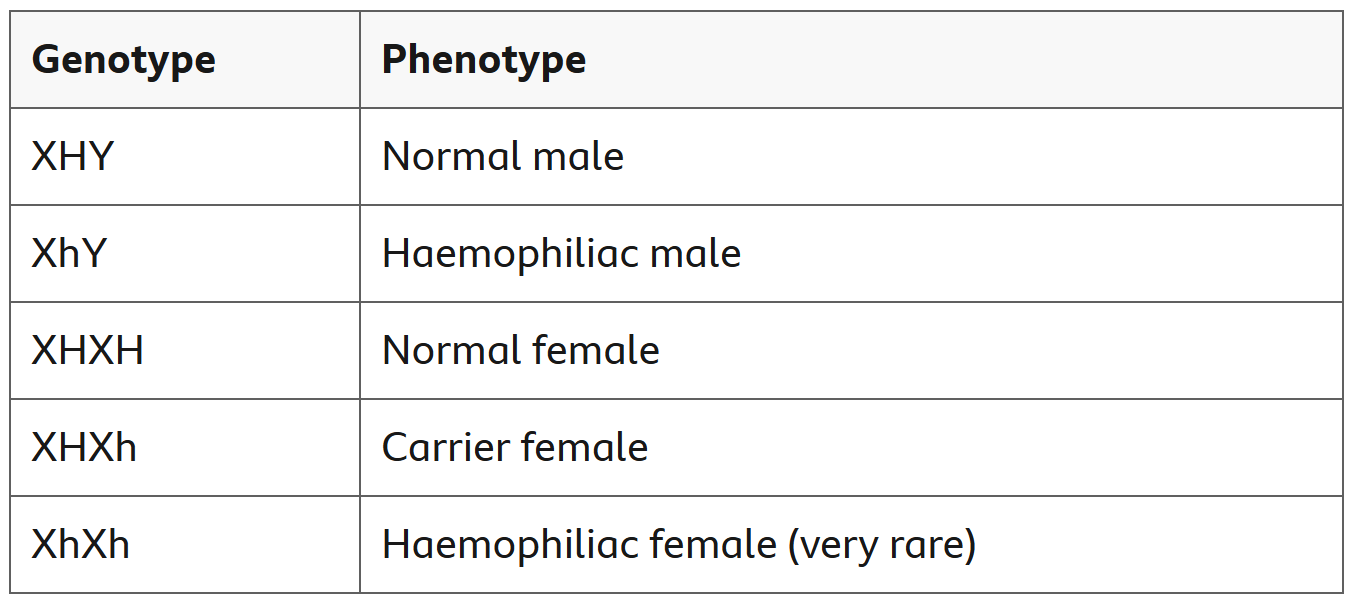
Haemophilia sex-linkage
caused by recessive allele on x chromosome
Why is haemophilia more common in males
they only need one recessive allele as they only have one x chromosome
Carrier
heterozygous, do not experience symptoms but can pass on their recessive allele
Cystic fibrosis
mainly affects lungs and digestive system, clogged with mucus or frequent infections
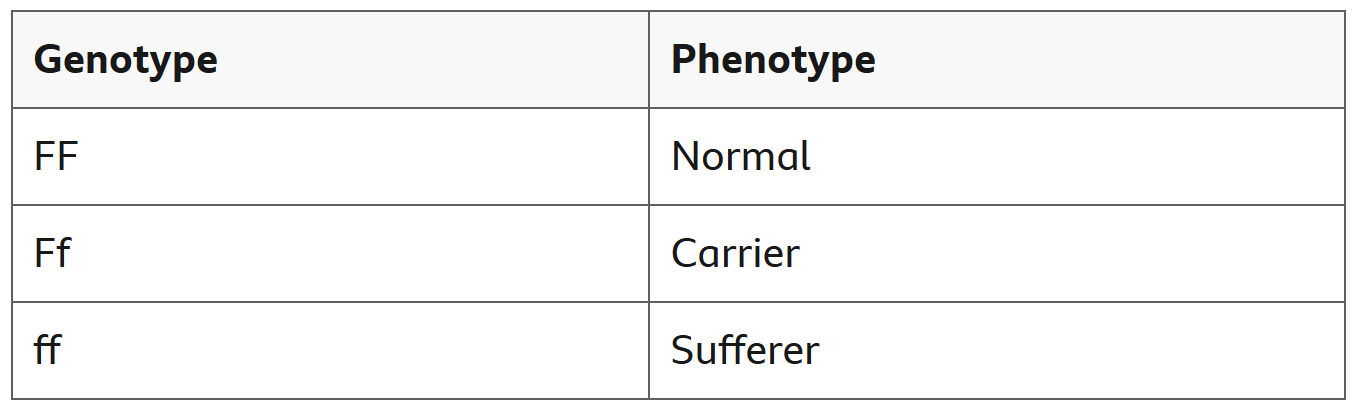
Inheritance of cystic fibrosis
recessive allele
Huntington’s disease
affects nerve cells in brain leading to brain damage, fatal
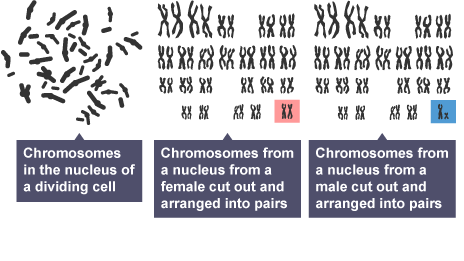
Karyotype
shows full set of chromosomes in individual
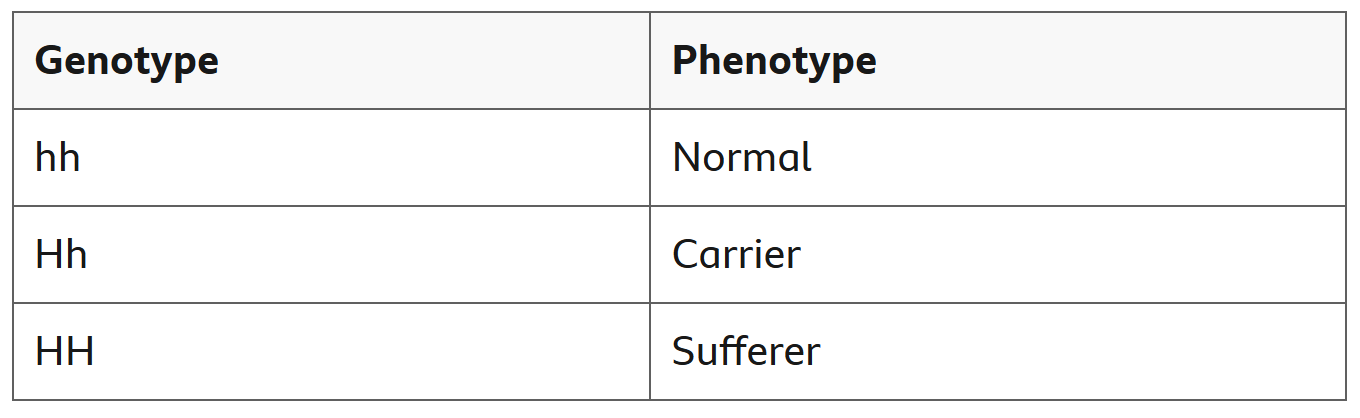
Inheritance of Huntington’s disease
dominant allele, doesn’t usually isn’t shown until middle aged by which they may have already passed it on
Down’s syndrome
caused reduced muscle tone and learning difficulties
Cause of down syndrome
extra chromosome at number 21 (trisomy)
Inheritance of down’s syndrome
happens by chance during formation of egg cells (24 chromosomes)
Genetic screening
testing people or groups for the presence of a particular allele/ abnormality
Testing for down syndrome
blood test at 10-14 weeks to assess risk
some at risk are offered amniocentesis
Risk of amniocentesis
1% risk of having a miscarriage
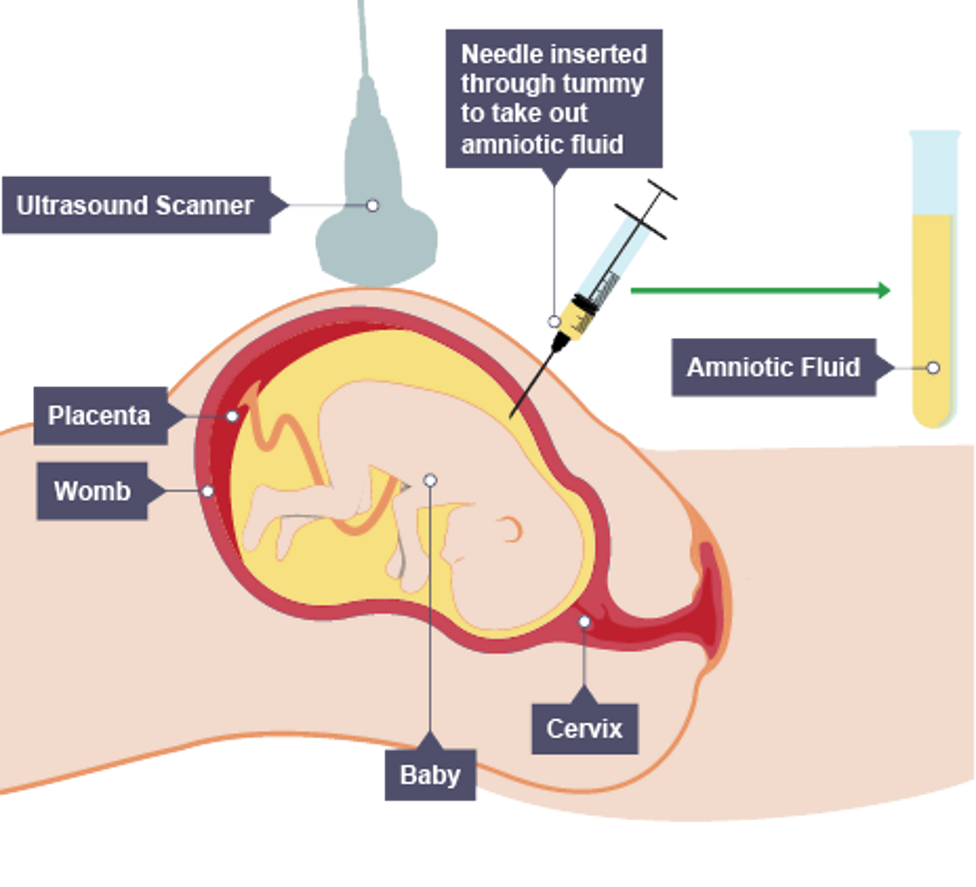
Amniocentesis procedure
needle inserted into amniotic fluid surrounding foetus
fluid is withdrawn
foetal cells are examined for genetic conditions
People commonly offered amniocentesis
history of genetic conditions
previous birth with genetic condition
older mothers
problems identified in earlier tests e.g blood test
Ethics of genetic screening
People should have the choice to be tested
Decisions for unborn babies are made by parents
Amniocentesis vs blood tests
Amniocentesis is more accurate but involves a small risk of miscarriage
Blood tests are safer but less accurate, often needing further testing
Abortion after genetic screening
Advantages | Disadvantages |
|---|---|
prevents suffering, poor quality of life and eases burden on loved ones | unborn child has a right to life and cannot voice their choice |
time and money spent caring for child with abnormality | abortion is against some religious teachings/ illegal in some countries |
Reasons to get genetic screening
could show you are a carrier, children could have a chance of inheriting condition and this may persuade people to adopt
Genetic information
could advance medical research
however insurers/ employers might misuse it, causing discrimination
strong laws are needed to protect privacy
Genetic engineering
deliberately changing genome of an organism to introduce desirable characteristics
Uses of genetic engineering
medicine, agriculture and scientific research
Production of human insulin
human inulin gene is inserted into genome of bacteria and grown
Process of producing human insulin
human insulin gene is removed using restriction enzyme
bacterial plasmid is cut open using same enzyme
restriction enzymes cut DNA creating complementary ‘sticky ends’ that join by base pairing
different enzyme is used to join insulin gene and bacterial plasmid
plasmid is placed back into bacterial cell, now genetically modified bacterium
cells grown in fermenter, rapidly reproduce
produce large quantities of insulin under optimal conditions
downstreaming occurs
Optimal conditions for insulin production
warmth, moisture and oxygen
Downstreaming
insulin is extracted purified and packaged to ensure it is safe and effective for treating diabetes
Advantages of genetically engineered insulin
no side effects or allergies
no animals killed/ ethical issues
large quantities can be made quickly and cheaply
no rejection as its human insulin