nomenclature and classification of mycoses superficial mycoese, all the cutaneous, sub cutaneous, systematic
 Call Kai
 Learn
Learn Practice Test
 Spaced Repetition
 Match
Match Flashcards
 Knowt Play
1/64

There's no tags or description
Looks like no tags are added yet.
Name | Mastery | Learn | Test | Matching | Spaced | Call with Kai | Chat |
|---|
No analytics yet
Send a link to your students to track their progress
65 Terms
nosology definitions
classification of list of diseases
nosology of mycoses
both name of the fungi and the names of skin diseases caused by fungi are problematic
there are common names/ disease names that look like Genus species but the disease could be due to anything
like all the candida things or the T. something for the tineas
there are no sets of rules for disease names for fugal diseases
or mycoses added
or disease named after the pathogen
what suffix is added for fungal diseases? and where?
mycoses
ex. bronchomycosis, otomycosis, dermatomycosis
why is tinea confusing?
tinea just meand ringworm and there are endless fungal infections of the skin, specific types are usually designated by modifying a term
tinea barbis
tinea capitis
tinea pedis
tinea manis

exongenous aquisition
transmitted through airborne, cutaneous, percutaneous routes
endogenous aquisition
may be acquired from commensals, or reactivation
virulence and fungal diseases
primary pathogens and opportunistic pathogens
viruelnce: primary pathogens
may establish infection in an immunologically normal host
virulence: opportunistic pathogens
requires some compromise of host defenses for infection to become established
classification of fungla infections by location
superficial mycoses
cutaneous mycoses
subcutaneous mycoses
systematic mycoses
they are not mutually exclusive!
superficial mycoses
infections limited to the outermost layers of the skin and hair
cutaneous mycoses
infections that extend deeper into the epidermis as well as invasive hair and nail diseases
outermost protective boundary = skin
subcutaneous mycoses
infections involving the dermis sybcutaneous tissues muscle and fascia
systematic mycoses
infections that may spread to many organ systems
keratin? and keratin disease name?
fibrous structural protein, outer layer of skin
there is alpha an beta keratins
onychomycosis
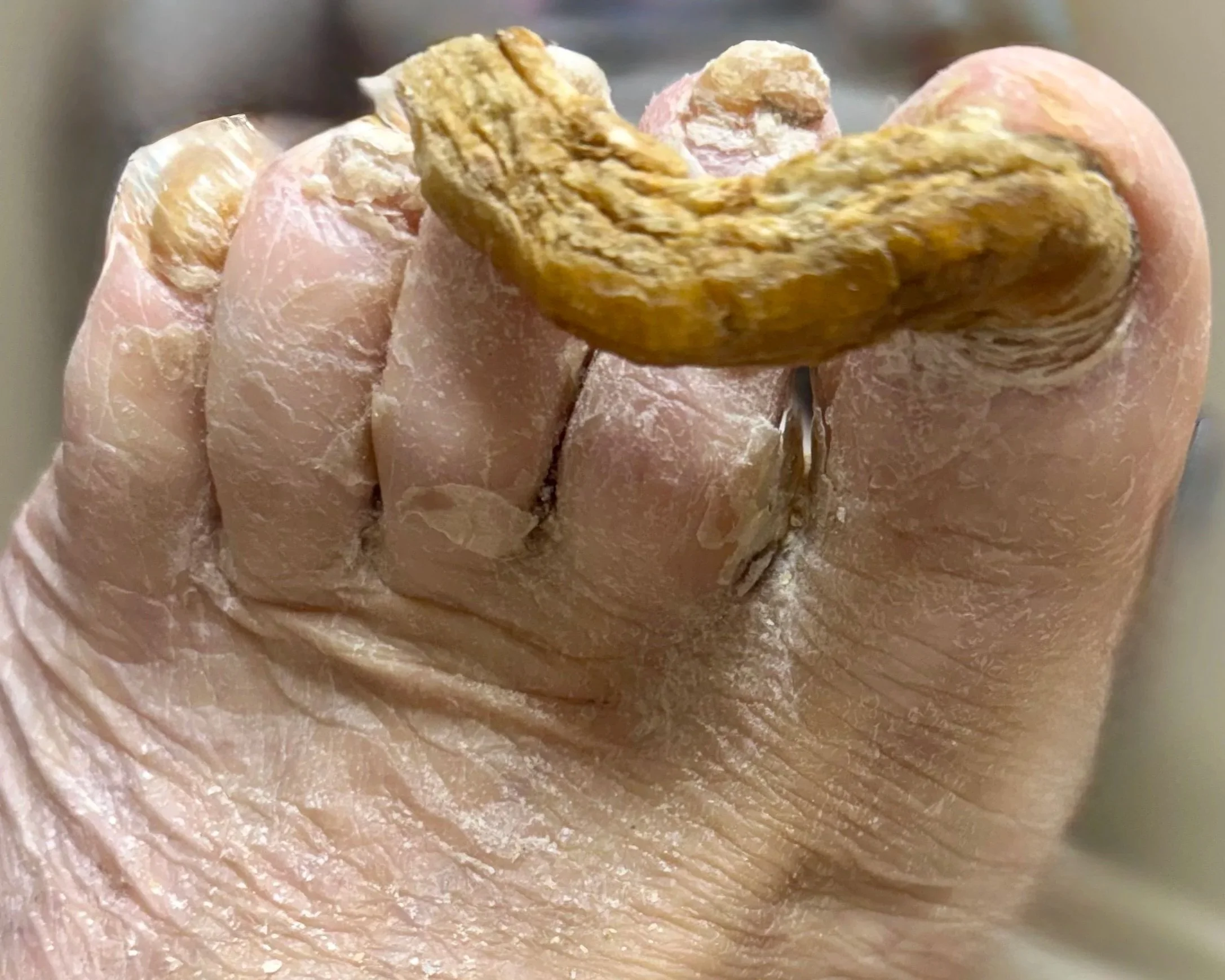
dermatophytes
fungi that grow on the keratinized layers of epidermis and their appendages
don’t usually enter living tissues
can be pathogenic fungus that grows on skin hair feathers etc
how do dermatophytes vary by region?
tines capitis more in developing countires
and tinea pedis and onychoycosis
malassezia species (not dermatophytes)
the genus is groups of yeast that are skin residents on human and warm blooded animals
dimorphic species, lipophilic
they are commensal and opportunistically pathogenic
technically basidiomycetes while dermatophytes are ascomycetes
superficial mycoses
cosmetic fungal infections, no living tissue is invaded and there is no cellular response
most people unaware
6 superficial mycoses
pitytriasis versicolor Malassezia sp. common
dandruff Malassezia sp. common
seborrheic dermatitis Malassezia sp. common
tinea nigra rare
black piedra rare
white piedra rare
Pityriasis versiscolor (not genus species name)
sometimes tinea versicolor
flaky colored patches mainly chest and back
hypo and hyper pigmentation
in more tropical areas

dandruff
malassezia furfur
dead cells of skin from the scalp shedding
saprophyte, always present just some people have a problem
very poorly defined issue, but mostlikely due to bacterial populations change and cause an imbalance of the entire microbiome
seborrhoeic dermatitis
mostly afects the scalp as scaly patches, red skin, dandruff
non contagious long term condition
probably single most common inflammatory skin condition affecting humans besides acne
tinea nigra
on the palm or the sole with black or brown patches, don’t itch or sting
found in soil
dermatophytosis
white and black piedra
infections of the scalp hairs
nodules are concretion of hyphae and fruiting bodies
due to different species
trichomycoses
any diseases of the hair caused by fungi
tinea
various fungal infections of the skin, hair, or nails caused chiefly by species of the genera Microsporum, Trichophyton, and Epidermophyton
some people think it looks like a worm
tineas are what type of mycoses?
cutaneous, dermatophytes
how are tineas usually categorized
usually by the part of the body that is infected
tinea barbae
tinea capitis
tinea corporis
tinea cruris “jock itch”
tinea manus
tinea pedis “athletes foot”
tinea unguium
athletes foot: tinea pedis
frequently occuring dermatophytosis
spreads in warm and moist environments with close contat with other people
usually living on the skin but will become an infection when there is another condition
tinea capitis
balding spots on the head

tinea barbae
follicles invaded, similar to tinea capitis
spread through dirty razors usually
tinea manus
hand ringworm
tinea cruris
spreads through fomites which are inanimate objects are contaminated with infectious agents
ike towels , bedding, gym equipment
diabetes and obesity are additional risk factors , in communal areas like military jails
more common in men, can be spread from athletes foot
tinea unguium
most common fungus ingection and also caused onychomycosis
ringworm is contagious, how does it spread?
from person to person who has ringworm
from an animal that has ringworm
from the environment
sporotrichosis
cutaneous disease, rose thorn disease
it is found in soil, hay, pshagum mosss and plants it usually affects farmers or agricultural workers
through small cuts and abrasions in the skin to cause the infection
what is favus?
extreme form of tinea capitis
caused by scutula
what are things misdiagnosesd as ringworms?
cradle cap, seborrheic dermatitis
diaper rash
trench foot
major types of subcutaneous mycoses
chromoblastomycosis
mycotic mycetoma
sporotrichosis
lobomycosis
subucanteous zygomycosis
subcutaneous mycosis
pathogen penetrates the dermis or even deeper after a skin trauma, can become systematic
a lot are caused by dark walled fungi
chromoblastomycosis
long term fungal infection of the skin and subcutaneous tissue
most common in tropical or subtropical climates, rural areas especially
rarely fatal, slow growing, difficult to cure
thought to originate from minor trauma to the skin
fpnseca’s disease or pedroso’s disease

mycetoma general time
chronic, inflammatory swellings with numerous sinuses
madura foot
sporotrichosis
caused by the mould sporothrix schenckii
dimoprhic 37C and on rich nutrient the yeast phase occurs
at 25C asexual form occurs
lobomycosis
kelloidal blastomycosis
common in native/ indegnous groups
incredibly painful
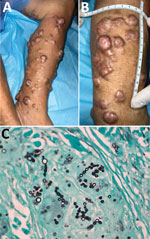
zygomycosis
generic term for disease caused by members of this taxonomic group
mucormycosis is an alternate name
saprophytic fungi that are in soil or vegetation some can become systemic

dimorphism
two forms, many medically important fungi also have two forms, as yeasts and mold
temperature dependent alterations in morphological state
often exist as nonvirulent filamentous form
Body Heat Probably (Changes) Shape
blastomyces dermatitidis
Histoplasma capsulatum
Paracoccidoides immitis
Sporothrix schenckii
mold in the cold yeast in the heat
the fungi are pathogens at 37C
innate immune system
provides an immediate non speciic response
pathogen associated immunostimulents
is central host defenses against fungi
adaptive immune system
activated by innate response
responds and recognizes the pathogen
immunodeficiency
primary:
secondary: leukemia, chemotherapy, AIDS, malnutrition
neutropenia
abnormally low concentration of neutrophils in the blood
fungemia
is the presence of fungi in the blood
systemic mycoses
the fungi can then spread via the bloodstream to multiple organs including the skin often causing multiple organs to fail
results in death
te state of the immune system is the most imporntat factor of the illness
opportunistic infection
aspergillosis
candidiasis
cryptococcosis
penicilliois
zygomycosis
what are thefour ost common systemic human fungal pathogens
aspergillus fumigatus mold
candida albicans (yeast) single most common
cryptococcus neoformans (dimorphic)
pneumocytosis jirovecii (cant be cultured)
aspergillosis
healthy immune systems deal effectively with inhaled spores, opportunistic pathogen
for some workers if their occupation exposed to massive spore concetrations even healthy respitory defenses are overwhelmed
free living sapribes, 300 species but aspergillus fumigatus is the most common, then flavus, then niger
called invasive when it is systematic, and called the disease of the diseased
candidiasis
infection and allergic reactions, bunch of species but five main ones causing 90% of illnesses
thrush, yeast infection
its pleomorphic because both are present, the filmentous hyphae are better at penetrating, pathogenic, resistant
candida albicans main
candidemia
yeast infection in bloodstream
cryptococcus
neoformans causes cryptococcis and is most medically important
africa and australia
causes diseas in nonimmunocompormised peopl too
most life threatening for people with aids
connected with pigeon poop
pneumocytic jirovecii
causes cysts, deadly in hiv/ aids people
penicillium marneffei
penicilliosis one rare increase occurence due to aids or hiv positive people