Species Identification 1
 Studied by 0 people
 Call Kai
 Learn
Learn Practice Test
 Spaced Repetition
 Match
Match Flashcards
 Knowt Play
1/25

There's no tags or description
Looks like no tags are added yet.
Name | Mastery | Learn | Test | Matching | Spaced | Call with Kai |
|---|
No study sessions yet.
26 Terms
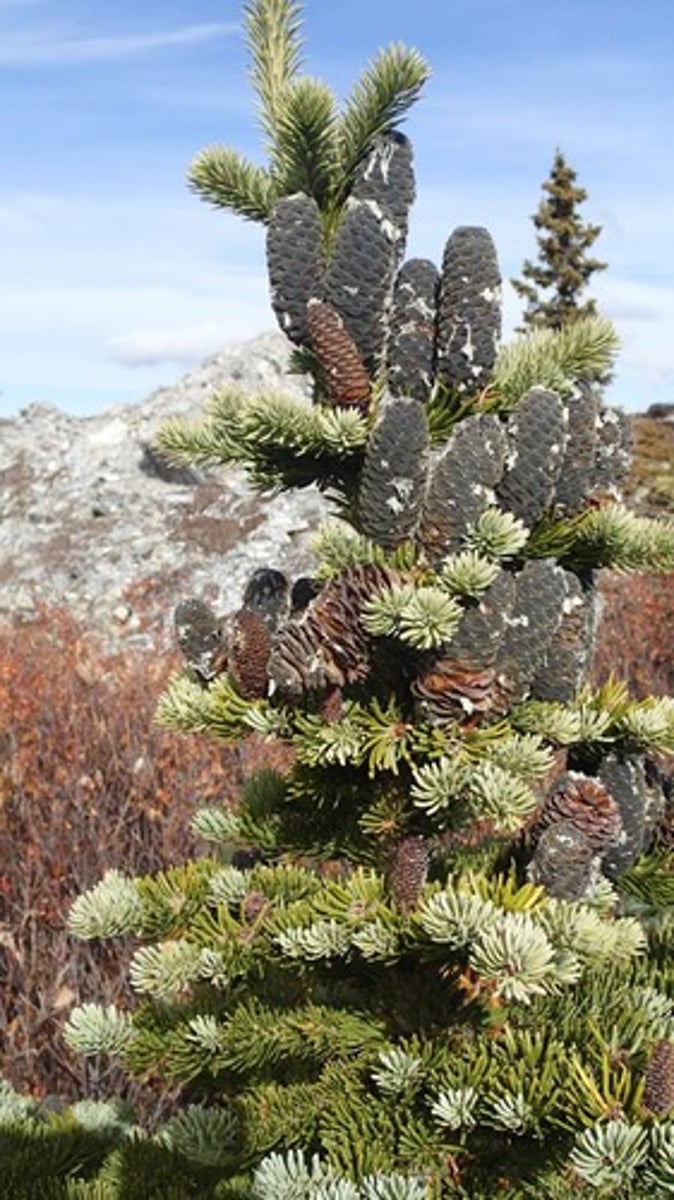
Subalpine Fir
Cone and needles orientation
- Upright cones at top of tree (typical of firs, unlike spruces).
- Needles tending to turn upwards
Forms krummholz
- Wind and snow shape stunted growth at treeline.
Branch layering
- Lower branches may root when touching ground, allowing clonal growth.
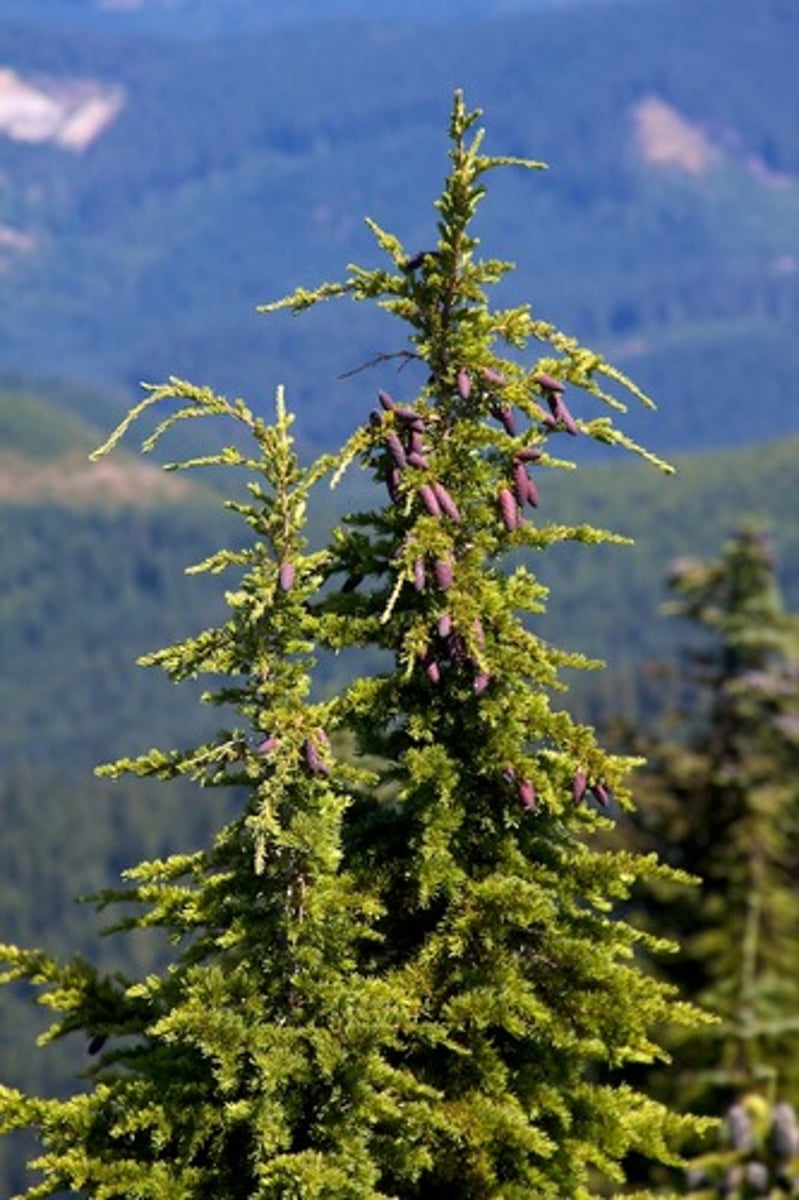
Mountain Hemlock
Drooping top
- Helps shed snow and is a distinguishing feature from other conifers.
Cones
Larger than the western hemlock (3-8cm vs ~2cm)
Forms krummholz
- Wind-formed stunted tree patches near treeline
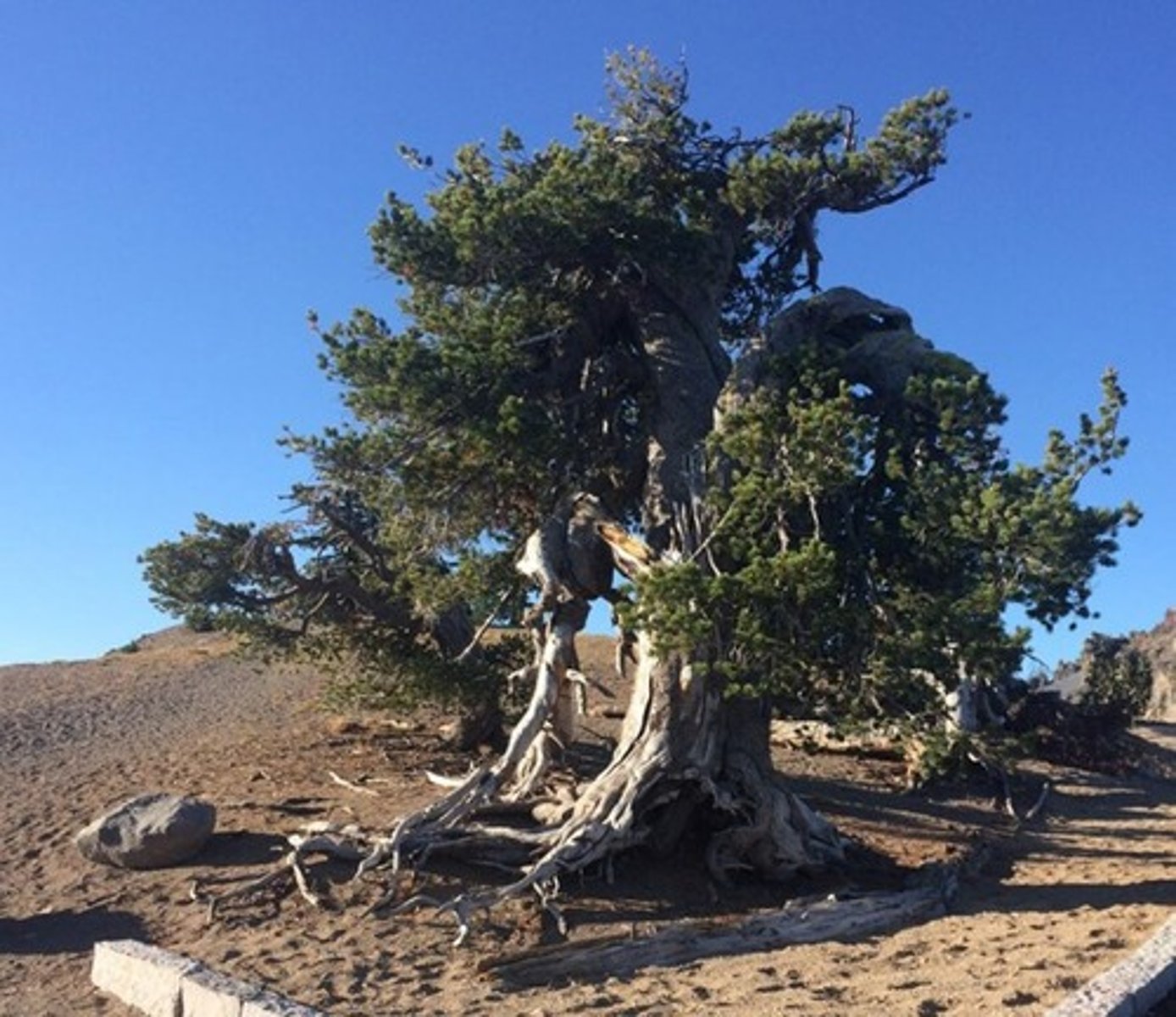
Whitebark Pine
Threatened species
- Listed as endangered in many areas due to white pine blister rust, mountain pine beetle, and climate change.
- Its loss could drastically affect alpine food webs and forest regeneration.
Grows in extreme climates
- Found at high elevations with short growing seasons, strong winds, snow, and cold temperatures.
- One of the last trees at treeline, it shapes the upper edge of the forest.
Depends on Clark’s Nutcracker
- This bird collects and buries the pine’s large seeds in the soil.
- Many of these seeds are forgotten, allowing new trees to sprout — a rare example of bird-driven forest regeneration.
- This mutualistic relationship is crucial to the species’ survival.
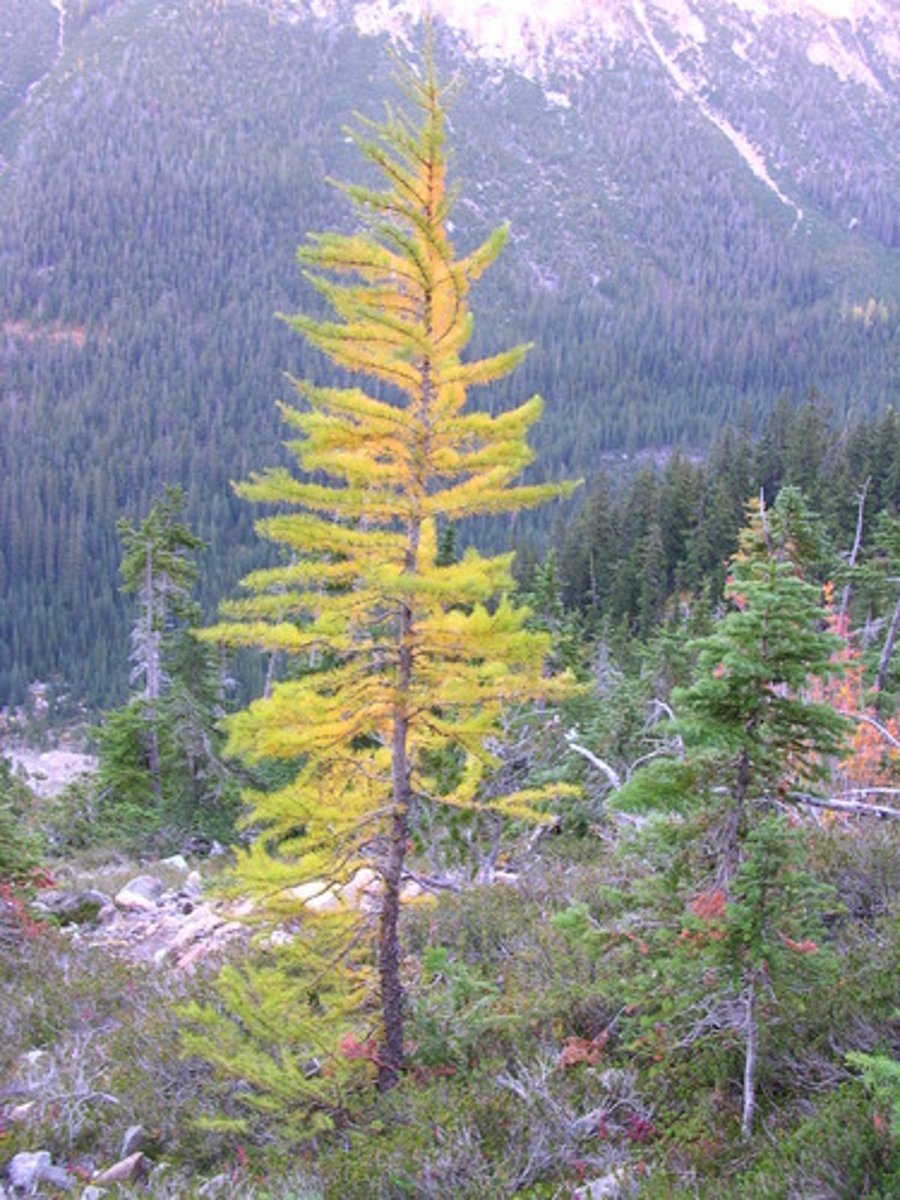
Subalpine Larch
Deciduous conifer
- Unlike most conifers, it drops its needles in the fall.
- Needles turn a golden yellow, creating a spectacular alpine display.
Extreme environment
- Found in high, exposed ridges with short growing seasons.
- Adapted to poor soils, wind, and cold.
Long-lived
- Can live for hundreds of years, even in harsh conditions.
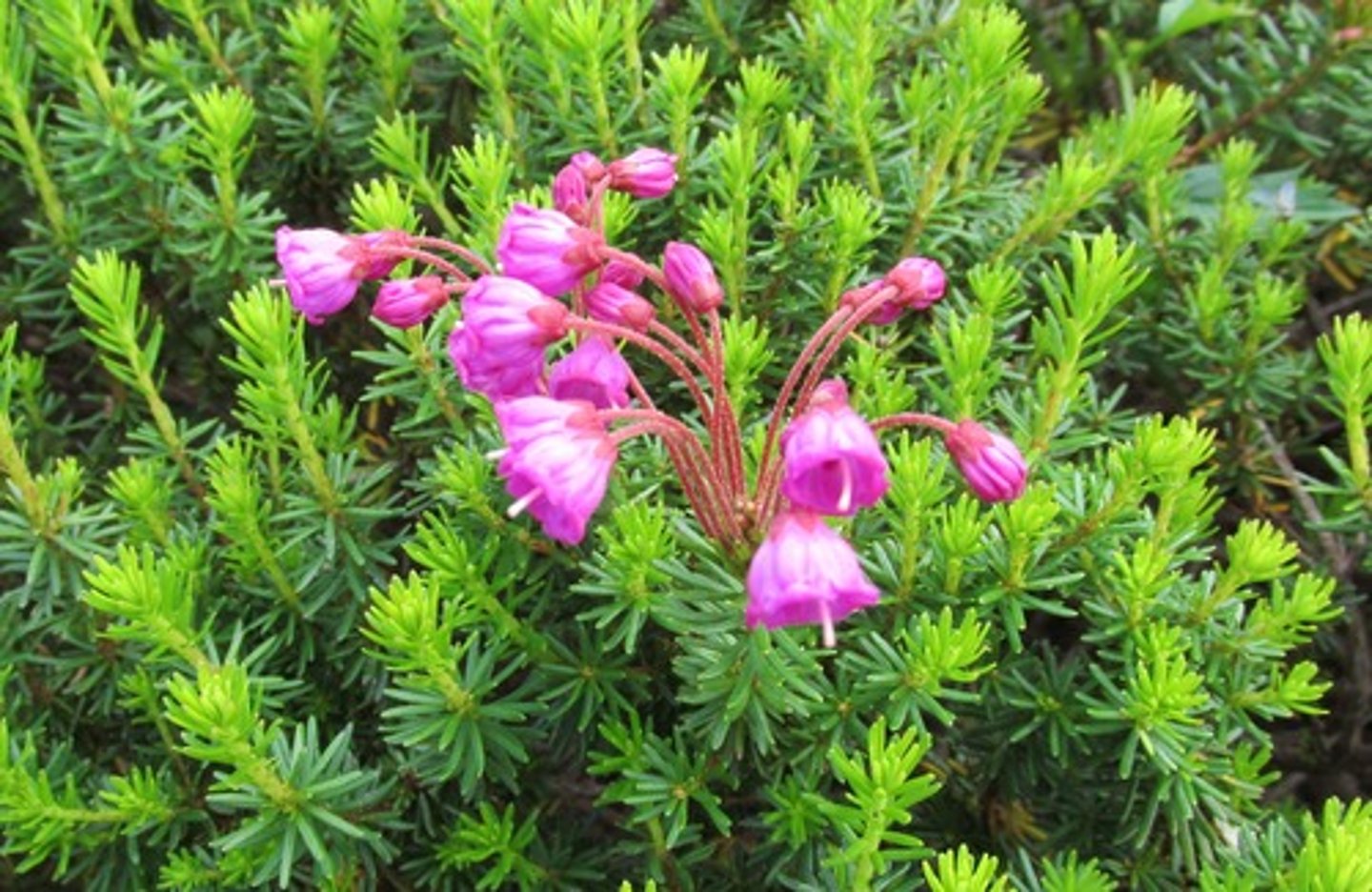
Mountain heather (Pink, White or Yellow)
Color variation by elevation
- Pink typically lower elevation, white and yellow higher up.
Dense low-growing form
- Offers wind protection for other alpine plants and insects.
Floral show
- Abundant flowers create colorful mats that define alpine meadows.
- Supports pollinators, buffers soil, and reflects alpine plant resilience.
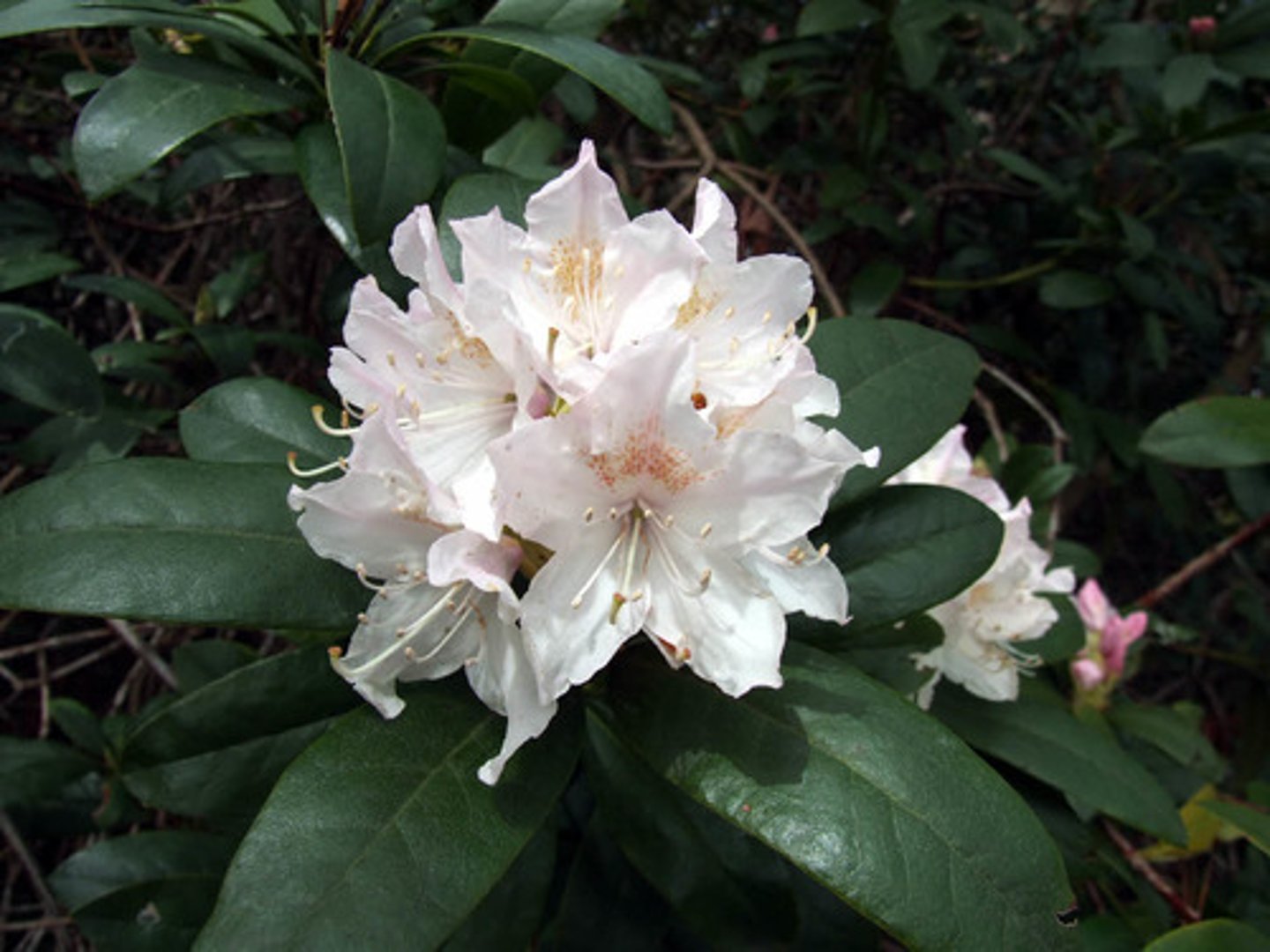
White Rhododendron
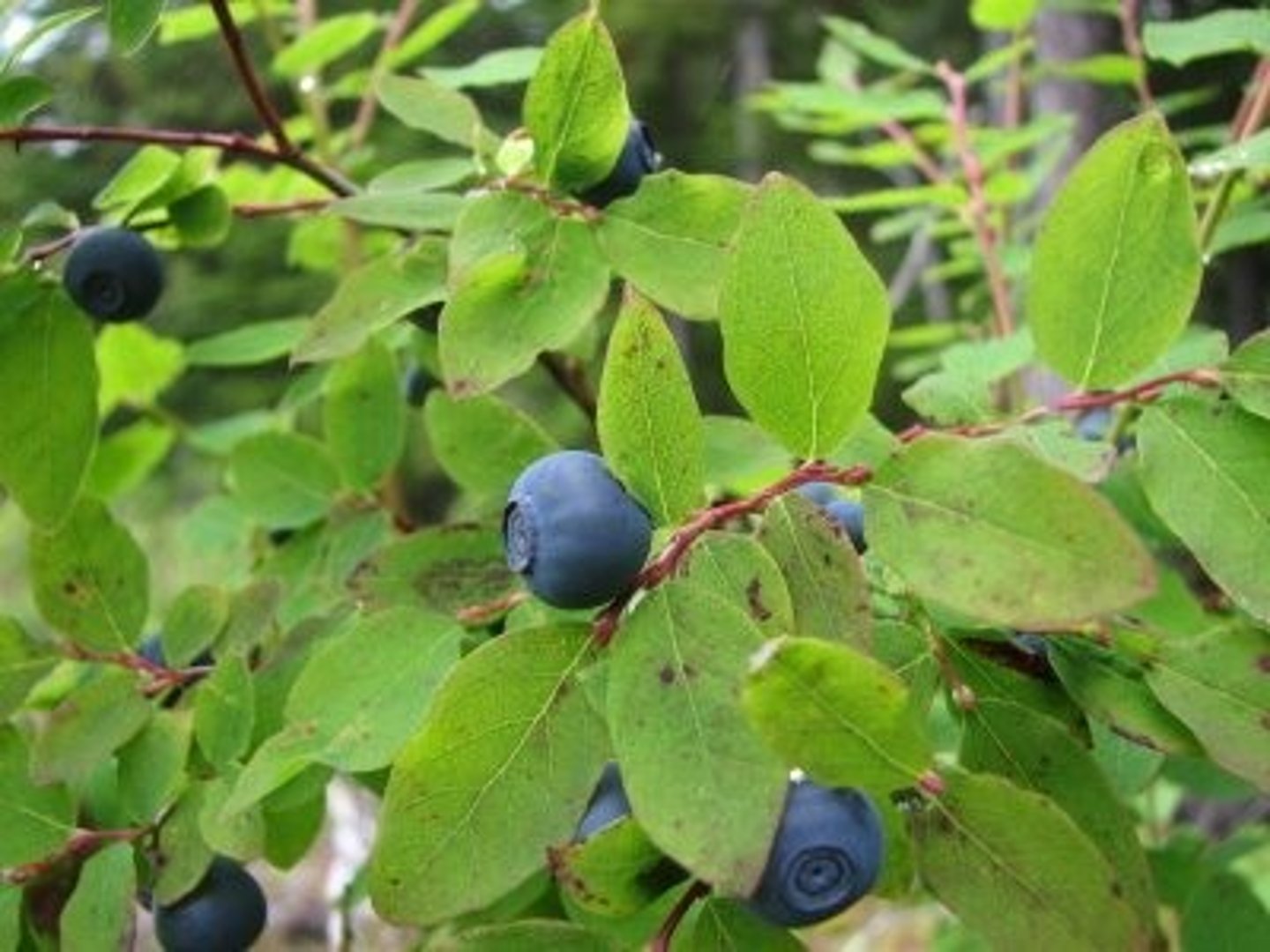
Oval-Leaved Blueberry
Edible berries
Produces sweet blue fruits eaten by bears, birds, and humans.
Leaves oval and generally smooth at the margins
shrub
- Common in middle to subalpine elevations
- Key summer food source for wildlife.
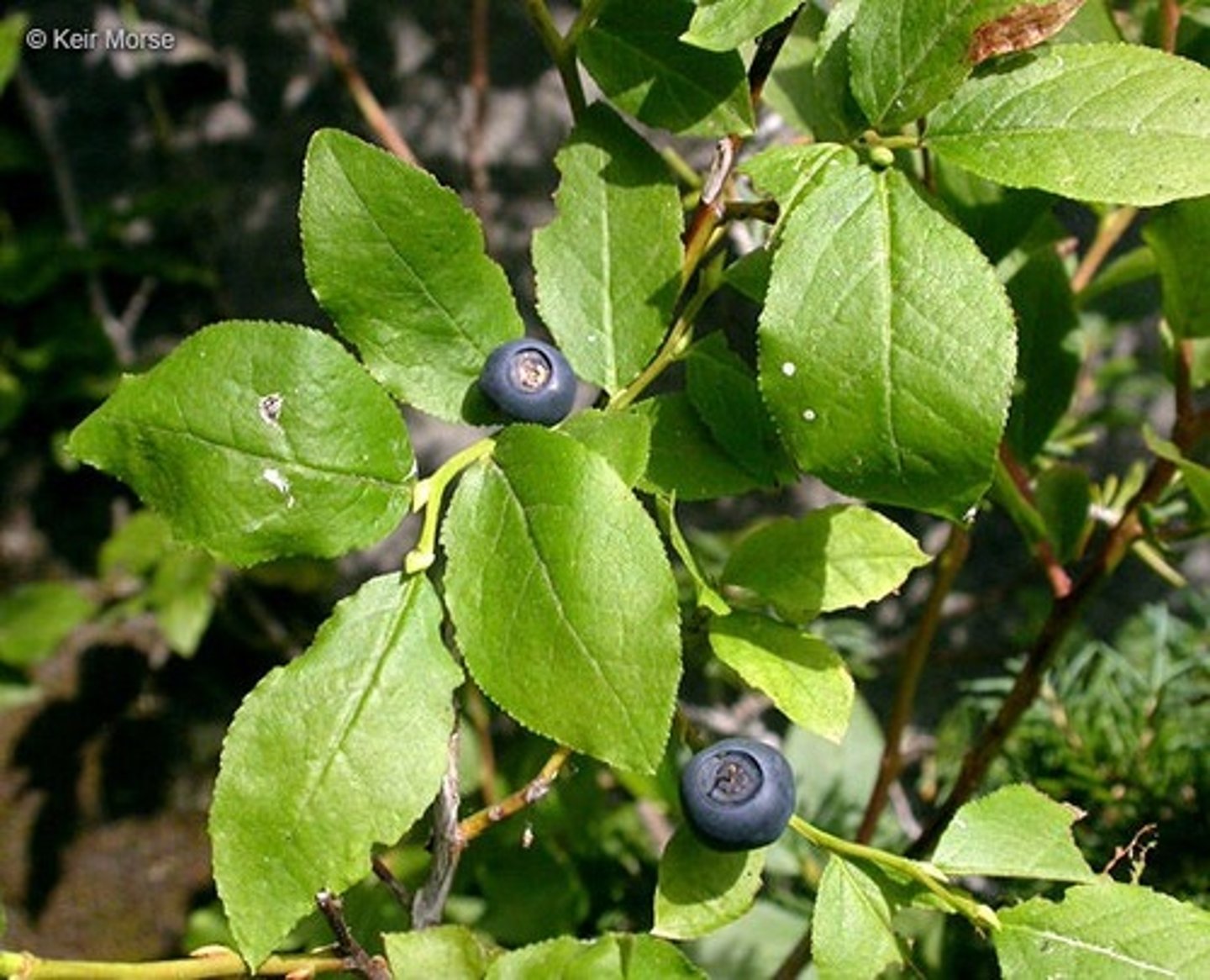
Black Huckleberry
Subalpine shrub
- About the same size shrub as Oval-Leaved.
- Produces dark, sometimes purplish-black berries.
- Leaf margins are finely toothed (Oval-Leaved Blueberry is smooth)
Important for wildlife
- Heavily browsed by bears, birds, and other mammals.
- Often co-occurs with other Vaccinium species in alpine fields.
- These reflect healthy berry-producing ecosystems.
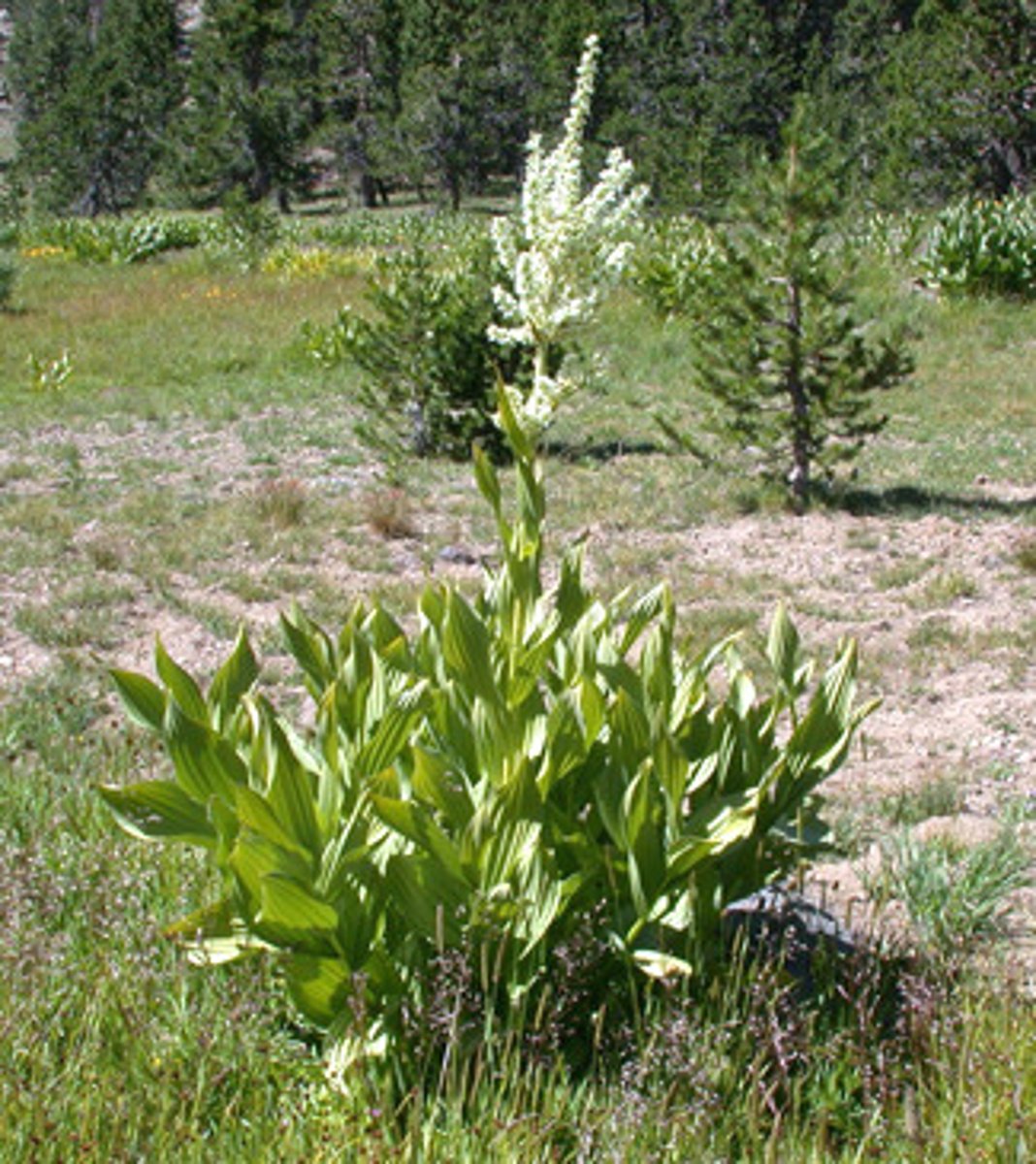
False Hellebore
Tall leafy plant in wet areas
- Broad, ribbed leaves make it easy to recognize in alpine wet areas.
Highly toxic
- Contains potent alkaloids; can cause illness from ingestion or contaminated water.
- Referred to often as “violently poisonous”
- Even drinking water from where it grows has been known to cause stomach cramps.
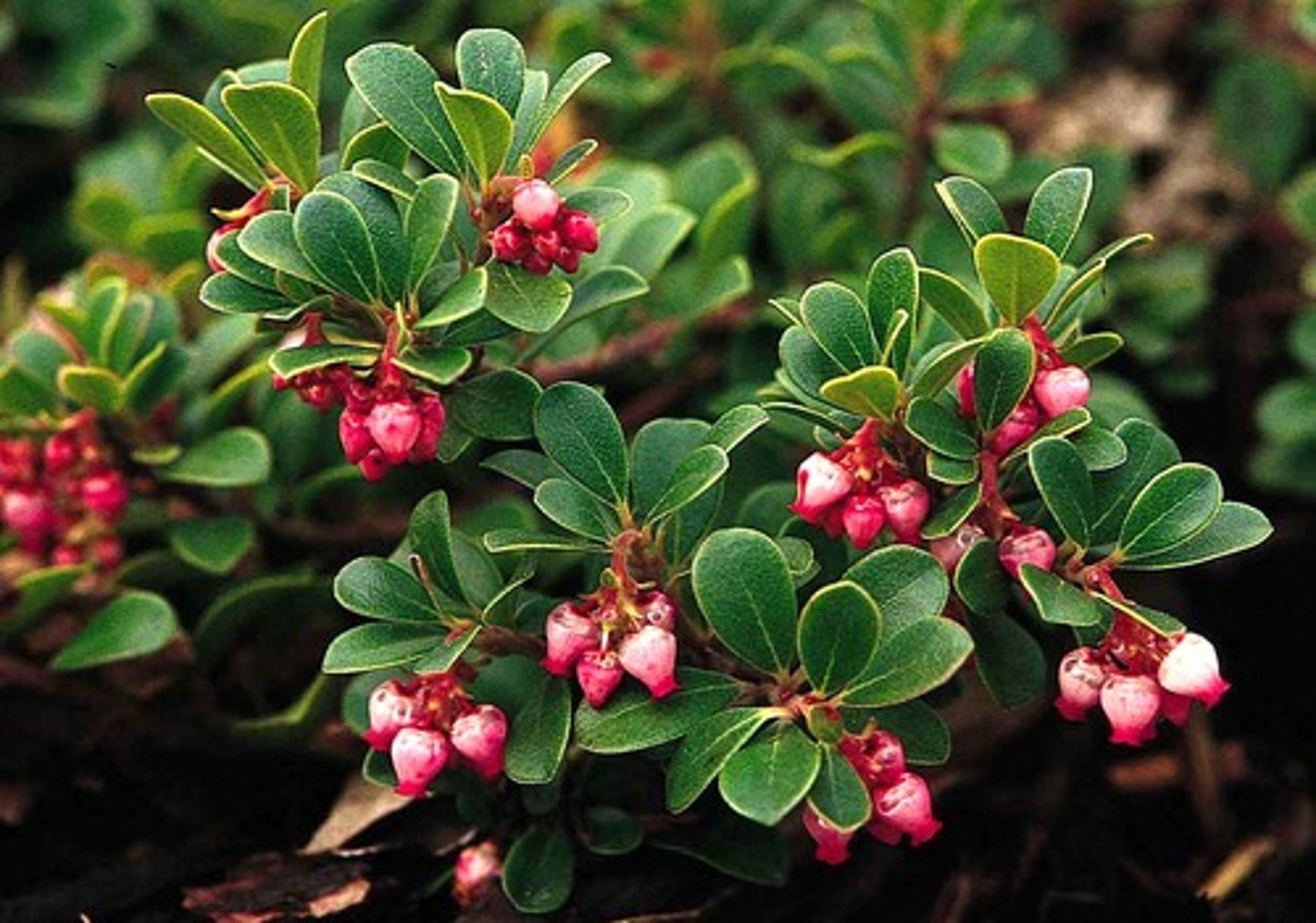
Kinnikinnick (Bear Berry)
Low groundcover
- Evergreen leaves and trailing branches.
- Produces small red berries and pale pink flowers.
- Birds and bears eat the fruit; Grouse, moose and sheep eat the leaves
Traditional uses
- Dried leaves used by Indigenous communities for smoking mixtures (sometimes with tobacco, sometimes without) carrying the smoker’s prayers to the Great Spirit.
- It wasn’t just about smoking, it was about connection, intention and respect.
- Also made into a tea for medicinal purposes.
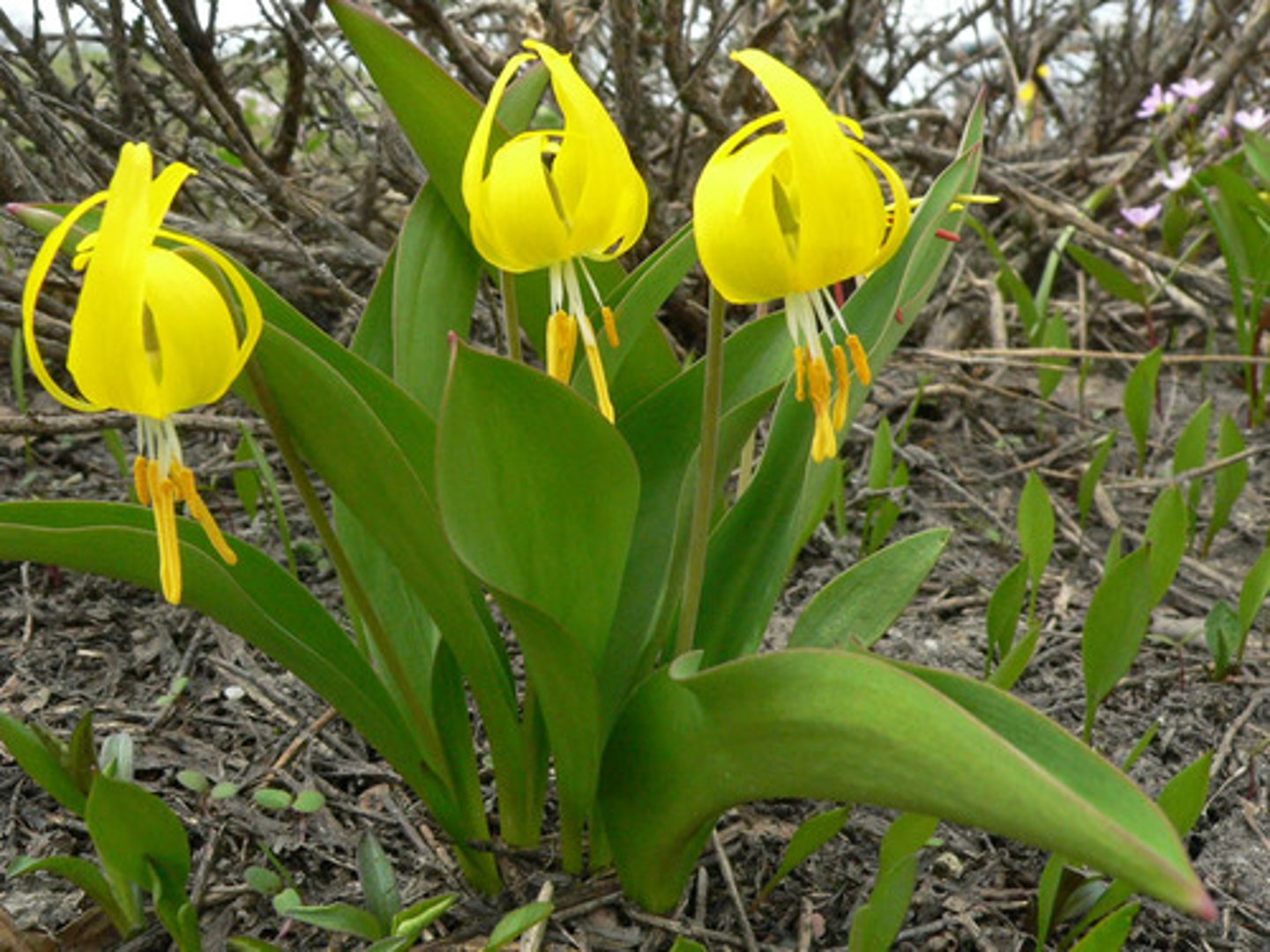
Yellow Glacier Lily
Early bloomer
Emerges right after snowmelt using stored energy in its underground bulb.
One of the first signs of spring in alpine meadows.
Showy yellow flower
Bright nodding blossoms on slender stalks.
Adds visual beauty to otherwise sparse early-season landscapes.
Food source
Bears and rodents dig up the energy-rich bulbs.
Pollinated by early-emerging insects including bees and flies.
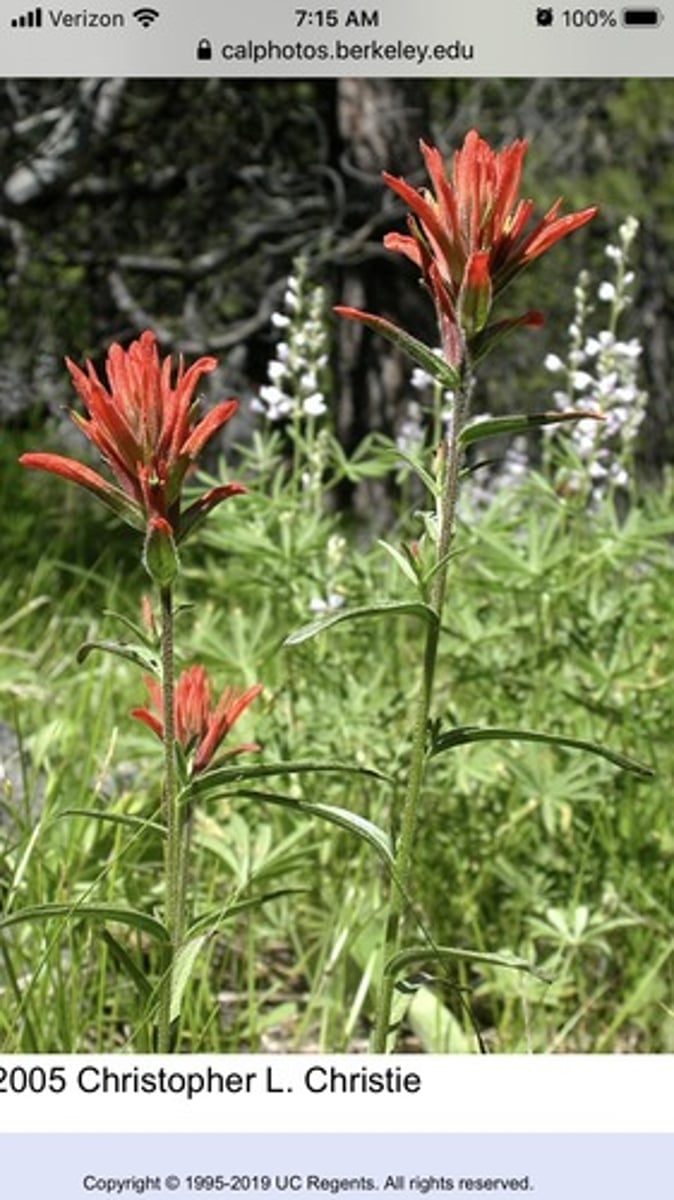
Red Paintbrush
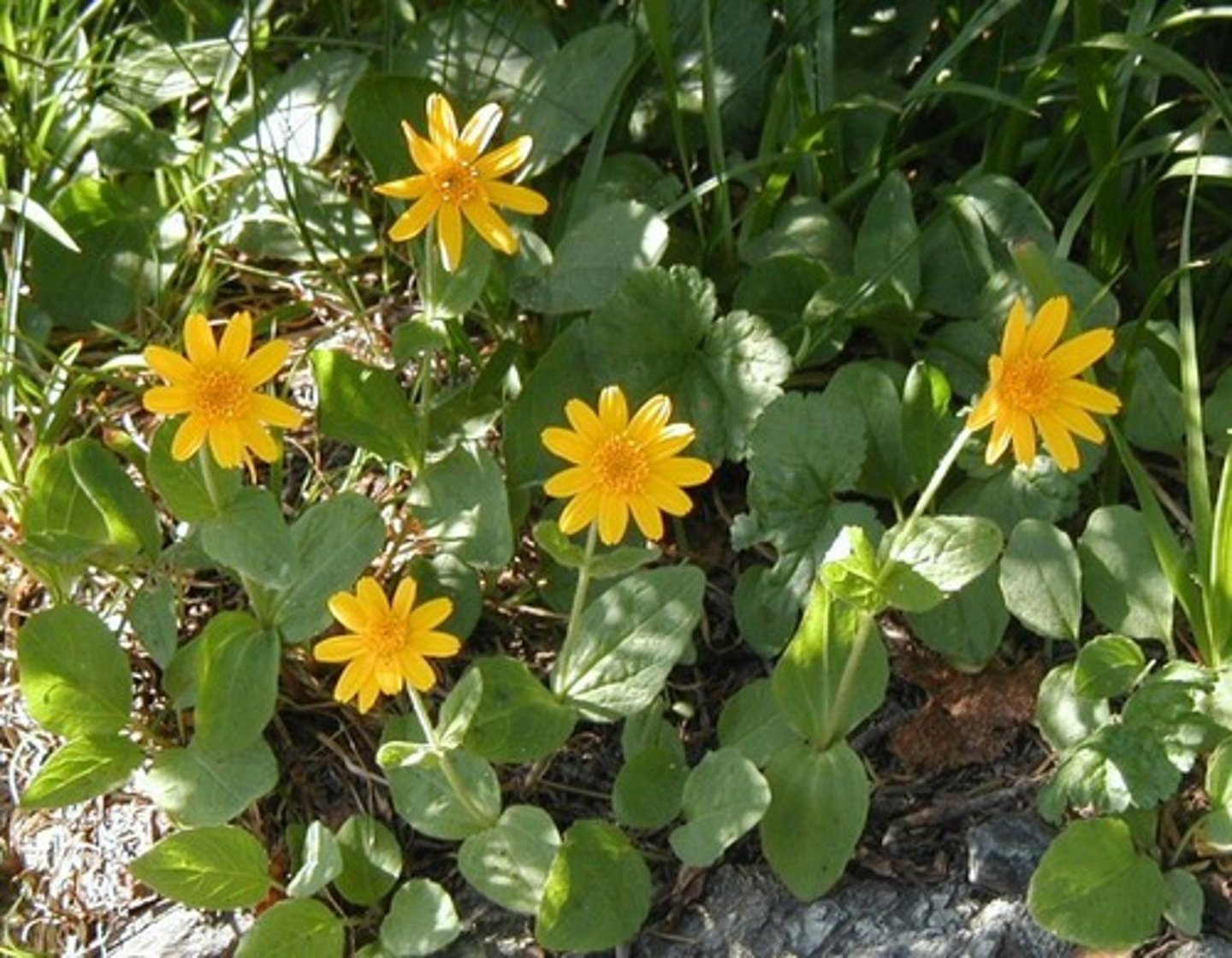
Mountain Arnica
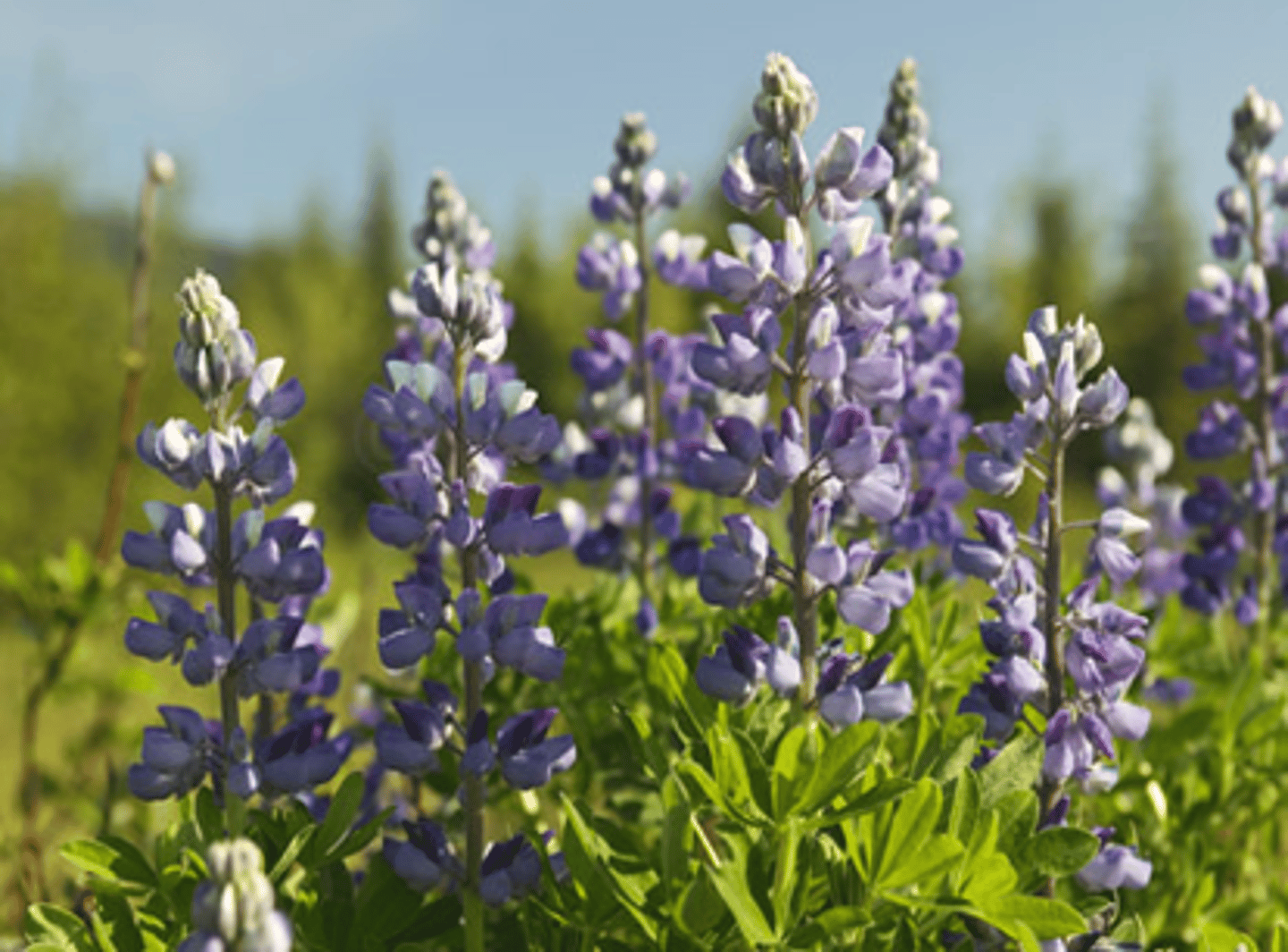
Arctic Lupine
Showy flowersBright purple blooms stand out to attract alpine pollinators in a short growing season.
Leaves funnel dewPalmate leaves catch and direct dew to the plant’s base, helping it stay hydrated in dry soils.
Name from “wolf”“Lupine” comes from lupus (wolf); early settlers wrongly thought it depleted soil- “ravaged” it, like a wolf (b/c it grows often on poor, barren ground). Indeed, opposite is true- it enriches soil.
Nitrogen fixerAs a pea family member, it hosts bacteria that enrich the soil by fixing nitrogen from the air.
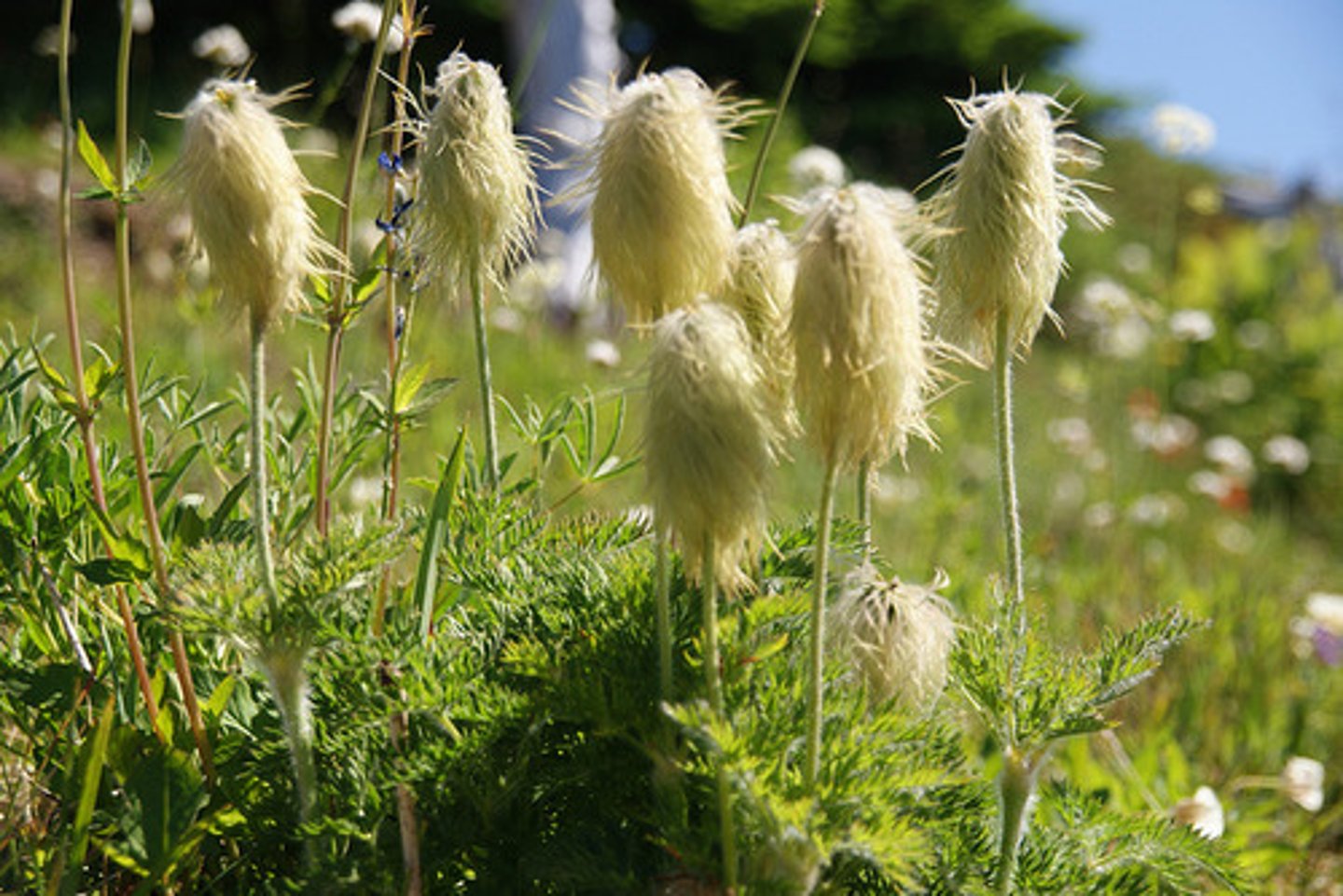
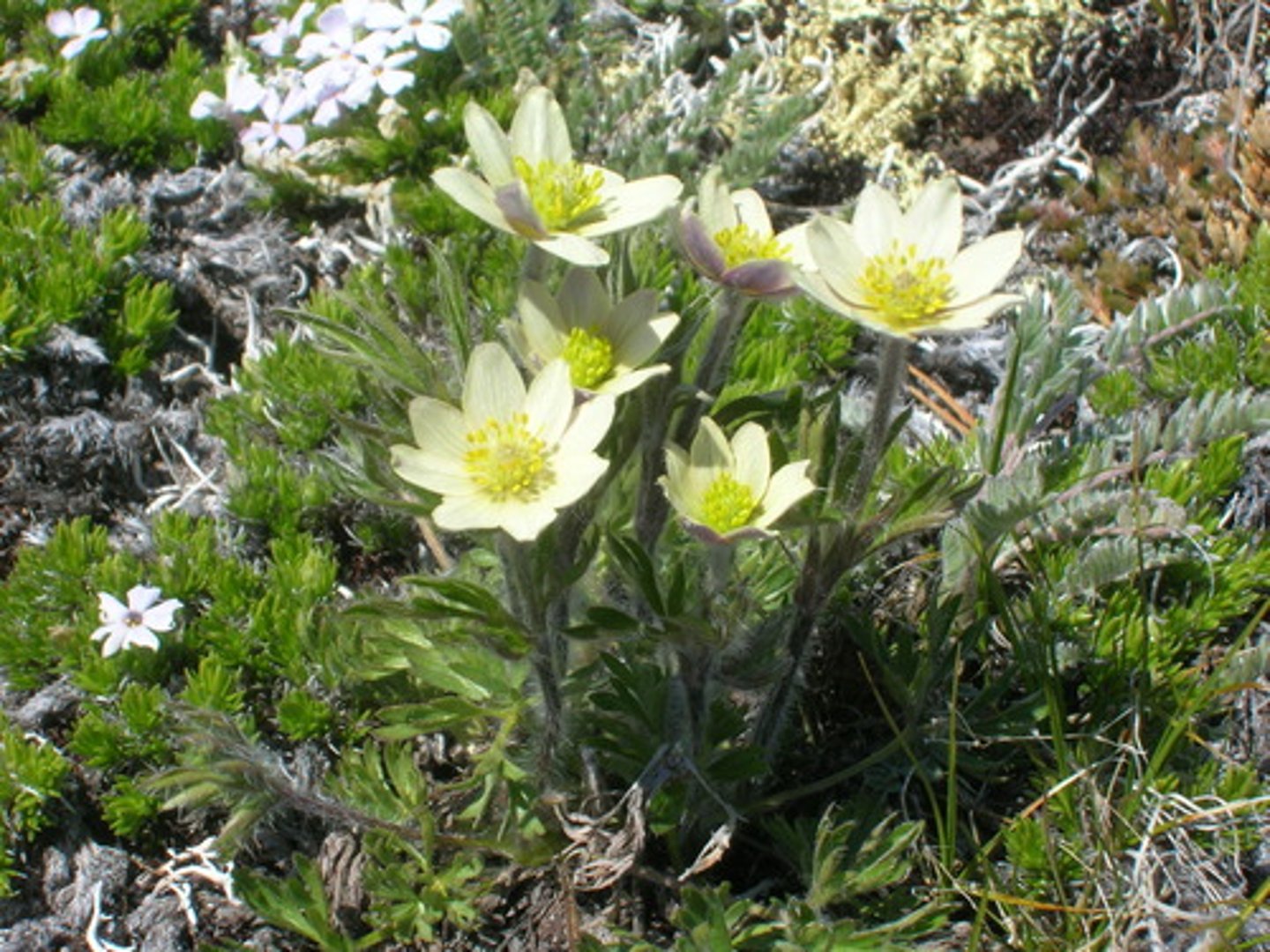
Western Anemone
Early-season flower. Seed transition is striking
- White petals; transitions to fluffy seed heads (‘hippies on sticks’). Or “two-headed baby’ (tow-headed being an old-timey way of referring to having very light blonde hair, often untidy),
- Wind blown seeds (anemos is Greek for “wind”)
Moves with the sun
- Flower follow sunlight during the day.
Western Anemone
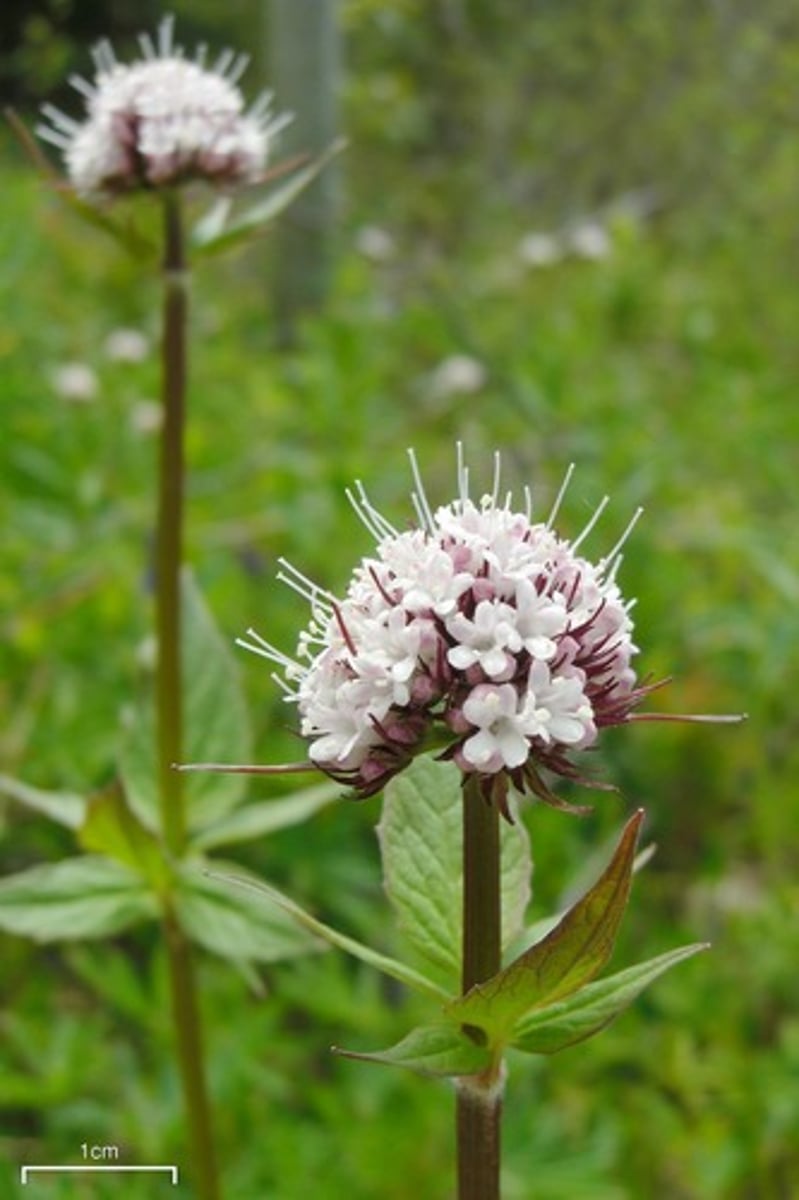
Sitka Valerian
Large white flowering plant
- Common in moist alpine meadows.
Medicinal and aromatic
- Known for strong scent
- Medicinally, roots used for calming effects, to promote restful sleep and reduce anxiety and stress.
- Often made into a ta or chewed but the taste can be unpleasant apparently (I’ve never tried!)
- Be cautious with plants used medicinally- traditional knowledge is important! E.g. too much of this could make you feel sick.
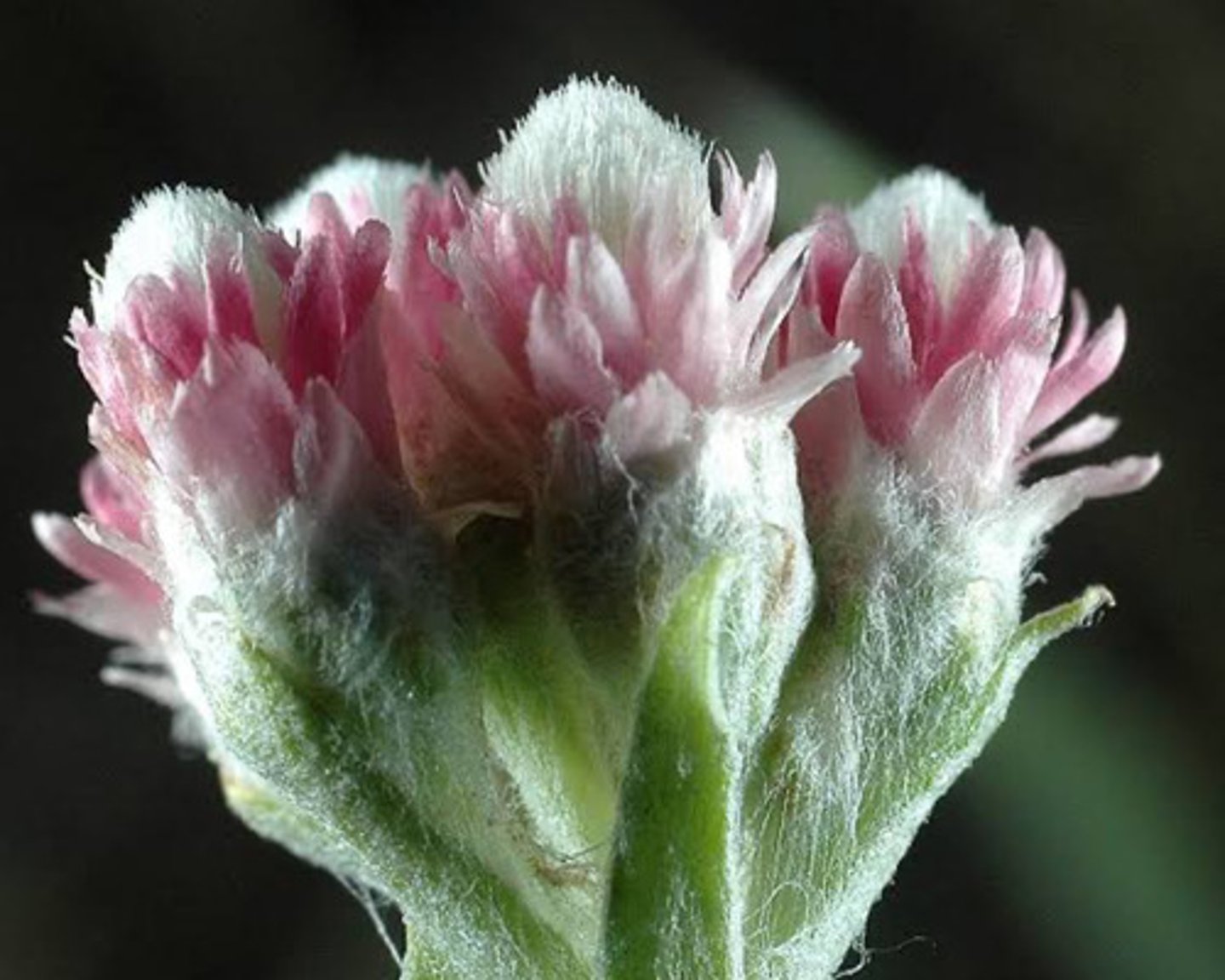
Rosy Pussytoes
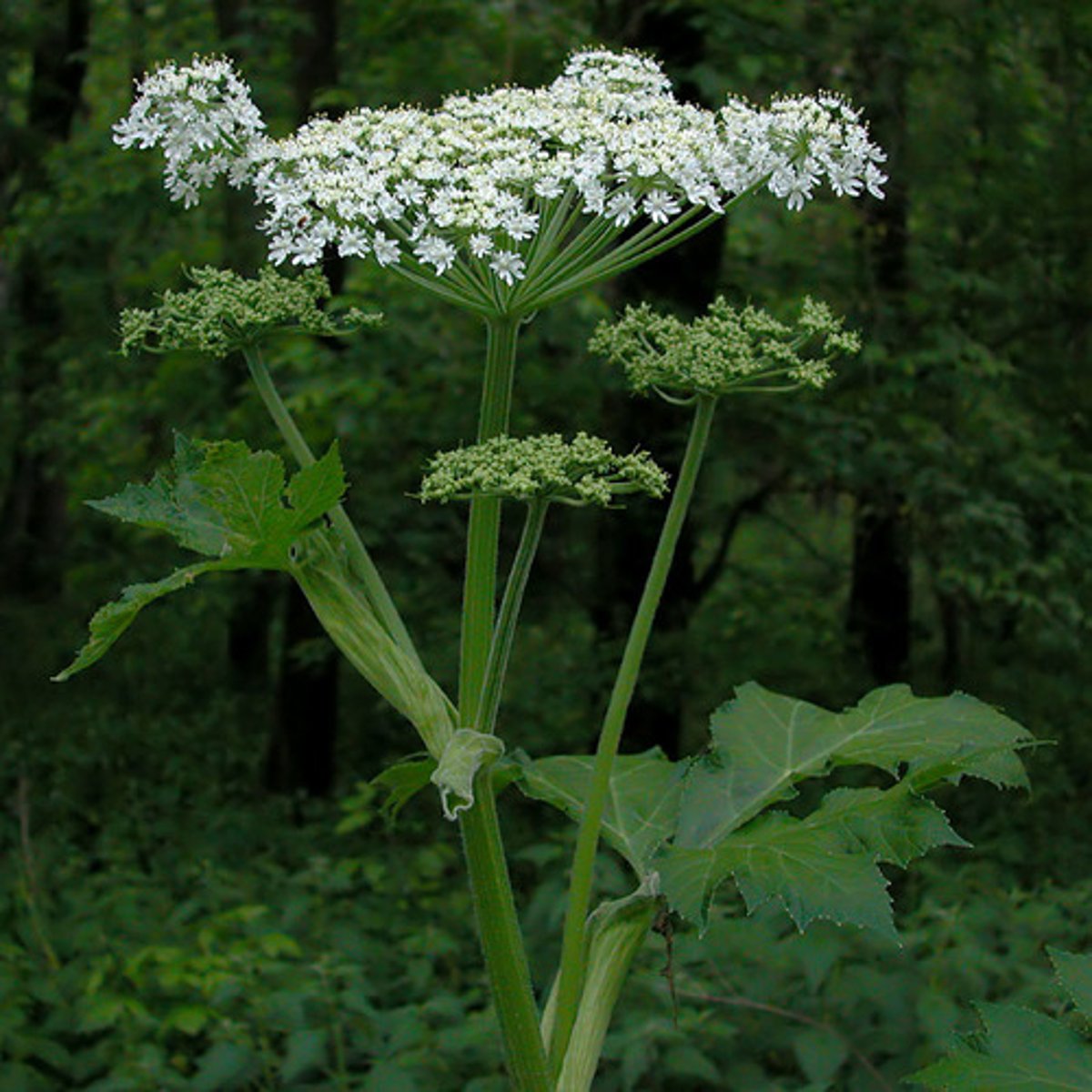
Cow Parsnip
Tall white flowering plant
- This is a tall plant, soaking up the sun in open meadows
- Large white umbel-shaped flower head, like an umbrella.
Causes skin burns
- Contains phototoxic compounds that react with sunlight.
Hollow stems
- Fiber optic stems focus light to centre (a remarkable adaptation where its hollow stems act like fiber optics, channeling light inward toward the plant’s center to jumpstart photosynthesis)
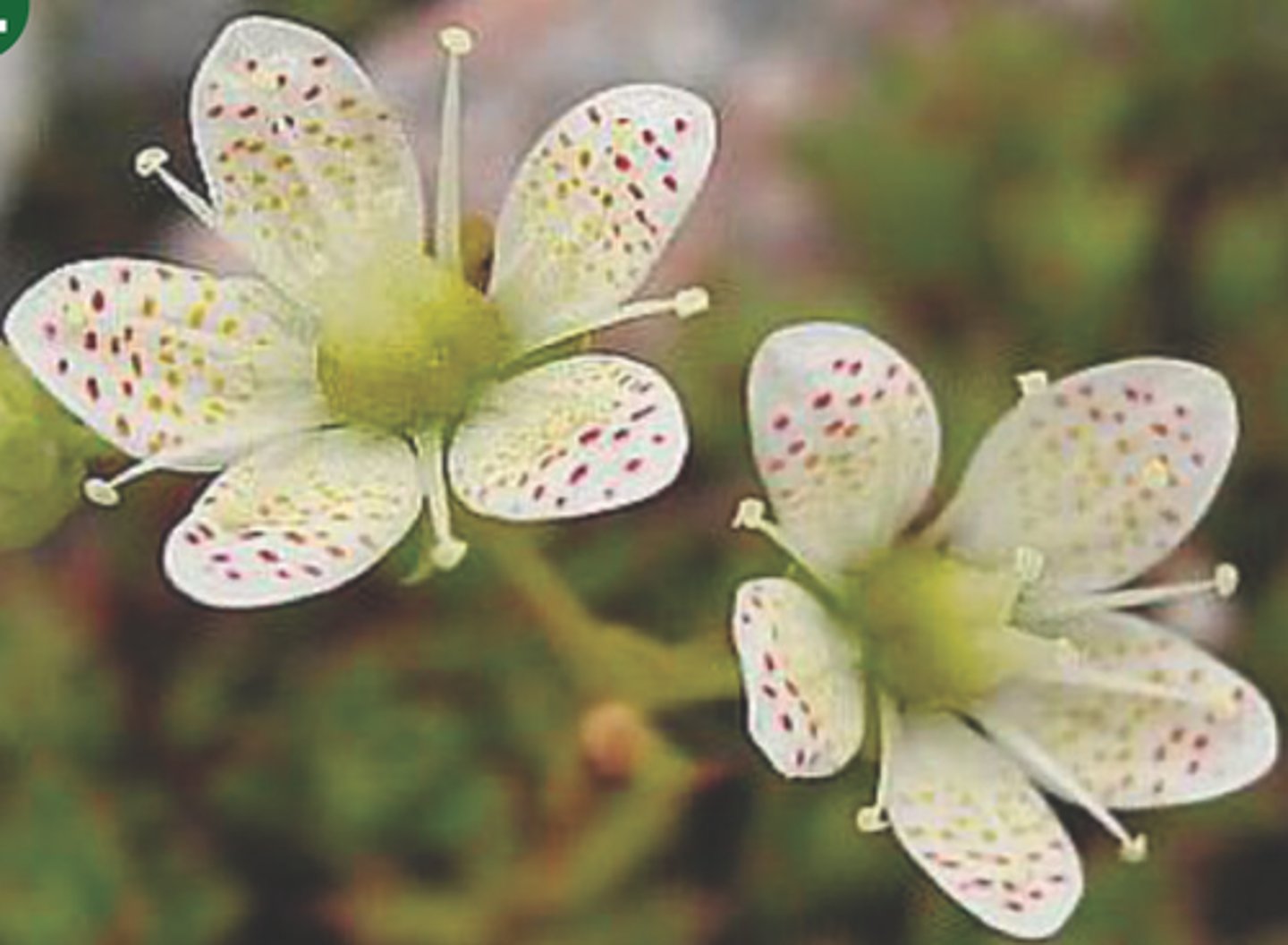
Spotted Saxifrage
White flower with spotted petals
- Grows in rocky alpine crevices.
- Its tiny red spots may guide pollinators, like a floral landing strip hidden high in the alpine.
Hardy and exposed
- Survives wind, poor soil, and direct sun.
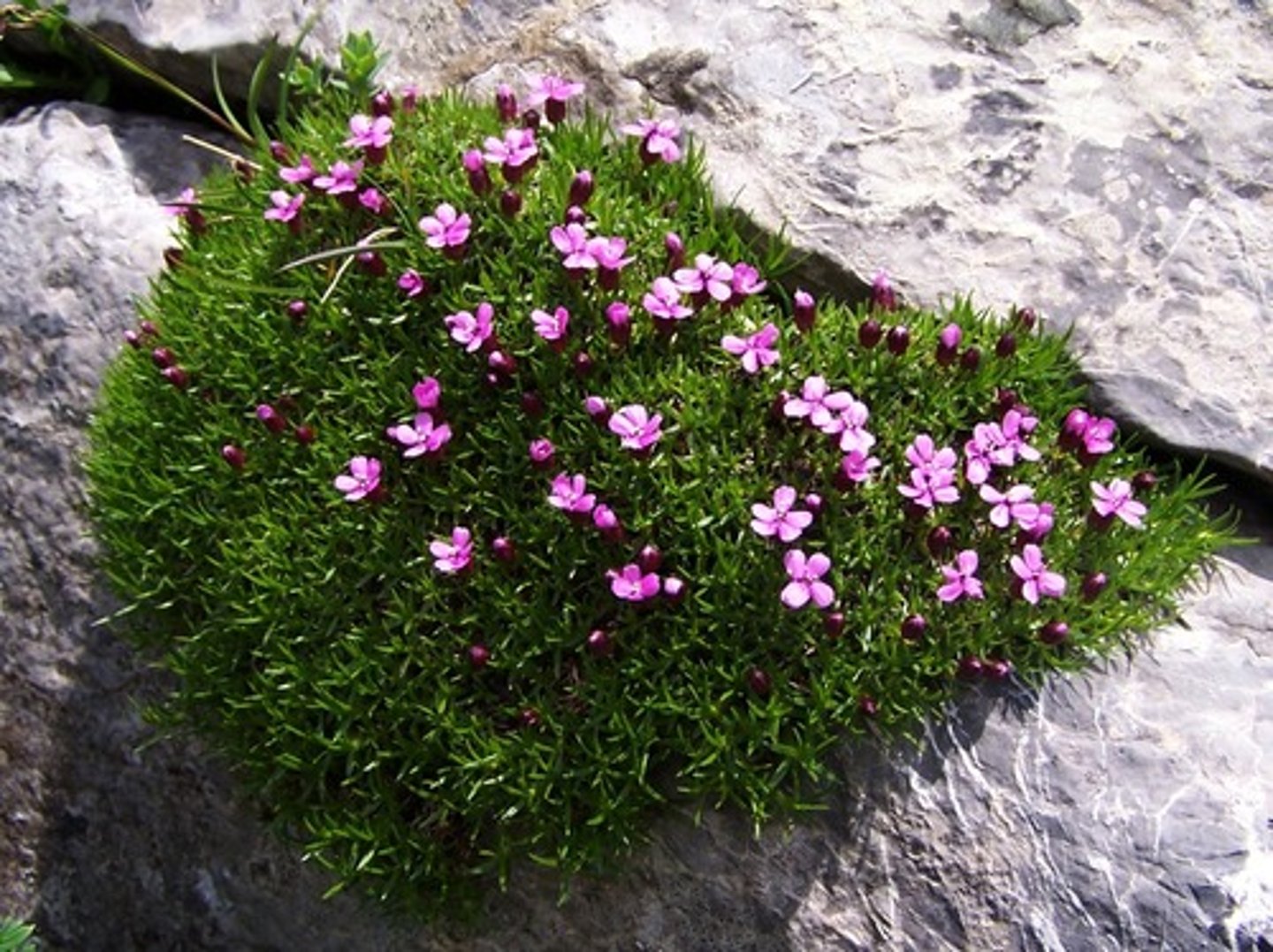
Moss Campion
Fun facts from lesson before:
Moss Campion may grow only 1/3” in 10 years! Flower only after 10 years but have 5-foot taproots! Cushion plant- can be 20 degrees warmer than air!
Cushion-shaped plant
- Forms dense mats with small pink flowers.
Long-lived
- Can grow underground for years before flowering.
Harse environments
- Does well in harsh, exposed environments
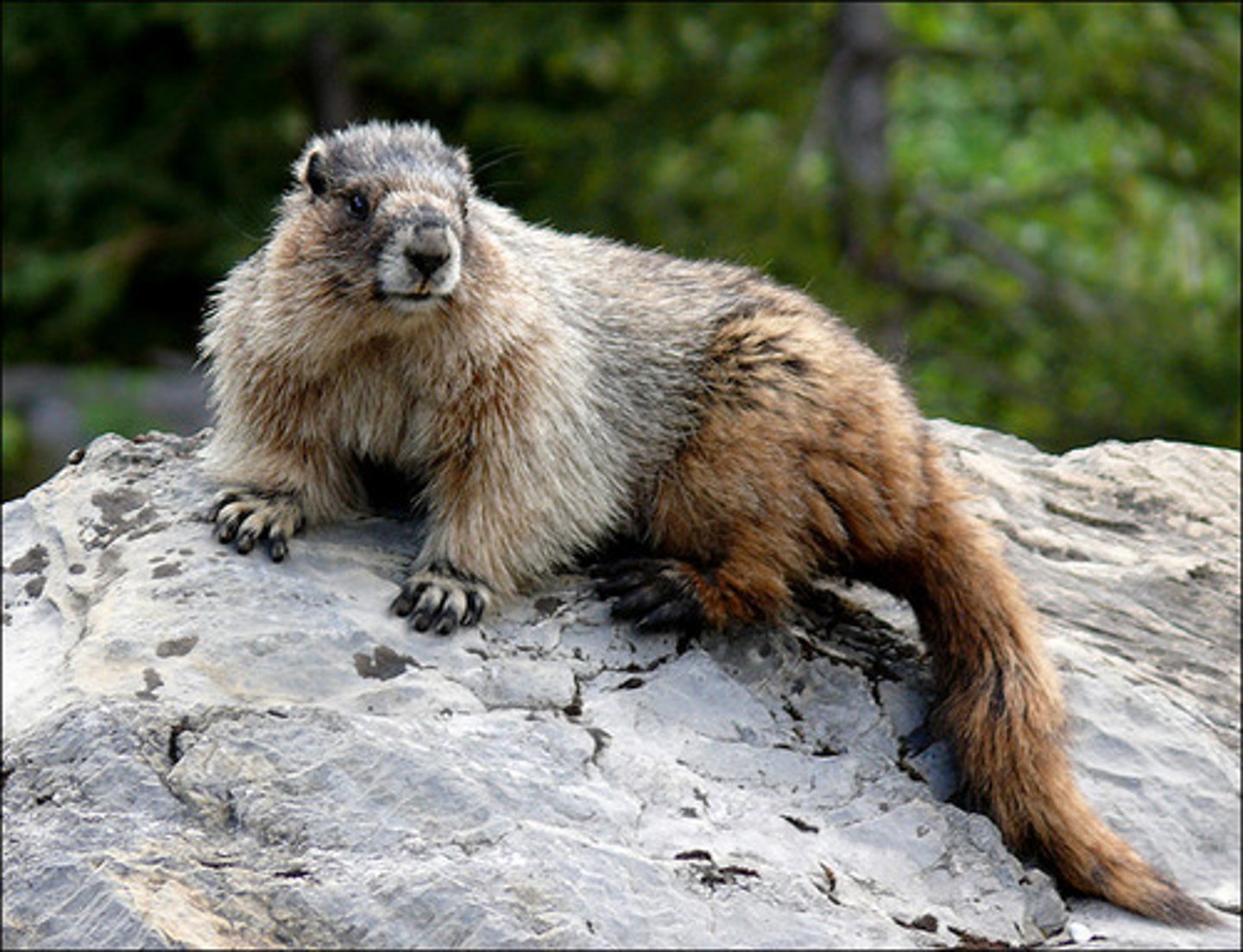
Hoary Marmot
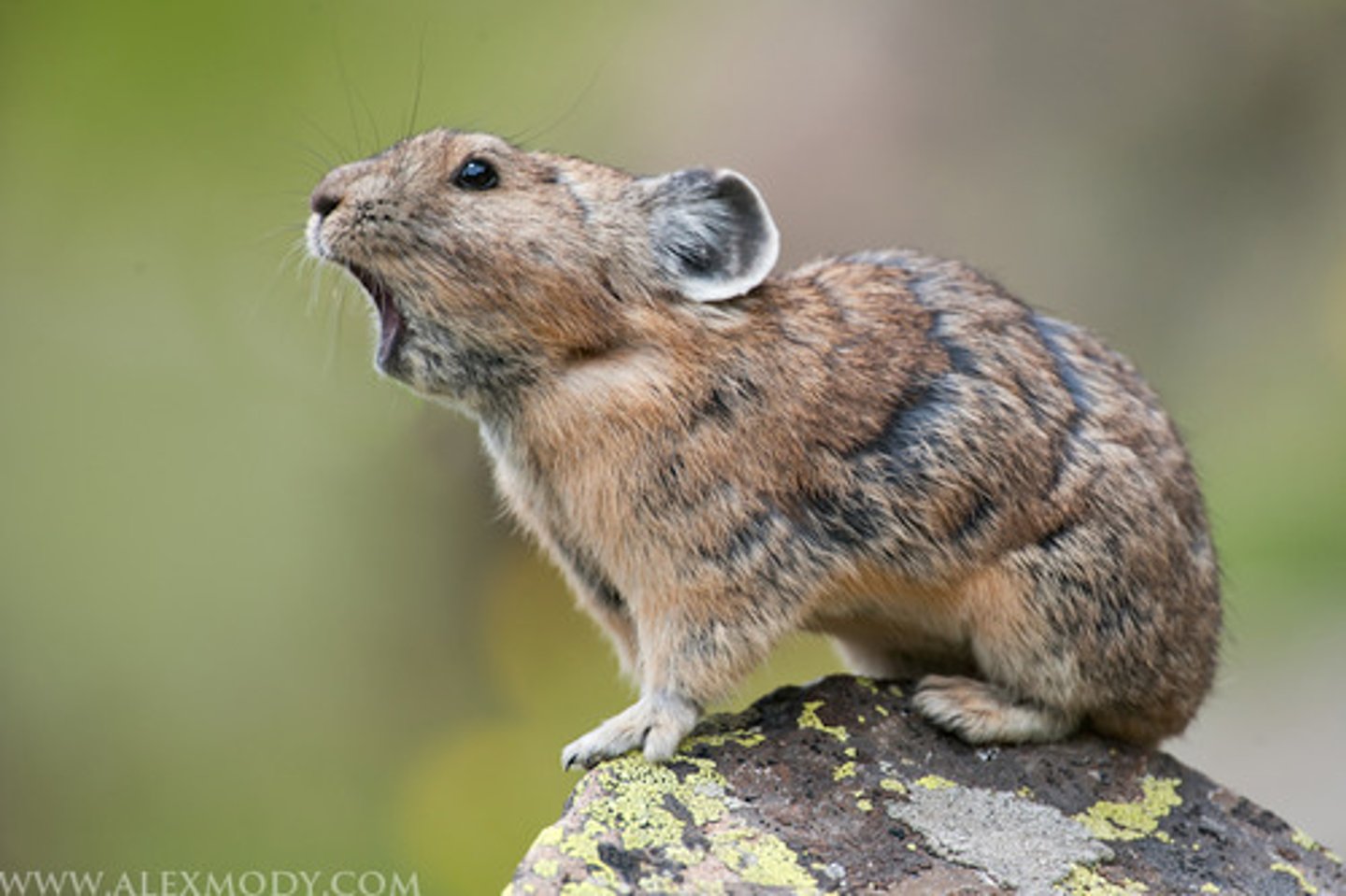
Pika
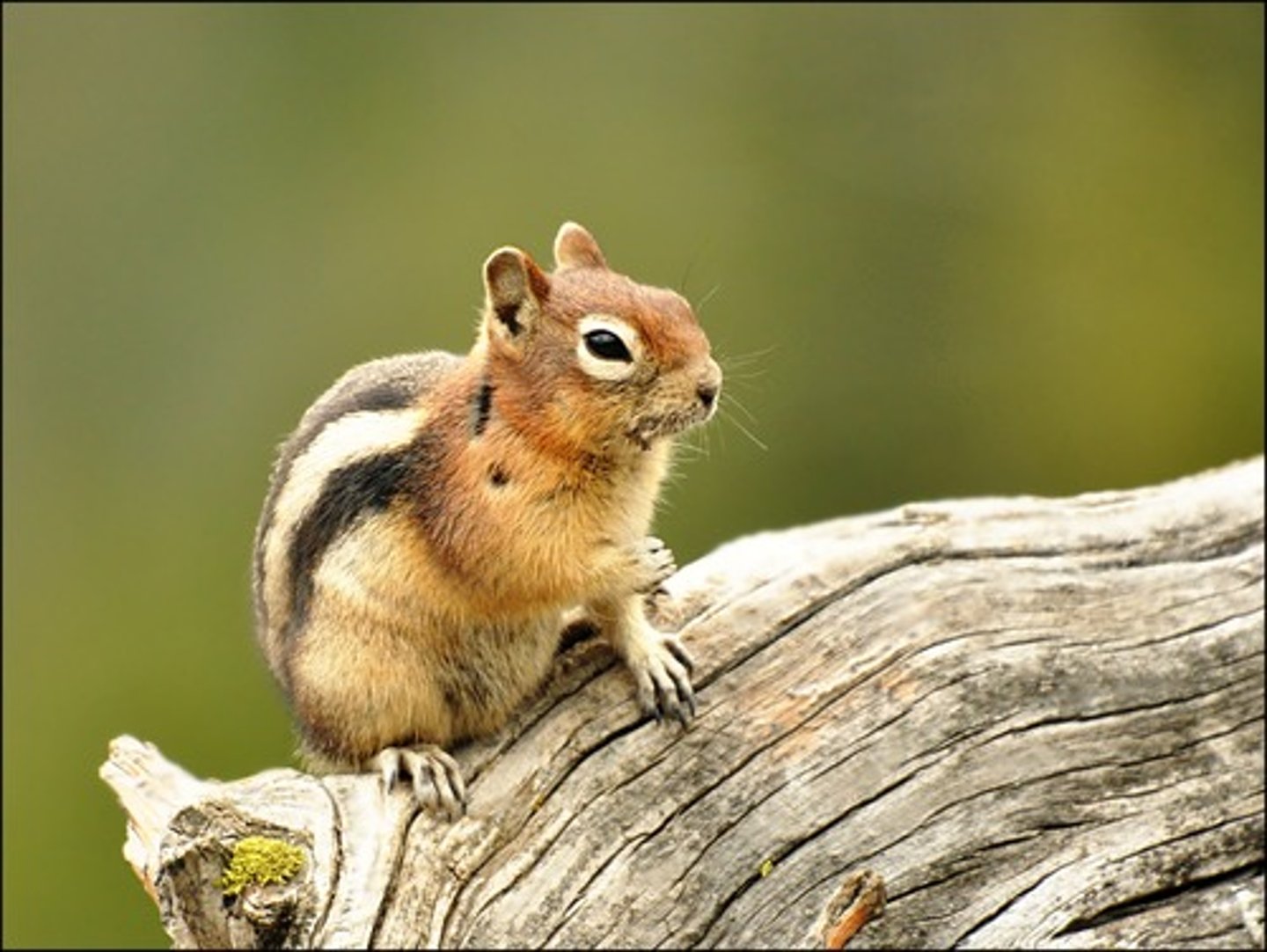
Cascade Golden-Mantled Ground Squirrel
Golden mantle
- See the golden-brown fur around the neck and shoulders, like a natural cloak or a cape (a “mantle”)
Larger than a chipmunk
- Has stripes but not on face
Lives in alpine scree
- Common in southern BC alpine zones.
Why it matters
- Key prey species and visible wildlife.
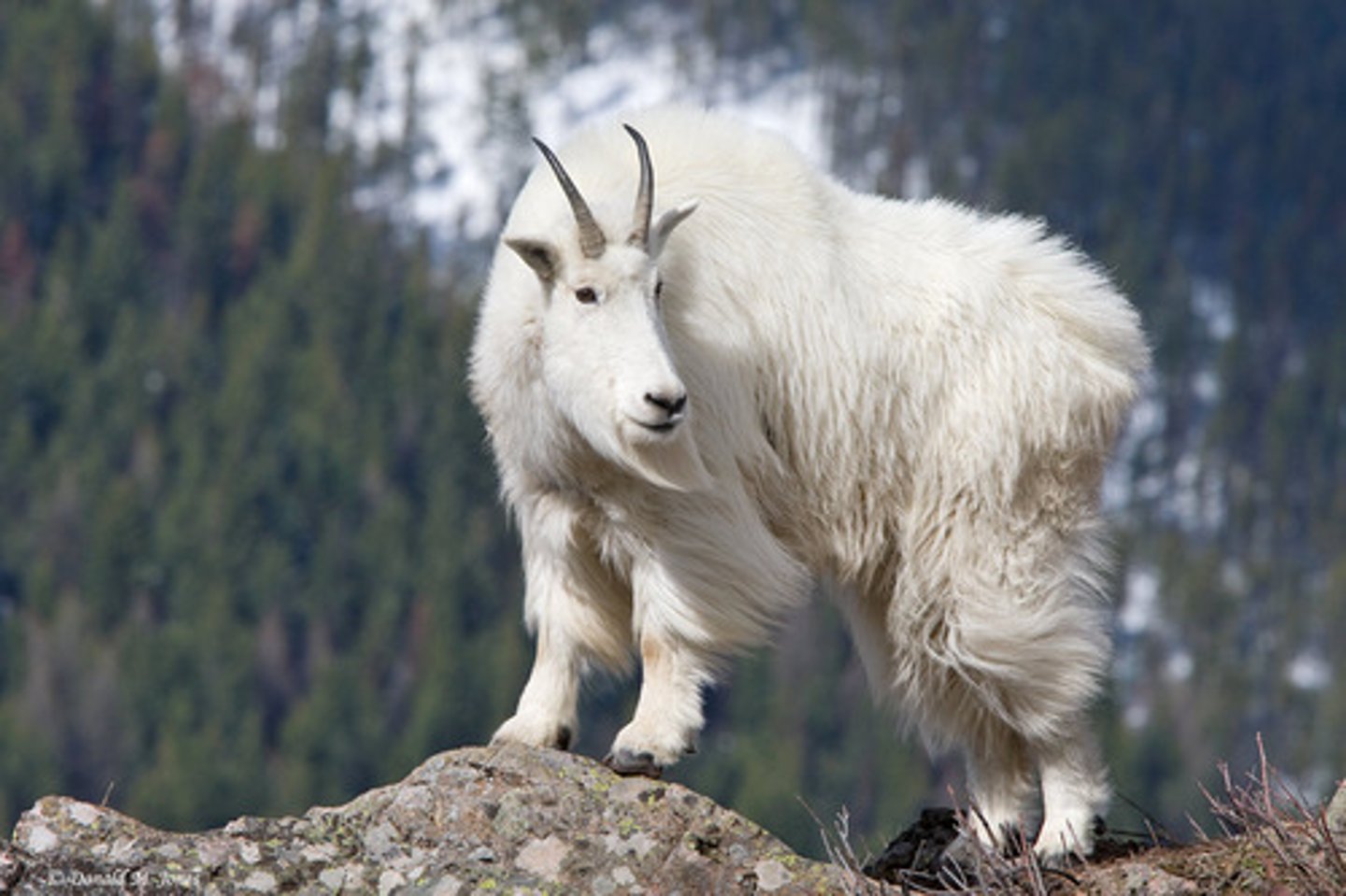
Mountain Goat
Sure-footed alpine ungulate
- Thick white fur; black horns; muscular build.
- Very well adapted to alpine terrain (ever seen a mountain goat on the side of an impossible cliff?)
Cliff-dweller
- Lives on steep, rocky faces.
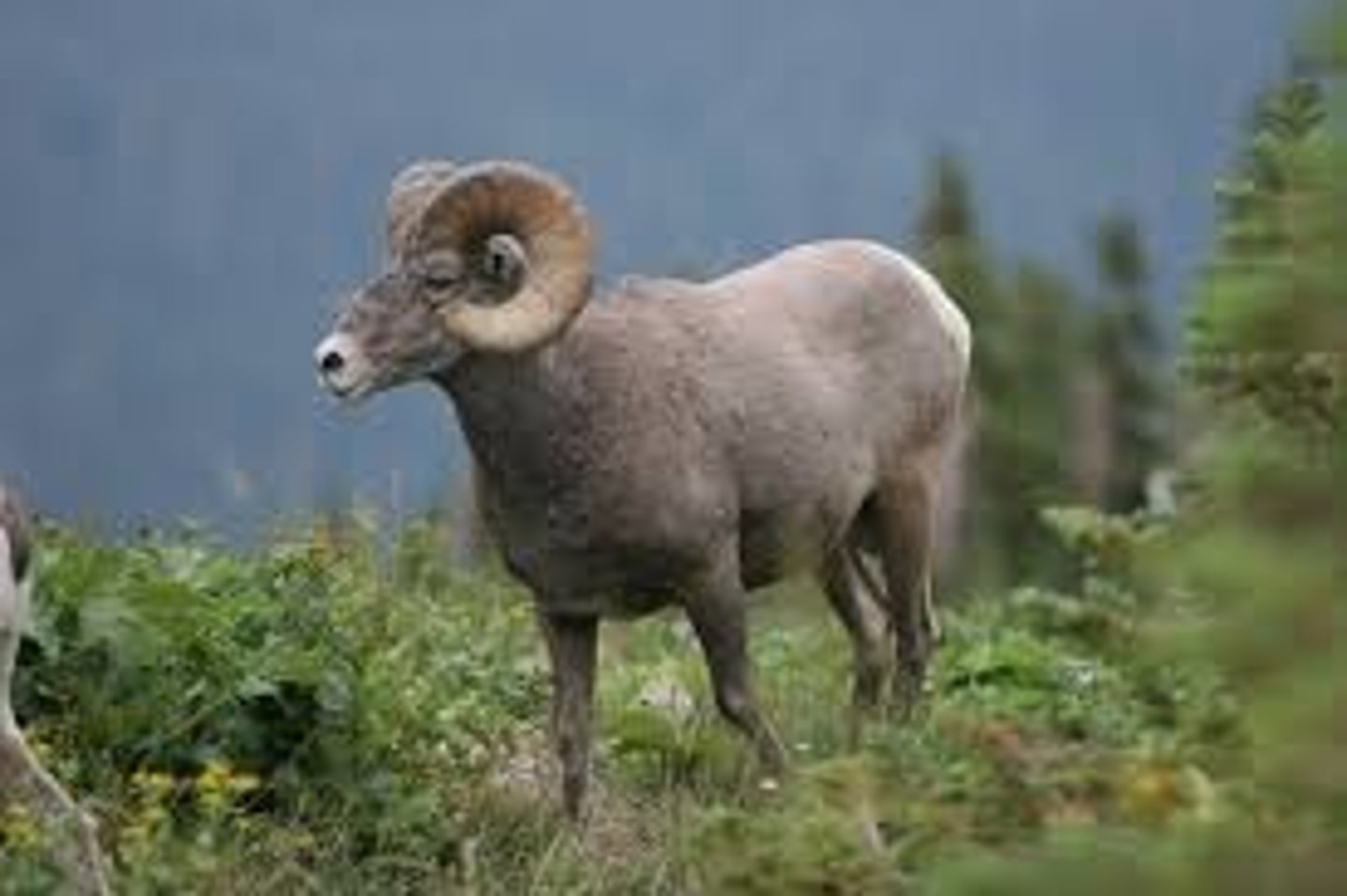
Bighorn Sheep
Curled-horn mammal
- Males have massive, full-curl horns; females have smaller, less curved ones.
- During the fall rut, males clash in dramatic head-butting contests to win mating rights
Steep slope specialists
- Excellent climbers; use terrain to escape predators.
Lick urine salts
- Bighorn sheep sometimes lick urine-soaked spots—usually from other sheep, but sometimes other animals too—to get the salts and minerals their bodies need.
Similar male bachelor group to Mountain Goat
- Females live in herds with their young, while mature males often roam in smaller bachelor groups until breeding season.