1.2_COMMON CONTRAPTIONS
 Call Kai
 Learn
Learn Practice Test
 Spaced Repetition
 Match
Match Flashcards
 Knowt Play
1/45

There's no tags or description
Looks like no tags are added yet.
Name | Mastery | Learn | Test | Matching | Spaced | Call with Kai | Chat |
|---|
No analytics yet
Send a link to your students to track their progress
46 Terms
COMMON CONTRAPTIONS:
Jackson-Pratt drain (JP drain)
Nasogastric Tube (NGT)
Endotracheal Tube (EDT)
Tracheostomy Tube
Mechanical Ventilator
Intrajugular Catheter
Subclavian Catheter
Tenckhoff Catheter
Femoral Catheter
Intravenous Catheter
Arteriovenous (AV) Fistula
Jackson-Pratt drain (JP drain)
Nasogastric Tube (NGT)
Endotracheal Tube (EDT)
Tracheostomy Tube
Mechanical Ventilator
Intrajugular Catheter
Subclavian Catheter
Tenckhoff Catheter
Femoral Catheter
Intravenous Catheter
Arteriovenous (AV) Fistula
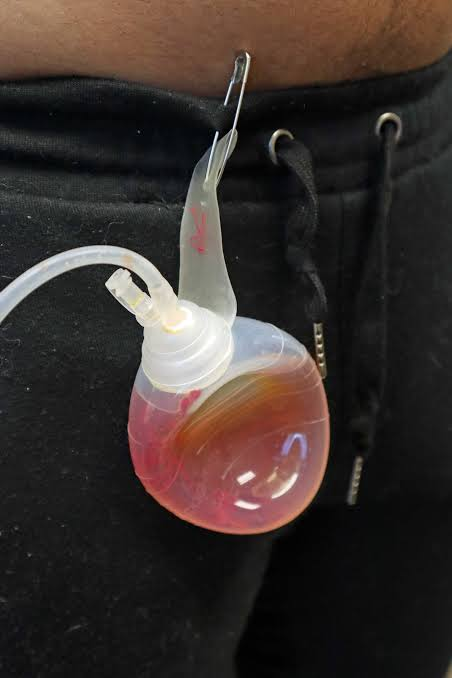
Jackson-Pratt drain (JP drain)
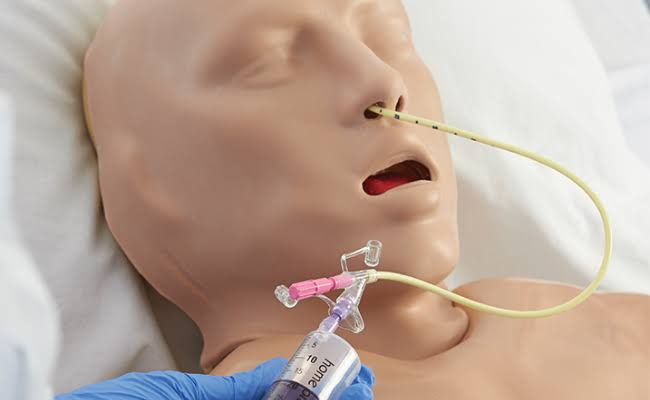
Nasogastric Tube (NGT)
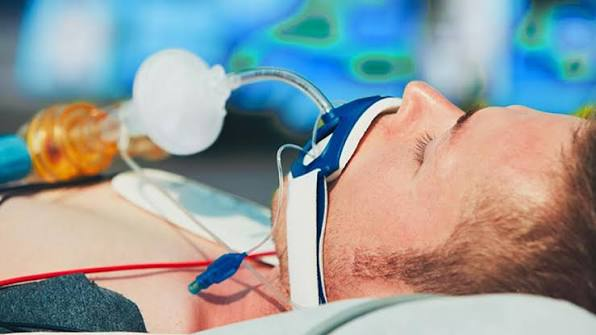
Endotracheal Tube (EDT)
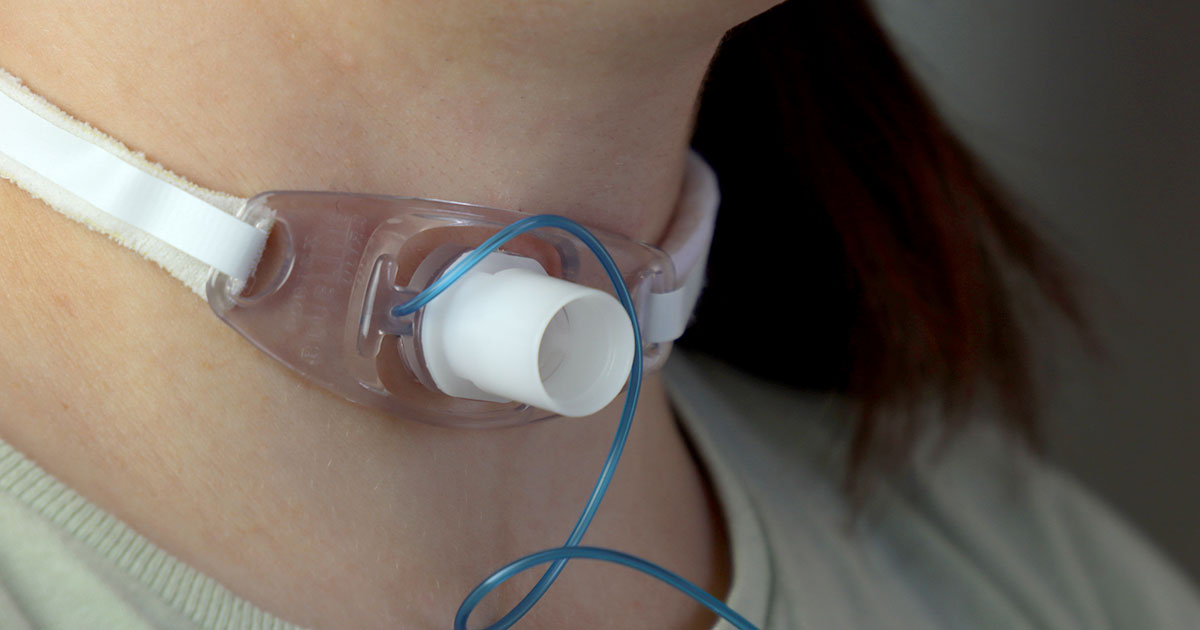
Tracheostomy Tube
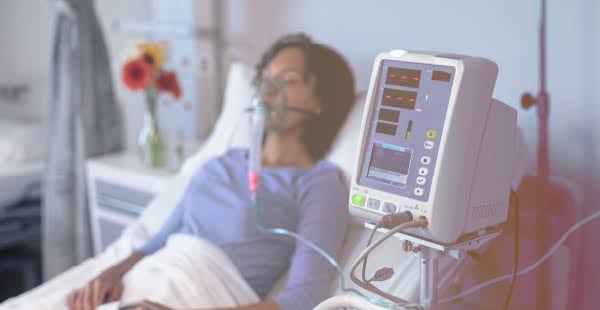
Mechanical Ventilator
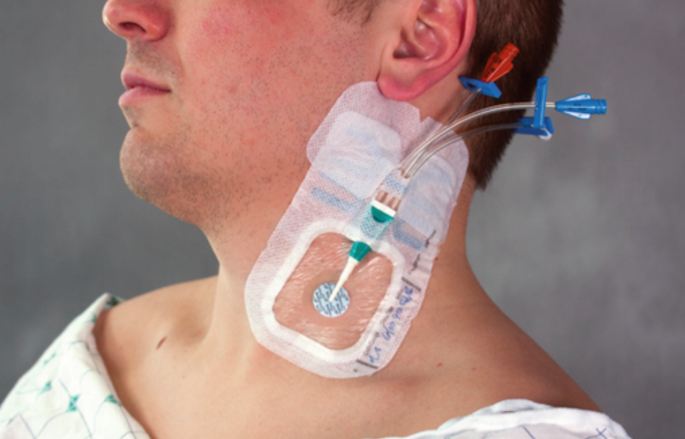
Intrajugular Catheter
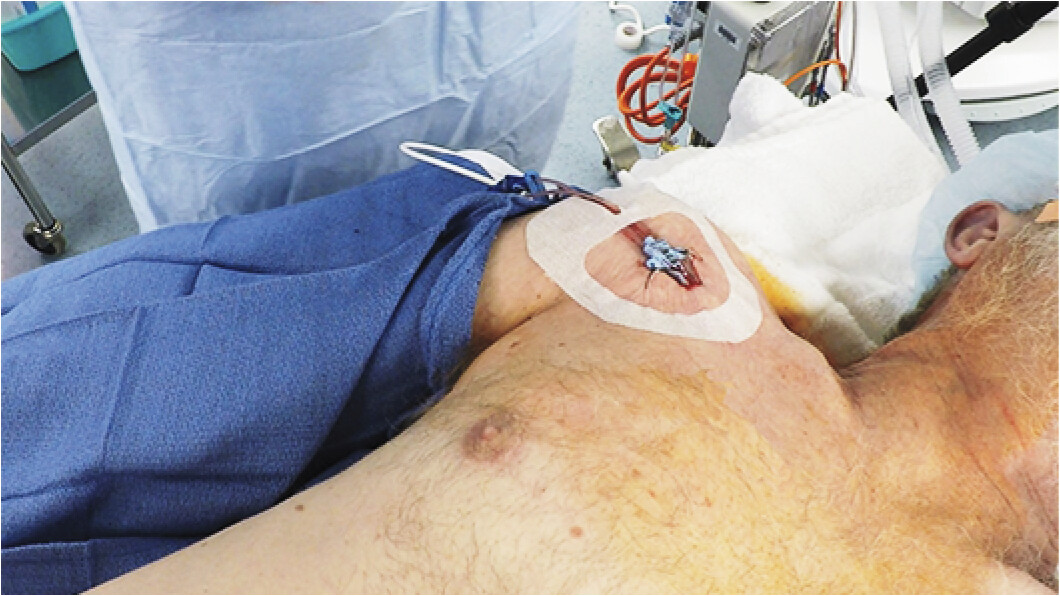
Subclavian Catheter
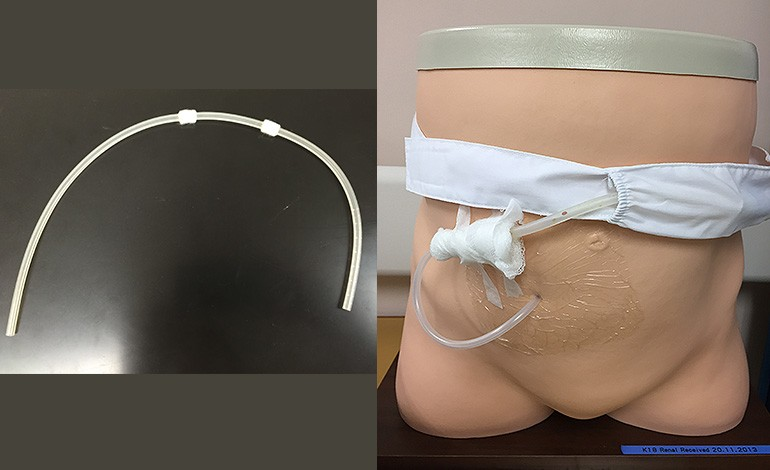
Tenckhoff Catheter
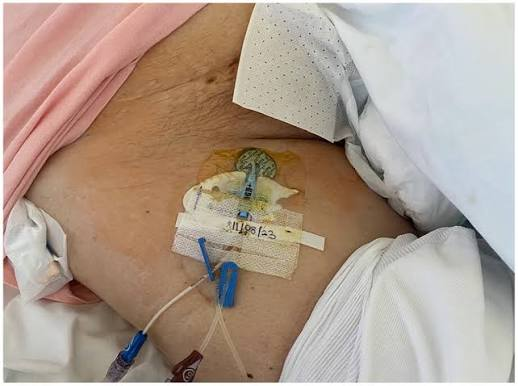
Femoral Catheter
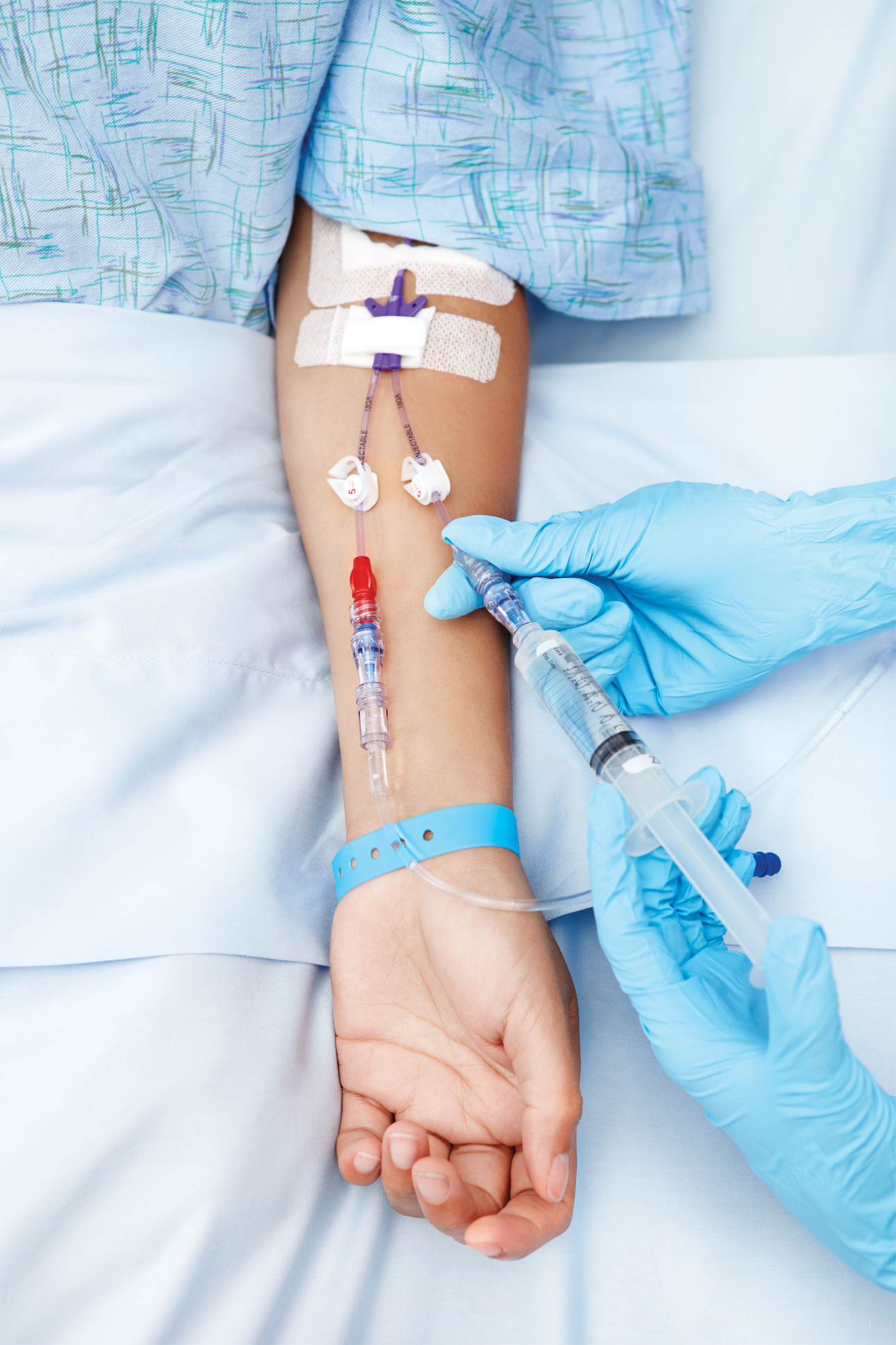
Intravenous Catheter
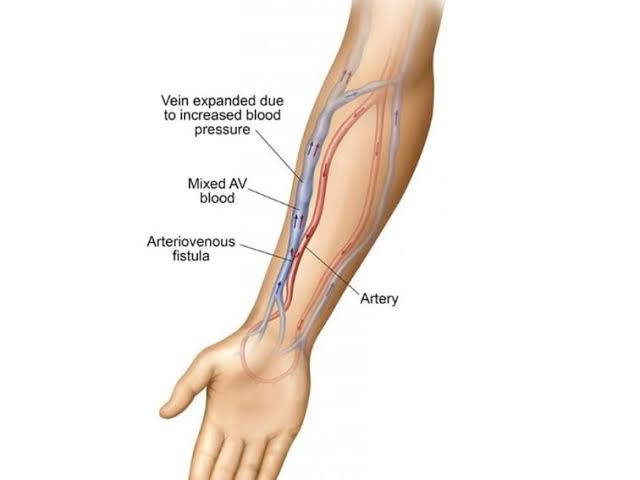
Arteriovenous (AV) Fistula
INDICATION: Drains excess blood and fluid from under the skin and the incision site
Jackson-Pratt drain (JP drain)
INDICATION: Remove air or excess fluid out of the stomach
Nasogastric Tube (NGT)
INDICATION: To bring food, medicines, and other substances into the stomach
Nasogastric Tube (NGT)
INDICATION: For pts who cannot swallow
Nasogastric Tube (NGT)
INDICATION: Placed in trachea to maintain a patent airway
Endotracheal Tube (EDT)
INDICATION: Protection against aspiration and gastric insufflation
Endotracheal Tube (EDT)
INDICATION: More effective ventilation and oxygenation
Endotracheal Tube (EDT)
INDICATION: Facilitation of suctioning
Endotracheal Tube (EDT)
INDICATION: Delivery of anaesthetic and other drugs
Endotracheal Tube (EDT)
INDICATION: provides direct access by surgically making an opening in the neck
Tracheostomy Tube
INDICATION: Acute setting: used in emergencies to obtain an airway
Tracheostomy Tube
INDICATION: Acute setting: In ventilated patient who are having difficulty weaning off the ventilator
Tracheostomy Tube
INDICATION: Chronic setting: for pts to be ventilated for the longer term
Tracheostomy Tube
INDICATION: Measure to control ventilation in critical patients
Mechanical Ventilator
INDICATION: Prophylaxis for impending collapse of other physiologic functions
Mechanical Ventilator
INDICATION: Used for emergency HD (hemodialysis) access
Intrajugular Catheter
INDICATION: Provide dependable intravenous access
Subclavian Catheter
INDICATION: Used as a PD (peritoneal dialysis) access
Tenckhoff Catheter
INDICATION: HD (hemodialysis) access (if IJ is not accessible)
Femoral Catheter
INDICATION: Access for fluids and medications (can also be seen in the legs)
Intravenous Catheter
INDICATION: Permanent access for HD
Arteriovenous (AV) Fistula
PRECAUTIONS: JP Drain:
Pin to patient's clothing when sitting, standing, and ambulating the patient
Pin to patient's clothing when sitting, standing, and ambulating the patient
RISKS: JP Drain:
(+) ↑ redness, swelling, drainage around the area (notify the NIC/nursing in charge stat before starting tx)
(+) ↑ redness, swelling, drainage around the area (notify the NIC/nursing in charge stat before starting tx)
PRECAUTIONS: NGT:
Secure tube at all times.
Make sure it wont get pulled or tugged during bed mobility (ex. transitional movements, and standing)
Secure tube at all times.
Make sure it wont get pulled or tugged during bed mobility (ex. transitional movements, and standing)
RISKS: NGT:
Bleeding, infection/ injury
May enter the wrong place such as the lung
May move = lung problems/ indigestion
Bleeding, infection/ injury
May enter the wrong place such as the lung
May move = lung problems/ indigestion
PRECAUTIONS: Endotracheal Tube (EDT):
Ensure that the tube is secured
Make sure pt is receiving adequate ventilation (check check the O2 levels all time)
Keep tube attached to the ventilator (ventilator will make a sound if EDT is not attached properly)
Ensure that the tube is secured
Make sure pt is receiving adequate ventilation (check check the O2 levels all time)
Keep tube attached to the ventilator (ventilator will make a sound if EDT is not attached properly)
PRECAUTIONS: Tracheostomy Tube:
Area should be clean
Cuff's pressure should be between 15-20 mm
Pts are unable to talk (pts c good cognition – need to find other ways to communicate; can use whiteboard)
Area should be clean
Cuff's pressure should be between 15-20 mm
Pts are unable to talk (pts c good cognition – need to find other ways to communicate; can use whiteboard)
PRECAUTIONS: Mechanical Ventilator:
When it alarms:
Look at the pt & monitor
Try not to focus on the vent
Determine hemodynamic stability (check VS: BP, HR, O2 Sat; stable? inc/dec?)
How quickly is the pt deteriorating
If out of hand, inform NIC STAT
Look at the pt & monitor
Try not to focus on the vent
Determine hemodynamic stability (check VS: BP, HR, O2 Sat; stable? inc/dec?)
How quickly is the pt deteriorating
If out of hand, inform NIC STAT
PRECAUTIONS: Intrajugular Catheter:
No excessive neck and shoulder movements (avoid FULL ROM)
No excessive neck and shoulder movements (avoid FULL ROM)
PRECAUTIONS: Subclavian Catheter:
Secure line at all times esp during transitional movements
Secure line at all times esp during transitional movements
PRECAUTIONS: Tenckhoff Catheter:
No to minimal hip movements
No to minimal hip movements
PRECAUTIONS: Femoral Catheter:
No to minimal hip motions (may advise ankle pumping ex to avoid DVT)
No to minimal hip motions (may advise ankle pumping ex to avoid DVT)
PRECAUTIONS: Intravenous Catheter:
No movement at proximal joints
No movement at proximal joints
PRECAUTIONS: Arteriovenous (AV) Fistula:
No movement at prox joints
No BP taking in the laterality with AV Fistula
No modalities
No movement at prox joints
No BP taking in the laterality with AV Fistula
No modalities