Biology - B3.2 Transport
 Call Kai
 Learn
Learn Practice Test
 Spaced Repetition
 Match
Match Flashcards
 Knowt Play
1/54

There's no tags or description
Looks like no tags are added yet.
Name | Mastery | Learn | Test | Matching | Spaced | Call with Kai |
|---|
No analytics yet
Send a link to your students to track their progress
55 Terms
Through what vessels does the blood flow from the heart, in order?
Heart —> arteries —> arterioles —> capillaries —> venules —> veins
Function arteries
To carry blood away from the heart, carry blood that is oxygen-rich and at high pressure bc pumped from heart
Adaptations of arteries
Thick layer of elastic fibres and tough collagen fibres to withstand high pressure and stretch to accomodate increase in volume of blood and reduce fluctuations
Made of smooth muscles to regulate diameter of artery
Narrow lumen to maintain high blood pressure and push blood onwards
Where is pulse measured?
In radial (wrists) and carotid (neck) arteries
Surge of blood flow there and feel elastic arteries expanding
Systolic vs diastolic pressure, blood pressure
Systolic is heart contracting, so a higher pressure (measured in vessels)
Diastolic is relaxed heart, so lower than systolic (measured in between beats/pumps)
Function capillaries
Exchange of materials between blood and the internal or external environments
Adaptations capillaries
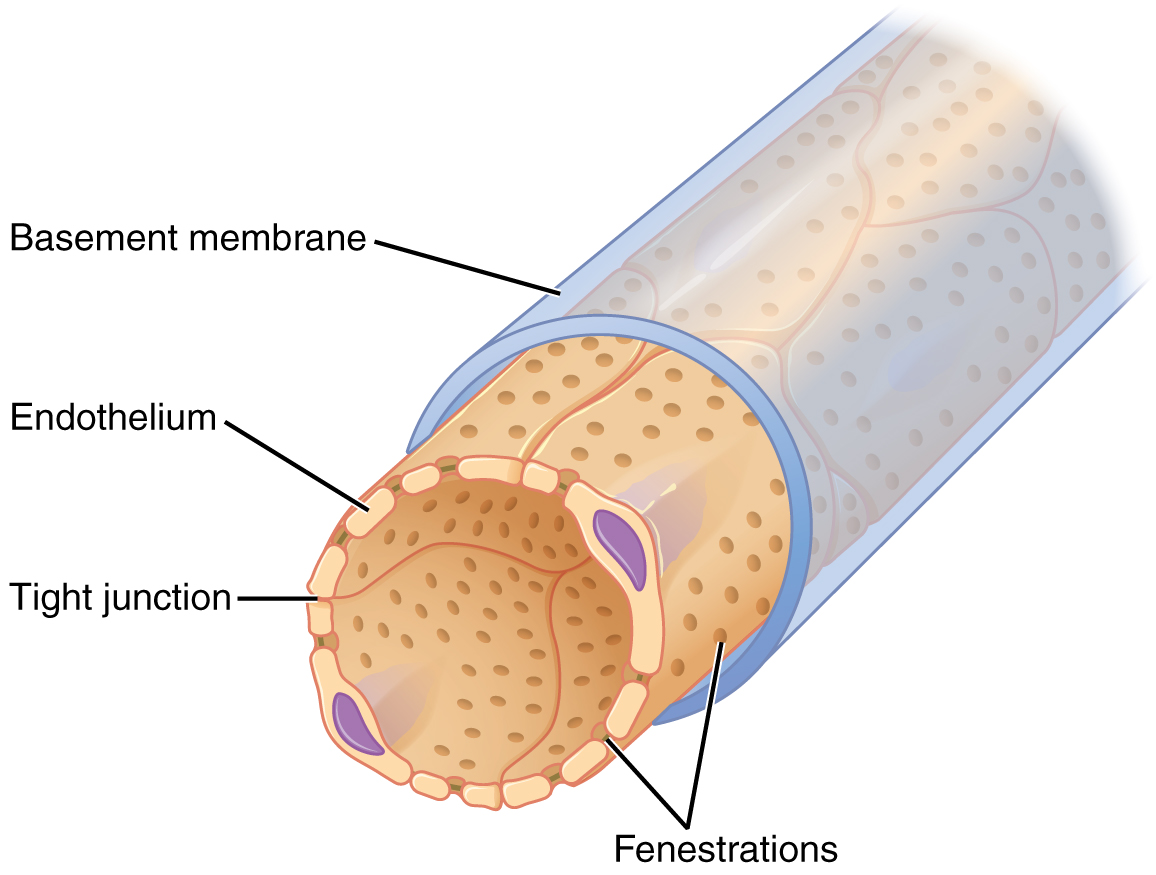
Branched and narrow vessels for increase in SA:V ratio and slows flow of blood for more time to exchange
Very thin walls (1 cell thick) for short diffusion distance = rapid diffusion
Some are fenestrated (gaps) to allow rapid exchange, usually in organs with high metabolic demands (e.g. kidneys but not b
rain)
Function veins
Return blood to heart, with no pulse, constant flow and at low pressure
Adaptations veins
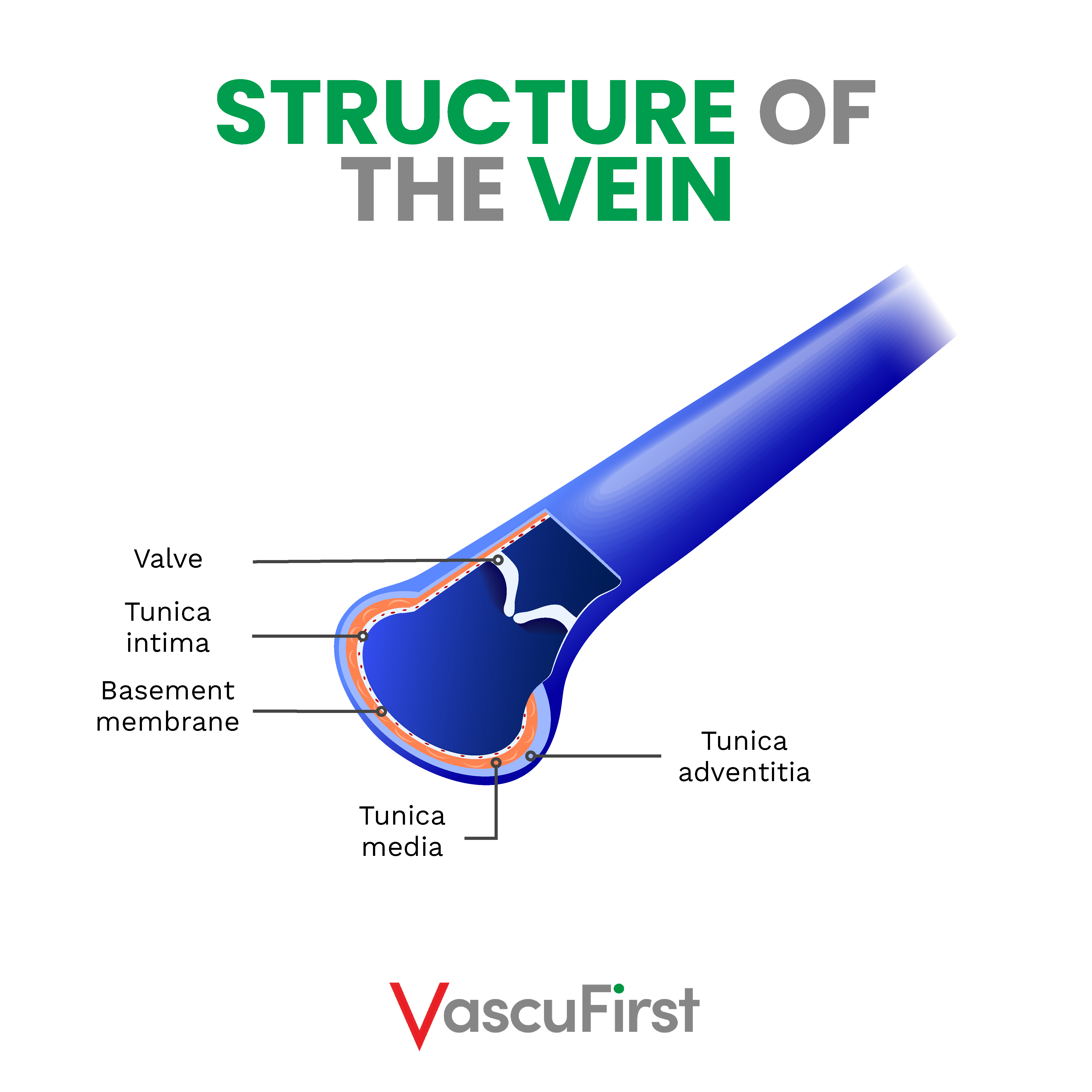
Thin and flexible walls to be compressed by skeletal muscles around to aid flow and push blood along
Large lumen to avoid resistance
Valves (flaps of tissue) to prevent backflow of blood
Arteries vs. veins
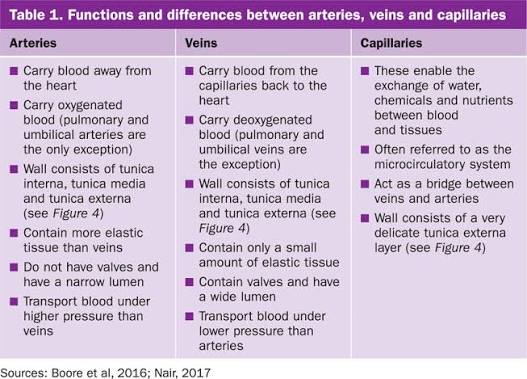
Arteries have more elastic fibres and smooth muscles than veins
Arteries have a smaller/more narrow lumen than veins
Artieries have blood flowing away from heart whilst veins flow towards
Arteries carry blood with higher pressure
Valves are only present in veins
In arteries the wall thickness is to withstand pressure, so thick whilst veins have thinner
Pulse is only present in arteries
How does occlusion in the coronary arteries occur?
build up of plaque/fatty deposits, narowing the arteries
when heart/coronary arteries become blocked, heart can’t pump
plaques can rupture/tear, causing platelets to form clot which further narrows artery
Consequences of occlusion in coronary arteries
Myocardial infraction, heart attack bc no oxygen
Lifestyle/bodily causes of occlusions
Increase in blood pressure
High cholesterol
Smoking
Diabetes
obesity
lack of exercise
Genetics/hereditary
Def. occlusion of coronary arteries
Arteries of the heart blocked
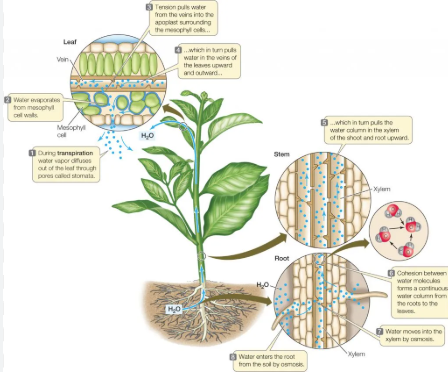
Transpiration
Transport of water in plants from roots to the leaves
How does transpiration occur?
Evaporation in the leaf cells, so water from the adjacent cells move to replace it through a type of capillary action, adhesion and cohesion (apoplastic pathway, through cell walls not cytoplasm)
As water moves up in xylem a tension/transpiration pull is generated which moves water up
Negative pressure in xylem bc tension pulls water up whilst gravity pulls water down
Apoplasic vs symplastic movement
Apoplastic is through cell walls
Symplastic is through cells and their plasma membrane
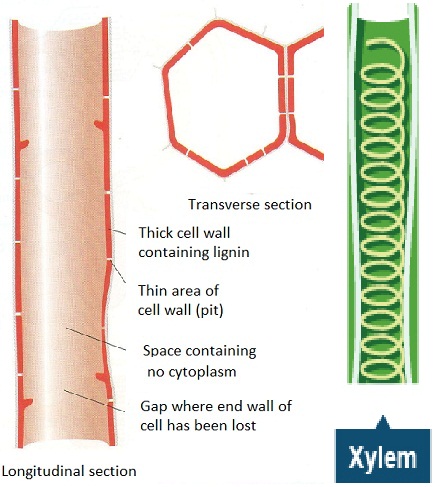
Adaptations xylem
Lack of cell contents (non-living when mature) space for water & minerals ions to flow
Incomplete or absent end walls so more movement form 1 to the other is possible
Cell walls strengthened with lignin spirals or rings to add rigidity and support to prevent imploding of xylem, bc of negative pressure
Pits between adjacent vessels, so water can move across and choose path of least resistance
What are dicotyledonous plants?
Kargest of the two groups of flowering plants, broad leaves and two seed “leaves” or cotyledons
NOT monocotyledon
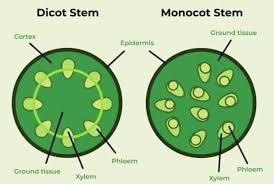
Tissues that are in both monocotyledon and dicotyledonous plants
Epidermis (outermost layer) for protection
Xylem for water transport
Phloem for transport of products for photosynthesis
Cambium
Cortex as packing cells
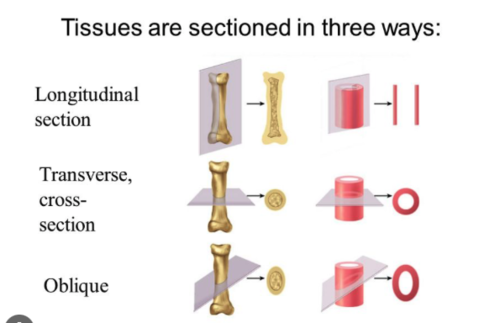
Transverse vs longitudinal section
Transverse is cut accross
Longitudinal is lengthways
Structure of stem, transverse
Xylem and phloem distributed in vascular bundles with a region between the two of undifferentiated cells called the cambium (can divide into both). The phloem is on the outside, bc insects need their food from the phloem.
Epidermis is outside layer, cortex is the space between epidermis and phloem
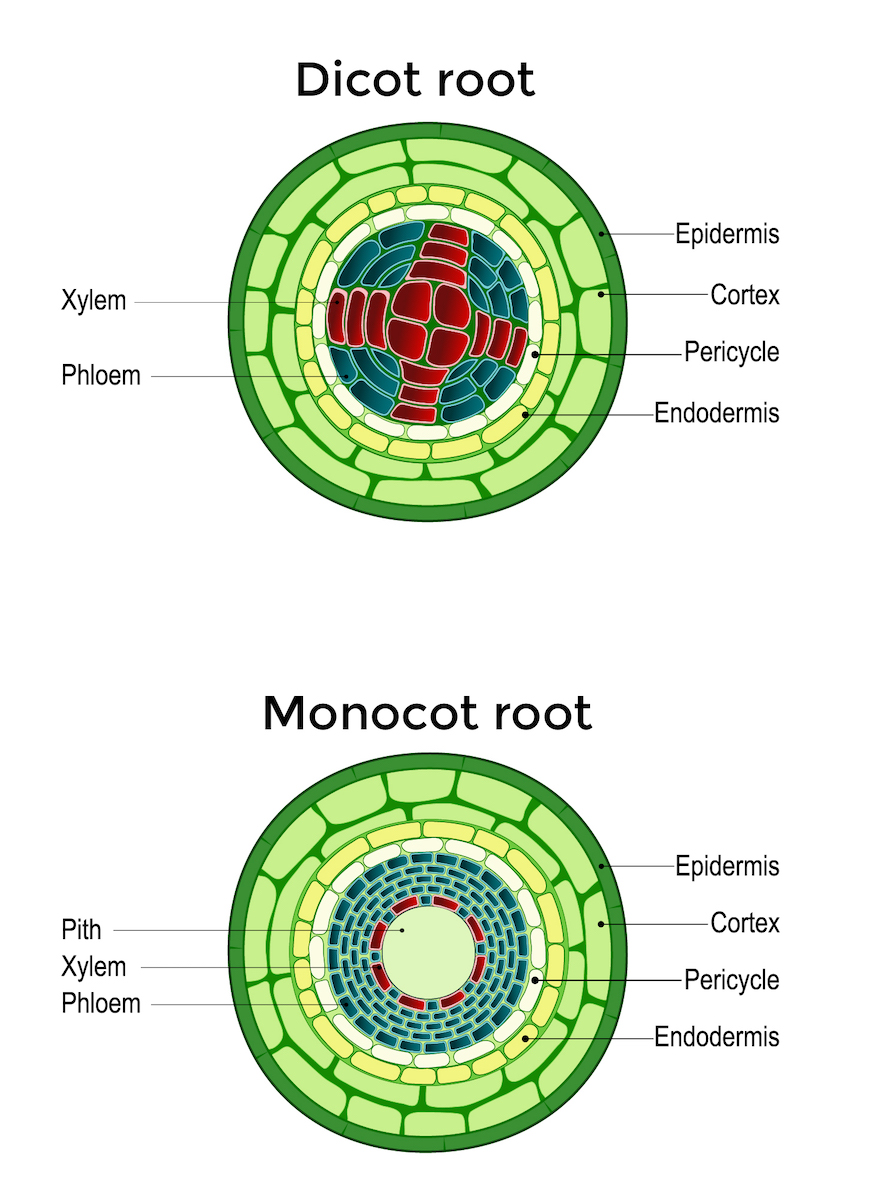
Structure of root, transverse
Xylem and phloem in the centre, xylem makes cross shape whilst phloem cells in between the arms of the cross.
Ring of cells around cross is endodermis
Cortex cells as the rest of the root with epidermis around it all.
Tissue fluid
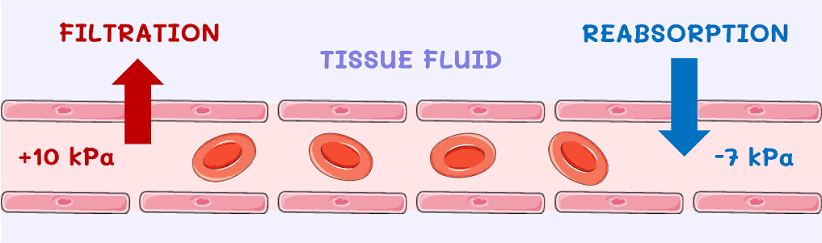
The fluid that leaks out of capillaries and baths surrounding cells
Tissue fluid and capillaries
At arteriole side the blood pressure is higher and helps to force the fluid out, called pressure filtration
Most tissue fluid then returns to the capillaries at the venous side of the capillaries bc of the lower blood pressure there
Function lymphatic system
Avoids the tissue fluid accumulating and causing swelling and eventually returns it back into the blood system.
Tissue fluid composition vs plasma composition
Blood plasma has erythrocytes, white blood cells while tissue fluid has phagocytes
Blood plasma has more larger proteins
Glucose is only present in blood plasma because it is too large
Blood plasma has more amino acids
There is more O2 in blood plasma
There is less CO2 in blood plasma
How does lymph system work
Lymph moves because of adjacent arteries and skeletal muscles squeezing against them.
Lymph vessels get tissue fluid at tissue cells, transport it to lymph node where the blood is surveyed, transported through lymph ducts and tissue fluid then rejoins blood
Structure lymphatic vessels and lymph ducts
Lymphatic vessels have tissue cells around them, have very thin and permeable walls, are blind-ending (no end, open system), have valves to ensure 1 direction movement
Lymph ducts are lymph vessels joined together
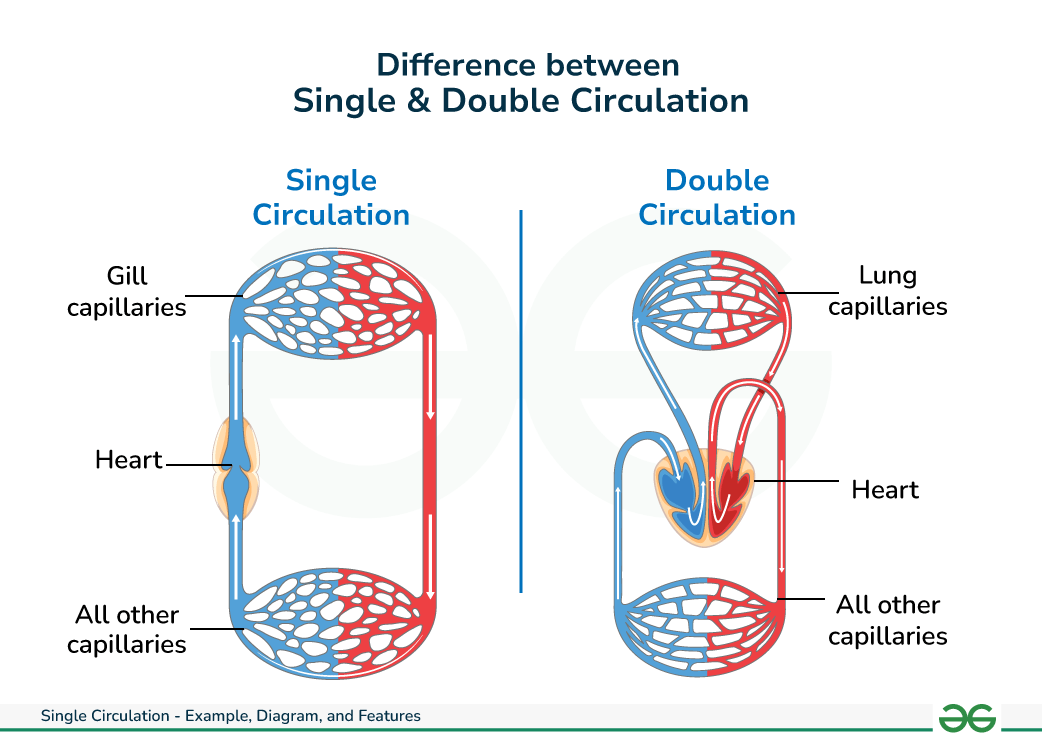
Difference in structure of double vs single circulation
Double circulation goes to and from the lungs (pulmonary circulation) and to and from all the other organs in the body (systemic circulation), past heart twice
Single circulation goes in a loop
Examples of single and double circulation
Single: fish
Double: mammals
Why can fish have single circulation?
They have an aquatic living environment with slightly higher pressure so the water pushes on the fish maintaining the pressure to ‘pump’
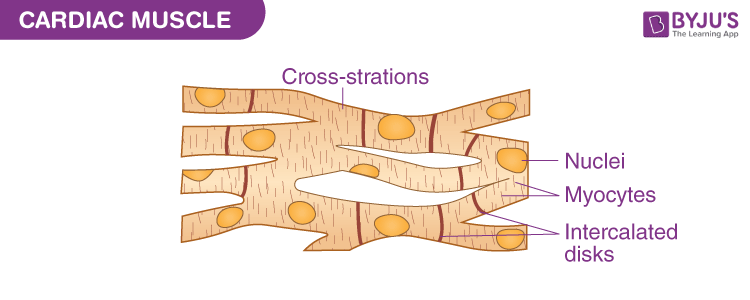
Cardiac muscle form-function adaptations
Striated
Interlacated discs hold cells together
Gaps/junctions allow communication
Can contract without anything else, myogenic
Branched and multinucleated
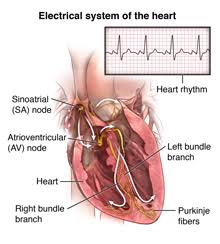
Pacemaker form-function adaptations
Sinoatrial node and sinoventricular node
Function: initiate myogenic contractions, regulate myogenic activity, governs the rhythm of the heart
Spread action potential into atrium and ventricle
Atria form-function adaptations
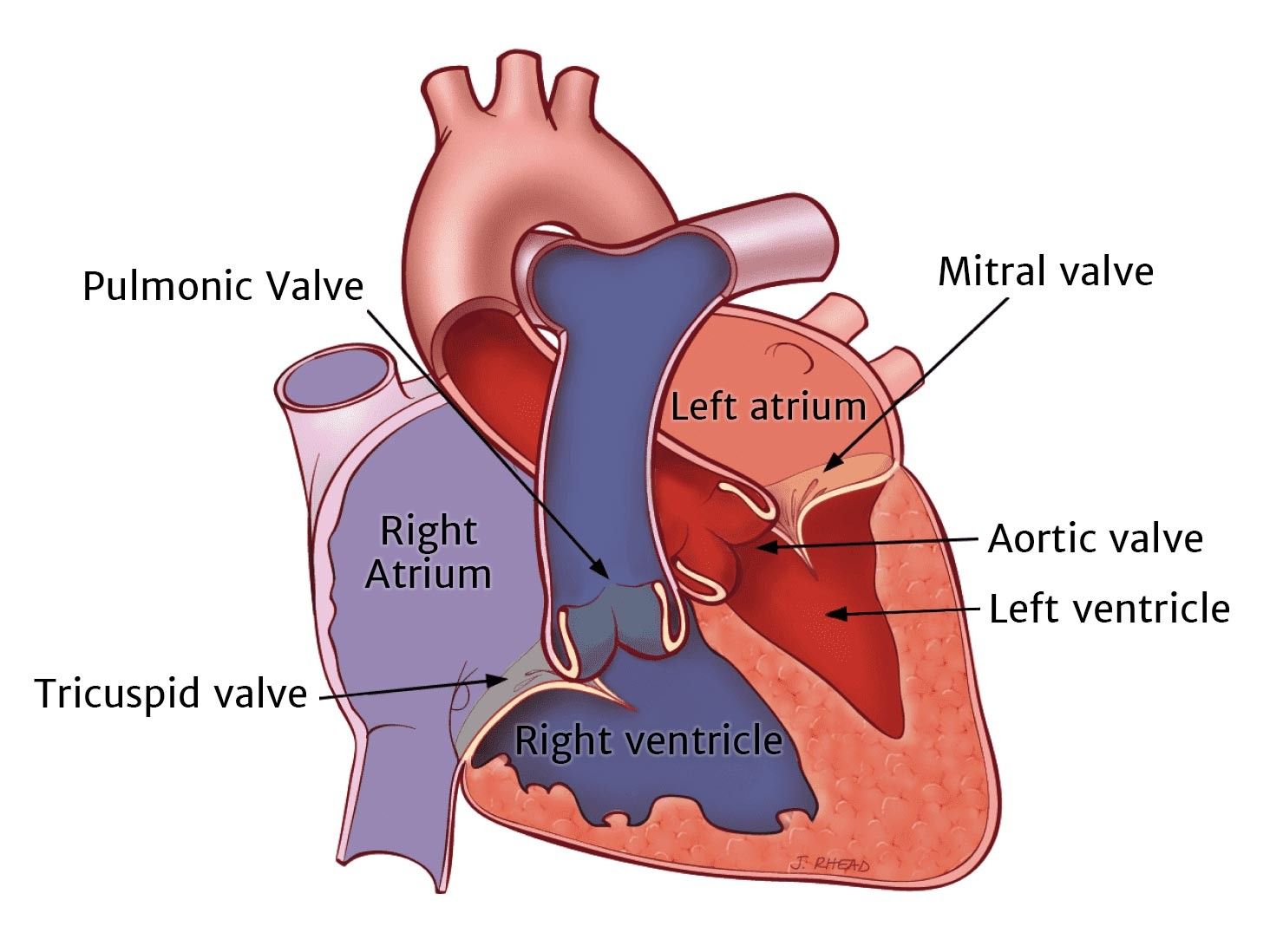
Atria is the receiving chamber
Receives blood at low pressure, distributes it without generating pressure to ventricle
Has thin muscular walls
Empties quickly to receive more
Ventricles form-function adaptations
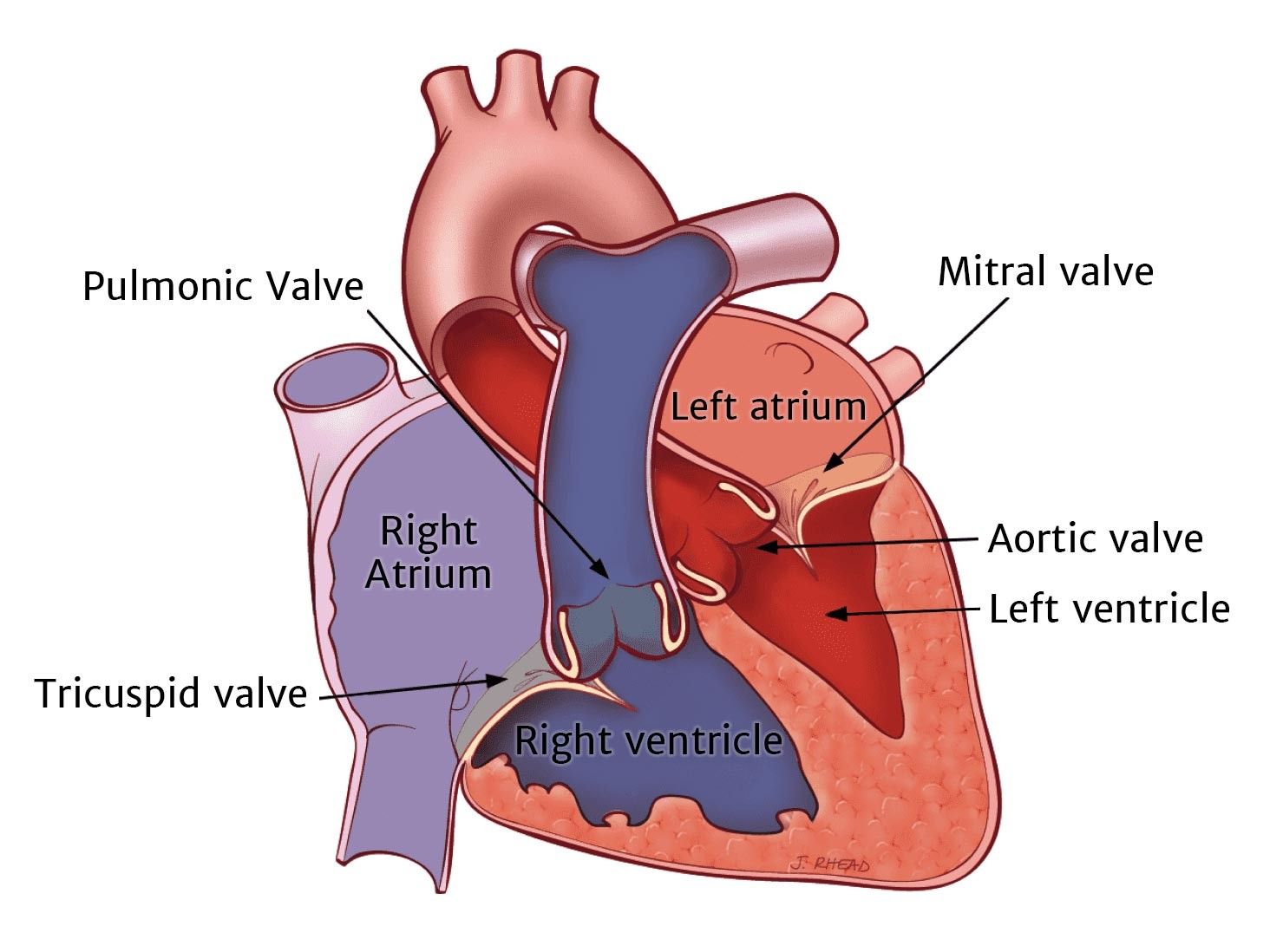
Distributing chambers
Function: generate pressure to distribute, pump into aorta etc.
Thick walls with muscles to pump
Atrioventricular and semilunar valves form-function
Function: prevent backflow
Atrioventricular: as lower ventricles contract, blood pushes against them, shutting them
Valves point in direction of flow
Septum form-function
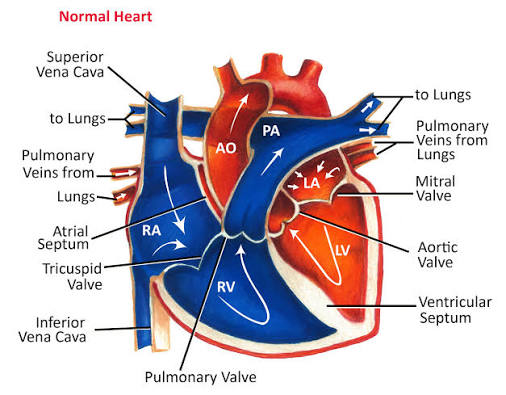
A complete wall between the two sides of the heart
Function: divides heart from high O2 (LA) from low O2 (RA), and from different pressures
Coronary vessels form-function
Arteries after aorta etc., should withstand high pressures
Function: supply heart muscles with oxygen
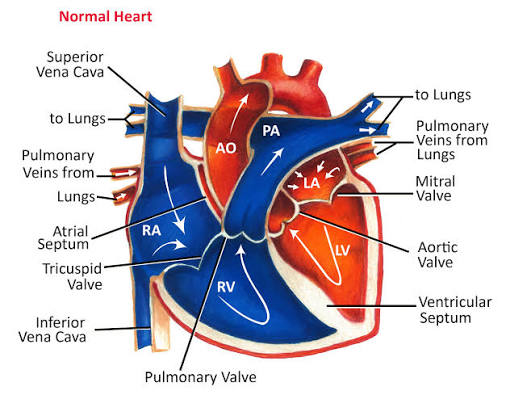
Flow of blood in heart
Enters through vena cavas or pulmonary veins,
enter atriums,
enter ventricles,
enter aorta or pulmonary artery
Stages in cardiac cycle
1) Blood enters the atria through veins
2) Atrio-ventricular valves open
3) Blood flows passively into the ventricles
4) SA initiates and communicates
5) atria contract
6) Blood forced into ventricles
7) AV node initiates and communicates
8) Ventricles contract
9) Atrio-ventricular valves close
10) Semilunar valves open
11) Blood forced into the aorta and pulmonary artery
12) Ventricles relax
13) Semilunar valves close
Graphs for pressure in the aorta
1) Atria contracts to move blood into ventricle, increase in pressure slightly
2) Increase in ventricle pressure bc its contracting, ONLY AFTER AV valves close
3) When pressure in ventricle=pressure in aorta, semilunar valves open
4) And SL valve closes again when aorta=ventricle
5) Antriventricular valves open when ventricle=atria, second time
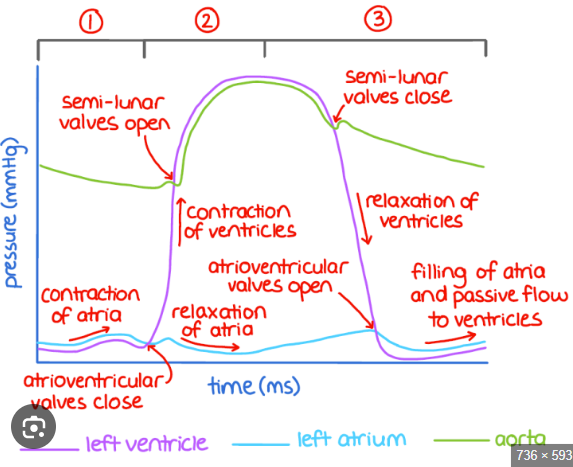
Whats the heart beat, related to valves and pressure
You hear the ‘lub’ ‘dub’ when the valves close
How does water enter roots?
Osmosis, which is artificially created by pumping minerals by active transport into roots, increasing solute concentration
Relating water potential and pressure potential in xylem
Negative pressure potential in xylem bc tension/transpiration pull from leaves and gravity
This lowers xylem water potential increasing water that moves into the xylem
Definition root pressure
The active transport of mineral ions into the xylem vessels
Root pressure and solute potential and water movement
If a plant is not transpiring (e.g. at night) the mineral ions will be pumped into the xylem by active transport, decreasing the solute potential so more water moves in.
Results in positive pressure potential
Two components of phloem tissue
Sieve tubes and companion cells
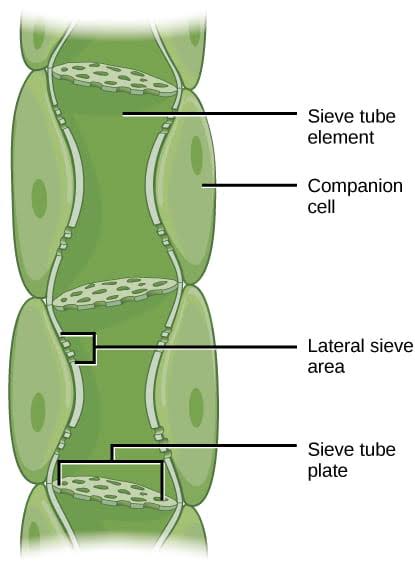
Description of movement inside phloem and function
Symplastic and multidirectional movement/transport of nutrients
Adaptations sieve tube elements
Reduced contents for fluid to flow
Sieve plates with holes to allow unimpeded flow and increase regulation
Associated with companion cells
Adaptions and functions companion cells
Carry out most metabolic reactions
Contain many mitochondria to make ATP to relocate nutrients
Have many plasmodesmata to connect sieve tubes and companion cells
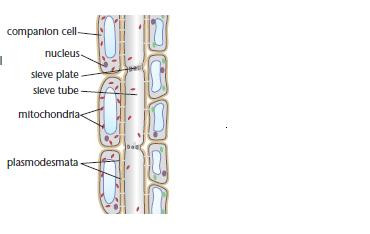
What’s sap in phloem
The fluid in the phloem, organic solutes like sucrose, amino acids or plant hormones
What are sources and sinks inside plants (sap)
Where organic molecules are being stored is the source
Where they are needed or being transported to is the sink
Def translocation
The transport of organic solutes through a plant from source to sink
Process of translocation
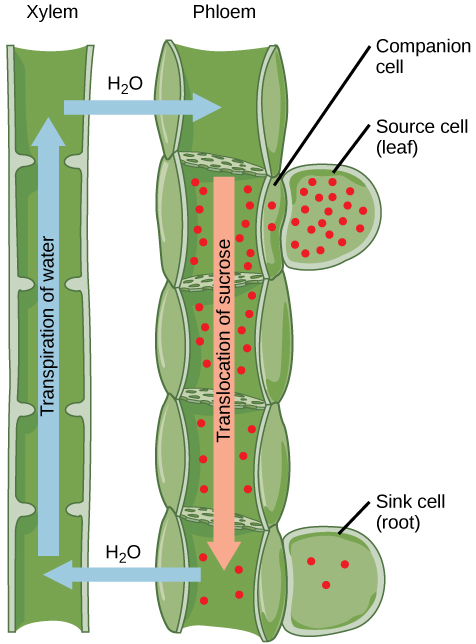
1) Sucrose at the source(leaf) is loaded into the phloem tubes by active transport and ATP
2) Increases solute concentration and water flows into phloem by osmosis, from adjacent xylem
3) High hydrostatic pressure at top (or at source) of phloem
4) Causes flow (mass flow/bulk flow) to area with lower hydrostatic pressure, the sink
5) At sink, sucrose is transported out using active transport
6) Lowers solute concentration and water moces back into the adjacent xylem vessels