Comprehensive Guide to Architecture, Design, and Semiotics
 Call Kai
 Learn
Learn Practice Test
 Spaced Repetition
 Match
Match Flashcards
 Knowt Play
1/129

There's no tags or description
Looks like no tags are added yet.
Name | Mastery | Learn | Test | Matching | Spaced | Call with Kai | Chat |
|---|
No analytics yet
Send a link to your students to track their progress
130 Terms
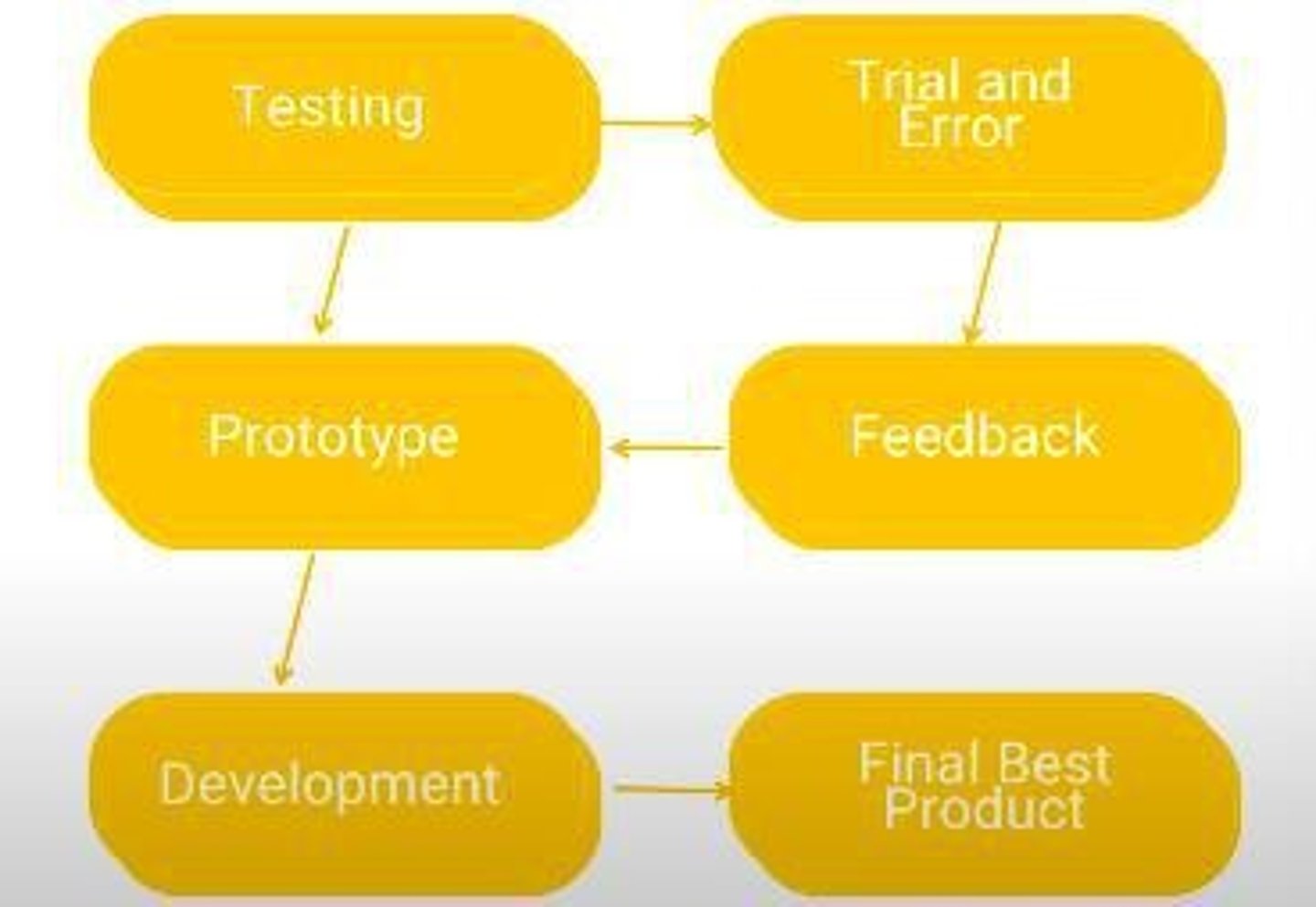
What is iterative design?
A cyclic process of testing, analyzing, and refining a product based on user feedback.
Why is iterative design important in architecture?
It combines the art and science of planning, designing, and constructing to improve usability and solve problems.
What are the main phases of the architectural design process?
1. Schematic phase 2. Design development phase 3. Contract documents phase 4. Construction phase.
What is the purpose of the empathize phase in design thinking?
To learn about the audience through interviews and observations to uncover their emotions and needs.
What happens during the define phase of the design thinking process?
Identify user needs, address problems, and create a point of view based on user insights.
What is the ideate phase in design thinking?
A brainstorming phase where radical ideas are explored and solutions are generated without judgment.
What is the purpose of prototyping in the design process?
To transform ideas into physical forms for analysis, testing, and evaluation.
What is the significance of the test phase in the iterative design process?
To gather feedback, refine solutions, and embrace failure to improve the design.
What is the role of the architect during the construction phase?
To guide and assist the client in bidding and contractor selection, ensuring designs are followed.
What is semiotics in the context of architecture?
The study of signs and symbols, focusing on their interpretation and relevance in design.
Who are the founders of semiology?
Ferdinand de Saussure and Charles Sanders Peirce.
What are the two key components of a sign in semiotics?
1. Signifier (concept/idea) 2. Signified (form/images).
What is the difference between denotation and connotation?
Denotation is the surface meaning, while connotation is the deeper meaning associated with a sign.
What is the goal of the design development phase?
To refine the scheme into the final design and finalize space requirements and layouts.
What is the contract documents phase?
The phase where detailed drawings are prepared for submission to engineering disciplines for design estimating.
What is the significance of user feedback in the iterative design process?
It provides valuable insights for improving designs and ensuring user satisfaction.
What does the architectural design process transform?
Ideas and visions into three-dimensional reality.
What is the importance of accurate details in the schematic phase?
Any miscalculation can be costly or disastrous to the project.
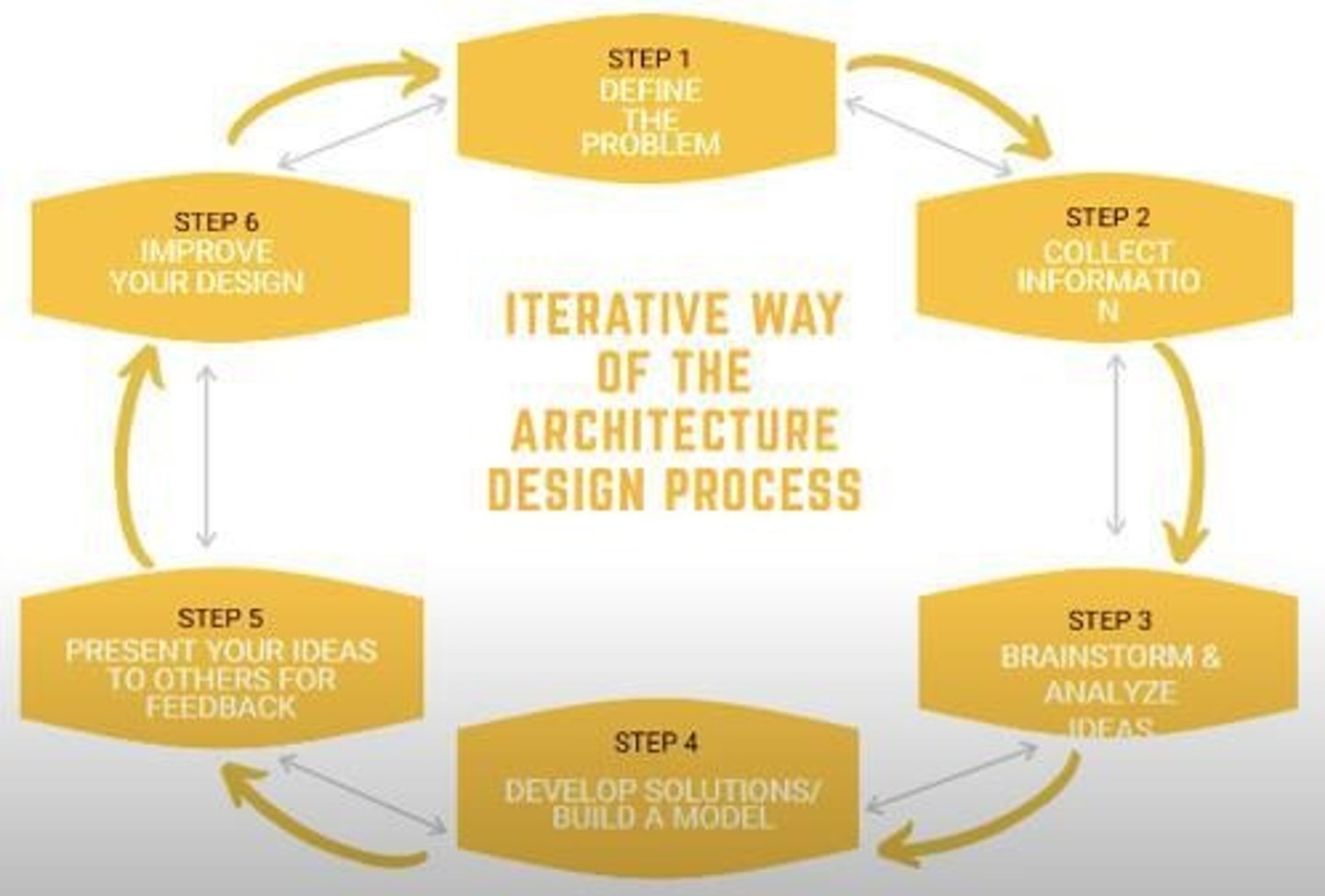
What is the iterative way of the architectural design process?
A repeated cycle of planning, analysis, implementation, testing, and evaluation until desired results are achieved.
What are bubble diagrams used for in architecture?
To establish spatial relationships and connect spaces together.
What is the purpose of the assessment phase in the iterative design process?
To evaluate project work critically and integrate feedback for improvement.
What is the role of the client in the architectural design process?
To set goals, budget, site details, and preferences for the project.
What is the outcome of the iterative design process?
A better product that meets user needs and expectations.
What is the significance of the construction manager in the construction phase?
They supervise the project and ensure that the construction follows the architect's designs.
What is the first step in the iterative design process?
Brainstorming to define the problem and gather initial ideas.
How does the architectural design process incorporate innovation?
By combining architecture with innovative solutions to meet current and future needs.
What is the final phase of the architectural services?
The construction phase, where the final product is implemented.
What are the three main functions of architecture?
Beauty, strength, and function.
What does the term 'metabolism' refer to in architecture?
A treatment of residential typology that utilizes modern technology.
What is a concept sheet in architecture?
A textual and graphical explanation containing intentions and conceptual development leading to a design solution.
What are the characteristics of a concept sheet?
Logical argumentation, based on research, includes sketches and illustrations.
What is the purpose of a concept sheet?
To map out ideas and visually explain the evolution of architectural solutions.
What is evidence-based design?
Design that is informed by research and observable realities.
What is the first step in concept development?
Identifying a problem that can be solved by architecture.
What should be unified in a design concept?
Client needs, context, location, and basic code review.
What are some factors to consider when developing a project goal?
Overpopulation, demands of urban living, and new technology available.
What is the difference between design philosophy and design concept?
Design philosophy is a general approach to architecture, while design concept is a specific idea to solve an architectural problem.
What does 'flaneur' mean in the context of architecture?
A person who strolls the city to experience it, observing culture and place.
What are conceptual sketches used for?
To communicate design intentions and reveal the essence of complex ideas.
What is the role of a model in architectural design?
To represent the architectural idea physically or digitally.
What makes a form 'architectural'?
Geometries of spatial composition and recognizable patterns.
What is semiotics in architecture?
The study of signs and symbols as elements of communicative behavior.
What are the primary elements used to define the interior of a building?
Walls, platforms, and markers.
What is the significance of a 'focus' in architecture?
It is an element that draws concentration, such as a fireplace or a piece of art.
What is the purpose of a 'pit' in architectural design?
To lower a defined area below the level of the surrounding ground.
How does a 'platform' function in architecture?
It raises a plane above the natural ground, often for safety or importance.
What is the role of a 'marker' in architecture?
To define a place by standing out from its surroundings.
What is the importance of sketches in the architectural process?
They allow for quick, loose, and open drawing to describe ideas.
What are design strategies in architecture?
Approaches to address site, project brief, and typology.
What does 'abstraction' refer to in the design process?
The initial idea rooted in simple concepts that leads to a complete architectural proposal.
What is the significance of research in architectural design?
It grounds the design in known past and present contexts to project future solutions.
What is a 'project brief' in architecture?
A document outlining the client's requirements and project objectives.
What are the 'design considerations' in architecture?
Abstract ideas that inform the design process.
What is the relationship between architecture and technology according to Metabolists?
They believe technology can solve human problems and manifest life in design.
What is the primary function of a roof in architecture?
To divide and protect a place from the forces of the sky, sheltering it from sun or rain.
What is a distinctive feature of Filipino architecture?
The voluminous thatched roof that allows warm air to rise while providing maximum shade.
What is the purpose of a path in architecture?
A place along which one moves, which may be straight or irregular, avoiding obstacles.
What are the main components of a vernacular tree house?
Platform, windows and doors, deck and railing, access (ladder), flooring (frame), and branches inside for support.
What is conceptual clarity in architecture?
The clear expression of the main idea and intentions behind the architectural form.
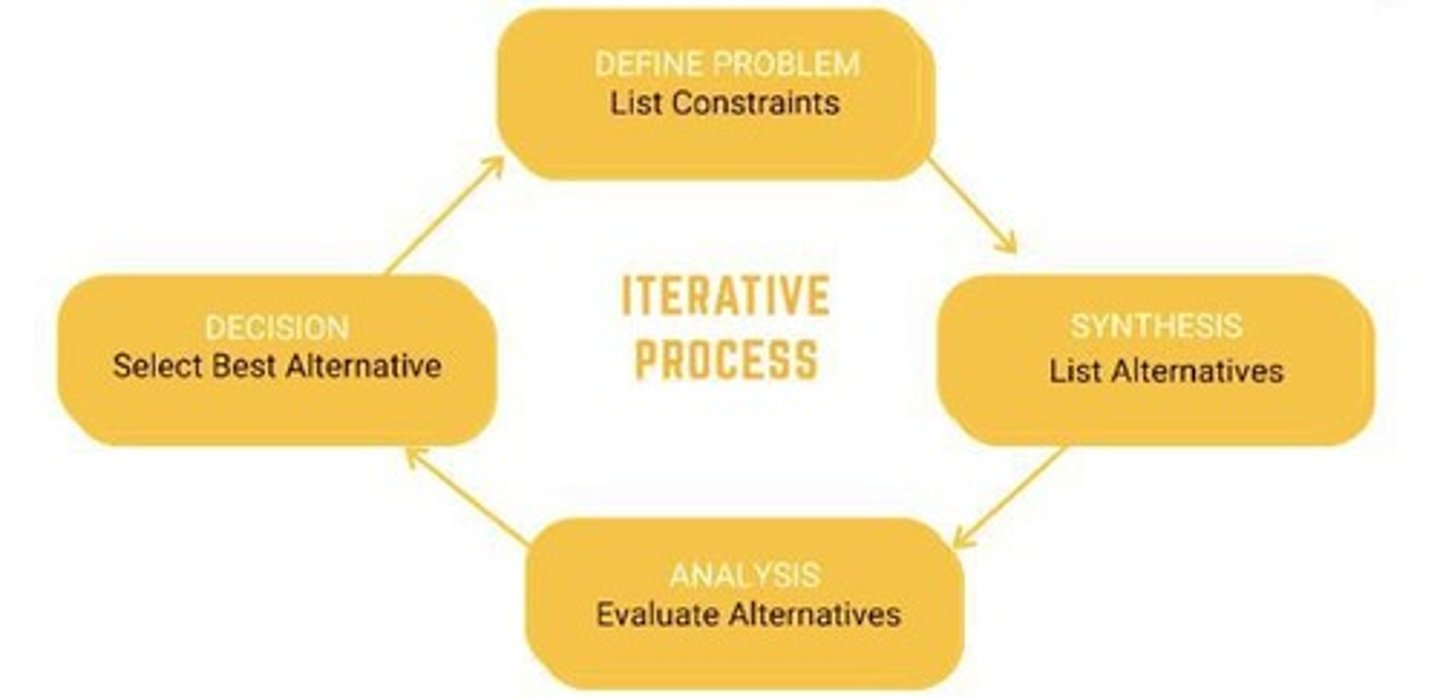
What is the iterative design process?
A cyclic methodology focusing on user input to test, analyze, and refine a product.
What are the 4 phases of the architectural design process?
Schematic, design development, contract documents, and construction.
What does the 'empathize' phase in the design thinking process involve?
Learning about the audience and uncovering their emotions and stories.
What is the purpose of the 'define' phase in design thinking?
To identify user needs and create a point of view based on those needs.
What is the role of a concept sheet in architecture?
It is a textual and graphical explanation of the intentions and conceptual development leading to a design solution.
What is the difference between denotation and connotation in semiotics?
Denotation is the surface meaning, while connotation is the deeper meaning formed by judgments based on what is seen.
Who are the fathers of semiology?
Charles Sanders Peirce and Ferdinand de Saussure.
What are design objectives?
Outline aims or end-goals of a project and how they will be achieved.
What is the significance of the 'test' phase in the design process?
To refine solutions and gather data on what worked and what didn't.
What is the purpose of a design philosophy?
To explain the designer's point of view and approach to architecture.
What does the 'assess' phase involve in the design process?
Guidelines for evaluating the work and integrating feedback.
What is the role of an architect in the design process?
To understand zoning/building codes, budget, and user needs while creating a coherent design.
What is the importance of user feedback in the iterative design process?
It helps to understand what works for users and solve design problems.
What does the term 'abstraction' refer to in the architectural design process?
The process of codifying reality to create cohesive architectural solutions.
What is a 'kilo mayor' in the context of roof framing?
An A-frame structure used in the roof framing system.
What is the significance of the 'construction' phase in the architectural design process?
To implement the design, ensure compliance with plans, and assist in contractor selection.
What is the role of sketches and illustrations in the design process?
To visually explain parts of the design and the architect's thought process.
What does 'concept development' involve?
Determining client needs, context, and initial thoughts leading to a central idea.
What is the function of walls in architecture?
To partition off and define the inner spaces of a structure.
What is the purpose of a roof in architecture?
To divide and protect a place from forces of the sky.
What is a path in architectural design?
A route that courses the ground, which may be straight or irregular, avoiding obstacles.
What is the significance of openings in architecture?
They are doorways or windows that allow the passage of people, light, or air.
What does the term 'Bahay na Bato' refer to?
A traditional Filipino house that features staircases separating private and public spaces.
What is the role of a diagram in architectural drawing?
To simplify the drawing process and illustrate relationships and patterns of growth.
What are the three important factors in architectural drawing?
Site, project brief, and typology.
What is the definition of 'Evidence-Based Design'?
A design methodology that incorporates data and user feedback into the design process.
What is a floor plan?
A top view of a structure that shows room labels, measurements, and furniture layout.
What do elevations in architectural drawings depict?
All four sides of a structure, including measurements and details like doors and windows.
What is the purpose of sections in architectural drawings?
To show details of the interior structure, including fit out, measurements, and room labels.
What does perspective in architectural drawings represent?
The finished look of the structure, designed for the convenience of the layman.
What is orthographic projection?
A method to represent 3D objects in 2D drawings, showing top and side views.
What are the steps in the architectural design process?
Empathize, define, ideate, prototype, and test.
What is the role of the architect in the design process?
To produce a better product by understanding client needs and site conditions.
What does 'empathize' mean in the design thinking process?
To learn about the audience you are designing for.
What is the purpose of defining the problem in design thinking?
To create a point of view based on the audience's insights or needs.
What does ideation involve in the design process?
Brainstorming and generating as many ideas and solutions as possible.
What is the significance of prototyping in design?
To build a representation of an idea and understand context and key features.
What is the importance of testing in the design process?
To gather feedback and refine the design based on user experiences.
What is the function of a marker in architecture?
To define a place in a particular spot and stand out from its surroundings.
What is the role of visual judgment in architectural drawing?
To assess proportions, scales, and the overall composition of the design.
What are calligraphic lines in architecture?
Lines that convey expressive qualities and contribute to the visual language of a design.