FMI Storytelling Quiz
 Studied by 3 people
 Call Kai
 Learn
Learn Practice Test
 Spaced Repetition
 Match
Match Flashcards
 Knowt Play
1/46

Earn XP
Description and Tags
From Camera to Lighting
Name | Mastery | Learn | Test | Matching | Spaced |
|---|
No study sessions yet.
47 Terms

Extreme Close-Up
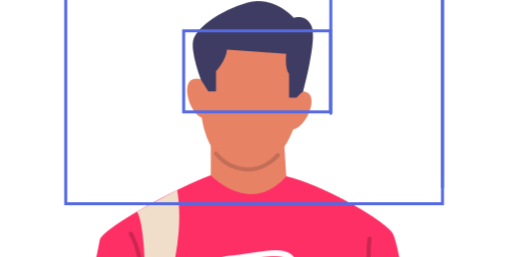
Close-Up
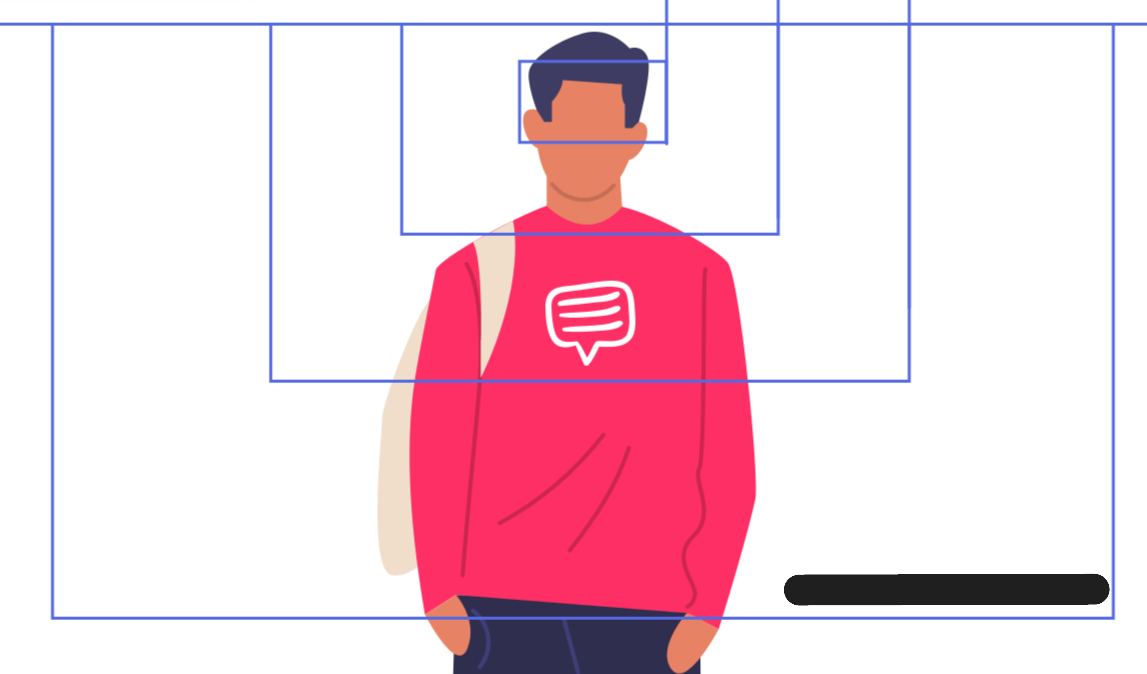
Medium Shot
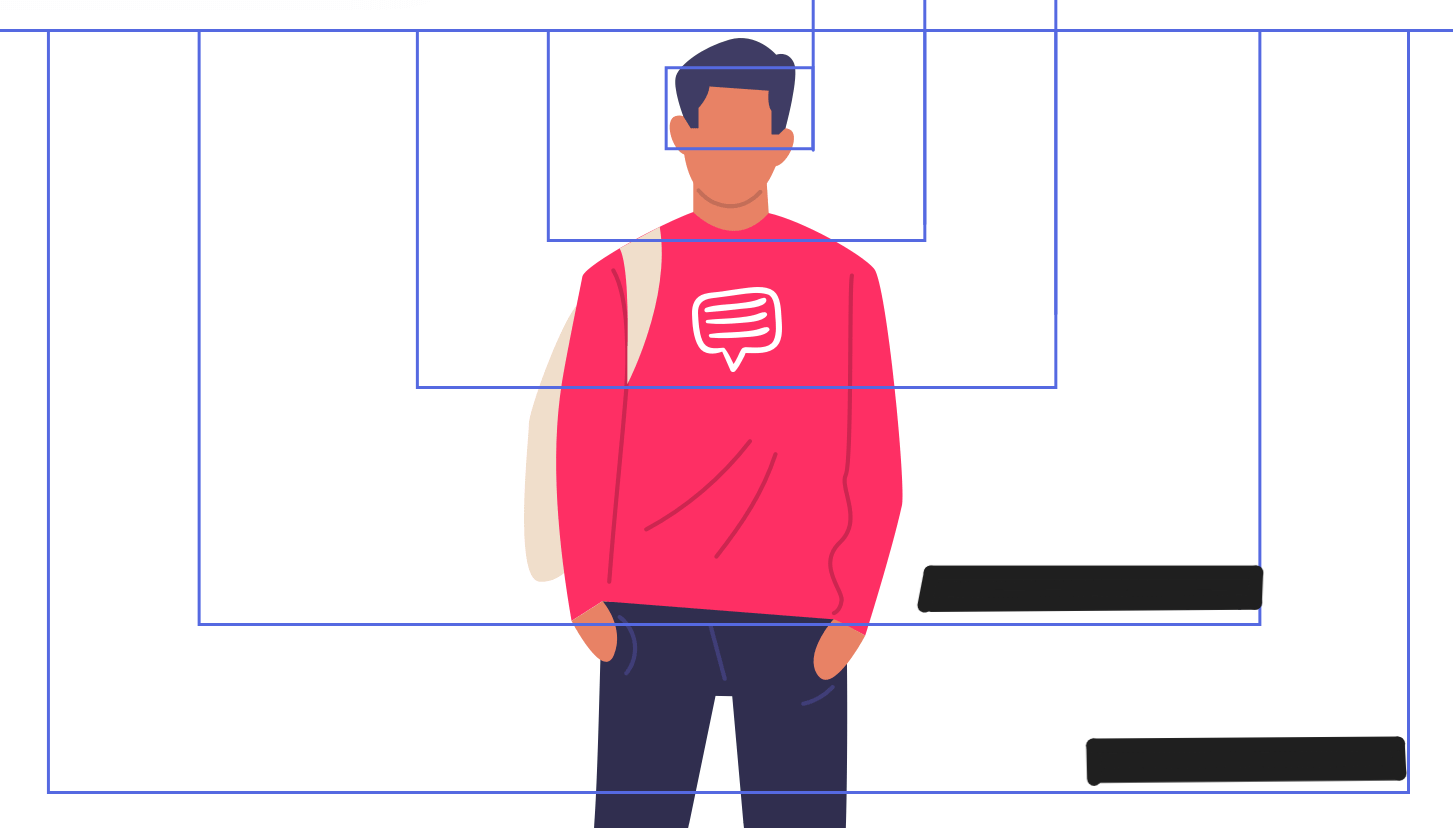
Cowboy Shot
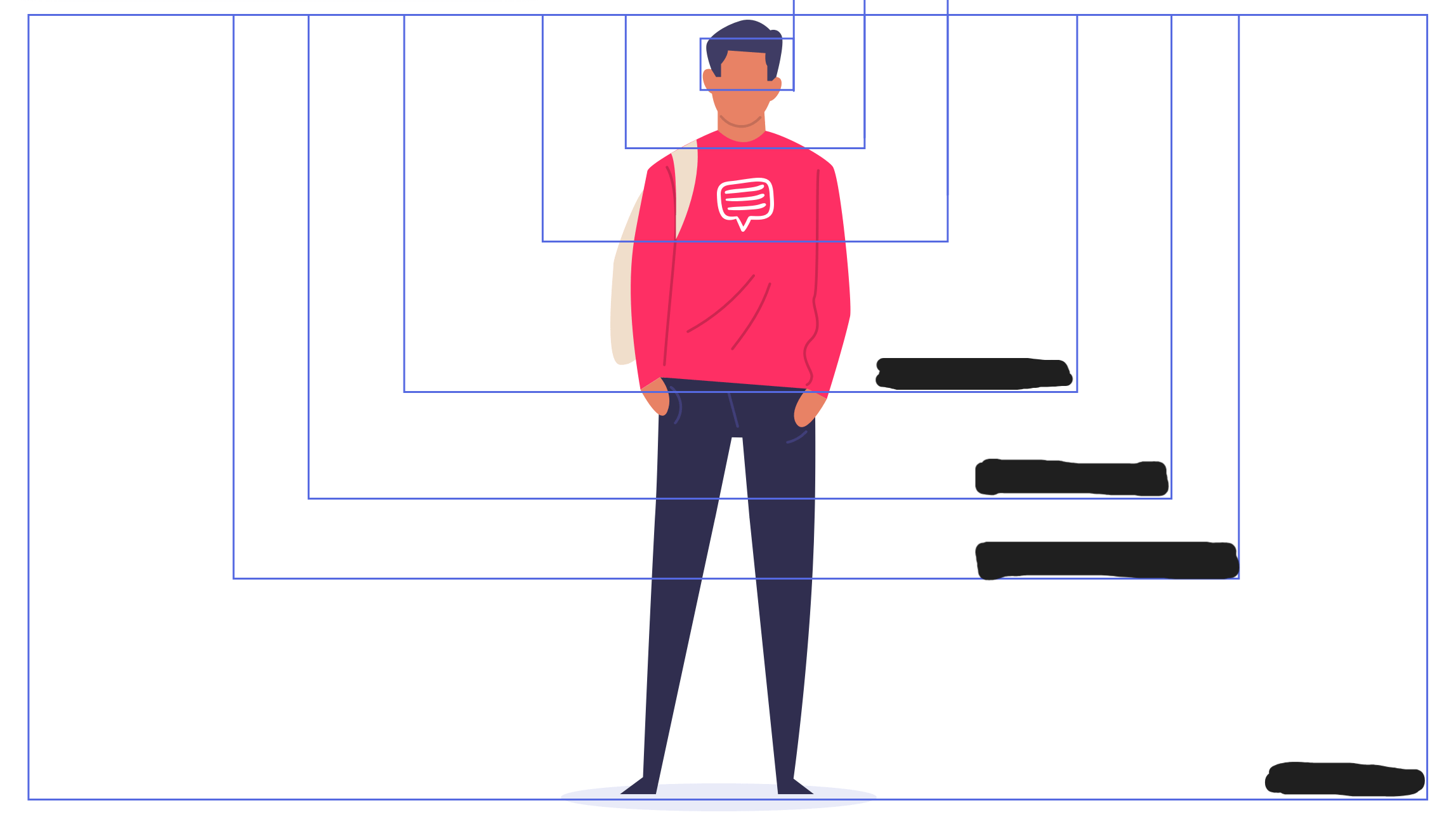
Full Shot
5 Elements of a Story
Character
Setting
Plot
Theme
Conflict
Three Conflict Types: Character vs. _______
Self
Character
Unknown
Inciting Incident
The event that kicks off the plot to the story and gives the character a conflict to overcome.
Elements of a Five-Act Structure
Exposition
Rising Action
Climax
Falling Action
Resolution
The 5 Camera Movements
Pan
Tilt
Truck/Crab
Dolly
Boom/Crane
Three Goals of an Editor
Provide Narrative Clarity
Provide Character Identification
Seamless Invisibility
Five Techniques in the Toolbox for an Editor
Continuity Editing
Cross Cutting
Montage
Cut on Action
Transitions
What tense should scripts be written in?
Simple Present
How is loudness measured?
Decibels (dB)
Five main parts of script formatting
Scene Heading
Action Description
Character Names
Dialogue
Parenthetical Description
Three issues that arose with the introduction of sound in film
Theatre musicians lost their jobs
Actors that did not sound good lost their jobs
Sound limits foreign sales
Audio Clipping
When the audio levels exceed 0 decibels which leads to digital distortion.
Three types of microphones
Shotgun
Dynamic/Handheld
Lavalier
Purpose of High Angle Shot
Looks down on the character and makes them feel insignificant
Purpose of Low Angle Shot
Looks up towards the character and gives them power to what they are looking at.
Three Types of Montage
Intellectual
Rhythmic
Overtonal
J/L Cut
Audio/Video transitions that are defined by trailing audio or video
Primary Colors of Light
Red, Green, Blue
Secondary Colors of Light
Cyan, Magenta, Yellow
Key Light
Primary and Brightest Light Source. Usually placed at 45 degree angle of subject’s face, slightly above, pointed downwards
Fill Light
Second Light Source, used to fill shadows, usually placed at 45 degree angle of other side of subject’s face slighting above, pointed downwards
Back Light/Rim Light/Hair Light
Third Light Source, shines on back of subject, creating outline, seperating subject from background.
High Key
Reduces the lighting ratio in the scene
Low Key
Uses a hard source to encase your scene in shadow.
Natural Lighting
Defined by utilizing the light that is already availible at location
Hard Lighting
Created with a direct beam from a light source that creates shadows and harsh lines
Soft Lighting
Used to eliminate shadows
Side Lighting
Light that enters the from from a side to highlight a person or object
Motivated Lighting
Technique that seeeks to imitate natural light soures
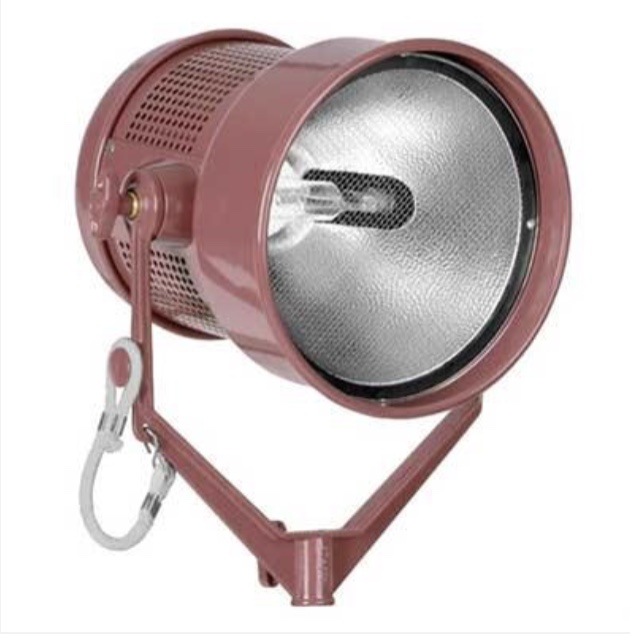
Open Face
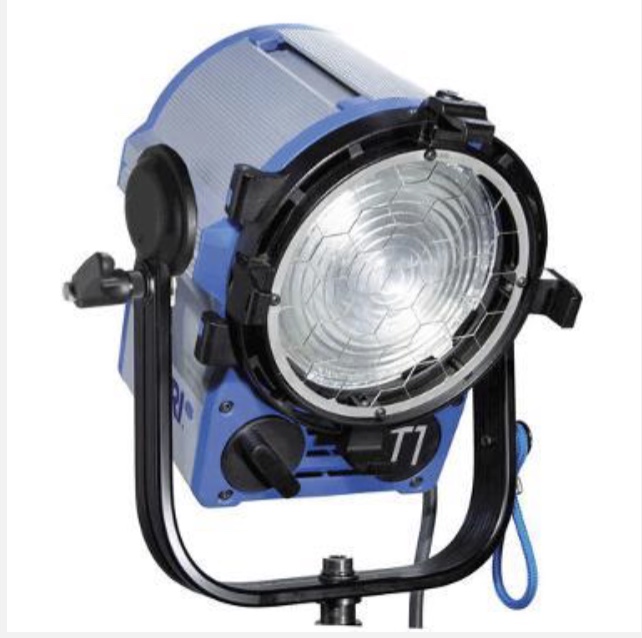
Fresnel (has a lens)

LED Light Panel
Color Temperature
System that uses numerical values to measure color characteristics of a light source ranging from cool to warm colors. Referred to as degrees Kelvin.
Daylight
5600K
Tungsten/Halogen/Quartz
3200K
CTO
5600K to 3200K
CTB
3200K to 5600K
Diffusion
Disperses light evenly across a surface or subject and can soften shadows.
White Balance
Camera setting that establishes the true color of white. Produces a baeline from which other colors are measured.
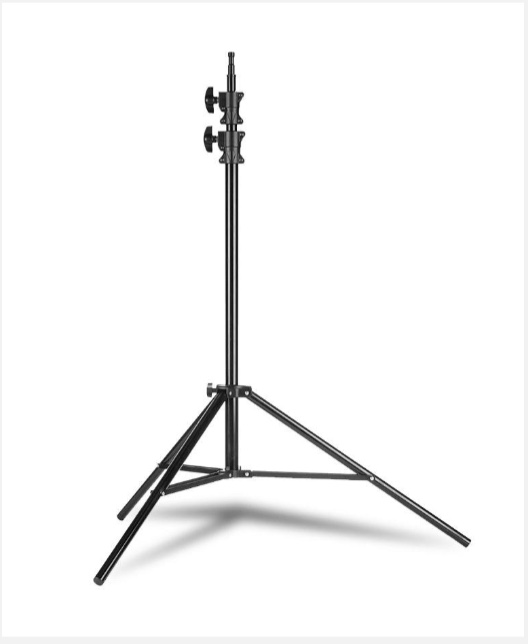
Light Stand

C Stand
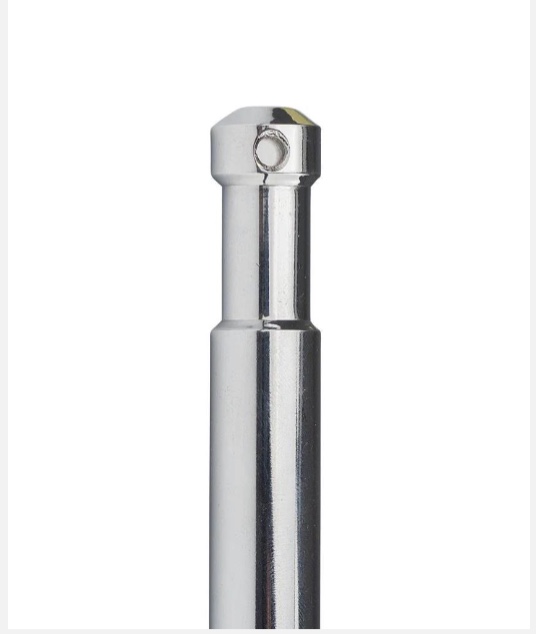
Baby Pin