Functional Groups
 Call Kai
 Learn
Learn Practice Test
 Spaced Repetition
 Match
Match Flashcards
 Knowt Play
1/25

There's no tags or description
Looks like no tags are added yet.
Name | Mastery | Learn | Test | Matching | Spaced | Call with Kai | Chat |
|---|
No analytics yet
Send a link to your students to track their progress
26 Terms
alkane
C and H singly bonded to each other

alkene
C = C

alkyne
C = C

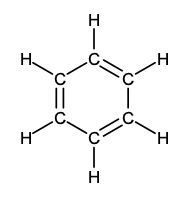
arene
six carbons in a ring with alternating double bonds
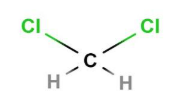
alkyl halide
just carbons and hydrogens with a halogen at the end
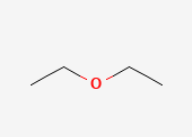
ether
C — O — C
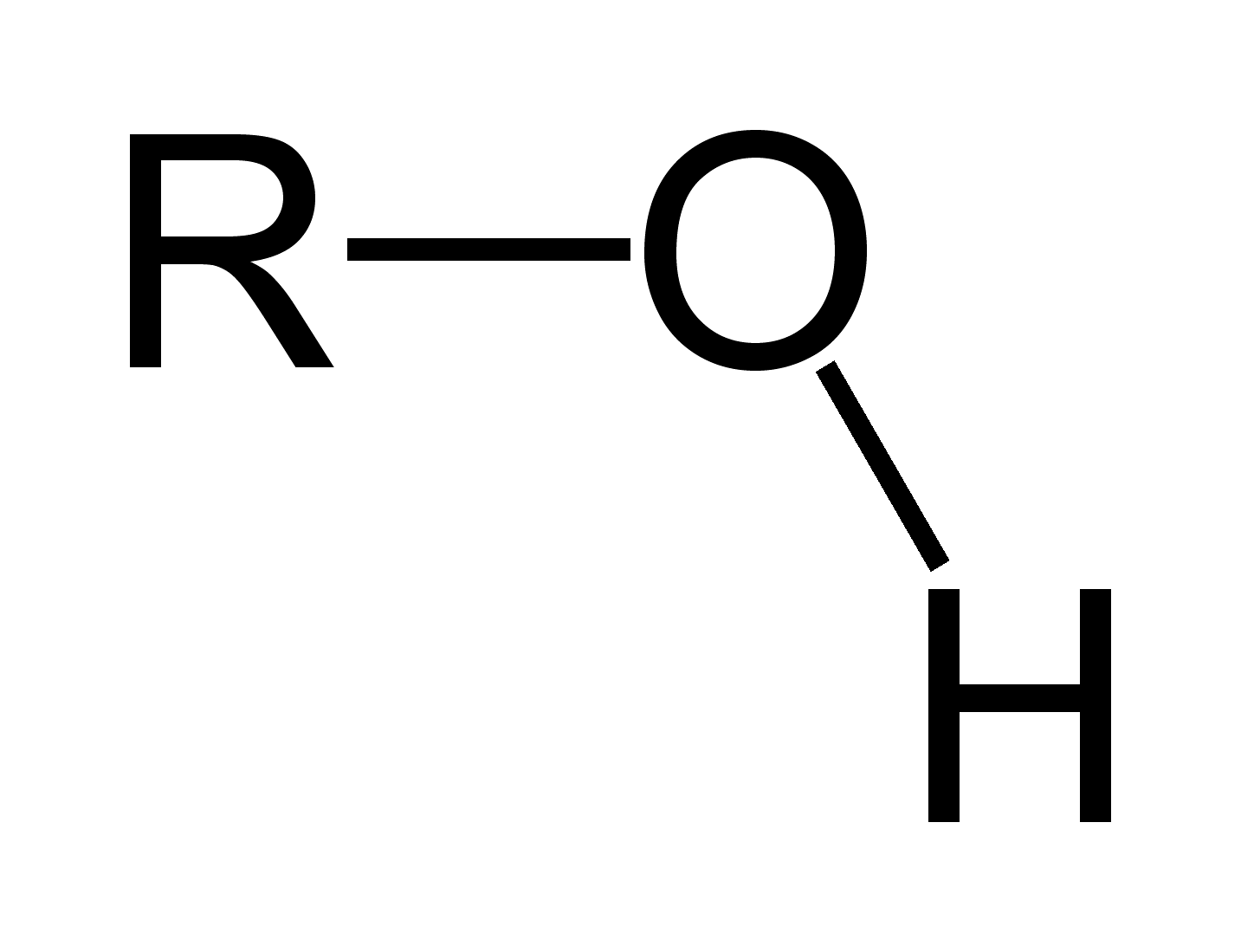
alcohol
C — O — H
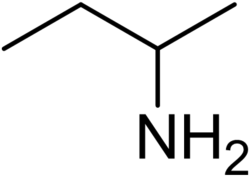
amine
nitrogen bonded to carbon atoms (can be multple carbon atoms)
sulfide
C — S — C

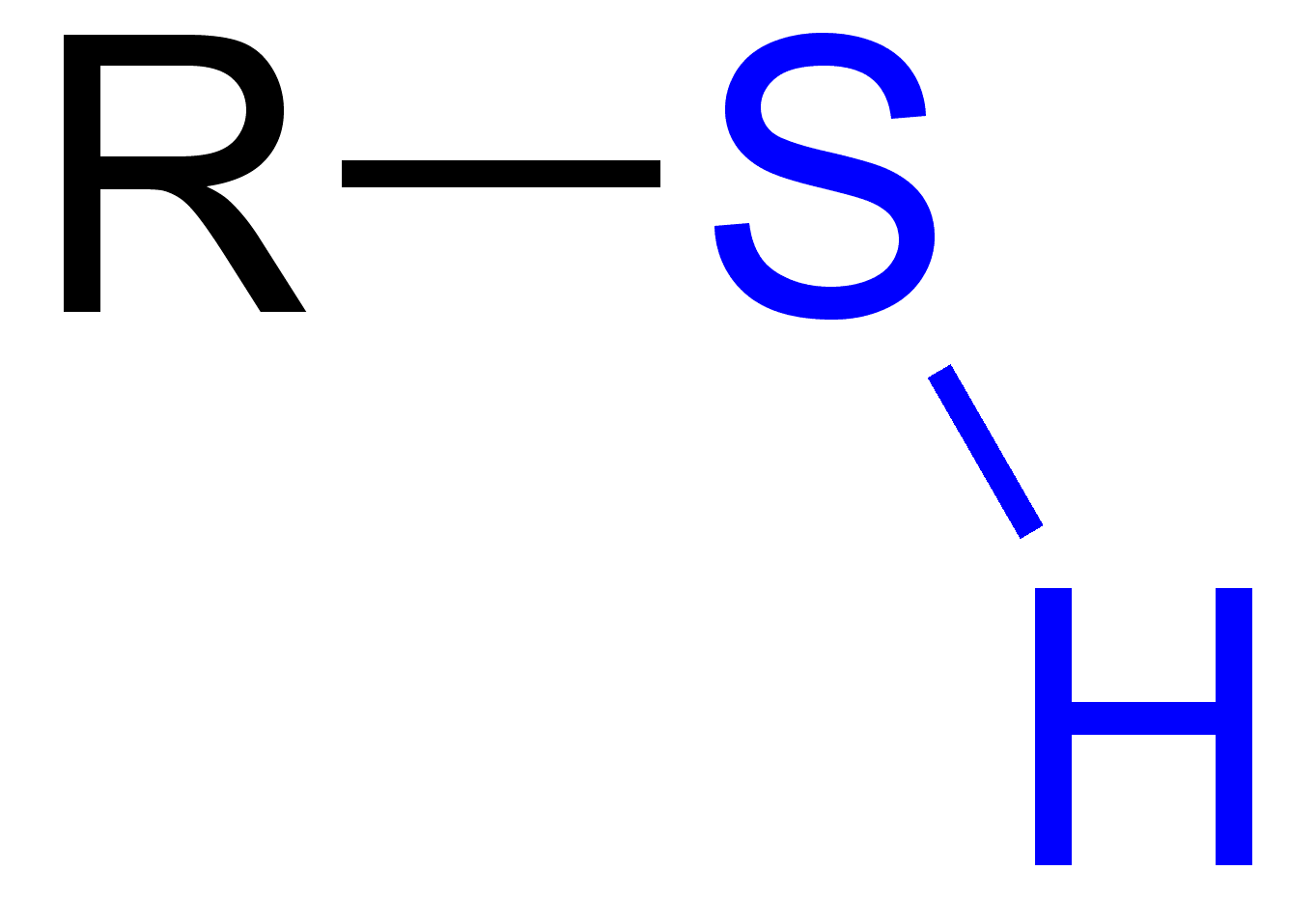
thiol
C — S — H
nitrile
N = C

carbonyl
carbon doubly bonded to an oxygen; C = O

ester
carbonyl connected to C on one side, O on the other
C — carbonyl (|O|)— O

carboxylic acid
C — (carbonyl) — O — H
carbon on one side, oxygen connected to hydrogen on the other

amide
carbon on one side, nitrogen on the other
the carbonyl makes this amide, not amine

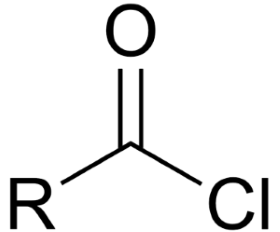
acid halide
halogen adjacent to the carbonyl
acid anhydride
2 carbonyls joined by an oxygen in the middle and carbons on the outside
C — (carbonyl) — O — (carbonyl) — C

aldehyde
carbonyl connected to carbon on one side, hydrogen on the other
C — (carbonyl) — H
carnbonyl carbon (the one connecting it to the chain) is bound to a C or H

ketone
carbonyl connected to carbon on both sides
C — (carbonyl) — C
carnbonyl carbon is bound to a C or H

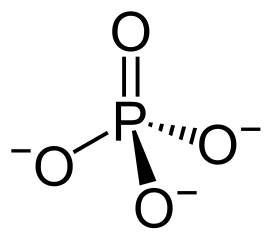
phosphate
phosphorus connected to four oxygen atoms
diphosphate
two phosphate groups linked by an oxygen

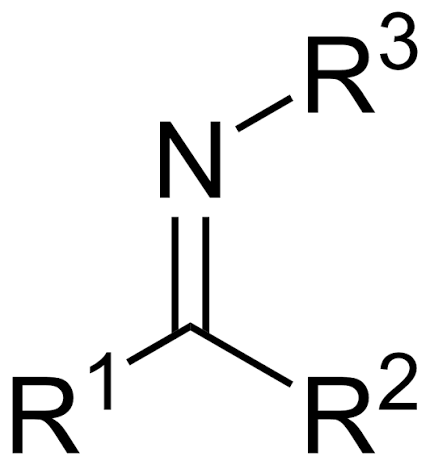
imine
carbon doubly bonded to nitrogen
C = N
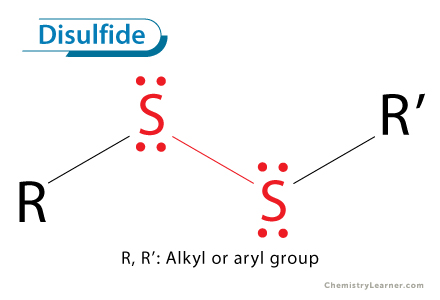
disulfide
two sulfurs connected together, with carbons on the outside
C — S — S — C
sulfoxide
sulfur connected to an oxygen

thioester
carbonyl group next to sulfur on one side and carbon on the other side (connected to more carbons)
C — C — (carbonyl) — S — C

epoxide
