FO 9: Functional Groups Memorization
 Call Kai
 Learn
Learn Practice Test
 Spaced Repetition
 Match
Match Flashcards
 Knowt Play
1/26

Earn XP
Description and Tags
Functional groups are specific arrangements of elements in a molecule. Any molecule with a given function group will likely behave in the exact same way as another molecule with the same group.
Name | Mastery | Learn | Test | Matching | Spaced | Call with Kai | Chat |
|---|
No analytics yet
Send a link to your students to track their progress
27 Terms
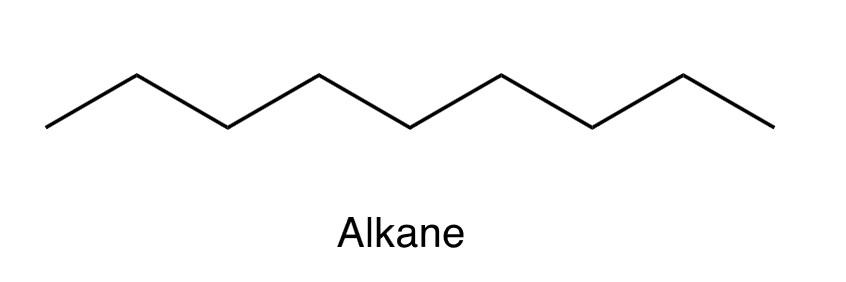
Alkane
all C–C single bonds (saturated, no double or triple bonds anywhere)
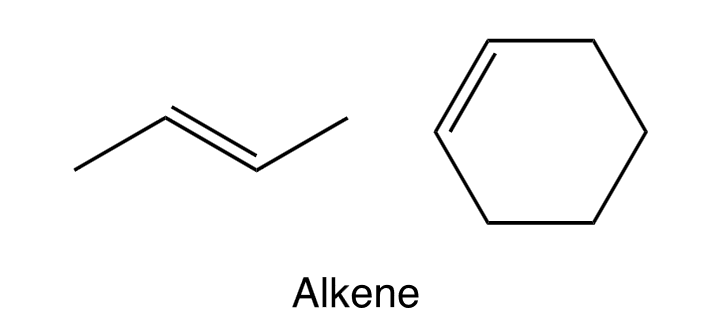
Alkene
at least one C=C double bond
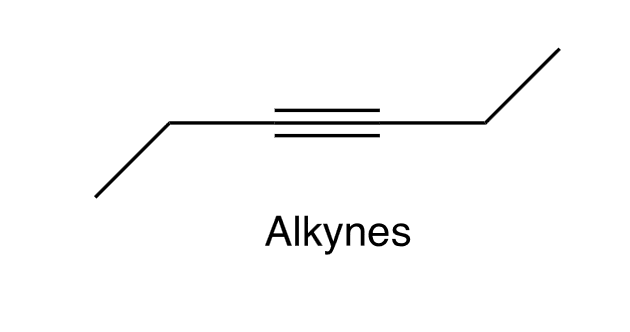
Alkynes
at least one C≡C triple bond
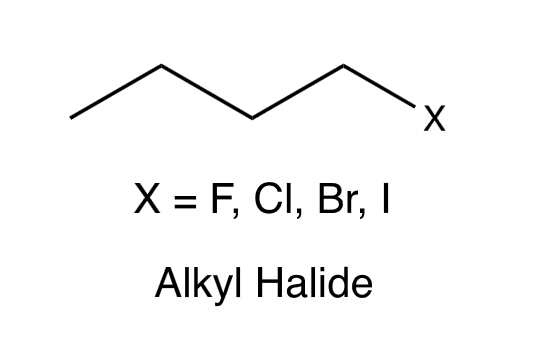
Alkyl Halide
C4 H9 ends with either F, Cl, Br, I (Zig-Zag)
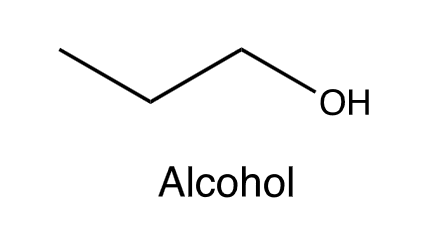
Alcohol
C3 H7 ending with OH (zig-zag)
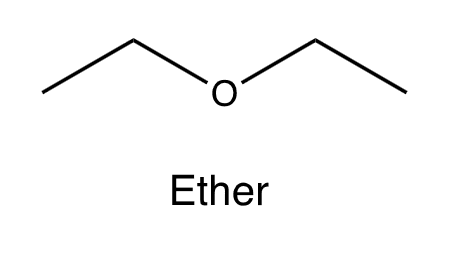
Ether
C4 H10 oxygen in the middle (two pyramids beside it)
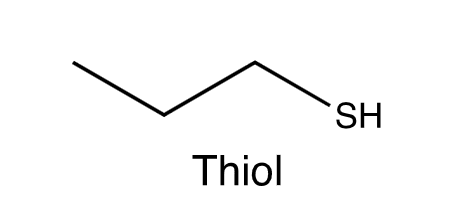
Thiol
C3 H7 Bonded to SH (Zig-zag)
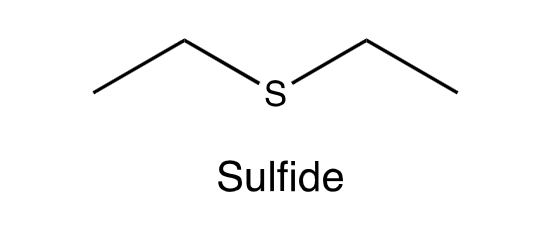
Sulfide
C4 H10 sulfur in the middle (two pyramids beside it)
Ketone
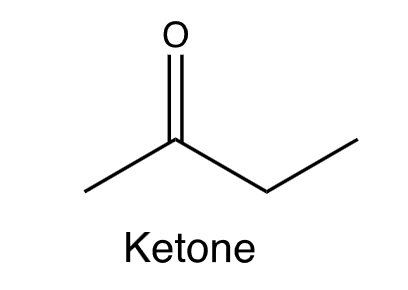
Aldehyde
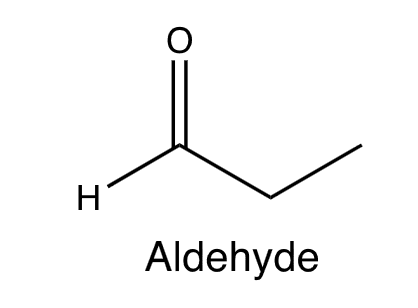
R=H or carbon chain Amine
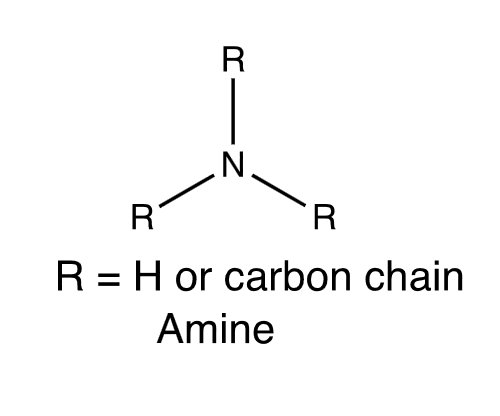
Aromatic
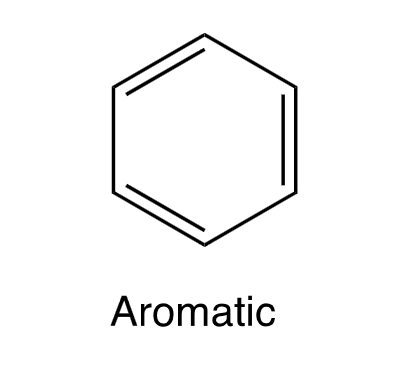
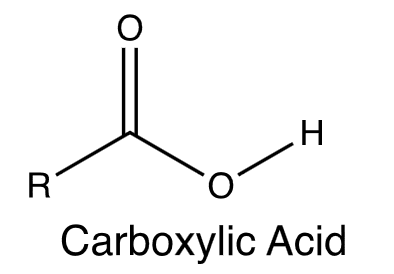
Carboxylic Acid
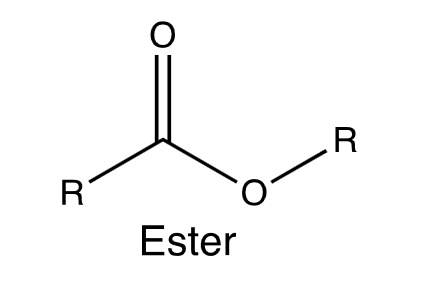
Ester
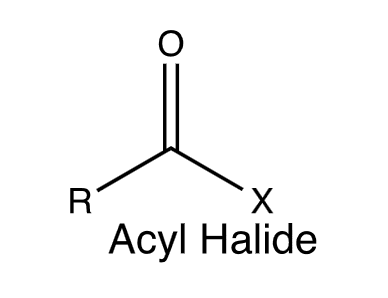
Acyl Halide
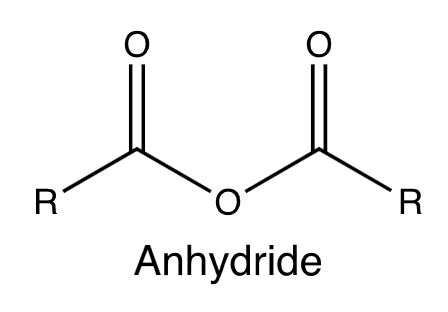
Anhydride
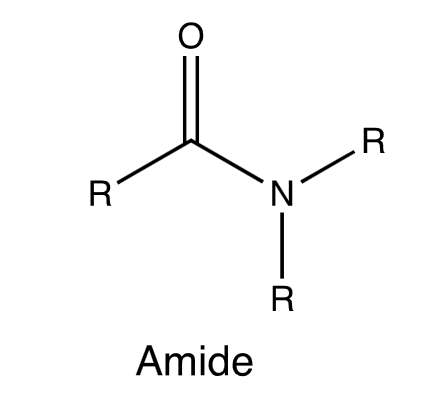
Amide
Draw one structure of a molecule. The structure must contain at least 5 carbons, a carboxylic acid, and a sulfide
Build a 5+ carbon zigzag. Place –COOH at one end (C=O and –OH on the same terminal carbon). Put an S between two carbons somewhere in the chain (R–S–R). Count all carbons including the one in –COOH.
Draw one structure of a molecule. The structure must contain at least 5 carbons, an ester, and an ether
Ester = R–COO–R (C=O with O–R, no H). Ether = R–O–R (oxygen bridging two carbons, no carbonyl). Place them at different spots in the chain. The ester's oxygen and the ether's oxygen are separate.
Draw one structure of a molecule. The structure must contain at least 5 carbons, an aldehyde, and an alkene.
Aldehyde goes at the chain end (terminal C=O with H). The alkene (C=C double bond) goes somewhere in the middle of the chain. Remember: aldehyde C=O has an H, ketone C=O does not.
Draw one structure of a molecule. The structure must contain at least 5 carbons, a ketone, and an alcohol.
Ketone = C=O with R groups on BOTH sides (not at chain end). Alcohol = –OH on a carbon. Place the ketone in the interior and the –OH at one end. Make sure you have 5+ total carbons.
Draw one structure of a molecule. The structure must contain at least 6 carbons, an amide, and an alkyl halide
Amide = C=O bonded to nitrogen (–CONR2 or –CONH2). Alkyl halide = C–X (F, Cl, Br, or I on a carbon). Put the amide at one end and the halide at the other. The amide's carbonyl carbon counts toward your 6.
Draw one structure of a molecule. The structure must contain at least 5 carbons, a thiol, and an alkene
Thiol = –SH at the end of a carbon chain. Alkene = C=C double bond (two parallel lines). Place –SH on one end and the double bond in the middle. Don't confuse thiol (–SH) with sulfide (R–S–R).
Draw one structure of a molecule. The structure must contain at least 5 carbons, an amine, and a carboxylic acid
This is basically an amino acid pattern. Amine = –NH2 (or –NHR, –NR2). Carboxylic acid = –COOH. Put –NH2 on one end and –COOH on the other with carbons in between.
Draw one structure of a molecule. The structure must contain at least 5 carbons, an anhydride, and an alcohol.
Anhydride = two C=O groups bridged by one oxygen (RCO–O–COR). That uses at least 2 carbons. Add more carbons to reach 5+ total, and put –OH on one of them. Don't put the –OH on a carbonyl carbon (that would make a carboxylic acid).
Draw one structure of a molecule. The structure must contain at least 6 carbons, an acyl halide, and an ether.
Acyl halide = C=O bonded to a halogen (–COX). Ether = R–O–R. Place the acyl halide at one end, then somewhere in the chain put an oxygen bridging two carbons. Make sure the ether O is separate from the acyl halide.
Draw one structure of a molecule. The structure must contain at least 5 carbons, a sulfide, and a ketone.
Sulfide = R–S–R (sulfur bridging two carbon groups). Ketone = C=O with carbons on both sides. Place S in one part of the chain and C=O in another. Neither is at the chain end.