Dualism: Soul’s Existence - Self, Death & Afterlife
 Call Kai
 Learn
Learn Practice Test
 Spaced Repetition
 Match
Match Flashcards
 Knowt Play
1/22

There's no tags or description
Looks like no tags are added yet.
Name | Mastery | Learn | Test | Matching | Spaced | Call with Kai | Chat |
|---|
No analytics yet
Send a link to your students to track their progress
23 Terms
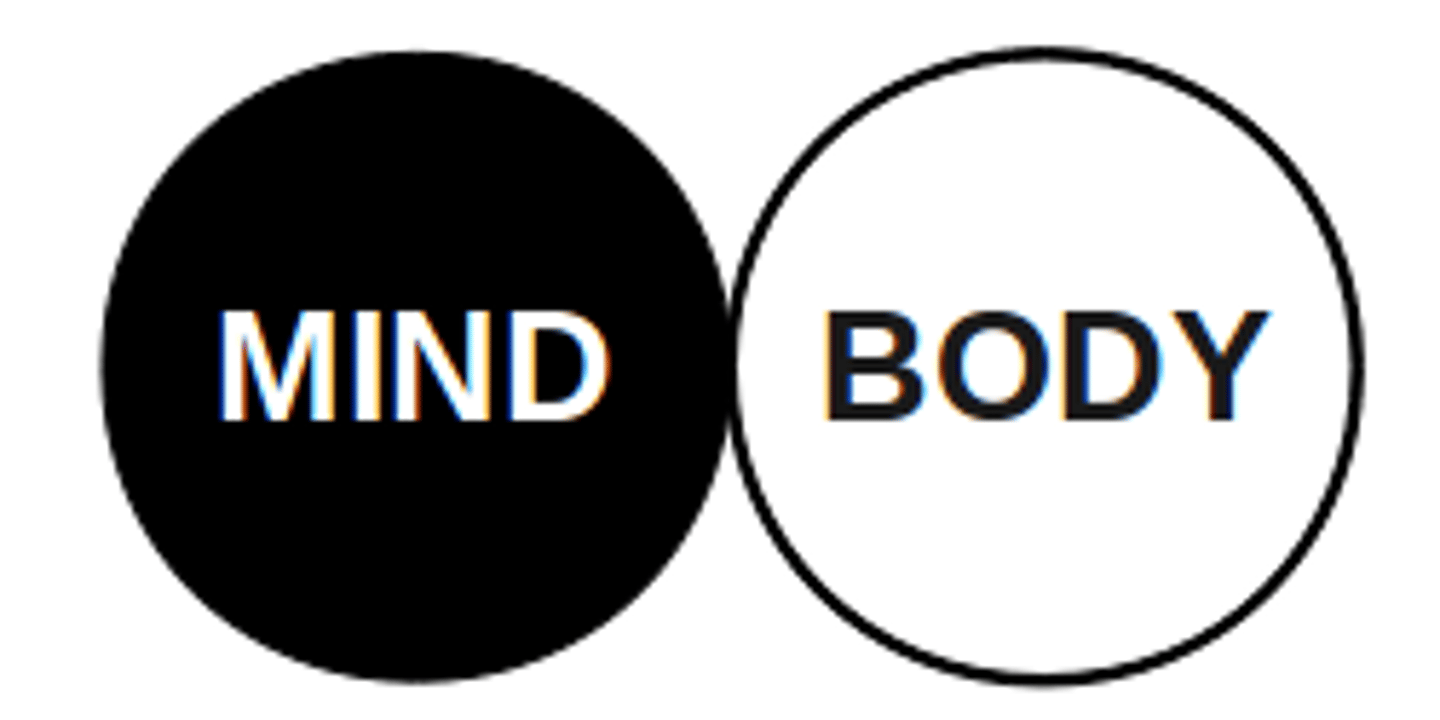
Dualism
Idea that the soul and body are seperate
Dualists
- Plato
- Descartes
Plato's Dualism
- World of Forms
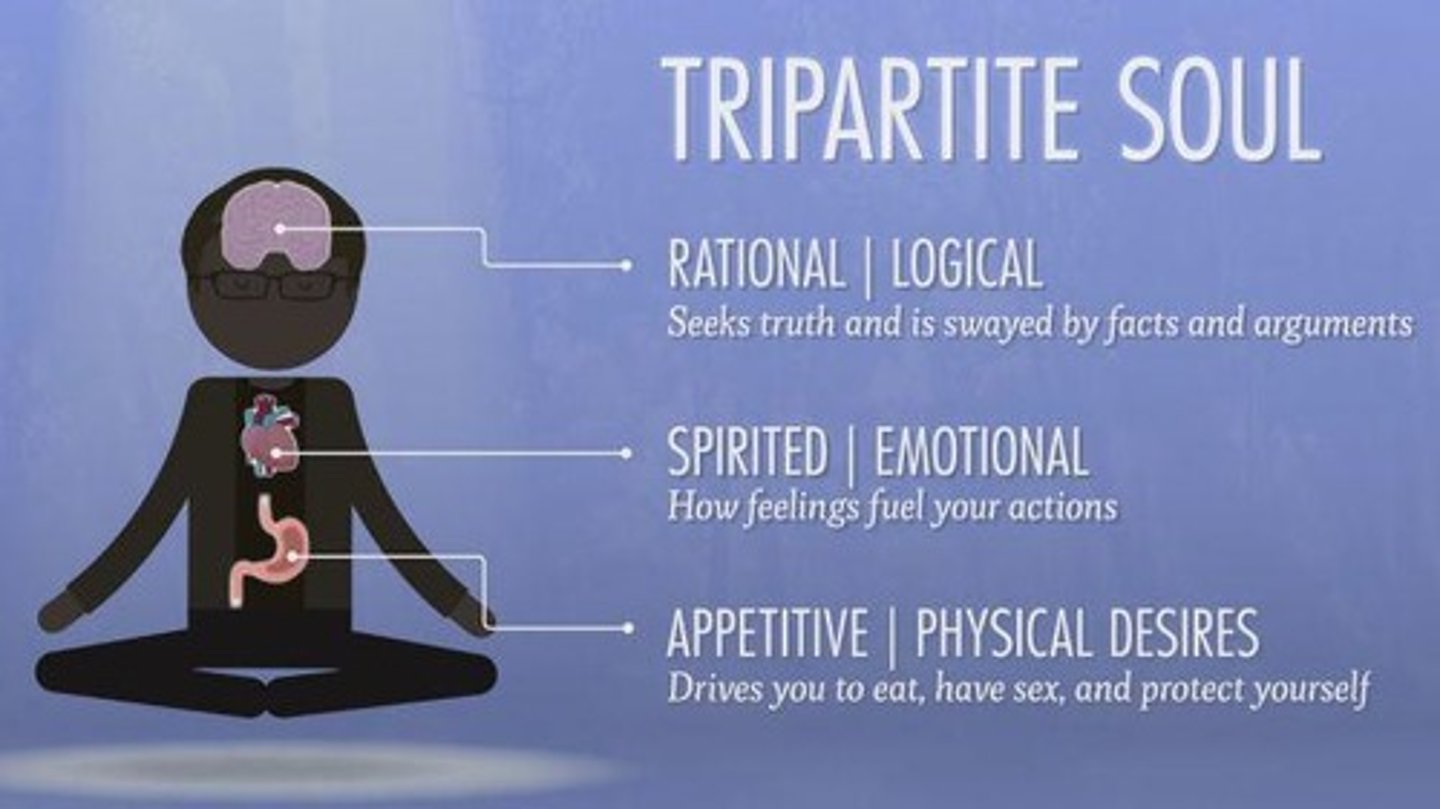
- Three-fold division of the soul
World of Forms
- Soul belongs to World of Forms, whilst body belongs to Imperfect (material) world
- Soul is therefore eternal and doesn't die
- Comes to Earth and is imprisoned within a body
- After death, soul escapes body and returns to World of Forms
What does soul do whilst in World of Forms?
Either:
- Born again into another body
- Remains to contemplate Form of Good (highest form)
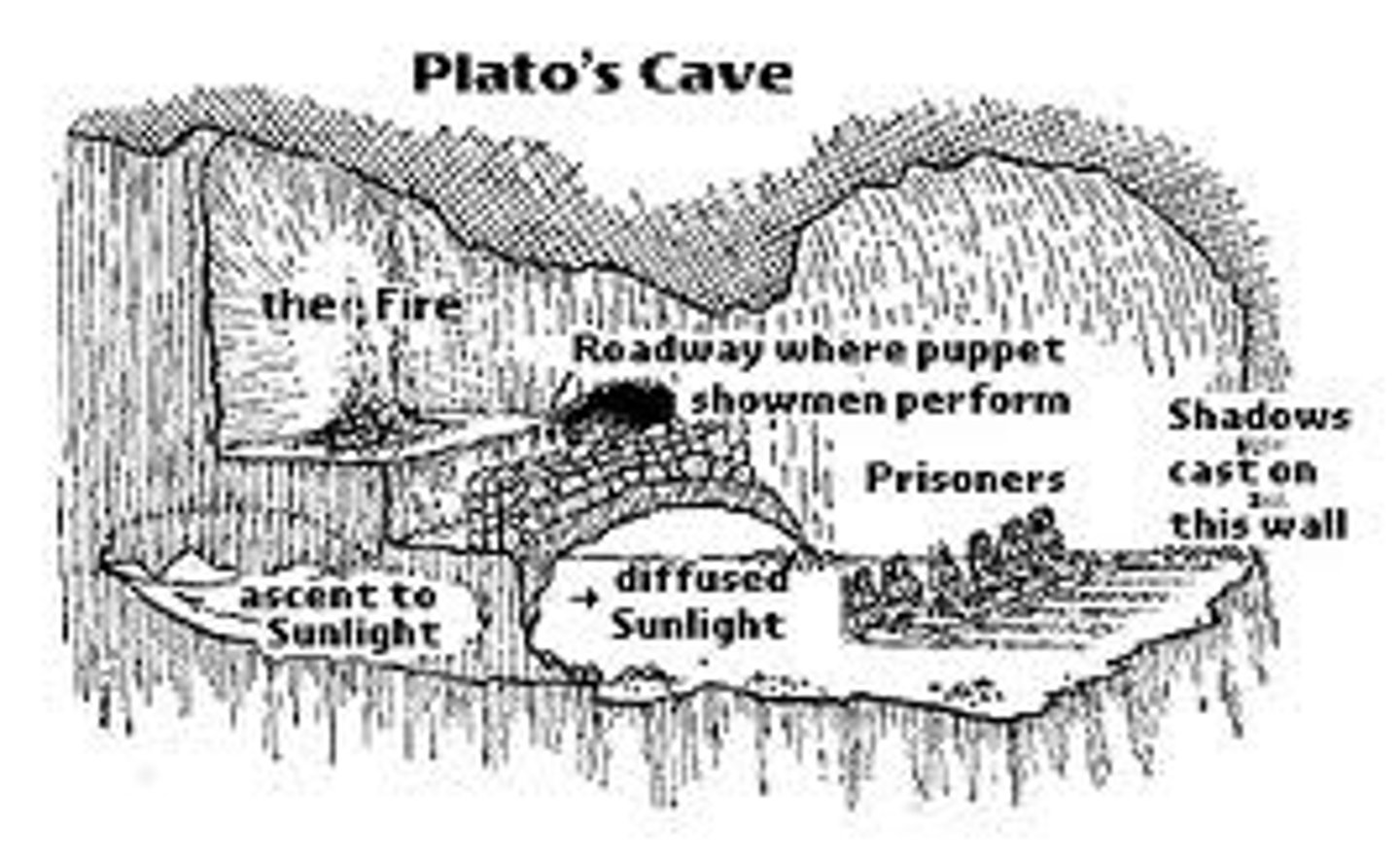
Which allegory does Plato use to explain the World of Forms?
Cave Allegory
Three-Fold division of soul
- Rational part
- Spirited part (Thumos)
- Appetitive part
- GOVERENED BY REASON (charioteer)
Rational part
- Immortal
- Searches for the truth
- Keeps other two aspects of soul under control

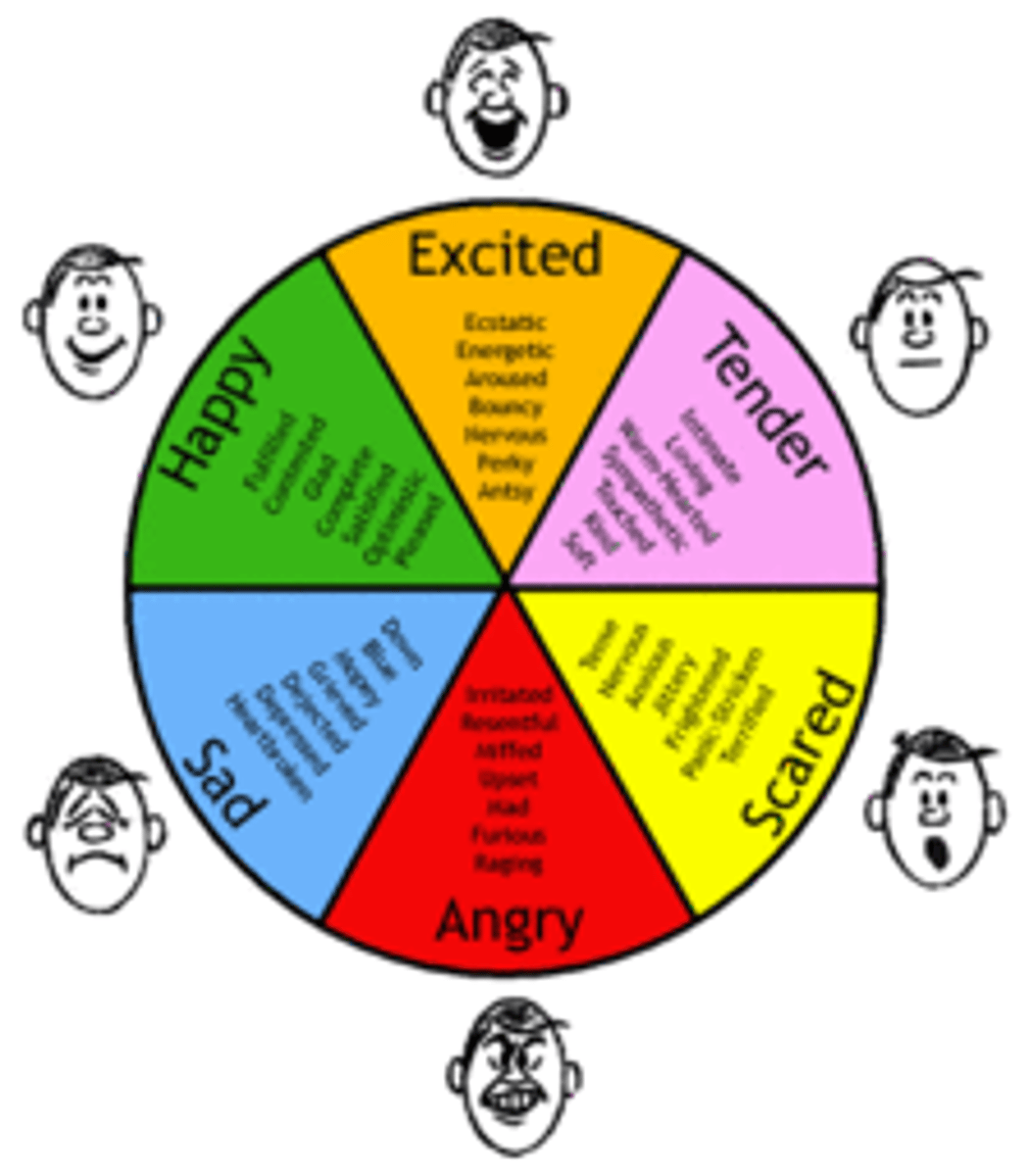
Spirited part (Thumos)
Includes emotions & character traits
Thumos
Part of the soul that corresponds to emotions and desires and should be subject to the rational part.
Appetitive part
- This part dies with the body
- Contains basic human desires, e.g. sex/food/drink

GOVERNED BY REASON (charioteer)
Keeps in check:
- White horse of spirit
- Black horse of desires
Strengths of Plato's theory
- Many Christians agree that the soul's true home = Elsewhere
- Many agree that it aligns with idea that something has left the physical body following death

Weaknesses of Plato's theory
- Idea of soul seeking escape from body is not typical of Christian thinking
- No good evidence for metaphysical World of Forms

What type of dualist was Descartes?
Substance Dualist
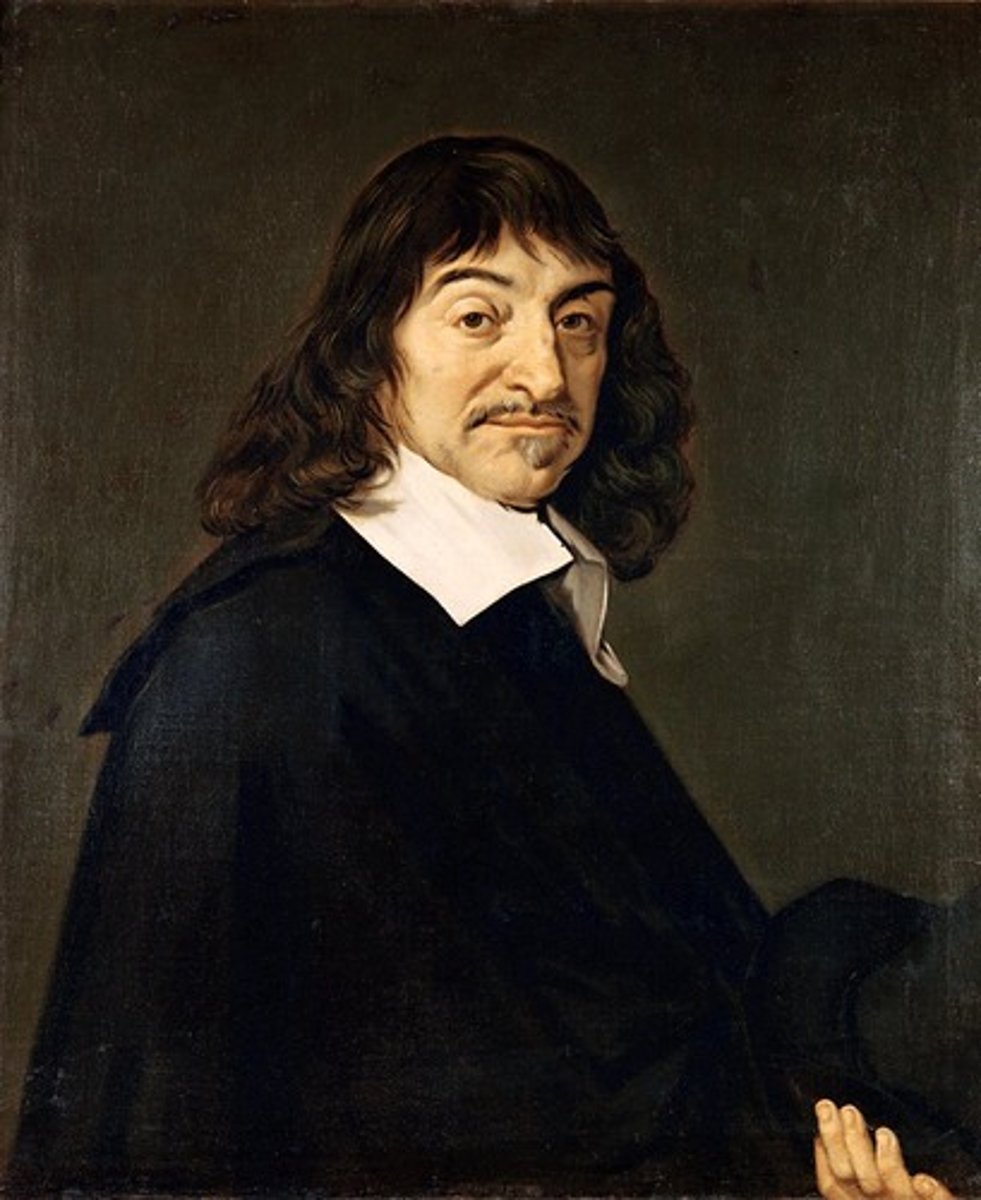
Substance Dualism
Mind & Body = Distinct substances with different essential properties

Descartes' proof for existence of the soul
- Argument from Doubt
- Argument from Divisibility & Non-Divisibility
- Argument from Clear & Distinct Perception

Argument from Doubt
- I can doubt my body exists.
- This ability to doubt means I cannot doubt my existence as a thinking being.
- Therefore, as a thinking being, I am not identical with my body.

Argument from Divisibility & Non-Divisibility
- All bodies take up space and so are divisible.
- Mental states do NOT take up space and are therefore NOT divisible.
- This means that minds = Radically different from bodies.
- They are two separate substances: res- cognita (mind) and res-extensa (body)

Argument from Clear & Distinct Perception
- Attributed his perception of two different things to God having created two different things.
- So he had a clear & distinct perception of himself as a thinking being and of his body as a non-thinking being.
- He and his body could exist apart from each other.
- So he was distinct from his body, as God is not a deceiver and wouldn't make him think that if it wasn't true.
- As the mind / soul does not take up space and has no parts to decay, it is immortal.

Strengths of Descartes' arguments
The views supporting Plato's theory can also support Descartes' argument.

Weaknesses of Descartes' arguments
- First Proof: Most philosophers view consciousness / the mind as a part of the brain, which is a physical part of the body
- Second Proof: Neuroscience shows a close correlation between the mind and the brain, e.g. simultaneous deterioration with conditions such as Dementia
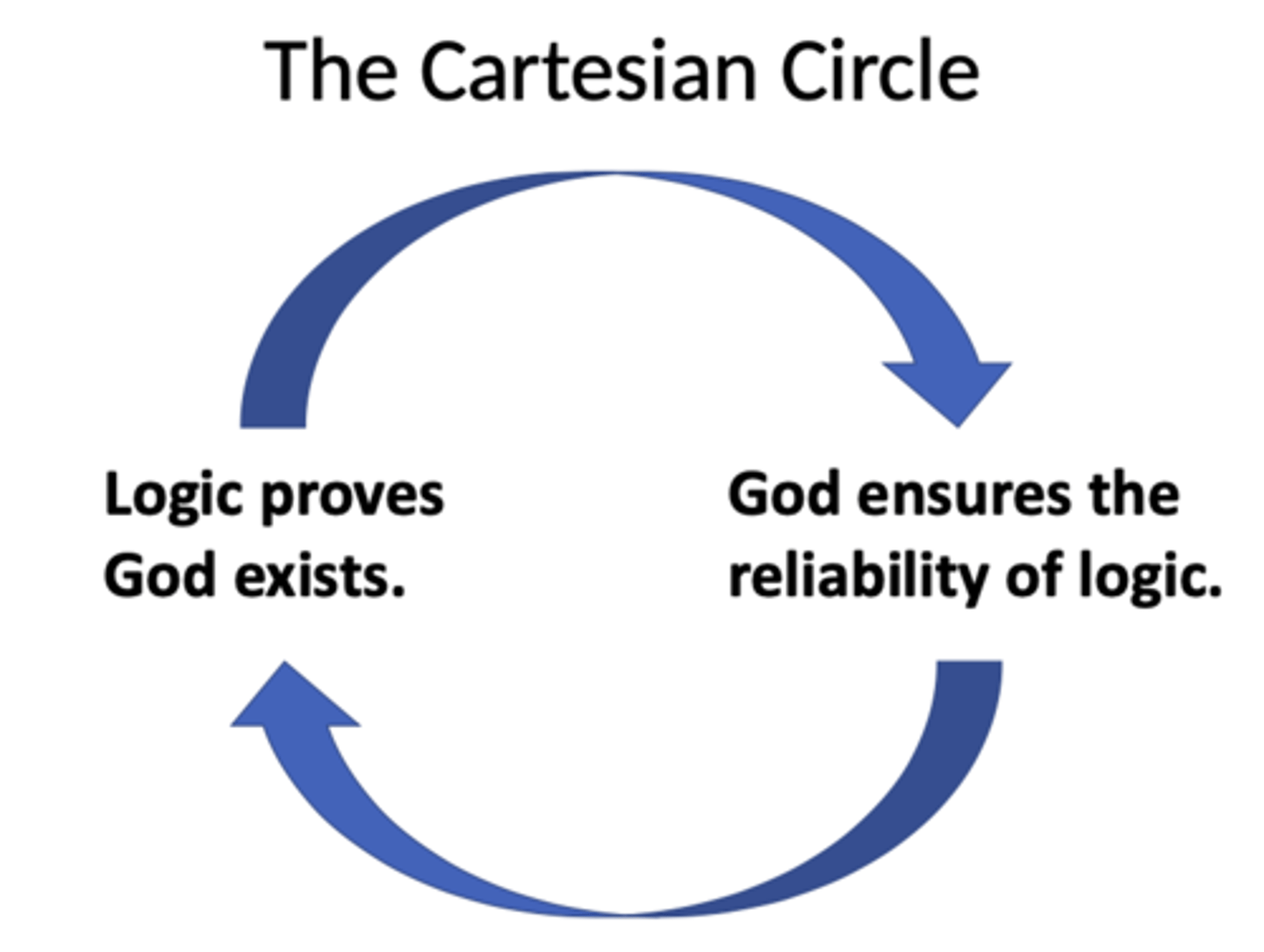
- Third Proof: Viewed by many as a "Cartesian Circle"

Cartesian Circle
- Descartes cannot rely on clear and distinct ideas before proving God exists.
- But he cannot prove that God exists without relying on clear and distinct ideas.
- So both arguments rely on each other to be proven / true.