Better Than Yesterday
 Call Kai
 Learn
Learn Practice Test
 Spaced Repetition
 Match
Match Flashcards
 Knowt Play
1/15

Earn XP
Description and Tags
Improvement Vocabulary
Name | Mastery | Learn | Test | Matching | Spaced | Call with Kai | Chat |
|---|
No analytics yet
Send a link to your students to track their progress
16 Terms
Neuroplasticity
The nervous system’s—and specifically the brain’s—ability to change, adapt, and reorganize itself by forming new connections between brain cells in response to internal or external stimuli.
Stimuli (Stimulus)
A signal from the outside world or inside the body that causes a reaction, feeling, or change in behavior.
Einstellung Effect
The tendency to stick to a familiar solution to a problem, even when a simpler or better solution exists.
Dopamine
A brain chemical/neurotransmitter that drives your motivation, movement, and feelings of reward.
Delayed Gratification
Waiting or working hard now to get a bigger reward later.
Instant Gratification
Getting a reward or pleasure right away without waiting.
Cognitive
Relating to how the mind/mental processes—thinking, knowing, remembering, and understanding work.
Fixed Mindset
The belief that basic qualities like intelligence, talent, and abilities are static traits that cannot be changed.
Growth Mindset
The belief that your basic abilities, intelligence, and talents can be developed through dedication, effort, and persistence.
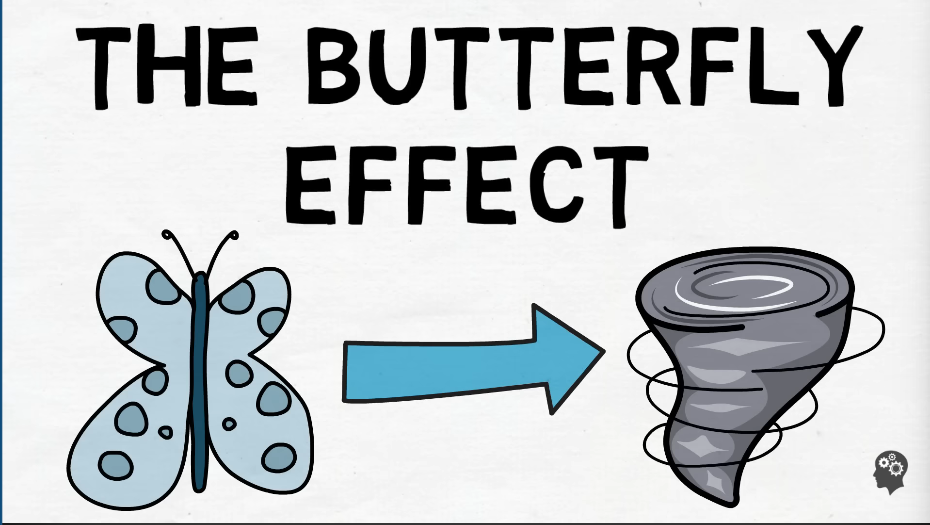
The Butterfly Effect
A chaos theory concept stating that small, initial changes in a complex system—like a butterfly flapping its wings—can trigger massive, unpredictable variations down the road.
External Stimuli
Changes or signals from outside the body. (Ex. Light, sound, heat, and touch.)
Internal Stimuli
Signals or changes from inside the body. (Ex. Hunger, Pain, Changes.)
Cognitive Dissonance
The mental discomfort you feel when your actions do not match your beliefs, or when you hold two contradictory thoughts at the same time.
Chaos Theory
A branch of math and science that studies how tiny changes at the beginning can cause massive, unpredictable results later on—even in systems that follow exact rules.
Neurotransmitter
A chemical messenger that lets nerve cells (neurons) talk to each other.
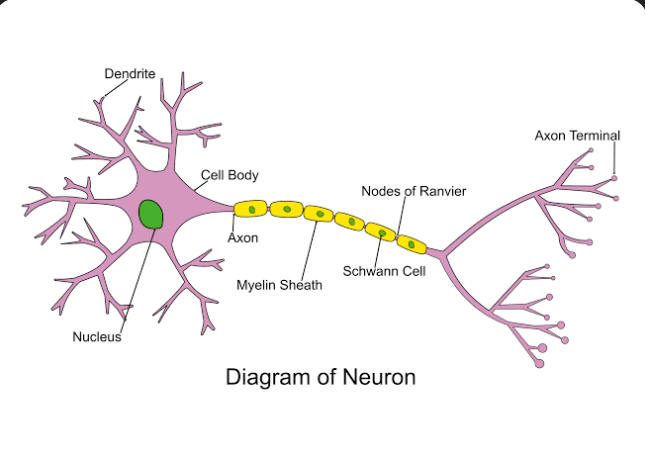
Neurons
Tiny body wires. They send fast messages between your brain and body. They let you move, think, and feel.