Rhetorical AP LANG
 Call Kai
 Learn
Learn Practice Test
 Spaced Repetition
 Match
Match Flashcards
 Knowt Play
1/27

There's no tags or description
Looks like no tags are added yet.
Name | Mastery | Learn | Test | Matching | Spaced | Call with Kai | Chat |
|---|
No analytics yet
Send a link to your students to track their progress
28 Terms

HYPERBOLE
An intentional exaggeration
Why does an author use hyperbole
To intensify issue, or to make emotionally significant
What is alliteration
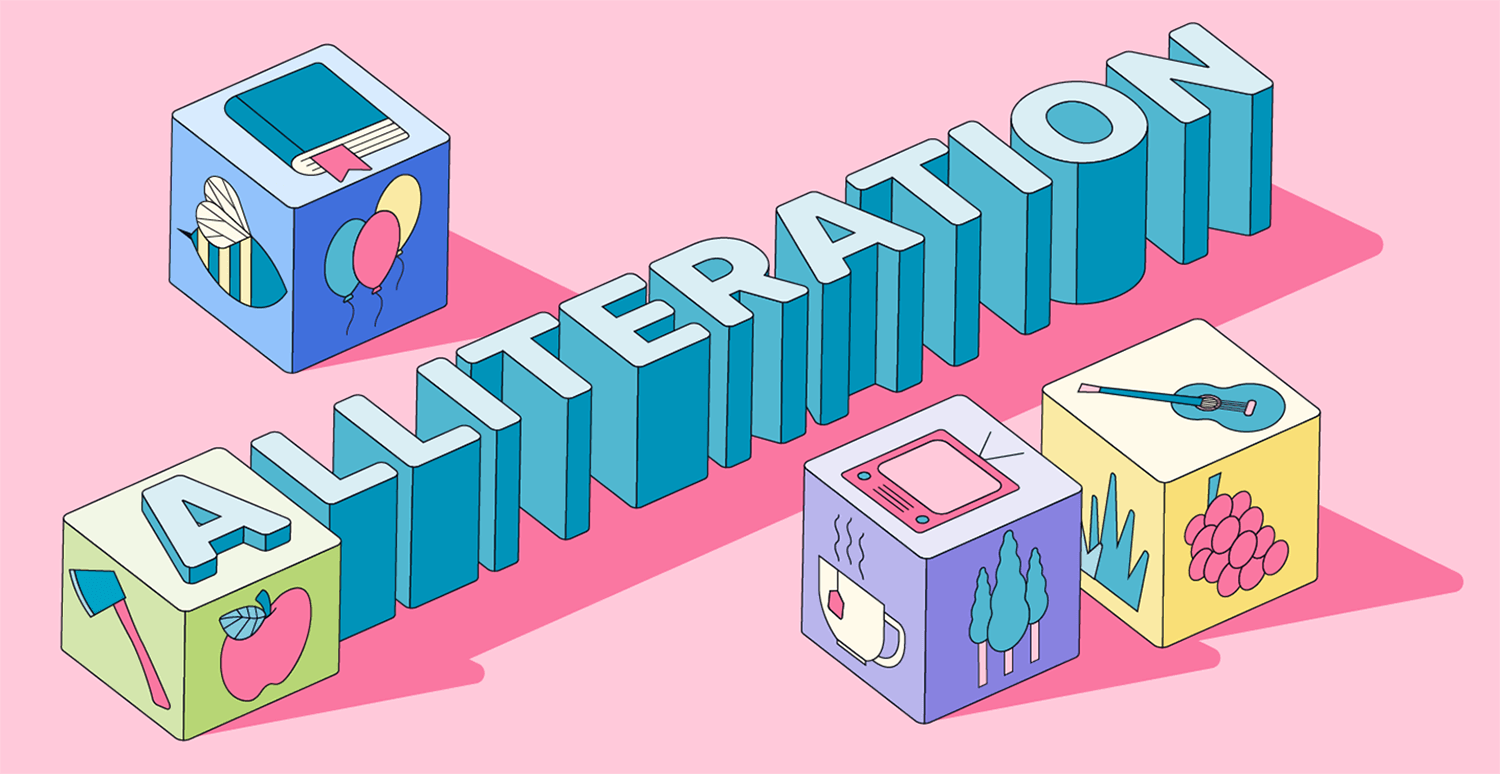
Repeating similar sounding words
Why do authors use alliteration
makes phrases MEMORABLE, catchy, and emphasizes connected ideas
What’s the desired affect of hyperbole
Alarmed, and makes it MEMORABLE
What’s the desired affect of alliteration
Makes message MEMORABLE+ confident+ maybe even energetic

Whats an onomatopoeia
Word that imitates sound it refers to
Y do authors use onomatopeias
Recreates a scene vividly, and appeals to audiences’ sense of hearing

Wats the desired affect of an onomatopoeia
Imagination, creates relatability, and feels more intimate and personal
What’s an oxymoron
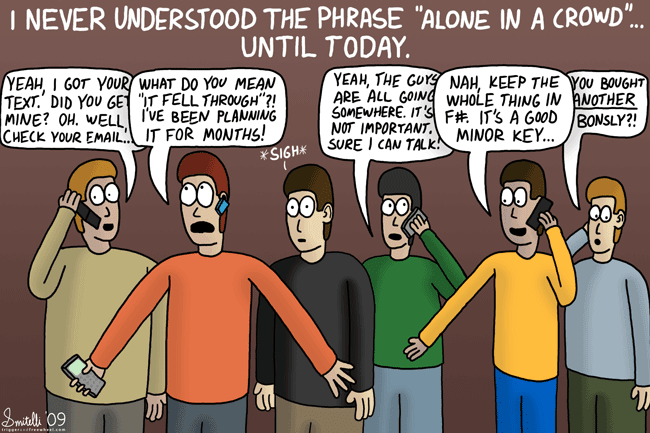
Fig of speech that uses 2 opposite words together
Why do authors use oxymorons
To express complex contradictions in a MEMORABLE+ concise way
Whats the desired affect of oxymorons
Makes reader stop and think critically

Whats satire
Using humor to criticize public figures/society
Y do authors use satire
To criticize harmful polices + social habits etc. w humor
Whats the desired affect of satire
Laughter + while realizing the prob + making it MEMORABLE
Whats a paradox
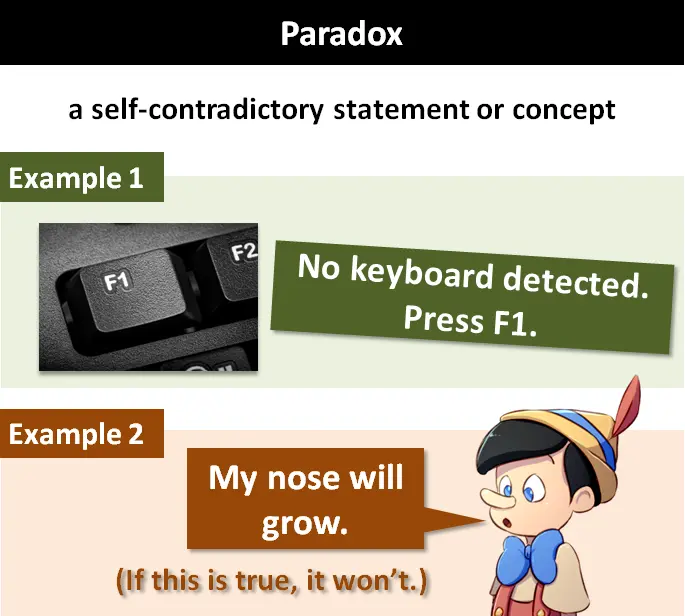
a statement or situation that appears to contradict itself, but actually reveals a deeper truth
Y do authors use paradox’s
Expresses a surprising truth/ shows that an issue is more complex than it seems
Whats the desired affect of paradox’s
Encourages readers to re-think their current stances on something+ MEMORABLE
WHATS IRONY
using words to mean the opposite of their ACTUAL meaning

Y do authors use irony
exposes contradictions between appearance vs reality + passive aggressive criticism
Whats the desired affect of irony
Recognize gaps between words and meanings+ humor
What is personification?
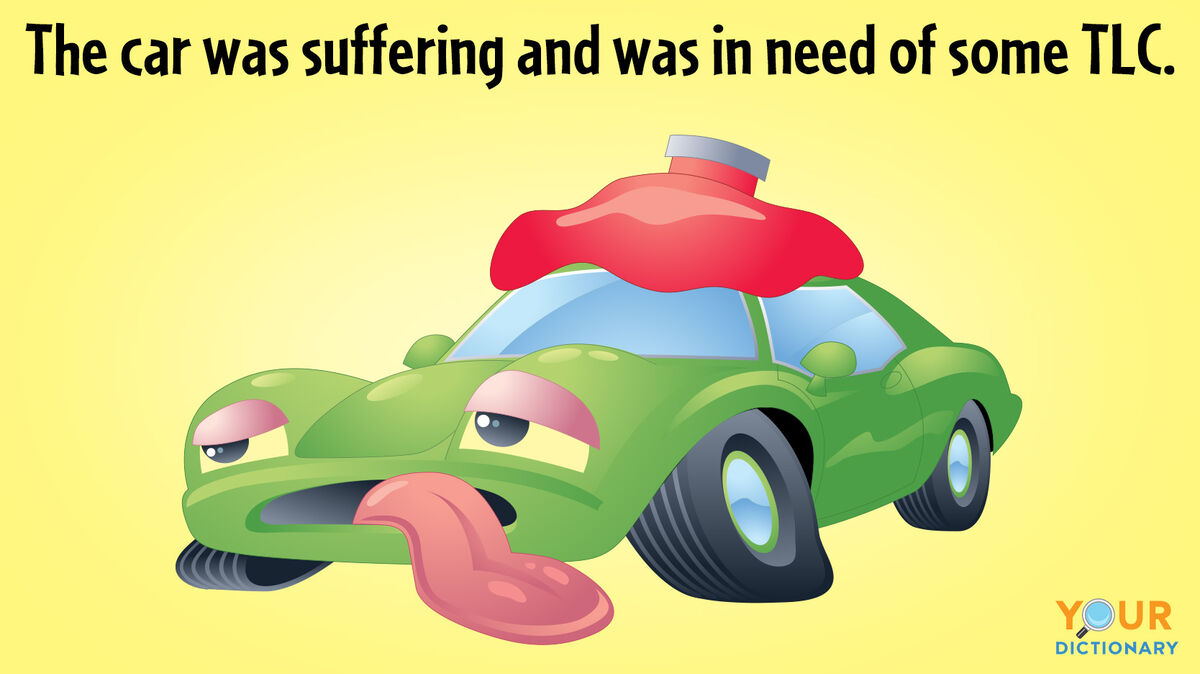
Giving nonliving things human traits
Why do authors use personification
To make an abstract idea, makes nonliving thing relatable
What’s the desired effect of personification
Empathy, emotionally persuasive that helps connect reader to thing/object
Whats an anecdote
A short story that happened to the speaker
Why do authors use personification
Introduces a topic, and connects the future message/ topic

What the desired effect of personification
Creates connection, empathy ,and relatability