Intro To Roman 1st Exam C C 307D
 Call Kai
 Learn
Learn Practice Test
 Spaced Repetition
 Match
Match Flashcards
 Knowt Play
1/58

There's no tags or description
Looks like no tags are added yet.
Name | Mastery | Learn | Test | Matching | Spaced | Call with Kai | Chat |
|---|
No analytics yet
Send a link to your students to track their progress
59 Terms
Stratigraphy
the scientific study of rock layers (strata) and their layering (stratification), used to understand Earth's history, composition, and relative age
Neolithic Revolution
The prehistoric transition from hunting and gathering to agriculture and permanent settlement.
Metallurgy
The science and technology of extracting, working, and crafting metals into tools, weapons, and objects.
Nuragic Culture
A Bronze Age civilization in Sardinia known for constructing distinctive monumental stone towers called nuraghi.
Terramare Culture
Located in the Po Valley / northern Italy, had Highly planned settlements, Major agricultural production & complex water systems. Evidence for coordinated labor
and social organization
Uluburun Shipwreck
A Late Bronze Age shipwreck discovered off the coast of Turkey, providing evidence of Mediterranean maritime trade networks.
Prestige Goods
Rare items used by elites to display status, secure political alliances, and led to emerging inequalities
Forum Burials
Early Iron Age burial sites found in the area of the Roman Forum, reflecting early settlement patterns in Rome.
Relative Chronology
A Chronology that determines the age of a feature or event relative to the age of other features or eventssoil such as stratigraphy (deeper layers are older)
Otzi the Iceman
• Europe’s Most Famous Archaeological Mummy
• Discovered in the Alps in 1991
• Lived around 3300 BCE
• Preserved naturally in ice for over 5,000 years (wild!)
• Provides major evidence for prehistoric European life that is not burial related
Villanovan Culture
Early Iron Age culture in central Italy known for cremation burials using distinctive biconical urns and hut-shaped urns. They also used bronze weapons
Bucchero Pottery
Locally produce black ceramic made by Etruscans. It shows that the Etruscans participated in long-distance exchange.
Etruscan Culture
An ancient civilization in central Italy (Etruria) that developed sophisticated urban centers, art, and burial practices prior to Roman dominance.
Landscape of Rome
The physical geography of early Rome, characterized by its seven hills, marshy valleys, and position along the Tiber River.
Latial Hut Urns
Cinerary containers shaped like miniature huts, used in early Iron Age Latium to store cremated remains.
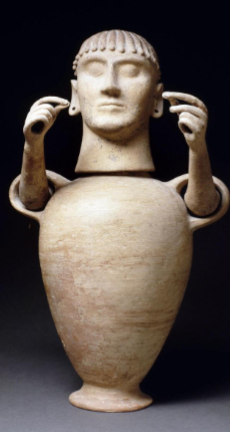
Canopic Urns
Cremated remains placed inside urn
• Human head modeled on vessel
• Sometimes on chair/throne
• A continuation of Villanovan traditions
• Strong connection btwn body and
container

Poggio Civitate
• Monumental Buildings made of terracotta that was evidence of elite display and communal/elite feasting
Sant'Omobono
• Located near the Tiber &
Forum Boarium (major
corridor)
• Religion + Trade +
Urbanization
• 7th to early 6th century
BCE
Evidence of:
• Early settlement
• Cult Activity
• Temples
• Altars
• Sacrificial deposits
• Inscriptions
• Multiple construction phases
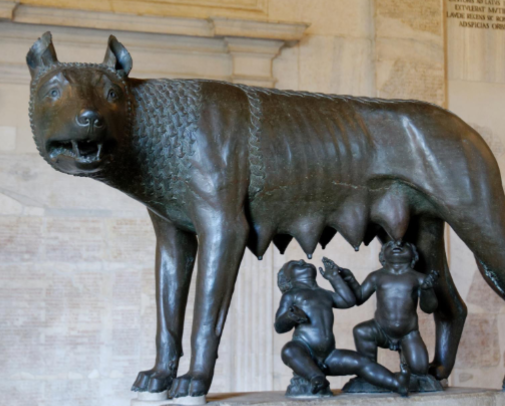
Capitoline Wolf
An iconic bronze sculpture associated with Rome's founding myth, depicting the she-wolf nursing Romulus and Remus.
Regolini-Galassi Tomb
One of the richest known
Etruscan tombs that shows literal evidence of
continuity and transformation and displayed coexisting burial practices
Tomb of Hunting and Fishing
• 530-510 BCE
• 2 painted chambers
• Dancers, banquets, nature, ocean,
etc
• Most sophisticated surviving
example of Etruscan landscape
painting
• Nature becomes active part of
composition
• Shows leisure, hunting, music,
social aspects
Sarcophagus of Reclining Couple
Late 6th century BCE
• Terracotta
• Male + Female couple
• Most famous Etruscan
sarcophagus
• Represents: Reclining at a
banquet in formal attire,
facing the viewer
Possible Meanings:
• Banqueting in the
afterlife
• Family Identity
• Elite Status
• Martial identity
• Social life after death

Aristonothos Krater
• Cerveteri tomb
• Mid 7th century BCE
• Large mixing bowl
• Signed “Aristonothos made [me]”
• Greek/Euboean script
• Made in Italy
Veii
Rome’s
Etruscan Rival
• Located only ~ 18-18 km north of
Rome
• Largest south Etrurian city
• Occupied from Late Bronze into
Roman period
• Destroyed/conquered by Rome
traditionally in 396 BCE
• Case study for relationship between
Etruscan and Roman culture
Gravisca
Major ancient port active from 7th century BCE as a commercial and religous center, was evidence of Greek merchants
Portonaccio Sanctuary
A major Etruscan temple complex outside Veii dedicated to Minerva and Apollo. It highlights Etruscan architecture and Veii’s influence on Rome
Apollo of Veii
Sculpture created in 510-500 BCE, possibly made by Vulca
Tomb of Roaring Lions
• “Discovered” in 2006
• Early 7th century (shortly after 700
BCE)
• Earliest known painted Etruscan
tomb!
• So developed earlier than those
at Tarquinia
• Field and knowledge are ever-
changing!
• Rock-cut chamber
Temple of Jupiter Optimus Maximus
• Capitoline Hill
• Enormous temple
• Late 6th century BCE
• Dedicated to Jupiter, Juno,
and Minerva
• Massive podium
• Frontal orientation
• Deep porch
• Tripartite cellae
• Elaborate terracotta
decoration
Aeneas
Arrived in Italy, where his descendants eventually founded Rome, making him the symbolic forefather of the Roman people.

Nuraghe

Uluburun Shipwreck
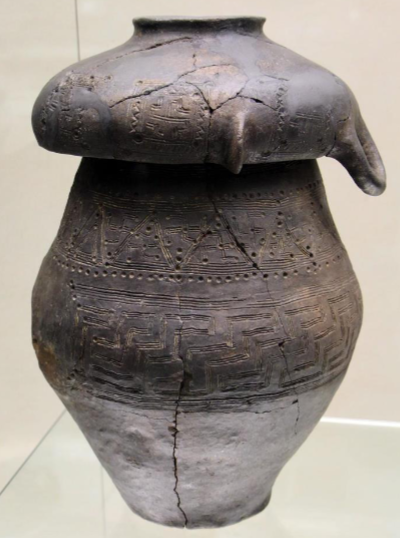
Biconical Urn
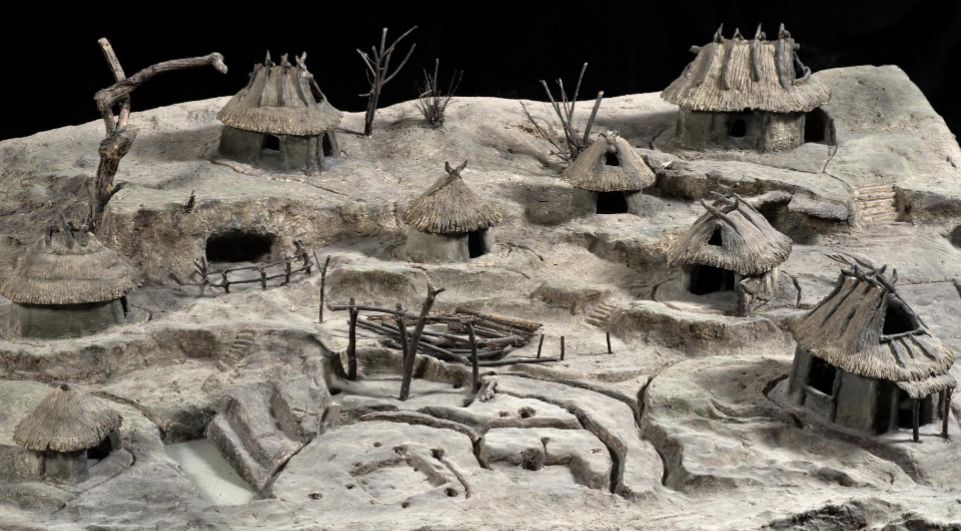
Pre-historic Palatine Hill
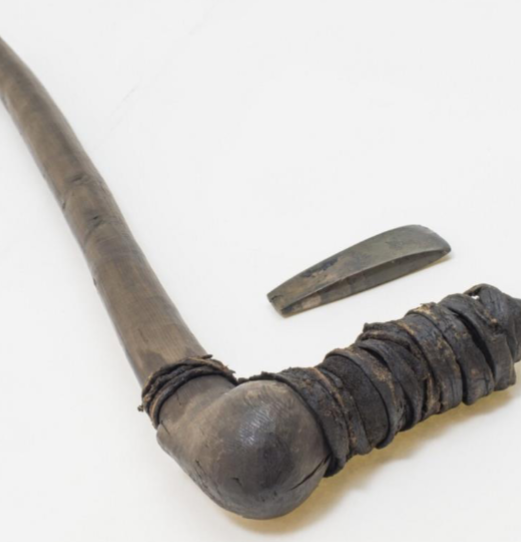
Otzi’s Copper Axe
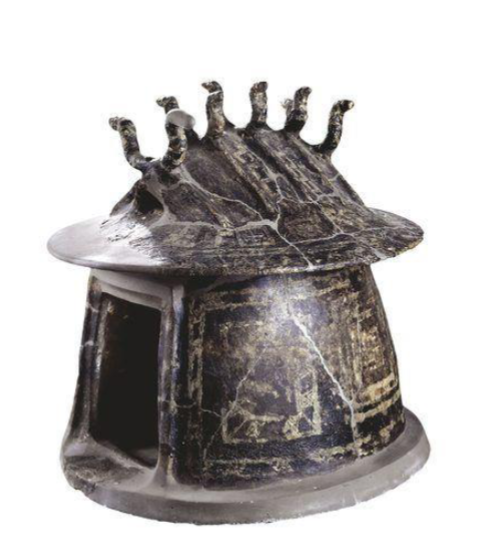
Latial Hut Urn

Etrustcan-Corinthian Pot

Capitoline Wolf

Sarcophagus of the Reclinign Couple

Tomb of the Reliefs

Tomb of Hunting and Fishing
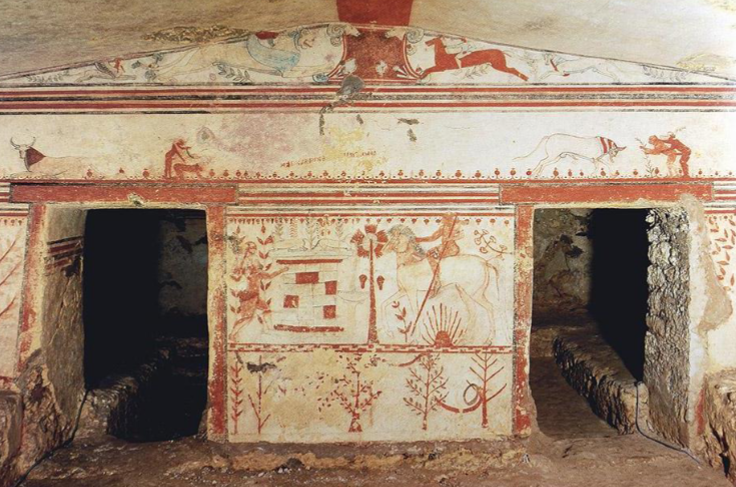
Tomb of the Bulls
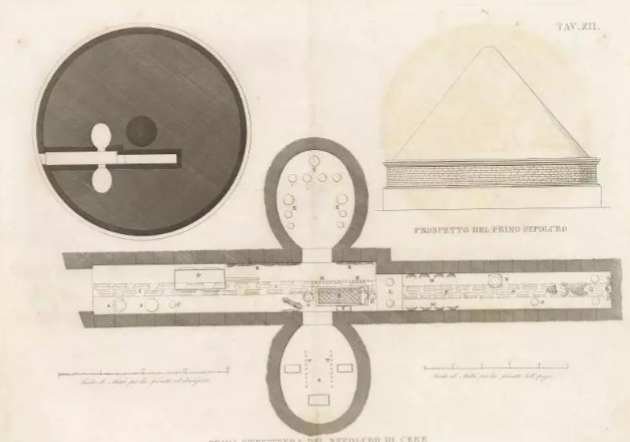
Regolini Galasso Tomb

Tomb of the Leopards

Winged Horse of Tarquinia
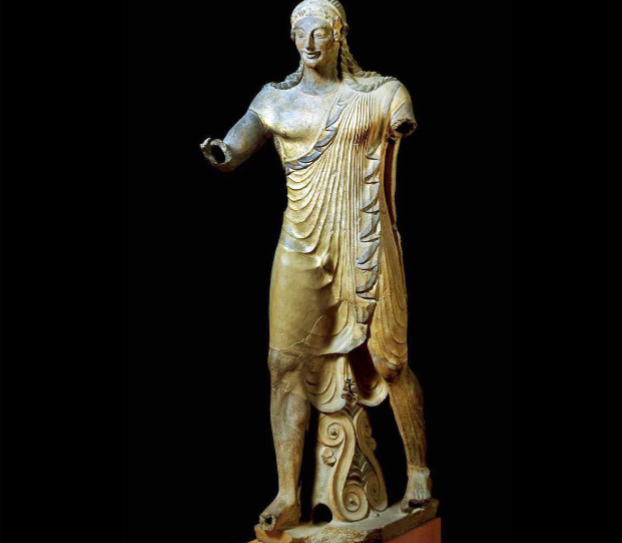
Apollo of Veii

Tomba Campana
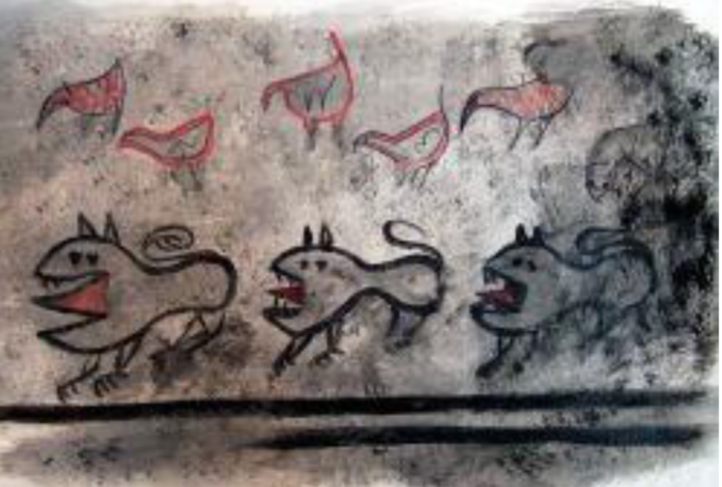
Tomb of the Roaring Lions
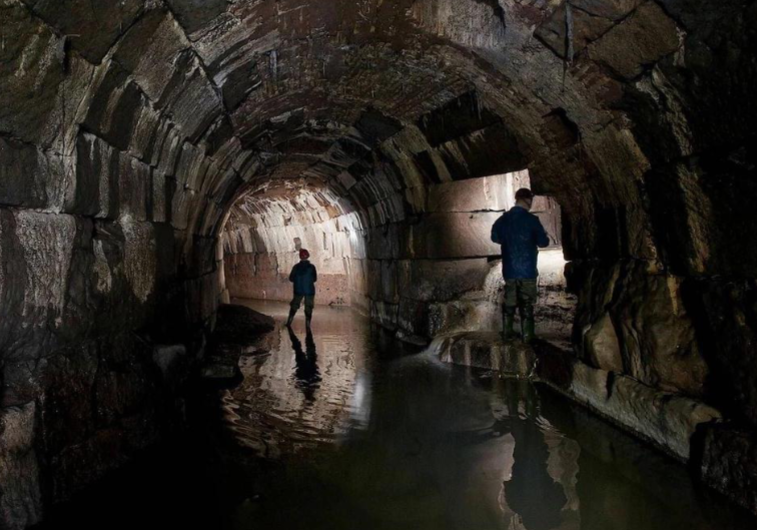
Cloaca Maxima

Portanaccio Temple

Servian Wall

Paestum - Temple of Hera

Via Appia
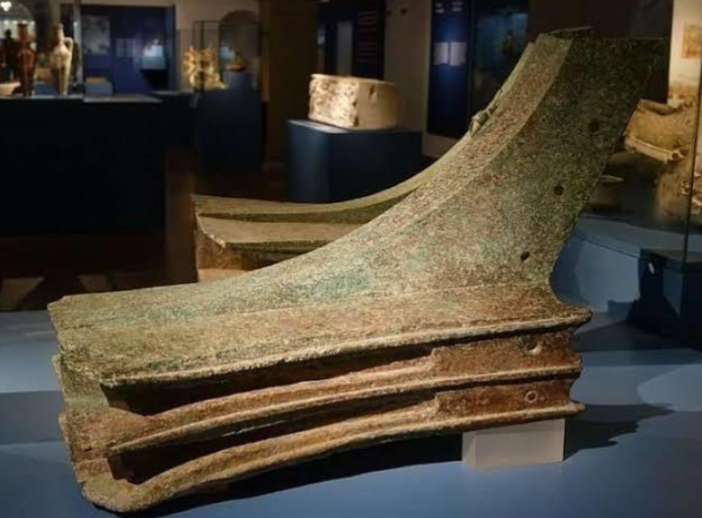
Egadi Island Ram

Temple of Portunus

Temple of Hercules Victor

Sanctuary of Fortuna at Praeneste

Caesar’s Coin Potrait
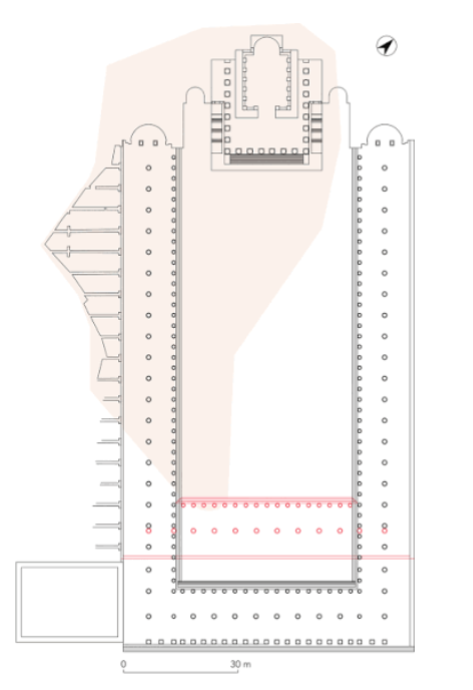
Caesar’s Forum