Protein Structure/Function: CATEGORY 1A
 Call Kai
 Learn
Learn Practice Test
 Spaced Repetition
 Match
Match Flashcards
 Knowt Play
1/59

There's no tags or description
Looks like no tags are added yet.
Name | Mastery | Learn | Test | Matching | Spaced | Call with Kai | Chat |
|---|
No analytics yet
Send a link to your students to track their progress
60 Terms
All amino acids are (L, D)
L
All amino acids are (R,S) with the exception of ________________
S, Cysteine
Every amino acid is chiral except
Glycine
Name the basic amino acids
BASIC HISTORY LIES...ARG
Histidine, Lysine, Arginine
Name the acidic amino acids
aspartic acid, glutamic acid
Also known as aspartate and glutamate
Name the hydrophobic amino acids
DO NOT STRICTLY MEMORIZE THESE. It is too many to straight up remember, even using mnemonics.
Instead, remember the laws that govern hydrophobic interactions: Hydrogen bonding. All amino acids without hydrogen bonding will be hydrophobic. More specifically, amino acids with any R group that is not acidic, basic, or has an alcohol will be hydrophobic.
Name the hydrophillic amino acids
DO NOT STRICTLY MEMORIZE THESE. It is too many to straight up remember, even using mnemonics.
Instead, remember the laws that govern hydrophobic interactions: Hydrogen bonding. All amino acids with hydrogen bonding will be hydrophyllic. More specifically, amino acids with any R group that is acidic, basic, or has an alcohol will be hydrophillic
cysteine vs cystine
cysteine = reduced form of the a.a.
(remember: the e is for electrons... which you still have in reduced form)
cystine = oxidized form of the a.a.
(remember: the absence of the e means loss of electrons, which is what you face in oxidation)
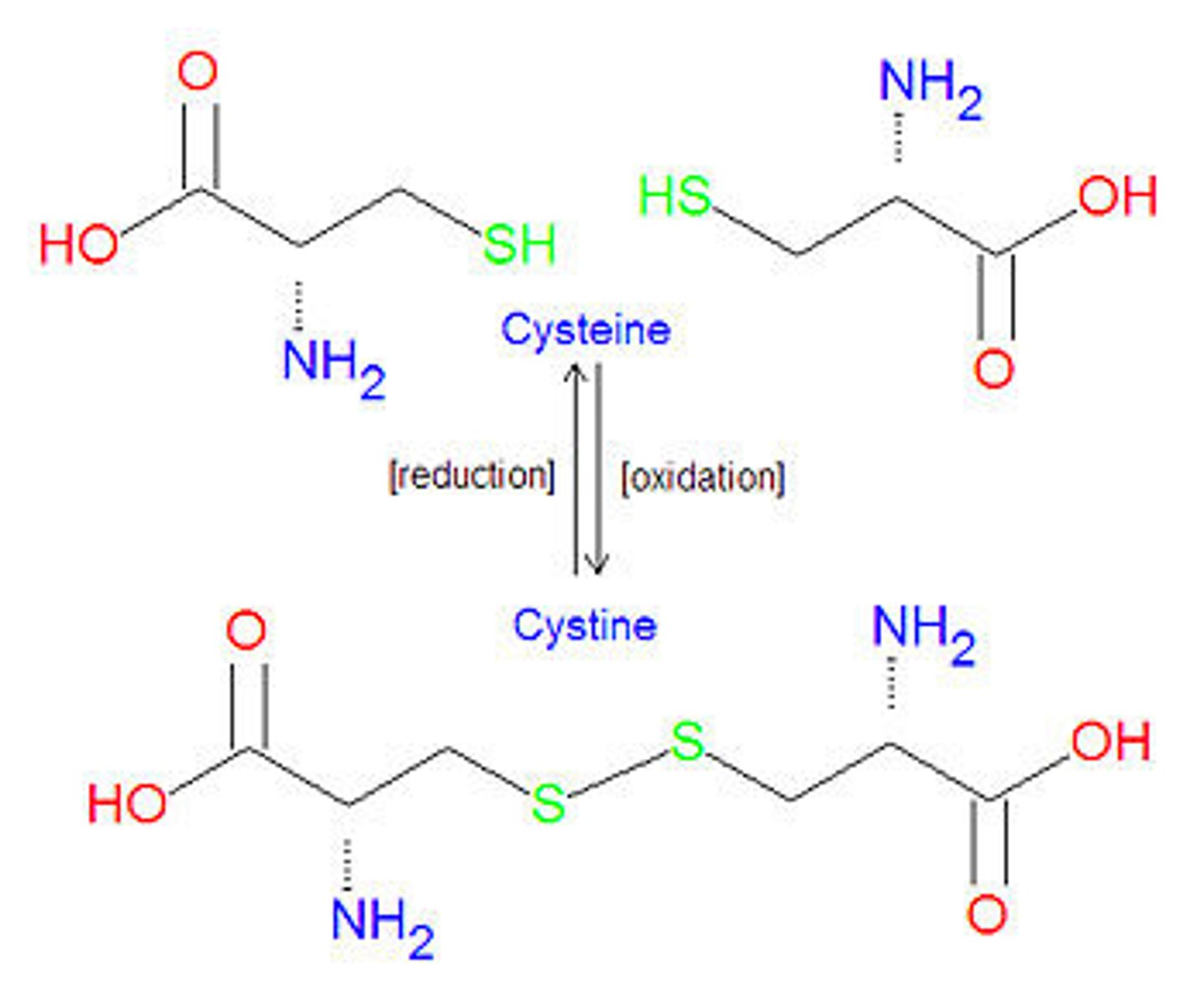
Cystine is formed via what bond
disuflide bond. This is easy to remember as two sulfur groups are connecting in the oxidation of cysteine!
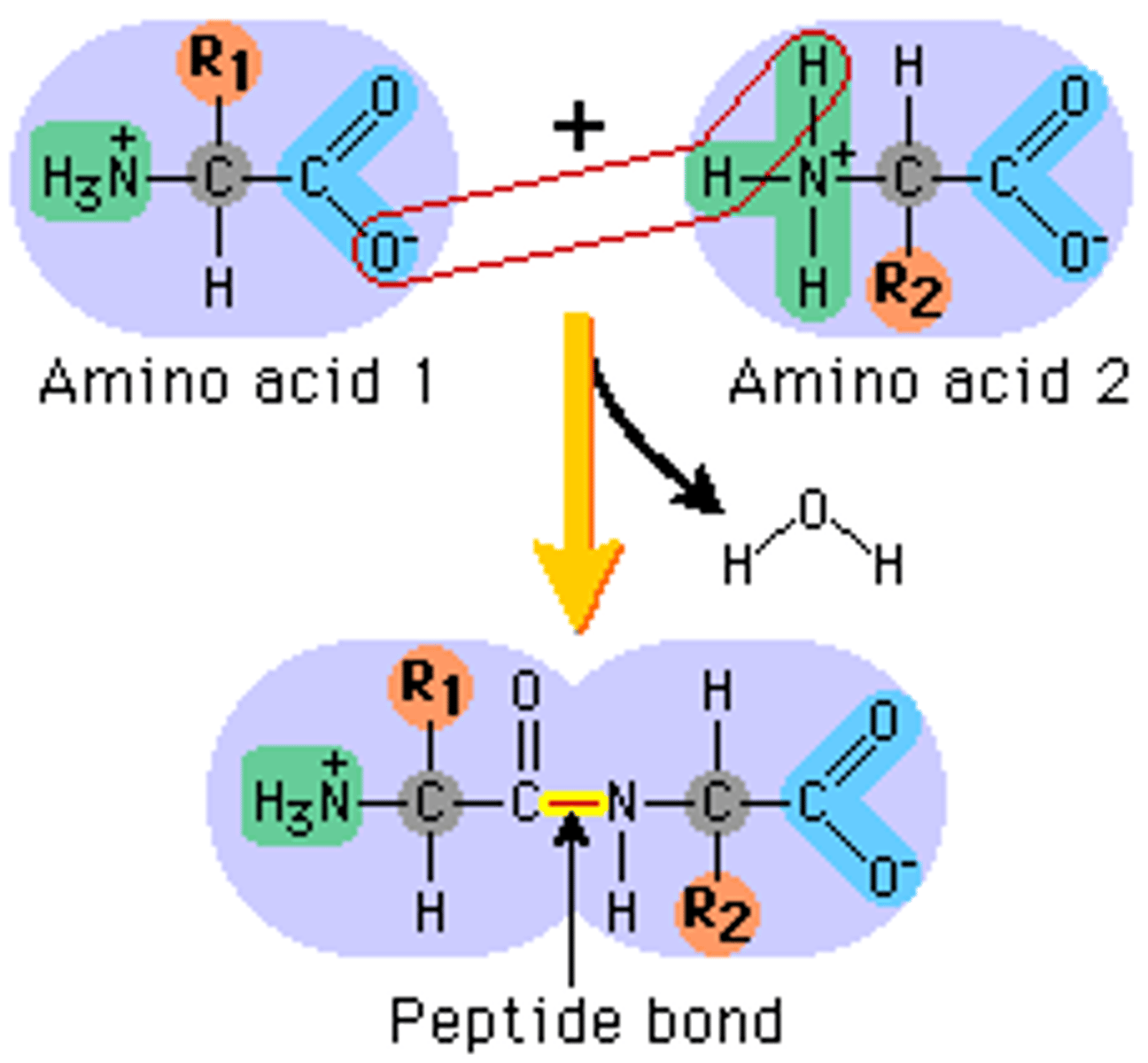
How are amino acids linked? What type of reaction forms them?
Peptide bond. This rxn is called a CONDENSATION (or dehydration) rxn because water is lost. It is between the carboxyl group of one amino acid and the amino group of another.
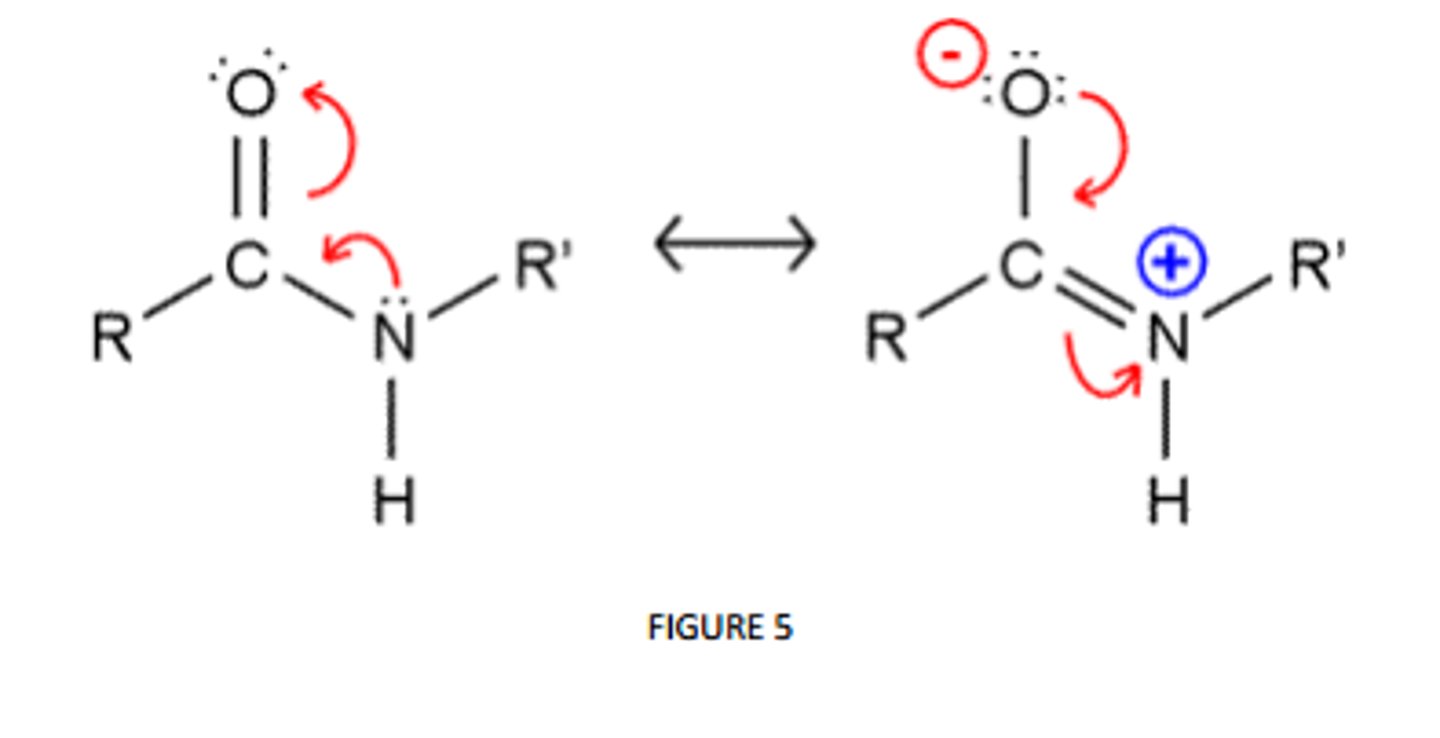
Why can the amino acid along the peptide bond not rotate?
Resonance-- this phenomena allows the amino acid (around that bond) to act as if it was a double bond.
IMPORTANT NOTE: There is still free rotation along the alpha carbon with the R group.
Given our knowledge that amino acids are formed with the loss of water, can one guess how we can break them down?
Adding water! Consider Le Chatliers Principle. Adding more product will shift equilibrium to the side of the reactants (the original amino acids being put together)
Important: This method is non-specific (it is completely random what peptide bonds are broken between proteins)
Side note: Hydrolysis doesn't normally occur in our cells because it requires an acid catalyst and higher levels of heat.
If you wanted to break down an amino acid at a specific peptide bond, how would you do it?
Use specialized enzymes such as trypsin, chymotrypsin,etc.
It is not important to remember what aa's are specifically broken during these reactions. The AAMC should give that you.
Just as a side note though:
Trypsin- cleaves the c terminus of positive charged amino acid side chain. So if u know ur positive charge amino acid(R,K), you can figure it out.
Chymotrypsin- cleaves c terminus of aromatic amino acid side chain. If you know the aromatic amino acids (W, Y, and F), then you good.
Describe the primary structure of a protein
sequence of amino acids in a polypeptide chain.
Has nothing to do with folding nor 3D structures.
Covalent bonds (peptide bonds) hold this together
Describe the secondary structure of a protein
Secondary structure results from hydrogen bonding ONLY.
It is from backbone hydrogen interactions.
The hydrogen bond causes the amino acids to form pleated sheets or helices.
These form into specialized structures called a-helicies or beta pleated sheets.
tertiary structure
The third level of protein structure; the overall, three-dimensional shape of a polypeptide due to interactions of the R groups of the amino acids making up the chain.
Stabilized by: primarily hydrophobic packing, but also hydrogen bonds, acid/base interactions, van der wals and disulfide bonds
Where is the oxidizing environment of the cell?
Extracellular space.
The interior (cytoplasm) of the cell is the opposite-- a reuducing environment
Cysteine is more likely to exist intracellular, and opposite for Cystine.
quanternary structure
Two or more tertiary structure protein chains bonded together in a single protein; hemoglobin is an example of a protein molecule with this structure.
T or F: Protein can still be functional when backbone forces (hydrogen bonding, etc) are disrupted
False. A protein is ONLY functional when in the proper conformation.
A protein can have hundreds, if not thousands different conformations. Why do proteins only exist (in general) in one or two?
Stability of the molecule drives which conformation. A negative delta G is more favorable.
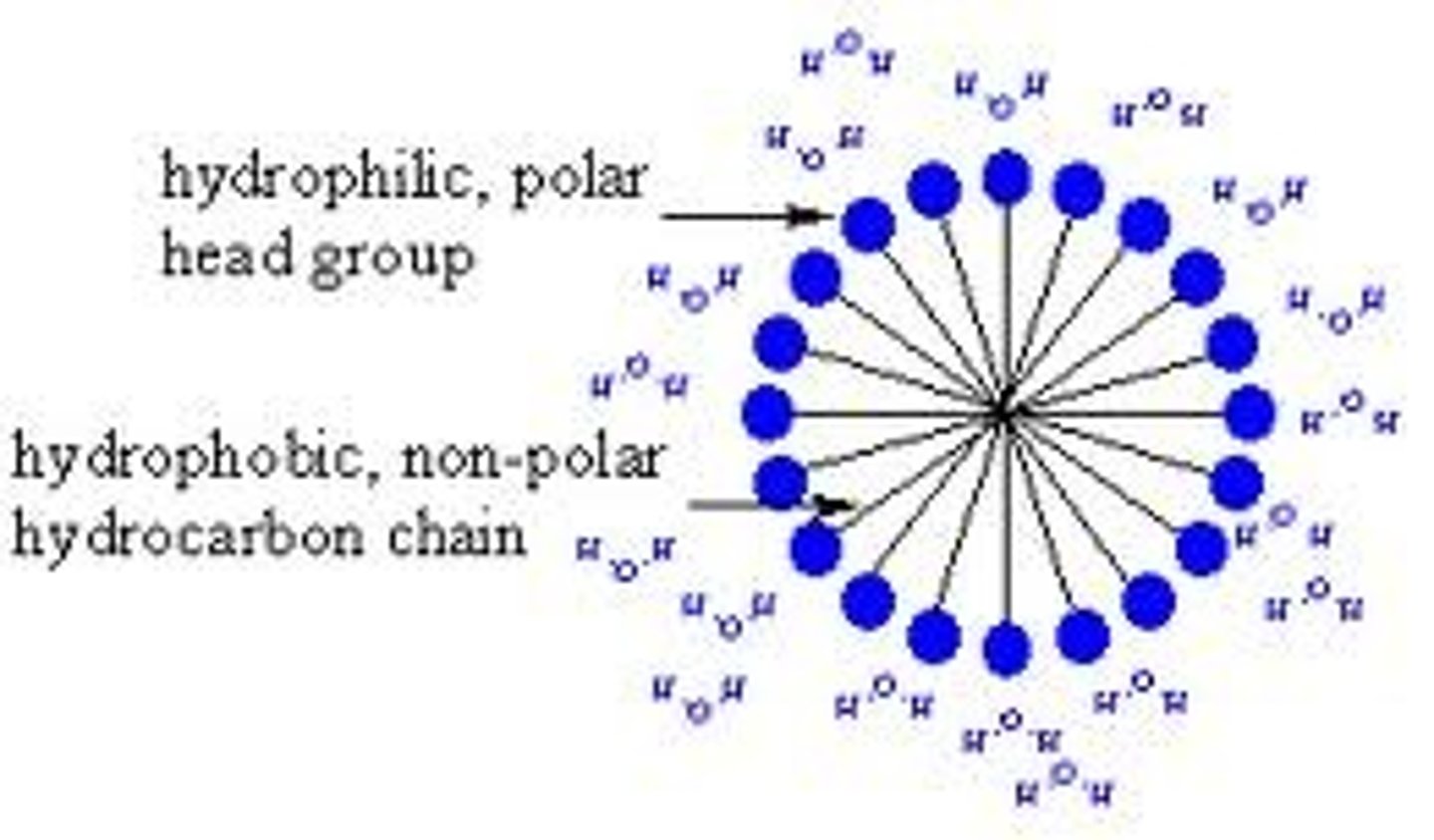
Describe the solvation layer (or shell)
This is a simple phenomena in which hydroboicity and hydrophillicity drive protein stability, but depending on the solvent. For example, if water is used as a solvent, proteins will fold in a way that allows hydrophobic proteins inside the protein to decrease it's interaction with water. THIS DRIVES STABILITY
The isoelectric point is:
The pH at which an amino acid will have no charge. Very useful for seperation of amino acids as many have different isoelectric points. This seperation is called ISOELECTRIC FOCUSING
Electrophoresis
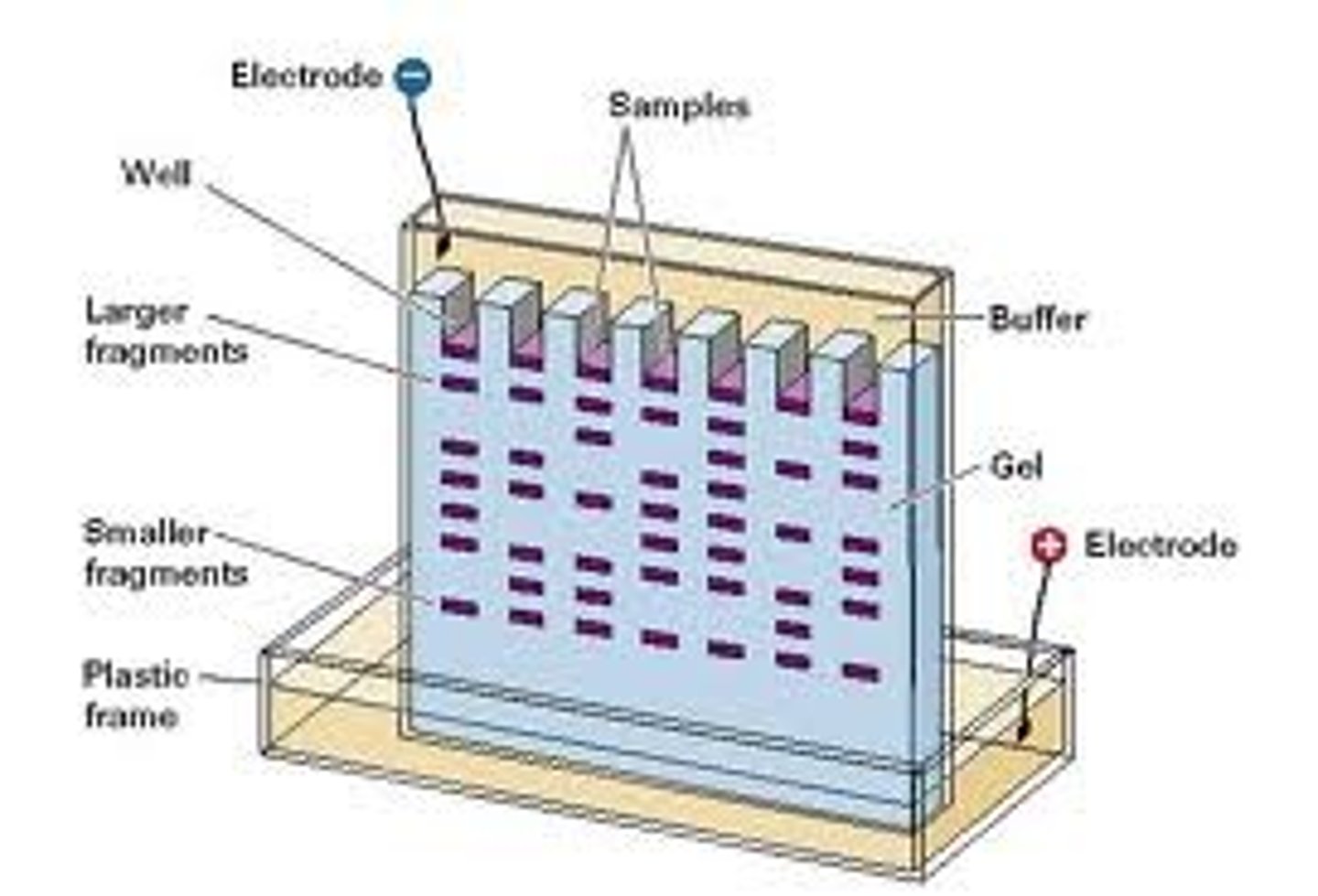
Method of separating protein by SIZE. Useful for proteins that have similar charge.
You insert your sample of proteins at the top of the gel, which then are subjected to an electric current. This causes the proteins to run down the gel and become separated, as the larger proteins will have a tougher time moving down the gel.
You run gel electrophoresis under two conditions:
1. Native- this does not degrade proteins into primary structure. You will use this if attempting to gather information about protein complexes.
2. SDS-page- this interacts with tertiary and secondary structures to linearize proteins.
Non-enzymatic binding
The most well known type of function for proteins is enzymatic, but there are others. One of protein coolest features is to be able to specifically and tightly bind to other molecules to form complexes
Receptor/Ion Channels
Receptors are intramembrane (usually) proteins that sense signals from the outside environment. Usually, each receptor has 1-2 specific molecules it can find, called ligands. When a ligand binds, it causes a signaling pathway and action to occur in the cell (insulin release)
Ions can not permeate through the cell membrane, and thus need specialized channels to enter. That is where protein-based ion channels come in.
Non-Enzymatic Protein Function: Immune System
Antibodies and antigens interactions, and other very specific protein-protein interactions drive our immune system.
Antibodies and antigens bind through non-covalent, irreversible (these words are synoyms!) bonds.
Non-Enzymatic Protein Function: Motor
Proteins can be transport molecules, as well as help structure the cytoplasm to assist with moving.
Myosin
A protein present in muscle fibers that aids in contraction and makes up the majority of muscle fiber
Kinesin
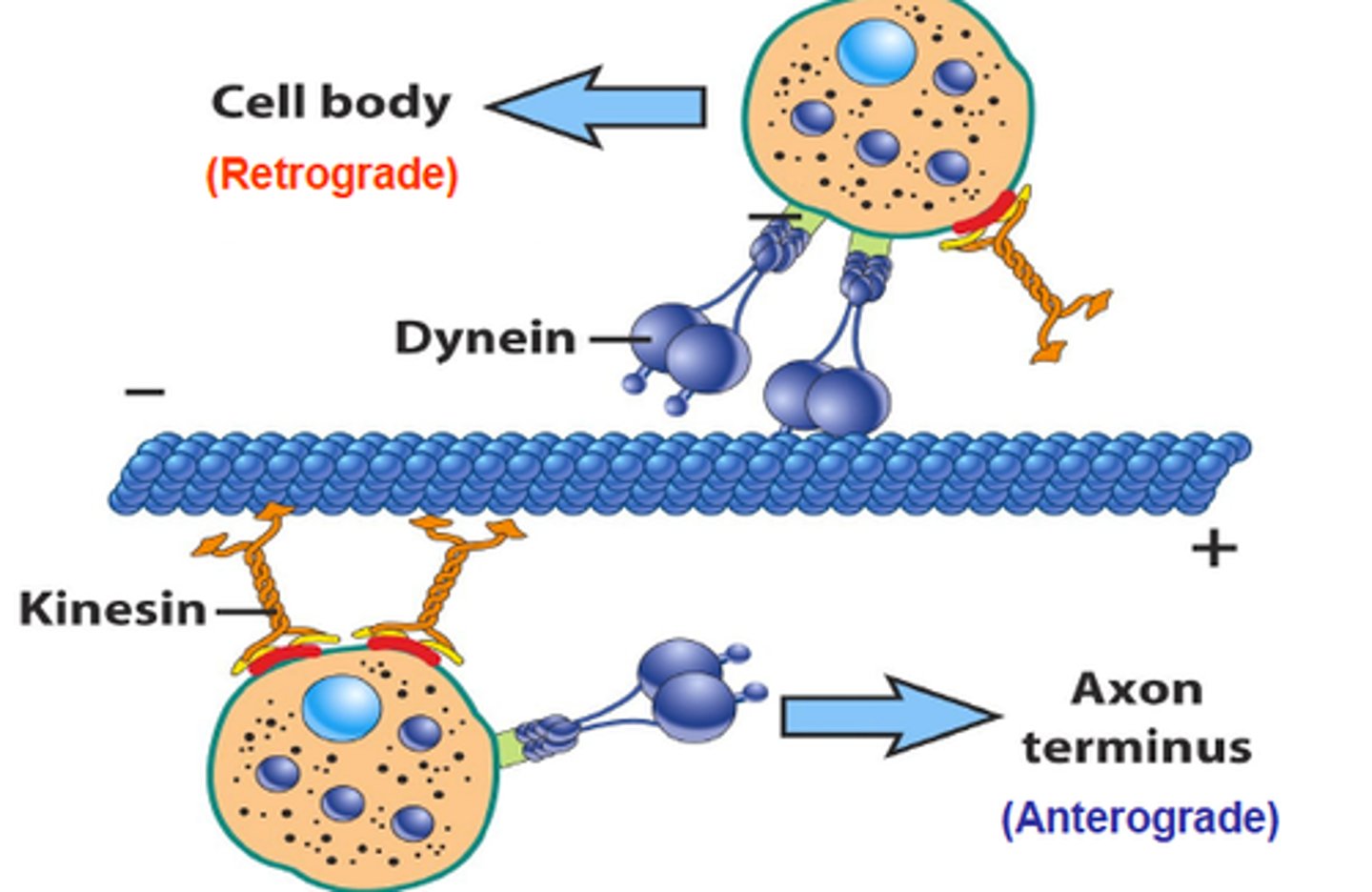
Kinesin walks microtubule "tracks" to deliver cellular cargo (e.g. chromosomes during mitosis, vesicles), generally in an
antegrade direction (center to periphery).
Dynein
A large contractile protein forming the side-arms of microtubule doublets in cilia and flagella.
Dynein is used in retrograde cargo transport in the axons of neurons, and is
capable of sliding microtubules in relation to one another, generating the movement of cilia and flagella.
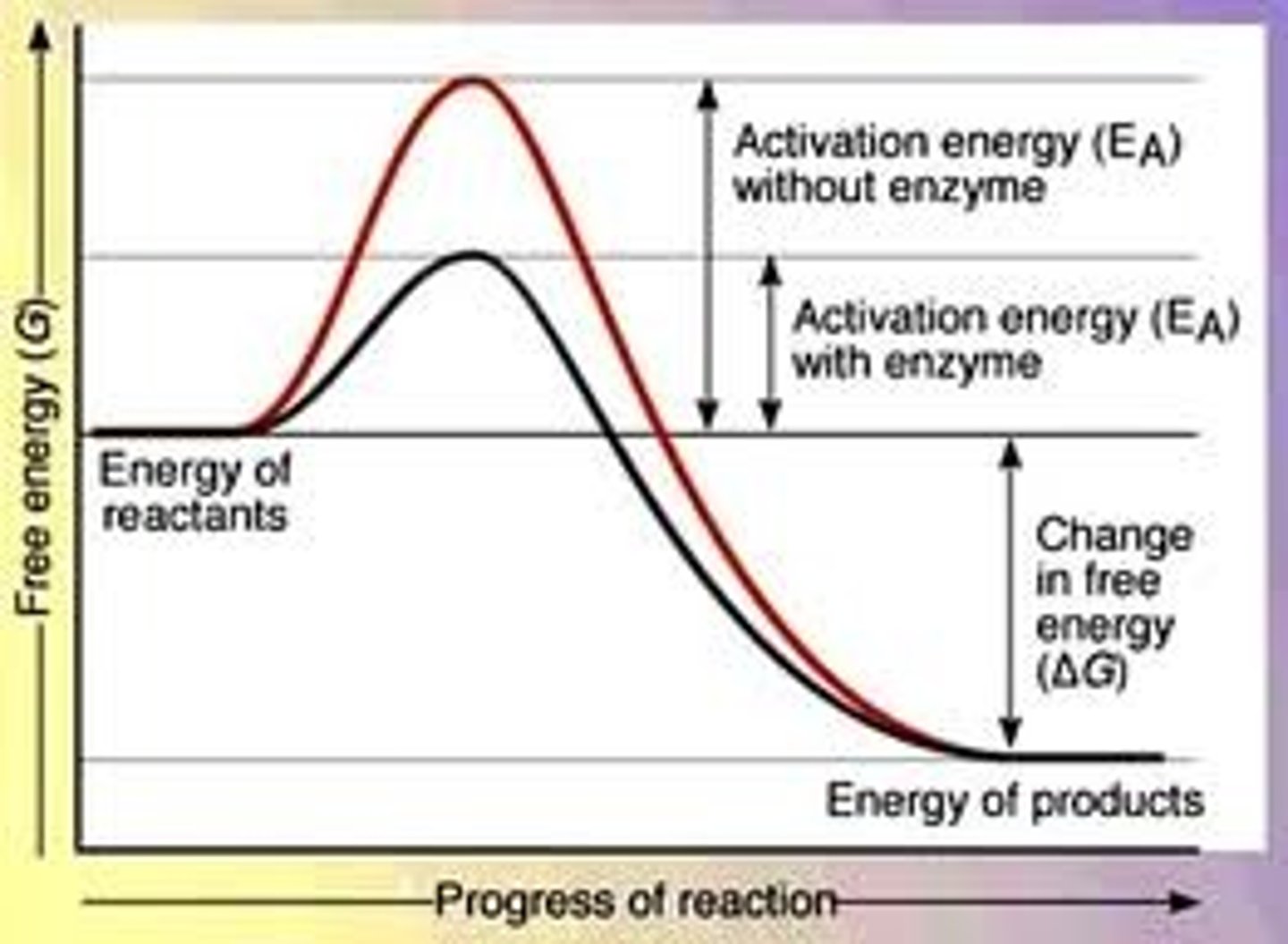
T or F: Enzymes change the overall energy of a reaction
FALSE! They simply change the activation energy. THIS IS IMPORTANT!
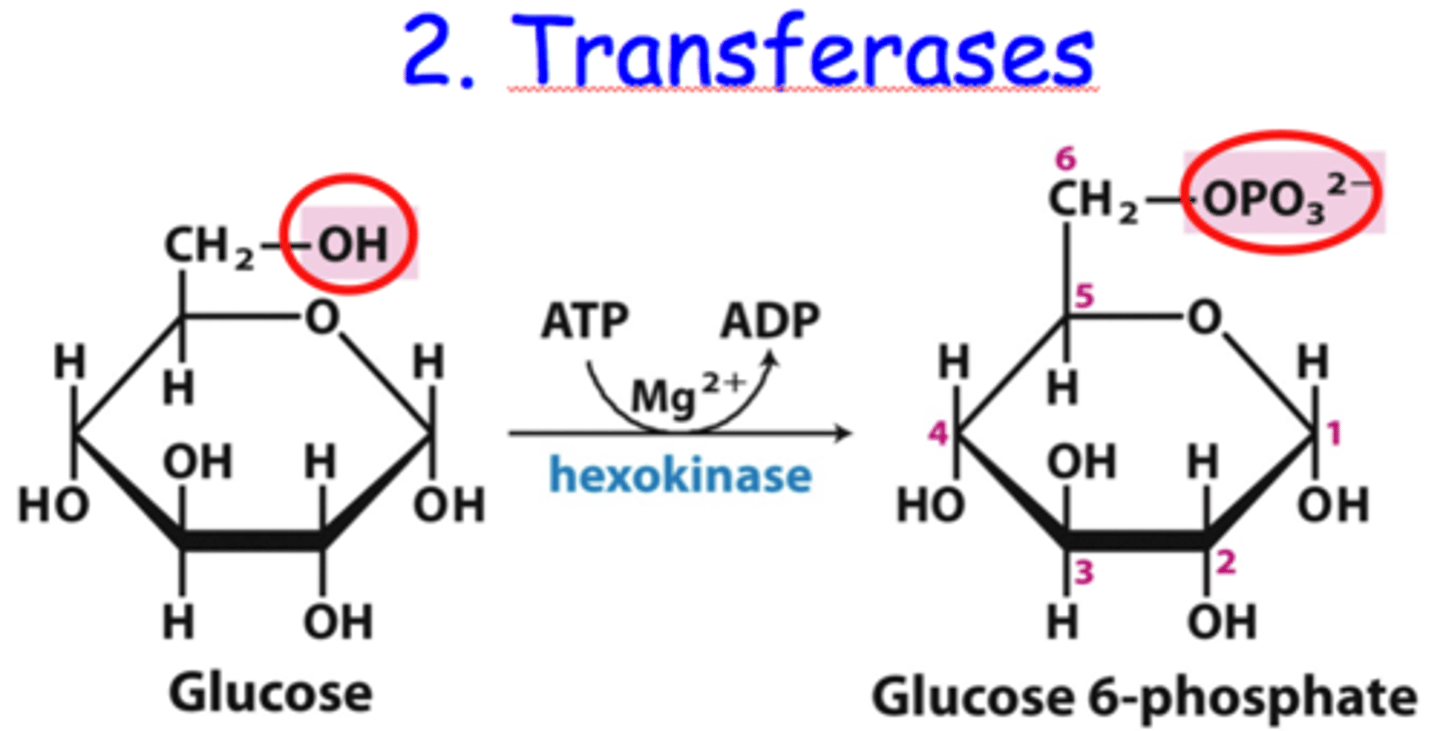
Types of enzymes: transferase
Simply moves functional group from one molecule to another. A kinase, phosphorylase, etc is an example of this as they function to move a phosphate group
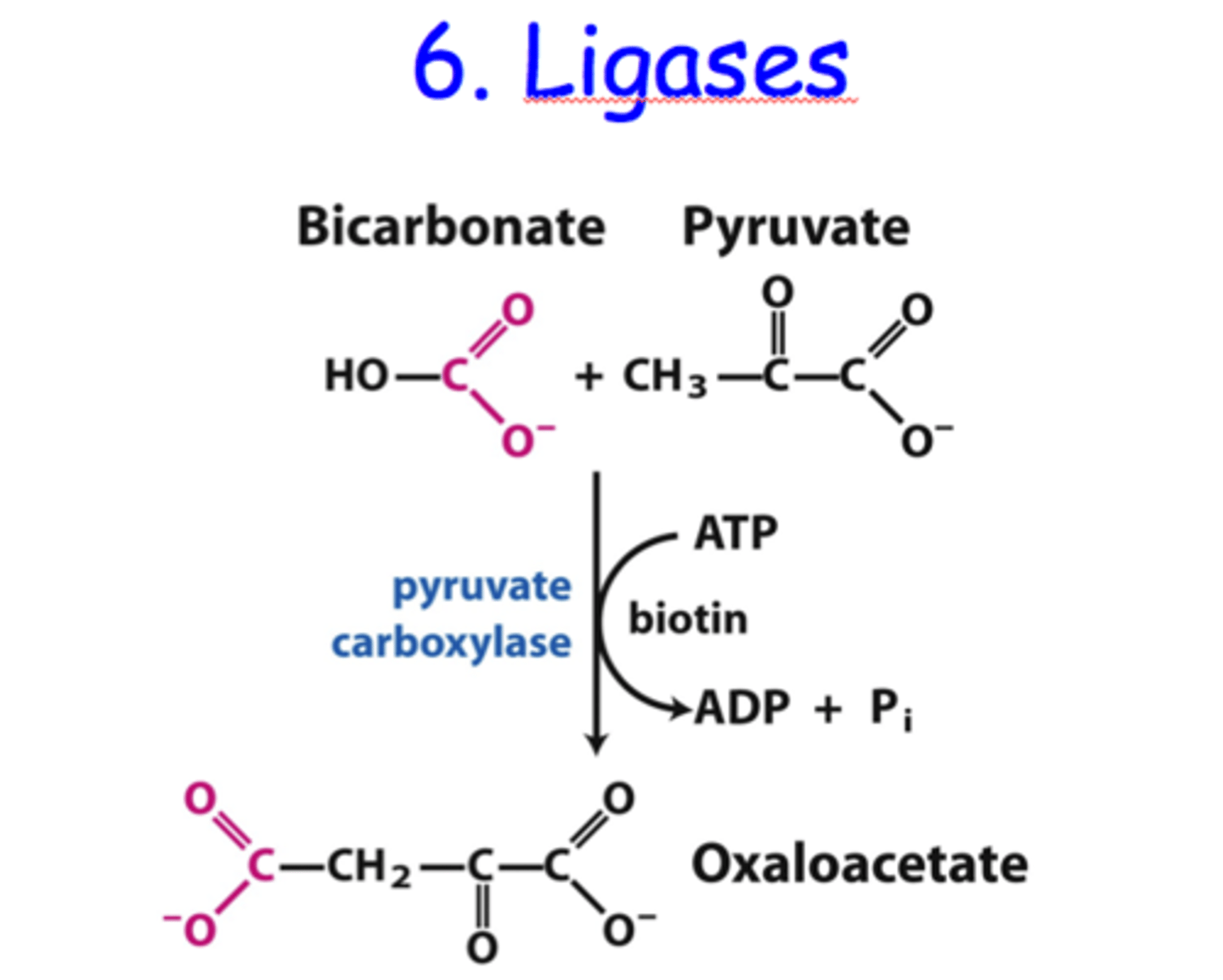
Type of enzyme: Ligase
Brings two molecules together, Think of it as a glue!
I like to think of DNA ligase, which joins fragments of nucleotides together in DNA.
Type of enzyme: Oxidoreductase
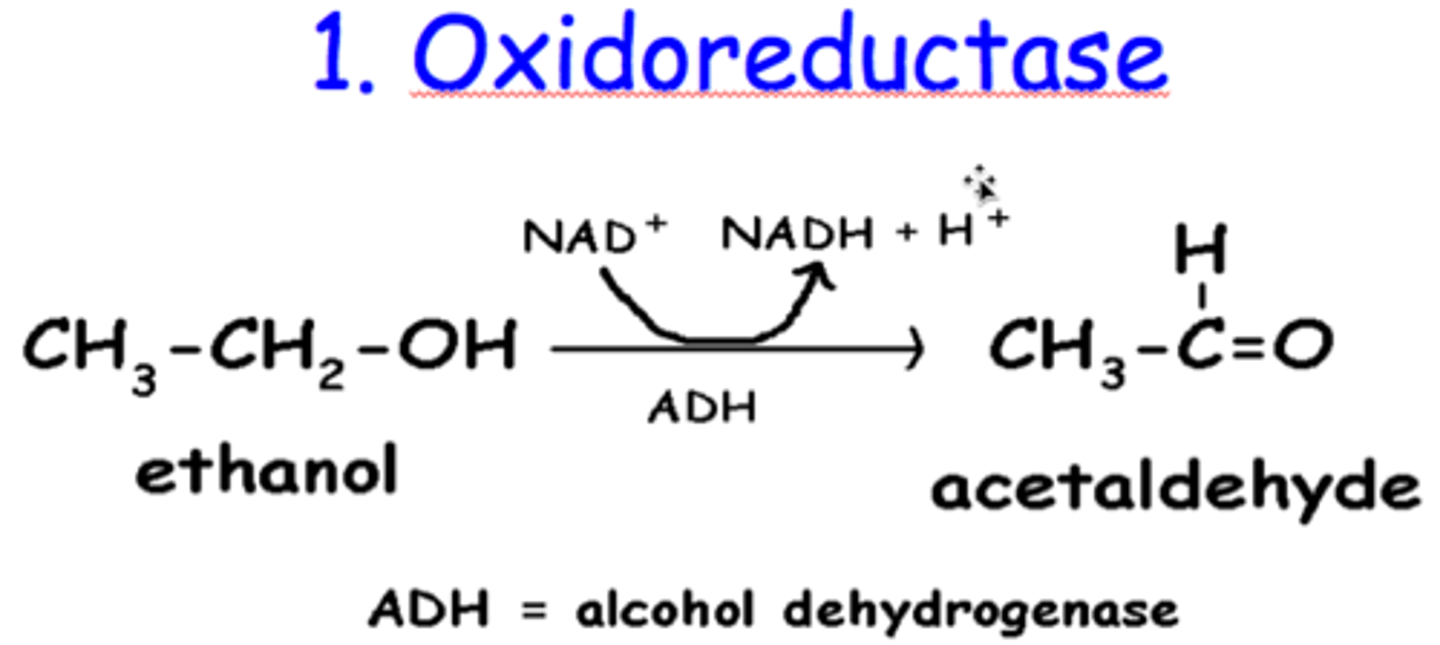
Cataylzes oxidation/reduction reactions and can be split up into two separate entities:
1. Oxidase- catalyzes oxidation rxn
2. reducase- catalyzes reudction rnx
Often require co-enzymes such as NAD(H) or FAD(h2)
How exactly do enzymes lower activation energies?
There are a few different effects, but I really like to think about it generally. When you consider a reaction in 3 dimensions the molecules have to be 1)close to each other and 2) in the right orientation. This is one way how enzymes can help. They also have/use metal ions to stabilize charged molecules in the active site.
enzyme specificity
Enzyme specificity is the concept that each enzyme catalyzes only one kind of reaction. They can actually differentiate between stereoisomers-- again, another reason why chirality and isomers are important!
Active site model
Also called the "lock and key" model, this states that the active site of an enzyme and its substrate are perfectly complementary.
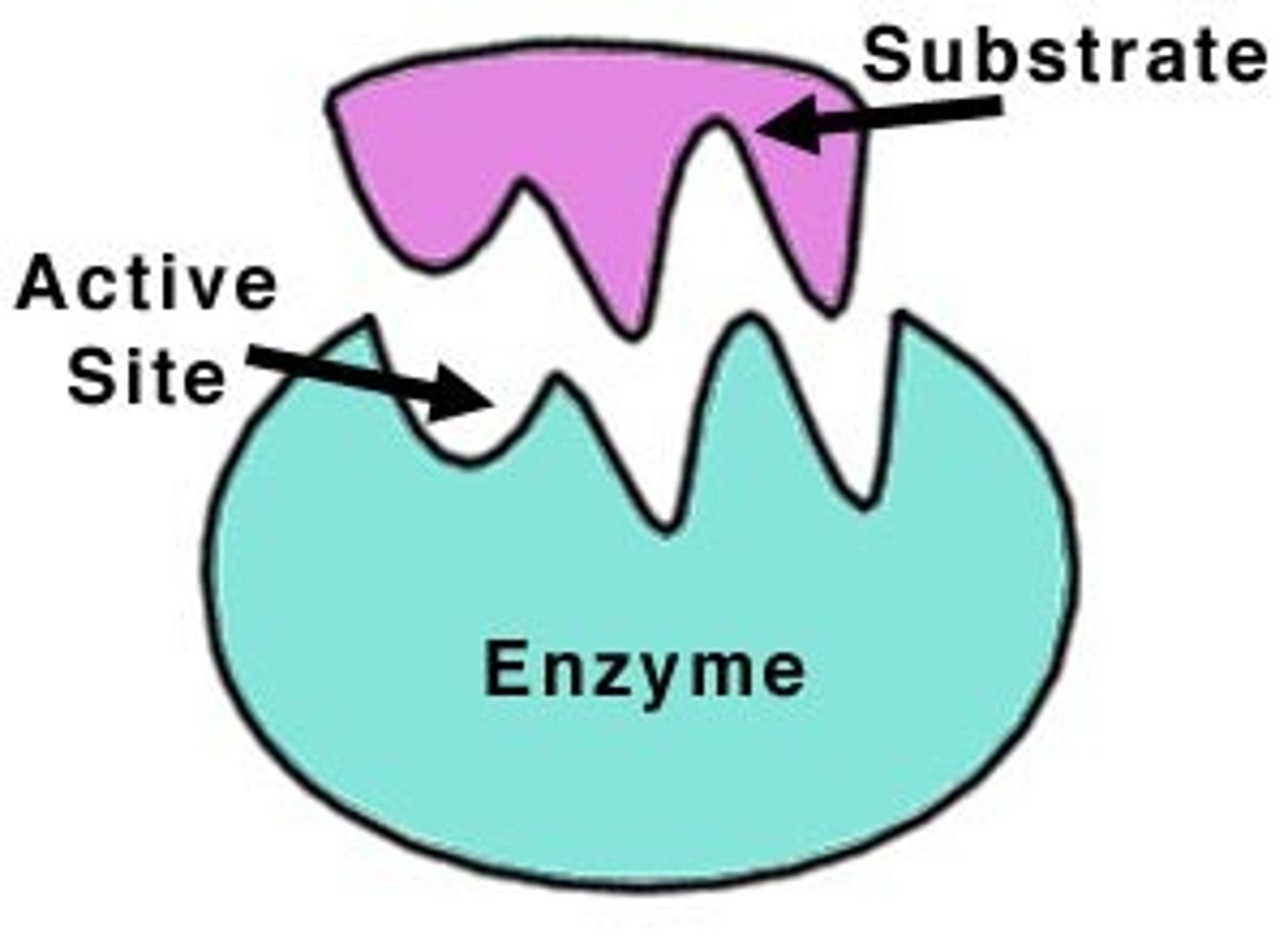
induced fit model
Initially, the enzyme and substrate bind not perfectly, but the enzyme's active site can make an adjustment and change morphology to better fit the substrate. This is the most widely accepted theory.
Co-factors
Directly involved in the active site of an enzyme, and NOT an organic molecule. Typically some sort of ion such as magnesium.
Coenyzmes
ORGANIC molecules that assist in carrying electrons. FADH2 and NADH are examples
water soluble vitamins
Vitamin-molecule needed from diet, can't be synthesized.
B and C vitamins are water soluble.
Fun Fact: Most of the people trying to sell you their products that claim glowing skin with vitamins are actually using water soluble vitamins, meaning they can't be stored. You have a maximum amount that your body can use (usually much lower than what they give) and you literally just pee out the vitamins. It is obviously a scam, and here's why!
Fat soluble vitamins
A, D, E, K
I think of getting fat: Right before I eat a cheeseburger I think 'I don't even care'.... Ah Don't Even Kare
Effect of pH and temperature on enzyme activity
each enzyme has a specific pH and temperature that it will act optimally at. If it is not at those specifications, it will not be active or have severely diminished activity
What does change in pH do to enzyme?
It adds protons/takes them away, therefore disrupting the non-covalent bonds (h bonding, etc) that hold together the second, tertiary and Quaternary structures together .
Example: DNA polymerase- in active site there is Mg cofactor that is needed for DNA polymerase activity. It binds to DNA polymerase on it's aspartate resideue (negatively charged). If we lower pH it would protonate the negative charge on the aspartic residue and therefore not have a charge. This would not all Mg to bind and leave DNA polymerase inactive.
General enzyme reaction
E+S <----> ES<---> E+P
- at really high S, the enzyme will be saturated.
- When saturation occurs, simply increasing substrate levels do not matter.
- ENZYMES DO NOT LOWER THE OVERALL RXN ENERGY, JUST THE TRANSITION STATE
Vmax
the maximum rate possible with a given amount of enzyme?
Km
Substrate concentration at 1/2 Vmax
is an inverse measurement of affinity. Higher km, lower affinity.
Michealis-Menten Equation
As substrate conc increases, rxn rate increases until Vmax is reached!
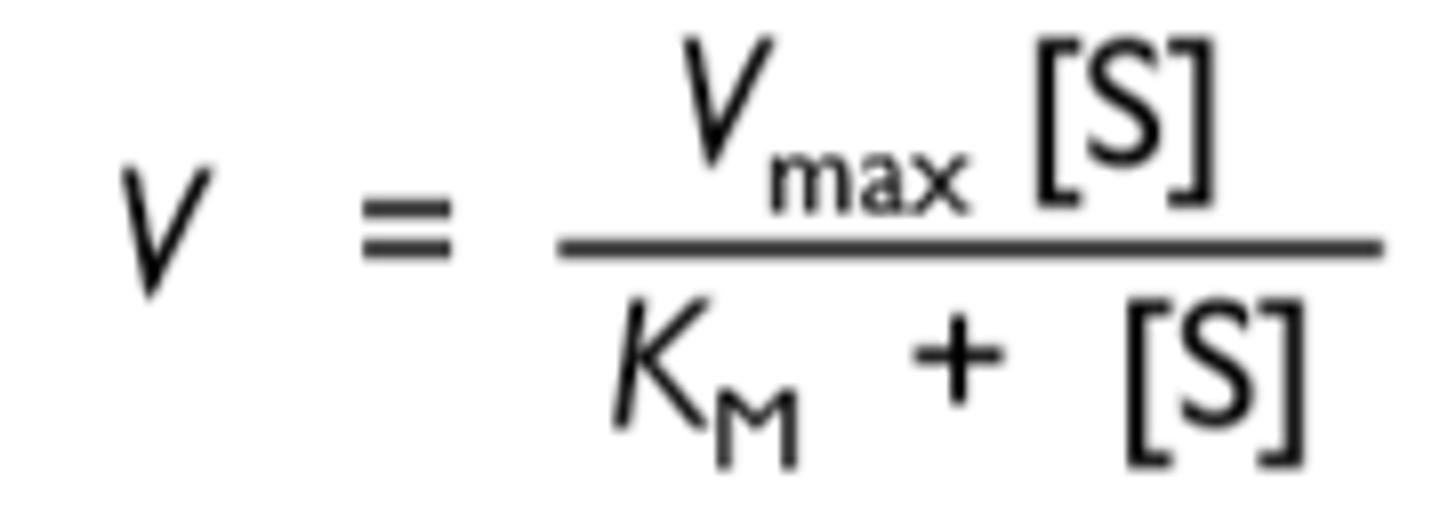
At 1/2 of vmax, the substrate concentration is also the Km (remember that Km is a concetration at which the enzyme is operating at half it's maximum)
Kcat
turnover number (molecules catalyzed per second in optimal conditions)
Vmax / [E]
Catalytic Effeciency
Kcat/Km
This makes sense, as KM goes up, affinity goes down. Higher Km would lower the overall efficiency.
Cooperativety
Some enzymes (reminder, these are specialized proteins) can bind more than 1 substrate. When 1 substrate binds, that can change affinity for other substrate. This is cooperatively.
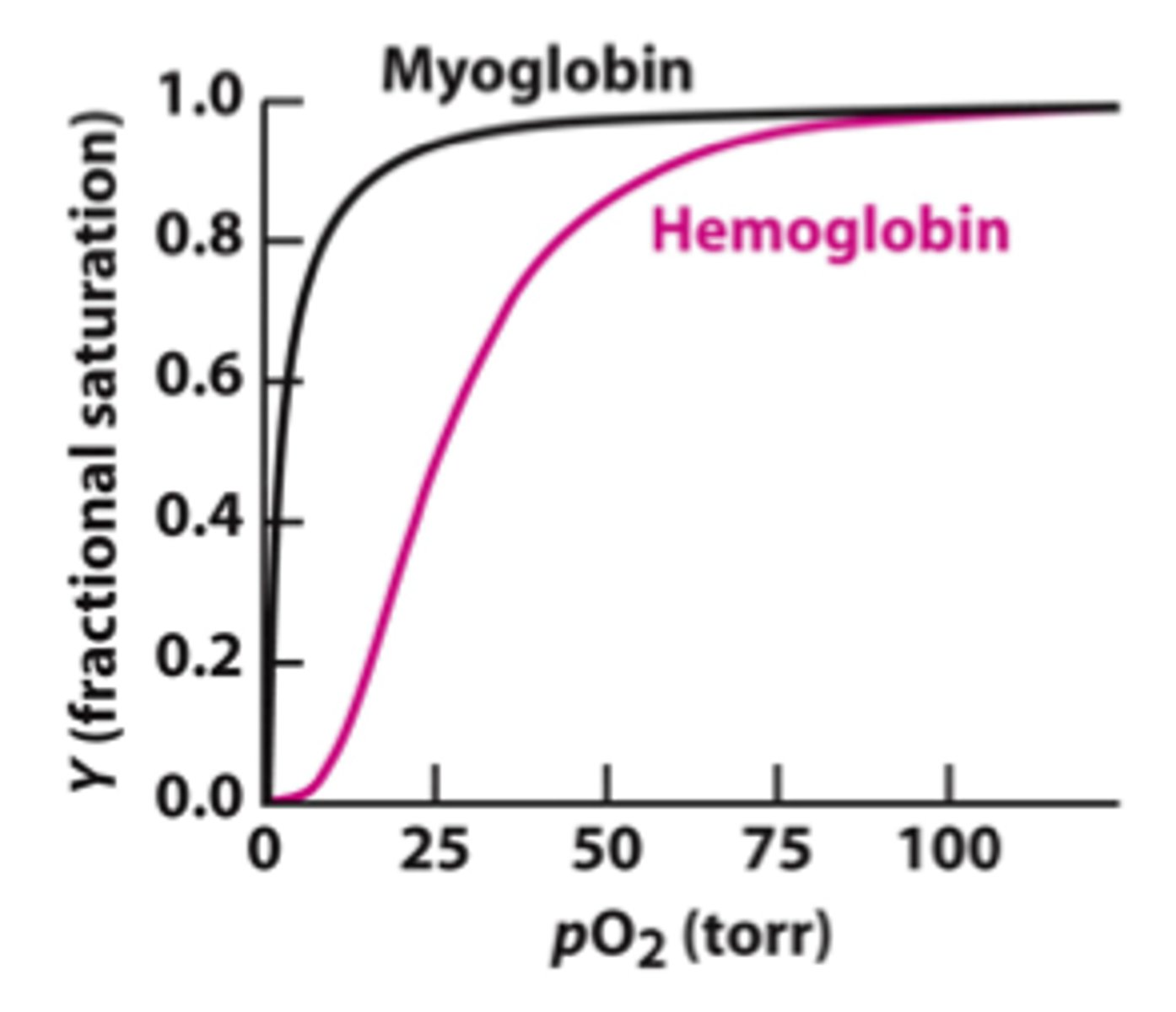
positive cooperativity
the first substrate changes the shape of the enzyme allowing other substrates to bind more easily
Graph will have sigmodial (s) shape. Myoglobin is not cooperative.
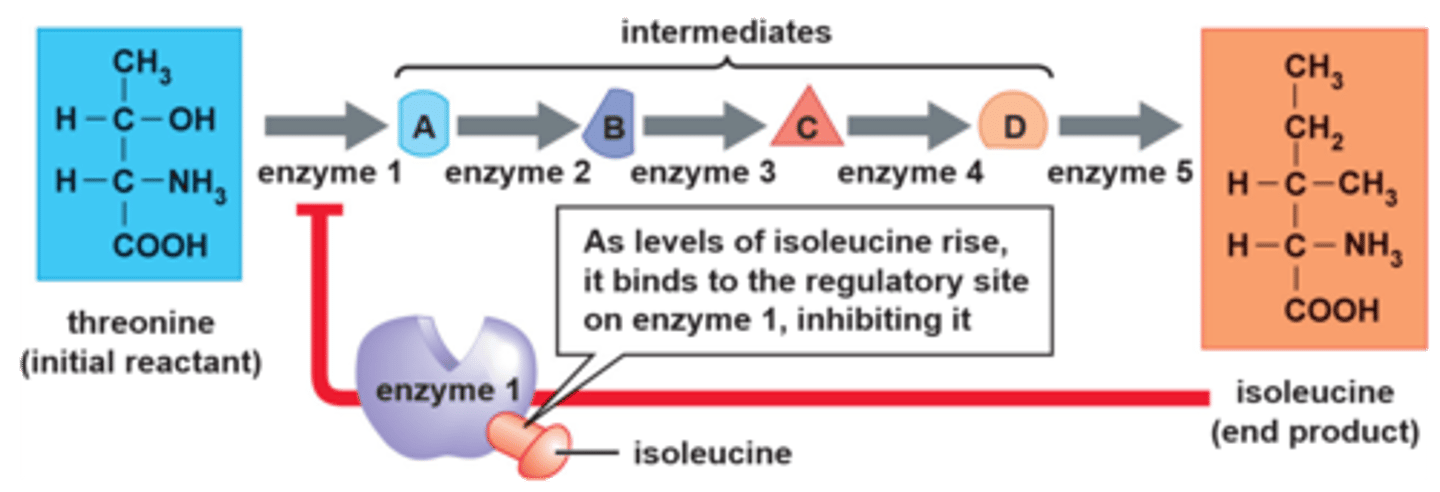
feedback regulation
the regulation of an enzyme. In a nutshell, it occurs when a product of the enzymes reaction binds to the enzyme allosterically. This can either be activating or inhibitory.
competitive inhibition
Inhibition of an enzyme at the active site. Directly competes with other substrates and wins because of higher affinity for active site. This type of inhibition decreases original substrate affinity and therefore increases Km.
THIS IS THE ONLY TYPE OF INHIBITION THAT CAN BE OVERCOME BY ADDING SUBSTRATE!
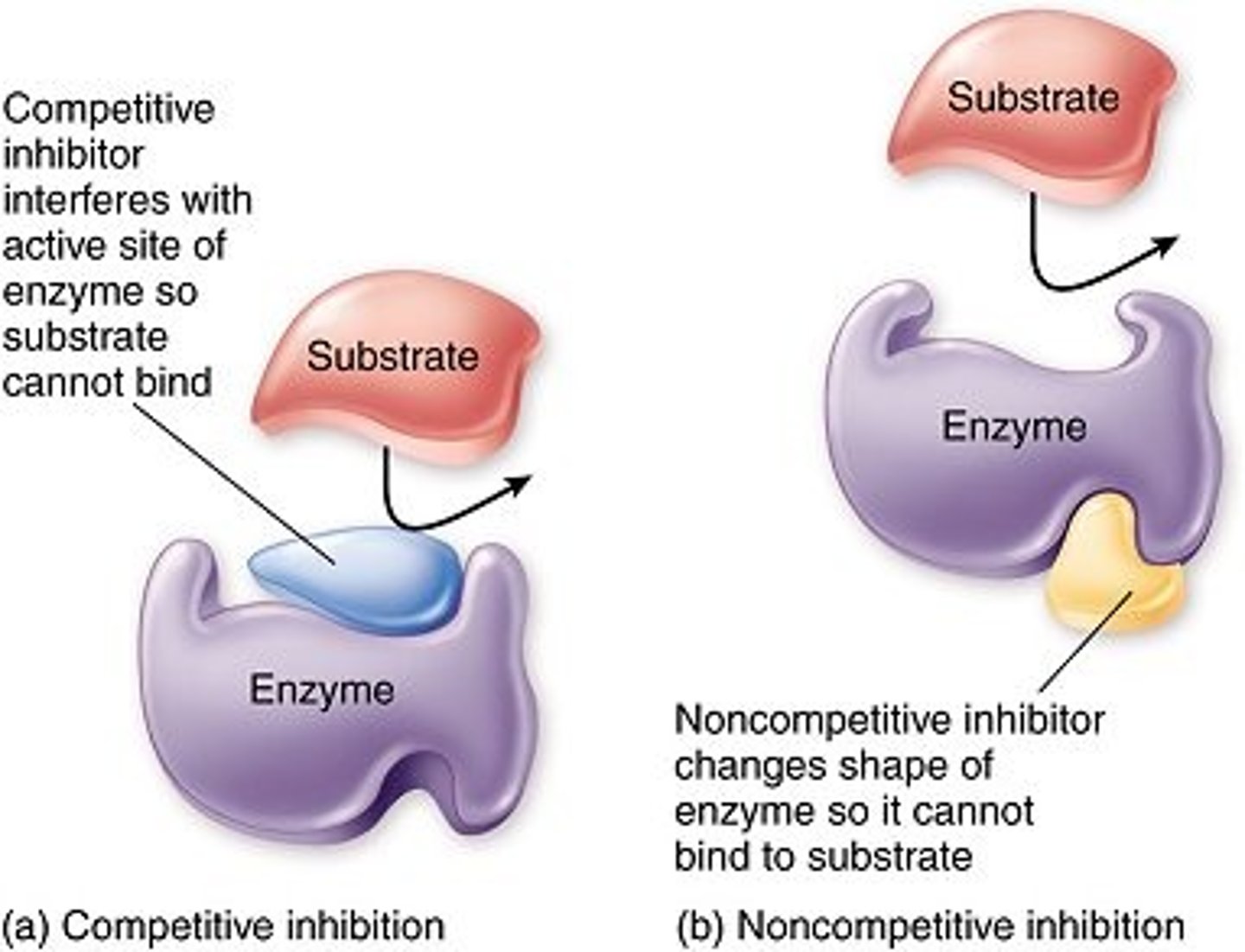
noncompetitve inhibitor
This can bind to EITHER the enzyme substrate complex or the enzyme at the allosteric site. Will only decrease Vmax as effects from binding to the KM cancel.
uncompetitive inhibition
inhibitor binds only to enzyme-substrate complex
locks substrate in enzyme preventing its release (increasing affinity b/w enzyme and substrate so it lowers Km)
Lower Km and vmax
Mixed
a lil bit of errthang
Covalent modification of enzymes
Exactly as it sounds. Adding a covalent molecule (phosphate group, methly, etc) that can either activate or inhibit enzyme
Zymogen
Inactive form of enzyme that needs to be cleaved or modification to be activated. This is body's way of regulating enzymes that would do harm in other tissues. EX) we don't want active trypsin in our lung, because trypsin would destroy needed proteins. We have trypsionogen instead. All/most zymogen end in -ogen.