Stats: Basic rules, definitions, principles and skills
 Call Kai
 Learn
Learn Practice Test
 Spaced Repetition
 Match
Match Flashcards
 Knowt Play
1/51

There's no tags or description
Looks like no tags are added yet.
Name | Mastery | Learn | Test | Matching | Spaced | Call with Kai |
|---|
No analytics yet
Send a link to your students to track their progress
52 Terms
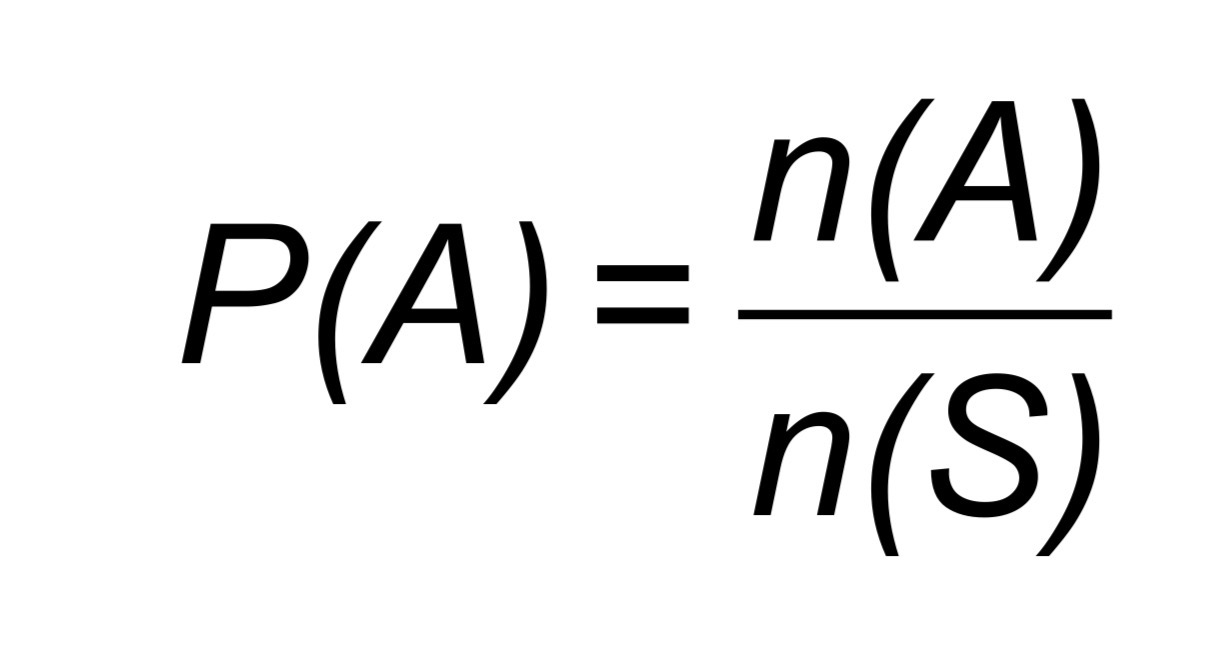
Explain the following formula
Basic probability.
P(A) = probability of event A
n(A) = number of outcomes in event A
n(S) = number of outcomes in the sample space (total possible outcomes)
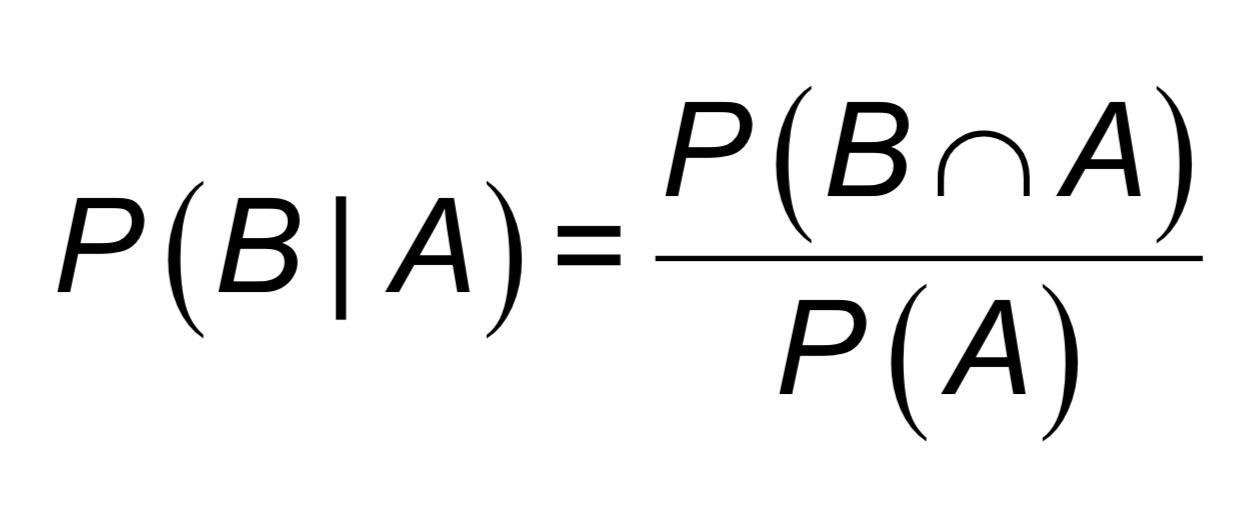
Explain the following formula
Conditional probability (probability of B given A has happened).
P(B|A) = probability of B occurring given A has occurred
P(B∩A) = probability of both A and B occurring
P(A) = probability of A occurring
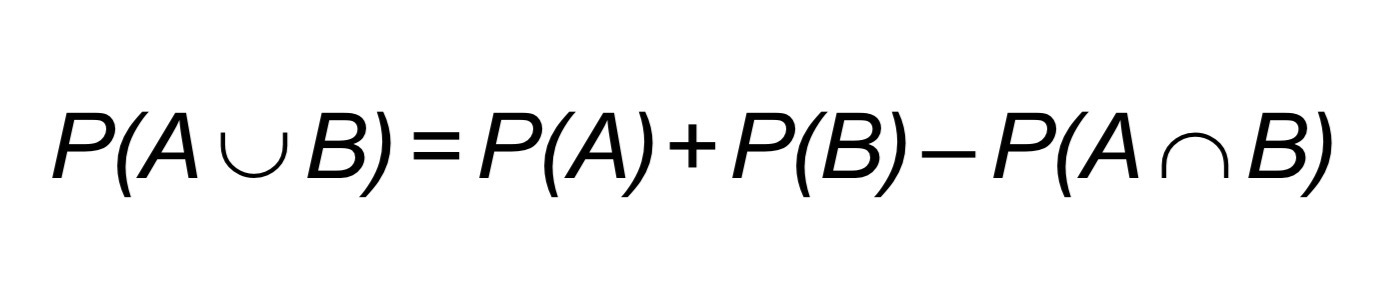
Explain the following formula
Probability of A or B (union).
P(A∪B) = probability A or B (or both) occurs
P(A∩B) = probability both A and B occur (subtracted so you don't double-count the overlap)
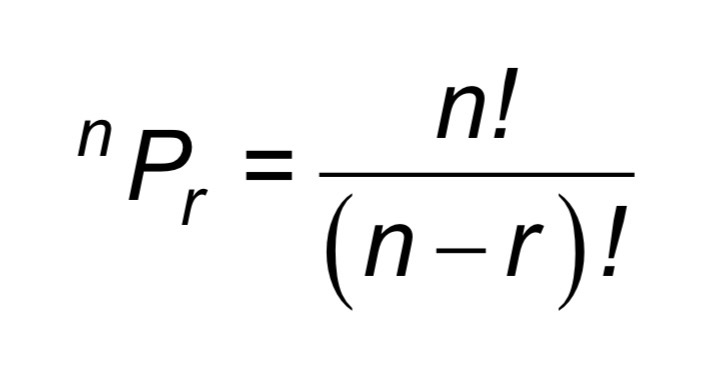
Explain the following formula
Permutations (order matters).
n = total number of items
r = number of items being arranged/chosen
n! = n factorial (n×(n-1)×(n-2)×...×1)
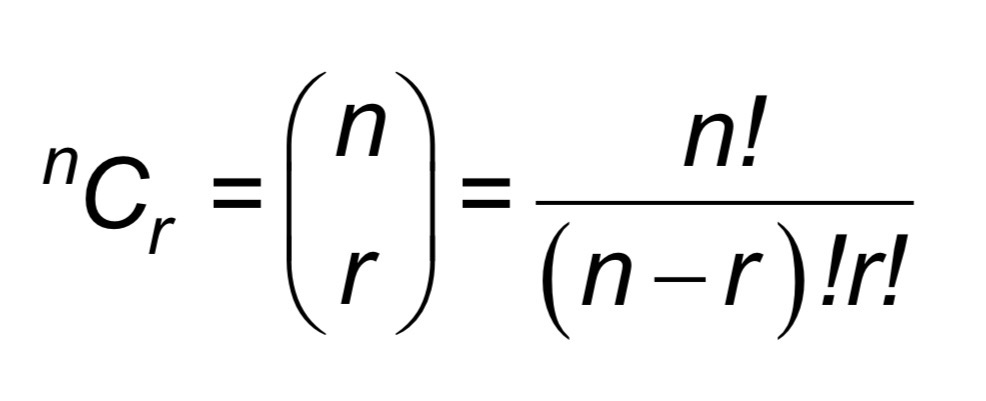
Explain the following formula
Combinations (order doesn't matter).
n = total number of items
r = number of items being chosen
Same n! logic as above, just divided by r! extra to remove order
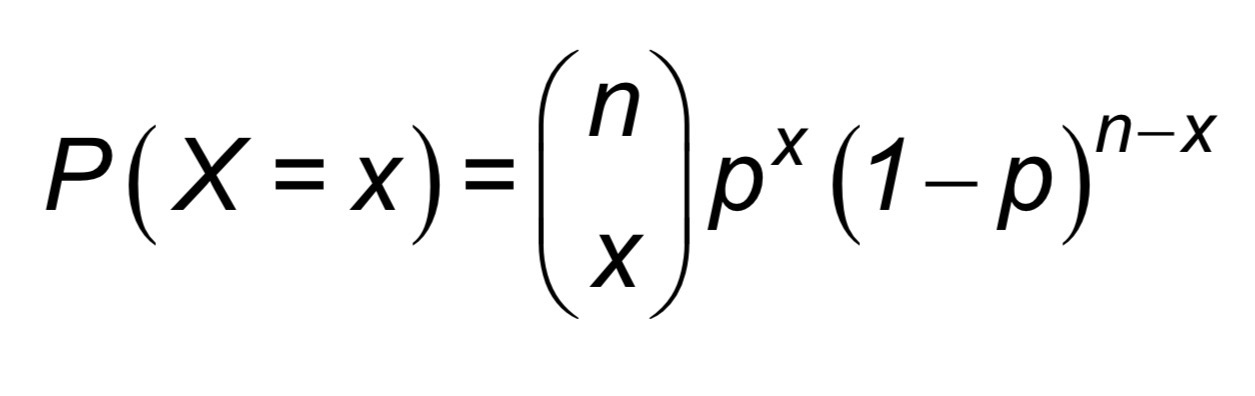
Explain the following formula
Binomial probability.
X = the random variable (number of successes)
x = a specific number of successes you're solving for
n = number of trials
p = probability of success on a single trial
(1-p) = probability of failure on a single trial
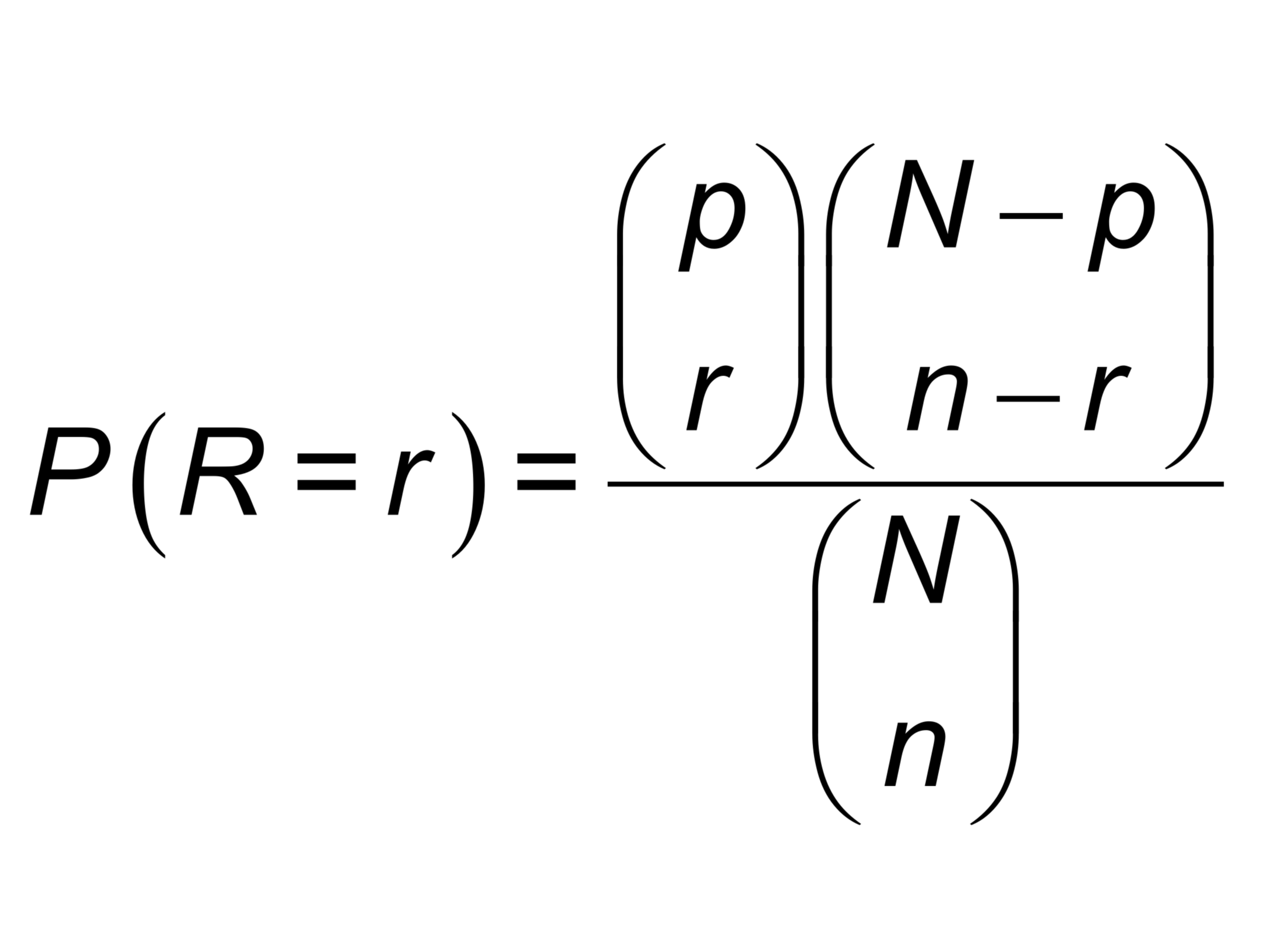
Explain the following formula
Hypergeometric probability.
R = random variable (number of "successes" drawn)
r = specific number of successes you want
N = total population size
p = number of "successes" in the entire population (careful: this p is a count, not a proportion like in binomial)
n = sample size drawn
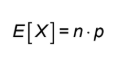
Explain the following formula
Mean (expected value) of a binomial distribution.
E[X] = expected value/mean
n = number of trials, p = probability of success
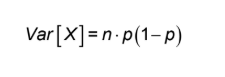
Explain the following formula
Variance of a binomial distribution.
Var[X] = variance
Same n, p, (1-p) as above
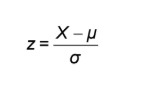
Explain the following formula
Standardizing a single value (z-score).
X = the individual data value
μ = population mean
σ = population standard deviation
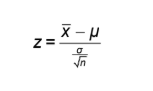
Explain the following formula
Standardizing a sample mean.
x̄ = sample mean
μ = population mean
σ/√n = standard error of the mean (n = sample size)
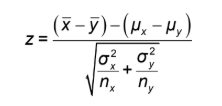
Explain the following formula
Comparing two sample means.
x̄, ȳ = sample means of group x and group y
μx, μy = population means of group x and group y
σx², σy² = population variances of each group
nx, ny = sample sizes of each group
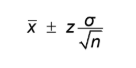
Explain the following formula
Confidence interval for a mean.
x̄ = sample mean
z = z-score for your confidence level
σ = std dev, n = sample size
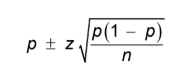
Explain the following formula
Confidence interval for a proportion.
p = sample proportion
z = z-score for confidence level
n = sample size
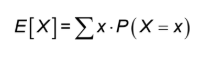
Explain the following formula
Expected value, general formula.
x = each possible outcome
P(X=x) = probability of that outcome
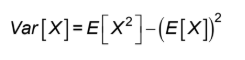
Explain the following formula
Variance, general formula.
E[X²] = expected value of X squared (Σx²·P(X=x))
(E[X])² = square of the mean (formula 15, squared)
When is an event mutually exclusive? (Not on formula sheet)

When is an event considered to be independent? (Not on formula sheet)

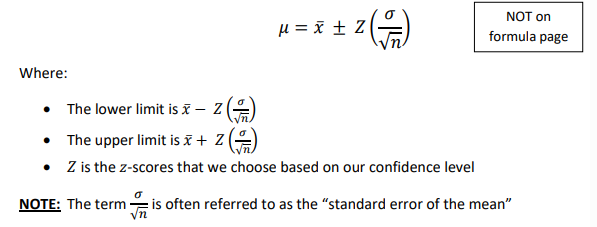
Confidence interval formula (Not on formula sheet)