OSU BI 341 Midterm :)
 Studied by 0 people
 Call with Kai
 Learn
Learn Practice Test
 Spaced Repetition
 Match
Match Flashcards
 Knowt Play
1/285

There's no tags or description
Looks like no tags are added yet.
Name | Mastery | Learn | Test | Matching | Spaced | Call with Kai |
|---|
No study sessions yet.
286 Terms
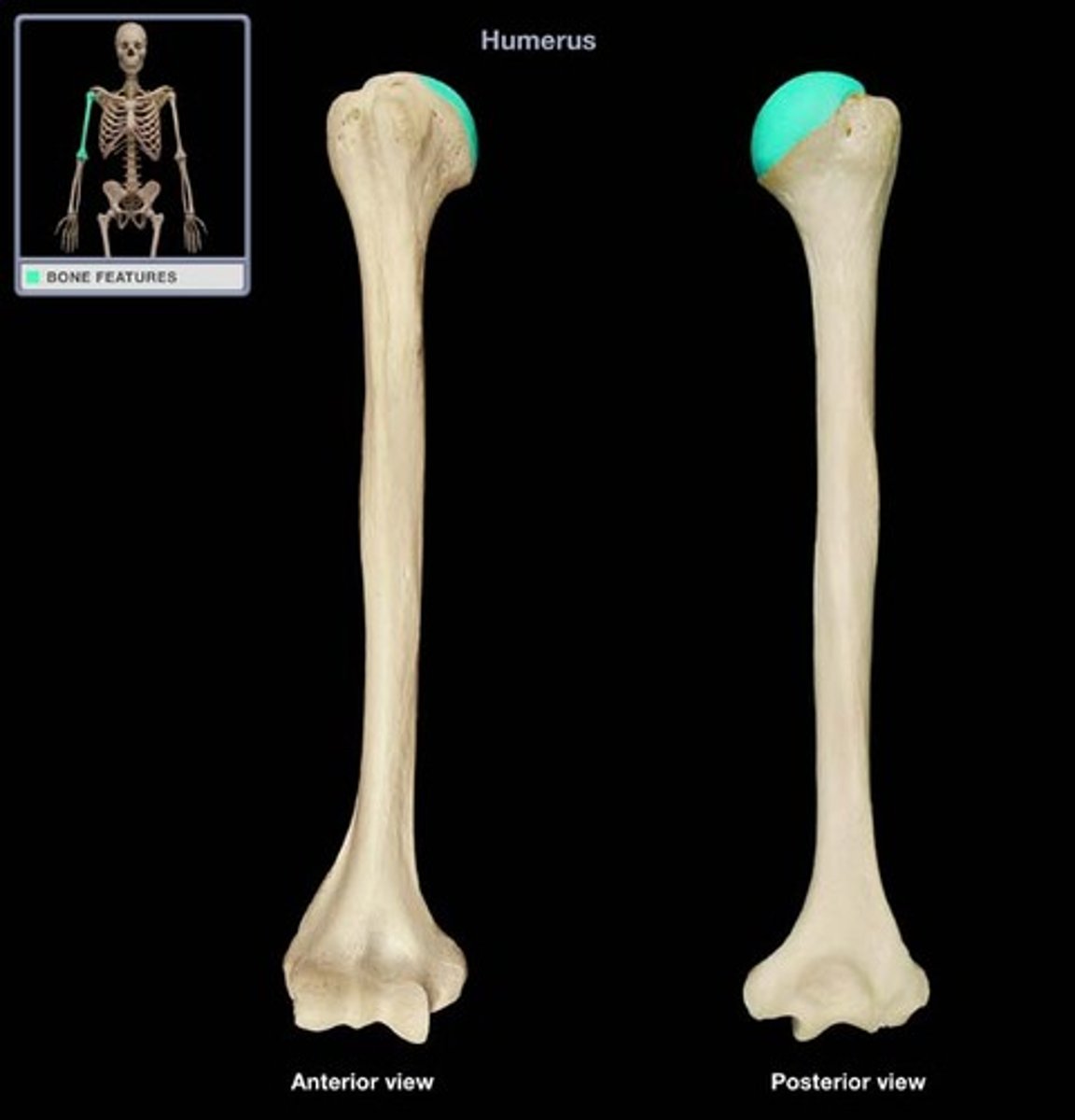
Head of Humerus
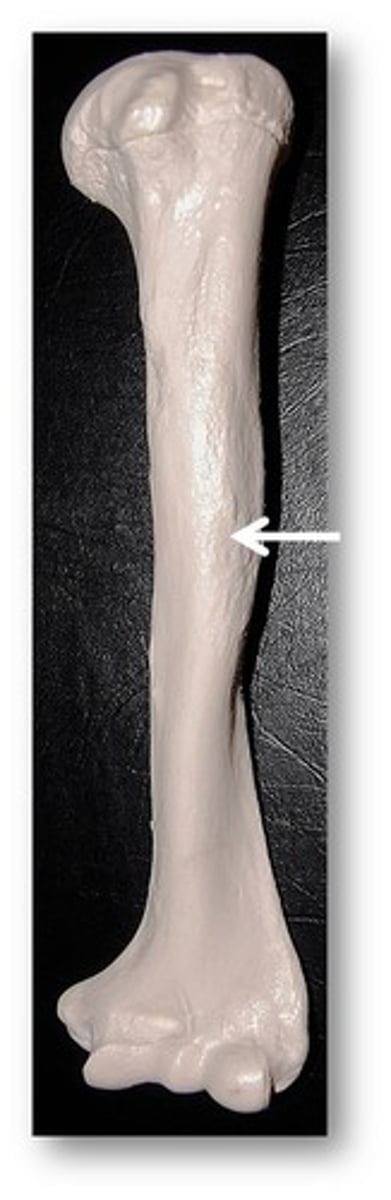
Deltoid Tuberosity
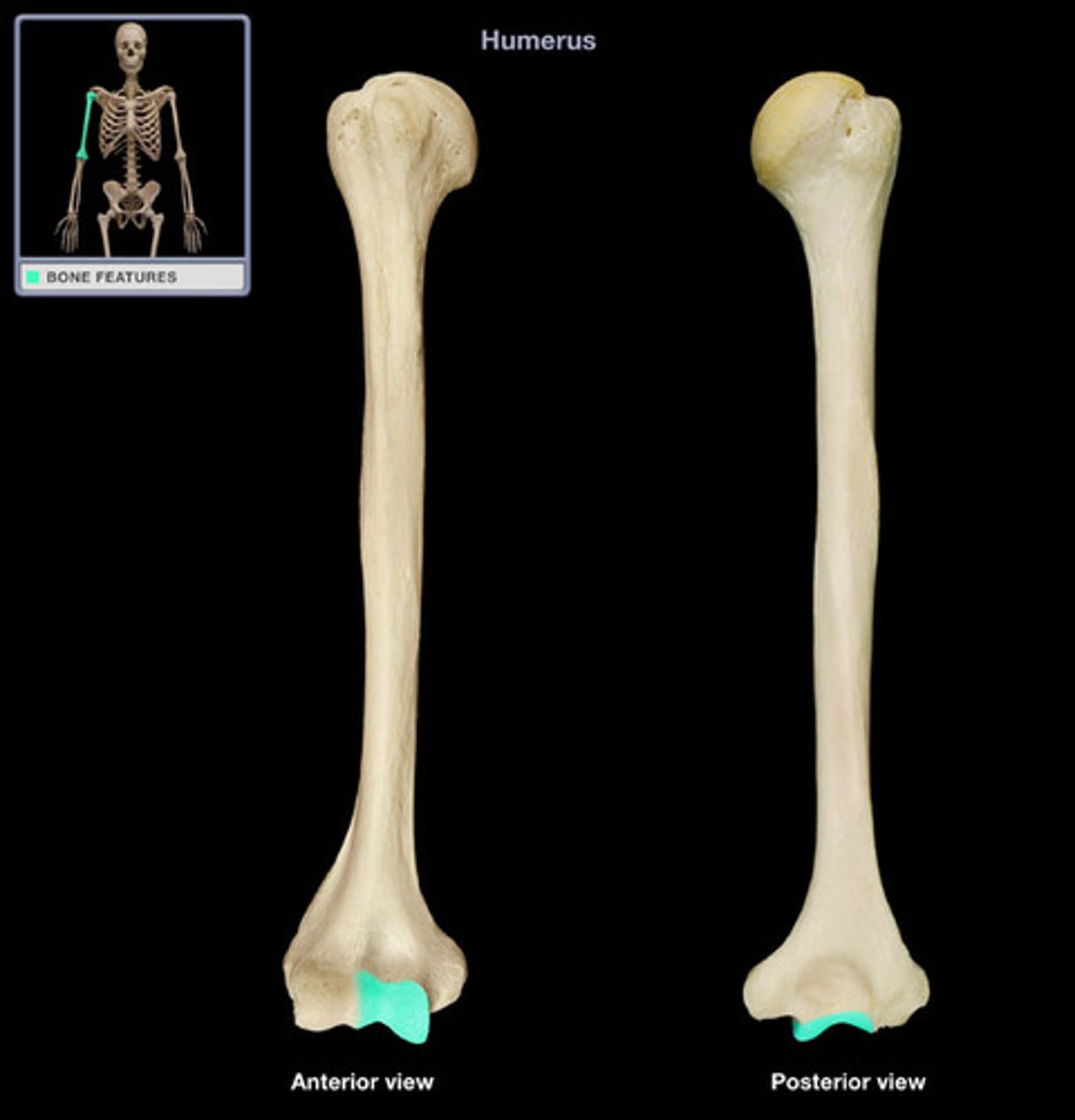
Trochlea
Capitulum

Medial Epicondyle
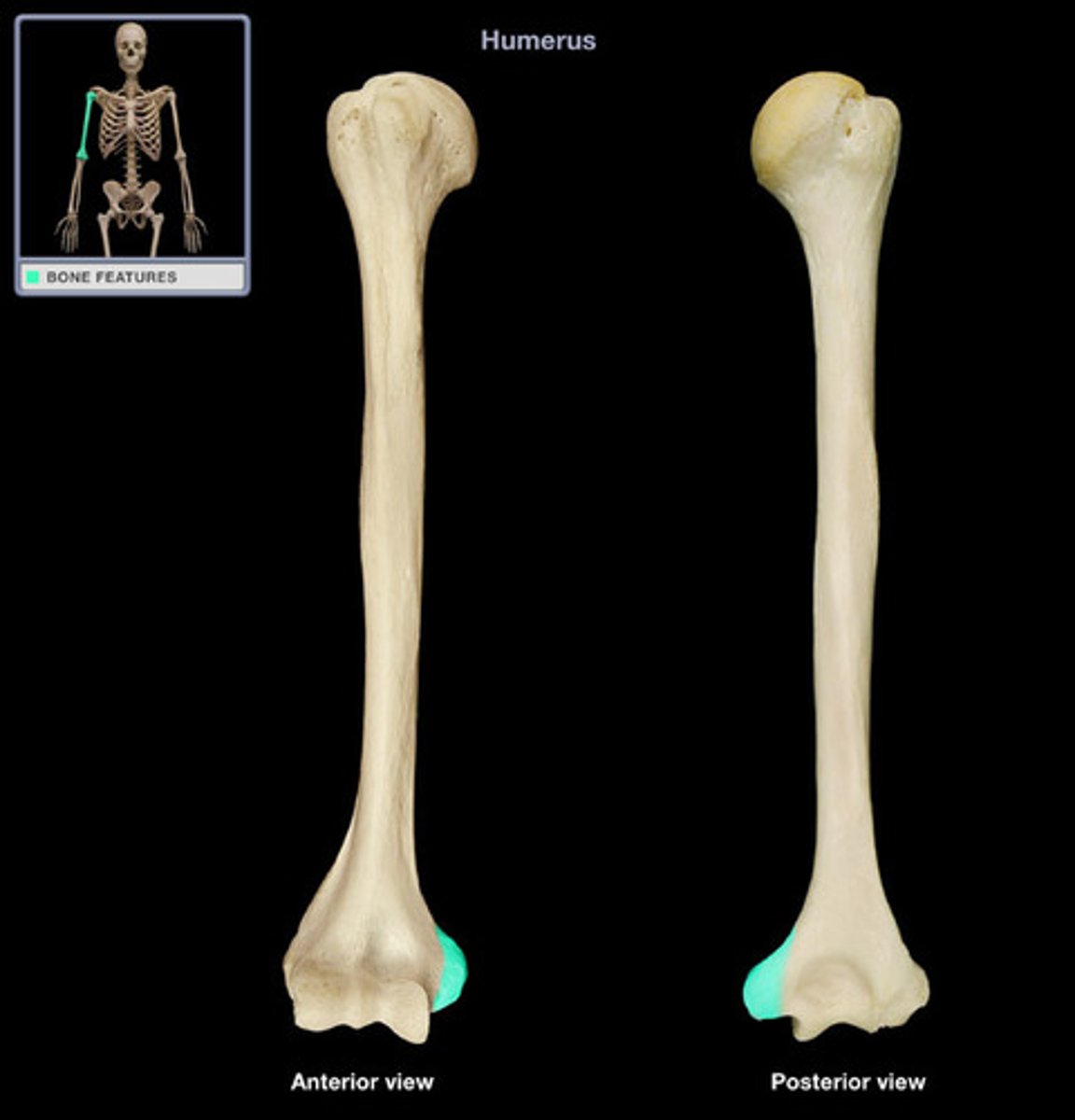
Lateral Epicondyle
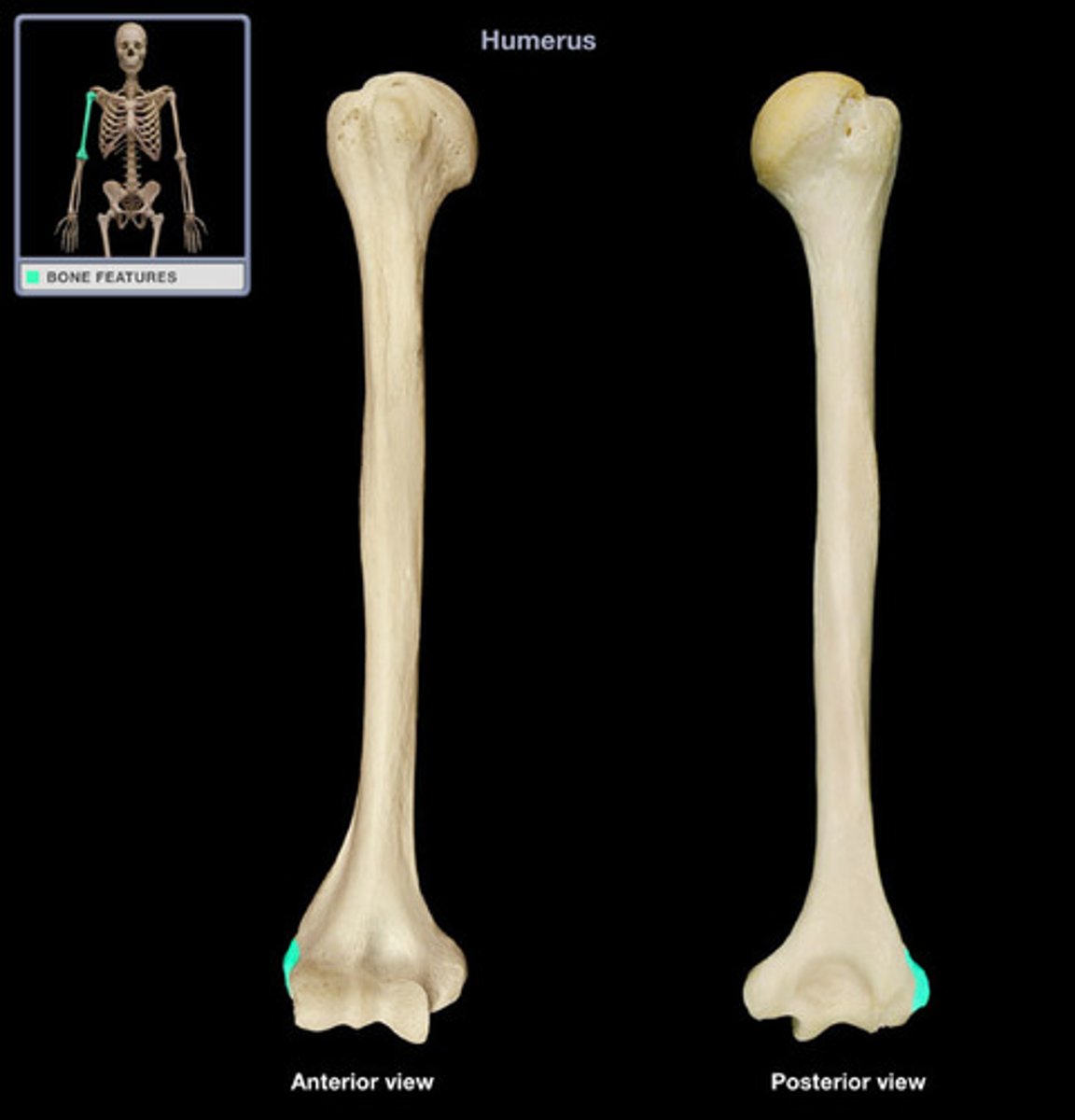
Greater Tubercle
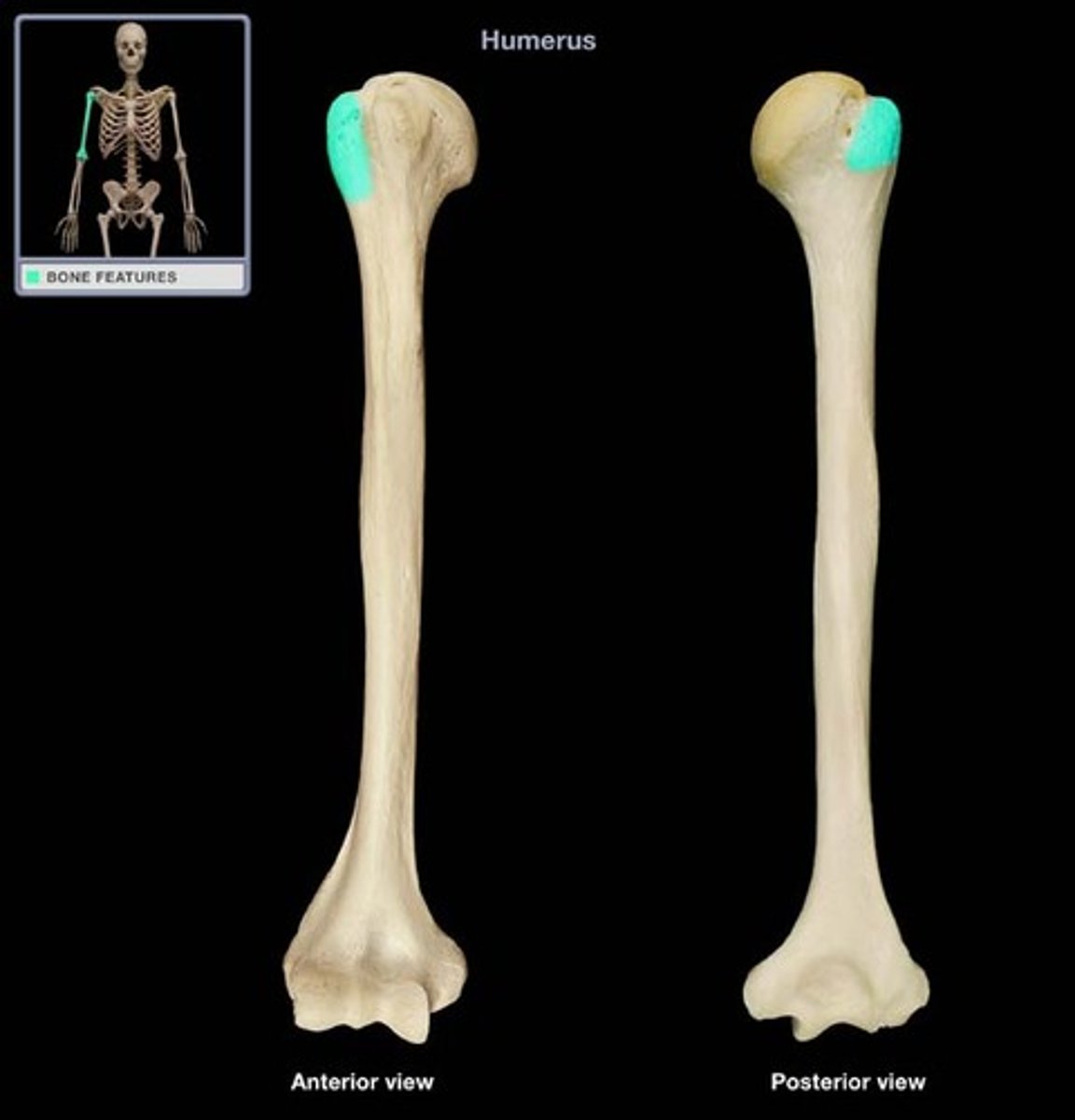
Lesser Tubercle
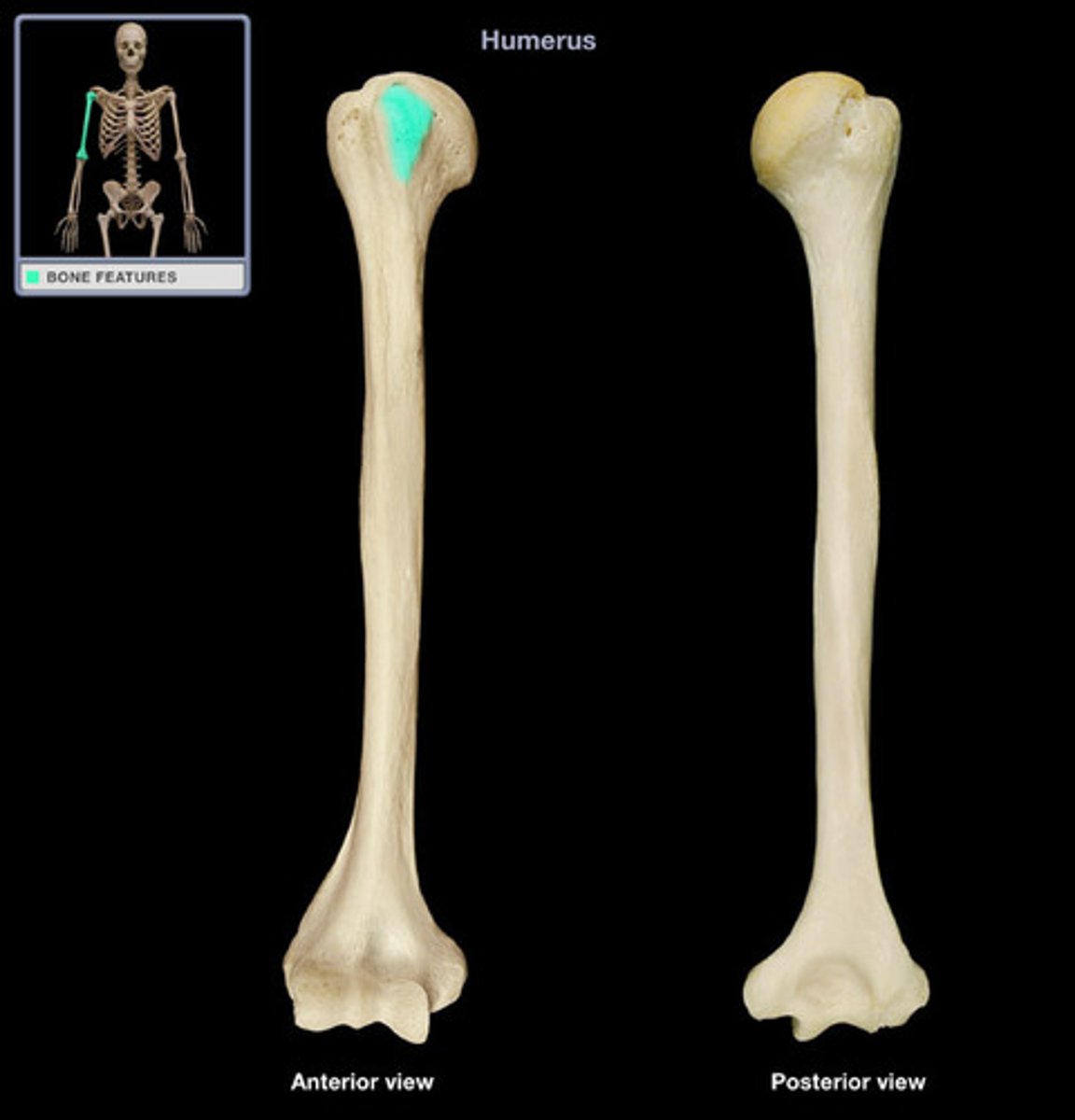
Intertubercular Groove
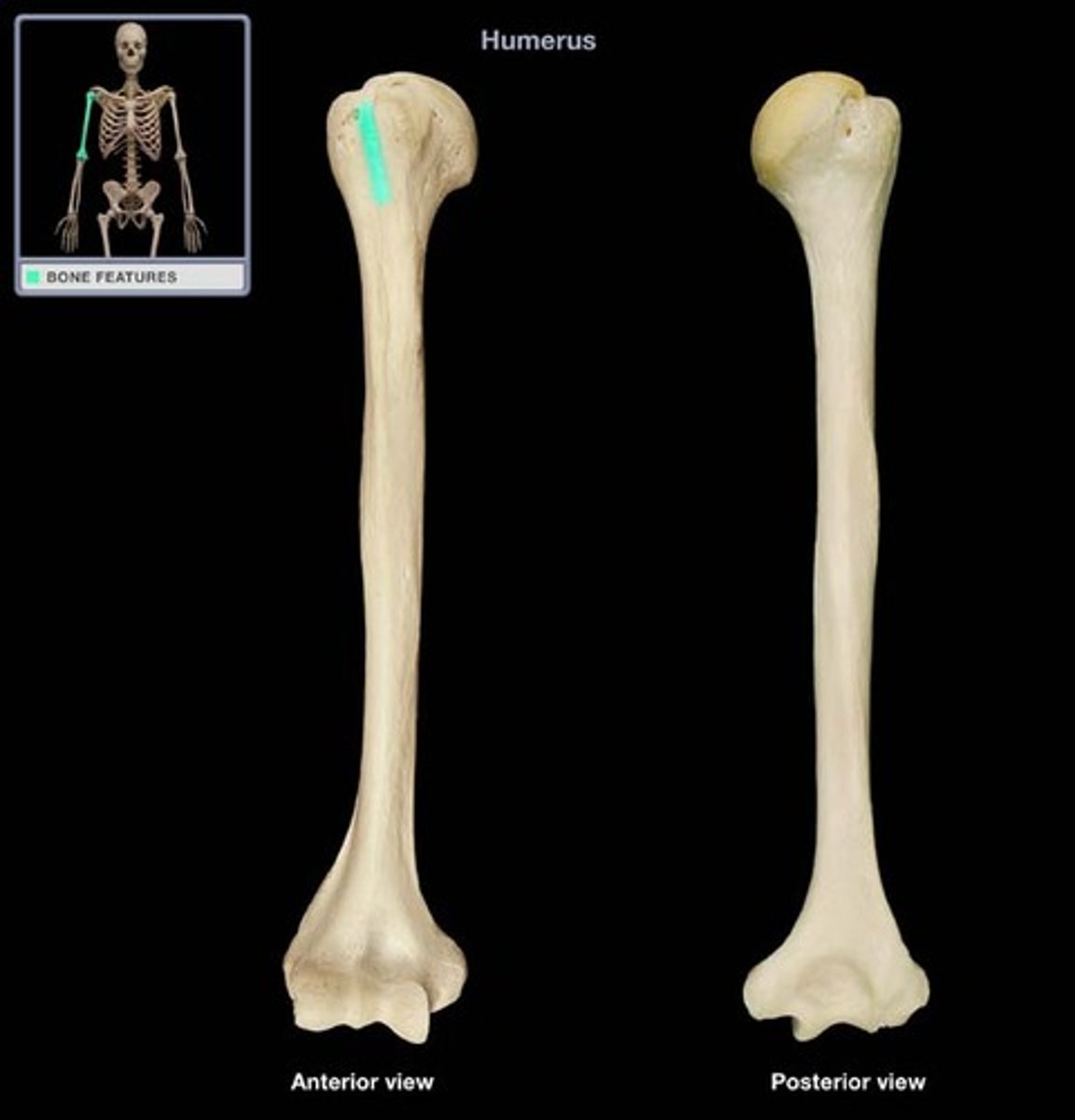
Olecranon Fossa
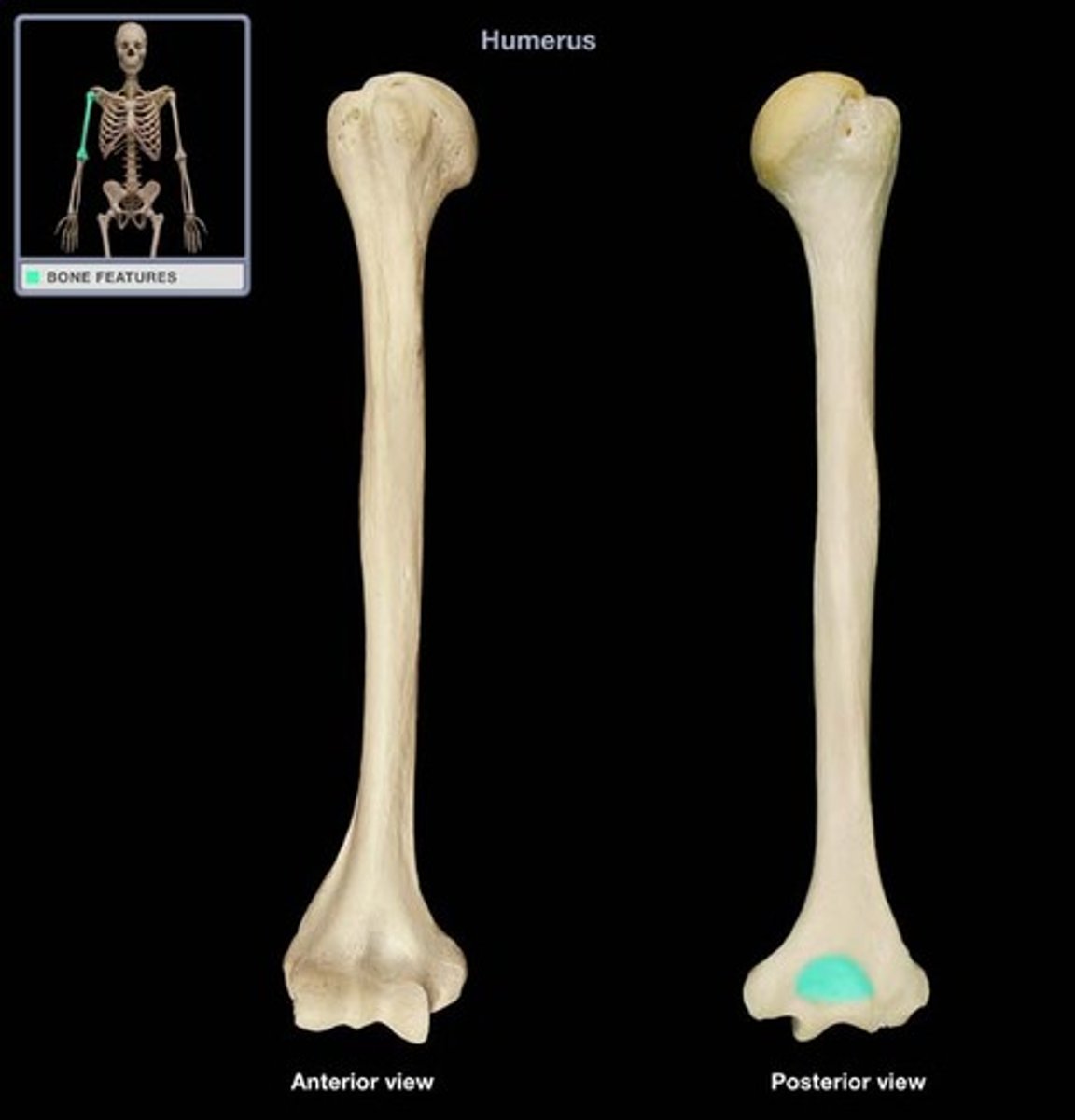
Coronoid Fossa
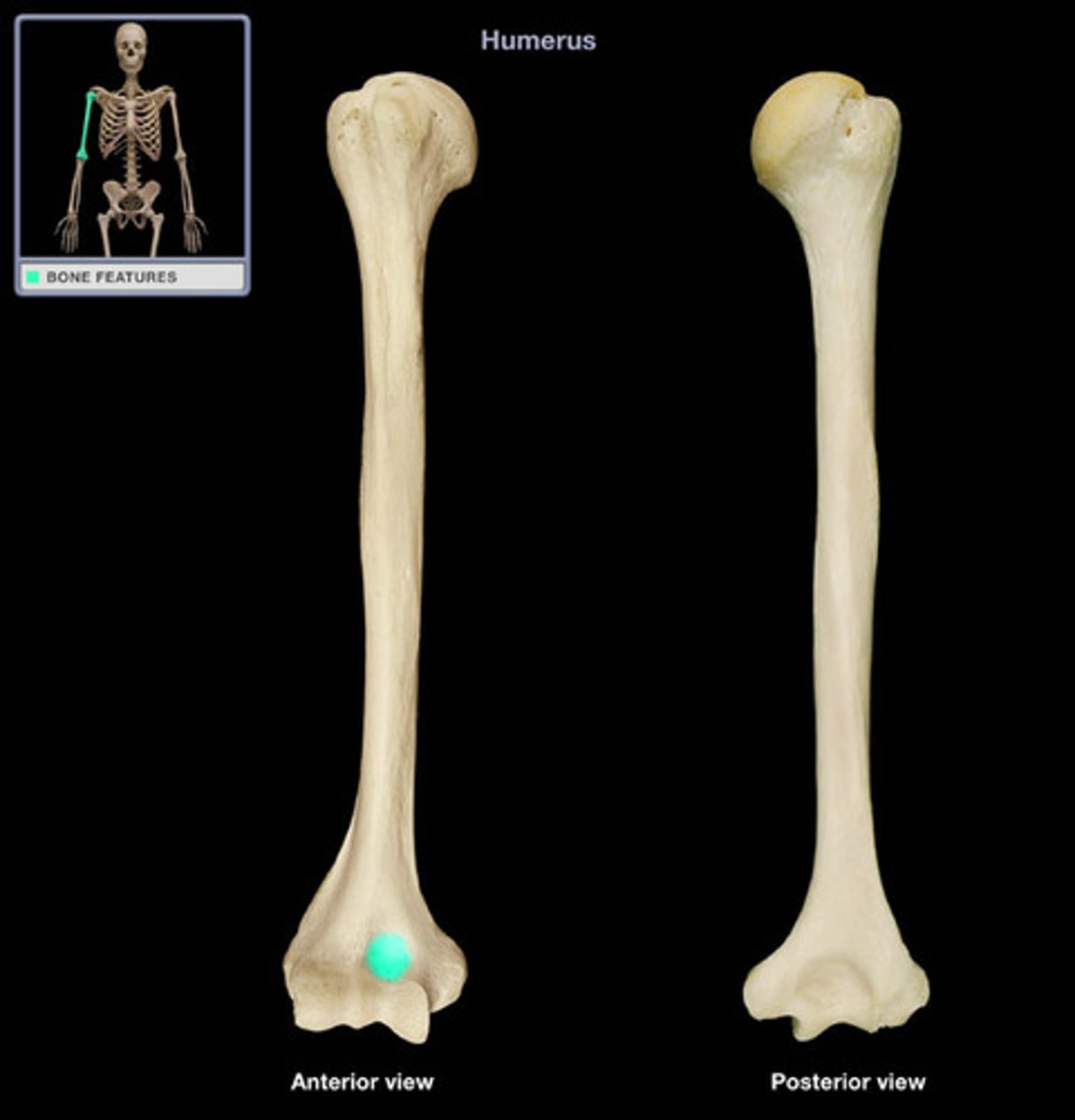
Head of Radius
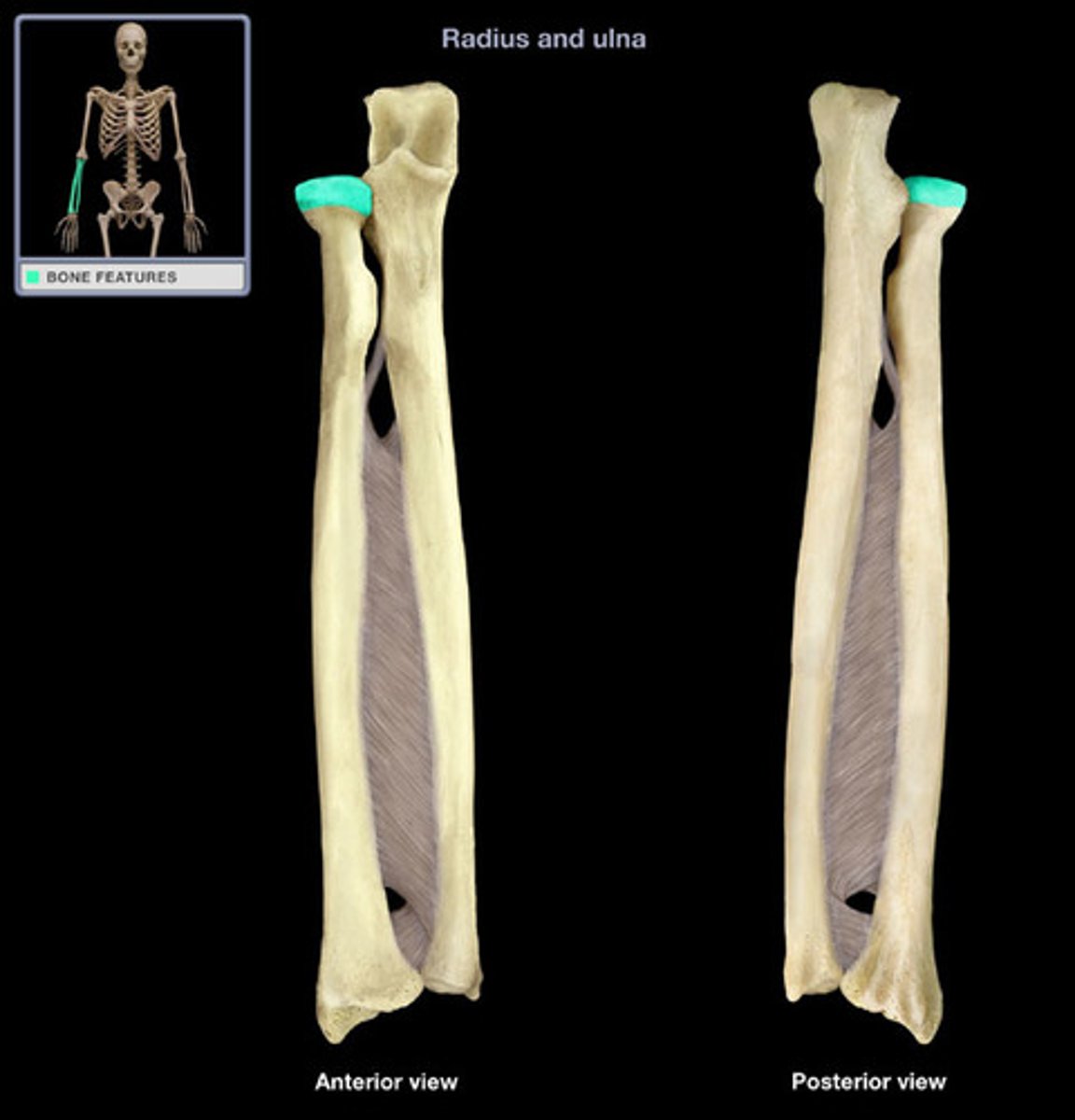
Styloid Process of Radius
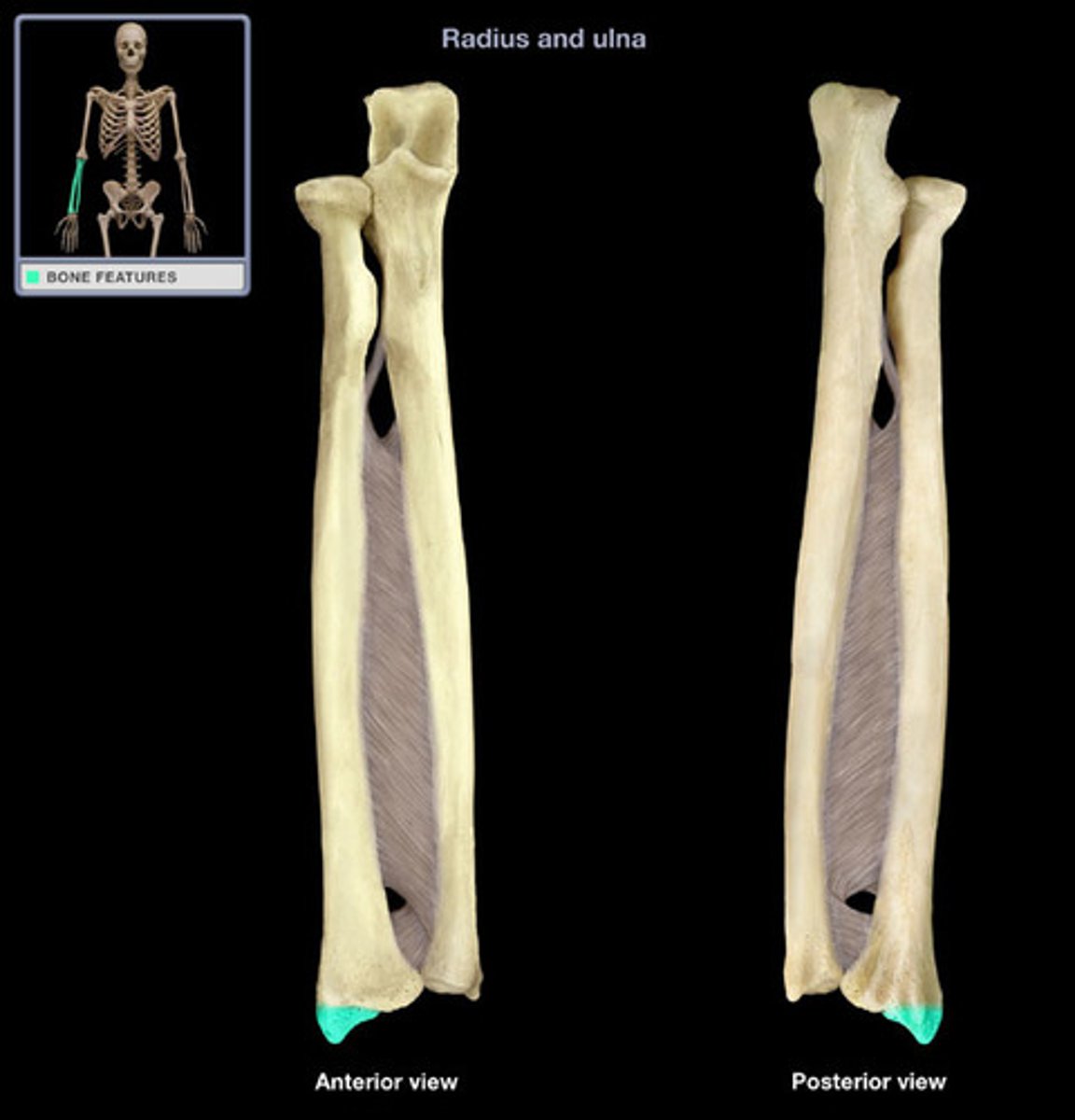
Ulnar Notch
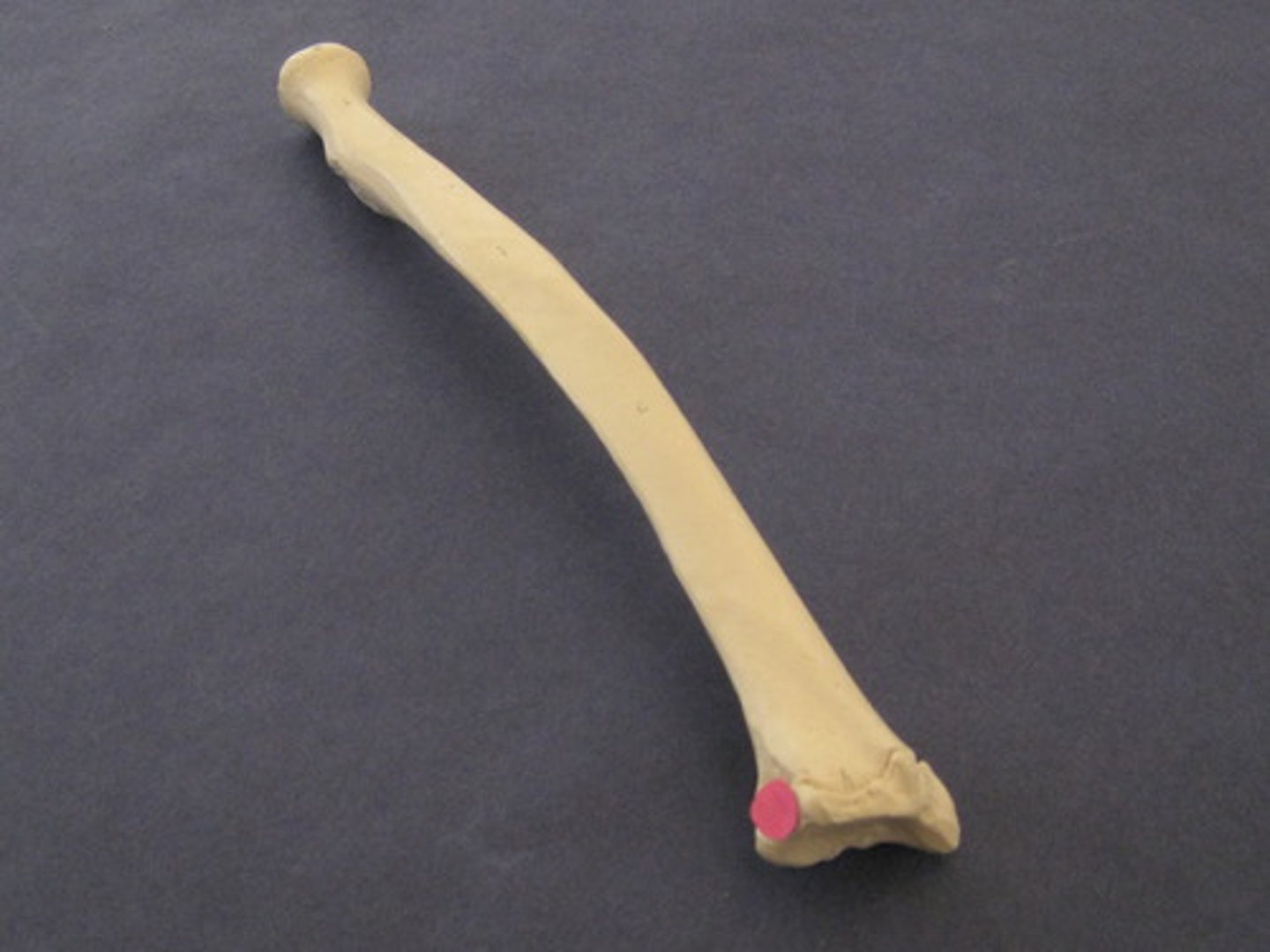
Radial Tuberosity
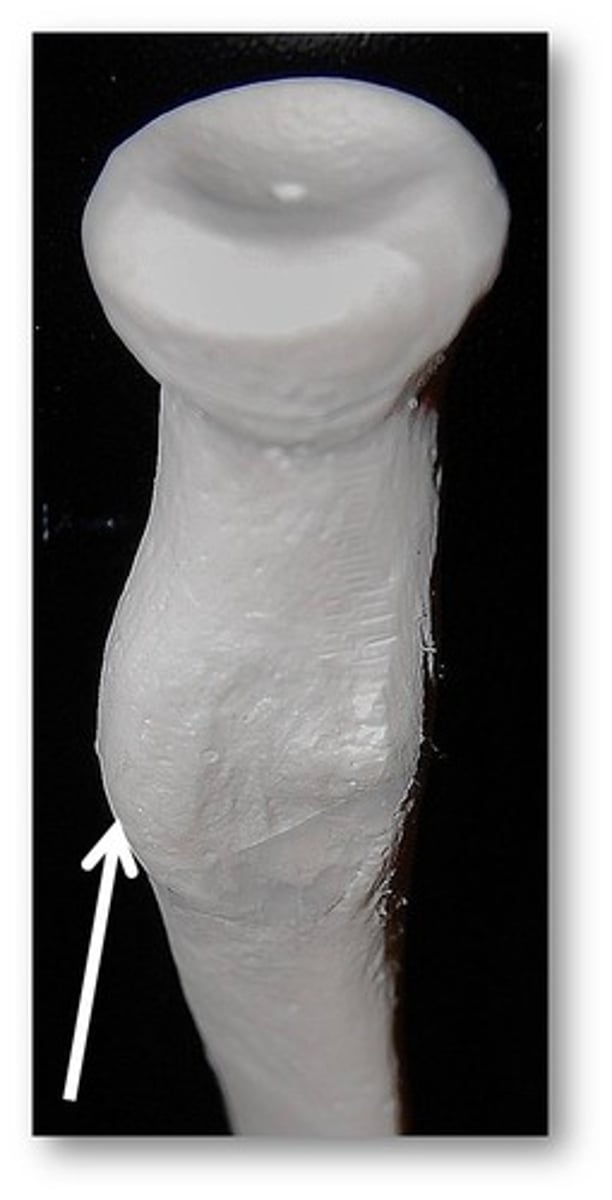
Olecranon Process
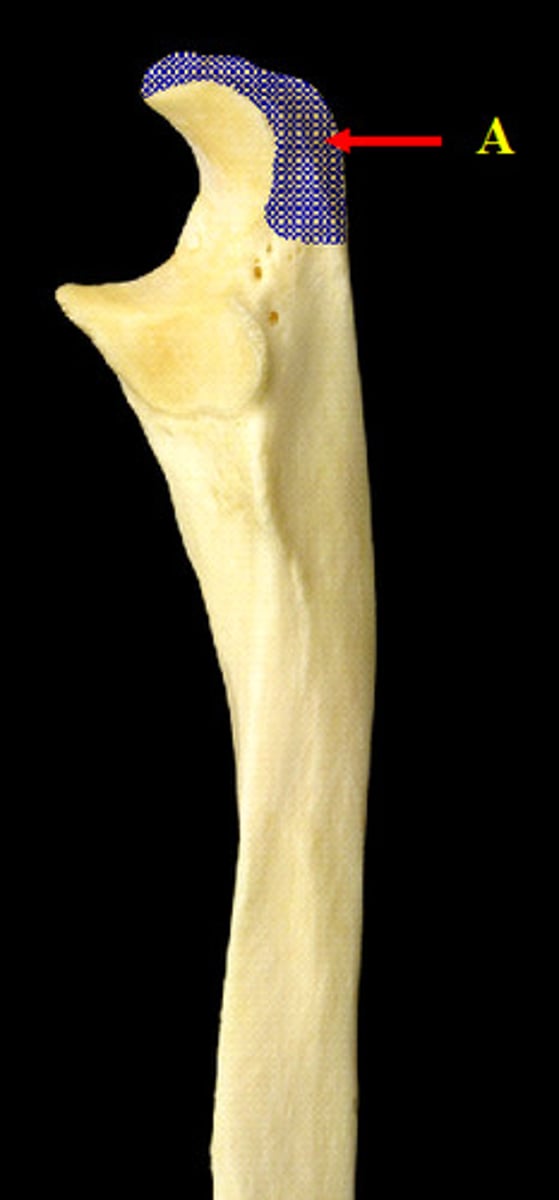
Trochlear Notch
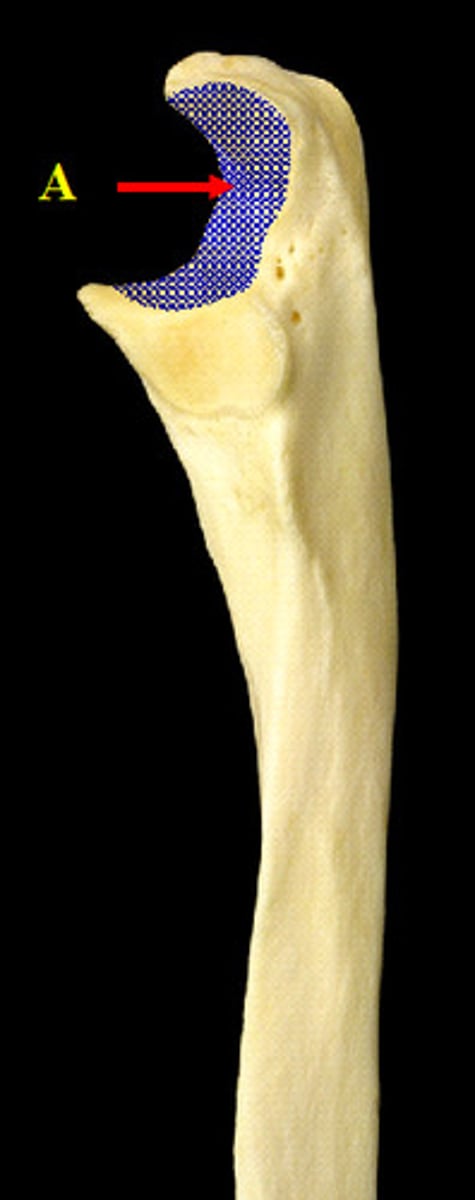
Styloid Process of Ulna

Coronoid Process
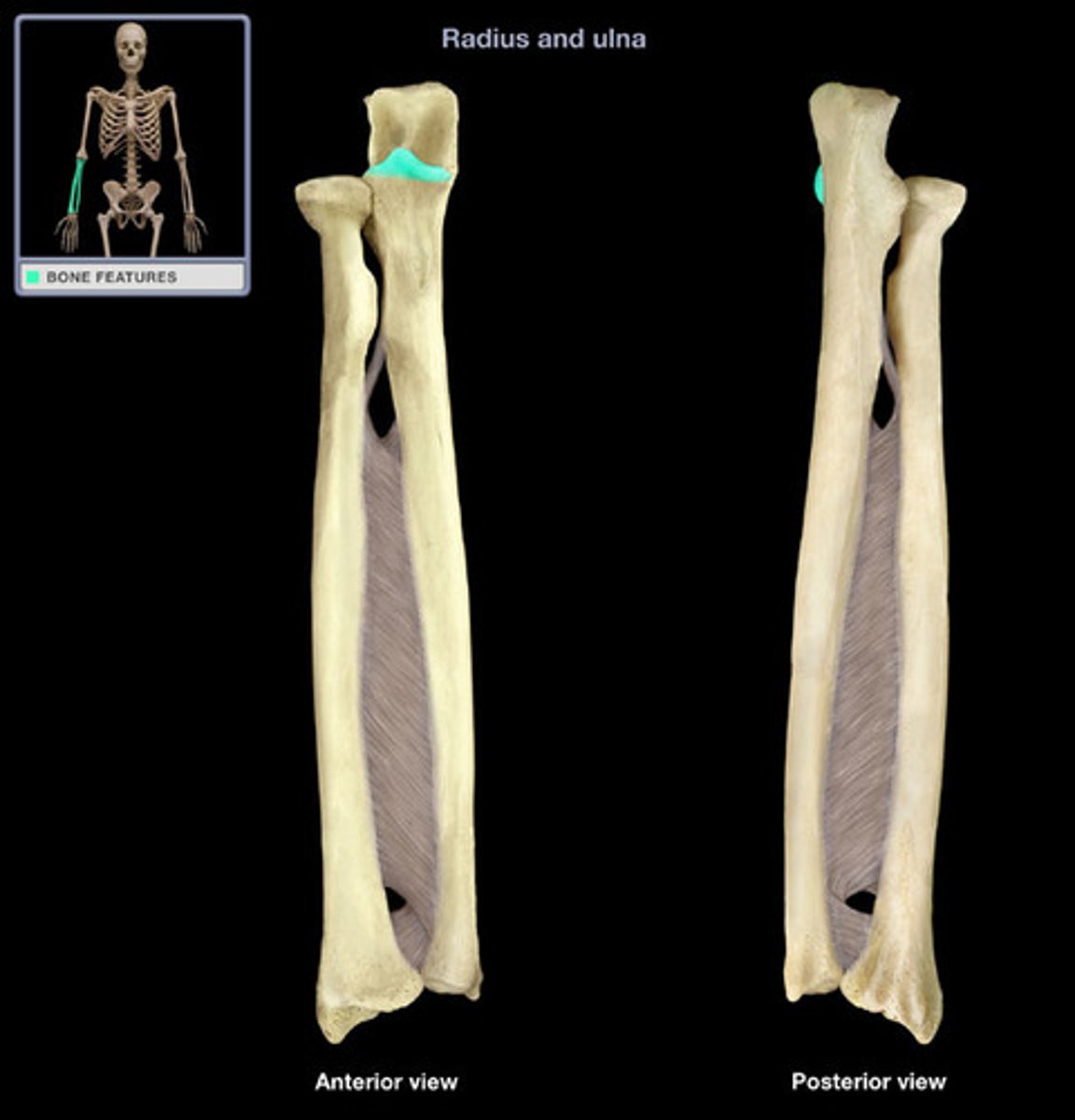
Radial Notch

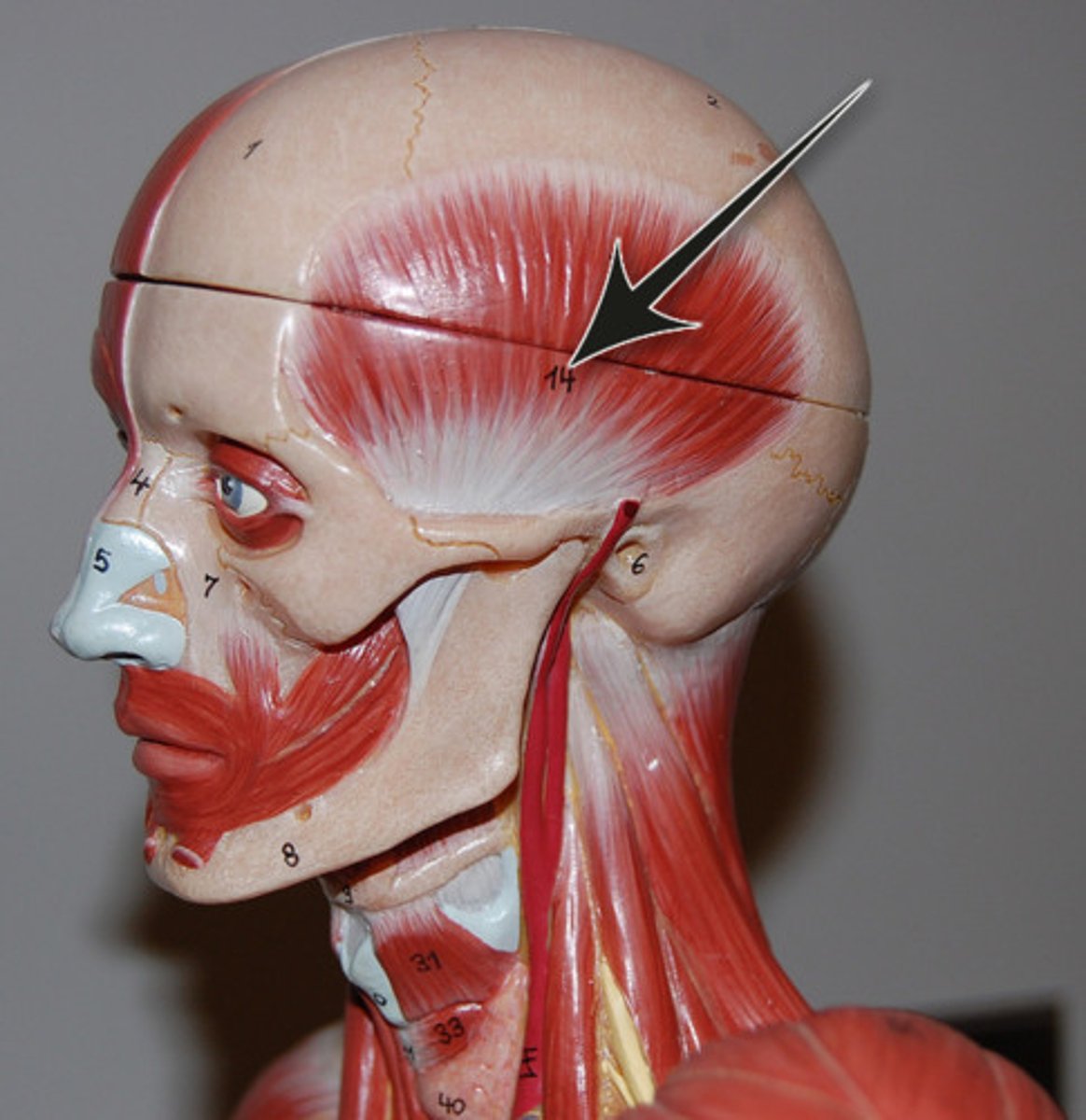
Temporalis
Origin: Temporal Fossa
Insertion: Coronoid Process
Action: Mandible retraction
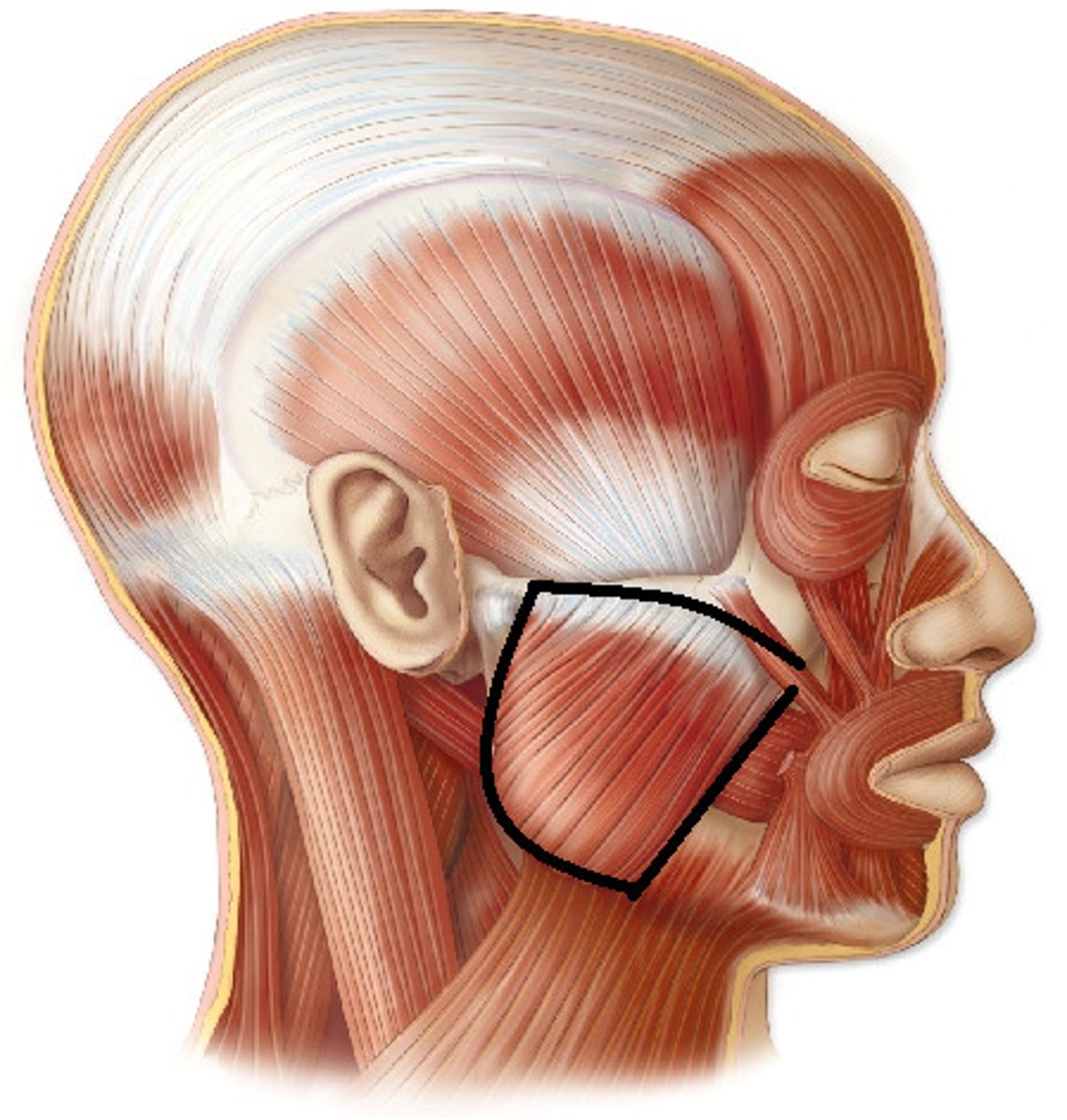
Masseter
Origin: Zygomatic Arch
Insertion: Ramus
Action: Mandible elevation at temporomandibular joint
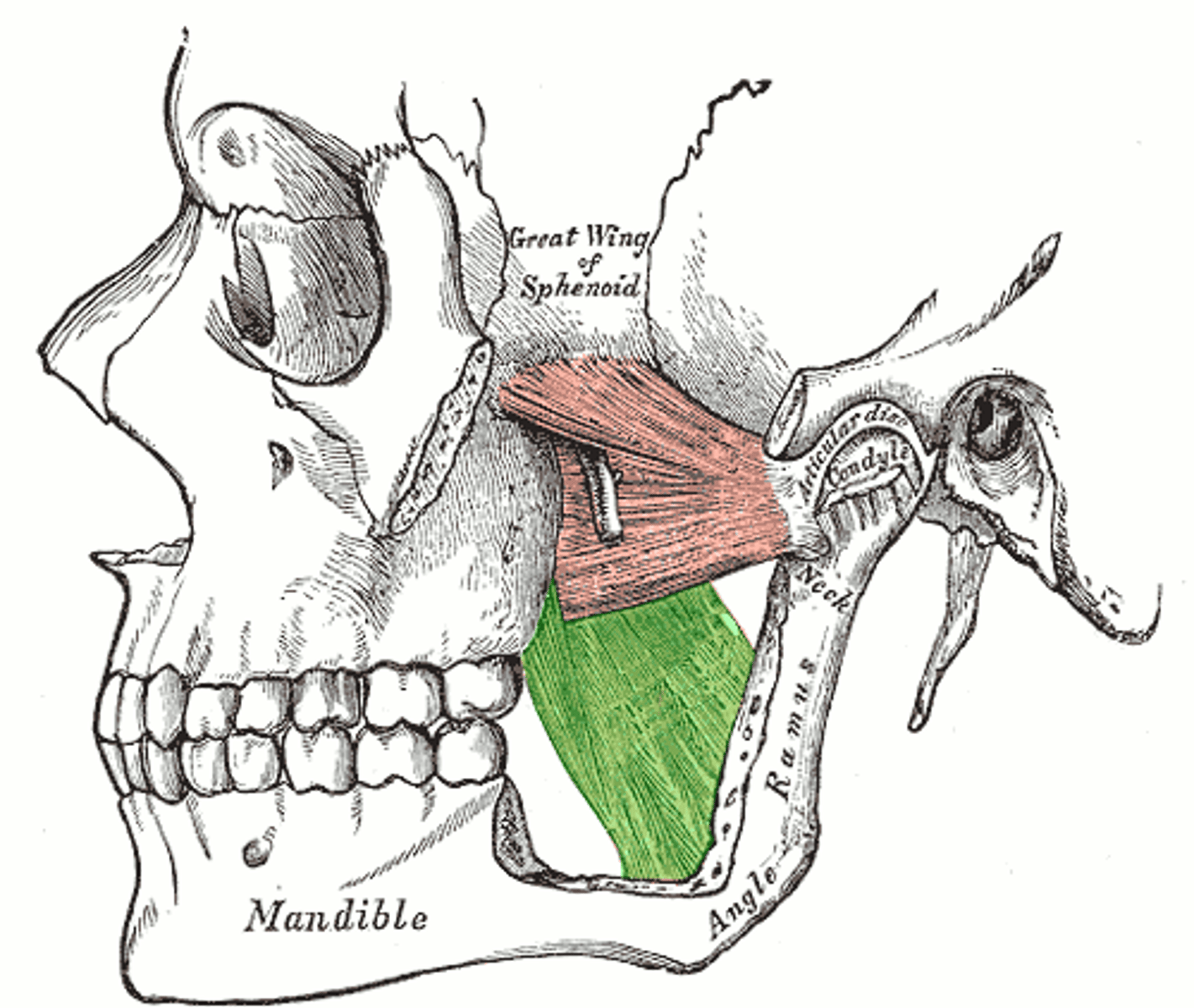
Medial Pterygoid
Green Muscle
Origin: Pterygoid Process
Insertion: Medial surface of mandible
Action: Mandible protraction
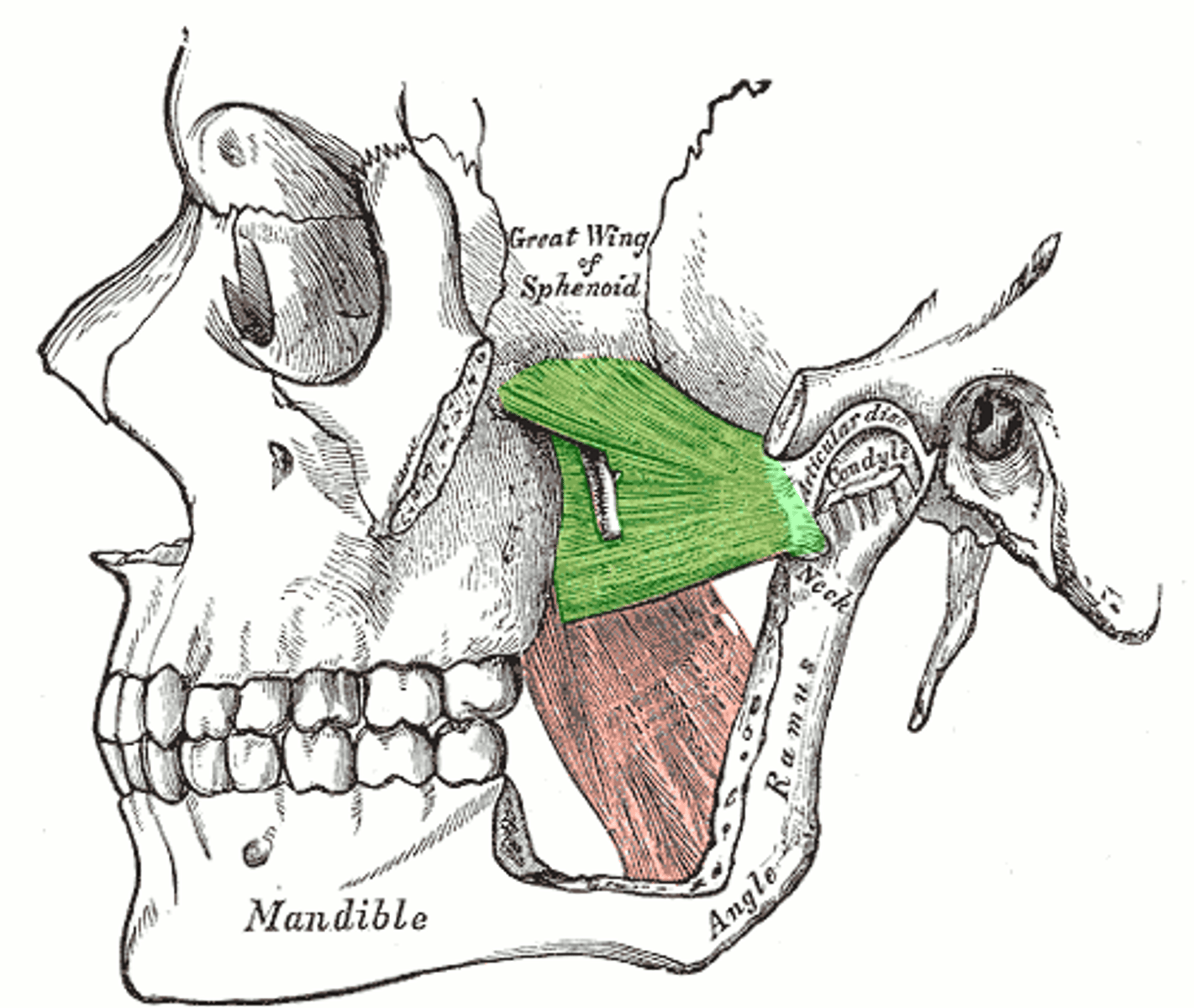
Lateral Pterygoid
Green Muscle
Origin: Pterygoid process, wing of sphenoid bone
Insertion: Mandibular Condyle, TMJ
Action: Mandible protraction
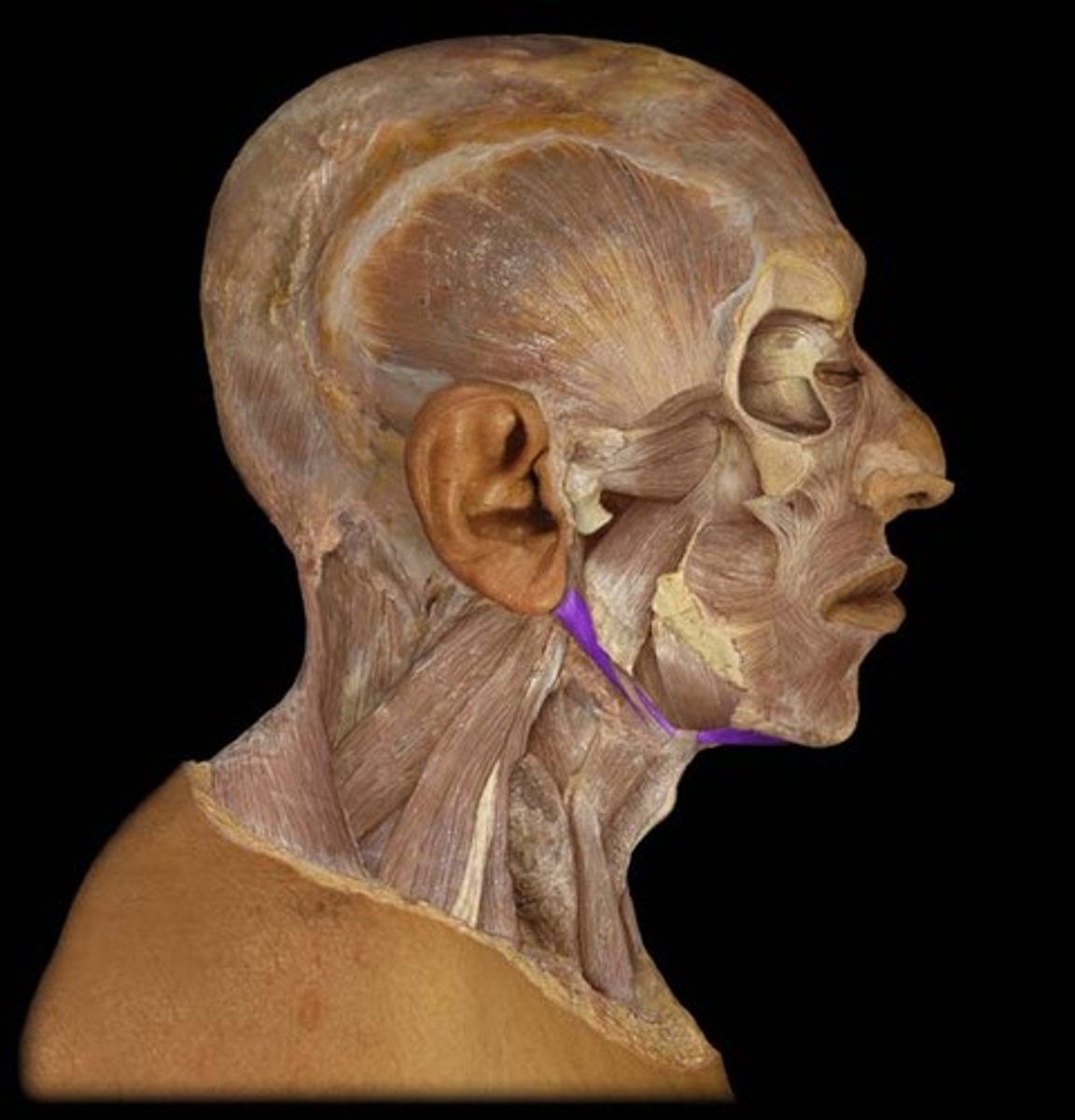
Digastric
Purple Muscle
Origin: Anterior Belly- Mandible
Posterior Belly- Mastoid
Insertion: Hyoid
Action: Hyoid Elevation
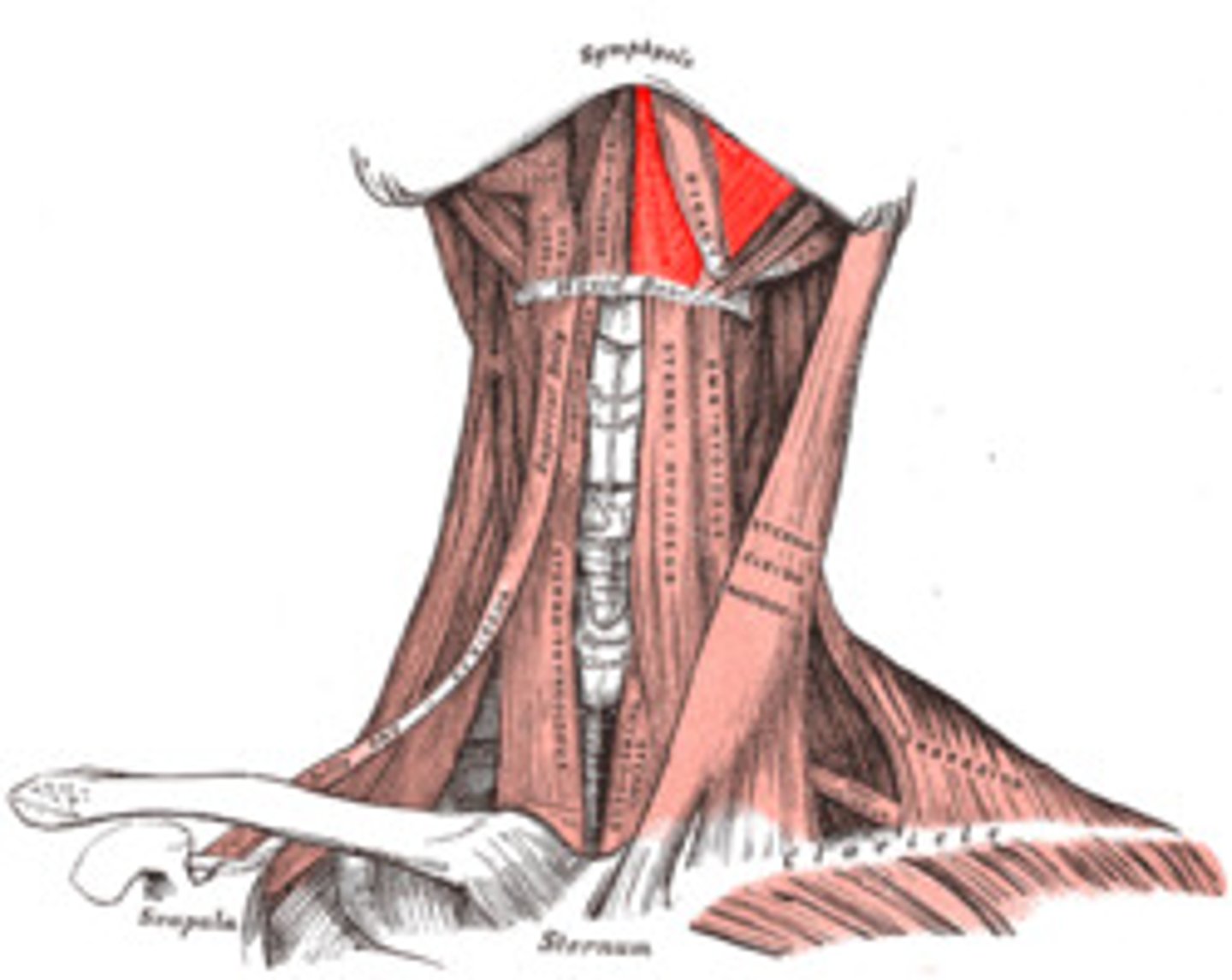
Mylohyoid
Bright red muscle
Origin: Mandible
Insertion: Hyoid
Action: Hyoid elevation
Stylohyoid
Origin: Styloid process
Insertion: Hyoid
Action: Hyoid Elevation
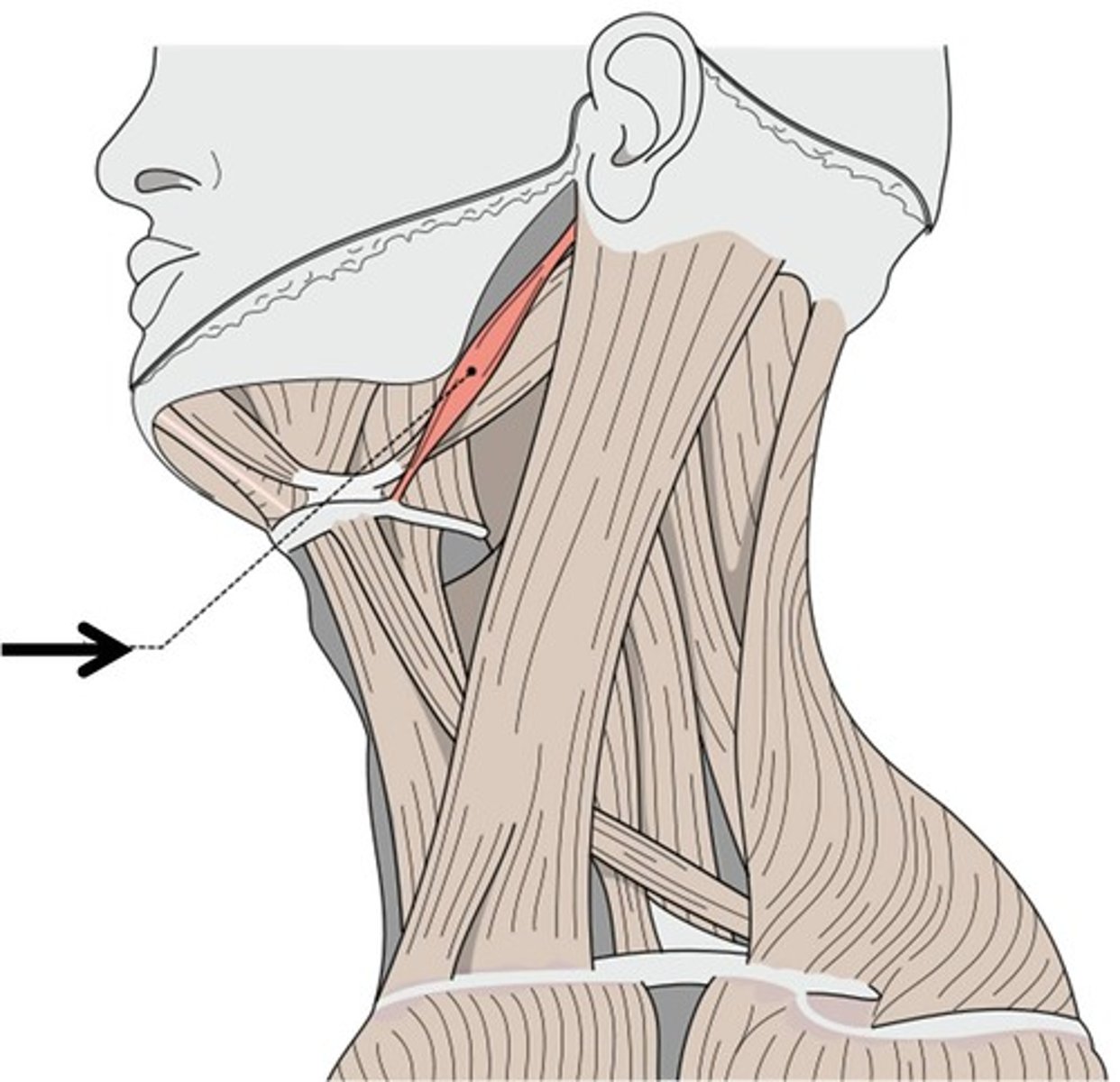
Sternohyoid
Origin: Sternum
Insertion: Hyoid
Action: Hyoid depression
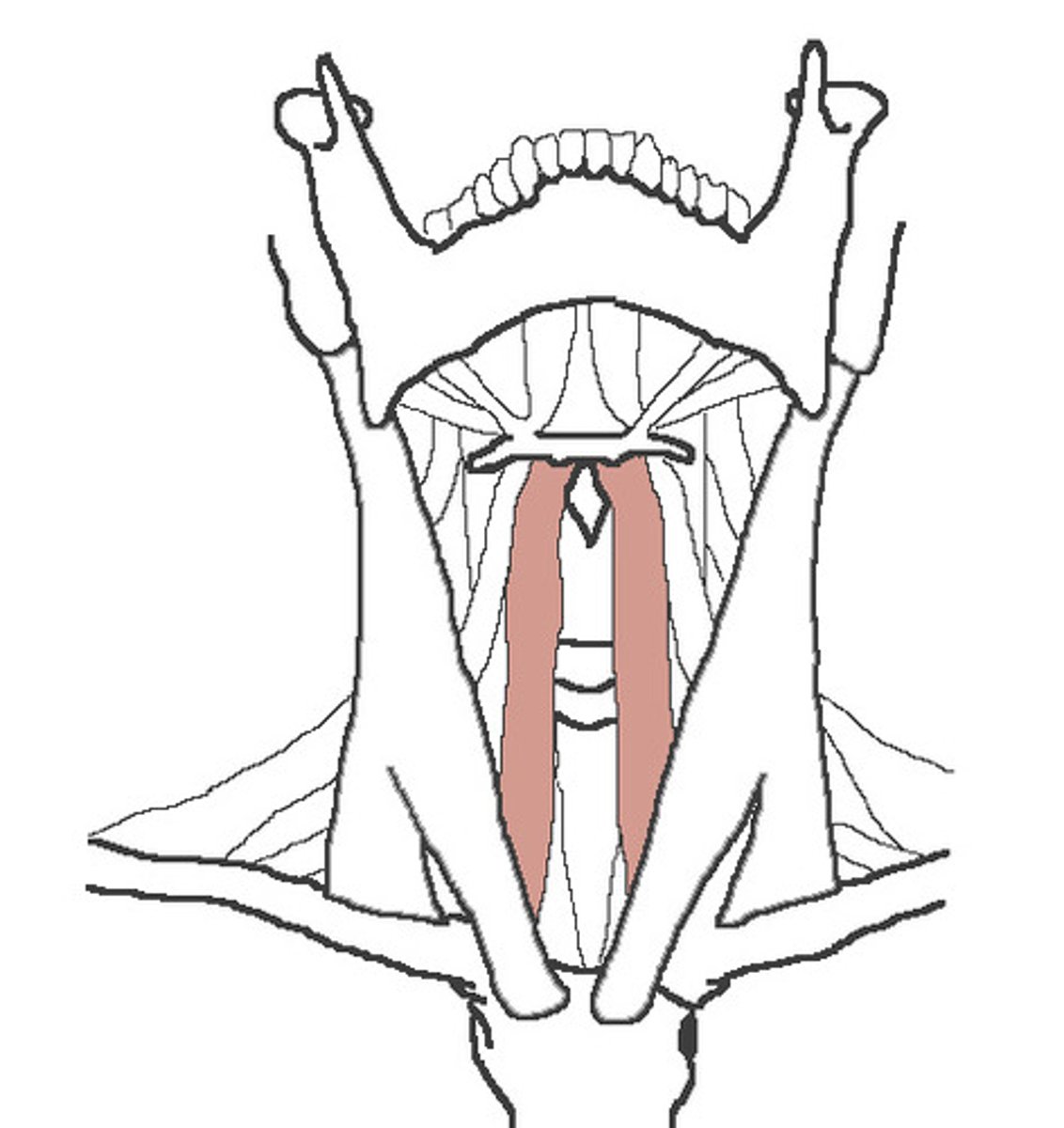
Omohyoid
Origin: Superior Scapula
Insertion: Hyoid
Action: Hyoid depression
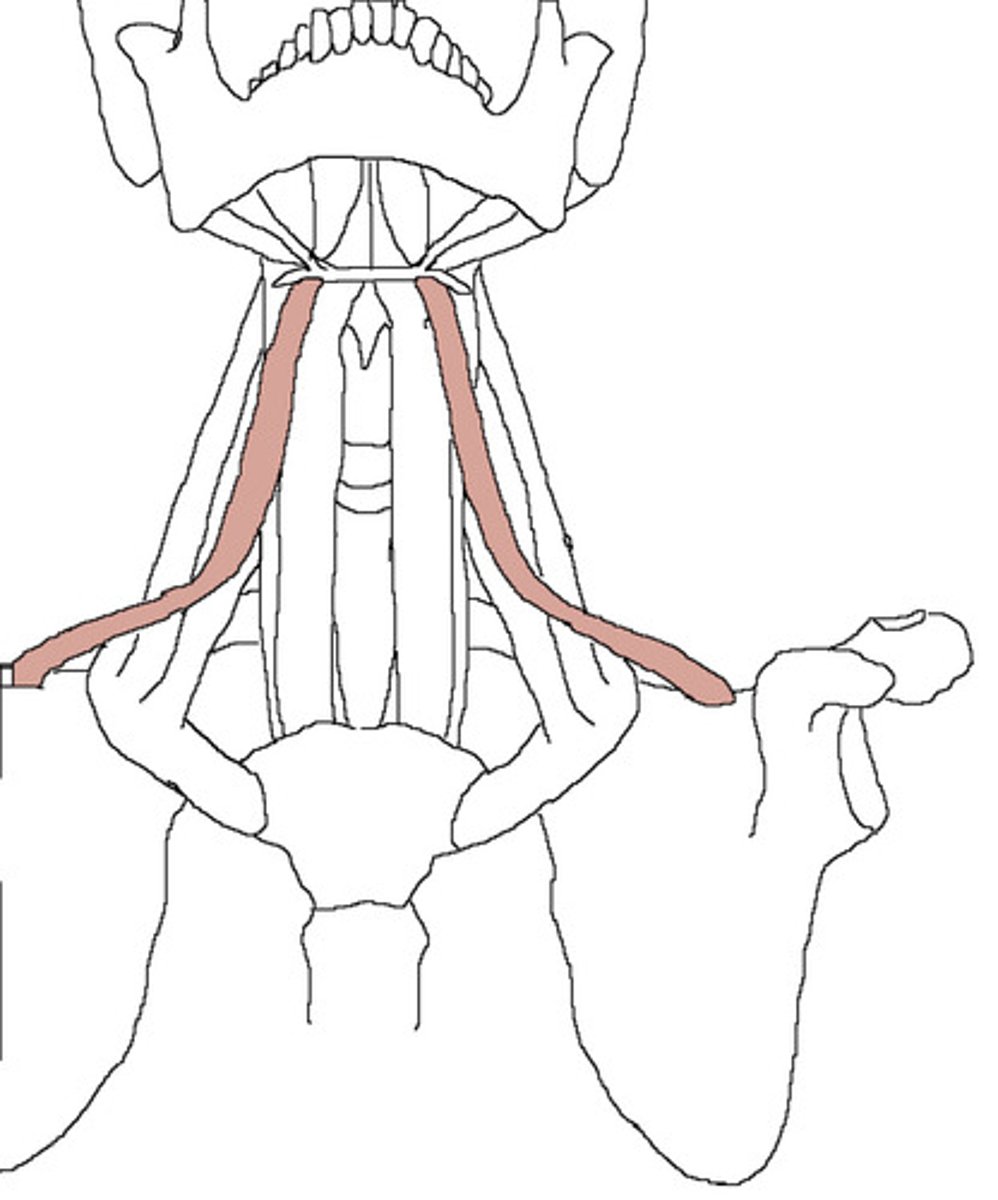
Sternocleidomastoid
Origin: Sternum, Clavicle
Insertion: Mastoid Process
Action: Head flexion
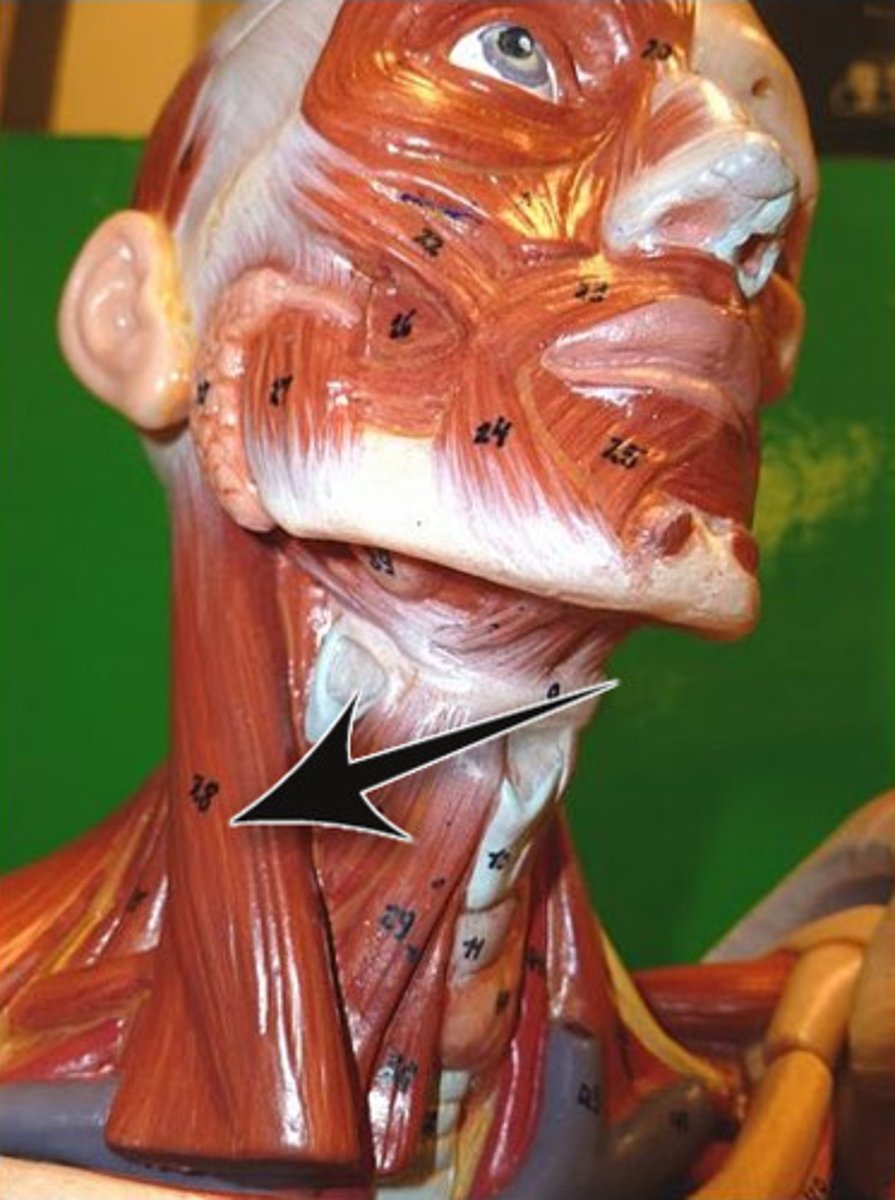
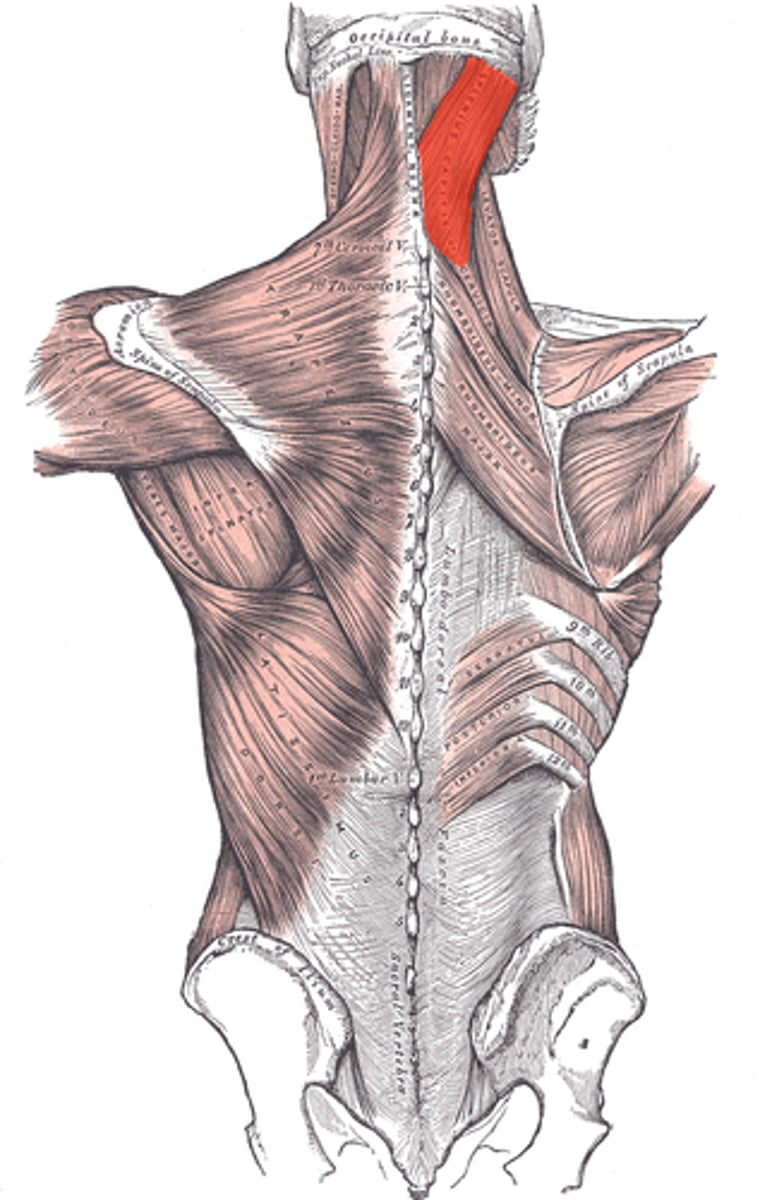
Splenius Capitis
Origin: Upper thoracic vertebrae
Insertion: Temporal and occipital
Action: Head and neck rotation
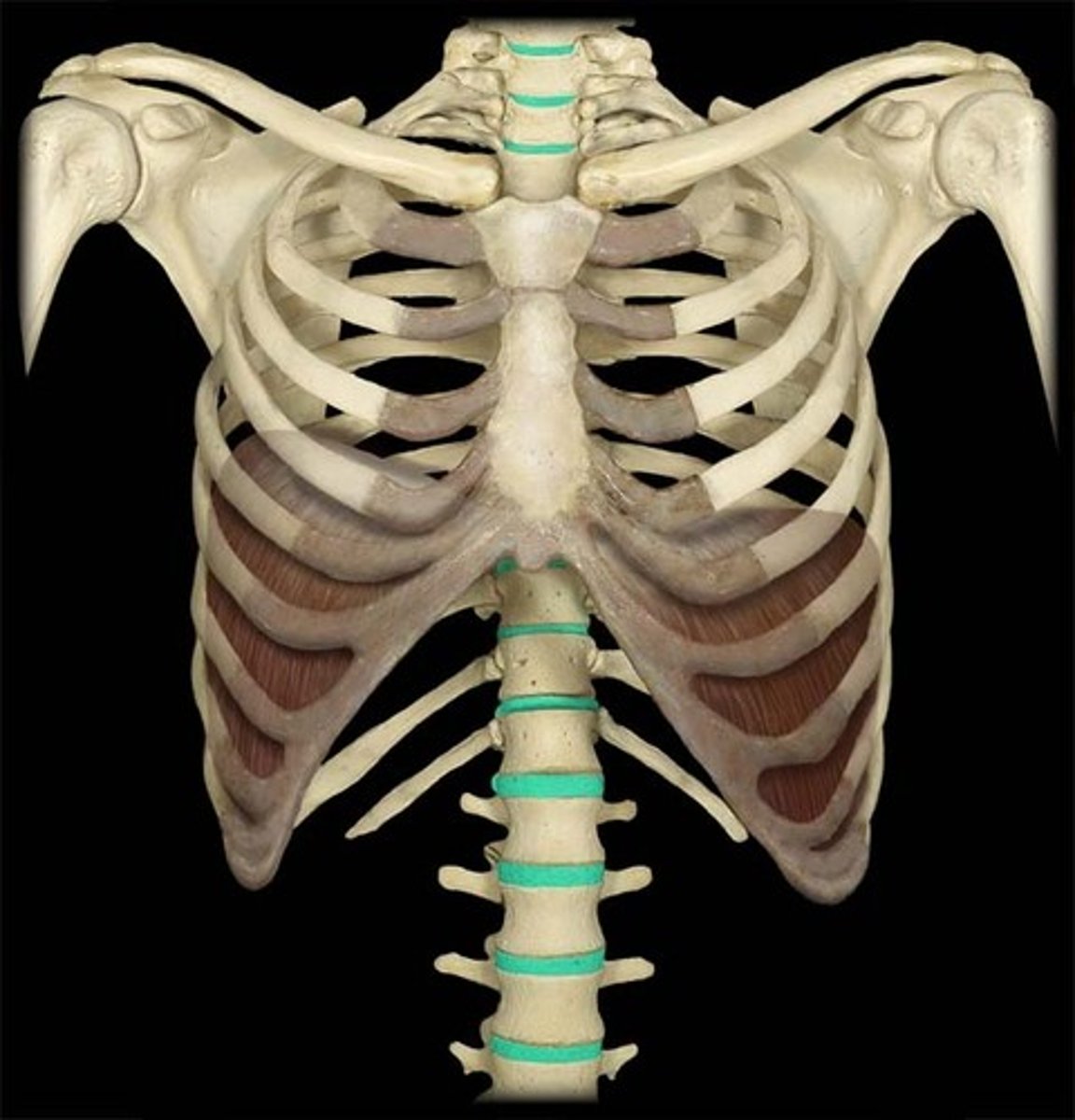
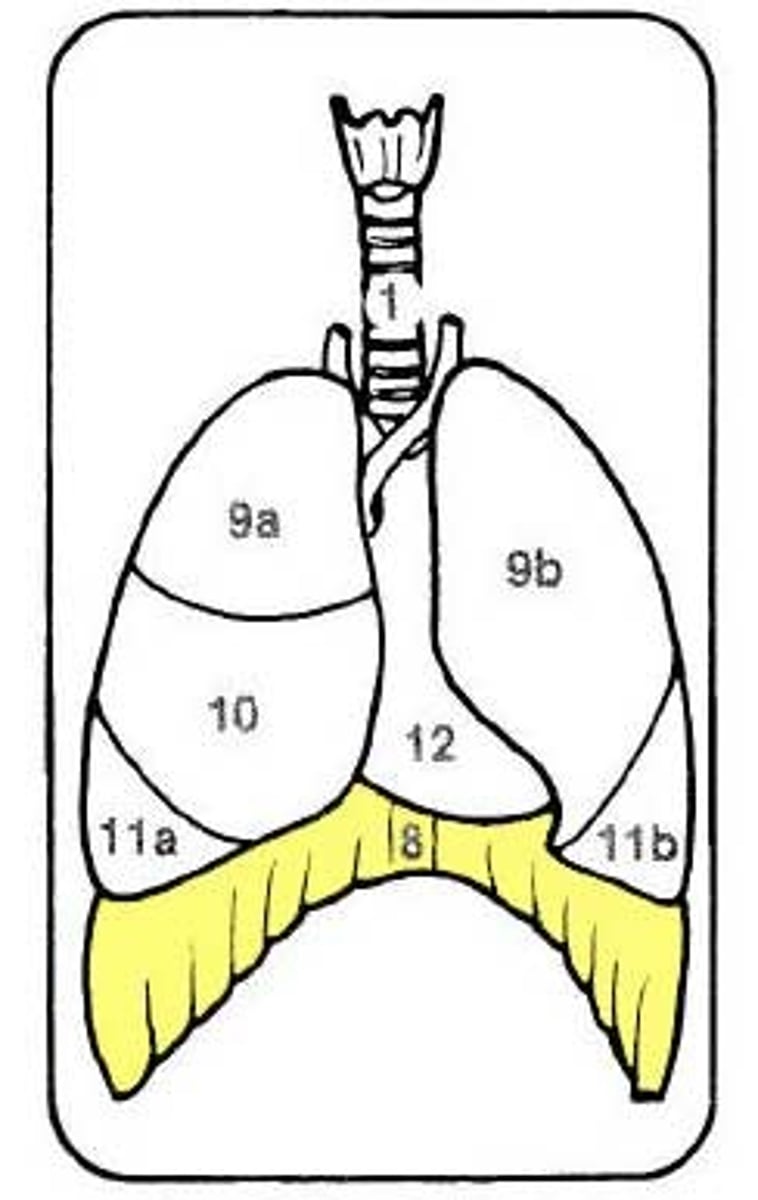
Diaphragm
Parachute-like structure in the lower rib cage area
Origin: Inferior Rib Cage, Lumbar vertebrae
Insertion: Central tendon in thorax/abdomen
Action: Increase rib cage volume during inhalation
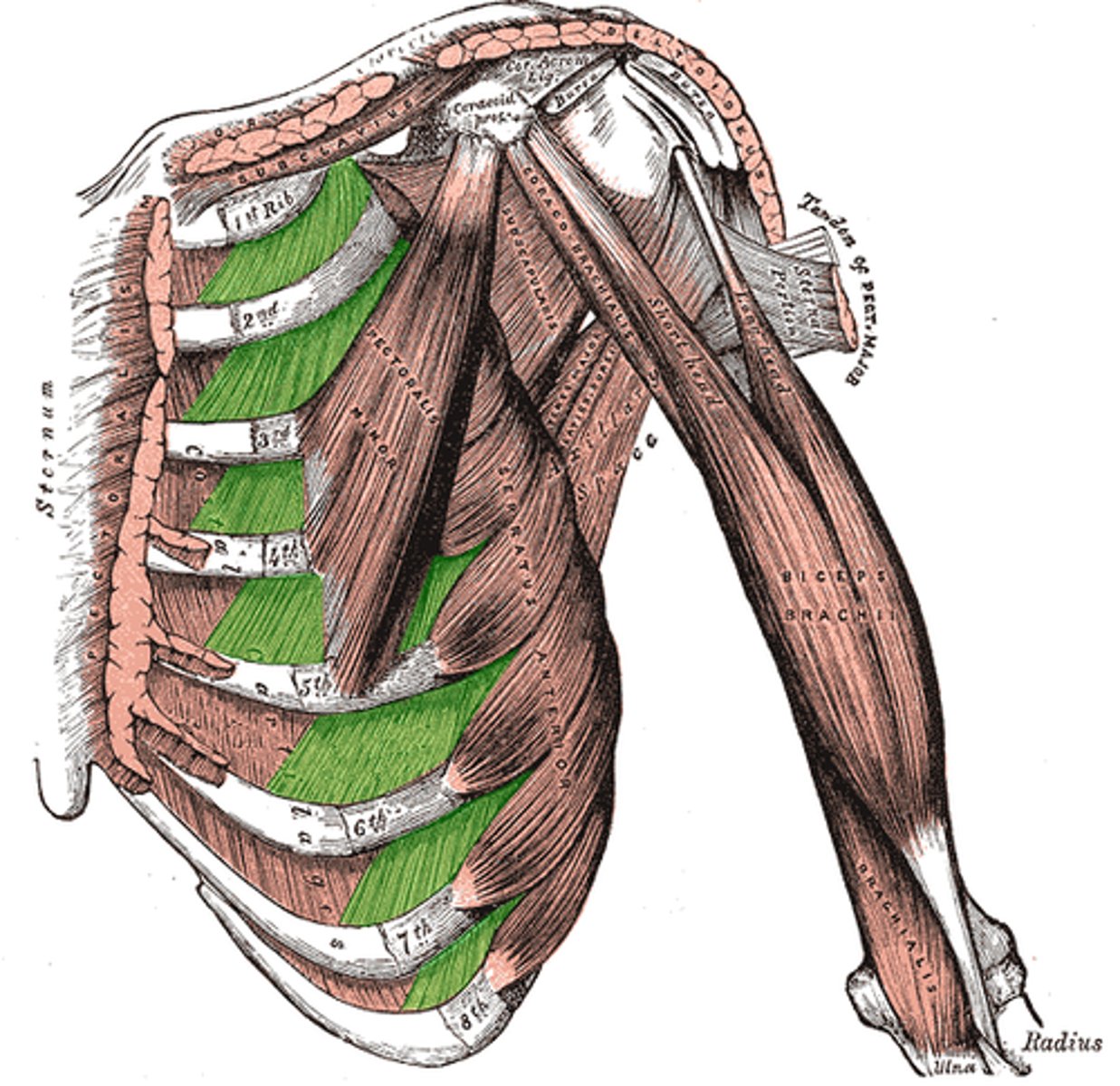
External Intercostals
Green Muscle
Origin: Superior rib
Insertion: Inferior rib
Action: Rib cage elevation
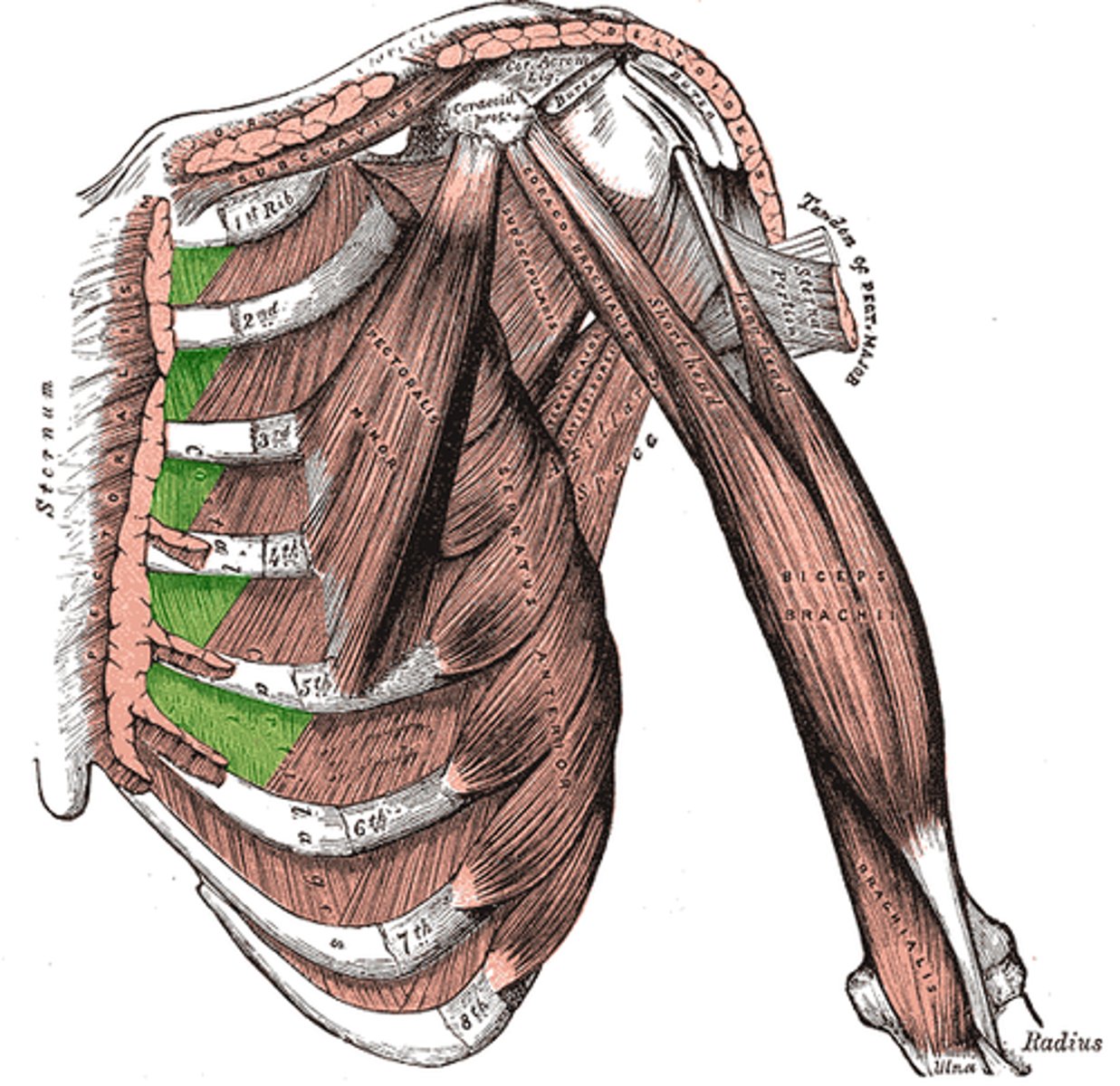
Internal Intercostals
Origin: Inferior rib
Insertion: Superior Rib
Action: Rib cage depression
Pectoralis Minor
Origin: Ribs 3-5
Insertion: Coracoid Process
Action: Coracoid Process

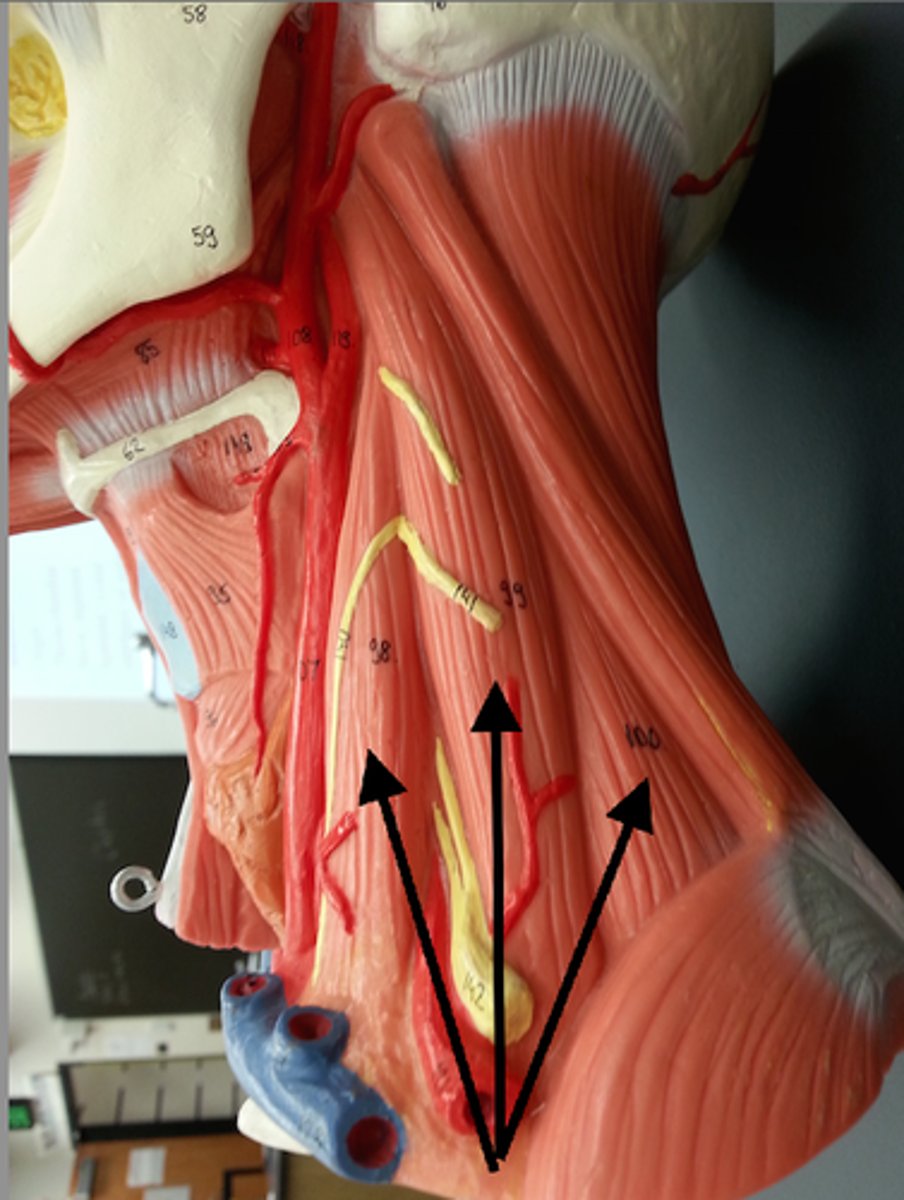
Scalenes
under sternocleidomastoid
Origin: Cervical Vertebrae
Insertion: First two ribs
Action: Elevate ribs during inhalation
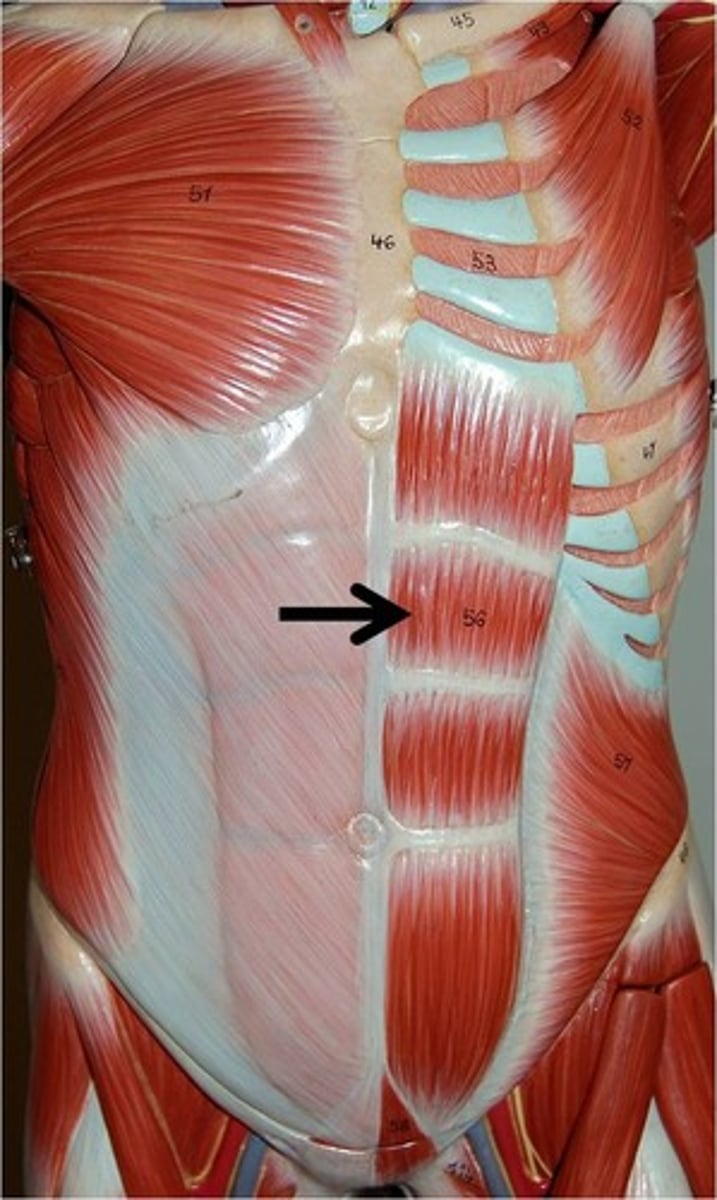
Rectus Abdominis
Origin: Pubis
Insertion: Xiphoid process, Ribs 5-7
Action: Trunk flexion at intervertebral joints
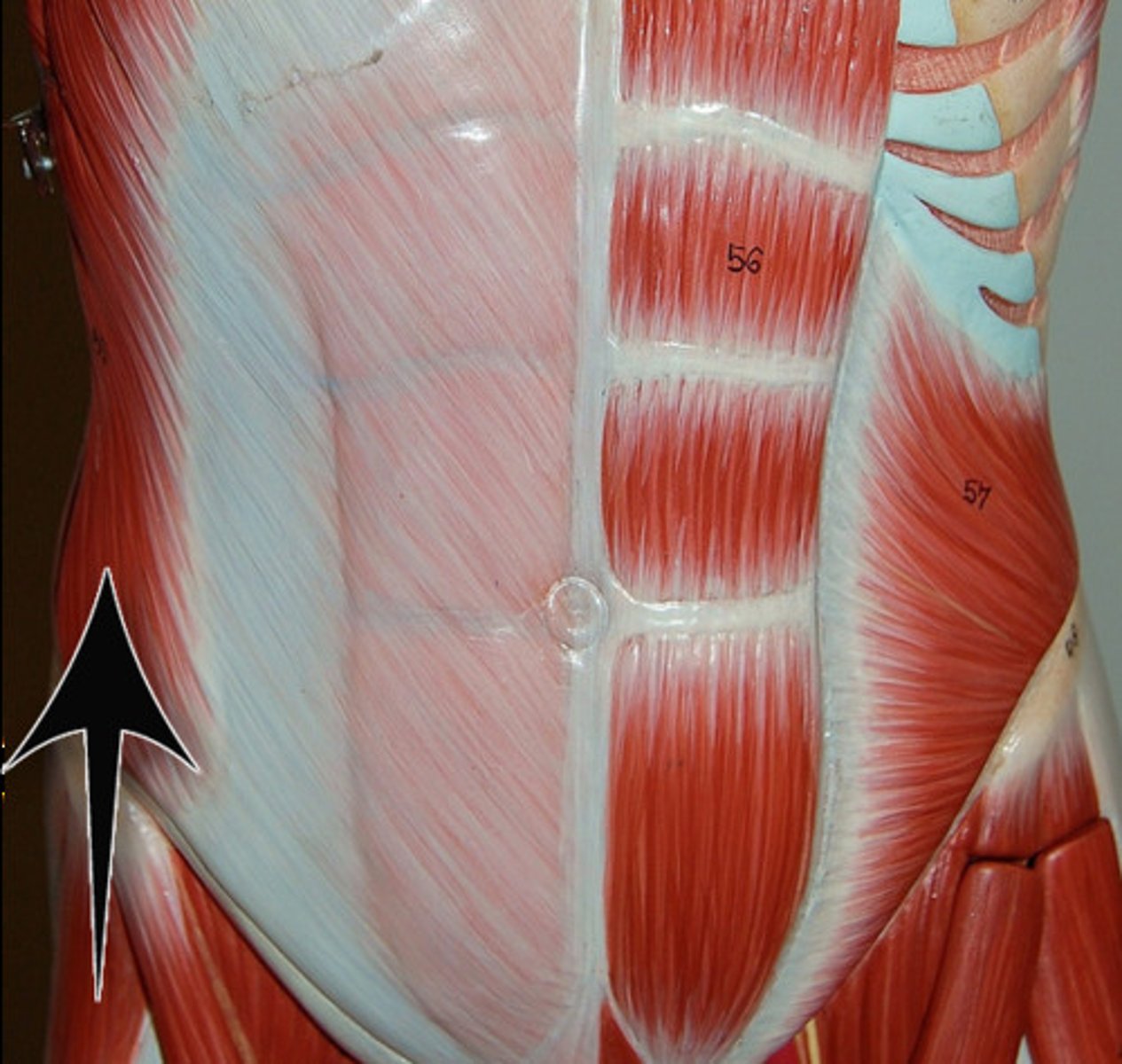
External Obliques
Origin: Lower 8 ribs
Insertion: Iliac Crest, Pubis, Aponeurosis into linea alba
Action: Compress abdominal cavity
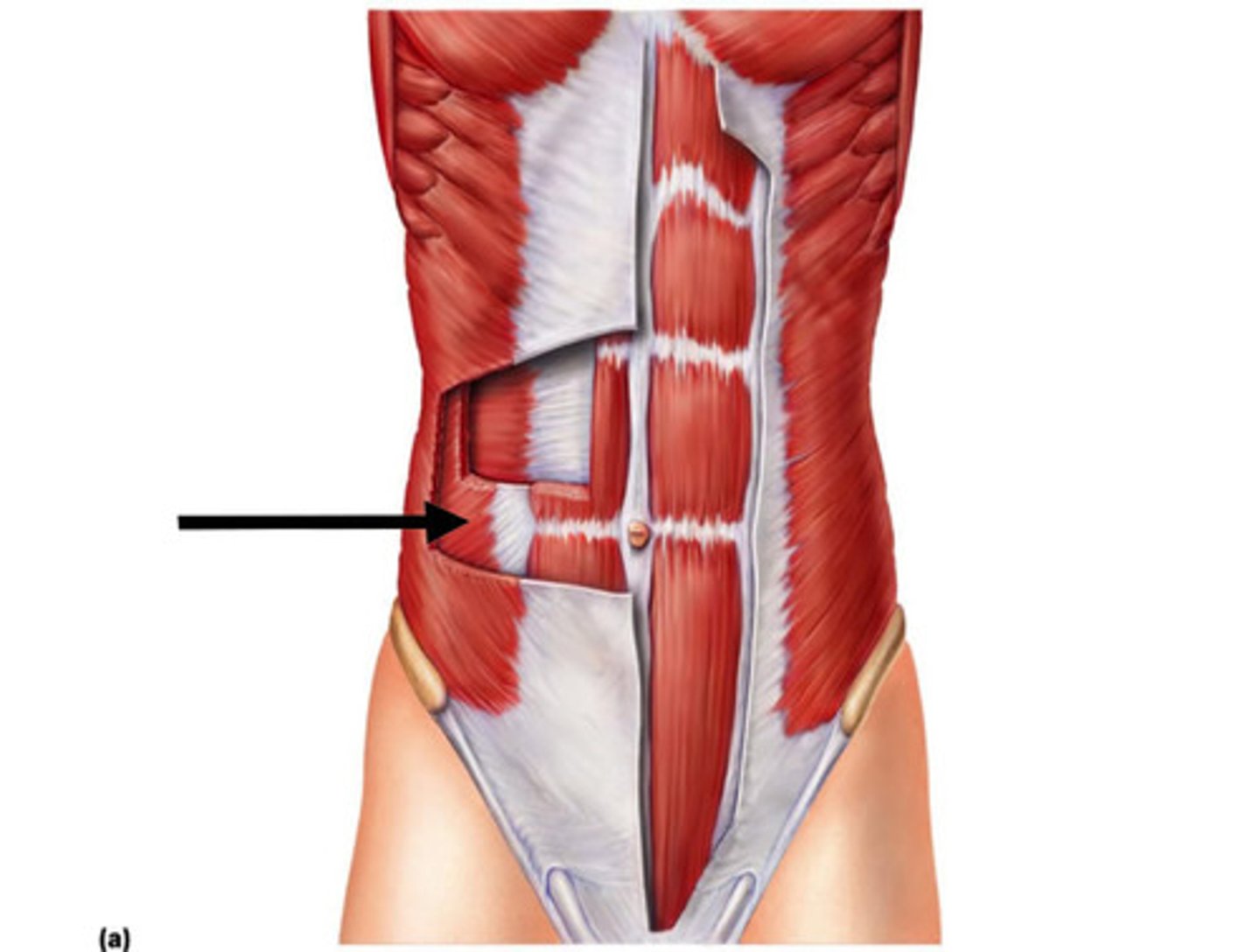
Internal Oblique
Origin: Anterior Iliac Crest, Thoracolumbar fascia
Insertion: Linea Alba, Lower ribs
Action: Linea Alba, Lower ribs
Transversus Abdominis
Origin: Thoracolumbar fascia, Lower 6 ribs, Iliac Crest
Insertion: Aponeurosis into linea alba
Action: Compress abdominal cavity
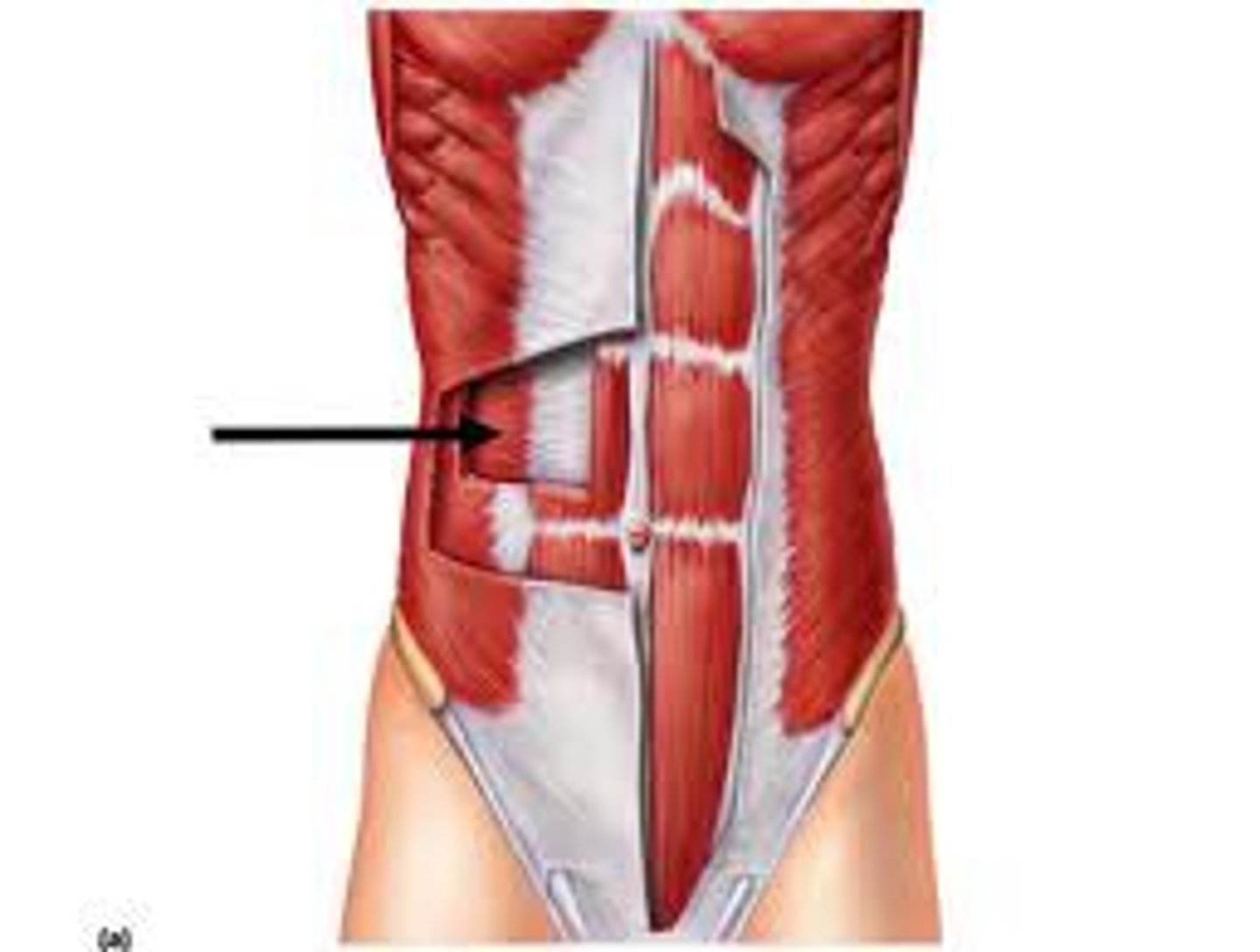
Serratus Anterior
Origin: Ribs 1-8 on anterolateral thoracic wall
Insertion: Medial border of scapula
Action: Scapula protraction
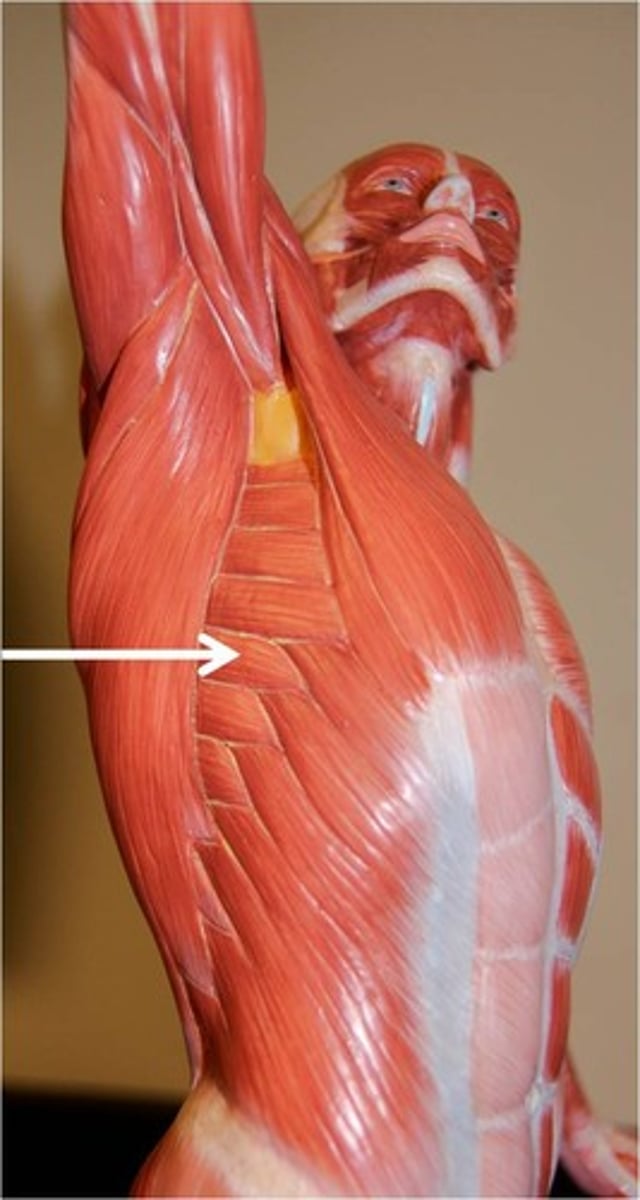
Trapezius
Origin: Occipital, Spinous processes
Insertion: Acromion Process, Scapular Spine, Clavicle
Action: Scapula Elevation
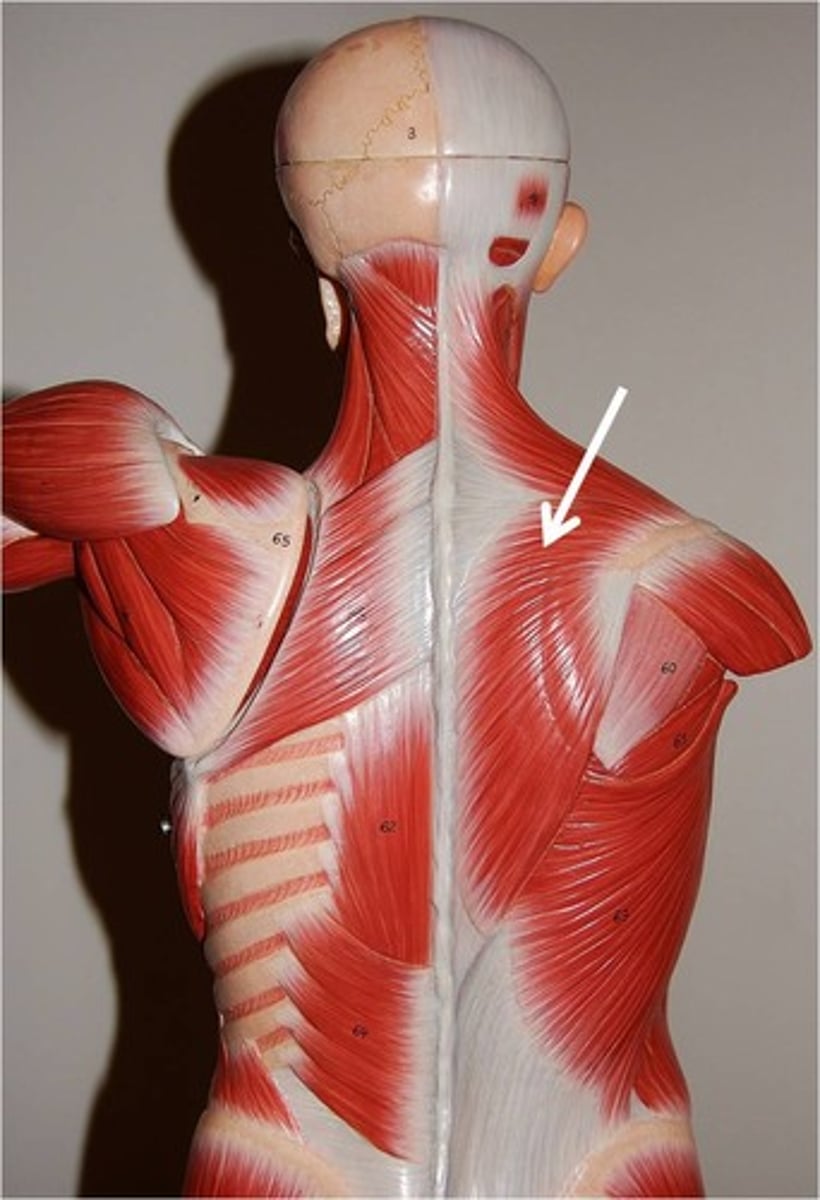
Rhomboideus Major
Origin: Spinous Processes T2-T5
Insertion: Medial Border of Scapula
Action: Scapula Elevation
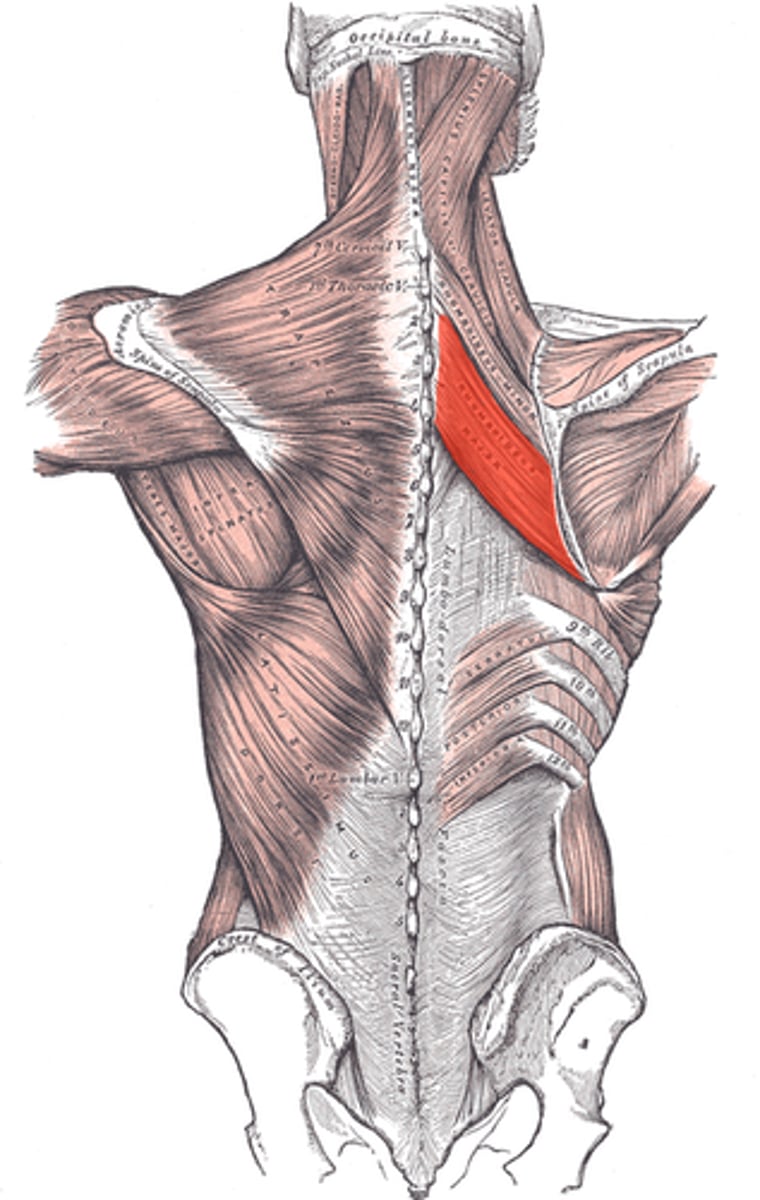
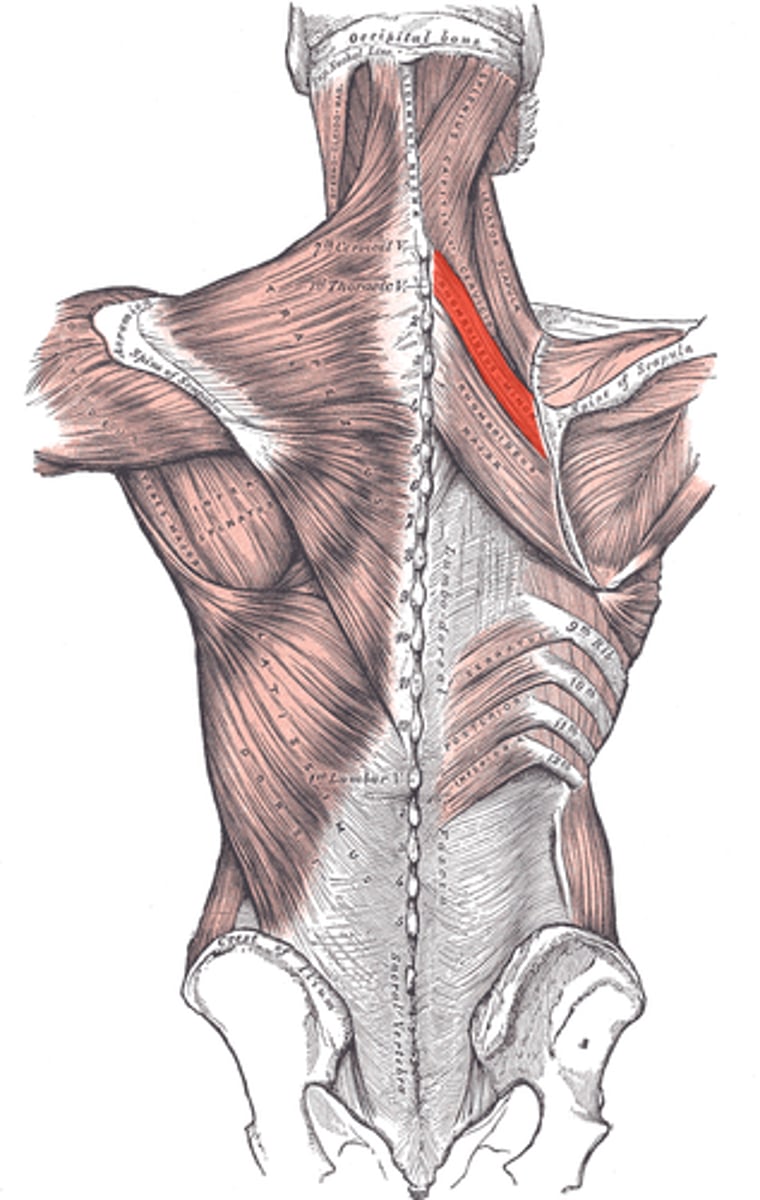
Rhomboideus Minor
Origin: Spinous Processes C7-T1
Insertion: Medial Border of Scapula
Action: Scapula Elevation
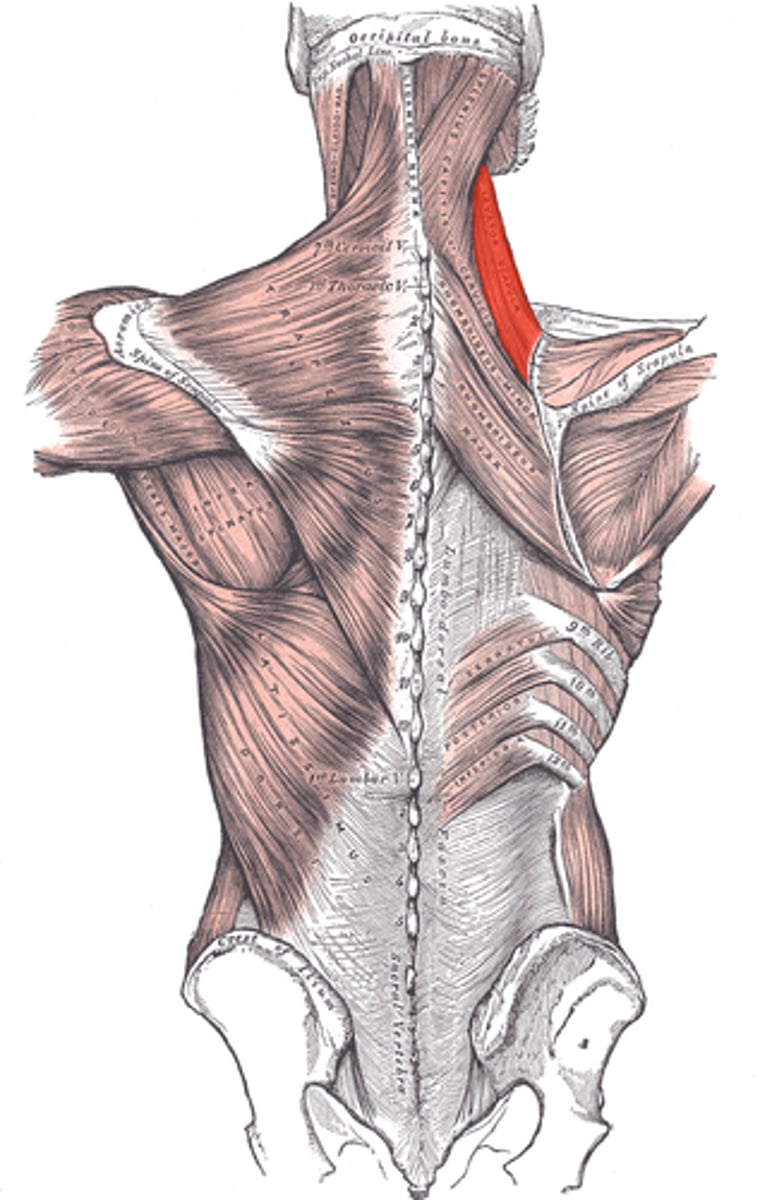
Levator Scapulae
Origin: Transverse Processes of cervical vertebrae
Insertion: Superior Angle, Medial border of scapula
Action: Scapula Elevation
Erector Spinae
Origin: Lower vertebrae/spinous processes (medial group), middle vertebrae/transverse processes (intermediate group), iliac crest/lower ribs (lateral group)
Insertion: Upper vertebrae/spinous processes (medial group), upper vertebrae/transverse processes (intermediate group), upper ribs/cervical vertebrae (lateral group)
Action: Trunk, neck extension

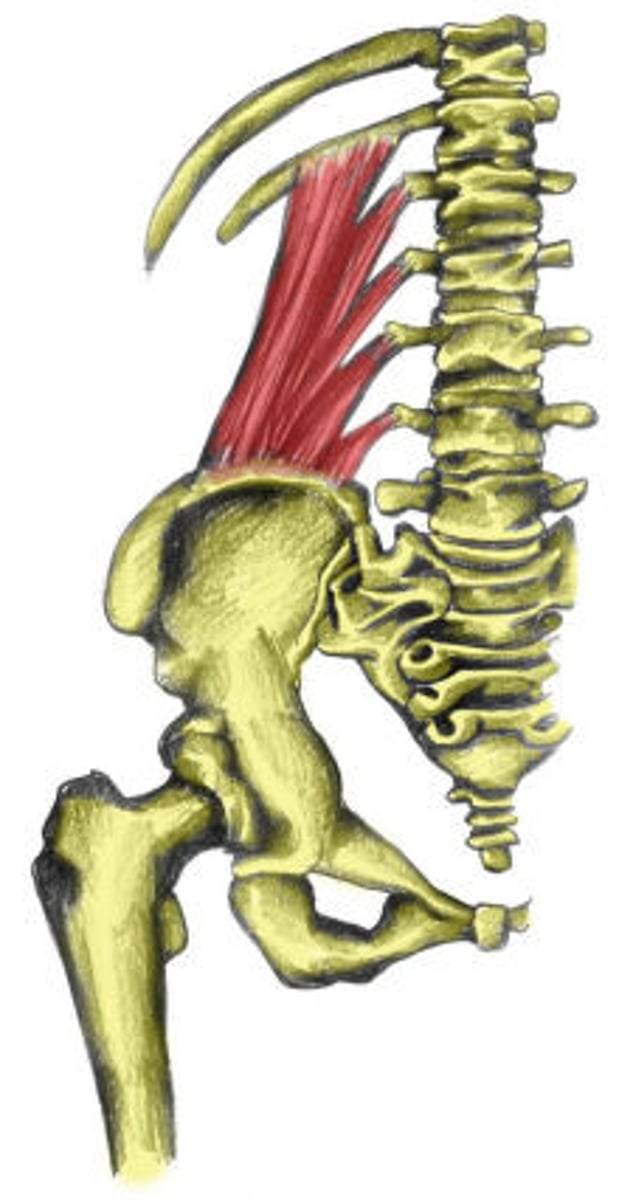
Quadratus Lumborum
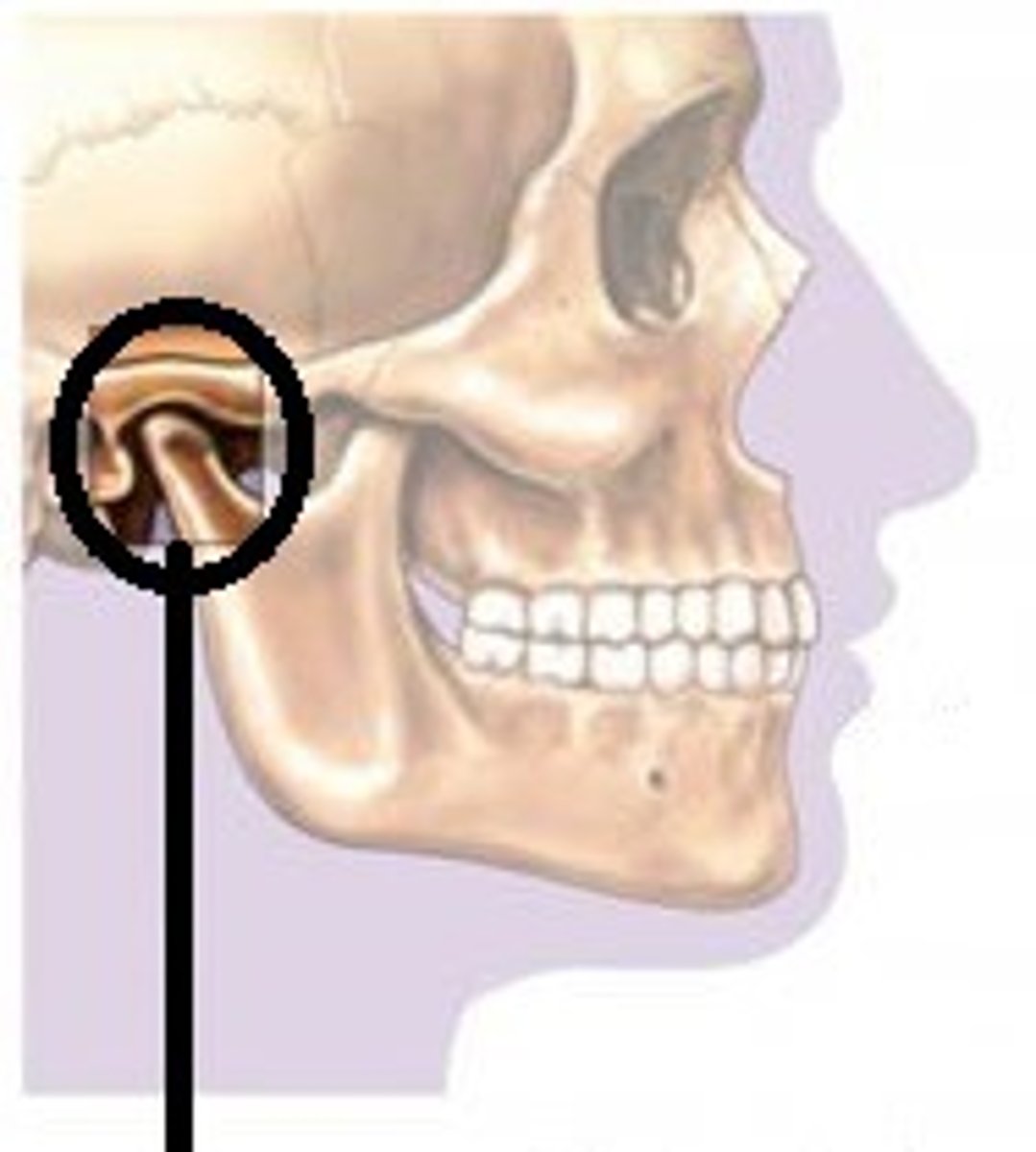
Temporomandibular
Diarthrotic, Synovial, Hinge
Sutures
Synarthrotic, Fibrous, Suture
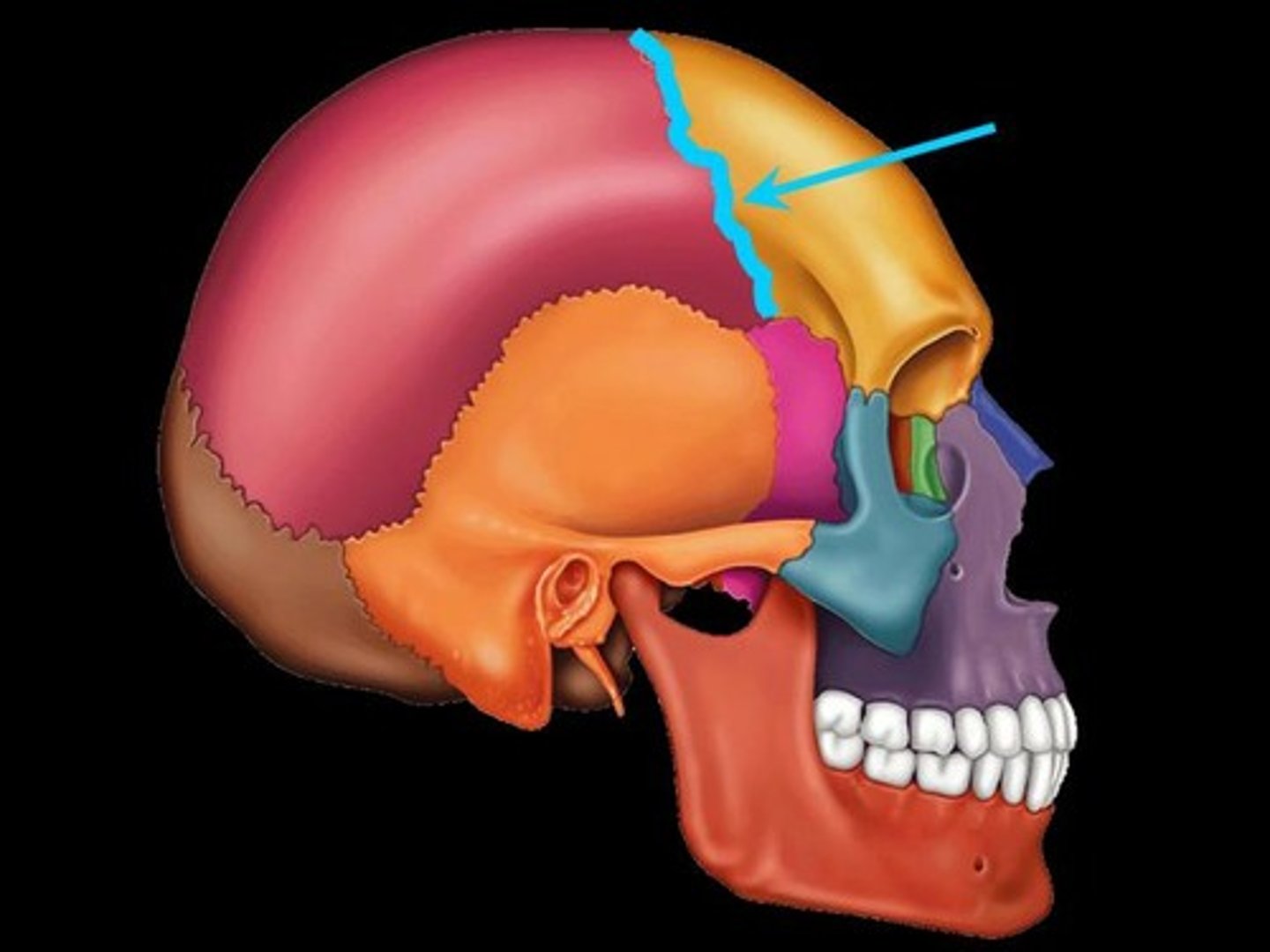
Atlanto-occipital
Diarthrotic, Synovial, Condyloid
Atlantoaxial
Diarthrotic, Synovial, Pivot
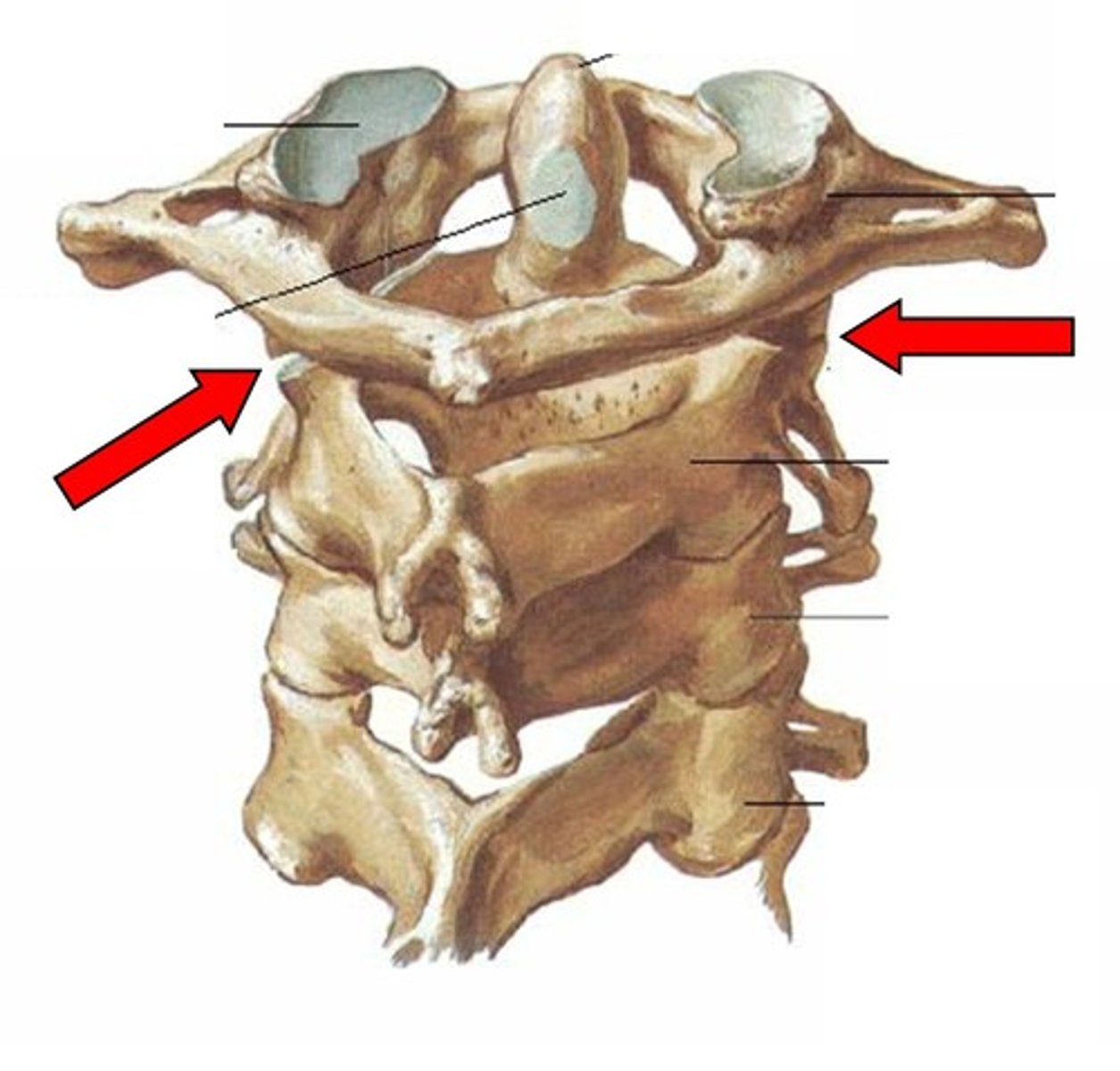
Intervertebral- adjacent bodies
Amphiarthrotic, Cartilaginous, Symphysis
Intervertebral- adjacent superior/inferior articular processes
Diarthrotic, Synovial, Gliding
Shoulder (Glenohumeral)
Diarthrotic, Synovial, Ball and Socket
Sacroiliac
Diarthrotic, Synovial, Gliding
Pubic Symphysis
Amphiarthrotic, Cartilaginous, Symphysis
Hip (Coxal)
Diarthrotic, Synovial, Ball and Socket
A type of joint that does not move at all
Synarthrotic
A joint that moves a little
Amphiarthrotic
A joint that moves freely
Diarthrotic
Joint where the material between the bones is a fibrous connective tissue (sutures, syndesmosis, gomphosis)
Fibrous joint
Joint where adjacent bones are connected with cartilage- usually provide a little movement or none.
Cartilaginous joint
Joints where adjacent bones have a thin layer of articular cartilage over ends of bones and a fibrous joint capsule spanning a cavity between the bones.
Inside of joint capsule has a thin synovial membrane that makes synovial fluid to cushion and lubricate the joint
Synovial joint
A joint where bones can only move along one axis to flex or extend.
Hinge joint
A type of joint where a condyle that is received into an elliptical cavity. This permits movement in two planes, allowing flexion, extension, adduction, abduction, and circumduction.
Condyloid joint
A joint where a partially spherical end lies in a socket, allowing multidirectional movement and rotation.
Ball and Socket joint
A joint that allows one bone to rotate around another.
Pivot joint
Joint where bones meet at ~flat articular surfaces. Bones move past one another along the plane of the joint.
Gliding (planar) joint
Joint where adjacent surfaces at the ends of each bone are saddle-shaped, with the saddles meeting to form an X shape.
Saddle joint
Acromion Process
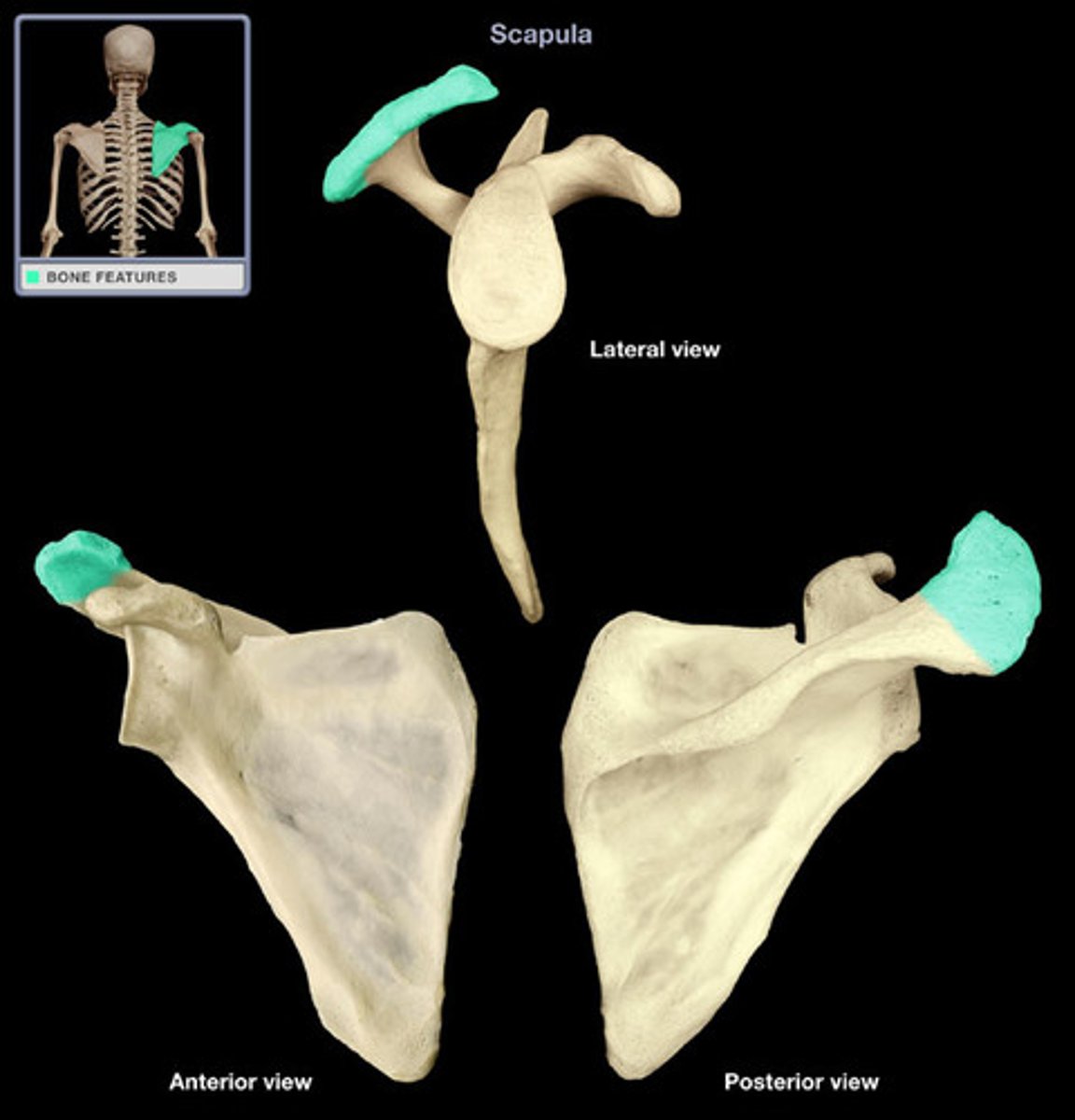
Coracoid Process

Glenoid Fossa
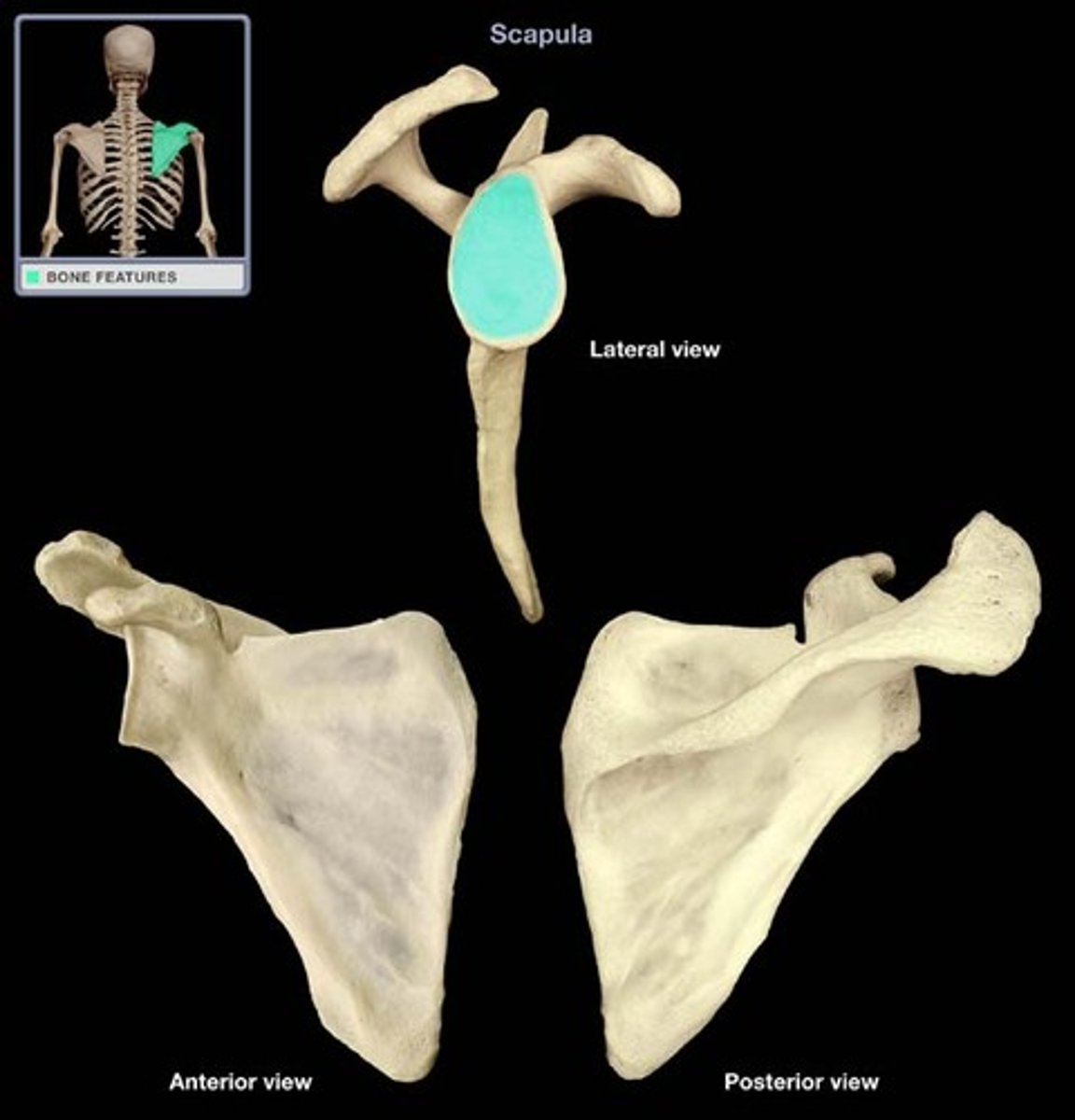
Supraspinous Fossa
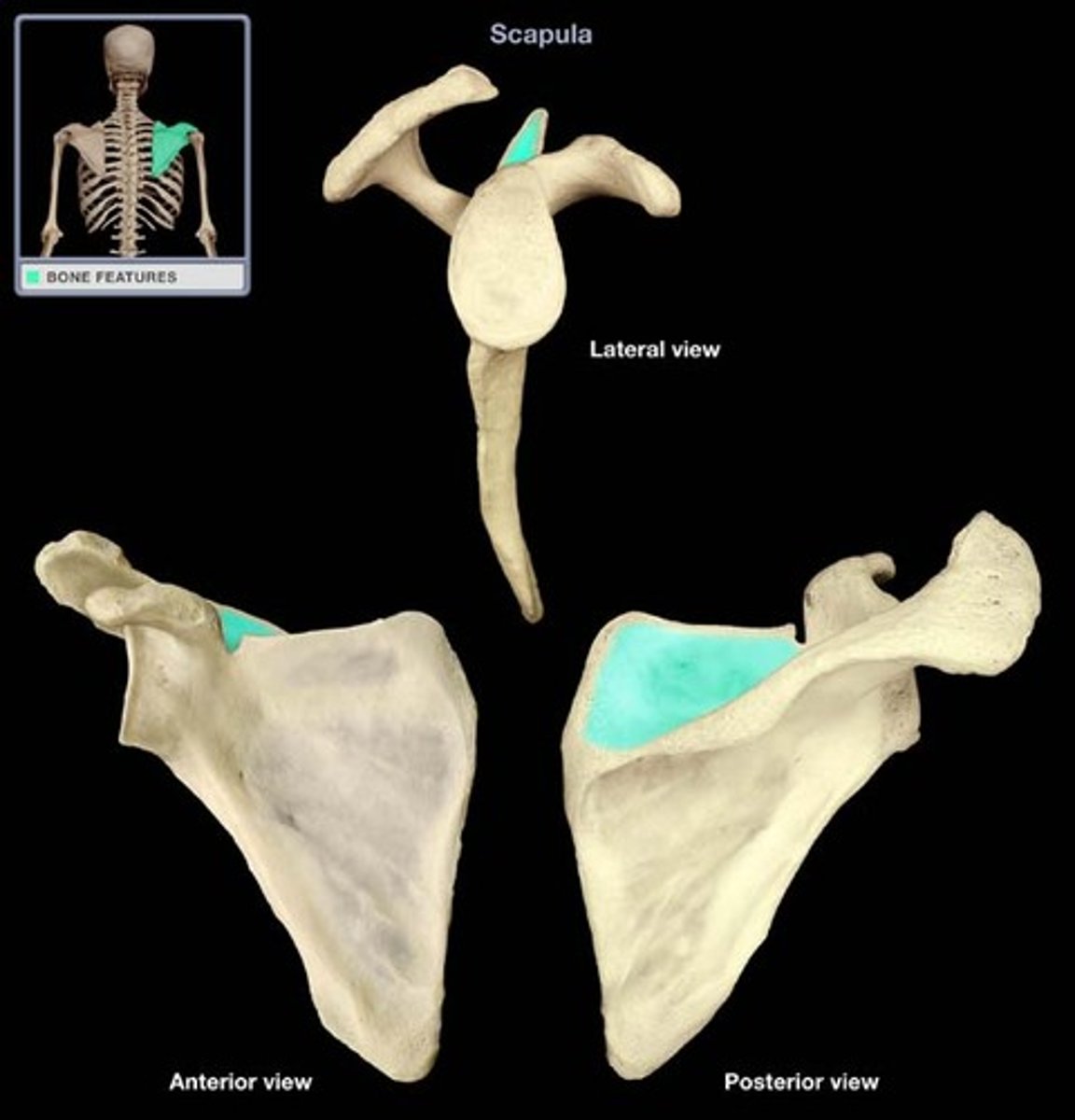
Subscapular Fossa

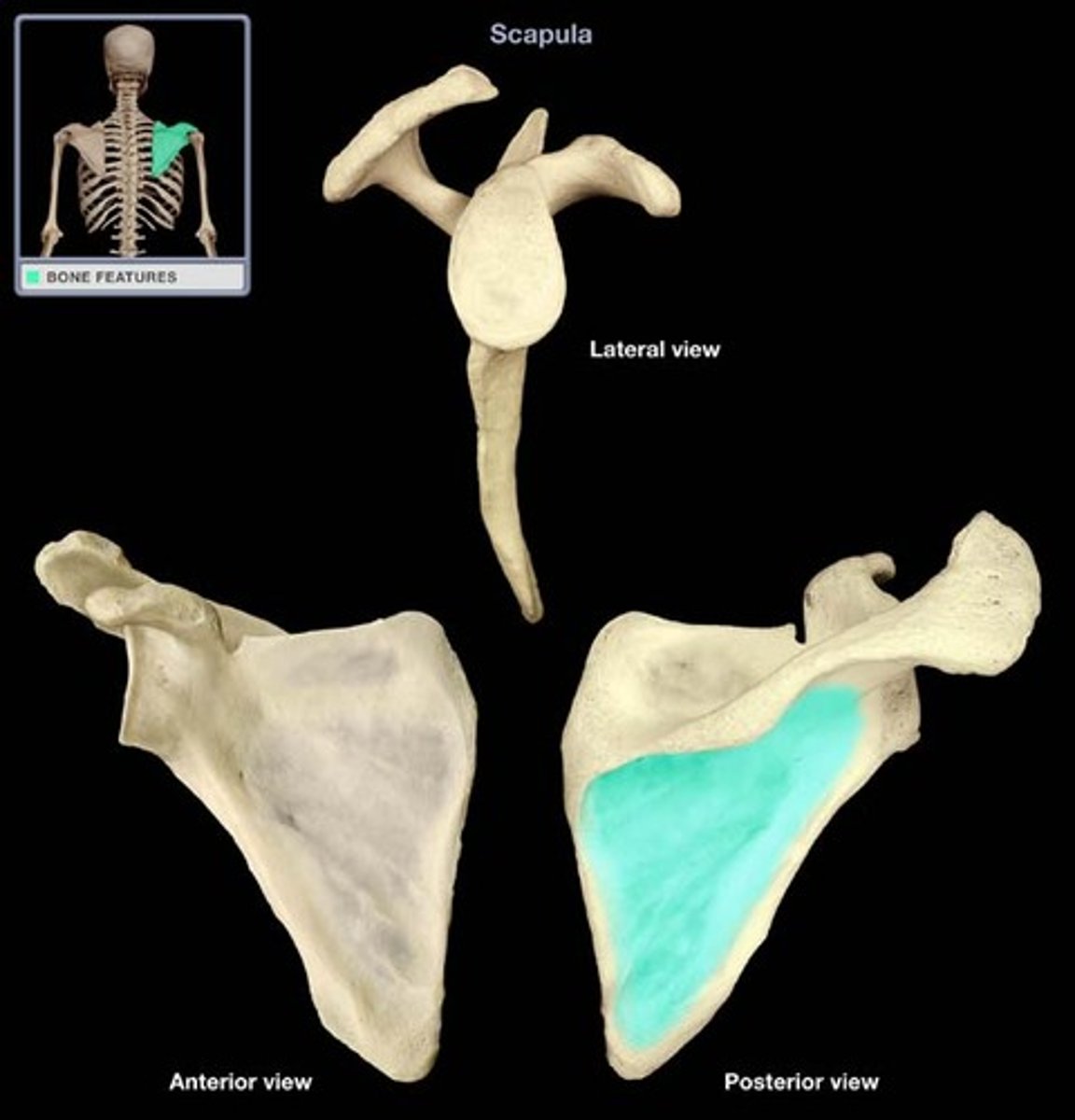
Infraspinous Fossa
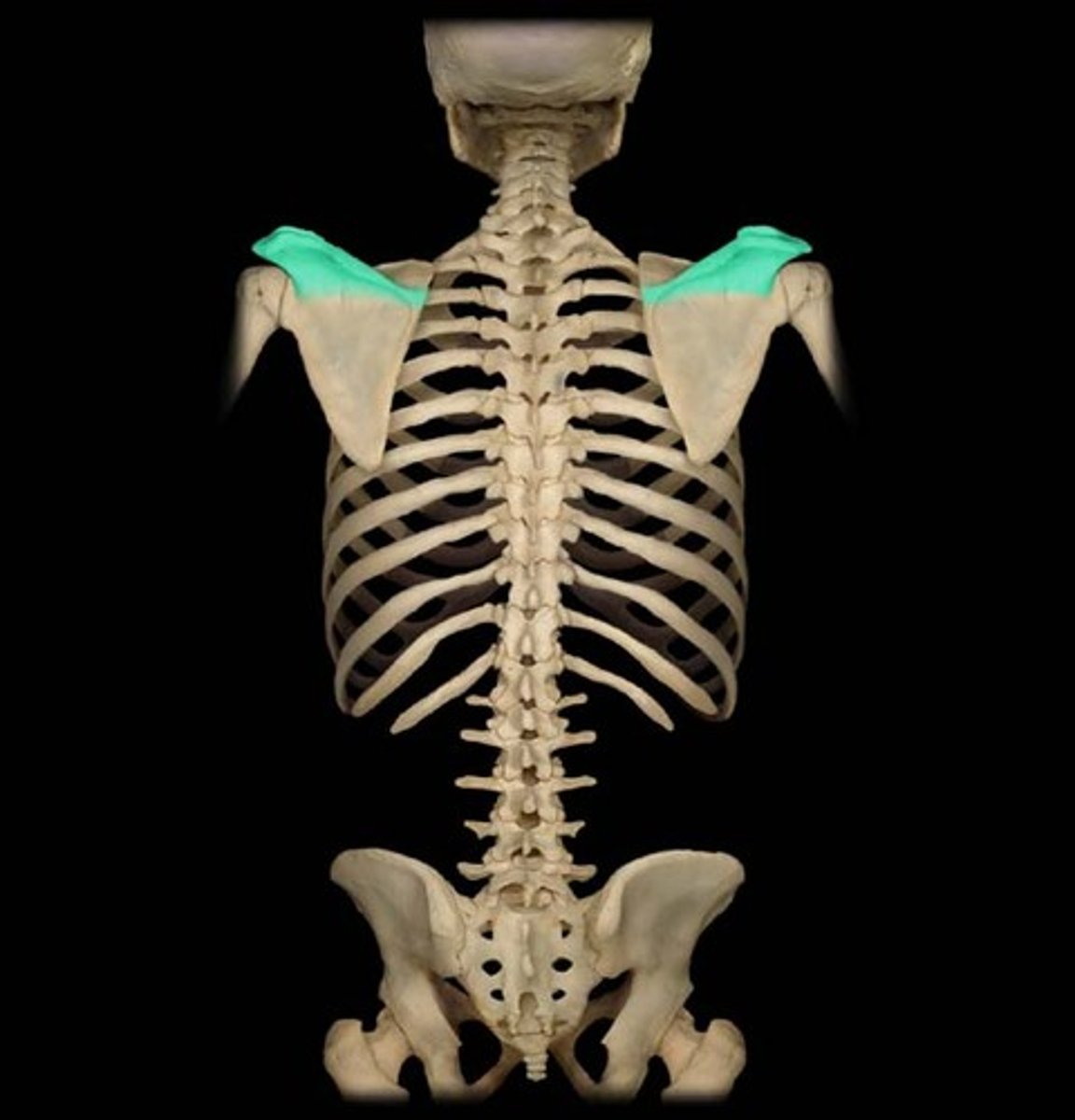
Scapular Spine
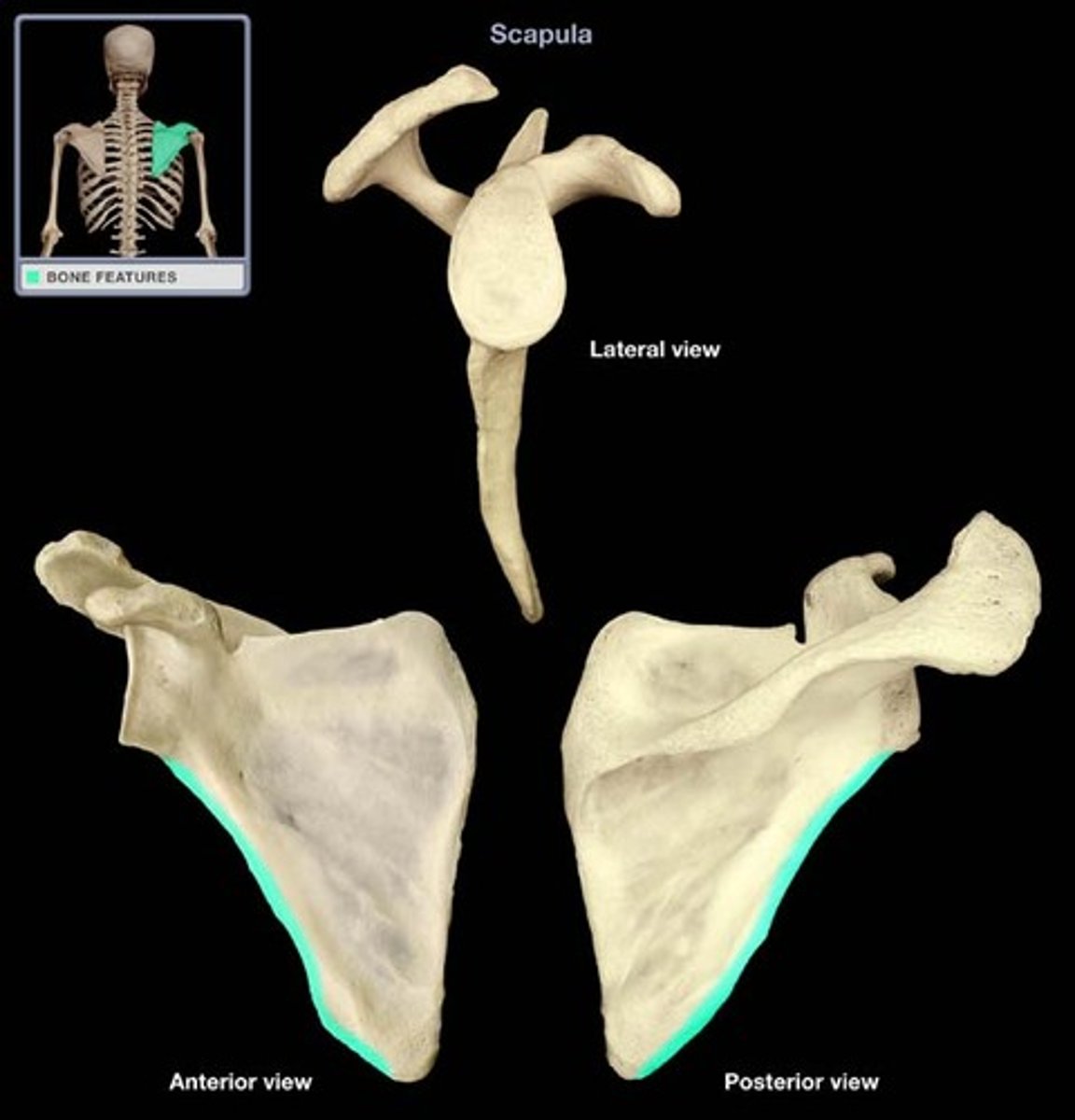
Medial/Vertebral Border
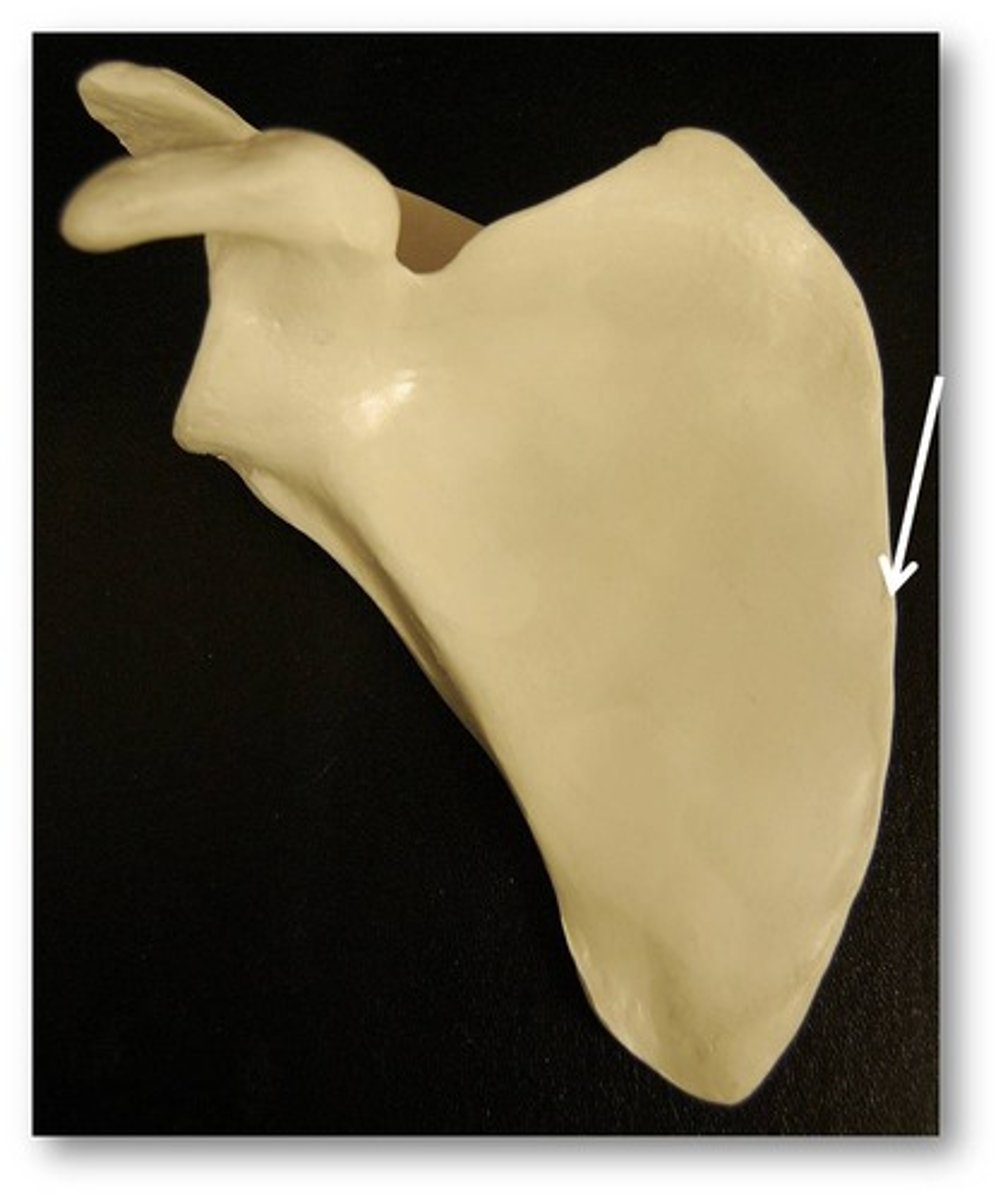
Lateral Border
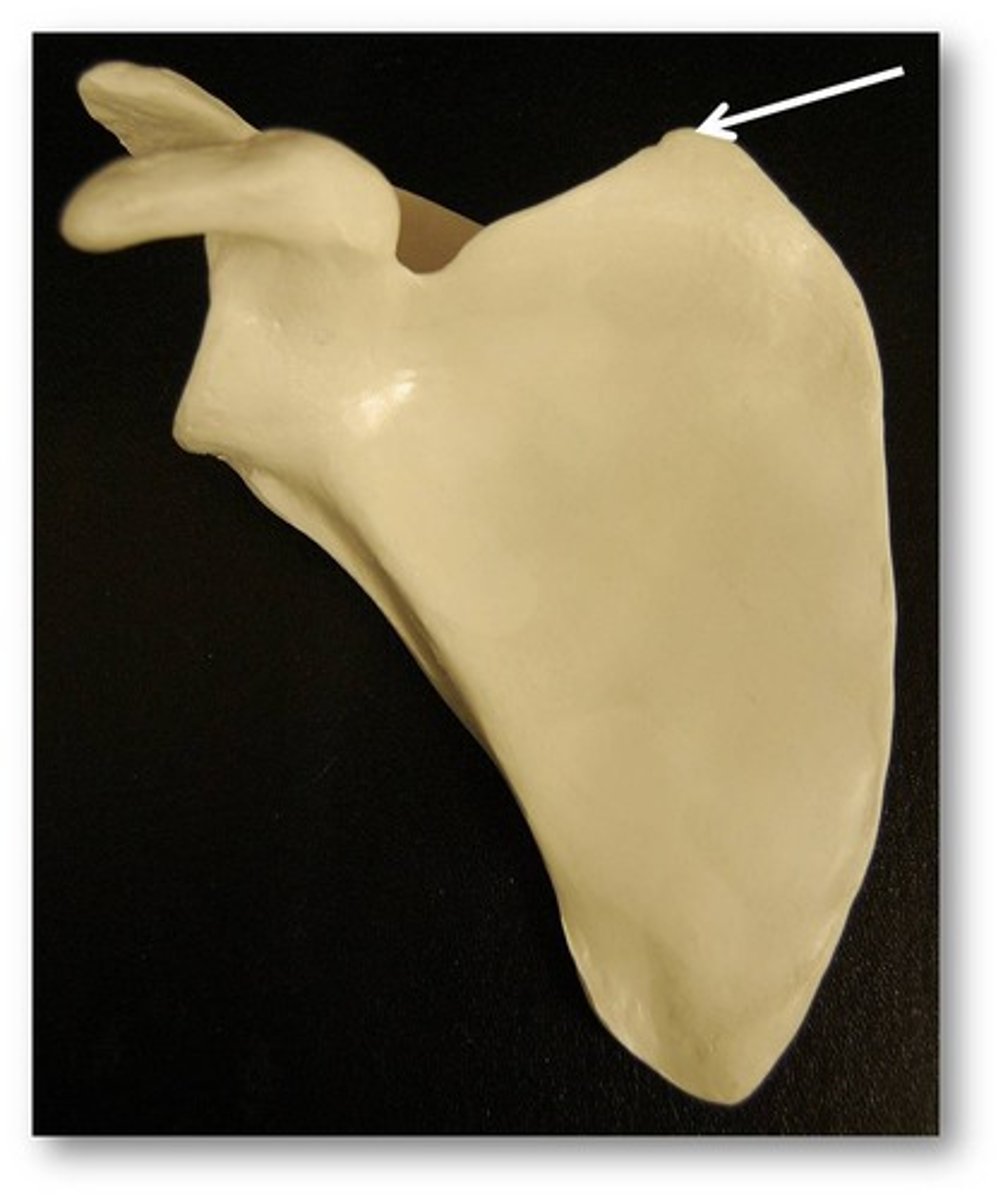
Superior Angle
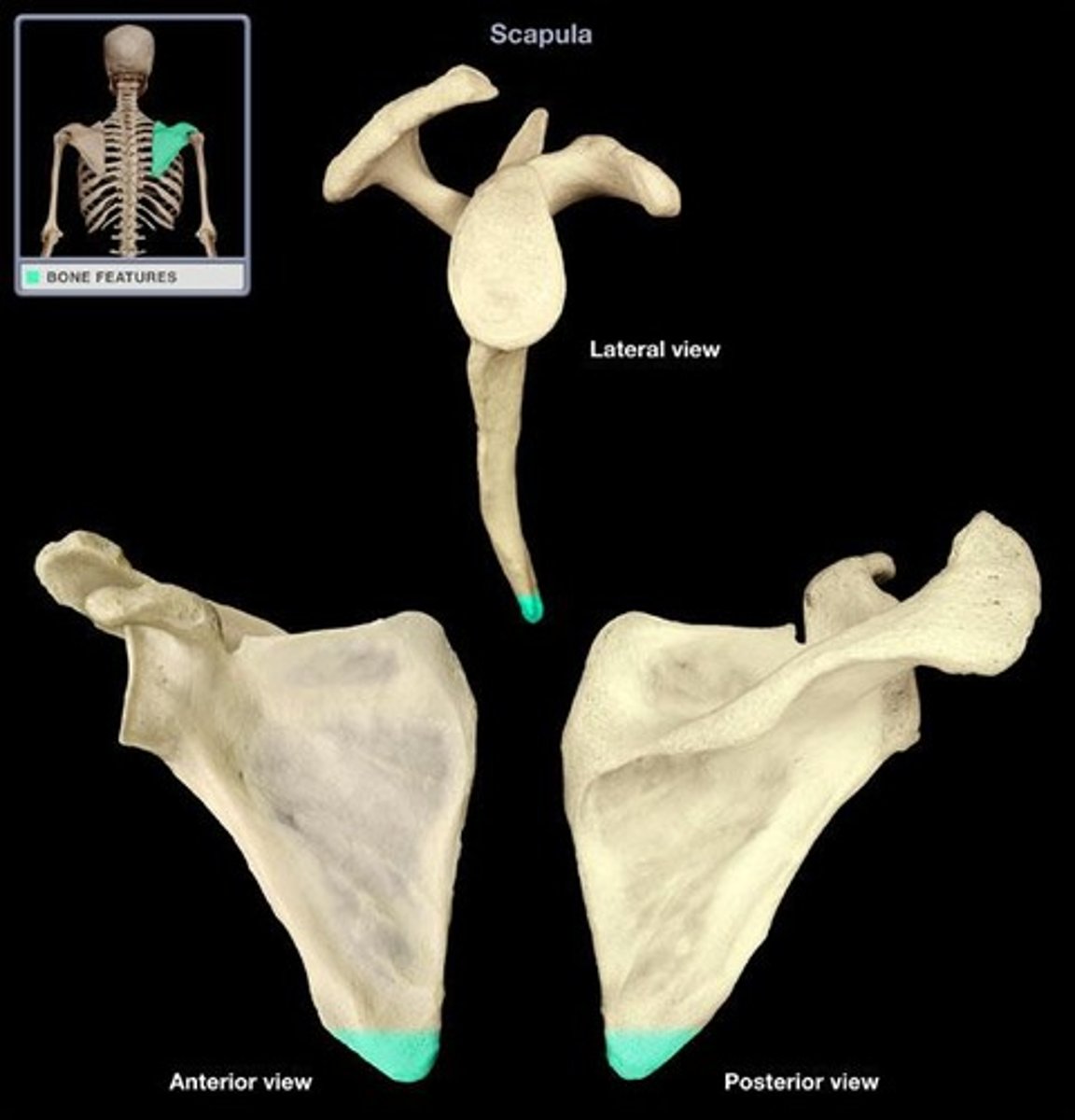
Inferior Angle
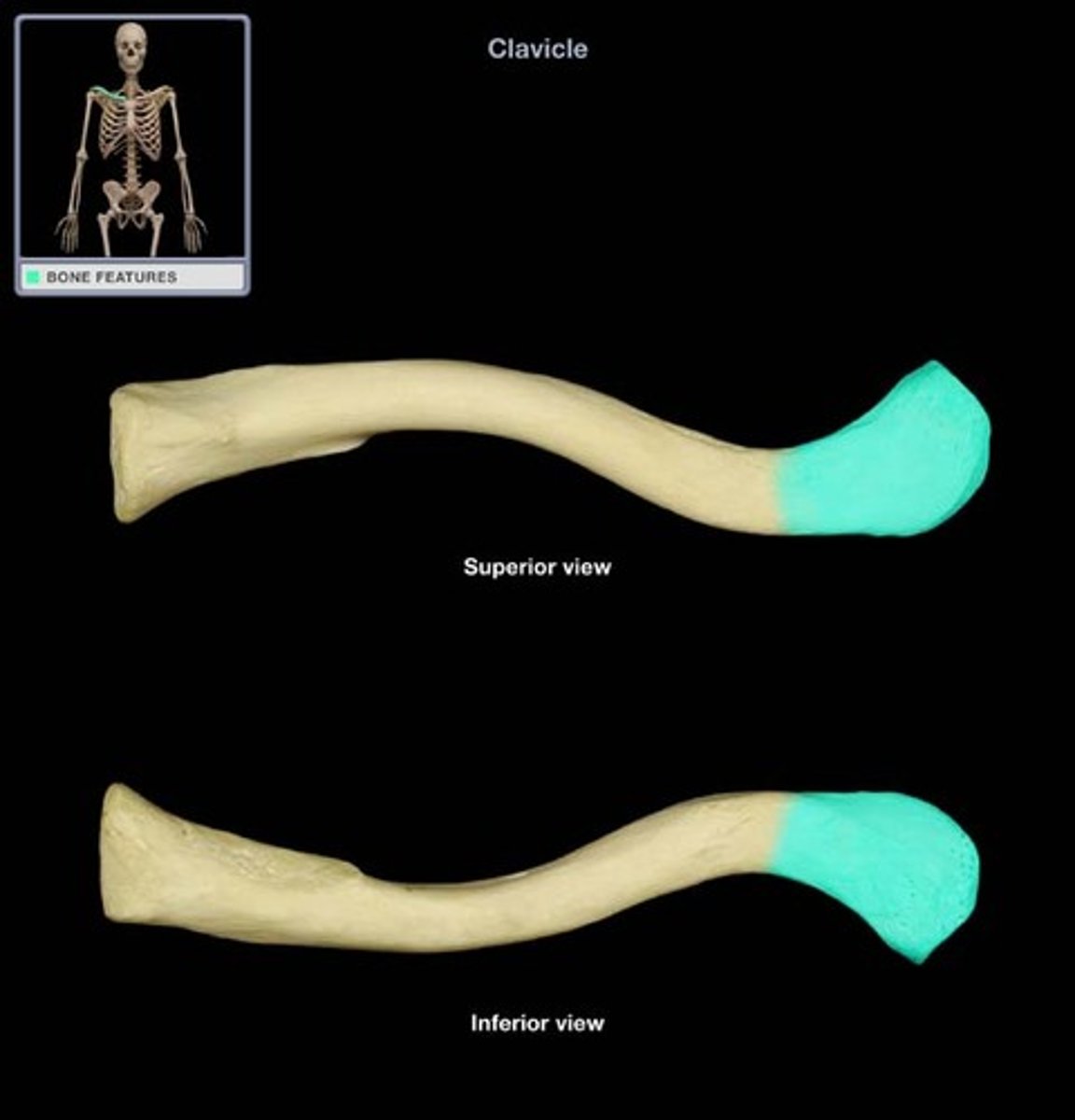
Sternal End

Acromial End
Os Coxae (Ilium, Ischium, Pubis)
Name the Bones
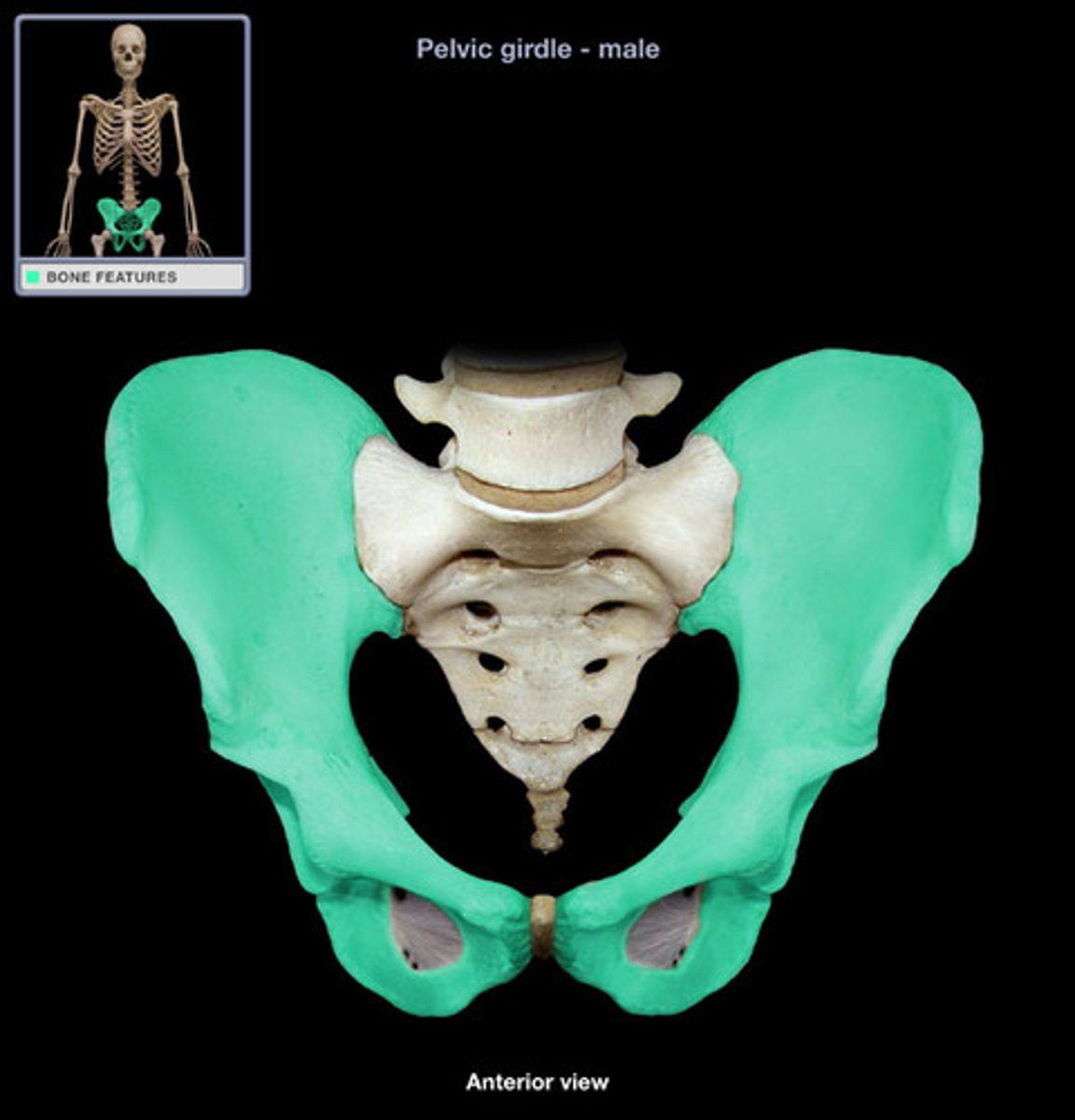
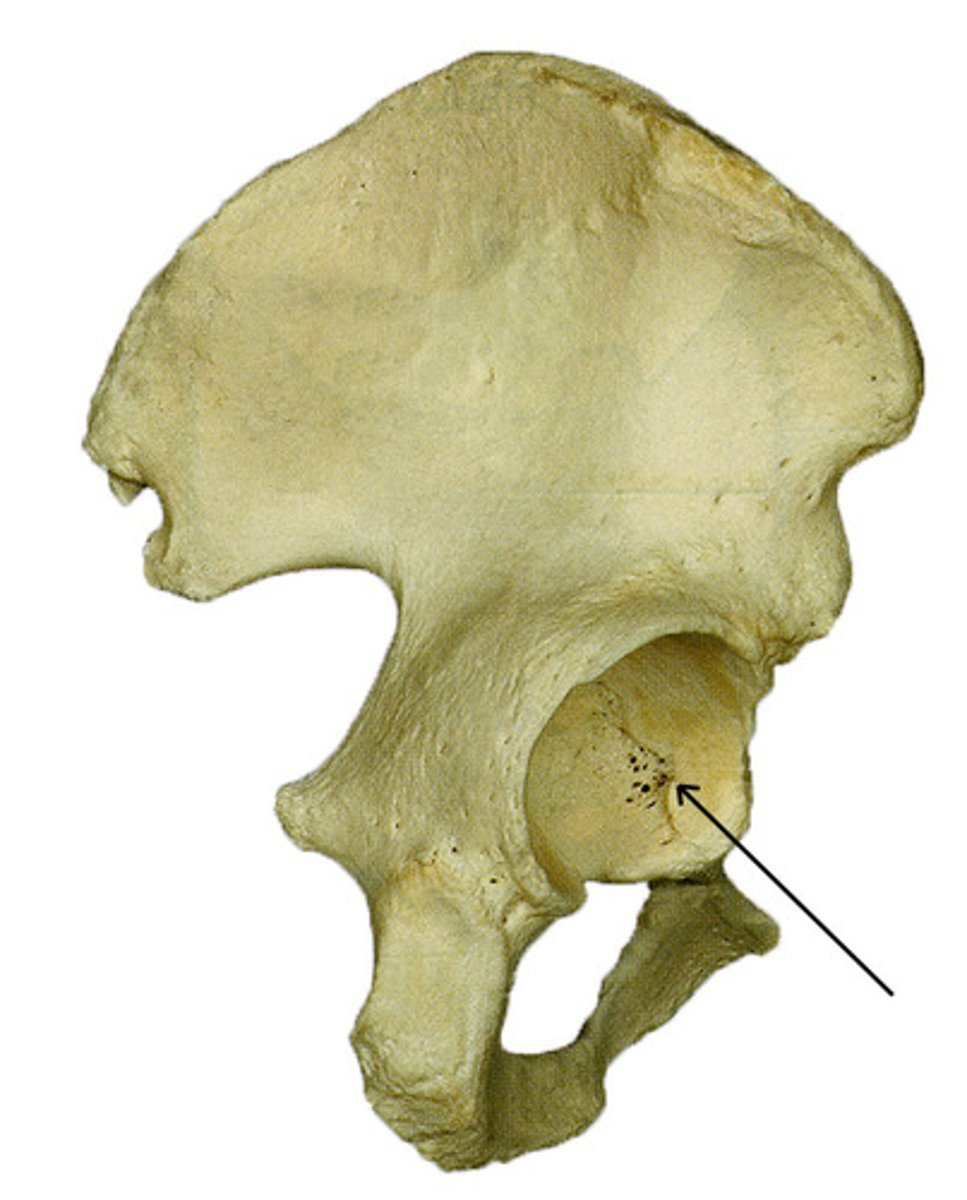
Acetabulum
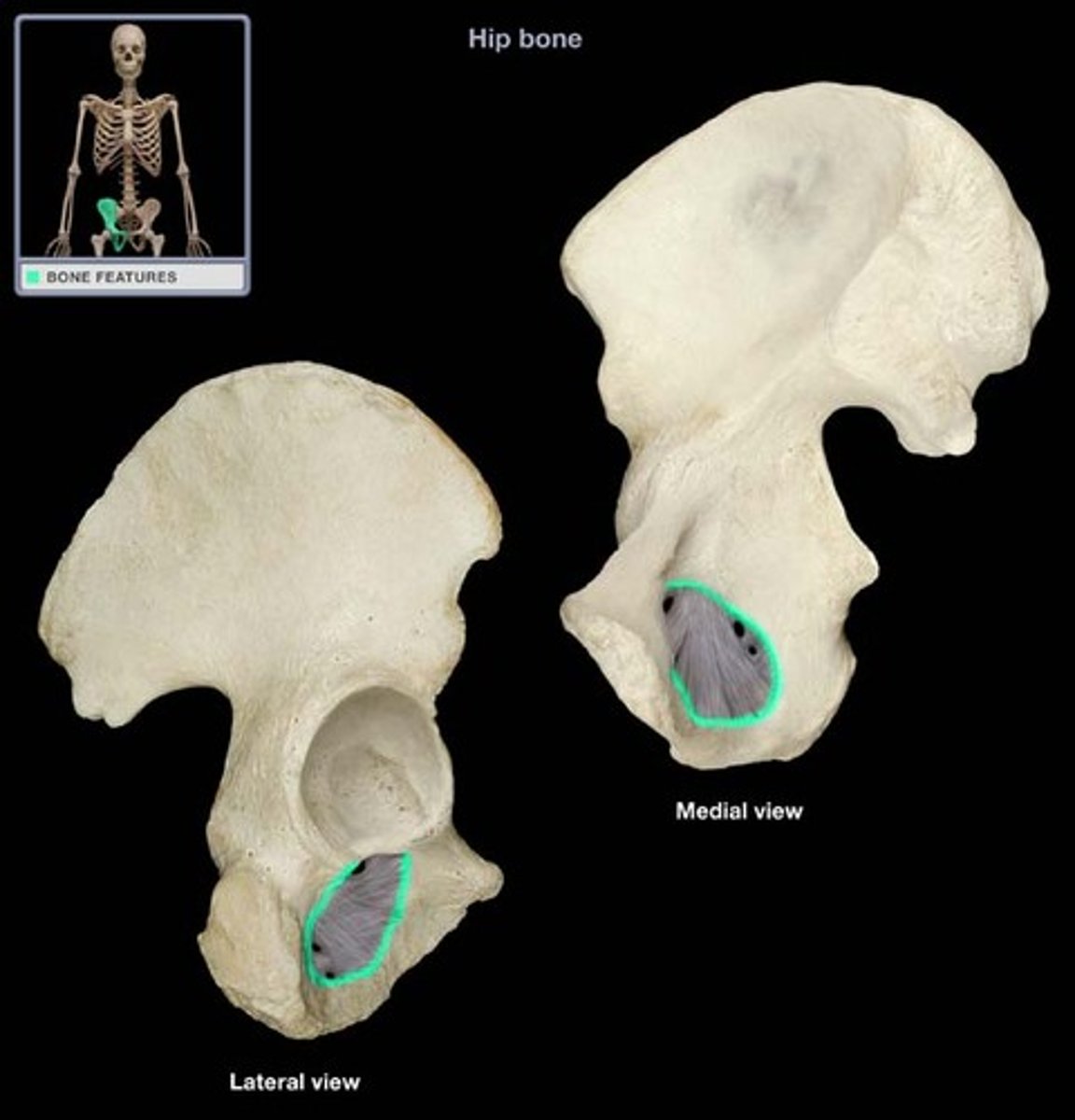
Obturator Foramen
Iliac Crest

Anterior Superior Iliac Spine
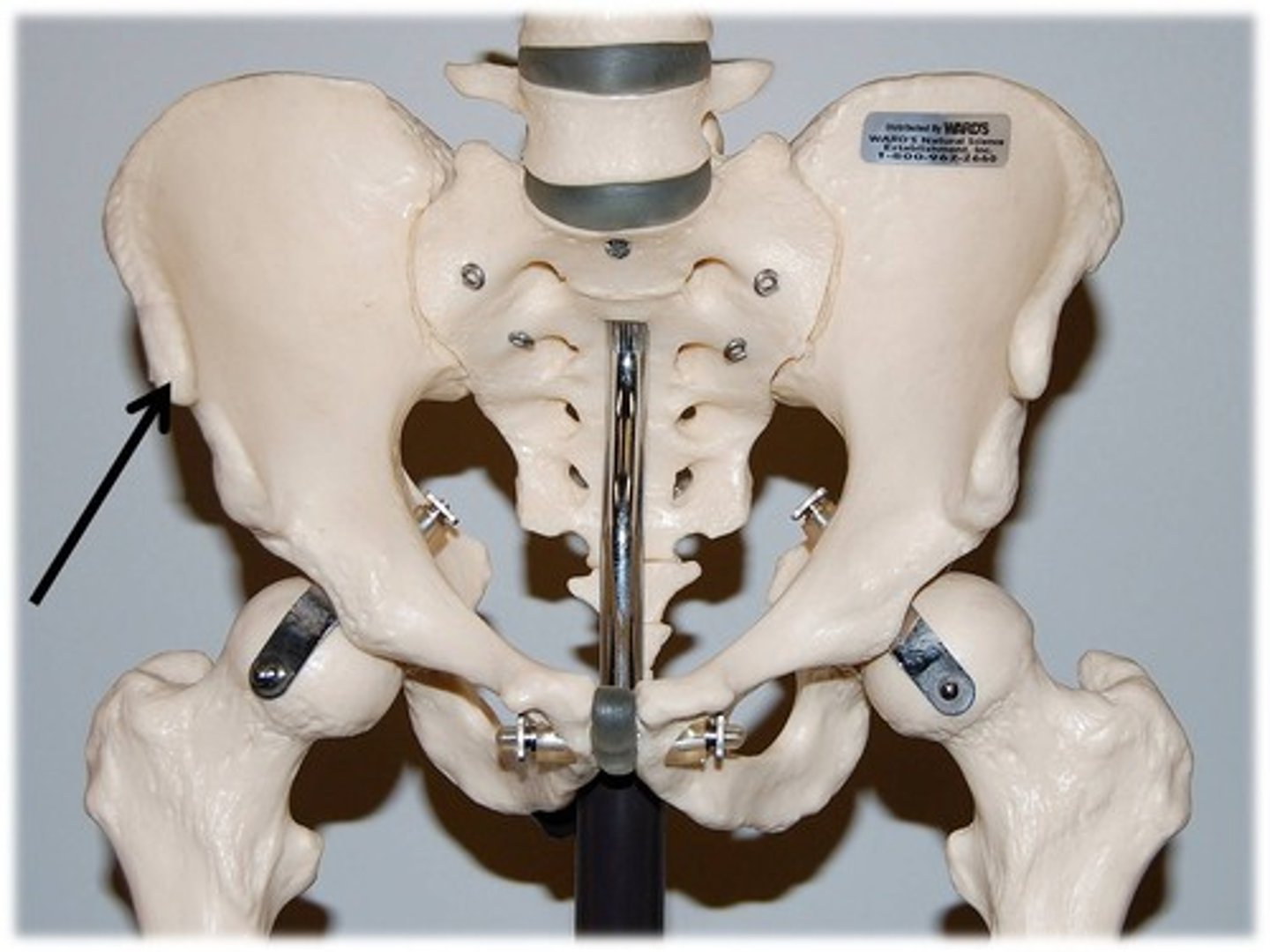
Anterior Inferior Iliac Spine
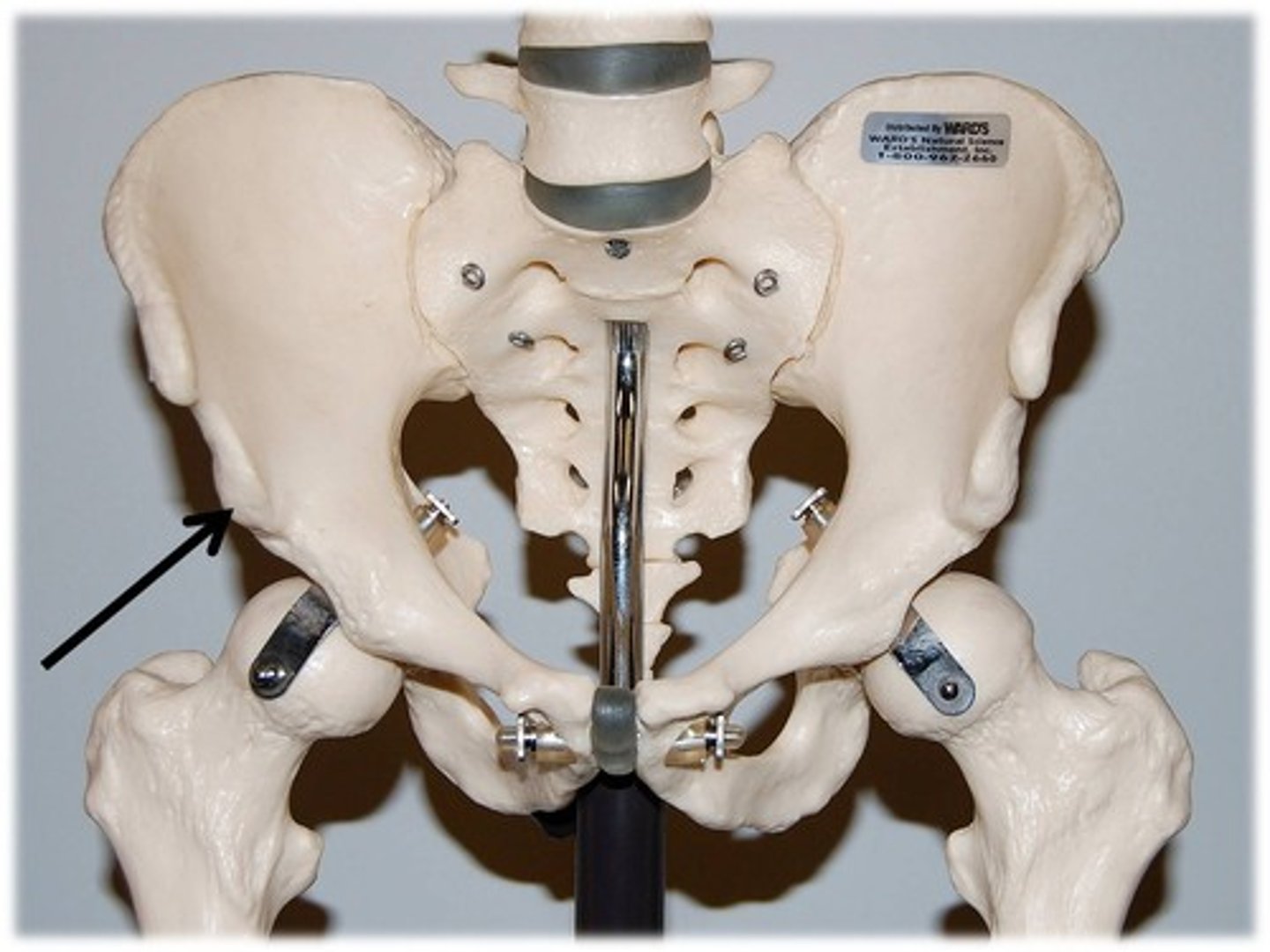
Gluteal Surface
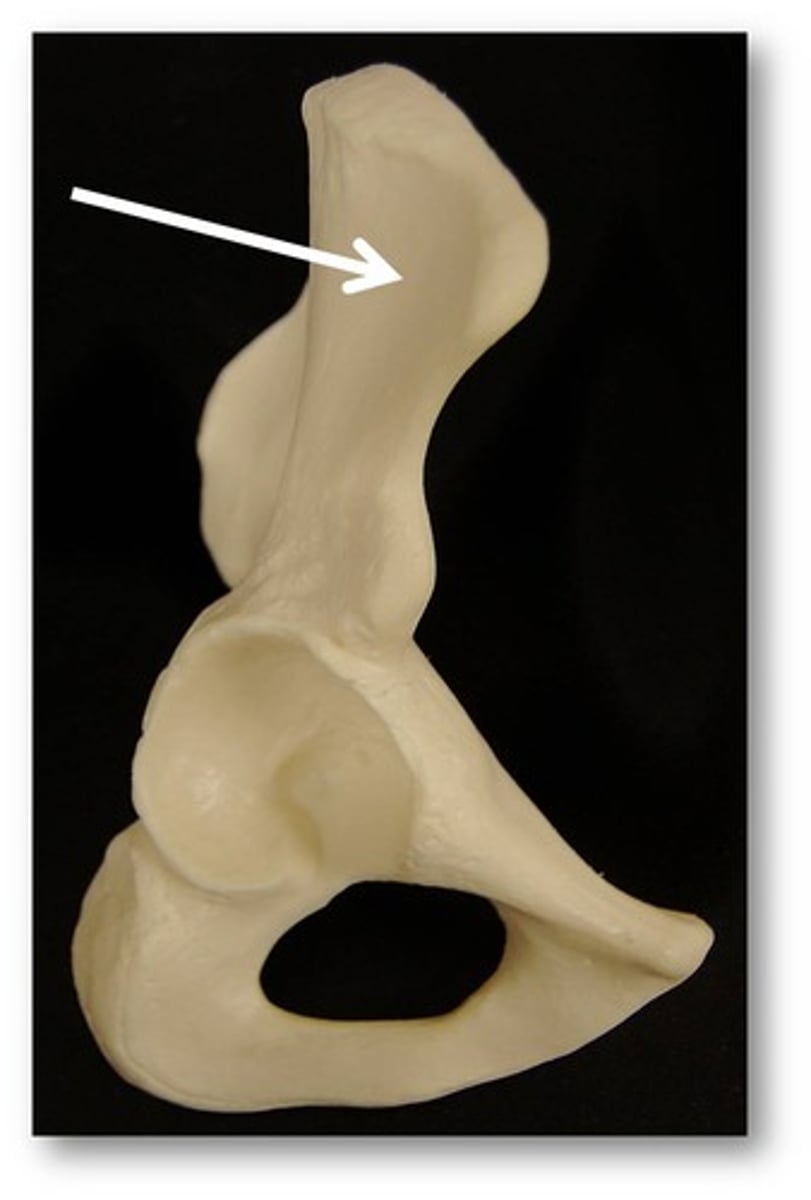
Auricular Surface
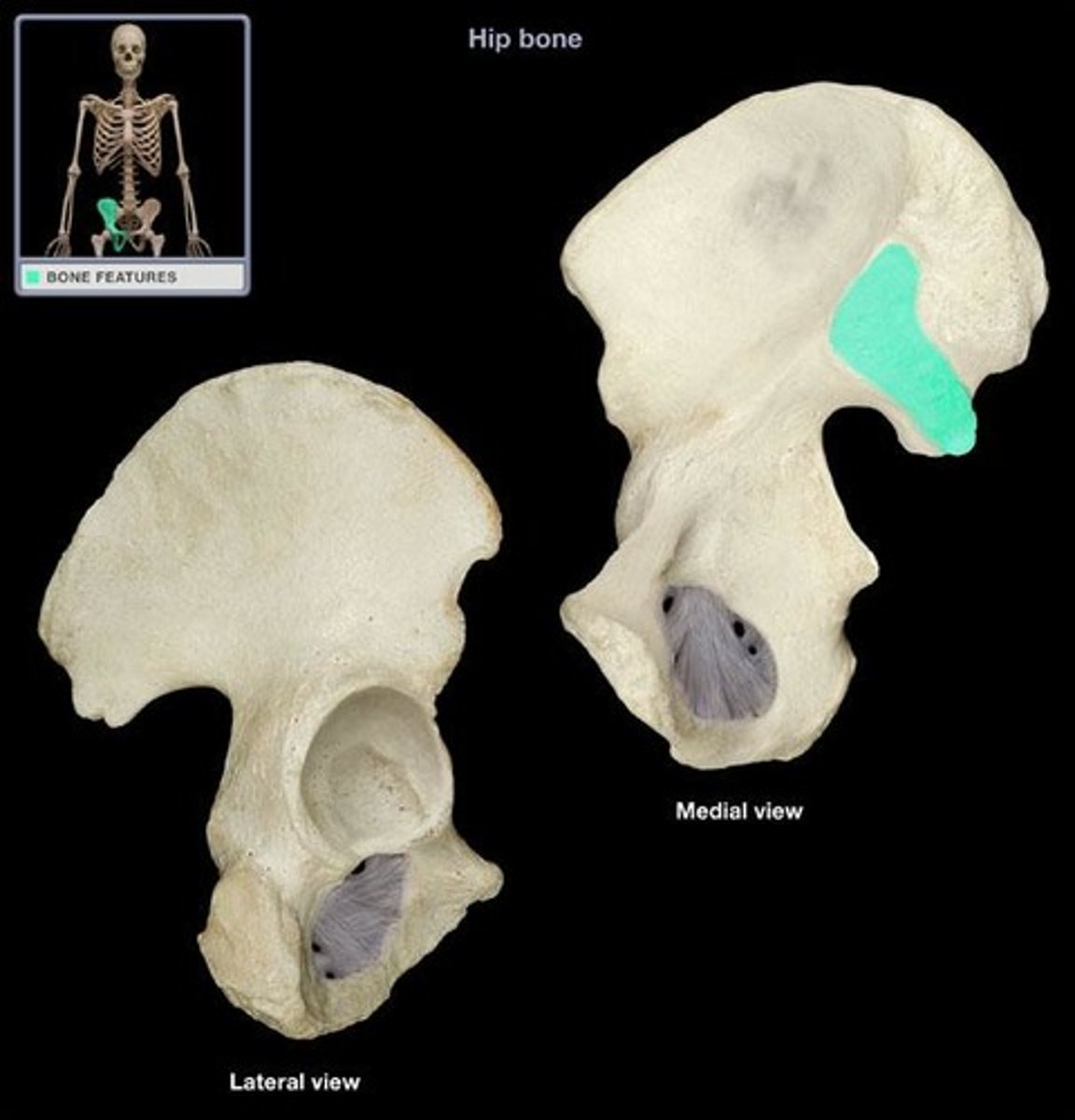
Ischial Tuberosity
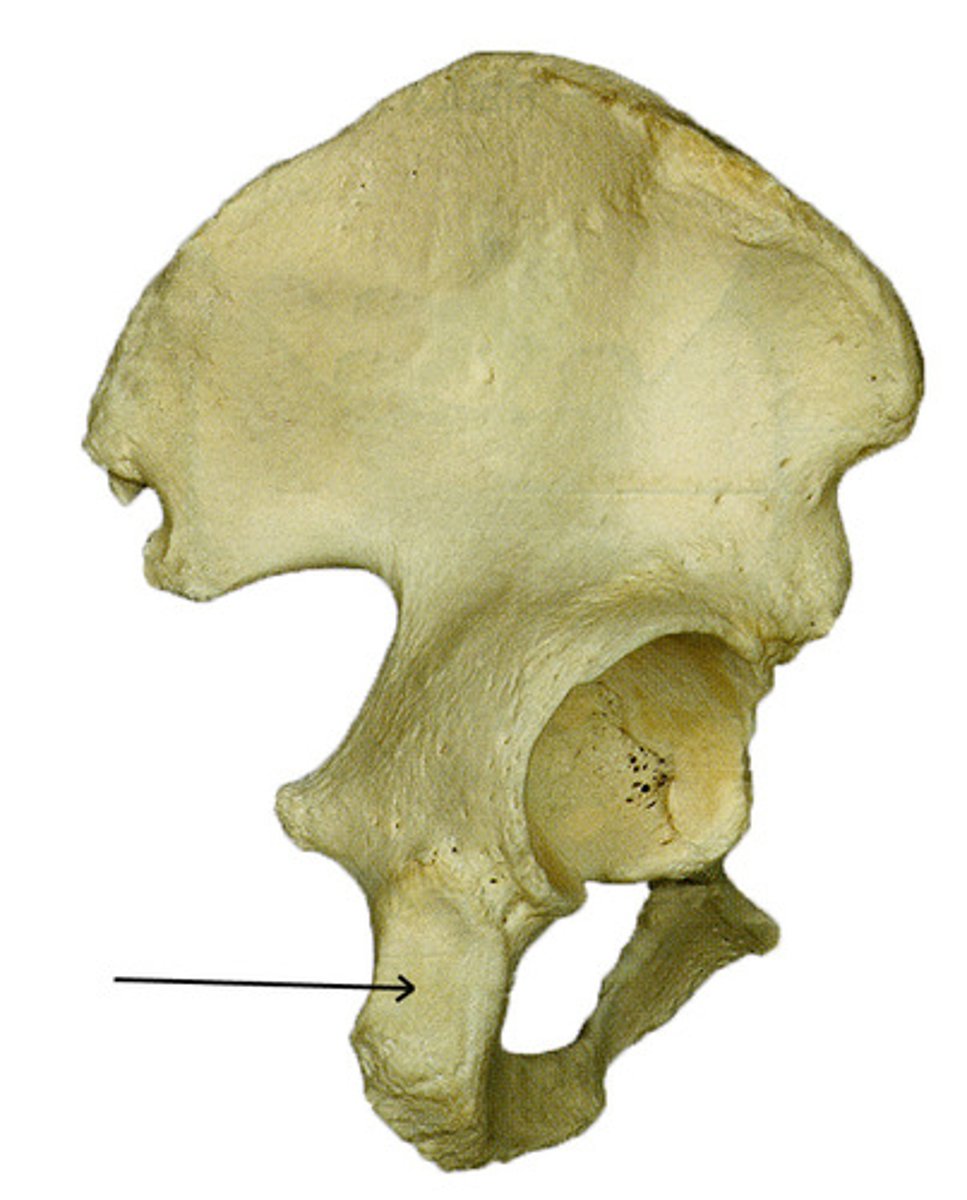
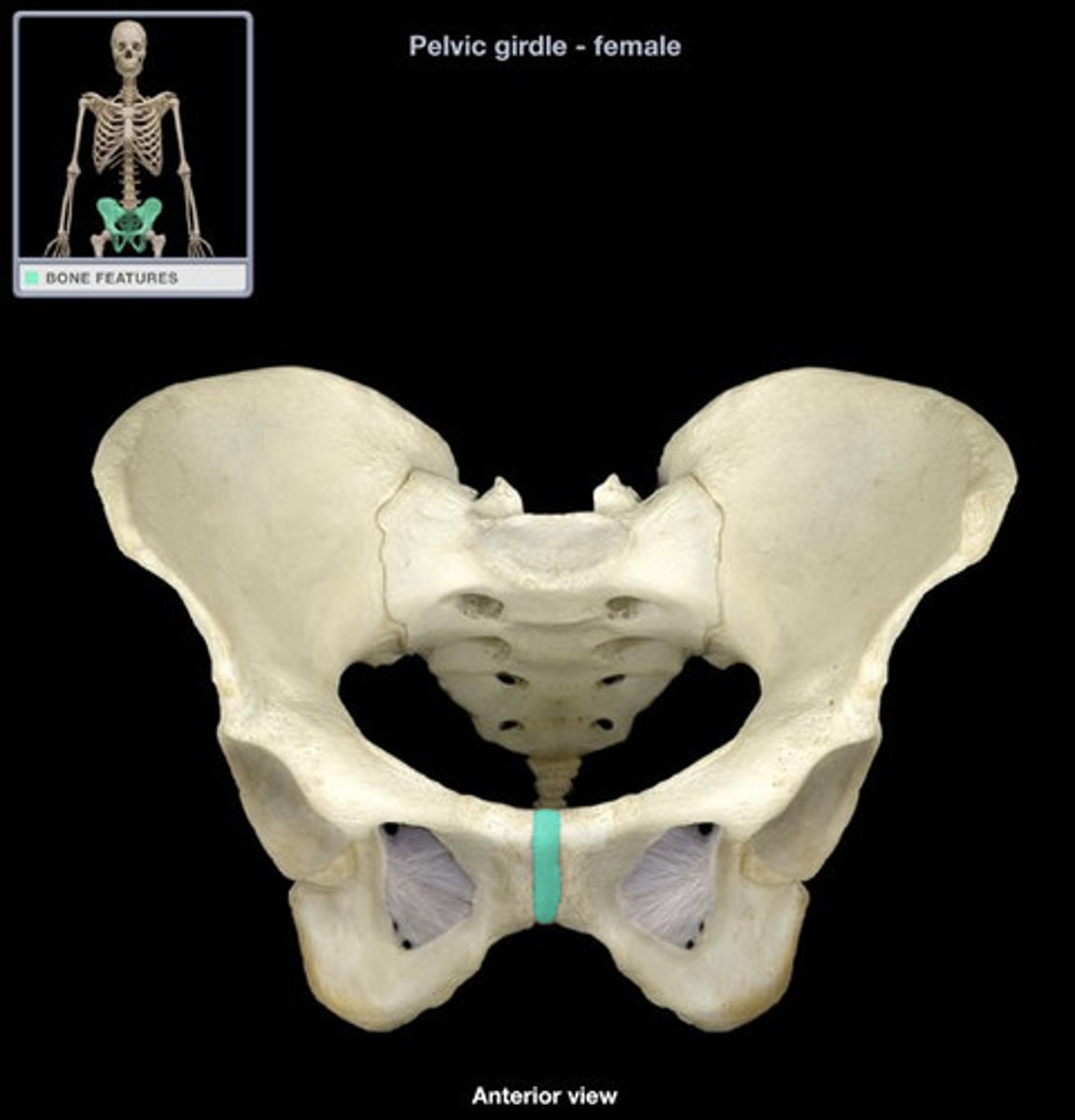
Pubic Symphysis
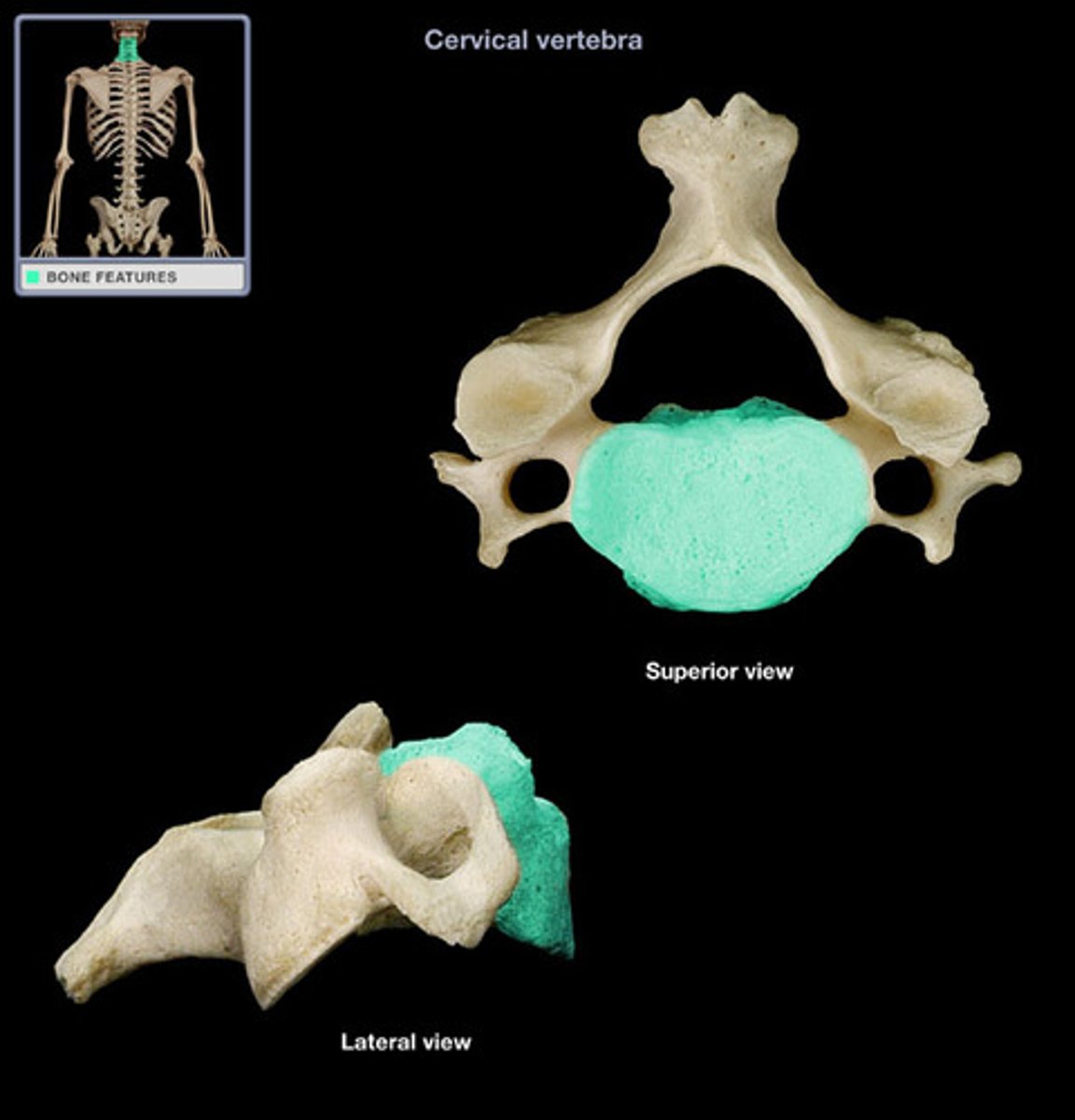
Vertebrae Body
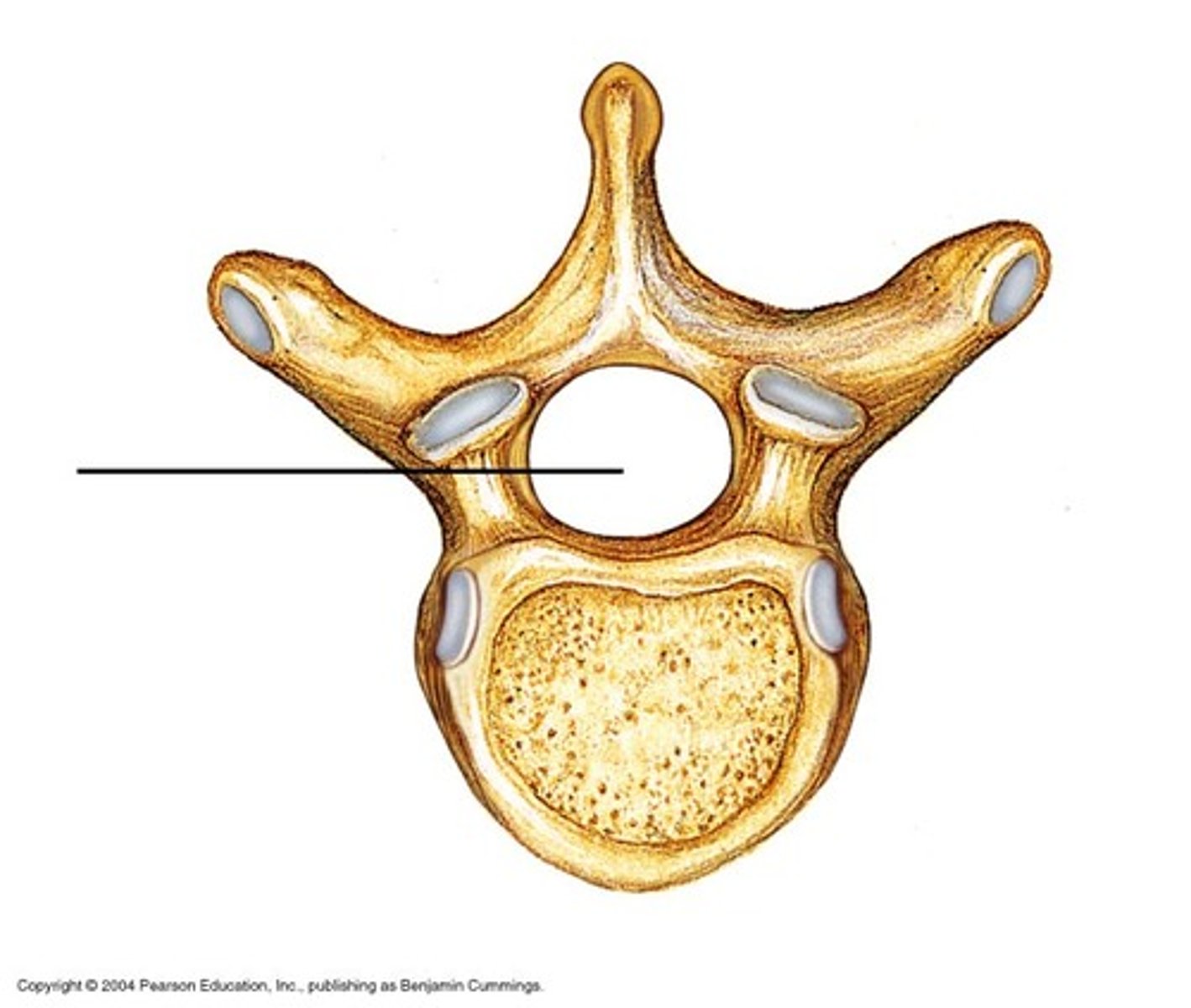
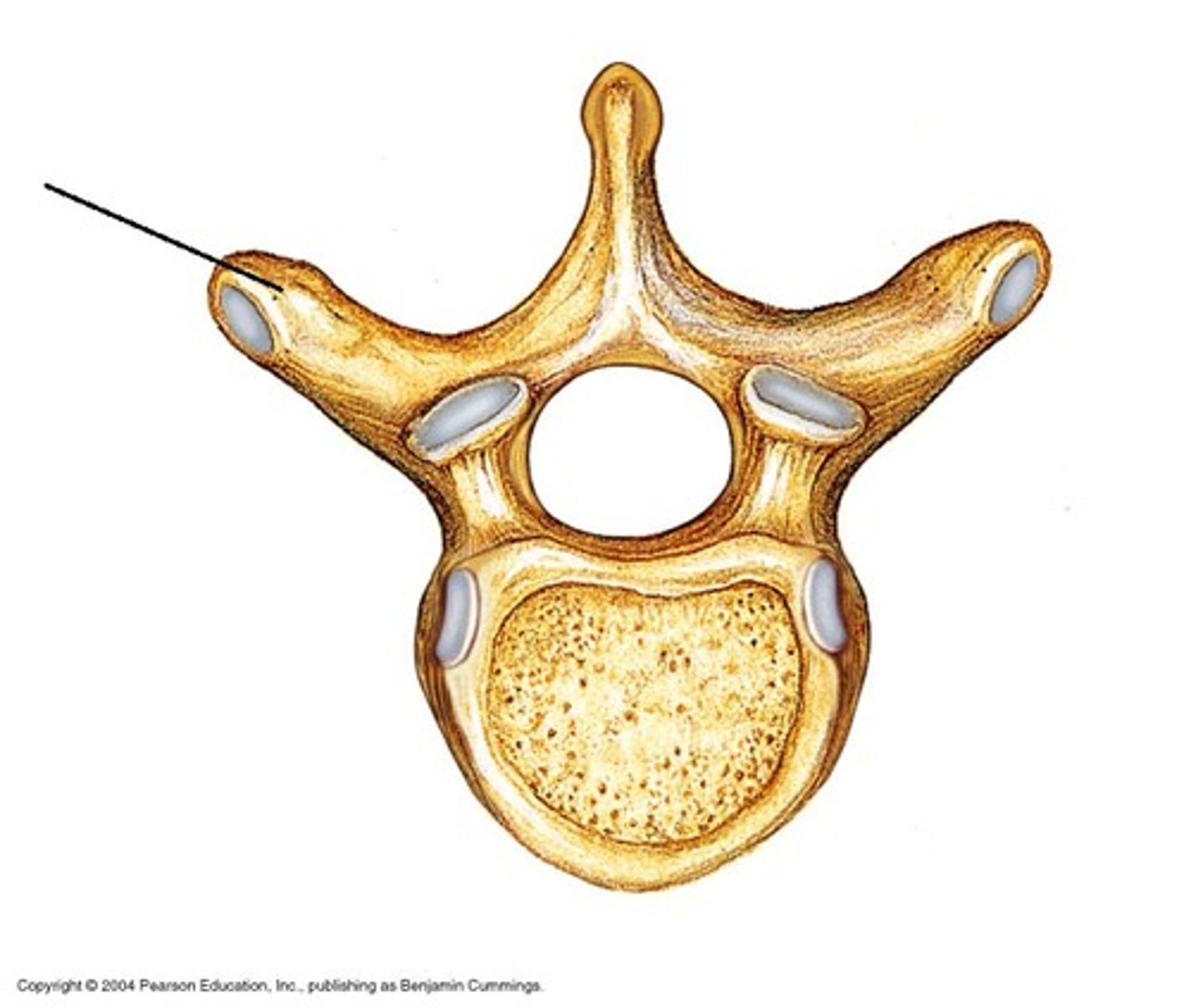
Name the highlighted portion
Spinous Process

Vertebral Foramen
Transverse Process
Vertebral Arch
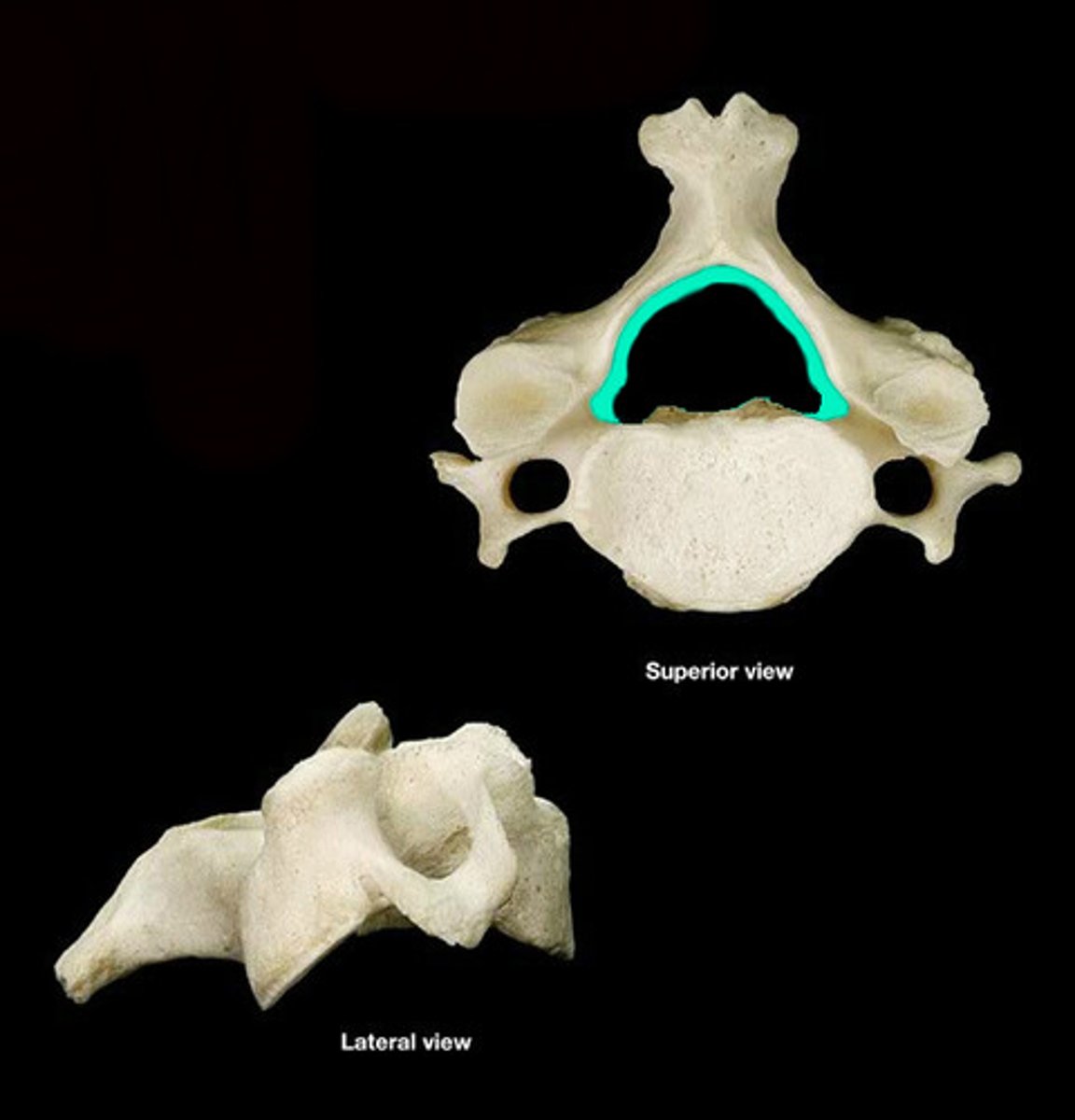
Inferior Articular Process
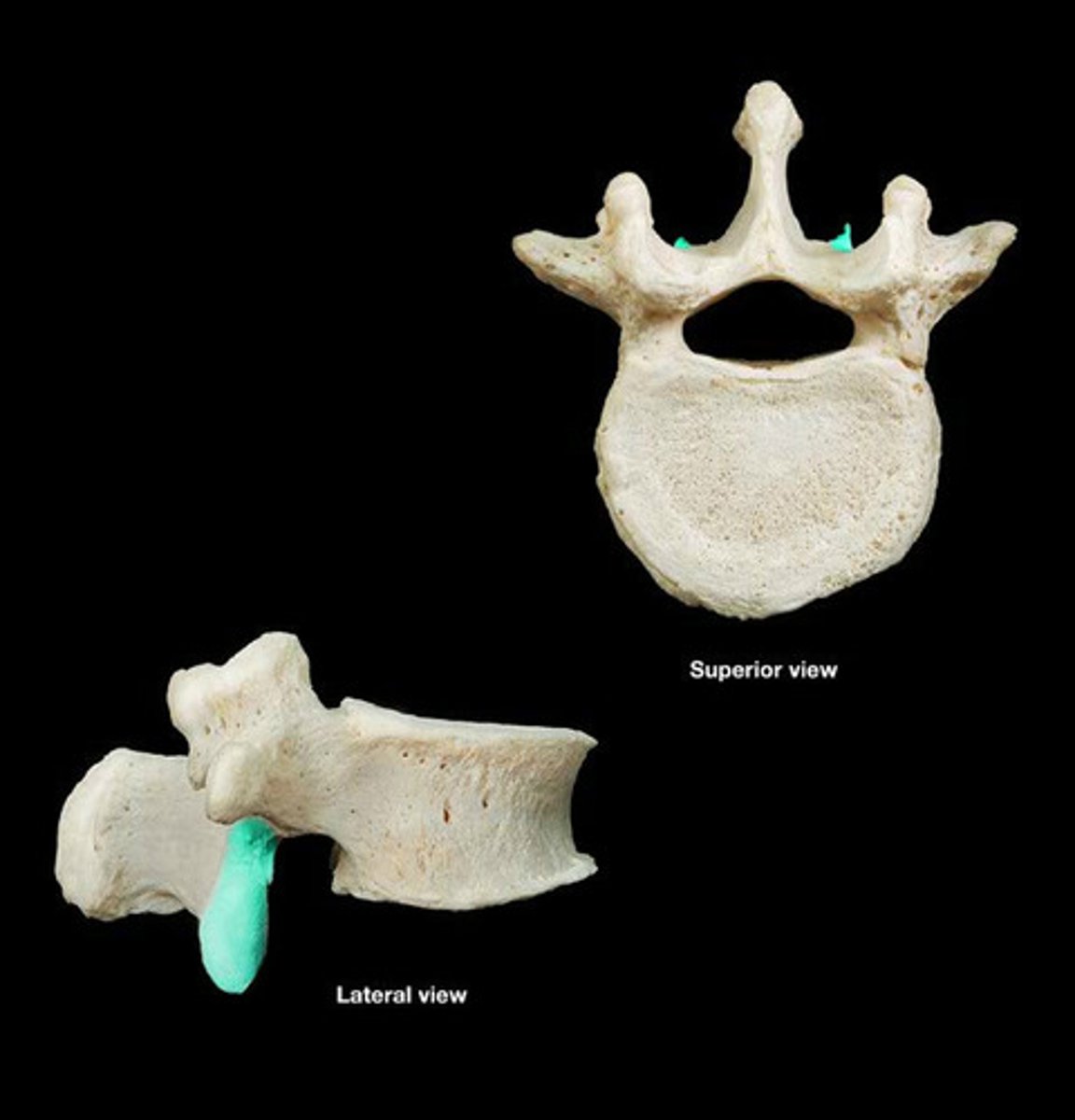
Superior Articular Process
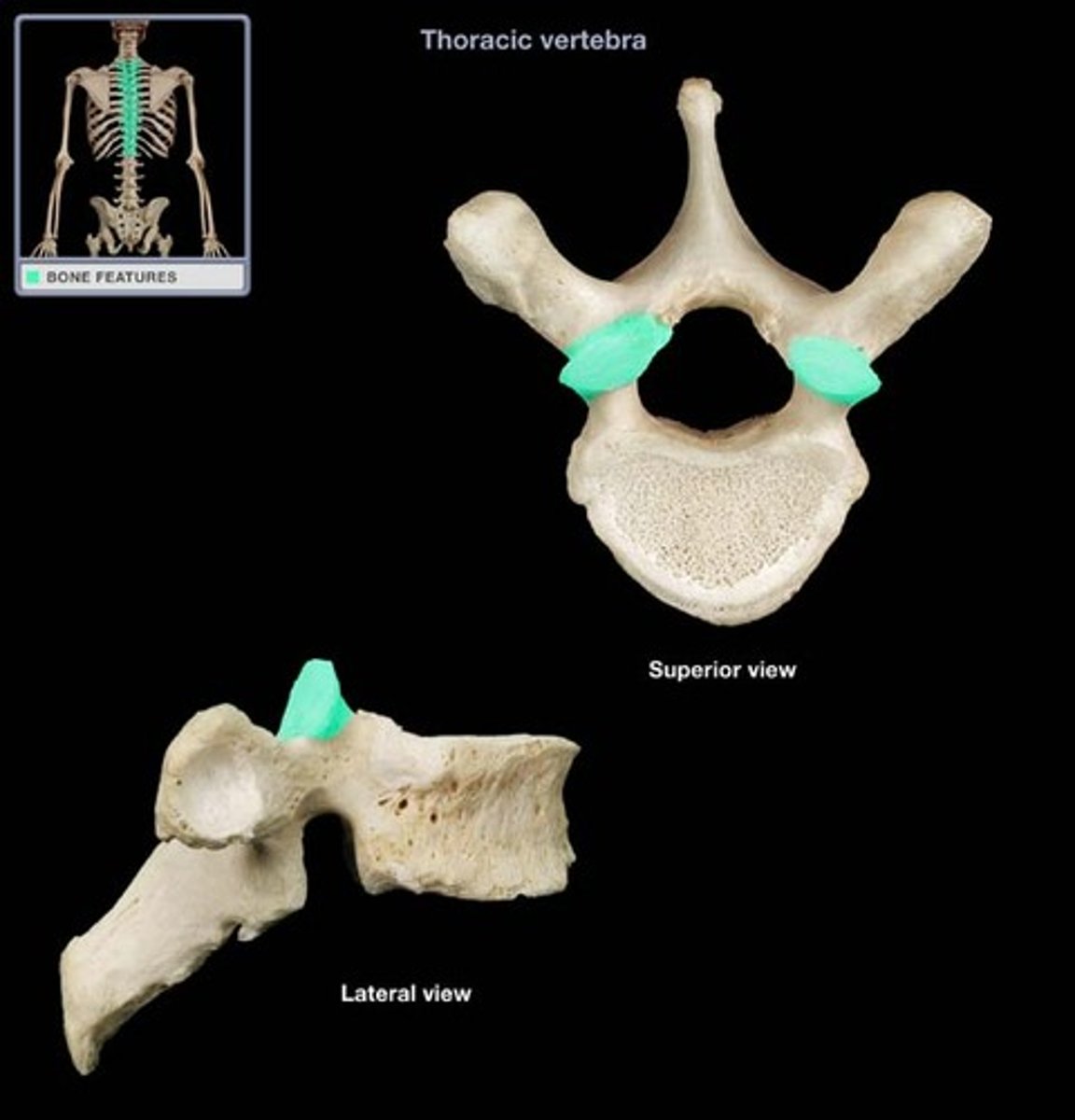
Intervertebral Disks