Basic Life Support
 Call Kai
 Learn
Learn Practice Test
 Spaced Repetition
 Match
Match Flashcards
 Knowt Play
1/182

There's no tags or description
Looks like no tags are added yet.
Name | Mastery | Learn | Test | Matching | Spaced | Call with Kai |
|---|
No analytics yet
Send a link to your students to track their progress
183 Terms
6 actions of cardiac arrest chain of survival
Recognition and activation, high-quality CPR, defibrillation, advanced life support, integrated post-cardiac arrest care, recovery and survivorship
Duty to act
When a patient experiences a life-threatening emergency (be familiar with your facility and agency protocols)
Good Samaritan laws
All states have these laws in place to protect people who voluntarily give care in good faith
Recognition and activation
Immediate recognition of cardiac arrest and activation of advanced help, such as EMS (9-1-1) or the rapid response or resuscitation team quickly provides the patient with access to necessary personnel, equipment, and intervention
High-quality CPR
Initiating compression and ventilations immediately after recognizing cardiac arrest
Defibrillation
May restore an effective heart rhythm, which increases the patient’s chance for survival
AED
Automated external defibrillator; a portable device that automatically analyzes the patient’s heart rhythm and provide defibrillation (an electrical shock that may help the heart reestablish a perfusing rhythm)
Perfusing rhythm
The heart pumps enough blood to produce a detectable pulse
Advanced life support
Provided by EMS professionals at the scene and en route to the hospital, and continues through specialty interventions provided in the hospital
Recovery and survivorship
Physical and psychosocial therapy helps the patient, caregivers, and co-survivors return to a productive life
Continuous quality improvement
Addressing human factors, team dynamics, and system-level performance factors are key to improving safety and outcomes
Components of continuous quality improvement
Individual and team training, event evaluation, review of data by a multidisciplinary team, and continual reevaluation of data to monitor area of improvement
5 critical components of high-quality CPR
Providing compressions at the proper rate, providing compressions at the proper depth, allowing full chest recoil, avoiding excessive ventilations, and minimizing interruptions to chest compressions
ROSC
Return of spontaneous circulation
How to increase the likelihood of ROSC
Provide the highest quality of CPR at all times to give the patient the best chance for neurologically intact survival following cardiac arrest
Methods of evaluating CPR quality
Visual observation, feedback devices, chest compression fraction, capnography, post-resuscitation and debriefing
Visual observation during CPR
Allows for in-the-moment adjustments to compression and ventilation technique based on feedback from the team leader or another team member
Feedback devices used during CPR
Designed to act as virtual coaches to guide responders to adjust their technique to perform effective, high-quality CPR by using technology to gather data, such as rate of compressions and ventilations, depth of compressions, and chest recoil
Chest compressions fraction (CCF)
An important indication of CPR quality and represents the % of time during resuscitation effort that is spent performing compressions
CCF format
CCF = time delivering compressions/total duration of resuscitation event
What does a CCF of 80% mean?
80% of the time, the team is circulating blood through the patient by providing compressions
Capnography
Measure the end-tidal carbon dioxide level (ETCO2) in a noninvasive way of obtaining an objective measure of compression quality with every ventilation
Post-resuscitation reflection and debriefing
Allows the team to evaluate any necessary changes to positively affect the outcome of future resuscitation events
Closed-loop communication
Structured form of communication to ensure clarity, accuracy, and confirmation in information exchange
Sender
Person initiating communication who conveys the message to a specific receiver by looking directly at them and calling them by name
Message
The context of communication which must be expressed clearly so that everyone involved knows exactly what is being conveyed
Receiver
The person to whom the message is directed and will acknowledge by repeating the message back to the sender
Confirmation
By the receiver that the message is received and understood by repeating the message back to the sender
Closing the loop of communication
The sender waits for feedback from the receiver that the action was completed to ensure that the message sent is the message received
Critical thinking
Identify new information, logically adapting to the information to determine best next actions, and anticipating effects on the patient
Situational awareness
Constantly evaluation your environment and adjusting based on information from multiple sources, usually in a fast-paced coomplex environment
Problem-solving
Using readily available resources to find solutions to challenging situations or issues that arise
Team leader
Oversees entire resuscitation effort and ensures that everyone works as a team to help promote the est possible outcome for the patient
Team leader responsibilities
Assigns and understands team roles
Prioritizes, directs, and acts decisively
Monitor and coaches performance
Re-evaluates and summarizes progress
Leads a reflection and debriefing session
Consent
Attempt to obtain this from the patient or from the patient’s parent or guardian if they are a minor prior to initiating care
Steps to obtaining consent
Identify ourself, explain what you plan to do and what you observe, ask for permission from the parent or guardian to provide care, honor their wish if they refuse care, call 9-1-1 if emergency care is still needed
Implied consent
If a patient is unresponsive, has an altered mental state, is mentally impaired, or is unable to give consent verbally or nonverbally
Infant
<1 year old (excluding newborns)
Child
From 1 year old to the onset of puberty (~12 years old)
Adult
Past the onset of puberty through adulthood, including adolescents
Assess, recognize, and care
A systematic, continuous approach for rapid assessment, accurate recognition, and immediate care (repeat steps until the patient is stabilized or transferred to a higher level of care)
Standard precautions
Safety measures to prevent disease transmission based on the assumption that al bodily fluids may be infectious
Visual survey
Ensure the environment is safe for you, your team, the patient, and anyone else
What to check for visually during a rapid assessment
Does the patient ok sick or unresponsive?
Does their skin appear pale, mottled, or cyanotic?
Do they appear to be breathing?
Is there life-threatening bleeding?
Life-threatening bleeding
Control the hemorrhage with any available resource (e.g. direct pressure, use of a tourniquet, hemostatic dressing), then activate EMS, rapid response, or resuscitation teams, and call for an AED
Check for responsiveness
Obtain consent from the patient, then provide care
Assessment of an unresponsive patient
Shout “Are you okay?”
Tap their shoulders (adult or child) or tap their foot (infant)
If you are alone, call for help and an AED
Assessment of an unresponsive patient with another responder
The first responder focuses on checking for a pulse and breathing simultaneously
The other responders call for help and retrieve the AED and BVM (bag-valve mask) or ambu-bag
Open the airway while simultaneously checking for breathing and a pulse
Make sure the patient is face-up
Open the airway using the head-tilt, chin-lift technique, or a modified jaw-thrust maneuver if a a head, neck, or spinal injury is suspected
Simultaneously check for breathing and a pulse
Start CPR immediately if a pulse is not definitely felt
How do you check the pulse for an adult or child?
Palpate the carotid artery by placing 2 fingers in the groove of the neck (be careful not to reach across the neck and obstruct the airway)
How do you check the pulse of an infant?
Fully expose the arm to palpate the brachial artery by placing 2 fingers on the inside of the upper arm
When to use the modified jaw-thrust maneuver
Use this method to open the airway if you suspect a head, neck, or spinal injury
Steps for the modified jaw-thrust maneuver
Position yourself above the patient’s head
Position one and on each side of the patient’s head with your thumbs near the corners of the mouth and pointed towards the chin
Use your elbows for support
Slide your fingers under the angle of the jawbone without moving their head or neck
Open the airway by thrusting the jawbone without moving up, without moving the head or neck to lift the jaw
Recognizing cardiac arrest
The patient is not breathing (or only gasping) and their pulse is absent
Proper care
Cannot be provided without effective assessment and accurate recognition of a patient’s condition
Causes of cardiac arrest
The heart stops beating, which stops blood flow to the brain and other vital organs (may be an effect of myocardial infarction aka heart attack)
Agonal breaths
An unresponsive person appears to be gasping for air or is making irregular gasping or snoring noises, which can occur after the heart has stopped breathing
Compression cycle for adults
30:2 (30 chest compressions, followed by 2 ventilations)
Compression rate for adults, children, and infants
100 to 120 compressions per minute
Compression depth for adults
At least 2 inches, but no more than 2.4 inches
What improves circulation generated by CPR?
Allowing full chest recoil after each compression, having equal compression and recoil times, and minimizing interruptions to <10 seconds
Patient placement for chest compressions
Ensure the patient is lying on their back on a firm, flat surface
Responder position when giving chest compressions
Stand or kneel at the side of the patient’s chest
Hand positions for giving chest compressions
Place the heel of one hand in the center of the patient’s chest on the lower half of their sternum
Place your other hand on top of the first hand
Interlace your fingers and make sure they are up off the chest
Lock your elbows, then align your shoulders directly over your hands
How many ventilations should you deliver?
Deliver 2 ventilations that last ~1 second each and make the chest begin to rise
Allow the air to exit before delivering the next ventilation
Do not overinflate/hyperinflate the lungs
If the chest does not rise after each ventilation:
Reopen the airway, make a seal, and try a second ventilation
Unsuccessful second ventilation
Assume the patient has an obstruction, return to chest compressions and check the mouth for any objects that may have been dislodged before giving the next ventilation
CPR breathing barrier
Protects you from coming into contact with the patient’s blood, vomit, or saliva and protects from breathing in their exhaled air
Pocket mask ventilations
Recommended during single-responder CPR to protect the responder and omit prolonged interruptions in chest compressions that may come from using a bag valve mask (BVM)
Bag valve (BVM) device
Breathing device that is most effectively used when there are 2 responders
Supplemental oxygen to facilitate ventilations
Attach to the BVM device as soon as appropriate and when enough resources are available
Basic airways
Oropharyngeal and nasopharyngeal airways
Advanced airways
Deliver one ventilation every 6 seconds while another responder delivers continuous chest compressions at a rate of 100 to 120 per minute without pausing for ventilations
Continue CPR until
You see ROSC
Other responders arrive to relieve you
You are too exhausted to continue
The situation becomes unsafe
Multiple responder CPR roles
One responder performs chest compressions while one or two others manage the airway and deliver ventilations
How should you switch roles during multiple responder CPR?
Switch roles ~2 minutes to maintain CPR and minimize responder fatigue (should only take ~10 seconds to switch)
Switching the compressor during multiple responder CPR
Call for a role change by saying “switch” in place of the number 1 in the compression cycle
Where to avoid placing AED pads
Breast tissue, implanted or external medical devices, jewelry, medication patches
After the AED delivers a shock or if no shock is needed
Immediately begin CPR for ~2 minutes until the AED prompts that it is reanalyzing, the patient shows signs of ROSC, the team leader or other responders instruct you to stop
How to start CPR when using an AED with multiple responders
The first responder performs the rapid assessment and initiates CPR 30:2, starting with chest compressions
High-quality CPR for pregnant patients
Same compressions, ventilations, and AED use
Prioritize early transportation over care at the scene
Call for additional resources early (activate maternal and neonatal resuscitation teams)
Use left uterine displacement (LUD) if you have the resources to do so
Left uterine displacement (LUD)
Process of pulling or pushing the noticeably pregnant abdomen (usually ~20 weeks) to the left side to relieve the pressure on the large blood vessels that run down the abdomen, which improves blood flow to the heart — maintain throughout and maintain resuscitation
LUD on the patient’s left side
Reach across the left side, put both hands on the right side of the uterus, and pull it to the left and up
LUD on the patient’s right
From the right side, place both hands on the right side of the uterus, then push it to the left and up
How to open the airway
Place one hand on the forehead and 2 or 3 fingers of the other hand on the bony underside of the chin, then tilt the head
Opening the airway for adults
Past-neutral position
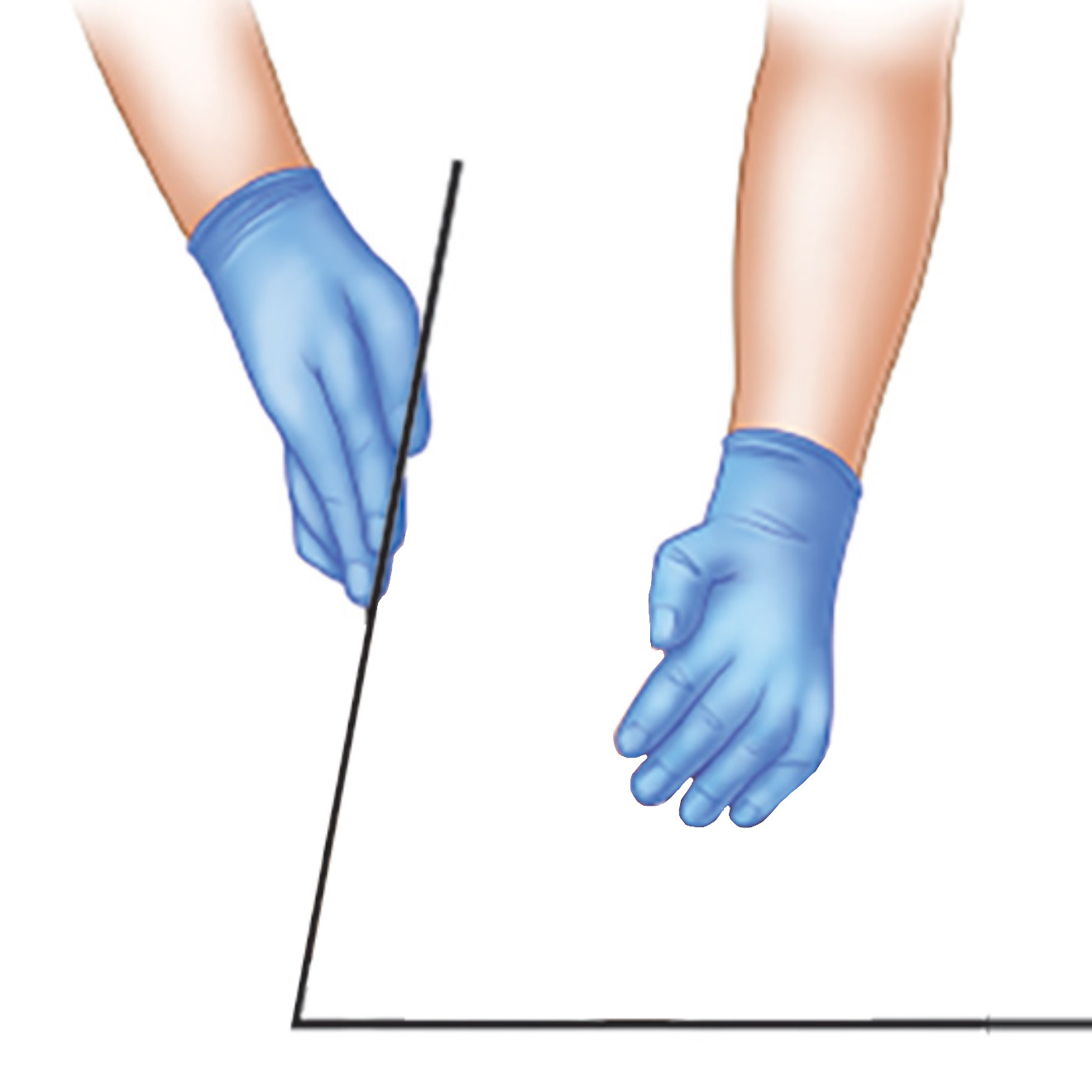
Opening the airway for children (age 1 through the onset of puberty)
Slightly-past neutral position
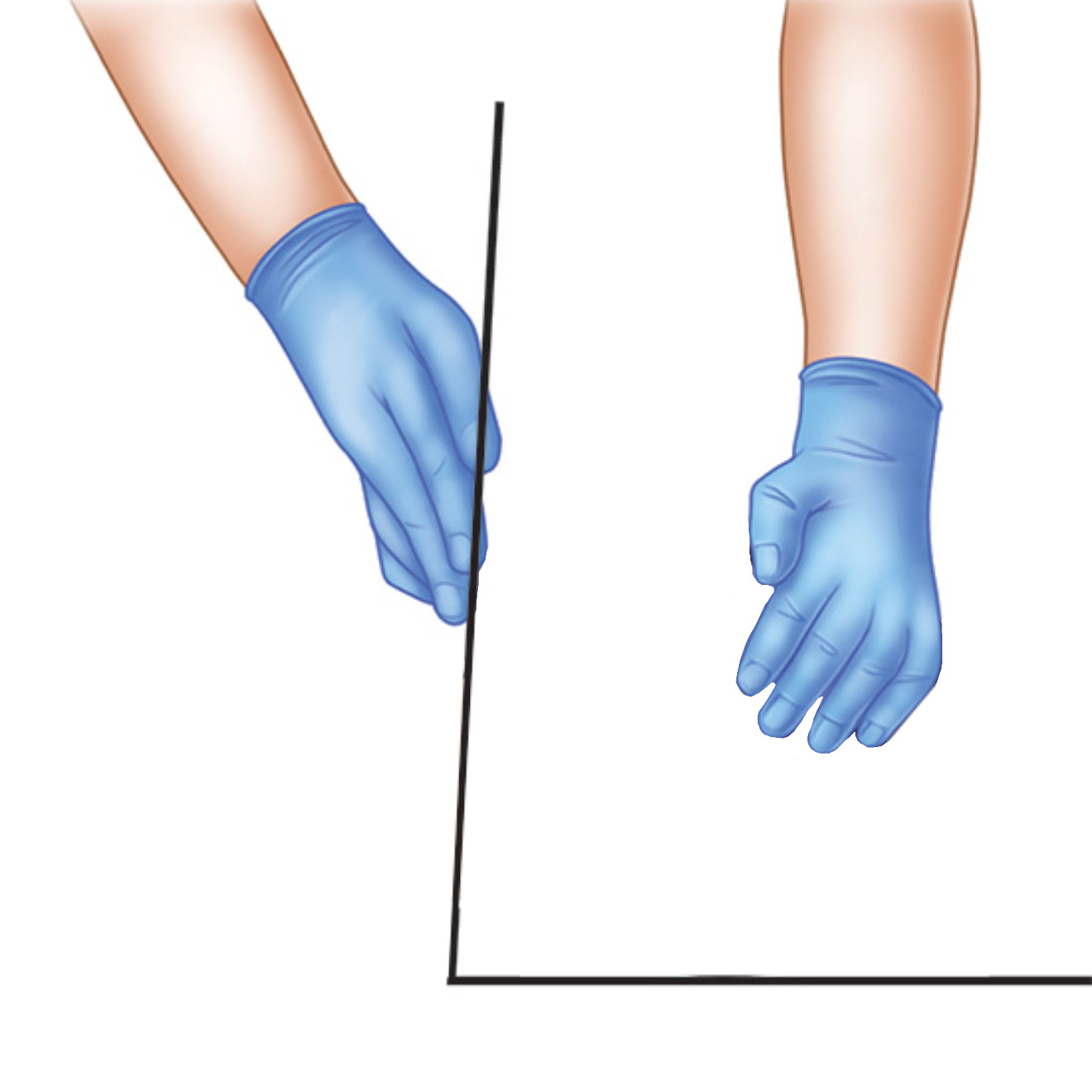
Opening the airway for infants
Neutral position
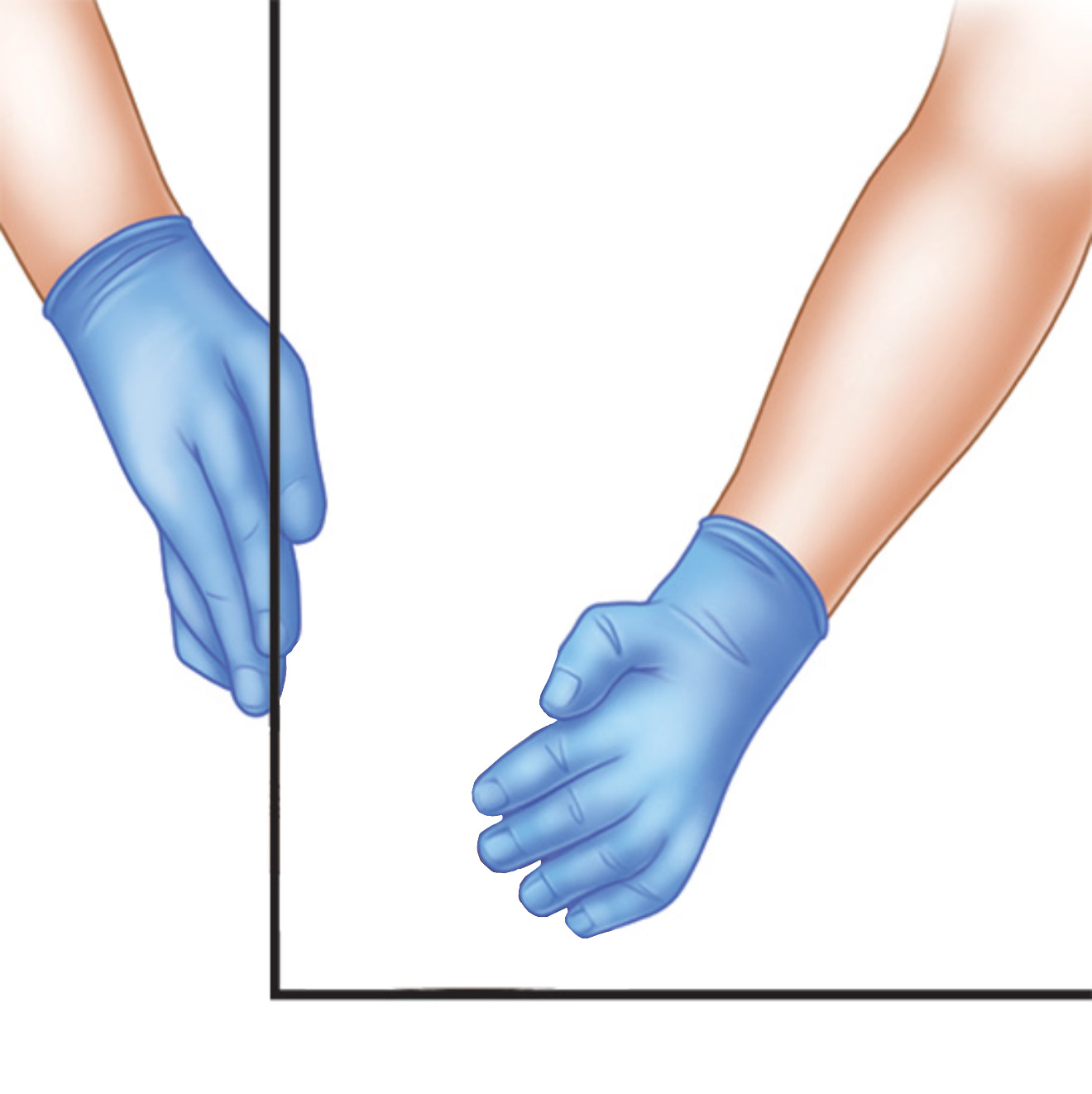
Delivering ventilations to adults in respiratory arrest
1 ventilation every 6 seconds
Delivering ventilations to children (age 1 through onset of puberty) and infants (birth to age 1) in respiratory arrest
1 ventilation every 2-3 seconds if pulse is >60 BPM (check pulse after 2 minutes)
What to avoid when opening the airway
Hyperextension of the neck or pressing on the soft tissue under the chin or neck
Sniffing position
The appropriate open airway position (may be helpful to place a small towel underneath the shoulders of a small child or infant)
Cardiac arrest in children and infants
More likely to be caused by a respiratory event, rather than a primary cardiac event
Chest compression depth for children
~2 inches or 1/3 the depth of the chest
Chest compression depth for infants
~1.5 inches or 1/3the depth of the chest
One-handed technique
Can be used to deliver chest compressions to small children and infants
One-handed technique positioning
Place the heel of one hand in the center of the chest, on the lower half of the sternum just below the nipple line (position your shoulder directly over your hand to compress up and down)
Encircling thumbs technique
Can be used to deliver chest compressions to infants
Encircling thumbs technique positioning
Place both thumbs side-by-side on the center of the infant’s chest, just below the nipple line
Use the other fingers to encircle the chest toward the back, providing support
Checking the pulse of a child as a single responder
Palpate the carotid artery for at least 5 seconds, but no more than 10 seconds