West and Central Asia
 Call Kai
 Learn
Learn Practice Test
 Spaced Repetition
 Match
Match Flashcards
 Knowt Play
1/38

There's no tags or description
Looks like no tags are added yet.
Name | Mastery | Learn | Test | Matching | Spaced | Call with Kai | Chat |
|---|
No analytics yet
Send a link to your students to track their progress
39 Terms
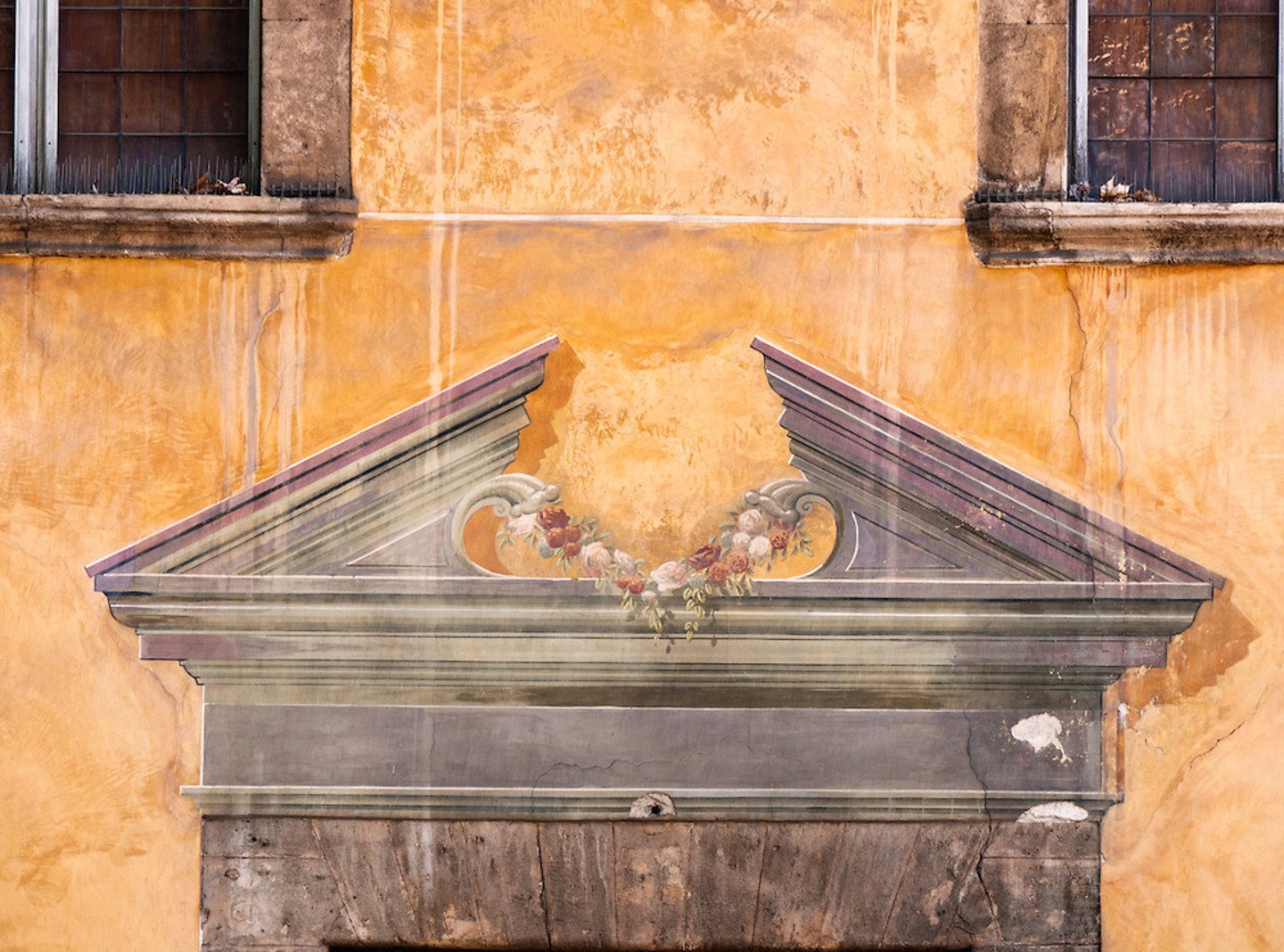
broken pediment
a pediment in which the cornice is discontinuous or interrupted by another element
Circumambulation
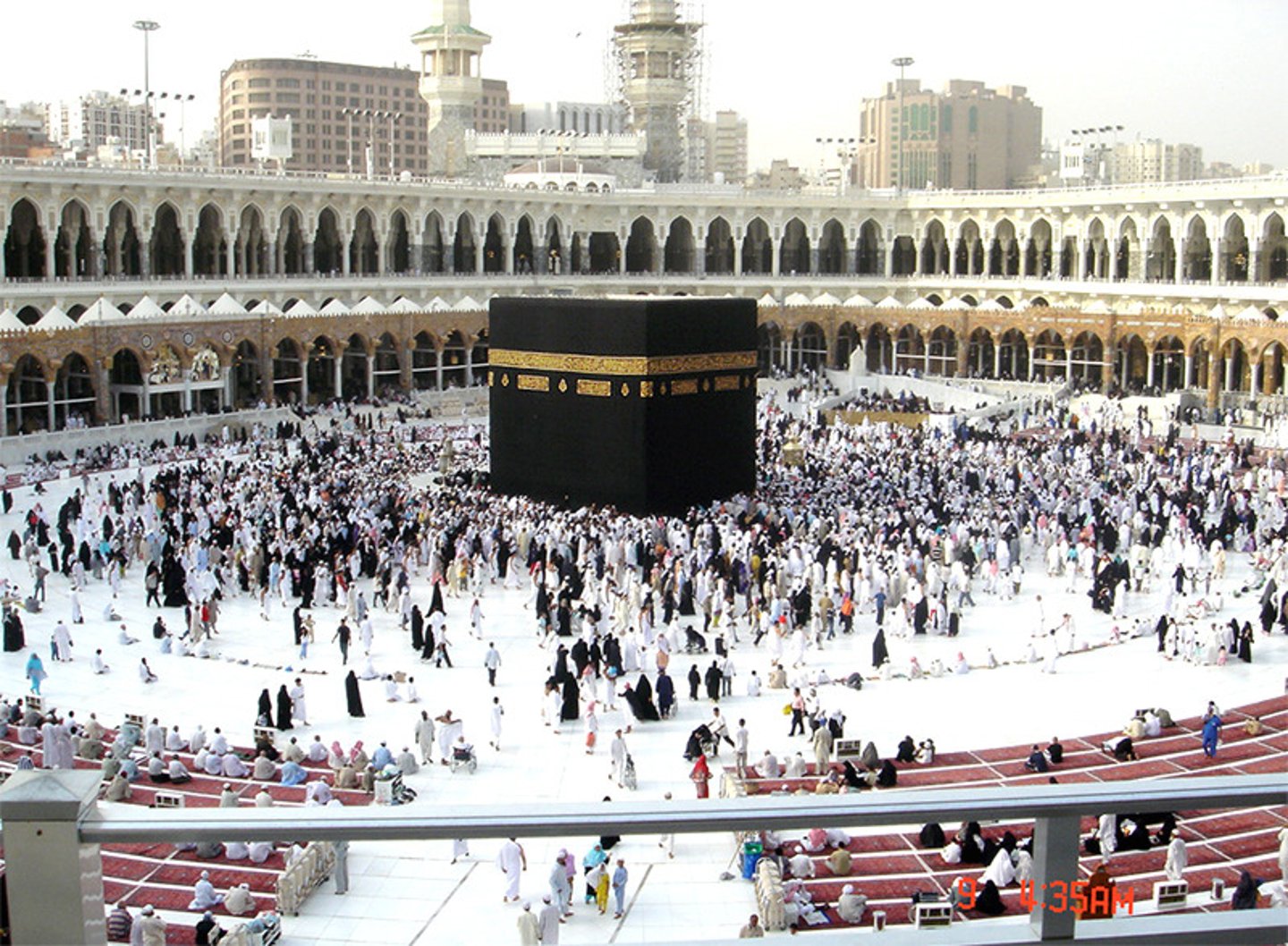
the act of moving around a sacred object or idol
Chahar Bagh
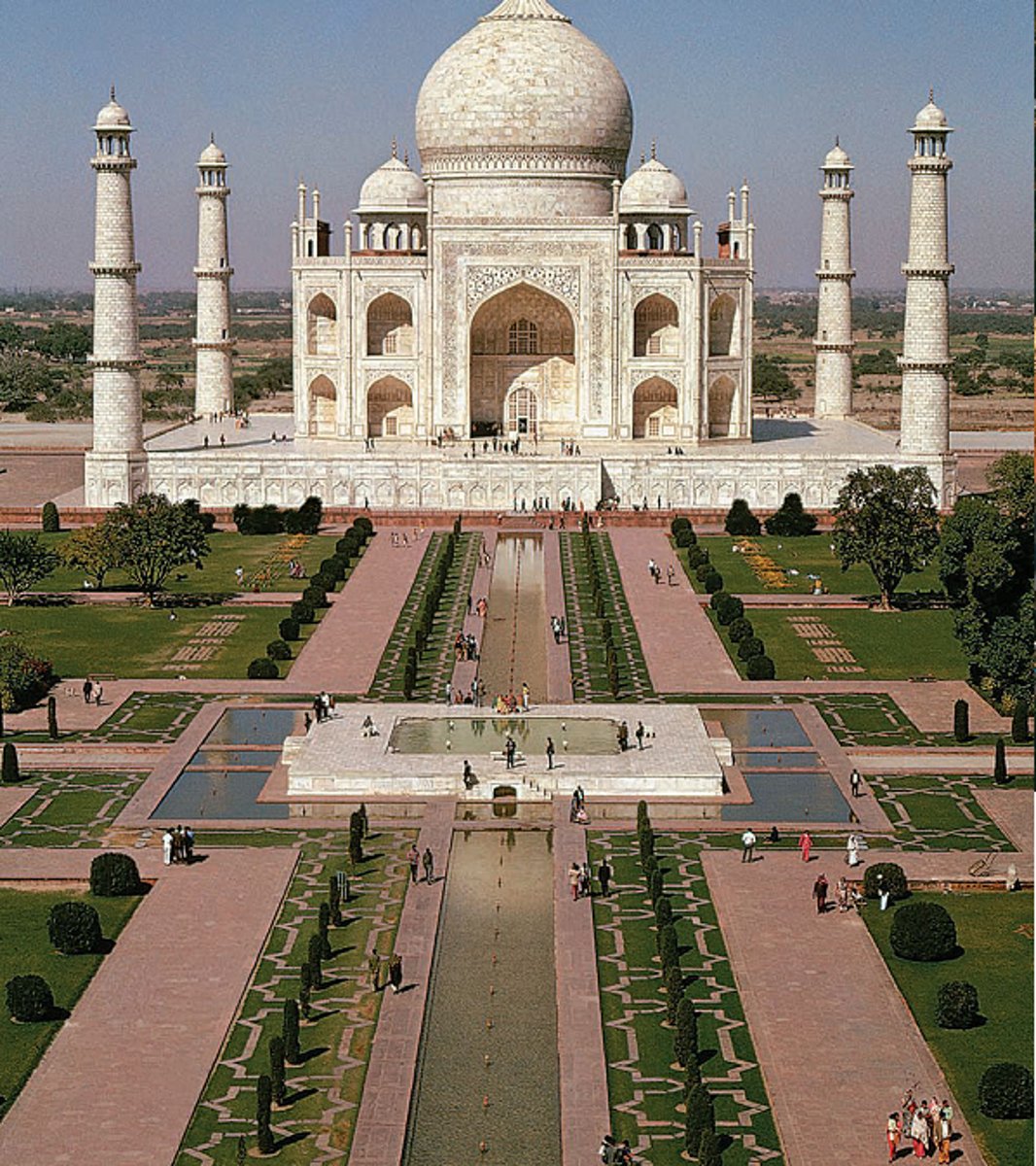
An Islamic quadrilateral garden layout based on the four gardens of Paradise mentioned in the Qur'an (honey, wine, water, and milk). The quadrilateral garden is divided by walkways or flowing water into four smaller parts.
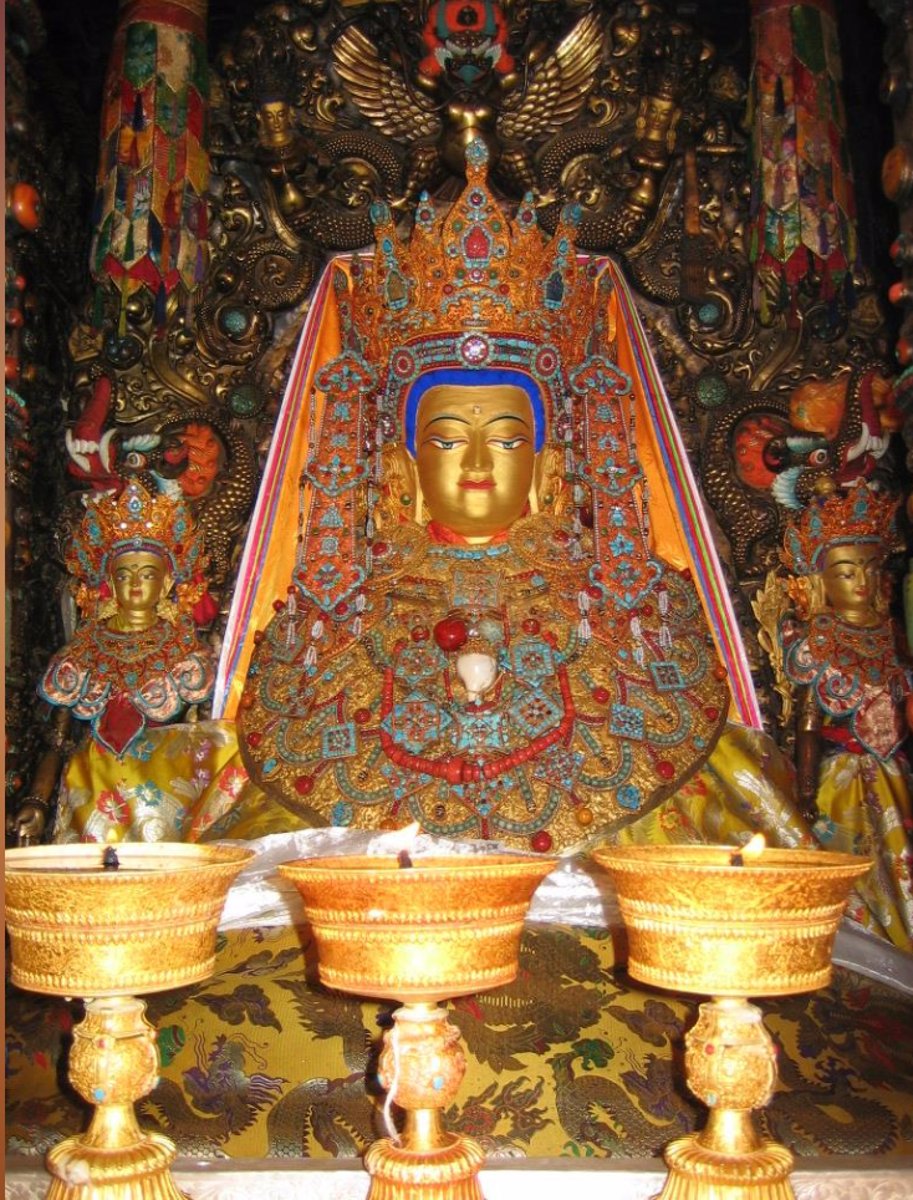
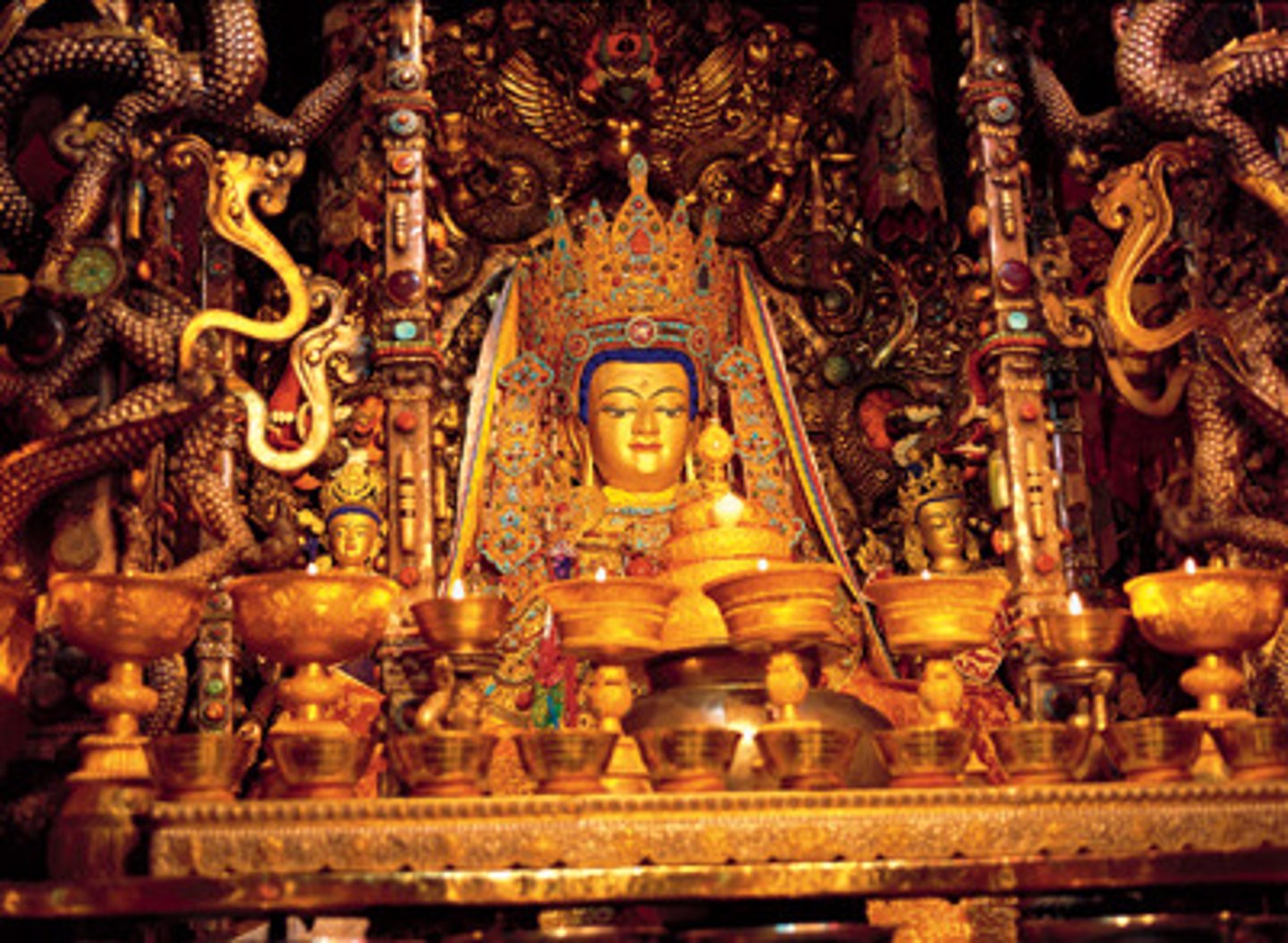
Viswakarma
divine Buddhist architecture god that carved the Jowo Shakyamuni
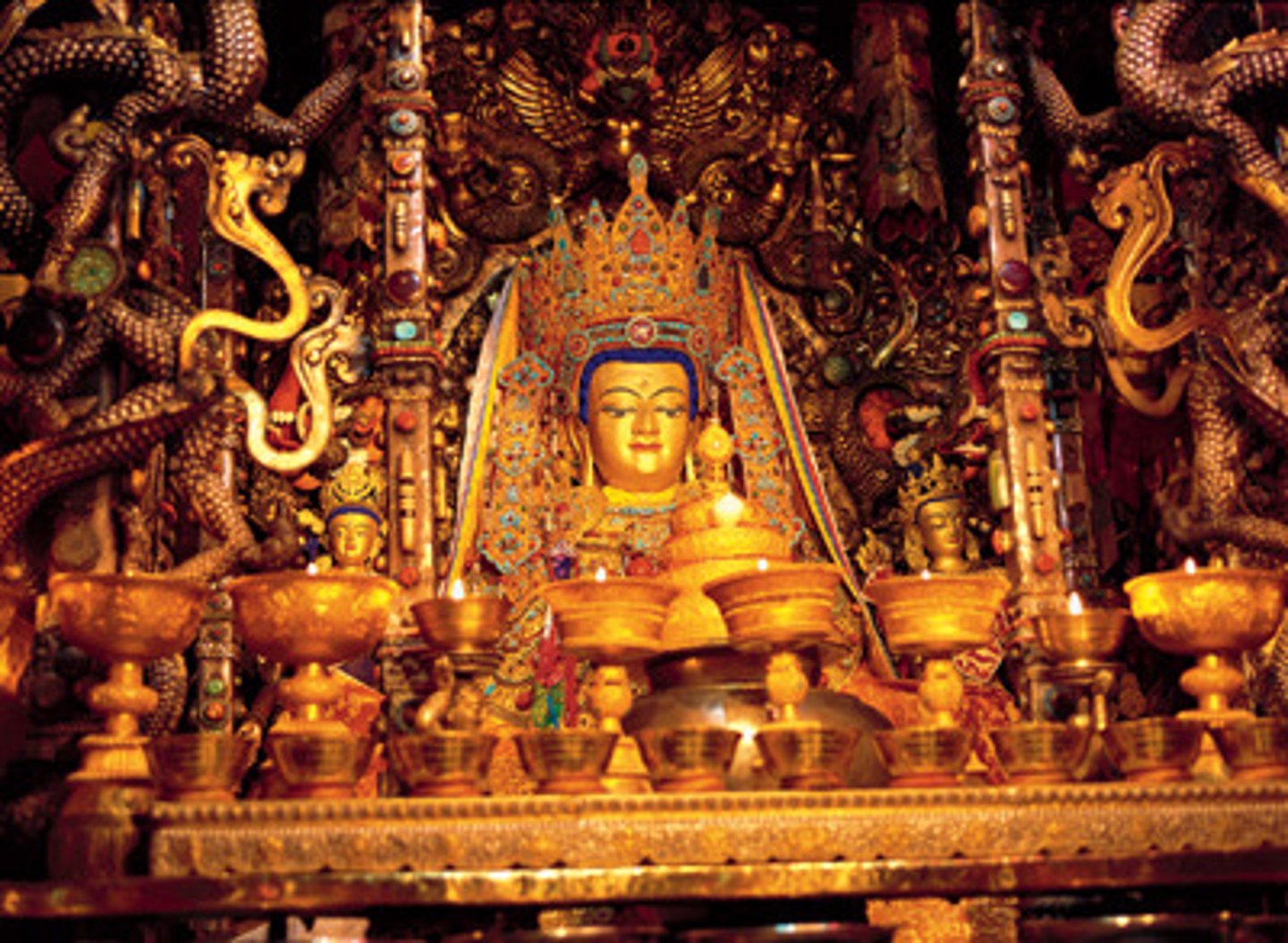
Wencheng Gongzhu
Chinese princess believed to have brought Jowo Shakamuni to Tibet as part of her dowry to emperor Songsten Gampo in 641
Qibla
This wall in a mosque always faces Mecca.

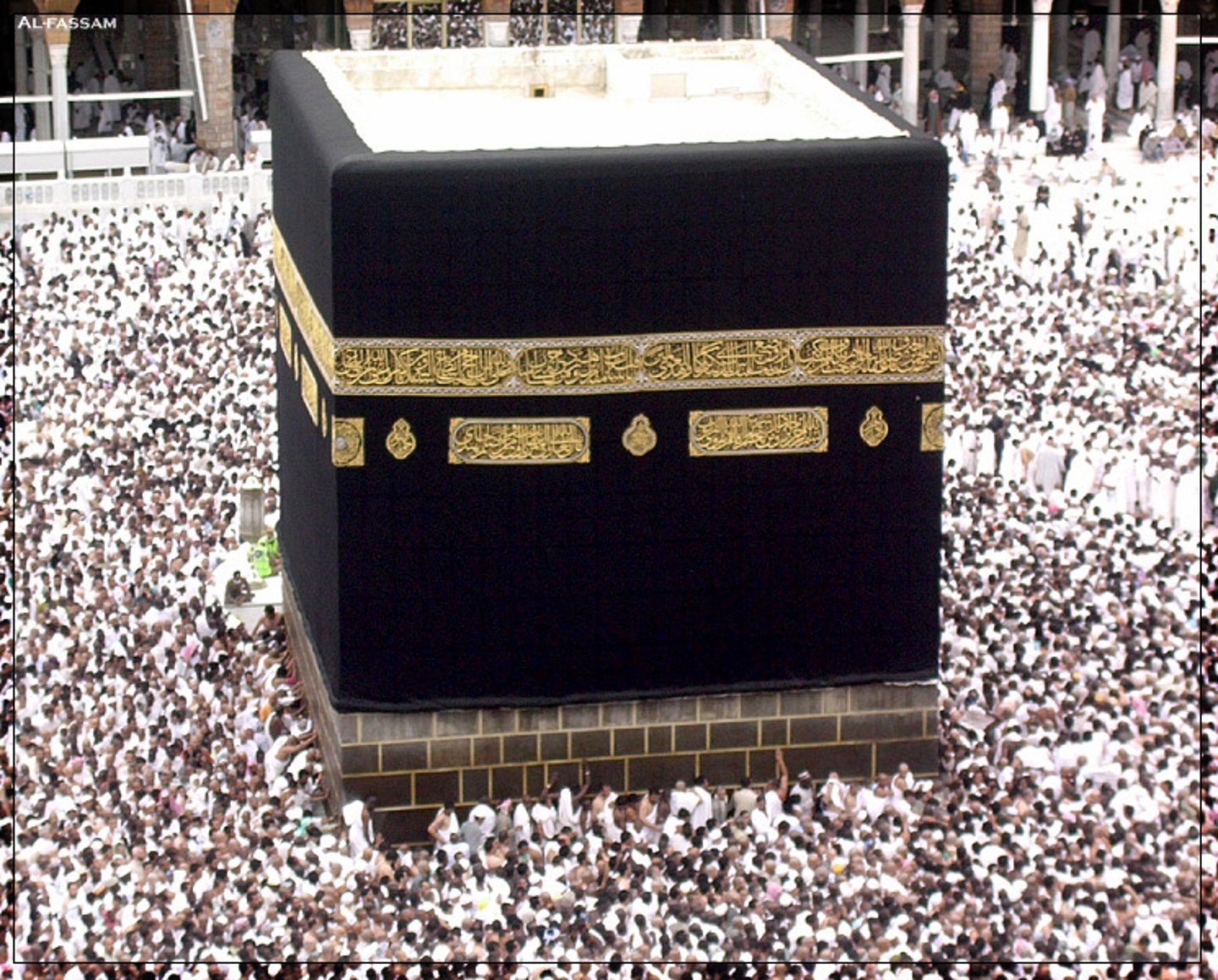
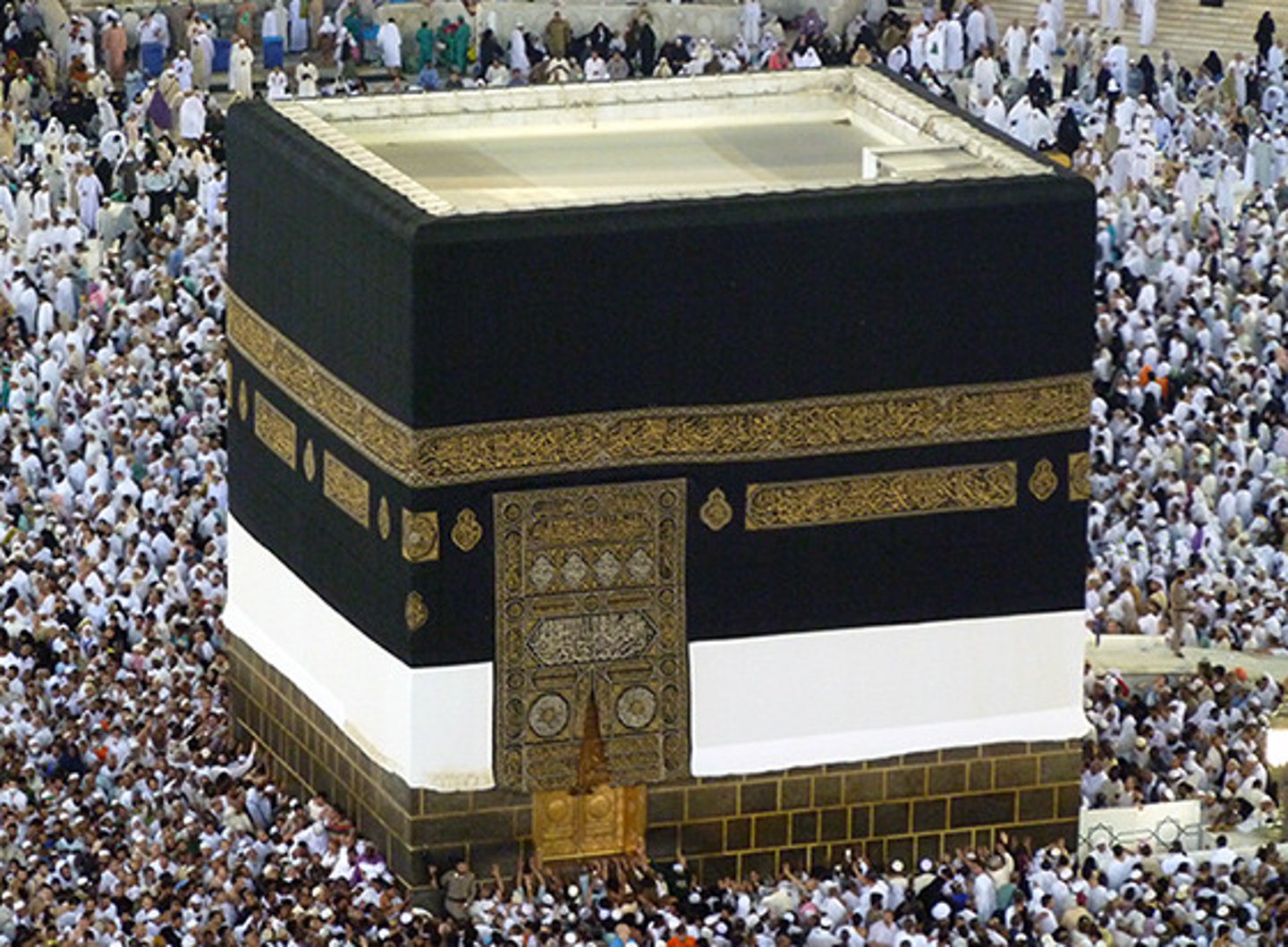
Hajj (Pilgrimage)
The fifth pillar of the Muslim faith: visit Mecca at least once in your lifetime
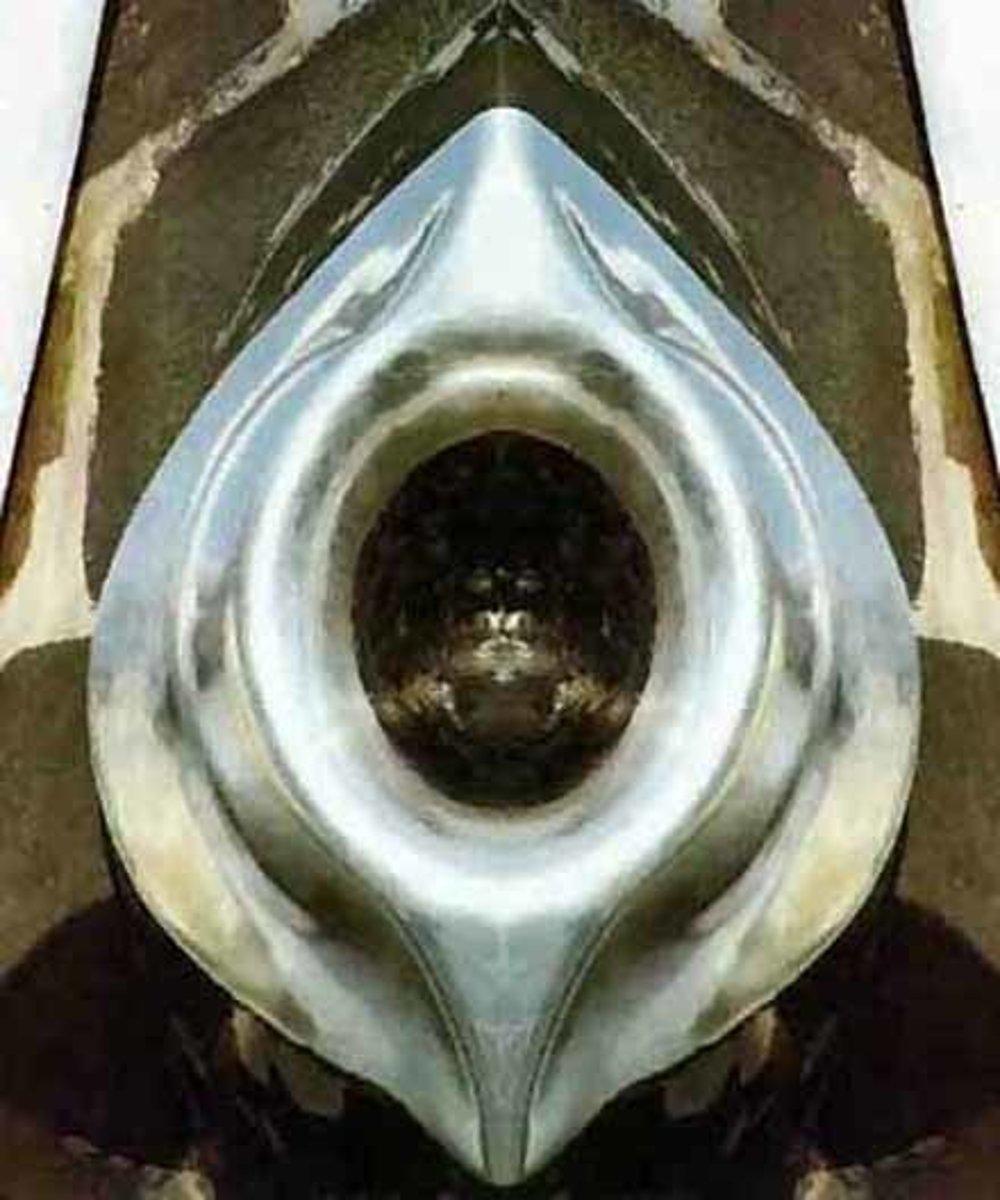
Black Stone (al hajar al aswad)
originally sacred rock for gods before Muhammad, embedded in wall of Kaaba
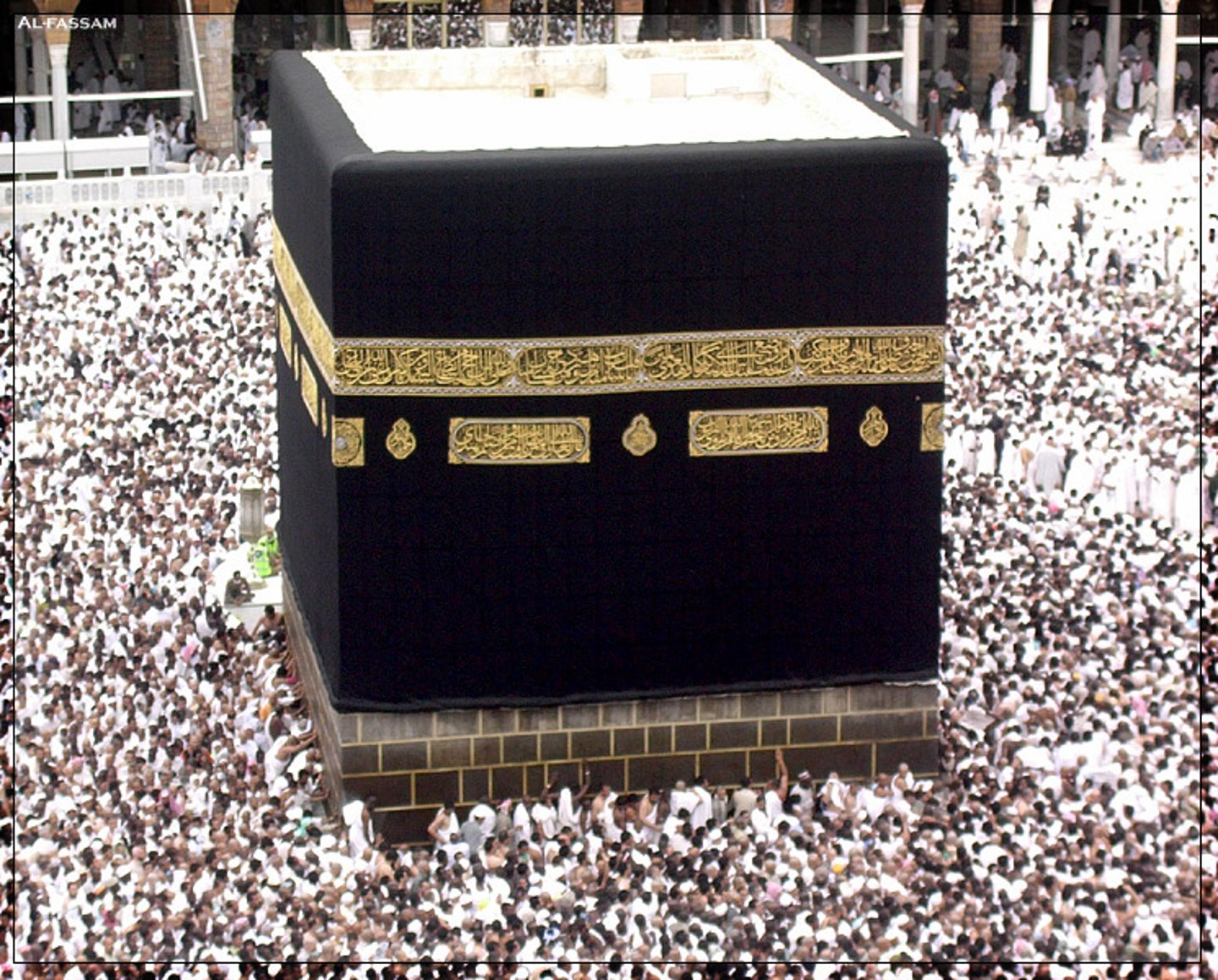
Kiswa
embroidered fabric covering of the Kaaba, replaced yearly
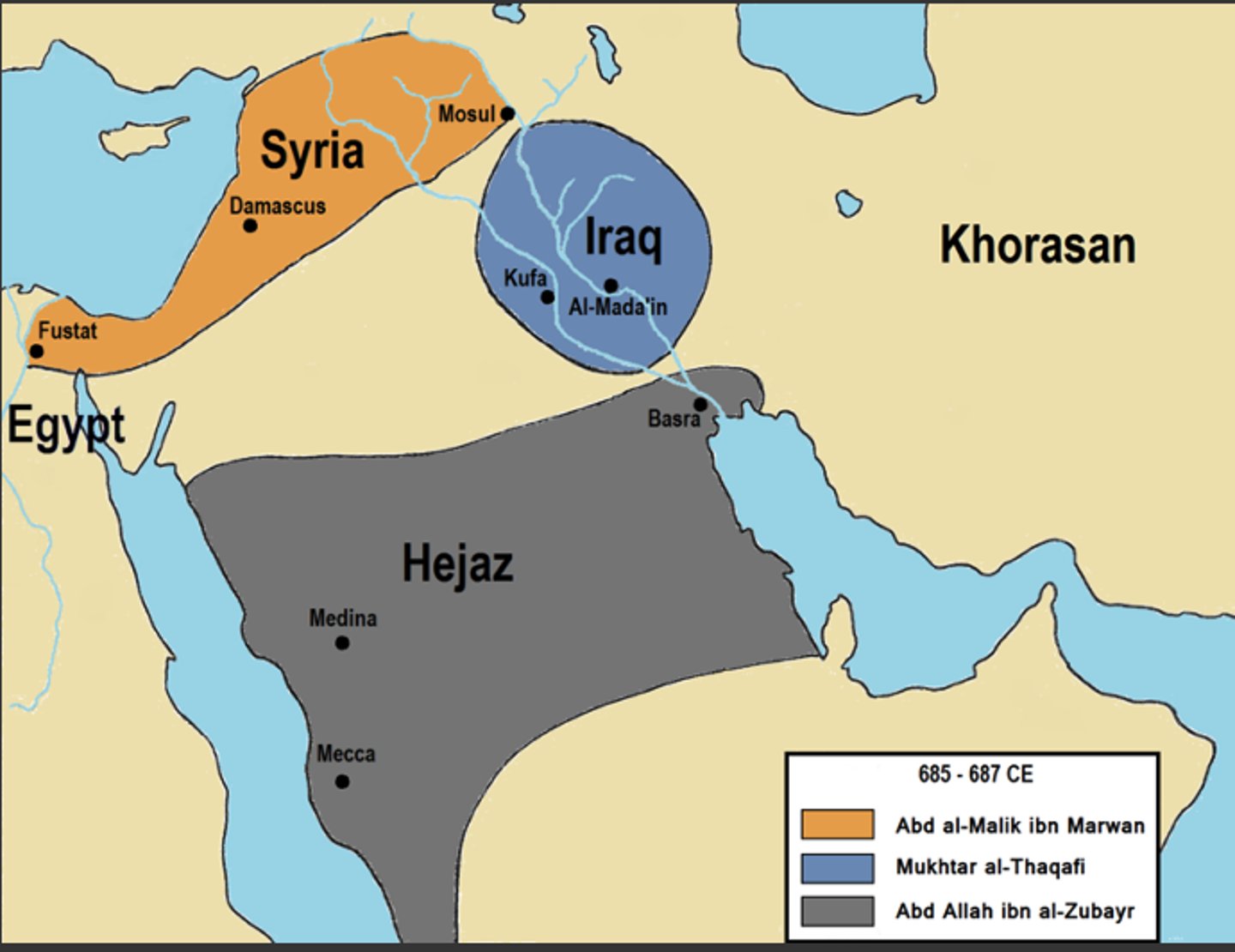
Abd al-Malik
a Muslim ruler who became caliph in A.D. 685 and made Arabic the official language of government in all Muslim lands; built Dome of the Rock

Ibn Zubayr
Fought against and killed by Abd al-Malik in civil war. Claimed he was a caliph in Mecca and Medina.
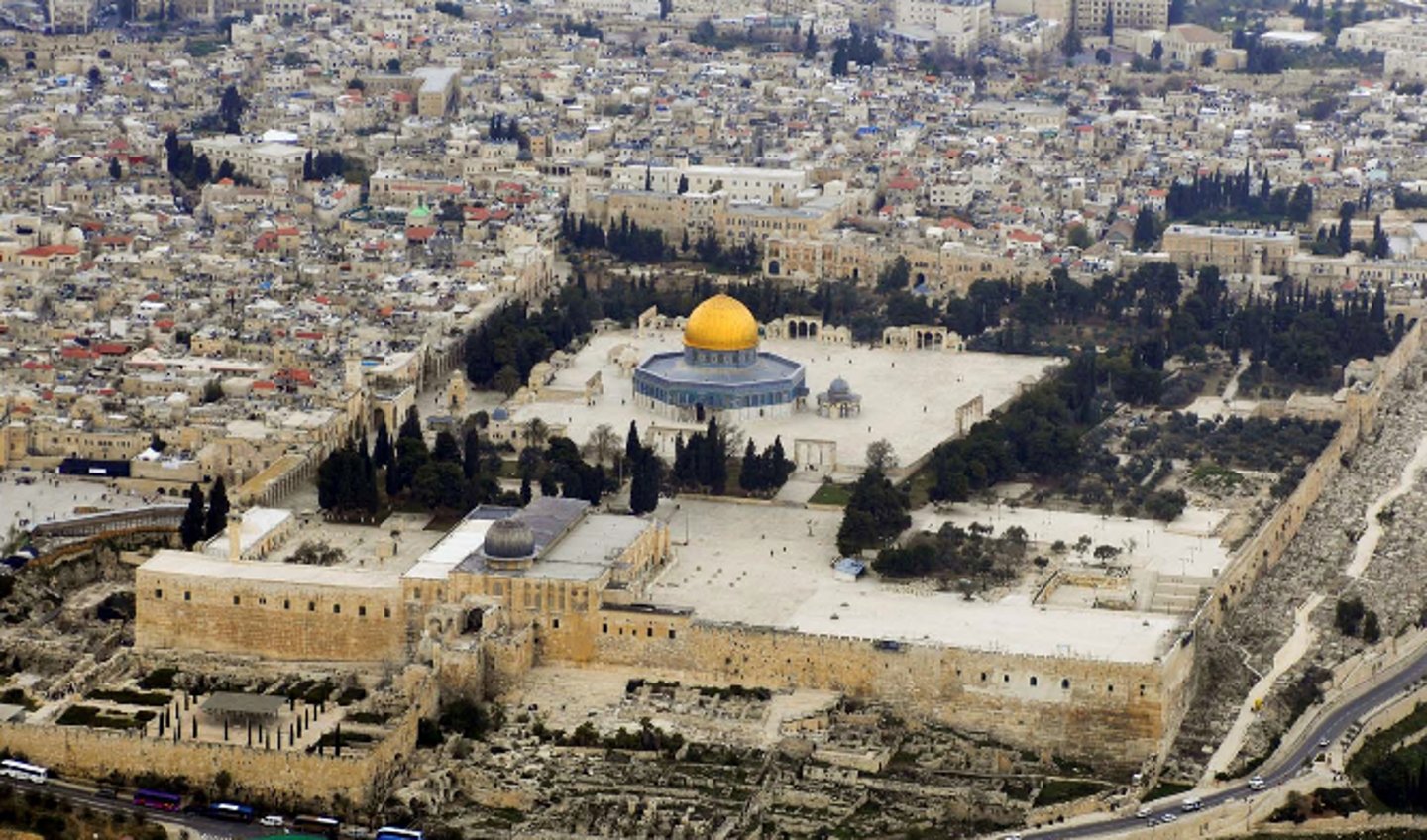
Haram al-Sharif/Temple Mount
mosque, under Islamic control, surrounding the dome of the rock
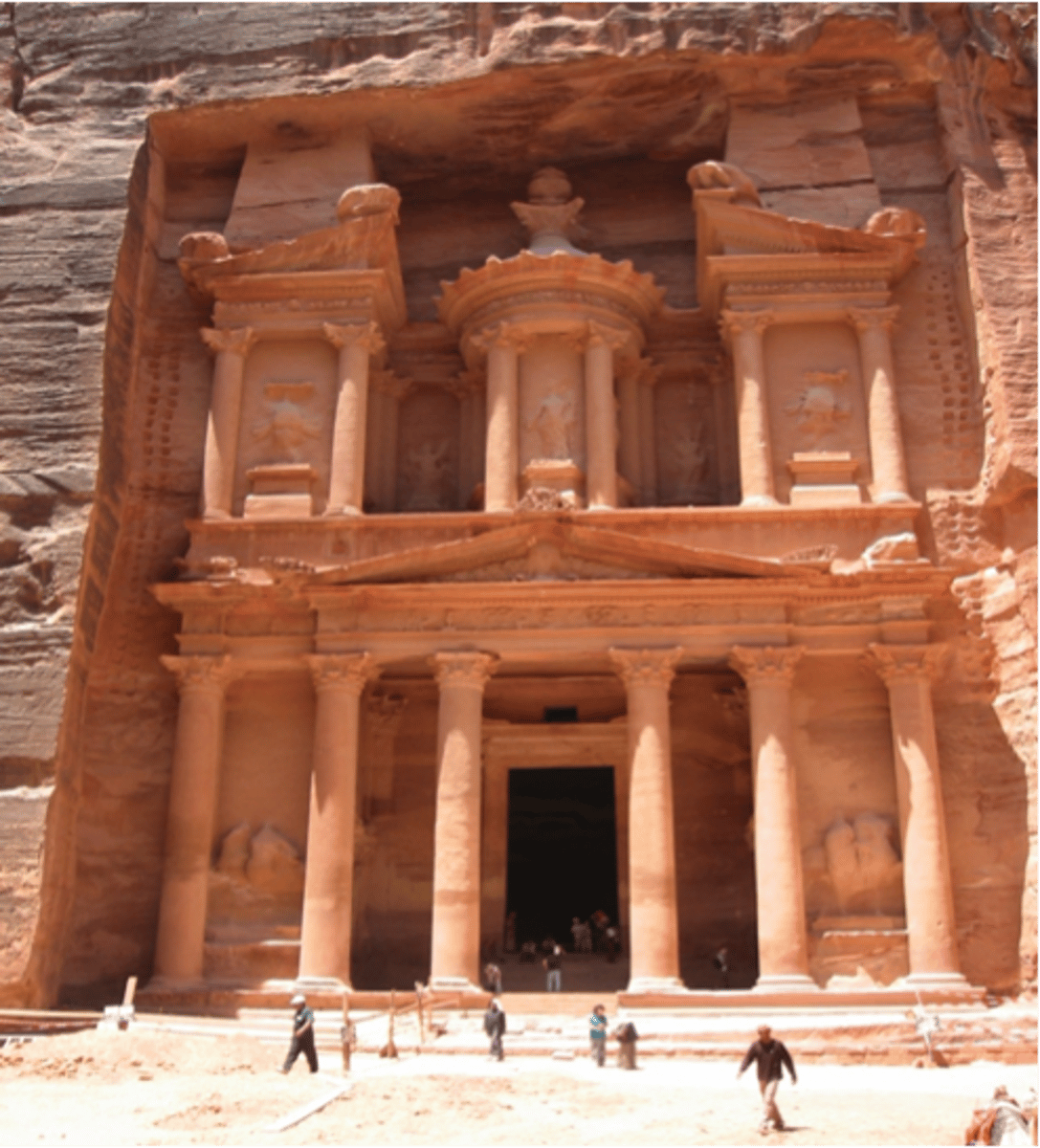
Petra, Jordan: Treasury and Great Temple
Dates: c. 400 B.C.E.-100 C.E.
Culture: Nabataean, Ptolemaic and Roman
Material: Cut rock
Bamiyan Buddhas
Dates: c. 400-800 C.E.
Culture: Bamiyan, Afghanistan. Gandharan
Material: Cut rock with plaster and polychrome paint

Jowo Rinpoche, enshrined in the Jokhang Temple
Dates: Believed to have been brought to Tibet in 641 C.E.
Culture: Lhasa, Tibet. Yarlung Dynasty
Material: Gilt metals with semiprecious stones, pearls and paint; various offerings
The Kaaba
Dates: redirected by Muhammad in 631-632 C.E.; multiple renovations
Culture: Mecca, Saudi Arabia. Islamic
Material: Granite masonry, covered with silk curtain and calligraphy in gold and silver-wrapped thread
Dome of the Rock
Dates: 691-692 C.E.; multiple renovations
Culture: Jerusalem, Israel. Islamic, Umayyad
Material: Stone masonry and wooden roof decorated with glazed ceramic tile, mosaics and gilt aluminum and bronze dome.

Great Mosque (Masjid-e Jameh)
Dates: c 700 C.E.: additions and restorations in the 14th, 18th and 20th centuries C.E.
Culture: Isfahan, Iran. Islamic, Persian: Seljuk, Il-Khanid, Timurid and Safavid Dynasties
Material: Stone, brick, wood, plaster and glazed ceramic tile
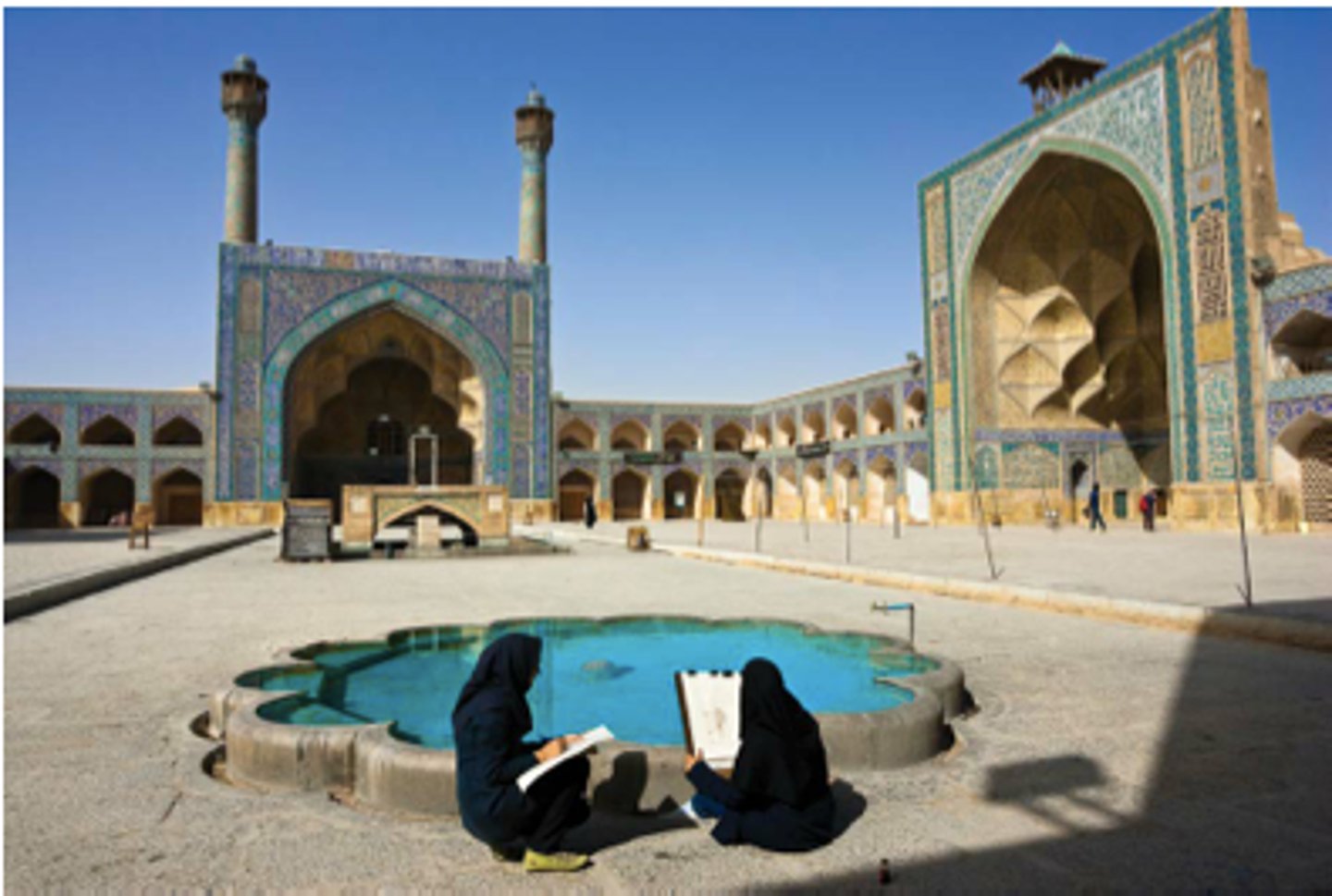
Iwan
in Islamic architecture, a vaulted rectangular recess opening onto a courtyard

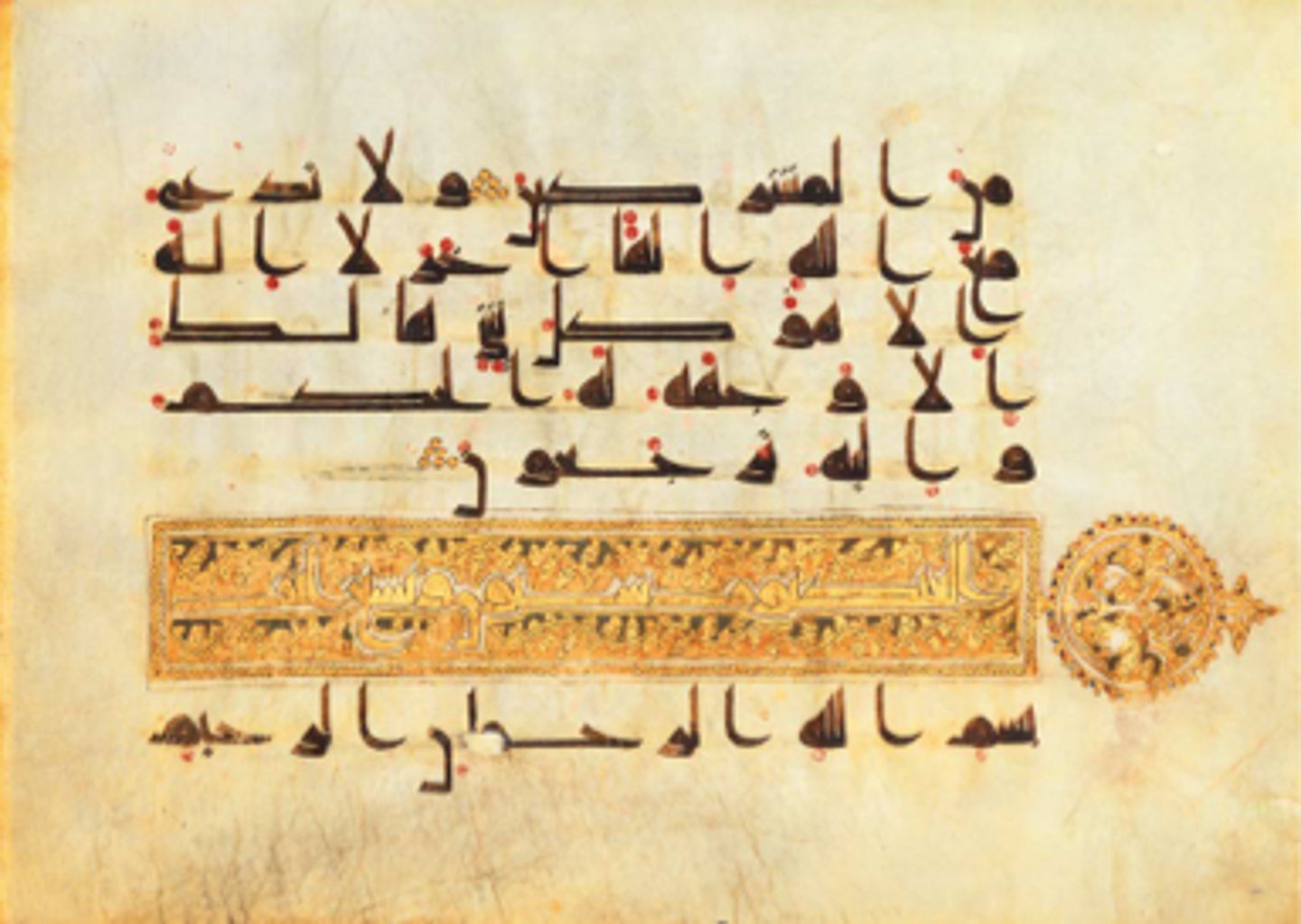
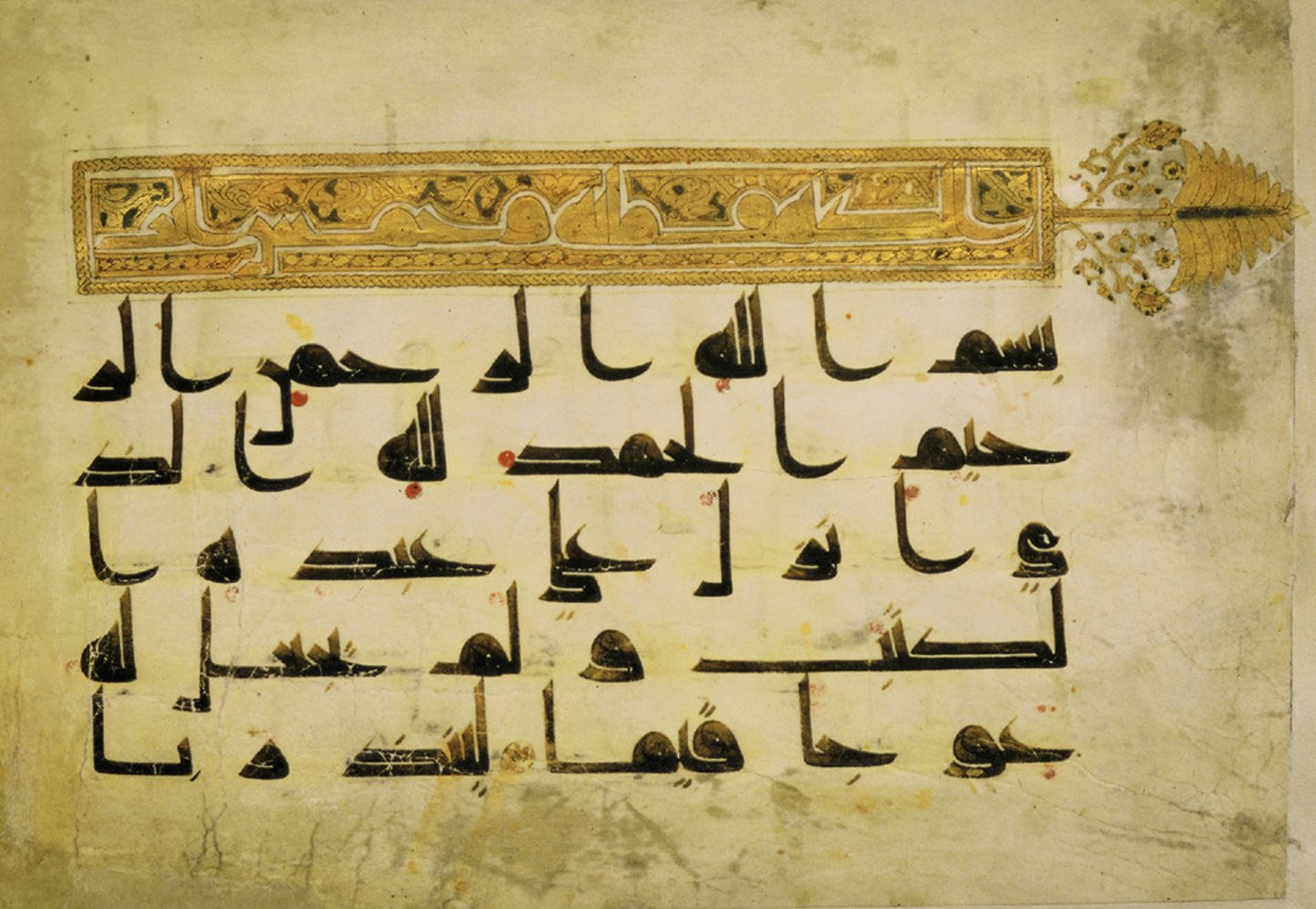
Folio from a Qur'an
Dates: c. 8th to 9th century C.E.
Culture: Arab, North Africa or Near East. Abbasid Caliphate
Material: Ink, color and gold on parchment
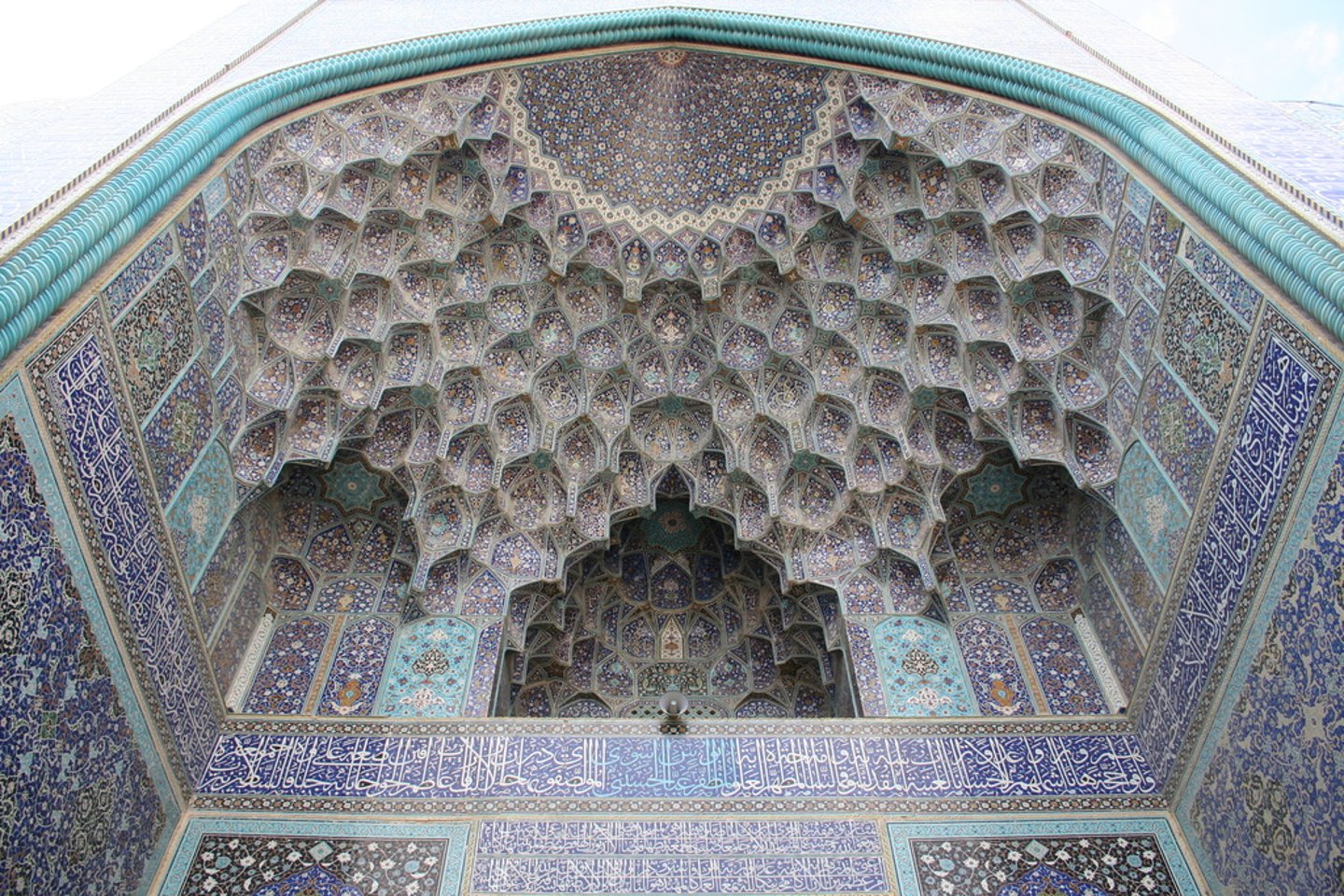
Muqarnas
a honeycomb-like decoration often applied in Islamic buildings to domes, niches, capitals, or vaults. The surface resembles intricate stalactites
Quran (Koran)
Religious text of Islam
Sura
A chapter of the Qur'an
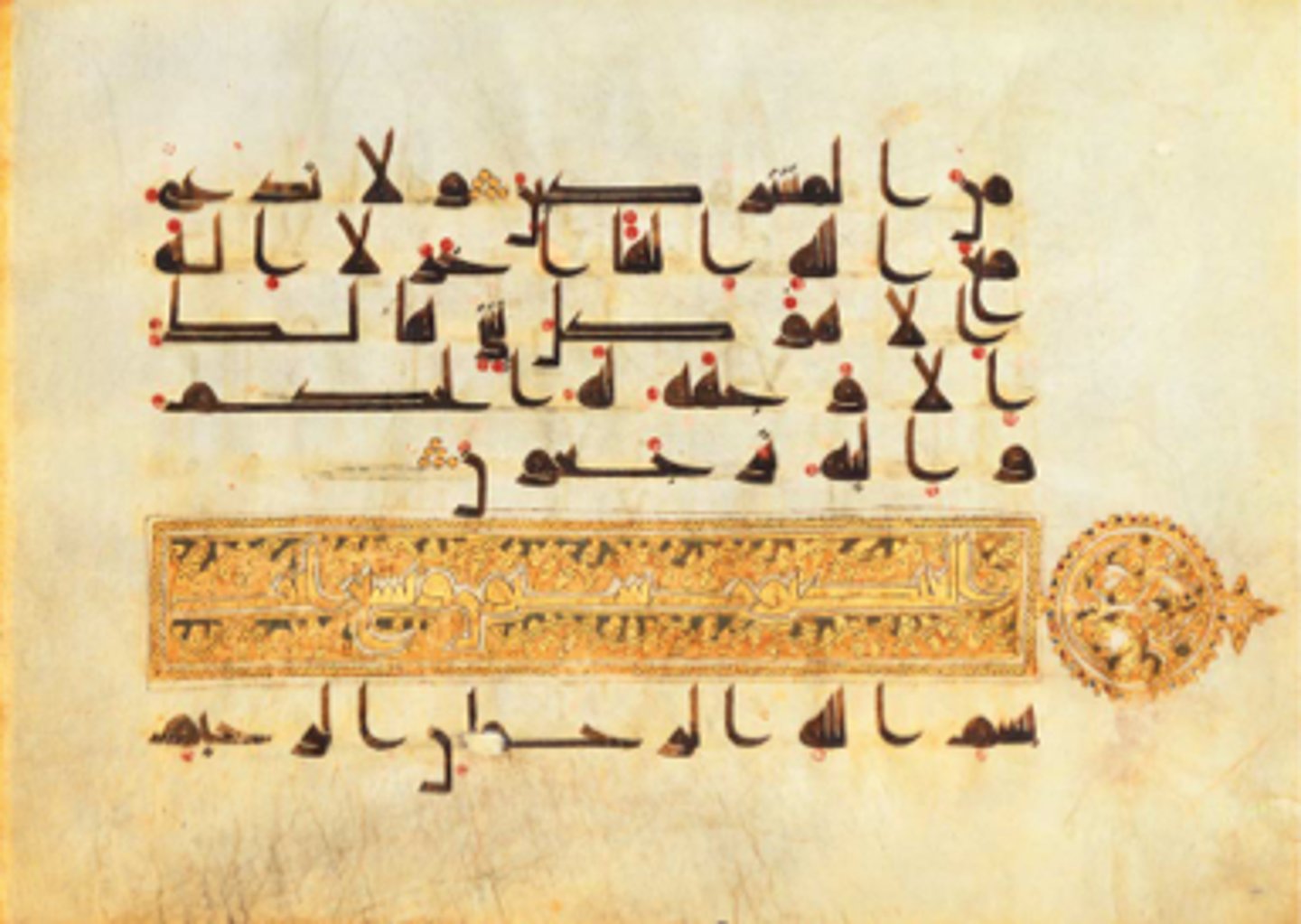
Bifolium
A sheet of writing support material, generally parchment, folded in half to produce two leaves.

Mushaf
a physical copy of the Qur'an
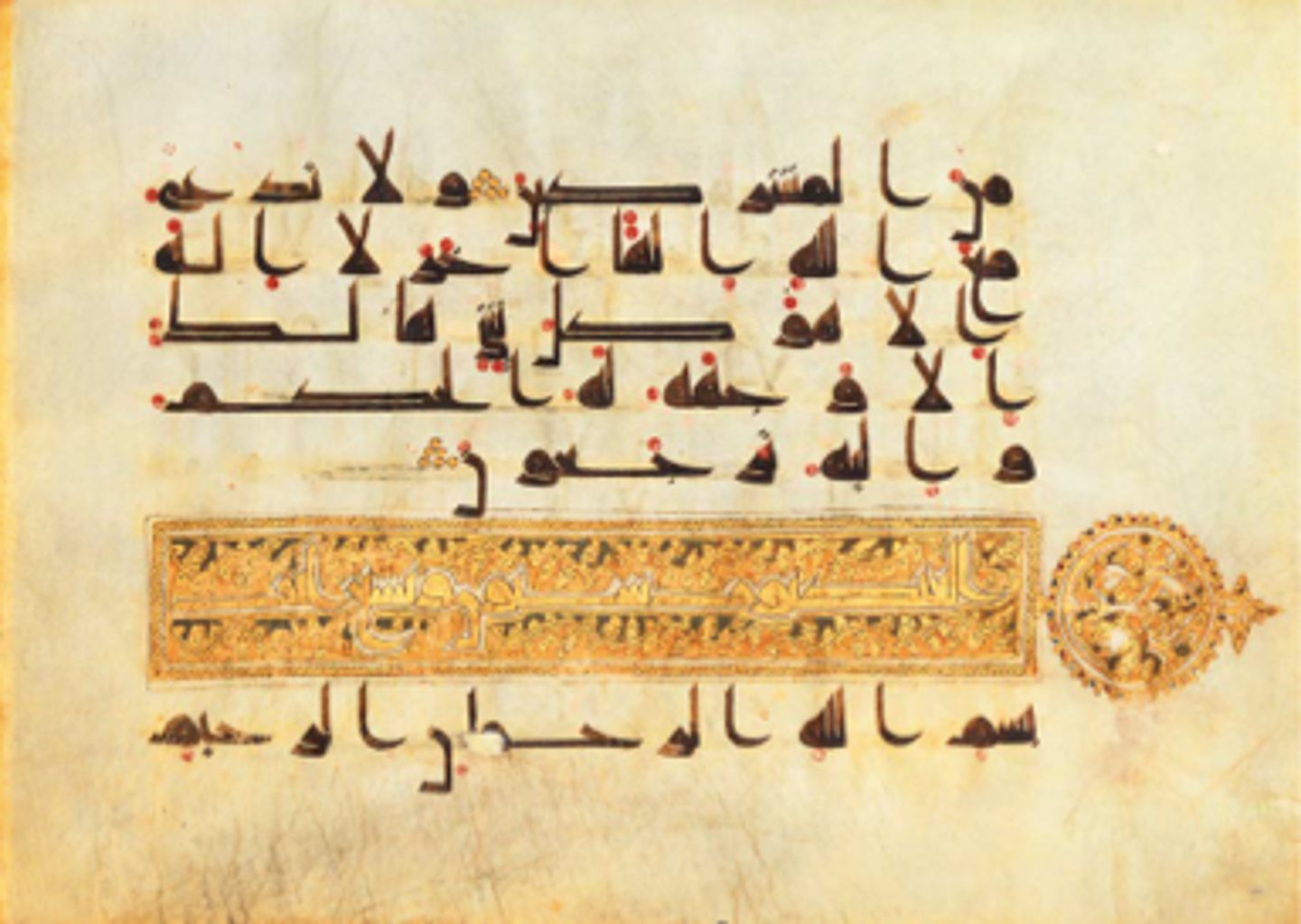
Kufic script
early form of Arabic script, characterized by angularity with uprights almost forming right angles at the baseline
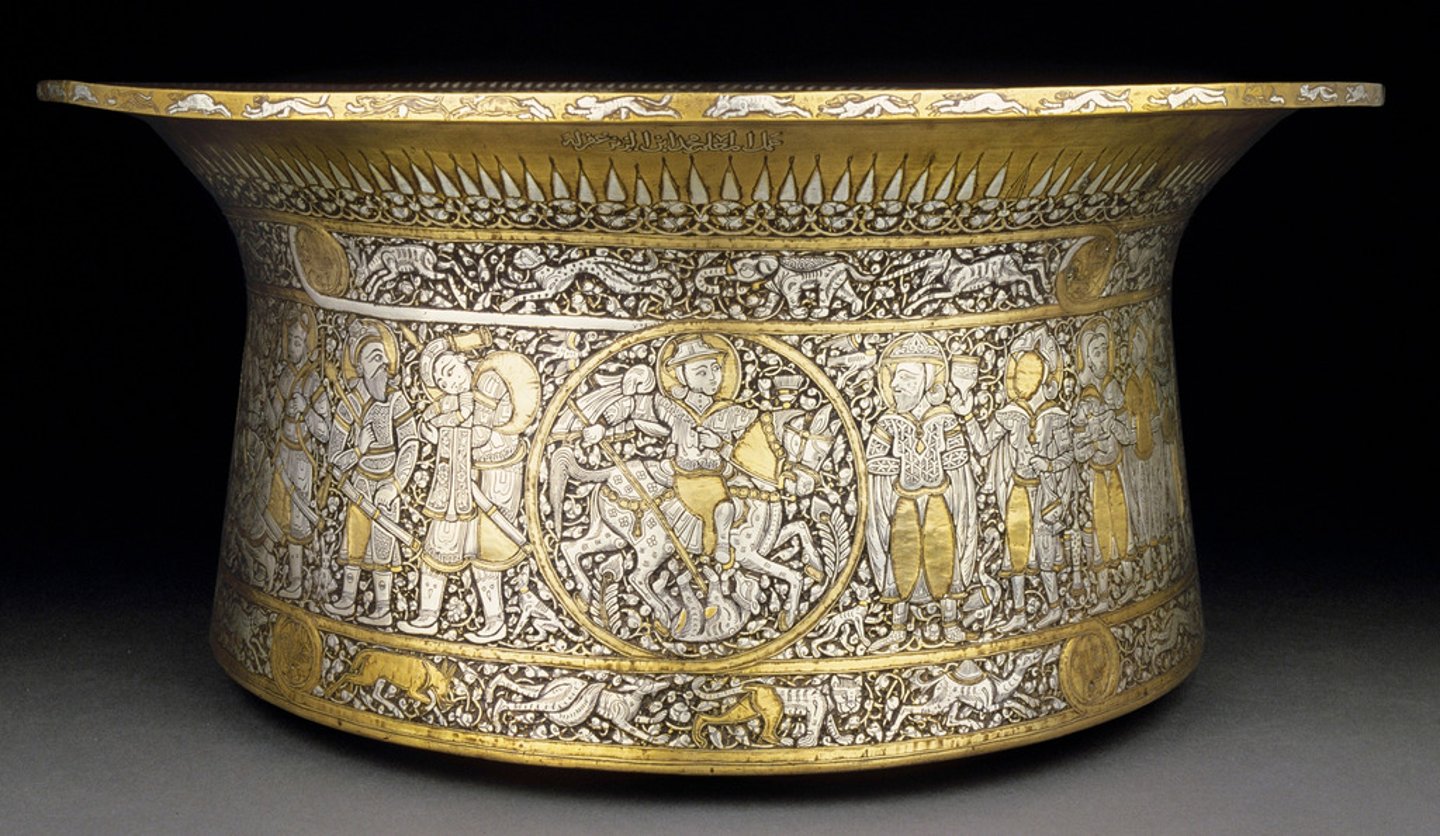
Muhammad ibn al-Zain
artist of Basin (Baptistère de St. Louis)
Fleur-de-lis
a stylized lily composed of three petals bound together near their bases. It is especially known from the former royal arms of France, in which it appears in gold on a blue field. Also the symbol for the Mamluk Sultans

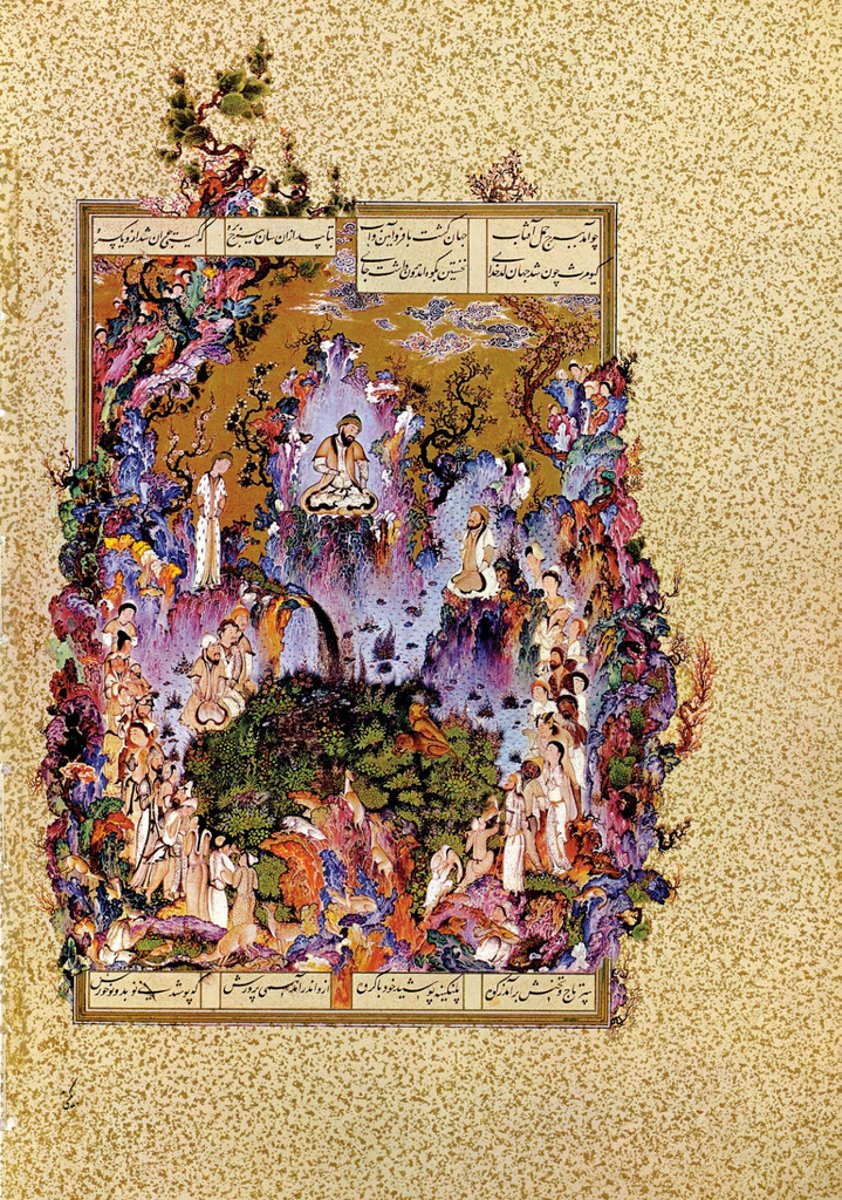
Shahnama (Book of Kings)
a long epic poem written by the Persian poet Ferdowsi between c. 977 and 1010 CE and is the national epic of Greater Iran.
Ferdowsi
Author of the Shahnameh, the Iranian national epic
Shah Tahmasp I
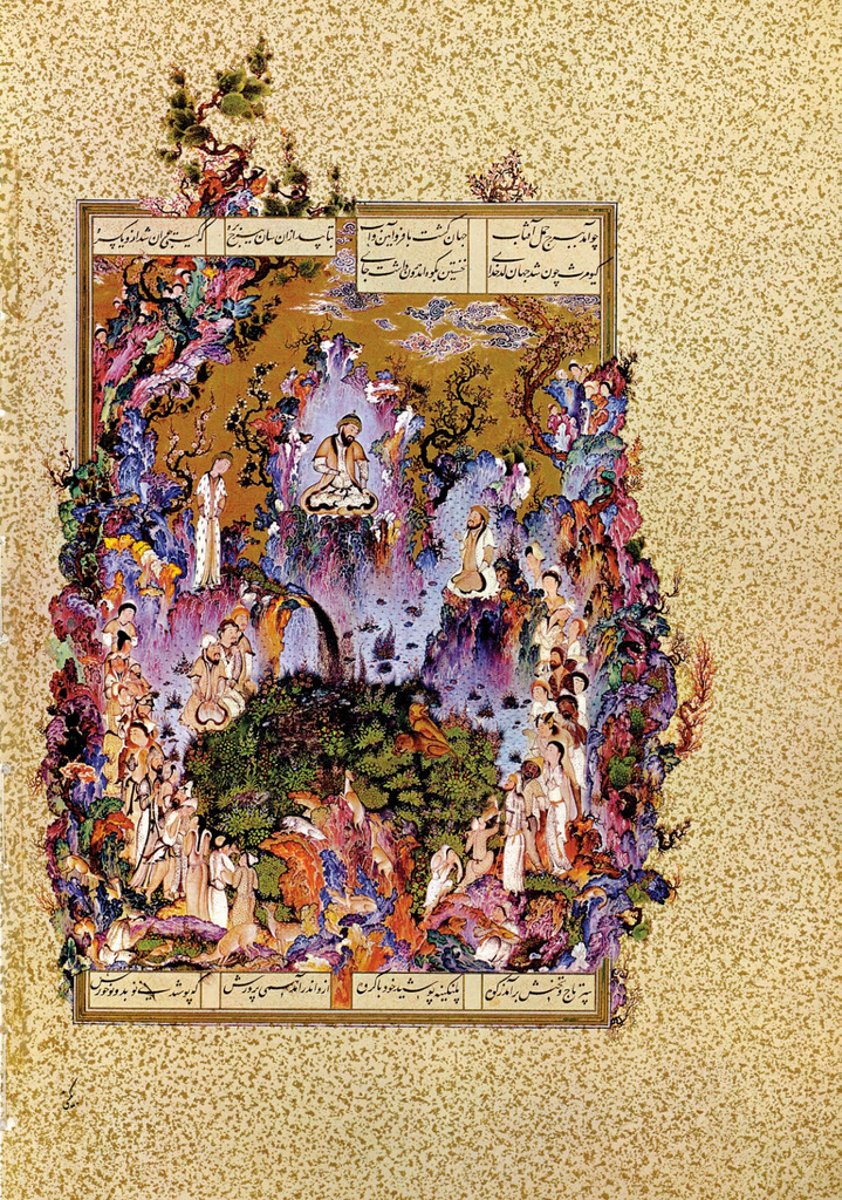
Patron of "The Court of Gayumars, Folio." In 1568, Shah Tahmasp I gave this to the Ottoman Sultan, Selim II
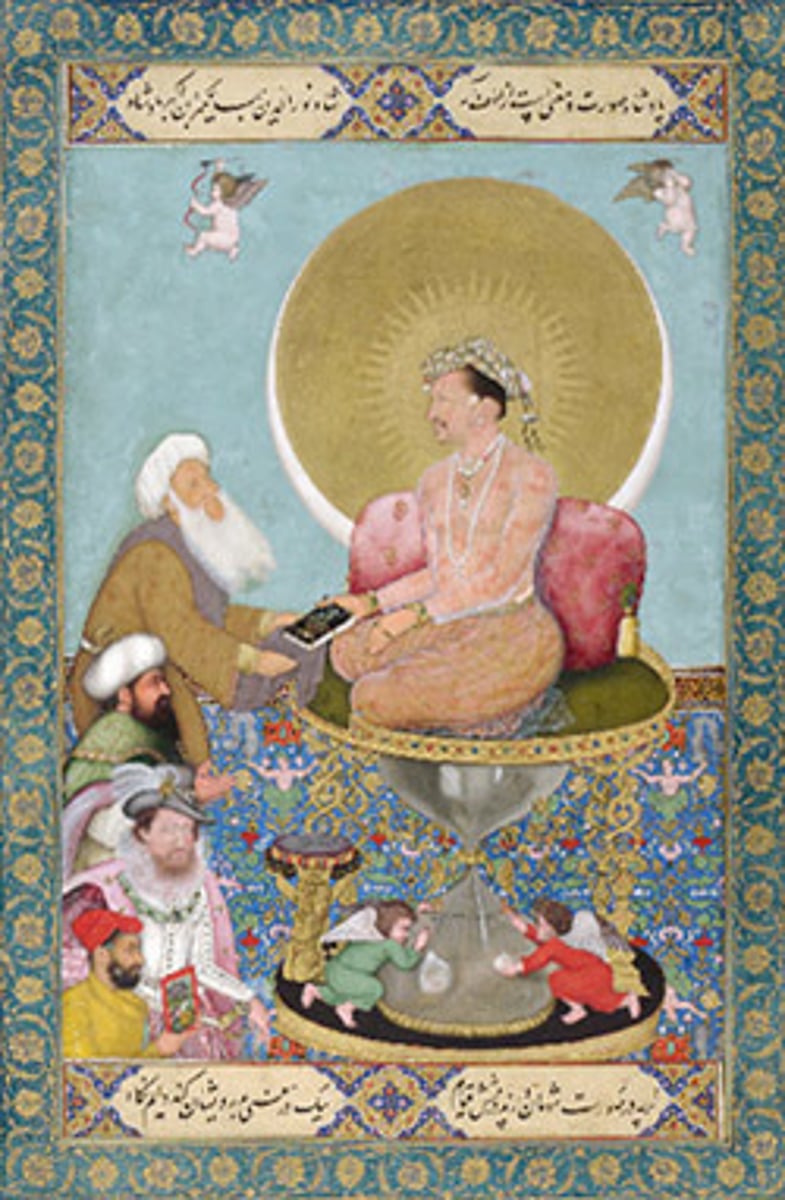
Sufism
An Islamic mystical tradition that desired a personal union with God--divine love through intuition rather than through rational deduction and study of the shari'a. Followed an ascetic routine (denial of physical desire to gain a spiritual goal), dedicating themselves to fasting, prayer, meditation on the Qur'an, and the avoidance of sin.
Shia Muslims
Minority of people, believed that caliph should be a direct blood line of Muhammad
Sunni Muslims
Majority of the Muslims; believe successor of Muhammad can be an elected caliph.
Safi al-Din Ardabil
The Saint who began the Islamic sect of Sufi Islam in the town of Ardabil (which was named after him).
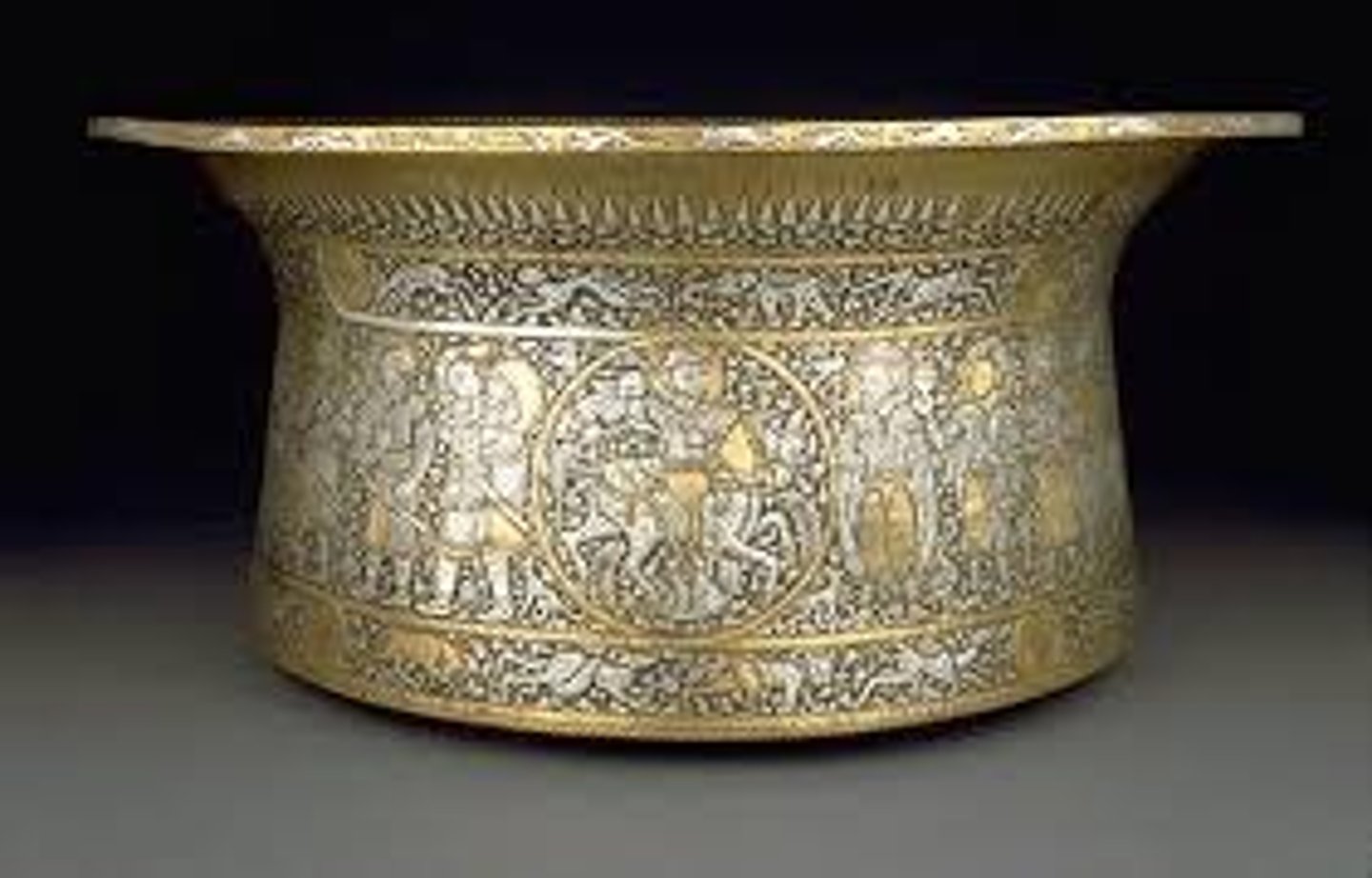
Basin (Baptistere de St. Louis)
Artist: Muhammad ibn al-Zain
Period:
Dates: 1320-1340 C.E.
Culture:
Material: Brass inlaid with gold and silver
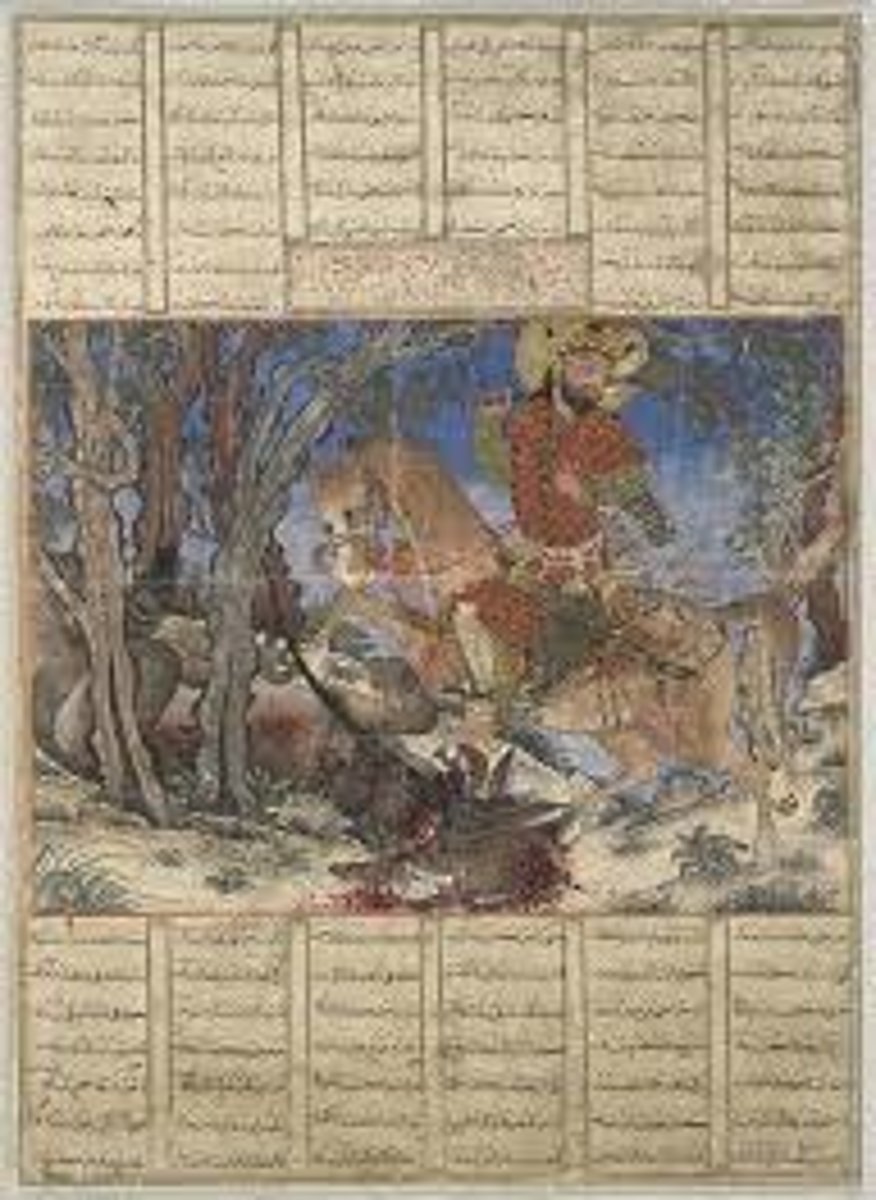
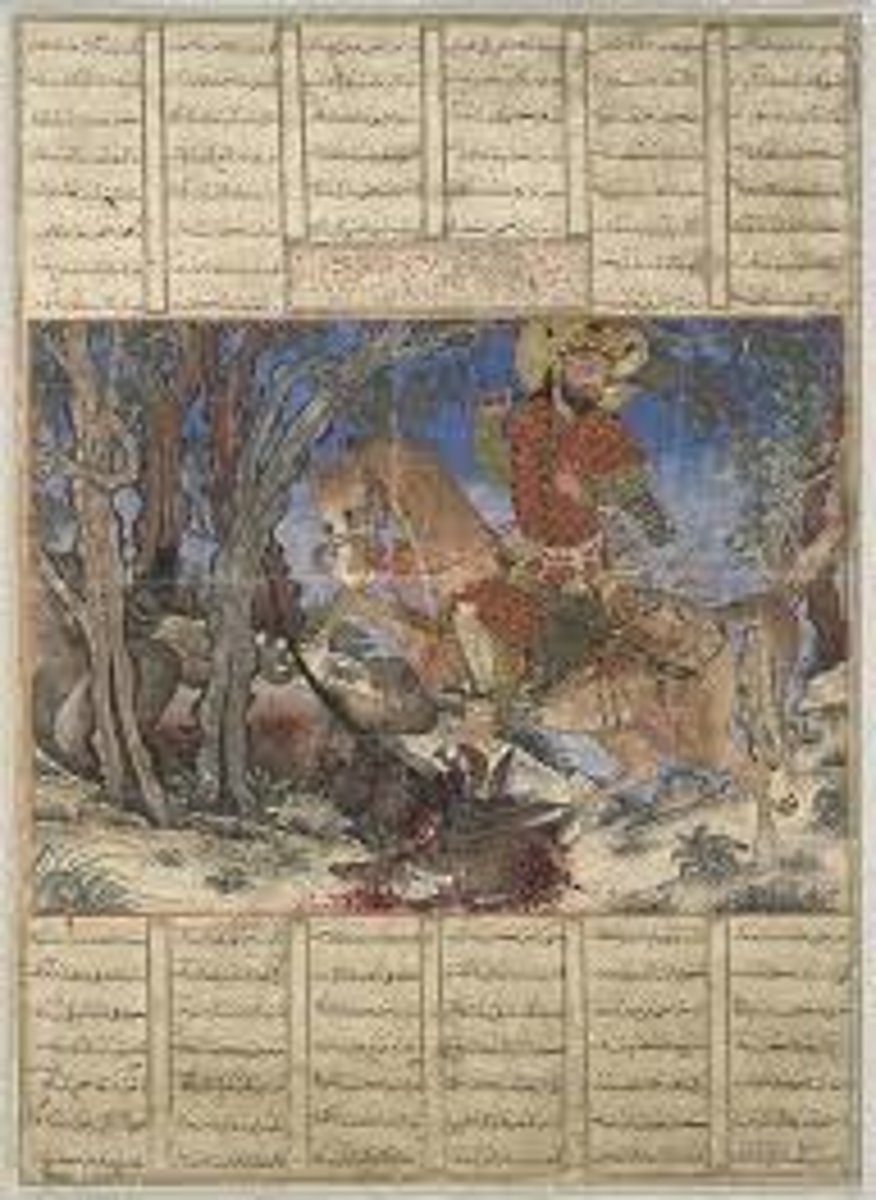
Bahram Gur Fights the Karg, folio from the Great Il-Khanid Shahnama
Dates: c. 1330-1340 C.E.
Culture: Islamic; Persian, Il-Khanid Dynasty
Material: Ink and opaque watercolor, gold and silver on paper
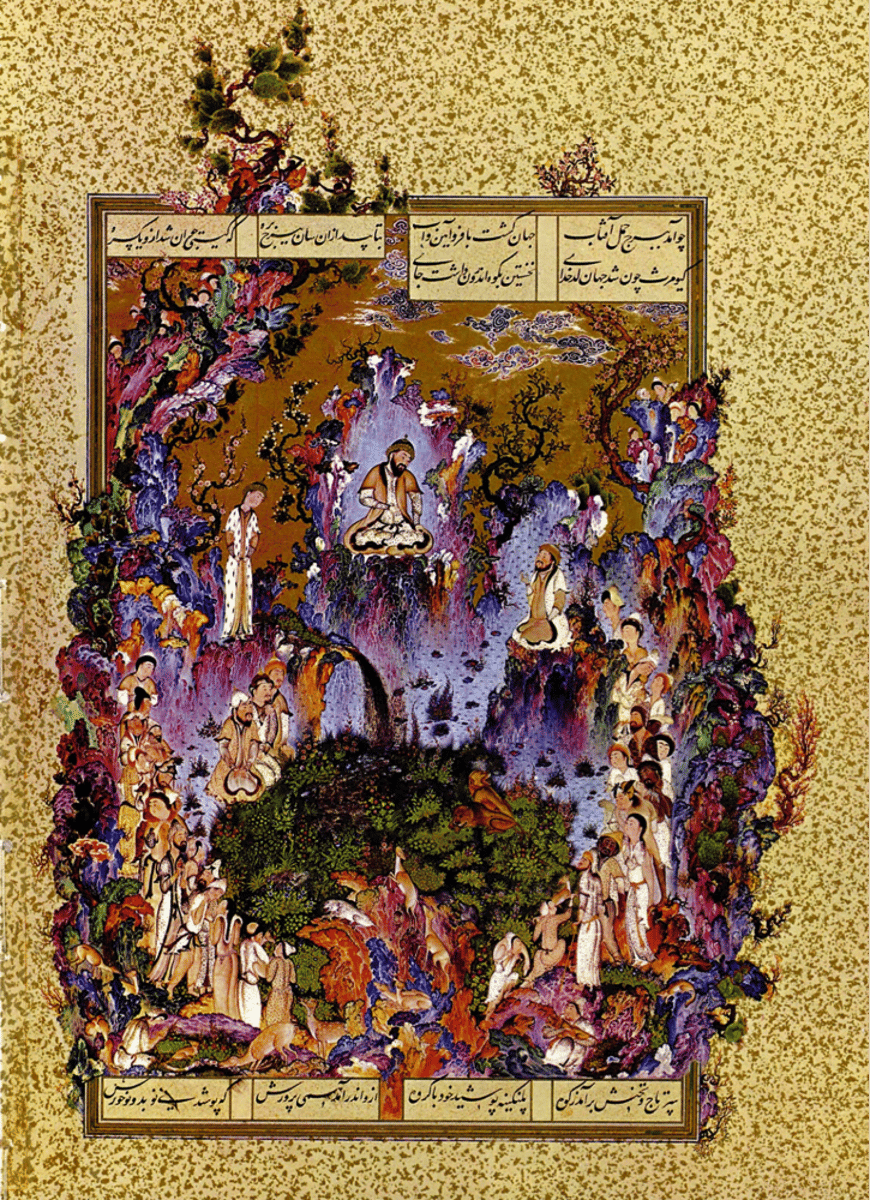
The Court of Gayumars, folio from Shah Tahmasp's Shahnama
Artist: Sultan MuhammadPeriod:
Dates: c. 1522-1525C.E.
Culture:
Material: Ink, opaque watercolor and gold on paper
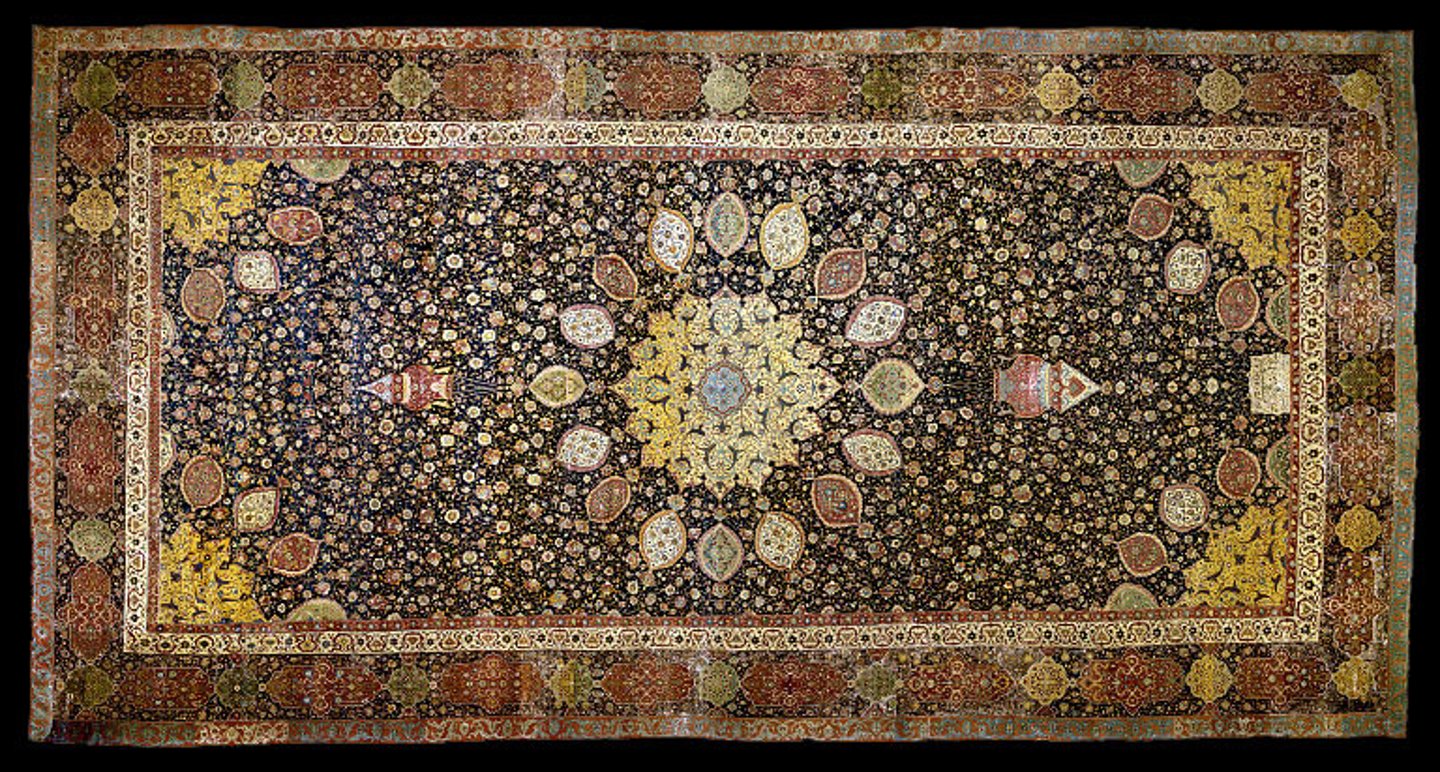
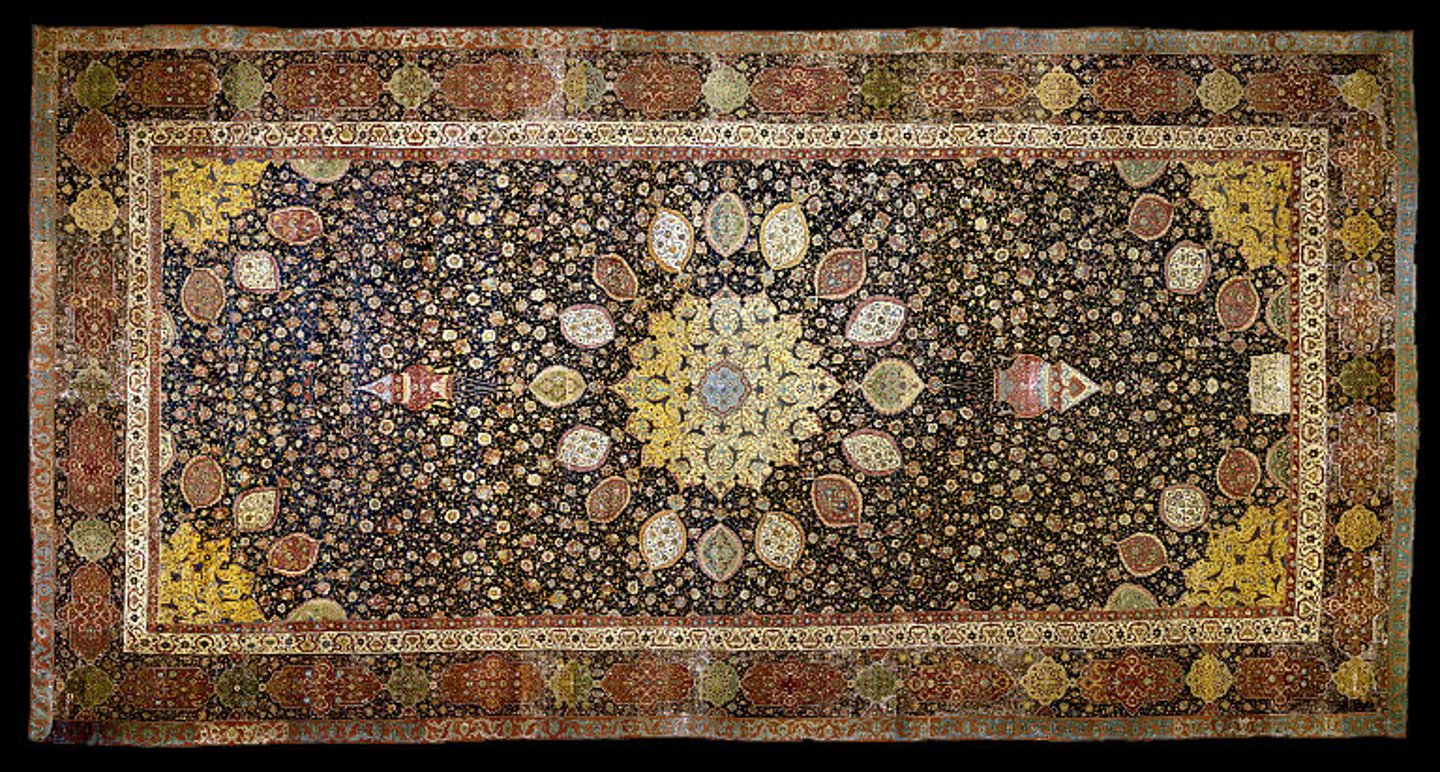
The Ardabil Carpet
Artist: Maqsud of Kashan
Period:
Dates: 1539-1540 C.E.
Culture: Safavid Dynasty, Iran
Material: Silk and wool