Organic Chemistry (CHAPTER 1)
 Call Kai
 Learn
Learn Practice Test
 Spaced Repetition
 Match
Match Flashcards
 Knowt Play
1/25

There's no tags or description
Looks like no tags are added yet.
Name | Mastery | Learn | Test | Matching | Spaced | Call with Kai | Chat |
|---|
No analytics yet
Send a link to your students to track their progress
26 Terms
Organic compounds were derived from ___ ___, whereas inorganic compounds were derived from ___ ___
living organisms, nonliving sources
Organic compounds are defined as compounds containing ___
carbon
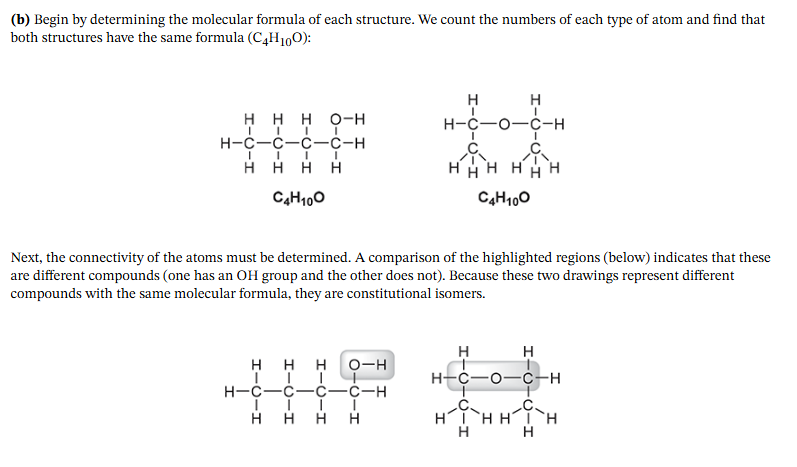
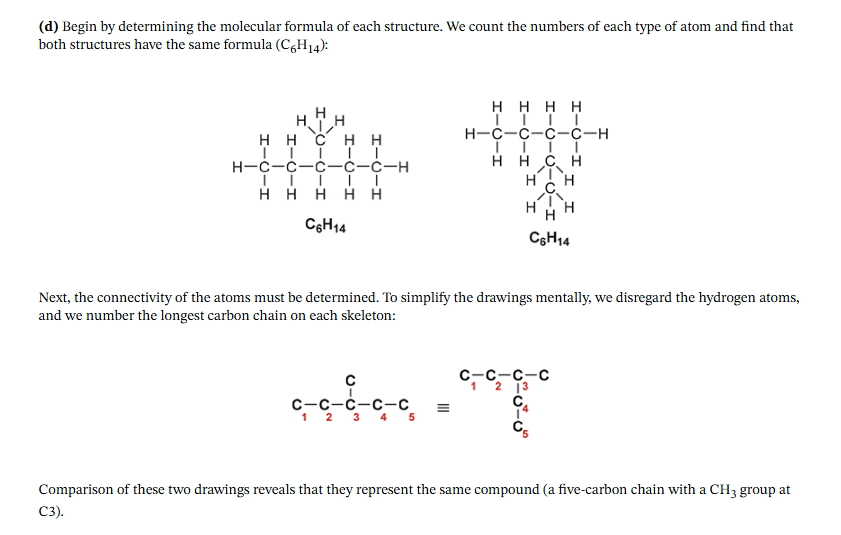
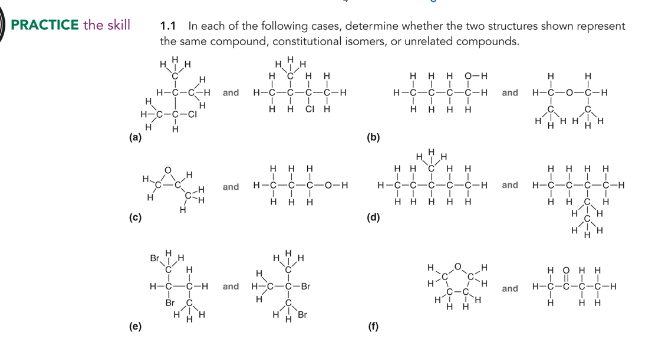
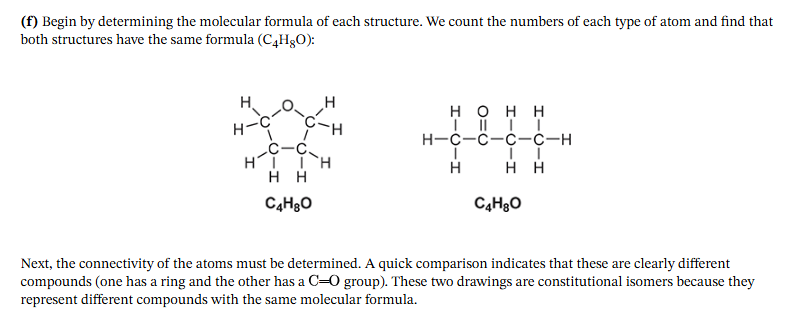
Compounds that have the same molecular formula but differ in how they’re connected are called ___ ___. They possess different ___ and ___ properties.
constitutional isomers, chemical, physical
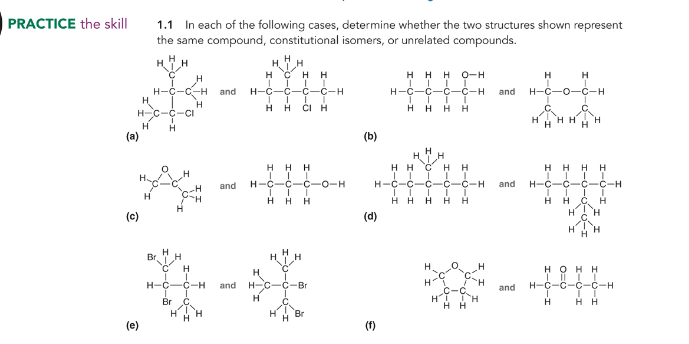
Answer A)
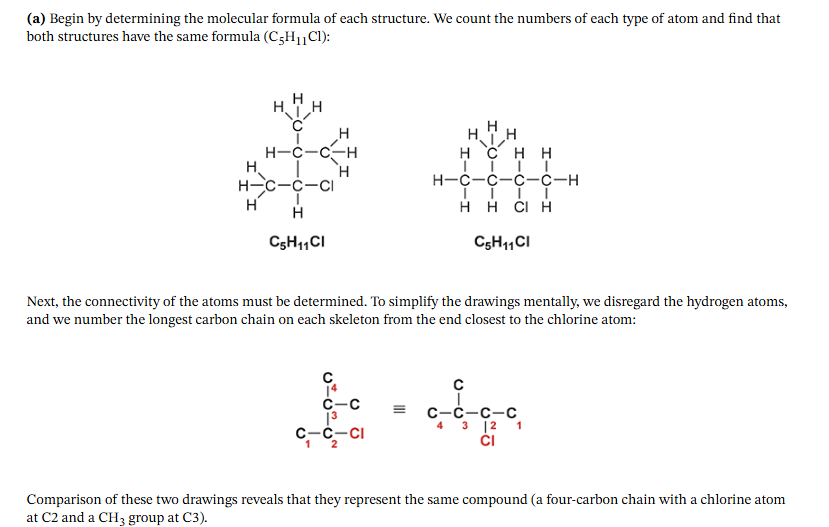
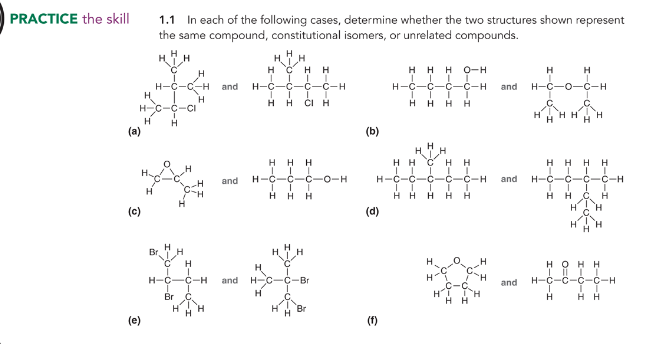
Answer B)
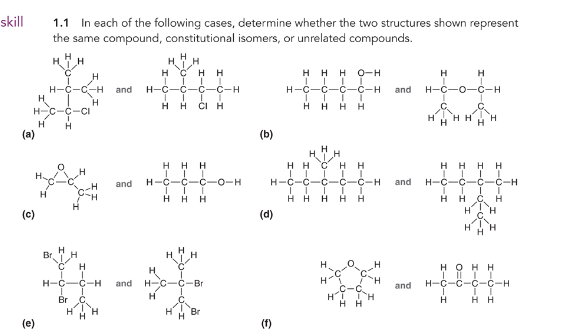
Answer C)
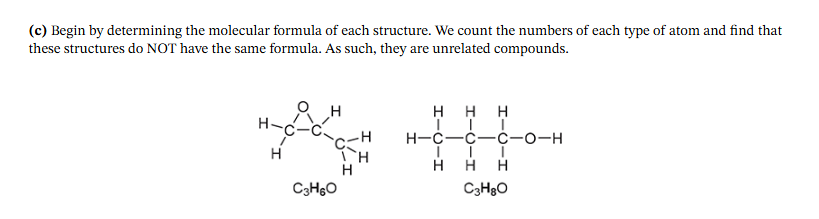
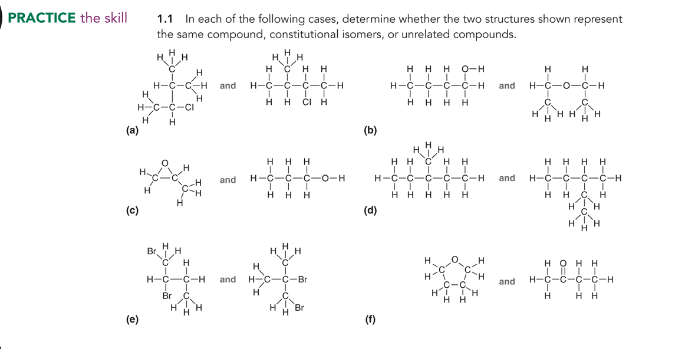
Answer D)
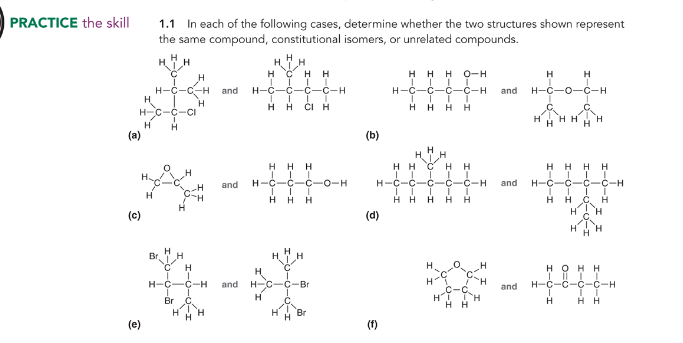
Answer E)
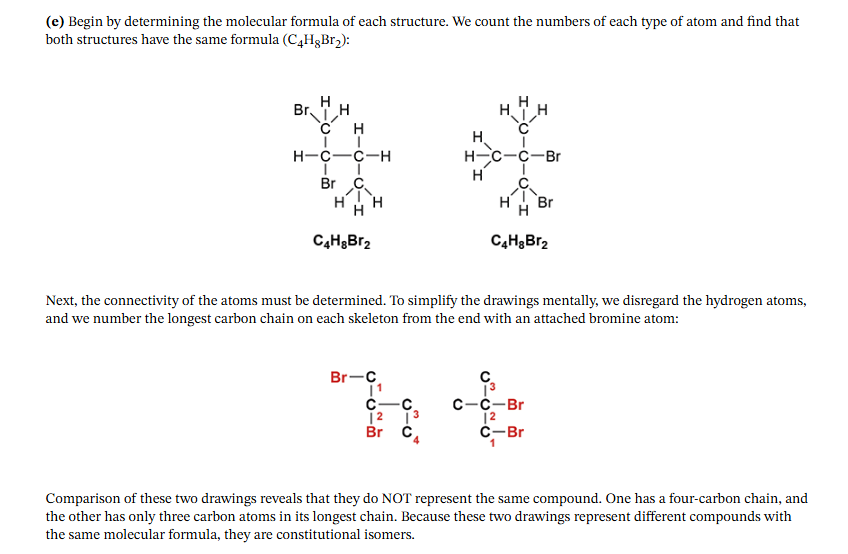
Answer F)
In a covalent bond, too far apart means a ___ attraction → ___ potential energy. Too close leads to a strong attraction and even ___ P.E. An ideal distance means it’s at its ___ P.E. and stability is at its best.
weaker, higher, greater, lowest
Give an example of tetravalent, trivalent, divalent, and monovalent.
Carbon, nitrogen, oxygen, and halogens/hydrogen.
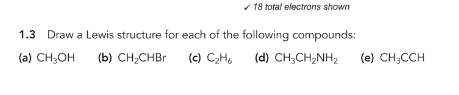
Draw A)
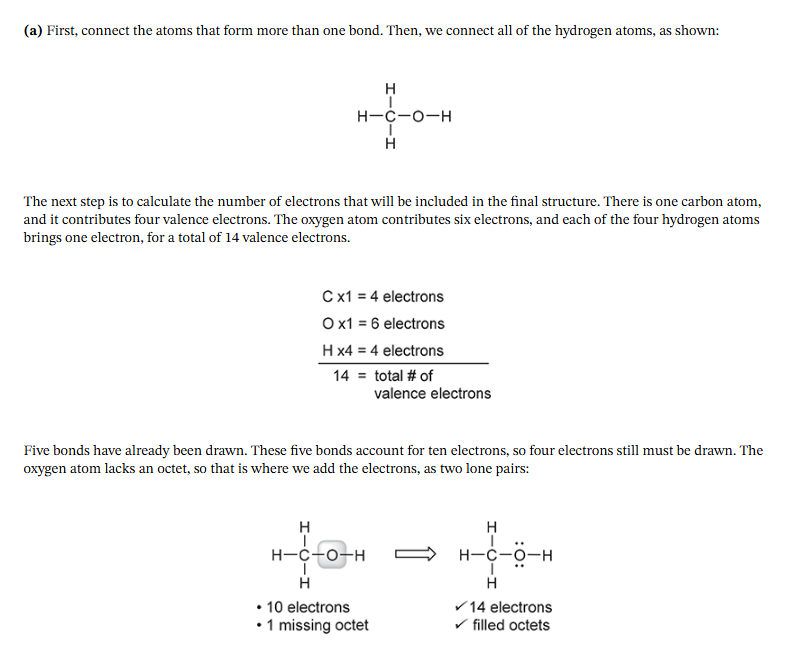

B)
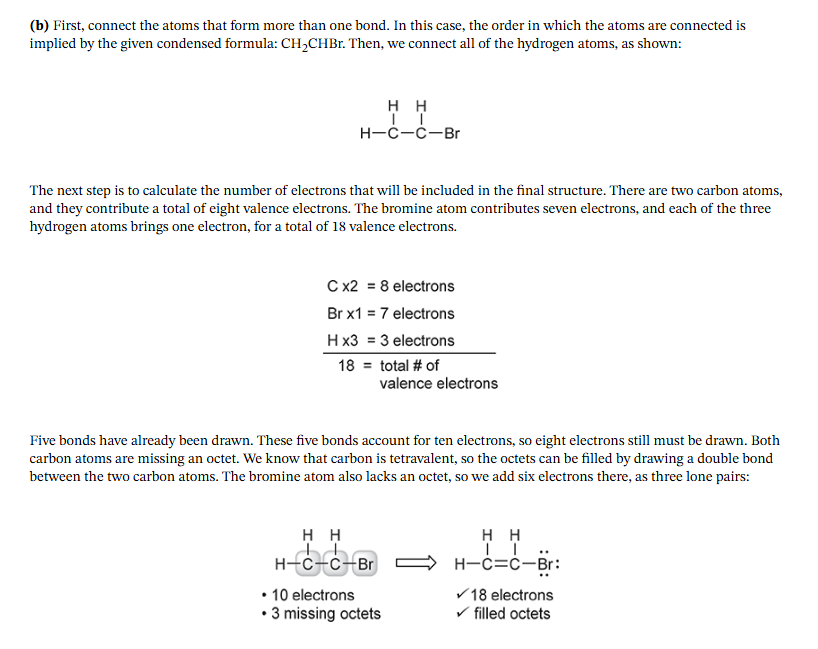

E)
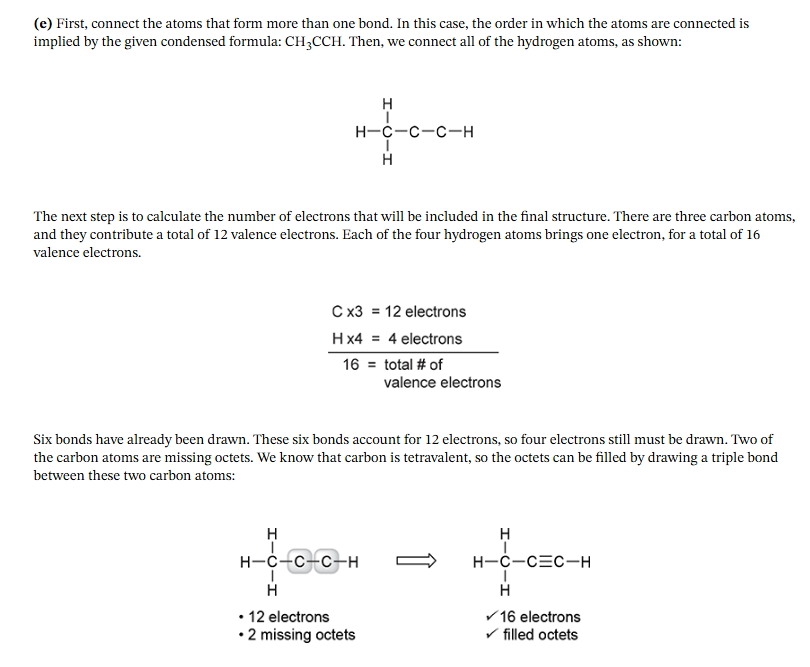
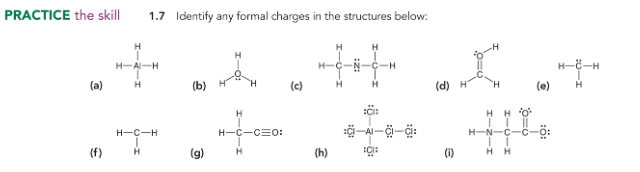
Answer A-C)
A) Al is -1
B) O is +
C) N is -
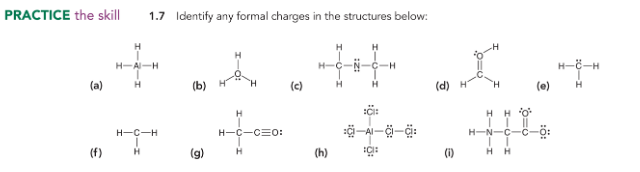
Answer D-F
D) O is +
E) C is -
F) C is +
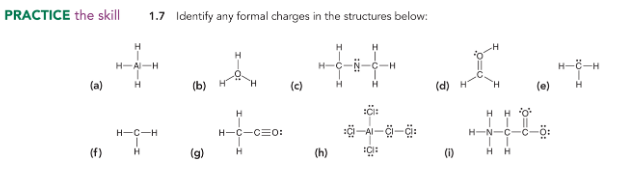
Answer G-I
G) O is +
H) Al is - and the middle Cl is +
I) N is + and the far right O is -
When an atom does not exhibit the appropriate number of valence electrons, it’s associated with a ___ ___
formal charge
Electronegativity is the measure of the ability of an atom to attract ___
electrons
If EN is less than 0.5, the bond is considered what?
nonpolar covalent
If EN is greater than 0.5 but less than 1.7, the bond is considered what?
polar covalent
if EN is greater than 1.7, it’s considered what?
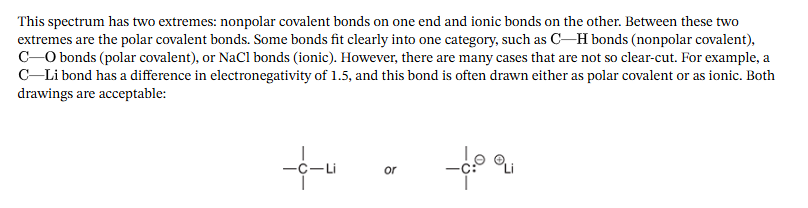
ionic, although there’s some exceptions (shown in photo)
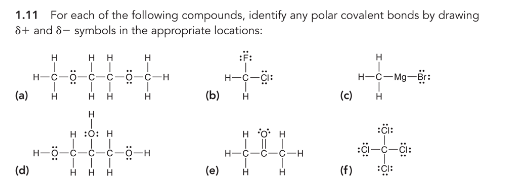
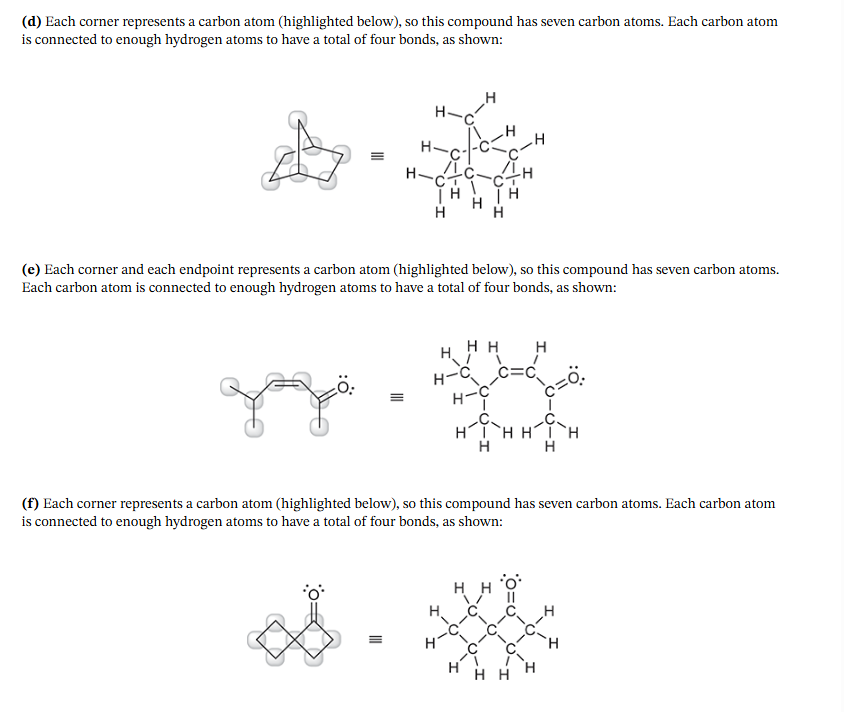
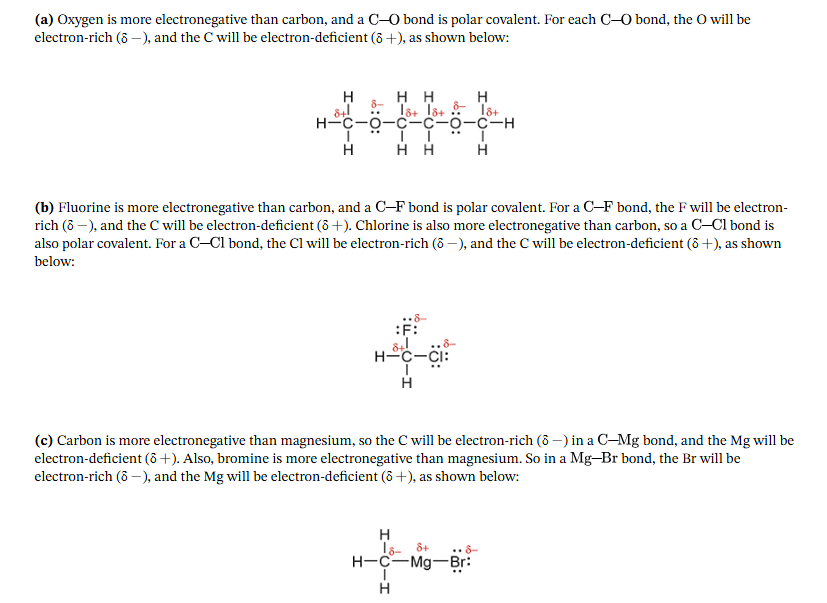
Answer A-C)
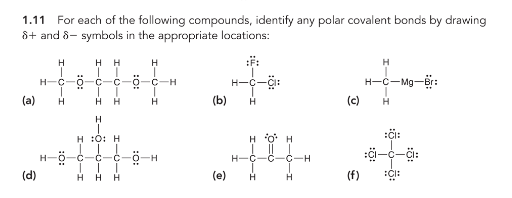
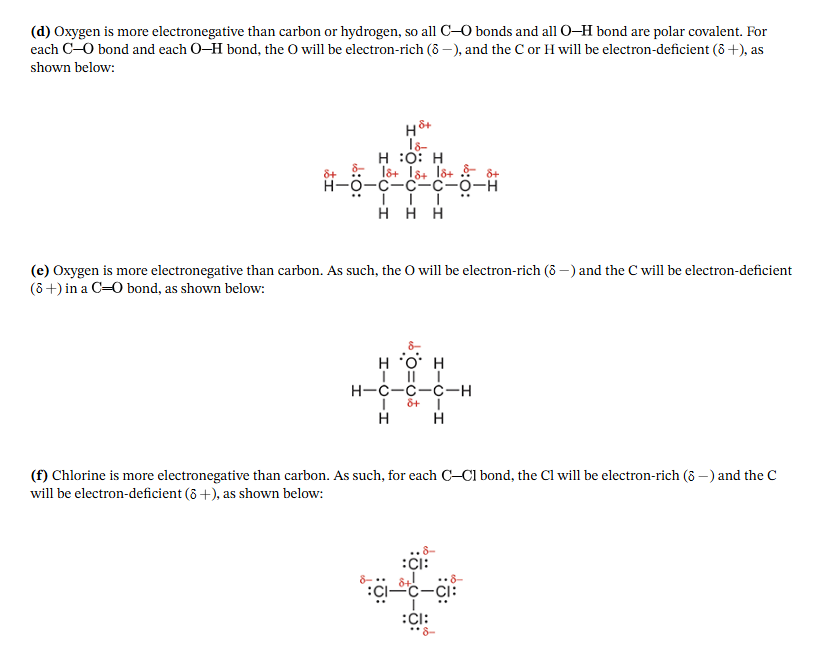
Answer D-F)
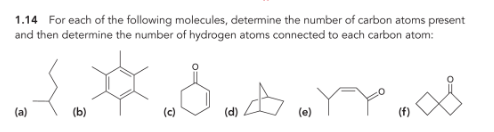
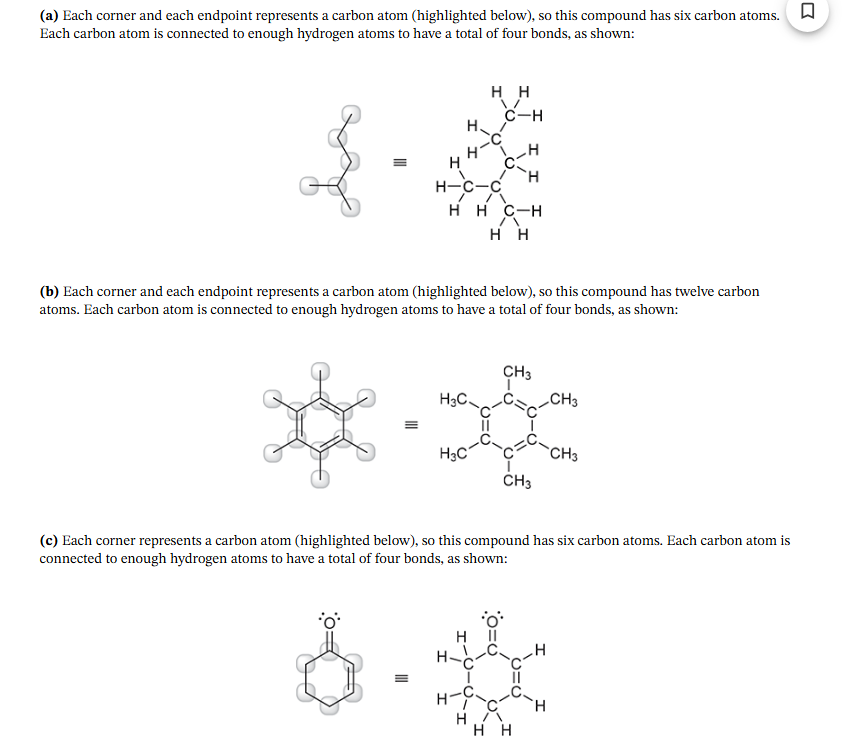
Answer A-C)
A) C6H16
B) C12H18
C) C6H8O
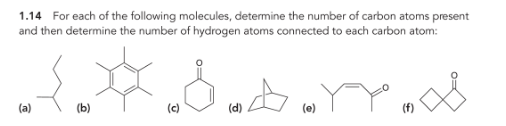
Answer D-F)
D) C7H12
E) C7H12O
F) C7H10O