Microorganism Types & Differences (MB Quiz 1)
 Call Kai
 Learn
Learn Practice Test
 Spaced Repetition
 Match
Match Flashcards
 Knowt Play
1/14

There's no tags or description
Looks like no tags are added yet.
Name | Mastery | Learn | Test | Matching | Spaced | Call with Kai | Chat |
|---|
No analytics yet
Send a link to your students to track their progress
15 Terms
name the 7 types of microorganisms
bacteria
archaea
fungi
protozoa
algae
viruses
multicellular animal parasites
This DOMAIN…
is translated to “before” the nucleus
lacks a distinct nucleus or organelles
or
doesn’t contain a nucleus or organelles
prokaryotes
This DOMAIN…
is translated to “true” nucleus
has a distinct nucleus and contains organelles
eukaryotes
This DOMAIN/ microorganism type…
UNIcellular
are found in EXTREME environments
LACK PEPTIDOGLYCAN cell walls (or a cell wall completely)
generally NOT known to CAUSE DISEASE
archaea
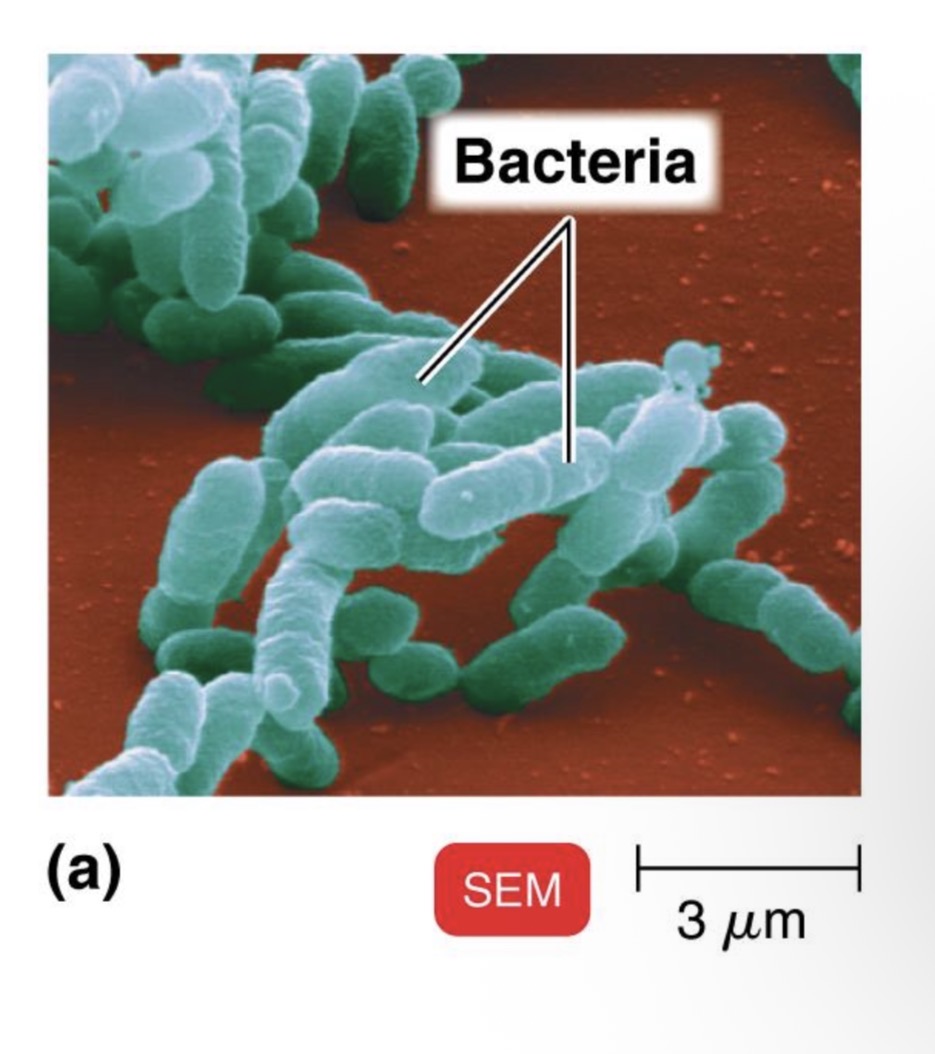
This type of microorganism…
is a PROKARYOTE
UNIcellular
contain PEPTIDOGLYCAN cell walls
divide via BINARY FISSION
derive nutrition via organic/ inorganic chemicals or photosynthesis
“swim” using FLAGELLA
bacteria
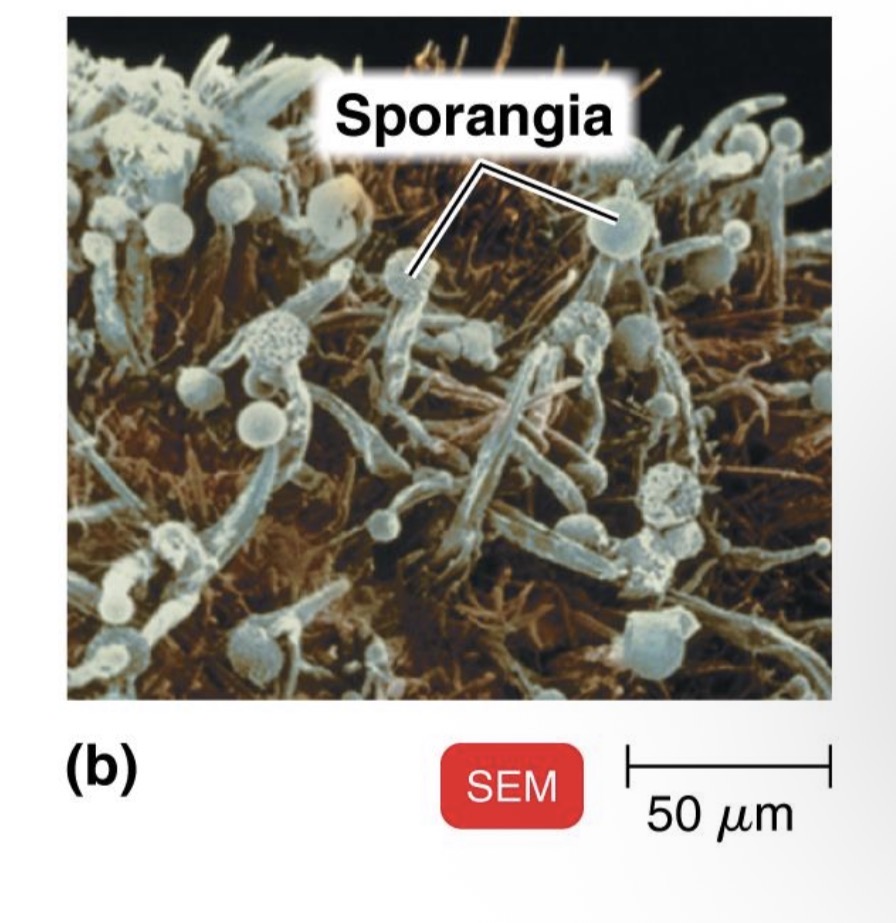
This type of microorganism …
is a EUKARYOTE
contain CHITIN cell walls
absorb ORGANIC chemicals
contain YEASTS or MOLDS
fungi
This type of microorganism…
is a EUKARYOTE
absorb/ ingest ORGANIC chemicals
motile via pseudopods, cilia, or flagella
free-living, parasitic (derive nutrients from living host), or photosynthetic
reproduce sexually or asexually
protozoa
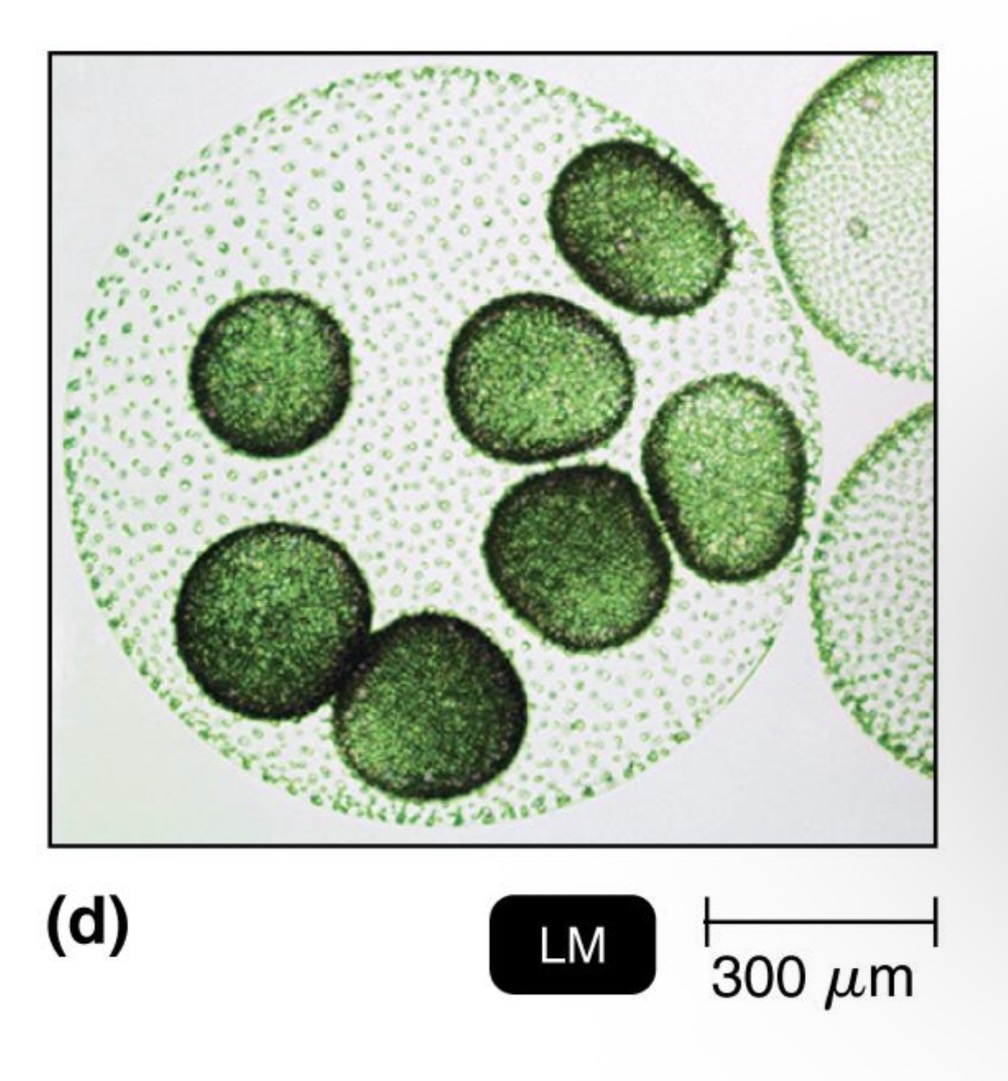
This type of microorganism…
is a EUKARYOTE
CELLULOSE cell walls
found in saltwater, freshwater, and soil
photosynthetic (produces O2 and carbohydrates)
reproduces sexually OR asexually
algae
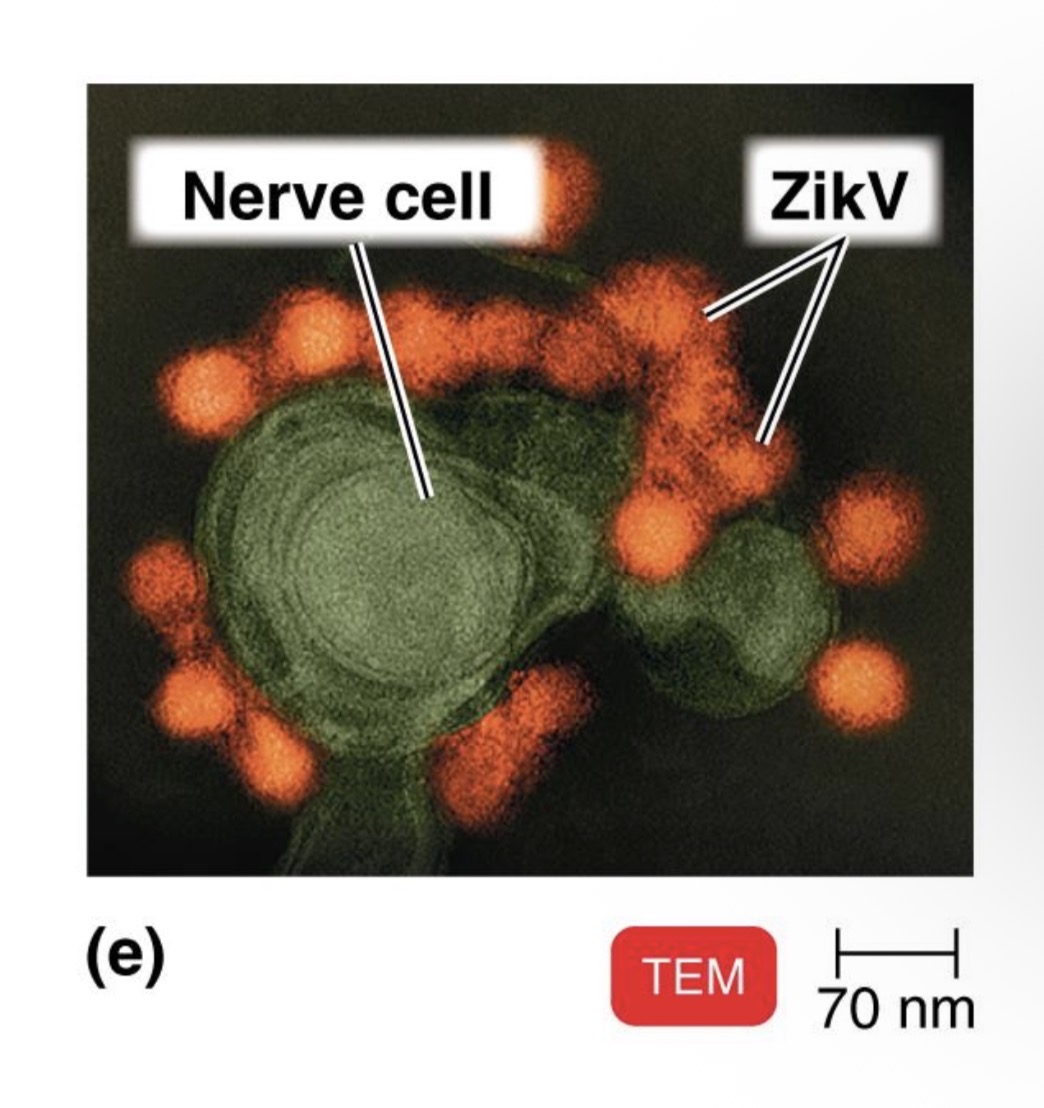
This type of microorganism…
ACEULLULAR
DNA or RNA core
core is surrounded by a PROTEIN coat & coat may be enclosed in a lipid envelope
replicated ONLY when IN a LIVING host cell (inert outside)
virus
This type of microorganism…
is a EUKARYOTE
MULTIcellular animals
NOT strictly microorganisms
consist of HELMINTHS (some microscopic stages in their life cycles), ectoparasites
multicellular animal parasites
EXTRA:
This type of FUNGI:
is UNIcellular
yeasts
EXTRA:
These 2 types of FUNGI:
are both MULTIcellular
this ONE consists of masses of MYCELIA, which are composed of filaments called HYPHAE
molds and mushrooms
molds
EXTRA:
Name the type of ARCHAEA:
are found in different ANAEROBIC habitats
produce METHANE as a by-product of energy metabolism
methanogens
EXTRA:
Name this type of ARCHAEA:
require HIGH SALT concentration for growth
found in: Dead Sea
extreme halophiles
EXTRA:
name this type of ARCHAEA:
can endure/ thrive in extreme temperatures
found in: deep sea or hot springs in yellowstone national park
extreme thermopiiles