The Korean words 0-1500 | Quizlet
 Call Kai
 Learn
Learn Practice Test
 Spaced Repetition
 Match
Match Flashcards
 Knowt Play
1/114

There's no tags or description
Looks like no tags are added yet.
Name | Mastery | Learn | Test | Matching | Spaced | Call with Kai | Chat |
|---|
No analytics yet
Send a link to your students to track their progress
115 Terms
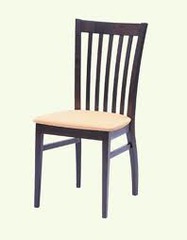
의자
стілець
고양이는 _______ 밑에 있다 = Кіт сидить під стільцем
_________ 는 탁자보다 더 낮아요 = Стілець нижчий за стіл
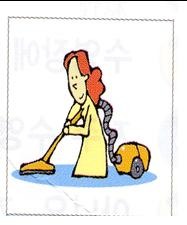
하다
робити
뭐 ______?Що робиш?
수
спосіб, метод або можливість / стандартне слово, що позначає число, цифру або числове значення
한국어 할 수 있어요. = Я можу говорити корейською.
지금 갈 수 없어요. = Я зараз не можу піти.
-------------
비밀번호 숫자가 몇 개예요? = Скільки цифр у паролі?
제 수학 점수가 안 좋아요. = У мене погані оцінки з математики.

않다
не робити
To say you don't do an action, you take the verb, attach ~지, and add 않다.
저는 고기를 먹지 않아요. = Я не їм м'яса.
You use the exact same ~지 않다 pattern to say something is not a certain way.
이 영화는 재미있지 않아요. = This movie isn't interesting.
오늘은 춥지 않아요. = Today isn't cold.

우리
«Ми» або «нас» / «мій»
This is the straightforward usage when you are talking about a group you belong to.
우리 내일 만나요. = We are meeting tomorrow. / Let's meet tomorrow.
우리는 친구예요. = We are friends.
When talking about things that belong to a group, family, or community you are a part of, you use 우리 instead of 제 (je - my) or 내 (nae - my). If you say "my mom" (내 엄마) in Korean, it sounds a bit strange, as if you are the only person in the world who has a mom!
우리 엄마예요. = She is my mom.
우리 집에 가요. = Let's go to my house.

아니에요
To not be / нема за що
The "Noun + 가/이 아니다" Pattern (To say "[Noun] is not [Noun]," you put the subject identifier 가 (after a vowel) or 이 (after a consonant) on the noun, followed by 아니다.)
저는 학생이 아니에요. = I am not a student.
이것은 제 커피가 아니에요. = This is not my coffee.
Meaning "You're Welcome"If someone says 고마워요 (go-ma-wo-yo - "Thank you"), a very common way to reply is 아니에요, which acts like "No problem" or "It's nothing."
![<p>To not be / нема за що</p><p>The "Noun + 가/이 아니다" Pattern (To say "[Noun] is not [Noun]," you put the subject identifier 가 (after a vowel) or 이 (after a consonant) on the noun, followed by 아니다.)</p><p>저는 학생이 아니에요. = I am not a student.</p><p>이것은 제 커피가 아니에요. = This is not my coffee.</p><p>Meaning "You're Welcome"If someone says 고마워요 (go-ma-wo-yo - "Thank you"), a very common way to reply is 아니에요, which acts like "No problem" or "It's nothing."</p>](https://assets.knowt.com/user-attachments/1c425845-bfd2-4a5e-bb4b-2c6b547cfe4e.jpg)
보다
To See, Watch, or Look / Ніж (Noun) / Спробувати
영화를 봐요. = I watch a movie.
친구를 봐요. = I see a friend.
-----------------
When attached directly to the end of a noun, 보다 means "than [noun]." It is used to compare two things.
한국어가 영어보다 어려워요. = Korean is more difficult than English.
어제보다 오늘이 더 더워요. = Today is hotter than yesterday.
-----------------
If you attach 보다 to the end of another verb, it means "to try doing" that action to see what it's like.
먹어 봐요 = Try eating it. / Taste it.
가 봐요 = Try going there. / Go check it out.
![<p>To See, Watch, or Look / Ніж (Noun) / Спробувати</p><p>영화를 봐요. = I watch a movie.</p><p>친구를 봐요. = I see a friend.</p><p>-----------------</p><p>When attached directly to the end of a noun, 보다 means "than [noun]." It is used to compare two things.</p><p>한국어가 영어보다 어려워요. = Korean is more difficult than English.</p><p>어제보다 오늘이 더 더워요. = Today is hotter than yesterday.</p><p>-----------------</p><p>If you attach 보다 to the end of another verb, it means "to try doing" that action to see what it's like.</p><p>먹어 봐요 = Try eating it. / Taste it.</p><p>가 봐요 = Try going there. / Go check it out.</p>](https://assets.knowt.com/user-attachments/965db515-b7cd-477f-8a13-293d956768f1.jpg)
같다
бути схожим на / «Я думаю...», «Здається...» (граматична конструкція)
When you want to say two things are identical, you use ~와/과 같다 or ~하고 같다 (same as...). If you just want to say "We are the same," you can use it by itself.
우리 생각이 같아요. = Our thoughts are the same. / We think alike.
이것하고 저것은 같아요. = This one and that one are the same.
If you attach 같아요 directly to a noun, it means something is like or similar to that noun.
천사 같아요. = You are like an angel. (천사 = angel)
바보 같아요. = It's like a fool. / That's silly. (바보 = fool/idiot)
------------------
When attached to verbs, ~것 같아요 is the universal Korean way to express a soft opinion, a guess, or a polite "I think."
비가 올 것 같아요. = It looks like it's going to rain.
매운 것 같아요. = I think it's spicy. / It seems spicy.
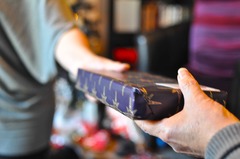
주다
давати
선물을 _____. = I give a present.
사진 좀 찍어 _____세요. = Please take a photo for me.
Doing Something For Someone
When you attach 주다 to the end of another verb, it changes the meaning from just doing the action, to doing that action as a favor or for someone's benefit.
도와_____세요 = Please help me. (돕다 = to help + 주다 = to give the action of helping).
문 좀 열어 ______. = Please open the door for me. (열다 = to open).
대하다
"about / regarding [something]" or "to treat / face [someone]."
When you want to say "about [a topic]," you attach ~에 대해(서) to a noun.
한국에 대해서 배우고 있어요. = I am learning about Korea.
그 문제에 대해 생각해요. = I am thinking about that problem.
나에 대해 어떻게 생각해요? = What do you think about me?
------------------------
When used as a regular verb, it refers to how you behave toward or treat another person. In polite speech, it conjugates to 대해요 (dae-hae-yo).
그 사람은 나를 친절하게 대해요. = That person treats me kindly. (Literally: "Treats me in a kind way.")
사람들을 따뜻하게 대하세요. = Please treat people warmly.
![<p>"about / regarding [something]" or "to treat / face [someone]."</p><p>When you want to say "about [a topic]," you attach ~에 대해(서) to a noun.</p><p>한국에 대해서 배우고 있어요. = I am learning about Korea.</p><p>그 문제에 대해 생각해요. = I am thinking about that problem.</p><p>나에 대해 어떻게 생각해요? = What do you think about me?</p><p>------------------------</p><p>When used as a regular verb, it refers to how you behave toward or treat another person. In polite speech, it conjugates to 대해요 (dae-hae-yo).</p><p>그 사람은 나를 친절하게 대해요. = That person treats me kindly. (Literally: "Treats me in a kind way.")</p><p>사람들을 따뜻하게 대하세요. = Please treat people warmly.</p>](https://assets.knowt.com/user-attachments/fce87cb6-5961-41ab-8e5c-ce5c760e13d4.jpg)
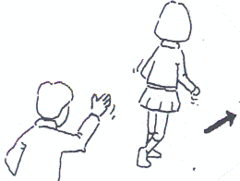
가다
йти, їхати, летіти
To say you are going somewhere, you just add the location particle 에 (e) to the place, followed by 가요.
집에 가요. = I am going home.
학교에 가요. = I am going to school.
년
рік
지금은 2026년이에요. = Right now, it is the year 2026.
몇 년도에 태어났어요? = In what year were you born?
------------------------
When you want to say how long you've done something in years, you use [Number] + 년 동안 (nyeon dong-an - for a duration of years).
한국어를 1년 동안 배웠어요. = I studied Korean for one year.
3년 후에 한국에 갈 거예요. = I will go to Korea in 3 years. (후에 = after/later).
![<p>рік</p><p>지금은 2026년이에요. = Right now, it is the year 2026.</p><p>몇 년도에 태어났어요? = In what year were you born?</p><p>------------------------</p><p>When you want to say how long you've done something in years, you use [Number] + 년 동안 (nyeon dong-an - for a duration of years).</p><p>한국어를 1년 동안 배웠어요. = I studied Korean for one year.</p><p>3년 후에 한국에 갈 거예요. = I will go to Korea in 3 years. (후에 = after/later).</p>](https://assets.knowt.com/user-attachments/2a45cd45-818d-4eb1-b77a-e22a835e81a1.jpg)
한
Depending on how you use it, it can mean a number, a deep emotion, a country, or even act as a grammatical modifier.
한 사람 = One person.
커피 한 잔 주세요. = Please give me one cup of coffee. (Using 주세요 from earlier!)
한 번 더 말해 주세요. = Please say it one more time.
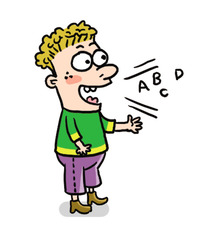
말
Мова, слова чи мовлення
그 사람은 말이 너무 많아요. = That person talks too much.
무슨 말인지 이해했어요. = I understood what you meant.
말을 조심해야 해요. = You should be careful with your words.
일
день, робота, один
오늘 일이 너무 많아요. = I have too much work today.
저는 회사에서 일해요. = I work at a company.
------------------
일 더하기 일은 이예요. = One plus one is two.
저는 일 층에 살아요. = I live on the first floor.
------------------
오늘은 칠월 십사 일이에요. = Today is July 14th.
생일 축하해요! = Happy birthday!

말하다
говорити
천천히 말해 주세요. = Please speak slowly.
저한테 사실대로 말해요. = Tell me the truth.
그는 아무 말도 하지 않았어요. = He didn't say anything.
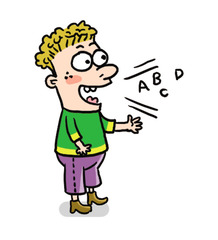
위하다
піклуватися
Pattern:
N을/를 위해(서) = "for [someone/something]"
V-기 위해(서) = "in order to [do something]"
-----------------------
가족을 위해 열심히 일해요. = I work hard for my family.
건강을 위해 운동을 시작했어요. = I started exercising for my health.
-----------------------
시험에 합격하기 위해 매일 공부해요. = I study every day in order to pass the exam.
살을 빼기 위해 매일 운동해요. = I exercise every day in order to lose weight.
![<p>піклуватися</p><p>Pattern:</p><p>N을/를 위해(서) = "for [someone/something]"</p><p>V-기 위해(서) = "in order to [do something]"</p><p>-----------------------</p><p>가족을 위해 열심히 일해요. = I work hard for my family.</p><p>건강을 위해 운동을 시작했어요. = I started exercising for my health.</p><p>-----------------------</p><p>시험에 합격하기 위해 매일 공부해요. = I study every day in order to pass the exam.</p><p>살을 빼기 위해 매일 운동해요. = I exercise every day in order to lose weight.</p>](https://assets.knowt.com/user-attachments/7cbf61d1-c9bb-4c3a-8f5c-d1da2f542cff.jpg)
하지만
але, проте, однак
also means "but / however" — but unlike 그러나, it's the version you'll actually hear and use constantly in everyday spoken Korean. It works the same way grammatically (starts a new sentence, connects back to the previous one).
-------------------------------------
배가 고파요. 하지만 시간이 없어요. = I'm hungry. But I don't have time.
그 영화는 재미있어요. 하지만 너무 길어요. = That movie is fun. But it's too long.
비가 와요. 하지만 저는 산책하고 싶어요. = It's raining. But I want to go for a walk.
-------------------------------------
In relaxed conversation, Koreans often just drop the 요 and shorten things, or even just say "근데(그런데)" mid-thought instead of starting a whole new sentence with 하지만. But 하지만 is totally natural and common in both spoken and written Korean — it sits right in the neutral middle ground, unlike 그러나 (bookish) or 그런데 (very casual/conversational).
오다
приходити
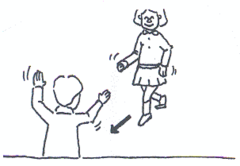
친구가 집에 와요. = My friend is coming to my house.
어제 비가 왔어요. = It rained yesterday.
내일 몇 시에 올 거예요? = What time will you come tomorrow?
알다
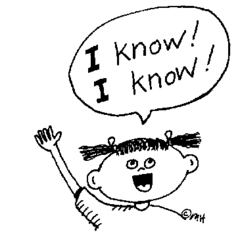
знати
Important irregularity: The negative of 알다 isn't "안 알아요" — it's 몰라요, from the separate verb 모르다 ("to not know"). This is one of the first things Korean learners have to memorize as an exception.
--------------------------------
저는 그 사람을 알아요. = I know that person.
그가 어디 사는지 알아요? = Do you know where he lives?
한국어를 좀 알아요. = I know a little Korean.
씨
пан/пані
김민수 씨, 여기로 오세요. = Mr. Minsu Kim, please come here.
수진 씨는 어디에 있어요? = Where is Sujin? (using first name + 씨, polite but friendly)
가족
сім'я
저는 가족이 네 명이에요. = There are four people in my family.
가족과 함께 여행을 갔어요. = I went on a trip with my family.
가족이 제일 중요해요. = Family is the most important thing.
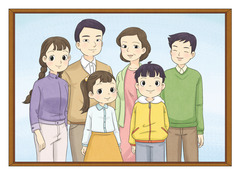
친구
друзі, друг
저는 친구가 많아요. = I have a lot of friends.
이 사람은 제 가장 친한 친구예요. = This person is my best friend.
친구랑 영화를 봤어요. = I watched a movie with a friend.

학교
школа
저는 매일 학교에 가요. = I go to school every day.
학교가 어디에 있어요? = Where is the school?
대학교
університет
저는 서울대학교를 졸업했어요. = I graduated from Seoul National University.
대학교 때 친구를 아직도 만나요. = I still meet up with friends from university.

선생님
вчитель
저는 영어 선생님이에요. = I am an English teacher.
선생님, 질문이 있어요. = Teacher, I have a question. (said directly to a teacher)
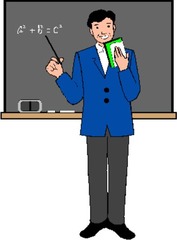
학생
студент
저는 학생이에요.
이 학교에는 학생이 많아요. = There are many students at this school.

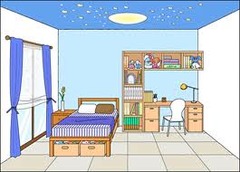
방
кімната
제 방은 작아요. = My room is small.
방을 청소했어요. = I cleaned my room.
이 집에는 방이 몇 개 있어요? = How many rooms does this house have?
책
книжка
저는 책을 읽어요. = I read books. / I'm reading a book.
이 책은 정말 재미있어요. = This book is really interesting.

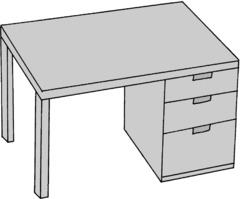
책상
письмовий стіл
제 책상은 방에 있어요. = My desk is in my room.
책상 위에 책이 있어요. = There's a book on the desk.
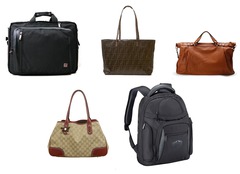
가방
Сумка
제 가방은 파란색이에요. = My bag is blue.
가방 안에 책이 있어요. = There's a book inside the bag.
이 가방은 너무 무거워요. = This bag is too heavy.
연필
олівець
저는 연필로 써요. = I write with a pencil.
연필이 어디 있어요? = Where's the pencil?

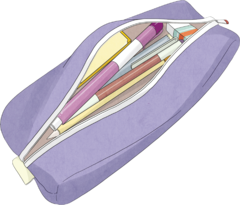
필통
пинал
제 필통은 노란색이에요. = My pencil case is yellow.
필통 안에 연필이 많아요. = There are a lot of pencils in the pencil case.
지우개
гумка
지우개 좀 빌려주세요. = Please lend me an eraser.
필통 안에 지우개가 있어요. = There's an eraser in the pencil case.
----------------------------
Breaking down the word:
지우다 = "to erase/delete"
개 = a general noun-forming suffix (roughly "tool/thing that does X")

공책
зошит
저는 공책에 필기해요. = I take notes in my notebook.
새 공책을 샀어요. = I bought a new notebook.
----------------------------
Breaking down the word:
공 (空) = "empty"
책 (冊) = "book"

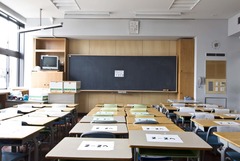
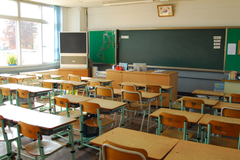
교실
клас
교실에 학생들이 많아요. = There are many students in the classroom.
저는 지금 교실에 있어요. = I'm in the classroom right now.
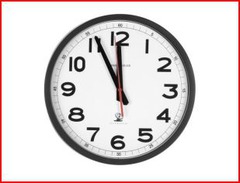
시계
годинник
시계가 벽에 걸려 있어요. = The clock is hanging on the wall.
지금 몇 시예요? 시계가 없어요. = What time is it now? I don't have a watch/clock.
질문
запитання
질문이 있어요. = I have a question.
그 질문에 대답할 수 없어요. = I can't answer that question.

대답
відповідь
저는 질문에 대답했어요. = I answered the question.
선생님의 질문에 학생이 대답했어요. = The student answered the teacher's question.

공부
навчання
저는 한국어를 공부해요. = I study Korean.
매일 두 시간씩 공부해요. = I study for two hours every day.
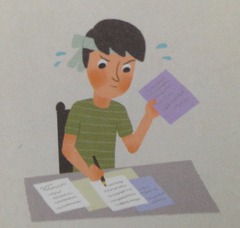
숙제
домашнє завдання
오늘 숙제가 많아요. = I have a lot of homework today.
숙제를 아직 안 했어요. = I haven't done my homework yet.

아빠
тато
아빠, 사랑해요! = Dad, I love you!
아빠가 저녁을 만들었어요. = Dad made dinner.

엄마
мама
엄마, 사랑해요. = Mom, I love you.
우리 엄마는 요리를 잘해요. = My mom cooks well.

형
старший брат (для хлопця)
저는 형이 한 명 있어요. = I have one older brother. (said by a male)
형, 밥 먹었어? = Bro, did you eat? (casual, said to an older brother or close older male friend)

오빠
Старший брат для дівчини
저는 오빠가 한 명 있어요. = I have one older brother. (said by a female)
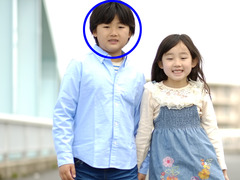
언니
старша сестра для дівчини
저는 언니가 한 명 있어요. = I have one older sister. (said by a female)
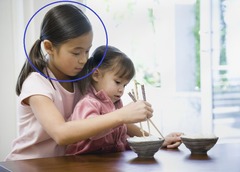
누나
Старша сестра (для хлопців)
누나, 나 좀 도와줘. Noona, help me out. (casual, to an older sister or close older female friend)
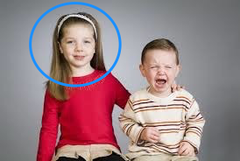
동생
молодший брат/сестра
저는 동생이 한 명 있어요. = I have one younger sibling.
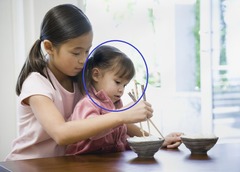
침대
ліжко
이 침대는 정말 편해요. = This bed is really comfortable.
침대에 누워서 쉬어요. = I lie down on the bed and rest.

창문
вікно
창문을 열어 주세요. = Please open the window.
방에 창문이 두 개 있어요. = There are two windows in the room.
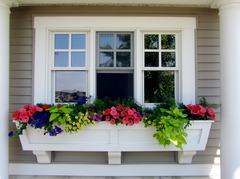
텔레비전
телевізор
저는 텔레비전을 봐요. = I watch television.
텔레비전을 꺼 주세요. = Please turn off the TV.
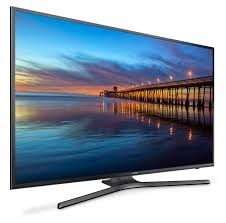
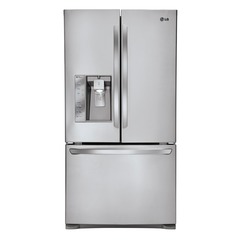
냉장고
Холодильник
냉장고에 음식이 많아요. = There's a lot of food in the fridge.
우유가 냉장고 안에 있어요. = The milk is in the fridge.
머리
голова, волосся
(head)
머리가 아파요. = I have a headache.
머리를 부딪쳤어요. = I bumped my head.
-------------------------
(hair)
머리를 잘랐어요. = I got a haircut.
머리를 감았어요. = I washed my hair.

손
долоня
손을 씻어요. = I wash my hands.
손이 차가워요. = My hands are cold.

눈
око
눈이 예뻐요. = Your eyes are pretty.
눈을 감아 주세요. = Please close your eyes.
눈이 아파요. = My eyes hurt.

코
ніс
코를 풀었어요. = I blew my nose.
코가 막혔어요. = My nose is stuffed up.
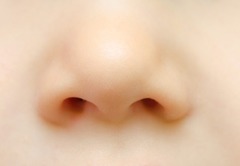
입
Ріт
입을 벌려 주세요. = Please open your mouth.
입을 닫으세요. = Close your mouth.
입이 말라요. = My mouth is dry.

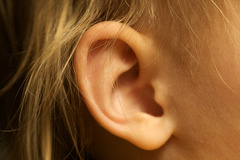
귀
вухо
귀를 막았어요. = I covered my ears.
귀에 이어폰을 꼈어요. = I put earphones in my ears.
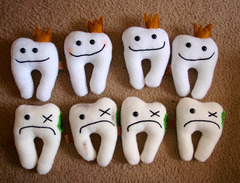
이
зуби
이를 닦았어요. = I brushed my teeth.
이가 하나 빠졌어요. = One of my teeth fell out.
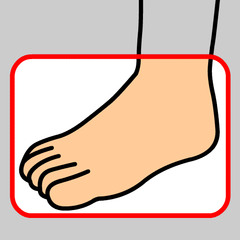
발
ступні
발이 아파요. = My foot hurts.
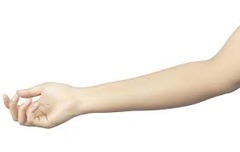
팔
рука
팔을 다쳤어요. = I hurt my arm.
팔을 들어 주세요. = Please raise your arm.
다리
нога
오래 서 있어서 다리가 아파요. = My legs hurt because I stood for a long time.
다리가 아파요. = My leg hurts.

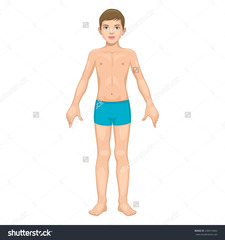
몸
тіло
몸이 아파요. = My body is sick / I'm not feeling well. (a very common general way to say you're unwell)
운동을 하면 몸이 좋아져요. = If you exercise, your body gets better/healthier.
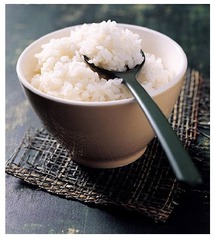
밥
Їжа, рис
밥을 먹었어요. = I ate a meal. (literally "I ate rice," but usually just means "I ate")
저녁 밥을 준비했어요. = I prepared dinner.
김치
кімчі
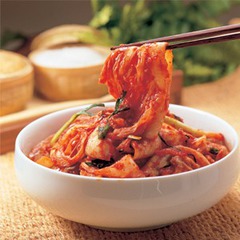
물
Вода
물을 마셔요. = I drink water.
물 좀 주세요. = Please give me some water.

우유
молоко (коров'яче)
저는 아침에 우유를 마셔요. = I drink milk in the morning.
우유가 냉장고에 있어요. = The milk is in the fridge.
이 우유는 신선해요. = This milk is fresh.

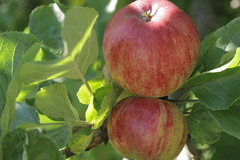
사과
яблуко
저는 사과를 좋아해요. = I like apples.
사과 하나 주세요. = Please give me one apple
이 사과는 정말 맛있어요. = This apple is really delicious.
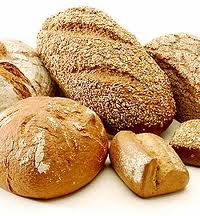
빵
хліб
이 빵은 정말 맛있어요. = This bread is really delicious.
과일
фрукти
과일 가게에 갔어요. = I went to the fruit shop.
어떤 과일을 좋아해요? = What fruit do you like?

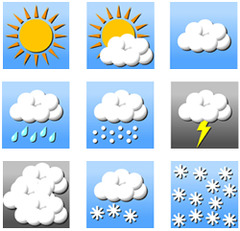
날씨
Погода
오늘 날씨가 좋아요. = The weather is nice today.
날씨가 어때요? = How's the weather?
요즘 날씨가 추워요. = The weather is cold these days.
비
дощ
비가 와요. = It's raining.
어제 비가 많이 왔어요. = It rained a lot yesterday.
비 때문에 우산을 가져왔어요. = I brought an umbrella because of the rain.

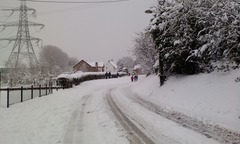
눈
сніг
눈이 와요. = It's snowing.
겨울에는 눈이 자주 와요. = It snows often in winter.
첫눈이 왔어요!- "The first snow came!" (첫눈 = "first snow," a culturally meaningful phrase in Korea — there's even a popular saying about meeting someone special on the day of the first snow)
바람
вітер
바람이 불어요. = The wind is blowing.
오늘 바람이 많이 불어요. = It's very windy today.
창문을 열면 바람이 들어와요. = If you open the window, the wind comes in.

해
сонце
해가 떴어요. = The sun has risen.
해가 져요. = The sun is setting.

자동차
автомобіль
저는 자동차가 있어요. = I have a car.
자동차를 운전해요. = I drive a car.
새 자동차를 샀어요. = I bought a new car.

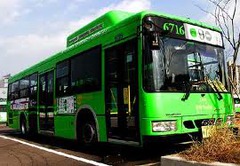
버스
Автобус
저는 버스를 타요. = I take the bus.
버스 정류장이 어디예요? = Where is the bus stop?
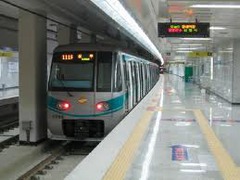
지하철
Метро
저는 지하철을 타요. = I take the subway.
지하철역이 어디예요? = Where is the subway station?
택시
таксі
택시를 불러 주세요. = Please call a taxi.
택시 기사님이 친절했어요. = The taxi driver was kind.
여기서 택시를 잡을 수 있어요? = Can I catch a taxi here?

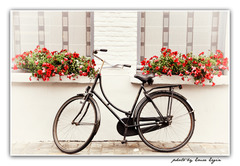
자전거
Велосипед
저는 자전거를 타요. = I ride a bike.
자전거가 고장 났어요. = My bike broke down.
공원
Парк
저는 공원에서 산책해요. = I take a walk in the park.
공원에 사람이 많아요. = There are a lot of people in the park.
공원에서 자전거를 탔어요. = I rode a bike in the park.
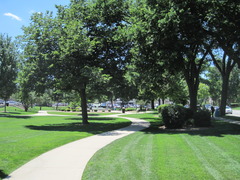
병원
лікарня
저는 병원에 가요. = I'm going to the hospital.
병원에서 검사를 받았어요. = I had a check-up at the hospital.

가게
магазин
이 가게는 옷을 팔아요. = This store sells clothes.
가게가 문을 닫았어요. = The store is closed.
근처에 가게가 있어요. = There's a store nearby.

시장
ринок
시장에서 과일을 샀어요. = I bought fruit at the market.
시장은 정말 복잡해요. = The market is really crowded/busy.
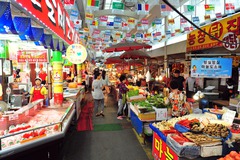
도서관
бібліотека
저는 도서관에서 공부해요. = I study at the library
도서관에서 책을 빌렸어요. = I borrowed a book from the library

식당
ресторан, їдальня
저는 식당에서 밥을 먹어요. = I eat at a restaurant.
이 식당은 정말 맛있어요. = This restaurant is really delicious.
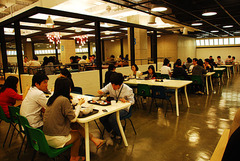
교통
транспорт, трафік
교통이 복잡해요. = The traffic is heavy.

오늘
сьогодні
어제
вчора
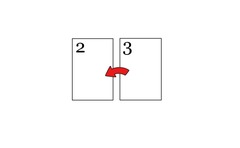
내일
Завтра
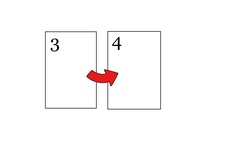
아침
ранок, сніданок
저는 아침에 운동해요. = I exercise in the morning.
아침 일찍 일어났어요. = I woke up early in the morning.
아침을 먹었어요? = Did you eat breakfast?
저는 아침을 안 먹어요. = I don't eat breakfast.

점심
обід
저는 점심으로 김밥을 먹었어요. = I ate kimbap for lunch.
오늘 점심 같이 먹을까요? = Shall we eat lunch together today?
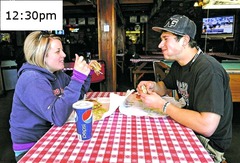
저녁
вечір, вечеря
저녁에 뭐 해요? = What do you do in the evening?
저녁을 먹었어요? = Did you eat dinner?
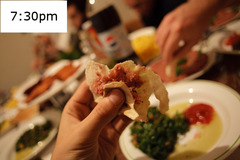
시간
час
시간이 없어요. = I don't have time.
지금 몇 시예요? = What time is it now?
시간이 있으면 만나요. = Let's meet if you have time.

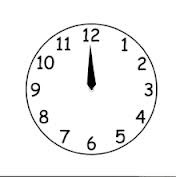
시
година
한 시 = "1 o'clock"
두 시 = "2 o'clock"
----------------------------
세 시에 만나요. = Let's meet at 3 o'clock.
저는 일곱 시에 일어나요. = I wake up at 7 o'clock.
분
хвилина
십 분만 기다려 주세요. = Please wait just 10 minutes.
지금 세 시 이십 분이에요. = It's 3:20 right now.
돈
гроші
이거 얼마예요? 돈이 얼마나 필요해요? = How much is this? How much money do I need?
돈을 저축해요. = I save money.

물건
річ, предмет
이 물건은 얼마예요? = How much is this item?
가방 안에 물건이 많아요. = There are a lot of things in the bag.
이 물건은 제 거예요. = This item is mine.
가격
ціна
이 가격이 너무 비싸요. = This price is too expensive.
가격이 얼마예요? = What is the price?

백화점
універмаг, ТЦ
백화점에서 옷을 샀어요. = I bought clothes at the department store.
주말에 백화점에 사람이 많아요. = There are a lot of people at the department store on weekends.