Chemistry Final Help
 Studied by 0 people
 Call Kai
 Learn
Learn Practice Test
 Spaced Repetition
 Match
Match Flashcards
 Knowt Play
1/45

There's no tags or description
Looks like no tags are added yet.
Name | Mastery | Learn | Test | Matching | Spaced |
|---|
No study sessions yet.
46 Terms
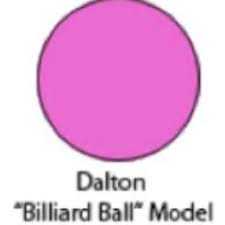
What type of atomic model did John Dalton make?
Billiard ball model
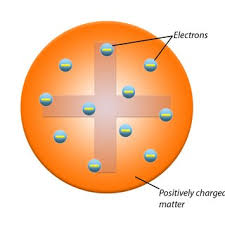
What type of atomic model did JJ Tompson make?
Plum Pudding model
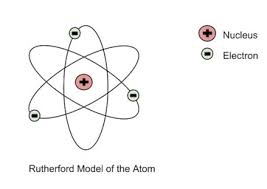
What type of atomic model did Rutherford make?
Nuclear model
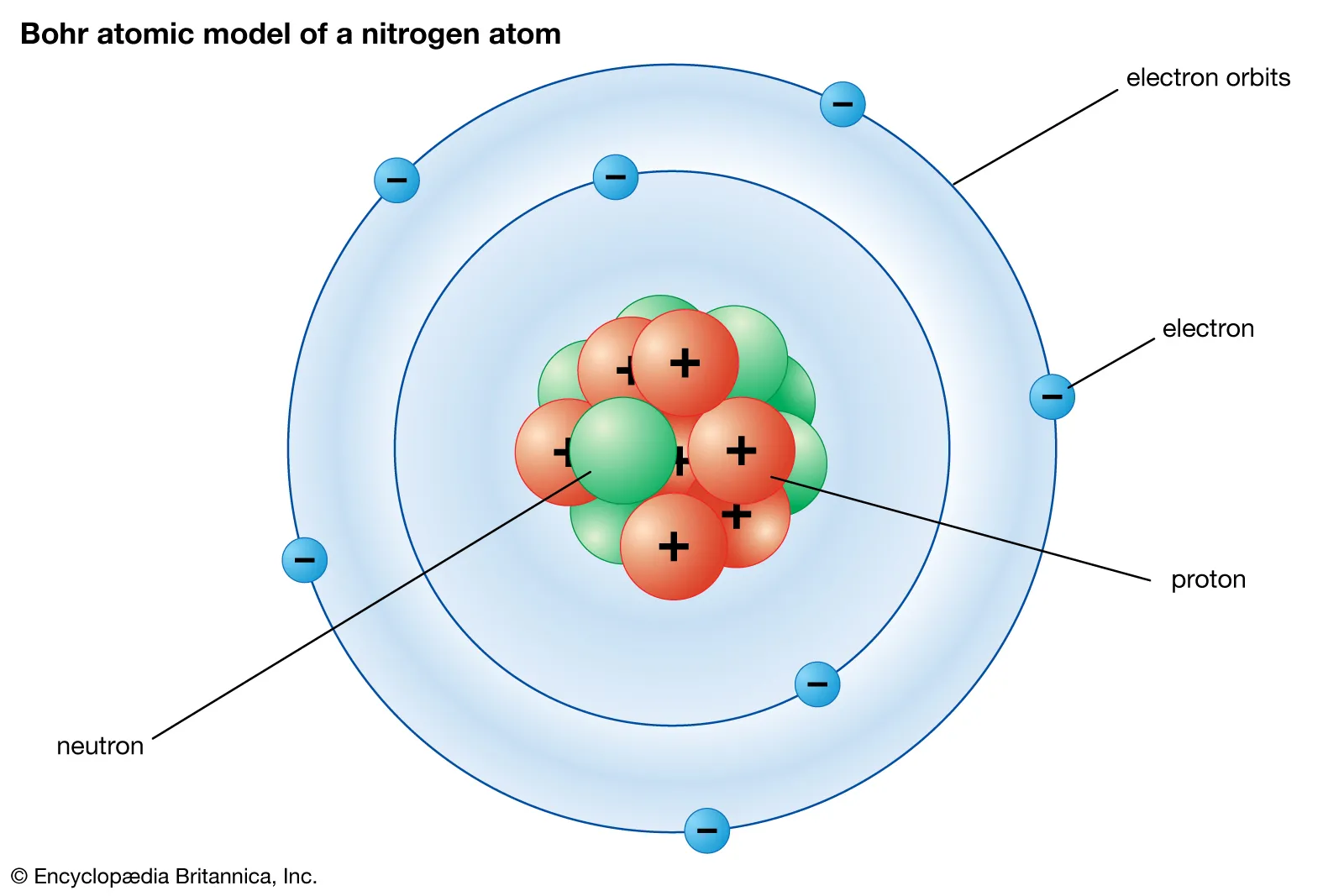
What type of atomic model did Bohr make?
Shell model
What type of atomic model did Shrodinger make?
Electron Cloud model

Prefix for 1
Mono-
Prefix for 2
Di-
Prefix for 3
Tri-
Prefix for 4
Tetra-
Prefix for 5
Penta-
Prefix for 6
Hexa-
Prefix for 7
Hepta-
Prefix for 8
Octa-
Prefix for 9
Nona-
Prefix for 10
Deca-
What elements are part of the diatomic elements
Hydrogen, Nitrogen, Fluorine, Oxygen, Iodine, Chlorine, Bromine
What are two types of mixtures?
Homogeneous and Heterogeneous
What does Homogeneous mean?
A mixture that has a uniform composition throughout; solution
What does Heterogeneous mean?
A mixture in which the individual substances remain distinct
What are 2 examples of a Homogeneous mixture?
Chocolate milk, coffee and creamer
What are 2 examples of a Heterogeneous mixture?
Cereal, Trail Mix
What is a Physical property?
Characteristics of matter that can be observed or measured
What is a Chemical property?
Ability or inability of a substance to combine or change into one or more new substances
What are 2 examples of a Physical property?
Color and Size
What are 2 examples of a Chemical property?
Rust and paper catching fire
Oxyanion definition
Polyatomic ion composed of an element, usually a nonmetal, bonded to one or more oxygen atoms
Ionic Bond definition
The electrostatic force that holds oppositely charged particles together in an ionic compound
Covalent Bond definition
Chemical bond that results from the sharing of valance electrons
Scientific Notation definition
Expresses any number as a number between 1 and 10 (known as a coefficient) multiplied by 10 raised to a power (known as an exponent)
Rules of kinetic theory
All matter is made of particles, the particles are in constant random motion, the particles hit each other and the walls of which they are held
Solid to liquid is what?
Melting
Liquid to solid is what?
Freezing
Solid to gas is what?
Sublimation
Gas to solid is what?
Deposition
Liquid to gas is what?
Vaporization
Gas to liquid is what?
Condensation
What are 2 ways to separate mixtures?
Filtration and Sublimation
Chemical Bond definition
The force that holds two atoms together, may form by the attraction of a positive ion for a negative ion or by sharing electrons
What is the number that represents the measure of Mols?
6.022×10 to the power of 23
Formula Unit
Simplest ration of ions represented in an ionic compound
Polyatomic Ion
Ion made up of two or more atoms bonded together that acts as a single unit with a net charge
Monoatomic Ion
Ion formed from only one atom
Law of Mass and Conservation
Energy cannot be made or destroyed
Lewis Structure
A model that uses electron-dot structures to show how electrons are arranged in molecules
Molecule
Forms when two or more atoms covalently bond and is lower in potential energy than its constituent atoms