Ultimate deck for unseen prose analysis paper 2
 Call Kai
 Learn
Learn Practice Test
 Spaced Repetition
 Match
Match Flashcards
 Knowt Play
1/91

There's no tags or description
Looks like no tags are added yet.
Name | Mastery | Learn | Test | Matching | Spaced | Call with Kai | Chat |
|---|
No analytics yet
Send a link to your students to track their progress
92 Terms
The Georgian Era
1714-1830/ 18th century
18th century novel
Novel was a relatively new form and was quite experimental in style, regarded as a female art form - less highbrow than poetry/drama
Common Styles of 18th century literature
epistolary writing, realism, romanticism, gothic literature
epistolary writing
novel constructed out of letters - popular form due to people's interest in spying into the private lives of others
realism
novel seeks to replicate relationships and settings as they are in everyday life
romanticism
features characters who are ruled by strong emotion who push against ordinary limits
gothic literature
seek to inspire emotions of terror and horror, tap into deepest fears - considered dangerous reading material for women as they were too much of a distraction from domestic duties
courtship 18th century
courtship was highly controlled by families, common to have chaperones
marriage 18th century
men and women would only meet a few times before proposals of marriage were made and upon marriage all of a wife's property/possessions would pass over to the husband - good husbands provided pin-money/allowance
cult of sensibility 18th century
fashionable to feel very deeply, love portrayed as having physical symptoms
Pamela 18th century
early novel by Samuel Richardson represented love story across class divide - very popular topic in later novels
18th century love
fashion for writing gushing and ornate love letters, romance became glamorised
18th century beginning of industrialisation
England still very rural but village life threatened by factories, farming life began to decline, working class masses became increasingly impoverished
Victorian Era
1830 - 1901/ 19th century
19th century industrial revolution
new factories and industries emerged and wealth of Britain became founded on industry - rise of middle class self made men, challenging power of landed aristocracy
19th century literature
social tensions from industrialisation often explored in relationships/divisions between classes
Scientific Discoveries 19th century
Darwin's theory of evolution instead of biblical account - conflict between science and religion. Victorian prudery - reaction against Darwin's ideas about our animalistic origins
19th century urbanisation
urban populations drastically increased - writers present threat to nature and innocents ways of life nostalgically
19th century sex
strict standards of modesty and respectability, sexual conversations were taboo, women's dress conservative, pre/extra-marital sex forbidden. Women not supposed to enjoy.
19th century themes
constraint and escapism
19th century expectations
seperate spheres - public male sphere making income and private female sphere being domestic, idealised 'angels of the house', encouraged by Queen Victoria - mother of the nation
19th century women
women expected to be obedient, virtuous and pure
19th century marriage
marriage was seen as binding for life as divorce would be viewed as bringing disgrace on both parties
When was Modernism
1901-1945
When was Post Modernism
1945-present
Modernism
focuses on central themes and a united vision, authors guide and control the reader's response to their work
Post-modernism
started after ww2 in time of social, political and cultural upheaval, sees human experience as unstable, open work where the reader must supply their own connections , work out alternative meanings and provide their own interpretation
Post-modernist features
vision of a contradictory, fragmented, ambiguous, indeterminate, unfinished and jagged world
20th century liberalisation
liberalised attitudes towards sex, relaxation of divorce laws, civil rights campaigning, contraception
Cynical attitudes 20th century
cynical attitudes towards love, less commitment, divorce more common, increasingly short-term relationships
20th century spiritual alienation and disillusionment
growing tendency to understand world through science rather than religion + world wars led to questioning existence of God
20th century consumerism
cheaper mass produced goods - fear of relationships with objects distracting from meaningful human relationships
20th century psychoanalysis
popularised by Freud, increasing interest in exploring mind, repressed traumas/desires from early life shaping our thinking as adults
20th century literature styles
stream of consciousness writing (reaction to psychoanalysis) - fluid, rambling writing resembles erratic thinking, experimental and unconventional metaphors
20th century women
the suffragette movement, women taking on male jobs in war, feminist campaigning in 60s and 70s
20th century world wars
overshadowed by the two world wars - fears over mankind's cruel and barbaric nature, spiritual alienation = lost generation
20th century rebellion
writing seeks to reject and rage against traditional systems, moralities and beliefs
Post colonial literature 20th century
popular genre due to breaking up of British Empire in 1960s - explores effects of colonisation on the native people, examining the oppression they endured
20th century immigration
increase in immigration to rich western countries e.g. UK and USA resulted in cultural diversity - writers explore tensions and difficulties of life in a new country
21st century context
technological advancements, growth of internet, terrorism and uncertainty/fear of war, sexual liberalism, continued religious conflict
2001
September 11th terrorist attacks
2008
economic recession
Allegory
A story with a double meaning: primary and secondary
Allusion
(Language Technique) - subtle or indirect reference to another thing, a text, historical period or religious belief
Alliteration
Repetition of initial consonant sounds
Bildungsroman
a novel dealing with one person's formative years or spiritual education.
Climax - structure
Turning point / height of action
Conflict
A struggle between opposing forces
Consonance
Repetition of consonant sounds within a phrase
Contrast
paradox, antithesis, oxymoron, juxtaposition
didactic
intended to teach; morally instructive
disjunction
A conjunction that dramatically interrupts rhythm of sentence
Ellipsis
three periods (...) indicating the omission of words in a thought or quotation
Emotive language
Deliberate use of language by a writer to instill a feeling or visual.
Foil
A character who acts as a contrast to another character
Fractured syntax
Incomplete sentences - used to convey tension and urgency
heterodiegetic narrator
the narrator is not a character in the story
homodiegetic narrator
A narrator who is an active participant in the story.
humour
Incongruity, parody, satire, exaggeration, irony, puns etc. used to lighten the overall tone.
Imagery
visually descriptive or figurative language, especially in a literary work.
interior monologue
writing expressing a character's inner thoughts
Irony
the use of words to convey a meaning that is the opposite of its literal meaning
Metaphor
a figure of speech in which a word or phrase is applied to an object or action to which it is not literally applicable.
Motif
(n.) a principal idea, feature, theme, or element; a repeated or dominant figure in a design
non-linear
Non-sequential narrative, events do not occur in chronological order
Parody
conscious imitation for a satiric purpose
Tone
Attitude a writer takes toward the audience, a subject, or a character
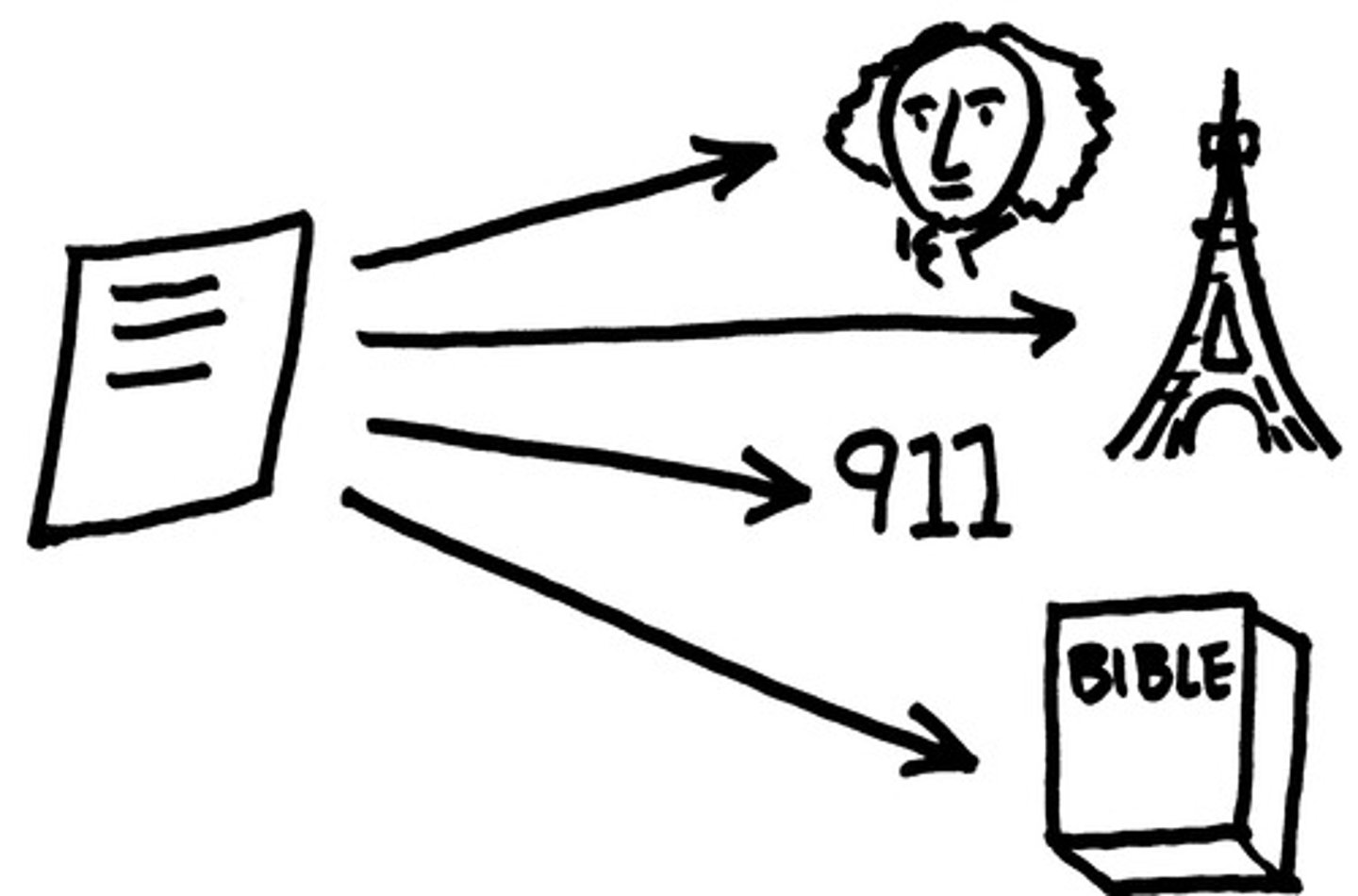
allusion
A reference to another work of literature, person, or event
ambiguity
uncertainty or inexactness of meaning in language

antagonist
A character or force in conflict with the main character
anticlimax
A drop in tension in a story

antihero
a central character in a story, movie, or drama who lacks conventional heroic attributes.
archetype
a very typical example of a certain person or thing

Bildungsroman
A coming of age story
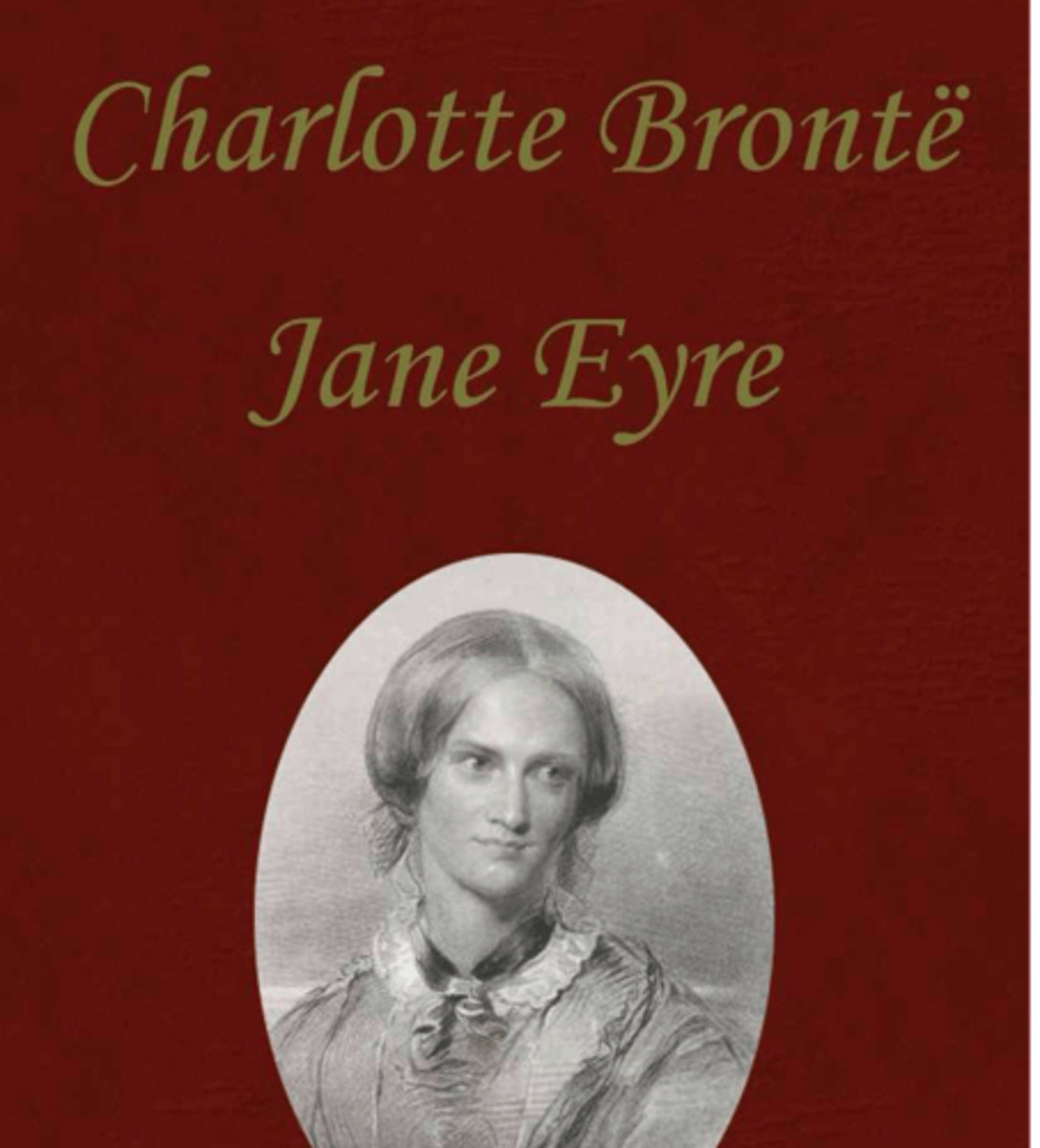
dynamic character
A character who grows, learns, or changes as a result of the story's action
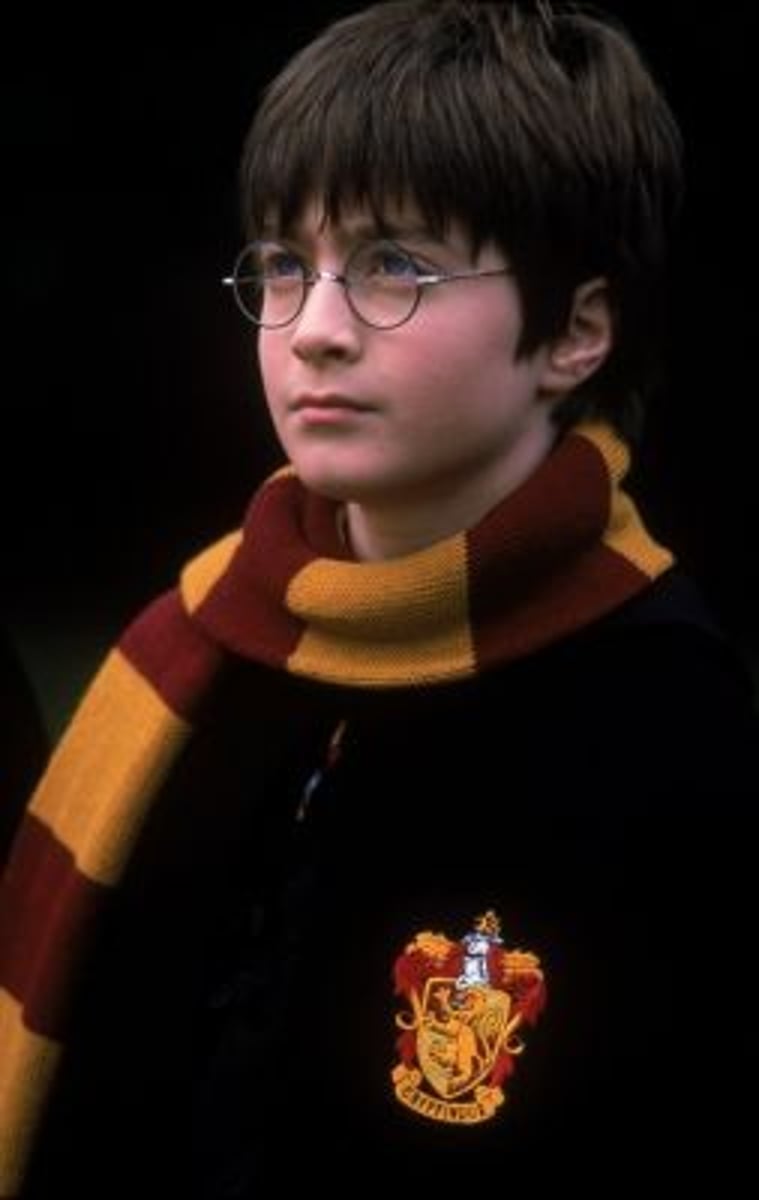
static character
A character that does not change from the beginning of the story to the end
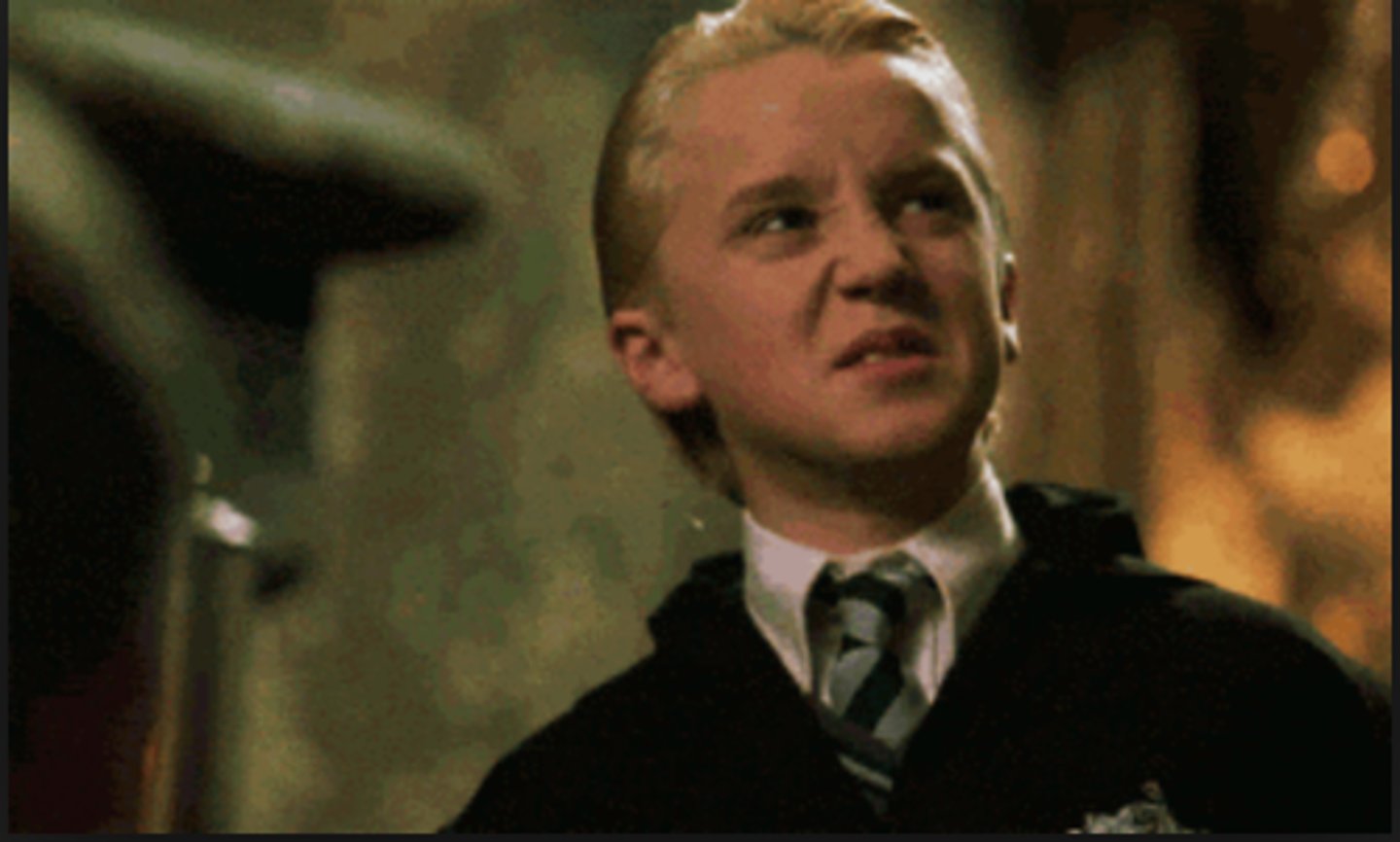
flat character
two-dimensional in that they are relatively uncomplicated and do not change throughout the course of a work
dialogue
Conversation between two or more characters

fable
short tale that teaches a lesson
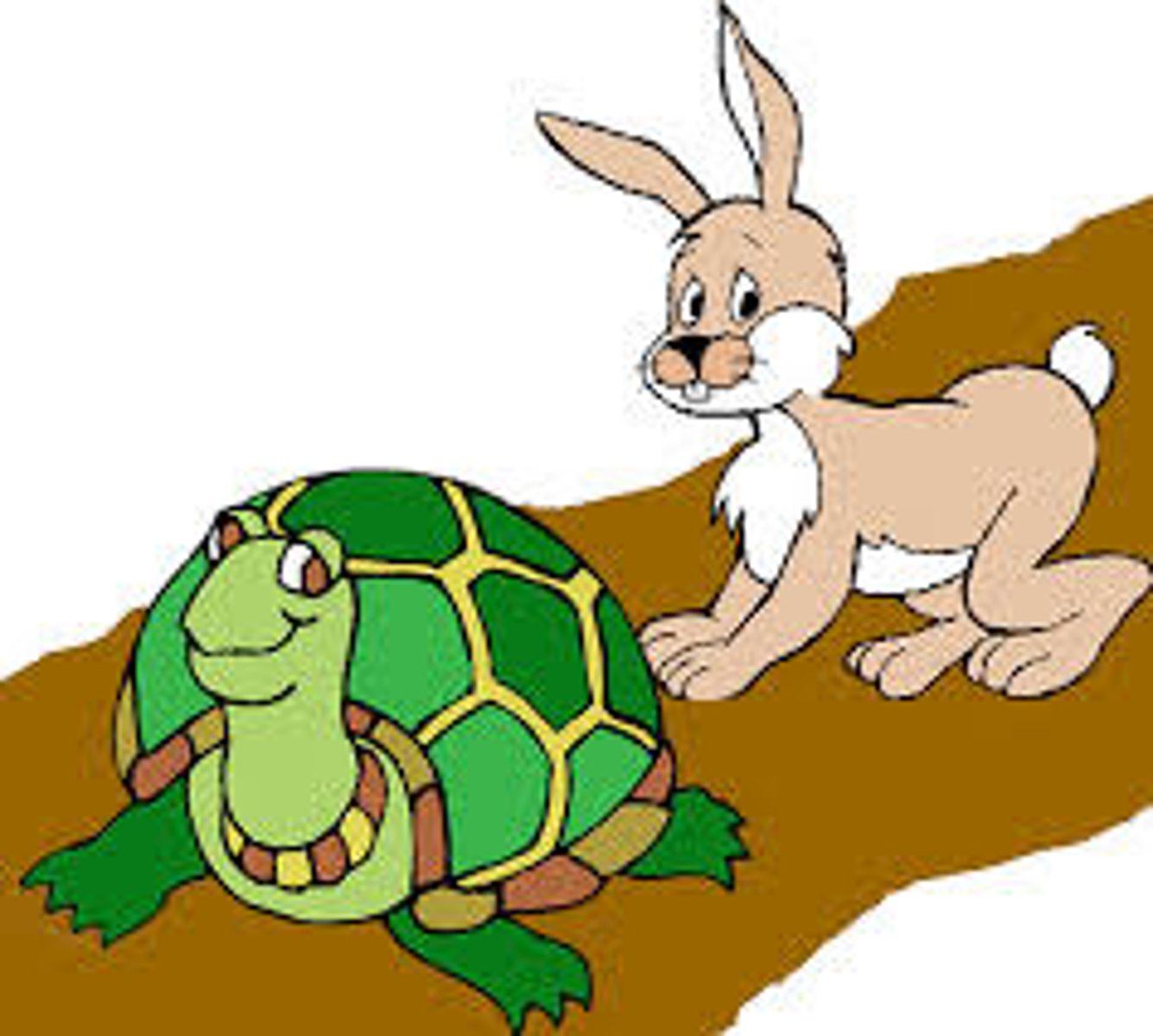
foil
A character who acts as a contrast to another character
situational irony
An outcome that turns out to be very different from what was expected
first person narrator
a narrator within the story who tells the story from the "I" perspective
omniscient narrator
a narrator who is able to know, see, and tell all, including the inner thoughts and feelings of the characters
protagonist
the main character in a literary work
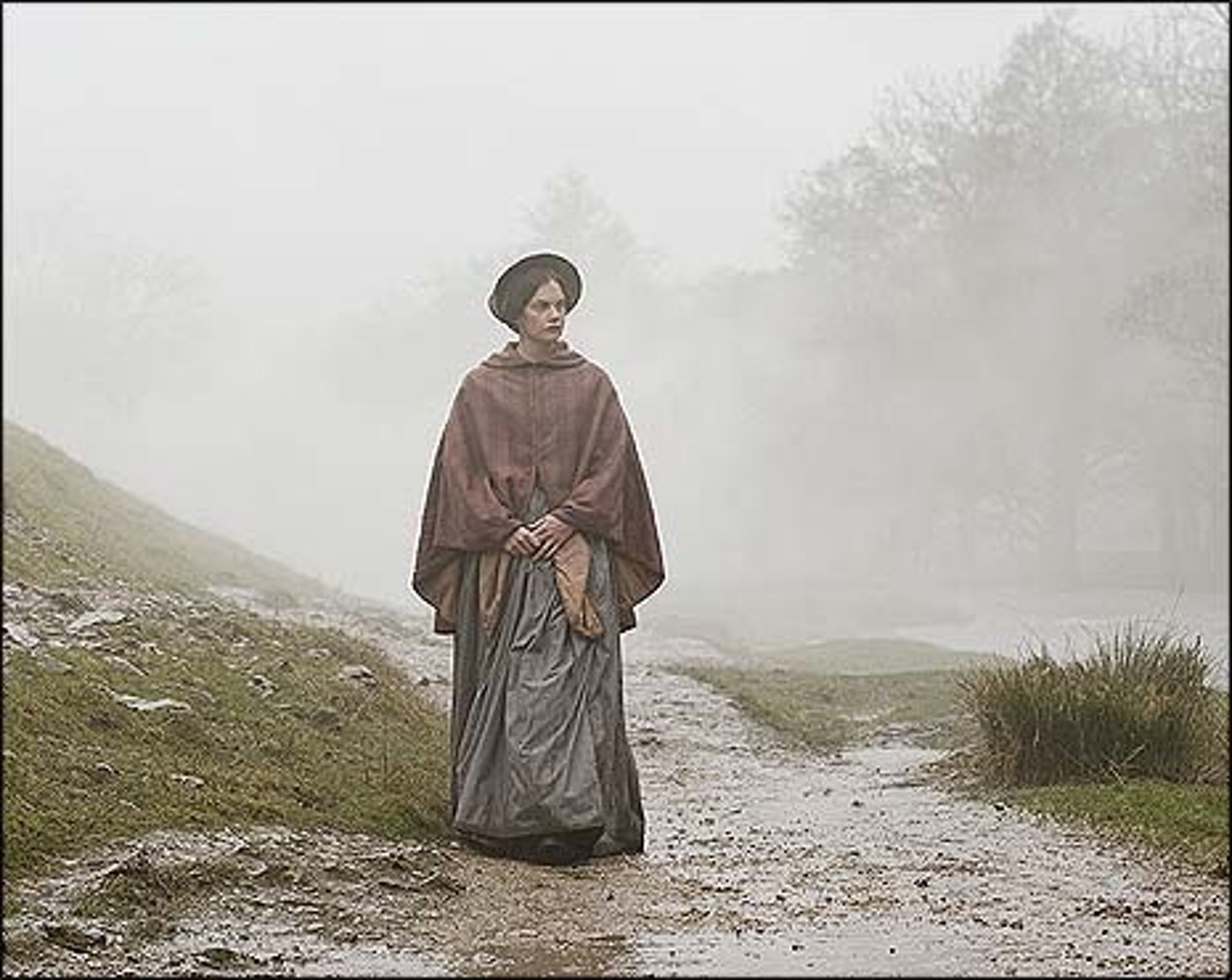
verisimilitude
the quality of appearing to be true, real, likely, or probable
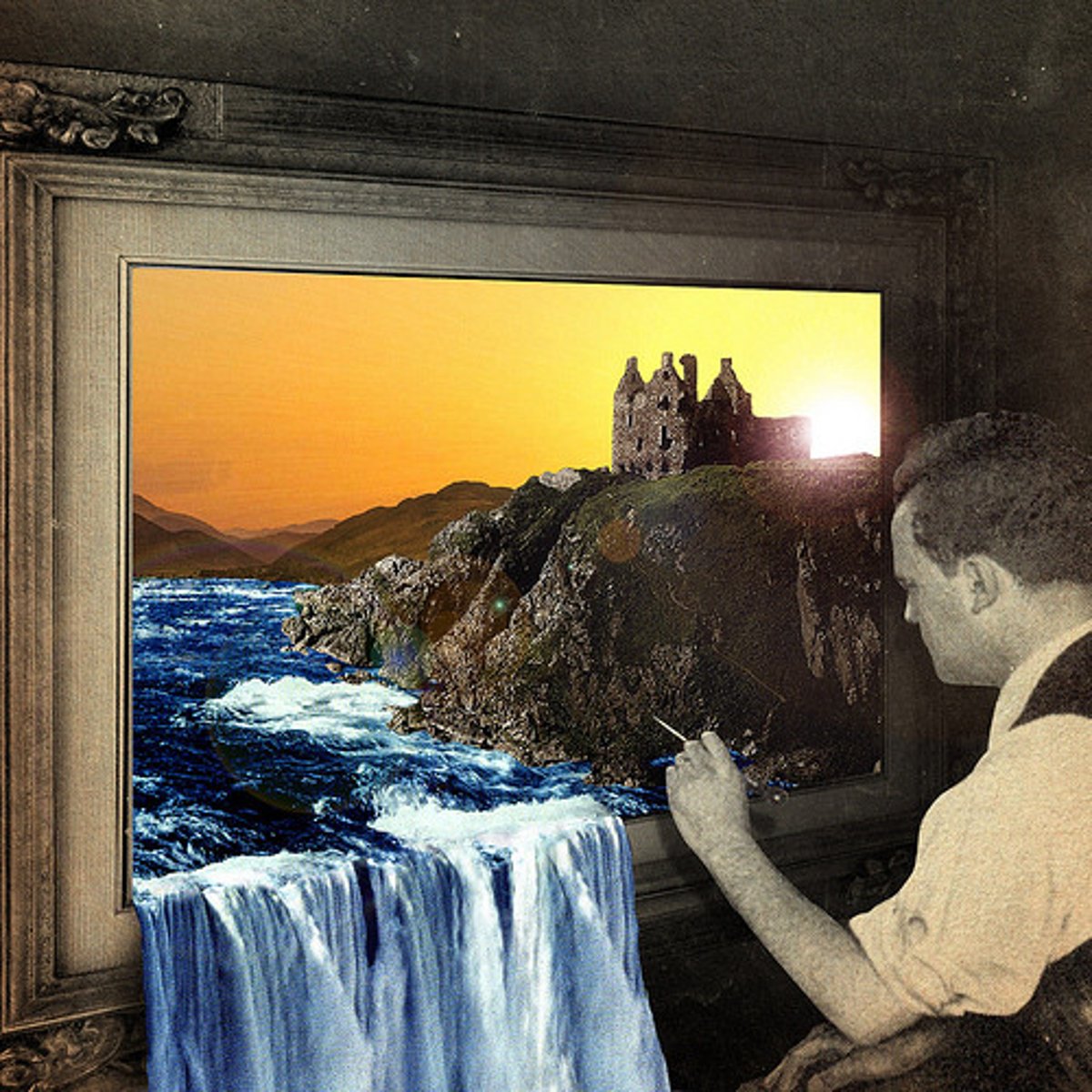
juxtaposition
the fact of two things being seen or placed close together with contrasting effect.
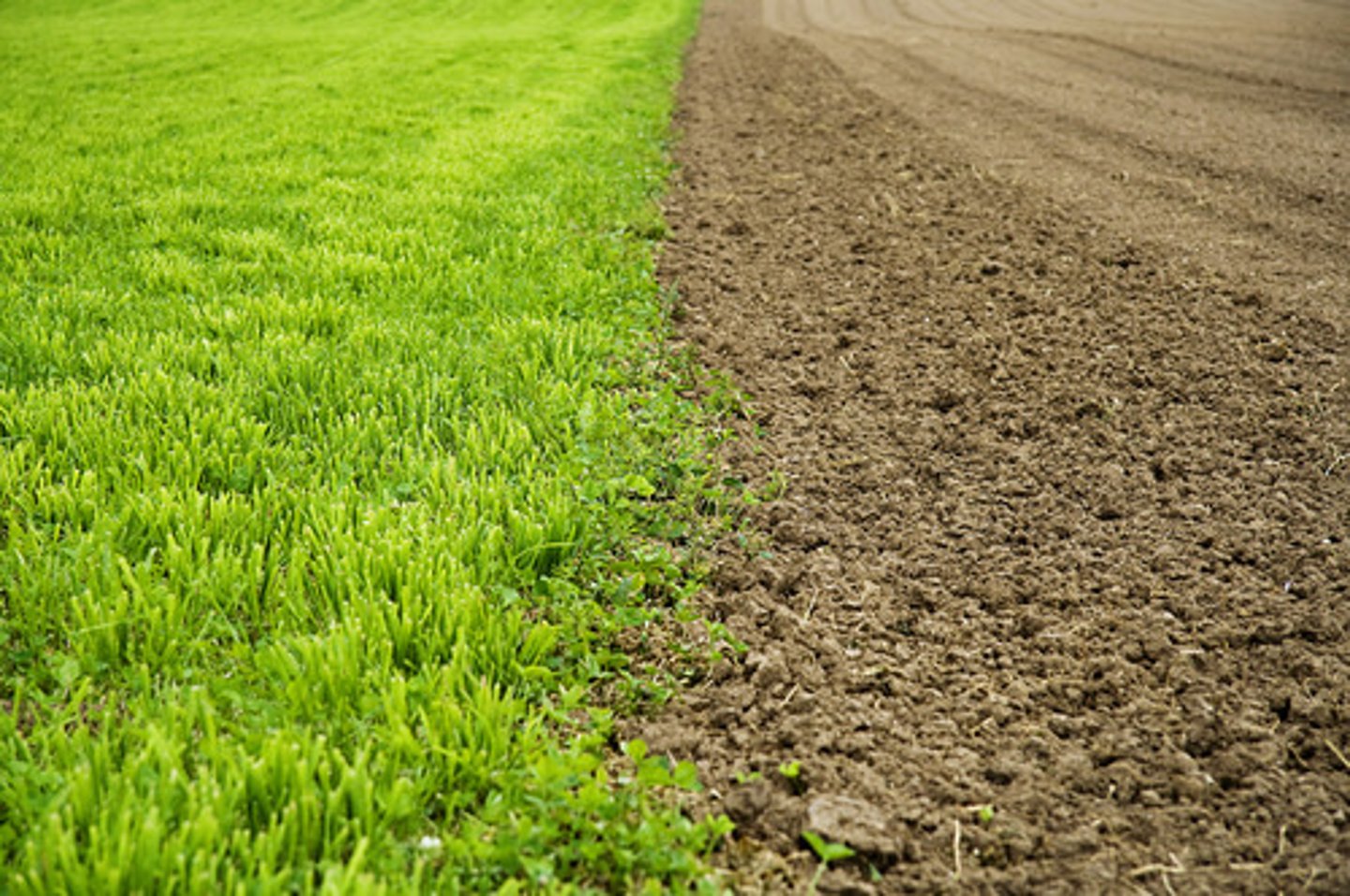
oxymoron
a figure of speech in which apparently contradictory terms appear in conjunction e.g. deafening silence
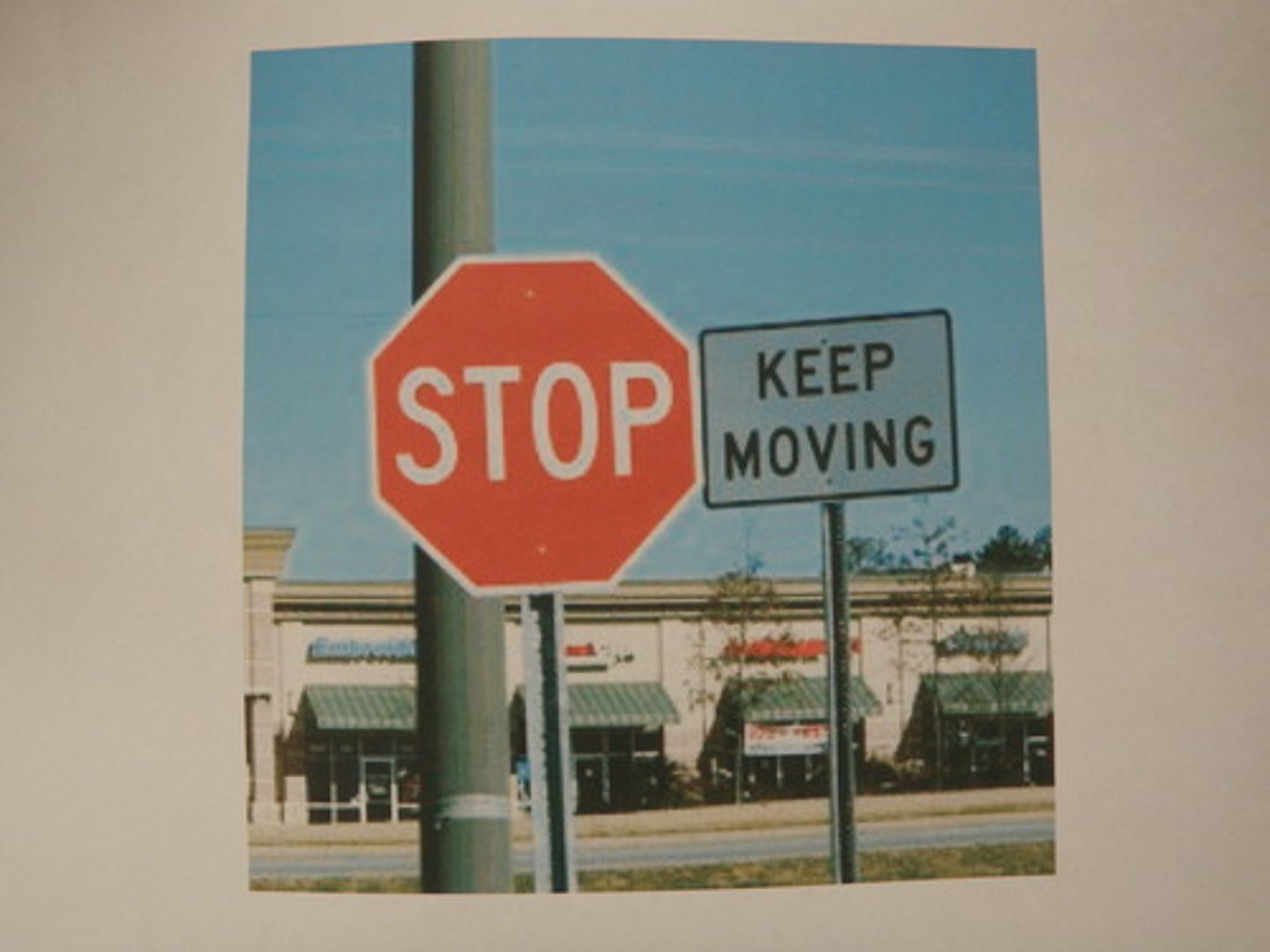
alliterative
the repeating of initial consonant sounds in language
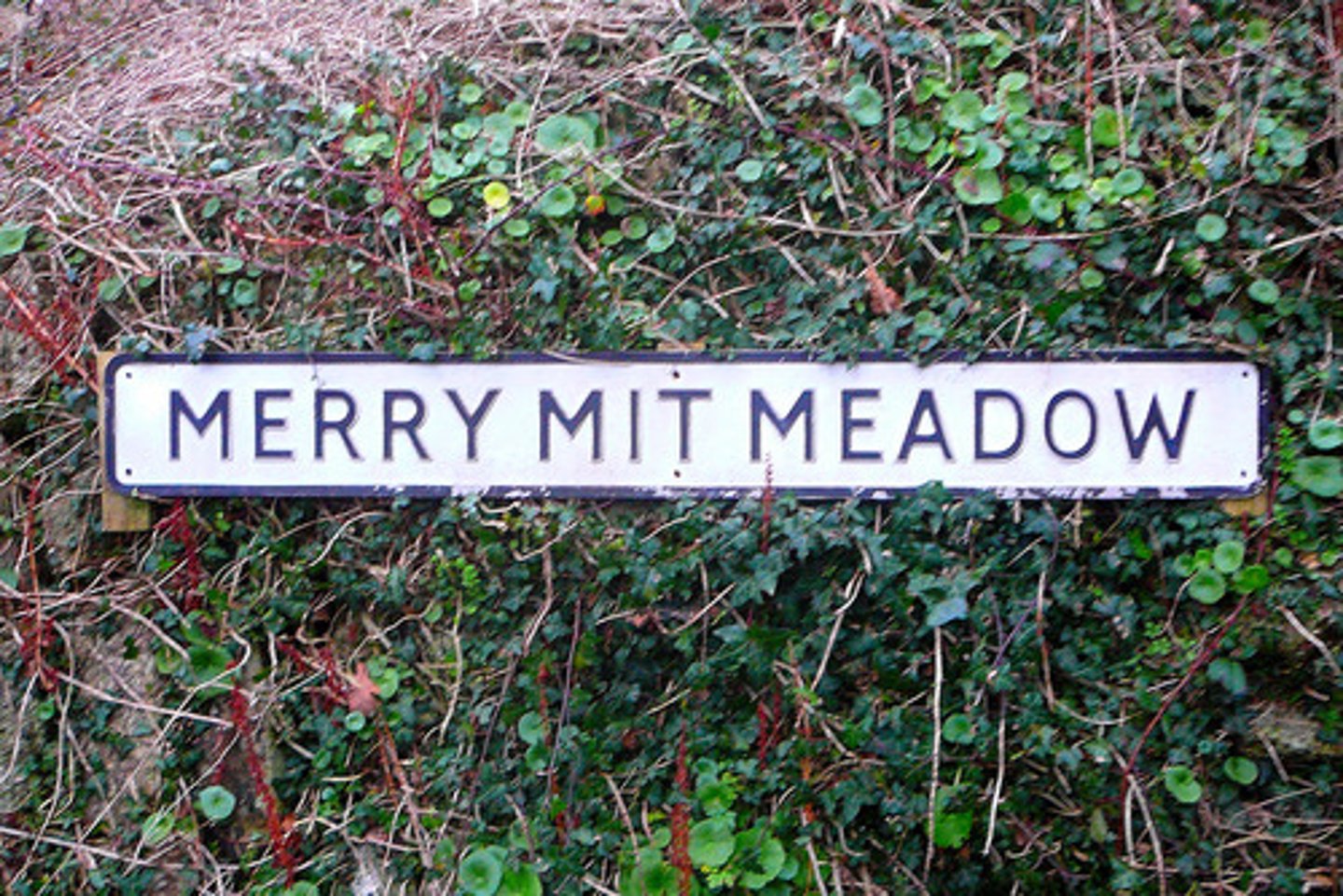
ironic
turning out against expectation
hyperbole
extreme exaggeration
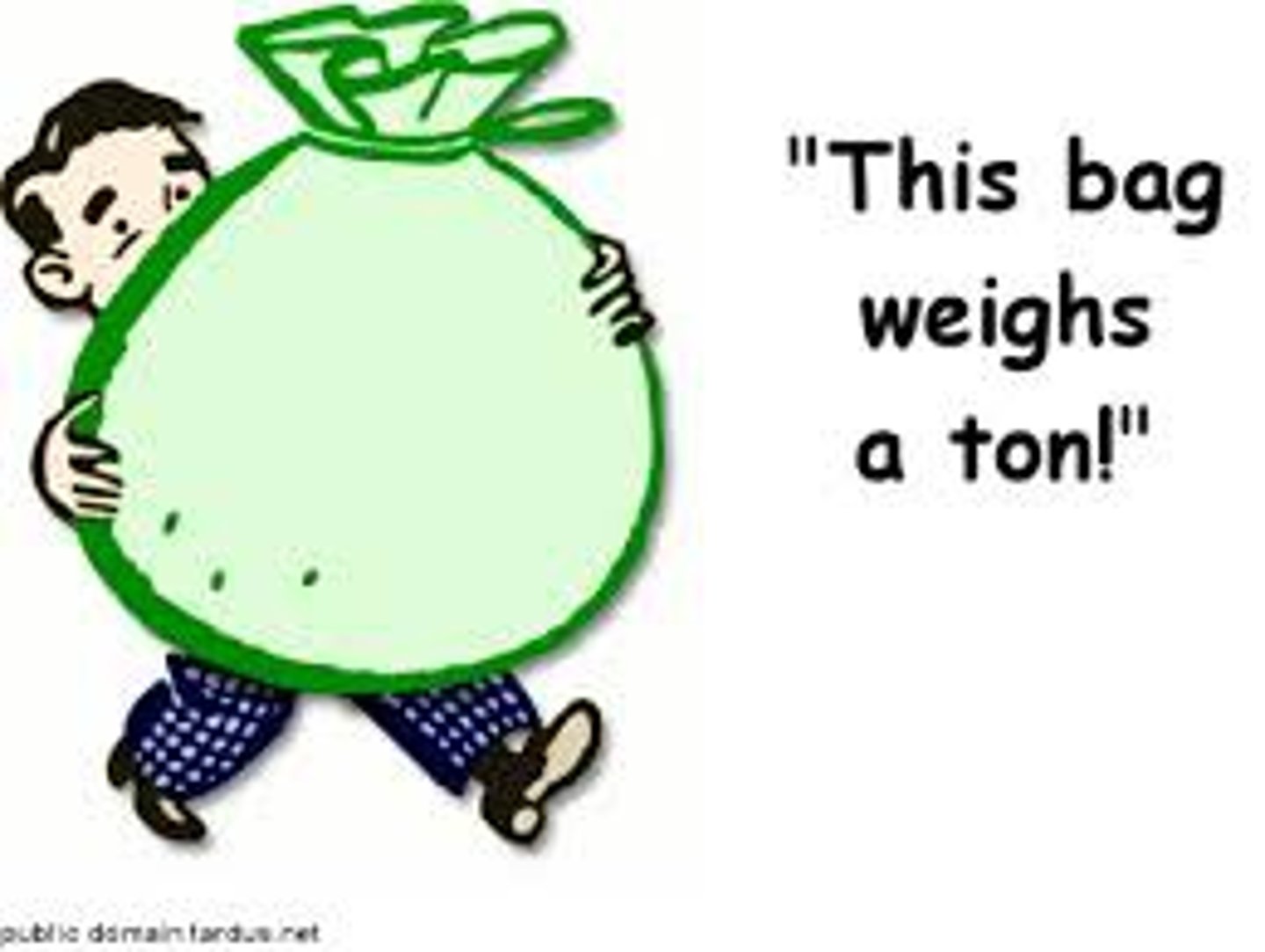
pathetic fallacy
The attribution of human emotions or characteristics to inanimate objects or to nature; for example angry clouds; a cruel wind. The feelings mirror the mood of a character.
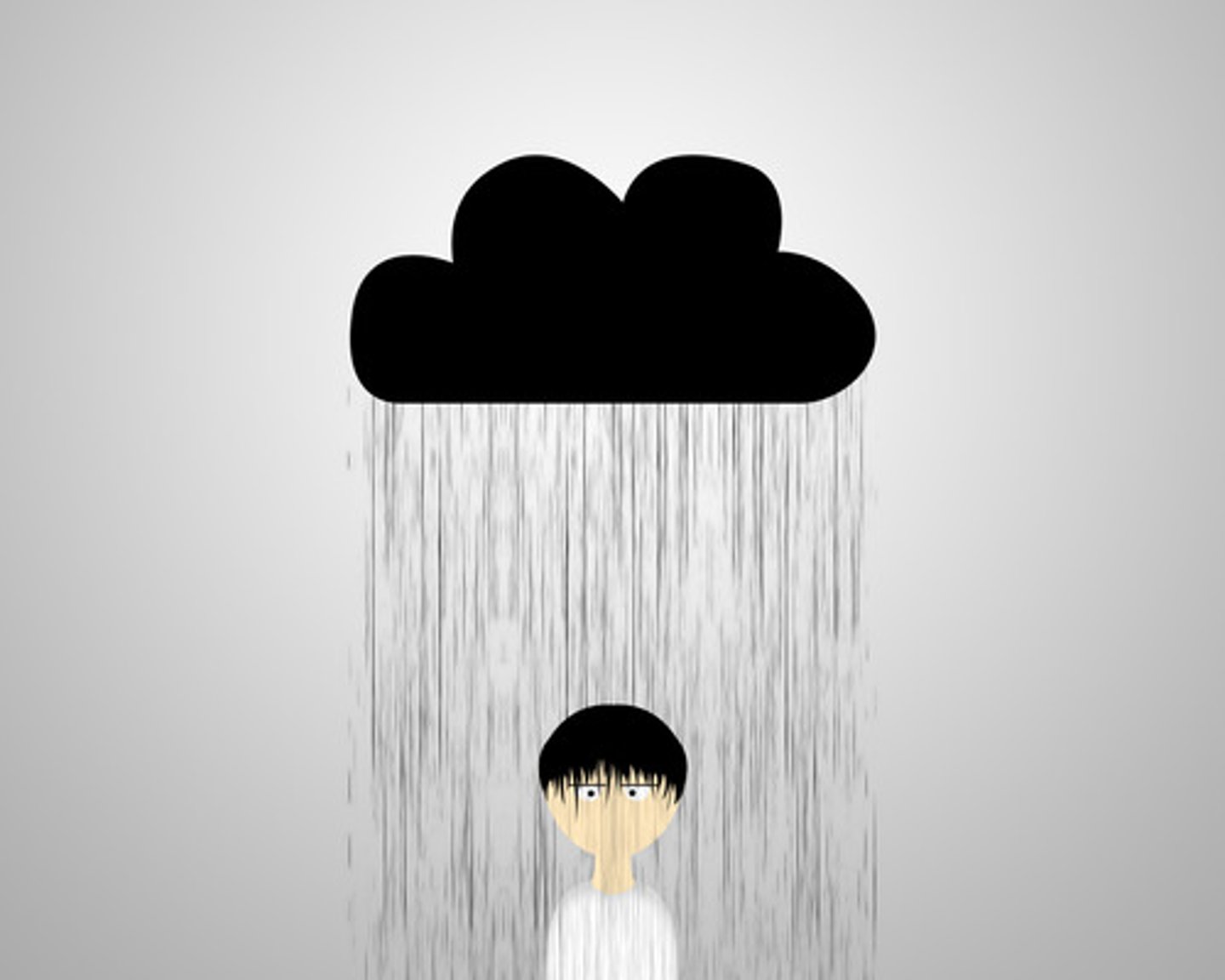
tropes
a figurative or metaphorical use of a word or expression