Frothy Bloat and Free Gas Bloat in Cattle
 Call Kai
 Learn
Learn Practice Test
 Spaced Repetition
 Match
Match Flashcards
 Knowt Play
1/10

Earn XP
Description and Tags
Vocabulary flashcards covering the clinical signs, diagnosis, treatments, and prevention methods for frothy bloat and free gas bloat in cattle.
Name | Mastery | Learn | Test | Matching | Spaced | Call with Kai | Chat |
|---|
No analytics yet
Send a link to your students to track their progress
11 Terms

Frothy bloat
A condition characterized by acute abdominal distention mainly on the left side, stable frothy green rumen ingesta with non-popping foam bubbles, and an inability to eructate.
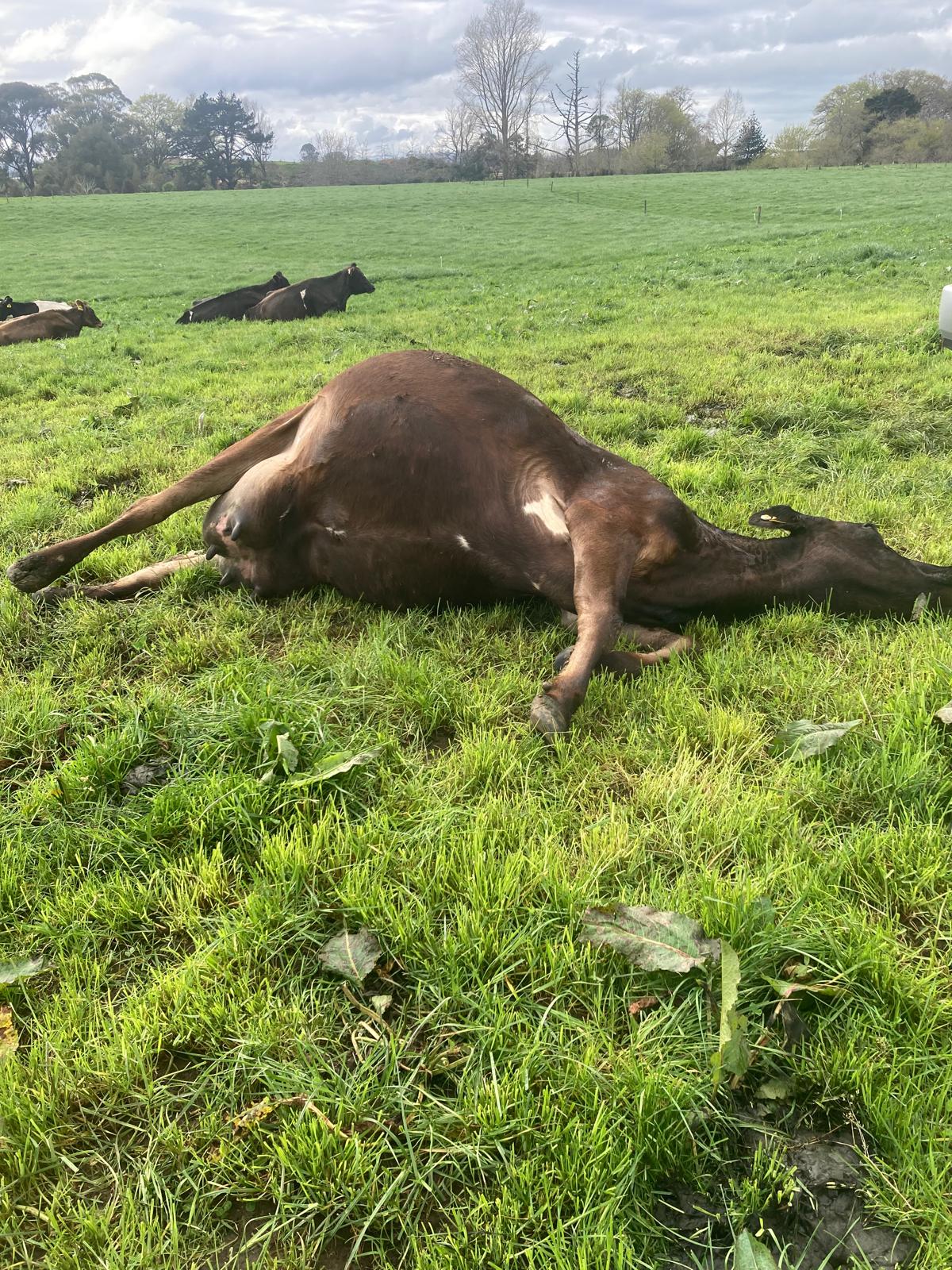
Pasture bloat
A type of frothy bloat occurring in pasture cows that have been recently put on legume pasture within the past 2 weeks.

Feedlot bloat
A type of frothy bloat in feedlot cows, main theory being colonization by slime-producing rumen bacteria when fed a high-concentrate, fine particulate diet.
Free gas bloat
Bloat caused by physical or functional obstruction of normal eructation or decreased rumen contractions, distinguished by high volume gas release and bloat resolution upon passing a rumen tube.

Antifoaming agents
Therapeutic substances such as vegetable or mineral oil (250−500mL), DSS, and poloxalene that help foam bubbles pop in mild or early frothy bloat.
Dioctyl sodium sulfosuccinate (DSS)
A veterinary surfactant commonly combined with vegetable or mineral oils to treat early or mild frothy bloat.
Poloxalene
An antifoaming agent indicated for legume bloat, but not used for feedlot bloat.
Emergency rumenotomy
A surgical procedure performed in severe, life-threatening cases of frothy bloat.

Rumen trocar or cannula
A large-bore (2.5cm) device used short of surgery in severe frothy bloat to deliver antifoaming agents and allow gas to blow off over several hours.
Ionophores
Preventative feed supplements (such as monensin and lasalocid) used to reduce the risk of frothy pasture bloat and feedlot bloat.
Coarse-chopped roughage
A dietary component added at 10−15% to feedlot cattle feed to prevent frothy feedlot bloat.