Chapter 13 + 14 Cell BIOL300
 Call Kai
 Learn
Learn Practice Test
 Spaced Repetition
 Match
Match Flashcards
 Knowt Play
1/26

There's no tags or description
Looks like no tags are added yet.
Name | Mastery | Learn | Test | Matching | Spaced | Call with Kai | Chat |
|---|
No analytics yet
Send a link to your students to track their progress
27 Terms
The steps of breaking sugar into…
usable energy through glycolysis, the citric acid cycle, and oxidative phosphorylation in cellular respiration.
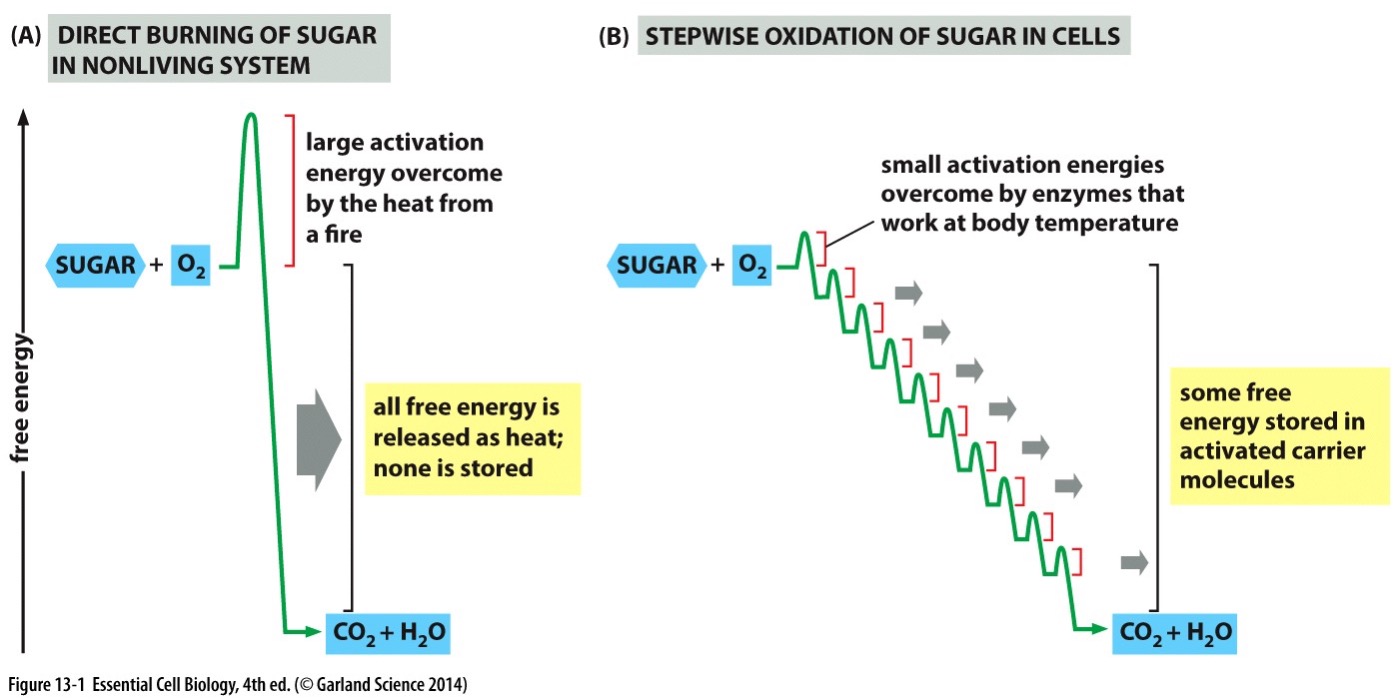
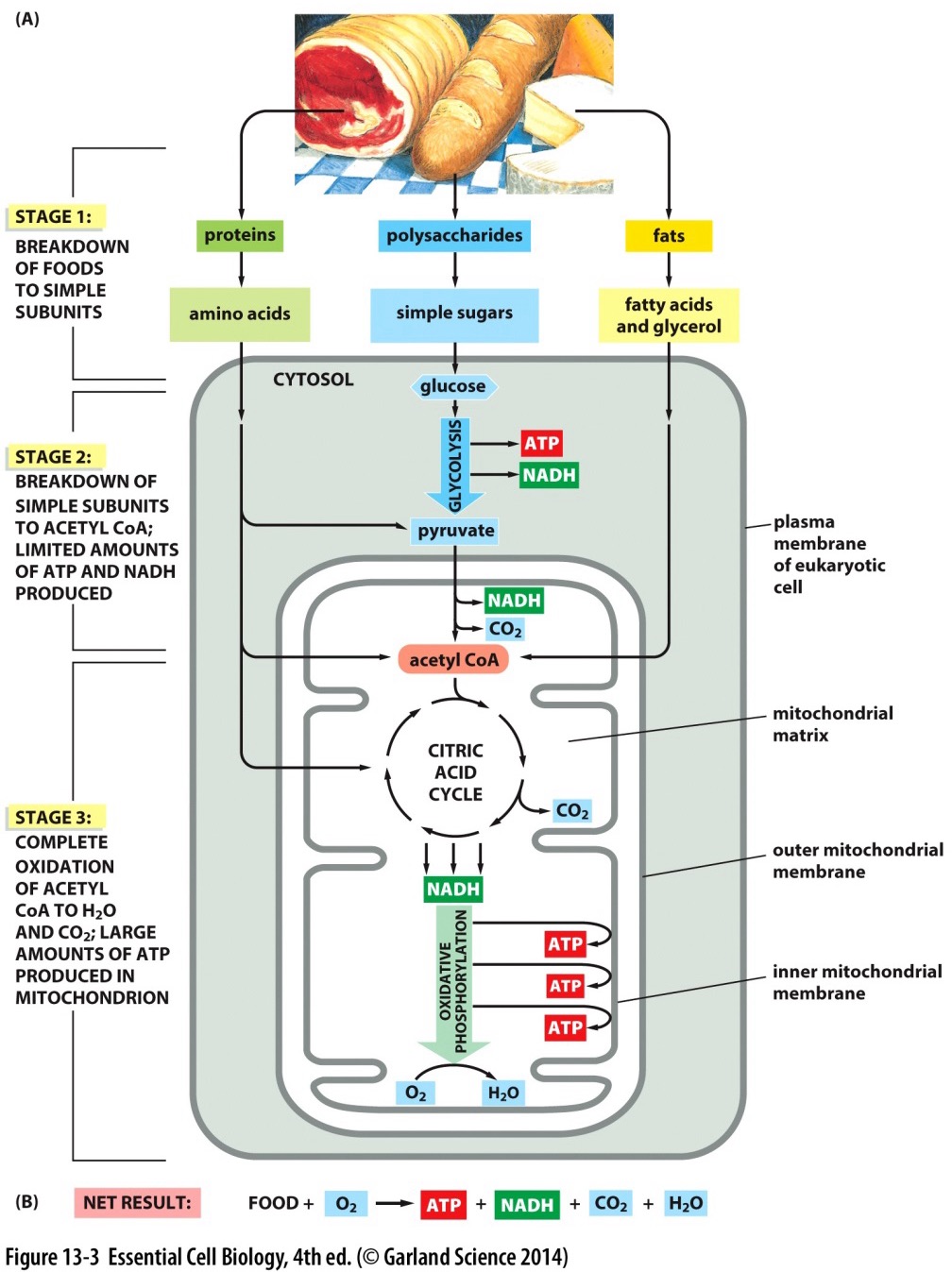
Breaking down Yeilding Energy
Glycolysis —→ Citric Acid Cycle ——> Oxidative Phosphorlyation
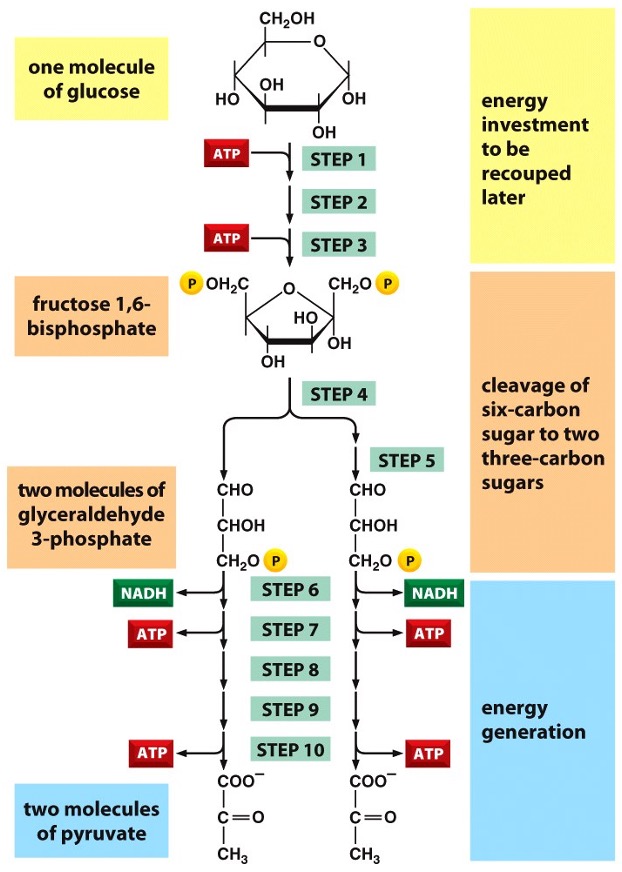
Stage 1: Glycolysis
-Starting product is glucose
-Occurs in the cytoplasm
-Does not require O2
- (anaerobic product is lactate)
-End products are:
2 pyruvate
2 ATP
2 NADH
Pyruvate then “pumped” into the mitochondria
-Each step catalyzed by specific enzymes
(point of regulation!)
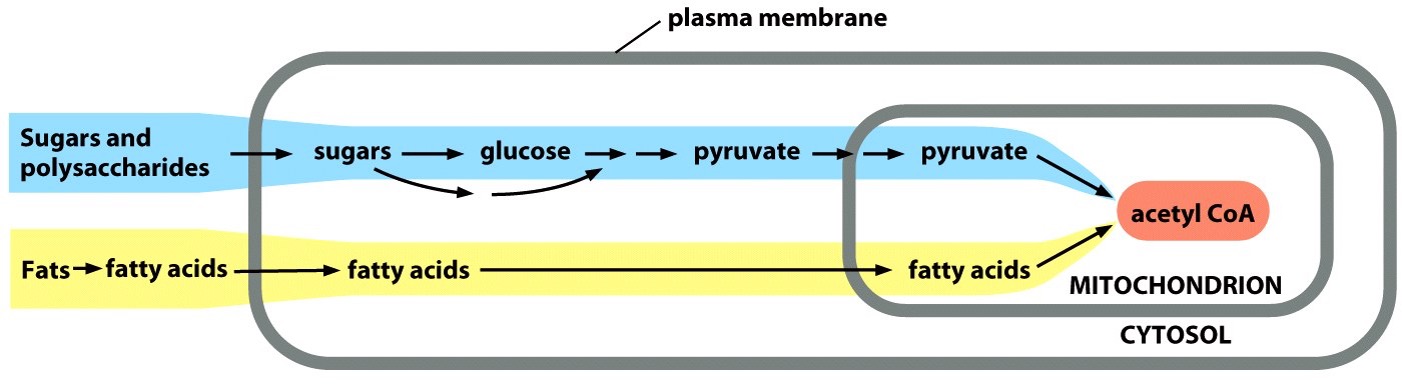
Generation of Acetyl Co A starts the..
Citric Acid Cycle (Krebs Cycle)
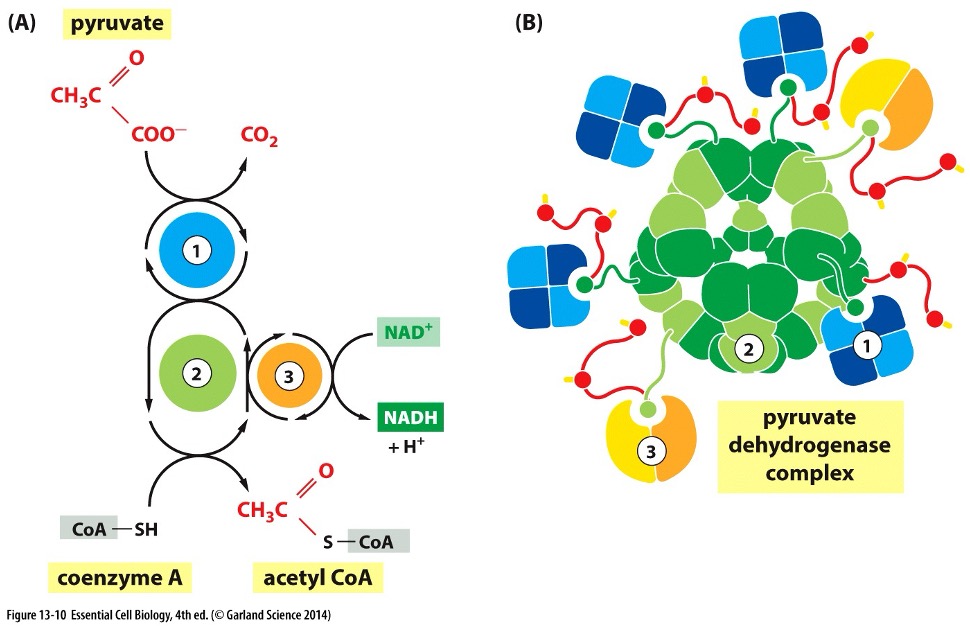
Pyruvate is oxidixed to..
Acetyl Co A
-This acts as the link between Stage 1 and Stage 2
-(pyruvate→acetyl coA)
-Occurs in the mitochondria (matrix)
-Catalyzed by a large mutli-enzyme complex: pyruvate dehydrongenase complex
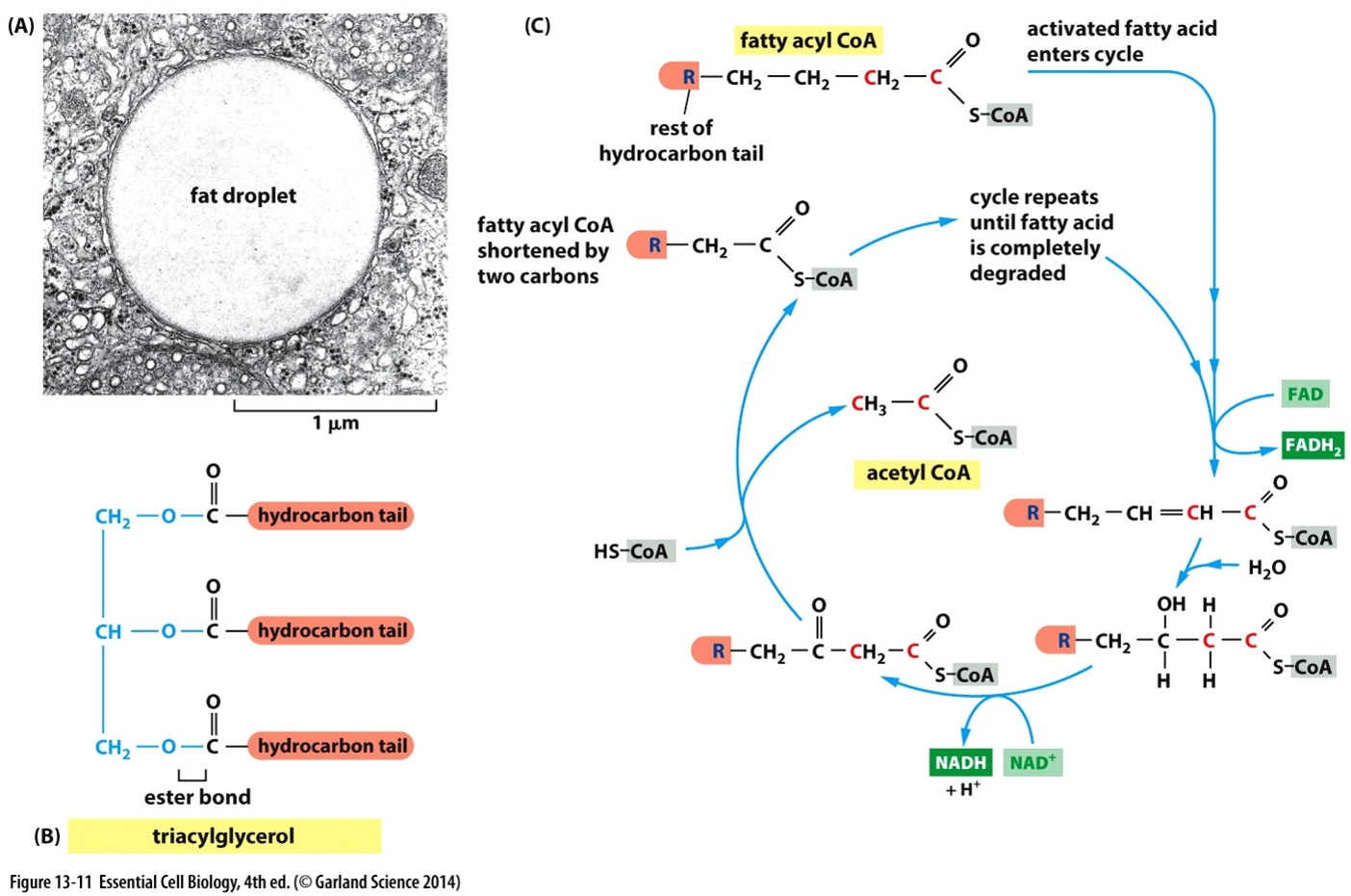
Lipids can also be converted to..
Acetyl Co A for energy
They produce 6 times more energy than sugars/weight
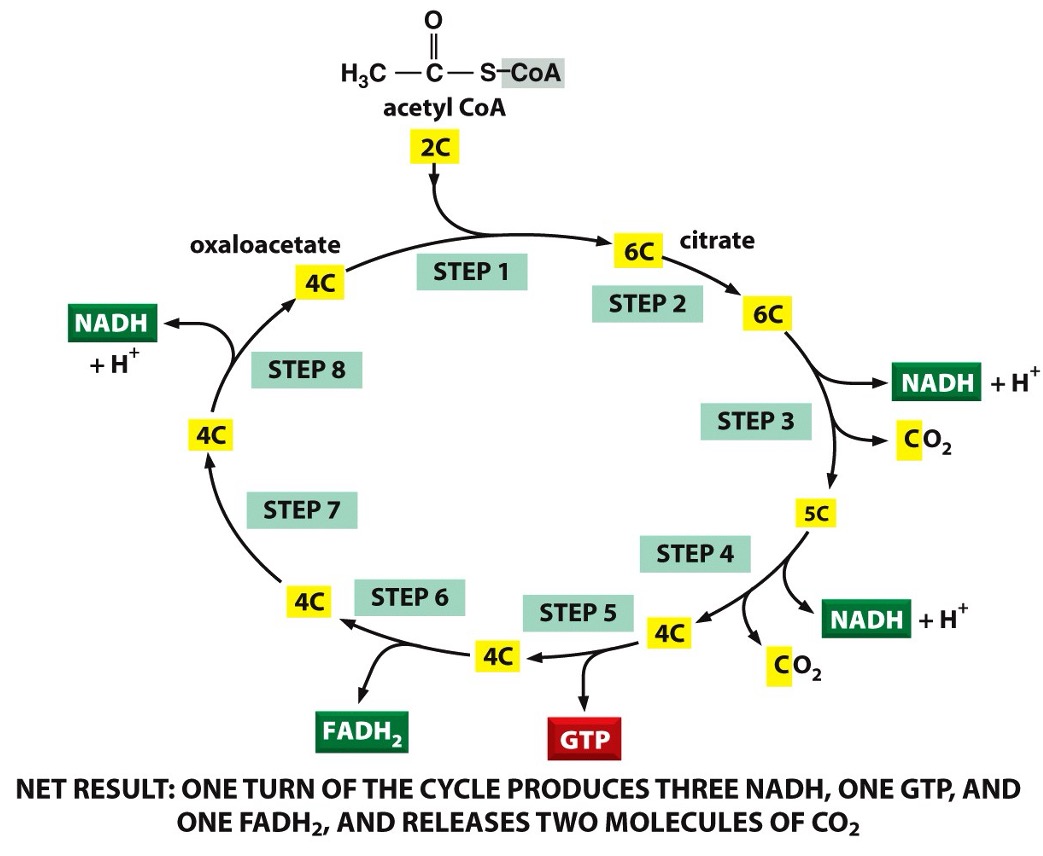
Stage 2: Citric Acid Cycle (Krebs Cycle)
-Occurs in the mitochondrial matrix
-Starting product is Acetyl Co A from either pyruvate or lipids
Does not require O2
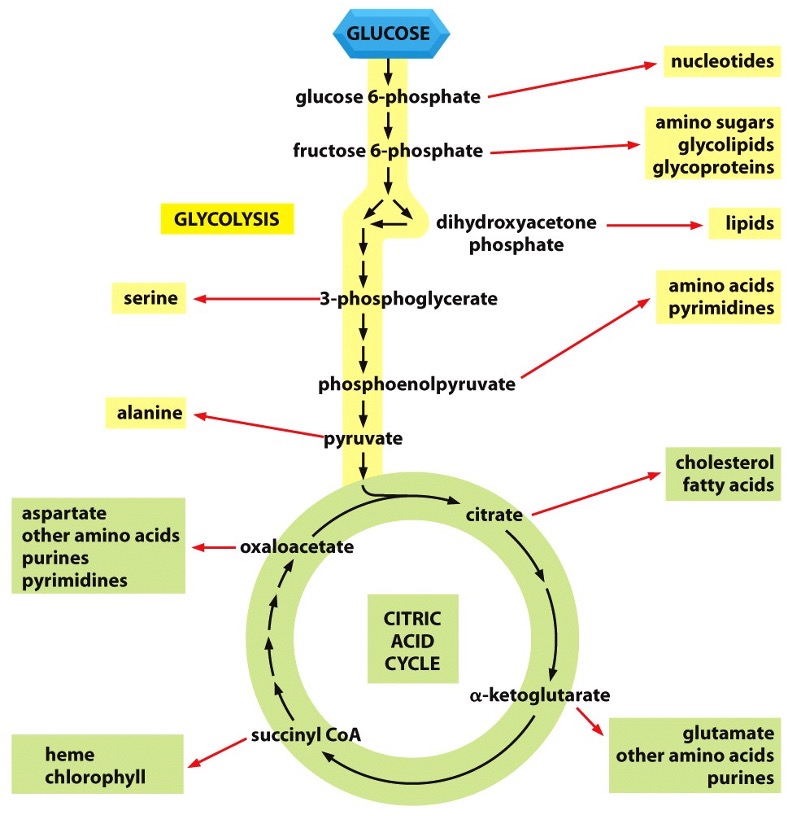
What type of pathways begin wit Glycolysis or Citric Acid Cycle?
Biosynthetic Pathways
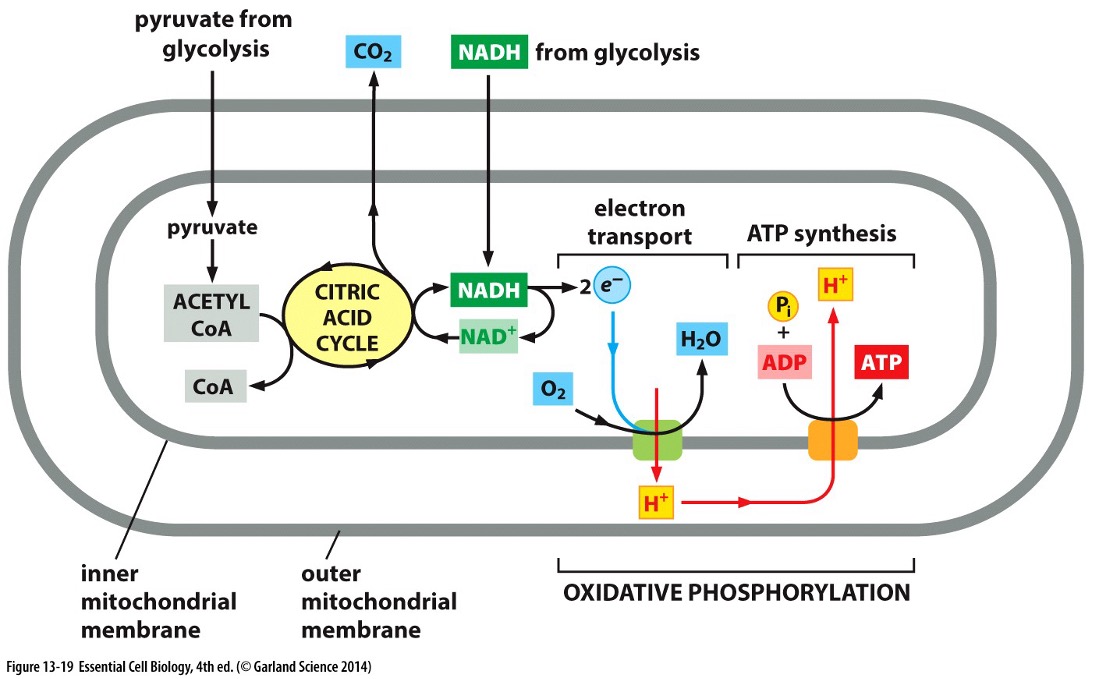
Stage 3: Oxidative Phosphorylation
Final Stages of Oxidation of Food Molecules Reduces O2 to H2O
REQUIRES OXYGEN 30 ATP
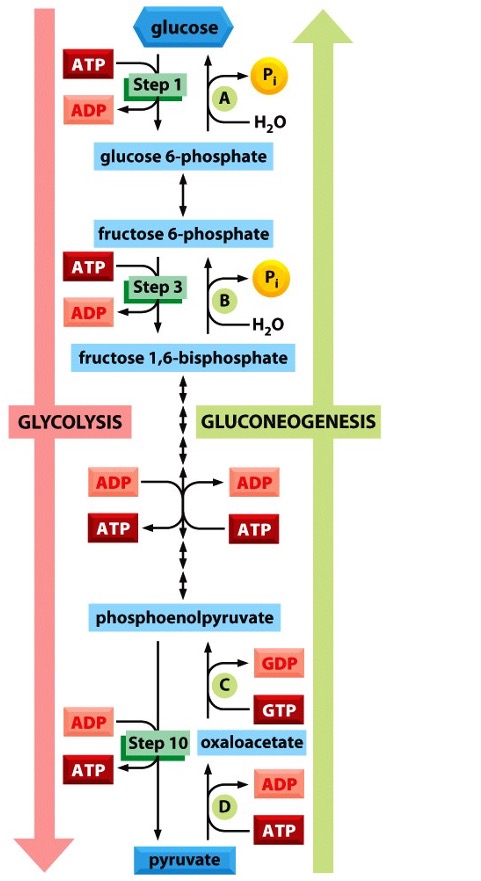
Gluconeogenesis
glycolysis reaction reverses at time of high energy needs to generate glucose
-Brain cells depend almost completely on glucose!
-Eat before the exam!
-
-Steps 1,3 and 10 are irreversible, and need “bypass” reactions (label A-D) to get around them
-
-Common starting product is lactate!
-
-Takes A LOT of energy
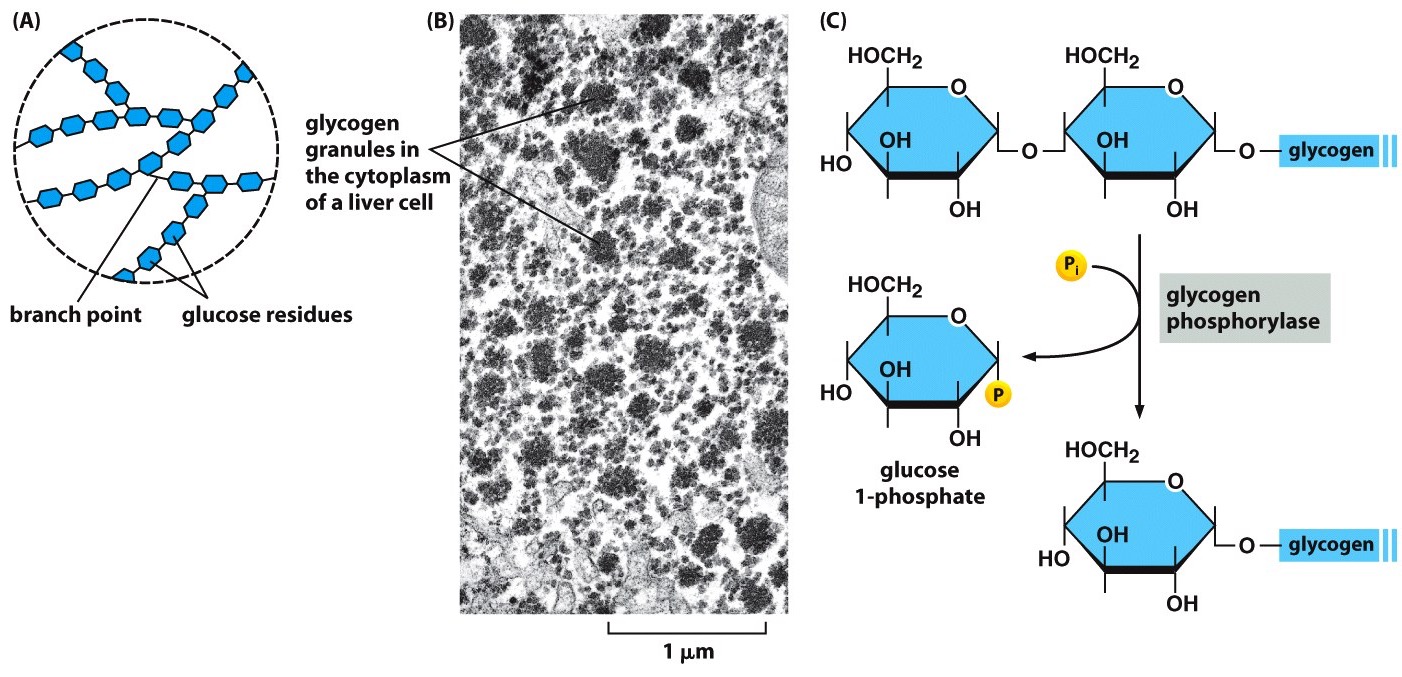
Glycogen
multi-branched polysaccharide comprised of glucose
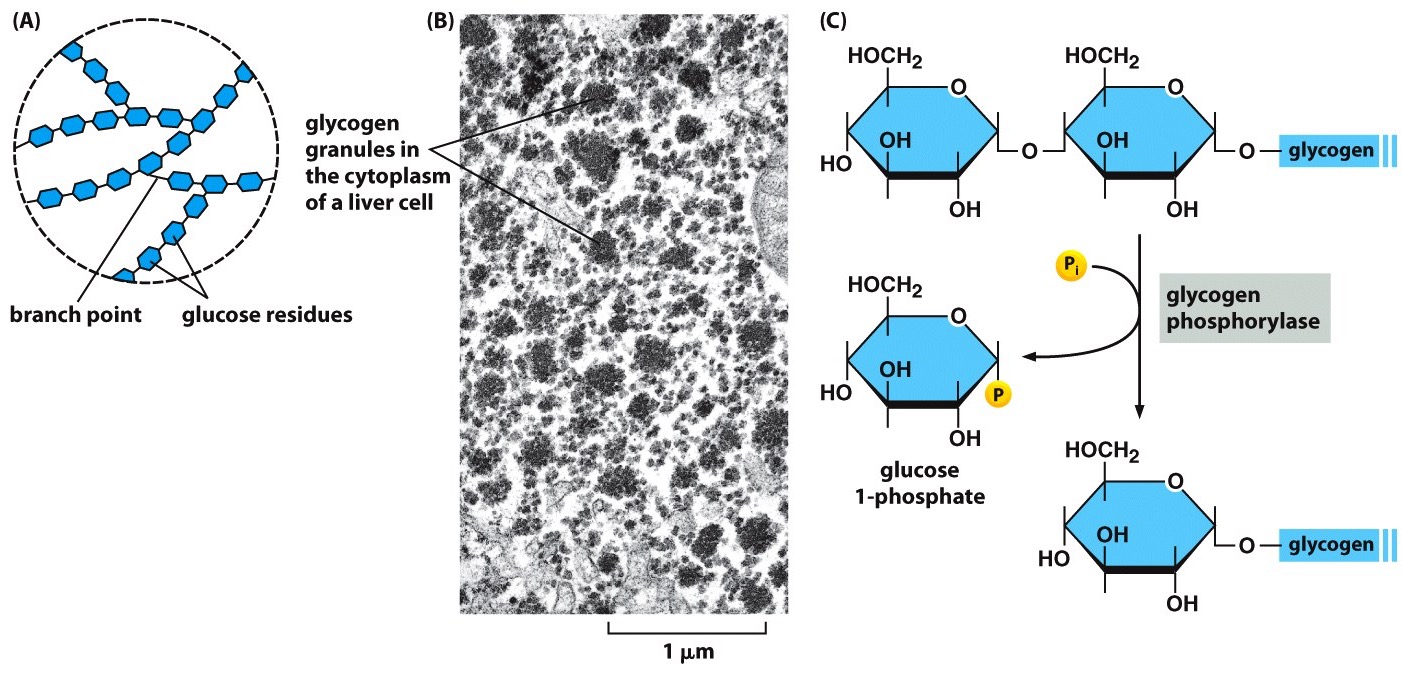
Glycogen Synthase
Makes Glycogen
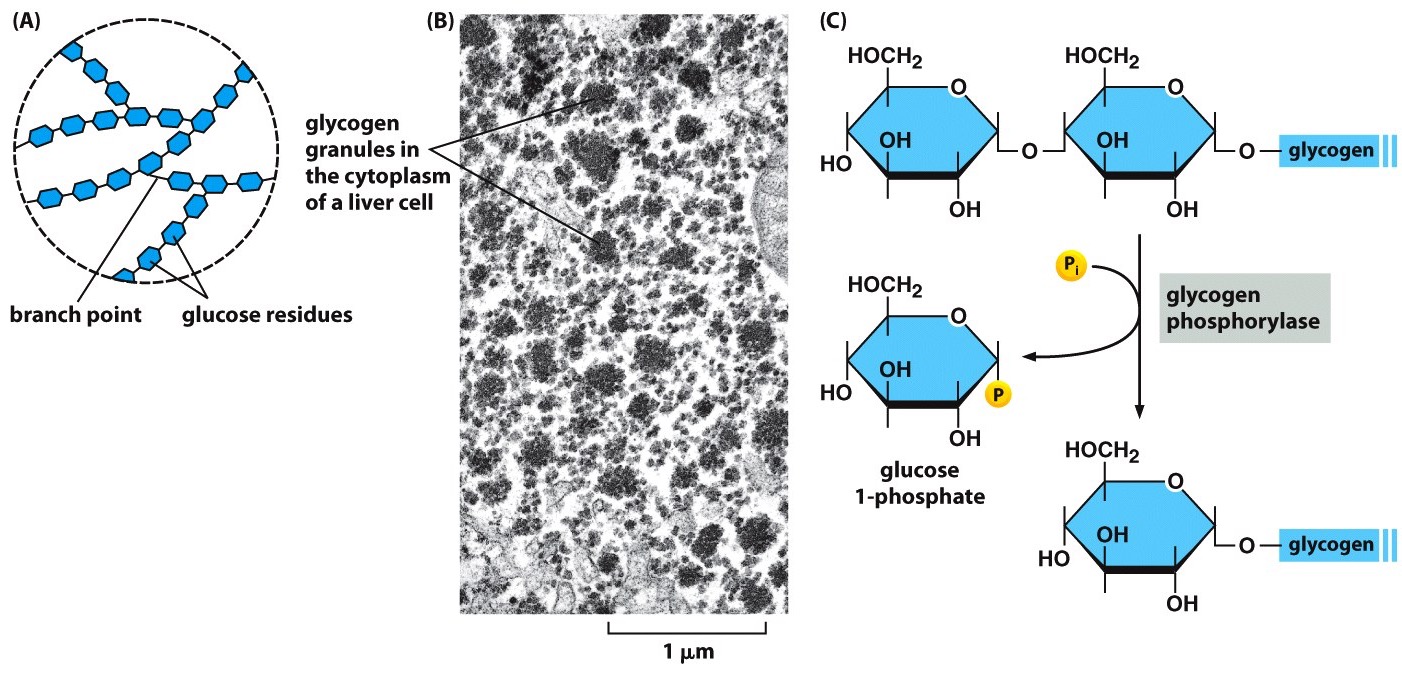
Glycogen phosphorylase
Breaks Glycogen
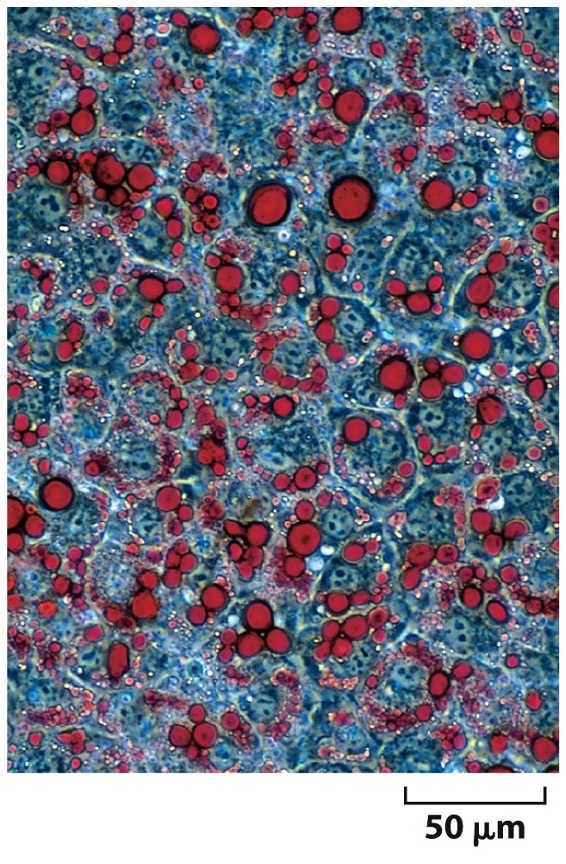
Fat
Fat is stored as droplets of water-insoluable triacylglycerols (red) in specialized adipose tissues
Excess sugar intake is converted into fatty acids and stored
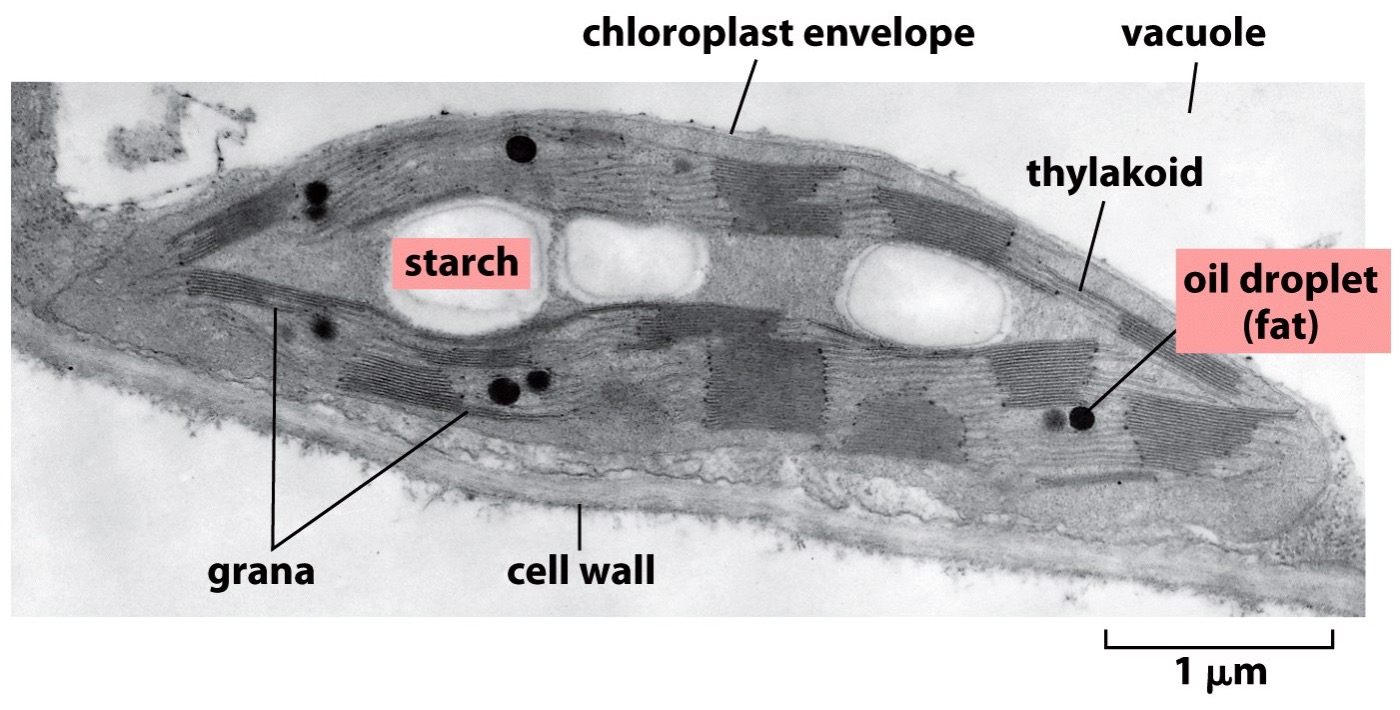
Plant Cells
Starch: branched polymer of glucose similar to glycogen
Fat: like animals, but differs in the types of fatty acids that predominate (unsaturated)
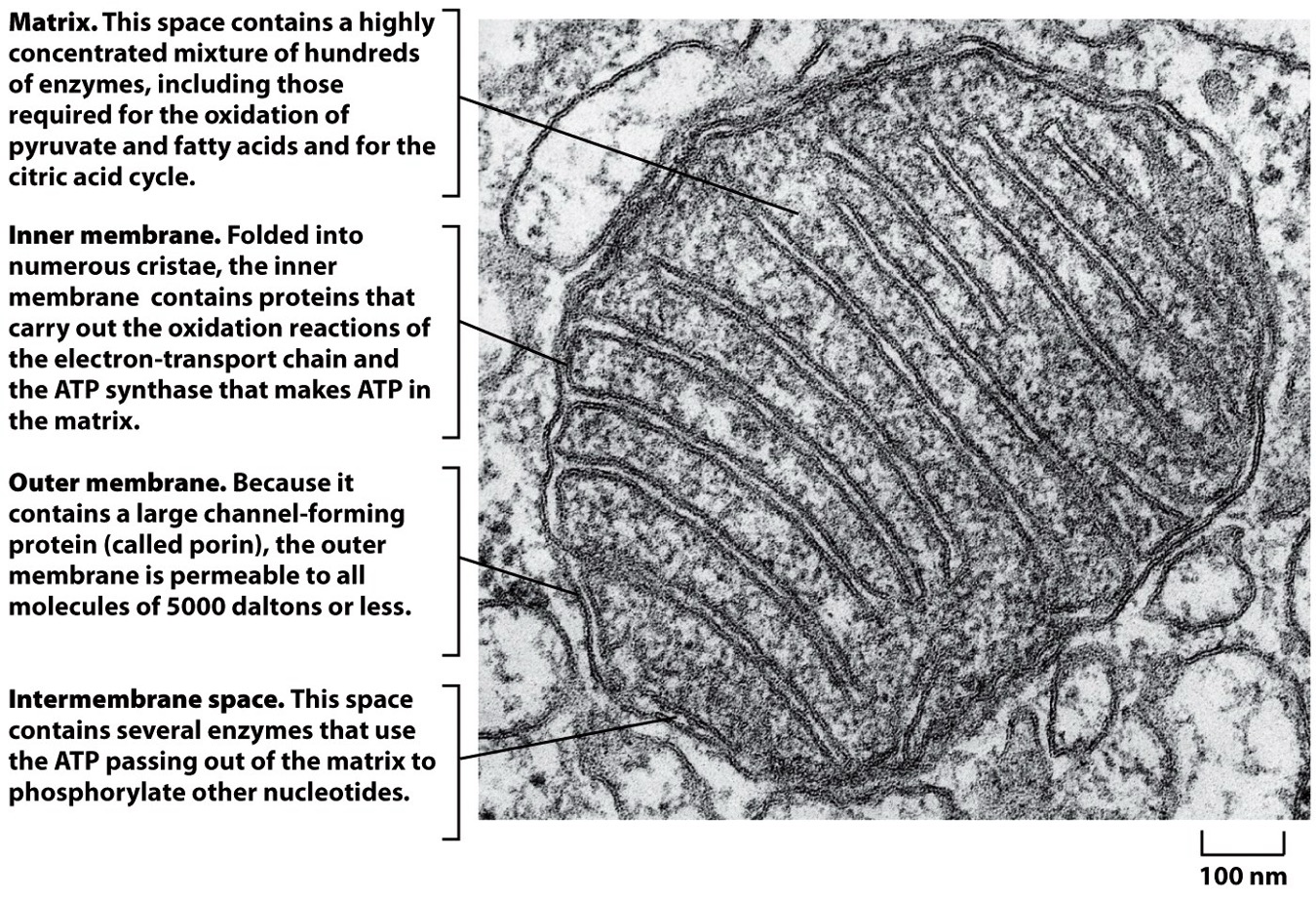
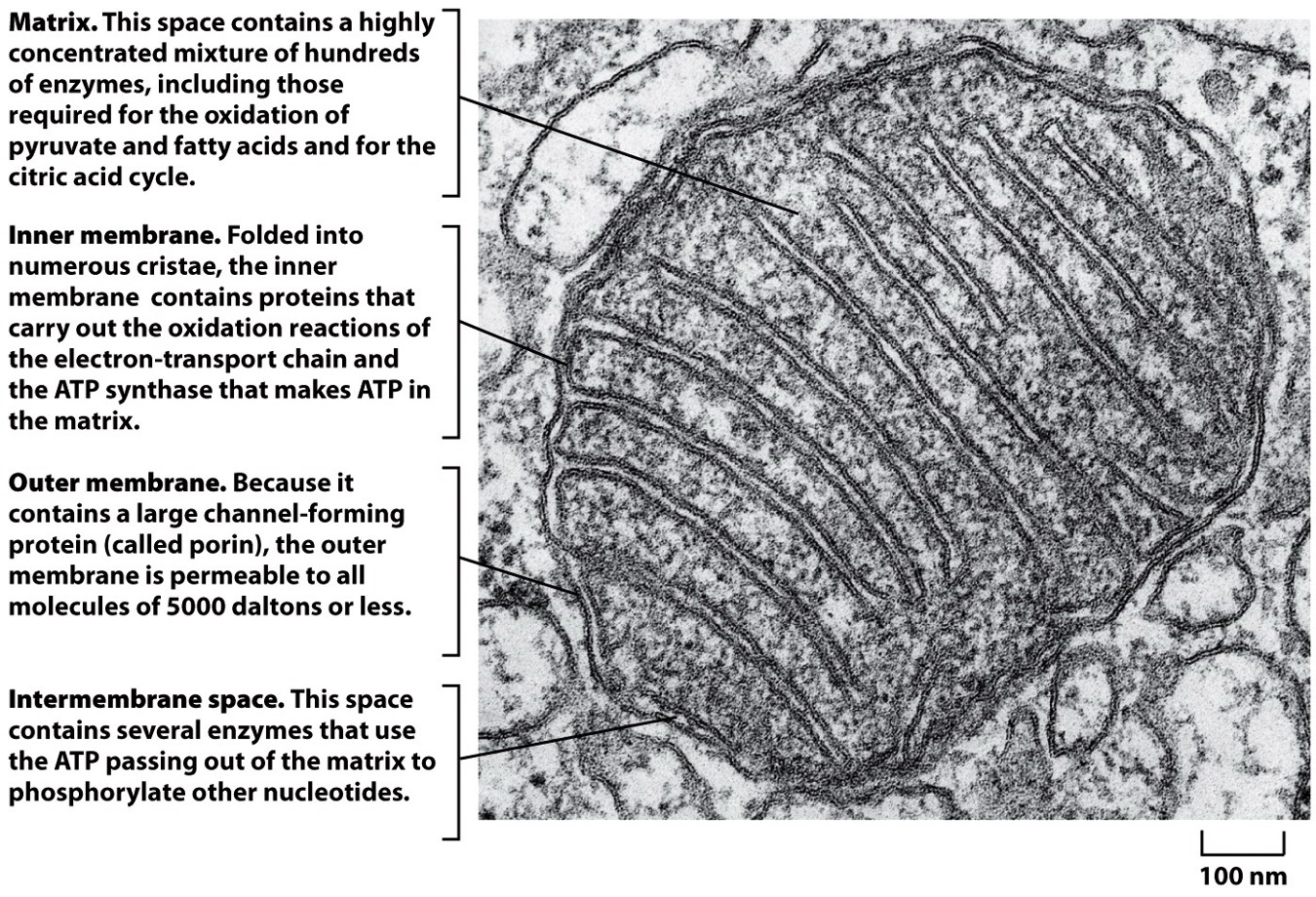
Mitochondria Matrix
concentrated mixture of hundreds of enzymes
including those for oxidation of pyruvate and fatty acids for citric acid cycle
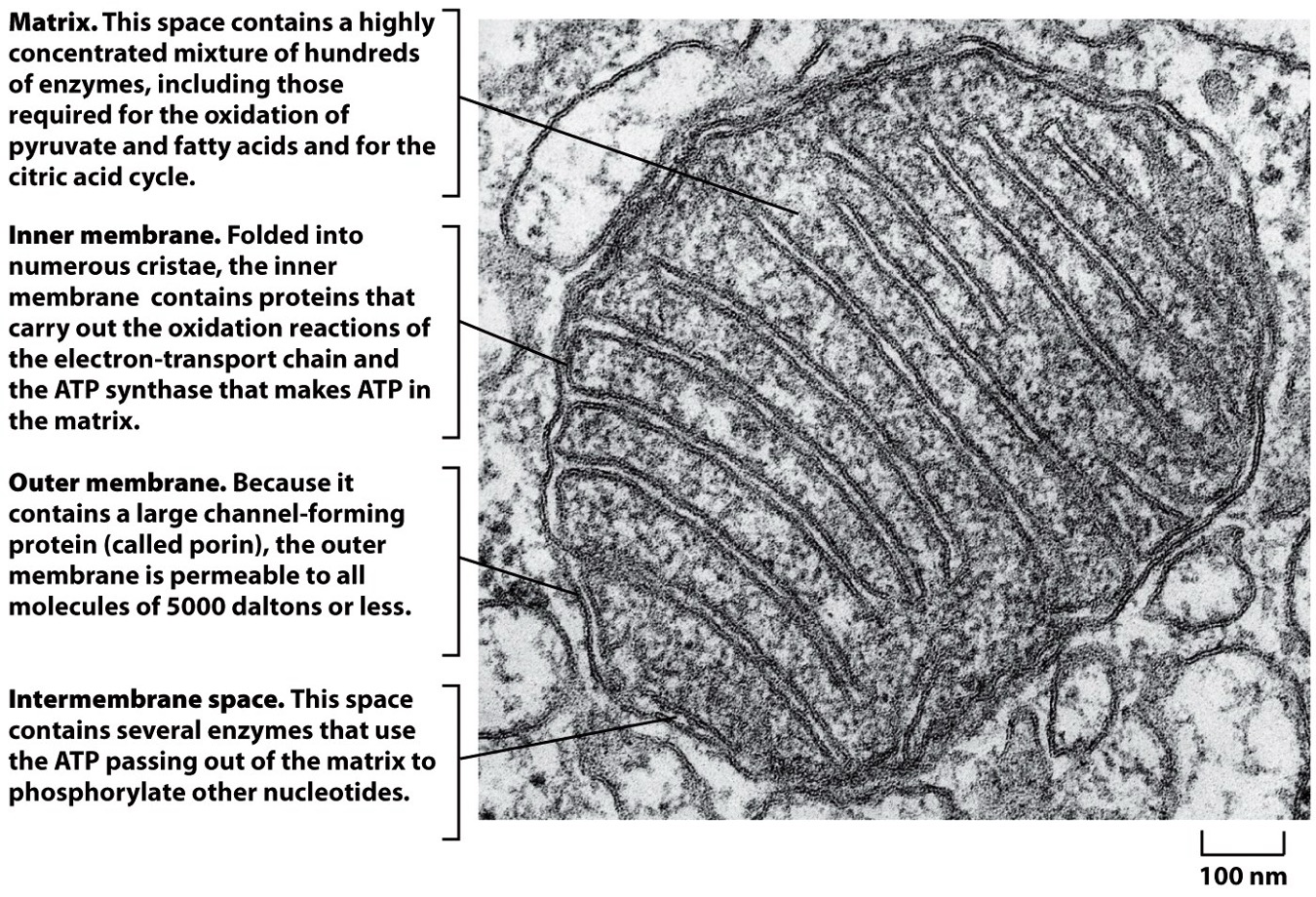
Mitochondria Inner Membrane
It is folded into numerous cristae
Proteins that carry out oxidation reactions for ETC and ATP synthesis.
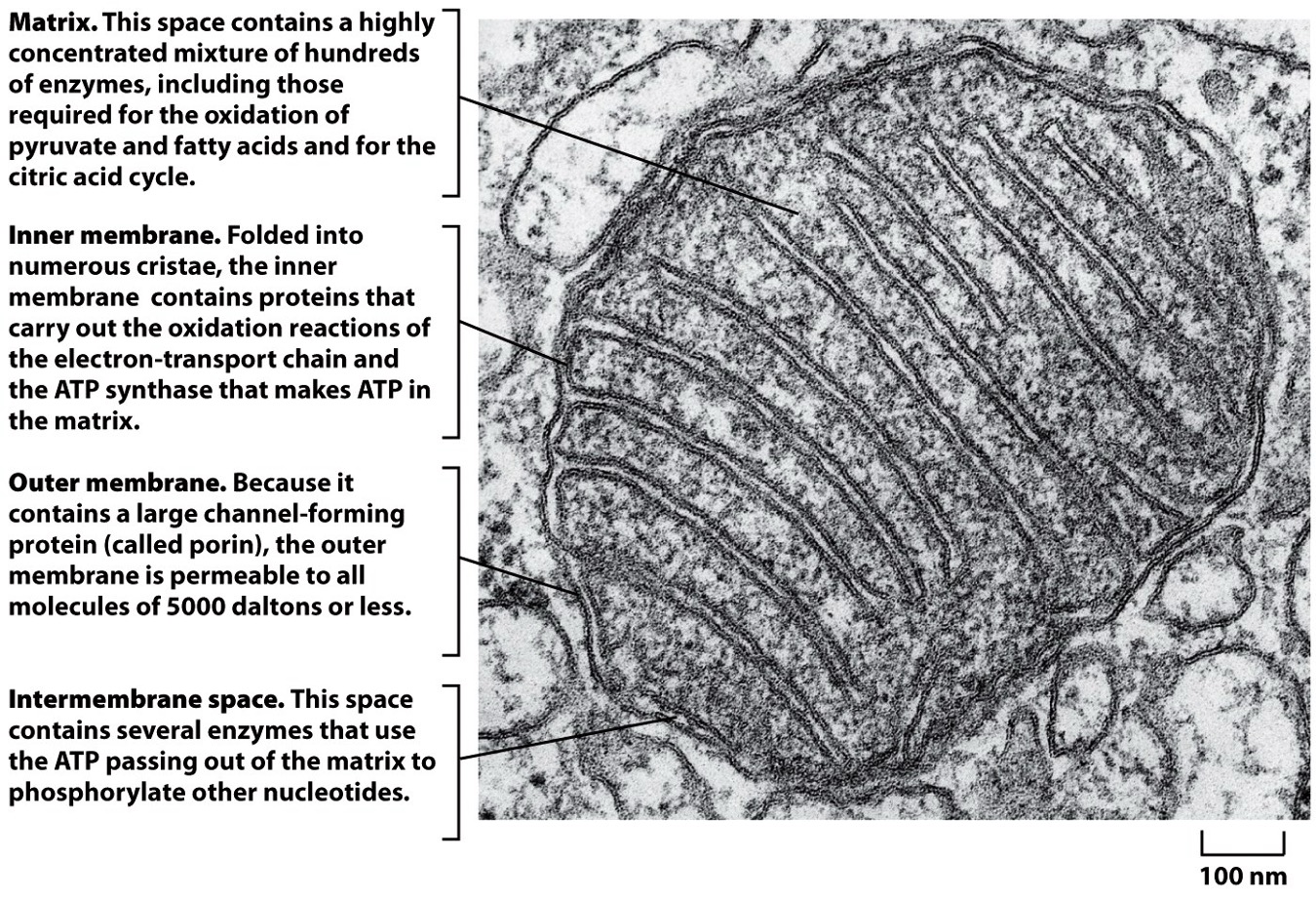
Mitochondria Outer Membrane
Large channel-forming protein (Porin)
permeable to all molecules 5000 daltons or less
Mitochondria Intermembrane Space
Enzymes that use ATP passing out of matrix to phosphorylate nucleotides
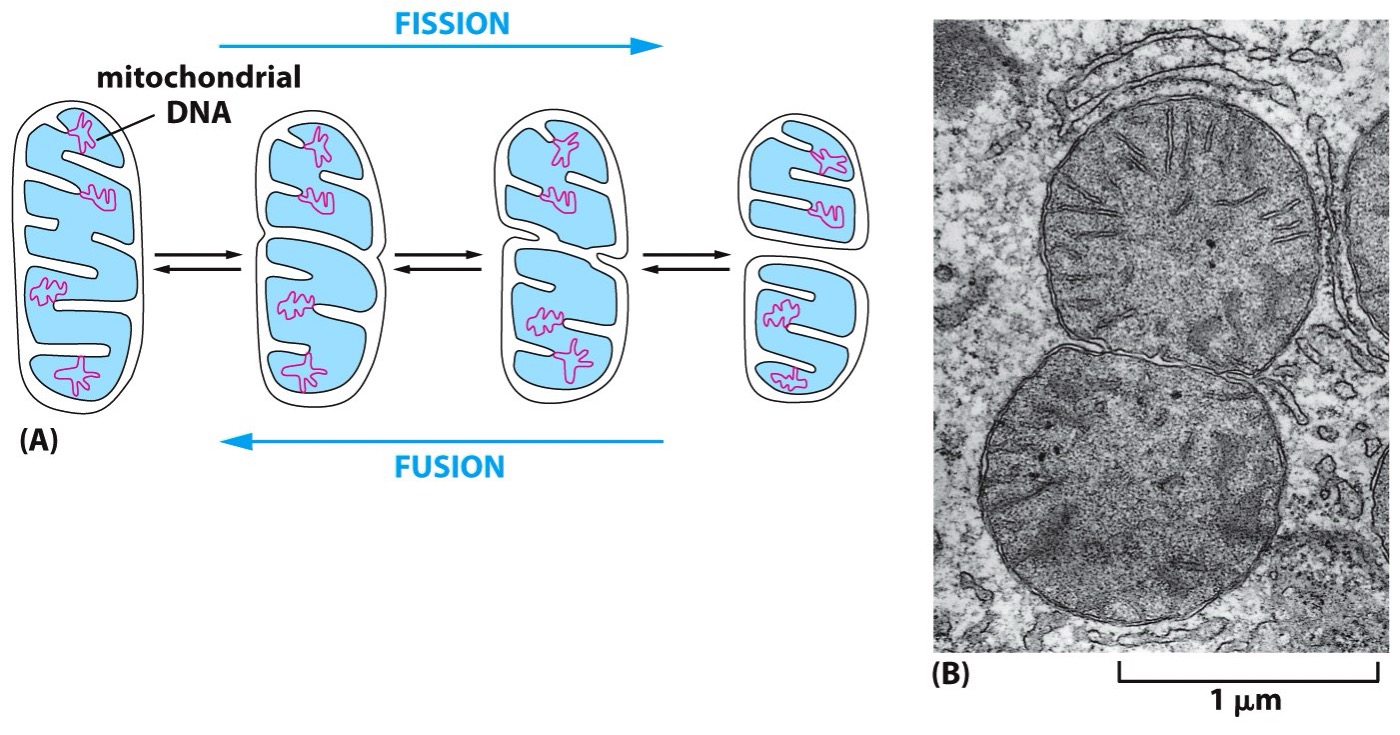
Mitochondria divison
The process through which mitochondria replicate and divide, typically occurring through a mechanism resembling binary fission.
Mitochondria Fission
is a form of asexual reproduction by which a single entity splits into two or more independent entities, commonly observed in mitochondria during division.
Mitochondria Fusion
is the process by which two or more mitochondria combine to form a single, larger mitochondrion, playing a crucial role in mitochondrial function and dynamics.
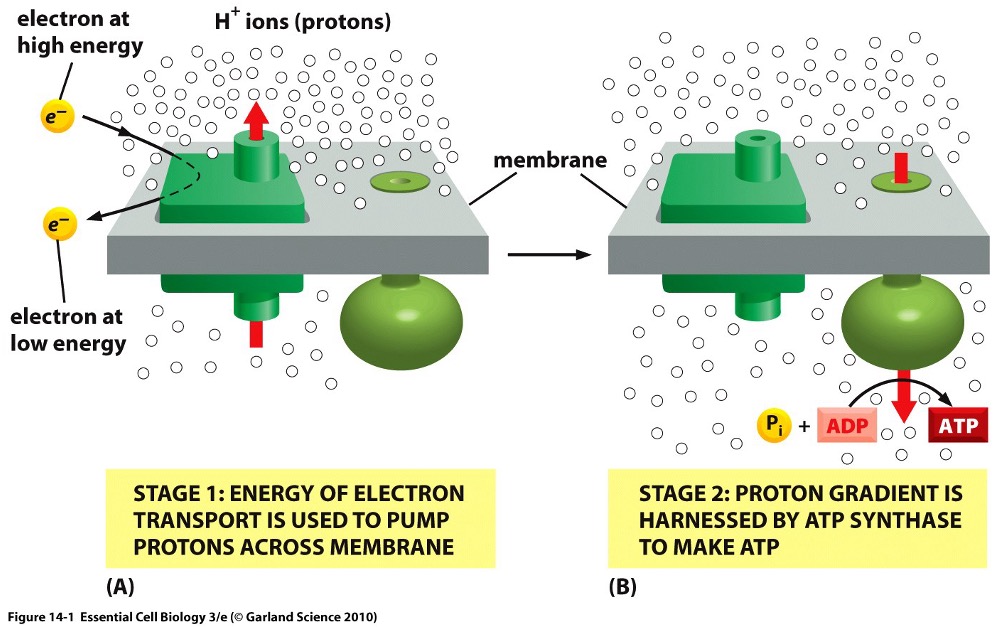
Energy of an electron can be harnessed…
To produce ATP
Required components:
-membrane
-proton pump
-ATP synthase
-source of high energy electrons (e-) and protons (H+)
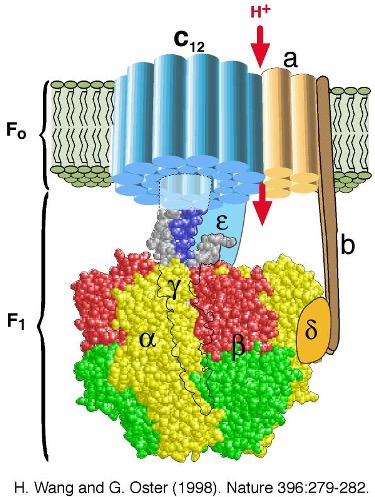
ATP is generated across..
a membrane
What yeilds most of the Cellular ATP?
Oxidative Phosphorylation
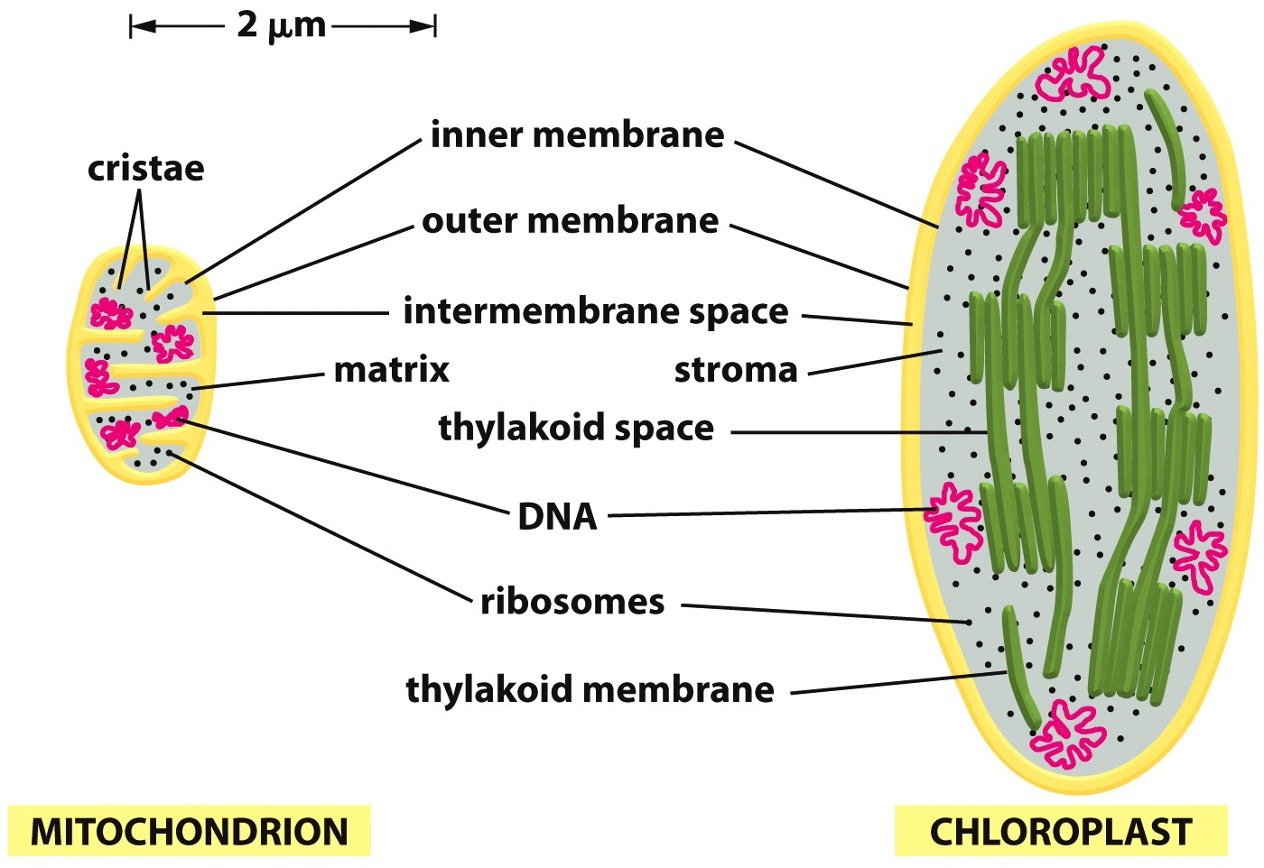
Chloroplasts resemble what in structure…
Mitochondria
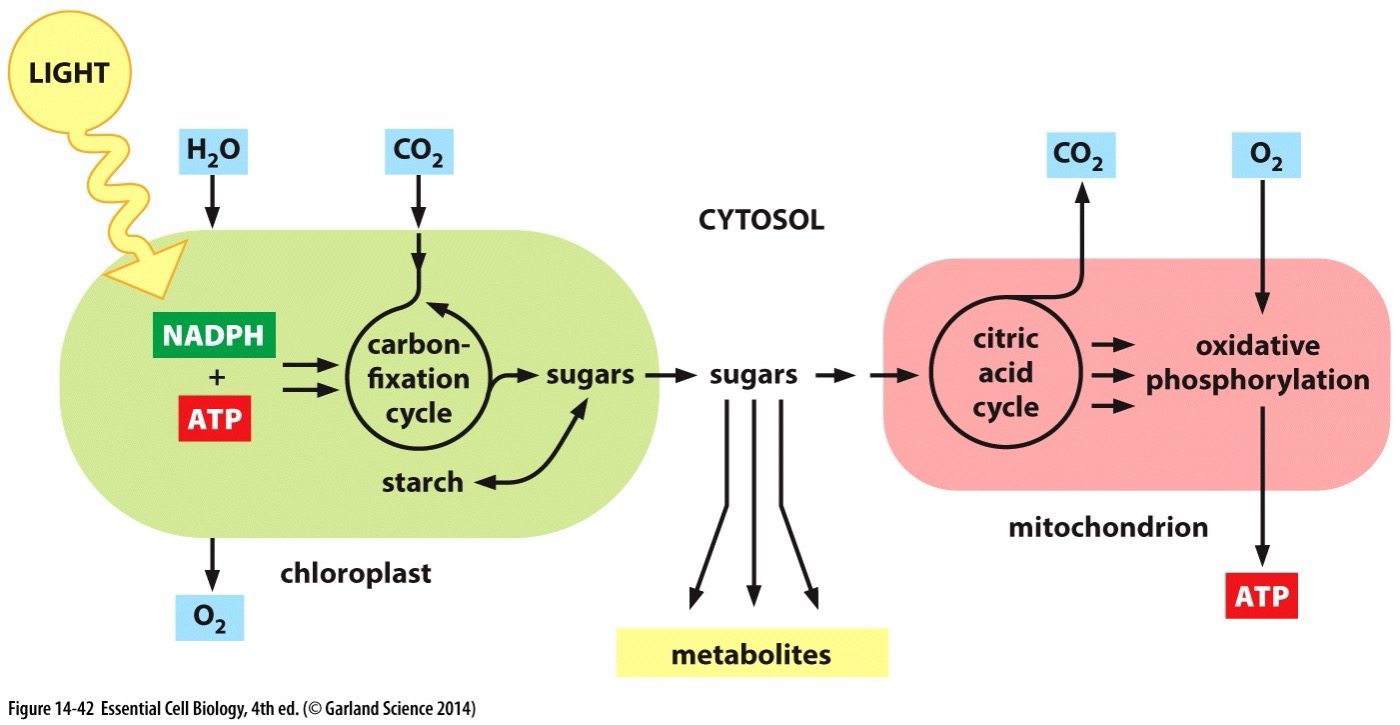
How do plants still use Mitochondria?
Inner membrane of chloroplast impermeable to ATP and NADPH, therefore funneled into carbon-fixation cycle to make sugar
-Sugar can then be make into starch, metabolized, or enter into mitochondria to form ATP