A&P Chapter 1
 Call Kai
 Learn
Learn Practice Test
 Spaced Repetition
 Match
Match Flashcards
 Knowt Play
1/60

Earn XP
Description and Tags
Chapter 1 Terms
Name | Mastery | Learn | Test | Matching | Spaced | Call with Kai | Chat |
|---|
No analytics yet
Send a link to your students to track their progress
61 Terms
Anatomy
study of the structure and shape of the body and it’s parts
- observation is used to see sizes and relationships
Physiology
study of how the body and its parts function
Atoms
tiny building blocks of matter
Cells
smallest unit of living things
Tissues
groups of similar cells that have a common function (there are 4 types)
Organ
structure composed of two (or more) tissue types that performs a specific function for the body
Organ system
group of organs working together to a common purpose
Organism
highest level of structural organization
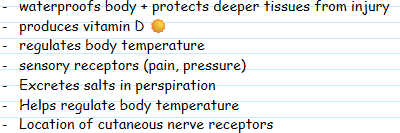
Integumentary system
external covering of the body/skin (including hairs and fingernails)
protect deeper tissue from injury
skin
Skeletal system
bones, cartilages, and joints
protection
C6 Vertebra
Muscular system
movement (walk, jump, grab, facial expressions)
function
rep. organ
Nervous system
fast-acting control system of the body
function
rep. organ
Endocrine system
controls body’s activities
function
rep. organ
Cardiovascular system
heart and blood vessels
Lymphatic system
complements cardiovascular; picks up fluid leaked from blood vessels and returns it to blood
Respiratory system
keeps blood constantly supplied with oxygen and removes carbon dioxide
Digestive system
breaks down food into absorbable nutrients that enter the blood for distribution to body cells
Urinary system
eliminates nitrogen-containing wastes from the body
Reproductive system
production of offspring
Anatomical position
body erect facing forward, with arms at the sides and palms forward
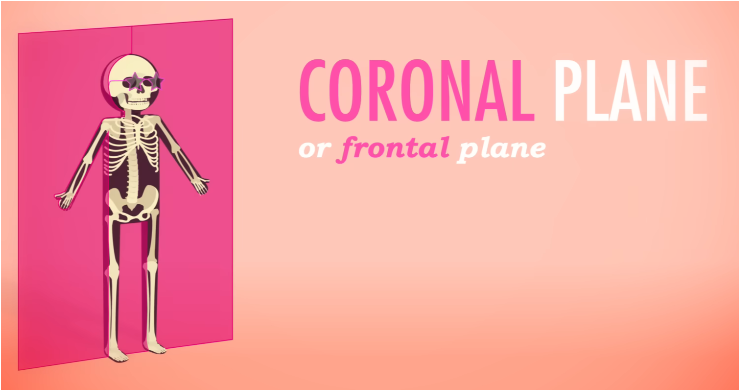
Coronal Plane
splits everything vertically into the front and back
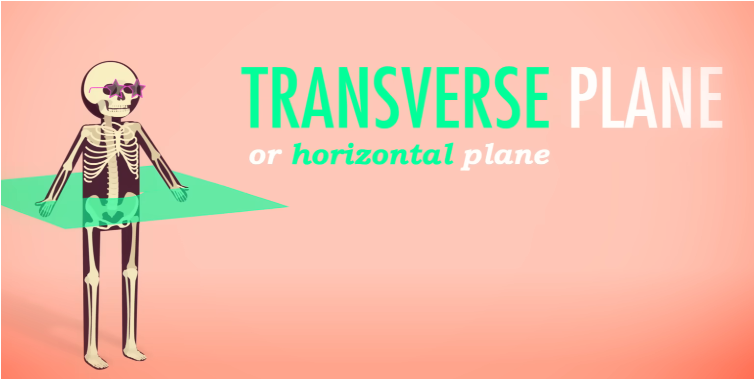
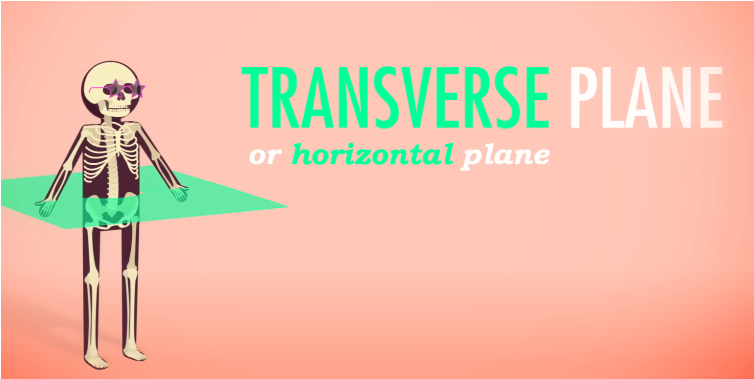
Transverse Plane
divides the body top and bottom
Anterior
the part(s) that meet the environment when moving forwards
Posterior
the part(s) that meet the environment when moving backwards
Superior
upper i.e. eyes are [ ] to the mouth
Interior
lower i.e. knees are inferior to the hips
Proximal
part of structure closest to the trunk or to a main point of reference
i.e.
Distal
part of structure furthest to the trunk or to a main point of reference
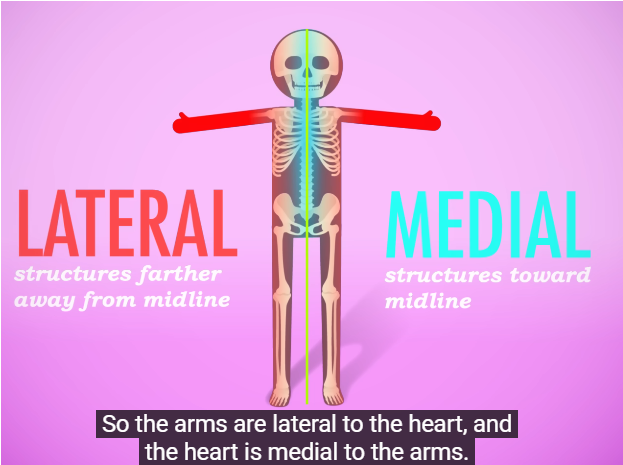
Medial
to or toward the midline

Lateral
structures away from midline
Median
directly along the midline
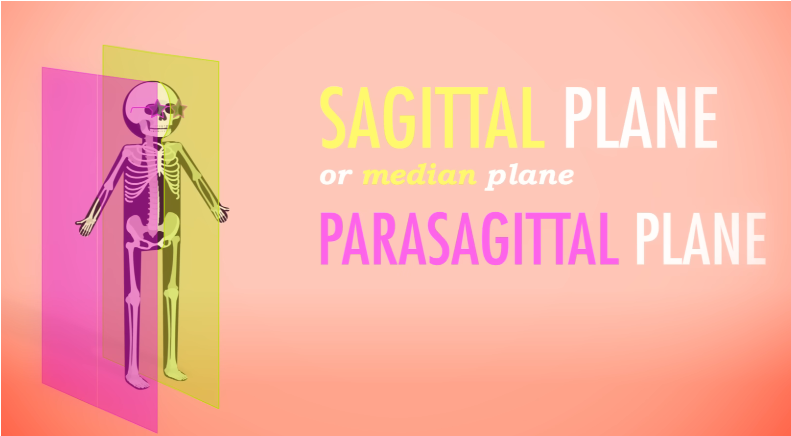
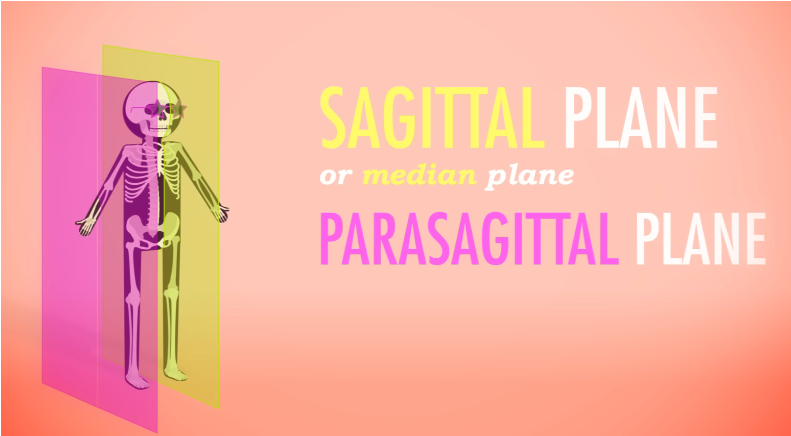
Midsagittal (Sagittal)
a plane which divides a body/organ into right and left parts

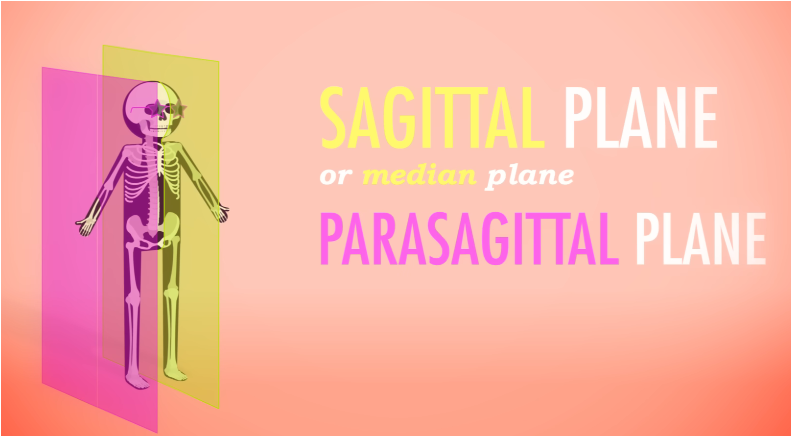
Parasagittal
a plane which is parallel to the midsagittal
Frontal (Coronal)
a plane that divides the organism into dorsal and ventral parts
Transverse (or cross or horizontal)
a plane that divides the organisms into cranial and caudal portions
Axillary
armpit area
Brachial
upper arm
Femoral
upper leg or thigh
Mammary
breast
Patellar
knee
Pectoral
chest
Pubic
area where two hipbones meet on ventral aspect of body
Temporal
side of the head
Parietal
top of the head
Occipital 👀
back of the head
Frontal
front of the head
Cervical
neck
Deltoid
shoulder
Gluteal
buttocks area
Lumbar region of back
lower back
Sacral
region of back just caudal to the lumbar region
Popliteal
fat filled area just dorsal to the knee
Scapular
shoulder blade region
Mastoid
below and behind the ear
Palmar (volar)
palm of hand surface
Plantar
sole of foot
Epigastric
upper median region of abdomen; contains umbilicus or navel
Hypogastric
lower median region of the abdomen
Hypochondriacs
on either side of epigastric region
Lumbars
on either side of umbilical region
Iliacs (inguinals)
on either side of hypogastric region