RESEARCHES CHARACTERIZING BIOLOGOCAL APPROACH
 Call Kai
 Learn
Learn Practice Test
 Spaced Repetition
 Match
Match Flashcards
 Knowt Play
1/22

There's no tags or description
Looks like no tags are added yet.
Name | Mastery | Learn | Test | Matching | Spaced | Call with Kai | Chat |
|---|
No analytics yet
Send a link to your students to track their progress
23 Terms
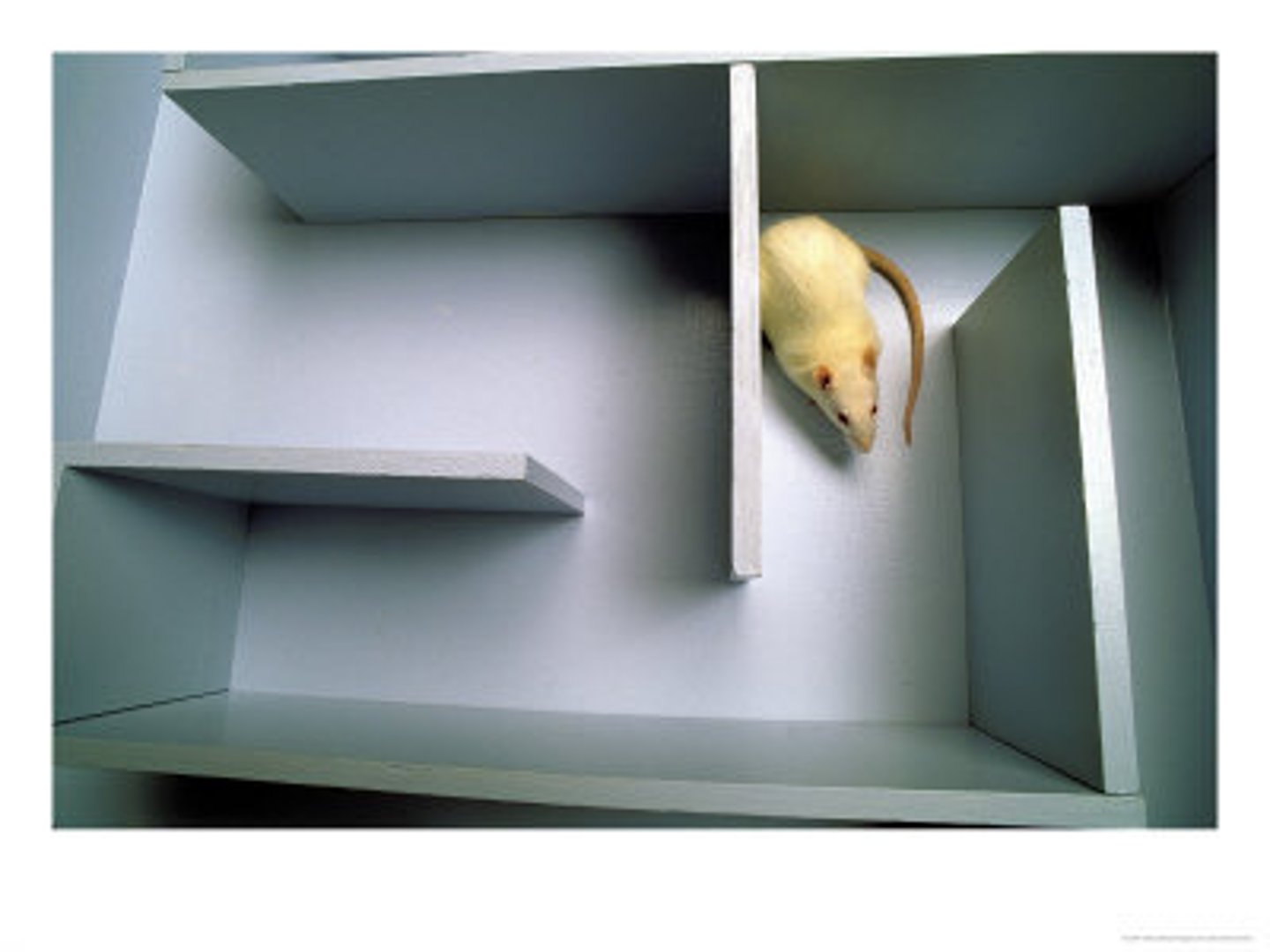
non-human subjects
- are rats, mice, cats, dogs, and non-human primates
Advantages:
- Simpler brains and behavior, reveal
fundamental brain-behavior interactions
- Comparative results
- Fewer ethical constraints
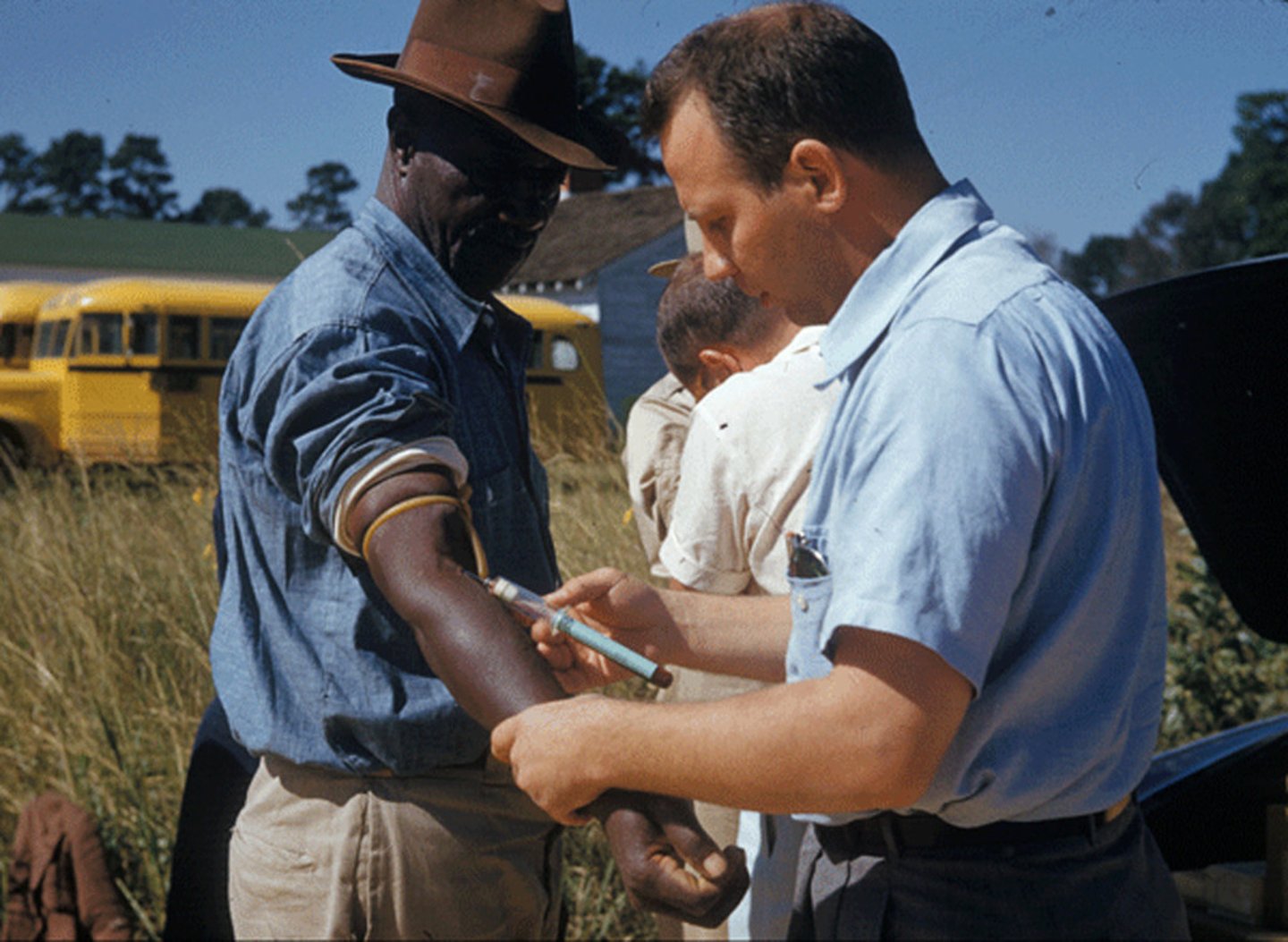
Human Subjects
- can follow instructions and report
their subjective feelings
advantages:
- Human are accessible
- Understanding the intricacies of human brain
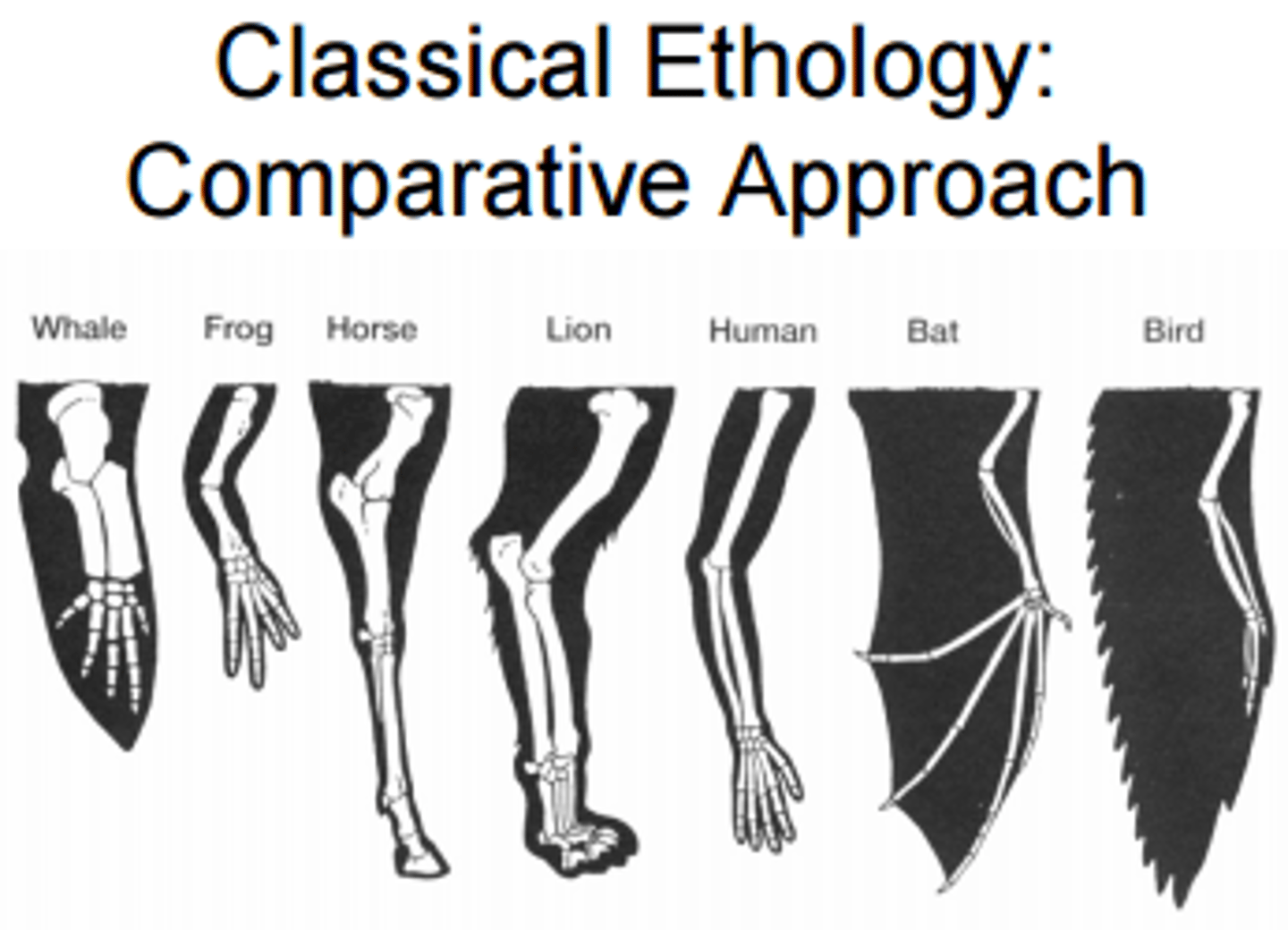
Comparative approach
a study of biological processes by comparing different species.
Experiments
- method used to study causation
- Variables are manipulated; controlled testing
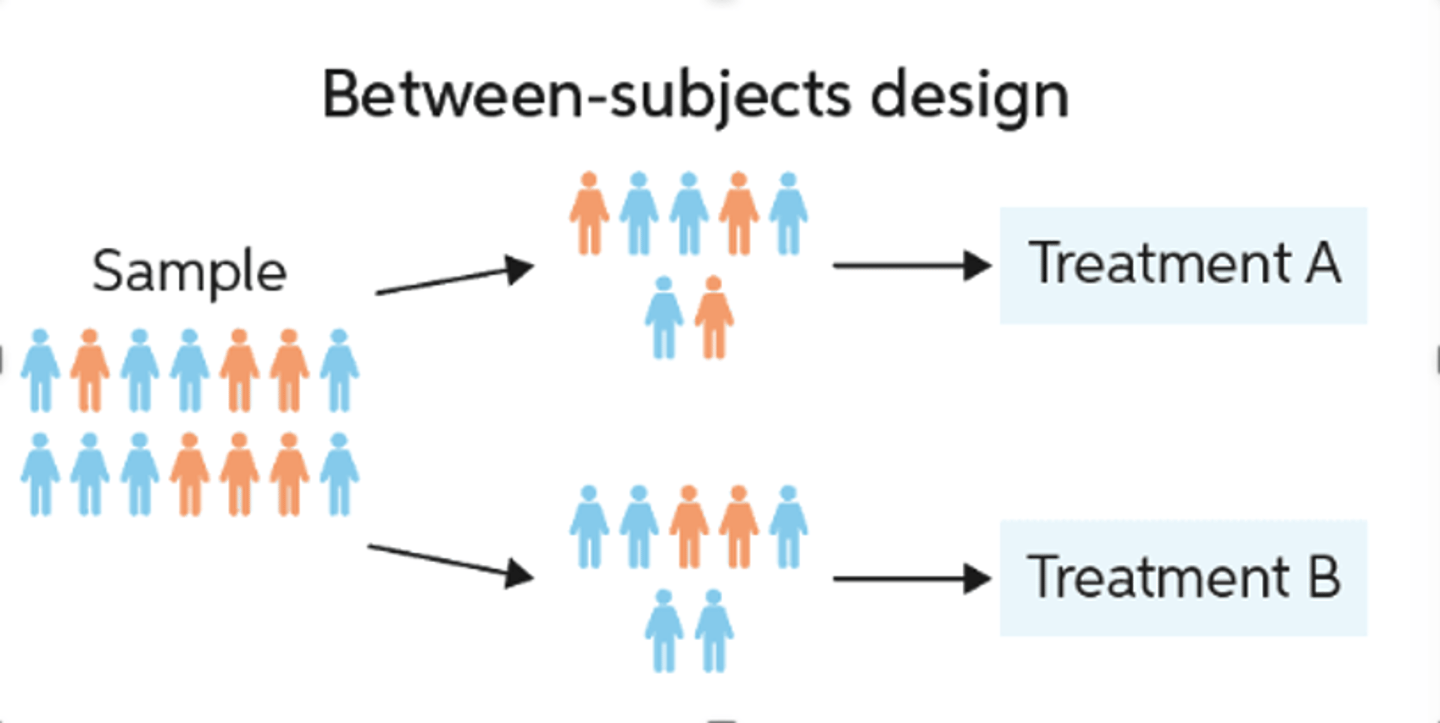
Between-subjects design
different group tested under each condition
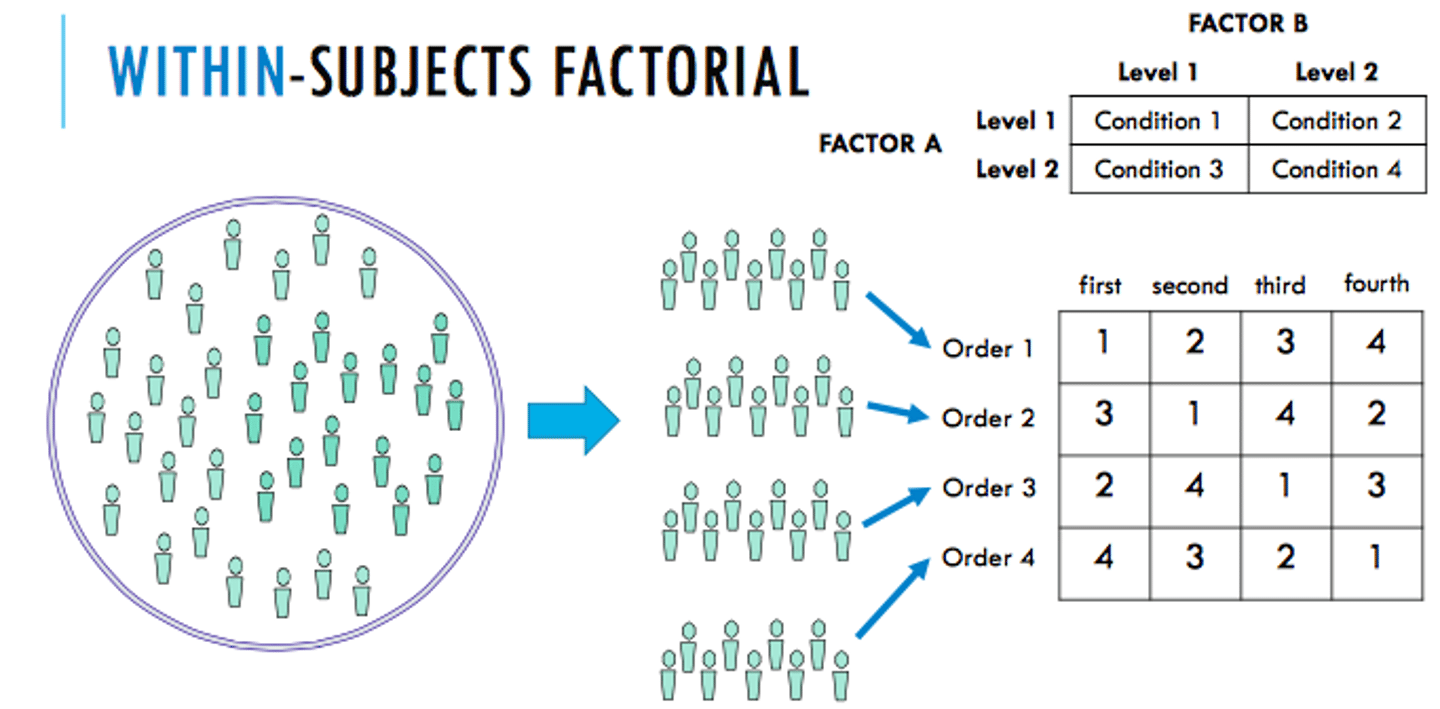
Within-subjects design
- the same group under each condition
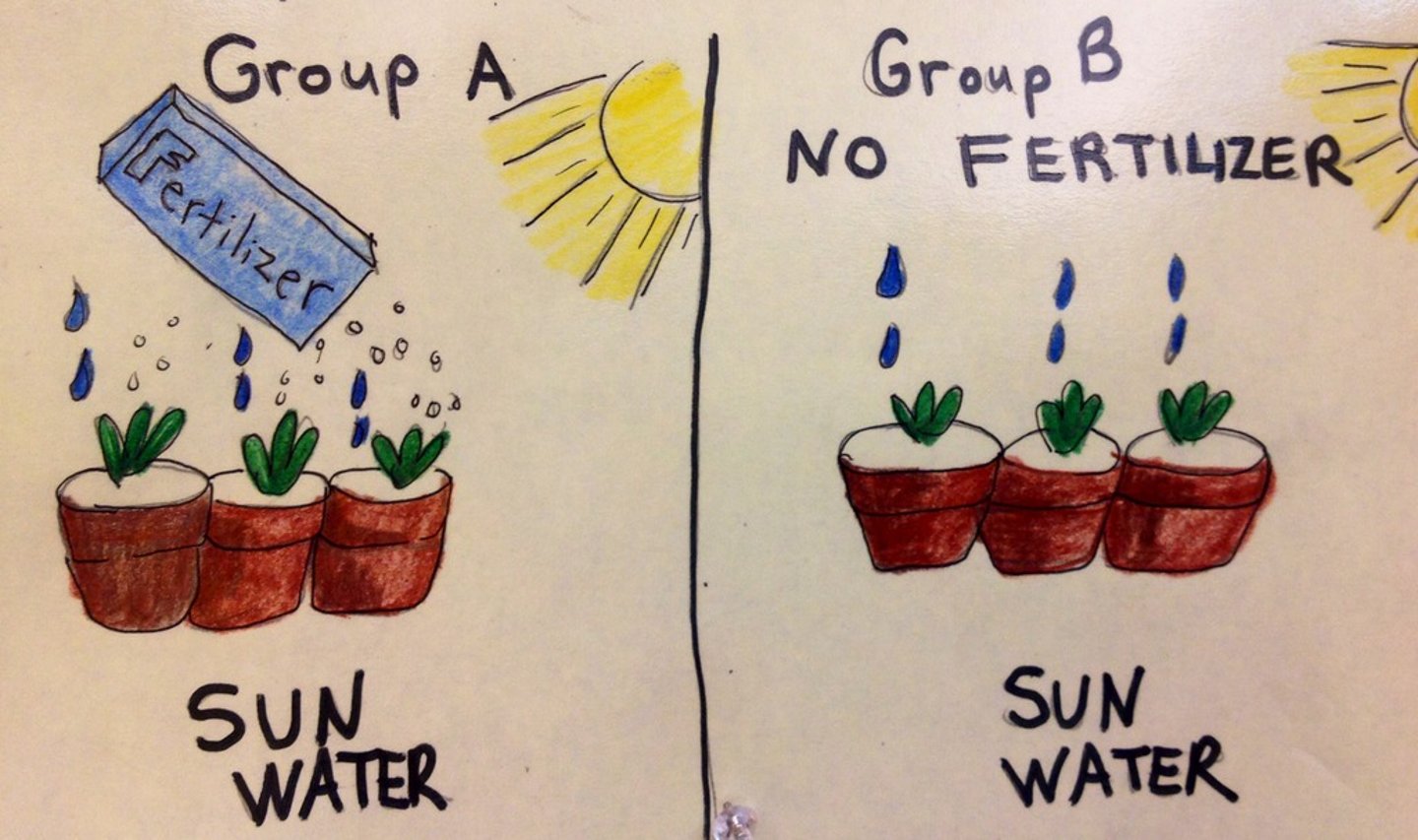
Independent variable
-the difference between the
conditions
Dependent variable
- measure and assess the effect of Independent variable.

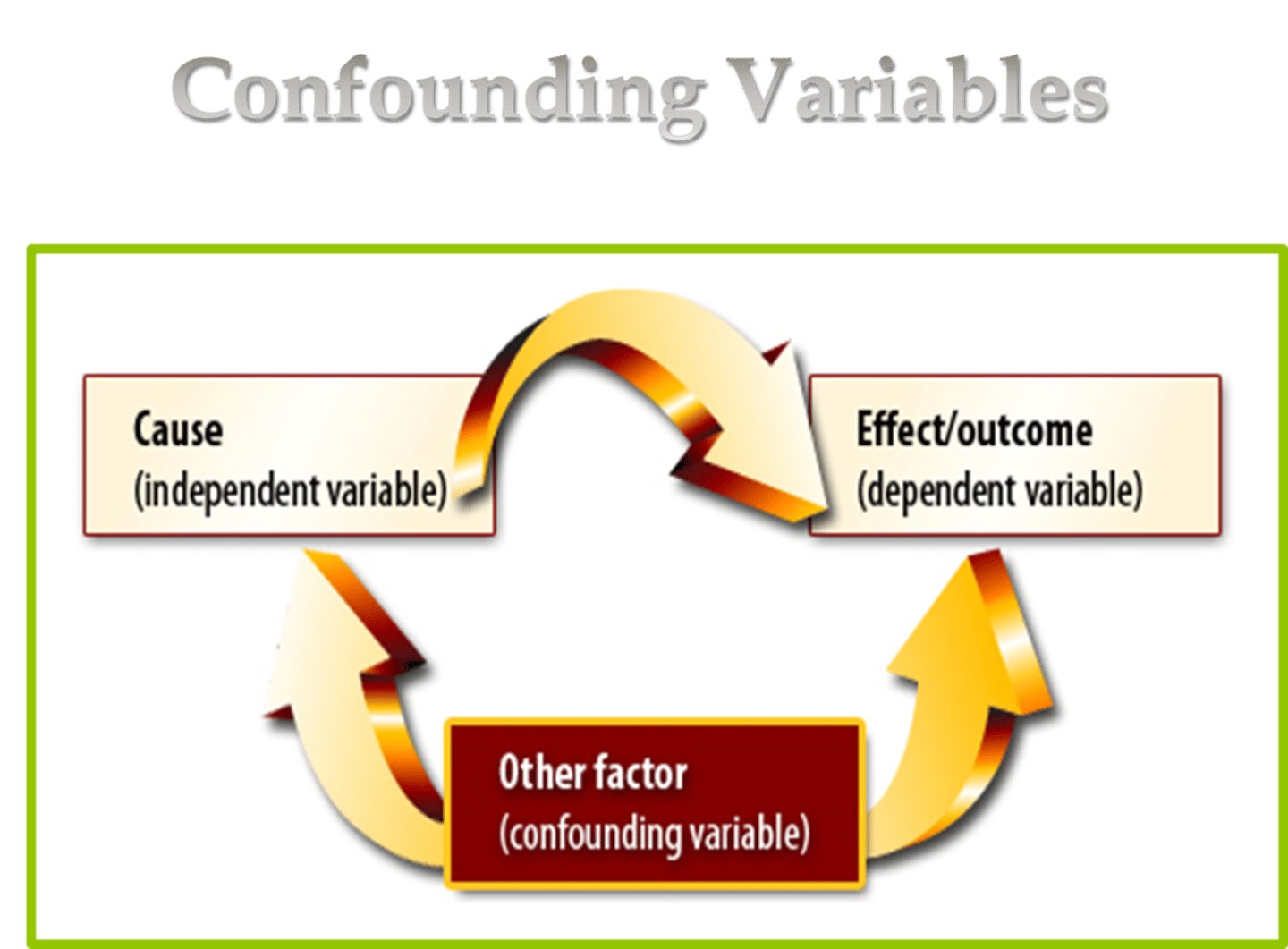
Confounded variable
- one more difference that could affect the variables; unintended
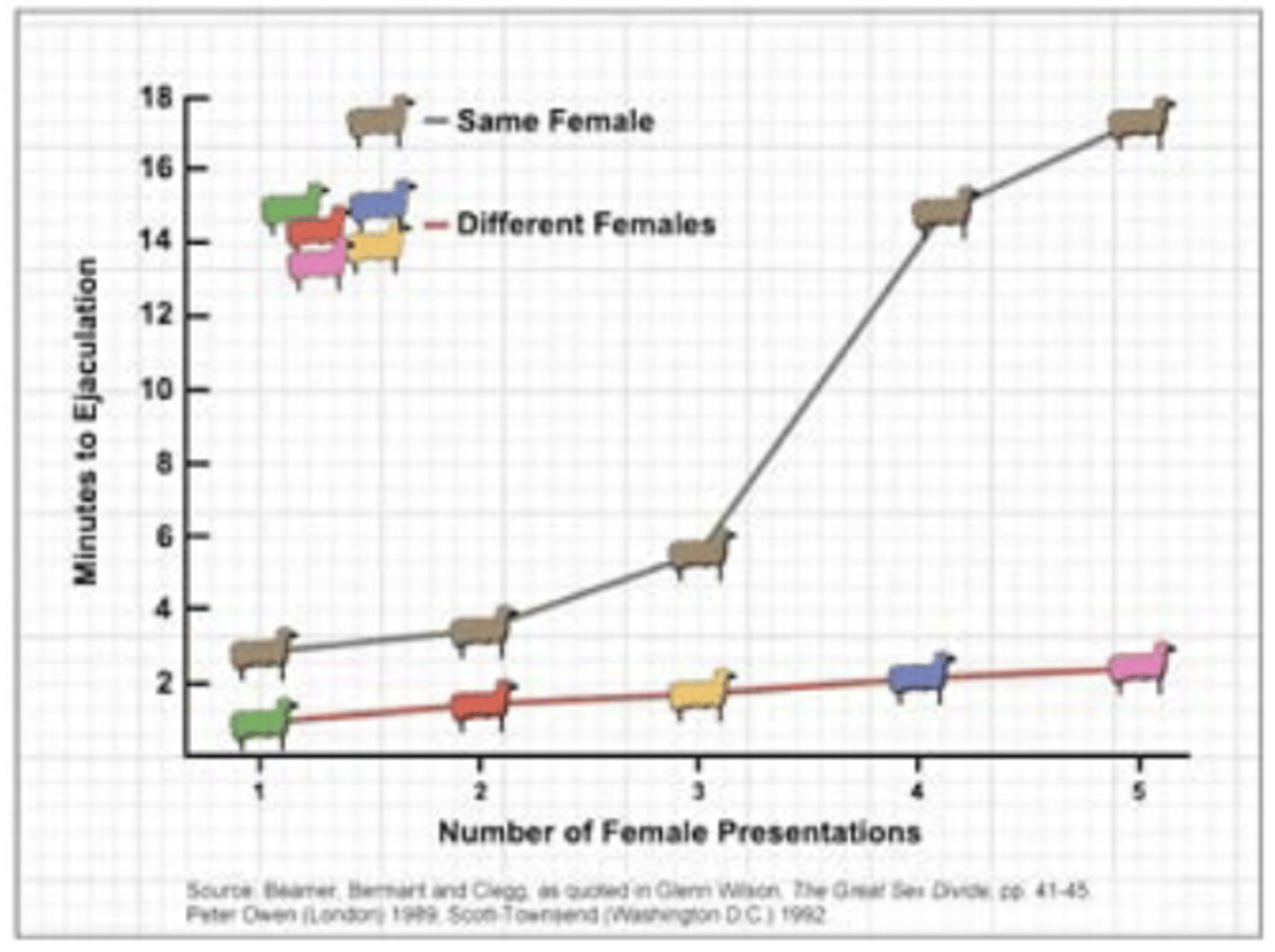
Coolidge Effect
- copulating males who become incapable of continuing to copulate with one sex partner can often recommence
Between-subjects design
Within-subjects design
Independent variable
Dependent variable
Confounded variable
Coolidge Effect
(6) EXPERIMENTS AND NONEXPERIMENTS TYPES OF CONDITIONS
Pretest and Posttest design
- looking into the changes on the effect of the manipulation the time it started.

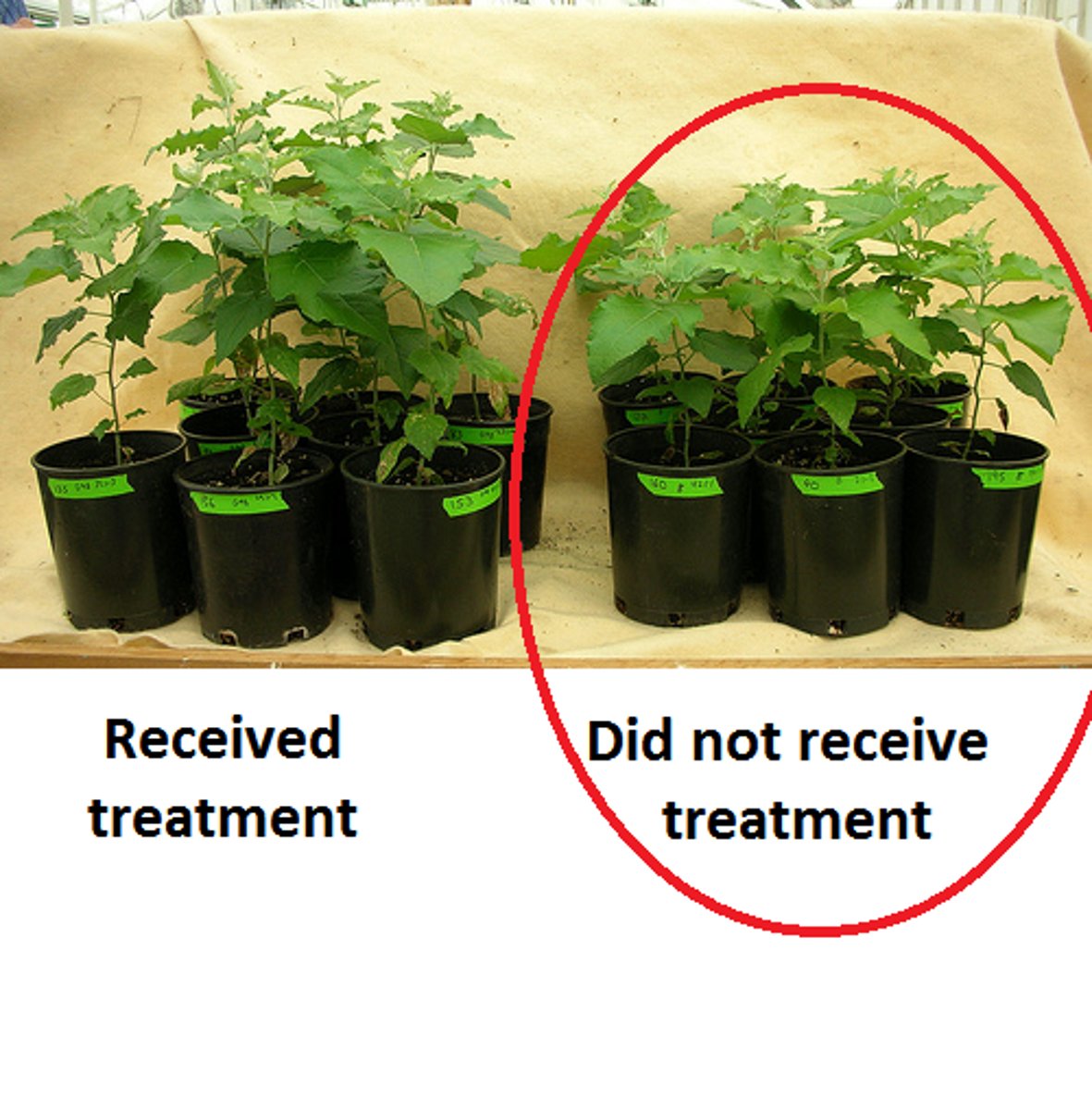
Experimental group
- receives manipulation
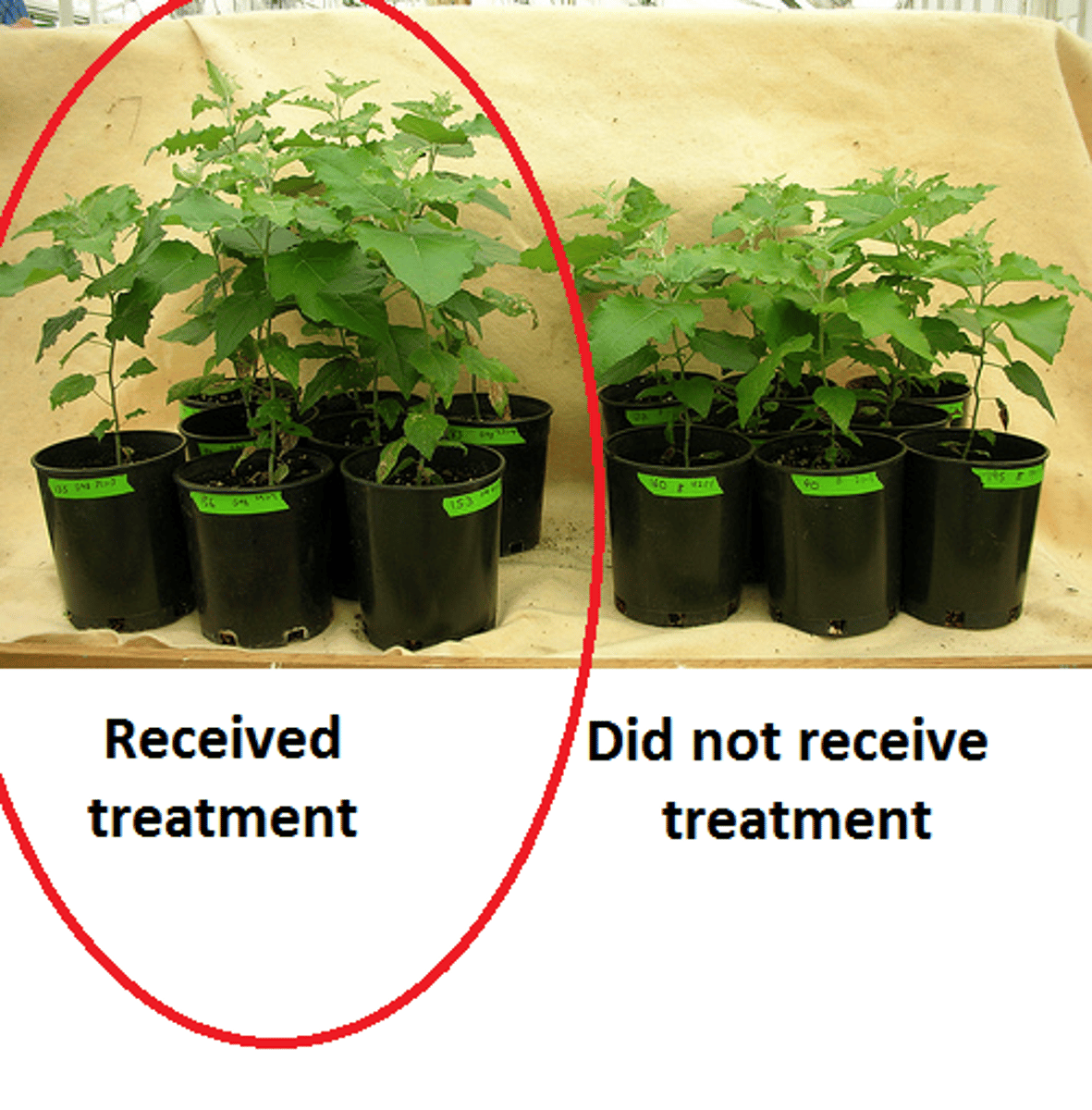
Control group
- no manipulation
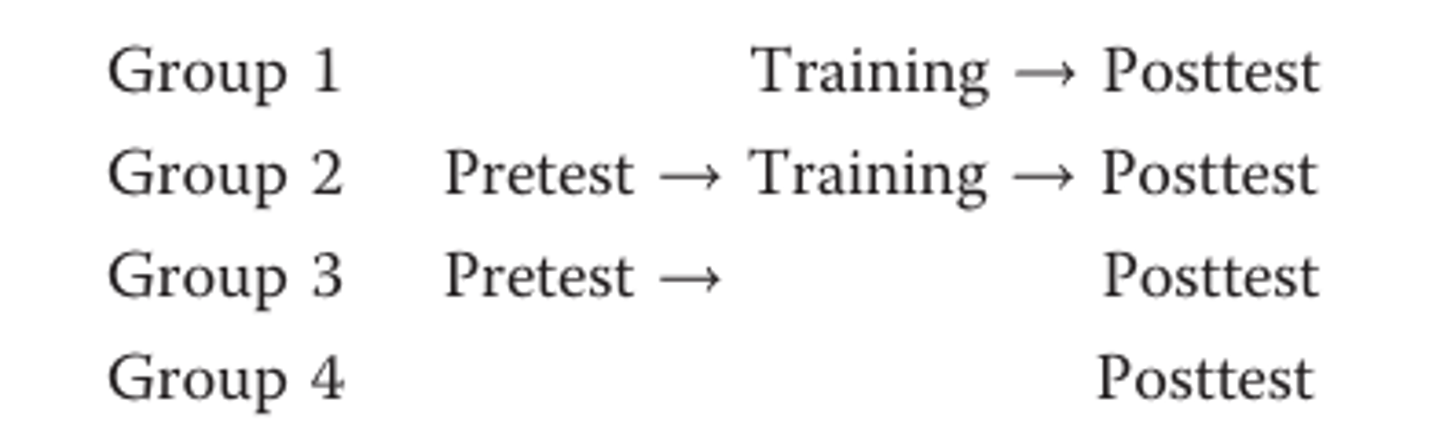
Solomon Four Groups
- two controlled groups without pretest, two experimental groups with pretest
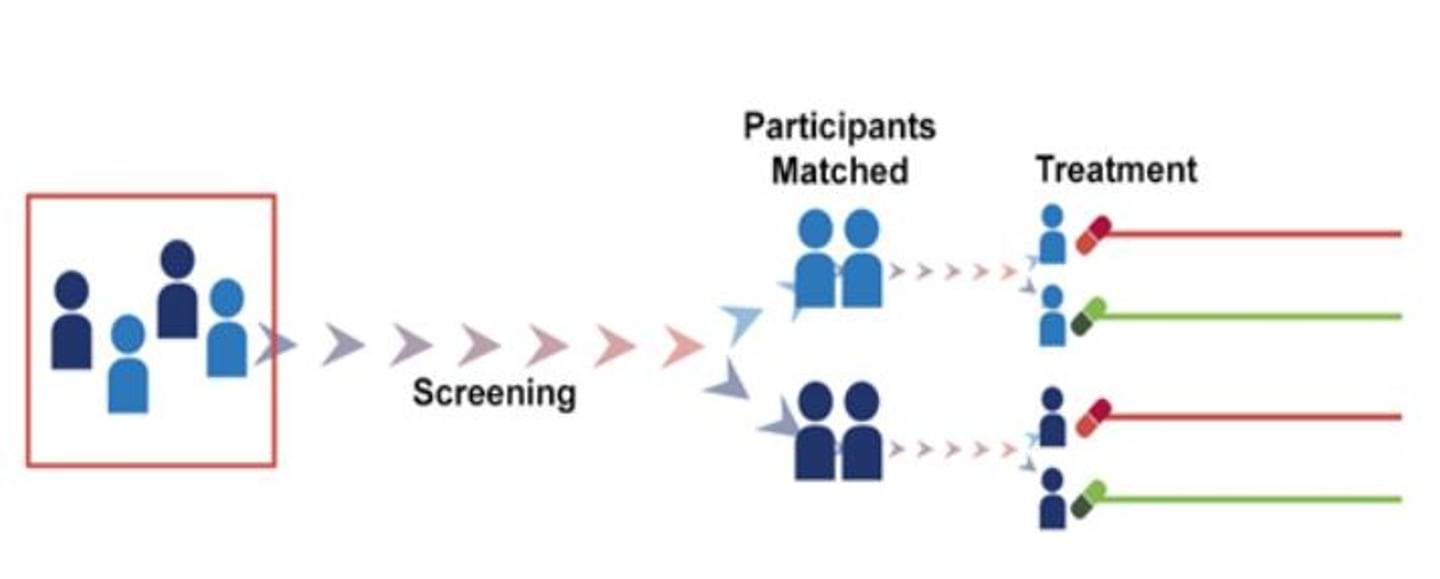
Matched subjects design
- matched based on key variables, or shared characteristics, relevant to the topic of the study.
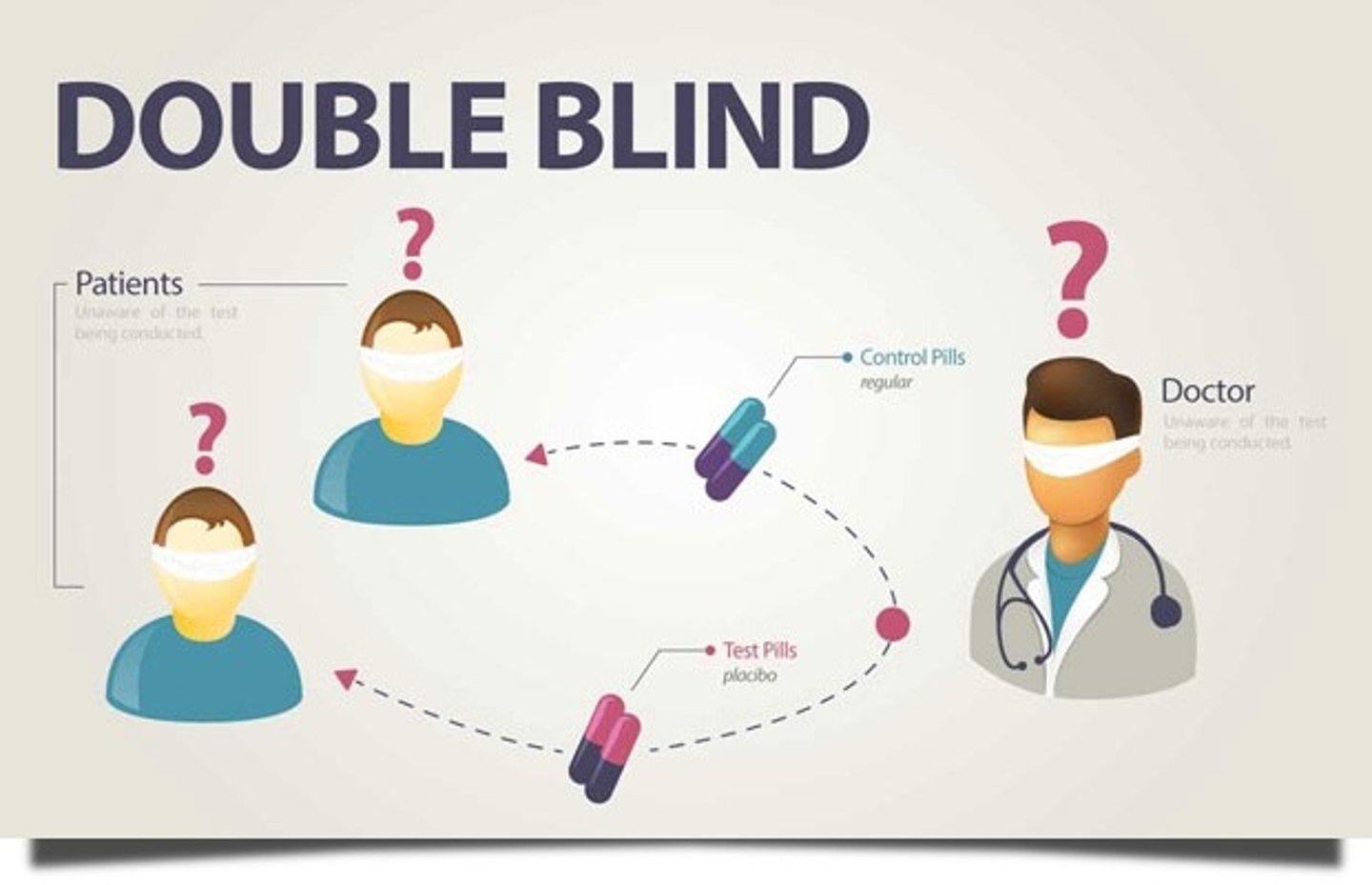
Double-Blind Experiment
- Researcher or the participants know which is the control group
Solomon Four Groups
Matched subjects design
Double-Blind Experiment
(3) EXPERIMENTS AND NONEXPERIMENTS Other experiments:
Quasi-experimental Studies
- Used when physical or ethical constraints prevent researchers from randomly assigning subjects to conditions or manipulating variables (e.g., testing the effects of chronic alcoholism or head trauma).
- They are not true experiments; potential confounding variables have not been controlled
- No randomization of subjects
- The participants decides which group they'll join
- These are not true experiments because potential confounding variables cannot be controlled (no random assignment).

Case studies
- Focuses on single case or subjects
- Provide more in-depth picture
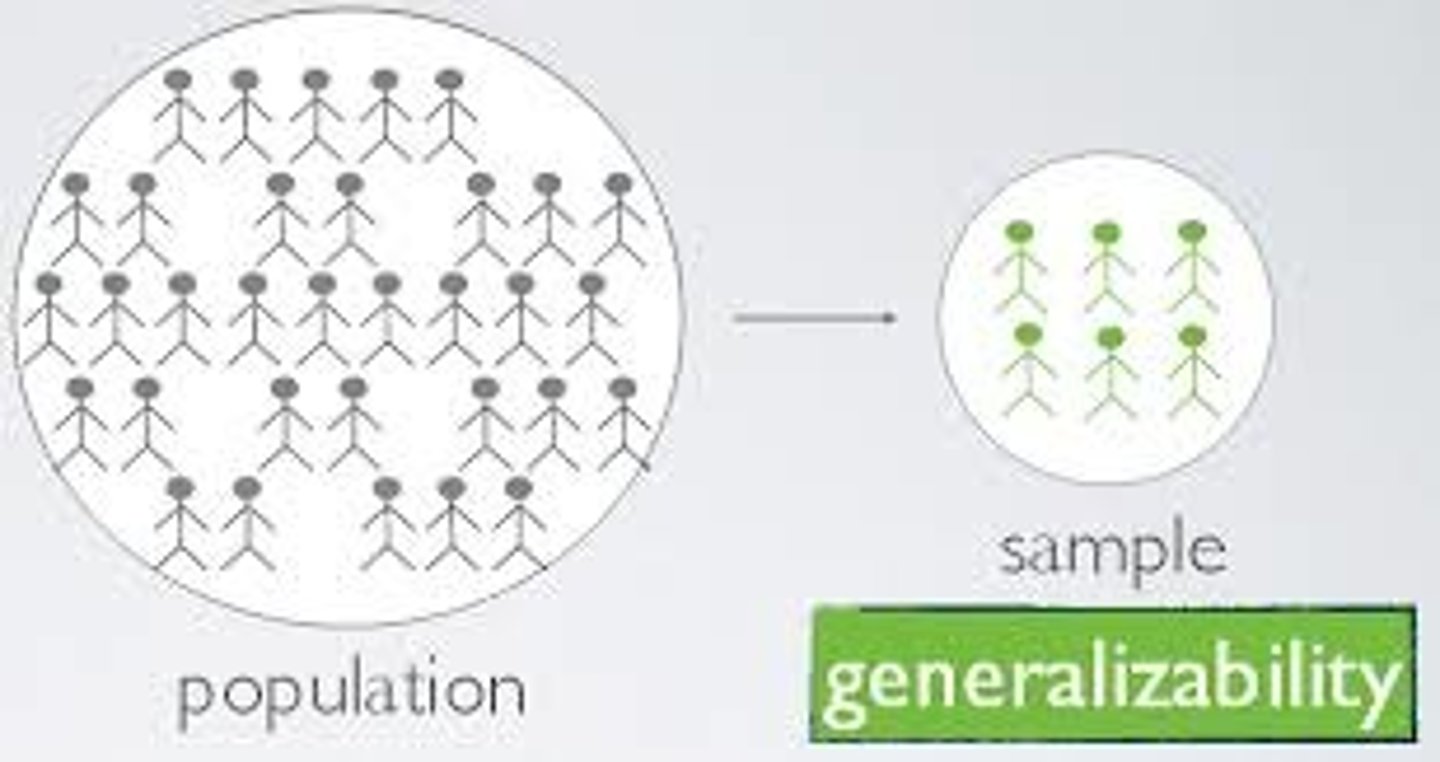
Generalizability
- the degree to which the results
can be applied to other cases
Pure research
- Motivated primarily by the researcher's curiosity.
- The purpose of acquiring
knowledge.
Example: Investigating the basic ionic mechanisms underlying action potentials in a squid giant axon.
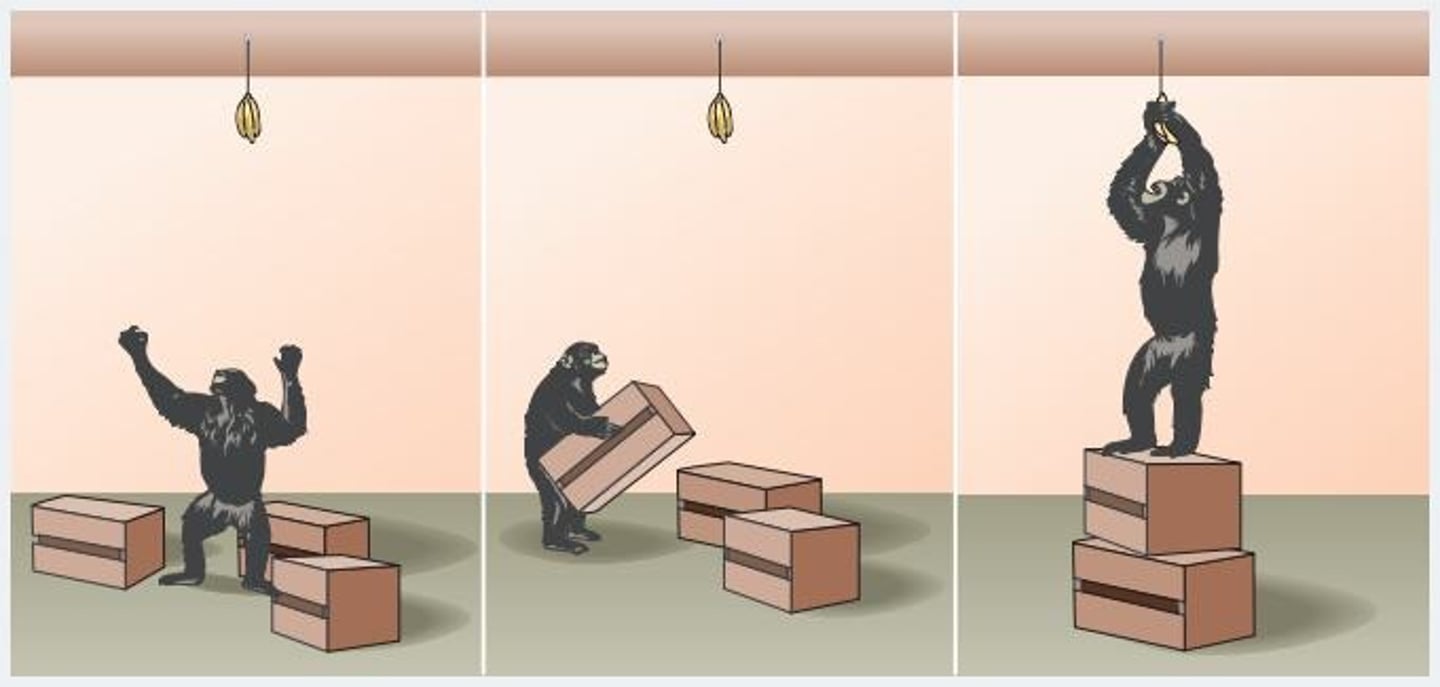
Applied research
- Intended to bring about some direct
benefit to humankind.
Example: Testing a synthetic pharmacological compound to reduce neural cell death following an ischemic stroke.