L11: Neuro Post-Op Spinal Sx & Other
 Call Kai
 Learn
Learn Practice Test
 Spaced Repetition
 Match
Match Flashcards
 Knowt Play
1/44

There's no tags or description
Looks like no tags are added yet.
Name | Mastery | Learn | Test | Matching | Spaced | Call with Kai | Chat |
|---|
No analytics yet
Send a link to your students to track their progress
45 Terms
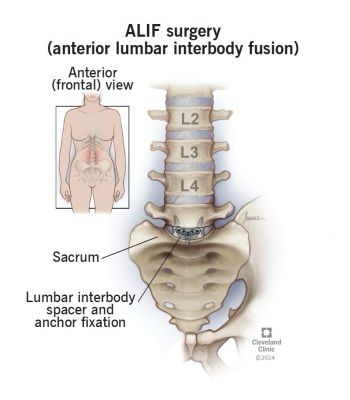
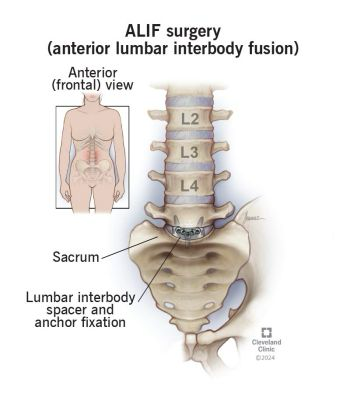
What is an Anterior Fusion Surgery?
Vertebra are fused from the front
(typically, only vertebral bodies are fused and hardware is used to "lock them up")
What is a Posterior Fusion Surgery?
Facets / Vertebral bodies are fused from the back
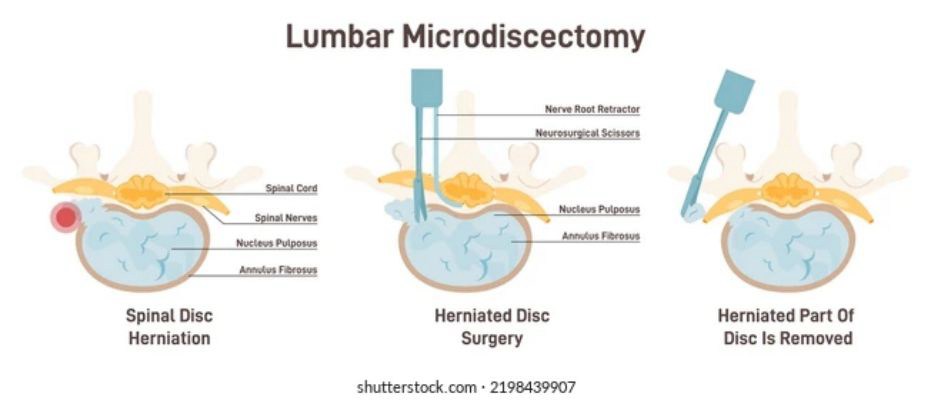
What is a Disectomy / Microdisectomy?
Where portion of the disc is removed
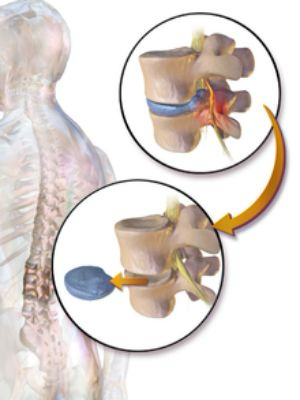
What is Open Disc Surgery?
Disc removal
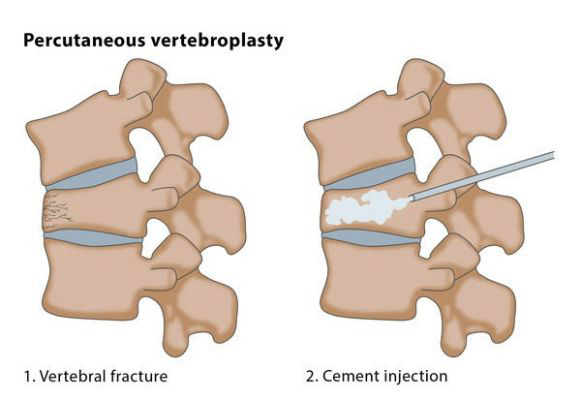
What is a Vertebroplasty?
Bone cement injection (purpose is to try and stabilize the vertebral body; e.g., comminuted fx)
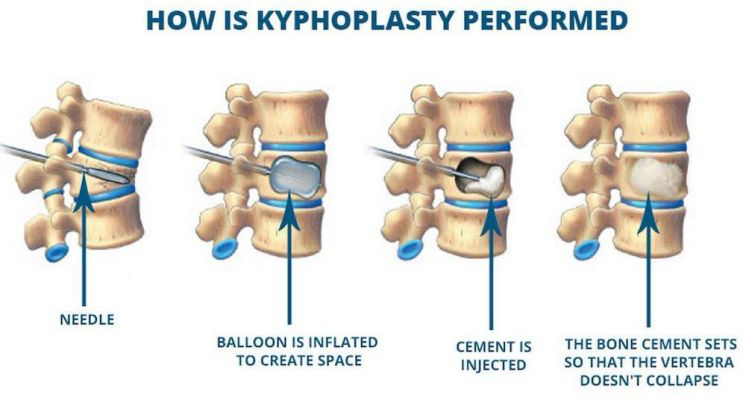
What is a Kyphoplasty?
Balloon-assisted vertebroplasty
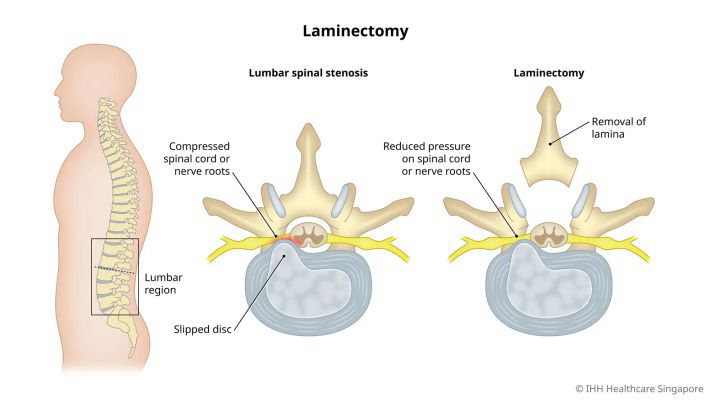
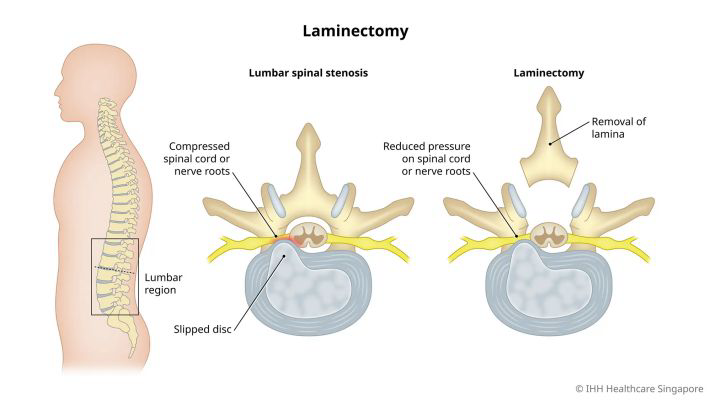
What is a Laminectomy?
Lamina removal
What is a Foraminotomy?
Nerve root decompression
What is a Corpectomy?
Vertebral Body Removal
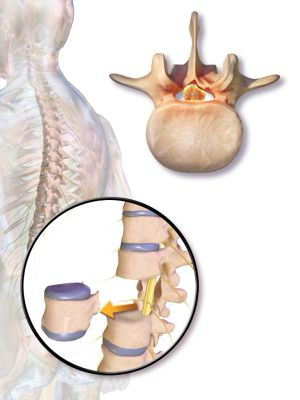
For patients post-spinal surgery, what do need to work on with them regarding bed mobility?
What should we focus on (in regards to PT) post-spinal surgery?
Bed Mobility (log rolling)
Transfer Training
Gait Training / Stair Training with AD (as needed)
Some patients have a lifting restrictions; keep this in mind for ADs
Brace Training / Education
Brace is just a proprioceptive cue; still need to educate them regarding movement precautions
Ambulation Program
Education on Precautions
What are the general precautions following spinal surgery?
NO B.L.T.
Bending
Twisting
Lifting > 5-10 lbs (gallon of milk = 8lbs)
Avoid prolonged sitting
Where would Brace Training / Education "go under"?
Bracing needs to go under our goals!
Can either be a patient or caregiver goal
"Patient or caregiver will be able to don & doff the brace independently"
What is an Ortholux Brace?
Type of Lumbo-Sacral Orthosis (LSO)
Has velcro in the front and a rigid back
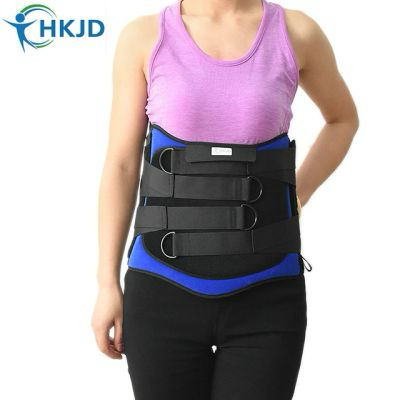
What is a Thoracic Lumbar Sacral Orthosis (TLSO)?
Brace used to limit motion (specifically flexion) in the thoracic, lumbar, and sacral regions of the spine
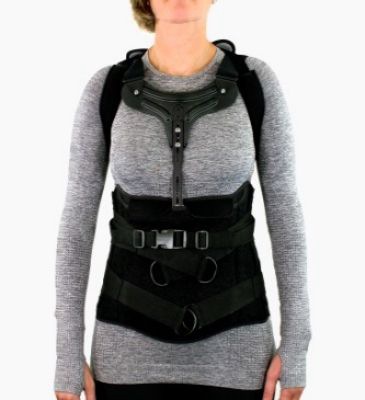
What is a Jewett Brace?
Still has a thoracic component (like the TLSO), but will absolutely stop flexion
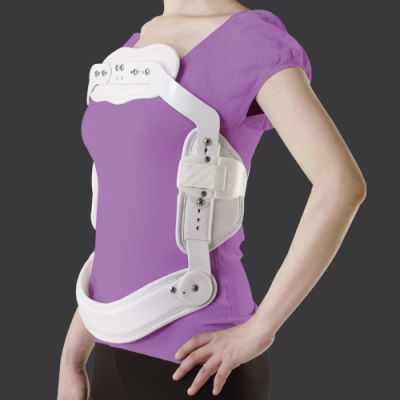
What are the Lumbar Precautions?
No pushing, pulling, or lifting > 5 lbs
No bending or twisting
Log Rolling
This is super important!
If patients do not have the core strength to get up then they will start to use their arms to help them → breaking precautions!
Wear lumbar brace (as prescribed) until discontinued by physician when OOB
Typically occurs around ~12 weeks (waiting for bone to heal)
Limit sitting to < 30 minutes at one time
What are the Cervical Precautions?
No pushing, pulling, or lifting > 5 - 10 lbs
No overhead movement > 90 degrees
"Elbows below shoulders"
Also means do not bring head down
Sleep with head in neutral position
"More flat pillow" ; do not want side-bending or flexion
Wear cervical brace / collar (as prescribed) until discontinued by physician
What is a Soft Collar?
Type of Cervical Brace
Does not provide any stability for the patient (is more of just a proprioceptive cue)
What is a Miami J Collar (or "Aspen" / "Philedelphia")?
Cervical brace that gives external stability
Can be used after surgery or when trying conservative tx before surgery
What is a Sterno-Occipito-Mandibular Immobilizer (SOMI Brace)?
Type of Cervical Brace
Controls / prevents flexion at the C1-C3 level
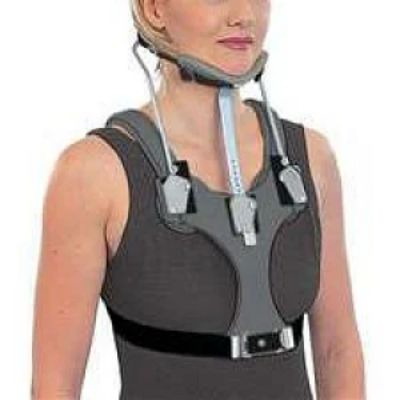
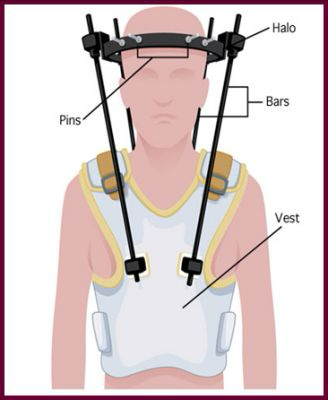
What is a HALO Device?
Type of "Cervical Brace" (but also, not really a brace)
Pins are going into the cranium to keep the heat perfectly in place
Usually reserved for dens fractures (but also could be used for another unstable fracture)
Patient has this on 24 hours / day and cannot use pillows to sleep
What are our Therapy Goals for patients post-spinal surgery?
Brace Training / Education
Want to make sure patient or caregiver can don and doff safely
Log Rolling
Body Mechanics
Especially because family members may be helping the patient
Gait Training / Stairs
Recall Back Precautions with functional implications
What is Normal Pressure Hydrocephalus (NPH)?
Type of hydrocephalus that is characterized by a build-up of CSF without an increase in ICP
The pressure build-up is gradual enough that the ventricles enlarge over-time to compensate for the amount of CSF (hence why there is no increase in ICP)
Caused by the patient either creating too much CSF or being unable to excrete CSF fluid fast enough
What is the hallmark triad for Normal Pressure Hydrocephalus (NPH)?
Urinary Incontinence
Shuffling Gait
Altered Mental Status
** Headache can also accompany many symptoms
When would a PT visit / see someone experiencing Normal Pressure Hydrocephalus? [Hint -- pre-op? post-op? etc.]
PT may see a patient with NPH both before and after surgery / removal of CSF to assess changes in gait, etc.
What are potential conditions or events that could lead to Normal Pressure Hydrocephalus?
Meningitis
Trauma
Subarachnoid Hemorrhage
Idiopathic
What is needed to diagnose Normal Pressure Hydrocephalus?
Lumbar Puncture to measure CSF pressures
However MRI and CT can show changes in ventricle size (but cannot get dx from this)
How is Normal Pressure Hydrocephalus treated?
Treated with Shunting!
Ventricoperitoneal (VP) Shunt
Ventriculoatrial (VA) Shunt
What do we need to be cognisant of if a patient has a VP Shunt?
Be aware of incision in abdomen and where the gait belt is place
(with this, we are more worried about patient's pain rather than occlusing the shunt)
How does treatment differ if a pediatric patient is diagnosed with Normal Pressure Hydrocephalus?
Have to have repeated procedures for CSF drainage as they continue to grow
For patients with a Low Complexity CVA, when can we begin to mobilize them?
Movement may be able to happen sooner than 24 hours (early mobilization for neuroplasticity)
What is the typical time frame to see a patient who has suffered a CVA?
What are the BP Parameters for a patient who has suffered a hemorrhagic stroke?
Want to keep BP < 140-160 / 95
(we do not want to drive up the BP for these patients)
What are the BP Parameters for a patient who has suffered a embolic stroke?
Want to keep BP < 220 / < 110
("Permissive HTN")
What is Permissive HTN? In other words, why are BP Parameters higher / not as strict for patients who have suffered an embolic stroke?
Higher blood pressure allows for greater reperfusion to the pneumbra (the area of the brain w/o damage and is still viable, but did get a reduction in blood flow)
What is Epilepsy?
A neurologic condition that is characterized by recurrent, unprovoked seizuers
What is the diagnostic criteria required for epilepsy?
2 or more seizures occurring > 24 hours apart
OR
1 unprovoked seizure and a probability of future seizures (similar to the general recurrence risk) after 2 un-provoked seizures occurring over the next 10 years
What are the risk factors for epilepsy?
Sleep Deprivation
Alcohol / Drug Use
Organ Failure / Sepsis
Brain Injury
Certain medications
Epilepsy is diagnosed with ________
Electroencephalogram (EEG)
What is a Post-Ictal State?
Abnormal state of consciousness that occurs after an epileptic seizure (before they return back to normal)
What are the implications of a patient in a Post-Ictal State?
Monitor for residual neurologic deficits
Assess vitals
Be aware of triggers (e.g., loud noises, flashing lights, etc.)
Caution fatigue and headache
What are Seizure Precautions in the hospital?
Padding on the interior bed rails
Bed should be in the lowest height position
Anti-epileptic drugs can cause ________, ________, and ________
Dizziness, Somnolence/drowsiness, Impaired memory
What do we need to consider in regards to our examinations of neurologic patients (especially in the acute care setting)?
Constant Re-Assessment
Want to observe for neurologic decompensation, improvement, and/or plateau
We always need to document this as we want to know their evolving state
This is especially important because we may be the first person to see these changes in the patient