Chapter 4: Traffic Control
 Call Kai
 Learn
Learn Practice Test
 Spaced Repetition
 Match
Match Flashcards
 Knowt Play
1/55

There's no tags or description
Looks like no tags are added yet.
Name | Mastery | Learn | Test | Matching | Spaced | Call with Kai | Chat |
|---|
No analytics yet
Send a link to your students to track their progress
56 Terms
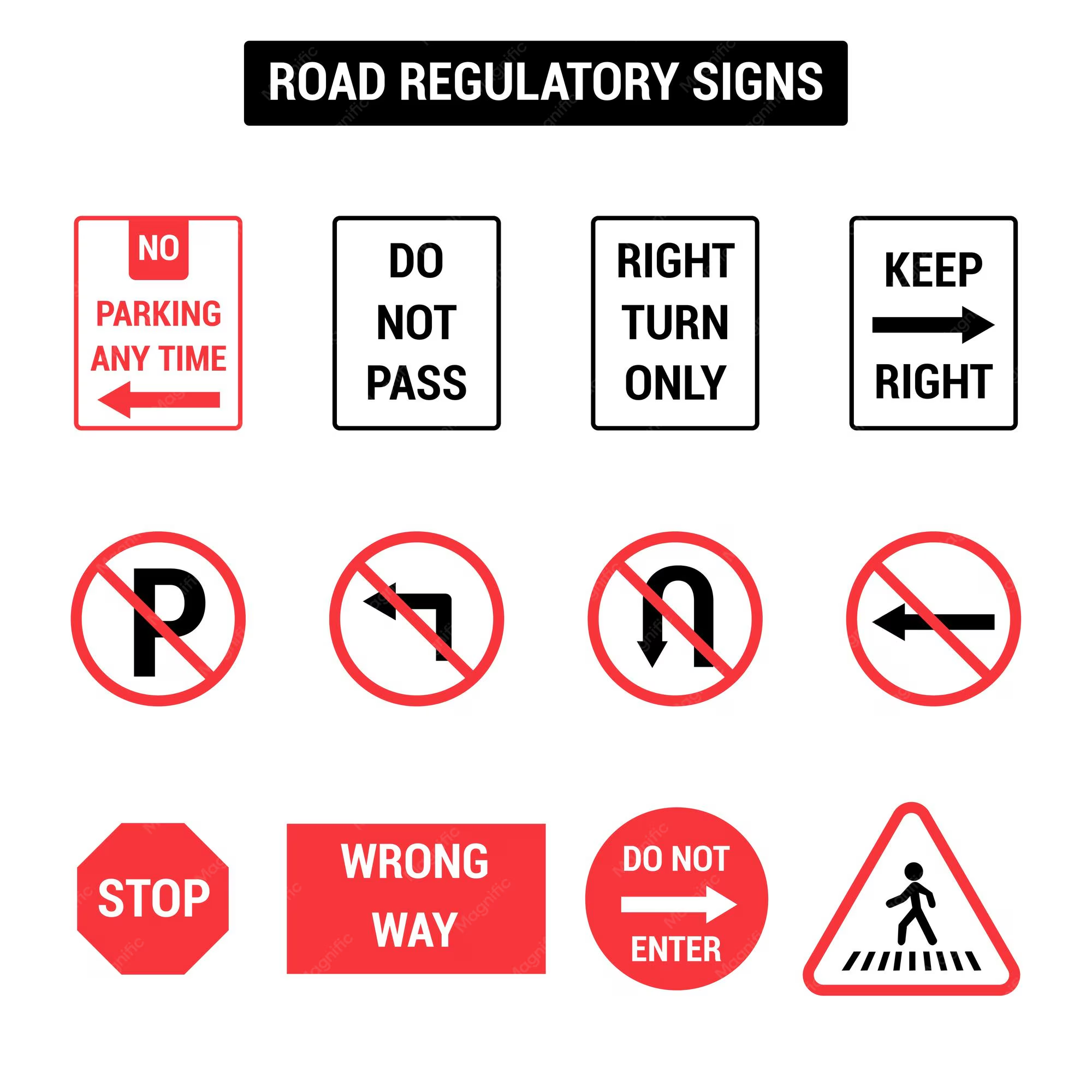
regulation signs
gives info on traffic rules, direction, lane use, turns, speed, parking and other special requirements
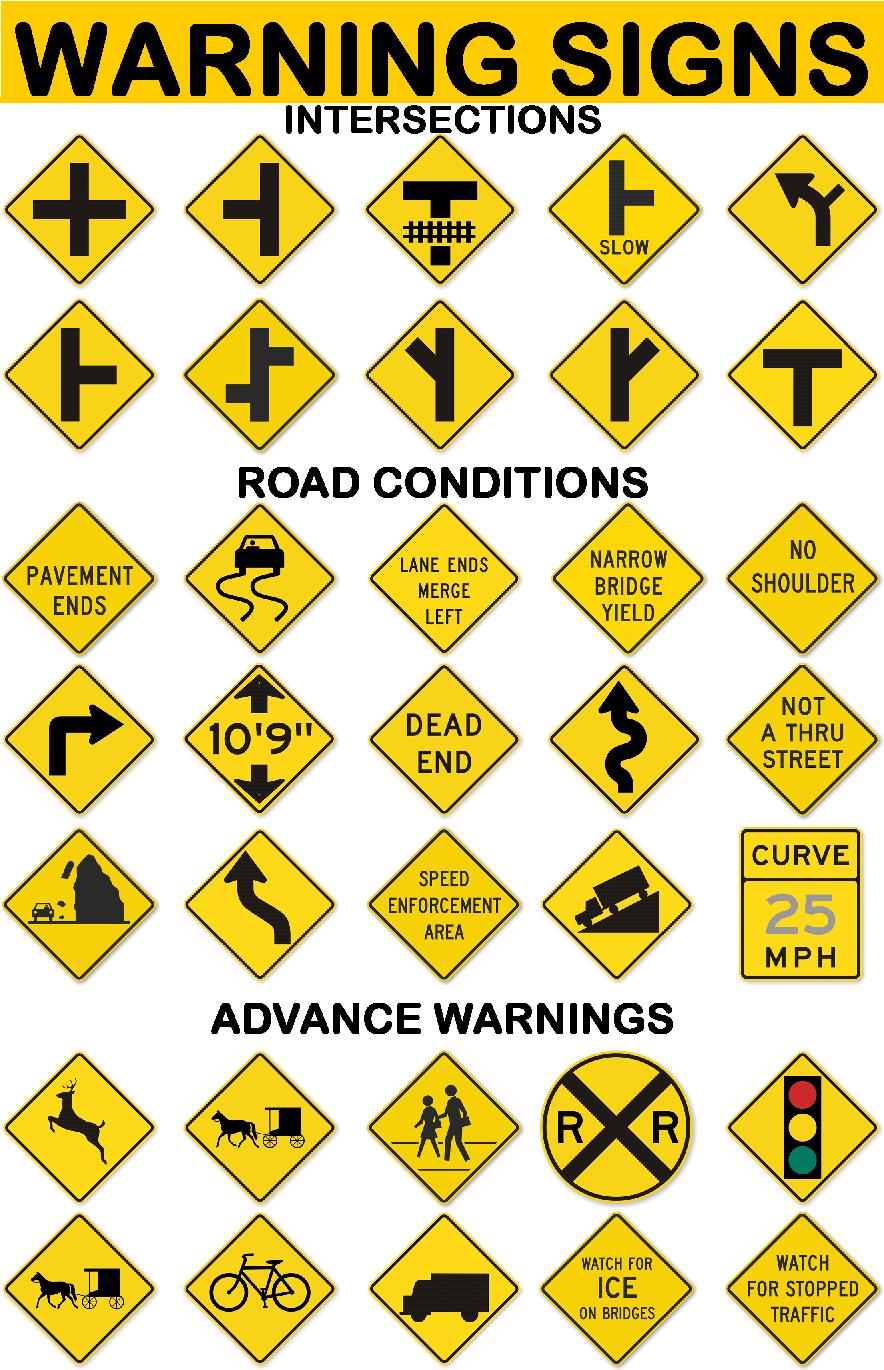
warning signs
you are approaching a hazardous location or a location with special rules
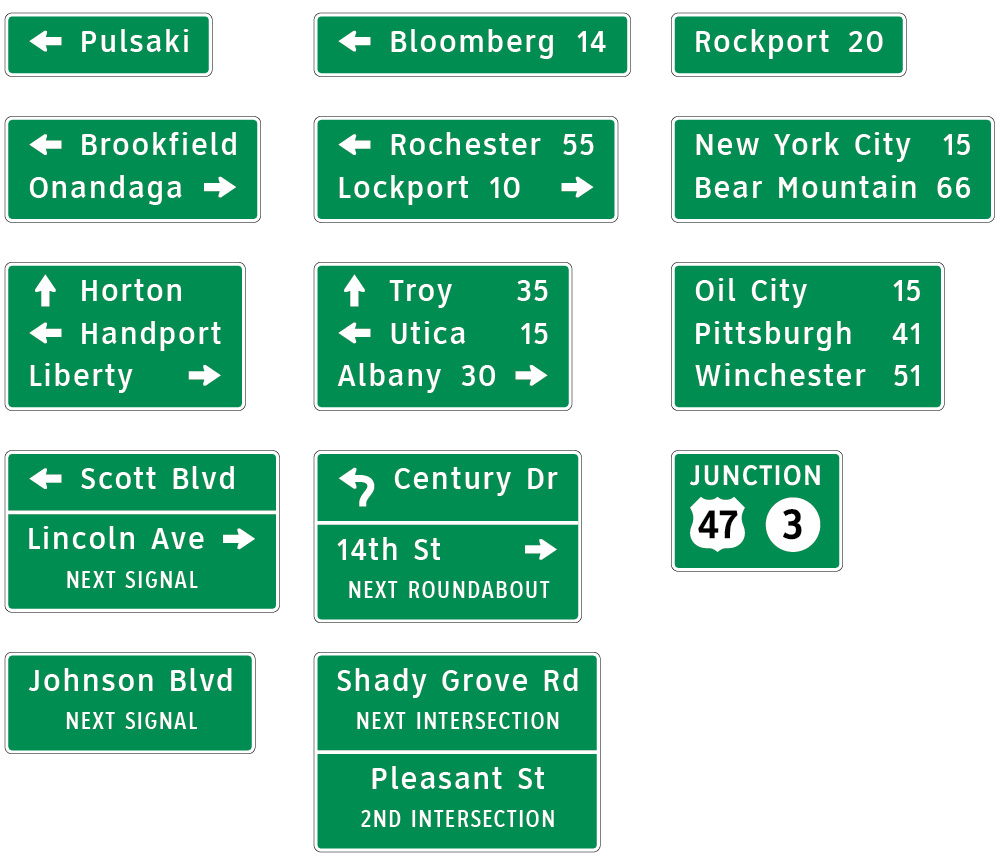
destination signs
shows the direction and distance to locations
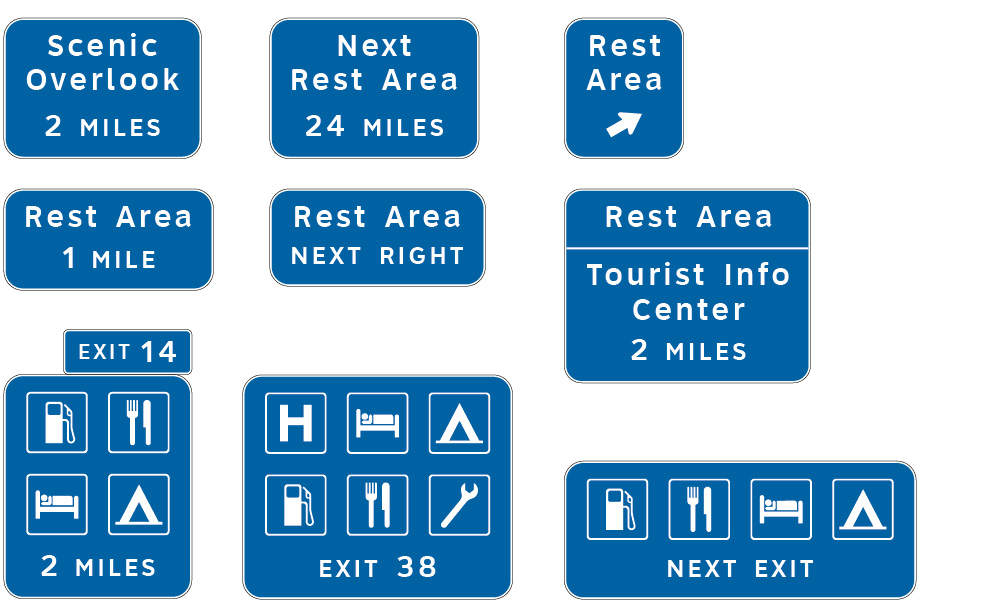
service signs
shows the location of services like rest areas, gas stations, camping, or medical facilities
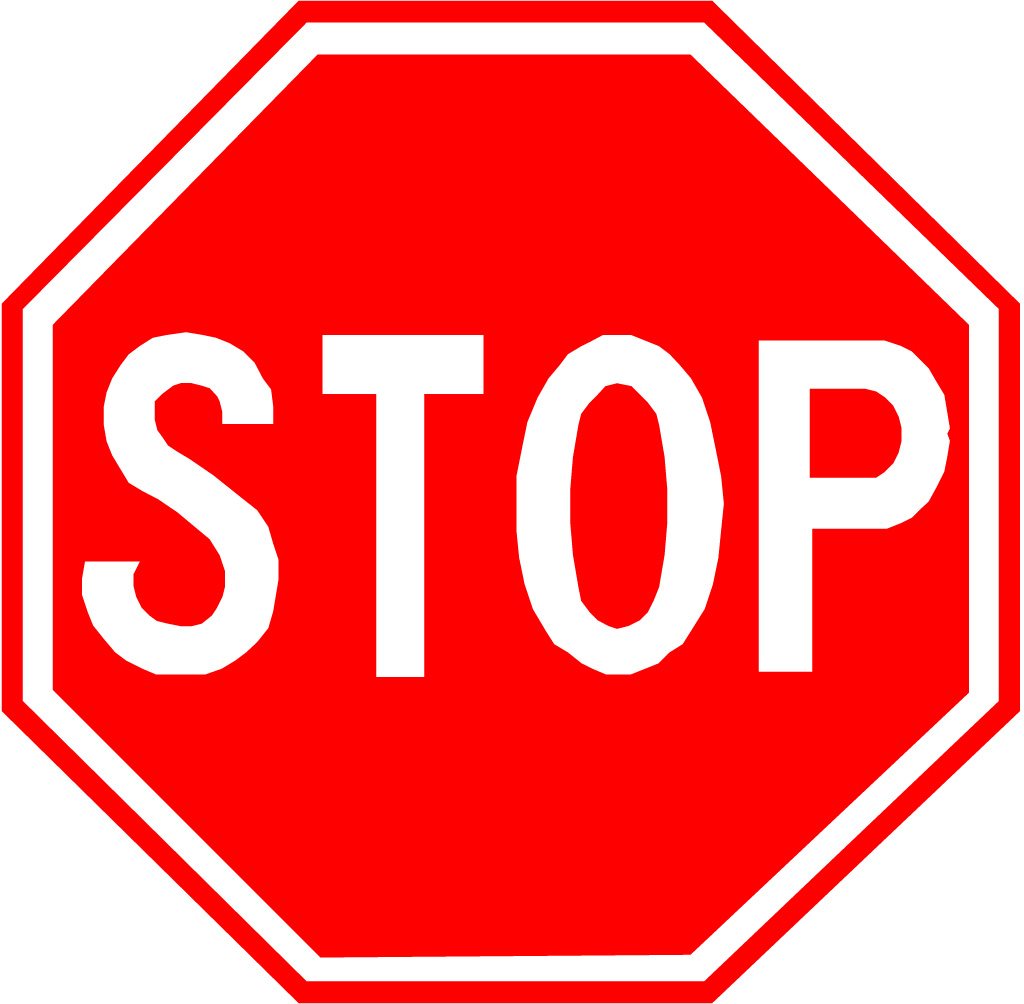
stop sign
come to a full stop, yield the right of way to vehicles and pedestrians in or heading toward the intersection
when to proceed at stop sign
when it is safe
stop before a stop line if…
it is present
if there is no stop line…
stop before entering the crosswalk
if there’s no stop line or crosswalk…
stop before entering the intersection at the nearest point with clear traffic view on intersecting roadway
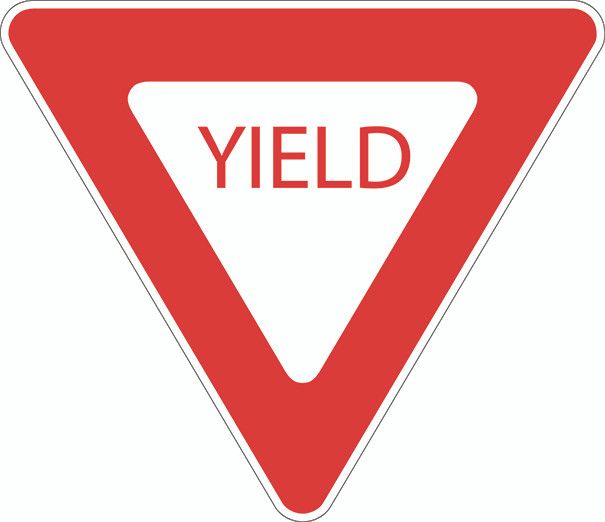
yield sign
decrease speed as you reach the intersection
stop and yield the right of way to vehicles and pedestrians in or heading toward the intersection
you must come to a full stop at a yield sign if…
traffic conditions require it (always check carefully for traffic and be prepared to stop)
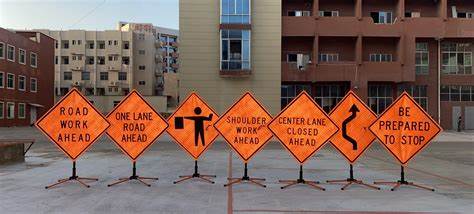
work area signs
people are at work on/near the roadway and traffic can be controlled by a flag person
speed limit as low as 25 MPH can be posted
in a work area, even if no speed limit is provided…
you must drive at a reduced speed through the work zone and always obey flag persons
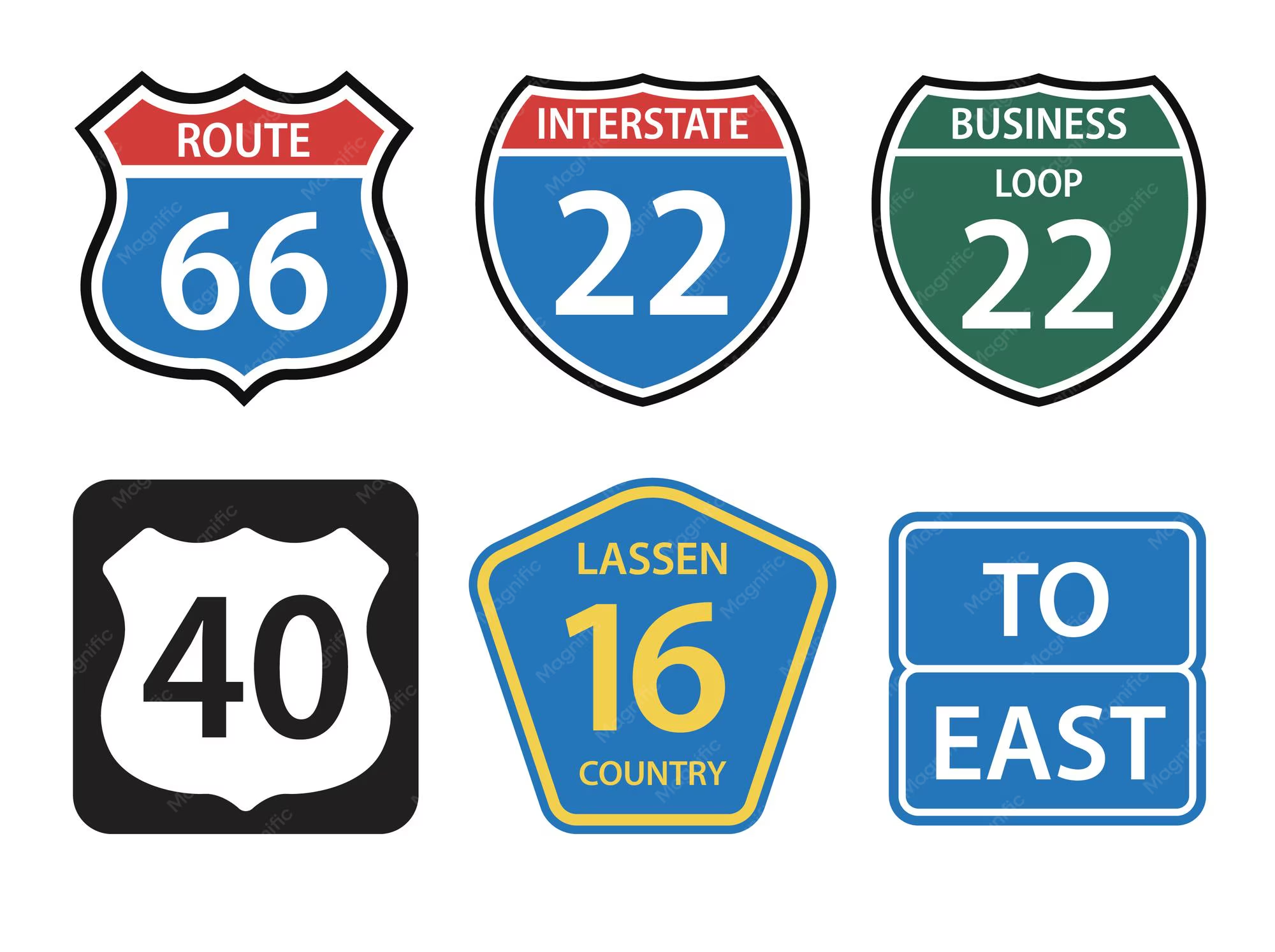
route signs
indicates interstate, U.S., state or county routes
shape = type of route you’re on
use highway map for trips
left to right (top): U.S., interstate, and business
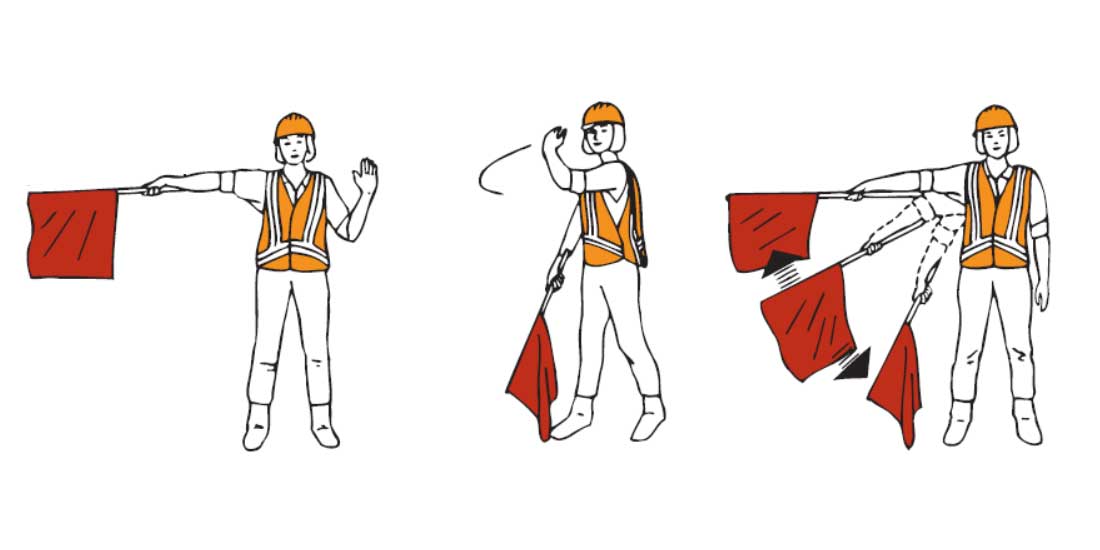
flagger signals
left to right: stop, proceed and slow down
state law requires that if traffic lights/controls are malfunctioning…
stop as you would for a stop sign, then continue according to the rules of right-of-way unless told to continue by traffic officer
steady red
stop; do not go until green light
when can you go at a red light
if a green arrow is shown with a red light, but only in the direction of the arrow and only if the intersection is clear (no cars/pedestrians)
NYC red light rule
❌ No turns on red.
✅ Exception: Only if a sign explicitly permits turning on red.
right turn statewide red light rules
right turn on red is allowed if
1.) you come to a full stop
2.) you yield to oncoming traffic
3.) you yield to pedestrians
4.) there is no sign saying “no turn on red”
left turn red light rules
niche and irrelvant at most intersctions; but allowed if:
1.) you stop completely first
2.) you are turning from a one-way street onto another one-way street
flashing red
same as stop sign; stop, yield the right-of way, and go when safe
red arrow
do not go in arrow’s direction until it goes off and a green one comes on
right and left turns not permitted
steady yellow
be prepared to stop; traffic signal is about to turn red
flashing yellow
drive with caution
yellow arrow
the protection of a green arrow will end
if you intend to turn in the direction of the arrow, be prepared to stop
steady green
go but yield the right-of-way to other traffic at intersection
green arrow
go in arrow’s direction but yield right-of-way to other traffic at intersection
lane use control lights
special above the pavement lights
sometimes used to indicate which highway lanes can be used at certain times
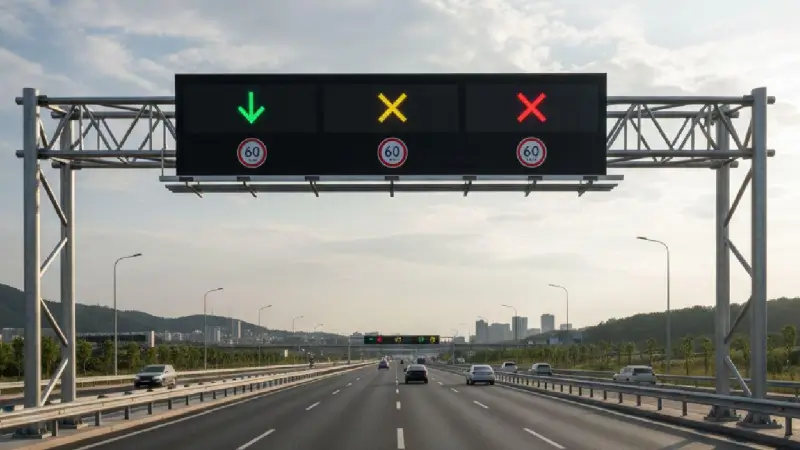
lane use control light meanings
steady red “x” = do not drive in this lane
steady yellow “x”= move from this lane
flashing yellow “x” = this lane can only be used for left turns
green arrow = you can use this lane
pavement markings
roadway lines/symbols that divide lanes
tells you when you can pass other vehicles and change lanes
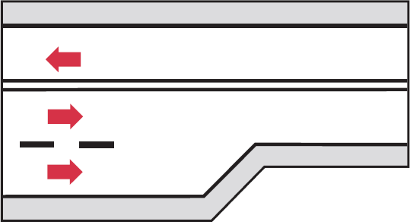
edge and lane lines
solid lines along roadside
tells you where its edge is (where travel lane ends and shoulder begins)
It is illegal to drive across the edge line except…
when told to by a police officer or other authorized official/official sign
“road is narrow ahead” is displayed by what edge line
an edge line that angles towards the road center
white lines
divides traffic lanes moving in same direction
yellow lines
divides traffic lanes moving in opposite direction
shoulder
the strip of road immediately next to the travel lane that is not meant for normal driving
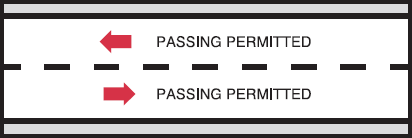
one broken line
you can pass other vehicles or change lanes if you can do so safely without interfering with traffic
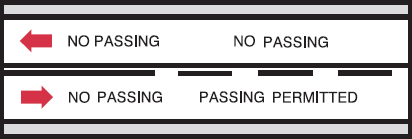
solid line with broken line
side with solid line = cannot pass other vehicles or cross the line except to make a left turn into a driveway
side with the broken line = you can pass if it is safe to and you will not interfere with traffic
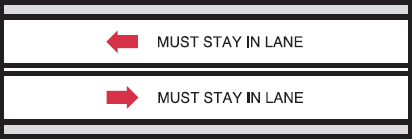
double solid lines
you can not pass or change lanes. You cannot go across the lines except to turn left to enter or leave the highway (e.g., to or from a driveway or to do a U-turn
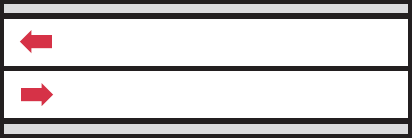
one solid line
can pass other vehicles or change lanes only when obstructions in the road or traffic conditions make it necessary.
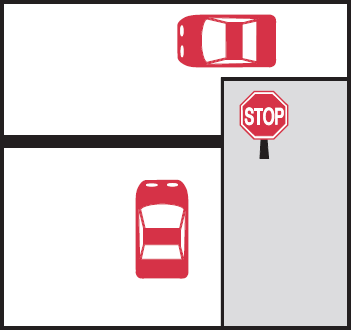
where do I stop at an intersection?
stop line present = stop before the stop line
no stop line, just a crosswalk = stop before the crosswalk
neither stop line or crosswalk = stop before entering the intersection where you can see traffic
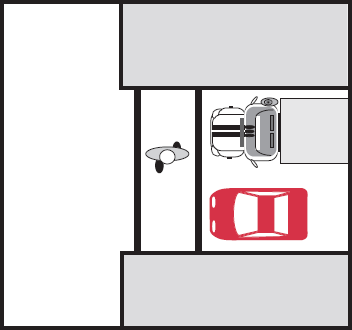
when do I have to stop at a stop line or crosswalk?
Only when:
A STOP sign tells you to stop.
A traffic light requires you to stop.
A traffic officer directs you to stop.
You must yield to a pedestrian, in-line skater, or scooter rider at a crosswalk.
why are some stop lines set farther back?
to give large vehicles (buses, trucks, tractor-trailers) enough room to turn safely.
always stop before the stop line.
right-of-way
who gets to go first
when do you generally have the right-of-way
at a green light
You still must yield to:
pedestrians who are legally crossing,
emergency vehicles with lights/sirens,
vehicles already in the intersection
STOP sign right-of-way
If two cars stop:
The one that arrived first goes first.
If they arrive at the same time, the driver on the right goes first.
yield sign right-of-way
If you have a yield sign, you do not have the right-of-way.
Slow down and let other traffic go first.
left turn right-of-way
if you're turning left across traffic = car going straight usually has the right-of-way
The left-turning driver waits
what does a stopline tell you
where to stop if you need to stop
it doesn’t tell you to stop