Celtic Kingdoms: Notable Groups (inc. Tribes and Subtribes)
 Studied by 0 people
 Call Kai
 Learn
Learn Practice Test
 Spaced Repetition
 Match
Match Flashcards
 Knowt Play
1/37

There's no tags or description
Looks like no tags are added yet.
Name | Mastery | Learn | Test | Matching | Spaced |
|---|
No study sessions yet.
38 Terms
1200 BCE - 450 BCE - Hallstatt Culture (All Facts)
Dominated central and western Europe by 600 BCE
Comprised of Celtic chieftains who were influenced by eastern culture, who, like those cultures, became reliant on the horse
However, these horses that run freely across the steppes are rare in this region and only the privileged few keep them
These people immortalized these horses in the carving of their furniture
These Celtic aristocrats liked to be buried in their wagons, with harnesses and bits beside them
The warlike leaders of these people feasted freely and drank wine imported from Greece and Rome, although they slept on animal skins in crude houses
The hilts of their swords were decorated with fine geometric patterns
Characterized by their bronze urns which they used in their houses that were decorated in the Veneto-Illyrian style
Characterized by their pottery - finer than their jewelry - with its decorative circles, lozenges, chevrons, and hatching
500 BCE - 15 BCE - La Tene Culture (All Facts)
Evolved seamlessly from and was successor to the Hallstatt Culture
Formed from peoples having rebelled against many Celtic rulers for their greed
These Celtic rulers’ lack of mitigation concerning social inequalities and tensions led to the large growths and movements in population
The older centers of Celtic thus lost their power in Burgundy and southern Germany by the 400’s BCE
Fortresses like the Heuneburg in Bavaria were overrun, looted, and razed to the ground
Sculptures were violated
Dynasties were overthrown
Located near Lake Neuchatel in Switzerland
Characterized by
widespread use of Iron for tools including long, double-edged iron swords
heavy necklaces of solid gold and bronze
artistic decorations derived from native, Etruscan, and south Russia sources
fantastic stylized works of animal art
Based on developing warrior societies whose members
launched raids to capture slaves
ventured into Italy and Anatolia, where they clashed with Greeks and Romans
ended up as mercenaries in Greek armies
Would eventually evolve into the Celts
Celts (All Other Facts)
Were a collection of Indo-European peoples in Europe and Anatolia, identified by their use of the namesake language
Lived north and west of the Alps
They established direct trading contacts with the Greek colonies of the western Mediterranean by 600 BCE
Lived from Bohemia to Burgundy by 520 BCE
They were part of a military aristocracy which
controlled the trade routes between Europe and the Mediterranean
built fortifications at strategic points, usually on hilltops
Celts (Technology)
Mastered iron manufacture, which was once a Hittite military secret, by 700 BCE
After the Hittite Empire’s collapse, they eventually learned how to make iron and adopt the strong and cheap iron-making method, which would eventually be used more widely
Initially consisted of a rising class of unscrupulous warriors who seized economic and political power via the emergence of the iron sword
Their blades of knives and long slashing swords were ground sharper - and therefore deadlier - than ever
Celts (Economy)
They traded heavily with the Greeks and Etruscans in which
They gave raw materials like tin and amber
They received luxury items, art works, and wine
These added to the considerable wealth and lifestyles of their princes
Celts (Religion)
Tribe unified by language but also by religion
They believed in rebirth after death
They worshipped various gods
Their priesthood, the Druids, had the greatest power
Were the educators of the young
Had the power to order human sacrifices
Celts (Burials)
Their tribe chieftains built up riches in hilltop palaces throughout Europe
Their wealth was buried along with them, in the form of gold and bronze objects and other precious possessions including
The Greek “Krater of Vix”
Was five feet high
Its neck was decorated in relief with warriors
Its lid was decorated in relief with chariots
Its handle was a statuette of a young woman, with a gold diadem on her head
Greek Bronze Cauldrons
Etruscan Bronze Vases
Clay Athenian Cups
Celts / Gauls (All Other Facts)
Composed of many different groups / tribes throughout the different regions of Gaul (Ancient France), Italy, Iberia (Ancient Spain), and England; all of these groups:
Shared many of the same cultural attributes
Spoke the Celtic language (language made them who they were)
Functioned as independent nations, which:
Made their own treaties
Issued their own coinage
Some of these groups had writing including
The Lepontic Language System
The Iberian Script
The Ogham Alphabet
Characterized by
Housing: Settlements that consisted of a large town dominated by a hill fort called an “Oppidum”
Government
Decentralized
Each people was governed by a kind or council of warrior aristocrats or oligarchs
Art
Stylized and abstract forms
Complex curvilinear patterns
Decapitated Heads
Very individualistic
Contrasted the Greco-Roman standard of structure according to established models
Invade Italy in 500 BCE
Rome was very scared of them
They were real examples of Barbarians
Attack Rome via raiding party in 390 BCE
Sent raiding parties from Northern Italy down during the summer to the southern parts of Italy
Celts / Gauls (Religion)
Polytheistic
Administered by a class of priests called “Druids”
Carried out rituals such as divination and sacrifice to the gods
Shrines are located in isolated places such as groves of trees and “sacred pools”
Accounts of their religion include
Possible engagement in human sacrifice
Belief in reincarnation
Large amounts of poetry that had to be memorized
Having a role in the culture’s judicial processes
Celts / Gauls (Economy)
Characterized by agriculture and metalwork
The metalwork was highly prized
Characteristic metalwork included
“Torques” (neck rings)
“Fibulae” (brooches)
Weapons
Jewelry
Imports such as
Athenian Pottery
Baltic Amber
African Ivory
Maintenance of extensive trading networks in Europe and Asia
Celts / Gauls (Warfare)
Engaged in conflict often
Undisciplined
Battles began when they shouted insults at the enemy, working themselves up in a fury and charging
Very individualistic, unlike Greco-Roman warfare being organized and disciplined (exemplified by phalanxes)
Had metal torques forged around their necks
The only way to remove one was to decapitate a slain warrior
This practice made them famous
Some fought naked, attributing magical powers to the torque for protection
Were “headhunters”
If one defeated an enemy in battle, they would cut off their head, put it up on their shelf, to show how brave they were
Primary weapon: long slashing sword
Fighters made themselves look more terrifying before battle by smearing wet lime into their hair to make it stand straight back when it dried
Would jump up and down naked, shaking their swords, and charge directly into the enemy and the Greeks and Romans would just head into the other direction terrified
Influenced Greco-Roman art, which depicted many of them dying such as “The Dying Gaul”
They were unstoppable in their first few years of existence, but that soon gave way
390 BCE - Sacked Rome via their undisciplined charge and howling voices
Celts / Gauls (Gender Roles)
Gender Roles
Women
Were free to have sexual affairs like the men
Were able to participate in war and government
Men
Preferred male lovers over female lovers
Might reflect male bonding rituals similar to those used by the Greeks
Gauls (All Facts)
Group of Celtic peoples of mainland Europe in the Iron Age and the Roman period
Began to use Iron, their namesake city flourished as a trading center for Western Europe
There, Etruscans, Phoenicians, and Greeks imported jewels, weapons, ceramics, wine amphorae, and bronze objects and loaded their ships with goods for export throughout the Mediterranean world
Gauls (Roman Empire)
Citizens who became accultured to the Roman Empire in many ways including
Abandoning their mustaches and beards for shaving
Abandoning their traditional breeches for togas
Many of its inhabitants fought with legendary fierceness despite Rome having annexed the namesake region
They fought not just militaristically but also culturally in order to try and preserve their own dress and customs
Over time, however, they came to accept Roman ways
Roman garrisons thus disappeared over time as its population submitted to Roman rule
Its development marked a success for the conciliatory policy adopted by the Roman authorities which offered citizenship rights to local leaders, who, in turn, began to imitate the ways of their Roman occupiers as a result of gaining citizenship
Latin was taught widely in higher education, and even ordinary people picked it up from soldiers and traders
Its wealthy citizens built Roman villas with their delightful warm baths
They worshipped Roman gods and had temples with huge states, through which local artists sought to reproduce the splendors of Greco-Roman work
Local craftsmen there made Roman-style glassware
Ambrones (All Facts)
Possible Ancient Celtic tribe from the Jutland that migrated into the eastern Alps around 113 BCE
They invaded Rome in the Cimbrian War, winning the Battle of Noreia in 113 BCE and the Battle of Arausio in 105 BCE losing the war in 101 BCE
When they tried to enter Spain after defeating Rome in the Battle of Arausio in 105 BCE, they were swiftly expelled from there by the Celtiberians
Teutones (All Facts)
Possible Ancient Celtic tribe from the Jutland that migrated into the eastern Alps around 113 BCE
They invaded Rome in the Cimbrian War, winning the Battle of Noreia in 113 BCE and the Battle of Arausio in 105 BCE but losing the Battle of Aquae Sextiae in 102 BCE to Marius and the Romans and losing the war and being destroyed in the Battle of Vercellae in 101 BCE
When they tried to enter Spain after defeating Rome in the Battle of Arausio in 105 BCE, they were swiftly expelled from there by the Celtiberians
Cimbri (All Facts)
Possible Ancient Celtic tribe from the Jutland that migrated into the eastern Alps around 113 BCE
They invaded Rome in the Cimbrian War, winning the Battle of Noreia in 113 BCE and the Battle of Arausio in 105 BCE but losing the Battle of Aquae Sextiae in 102 BCE to Marius and the Romans and losing the war and being destroyed in the Battle of Vercellae in 101 BCE
When they tried to enter Spain after defeating Rome in the Battle of Arausio in 105 BCE, they were swiftly expelled from there by the Celtiberians
They travelled around the Alps and entered Italy from the Northeast
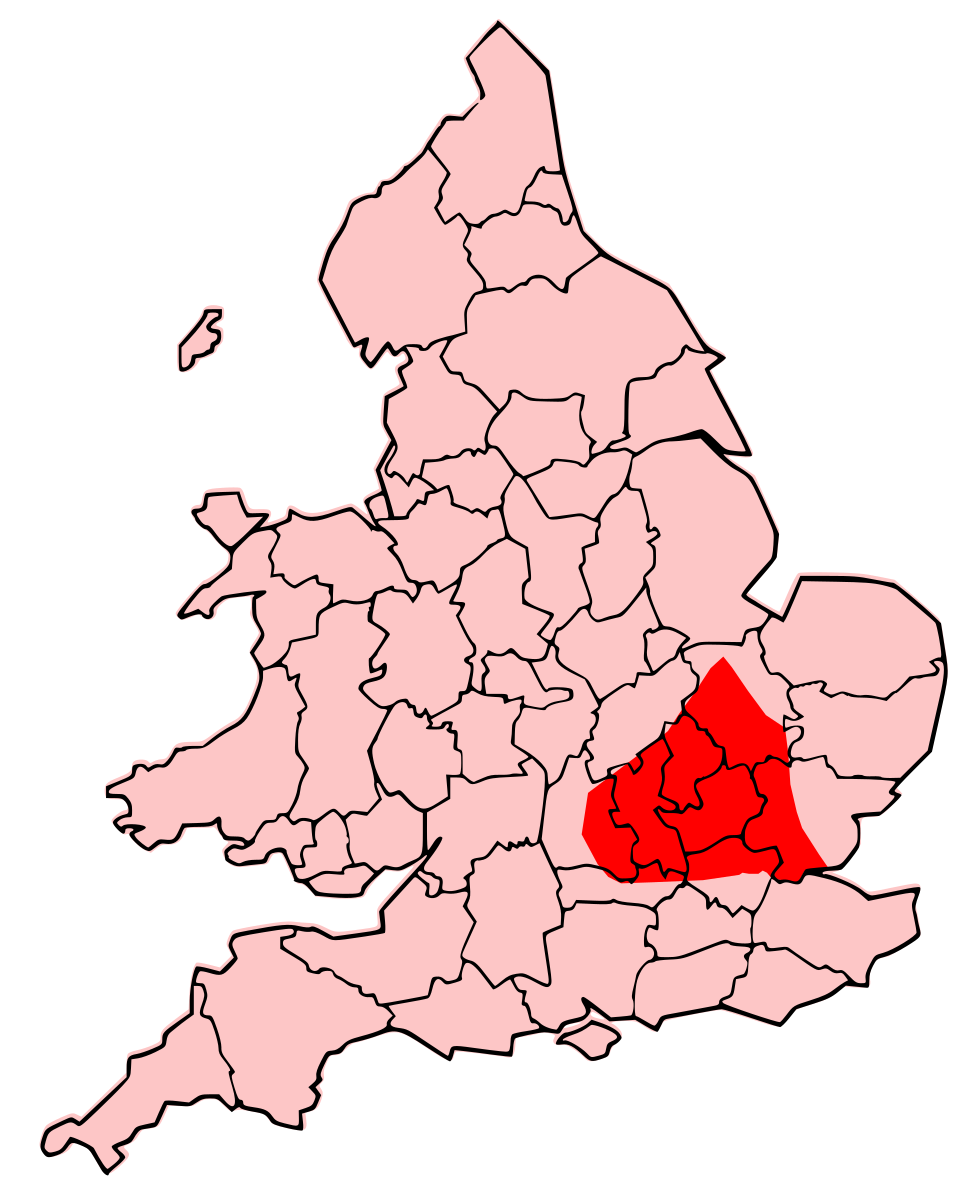
Catuvellauni (All Facts)
Celtic tribe from southeastern Britain before the Roman conquest
Their territory was bordered to the north by the Iceni and Corieltauvi, to the east by the Trinovantes, to the west by the Dobunni and Atrebates, and to the south by the Regni and Cantiaci
They were led by
Cassivellaunus, who
Was appointed by them to be supreme commander of the southeastern Britons
Led the forces that eventually held out against Julius Caesar and the Romans
Cunobelinus, who
Led the tribe from Verulamium
Moved against the Trinovantes tribe from Essex
Established a capital at Camulodunum (Colchester)
Conquered Kent
Caractacus, who
Led his forces and resisted the Roman conquest of Britain
Was eventually taken prisoner at Ludlow
Had sought refuge with Cartimandua, Queen of the Yorkshire Birgantes, but she handed him over to the enemy
Most of his family was already in captivity
Eburones (All Facts)
Subtribe of Gauls
Occupied the land between the Rhine River and Meuse River
Led by Ambiorix, they revolted against Julius Caesar, destroying a Roman camp and killing all its troops
Nervii (All Facts)
Belgic Tribe in Northern Gaul
The core of their territory contained a significant part of modern central Belgium, including Brussels and Mons, as well as stretching southwards to Cambrai in what is now France
Were defeated by Julius Caesar during the Gallic Wars
Veneti (All Facts)
Gallic tribe that dwelt in Armorica, in the southern part of the Brittany Peninsula, during the Iron Age and the Roman period
Were defeated by Julius Caesar during the Gallic Wars
Helvetti (All Facts)
Celtic tribe occupying most of the Swiss plateau at the time of their contact with the Roman Republic during the Gallic Wars
Were defeated by Julius Caesar during the Gallic Wars in the Battle of Bibracte in 58 BCE
Arverni (All Facts)
Gallic people dwelling in the modern Auvergne region during the Iron Age and the Roman period
Led by
Celtillus
Vercingetorix
They defeated Julius Caesar and his forces during the Gallic Wars in the Battle of Gergovia in 52 BCE
They were defeated by Julius Caesar during the Gallic Wars in the Battle of Alesia in 52 BCE
Astures (All Facts)
Hispano-Celtic inhabitants of the northwest area of Hispania that now comprises almost the entire modern autonomous community of the Principality of Asturias, the modern province of León, and the northern part of the modern province of Zamora (all in Spain), and eastern Trás os Montes in Portugal
Suppressed by Augustus around 26 BCE
Cantabri (All Facts)
Hispano-Celtic tribal federation that lived in the northern coastal region of ancient Iberia in the second half of the first millennium BCE
Suppressed by Augustus around 26 BCE
Salassi (All Facts)
Gallic tribe that dwelt in the upper valley of the Dora Baltea river, near present-day Aosta, Aosta Valley, during the Iron Age and the Roman period
Were defeated by Terentius Varro Murena and his Roman forces around 25 BCE
Treveri (All Facts)
Gallic Tribe that inhabited the lower valley of the Moselle in modern day Germany from around 150 BCE until their displacement by the Franks
Led by Julius Florus, they revolted against the Romans due to due high taxes and the Roman ban on Druidism but were defeated by Gaius Silius and the Romans in 21 CE
They supported Gaius Julius Civilis in his “War of Liberation” or Batavian Revolt in 69 CE
Aedui (All Facts)
Gallic tribe that inhabited what is now the region of Burgundy during the Iron Age and the Roman period.
Led by Julius Sacrovir, they revolted against the Romans due to due high taxes and the Roman ban on Druidism but were defeated by Gaius Silius and the Romans in 21 CE
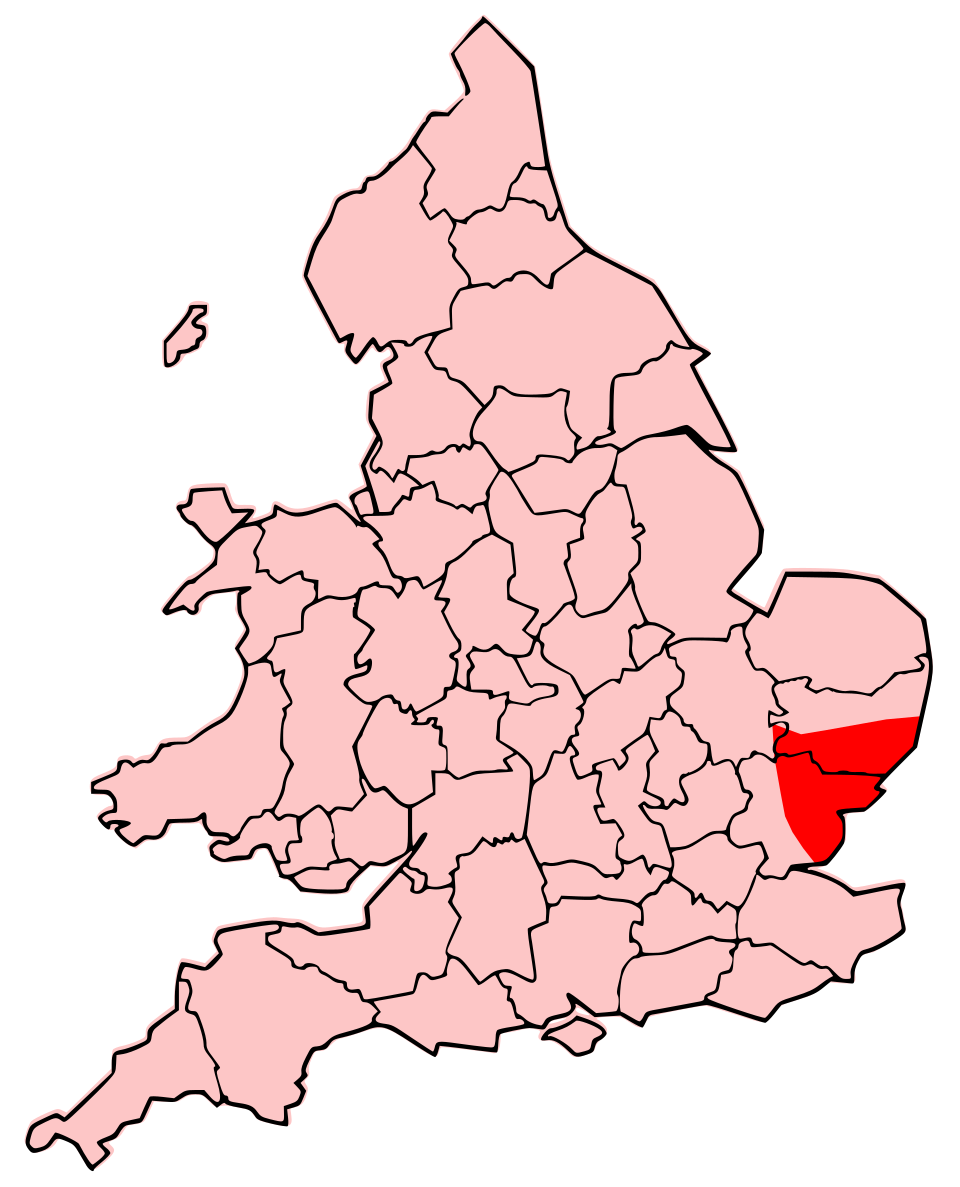
Trinovantes (All Facts)
Celtic tribe of pre-Roman Britain
Their territory was on the north side of the Thames estuary in modern-day Essex, Hertfordshire and Suffolk, and included lands now located in Greater London
They were bordered to the north by the Iceni, and to the west by the Catuvellauni
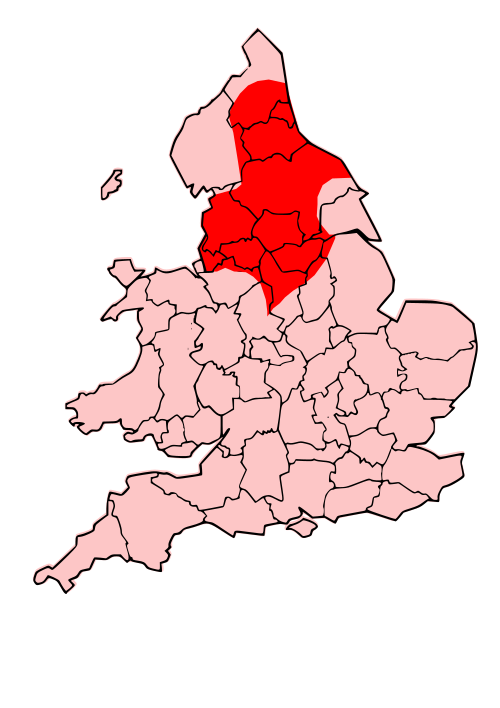
Brigantes (All Facts)
Ancient Celtic Tribe who in pre-Roman times controlled the largest section of what would become Northern England
They were led by
Queen Cartimandua
They were defeated by
Cerialis and his Roman forces in 74
Hadrian’s Wall was meant to keep them separated from the Selgovae and Novoantae tribes in order that they did not organize and revolt against Rome
They revolted against Rome in 142 in Yorkshire
Following their incursions into Rome, they forced the Romans to abandon the Antoine Wall of 143 and retreat to Hadrian’s Wall
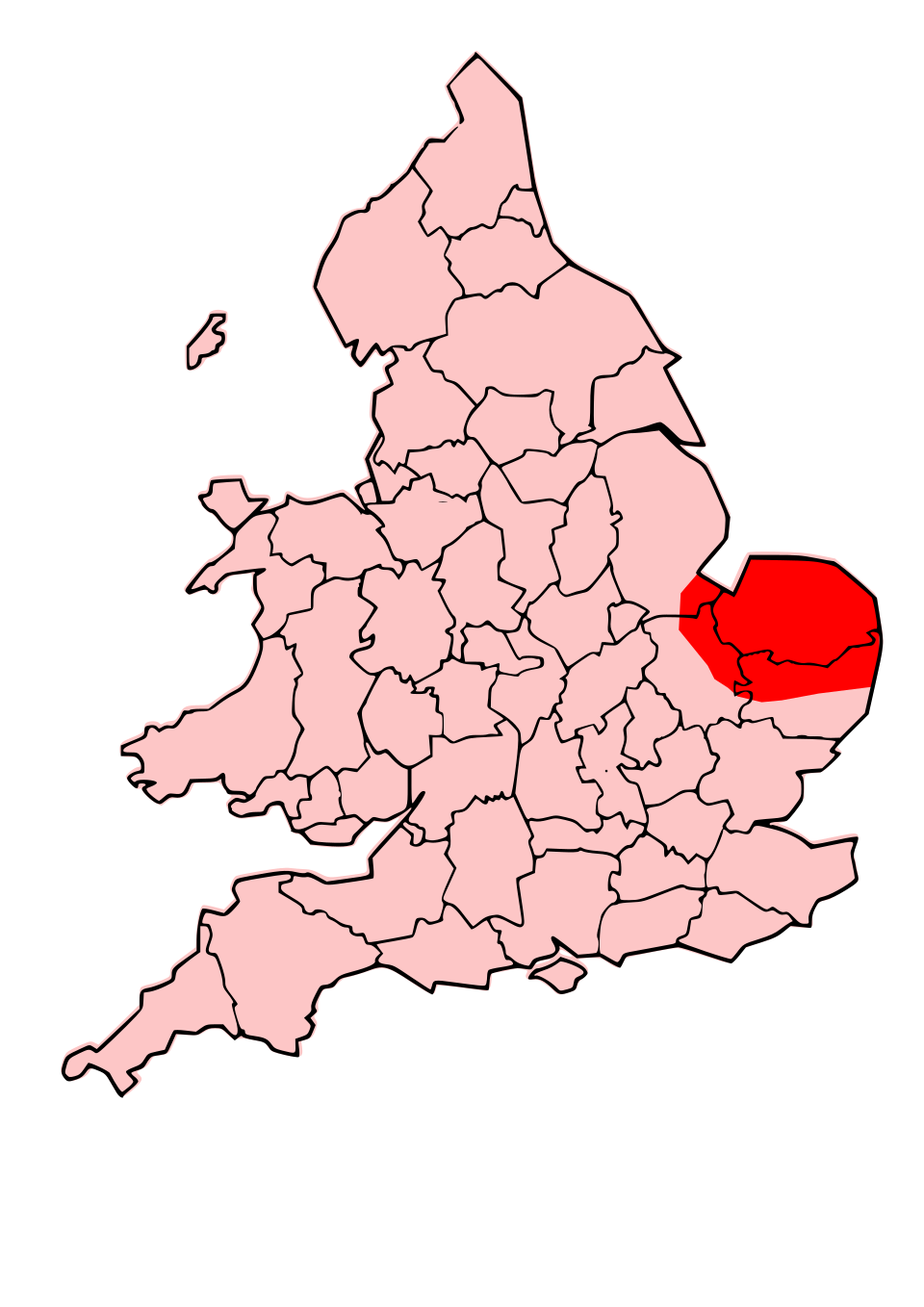
Iceni (All Facts)
Ancient Celtic Tribe in Eastern Britain during the Iron Age and early Roman era
Their territory included present-day Norfolk and parts of Suffolk and Cambridgeshire, and bordered the area of the Corieltauvi to the west, and the Catuvellauni and Trinovantes to the south
They were led by
Boudicca, who
Was eventually defeated by Paulinus and his Roman forces in 61
They were defeated in 48 by Scapula and his Roman forces
Lingones (All Facts)
Gallic tribe of the Iron Age and Roman periods
They dwelt in the region surrounding the present-day city of Langres, between the provinces of Gallia Lugdunensis and Gallia Belgica
Silures (All Facts)
Ancient Celtic tribe occupying what is now south-east Wales and perhaps some adjoining areas
They were bordered to the north by the Ordovices, to the east by the Dobunni, and to the west by the Demetae
They were defeated by Frontinus and his Roman forces in 77
Caledonians (All Facts)
Celtic tribal confederacy that lived in what is now Scotland during the Iron Age and Roman eras
They were defeated by Agricola and his Roman forces at Mount Graupius in 83
Were blocked off from the Roman Empire by Hadrian’s Wall, which was completed in 130
Successfully defended themselves against Septimius Severus and the Romans up to 211
Picts (All Facts)
Celtic tribe that lived in what is now Scotland north of the Firth of Forth, in the Early Middle Ages
They were defeated by Agricola and his Roman forces in 83
Selgovae (All Facts)
Celtic tribe of the late 100s CE who lived in what is now Kirkcudbrightshire and Dumfriesshire, on the southern coast of Scotland
Hadrian’s Wall was meant to keep them separated from the Brigantes and Novoantae tribes in order that they did not organize and revolt against Rome
Novoantae (All Facts)
Celtic tribe that lived in what is now Galloway and Carrick, in southwesternmost Scotland
Hadrian’s Wall was meant to keep them separated from the Brigantes and Selgovae tribes in order that they did not organize and revolt against Rome
Britons (All Facts)
Celtic Tribe which checks the Wessex Kingdom and Saxons in the Battle of Badon, in which they defeated the Saxons