Session 8: Neoplasm
 Call Kai
 Learn
Learn Practice Test
 Spaced Repetition
 Match
Match Flashcards
 Knowt Play
1/82

There's no tags or description
Looks like no tags are added yet.
Name | Mastery | Learn | Test | Matching | Spaced | Call with Kai | Chat |
|---|
No analytics yet
Send a link to your students to track their progress
83 Terms
Neoplasm
Newly formed collection of cells resulting from abnormal cellular proliferation that persists after the stimulus is removed
Benign tumours
Self-contained and localised with well-defined perimeters. They grow slower from a central mass.
Benign masses can be dangerous when they compress surrounding tissue as they can restrict blood flow to an area, leading to an impact on the function.
Malignant tumours
Not self-contained, do not compress surrounding tissue. Their growth is an irregular invasion of adjacent cells. They are capable of rapid growth. These tumours are not localised in metastasis (when they shed cells which travel through the blood to infect other tissues).
Metastasis
The spread of cancer cells to locations distant from their original site.
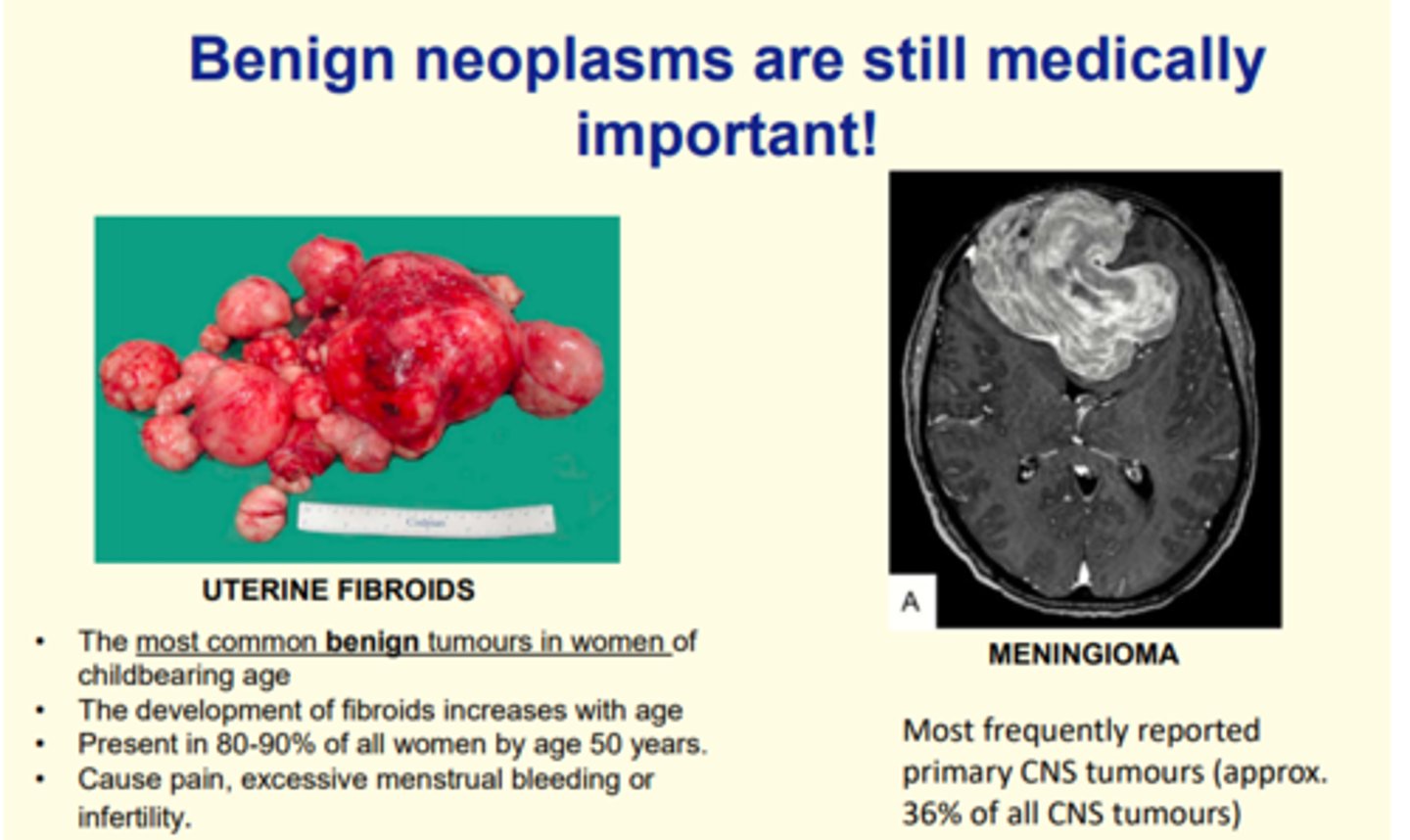
Give an example of a benign neoplasm that is medically important
1) UTERINE FIBROIDS
The development of fibroids increases with age and causes pain, excess menstrual bleeding or infertility
2) MENINGIOMA
Most frequently reported primary CNS tumour.
Aetiology of cancer
Combination of intrinsic and extrinsic factors account for cancer risk.
INTRINSIC
- Heredity
- Age
- Gender
- Sex
- Family history
- Genetic mutations
EXTRINSIC
- Chemicals
- Radiation
- Infections
About 30% of cancer deaths is due to the five leading behavioural/dietary risk factors, which are...
1) High BMI
2) Low consumption fruit/vegetables
3) No physical exercise
4) Smoking
5) Alcohol
Extrinsic factors which contribute to cancer aetiology are classified into three groups...
1) Chemicals
2) Radiation
3) Infections
Give some examples of chemical carcinogens
1) Polycyclic aromatic hydrocarbons (PAHs) e.g., Benzopyrene
2) Aromatic amines e.g., 2-napthylamine
3) Nitrosamines e.g., sodium nitrite
4) Asbestos
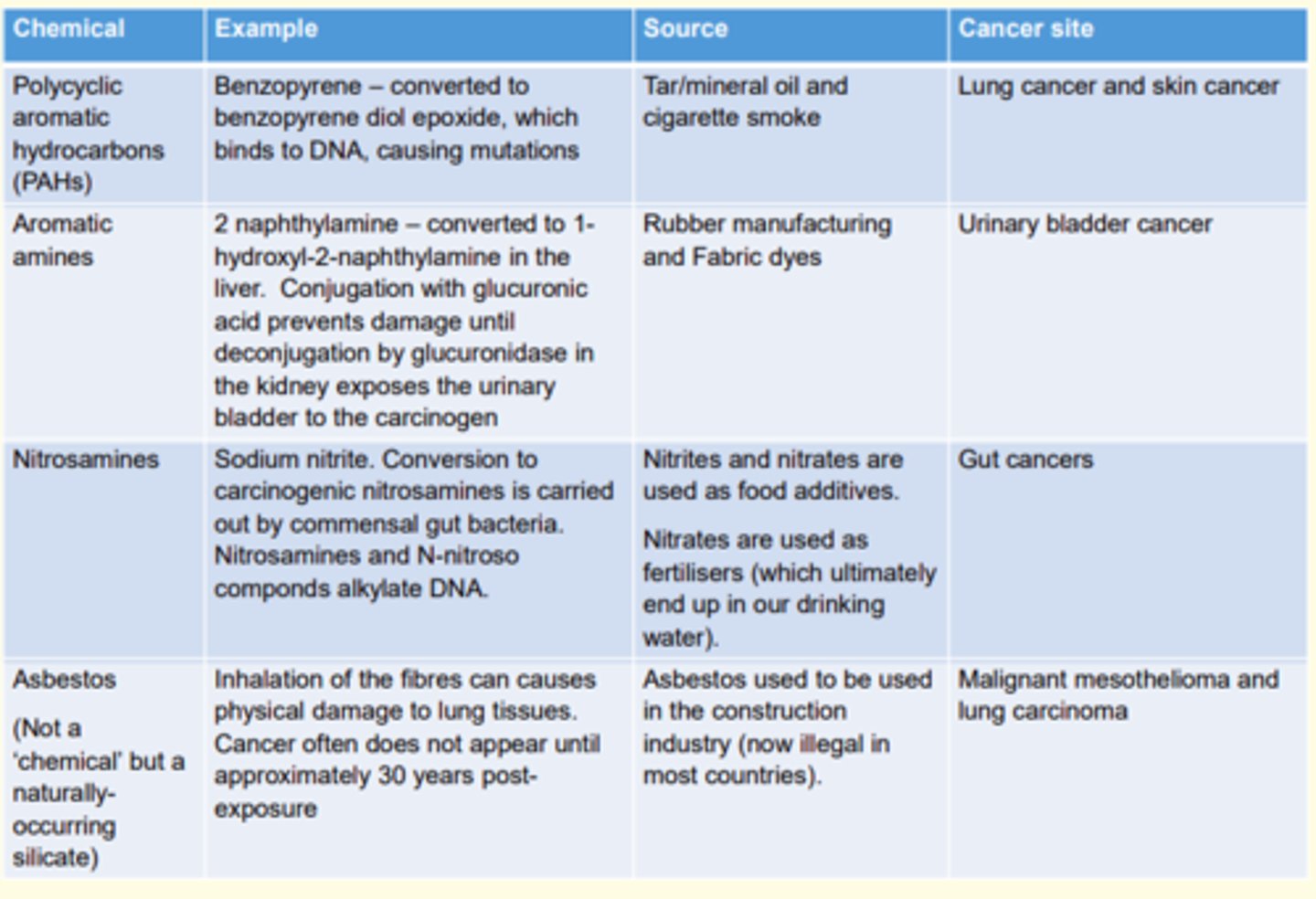
Give an example of a nitrosamine which is an industrial carcinogen used in the dye manufacturing process
2-napythylamine
Malignant neoplasms caused by the nitrosamine 2-napythylamine showed that...
- There is a long delay between carcinogen exposure & onset of malignancy
- Risk of cancer depends on the total carcinogen dose
- Sometimes organ specificity for particular carcinogens
Most carcinogens enter the body in the form of ___, before being converted to carcinogens by cellular machinery. An example of one of these carcinogens is ___.
Most carcinogens enter the body in the form of procarcinogens, before being converted to carcinogens by cellular machinery. An example of one of these carcinogens is benzopyrene.
Benzopyrene is a procarcinogen. It is one of the main carcinogenic agents in ___. It must be first oxidised by cytochrome ___ and further modified by other enzymes to become benzopyrene ___ ___ which binds covalently to DNA to form an ___ where it causes mutations.
Benzopyrene is a procarcinogen. It is one of the main carcinogenic agents in cigarettes. It must be first oxidised by cytochrome P450-1A1 and further modified by other enzymes to become benzopyrene diol epoxide which binds covalently to DNA to form an adduct where it causes mutations.
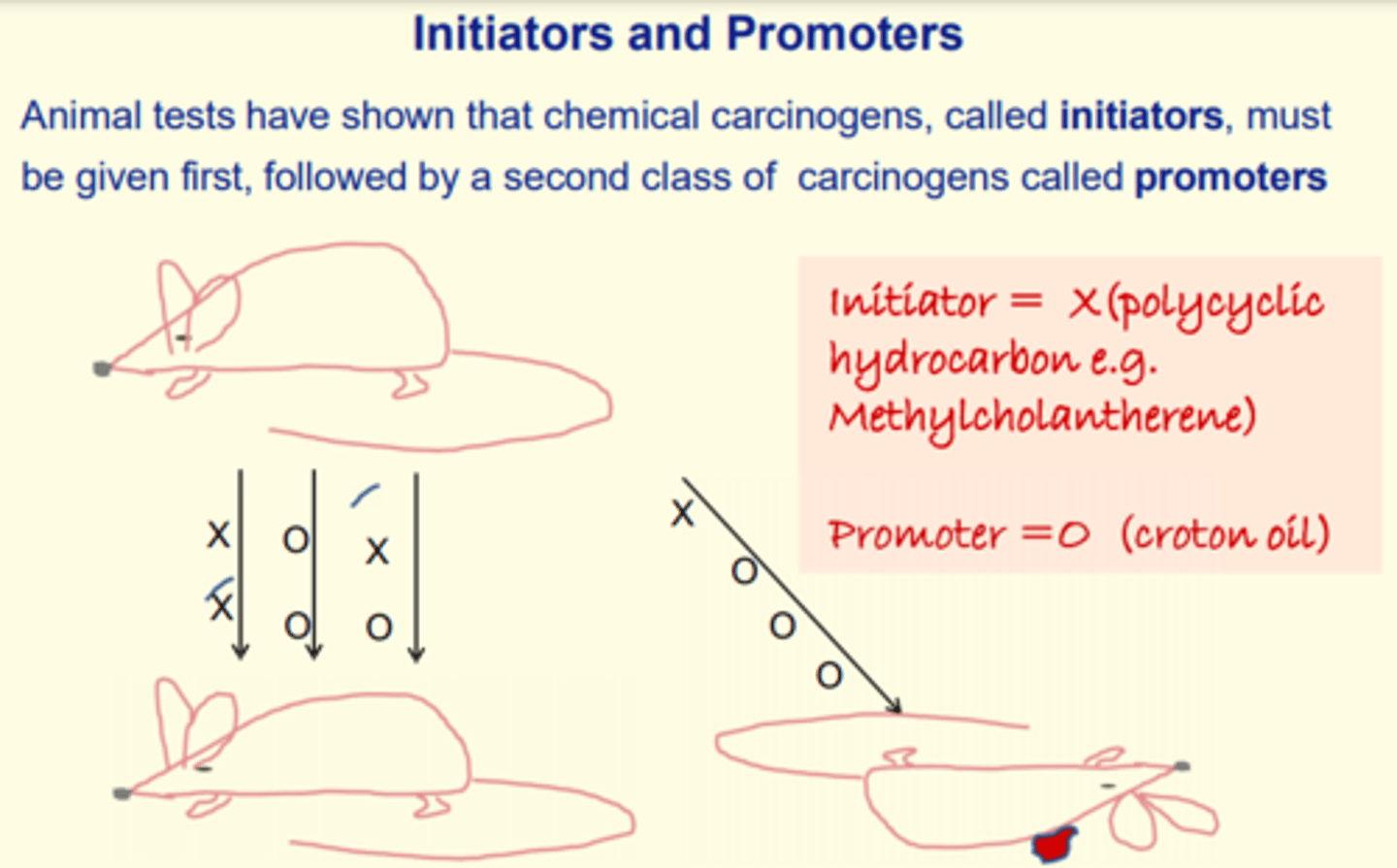
Initiator chemical carcinogens
Mutagens
Promoter chemical carcinogens
Cause prolonged proliferation in target tissues
The Ames test shows that...
Initiators are mutagens
Promoters cause prolonged proliferation in target tissues
The mutant monoclonal collection of cells becomes fully malignant via a process called ___
Progression
Carcinogens that act as BOTH the initiators and promoters are called ___ ___
Carcinogens that act as BOTH the initiators and promoters are called complete carcinogens
UV light penetration
It cannot penetrate deeper than the skin
Ionising radiation
Any form of radiation that has the ability to remove electrons from atoms and molecules
Examples
X-rays
Nuclear radiation
Nuclear radiation
Particles or electromagnetic radiation emitted from the nucleus during radioactive decay
Includes alpha particles, beta particles and gamma rays
Radiation can damage DNA directly and indirectly by producing ___ ___
Radiation can damage DNA directly and indirectly by producing free radicals
Most important type of radiation type is...
Ultraviolet radiation
Because we are exposed to this type of radiation daily from sunlight - increased risk of skin cancer
Main exposure to ionising radiation for most people is...
The natural background radiation from radon which seeps from earth's crust
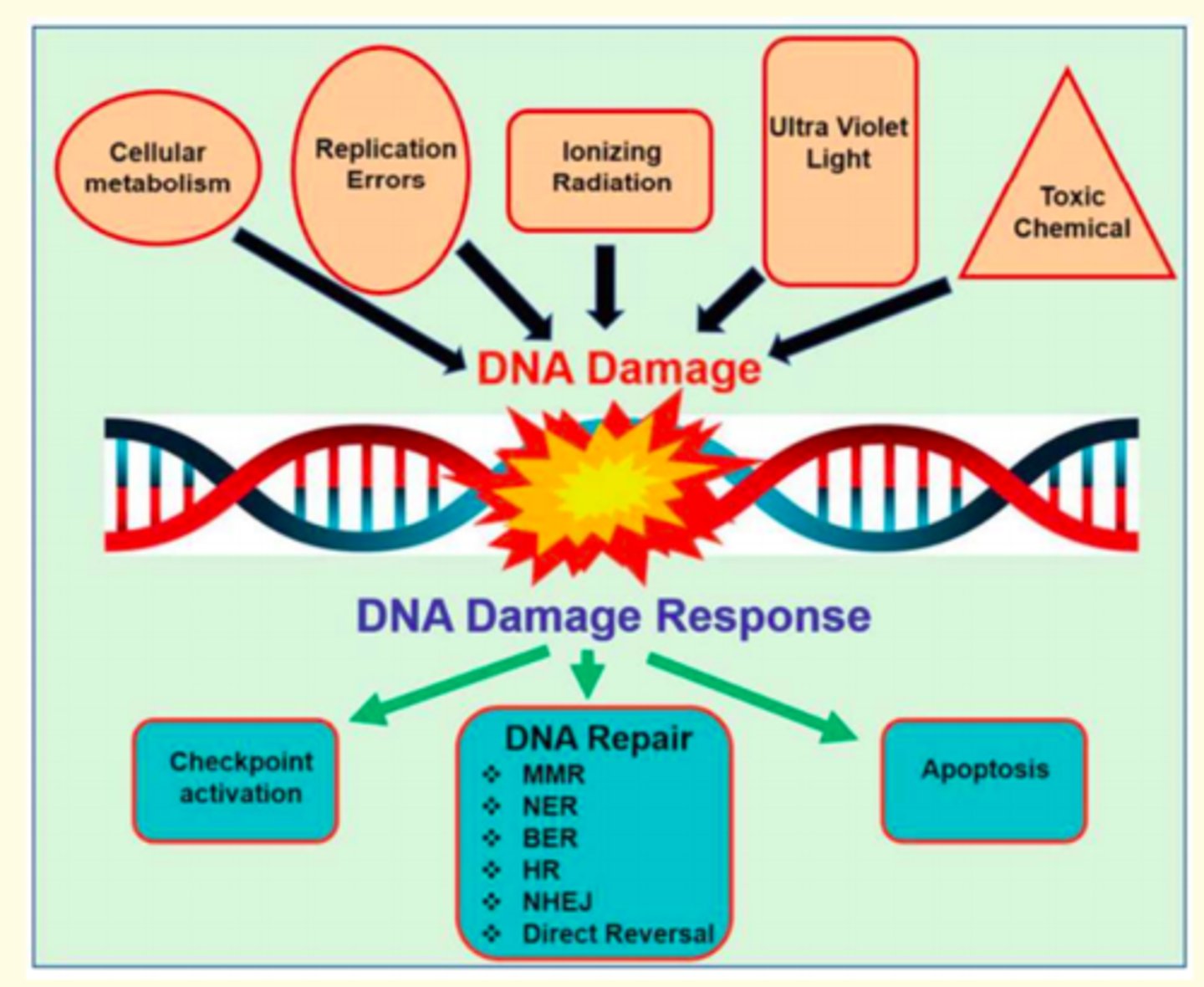
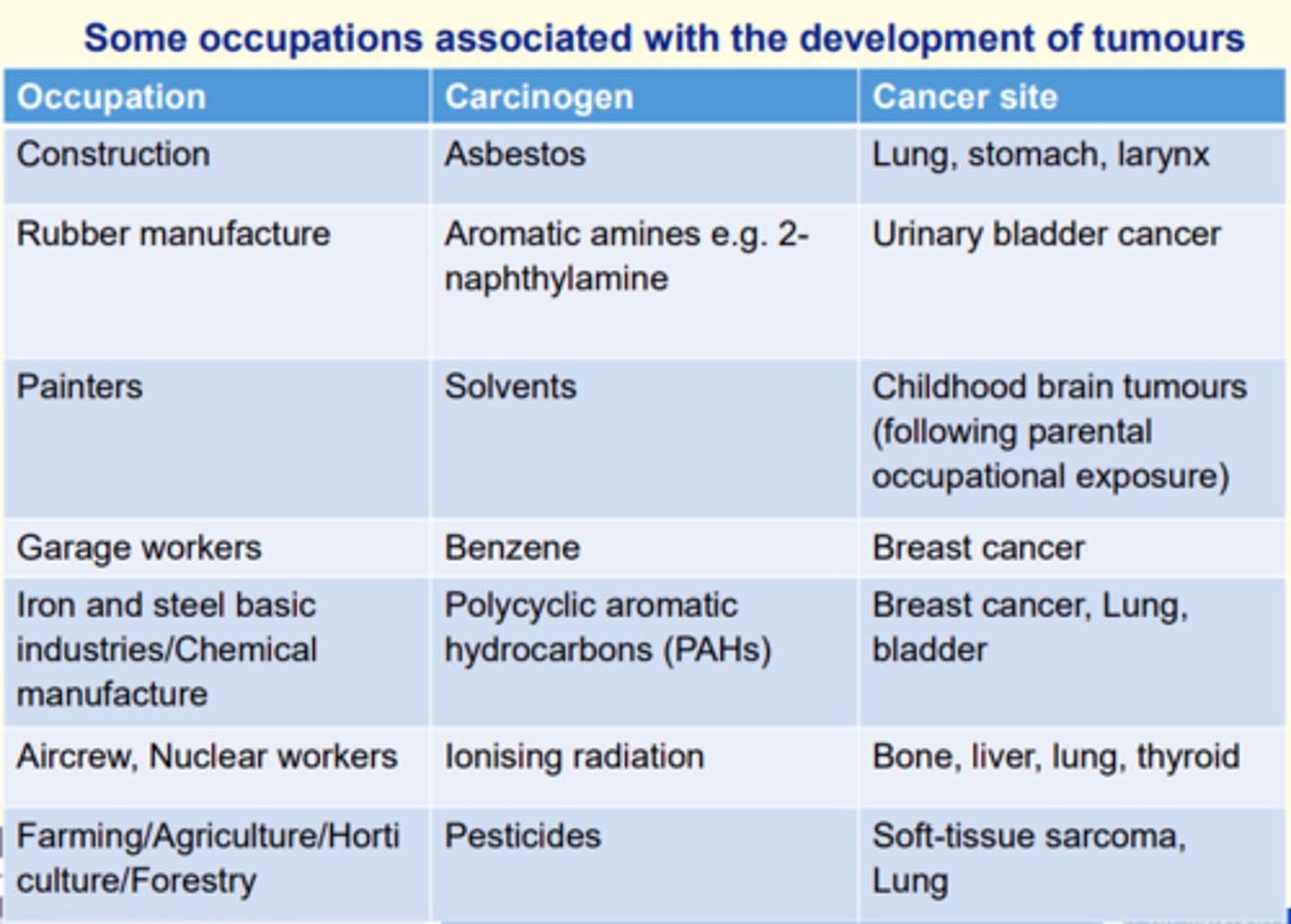
Some occupations are associated with development of tumours due to exposure to carcinogens...
For example...
In construction occupations - there is increased exposure to carcinogens such as Asbestos.
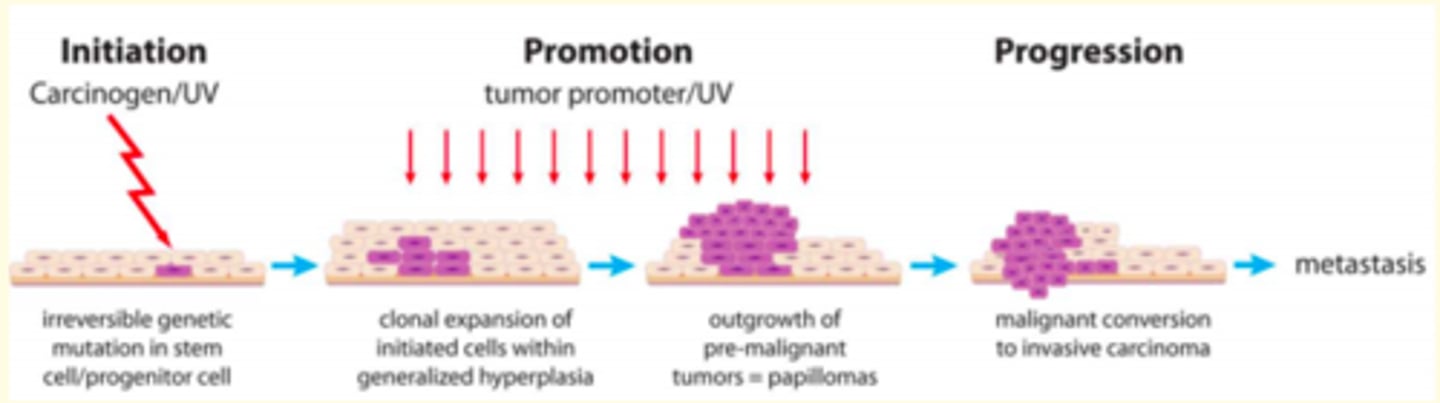
Carcinogenesis stages
1. Initiation
2. Promotion
3. Progression
There is usually a long interval between the exposure to a carcinogen and clinically-detectable neoplasia. This period is called the ___ period
There is usually a long interval between the exposure to a carcinogen and clinically-detectable neoplasia. This period is called the latency period
Pre-malignant (benign) tumours that can progress to invasive, malignant carcinomas
Papilloma
Animal tests have shown that chemical carcinogens, called ___, must be given first, followed by a second class of carcinogens called ___
Animal tests have shown that chemical carcinogens, called initiators, must be given first, followed by a second class of carcinogens called promoters
The cell cycle
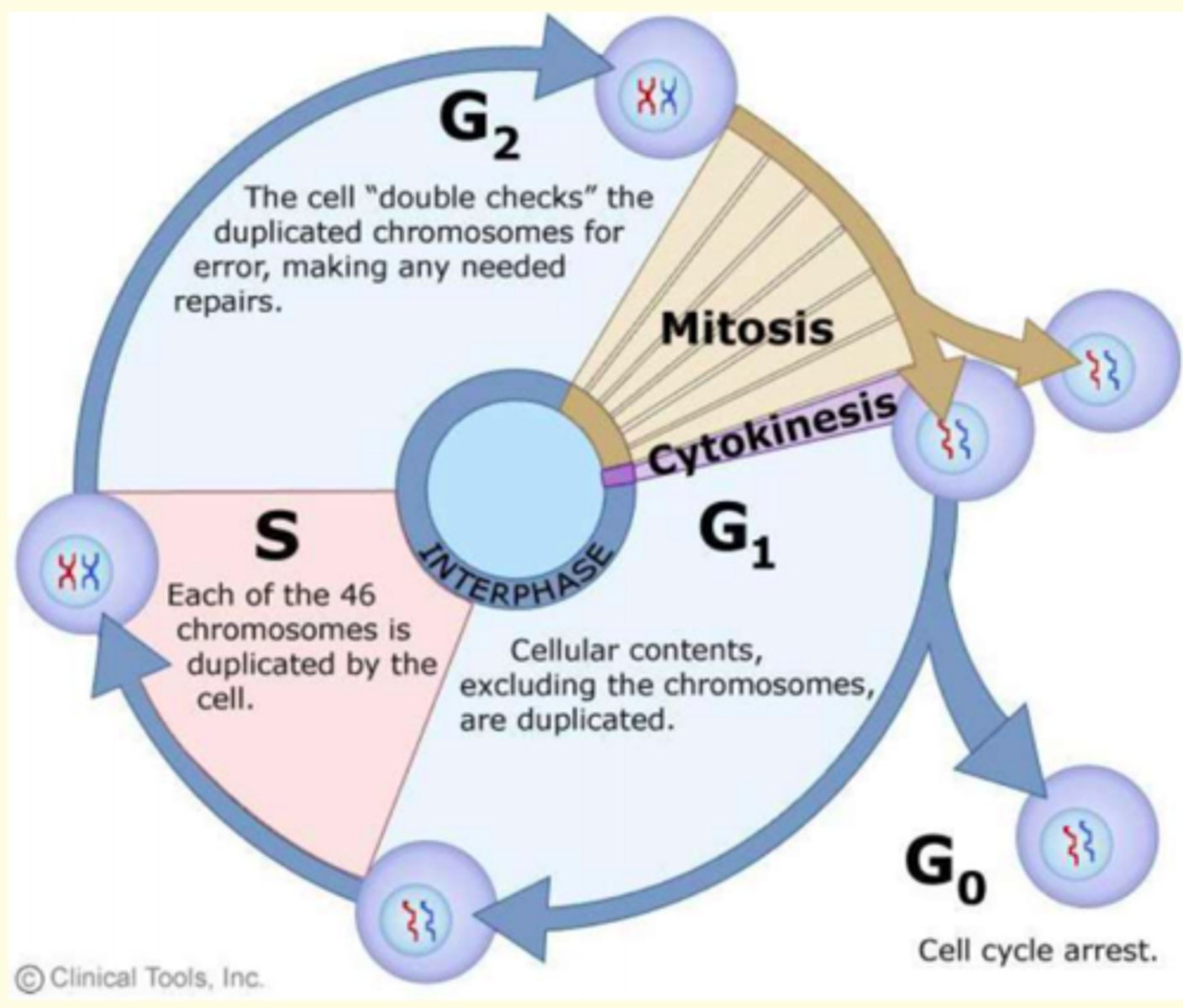
The regular sequence of growth and division that cells undergo
Some infections directly affect genes which control cell growth. They are carcinogenic.
An example of a directly carcinogenic infection is...
Human Papilloma virus (HPV) is strongly linked to cervical carcinoma
Why is HPV infection an example of a direct carcinogen?
HPV infection is an example of a direct carcinogen becuase it expresses E6 and E7 proteins which inhibit p53 and pRB protein function respectively (both of which are important for cell proliferation).
Some infections indirectly affect genes which control cell growth.
An example of a indirectly carcinogenic infection is...
Hepatitis B and Hepatitic C viruses are indirect carcinogens that cause chronic liver injury and regeneration
Bacteria and parasites can also indirectly lead to neoplasms.
Give an example of a bacteria that acts as an indirect carcinogen
Helicobacter pylori causes chronic gastric inflammation
Bacteria and parasites can also indirectly lead to neoplasms.
Give an example of a parasite that acts as an indirect carcinogen
Parasitic flukes cause inflammation in bile ducts and bladder mucosa = increases the risk of cholangiocarcinoma and bladder carcinomas respectively.
BViruses can also indirectly lead to neoplasms.
Give an example of a virus that acts as an indirect carcinogen
HIV acts indirectly by lowering immunity and allowing other potentially carcinogenic infections to occur such as human herpes 6 virus and Kaposi's sarcoma
Knudson's two-hit hypothesis
Both copies have to be defective in same cell to allow tumor to develop
In the case of familial cancers such as retinoblastoma (malignant retinal tumour), Knudson's two-hit hypothesis states that...
1) First hit is delivered via germline and affects all cells of the body (via germline)
2) Second hit is somatic (any cell other than an undifferentiated stem cell or gamete) mutation
An example of an inherited predisposition to neoplasia
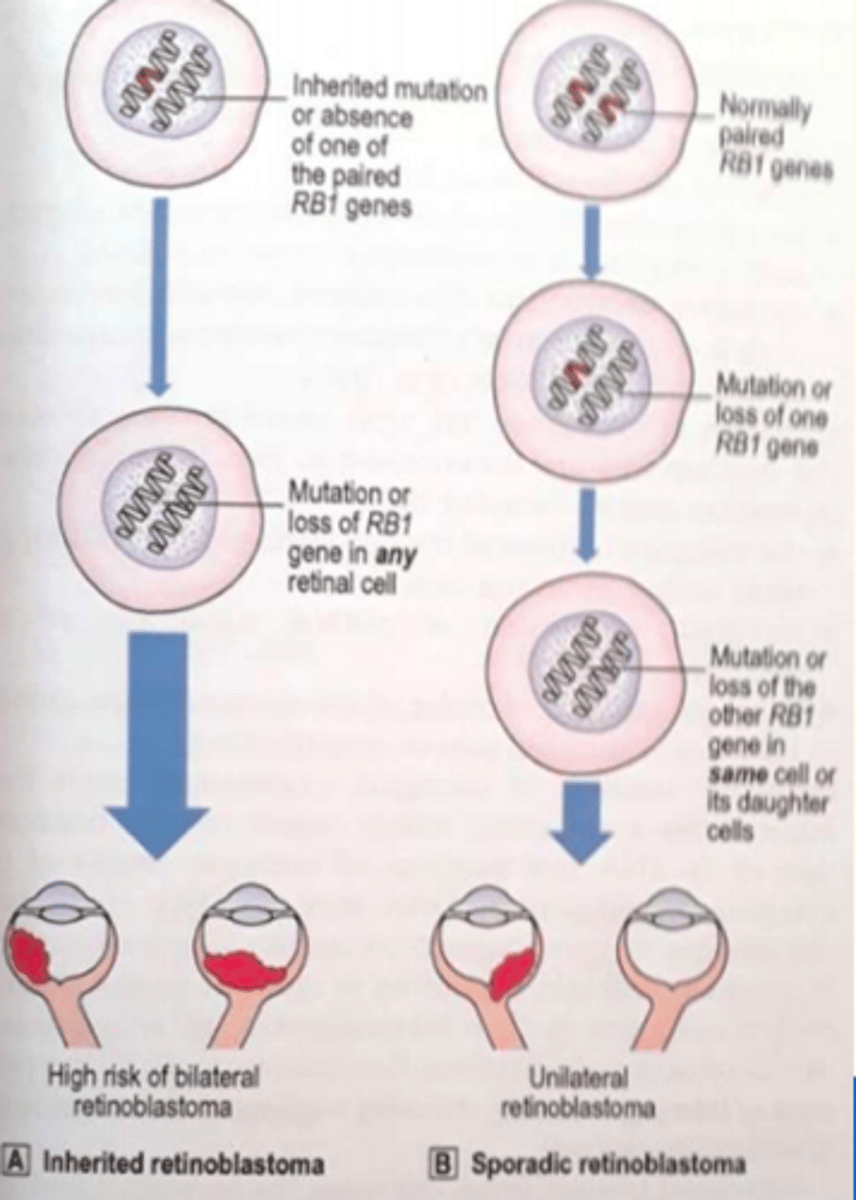
Retinoblastoma
Dominant pattern of inheritance
Knudson (1971) proposed that retinoblastoma was caused by TWO mutational events
In the dominantly inherited form of the disease, one mutation is inherited via the germ-line and the second occurs in somatic cells.
In the nonhereditary form, both mutations occur in somatic cells.
Mechanism of retinoblastoma
Loss of retinoblastoma protein (RB) in the prototypic tumour suppressor gene
If a child inherits one dysfunctional copy of the RB1 gene, half of their retinoblastoma protein is functional and half is dysfunctional.
Sufficient RB1 protein can be produced from just ONE copy of the RB1 gene to allow for normal function as RB1 is ___
Sufficient RB1 protein can be produced from just ONE copy of the RB1 gene to allow for normal function as RB1 is DOMINANT
Mutations in ___ or ___ have been associated with familial breast cancer
Mutations in BRCA1 or BRCA2 have been associated with familial breast cancer
Mutations occur in either the BRCA1 or BRCA2 which encode the BRCA1 and BRCA2 tumour suppressor proteins which are involved in repairing DNA double-strand breaks.
Mutations in BRCA1/2 are also associated with other cancer types, such as...
Ovarian cancer
Prostate cancer
Pancreatic cancer
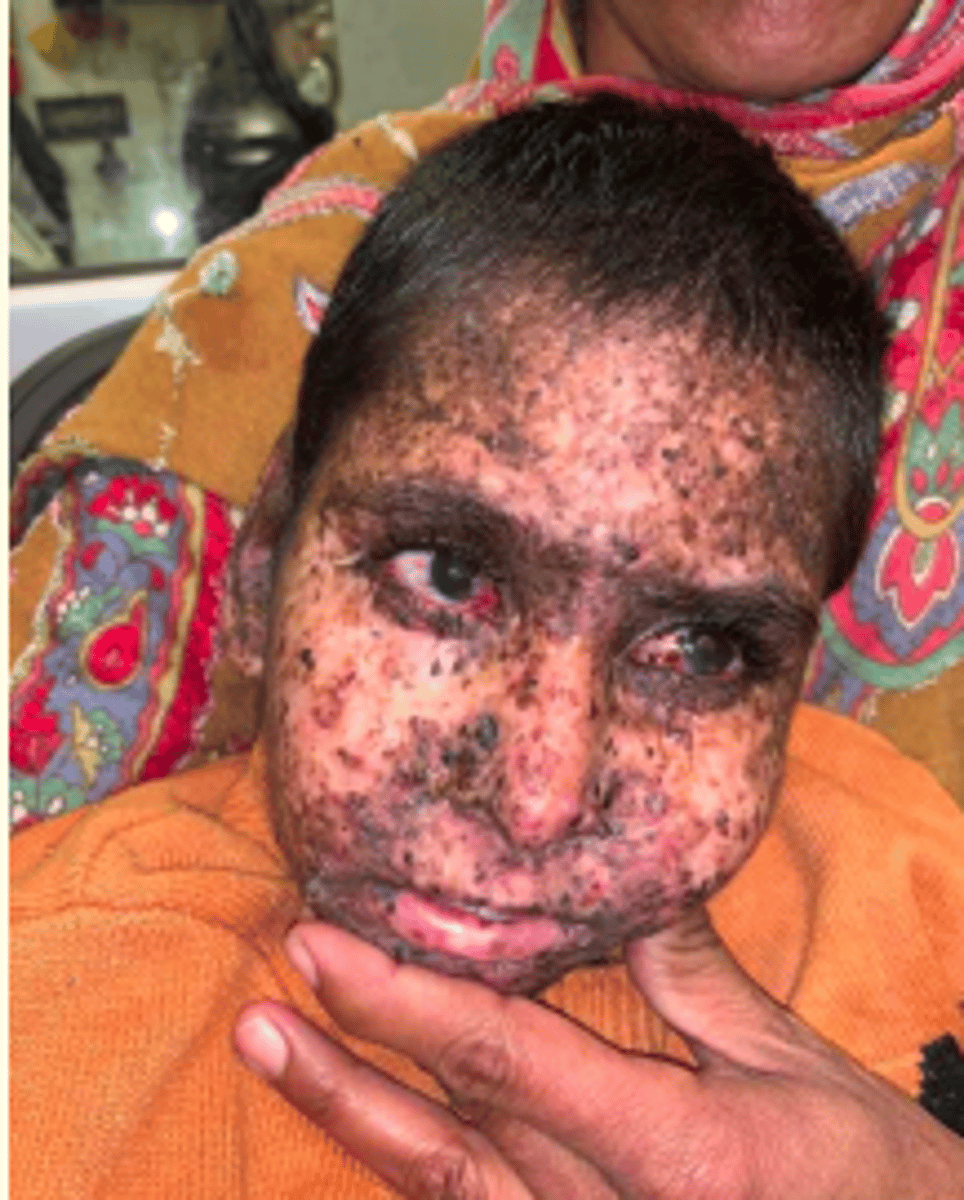
Xeroderma Pigmentosum (XP)
Autosomal recessive = extreme photosensitivity
- Mutations in 1/7 genes that affect DNA nucleotide excision repair (NER)
- Patients develop skin cancer at a young age
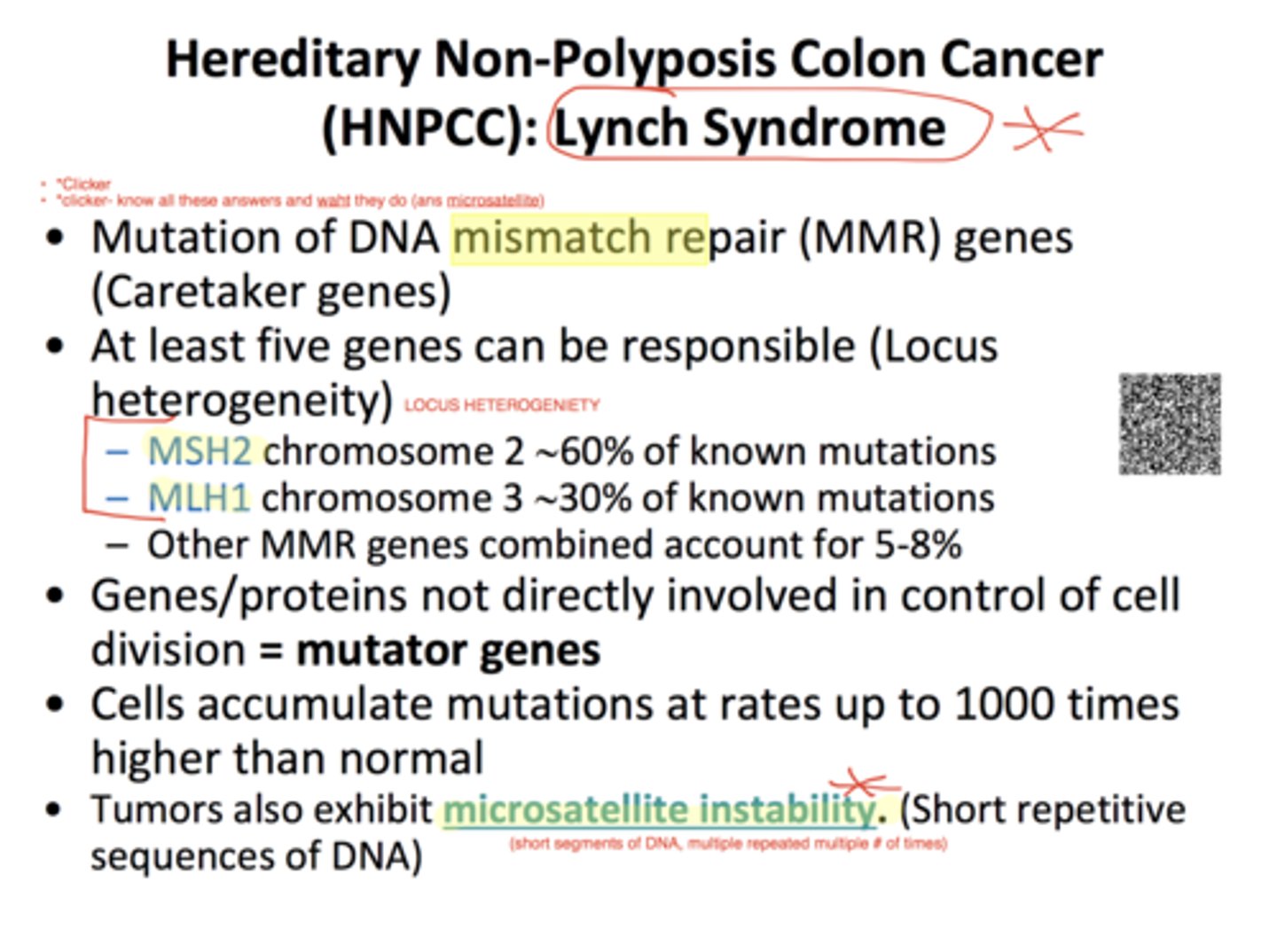
Hereditary Non-polyposis Colon Cancer (HNPCC) syndrome
Autosomal dominant
- Associated with colon carcinoma and germ-line mutation affects one of several DNA mismatch repair genes
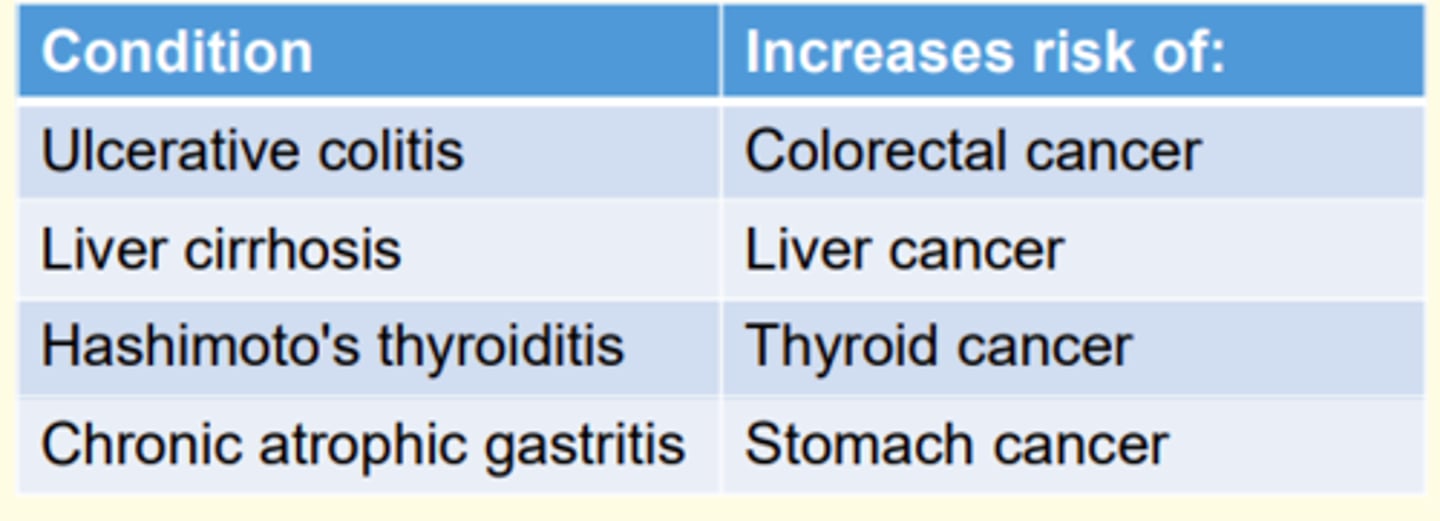
Several medical conditions are associated with an increased risk of cancer.
Give some examples...
ulcerative colitis
liver cirrhosis
hashimoto’s thyroidosis
chronic atrophic gastritis
The first human oncogene to be discovered was...
RAS
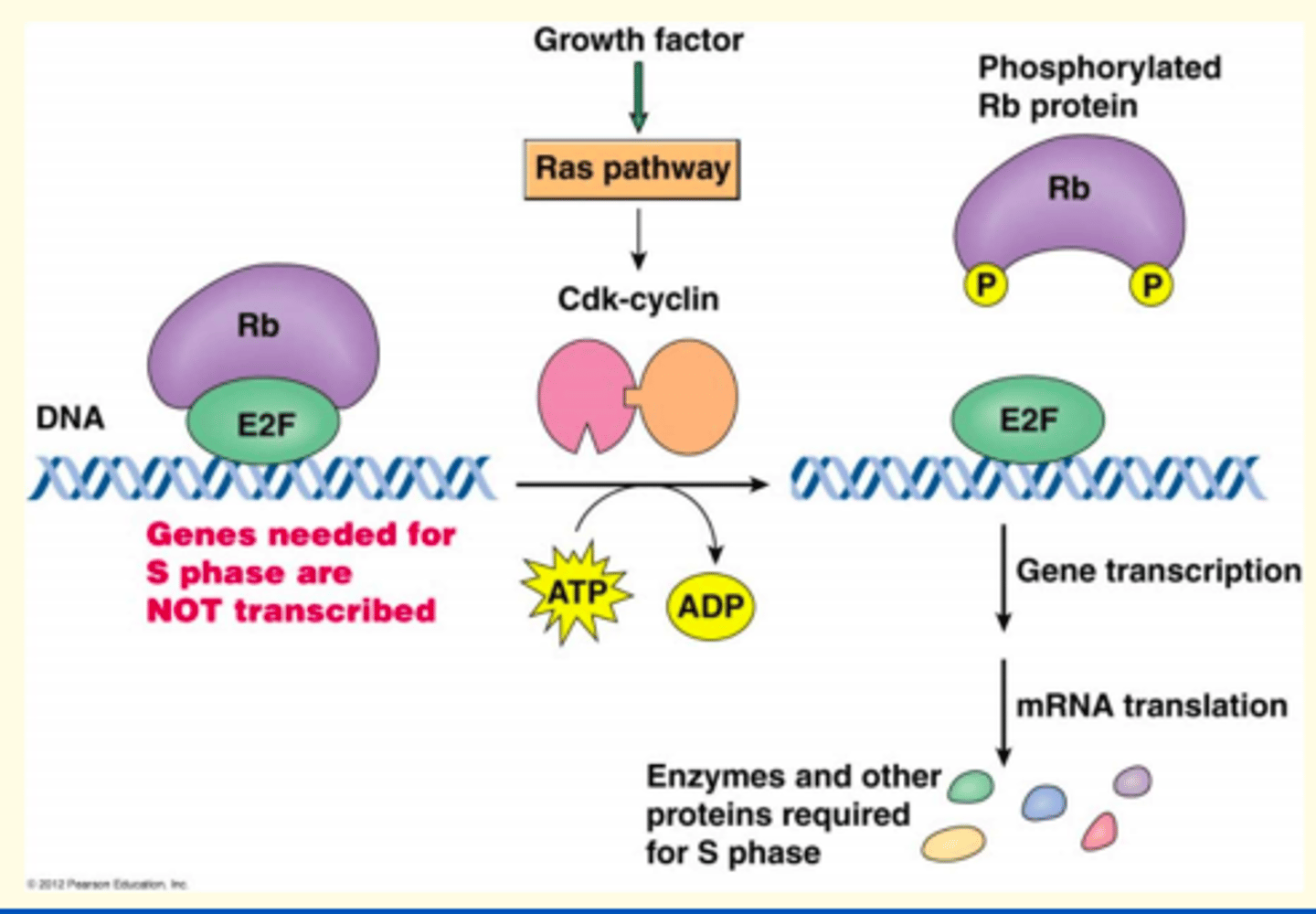
RAS proto-oncogene encodes a small G protein that relays signals into the cell that eventually pushes the cell past the cell cycle restriction point
Mutant RAS encodes a protein that is ALWAYS active - producing a constant signal to pass through the cell cycle's restriction point
Inactivation of both RB alleles allows unrestrained passage through the restriction point.
One component of growth control (the restriction point) can be deregulated either by an activated oncogene or by an inactivated tumour suppressor (TS) gene.
This idea can be extended to other master regulators of growth and respective proto-oncogenes and tumour suppressor genes that affect them.
Proto-oncogenes can encode...
Growth factors e.g., PDGF
Growth factor receptors e.g., HER2
Plasma membrane signal transducers e.g., RAS
Intracellular kinases e.g., BRAF
Transcription factors e.g., MYC
Cell cycle regulators e.g., CYCLIN D1
Apoptosis regulators e.g., BCL2
Some infectious agents can cause cancer indirectly and directly.
Name some infectious agents and the cancer site associated with them
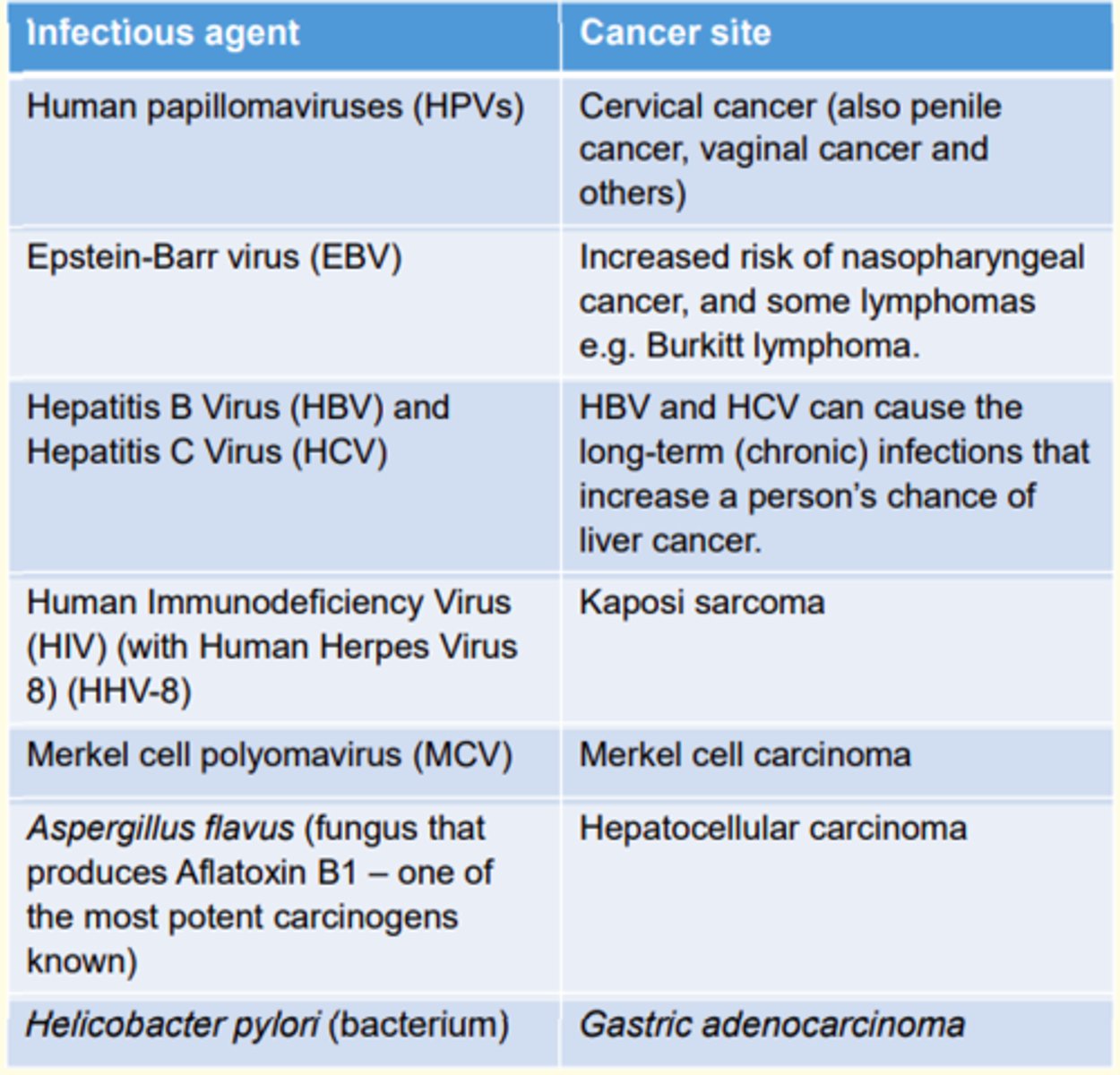
Which HPV strains are strongly associated with cervical carcinoma?
HPV-16
HPV-18
These DNA virus strains are strongly associated with cervical cancer
HPV-16 and HPV-18 express the viral oncogenes = ___ and ___ (strong association with cervical cancer).
Integration of HPV DNA into the host genome allows the transcription of two oncoproteins (___ and ___).
HPV-16 and HPV-18 express the viral oncogenes = E6 and E7 (strong association with cervical cancer).
Integration of HPV DNA into the host genome allows the transcription of two oncoproteins (E6 and E7).
E6 viral protein (HPV) inhibits human ___ function while E7 viral protein inhibits human ___ protein function
E6 viral protein (HPV) inhibits human TP53 function while E7 viral protein inhibits human RB1 (pRB) protein function
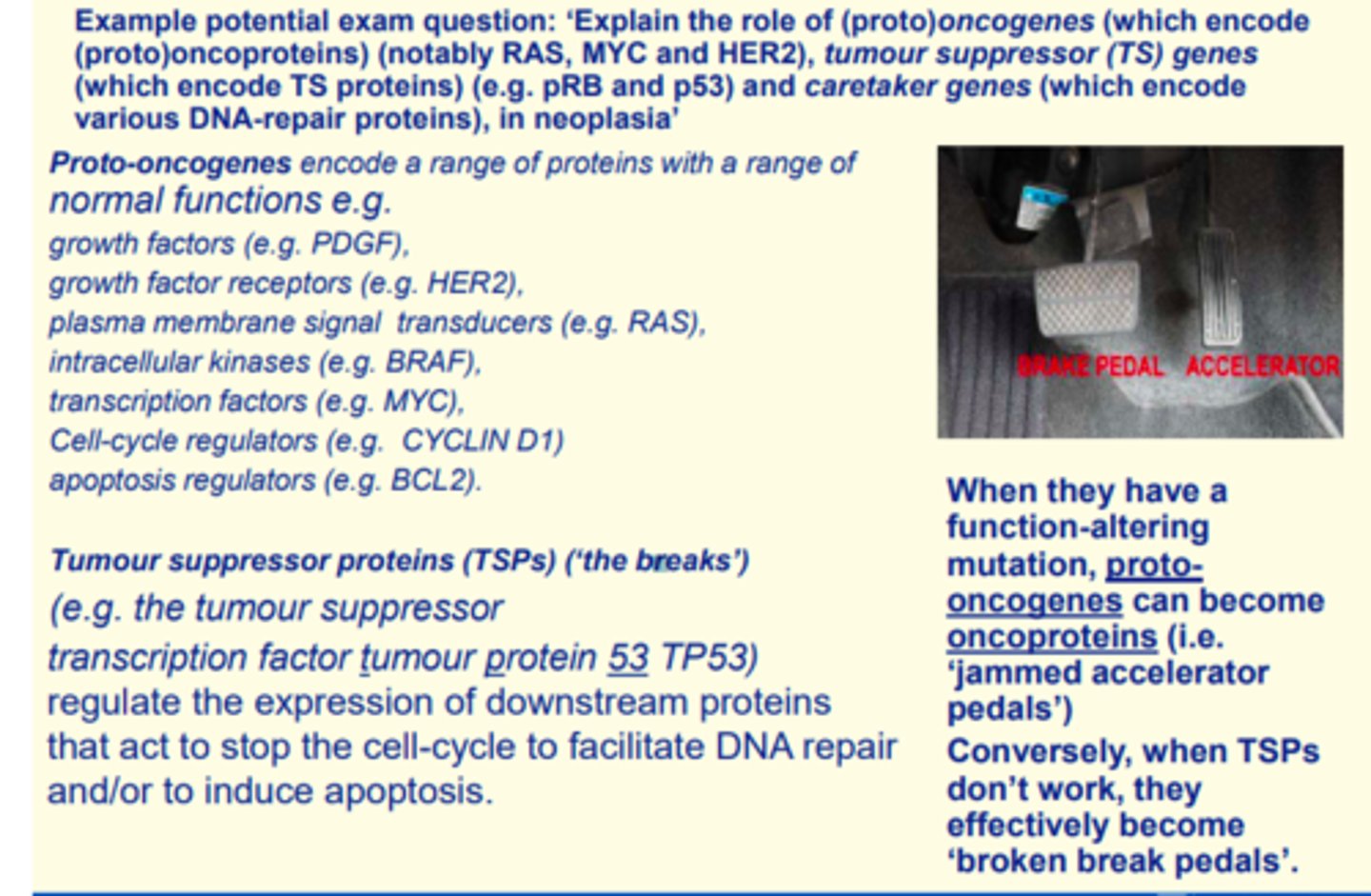
Explain the role of (proto)oncogenes (which encode (proto)oncoproteins) (notably RAS, MYC and HER2), tumour suppressor (TS) genes (which encode TS proteins) (e.g. pRB and p53) and caretaker genes (which encode various DNA-repair proteins), in neoplasia
Proto-oncogenes encode a range of proteins with a range of normal functions e.g., growth factor (e.g. PDGF).
Tumor suppressor proteins (TSPs) are the breaks e.g., the tumour suppressor transcription factor tumour protein 53 (TP53) regulates the expression of downstream proteins that act to stop the cell-cycle to facilitate DNA repair and/or induce apoptosis.
When they have a function-altering mutation, proto-oncogenes can become oncoproteins (jammed accelerator pedals).
Conversely, when TSPs don't work, they effectively become 'broken break pedals'.
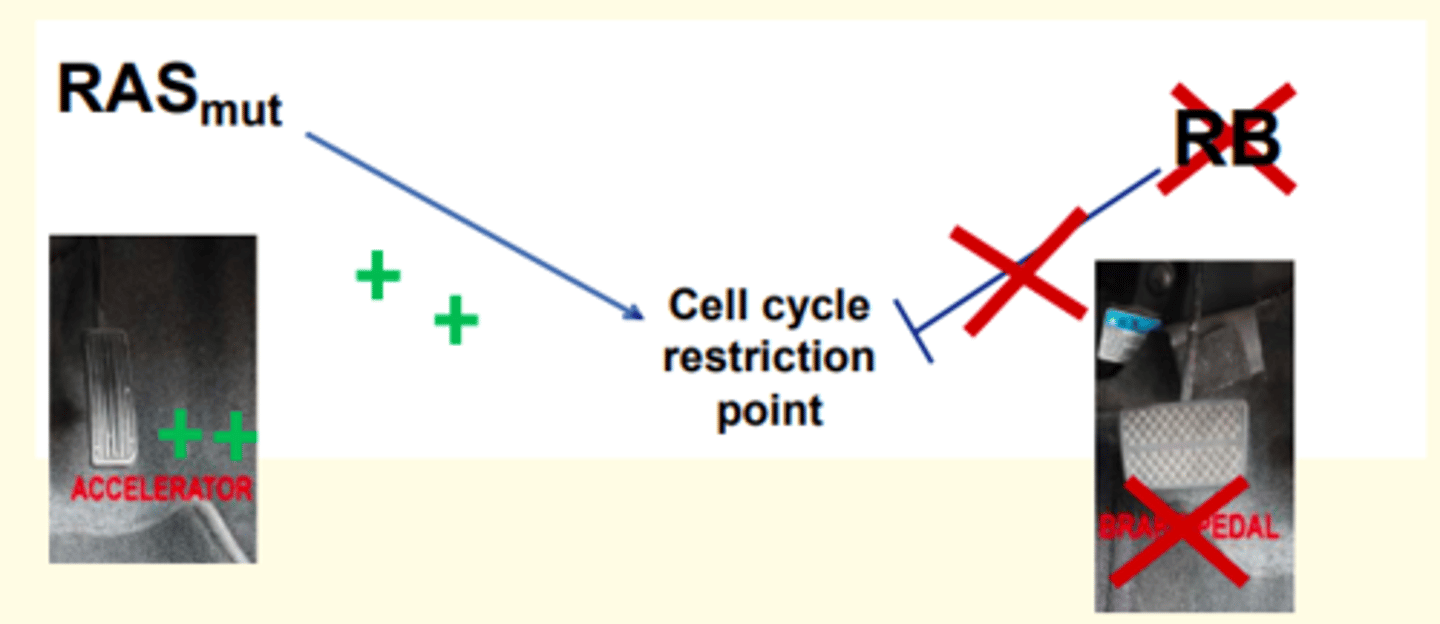
___ and inactivated ___ can act synergistically to promote cancer cell growth
Oncoproteins and inactivated TSPs can act synergistically to promote cancer cell growth
This illustrates how one component of growth control, the restriction point, can be deregulated either by oncogenic mutations in the RAS protooncogene to yield the RAS oncoprotein or by an inactivated TSP (tumour suppressor protein) RB.
Give examples of the tumour-suppressor proteins (gatekeeper proteins)
RP and TP53 are gatekeeper proteins
- TP53 is a transcription factor that is involved in regulating the expression of several pro-apoptotic proteins (guardian of the genome).
- TP53 is mutated in >50% of cancers
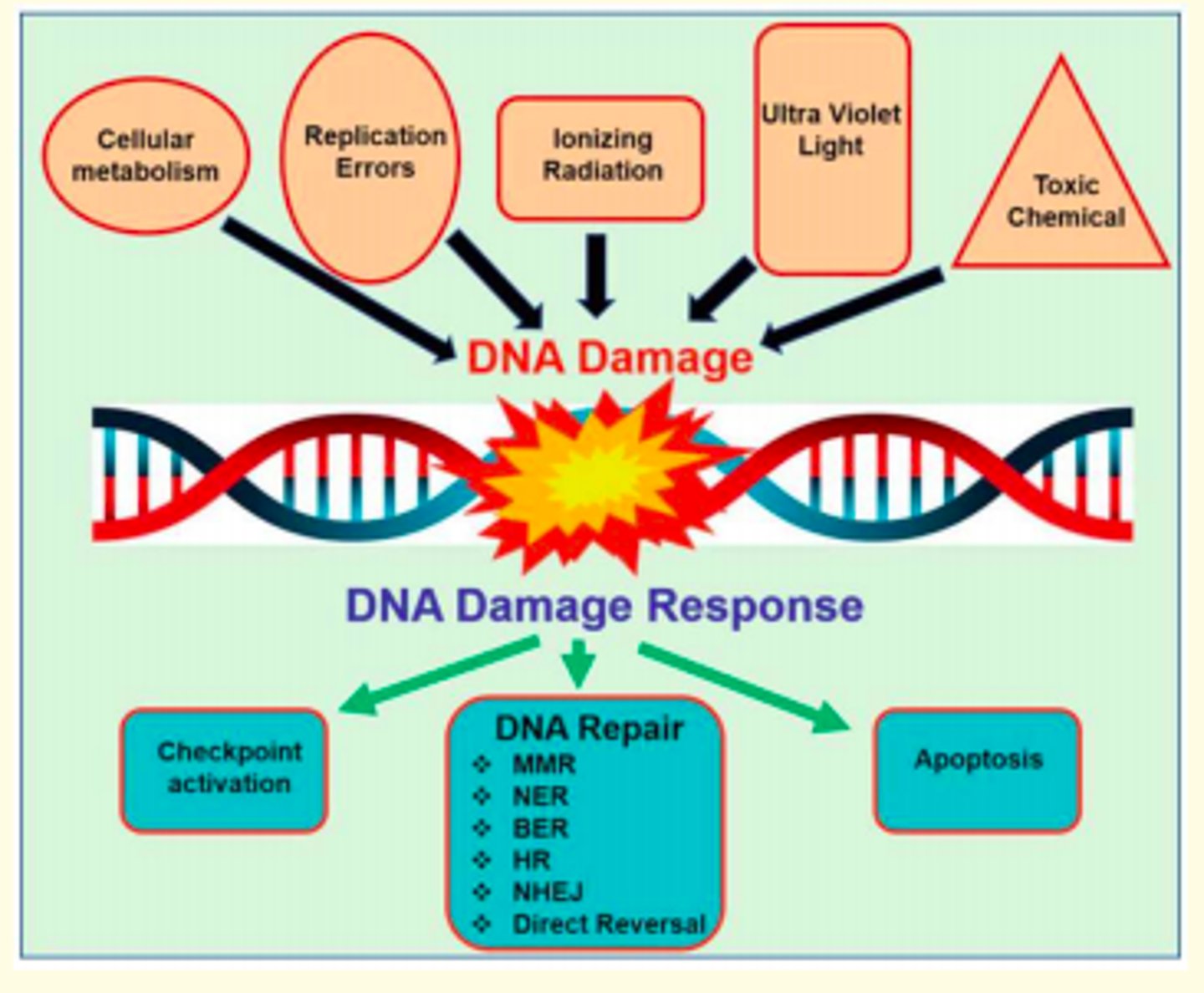
Give examples of the caretaker proteins involved in DNA repair and maintaining genomic integrity
Caretaker proteins e.g., BRCA1 and BRCA2 and XP proteins are involved in DNA repair and maintaining genomic integrity
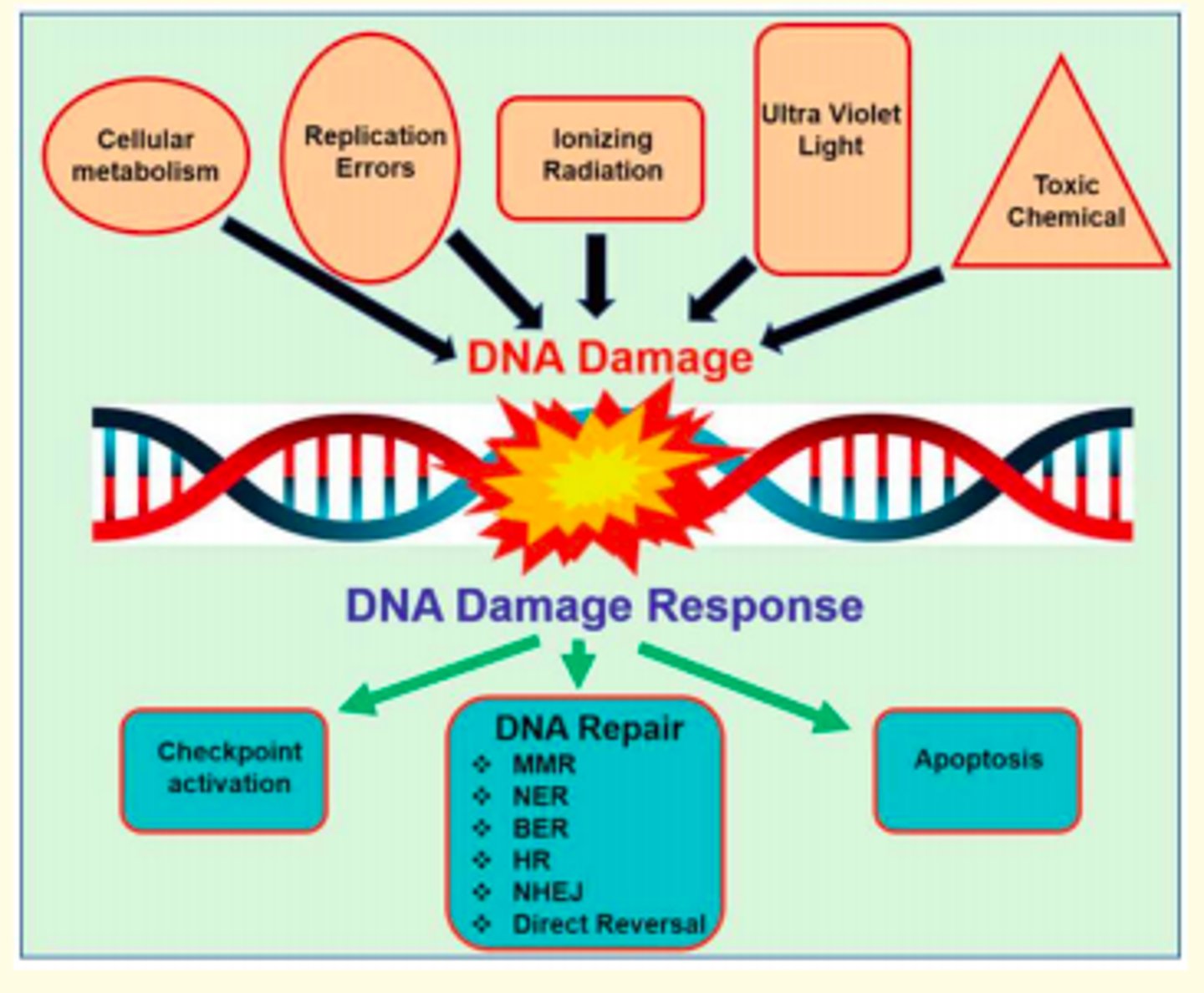
Most malignant tumours require MULTIPLE alterations affecting combination of multiple TS genes and proto-oncogenes.
Give an example of this.
Colonic carcinoma - which usually begins as colonic adenoma from which arises a carcinoma.
This is known as the adenoma-carcinoma sequence.
This illustrates the stepwise accumulation of mutations in malignant neoplasms.
Cancer progression
The stepwise accumulation of mutations is called cancer progression.
Cancer evolves by initiation and promotion and finally, by progression.
The exact number of mutations needed for a fully evolved malignant neoplasm is unknown but it is thought to be around...
10 or less
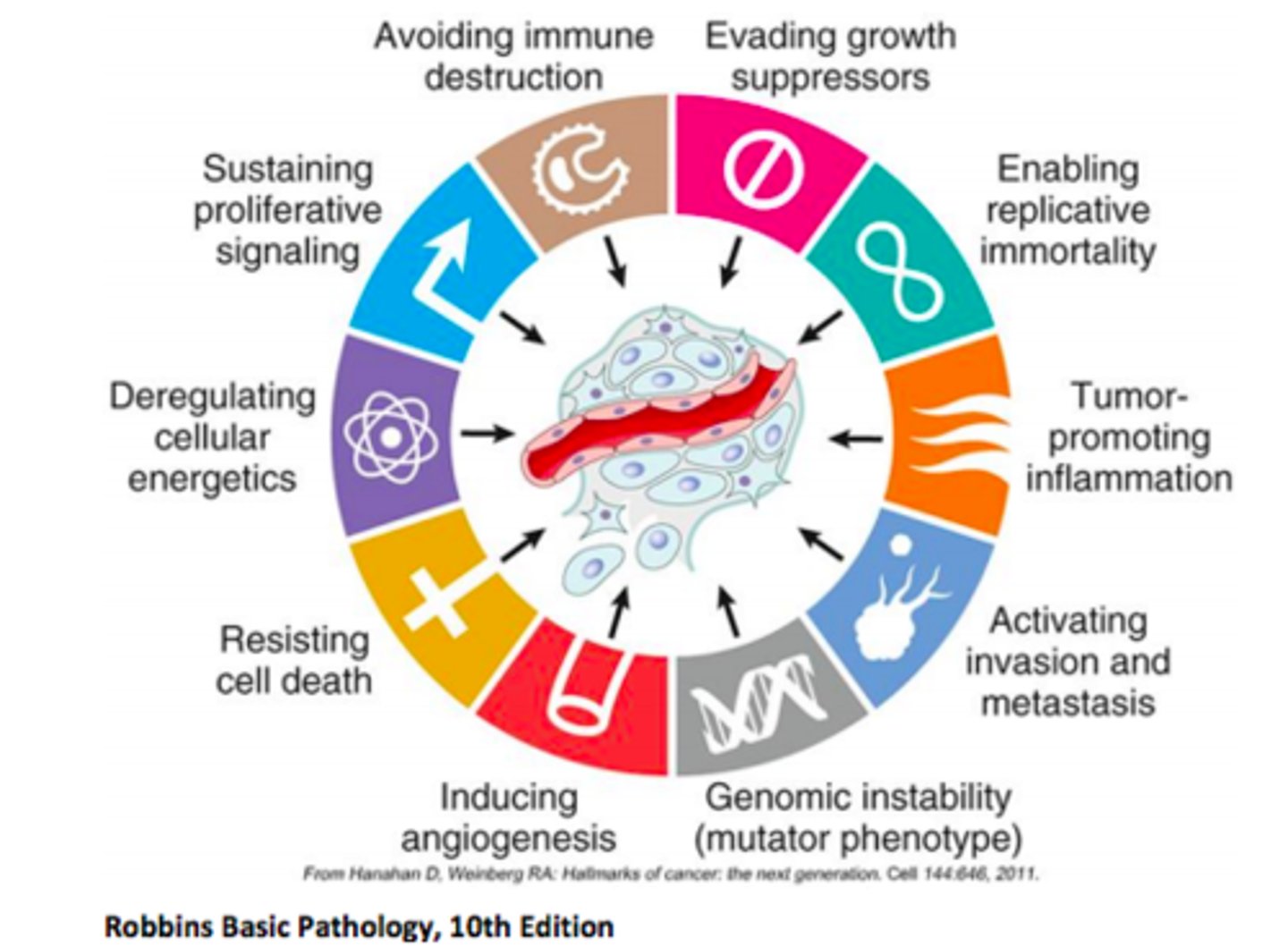
Fully evolved malignant neoplasms exhibit eight hallmarks of cancer plus two enabling features.
What are these hallmarks?
1) Self sufficiency in growth signals
2) Resistant to stop
3) Cell immortalisation
4) Angiogenesis
5) Resistance to apoptosis
6) Ability to produce metastases
7) Deregulated metabolism
8) Evading immune system
Two enabling features...
1) Genomic instability
2) Tumour-promoting inflammation
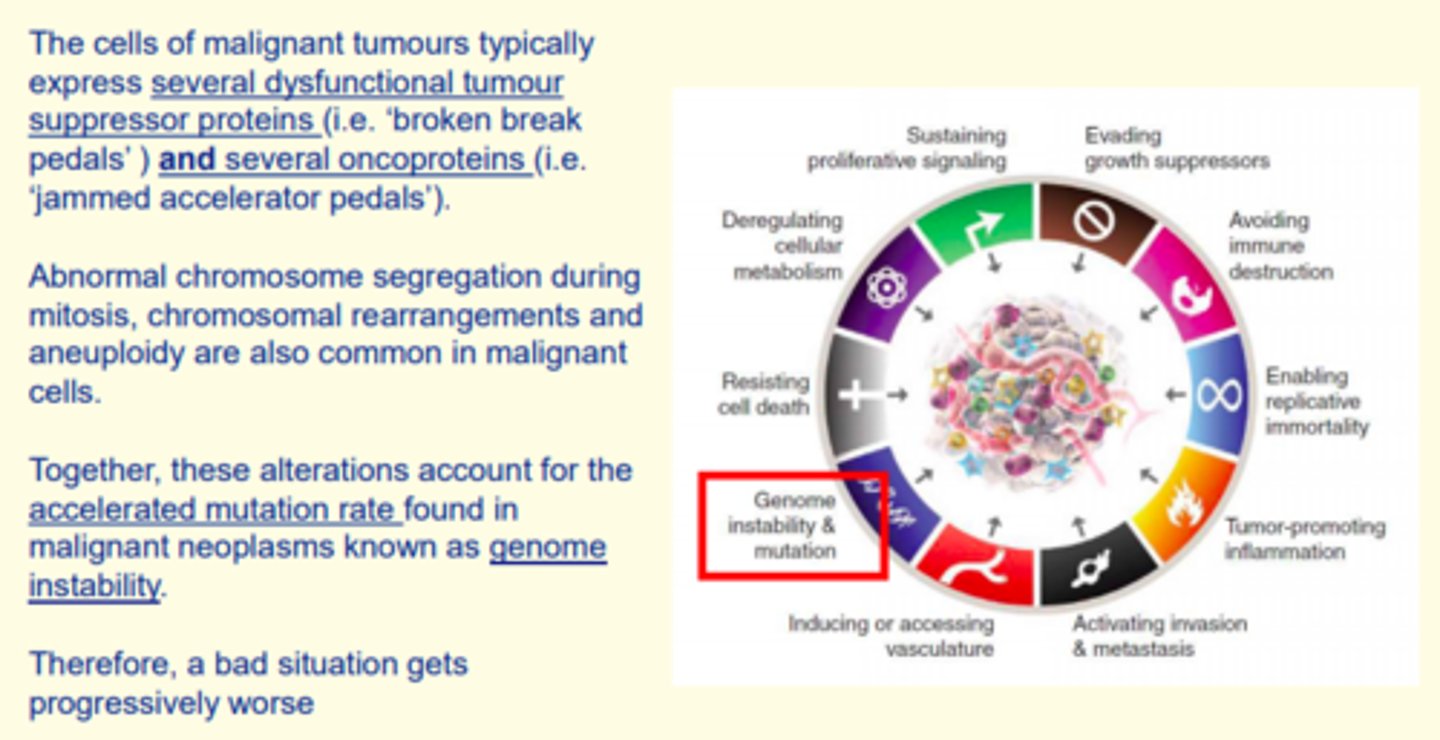
The cells of malignant tumours typically express several dysfunctional ___ ___ proteins and several ___.
The cells of malignant tumours typically express several dysfunctional tumour suppressor proteins and several oncoproteins.
Abnormal chromosome segregation during mitosis, chromosomal rearrangements and aneuploidy are also common in malignant cells.
Together, these alterations account for accelerated mutation rate found in malignant neoplasms known as genome instability.
Concerning DNA and Carcinogenesis there is an increased incidence of tumours if DNA repair mechanisms are deficient
Answer true or false
True
Concerning DNA and carcinogenesis point mutation is a possible cause of proto-oncogene activation
Answer true or false
True
Concerning DNA and Carcinogenesis proto-oncogene mutations are deactivating and tumour suppressor gene mutations are activating
Answer true or false
True
Concerning DNA and Carconogenesis the oncogenes most frequently involved in human cancer belong to the ras family
Answer true or false
True
Concerning DNA and Carcinogenesis a frame-shift mutation is likely to lead to loss of tumour suppressor gene expression
Answer true or false
True
Most viruses causing human tumours are RNA viruses
Answer true or false
True
HPV is implicated in anal and penile cancers
Answer true or false
True
DNA viruses replicate using reverse transcriptase
Answer true or false
False
EBV can cause nasopharyngeal carcinoma
Answer true or false
True
Kaposi’s sarcoma is caused by infection with HHV8
Answer true or false
True
Patients with familial adenomatous polyposis have a higher than average risk of developing cancer
Answer true or false
True
Patients with familial Paget’s disease of bone have a higher than average risk of developing cancer
Answer true or false
True
Patients with acute pyelonephritis have a higher than average risk of developing cancer
Answer true or false
False
Patients with ischaemic heart disease have a higher than average risk of developing cancer
Answer true or false
true
Patients with schistosomiasis of the bladder have a higher than average risk of developing cancer
Answer true or false
True
There is a known association between hepatocellular carcinoma and hepatitis B
Answer true or false
True
There is a known association between chondrosarcoma and rous sarcoma virus
Answer true or false
False
There is a known association between carcinoma of the cervix and human papilloma virus
Answer true or false
True
There is a known association between small cell carcinoma of lung and epstein barr virus
Answer true or false
False
There is a known association between multiple myeloma and HIV
Answer true or false
False
Stages of carcinogenesis
1) Initiation
Irreversible genetic mutation occurs in stem cell/progenitor cell
2) Promotion
Clonal expansion of initiated cells within generalised hyperplasia
Outgrowth of pre-malignant tumours = papillomas
3) Progression
Malignant conversion to an invasive carcinoma